The automotive world is rife with fascinating stories, but few are as intriguing as those surrounding factory ordering loopholes. These gaps in the system not only allowed savvy enthusiasts to customize their vehicles but also led to the creation of some of history’s most desirable cars.
Understanding Factory Ordering Loopholes
Factory ordering loopholes refer to the unintended gaps in automotive manufacturers’ ordering systems that allow consumers to request configurations or features that were not initially intended or widely available. These loopholes have significant implications in automotive manufacturing, as they enable creative customization and unique builds that reflect individual tastes and preferences. From unique color combinations to rare performance packages, these ordering loopholes empower consumers to transform ordinary models into extraordinary creations.
The emergence of these loopholes can be traced back to the 1960s and 1970s, a time when car manufacturers were still refining their production processes and responding to the burgeoning demand for customization. During this period, manufacturers often had flexible options in their ordering systems, driven by the need to compete in a rapidly evolving market. As enthusiasts sought to differentiate their vehicles, they began to exploit these gaps in the system, paving the way for the creation of some of the most iconic cars in history.
Notable Examples of Cars Born from Loopholes
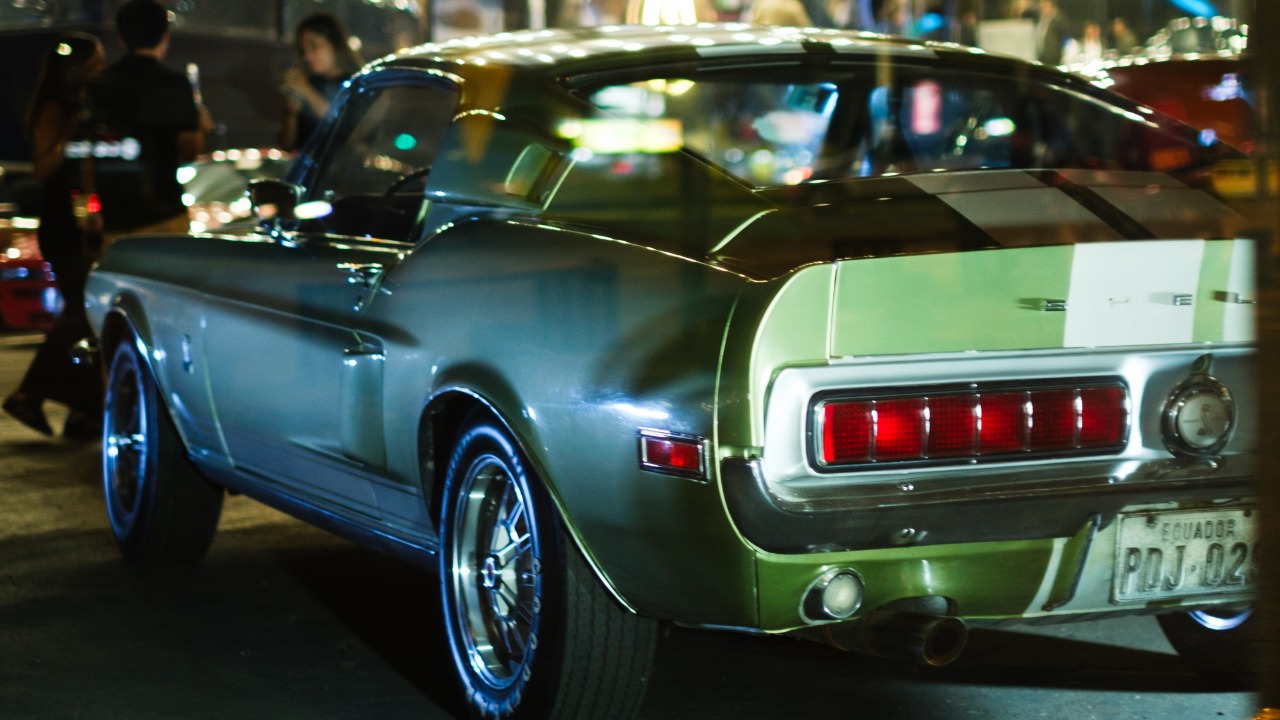
One of the most remarkable examples of factory ordering loopholes can be seen in the Ford Mustang. The early models, particularly the 1965 Mustang, benefitted from a level of ordering flexibility that allowed customers to request unique combinations of engines, trims, and exterior colors. This resulted in variations like the Mustang GT350, which was born from a combination of consumer demand and factory flexibility. These early enthusiasts created an array of beloved models that not only shaped the Mustang’s identity but also cemented its status as an American icon.
Similarly, the Chevrolet Corvette has a rich history of special editions and unique customizations that emerged from loophole exploitation. For instance, the 1967 Corvette Sting Ray, with its combination of performance and style, became a canvas for creative ordering. Consumers could request options such as the L88 engine, which was not officially advertised but could be ordered through specific channels. This led to the creation of legendary variants that are now highly sought after by collectors and enthusiasts alike.
The Porsche 911 also showcases the impact of factory ordering loopholes. Throughout its production history, particularly in the 1970s and 1980s, buyers could request unique configurations, such as the iconic 911 Turbo. Many of these configurations were not officially recognized as “factory” options, yet they resulted in limited-edition models that are now regarded as some of the most desirable cars in the world. The unique blend of performance and customization options made these vehicles not just cars, but coveted pieces of automotive history.
The Role of Enthusiasts and Collectors
Enthusiasts and collectors have played a pivotal role in leveraging factory ordering loopholes to create one-of-a-kind vehicles. Figures like Bob Bondurant, famed racing driver and founder of the Bondurant School of High-Performance Driving, took advantage of these gaps to customize his vehicles for both performance and aesthetics. His passion for unique builds inspired many others to push the boundaries of what was possible with factory orders, resulting in vehicles that were not only personalized but also performance-oriented.
The collector’s market has also seen significant growth for cars produced through these loopholes. Vehicles like the 1969 Ford Mustang Boss 429 and the 1970 Chevrolet Chevelle SS 454 have gained legendary status among collectors, often fetching astronomical prices at auctions. The rarity and unique configurations of these models make them desirable not just for their performance but also for their stories. As enthusiasts share their knowledge and experiences, the value of these cars continues to rise, solidifying their place in automotive history.
Automotive clubs and communities have also contributed to the preservation of knowledge regarding factory ordering strategies. Organizations like the National Corvette Museum and various Mustang clubs provide resources and forums where members can share their experiences and tips on how to navigate factory ordering systems. These communities foster a spirit of camaraderie and enthusiasm, ensuring that the legacy of these unique vehicles and their loophole origins are preserved for future generations.
Legal and Ethical Considerations
As factory ordering loopholes have gained notoriety, they have also sparked discussions about the ethical implications of exploiting these gaps. The line between legitimate customization and exploitation can often be blurry. Manufacturers strive to find a balance between offering customization options that satisfy consumer desires while maintaining control over their production processes. For instance, when consumers order a vehicle with features that were not intended to be combined, manufacturers may question the integrity of their ordering systems.
Some companies have faced consequences as a result of loophole exploitation. In response to the increasing prevalence of such orders, manufacturers like General Motors and Ford have tightened their controls on factory orders, implementing stricter guidelines and reducing the flexibility of their ordering systems. This shift aims to protect both the brand reputation and the integrity of the production process. However, it also raises questions about the fairness of the automotive market and the impact on consumer trust.
The ongoing debate about fairness in the automotive market continues as enthusiasts express concerns that limiting factory orders may stifle creativity and customization. Many argue that customers should have the right to personalize their vehicles to their liking, while manufacturers maintain that maintaining consistency and quality control is paramount. The challenge remains for manufacturers to strike the right balance between allowing customization and protecting the integrity of their production processes.
The Evolution of Factory Ordering Practices
Over the years, changes in manufacturing technology and shifting consumer preferences have led to significant evolution in factory ordering practices. The rise of digital technology has transformed how customers interact with manufacturers, with many now utilizing online platforms to customize their vehicles. Companies such as Tesla have pioneered online ordering systems that allow consumers to build their cars virtually, offering a level of personalization previously unimaginable. This shift toward online systems has streamlined the ordering process, making it easier for enthusiasts to explore their customization options.
However, the shift to online ordering has also raised questions about the future of factory ordering loopholes. As manufacturers increasingly rely on sophisticated software systems to manage orders, the potential for loopholes may diminish. Algorithms designed to optimize production and minimize errors can limit the flexibility that once allowed for creative configurations. This raises important questions about whether enthusiasts will still have opportunities to create unique builds, or if the future will see a more standardized approach to vehicle customization.
Looking ahead, it remains to be seen whether factory ordering loopholes will continue to exist in the automotive landscape. As manufacturers adapt to consumer demands and technological advancements, the potential for loopholes may shift. While some may argue that the elimination of loopholes could lead to a more equitable market, others fear it could stifle the creativity and individuality that have long been hallmarks of automotive enthusiast culture. The evolution of factory ordering practices is likely to continue shaping the automotive industry in the years to come.
Cultural Impact of Loophole Cars
The cultural impact of cars created from factory ordering loopholes is profound, influencing various aspects of pop culture, including film, music, and art. For instance, the 1968 Ford Mustang GT driven by Steve McQueen in the film “Bullitt” became an icon of American cinema, largely due to its unique specifications and the mystique surrounding its production. Such vehicles have entered the collective consciousness, becoming symbols of freedom, rebellion, and individuality.
Social media has played a significant role in promoting and preserving the legacy of these desirable vehicles. Platforms like Instagram and TikTok allow enthusiasts to showcase their unique builds, share restoration projects, and connect with like-minded individuals. This digital age of sharing has not only fostered a sense of community but also heightened awareness of the historical significance of factory-order loophole cars. Enthusiasts can easily access information about rare models, special editions, and customization strategies, ensuring that the stories behind these vehicles are celebrated and remembered.
Ultimately, factory-order loophole cars have cemented their place in automotive history as collector’s items and symbols of individual expression. Their unique configurations and the stories behind them have created a rich tapestry of automotive culture, reflecting the passions and desires of enthusiasts who dared to push the boundaries of the automotive industry. As the landscape of car manufacturing evolves, the cultural significance of these vehicles will likely endure, reminding us of the creativity and innovation that define the automotive world.
More from Fast Lane Only
- Unboxing the WWII Jeep in a Crate
- 15 rare Chevys collectors are quietly buying
- 10 underrated V8s still worth hunting down
- Police notice this before you even roll window down
*Research for this article included AI assistance, with all final content reviewed by human editors.