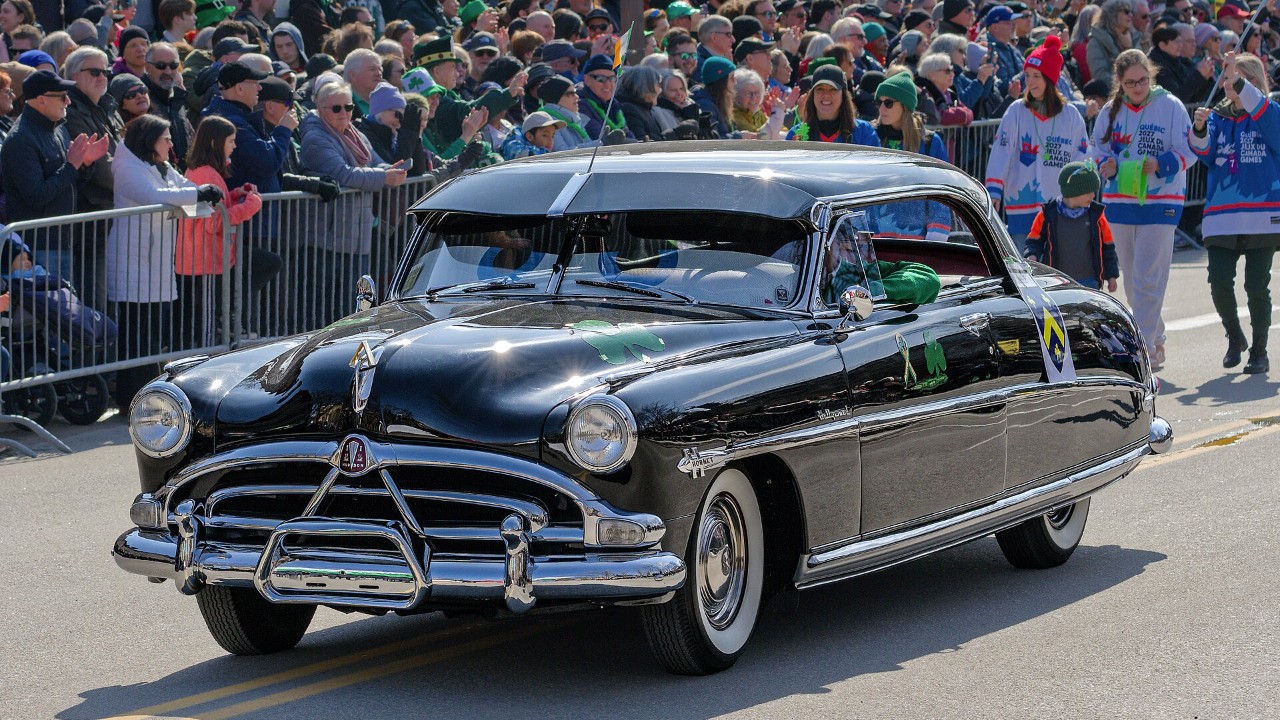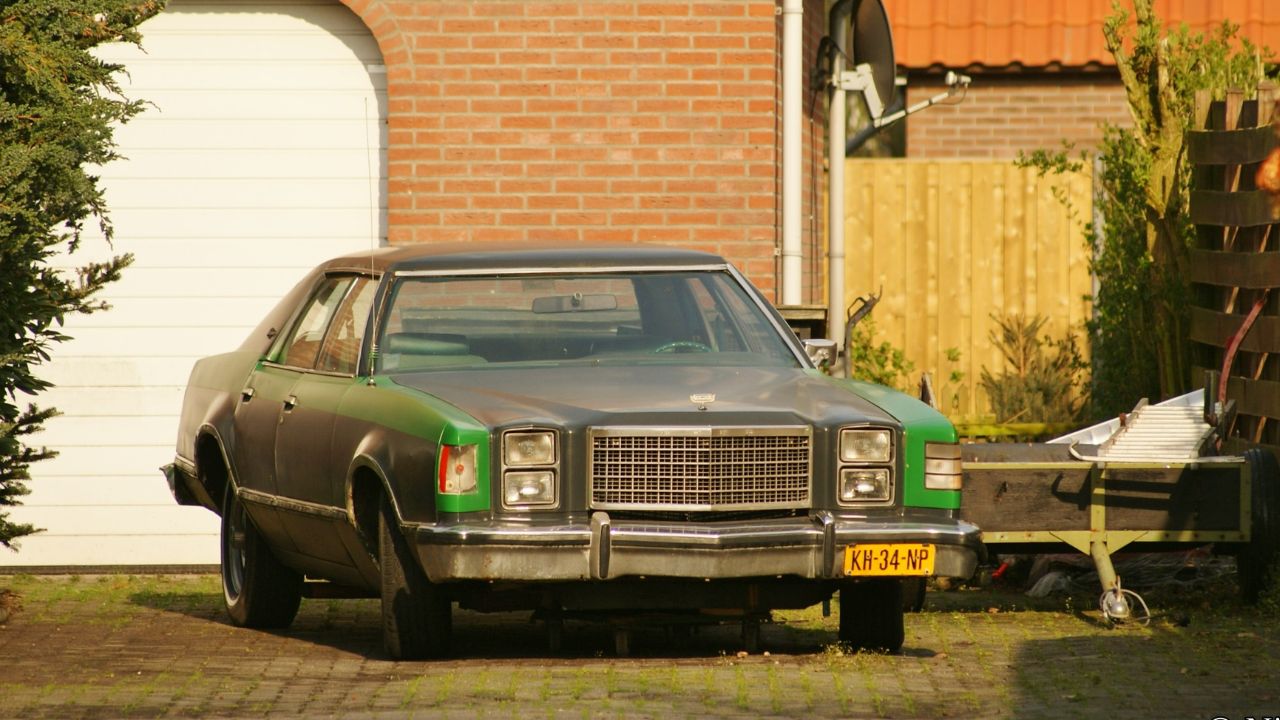
The years between 1973 and 1982 brought fuel shortages, stricter emissions standards, and changing consumer priorities, yet automotive designers still found ways to create memorable vehicles. While performance often declined, style remained an important selling point. These automobiles demonstrated that distinctive design, comfort, and personality could still flourish during one of the industry’s most challenging periods.
Chevrolet Camaro
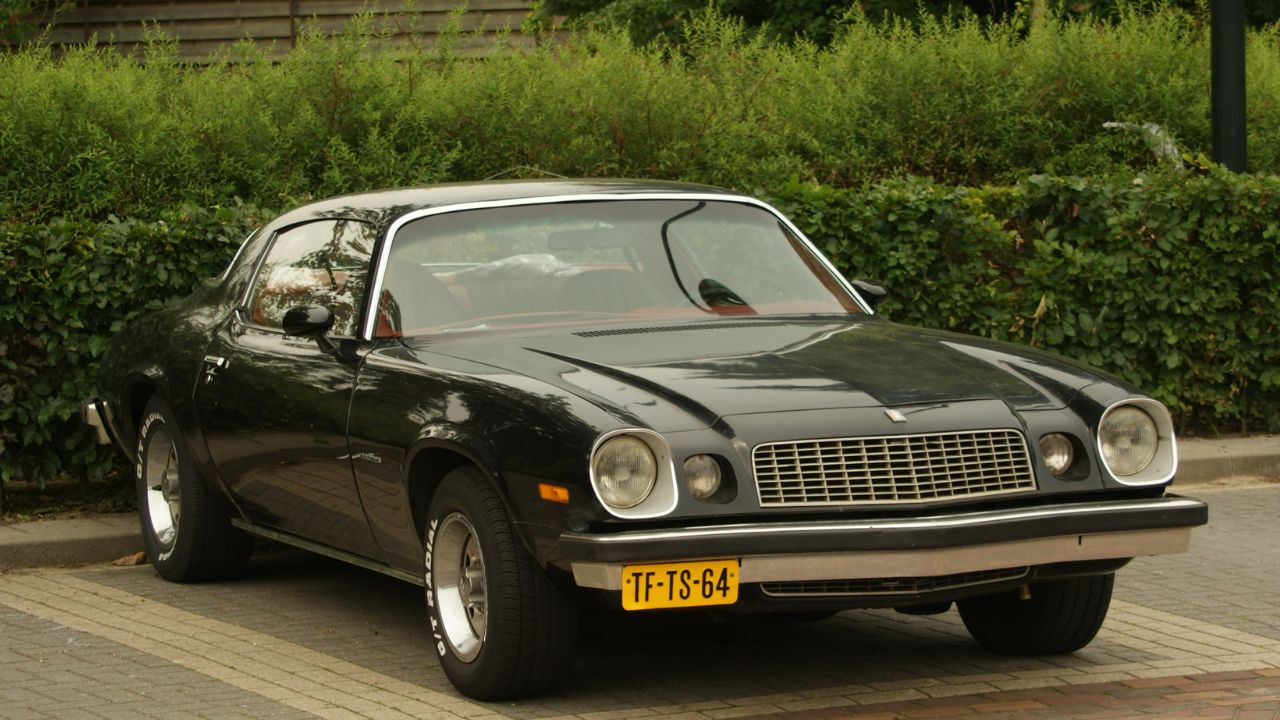
The Chevrolet Camaro retained its sporty appeal despite tightening regulations and reduced horsepower. Long hood proportions, aggressive front styling, and available graphics packages helped it remain one of America’s most recognizable performance cars. Although it evolved to meet changing times, the Camaro never lost the visual character that made it a favorite among enthusiasts.
Pontiac Grand Prix
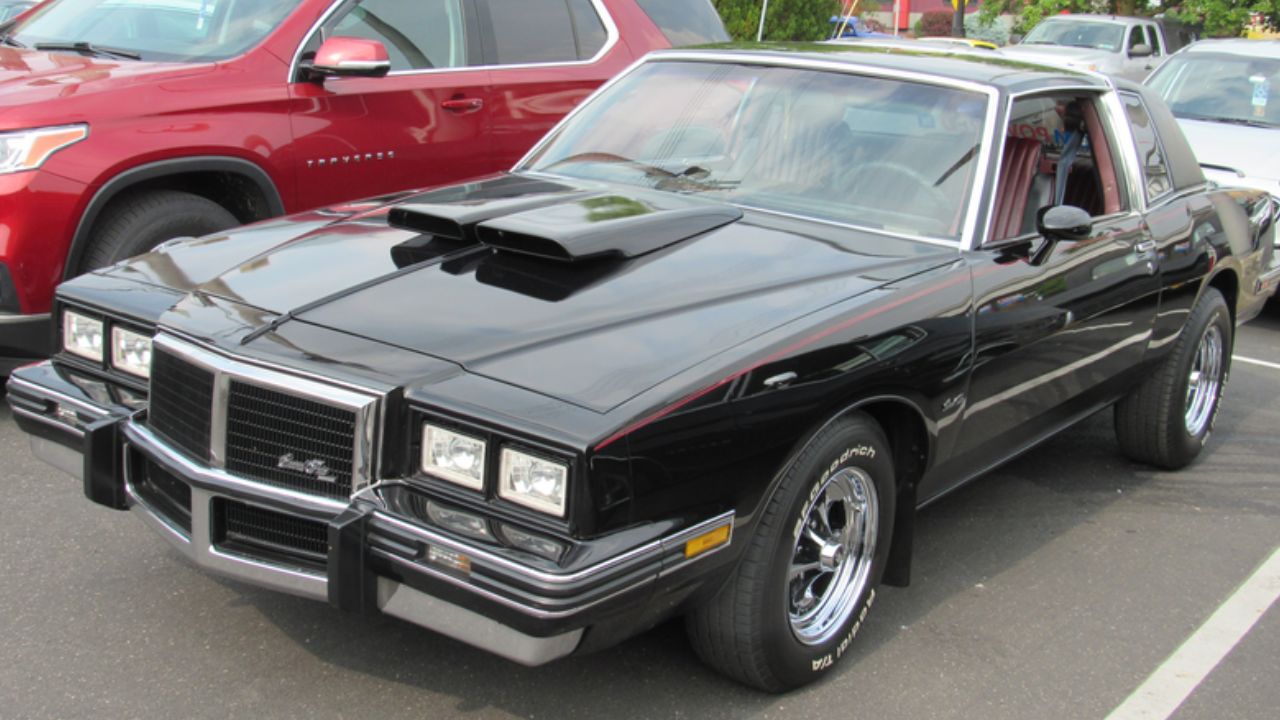
The Pontiac Grand Prix embraced the personal luxury trend with a distinctive split grille, elegant body lines, and upscale interiors. It traded outright performance for comfort and style, appealing to buyers who wanted a refined driving experience. Its combination of premium features and unmistakable design helped the Grand Prix remain one of Pontiac’s standout models.
Ford LTD II
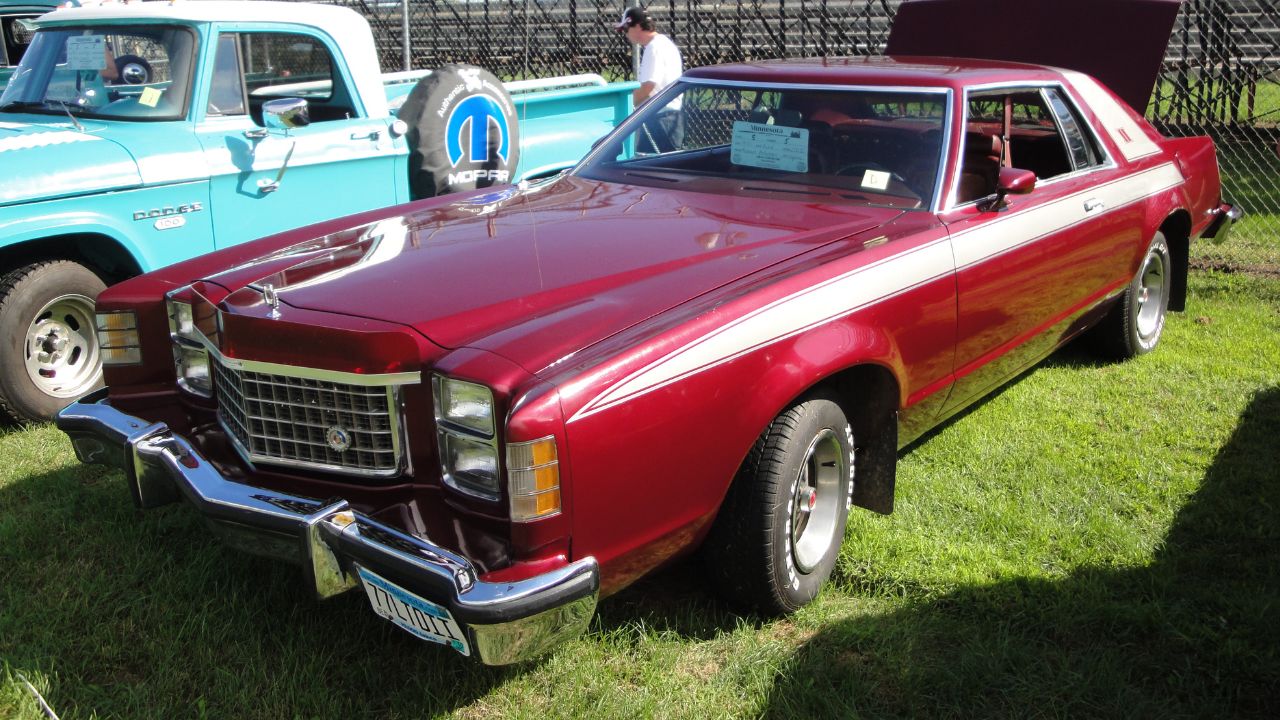
The Ford LTD II delivered traditional American comfort wrapped in clean, modern styling that reflected the changing tastes of the late 1970s. Spacious interiors, smooth highway performance, and restrained chrome details gave it broad appeal. While often overlooked today, the LTD II represents an era when practicality and attractive design successfully coexisted.
Buick Riviera
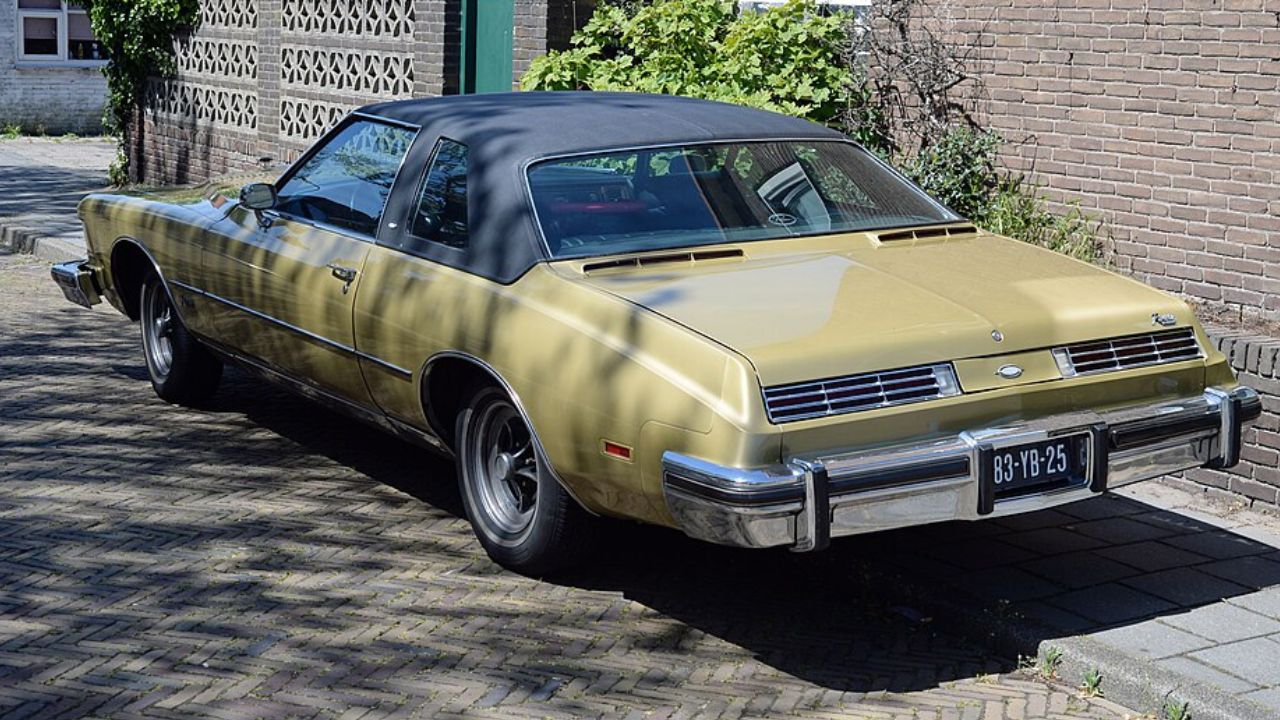
The Buick Riviera continued to stand apart with its elegant styling and luxurious appointments throughout the late 1970s. Smooth body contours, comfortable seating, and refined V8 performance made it a favorite among buyers seeking premium transportation. The Riviera proved that luxury automobiles could remain stylish even as the industry adapted to new challenges.
Chrysler LeBaron
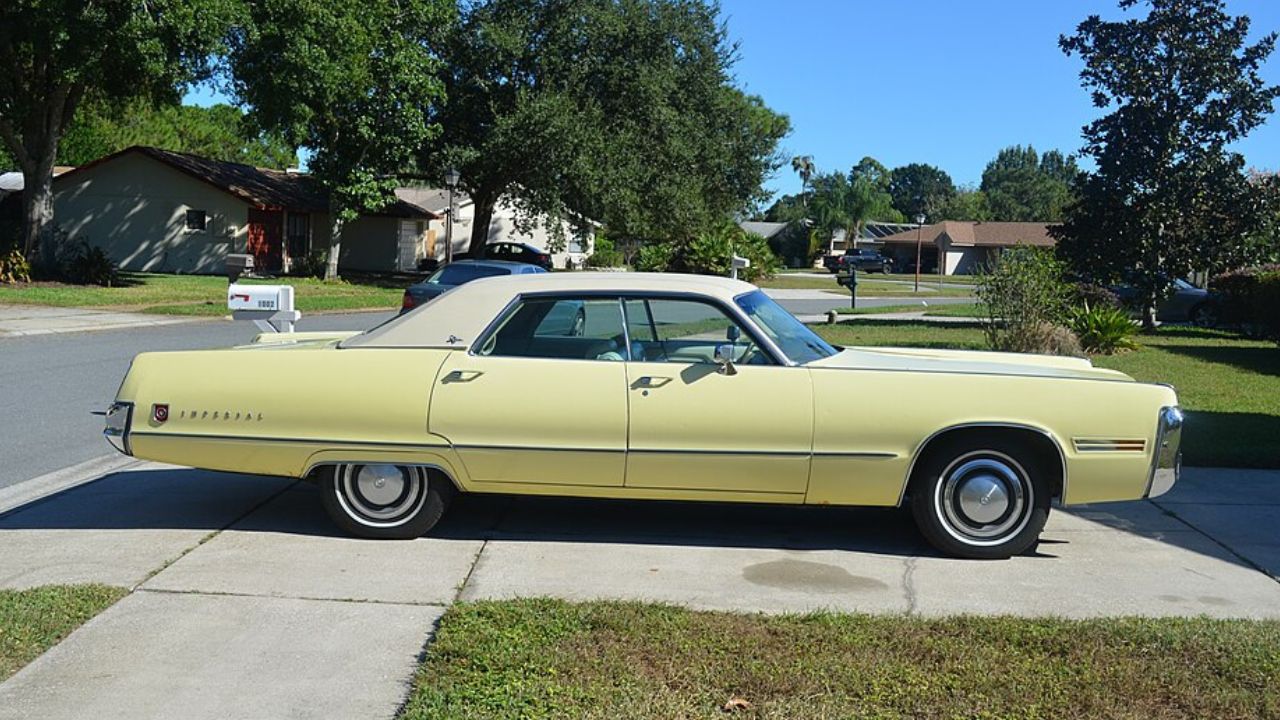
The Chrysler LeBaron combined formal styling with premium comfort, offering buyers an affordable taste of luxury. Its distinctive front-end design, plush interior, and smooth ride reflected the growing popularity of personal luxury automobiles. The LeBaron became an important part of Chrysler’s lineup and remains a recognizable symbol of late-1970s automotive design.
Oldsmobile Toronado
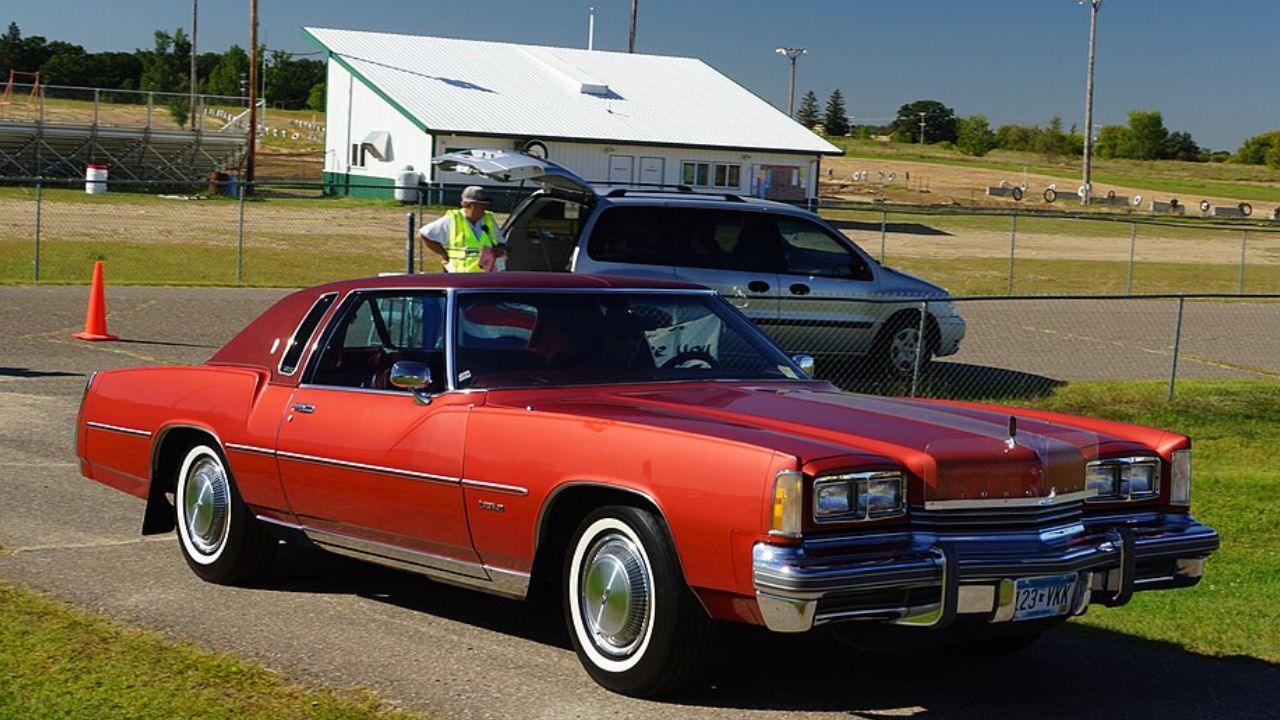
The Oldsmobile Toronado continued to showcase front-wheel-drive innovation while adopting cleaner styling during the late 1970s. Its broad stance, comfortable cabin, and smooth highway manners made it an appealing grand touring automobile. The Toronado demonstrated that advanced engineering and sophisticated styling could still thrive during a difficult decade.
Mercury Cougar XR-7
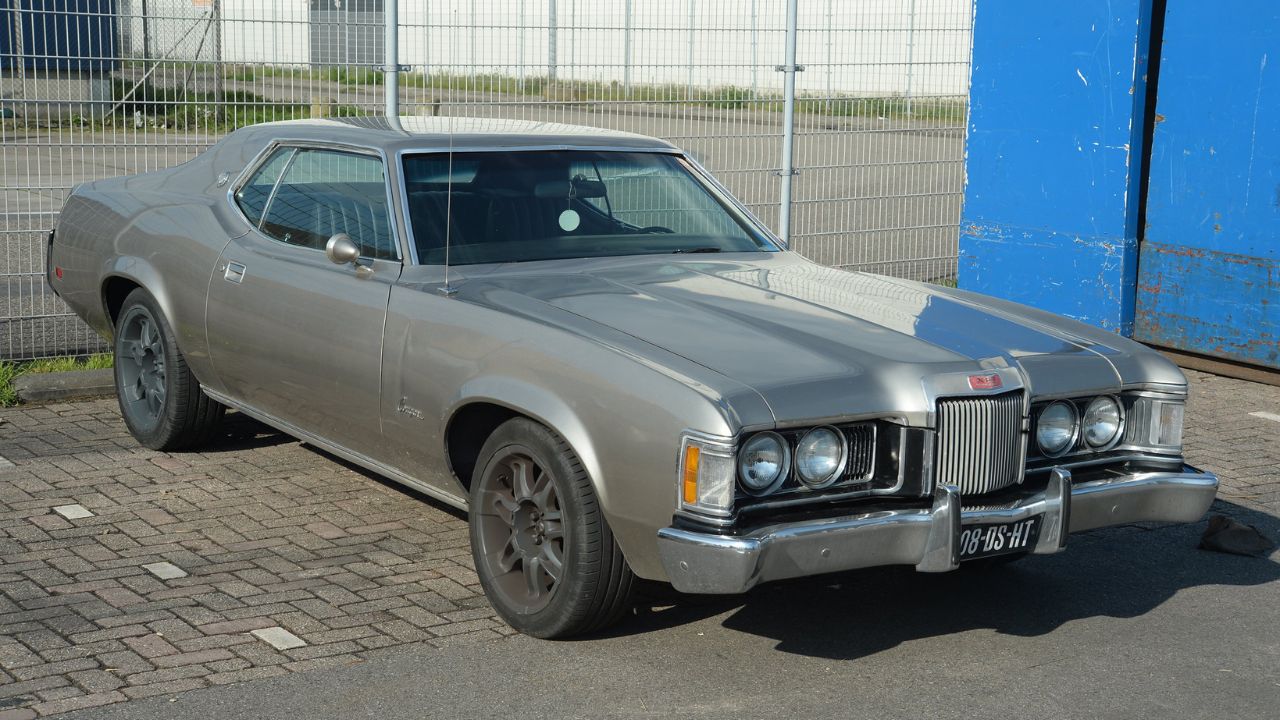
The Mercury Cougar XR-7 evolved into a stylish personal luxury automobile with elegant proportions, premium trim, and refined road manners. Buyers appreciated its comfortable interior and distinctive appearance, while its balanced design aged remarkably well. Today, the XR-7 has become increasingly respected as an overlooked classic from the Malaise Era.
Dodge Mirada
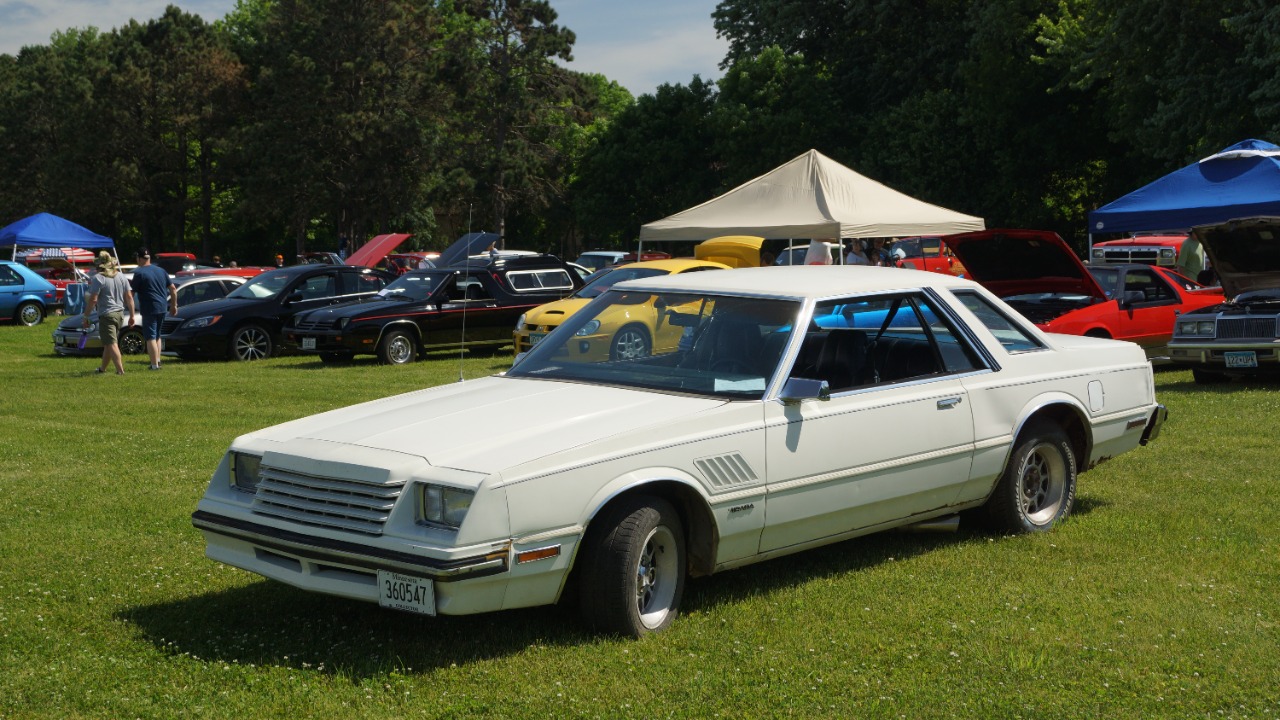
The Dodge Mirada offered a sleek two-door design that blended personal luxury with understated sportiness. Its clean roofline, tasteful chrome accents, and comfortable interior helped distinguish it from more conventional family cars. Produced for only a short time, the Mirada has earned appreciation among collectors seeking distinctive Chrysler products from the early 1980s.
Lincoln Continental Mark VI
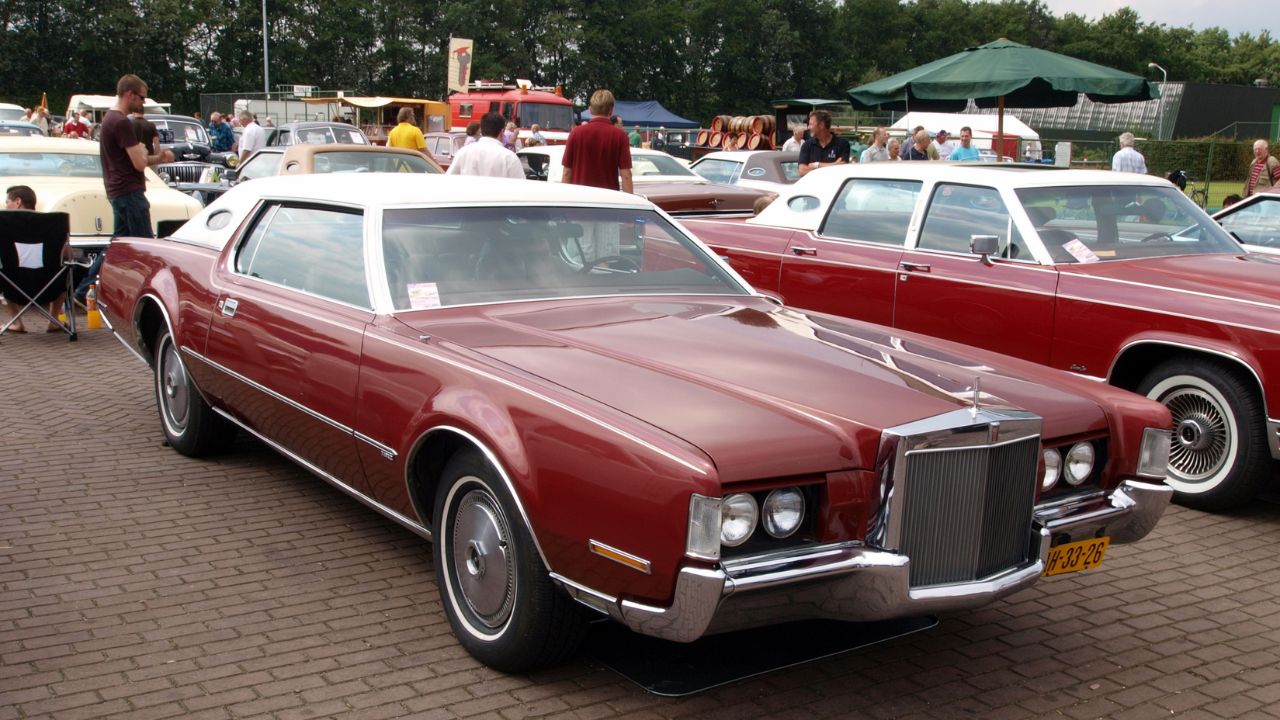
The Lincoln Continental Mark VI represented American luxury with formal styling, a richly appointed interior, and advanced electronic features. Its crisp body lines reflected changing design trends while preserving Lincoln’s signature elegance. The Mark VI remains a noteworthy example of how luxury manufacturers adapted to a rapidly evolving automotive marketplace.
Cadillac Seville

The Cadillac Seville introduced a more compact approach to American luxury while maintaining premium craftsmanship and distinctive styling. Its crisp lines, refined interior, and smooth performance appealed to buyers looking for sophistication without excessive size. The Seville successfully demonstrated that Cadillac could evolve while preserving its prestigious identity.
AMC Spirit
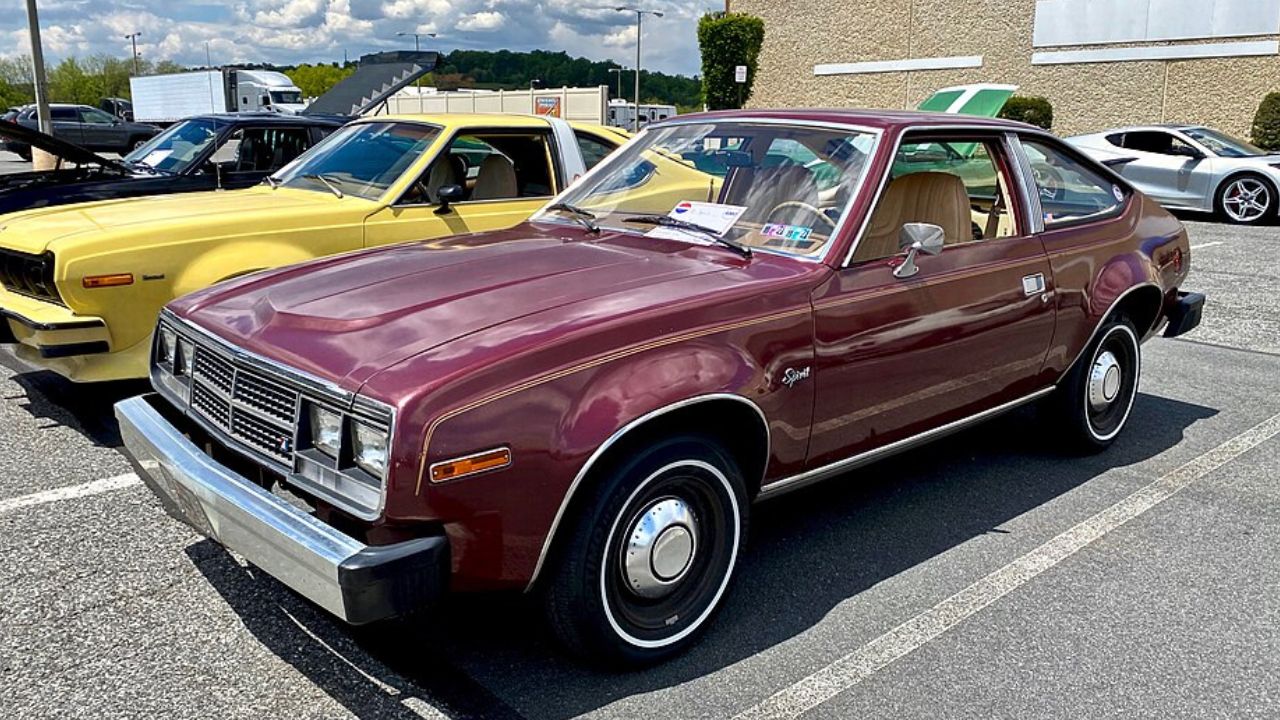
The AMC Spirit proved that compact automobiles could still have personality during an era dominated by efficiency concerns. Its sporty styling, practical dimensions, and available performance options gave it broad appeal. As one of AMC’s final original designs, the Spirit has become an increasingly appreciated reminder of the company’s creativity and resilience.
Datsun 280ZX

The Datsun 280ZX combined sleek styling with dependable engineering and grand touring comfort. Rather than focusing solely on outright performance, it offered refinement, reliability, and modern features that appealed to a broad audience. Its lasting popularity has shown that thoughtful design and everyday usability could create a true automotive icon during challenging times.
More from Fast Lane Only
- Unboxing the WWII Jeep in a Crate
- 15 rare Chevys collectors are quietly buying
- 10 underrated V8s still worth hunting down
- Police notice this before you even roll window down
*Research for this article included AI assistance, with all final content reviewed by human editors