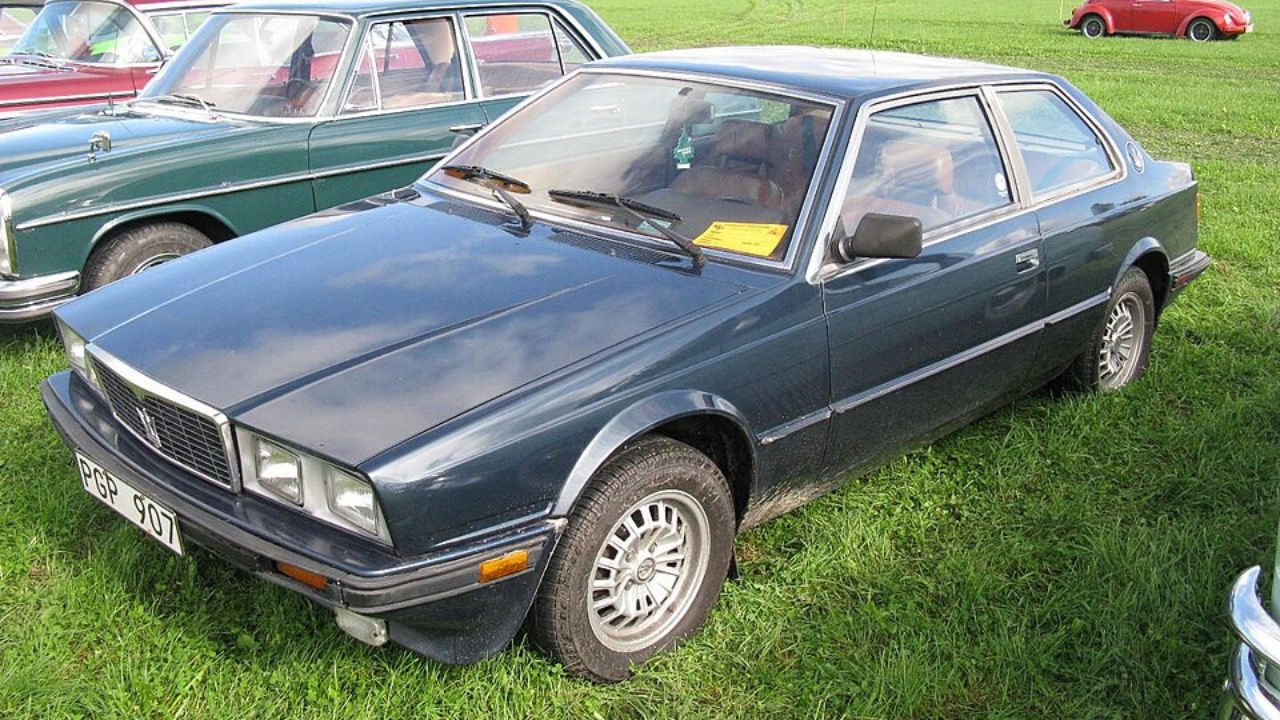
Turbocharging transformed many performance cars, delivering impressive power from relatively small engines. But forced induction also introduced additional heat, pressure, and mechanical complexity, and some early turbocharged cars struggled with reliability as they aged. These eight classics can still be fascinating to collectors, but their troublesome components, expensive repairs, or demanding maintenance make them cars worth approaching with caution.
Pontiac Trans Am Turbo
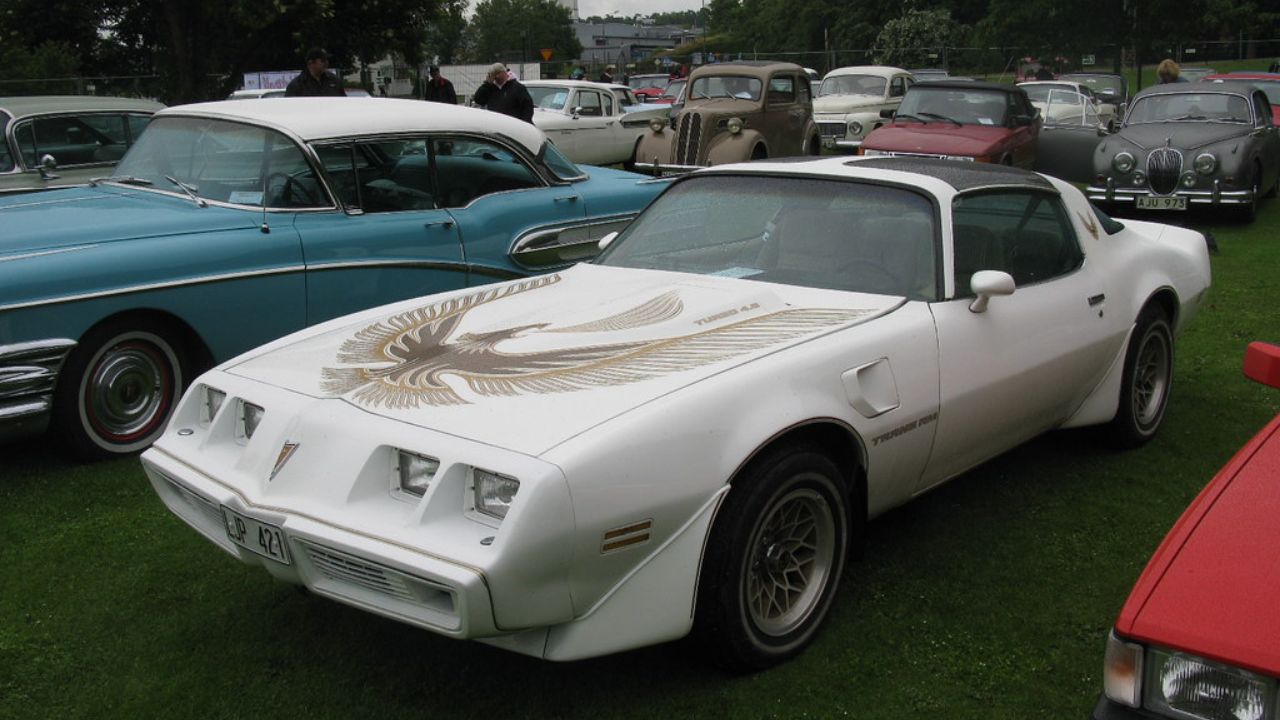
The Pontiac Trans Am Turbo gave the Firebird a sophisticated performance option during an era when emissions rules were forcing manufacturers to rethink power. Its turbocharged 4.9-liter V8 was unusual, but the combination of turbocharging, electronic controls, and relatively low compression created a complicated package. Performance was not always as impressive as the styling suggested, while aging turbo components and fuel-system issues can make neglected examples expensive to sort out.
Chevrolet Corvair Monza Spyder
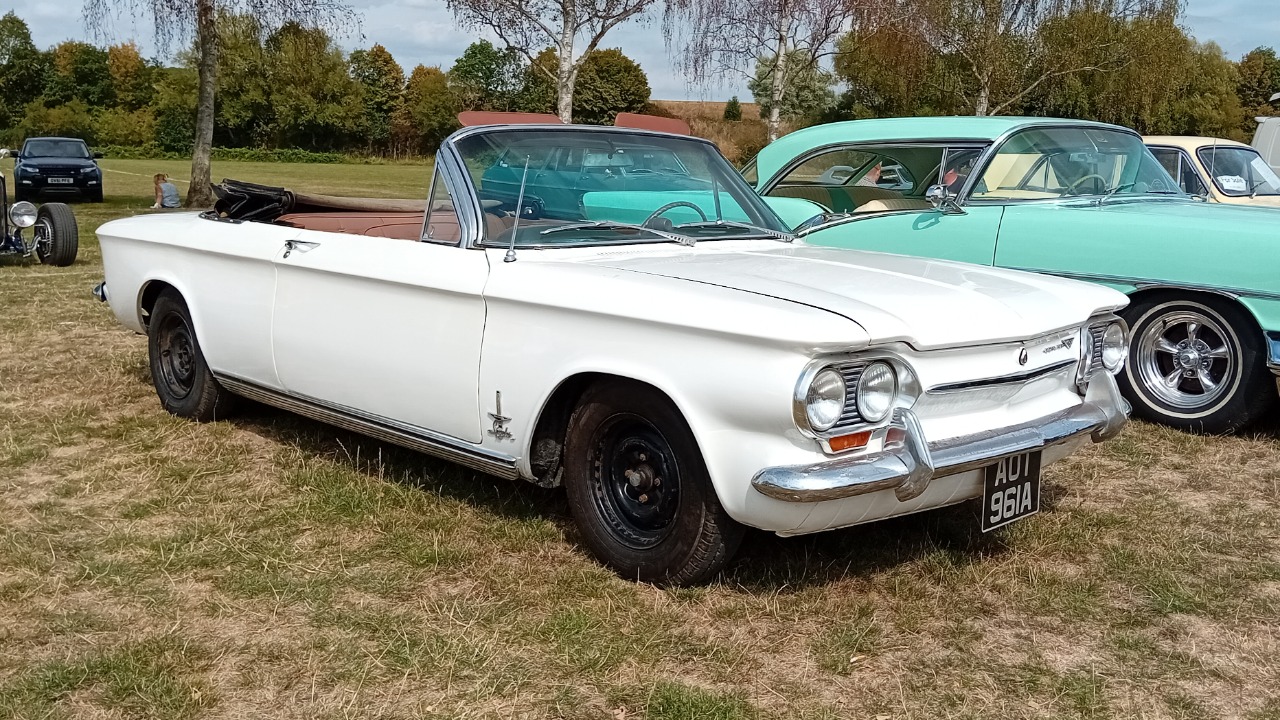
The Chevrolet Corvair Monza Spyder was one of America’s earliest production turbocharged passenger cars. Its rear-mounted flat-six used a turbocharger to produce impressive output for its small displacement, but the system added complexity to an engine already requiring careful maintenance. Cooling, lubrication, and turbocharger condition are especially important on surviving cars. A neglected example can quickly turn an affordable curiosity into a demanding restoration project.
BMW 745i

The BMW 745i brought turbocharging into BMW’s luxury sedan lineup, pairing a turbocharged six-cylinder engine with sophisticated equipment. When properly maintained, it offered strong performance and impressive refinement, but aging turbo hardware and complex supporting systems can become expensive problems. Its luxurious specification also means there are more components to inspect than on a simpler classic. Buying a neglected example can therefore require considerable patience and money.
Maserati Biturbo
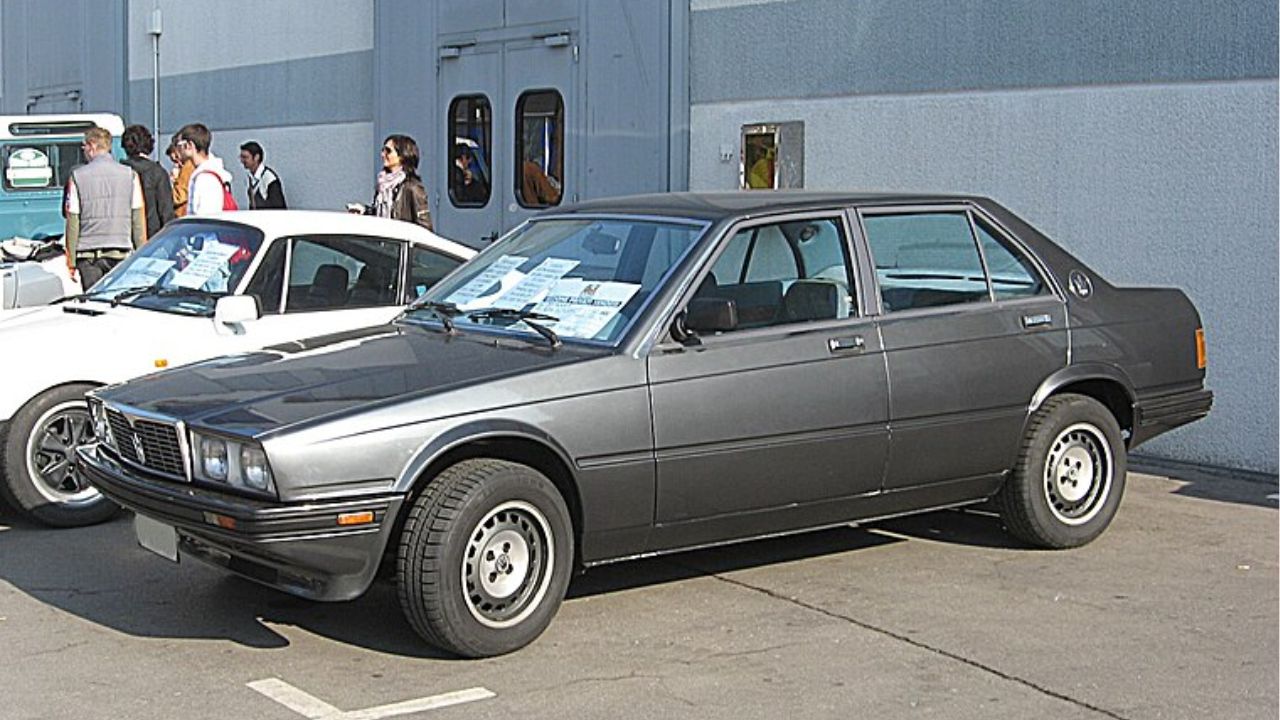
The Maserati Biturbo delivered remarkable performance and Italian style in a compact package, but its reputation for reliability became a major part of its story. The twin-turbocharged V6 generated strong power while placing substantial demands on cooling, lubrication, and electrical systems. Poor maintenance could quickly turn minor issues into expensive repairs. Today, an exceptionally well-kept Biturbo can be rewarding, but cheap neglected examples deserve serious caution.
Saab 99 Turbo
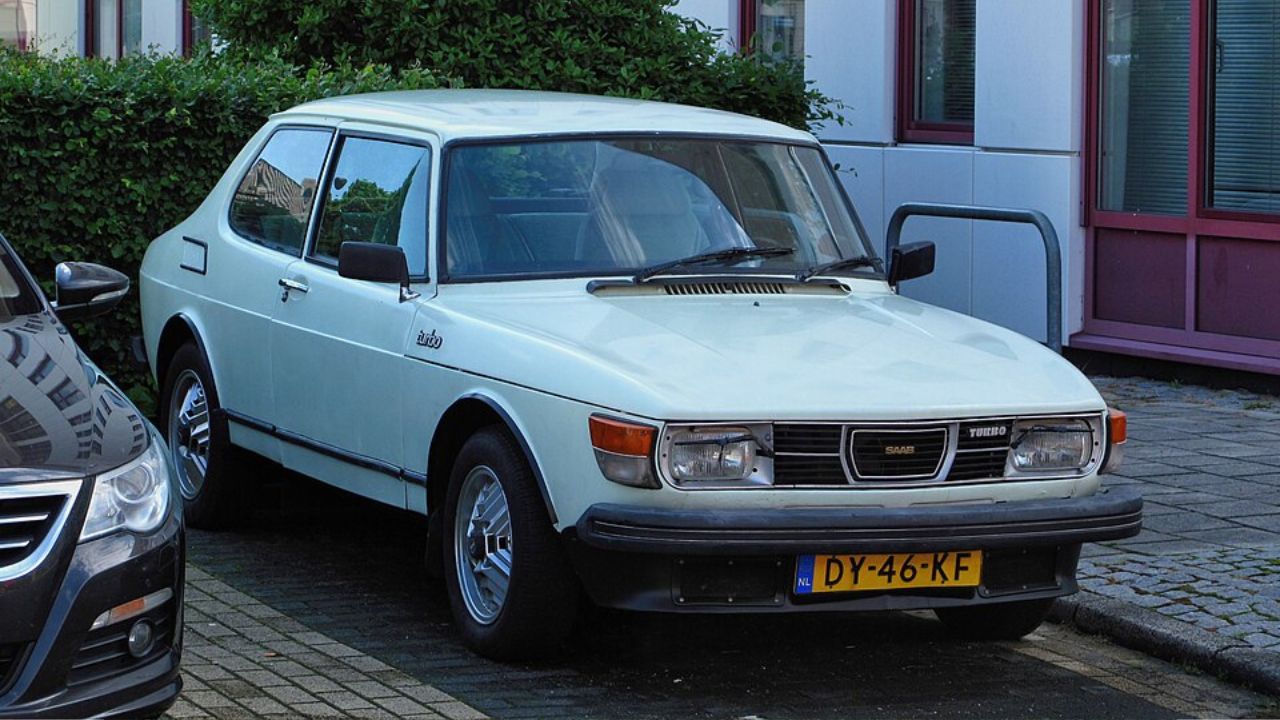
The Saab 99 Turbo helped demonstrate how turbocharging could provide strong performance without requiring a large engine. Its engineering was innovative, but early turbo systems demanded careful maintenance and proper oil management. Age can also expose weaknesses in fuel injection, cooling, and turbocharger components. The 99 Turbo remains historically important, yet buyers looking for simple classic-car ownership may find its specialized systems more demanding than expected.
Renault 18 Turbo
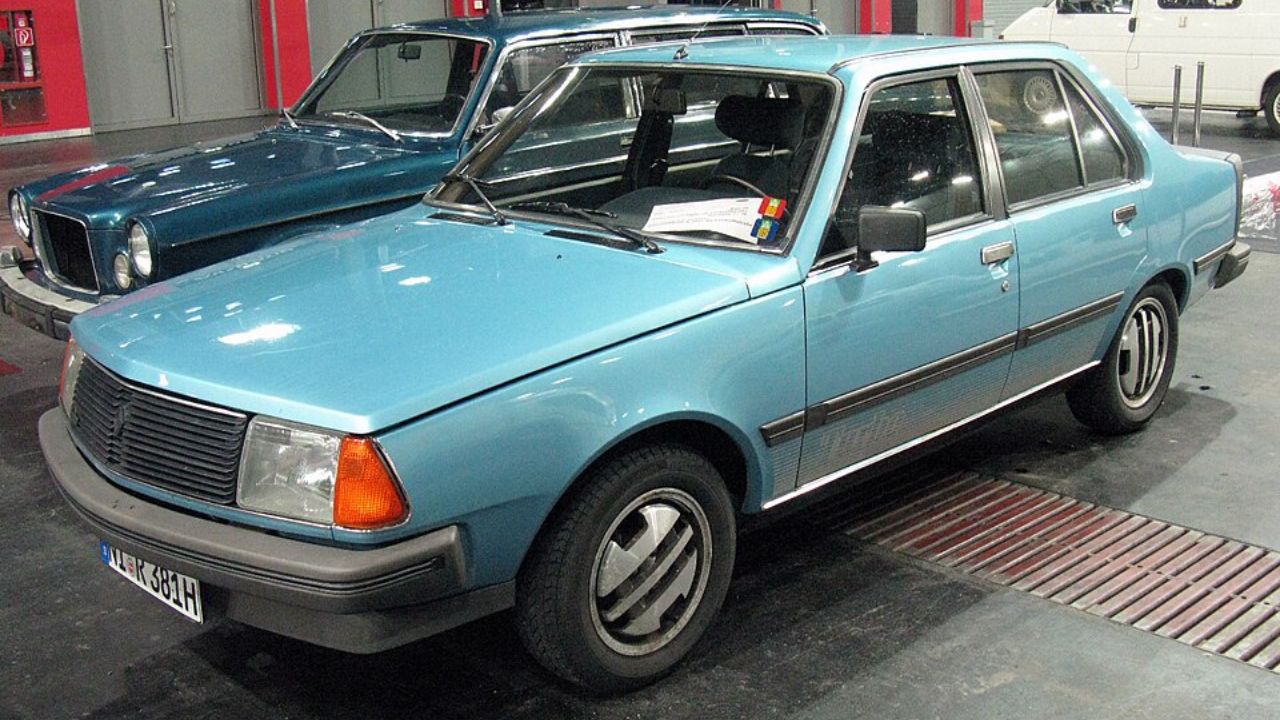
The Renault 18 Turbo combined practical family-car packaging with forced induction, giving the ordinary-looking sedan surprisingly strong performance. However, turbocharged components added complexity to a platform designed primarily for everyday transportation. Aging electrical systems, cooling components, and turbo hardware can create difficult restoration work. Surviving examples are uncommon, but rarity alone does not make a neglected 18 Turbo an easy or inexpensive classic to own.
Chrysler LeBaron Turbo
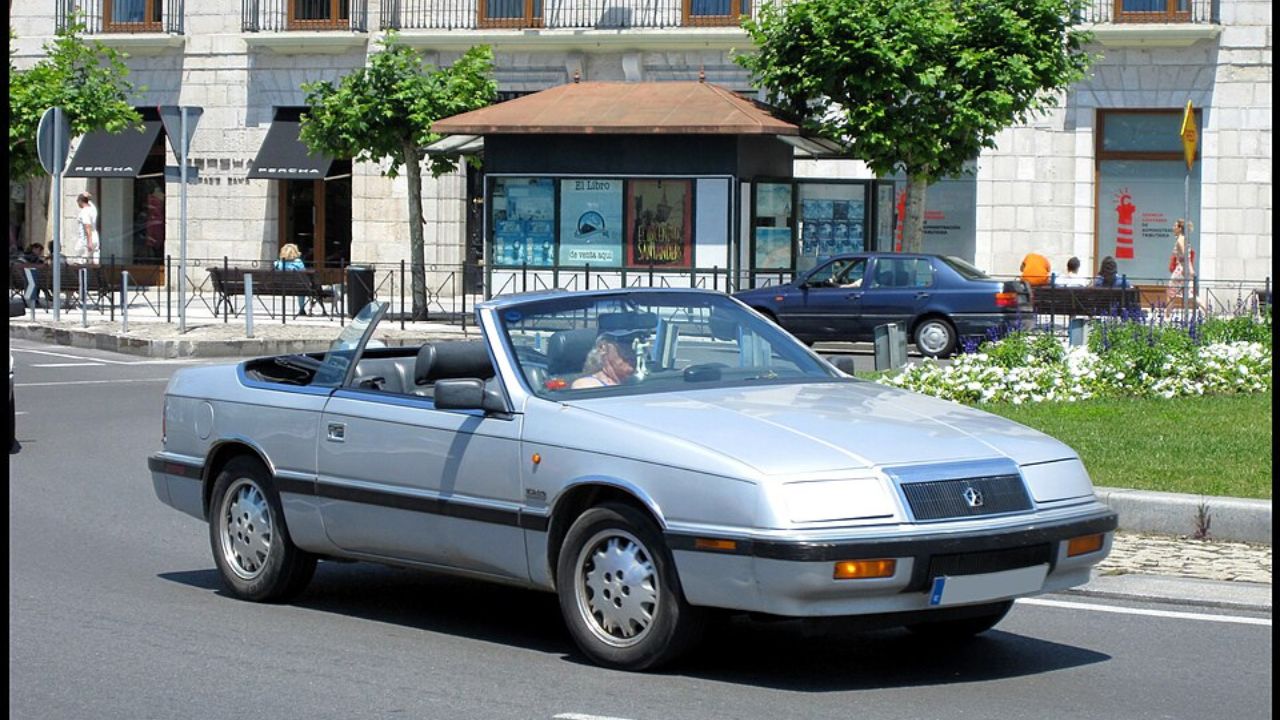
The Chrysler LeBaron Turbo offered affordable turbocharged performance during the 1980s, but its combination of early electronic controls and forced induction has not always aged gracefully. The turbocharged four-cylinder could provide useful power, yet heat and age can take their toll on hoses, sensors, wiring, and turbo components. Finding a well-preserved example is increasingly difficult, and poorly maintained cars can require more work than their modest market values suggest.
Ford Thunderbird Turbo Coupe
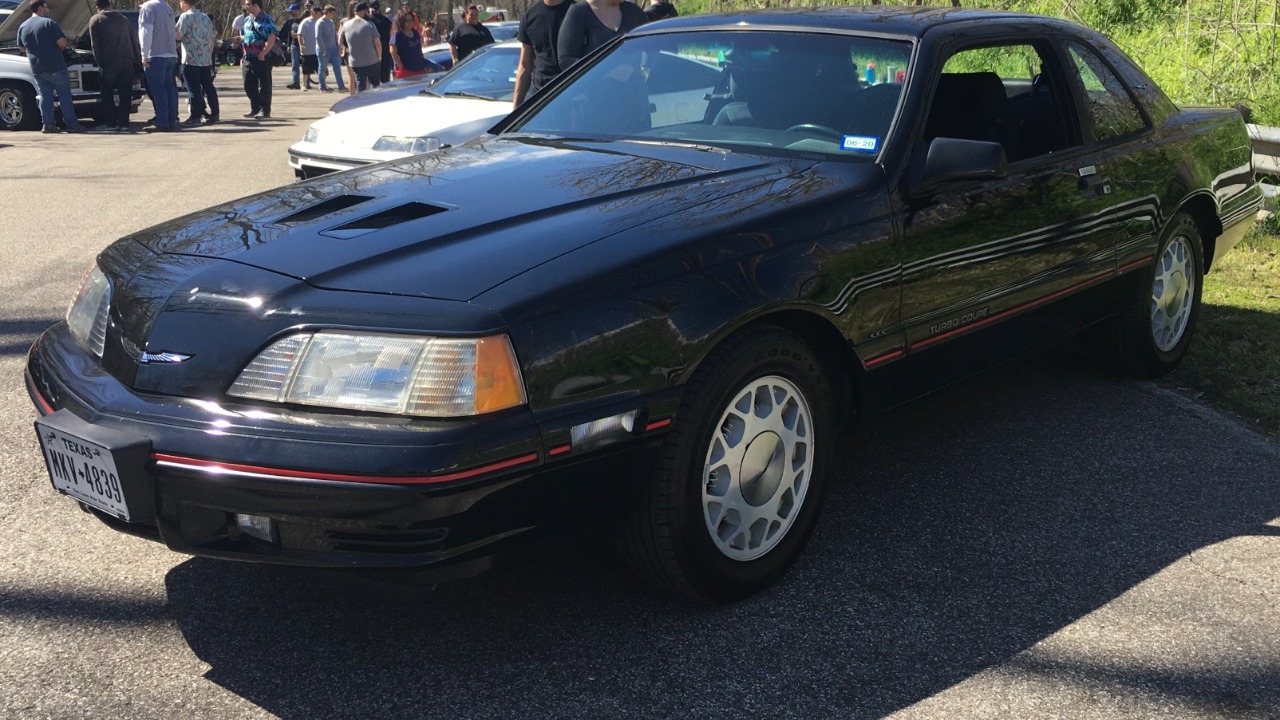
The Ford Thunderbird Turbo Coupe combined a turbocharged four-cylinder with a sophisticated chassis, making it one of the more interesting performance-oriented American cars of the 1980s. Its turbo system and electronic engine controls worked well when maintained properly, but decades of heat cycles can leave hoses, sensors, wiring, and turbo components vulnerable. A neglected example can therefore demand substantial sorting before it becomes the enjoyable performance coupe it was designed to be.
More from Fast Lane Only
- Unboxing the WWII Jeep in a Crate
- 15 rare Chevys collectors are quietly buying
- 10 underrated V8s still worth hunting down
- Police notice this before you even roll window down
*Research for this article included AI assistance, with all final content reviewed by human editors.