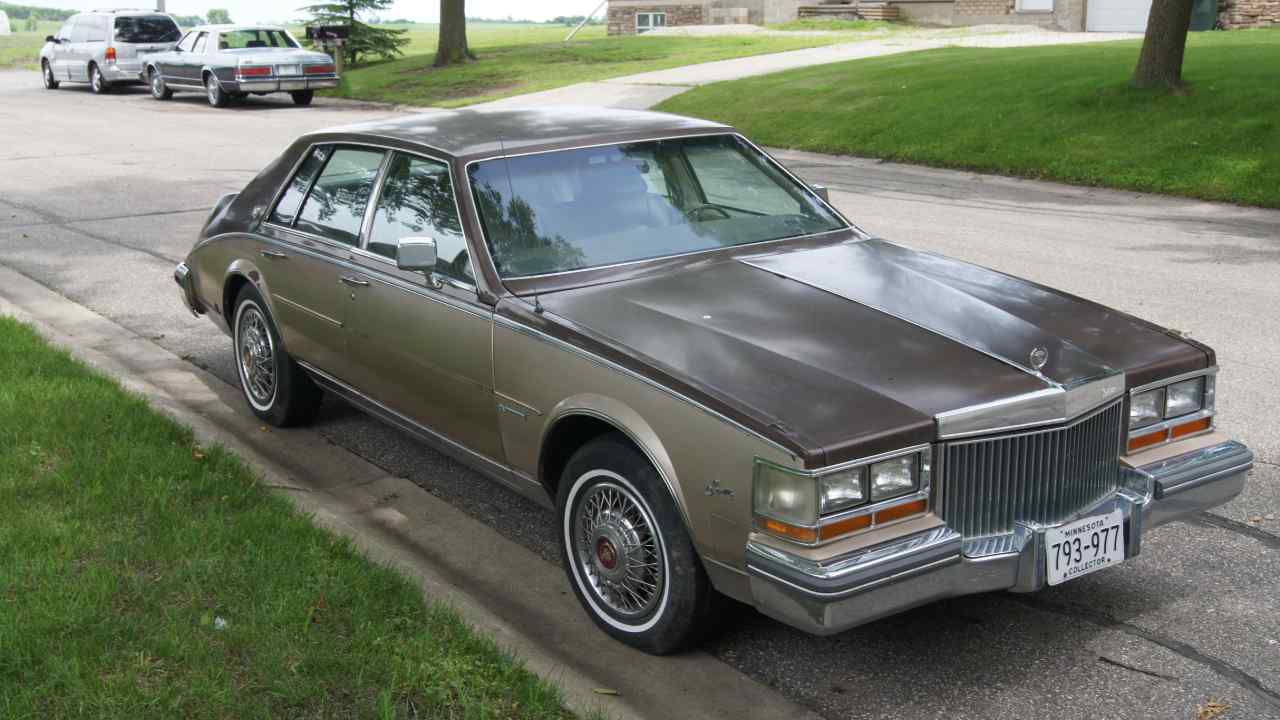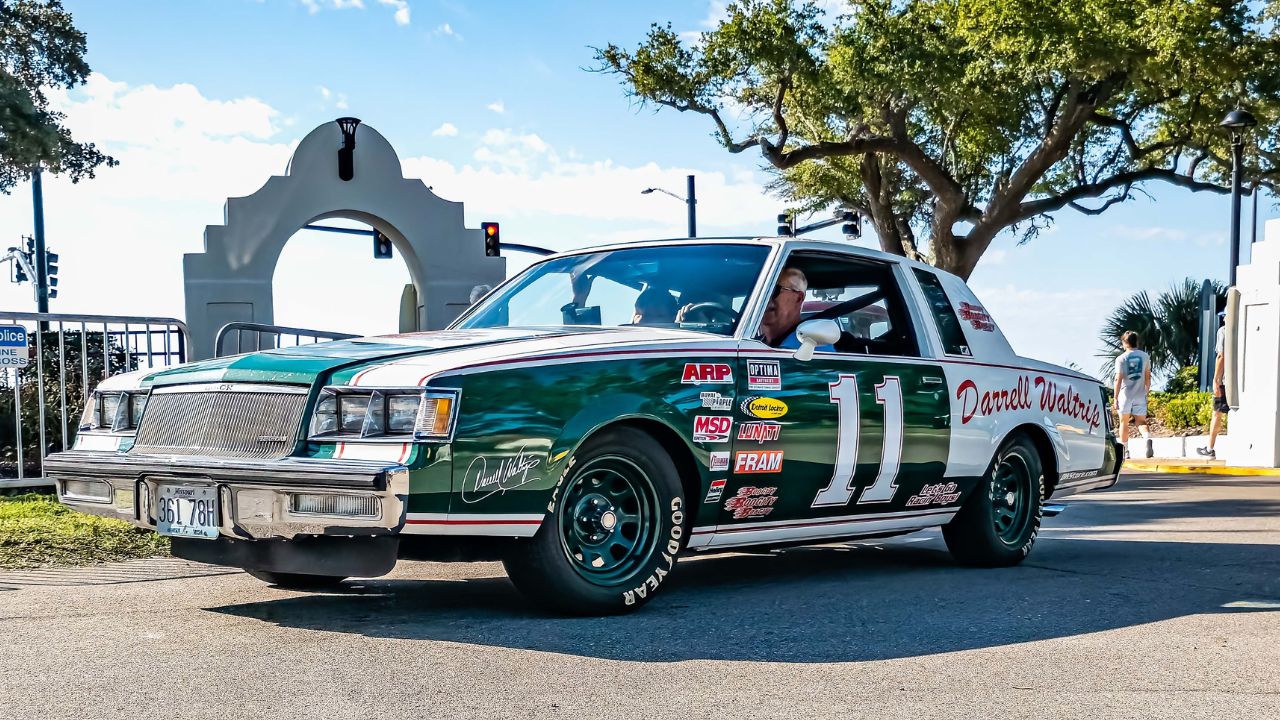
Buick has built plenty of mainstream favorites, but it’s also produced some genuinely scarce machines—limited-run pace cars, low-volume performance options, short-lived body styles, and dealer-driven packages that didn’t always survive. Many of these cars exist in tiny numbers today, which is why they can go years without showing up at major auctions. Here are 17 Buicks that tend to be elusive when it’s time to buy one publicly.
1963 Buick Riviera
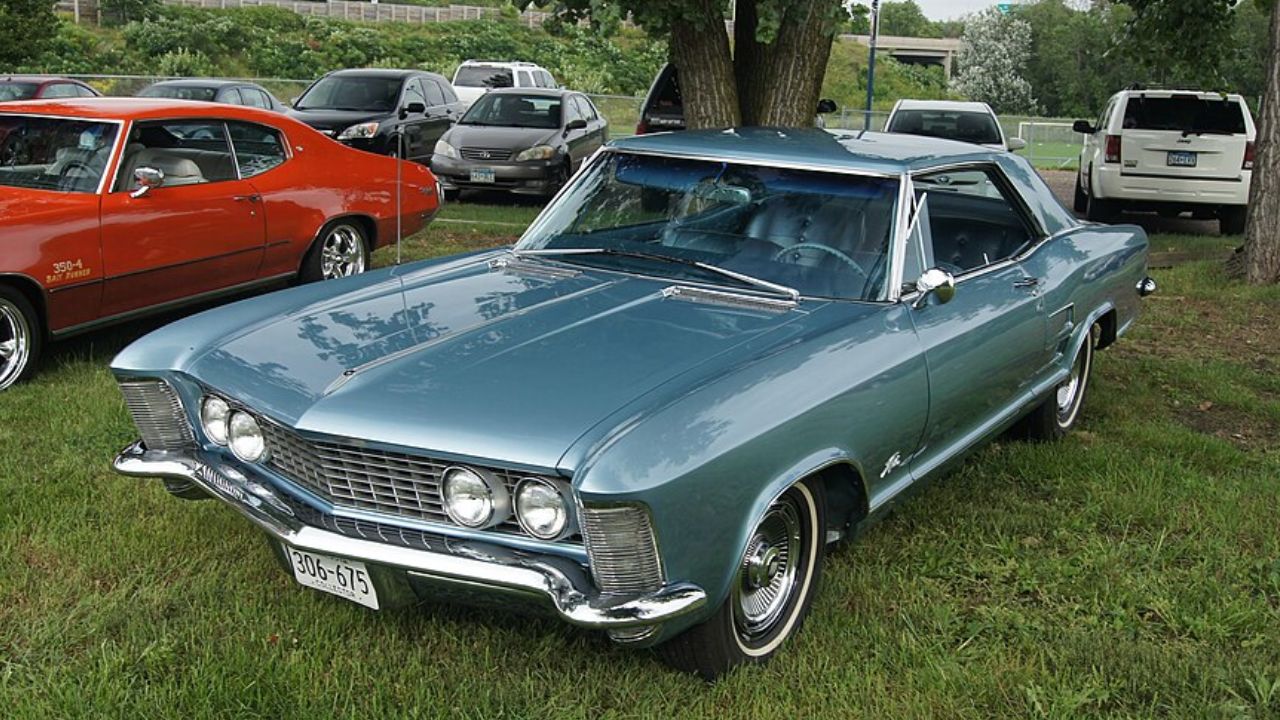
The 1963 Riviera is well known, but the truly rare versions are the early engineering and experimental cars tied to Buick’s brief flirtation with an aluminum V8 program lineage and other pre-production testing. Pre-production and prototype vehicles were never built for retail sale, and survivors are exceptional outliers. When one does surface, provenance matters more than condition because documentation is what separates an engineering artifact from a “story.”
1965 Buick Riviera Gran Sport
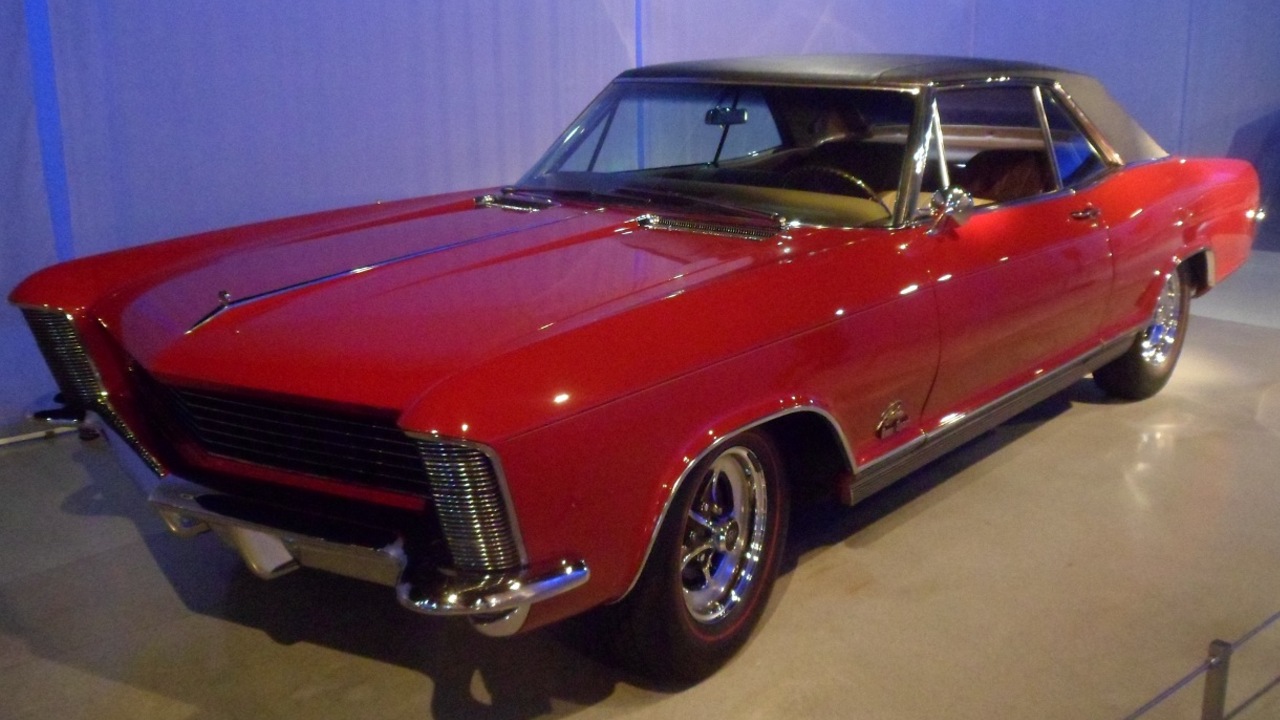
Buick offered some serious big-block hardware in the mid-1960s, and the Riviera Gran Sport could be ordered with the 425 cubic-inch “Super Wildcat” setup featuring dual four-barrel carburetors. These high-output combinations were ordered by a relatively small slice of buyers, and many were driven hard. Clean, correctly equipped examples with solid paperwork can be surprisingly tough to find at auction.
1970 Buick GSX
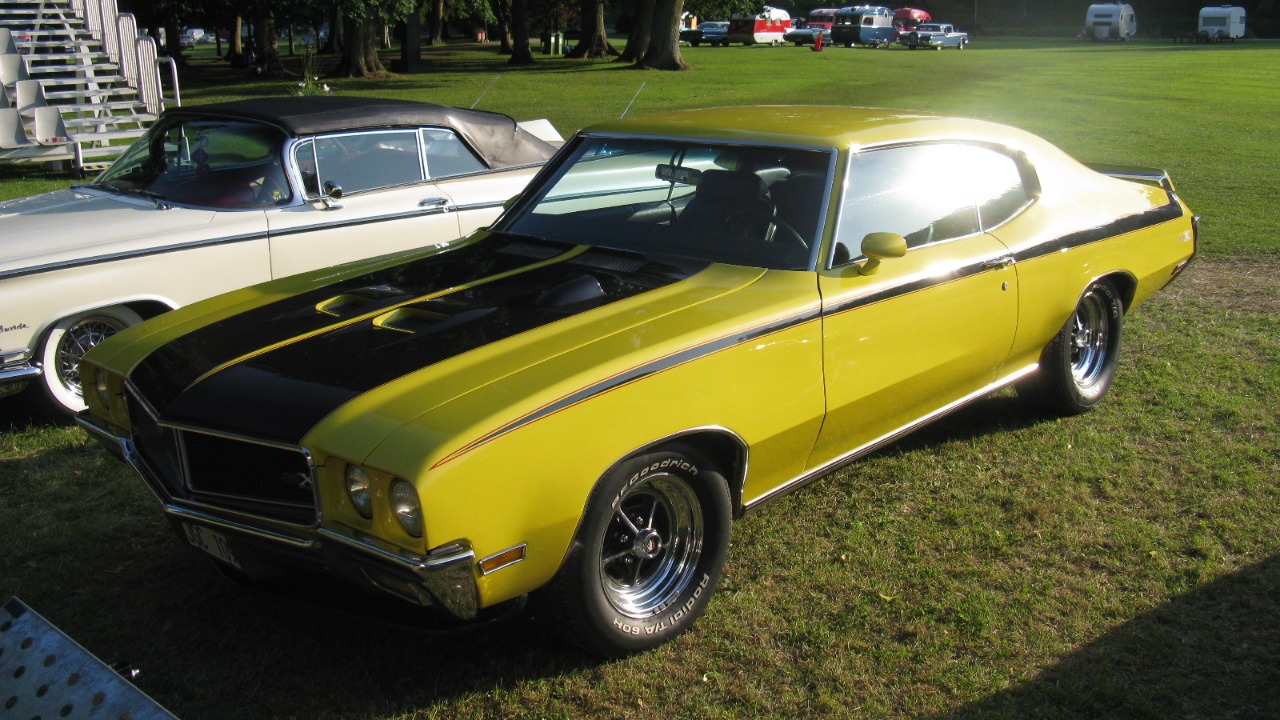
The GSX is Buick’s headline muscle-era special, based on the GS and offered with top-tier performance options including the 455. Authenticity is everything with these cars because stripes, spoilers, and badging are easy to add later. Documented GSX cars are widely recognized, but they’re still scarce enough that long gaps between public sales aren’t unusual.
1970 Buick GS Stage 1
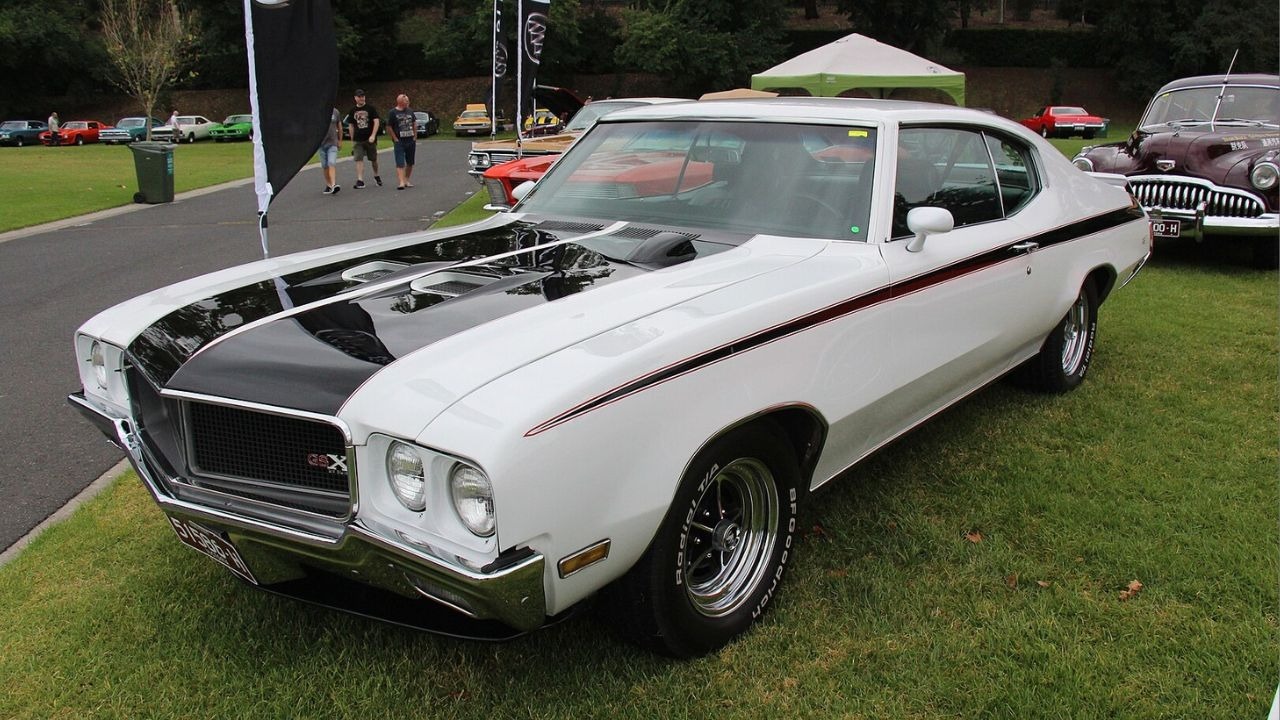
Not every rare Buick wears GSX graphics—Stage 1 GS models are a prize all their own. The Stage 1 package is one of the most respected factory performance options of the era, and correct examples depend heavily on original components and documentation. Because so many clones exist, sellers of real cars often choose private transactions over noisy auction scrutiny.
1971 Buick GSX
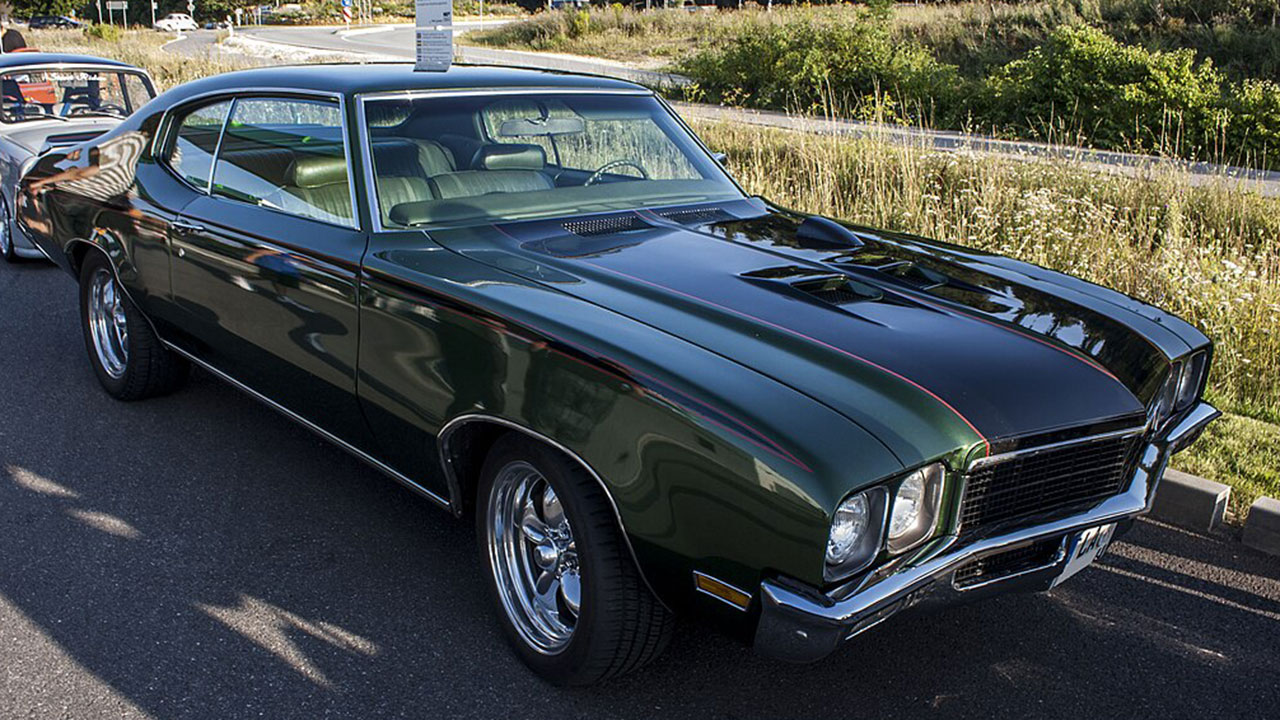
Buick brought the GSX back in 1971, but changing performance and emissions realities made the era feel different. The 1971 GSX is uncommon, and it’s often overshadowed by the 1970 cars despite being the end of the line. That combination—rarity plus less mainstream recognition—helps explain why they can be hard to spot crossing the block.
1973 Buick Century GS

By 1973, the muscle-car landscape had shifted, but Buick still offered performance-leaning combinations like the Century GS with the Stage 1 option. These cars don’t have the same instant-name recognition as the earlier GS models, which meant many were used up like regular intermediates. Survivors with correct drivetrains and trim are scarce and don’t always get funneled into big auctions.
1976 Buick Century Pace Car (Indianapolis 500 pace car replicas)
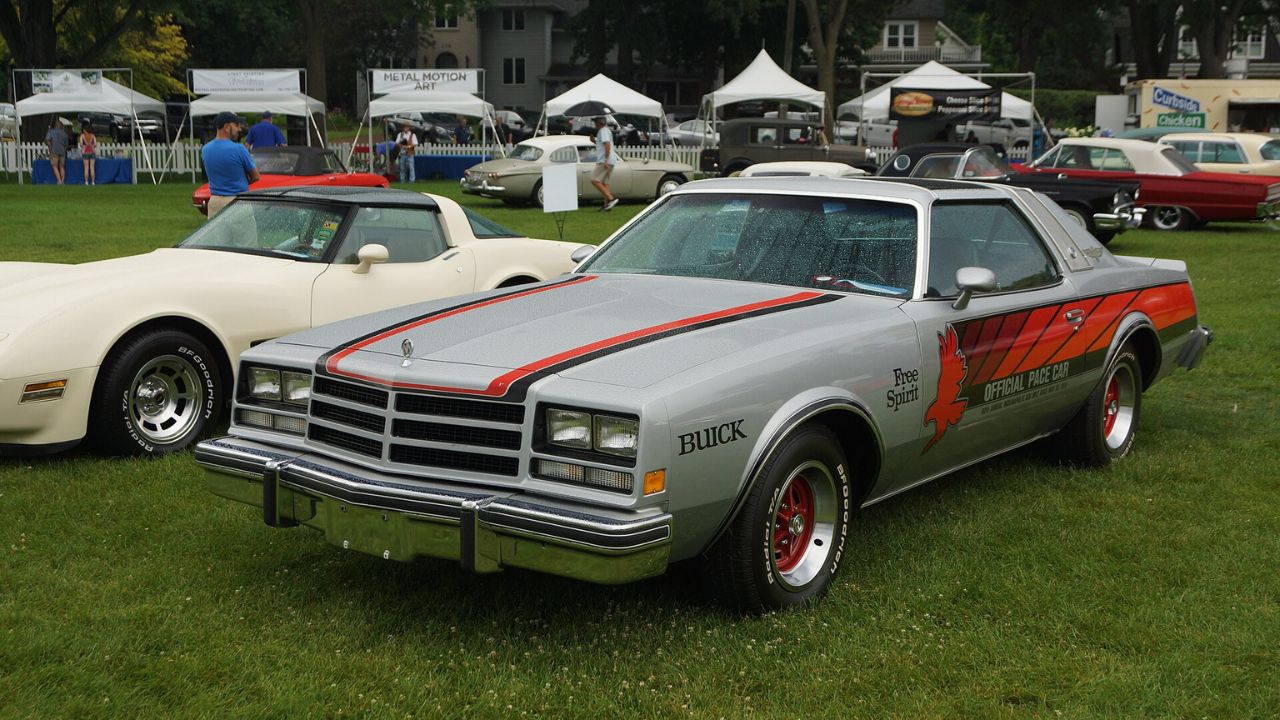
Buick participated in Indy 500 pace car duties in the 1970s, and pace-car replica packages can be surprisingly uncommon in intact form. The tricky part is that graphics, decals, and interior bits are often missing or replaced over decades. As a result, truly correct replicas—especially those with period documentation—tend to pop up less often than you’d expect.
Buick Regal Turbo

Buick’s late-1970s turbo V6 program laid important groundwork for what came next in the Regal line. Early turbo Regals were produced in relatively small numbers compared with mainstream V8 and V6 models, and many were modified or neglected when turbo tech was still misunderstood. Clean, unmolested survivors are a lot rarer than the model name suggests.
1984 Buick Regal Grand National (early GN)

Grand Nationals are famous, but the earliest versions can be oddly elusive because most attention goes to later years. Early GNs are also more likely to have been updated with later parts over time, blurring originality. Finding a correct, well-documented early Grand National can take patience, and they don’t consistently show up at the big-name sales.
1986 Buick Regal T-Type (Turbo V6, sleeper spec)
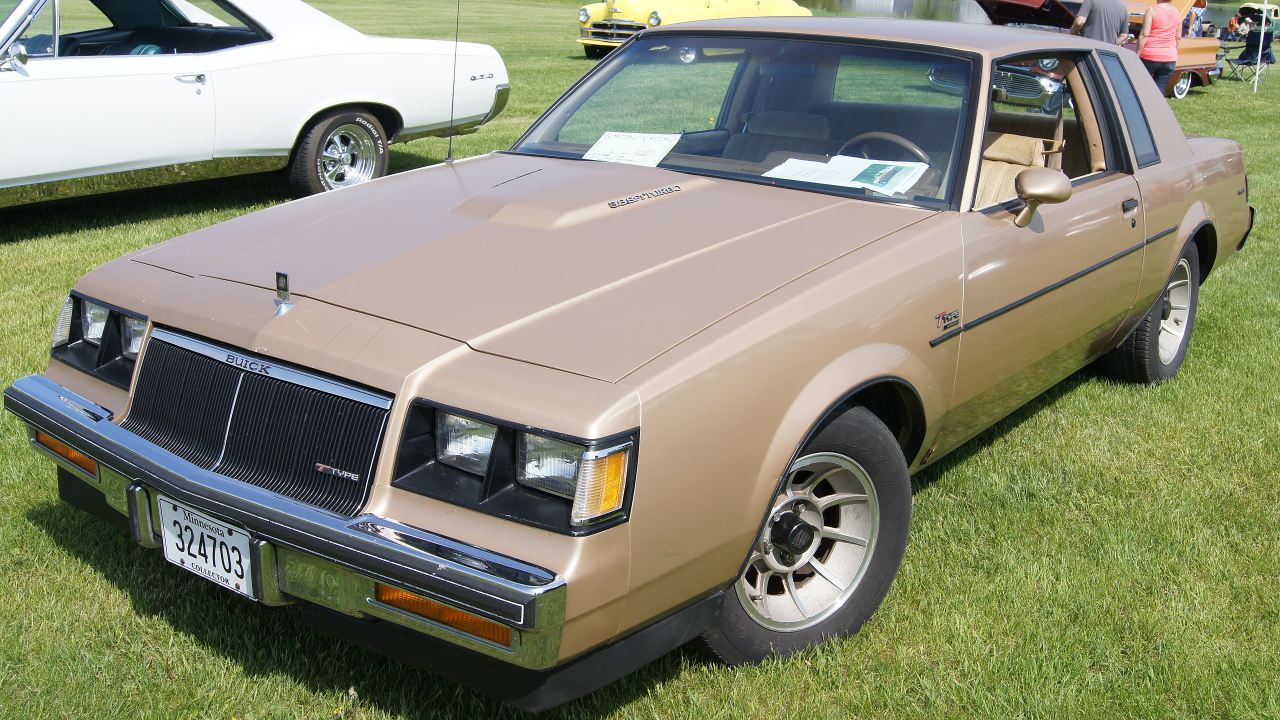
For enthusiasts who like stealth, the 1986 Regal T-Type delivers the same general turbocharged idea without the all-black GN presentation. These cars were often driven as daily transportation, which impacts survival and originality. When a nice one appears, bidders tend to be detail-oriented because trim and option combinations vary.
Buick Regal GNX
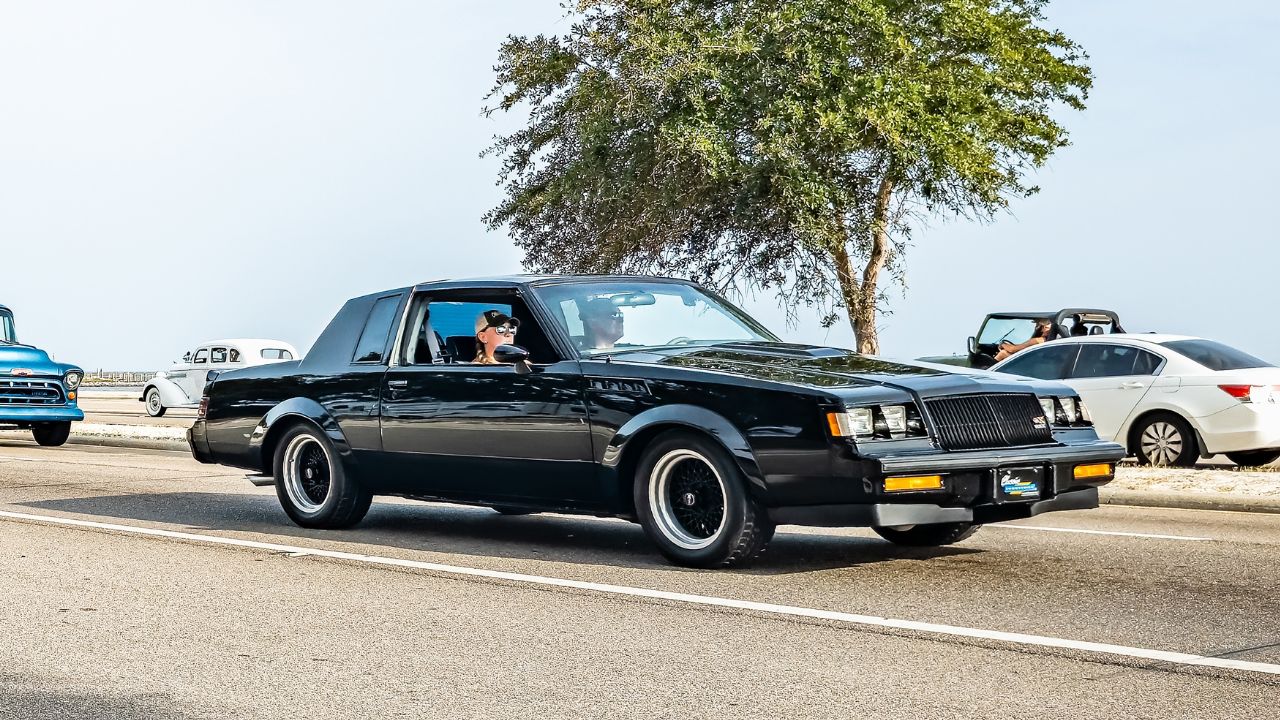
The GNX is the best-known rare Buick of the modern era, built as a limited, final-year special tied to Buick’s turbo peak. They’re closely tracked by collectors, and many live in curated collections rather than circulating through auctions. When one does cross the block, it’s typically an event because condition, mileage, and documentation are scrutinized intensely.
1987 Buick Regal Grand National (LC2) in low-mile, original form
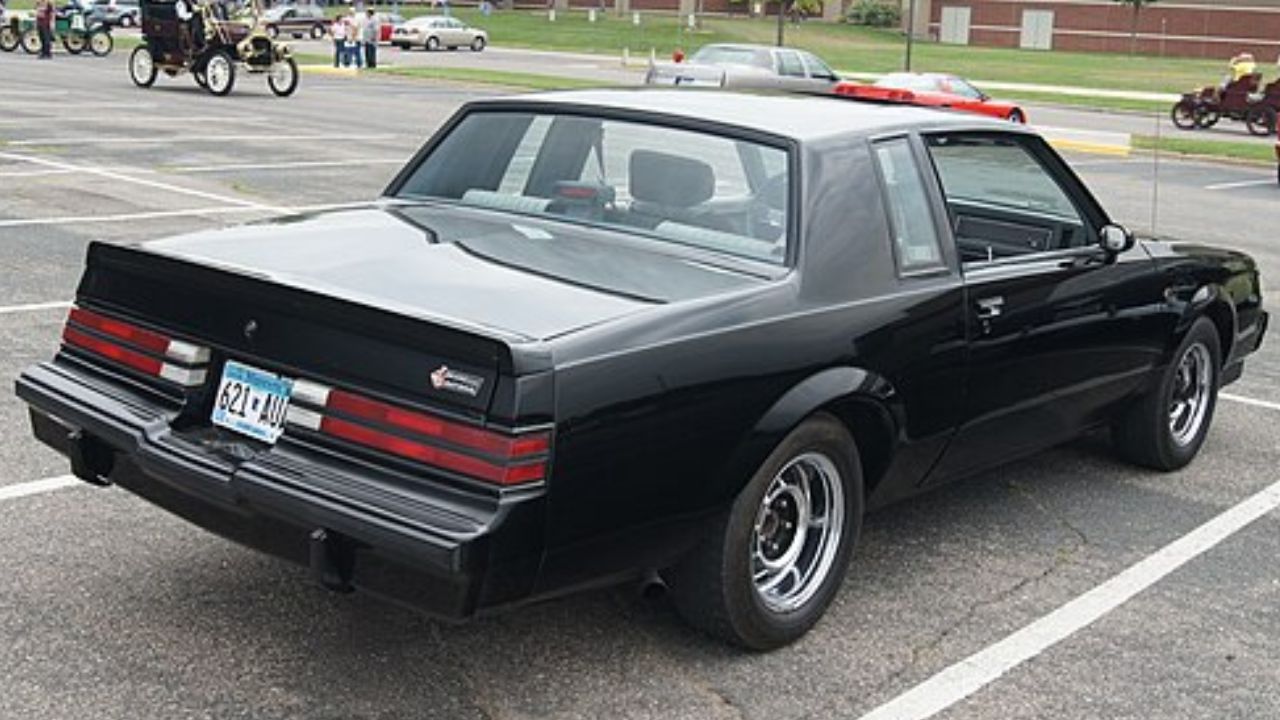
Even though more than one year of Grand Nationals were produced, truly original, low-mile cars that haven’t been repainted, modified, or “refreshed” are much harder to find than average examples. The turbo Buick scene encouraged upgrades, and that culture thinned the pool of stock survivors. As a result, the cleanest originals can be rarer at auction than the production numbers imply.
1989 Buick Reatta (early production and rare option combinations)
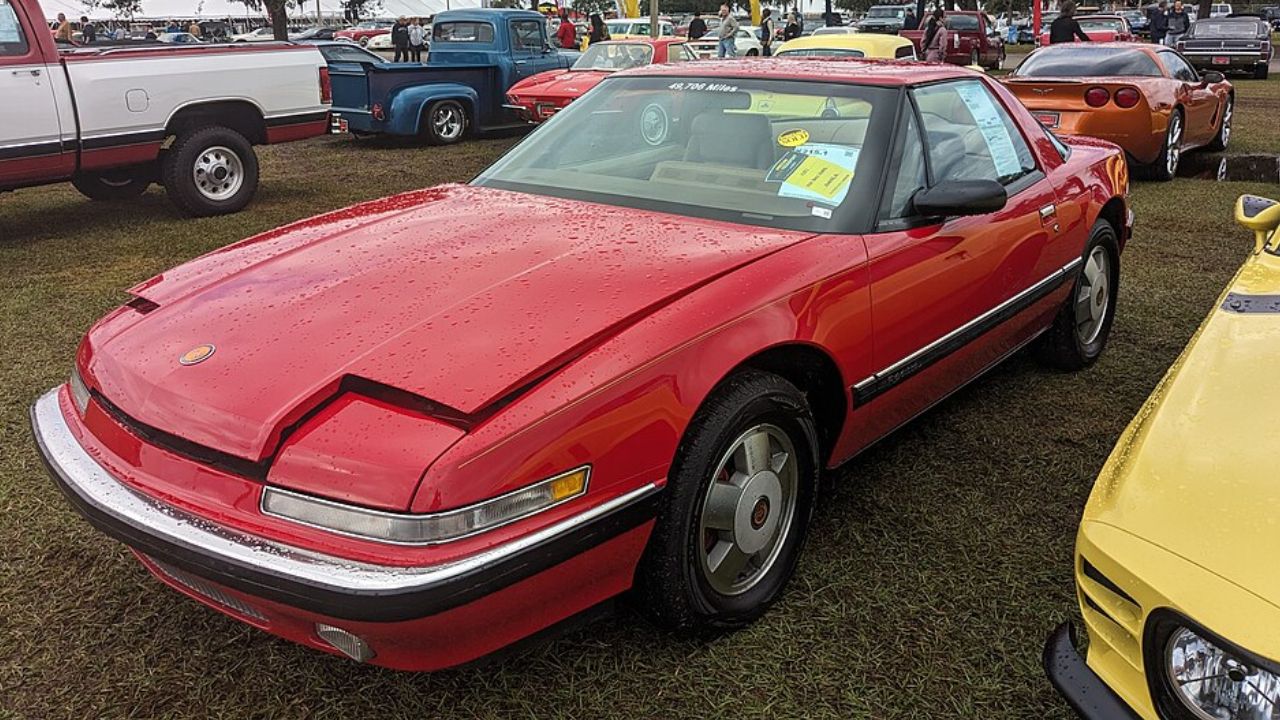
The Reatta was Buick’s boutique two-seater experiment, built at a dedicated facility with an unusual mix of hand-assembly and technology-forward ideas for the brand. While not ultra-rare in absolute terms, certain configurations and exceptionally preserved early cars don’t surface often. Collectors tend to keep the best ones, so auction appearances can be sporadic.
Buick Reatta Convertible
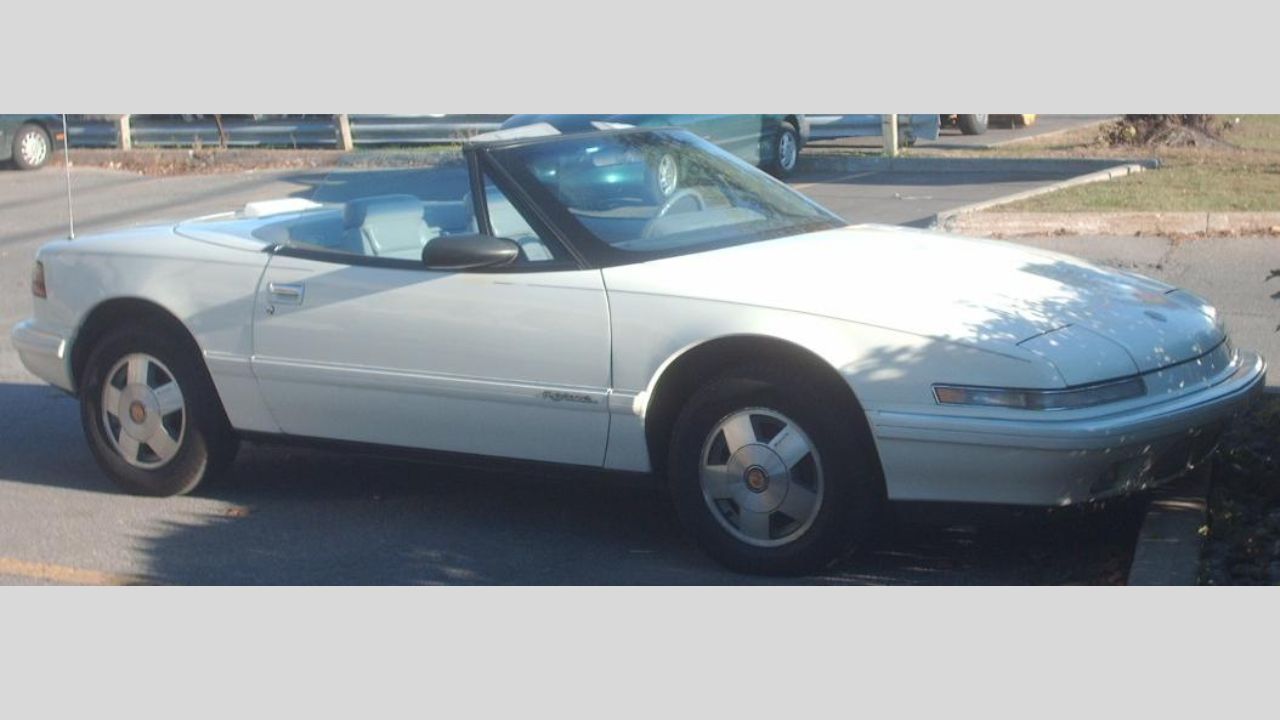
The Reatta Convertible is the one many enthusiasts search for because it combines the model’s uncommon status with an even narrower production window. Convertibles also had a tougher life in the real world, so excellent interiors and tidy tops are harder to find today. When they’re well kept and stock, they tend to trade quietly among dedicated Reatta fans.
1991 Buick Roadmaster Estate Wagon (early return of the nameplate)
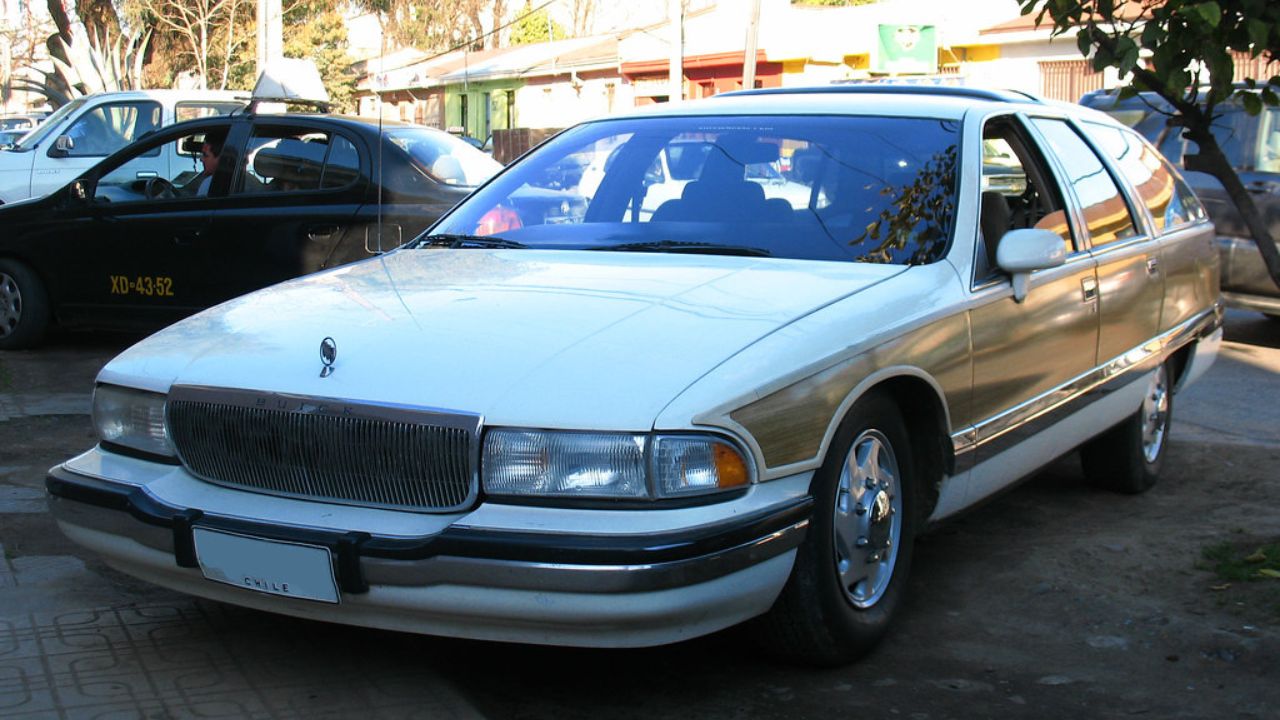
Buick revived the Roadmaster name in the early 1990s, and the Estate wagon became an instant family-hauler icon. Wagons were often used hard, and rust, interior wear, and deferred maintenance took a toll. The nicest, most original examples are the ones that disappear into long-term ownership instead of showing up repeatedly at auction.
1992 Buick Roadmaster (sedan, low-option sleeper survivors)
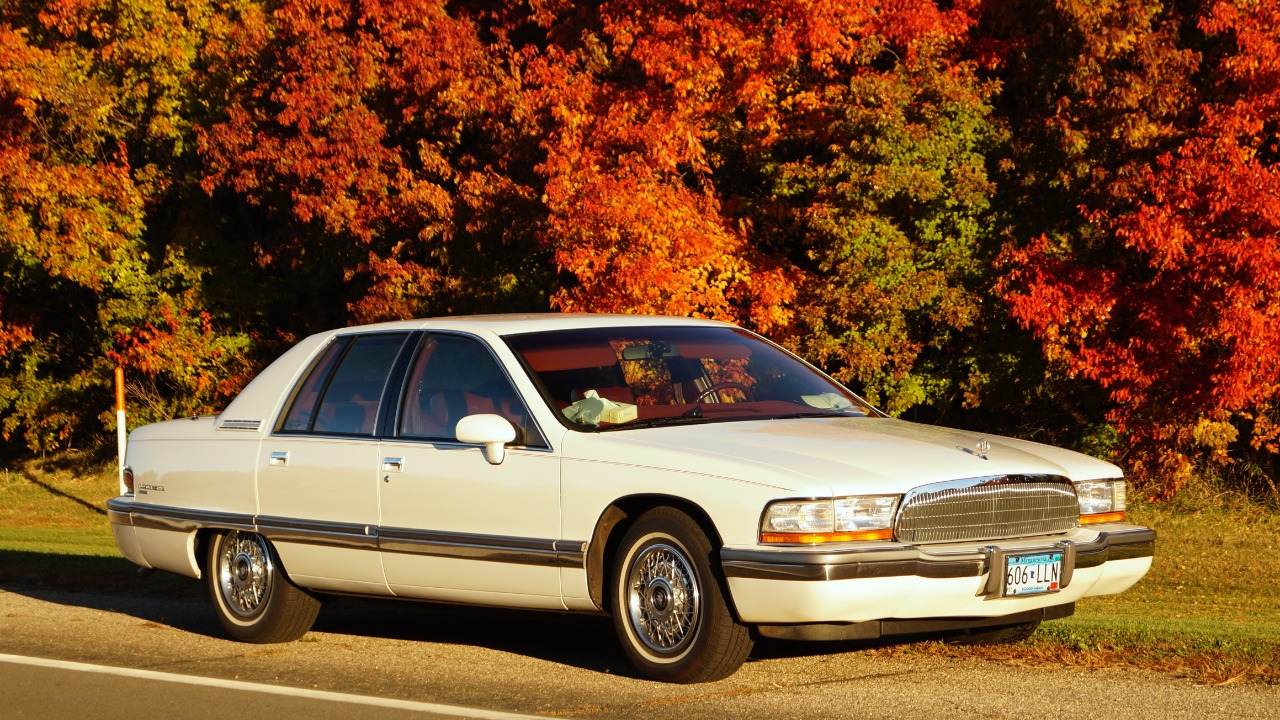
Roadmaster sedans are easier to overlook than wagons, which is exactly why clean survivors can be unexpectedly scarce in the auction world. Many sedans lived as high-mile daily drivers, and few were preserved early on. A straight, unmodified car with good paint and a clean interior can be harder to locate than the wagon crowd expects.
2012 Buick Regal GS (manual transmission)
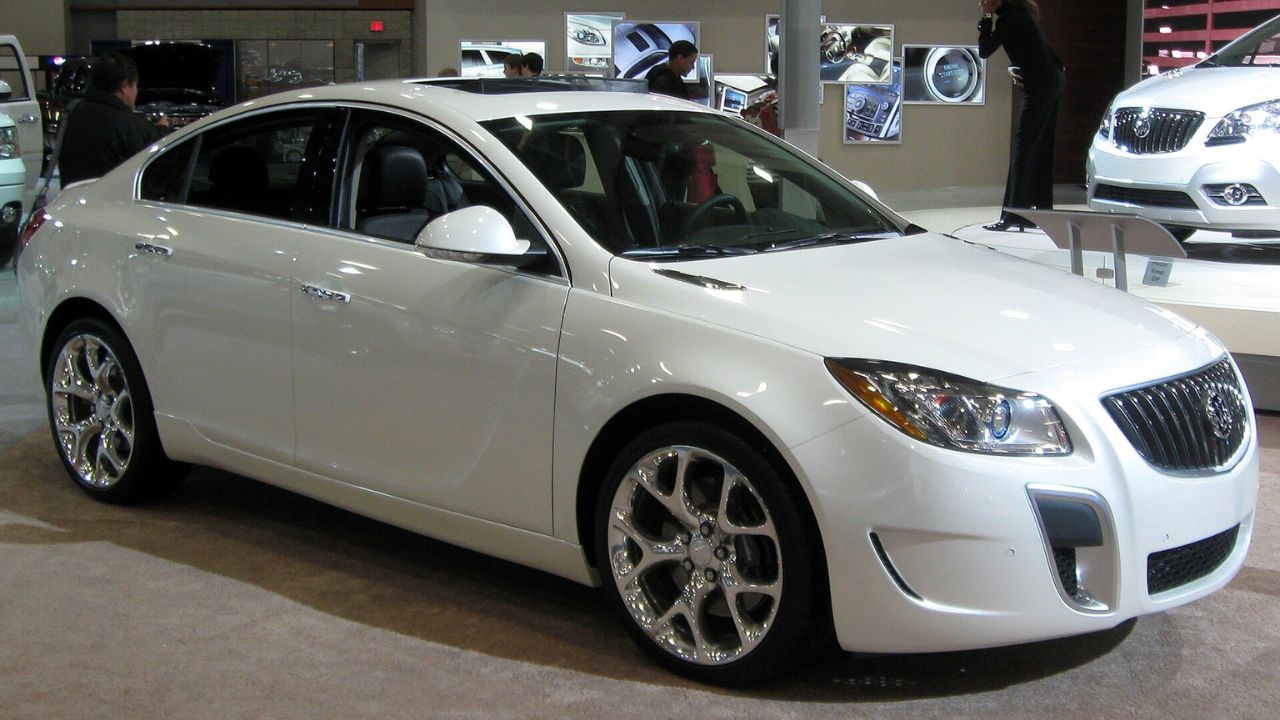
The 2012 Regal GS is notable for offering a manual transmission in a segment that was rapidly abandoning three pedals. Manual GS cars were a small slice of buyers, and many were leased or used as commuters rather than saved. When a clean, stock example shows up, it’s usually snapped up quickly by enthusiasts who want a modern Buick that feels genuinely involved.
Rarity in the Buick world isn’t always about a single headline number—it’s often the result of narrow option take-rates, short production windows, and whether owners viewed the car as collectible early enough to preserve it. If you’re hunting any of these, the best strategy is to learn the identifying details, insist on documentation, and be ready to move when one finally appears. That’s the real challenge with Buicks that almost never make it to auction.
More from Fast Lane Only
- Unboxing the WWII Jeep in a Crate
- 15 rare Chevys collectors are quietly buying
- 10 underrated V8s still worth hunting down
- Police notice this before you even roll window down
*Research for this article included AI assistance, with all final content reviewed by human editors.