Hot rods have always been about pushing engines beyond ordinary limits. Some builds took that idea so far that their horsepower, lightweight bodies, and brutal acceleration made them intimidating even on a drag strip. These machines became legends because they delivered enormous performance with little concern for comfort, restraint, or subtlety.
1932 Ford V8 Roadster
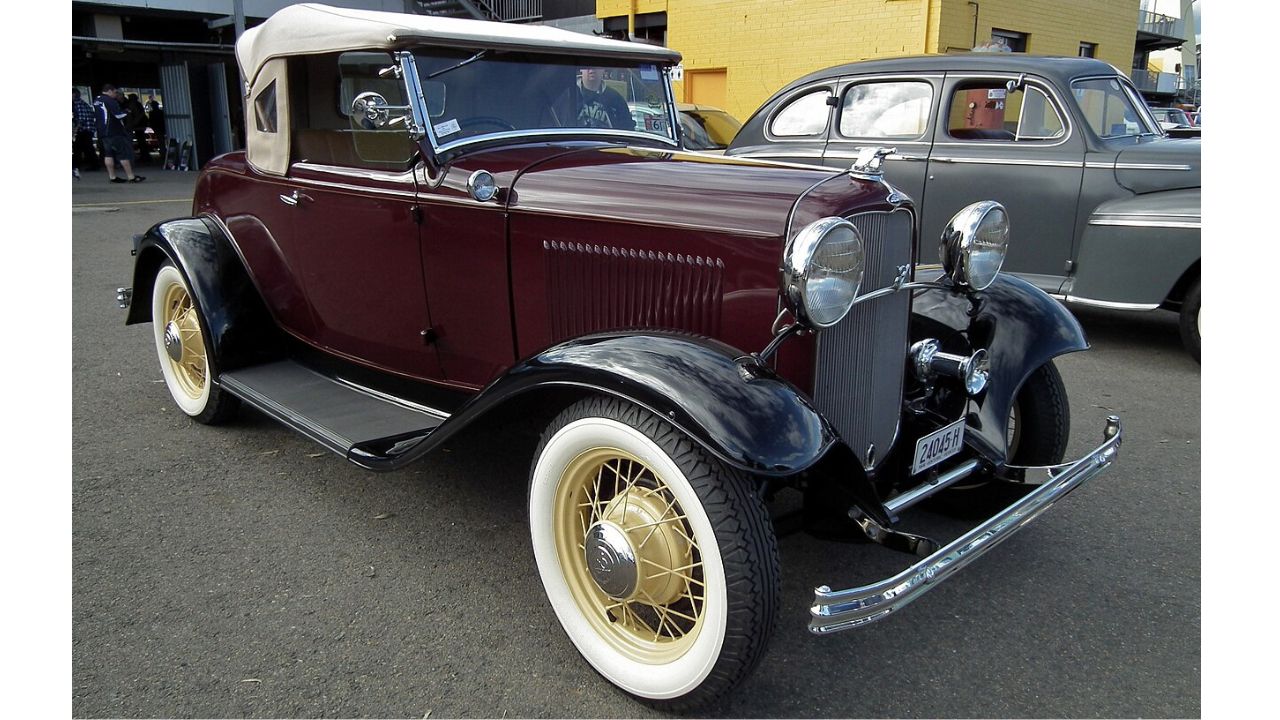
The 1932 Ford V8 Roadster became one of the most important foundations of American hot rodding. Its lightweight body and available flathead V8 gave builders an ideal platform for modifications. Hot rodders quickly learned that removing weight and improving the engine could transform the humble Ford into a serious performance machine. Modified examples eventually became symbols of traditional American hot-rod culture.
1940 Willys Coupe
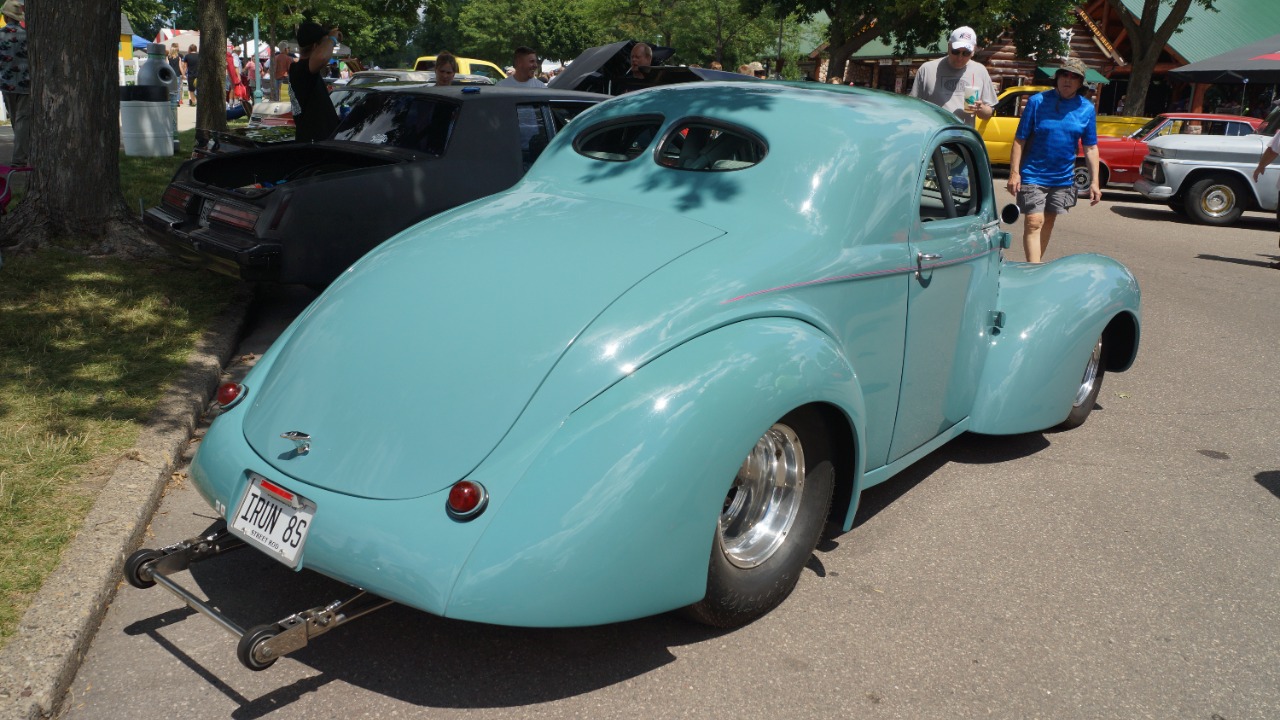
The 1940 Willys Coupe became a drag-racing favorite because its lightweight body could accept powerful engines without carrying the mass of larger American cars. Builders often replaced the original drivetrain with increasingly powerful V8s, creating machines capable of spectacular acceleration. The combination of compact dimensions and enormous horsepower helped make Willys coupes some of the most recognizable early drag-strip hot rods.
1941 Willys Coupe
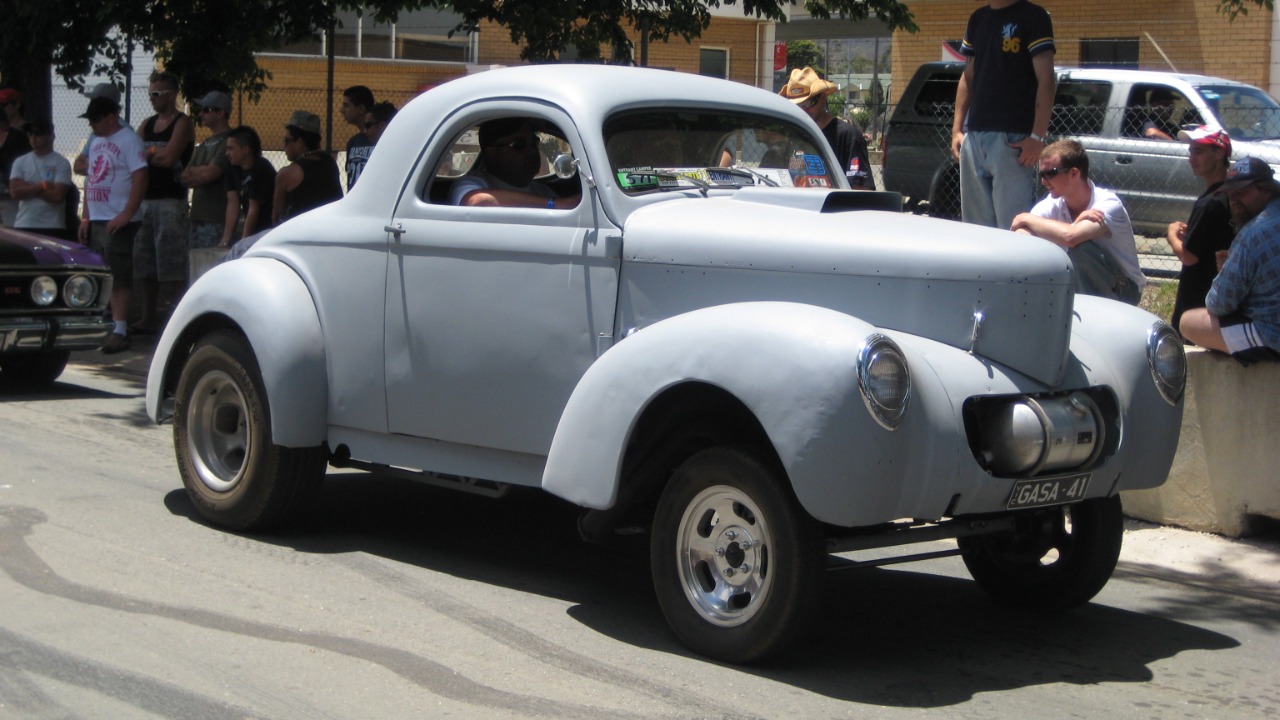
The 1941 Willys Coupe developed an even stronger reputation in drag racing as builders transformed these compact cars into lightweight, high-powered machines. Large-displacement V8s, superchargers, and extensive chassis modifications became common. The result was a car that could deliver huge power while weighing considerably less than many conventional muscle cars, making it a natural choice for serious straight-line competition.
1949 Mercury Coupe
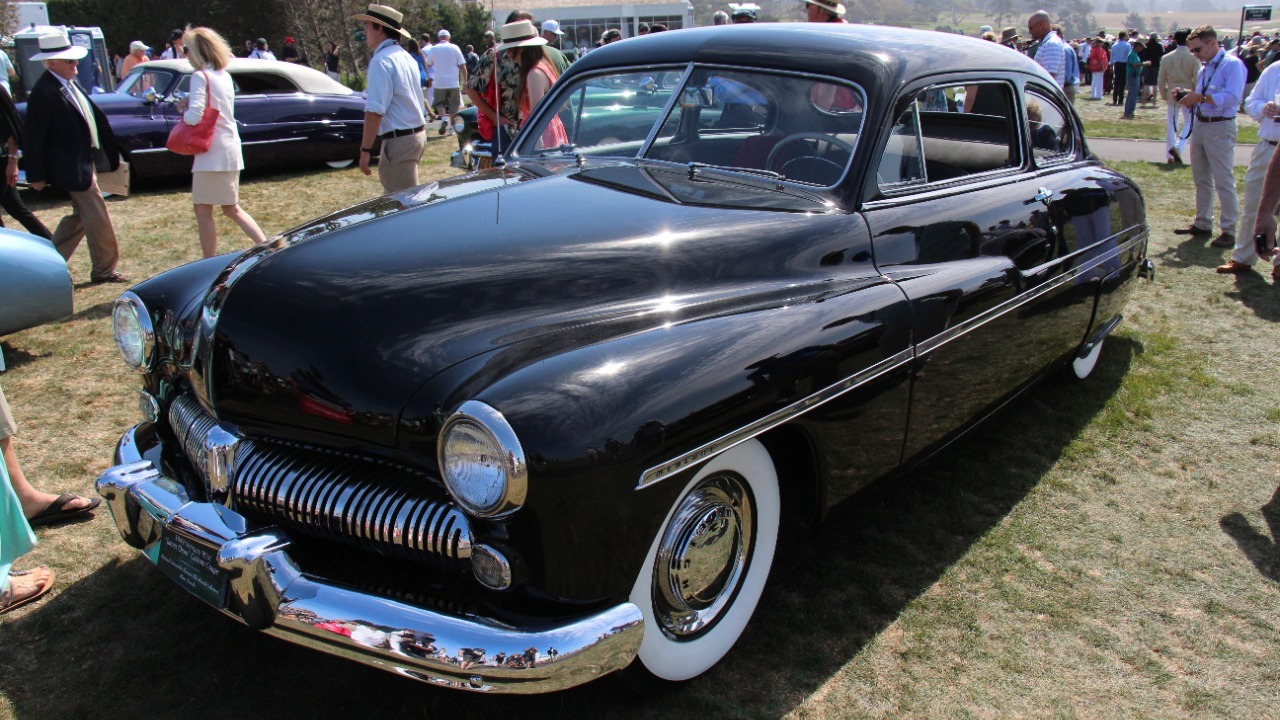
The 1949 Mercury Coupe became a favorite among customizers and hot rodders because its long, smooth body provided an excellent foundation for a powerful build. Builders commonly modified the flathead V8 and later installed larger engines. Lowered suspension, chopped roofs, and aggressive drivetrains transformed many Mercurys from comfortable cruisers into intimidating street and strip machines.
1955 Chevrolet Bel Air
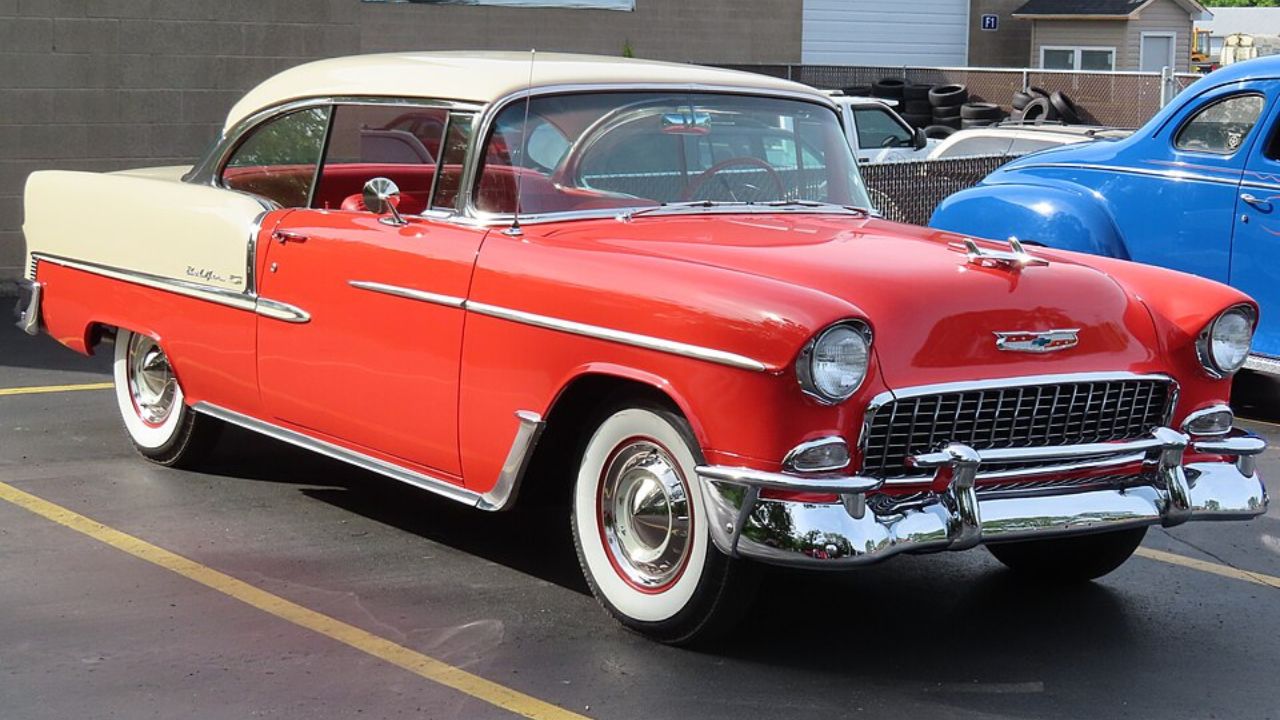
The 1955 Chevrolet Bel Air became a major turning point for hot rodding with the arrival of Chevrolet’s small-block V8. The compact engine offered tremendous potential for modification, allowing builders to create serious performance cars without the weight of much larger engines. Once tuned, these lightweight Chevrolets could become remarkably quick, establishing the small-block Chevy as a cornerstone of hot-rod culture.
1957 Chevrolet 210
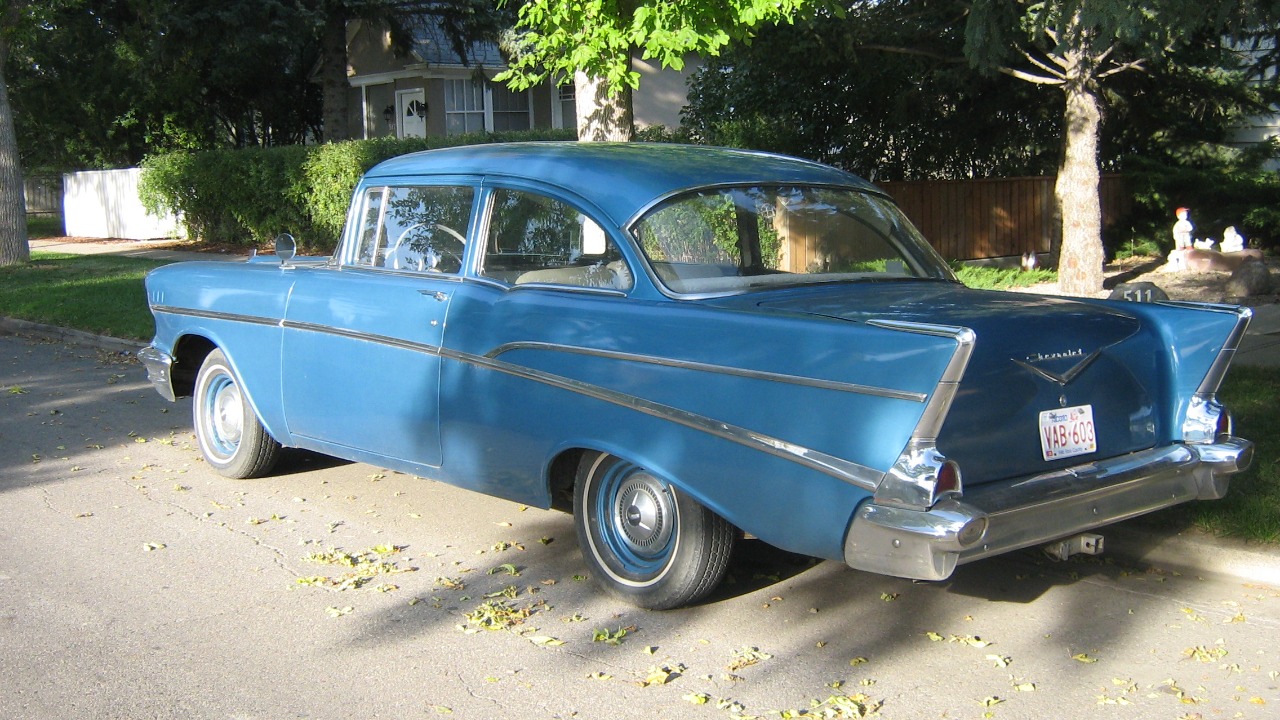
The 1957 Chevrolet 210 provided another excellent platform for high-performance builds. Its relatively light body combined with Chevrolet’s increasingly powerful small-block V8s gave hot rodders plenty of room for experimentation. Engine swaps, improved induction systems, aggressive camshafts, and drag-racing modifications could turn the ordinary two-door into a surprisingly quick machine capable of embarrassing much newer performance cars.
1963 Ford Galaxie 500 XL 427

The Ford Galaxie 500 XL could be ordered with Ford’s legendary 427-cubic-inch V8, giving this large coupe enormous straight-line potential. The combination of big-block power and a strong drivetrain made the Galaxie a serious performance machine. In modified form, the car could produce far more power than its substantial body might suggest, making it an imposing presence at the strip.
1964 Ford Fairlane Thunderbolt
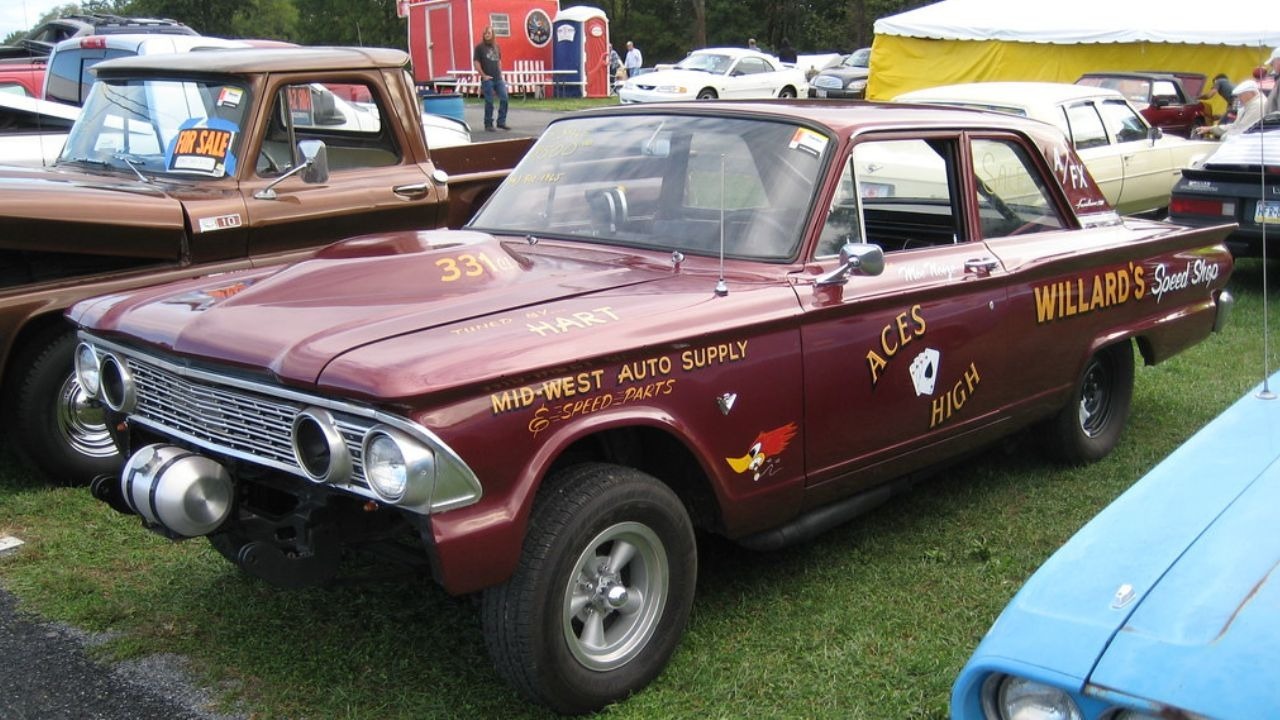
The Ford Fairlane Thunderbolt was essentially a factory-built drag-racing weapon. Ford combined a relatively lightweight Fairlane body with a massive 427 FE engine and numerous weight-saving modifications. The result was brutally quick for its era. With limited production and a clear focus on straight-line performance, the Thunderbolt remains one of the most extreme factory-supported hot rods ever produced.
1967 Chevrolet Camaro Z/28
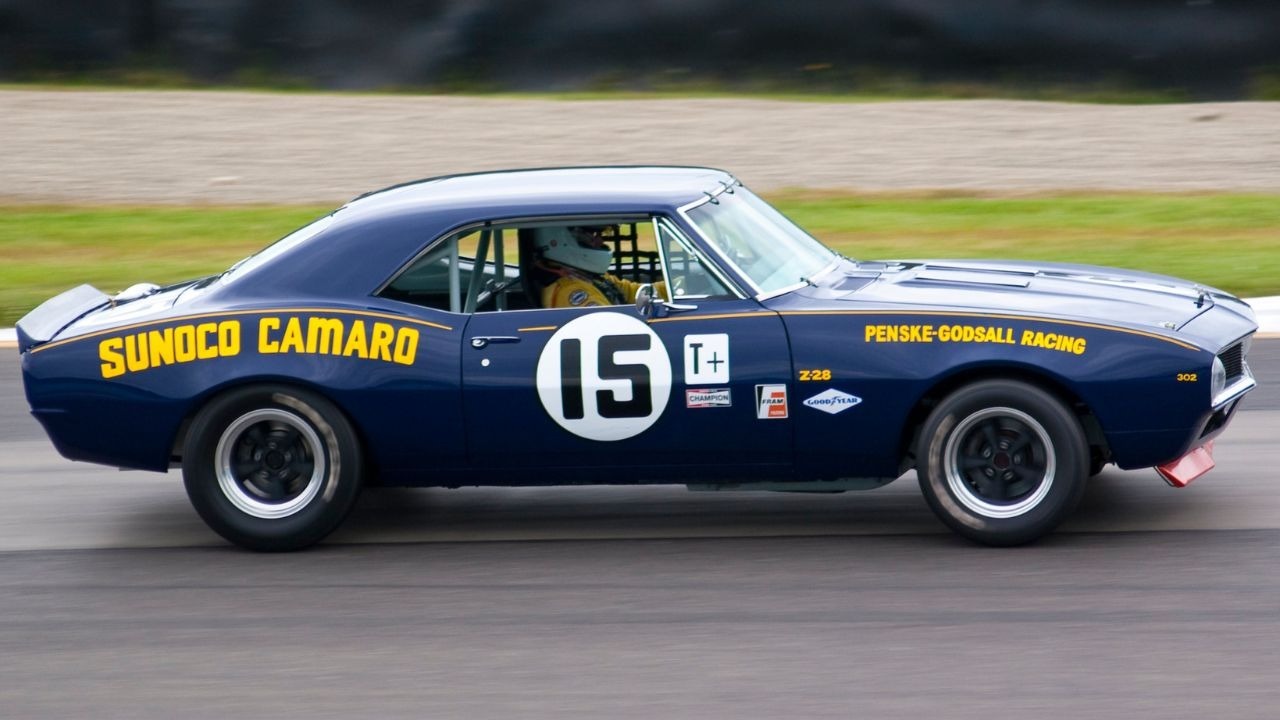
The Chevrolet Camaro Z/28 was developed with road racing in mind, but its compact dimensions and high-revving 302 small-block also made it attractive to performance builders. The combination of low weight and strong power potential allowed modified examples to become serious strip performers. With additional engine work, suspension changes, and gearing, the Camaro could be transformed into a much more aggressive machine.
1968 Dodge Dart GTS 383
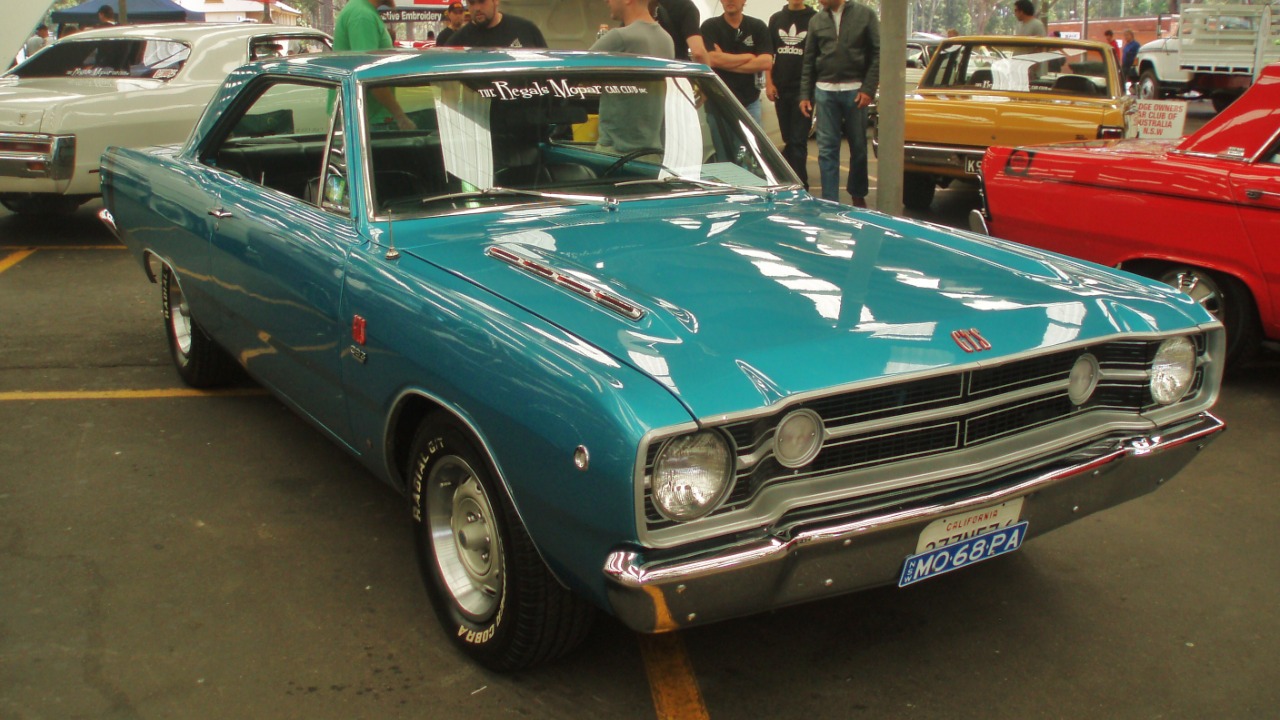
The Dodge Dart GTS 383 combined a relatively compact body with Chrysler’s big-block power. The 383-cubic-inch V8 gave the Dart impressive acceleration straight from the factory, while the car’s lightweight construction made it particularly attractive to drag racers. Modified examples could receive even larger engines and aggressive gearing, turning the compact Dodge into a formidable strip machine.
1969 Chevrolet Camaro ZL1
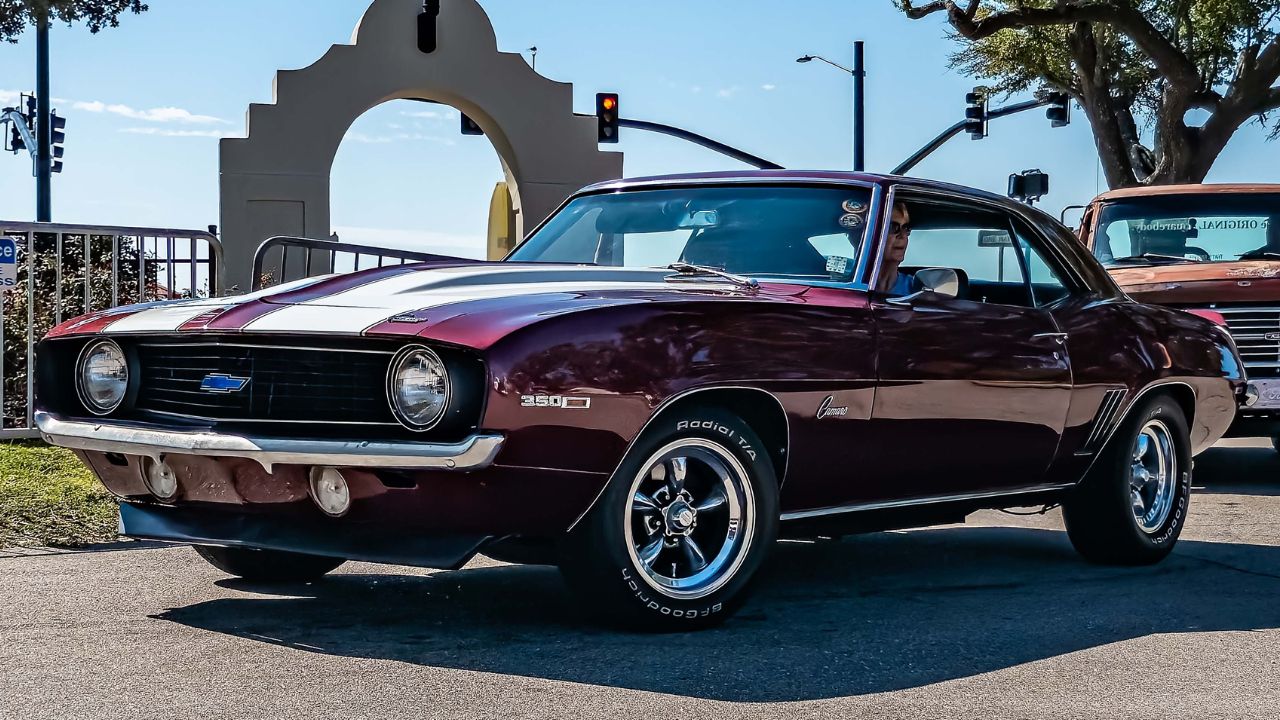
The 1969 Chevrolet Camaro ZL1 was built around Chevrolet’s all-aluminum 427-cubic-inch V8. Its lightweight engine helped reduce front-end weight while providing enormous performance potential. Only a small number were produced, and the combination of big-block power and Camaro dimensions made the ZL1 one of the most extreme factory muscle cars of its era.
1969 Dodge Charger Daytona
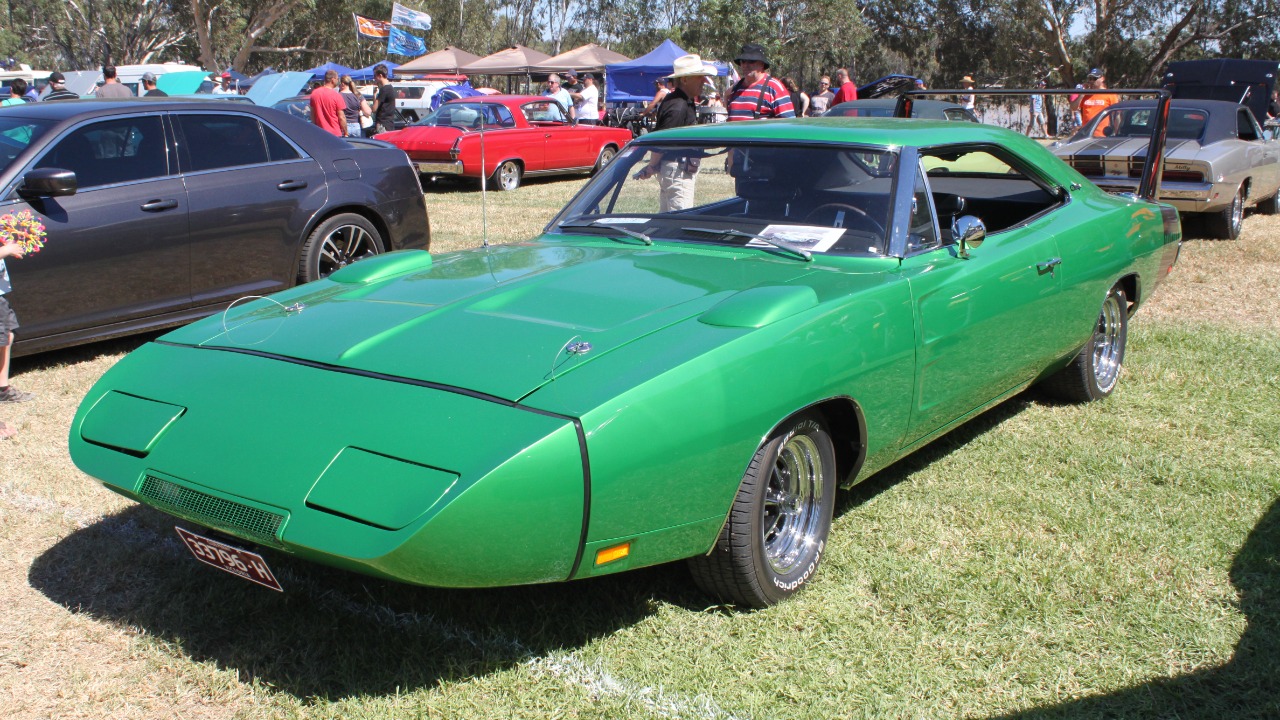
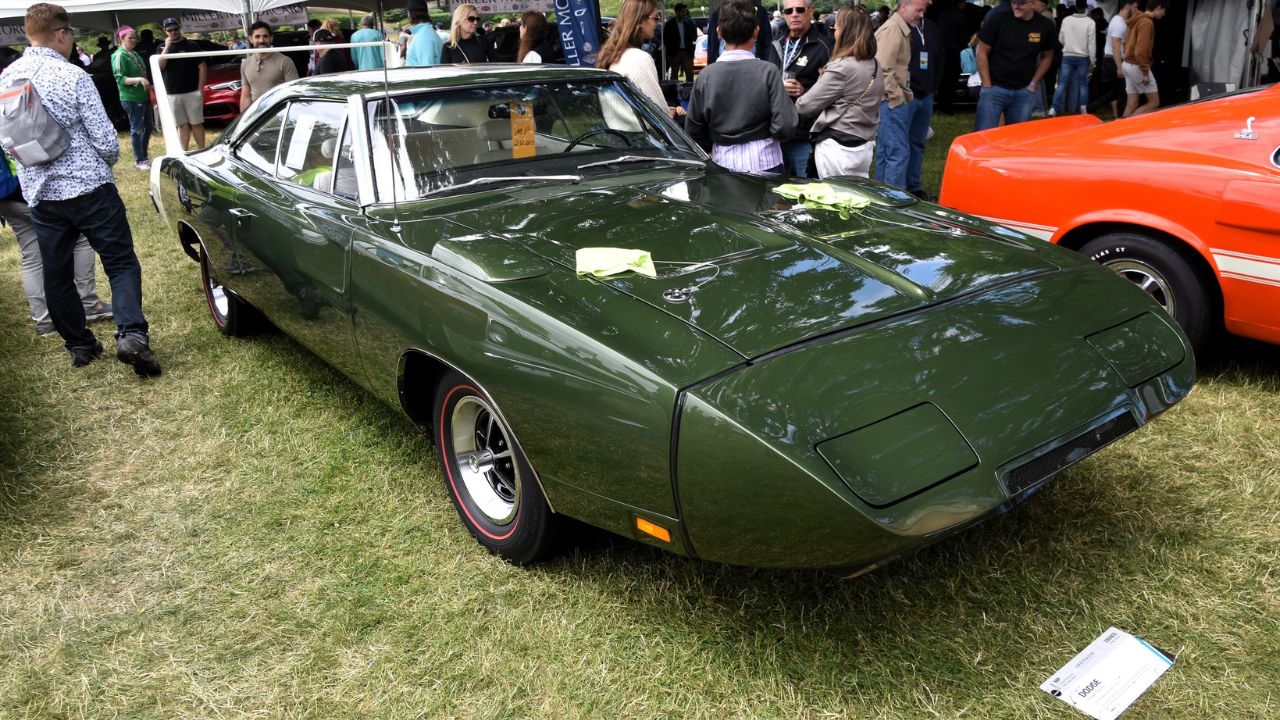
The Dodge Charger Daytona was created primarily for NASCAR competition, but its aerodynamic body and available high-performance engines also made it an extraordinary performance machine. The huge rear wing and extended nose made it visually extreme, while versions equipped with Chrysler’s most powerful engines delivered serious acceleration. It remains one of the wildest-looking high-performance American cars of the era.
1970 Plymouth Hemi Cuda
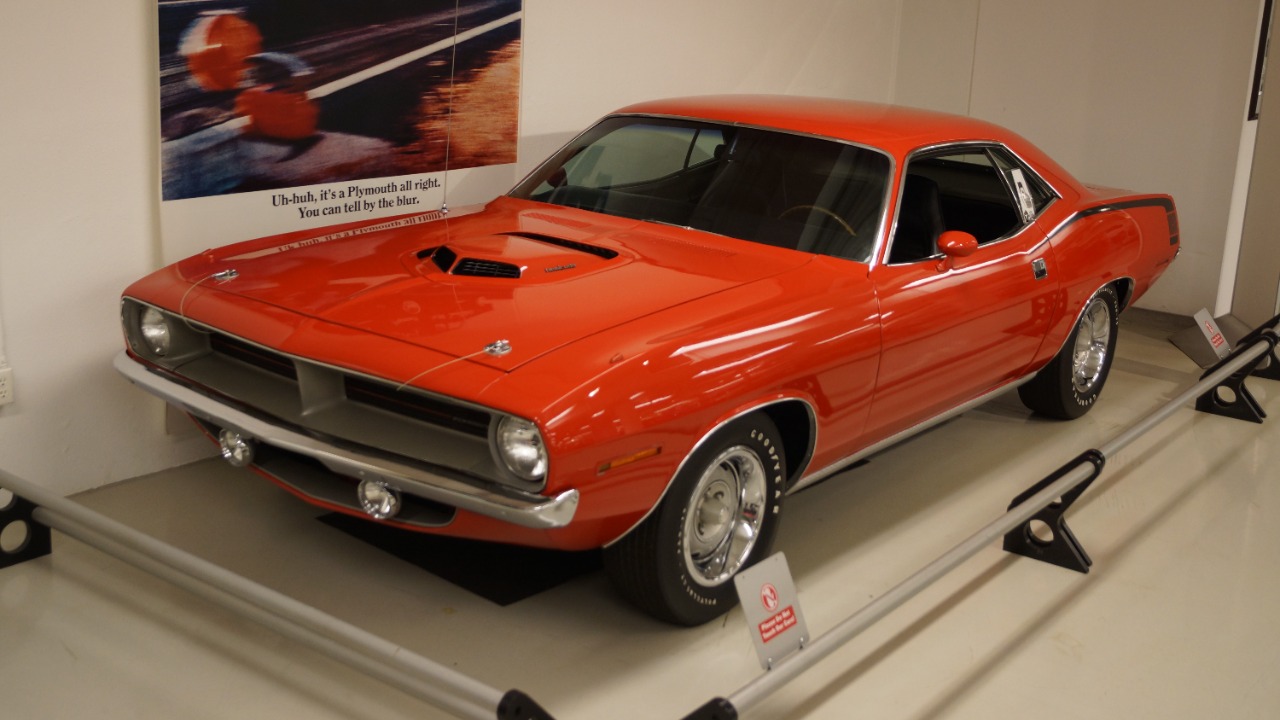
The 1970 Plymouth Hemi Cuda combined a relatively compact muscle-car body with Chrysler’s legendary 426 Hemi. The engine’s hemispherical combustion chambers supported serious high-performance development, while the Cuda’s aggressive proportions gave it an unmistakable presence. Modified examples became even more formidable with upgraded induction, exhaust systems, gearing, and chassis components.
1970 Chevrolet Chevelle SS 454

The Chevrolet Chevelle SS 454 placed one of Chevrolet’s largest performance engines into a popular midsize body. The LS6 version was particularly powerful for its era, giving the Chevelle extraordinary straight-line performance. Its combination of big-block torque, rear-wheel drive, and relatively compact dimensions made it one of the most intimidating factory muscle cars available to American buyers.
1970 Buick GSX Stage 1
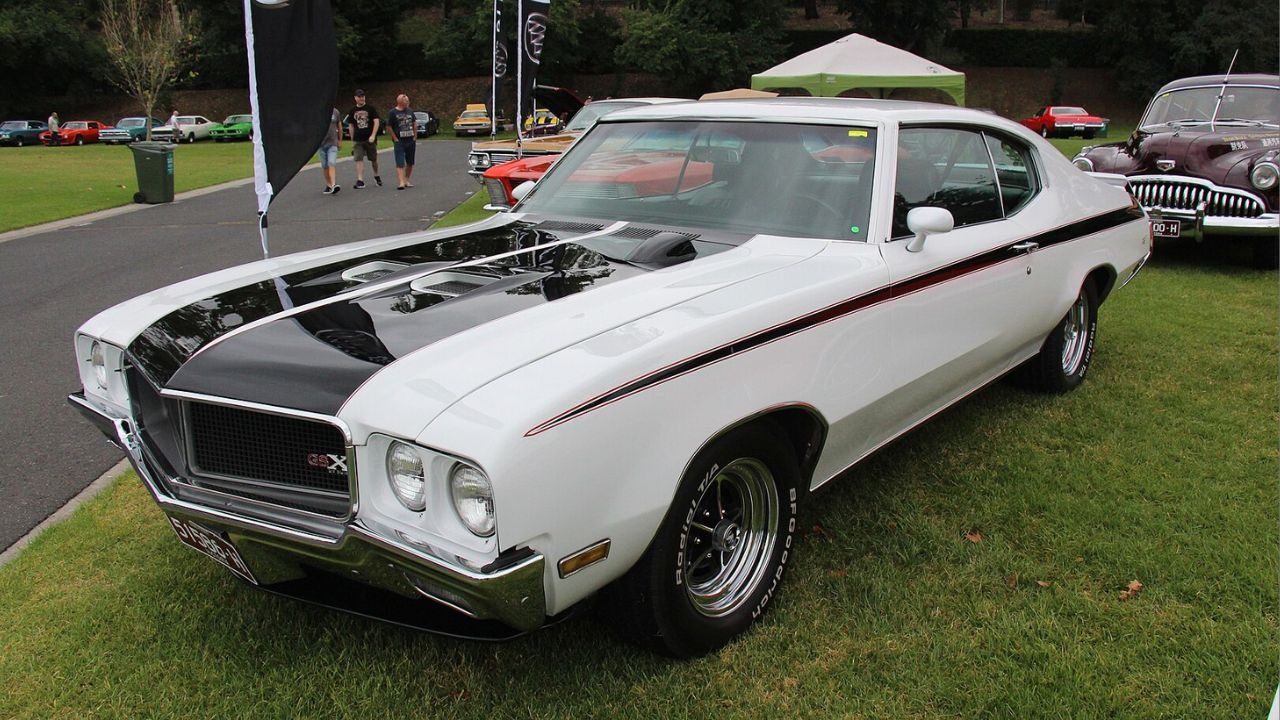
The Buick GSX Stage 1 relied on massive 455-cubic-inch V8 torque rather than extreme engine speed. Its big-block produced enormous low-end pulling power, allowing the car to launch aggressively. The GSX’s relatively heavy body did little to hide its performance potential. For hot rodders, its abundant torque made the Buick an excellent foundation for even more serious modifications.
1970 Oldsmobile 442 W-30
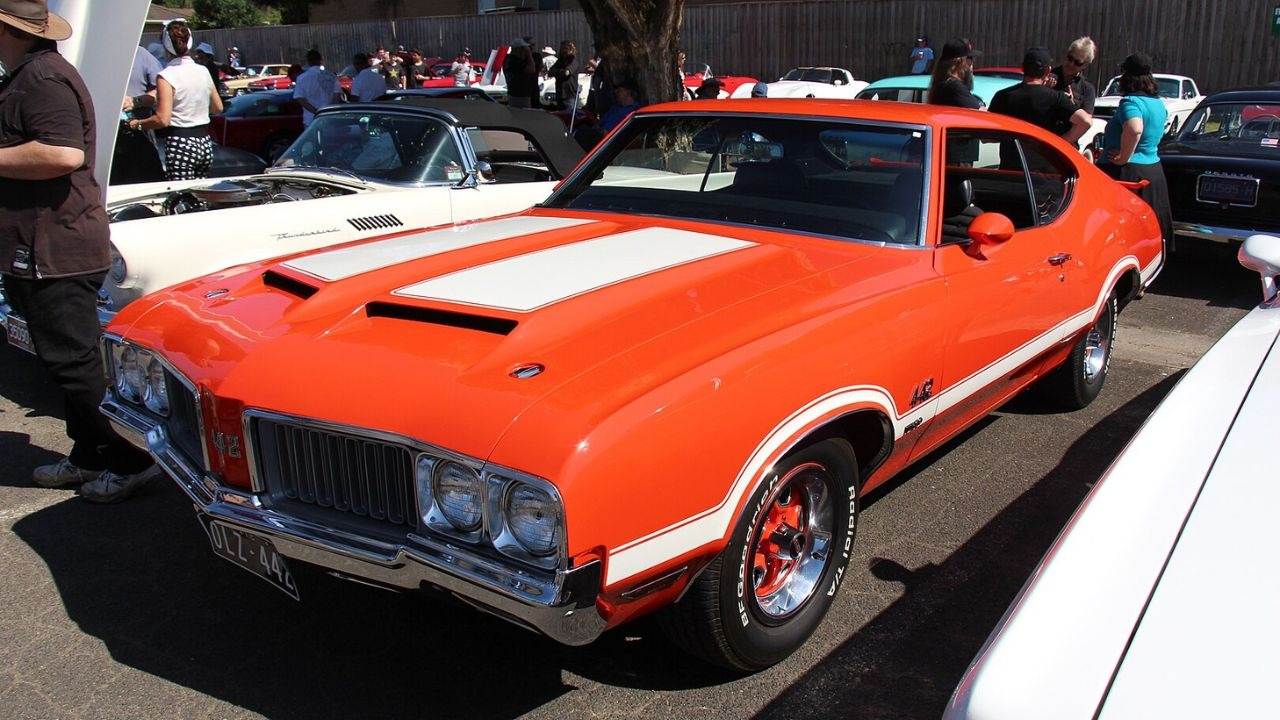
The Oldsmobile 442 W-30 combined a 455-cubic-inch V8 with performance-oriented induction and drivetrain components. Its abundant torque made it particularly effective in acceleration runs, while the W-30 package gave the car a stronger performance identity. Modified examples could push the big Oldsmobile well beyond factory specifications, making it a formidable presence on the strip.
1970 Pontiac GTO Judge
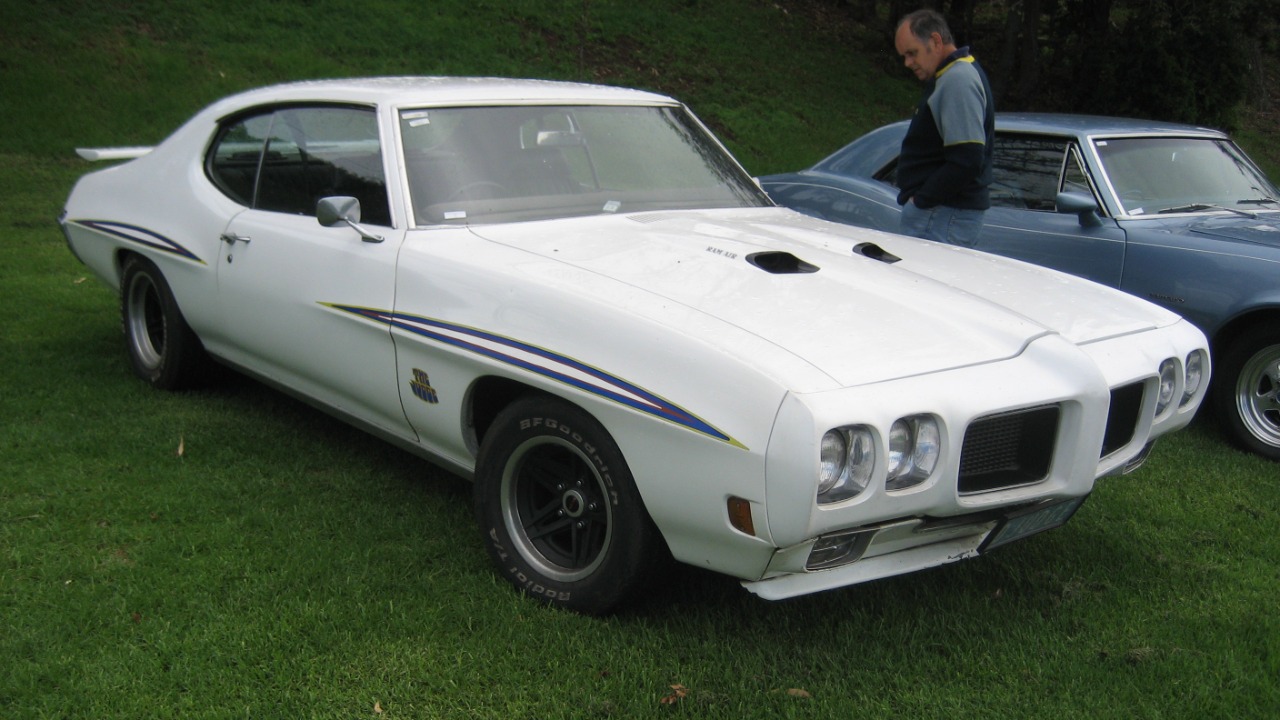
The Pontiac GTO Judge became one of the defining muscle cars of the era, particularly when equipped with Pontiac’s largest available engines. Its strong torque, rear-wheel-drive layout, and aggressive gearing made it naturally suited to straight-line performance. Hot rodders could take the formula much further through engine modifications, making already powerful GTOs capable of producing far more performance than the factory intended.
More from Fast Lane Only
- Unboxing the WWII Jeep in a Crate
- 15 rare Chevys collectors are quietly buying
- 10 underrated V8s still worth hunting down
- Police notice this before you even roll window down
*Research for this article included AI assistance, with all final content reviewed by human editors.