Some roadsters became famous, while others disappeared into automotive history almost unnoticed. Limited production, unusual engineering, and years of attrition have made these open-top sports cars exceptionally difficult to find today. Even serious collectors can go years without seeing some of them outside specialist events, museums, or private collections.
Alfa Romeo 1900C SS Spider
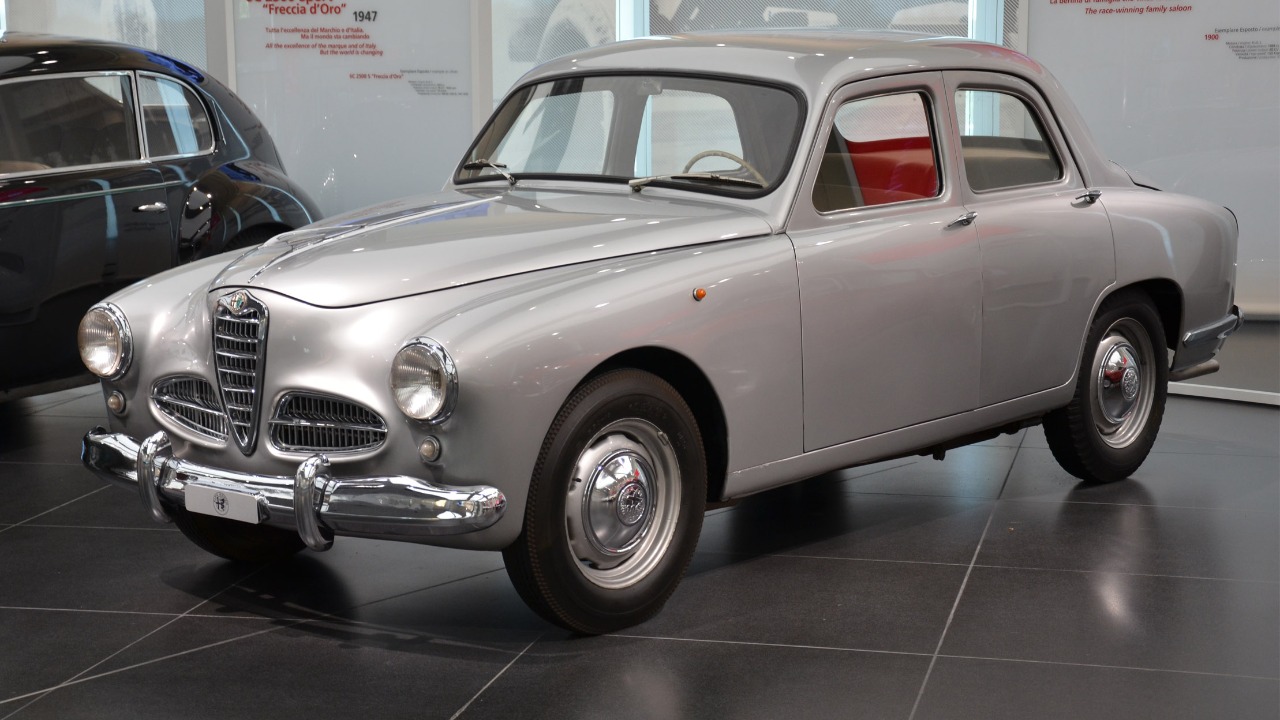
The Alfa Romeo 1900C SS Spider was a rare open-top sports car based on Alfa Romeo’s advanced 1900 platform. Its lightweight construction and elegant Italian styling gave it strong performance for its era. Only a limited number were produced, and many disappeared through decades of use and modification. Surviving examples are now particularly difficult to encounter outside major European classic-car collections.
Fiat 1100 TV Trasformabile
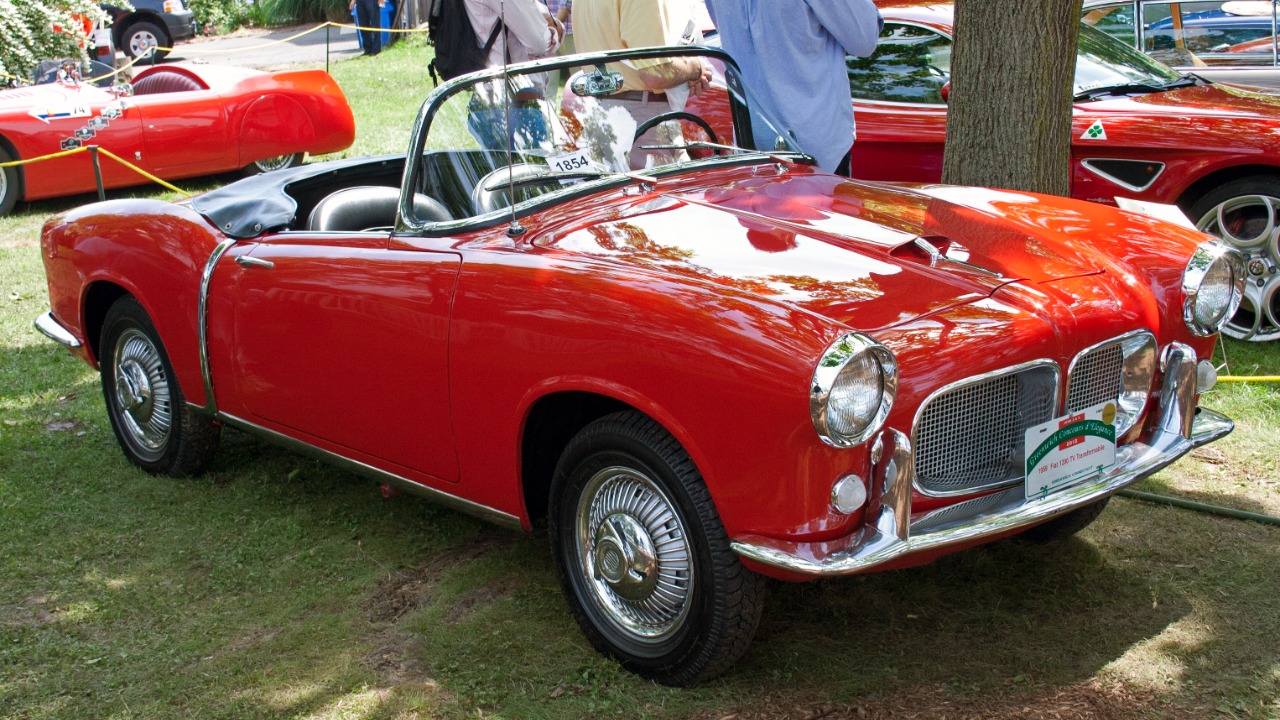
The Fiat 1100 TV Trasformabile was a stylish open sports car that combined Fiat’s practical mechanical components with distinctive Italian coachwork. Its compact size and relatively modest engine made it accessible compared with larger sports cars. Production numbers remained limited, however, and surviving examples are uncommon. Today, the Trasformabile represents an interesting period when small Italian roadsters were becoming increasingly sophisticated.
Cisitalia 202 Spider
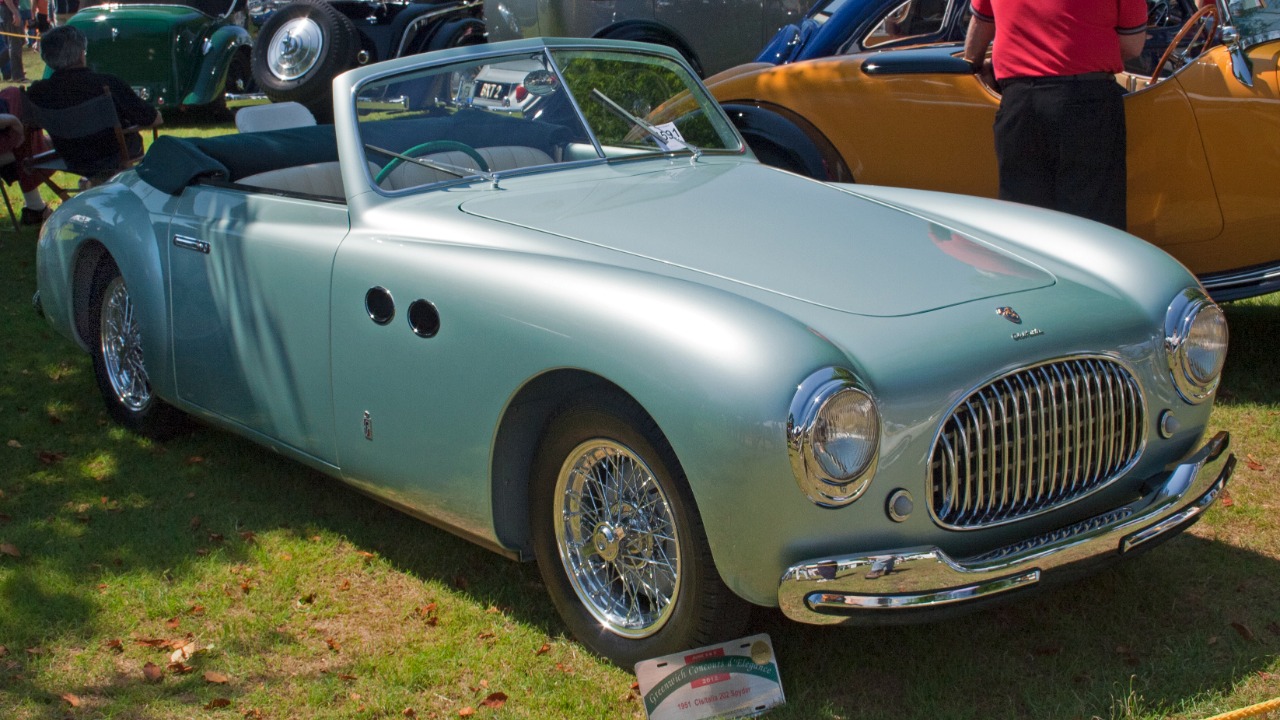
The Cisitalia 202 Spider became famous for its elegant Pinin Farina design and advanced engineering. Its lightweight construction and streamlined body gave it an unusually sophisticated appearance for a postwar sports car. Very few were built, making surviving examples exceptionally scarce. The 202’s importance in automotive design history has also made original cars highly desirable among collectors of significant Italian automobiles.
Siata 208S
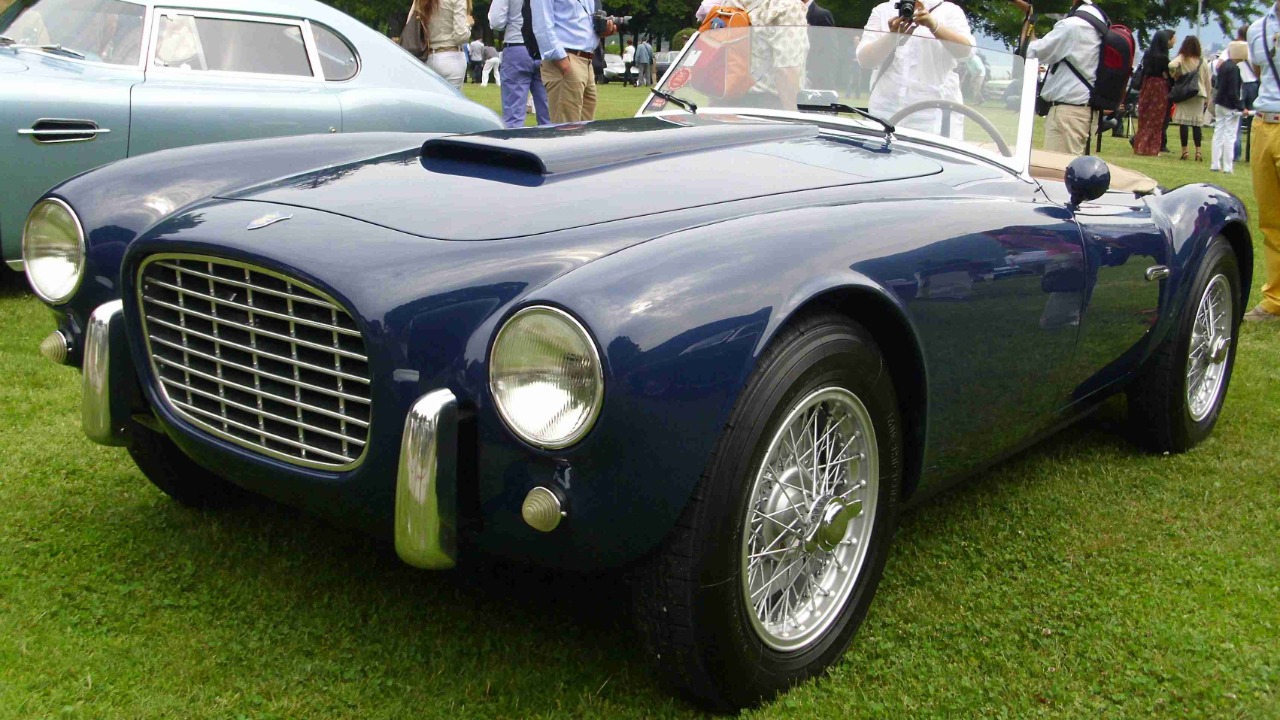
The Siata 208S was a beautifully engineered Italian sports car powered by a Fiat-derived V8. Its lightweight body and compact dimensions gave it impressive performance, while its low production numbers made it extremely rare. Several famous examples received elegant coachwork from Italian design houses. Today, an original 208S is rarely encountered and represents one of the most exclusive small Italian sports cars of its period.
Osca MT4
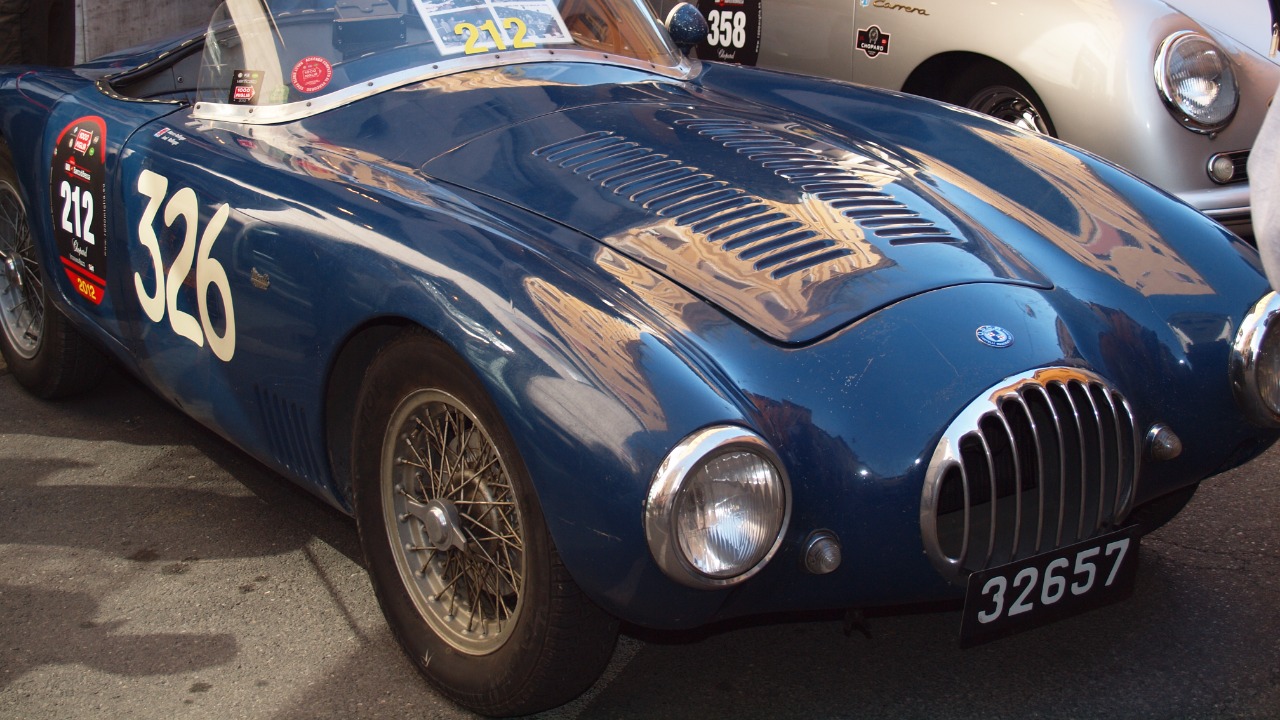
The Osca MT4 was created by the Maserati brothers after they left Maserati and established their own company. Designed primarily with competition in mind, the lightweight MT4 became successful in sports-car racing despite its small engine. Road-going examples were extremely limited. Their combination of racing history, compact proportions, and Italian craftsmanship has made surviving MT4s exceptionally unusual sights at modern events.
Ermini 1100 Sport
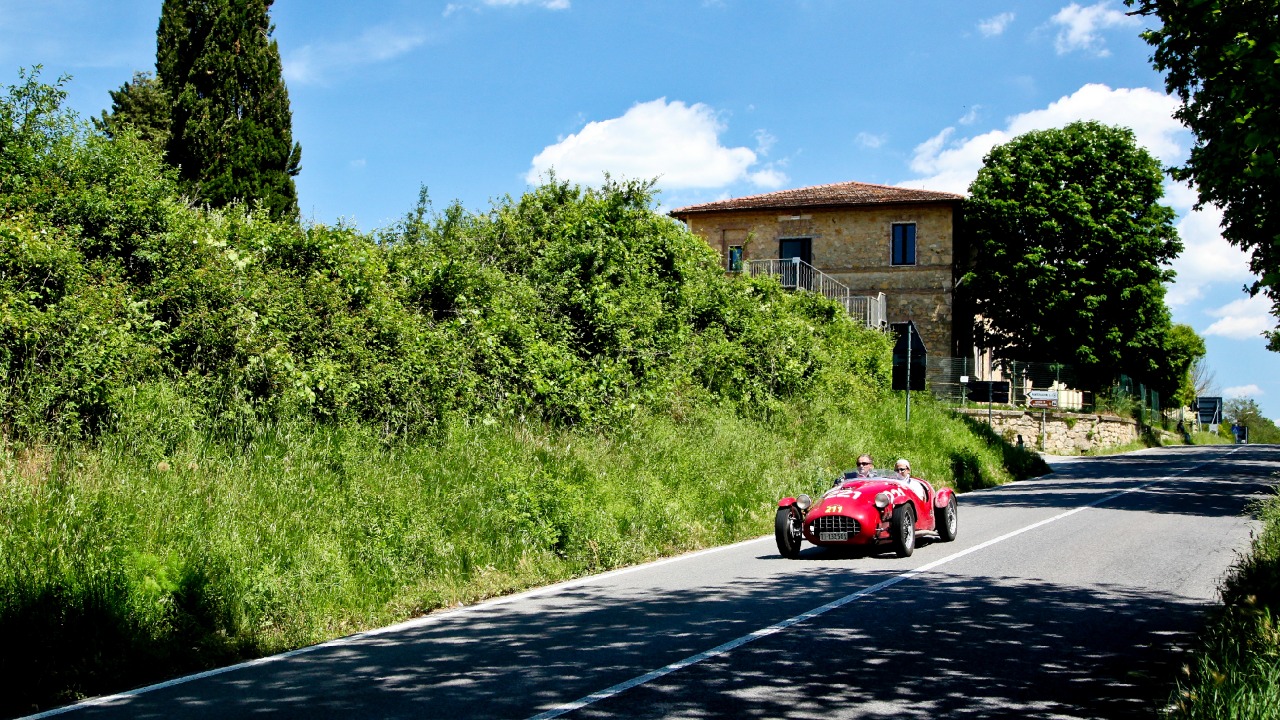
The Ermini 1100 Sport was one of the many specialized Italian sports cars developed around small-displacement racing engines after World War II. Its lightweight construction allowed modest engine power to produce competitive performance. Production was extremely limited, and individual cars often received custom coachwork. Surviving examples are therefore rare enough that even experienced Italian-car enthusiasts may never encounter one in person.
Bandini 750 Sport
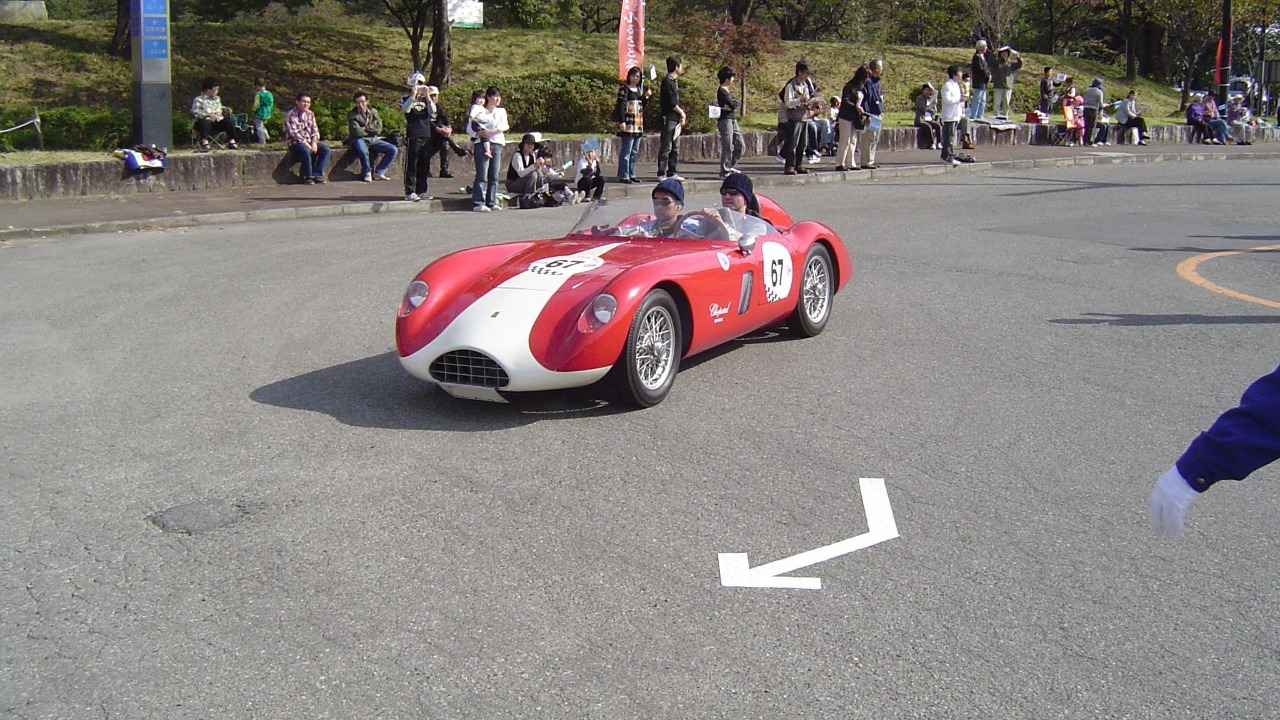
The Bandini 750 Sport was a tiny Italian sports car built by Ilario Bandini, whose company specialized in lightweight competition machines. Its small engine was paired with a very light chassis, allowing the car to perform far beyond what its displacement suggested. Only a small number were produced, and the surviving cars are now closely associated with specialist Italian racing-car collections.
Stanguellini 1100 Sport
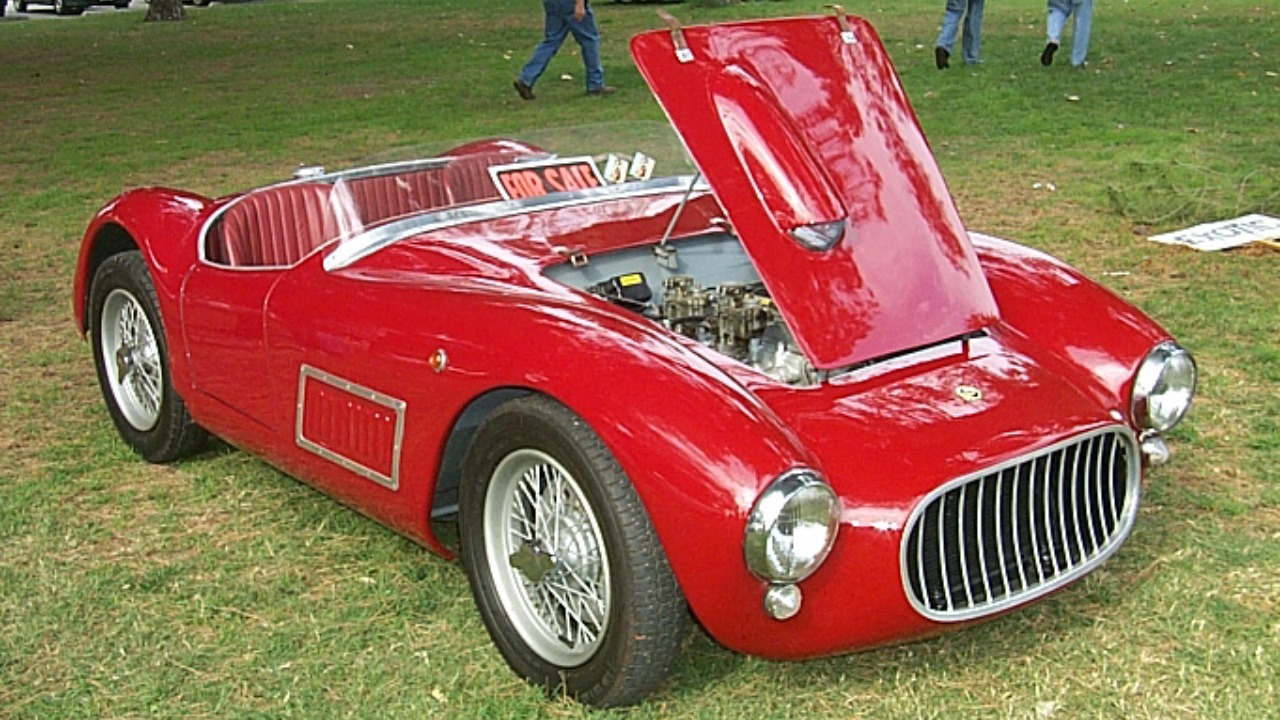
The Stanguellini 1100 Sport combined a small Fiat-based engine with lightweight construction and carefully developed chassis engineering. Stanguellini built cars primarily for competition, with only a limited number becoming road-going sports machines. Their unusual appearance and racing history make them particularly interesting to collectors. Finding an original example today usually requires visiting a specialist Italian-car gathering or major auction.
Nardi 750 LM
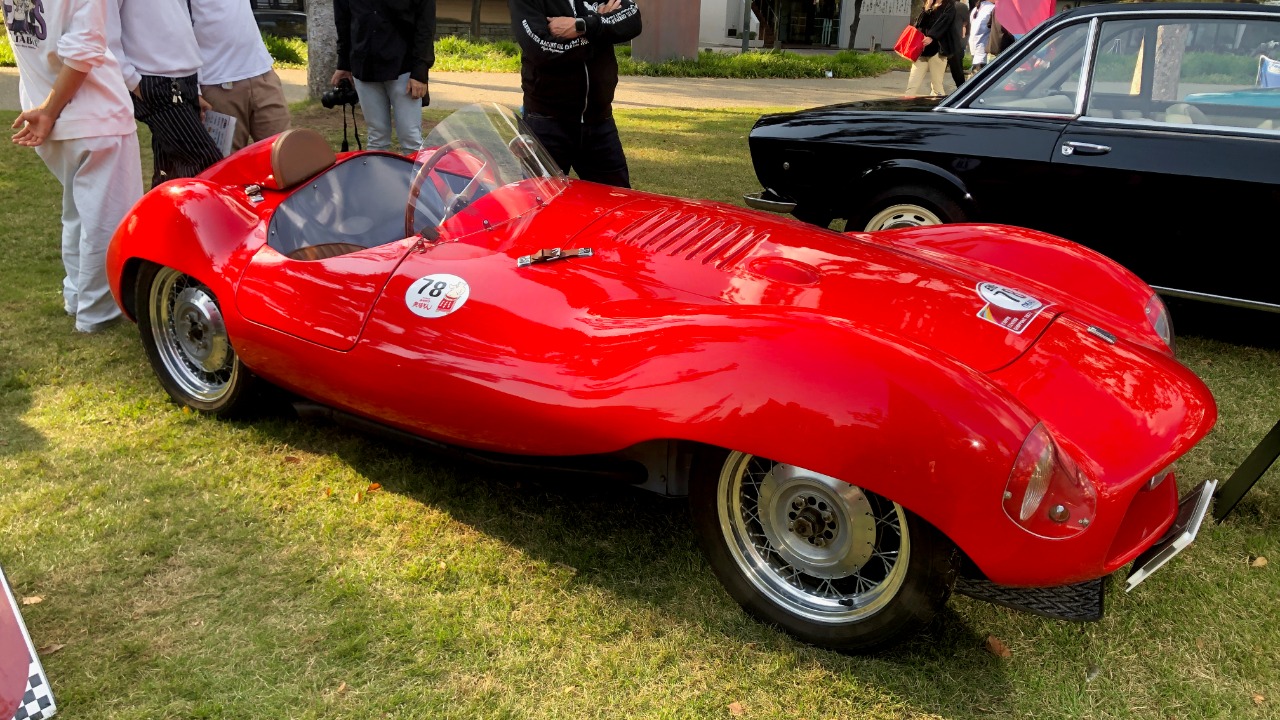
The Nardi 750 LM was produced by the Italian firm Nardi, which became known for lightweight performance cars and racing components. The 750 LM followed the postwar philosophy of extracting maximum performance from a small engine through low weight and careful engineering. Production was extremely limited. Surviving examples are now prized by collectors interested in obscure Italian racing and sports-car history.
Abarth 750 Spider
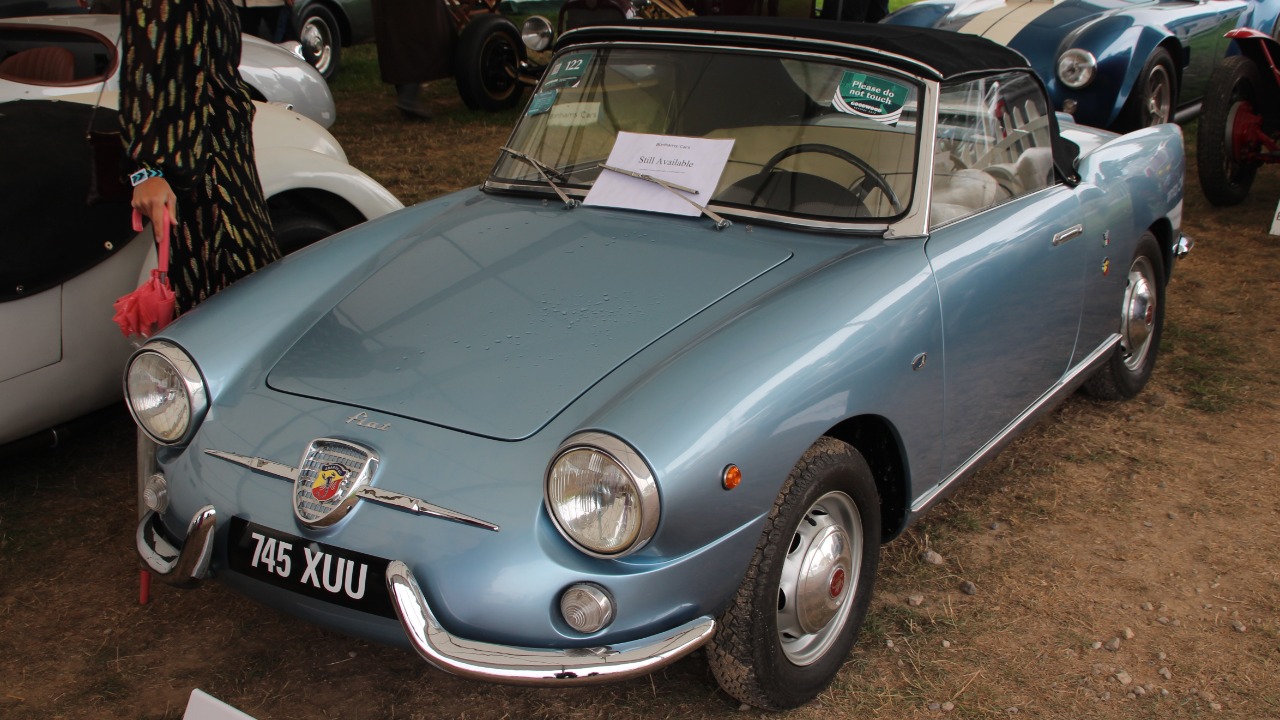
The Abarth 750 Spider combined compact Fiat-based mechanical components with Abarth’s performance-focused engineering. Its lightweight body made it an effective small sports car, while its limited production kept it far less common than better-known Abarth models. Surviving examples are especially interesting because many were modified or raced during their early lives, leaving relatively few original cars today.
Arnolt-Bristol
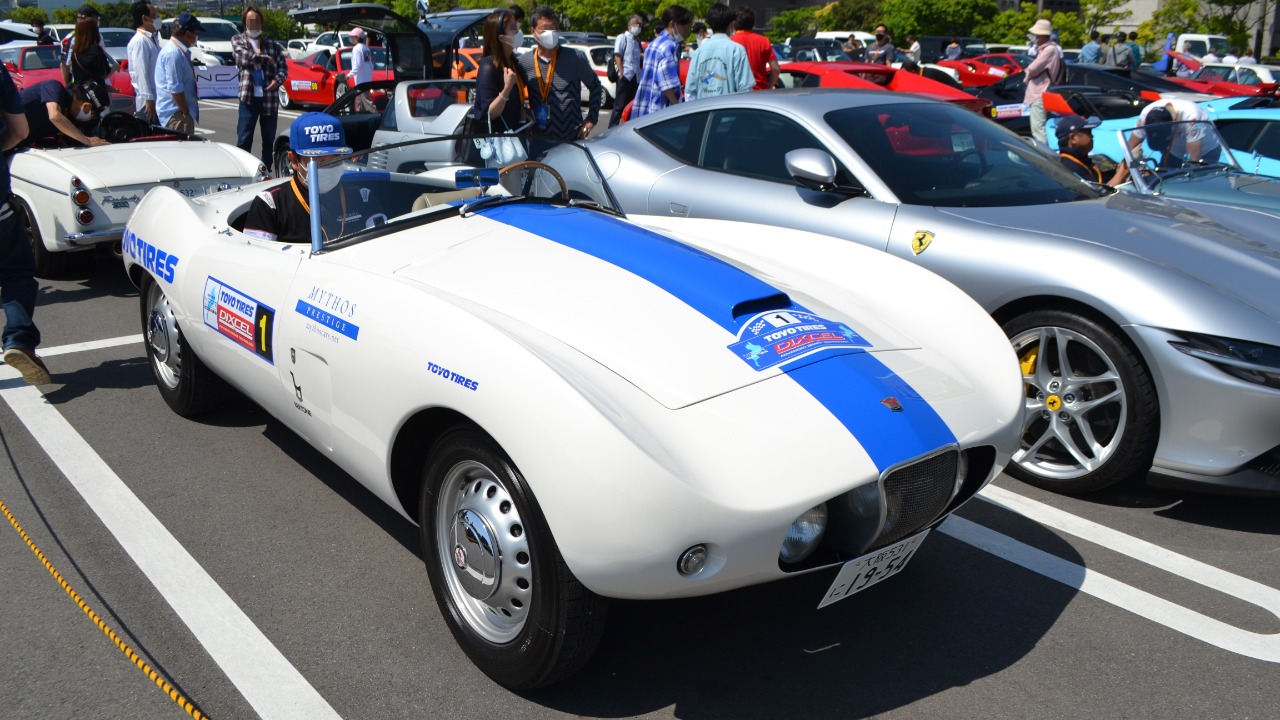
The Arnolt-Bristol was an unusual collaboration between American entrepreneur Stanley H. Arnolt and British and Italian manufacturers. It combined Bristol mechanical components with striking Bertone coachwork. Production was extremely small, with only a few dozen examples completed. That limited production makes the Arnolt-Bristol one of the rarest postwar open sports cars, and original examples are seldom seen outside major collections.
Allard J2
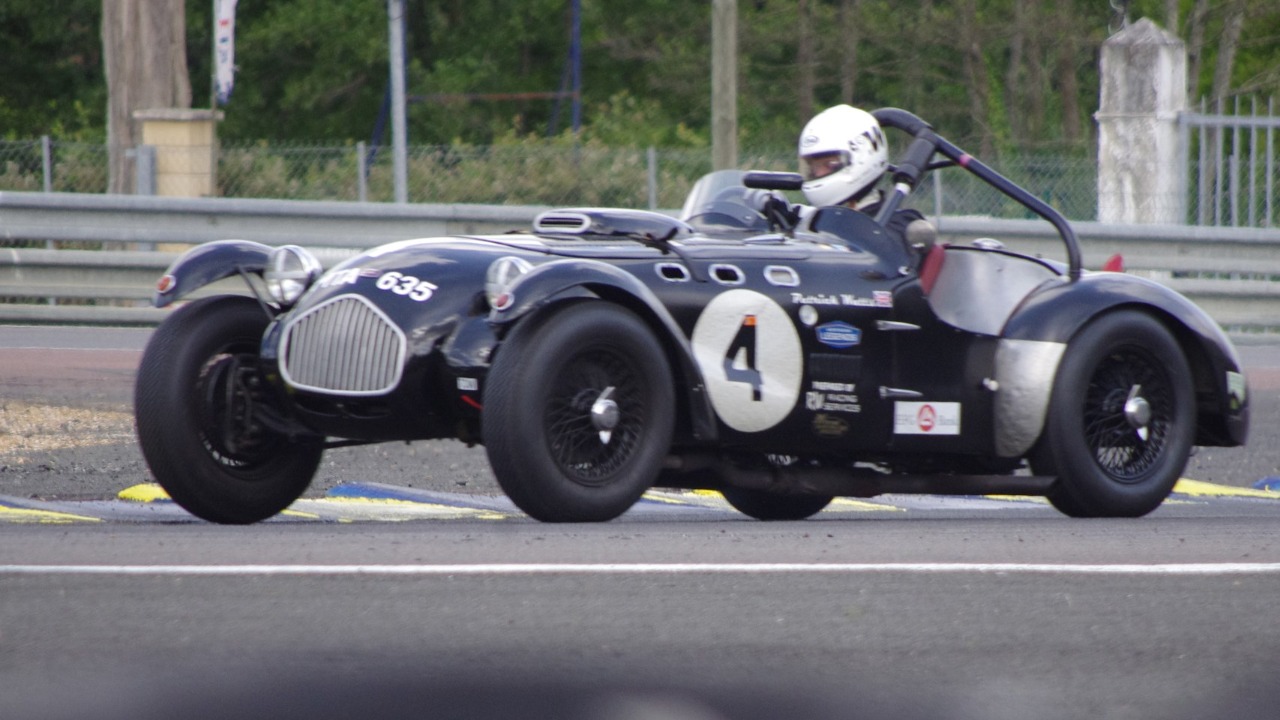
The Allard J2 was a British-American hybrid that paired a lightweight British chassis with large American V8 engines. Its combination of low weight and substantial horsepower made it highly competitive in early postwar racing. Only a limited number were built, and surviving examples are highly collectible. The J2’s unusual mixture of British construction and American power makes it instantly recognizable to specialists.
Allard J2X
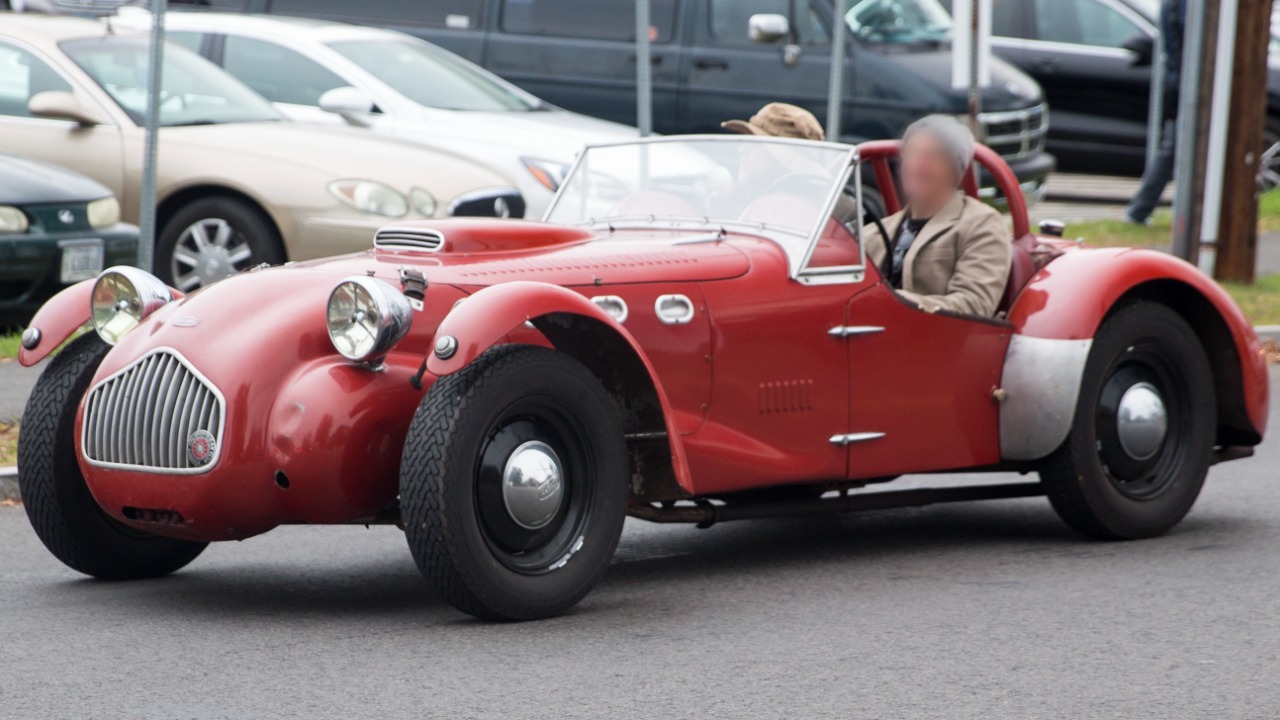
The Allard J2X evolved from the earlier J2 and retained the company’s formula of combining British chassis engineering with powerful American engines. Its distinctive front-mounted engine and lightweight body gave it an unmistakable appearance. Production remained very limited, and competition use took its toll on many examples. Original J2Xs are now rare sights even at major historic racing events.
Frazer Nash Le Mans Replica
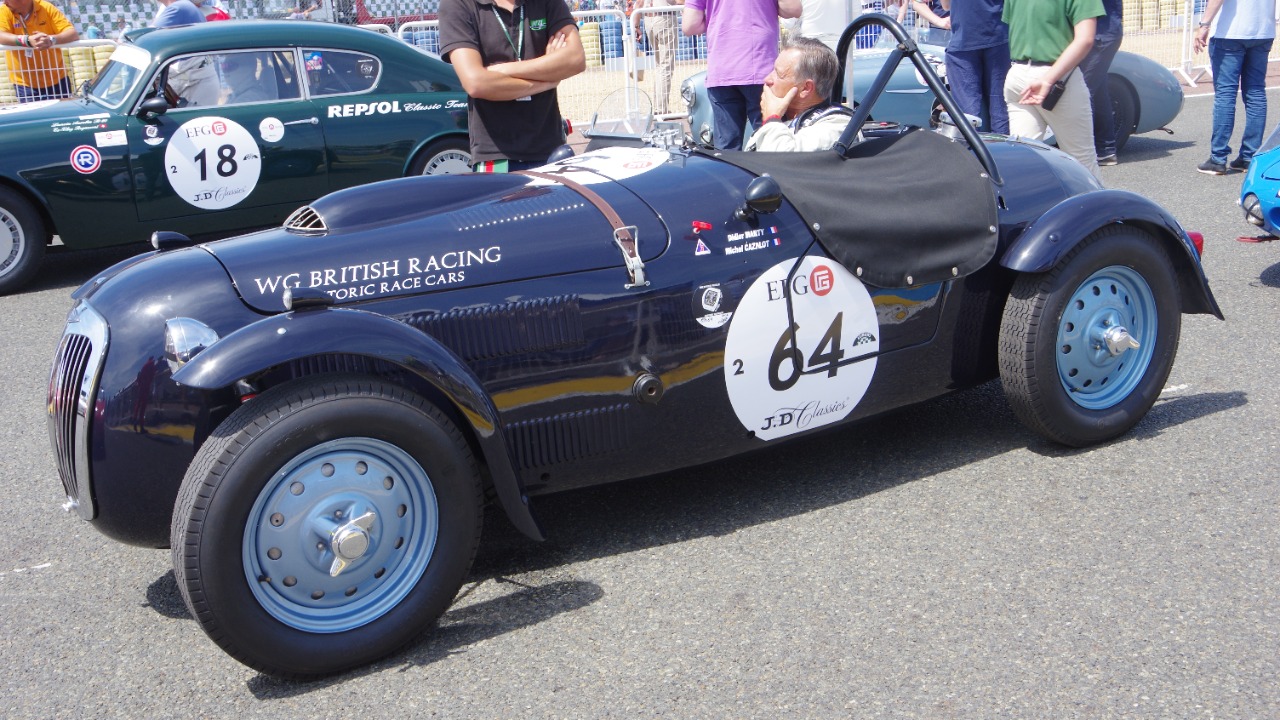
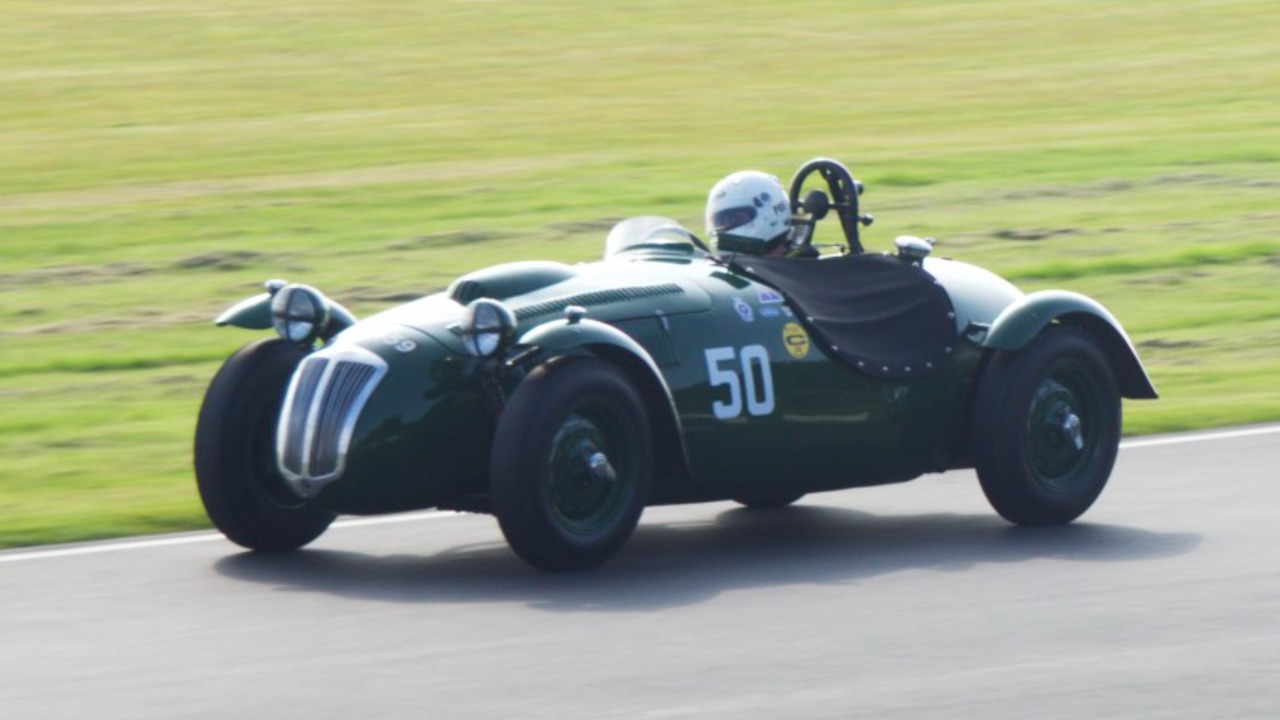
The Frazer Nash Le Mans Replica was developed from the company’s successful competition-car philosophy and offered exceptional performance for its time. Its lightweight body and unusual chain-drive transmission made it very different from conventional sports cars. Only a small number were produced. Surviving examples are particularly valuable to British racing enthusiasts because they preserve one of the country’s most distinctive postwar sports-car designs.
Lea-Francis 14 HP Sports
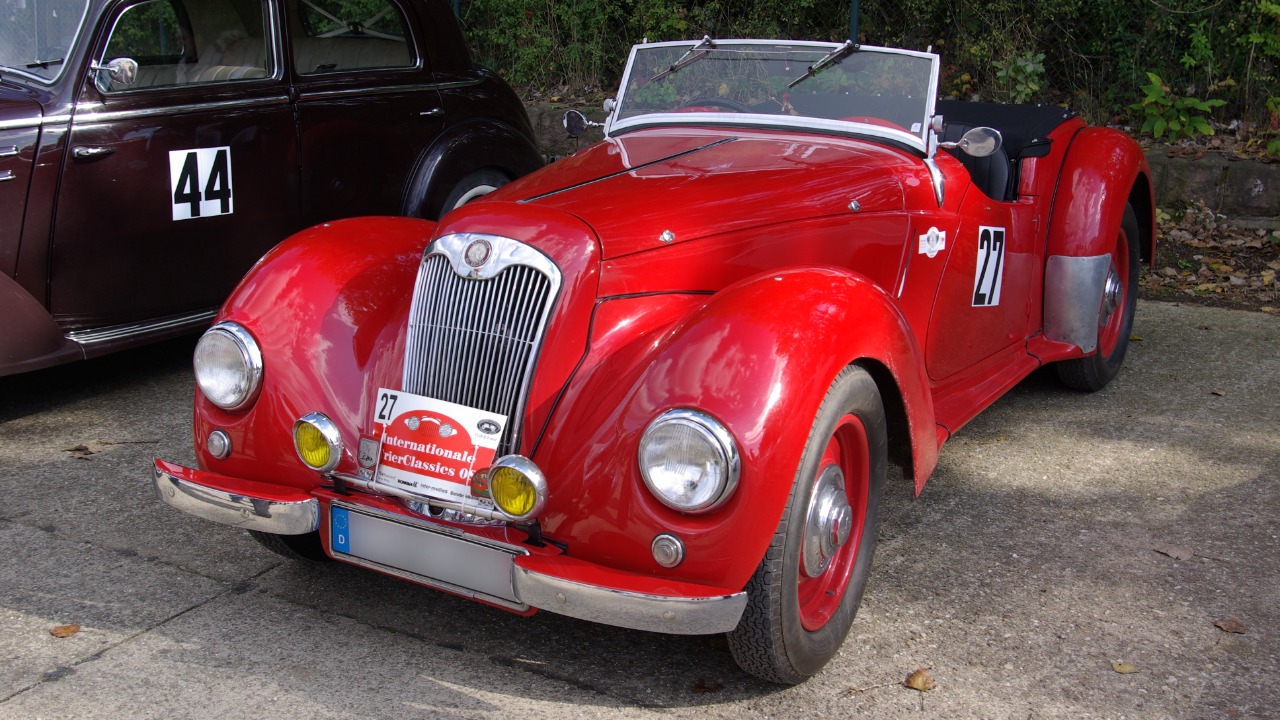
The Lea-Francis 14 HP Sports was a rare British open sports car from a small manufacturer with a long history of building specialized automobiles. Its sporting chassis and elegant bodywork gave it a distinctive character compared with mass-produced British roadsters. Production numbers were low, and many cars disappeared over time. Surviving examples are now unusual even at British classic-car gatherings.
Jowett Jupiter
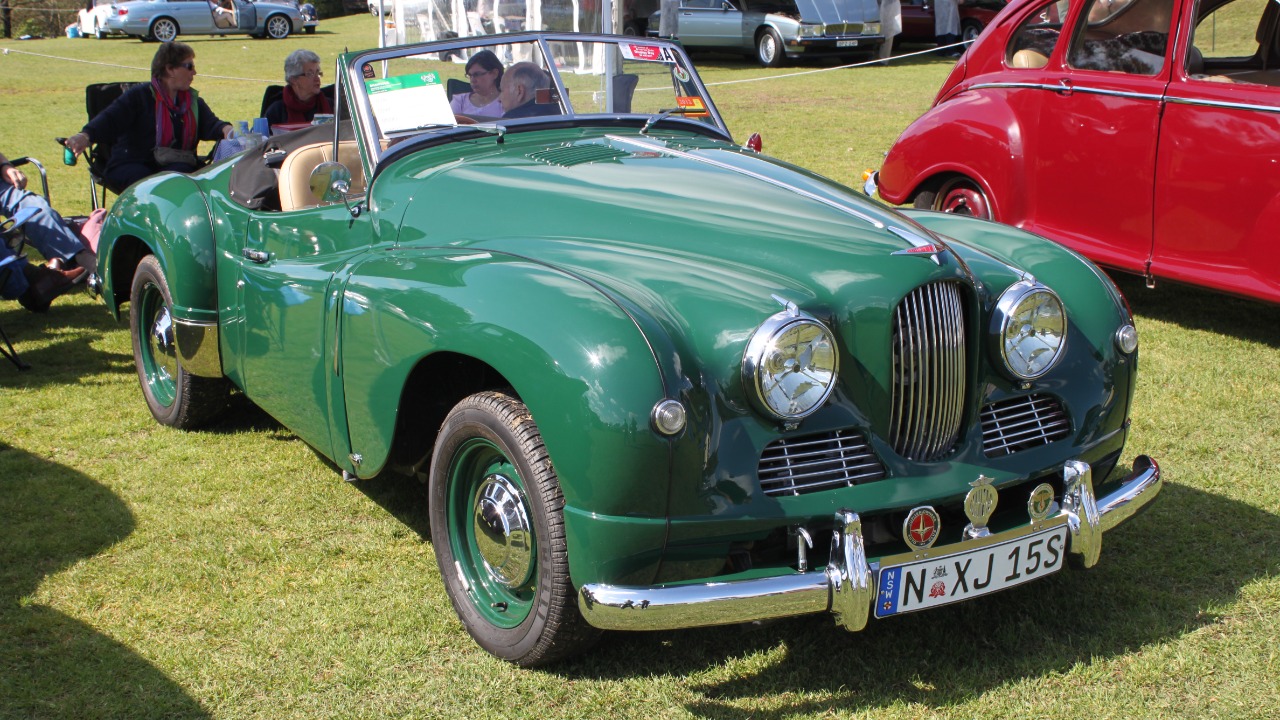
The Jowett Jupiter was an unusual British sports car powered by a horizontally opposed engine and built around a lightweight tubular chassis. Its engineering was advanced for its period, and the car enjoyed success in competition. Production remained limited, however, and many examples were lost over the decades. Today, the Jupiter is one of the lesser-known British sports cars from the early postwar period.
Fairthorpe Electron
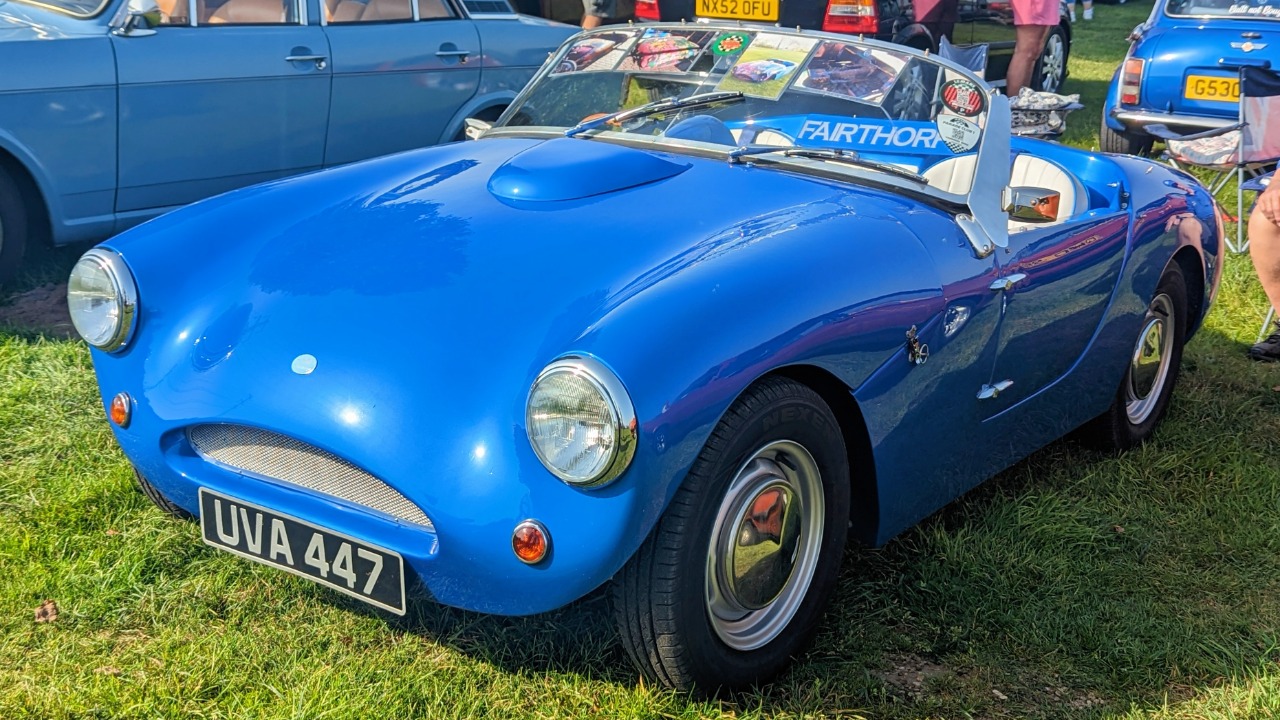
The Fairthorpe Electron was a lightweight British sports car developed by a small manufacturer that favored compact dimensions and simple mechanical components. Various engines were used during its production life, allowing owners to build relatively affordable performance cars. Because production was limited and many examples were modified, finding an original Electron today can be surprisingly difficult for collectors.
Dellow Mk II

The Dellow Mk II was a small British sports car developed with competition and trials driving in mind. Its compact body, lightweight construction, and simple mechanical layout made it effective on rough surfaces and narrow courses. Dellow produced only small numbers compared with mainstream British manufacturers. Surviving examples are now highly unusual, particularly those retaining their original configuration and equipment.
More from Fast Lane Only
- Unboxing the WWII Jeep in a Crate
- 15 rare Chevys collectors are quietly buying
- 10 underrated V8s still worth hunting down
- Police notice this before you even roll window down
*Research for this article included AI assistance, with all final content reviewed by human editors.