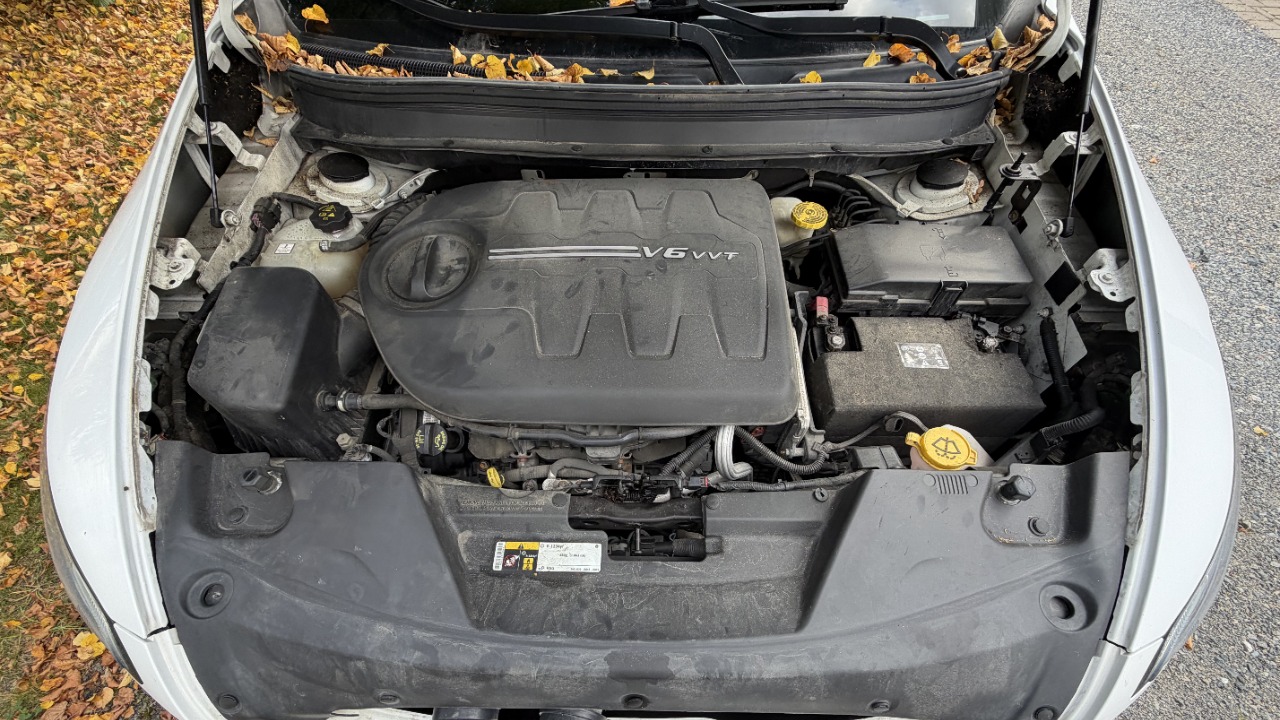
Mopar has never been short on engines that surprised people. Some did it with horsepower, some with torque, and others simply refused to behave like the modest engines they appeared to be on paper. Chrysler, Dodge and Plymouth built plenty of engines that looked ordinary until someone pushed the throttle down, opened the hood, or started digging into what made them work.
The obvious names get most of the attention, but the Mopar story is much bigger than the 426 Hemi and 440 Six Pack. From clever small-blocks and tough inline-sixes to turbocharged four-cylinders and modern supercharged Hemis, these engines repeatedly delivered more performance, flexibility, or capability than their reputation initially suggested.
Chrysler 170 Slant Six Hyper-Pak
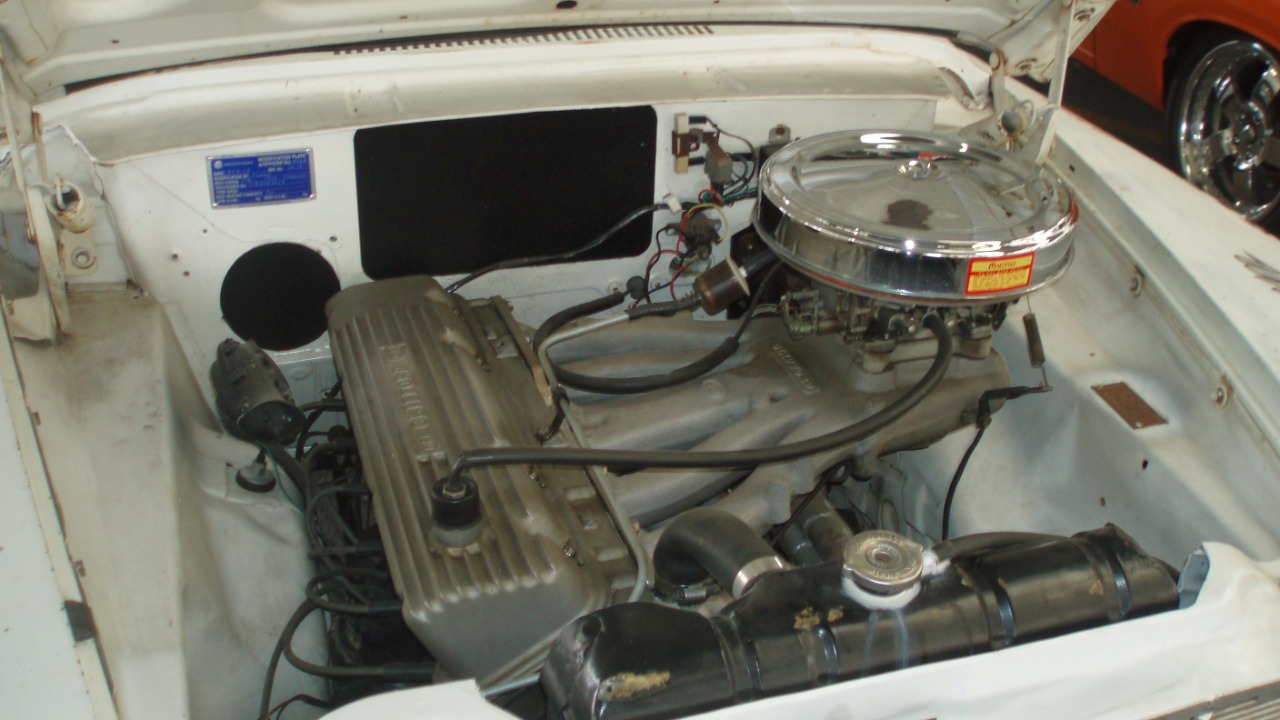
The 170 Slant Six was never supposed to scare V8 owners. When Chrysler introduced the Slant Six in 1960, its biggest selling points were compact dimensions, economy, simplicity and reliability. Then the Hyper-Pak arrived and changed the conversation. With a four-barrel carburetor, higher-compression pistons, a more aggressive camshaft, special intake and exhaust components, and other performance changes, the little 170 could produce around 148 horsepower. That might not sound dramatic today, but it was serious output for a 170-cubic-inch six-cylinder in an early compact car. The Hyper-Pak-equipped Valiants were competitive in the compact-car racing events Chrysler targeted, proving that a small engine could make an unexpectedly quick car when the factory put some thought into the combination.
Chrysler 225 Slant Six
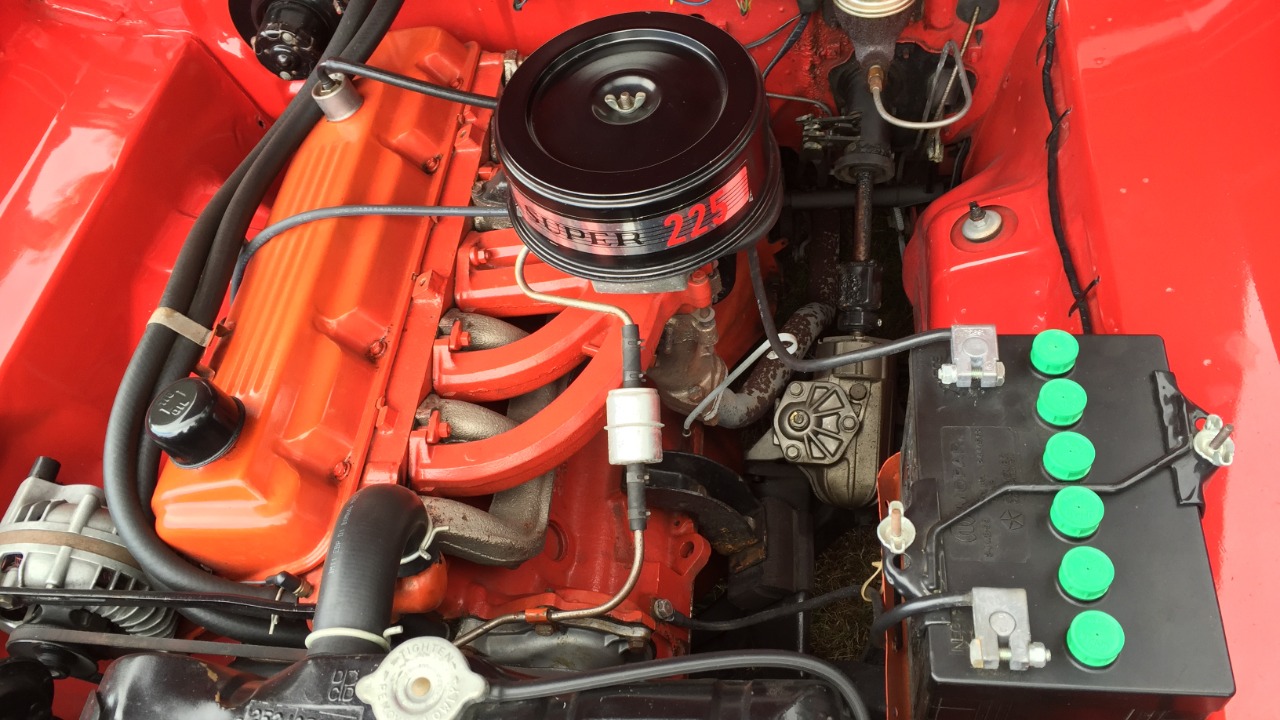
The 225 Slant Six earned its reputation in a completely different way. It was not a glamorous engine, but its combination of torque, simplicity and durability made it one of Chrysler’s most useful powerplants. The unusual 30-degree slant allowed Chrysler to package the engine efficiently, while the long stroke gave the 225 useful low- and mid-range torque. It powered everything from passenger cars to trucks, vans and other commercial applications, and it stayed in service for decades. What makes the 225 fit this list is how much work it could handle without being complicated. It was designed as an economical six-cylinder, yet it became a favorite among enthusiasts because the basic engine was tough enough to tolerate performance modifications. Even when it was not chasing horsepower records, the 225 routinely exceeded expectations in durability and everyday usefulness.
Chrysler 273 Commando
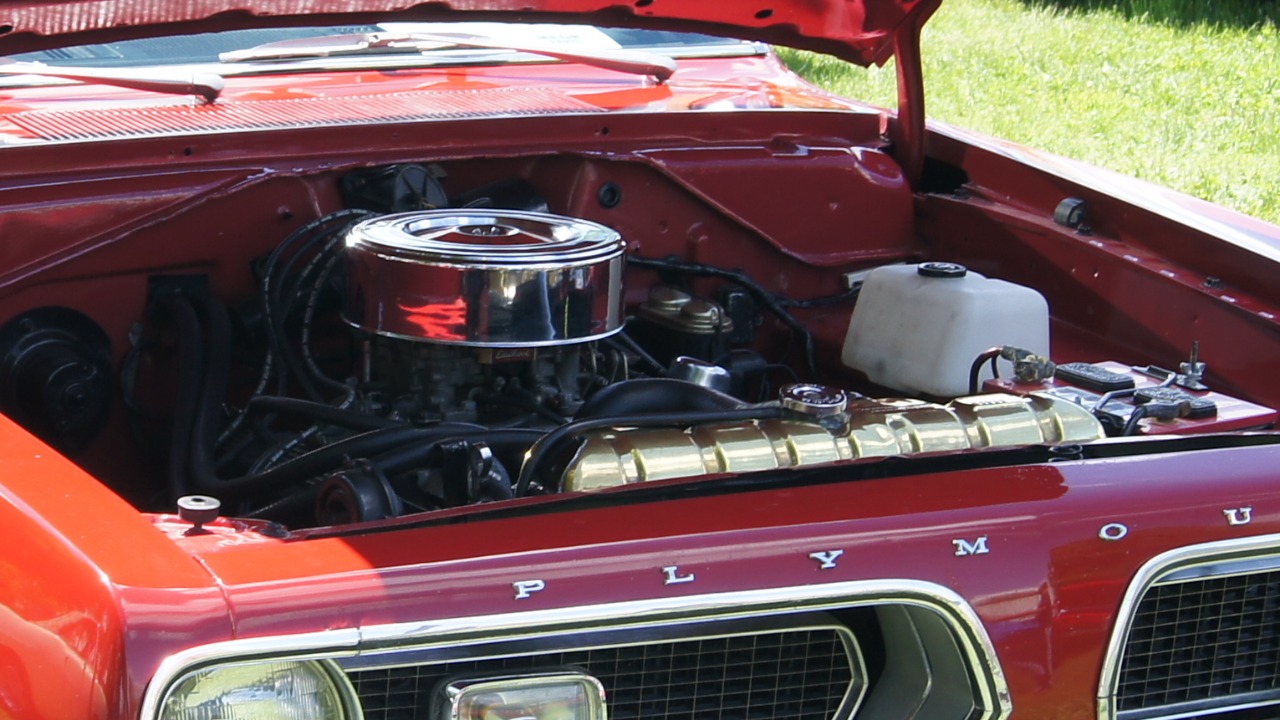
The 273 is easy to overlook because later Mopar small-blocks became much more famous, but the little V8 helped establish the formula that made Chrysler’s LA family so successful. Introduced for the 1964 model year, the 273 was compact, relatively lightweight and available in performance form. The Commando version used a four-barrel carburetor and was rated at 235 horsepower, giving small Mopar cars a surprisingly energetic powerplant without needing a big-block. That mattered because the 273 arrived during a period when manufacturers were learning that performance did not always require huge displacement. In cars such as the Barracuda and Dart, the engine’s compact dimensions made it possible to combine a relatively small body with genuine V8 performance. The 273 did not have the reputation of the later 340, but it helped prove that Chrysler could make a small V8 that punched well above its displacement.
Chrysler 340
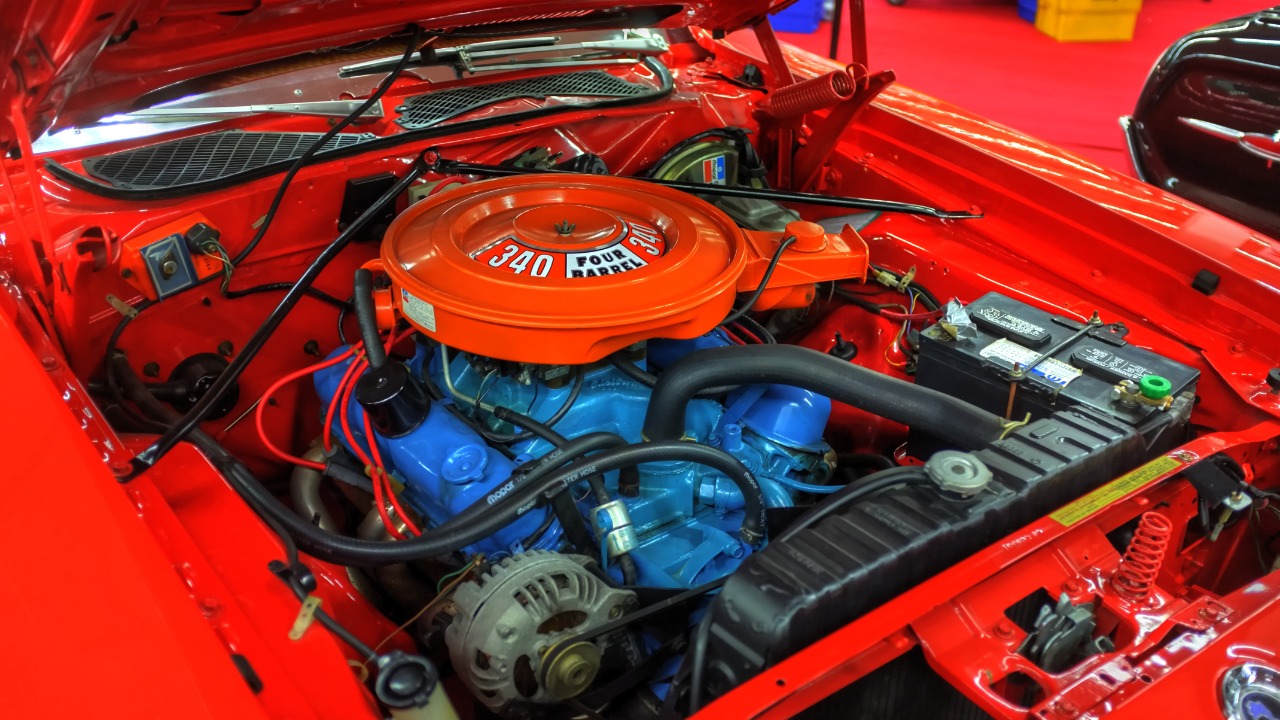
The 340 is one of the best examples of Chrysler getting serious performance out of a relatively modest displacement. Introduced for 1968, it was designed as a high-performance small-block rather than simply being a larger version of an economy engine. Strong cylinder heads, a short-stroke design and performance-oriented internals gave it the ability to rev while still making useful torque. In an era when buyers could order increasingly enormous big-blocks, the 340 demonstrated that a smaller engine could still make a muscle car genuinely quick. Its reputation became even stronger when versions such as the 340 Six Pack appeared in the 1970 AAR ‘Cuda and Challenger T/A. That engine used three two-barrel carburetors and was factory rated at 290 horsepower. The 340’s real appeal was its combination of size and attitude. It did not need 440 cubic inches to behave like a serious performance engine.
Chrysler 360
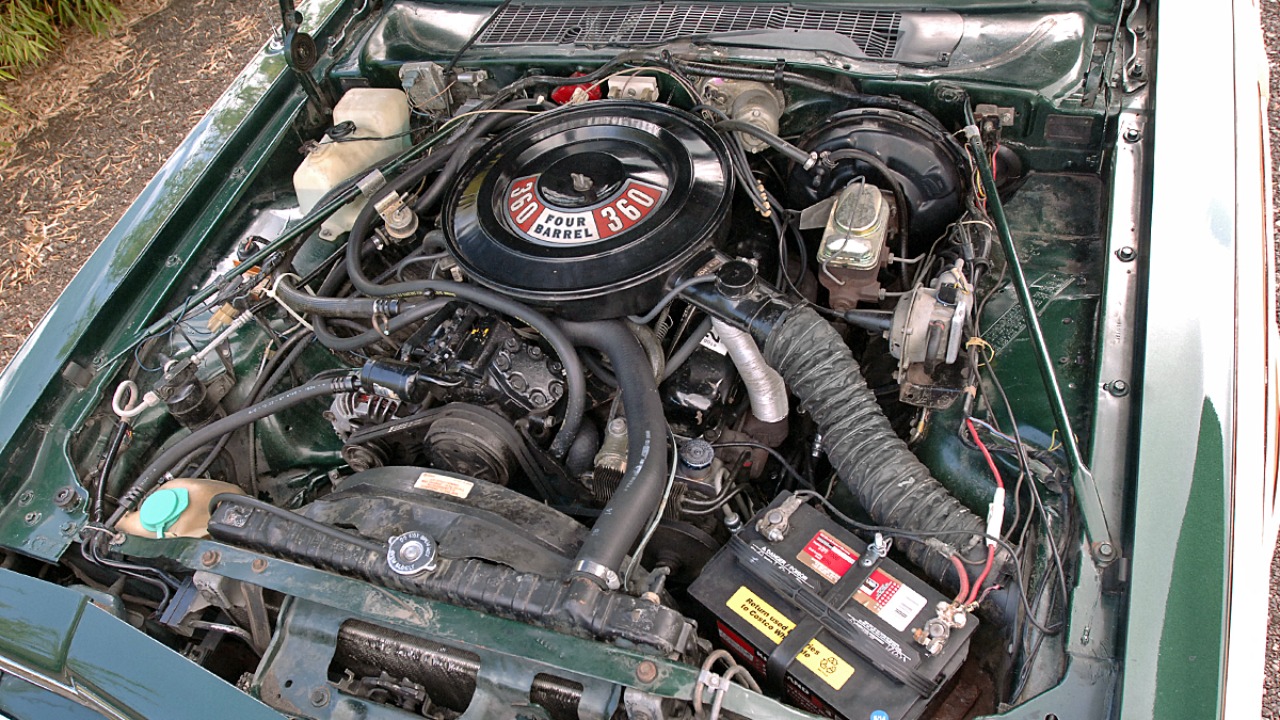
The 360 often lived in the shadow of the 340, even though it eventually became one of the most useful performance-oriented small-blocks in the Mopar family. Its larger displacement gave it more torque, and the engine found applications ranging from passenger cars to trucks and vans. That broad usefulness is part of what makes the 360 interesting. It could be a completely ordinary workhorse in one vehicle and a strong foundation for a performance build in another. Later Magnum versions added modern fuel injection and cylinder-head improvements, giving the old basic architecture a new lease on life. Mopar Performance even offered crate versions based on the production 5.9-liter Magnum, with factory-style combinations available at 300 and 380 horsepower. The fact that an engine originally designed for everyday trucks could become the foundation for surprisingly serious performance says plenty about the underlying architecture.
Chrysler 383 Four-Barrel
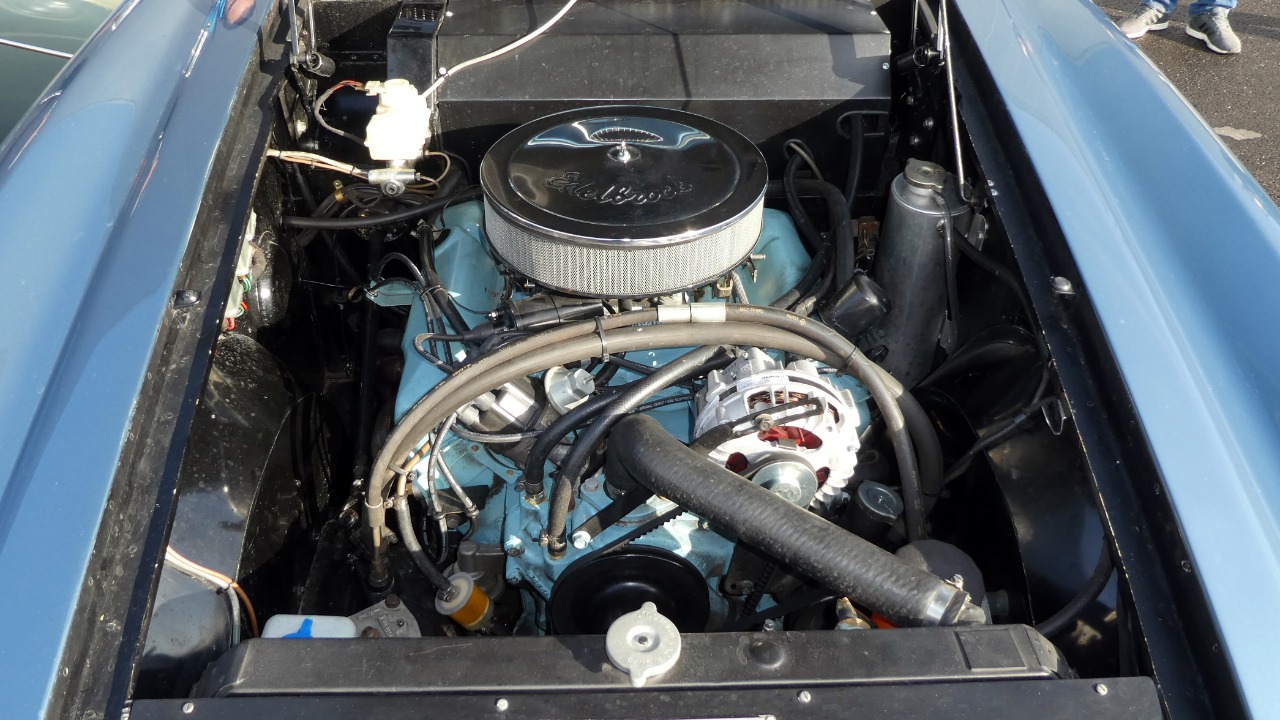
The 383 is one of those Mopar engines that can seem less impressive on a specification sheet than it feels in an actual car. It was a big-block, but it was generally more approachable than Chrysler’s wildest RB engines. The 383 combined a 4.25-inch bore with a relatively short 3.375-inch stroke, giving it a useful balance between torque and willingness to rev. In performance versions, Chrysler rated the engine at figures that could put a reasonably equipped intermediate car into serious muscle-car territory. It also became a common choice in cars such as the Road Runner, where buyers wanted big-block performance without stepping all the way up to a 440 or 426 Hemi. The 383’s importance comes from how often it delivered strong performance without the cost, rarity or drama associated with Mopar’s top-tier engines. It was the big-block many people could actually live with.
Chrysler 413 Max Wedge
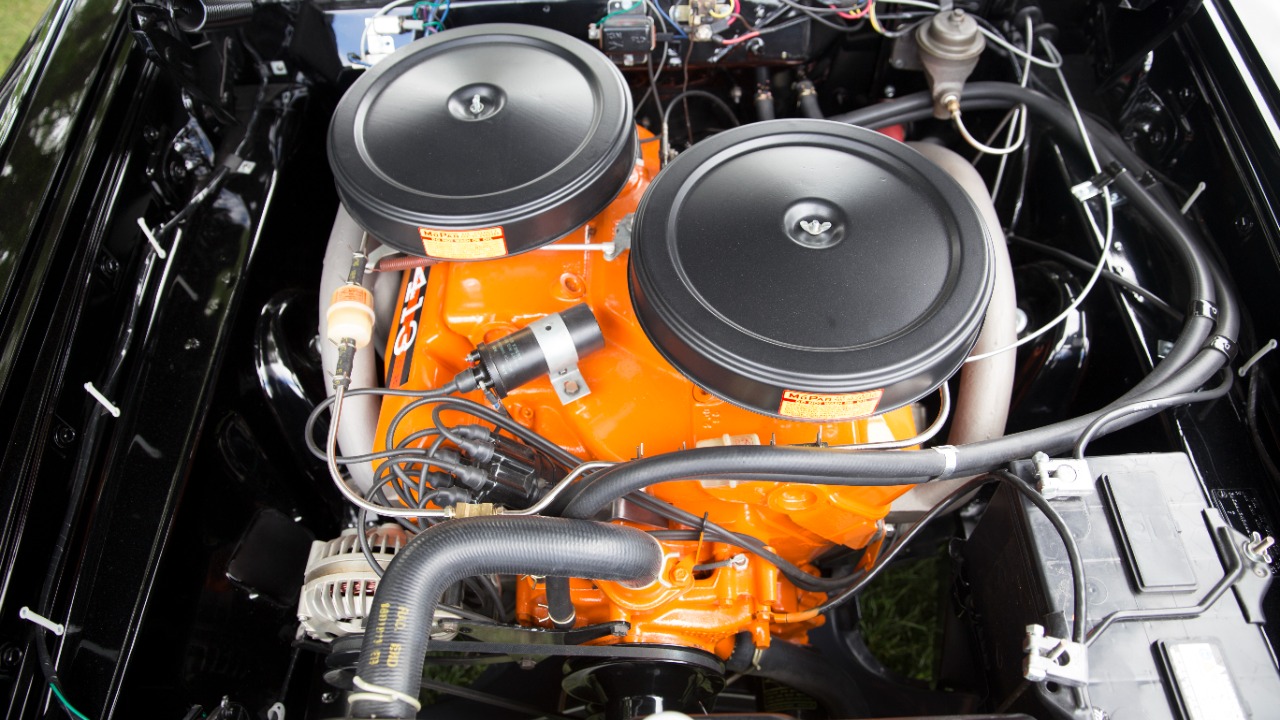
The 413 Max Wedge was where Chrysler stopped pretending its big-blocks were merely comfortable street engines. Introduced for the 1962 model year, the Max Wedge combined a 413-cubic-inch RB engine with dual four-barrel carburetors, a cross-ram intake, high-flow heads, aggressive camshaft timing and specialized exhaust hardware. Chrysler rated the strongest version at 420 horsepower, which was an astonishing figure for a street-legal intermediate car at the time. More importantly, the engine was developed with drag racing in mind. Buyers could order a relatively ordinary-looking Dodge or Plymouth and end up with an engine that was much closer to a factory race package than most people expected from a showroom car. The 413 Max Wedge helped establish the foundation for Chrysler’s later 426 performance engines, and its short production run has made surviving examples particularly significant to Mopar enthusiasts.
Chrysler 426 Max Wedge
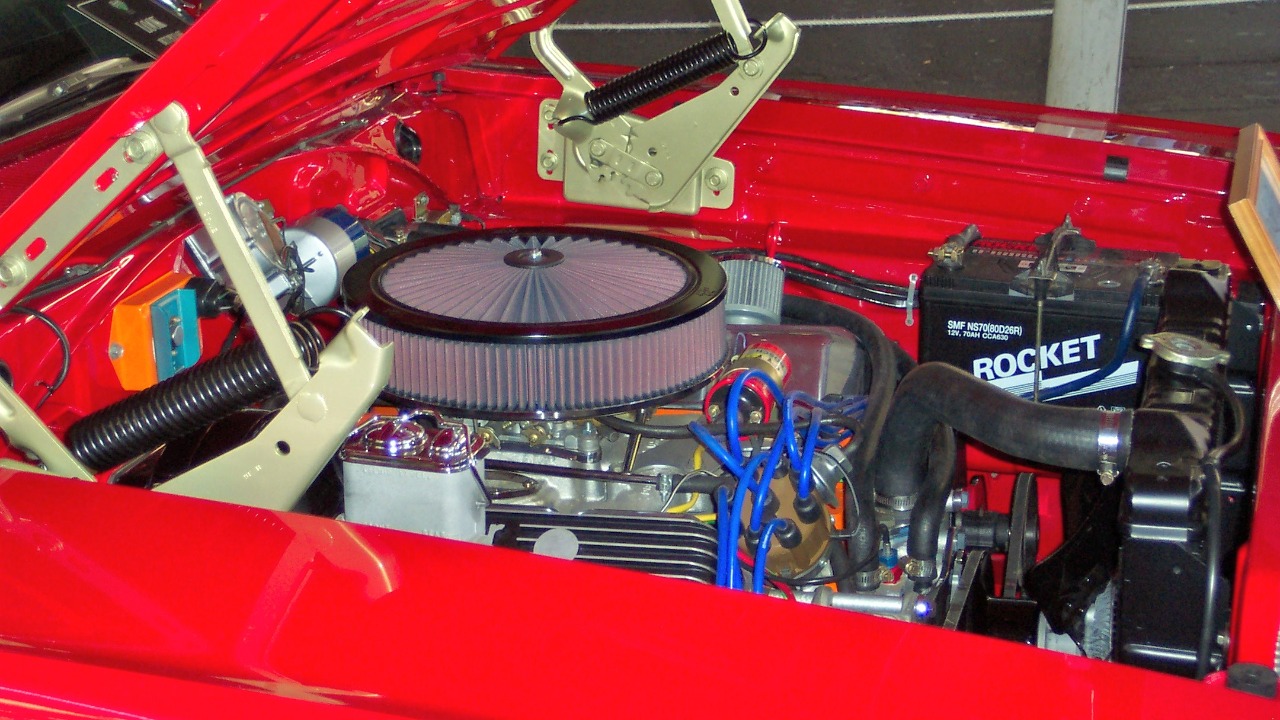
The 426 Max Wedge took the 413 formula and pushed it further. For 1963, Chrysler increased the bore to create the 426-cubic-inch version, while retaining the dual-quad cross-ram concept and the aggressive hardware that made the Max Wedge so effective. Depending on configuration, factory ratings reached 425 horsepower. The impressive part was not simply the number. Chrysler was putting this engine into intermediate Dodges and Plymouths that could still be driven on the street, even though the engine was clearly developed with competition in mind. The Max Wedge’s severe-duty block, high-flow heads and specialized induction made it an unusually serious factory package. It also became part of the engineering foundation for the 426 Hemi that followed. That makes the 426 Max Wedge more than just another big-block. It was one of the engines that helped Chrysler turn factory performance into something genuinely intimidating.
Chrysler 426 Street Hemi
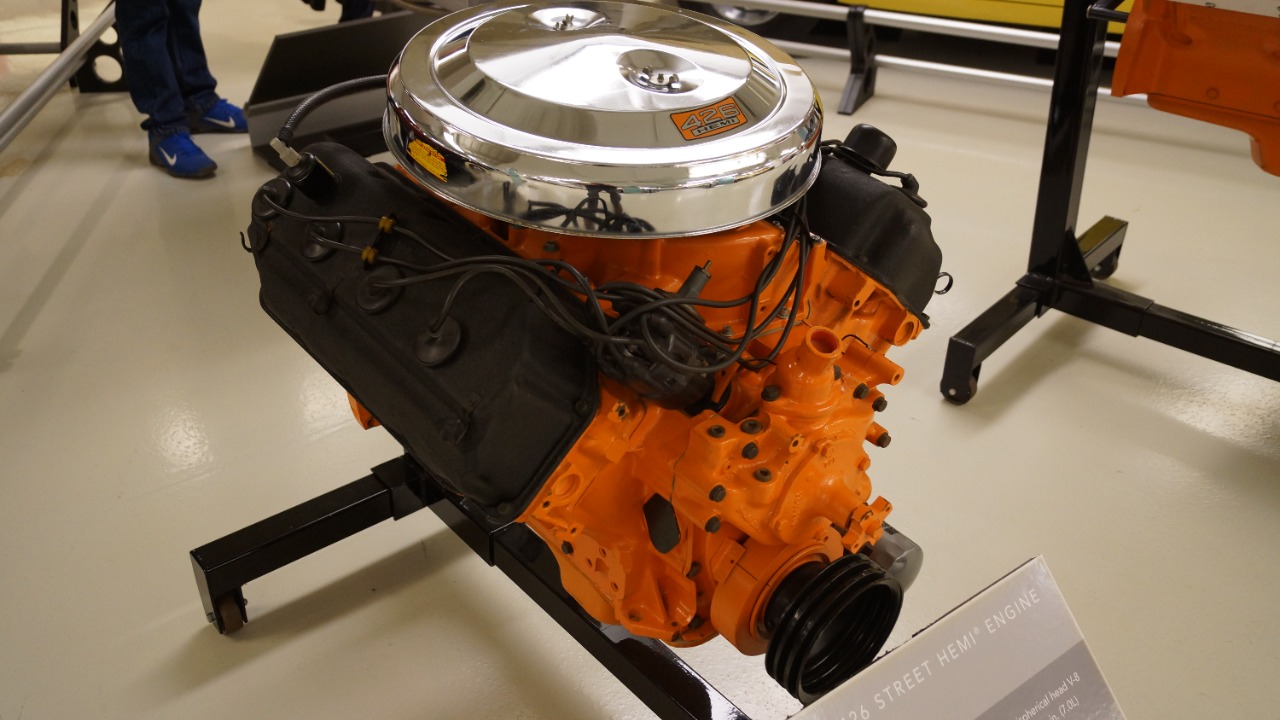
Few Mopar engines exceeded expectations more dramatically than the 426 Hemi. Chrysler developed it during the early 1960s specifically to compete in NASCAR and NHRA, combining the deep-skirt architecture associated with the 426 Wedge program with hemispherical combustion chambers. The result became one of the defining engines of the muscle-car era. The production 426 Hemi appeared in 1964 and remained available through 1971, powering some of Chrysler’s most famous performance cars. Its reputation came from more than peak horsepower. The large valves, excellent breathing characteristics and competition-oriented design gave it enormous potential for modification, which is one reason versions of the architecture remain important in drag racing decades later. NHRA notes that the basic 426 Hemi architecture ultimately became the foundation for the engines used in modern nitro Funny Cars and Top Fuel dragsters.
6.2 Hemi Hellcat Redeye
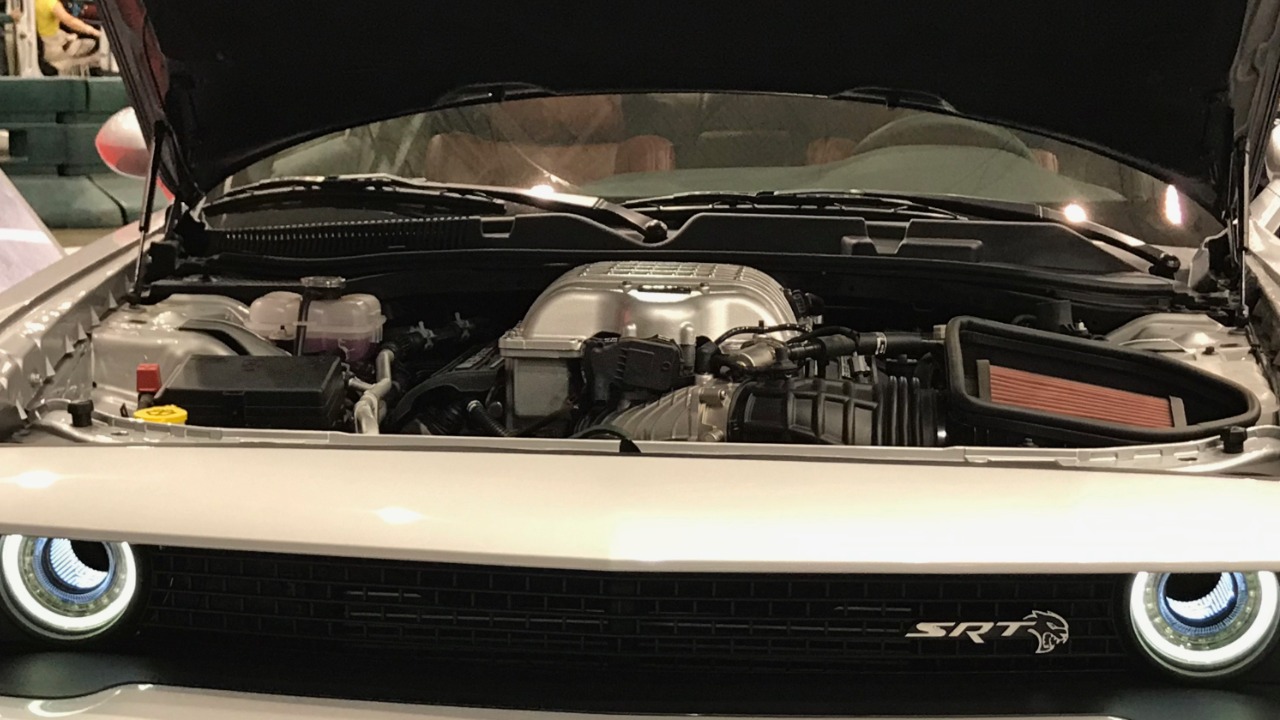
The Hellcat Redeye version pushed the supercharged 6.2-liter Hemi even further and demonstrated just how far Dodge was willing to take a production V8. The Redeye program increased output substantially over the standard Hellcat, with the engine incorporating hardware and calibration changes that allowed it to produce extreme power while retaining its factory-installed configuration. The engine eventually became associated with some of the most outrageous modern Dodge performance cars, including the Charger and Challenger. Its significance was not simply the headline horsepower figure. The Redeye showed that Dodge could take an engine already considered excessive and find another level without abandoning the basic architecture. The broader Hemi family ultimately reached even more extreme territory, including the 1,025-horsepower supercharged 426 Hellephant crate engine introduced by Mopar. The Redeye therefore sits in a remarkable part of Mopar history, where factory V8 development had begun to resemble the output of dedicated competition machinery.
Chrysler 440 Six Pack
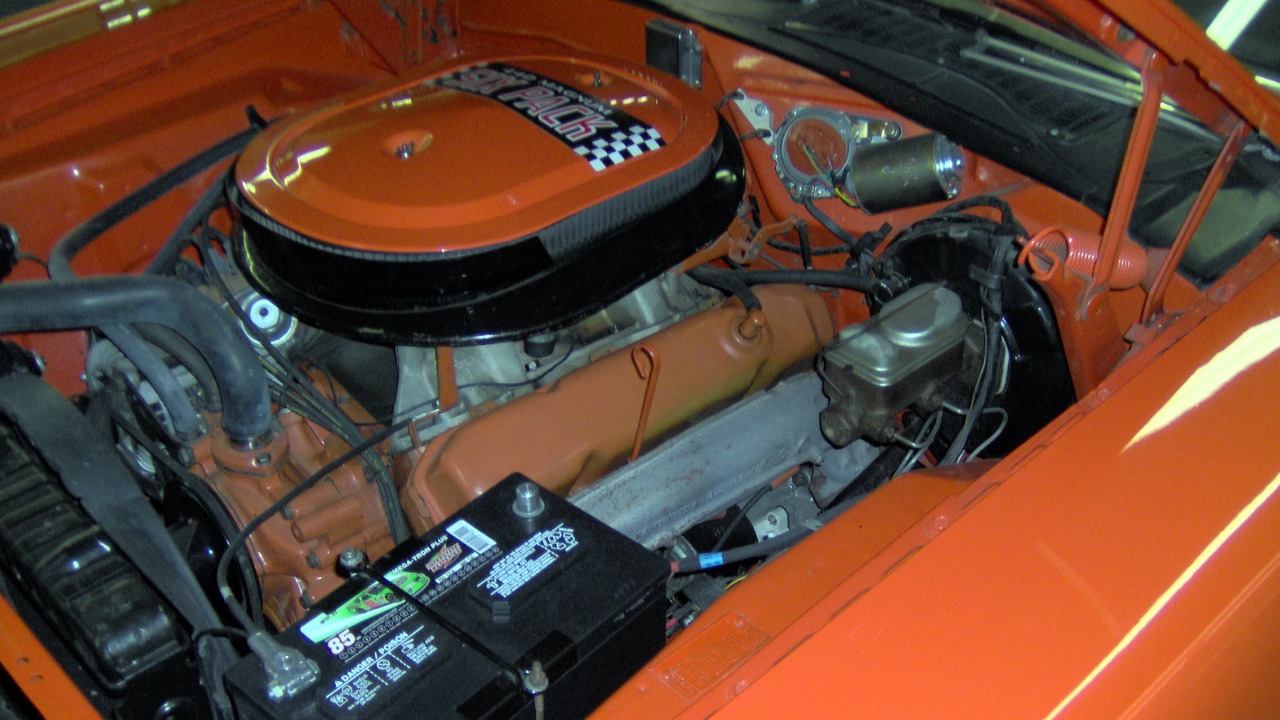
The 440 Six Pack took an already strong engine and gave it an induction system that made the big-block considerably more aggressive when the throttle was opened. Instead of a conventional four-barrel, the Six Pack used three two-barrel carburetors, with the center carburetor handling normal driving and the outer carburetors coming into play under heavy throttle. Chrysler also gave the performance version stronger internal components and other upgrades to support the extra demand. Factory ratings reached 390 horsepower and 490 lb-ft of torque in the performance configuration. The Six Pack was not just about a bigger peak number. The combination delivered the kind of broad torque that made heavy Mopar muscle cars feel brutally responsive on the street. It also proved that the 440 still had plenty left when the 426 Hemi was grabbing most of the headlines.
Chrysler 340 Six Pack
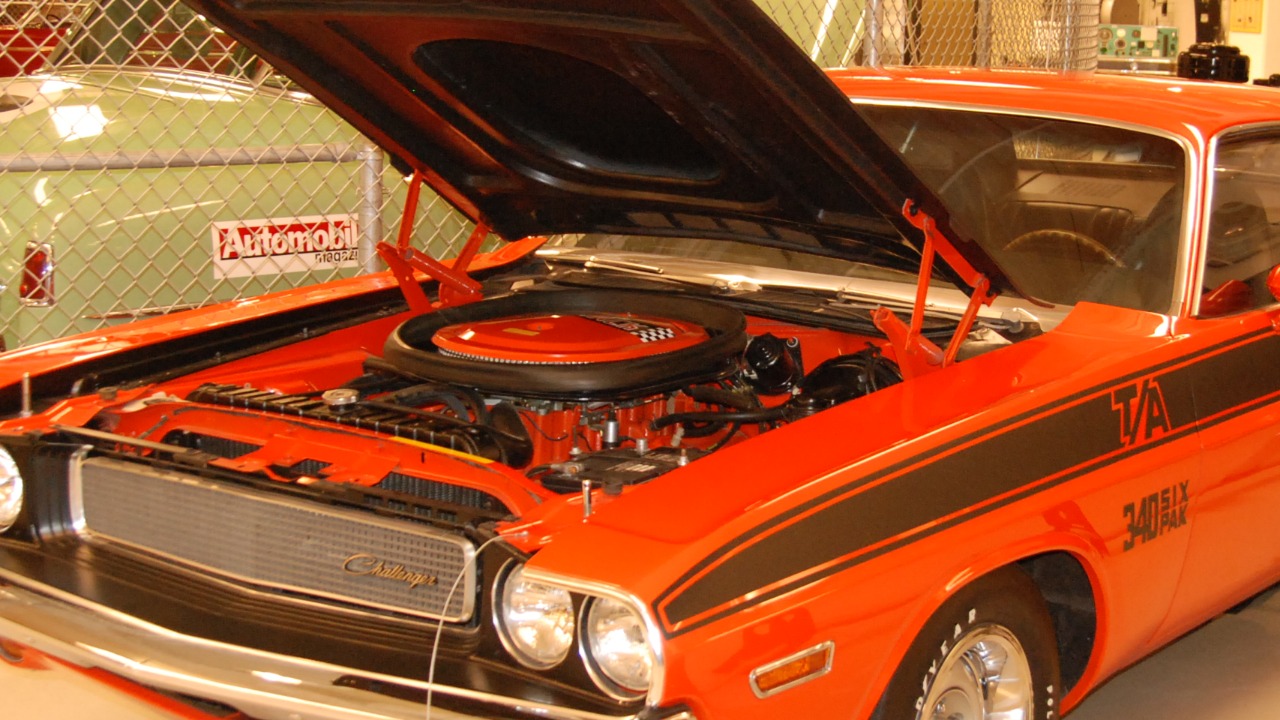
The 340 Six Pack was an interesting answer to the idea that only the largest Mopar engines could deliver serious performance. Used in cars such as the 1970 Plymouth AAR ‘Cuda and Dodge Challenger T/A, the 340 Six Pack combined the relatively compact small-block with three Holley two-barrel carburetors. Plymouth rated it at 290 horsepower and 345 lb-ft of torque, but the engine’s character made the factory figure less important than the way the combination worked. The three-carb arrangement gave the engine good manners under normal driving while providing considerably more airflow when the outer carburetors opened. The engine also received performance-oriented hardware suited to its Trans-Am-inspired application. With only 340 cubic inches, it could make a lightweight A-body-style Mopar feel considerably more serious than the displacement suggested. The 340 Six Pack remains one of the best examples of Chrysler extracting maximum personality from a small-block.
Chrysler 360 Magnum 5.9
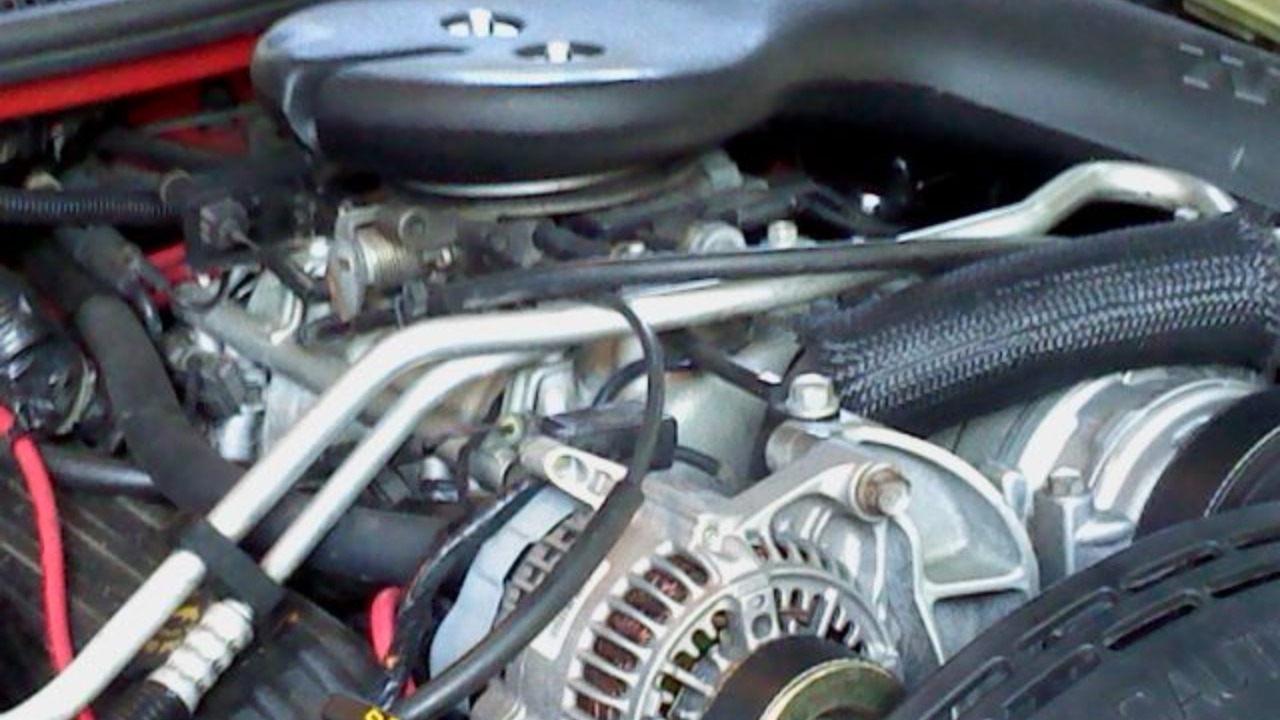
By the 1990s, the muscle-car era was long gone, but the 5.9-liter Magnum showed that Mopar still had a useful performance engine hiding inside its truck lineup. The Magnum 360 used updated cylinder heads, electronic fuel injection and a revised intake system while retaining the basic 360 architecture. In ordinary trucks, vans and SUVs, it was mainly valued for torque and durability. Yet the engine also became a popular performance starting point because the production bottom end was strong enough to support substantially more power than the stock rating suggested. Mopar Performance eventually sold crate versions producing 300 and 380 horsepower, and independent testing of a stock-based 300-horsepower version showed 319 horsepower and 424 lb-ft of torque before further modifications. That is exactly the kind of result that gives the 5.9 Magnum its place here: an engine designed to work for a living that could become surprisingly serious with relatively sensible changes.
Chrysler 2.2 Turbo II
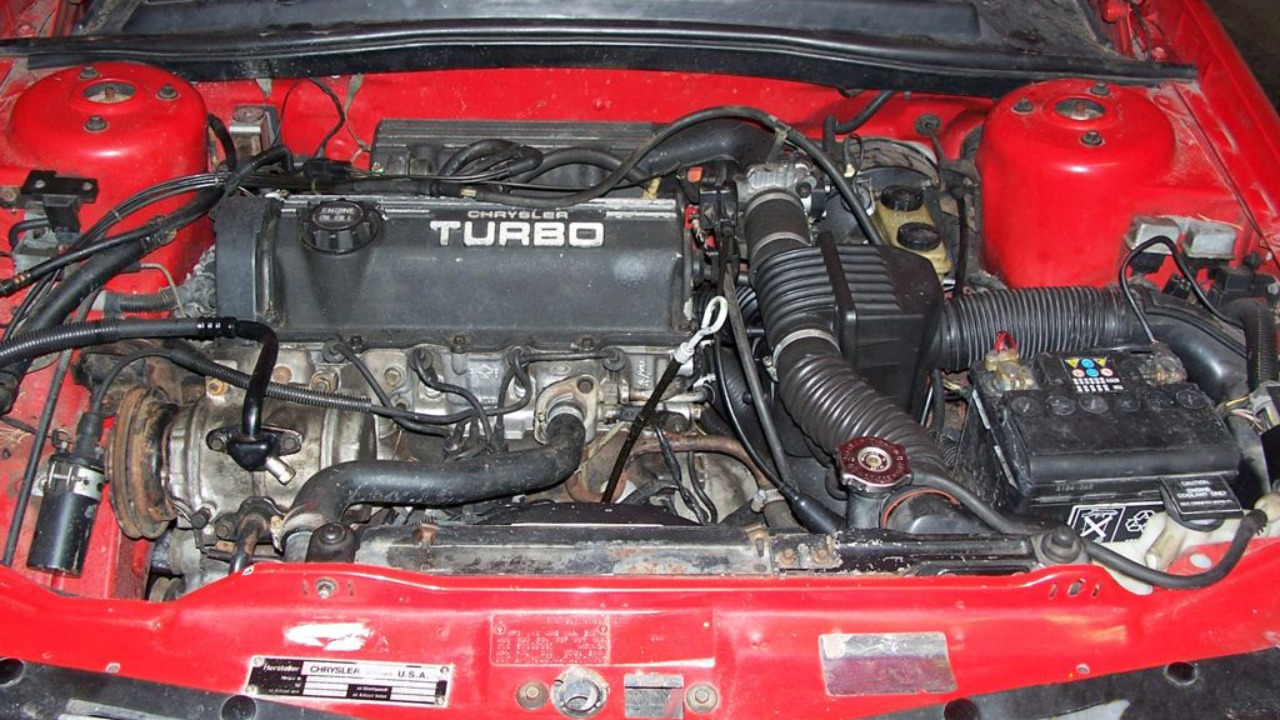
Mopar’s 2.2-liter turbo engine proved that displacement was not the only way to make a quick American car. The Turbo II version combined turbocharging with stronger internal hardware, electronic fuel injection and an intercooler, producing around 174 horsepower in production form. That might seem ordinary beside modern engines, but it was remarkable for a compact front-wheel-drive Chrysler product in the 1980s. The engine helped transform cars such as the Shelby Charger and Shelby Omni GLHS into legitimate performance machines. The architecture also had considerable development potential. Chrysler engineers and aftermarket specialists continued pushing the little four-cylinder far beyond its showroom output, while the factory-developed versions received stronger blocks, forged components and improved turbo systems. The 2.2 Turbo became an important part of Chrysler’s return to performance during a period when emissions regulations and fuel economy requirements had made traditional big-block muscle cars almost impossible.
Chrysler 5.7 Hemi
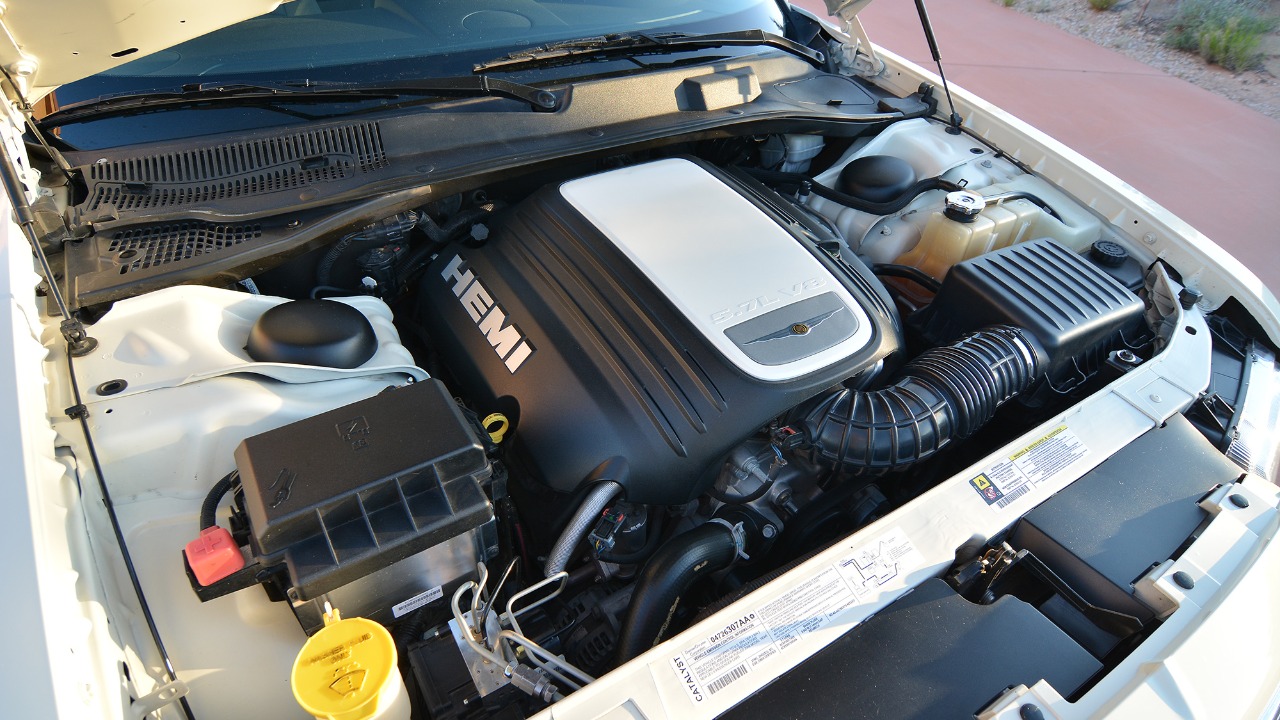
When the 5.7-liter Hemi returned to production in the early 2000s, it helped revive a name that had been absent from mainstream Chrysler performance for decades. The modern engine was not a direct copy of the old 426, but it brought the Hemi concept back into passenger cars and trucks with modern fuel injection, electronic controls and much better everyday drivability. Early versions produced around 345 horsepower, an impressive figure for a mass-produced V8 that also had to serve in full-size trucks and family-oriented vehicles. The engine’s real strength was versatility. It could power a Ram pickup, a large sedan or a rear-wheel-drive performance car without requiring the compromises associated with older high-strung V8s. The 5.7 Hemi eventually became one of the most widely recognized modern Mopar engines, proving that Chrysler could take an old performance identity and turn it into a practical 21st-century powerplant.
Chrysler 6.1 Hemi
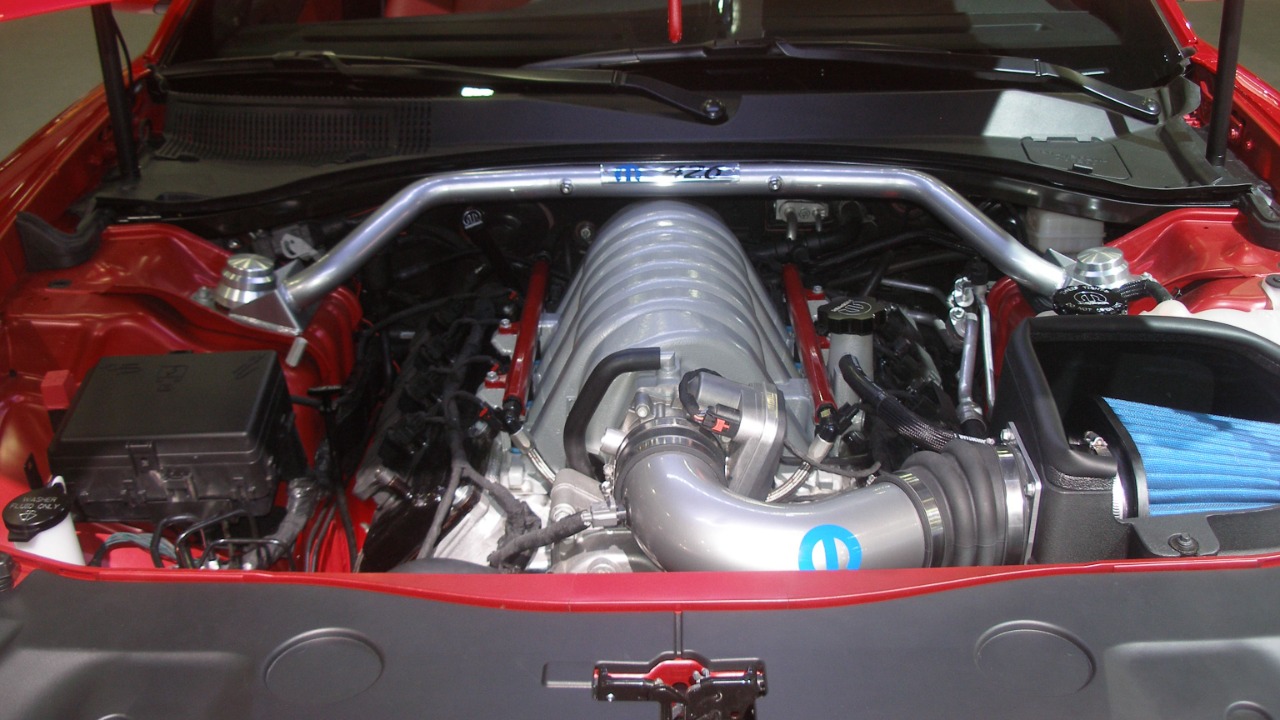
The 6.1-liter Hemi represented the point where Chrysler’s modern Hemi family moved decisively into muscle-car territory. Introduced in the mid-2000s, the 6.1 used a larger displacement than the 5.7 and received performance-focused cylinder heads, camshaft and internal components. It became the engine behind some of Chrysler’s most recognizable modern performance cars, including the SRT versions of the Dodge Charger, Challenger and Chrysler 300. What made the engine impressive was how civilized the basic package remained. This was a naturally aspirated V8 with substantial power that could still operate in a modern road car with electronic engine management, fuel injection and everyday drivability. It also established a foundation for the even more powerful 6.4-liter Hemi that followed. The 6.1 may not have the mythology of the original 426, but it played a major role in bringing genuine V8 muscle back to Chrysler’s lineup.
Chrysler 3.6 Pentastar V6
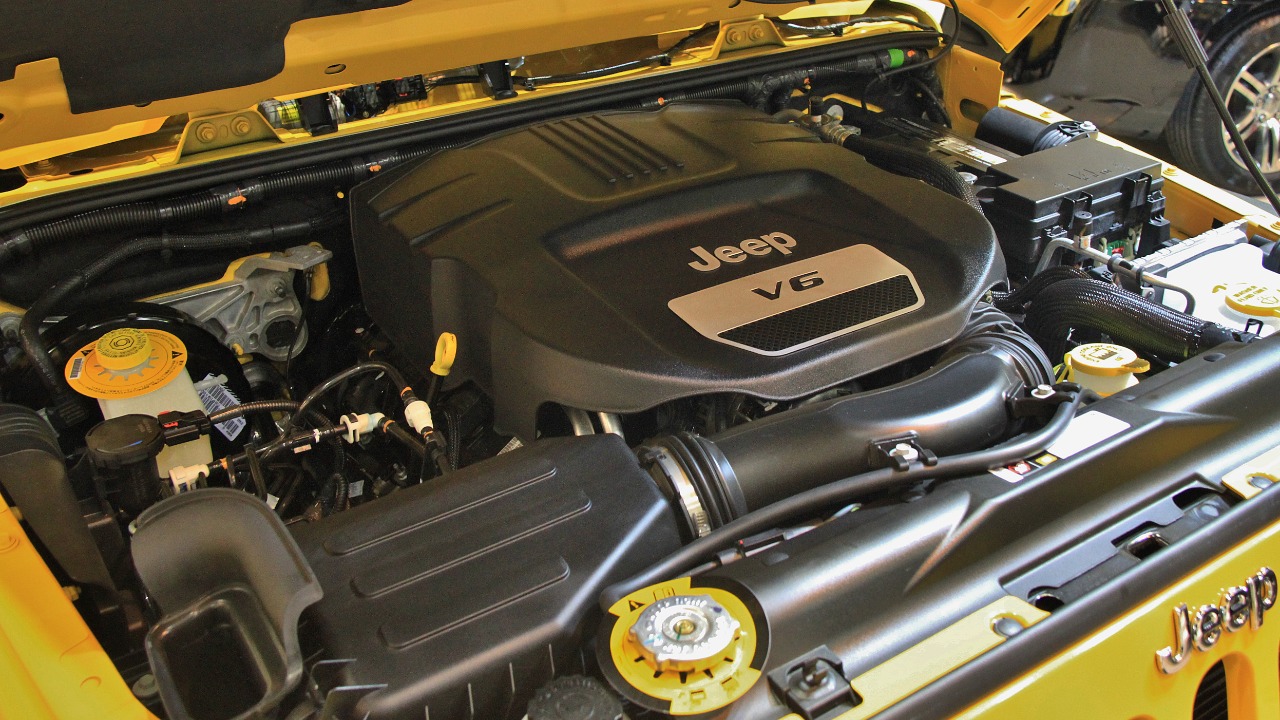
Not every Mopar engine that exceeded expectations needed to make muscle-car numbers. The 3.6-liter Pentastar V6 earned its reputation by becoming one of Chrysler’s most widely used modern engines while offering a surprisingly strong combination of power, efficiency and versatility. It replaced several older V6 designs and eventually appeared across Chrysler, Dodge, Jeep and Ram products. The engine’s aluminum construction, DOHC layout, variable valve timing and relatively compact packaging made it well suited to everything from family sedans to SUVs and trucks. In higher-output applications, it produced more than 300 horsepower, which was enough to make some fairly large vehicles feel considerably livelier than their V6 badge suggested. Its significance is really about balance. The Pentastar was not designed to be a halo engine, yet it became a major part of Chrysler’s lineup because it delivered useful performance without the weight, fuel consumption or complexity of a V8.
More from Fast Lane Only
- Unboxing the WWII Jeep in a Crate
- 15 rare Chevys collectors are quietly buying
- 10 underrated V8s still worth hunting down
- Police notice this before you even roll window down
*Research for this article included AI assistance, with all final content reviewed by human editors.