The 1940s and 1950s produced plenty of cars that now look like rolling pieces of history, but not every design has been left behind by modern transportation. Several vehicles from these decades introduced ideas that still make sense today, including compact dimensions, four-wheel drive, simple mechanical layouts, useful cargo space, and affordable transportation. Their technology may be old, but their basic thinking remains surprisingly familiar.
Willys Jeep
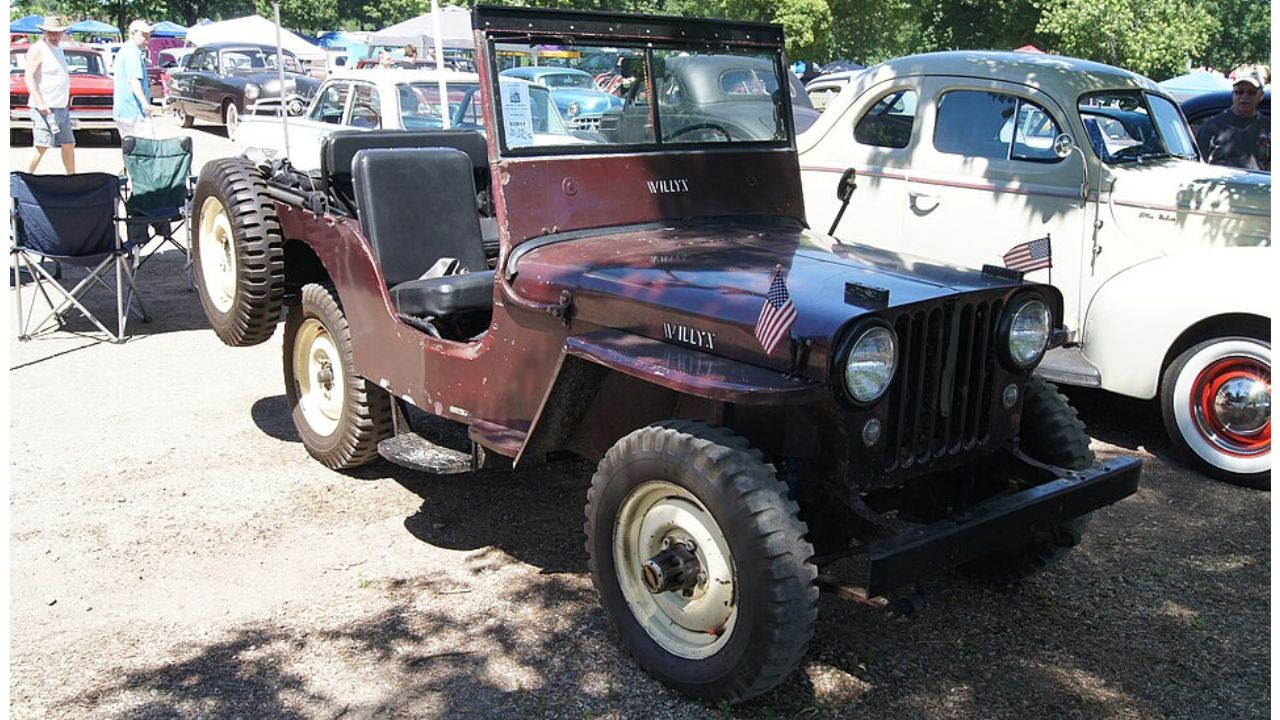
The wartime Willys Jeep established a formula that still defines modern off-road vehicles. It was compact, lightweight, four-wheel drive, and designed to keep moving over difficult terrain. Modern SUVs have added comfort, safety, electronics, and much more power, but the basic idea has barely changed. The Jeep’s ability to carry people and equipment while reaching places ordinary cars could not remains directly relevant to today’s off-roaders. Its influence can be seen most clearly in the civilian Jeep models that followed the original military vehicle.
Jeep CJ-2A
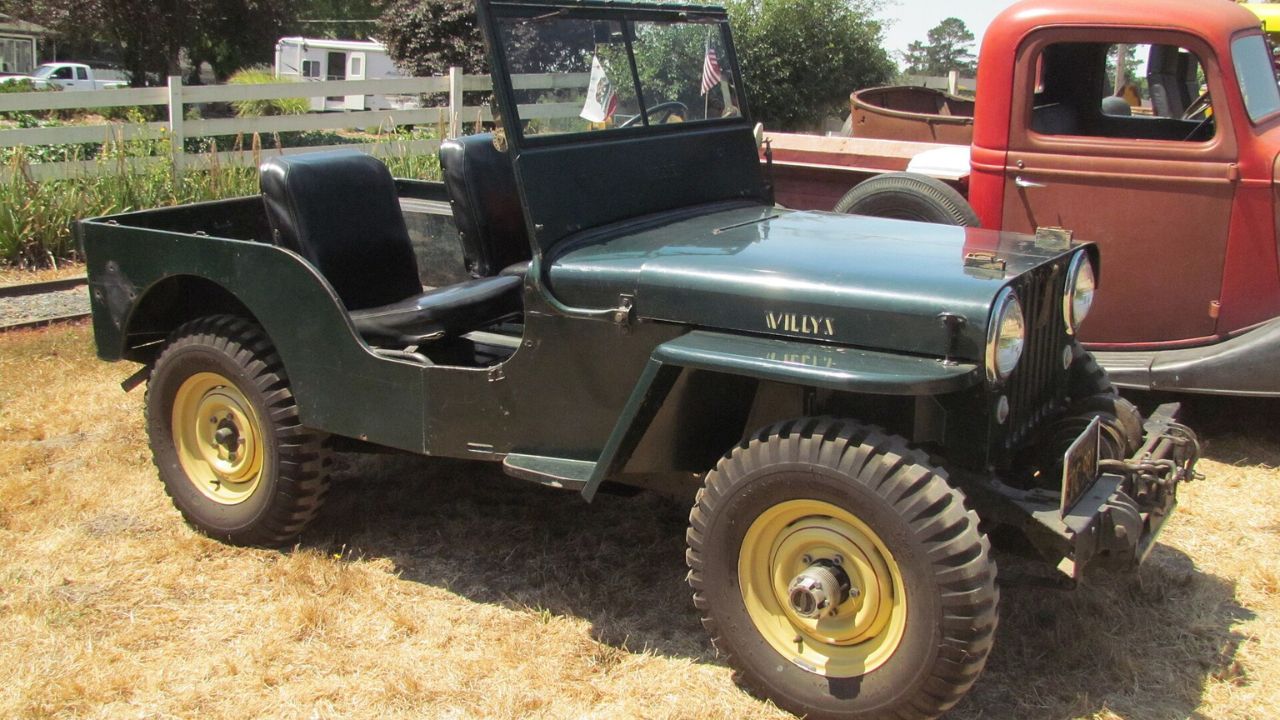
The CJ-2A showed how a military vehicle could be adapted for civilian work. It was marketed as a practical machine for farmers and other workers, with four-wheel drive, a compact body, and the ability to accept different implements. That basic combination of utility and versatility remains relevant today in modern work-oriented SUVs and compact pickups. The CJ-2A was not about luxury or speed. Its appeal came from doing several jobs with one relatively simple vehicle, an idea that still matters to buyers who need genuine utility.
Willys Station Wagon
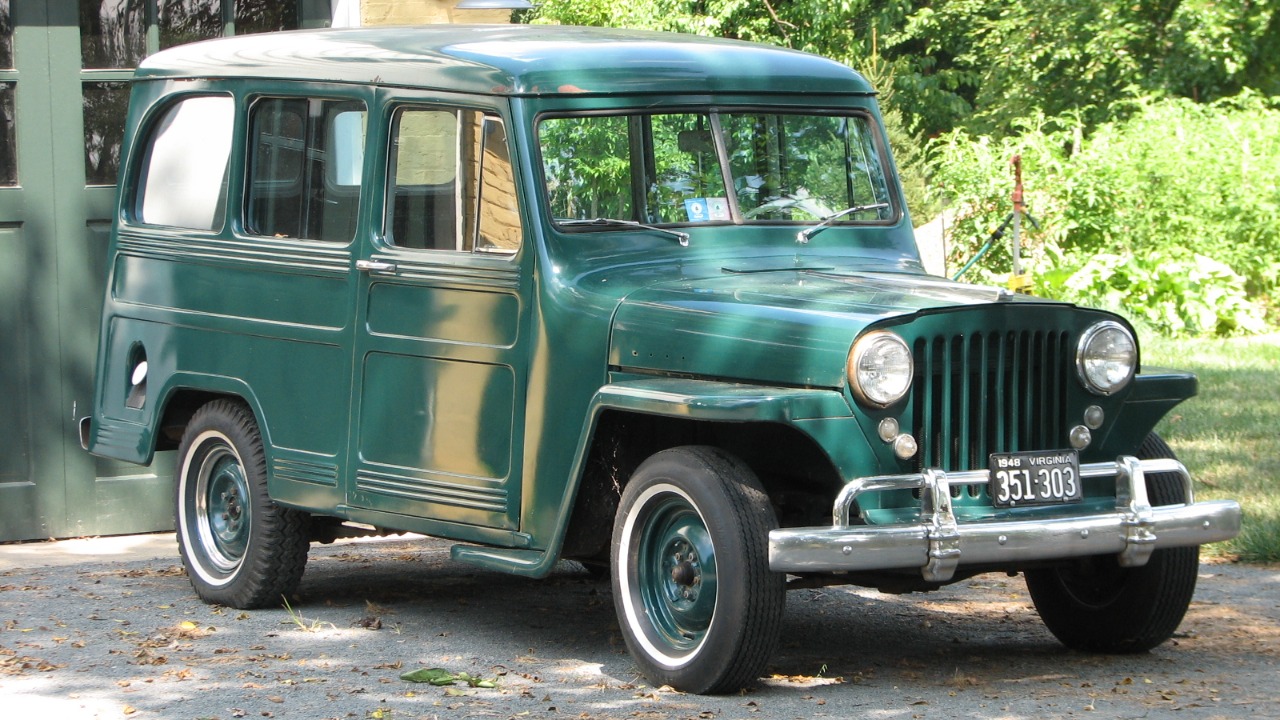
The Willys Station Wagon was remarkably forward-thinking because it combined the passenger-carrying shape of a wagon with the toughness of a utility vehicle. Its all-steel body eliminated many of the maintenance problems associated with traditional wood-bodied wagons, while later four-wheel-drive versions added even more capability. Modern crossovers and SUVs follow essentially the same basic concept: comfortable enough for people, useful enough for cargo, and capable of handling poor roads. The Willys Wagon was already moving in that direction decades before the SUV boom.
Volkswagen Beetle
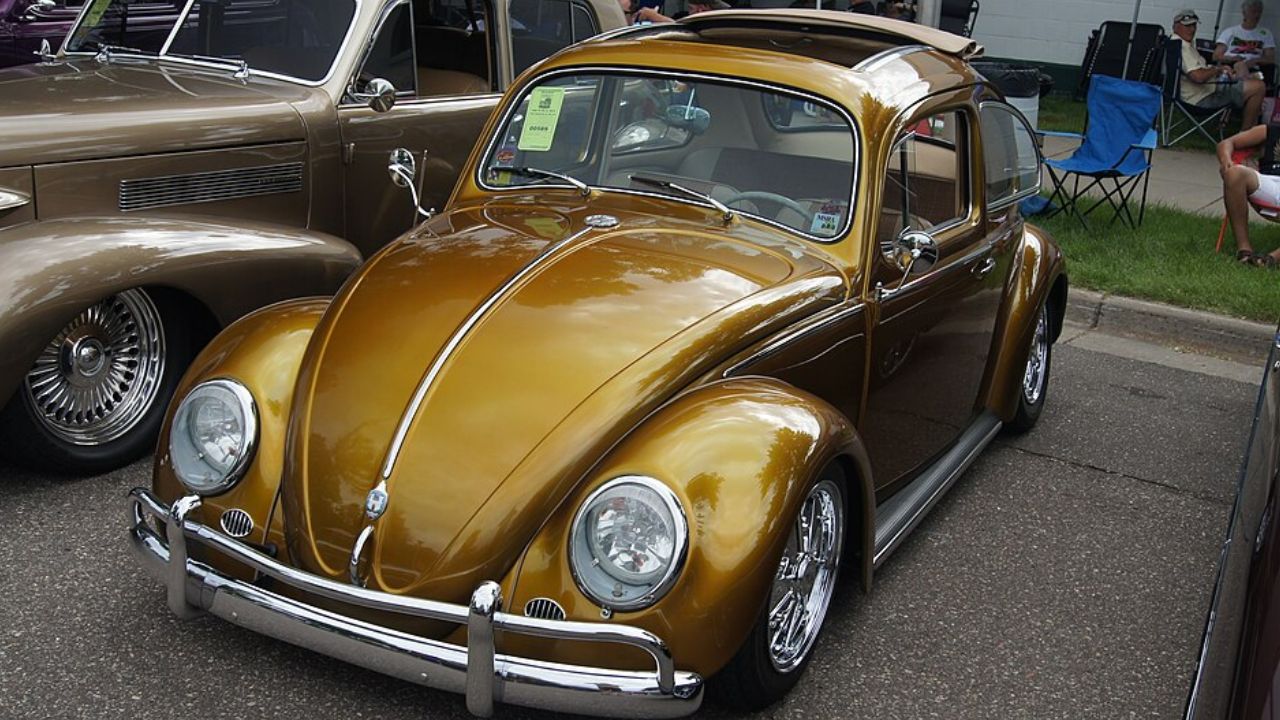
The Beetle demonstrated how much could be achieved with a compact, economical design. Its rear-mounted engine and efficient use of interior space gave passengers surprising room without requiring a large exterior. The formula made the Beetle a practical alternative to bigger American cars and eventually helped change attitudes toward small vehicles. Modern economy cars have far more sophisticated technology, but the fundamental goal remains familiar: maximize useful space while keeping the vehicle relatively compact, affordable, and economical.
Citroën 2CV
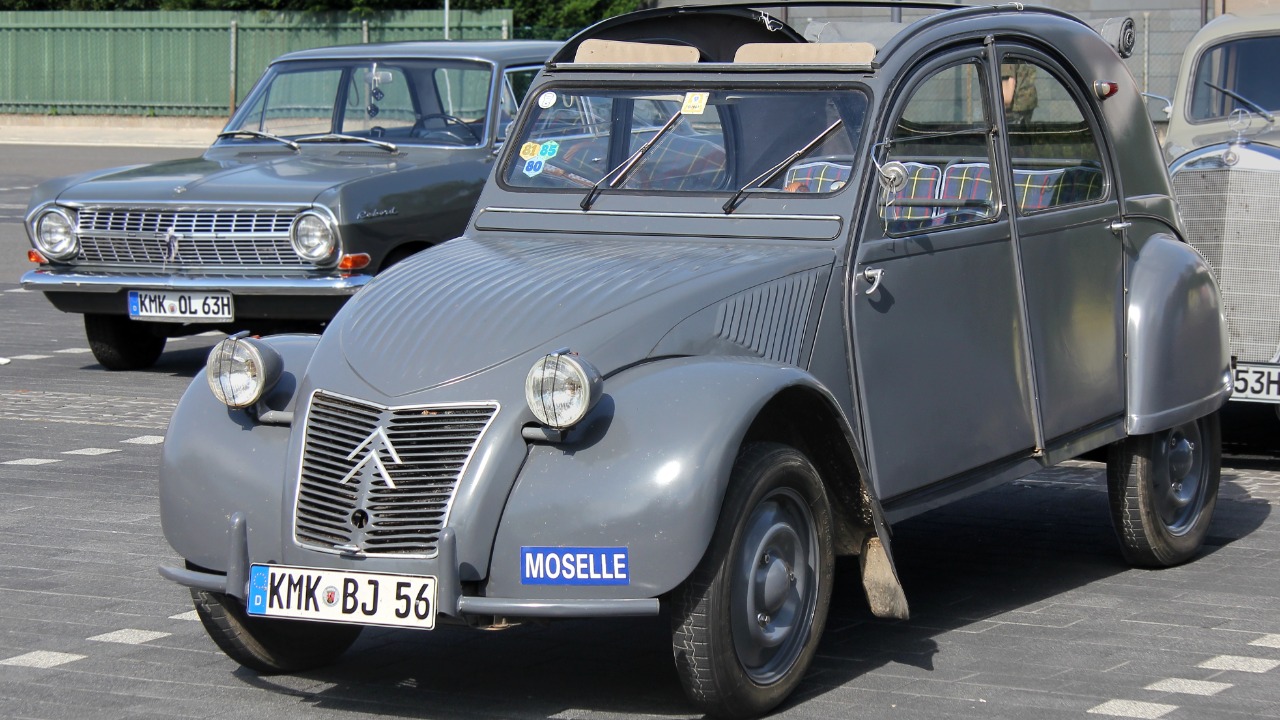
The Citroën 2CV was designed around the idea of simple transportation that could cope with poor roads. Its unusual suspension, lightweight construction, and basic mechanical approach made it exceptionally well suited to rural driving. That philosophy still has relevance in markets where affordability, durability, and road conditions matter more than outright performance. The 2CV also demonstrated that clever engineering could compensate for modest power. Modern cars are far more complex, but the need to build inexpensive transportation for difficult conditions has certainly not disappeared.
Ford F-Series
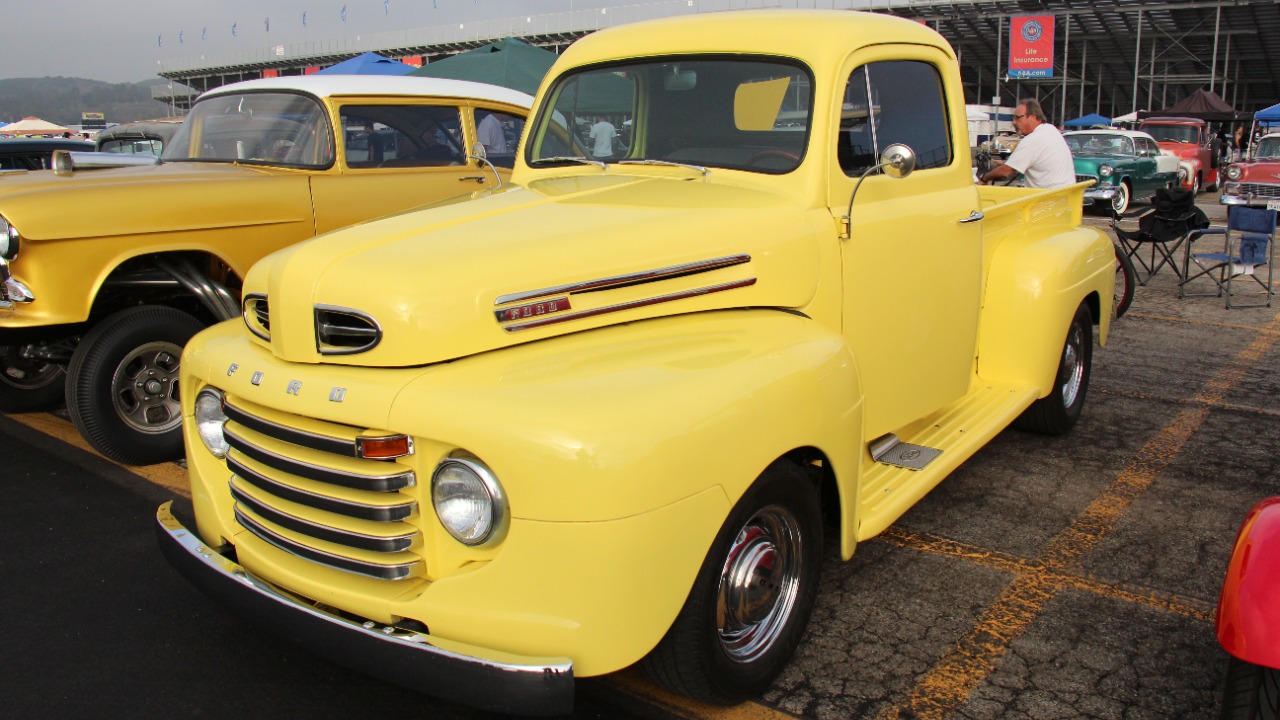
The early Ford F-Series established the foundation for one of the world’s longest-running pickup families. These trucks were designed as practical working machines, with straightforward layouts and different configurations for different jobs. Today’s F-Series trucks are dramatically more powerful and technologically advanced, but the basic concept remains almost identical. Buyers still choose them because they can haul, tow, carry equipment, and serve as everyday transportation. The enduring appeal comes from a remarkably simple idea that Ford established generations ago.
Chevrolet Advance Design
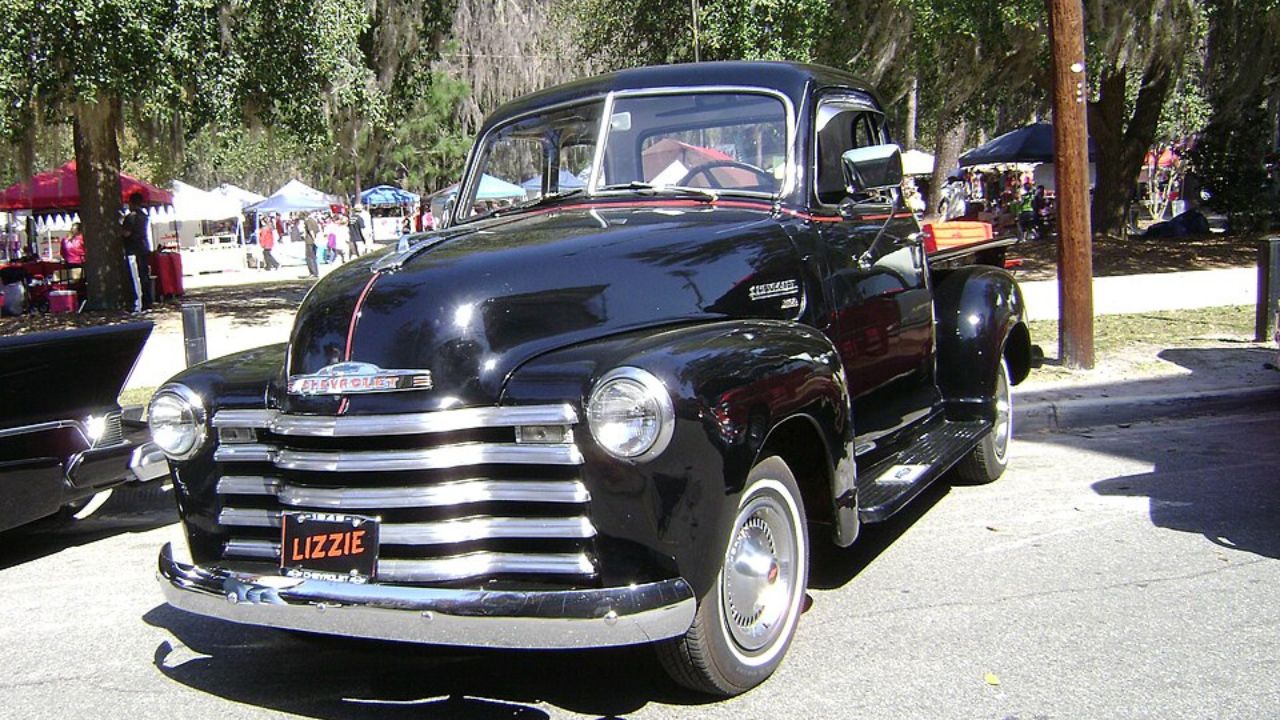
The Chevrolet Advance Design trucks introduced a more integrated and modern appearance after World War II while retaining the basic practicality expected from a work truck. Their relatively straightforward construction made them useful for farms, businesses, and personal transportation. Today’s pickups have become much larger and more sophisticated, but their core purpose remains unchanged. A truck that can carry tools, materials, equipment, or cargo remains one of the most useful vehicle types on the road, which helps explain why the Advance Design formula still feels familiar.
Jeep FC-150
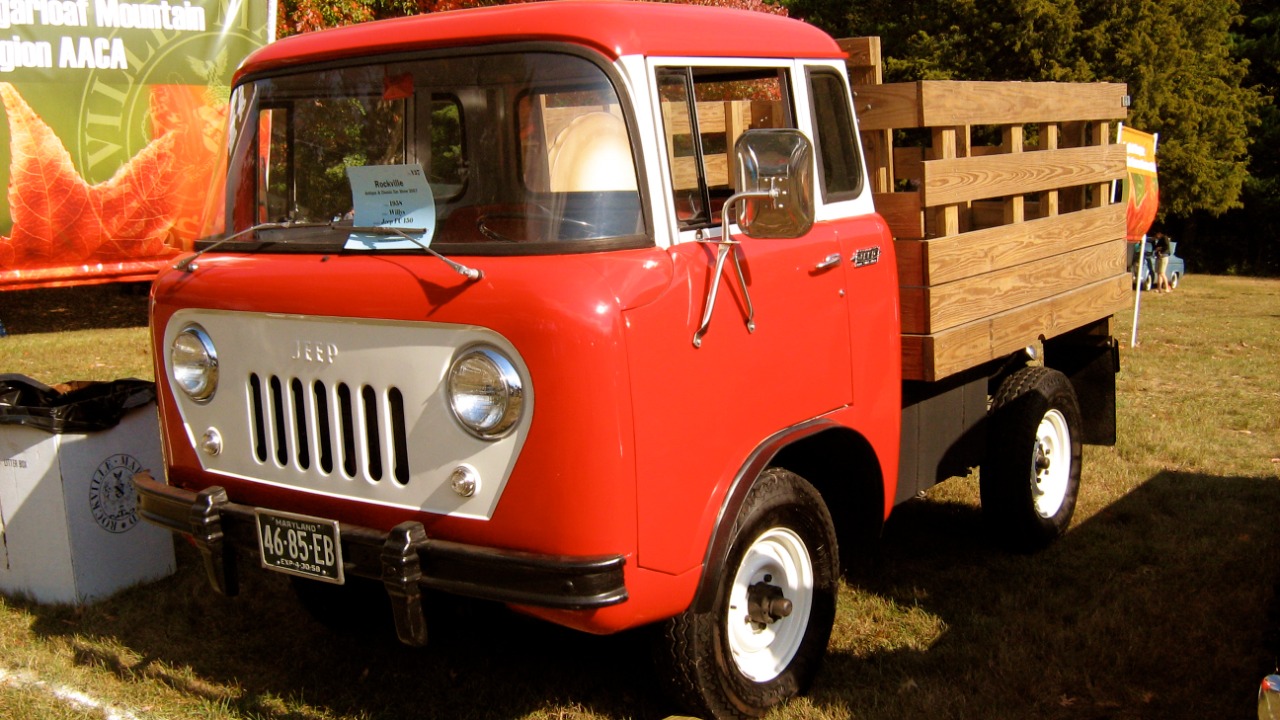
The FC-150 took a very different approach to the pickup truck by placing the cab over the front axle. This cab-forward design created useful cargo space without requiring a long wheelbase, making the truck highly maneuverable in tight areas. Modern delivery vans, compact commercial trucks, and urban work vehicles use similar thinking. The FC-150 showed that packaging could be just as important as raw size. Its unusual shape was not simply a styling exercise; it was a practical solution to a real transportation problem.
Jeep FC-170
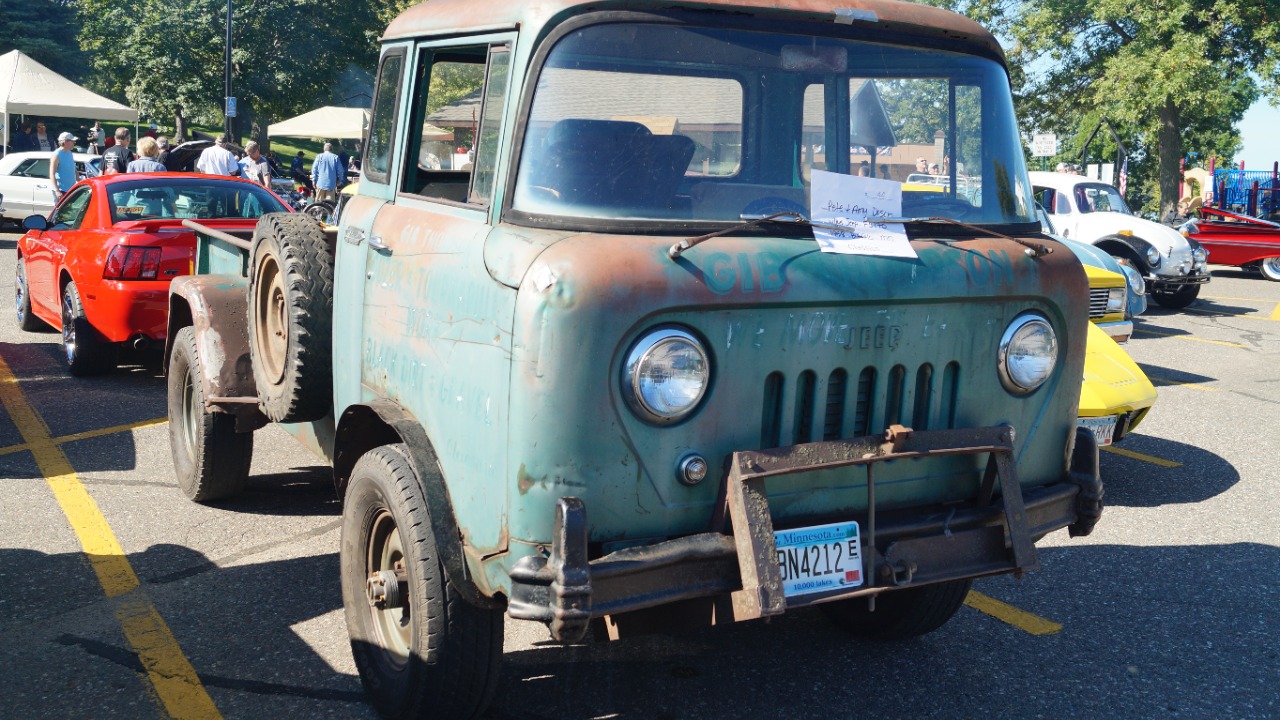
The larger FC-170 applied the same cab-forward concept to a more capable work truck. Its layout created a relatively compact footprint while providing useful hauling capacity, making it well suited to businesses, farms, and specialized work. That packaging philosophy remains highly relevant in today’s commercial vehicles, especially where maneuverability and cargo capacity need to coexist. The FC-170 may look strange beside a modern pickup, but its underlying idea is remarkably current: put the available space where it can do the most useful work.
Willys Jeepster
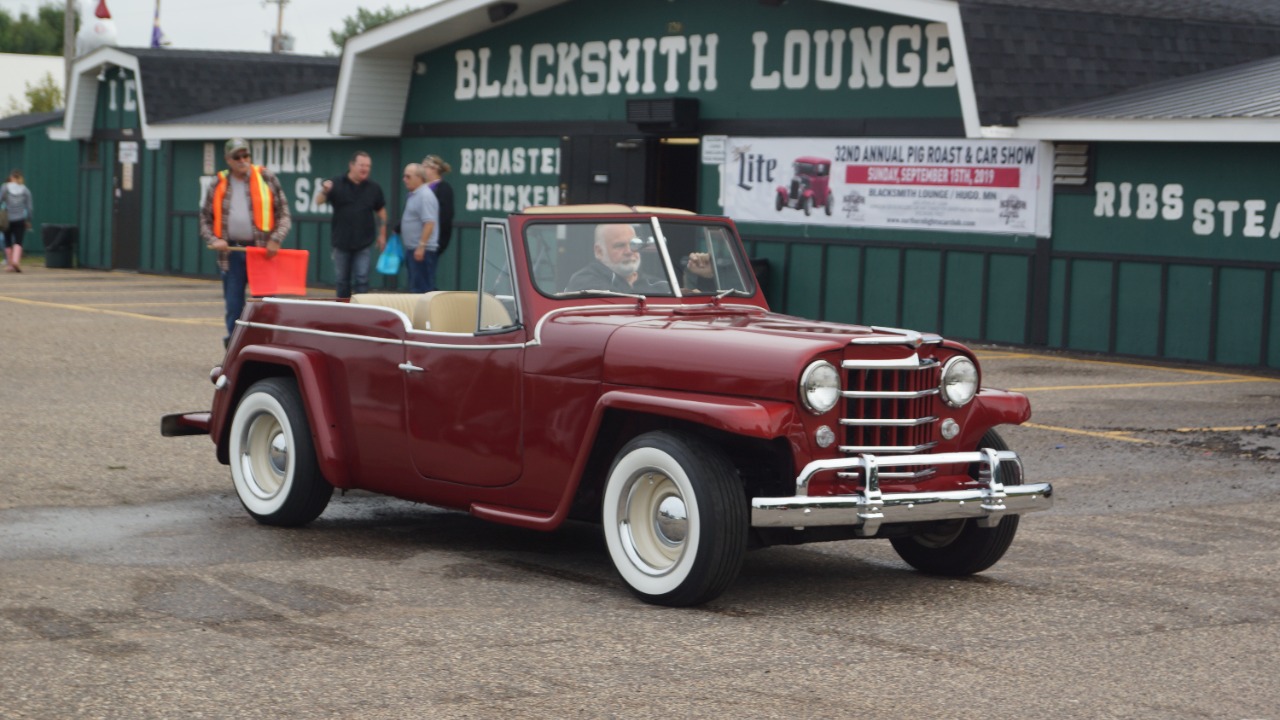
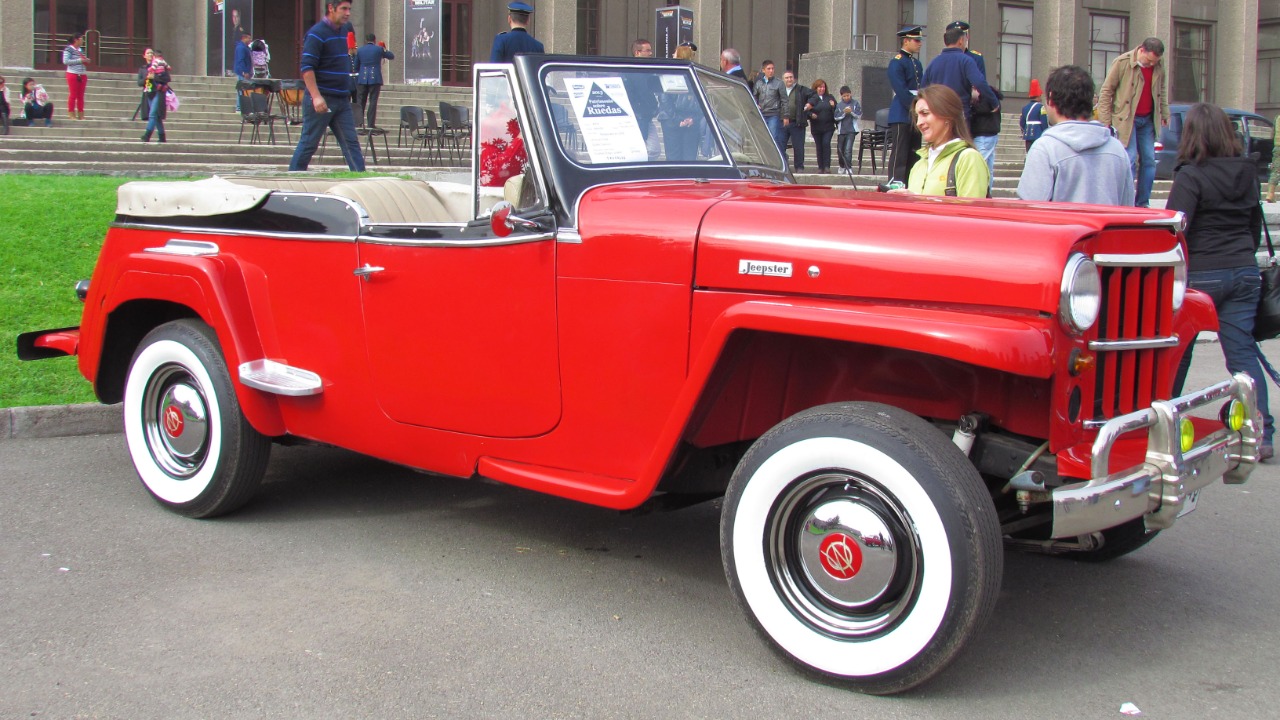
The Jeepster was an early attempt to combine the toughness associated with the Jeep name with the appeal of a passenger car. Designed as a four-seat convertible, it targeted buyers who wanted something more comfortable and stylish than a basic utility Jeep. The concept feels familiar today because modern lifestyle vehicles frequently blend utility with recreational appeal. The Jeepster was not a huge sales success, but it demonstrated surprisingly early that buyers could want a vehicle for both practical transportation and leisure.
Nash Metropolitan
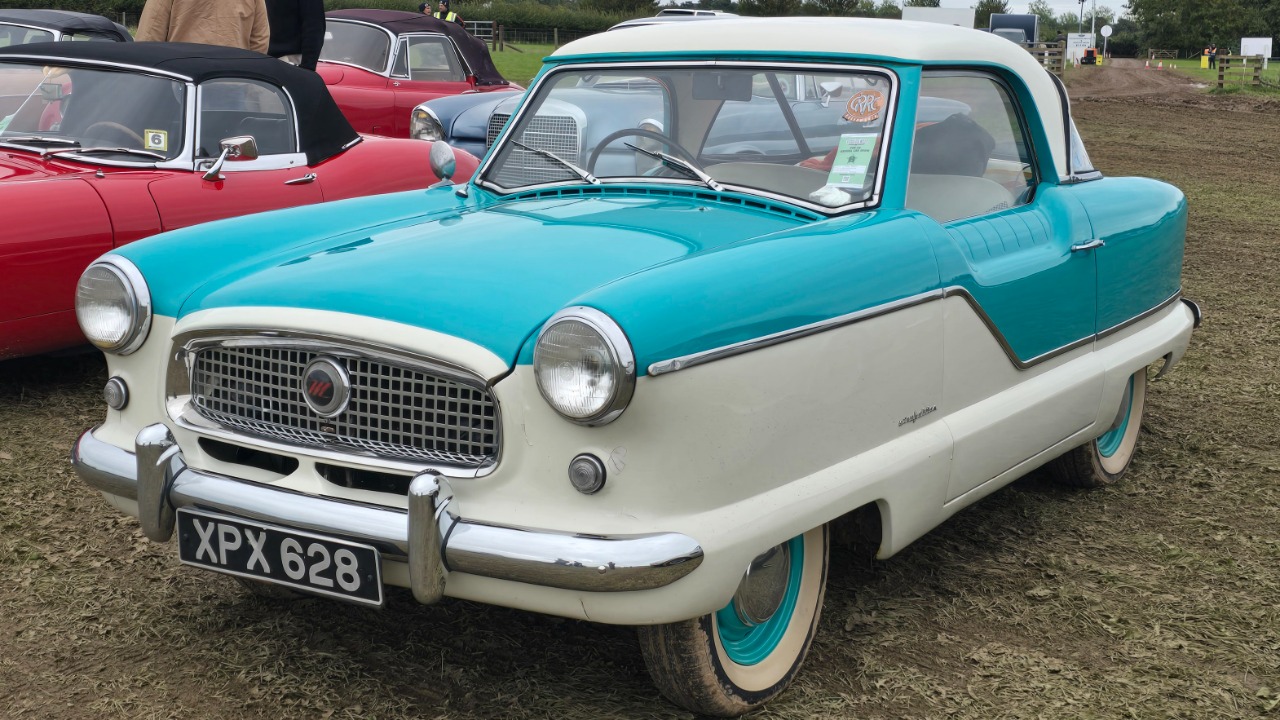
The Nash Metropolitan was tiny by American standards and therefore unusual when most domestic manufacturers were emphasizing larger cars. Its compact footprint, economical operation, and relatively affordable positioning anticipated the demand for smaller transportation that would become much stronger in later decades. Modern city cars and subcompact crossovers follow a similar philosophy. The Metropolitan showed that a small vehicle could have a legitimate place in the American market, even when the surrounding industry was moving toward bigger and heavier cars.
Morris Minor
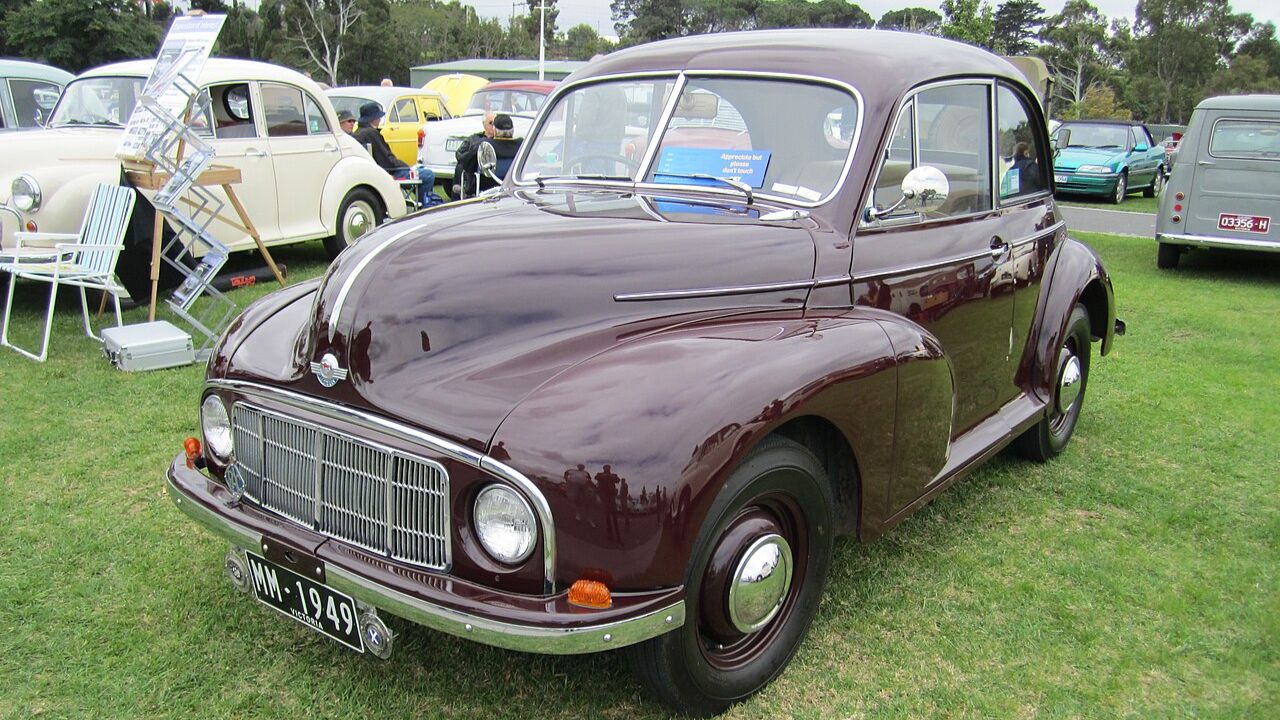
The Morris Minor focused on sensible dimensions, efficient packaging, and inexpensive transportation. Its small exterior concealed a surprisingly practical interior, making it useful as everyday transportation rather than simply a stripped-down economy car. That approach remains relevant as urban drivers increasingly value vehicles that are easy to park, economical to operate, and sufficient for ordinary daily needs. The Minor also demonstrated that practicality does not necessarily require a large vehicle, a lesson that modern compact cars continue to apply.
Fiat 500
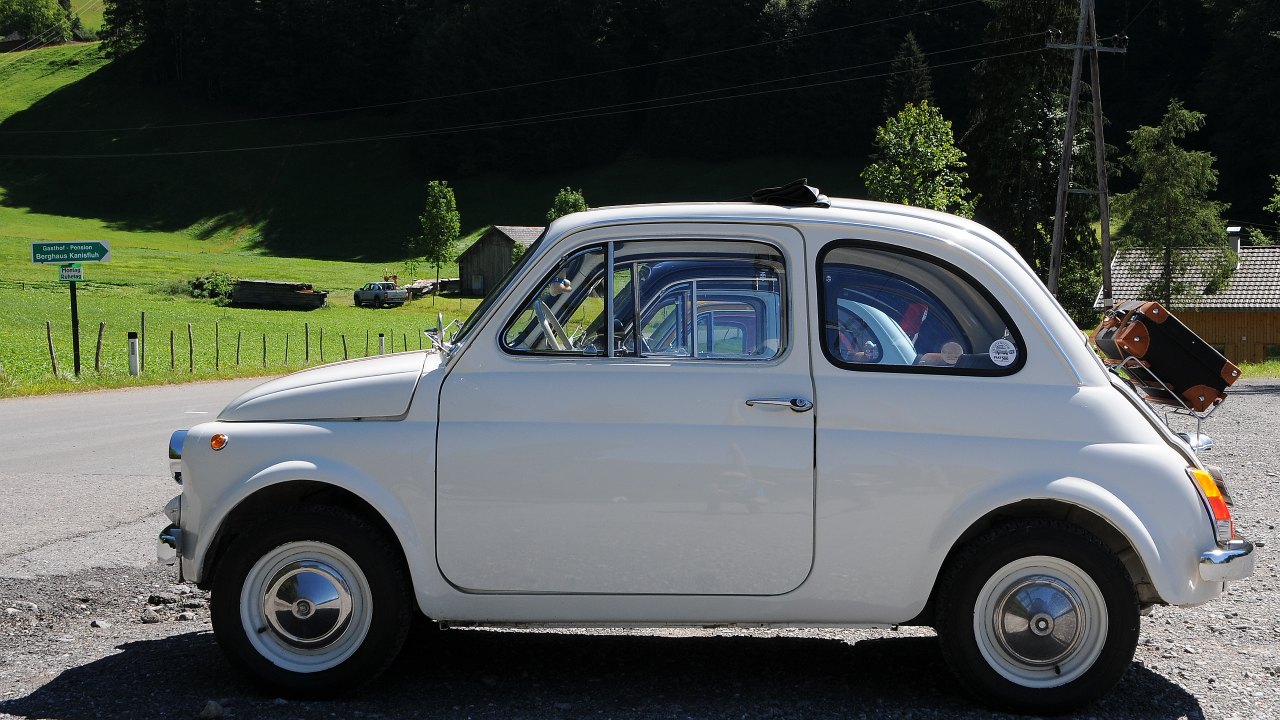
The original Fiat 500 became an icon of affordable urban transportation by concentrating on small dimensions and efficient use of space. It was inexpensive to operate and easy to maneuver through narrow streets, making it particularly well suited to European cities. Those priorities remain extremely relevant today as congestion and parking limitations continue to shape vehicle design. Modern city cars may offer vastly more safety and technology, but the basic attraction of a small footprint and low running costs remains almost unchanged.
Mercedes-Benz 300 SL
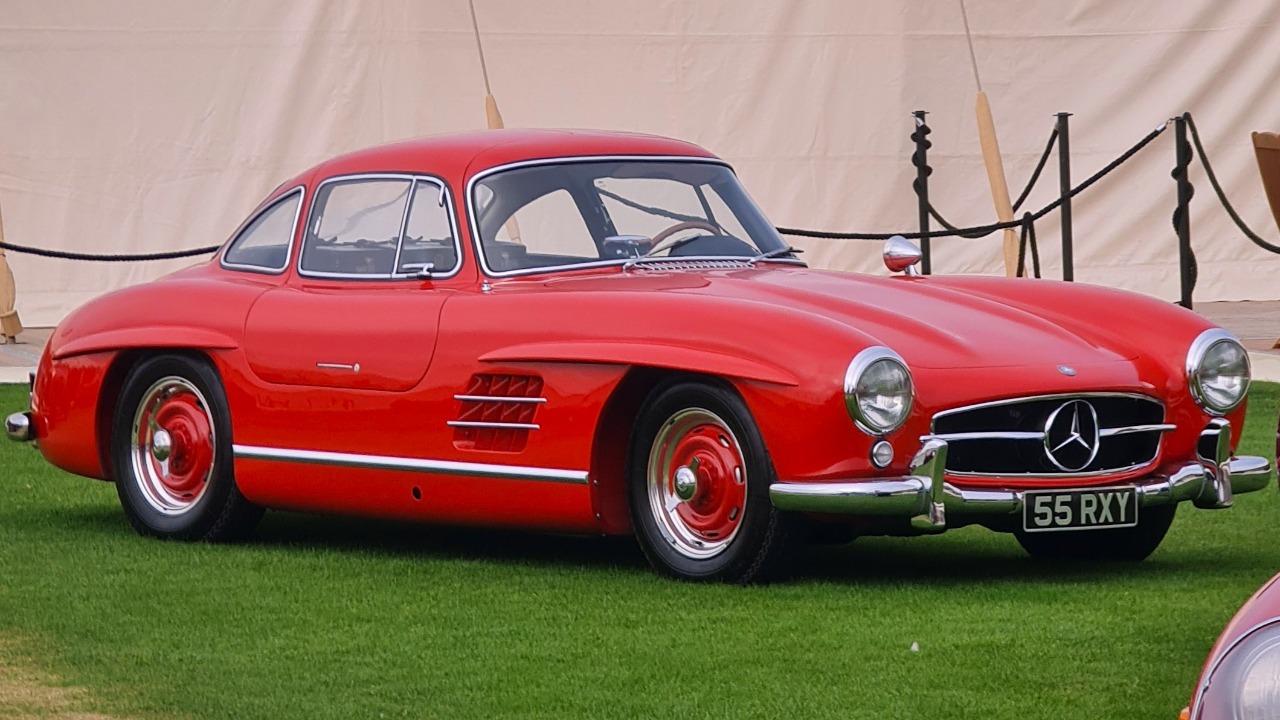
The 300 SL may seem less relevant than the humble economy cars on this list, but its engineering remains influential. Its lightweight construction, aerodynamic shape, sophisticated suspension, and distinctive gullwing doors demonstrated how advanced engineering could transform a road car. Modern performance cars continue to pursue the same broad goals of reducing weight, improving aerodynamics, and maximizing performance through engineering rather than simply adding size. The 300 SL remains an example of how ambitious technical thinking can remain relevant long after its original technology becomes outdated.
Chevrolet Corvette
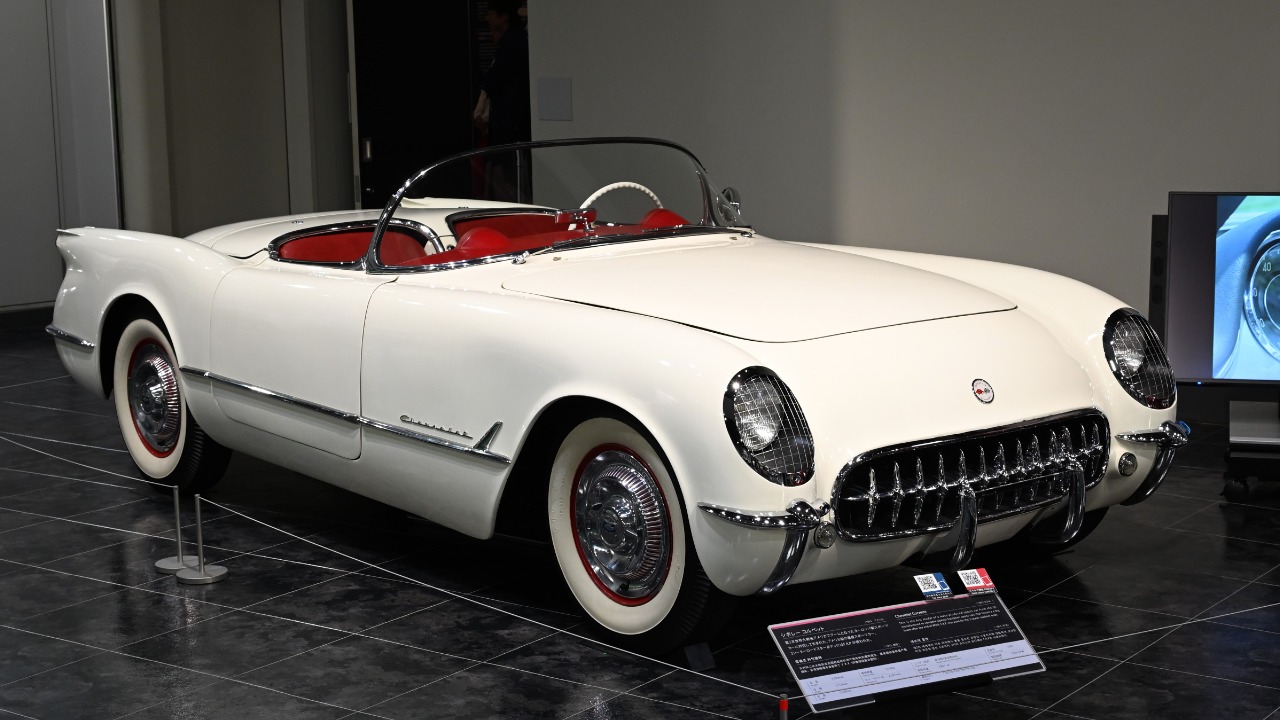
The first-generation Corvette established an American sports-car formula centered on a lightweight two-seat body and strong performance. Later generations became much faster and more sophisticated, but the basic concept remained intact: give enthusiasts a relatively compact car focused on driving rather than simply transportation. Modern sports cars continue to use the same recipe. The Corvette’s long evolution also demonstrates that a successful performance concept does not need to be abandoned as technology changes; it can simply be refined.
Porsche 356

The Porsche 356 showed how a relatively small sports car could combine everyday usability with genuine performance. Its compact dimensions, lightweight construction, and rear-engine layout gave it a distinctive character that influenced Porsche’s later development. Modern sports cars have become considerably more powerful, but the emphasis on weight, balance, and driver involvement remains relevant. The 356 also demonstrated that a sports car could be something owners drove regularly rather than a machine reserved only for special occasions.
Chevrolet Bel Air
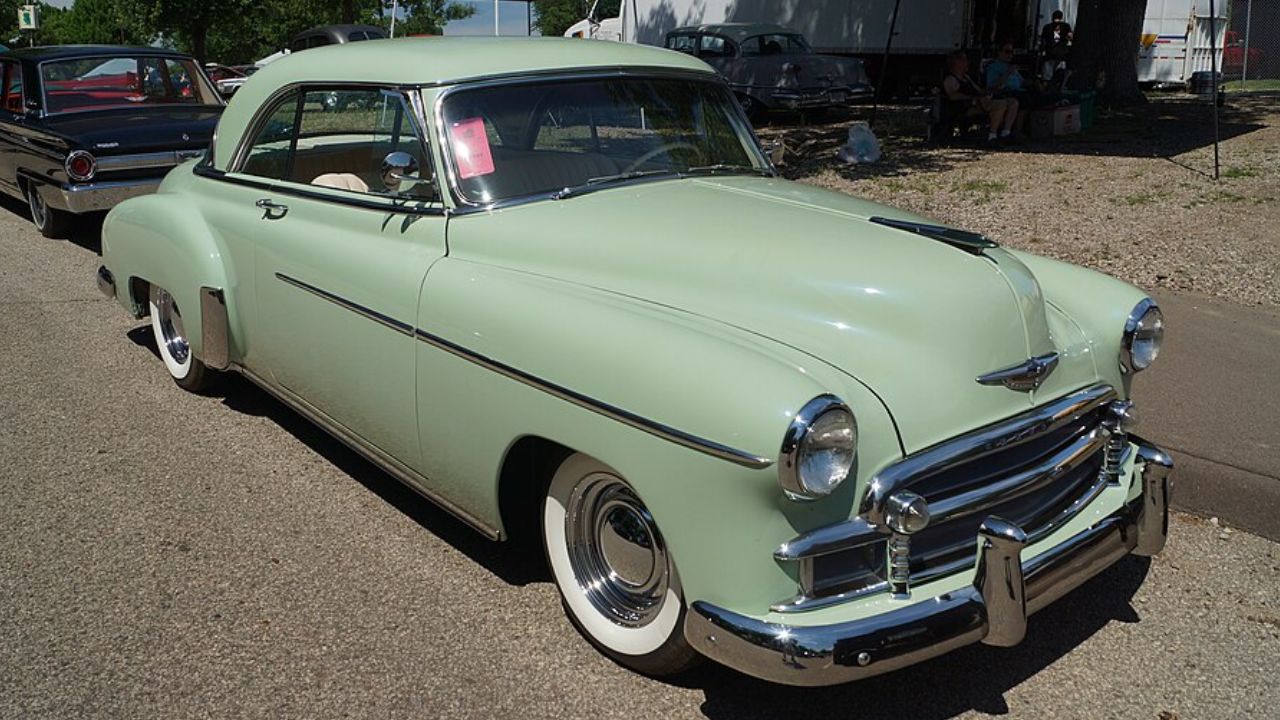
The Chevrolet Bel Air represents a very different kind of relevance. It showed how automotive design could become an important part of a vehicle’s identity, with styling, comfort, and personalization becoming major reasons for choosing one car over another. Modern vehicles still compete heavily on appearance and interior presentation, even when mechanical differences are less obvious to buyers. The Bel Air also helped establish the idea of the car as a cultural object, something that could represent a particular era rather than simply provide transportation.
More from Fast Lane Only
- Unboxing the WWII Jeep in a Crate
- 15 rare Chevys collectors are quietly buying
- 10 underrated V8s still worth hunting down
- Police notice this before you even roll window down
*Research for this article included AI assistance, with all final content reviewed by human editors.