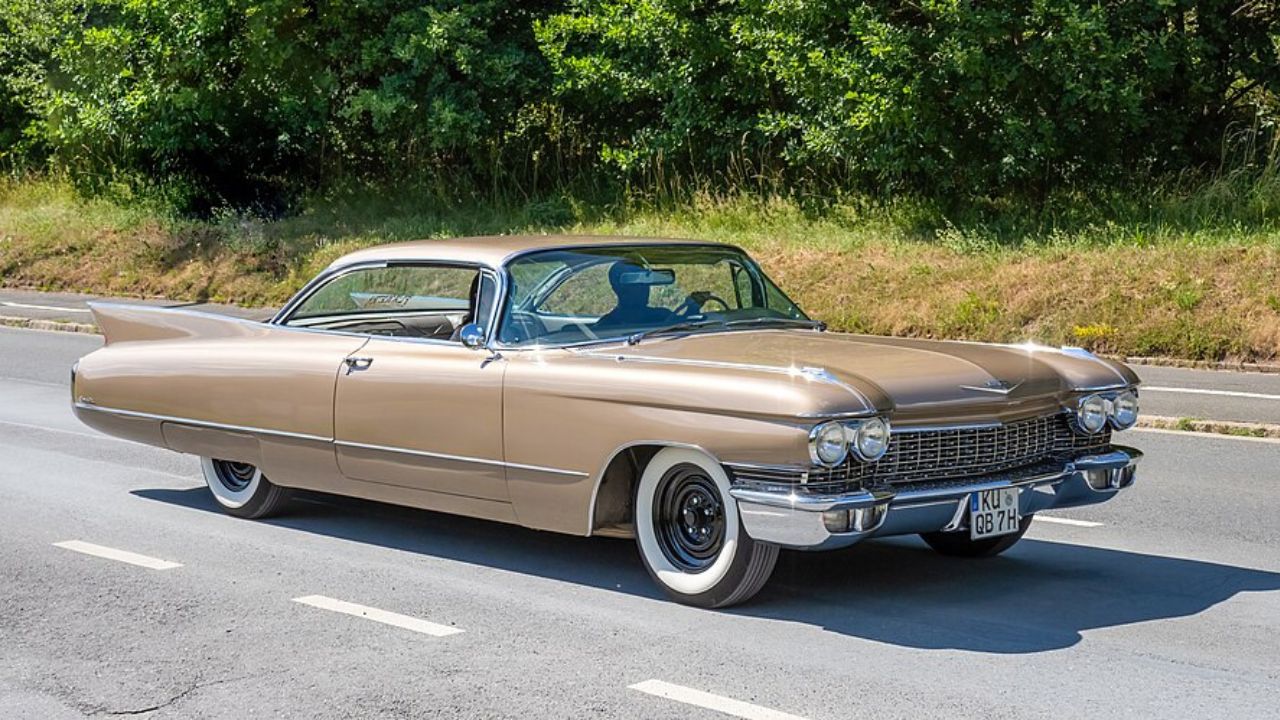
Some engines became famous because they delivered extraordinary power, while others earned reputations through racing success, brutal torque, or enormous displacement. From muscle-car V8s and high-revving European engines to turbocharged monsters and legendary racing powerplants, these engines pushed performance beyond ordinary expectations and helped define some of motoring’s wildest eras.
Chevrolet 427 L88
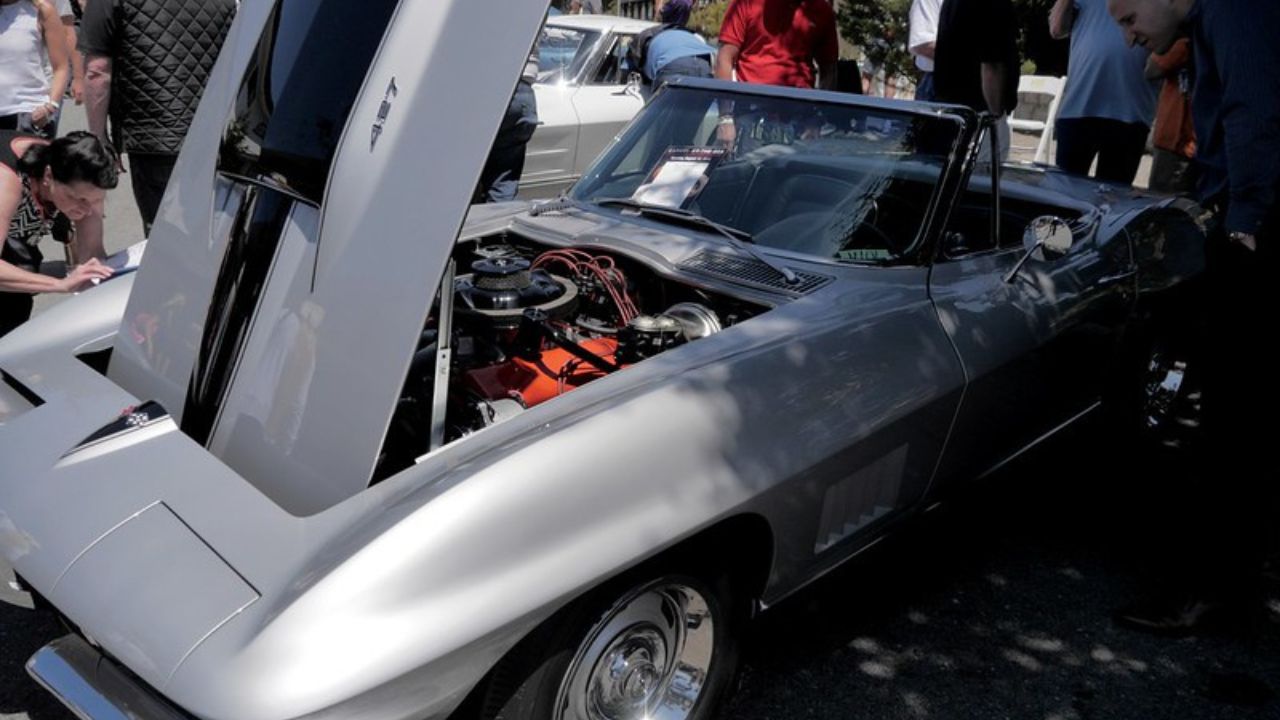
The Chevrolet 427 L88 was one of the most serious big-block engines of the muscle-car era. Officially rated at 430 horsepower, its real output was considerably higher because Chevrolet used conservative published figures for insurance and racing-related reasons. With aluminum cylinder heads, high compression, and aggressive internals, the L88 was designed around performance rather than comfort. Installed in limited-production Corvettes, it became extremely desirable among collectors. Its combination of rarity, competition technology, and enormous naturally aspirated power made the L88 one of Chevrolet’s most intimidating factory engines.
Chevrolet 427 ZL1
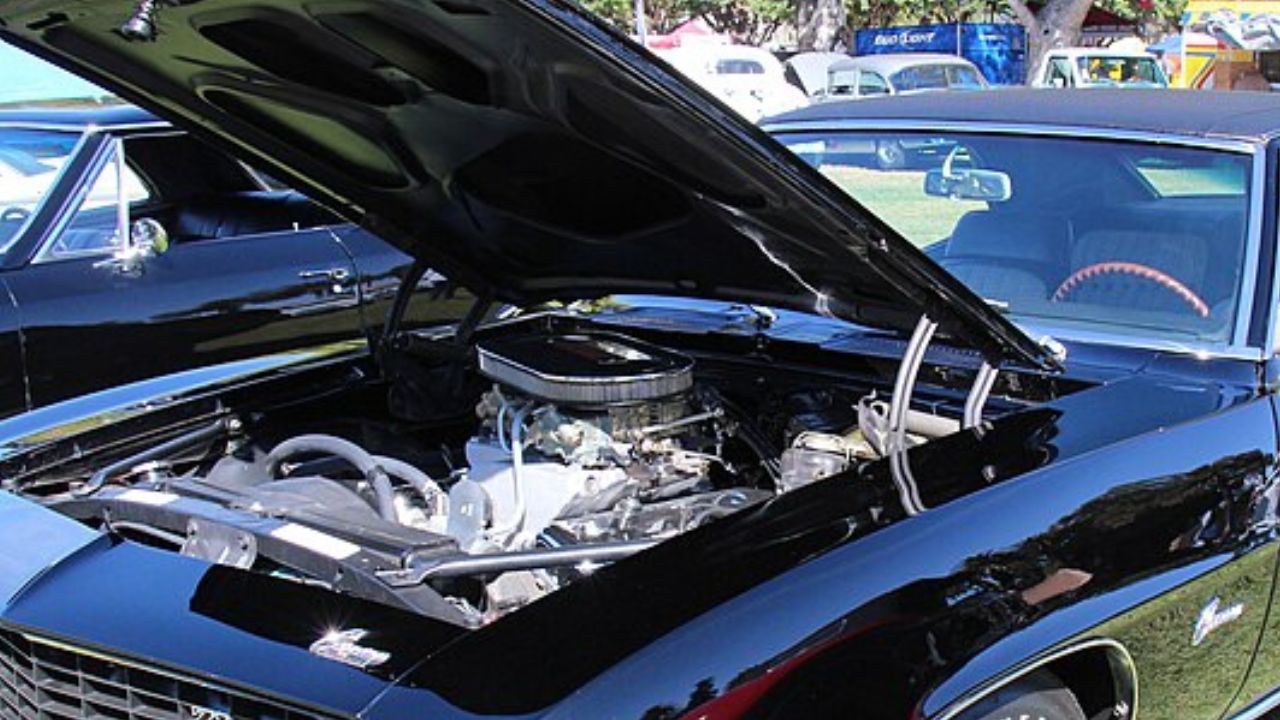
The Chevrolet 427 ZL1 took the already formidable 427 big-block concept even further by using an aluminum block and aluminum cylinder heads. It was related closely to Chevrolet’s racing development and offered a dramatic reduction in engine weight compared with conventional iron-block big-blocks. Factory Corvettes and Camaros equipped with the ZL1 were exceptionally rare. The engine became famous for its enormous performance potential and racing pedigree. Today, genuine ZL1 engines are highly collectible because very few were produced, making authentic examples among the most valuable Chevrolet performance engines.
Chevrolet 454 LS6
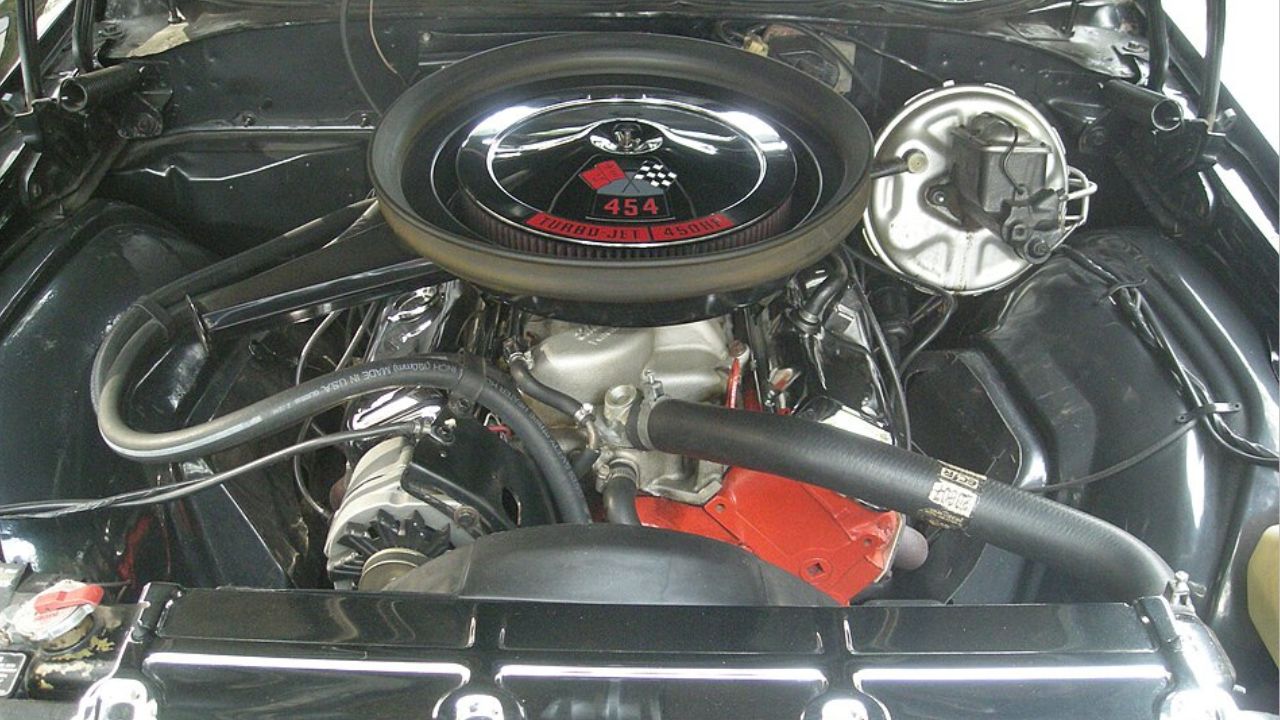
The 454 LS6 represented Chevrolet’s answer to the demand for massive street performance at the beginning of the 1970s. With a large 4.25-inch bore and 4.00-inch stroke, it produced an officially advertised 450 horsepower in its strongest applications. The engine used high-flow cylinder heads, solid-lifter valvetrain components, and a high-performance intake system. Installed most famously in the Chevelle SS, the LS6 gave Chevrolet one of the era’s strongest production muscle-car combinations. Its brutal torque and relatively simple architecture continue to make it popular with collectors and restorers.
Ford 427 FE Side-Oiler

The Ford 427 FE Side-Oiler was one of the most famous American racing engines of the 1960s. Its block incorporated a dedicated oiling system designed to supply critical engine components under sustained high-rpm operation. This feature helped the engine survive demanding competition use. The 427 powered legendary Ford race and road cars, including the GT40 and Cobra. Its combination of huge displacement, robust construction, and racing history made it one of Ford’s most respected engines. Genuine Side-Oiler blocks remain highly desirable among collectors and historic racers.
Ford 427 SOHC Cammer
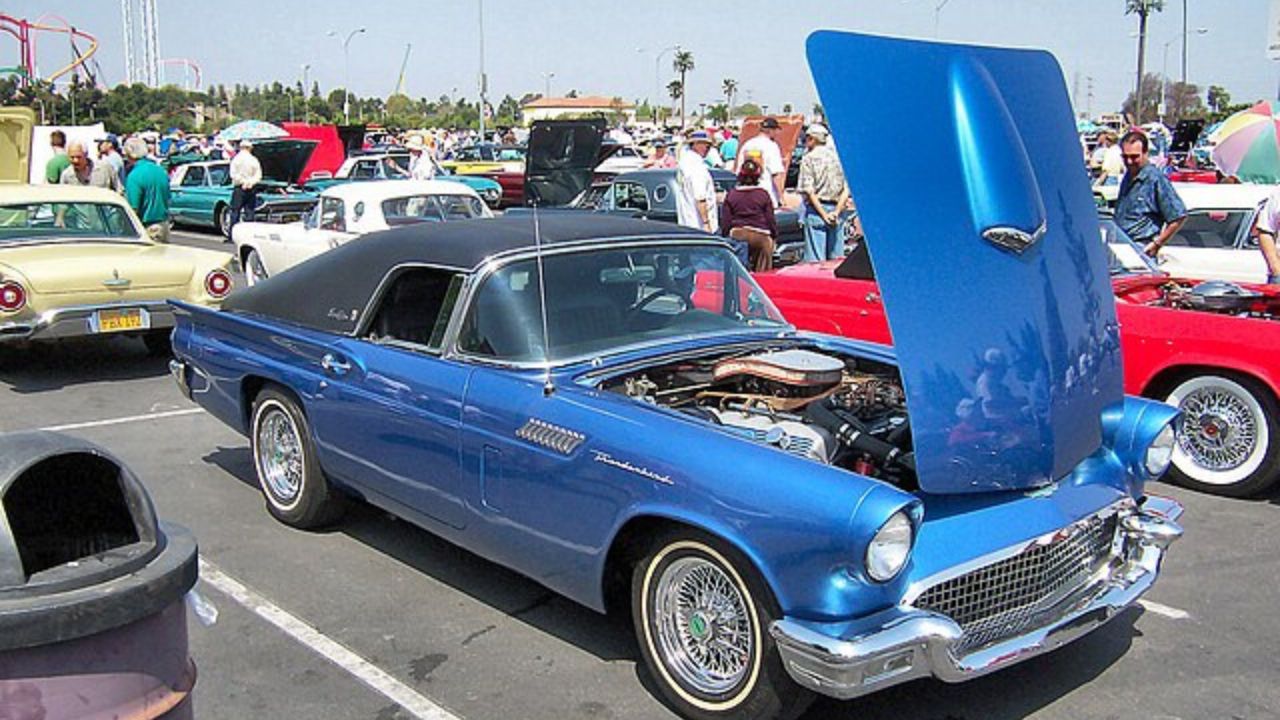
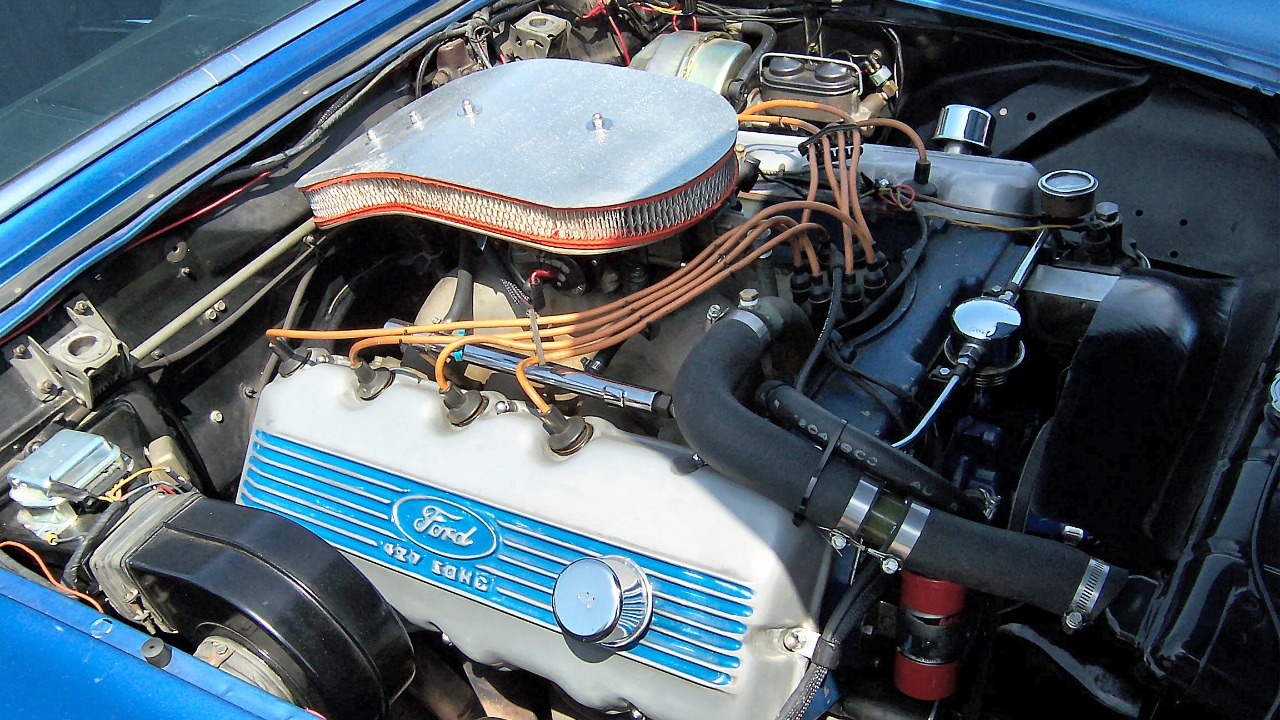
The Ford 427 SOHC Cammer was an extraordinary engine created primarily for NASCAR competition. Unlike the conventional pushrod FE engine, it used overhead camshafts and hemispherical-style combustion chambers to improve high-rpm breathing. Its complex design produced enormous power potential and quickly became controversial in racing. NASCAR ultimately prevented the engine from competing in the intended category, but its reputation survived. Today, genuine Cammer engines are exceptionally collectible because of their rarity, unusual architecture, and connection to one of Ford’s most aggressive periods of racing development.
Toyota 3S-GTE
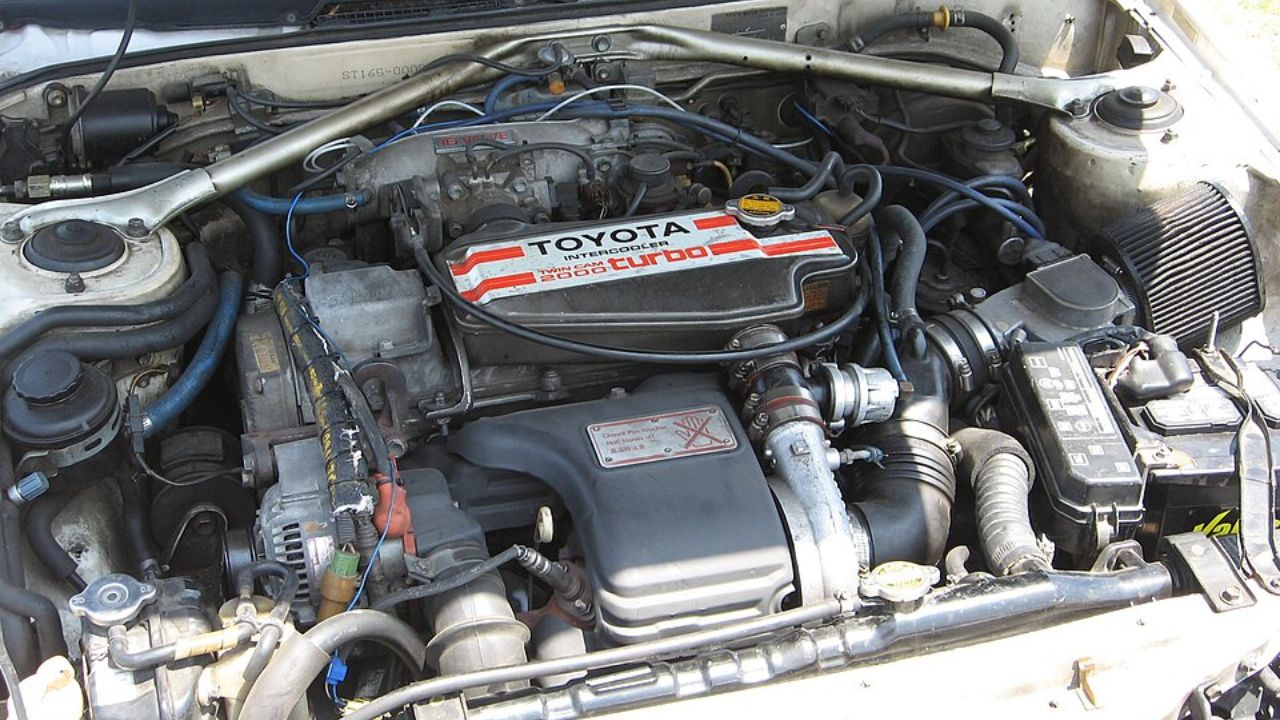
The Toyota 3S-GTE became one of the company’s best-known turbocharged four-cylinder engines. It powered performance versions of the Celica and MR2 and gained extensive competition experience through Toyota’s rally and motorsport programs. Different generations received improved cylinder heads, turbochargers, fuel systems, and engine-management technology. The engine developed a strong reputation for durability and tuning potential. Collectors value early and competition-related versions because they connect Toyota’s road cars to the company’s successful 1990s motorsport programs.
Mercedes-Benz M120
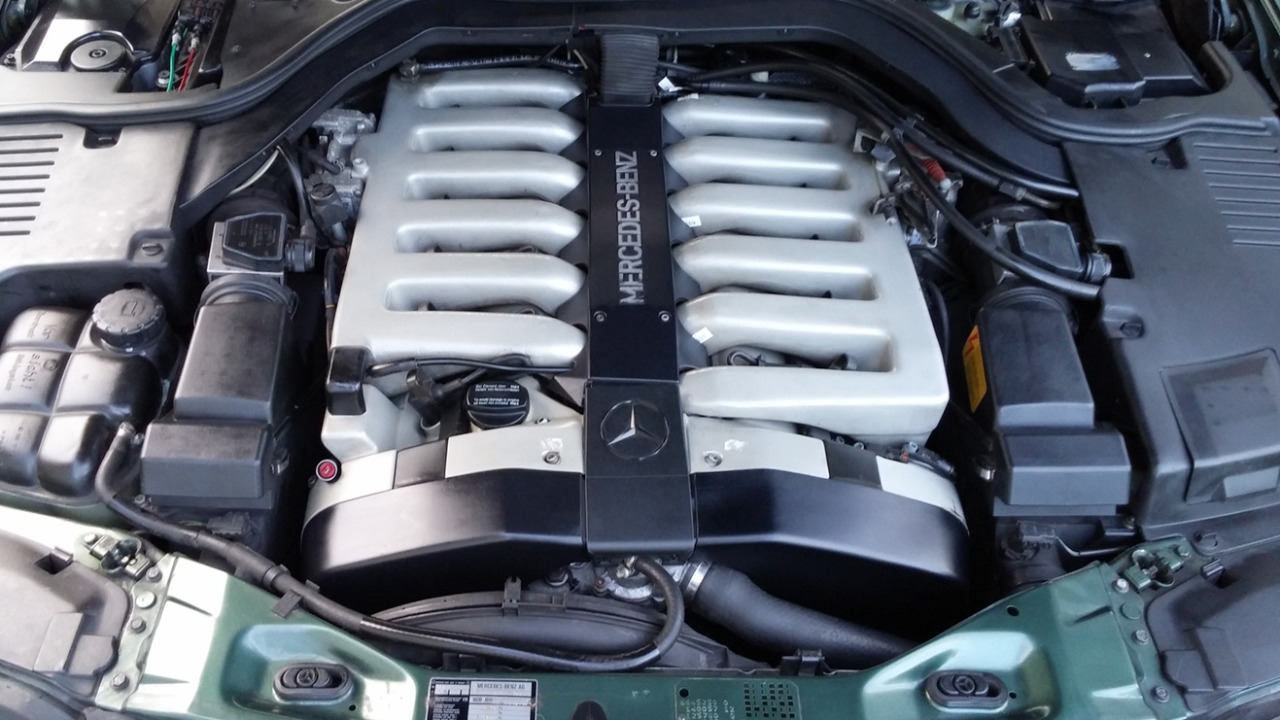
The Mercedes-Benz M120 was a large naturally aspirated V12 that powered flagship Mercedes models and later became associated with AMG performance applications. Its smoothness, enormous displacement, and strong torque made it an impressive engineering achievement. The engine also became popular among enthusiasts who recognized its potential for high-performance applications. Original M120s remain interesting to collectors because they represent the period when Mercedes-Benz built exceptionally large naturally aspirated engines with complex multi-valve cylinder heads and substantial mechanical durability.
Cosworth DFV
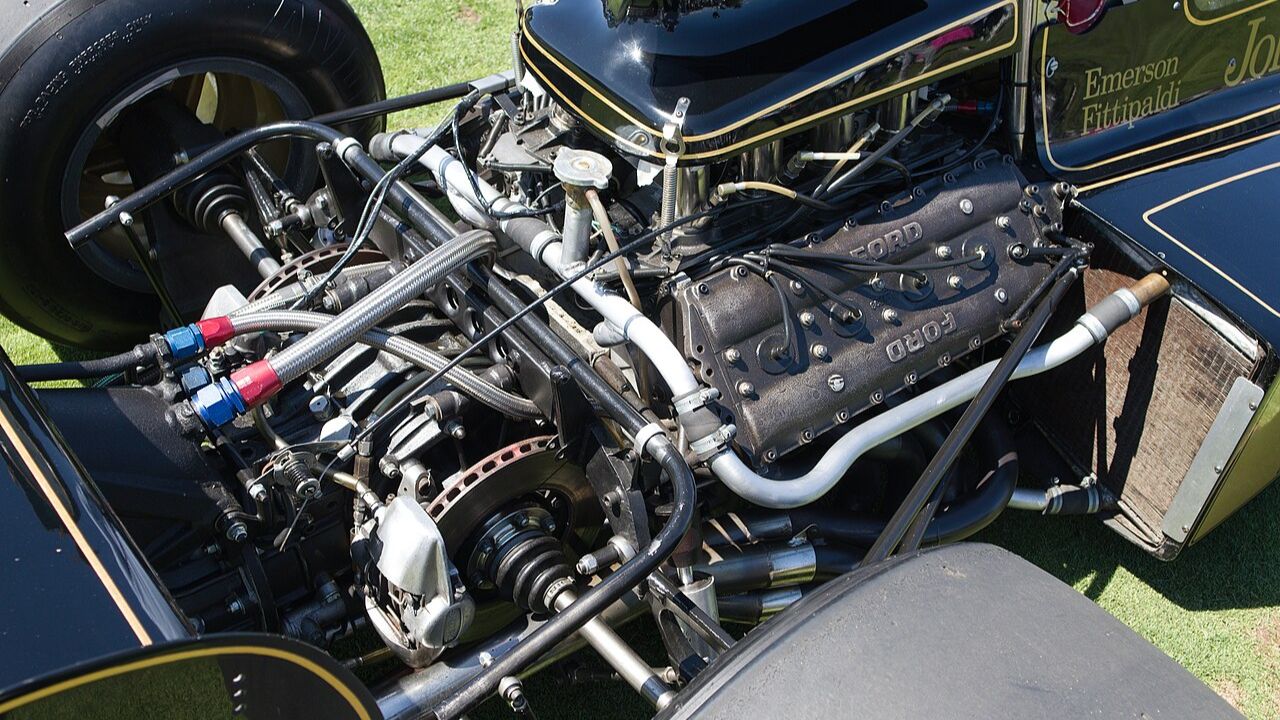
The Cosworth DFV became one of the most successful Formula One engines ever produced. Its compact naturally aspirated V8 configuration, lightweight construction, and relatively simple design made it attractive to numerous racing teams. The engine accumulated an extraordinary number of Grand Prix victories and became a defining powerplant of its era. Its influence extended beyond Formula One into sports-car racing and other categories. Original DFV engines are highly desirable because they are direct artifacts of a period when independent teams could compete at the highest level using a widely available engine.
Bugatti W16
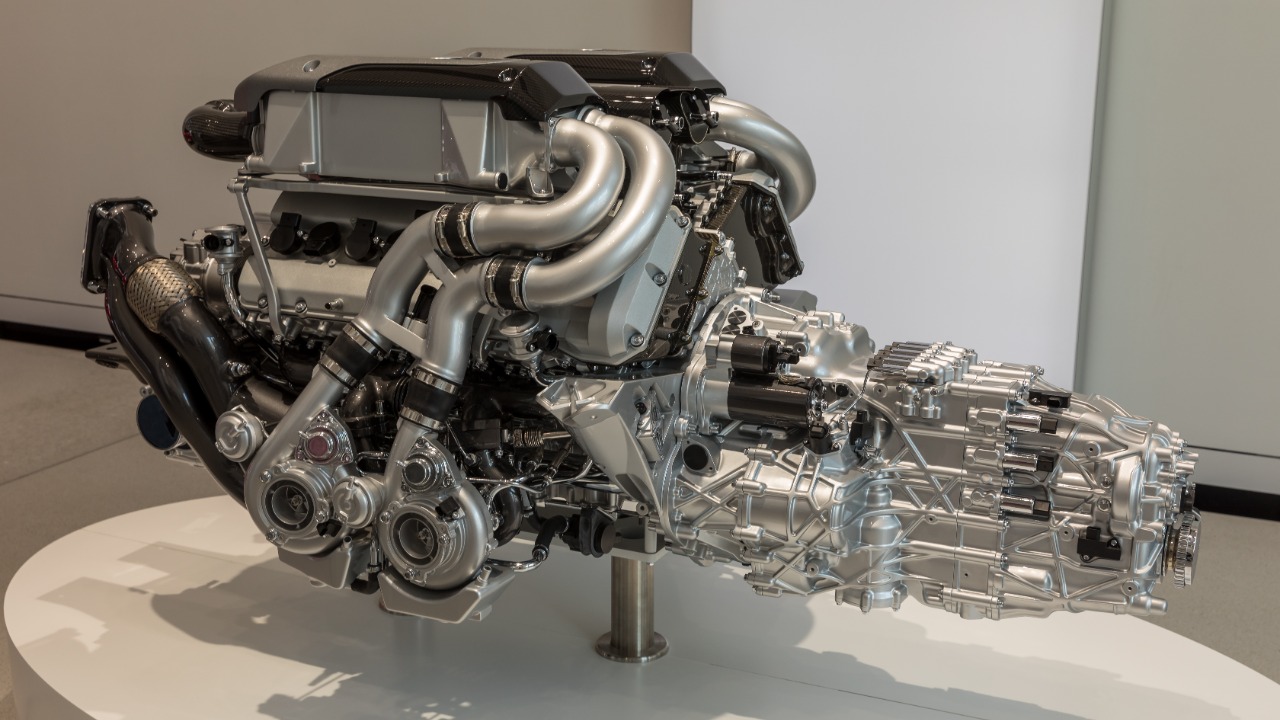
The Bugatti W16 became one of the defining engines of the modern hypercar era. Its unusual sixteen-cylinder configuration and multiple turbochargers allowed Bugatti to produce extraordinary power while maintaining smooth operation. Used in the Veyron and Chiron families, the engine became famous for its complexity, enormous output, and engineering ambition. Its production numbers were tiny compared with ordinary automotive engines. Collectors value the W16 because it represents an unusual approach to achieving extreme performance through displacement, cylinder count, and sophisticated forced induction.
McLaren M838T
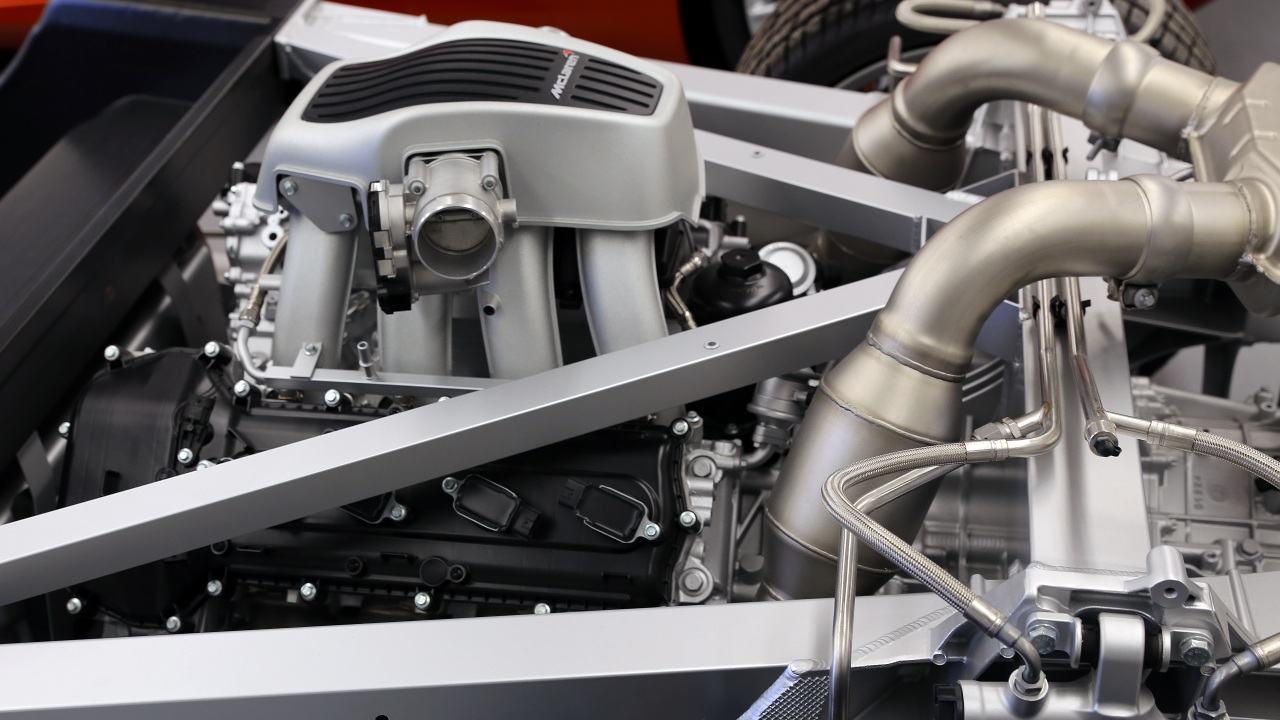
The McLaren M838T was a twin-turbocharged V8 developed for McLaren’s modern supercar range. Compact dimensions, lightweight construction, and advanced turbocharging allowed the engine to deliver very high performance while maintaining a relatively small physical footprint. The engine powered models such as the 12C and later McLaren derivatives. Its development reflected McLaren’s emphasis on reducing weight and maximizing efficiency without sacrificing acceleration. Collectors may find early M838T engines increasingly significant as examples of the company’s first modern road-car engine family.
Toyota 1UZ-FE
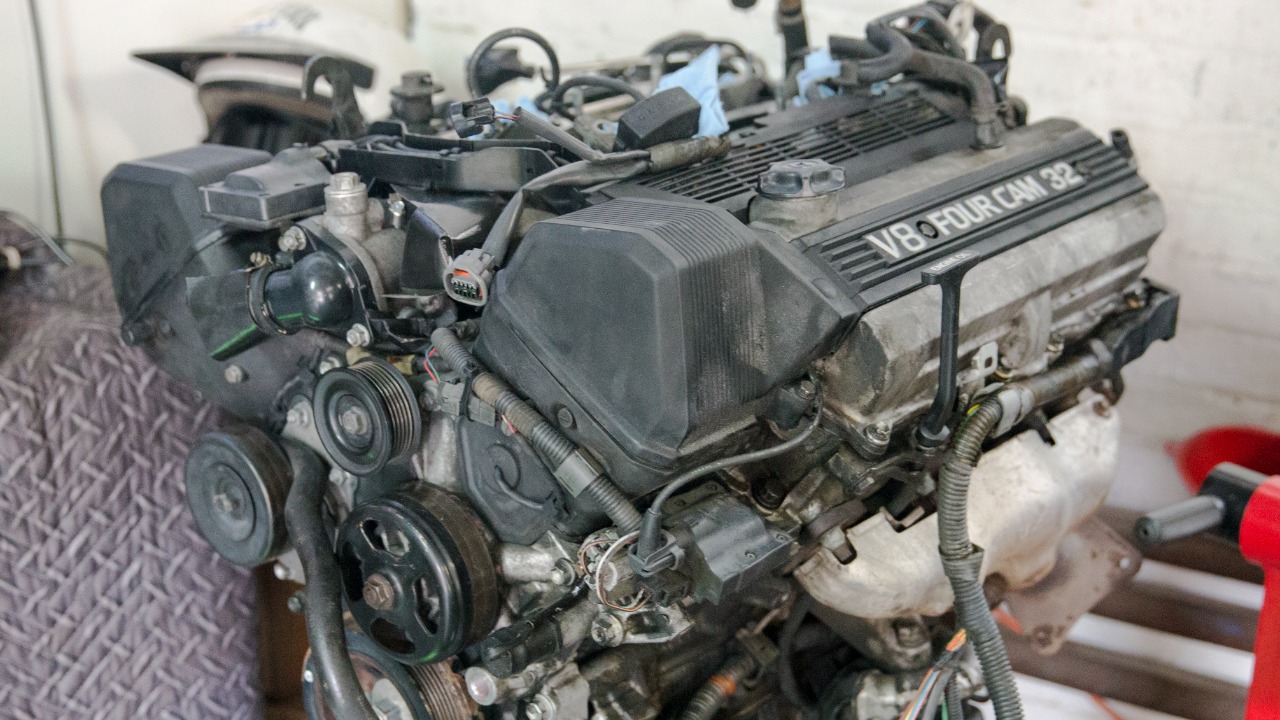
The Toyota 1UZ-FE became famous for its smoothness, compact dimensions, and strong aluminum construction. Introduced in the Lexus LS400, it was designed primarily as a refined luxury engine rather than a racing unit. Enthusiasts later discovered that the architecture could support significant performance modifications. Its balance of durability and sophistication made it popular in swaps and motorsport applications. Early examples are increasingly interesting to collectors because the engine represents the engineering quality of Toyota’s first generation of Lexus powerplants.
Mercedes-Benz M275
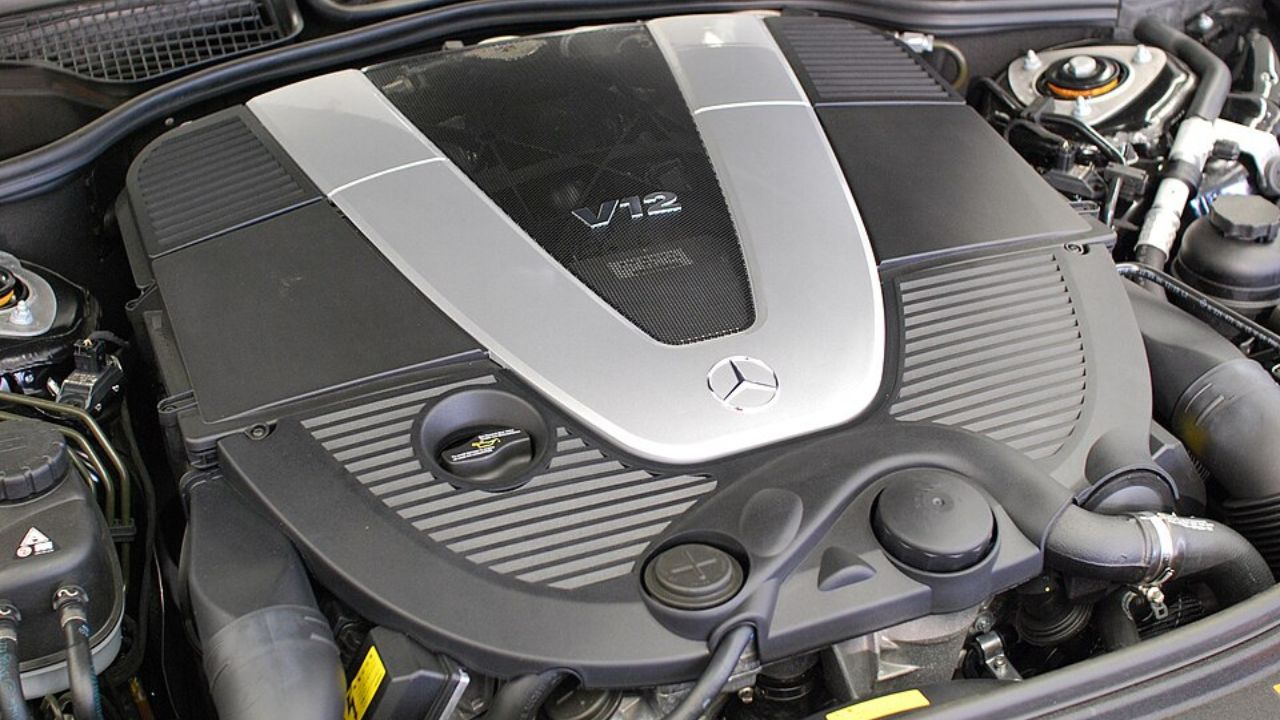
The Mercedes-Benz M275 was a large-displacement twin-turbocharged V12 used in some of the company’s most powerful luxury and performance models. Its enormous torque output allowed heavy vehicles to accelerate with remarkable ease. The engine incorporated sophisticated turbocharging, electronic management, and advanced cooling systems. AMG versions pushed performance even further. Collectors appreciate the M275 because it represents an era when Mercedes-Benz and AMG combined huge displacement with forced induction to create exceptionally powerful grand-touring engines.
Nissan VK45DE
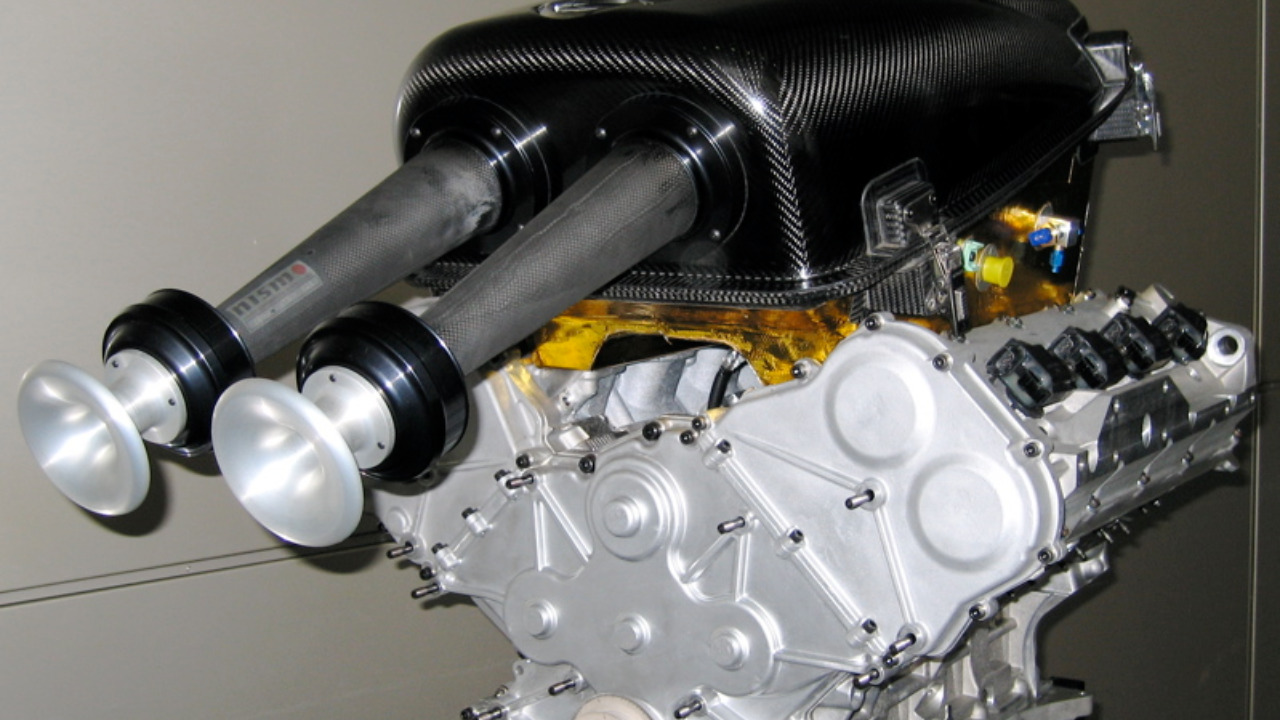
The Nissan VK45DE was a naturally aspirated V8 developed for high-performance road cars and racing applications. Its aluminum construction, advanced cylinder heads, and high-revving character gave it strong performance without turbocharging. The engine became associated with Infiniti performance models and later found competition use in Super GT and prototype racing. Its versatility demonstrates how a modern naturally aspirated V8 could transition from luxury applications to motorsport. Collectors value competition-derived examples because they are significantly rarer than ordinary road engines.
Chevrolet LS7

The Chevrolet LS7 became one of the most powerful naturally aspirated production small-block V8s Chevrolet had ever offered. With 7.0 liters of displacement, lightweight internal components, titanium valves, and high-flow cylinder heads, it was designed around serious performance. The engine became famous in the Corvette Z06 and later appeared in specialized applications. Its combination of large displacement and relatively compact architecture made it particularly effective. Original LS7 engines remain highly desirable because they represent a modern interpretation of Chevrolet’s traditional naturally aspirated performance philosophy.
Chevrolet LS9
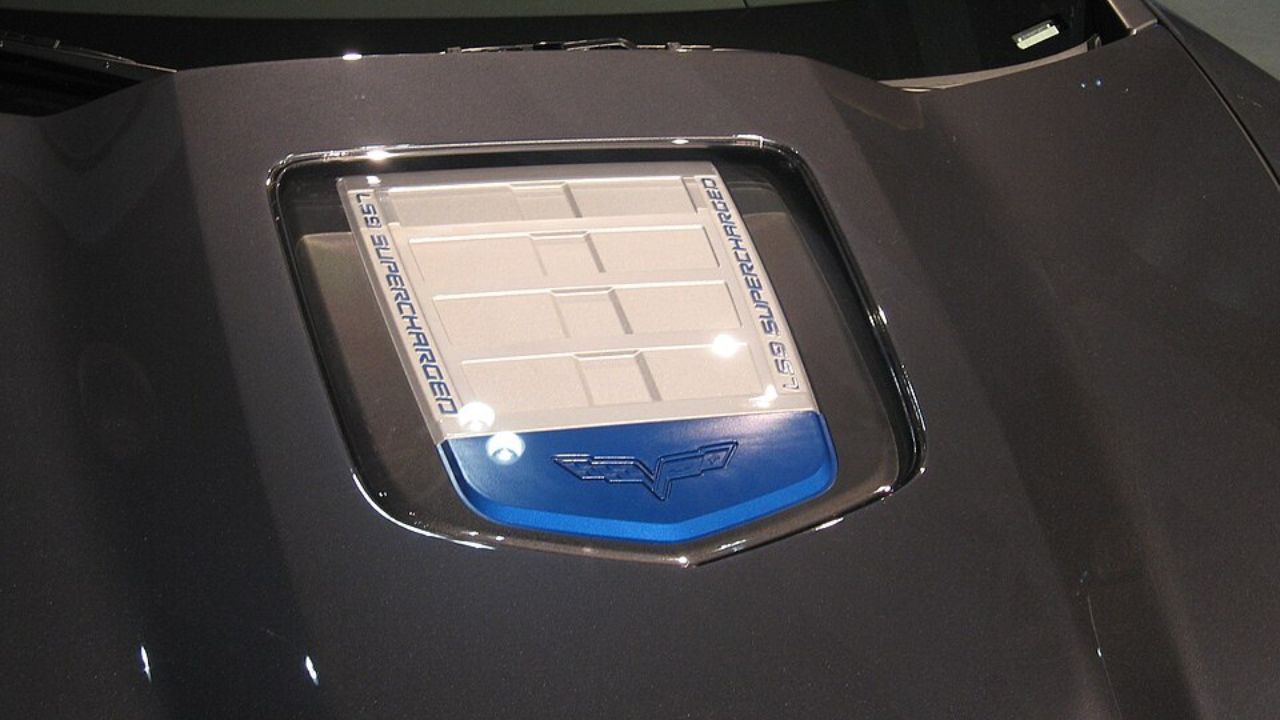
The Chevrolet LS9 was a supercharged 6.2-liter V8 developed for the Corvette ZR1. It combined an aluminum block with a large supercharger and advanced intercooling to produce enormous factory power. Unlike many highly modified performance engines, the LS9 was engineered to deliver its output with factory durability and drivability. The engine became one of Chevrolet’s most recognizable modern performance powerplants. Collectors value complete LS9 engines because they are directly connected to the limited-production ZR1 and represent a major step in Corvette performance development.
Dodge Demon HEMI
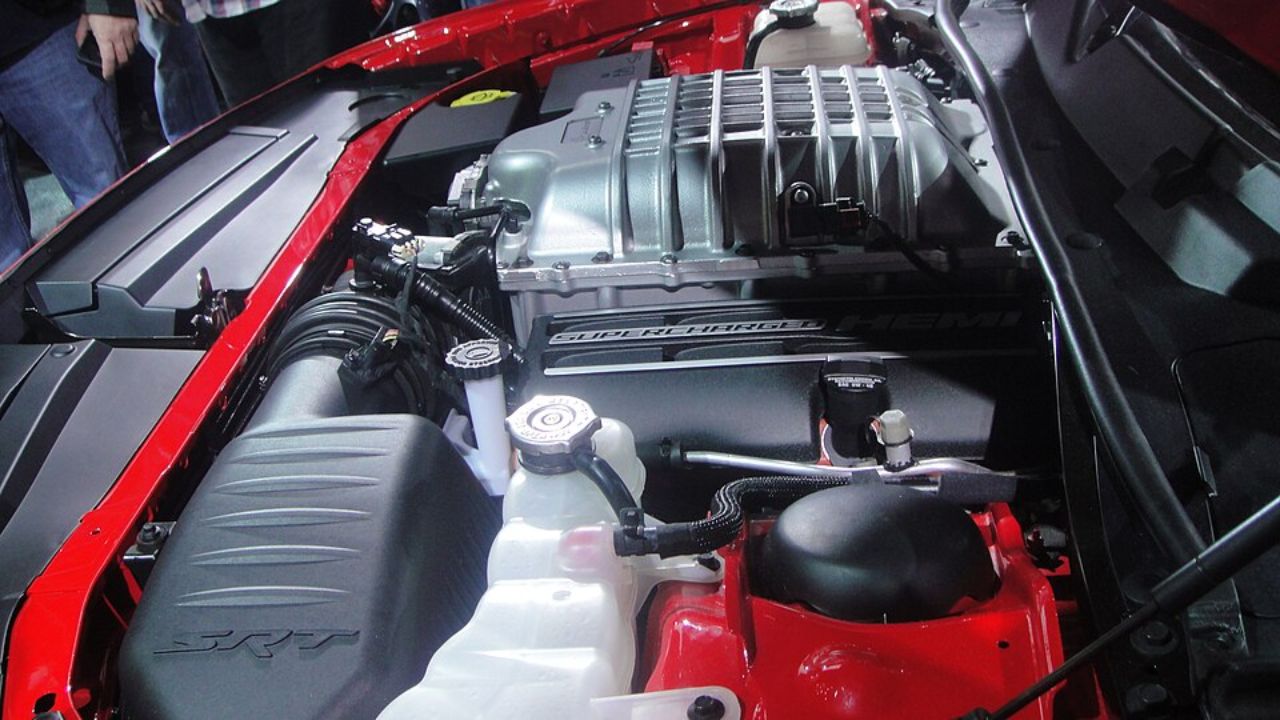
The Demon version of Chrysler’s supercharged V8 was developed specifically to maximize straight-line acceleration. It incorporated a larger supercharger, specialized calibration, and drag-racing-oriented hardware designed to improve launch performance. The engine became central to the Dodge Challenger SRT Demon, a limited-production car engineered around quarter-mile performance. Its specialized nature and relatively short production period make original Demon engines particularly interesting to collectors. The engine represents one of the most extreme factory applications of the modern Chrysler HEMI architecture.
Honda RA168E
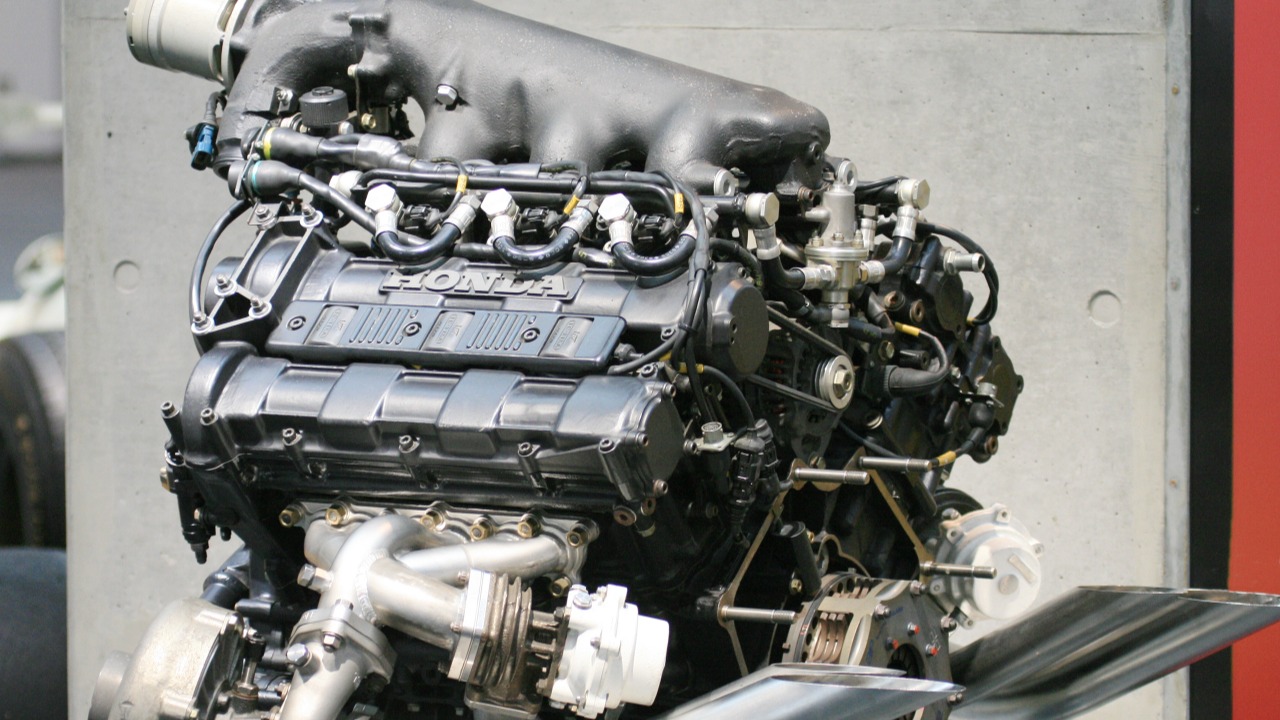
The Honda RA168E was a turbocharged V6 Formula One engine developed for the 1988 season. Its advanced turbocharging system, electronic controls, and high specific output helped power McLaren to an extraordinarily successful season. The engine represented the peak of Honda’s first-generation turbocharged Formula One development before naturally aspirated regulations took over. Genuine RA168E engines are extremely rare. Their historical importance comes from their connection to one of the most dominant periods in Formula One, when turbocharged engines were producing remarkable power from relatively small displacement.
Ferrari Tipo 044
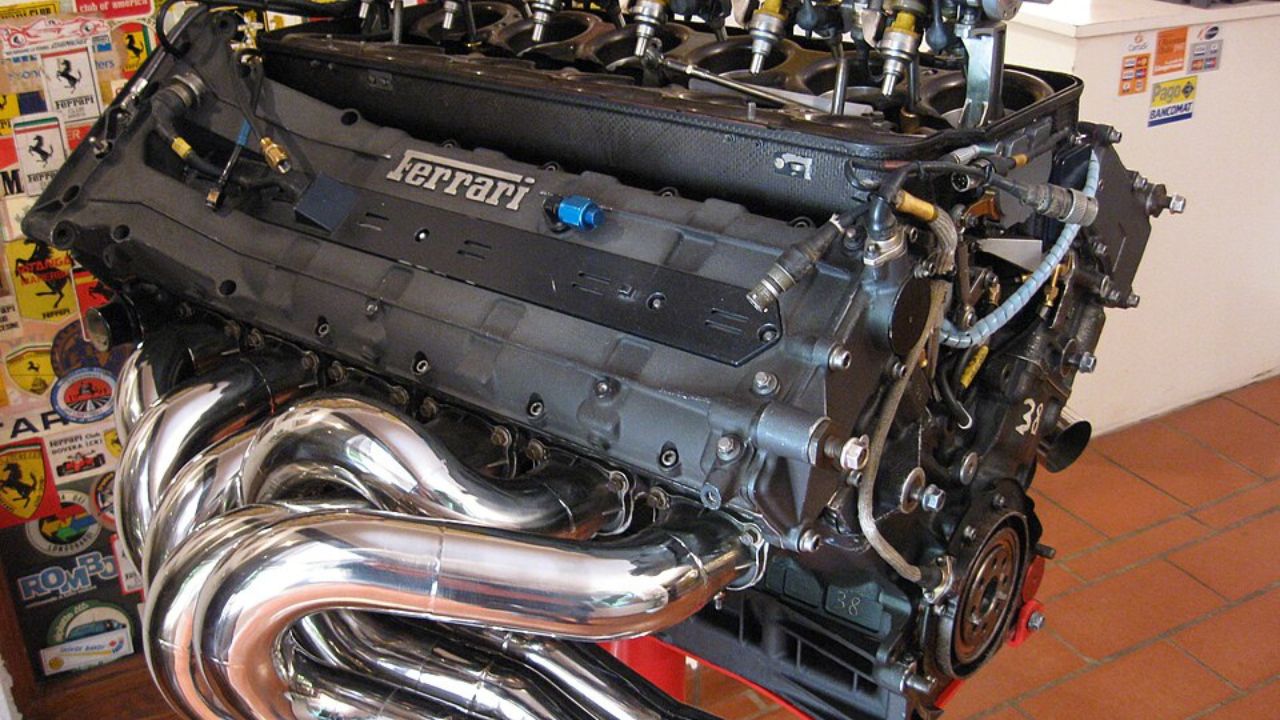
The Ferrari Tipo 044 was a 3.5-liter V12 Formula One engine from the early 1990s. It represented Ferrari’s continued commitment to naturally aspirated twelve-cylinder power during a period when engine manufacturers were exploring increasingly sophisticated designs. The engine delivered strong high-rpm performance and became part of Ferrari’s transitional Formula One period before later V12 developments. Collectors value genuine Ferrari Grand Prix engines because they are rare engineering artifacts with direct links to the company’s long competition history.
Chrysler 426 Street Hemi
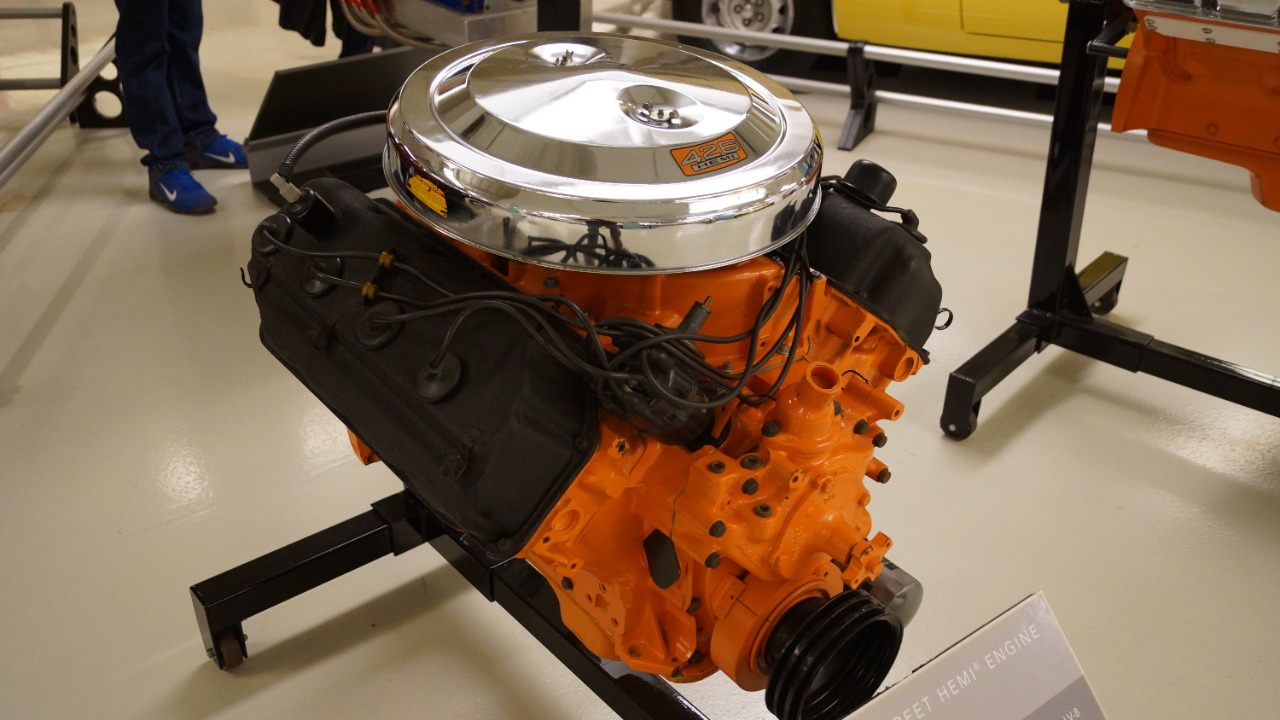
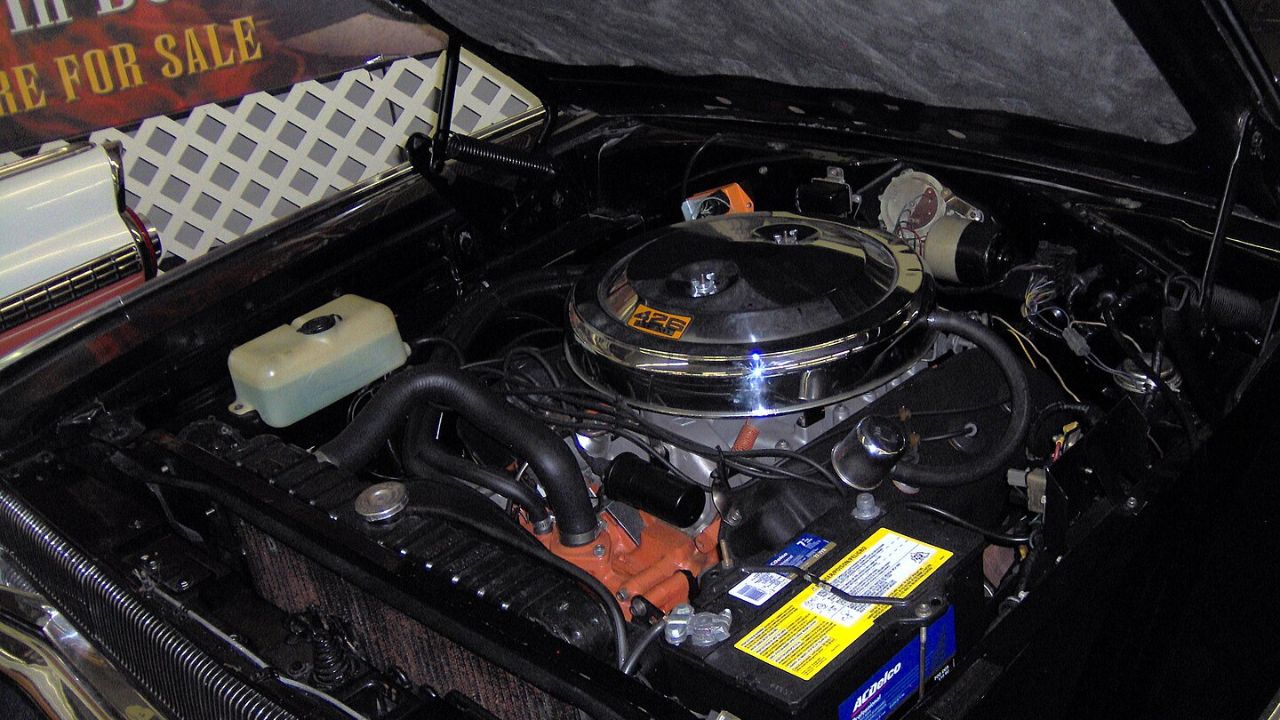
The 426 Street Hemi was the production version of Chrysler’s legendary hemispherical racing engine. Introduced for high-performance road cars, it used dual four-barrel carburetion, high compression, and robust internal components. Although designed for street use, its specifications remained closely related to Chrysler’s competition technology. The engine powered famous Mopar models including the Charger, Challenger, and Road Runner. Original Street Hemi engines are among the most recognizable American collector engines because of their rarity, distinctive design, and direct connection to the muscle-car era.
More from Fast Lane Only
- Unboxing the WWII Jeep in a Crate
- 15 rare Chevys collectors are quietly buying
- 10 underrated V8s still worth hunting down
- Police notice this before you even roll window down
*Research for this article included AI assistance, with all final content reviewed by human editors.