During the muscle car era, factory horsepower ratings did not always tell the complete story. Automakers sometimes used conservative figures for insurance, marketing, or regulatory reasons, while some engines benefited from strong tuning and favorable testing conditions. These big-blocks became famous because their real-world performance could feel considerably stronger than their official numbers suggested.
Chevrolet 427 L88

The Chevrolet 427 L88 was one of the clearest examples of a factory rating that understated what the engine could actually do. Chevrolet listed conservative horsepower figures partly to keep the engine from appearing too extreme to ordinary buyers. In reality, the L88 featured high-compression internals, aggressive cylinder heads, a solid-lifter camshaft, and a large four-barrel carburetor. Designed with racing in mind, it was capable of far more performance than its published rating suggested. Its competition success eventually made its true potential impossible to ignore.
Chevrolet 427 ZL1
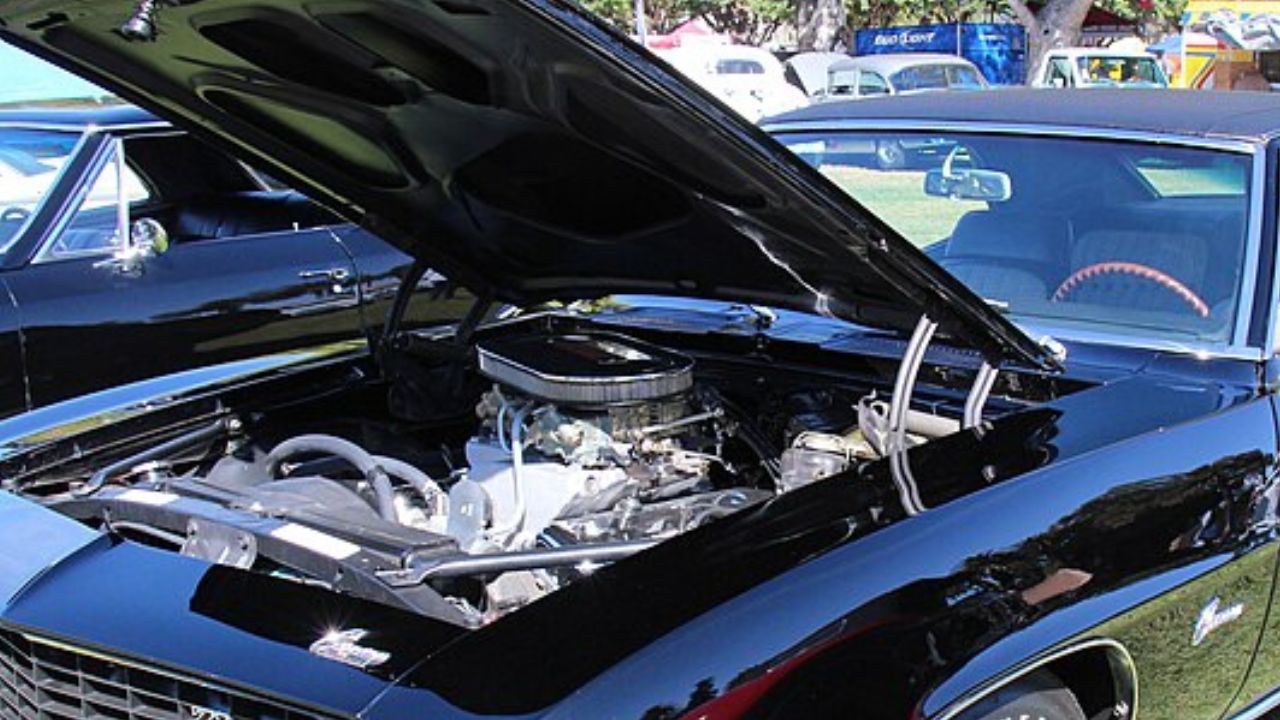
The Chevrolet 427 ZL1 combined enormous displacement with lightweight aluminum construction and competition-focused hardware. Its official rating was already impressive, but the engine’s design suggested considerably more potential. High-flow cylinder heads, a solid-lifter camshaft, and specialized internals allowed the ZL1 to breathe extremely well at high engine speeds. Only a handful were installed in production cars, making the engine exceptionally rare. Its racing applications demonstrated why the ZL1 became regarded as one of Chevrolet’s most serious big-block designs.
Chevrolet 454 LS6
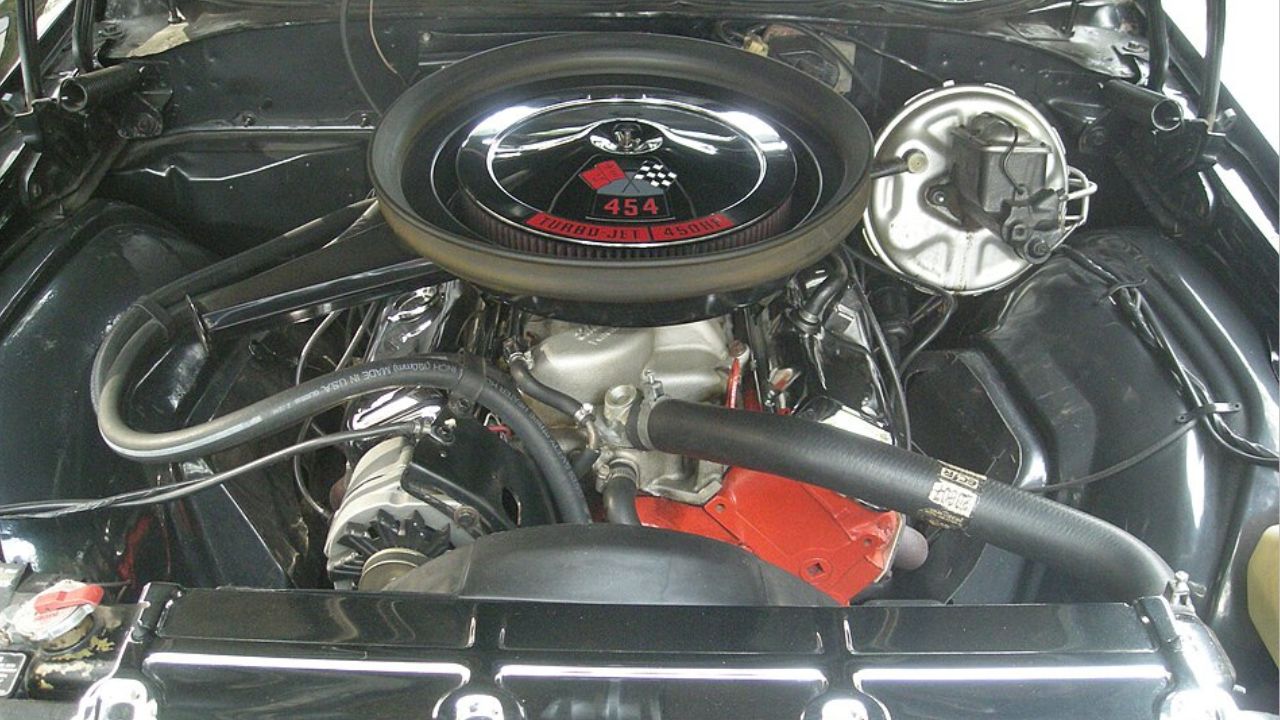
The Chevrolet 454 LS6 was officially rated at 450 horsepower for 1970, already making it one of the strongest factory muscle car engines. However, its high-flow cylinder heads, large valves, aggressive camshaft, high compression, and substantial induction system gave the engine considerable potential beyond the published figure. Installed in the Chevelle SS 454, the LS6 delivered the kind of acceleration that made its factory rating almost beside the point. Its combination of displacement and airflow helped establish the LS6 as one of Chevrolet’s most famous big-blocks.
Chevrolet 409
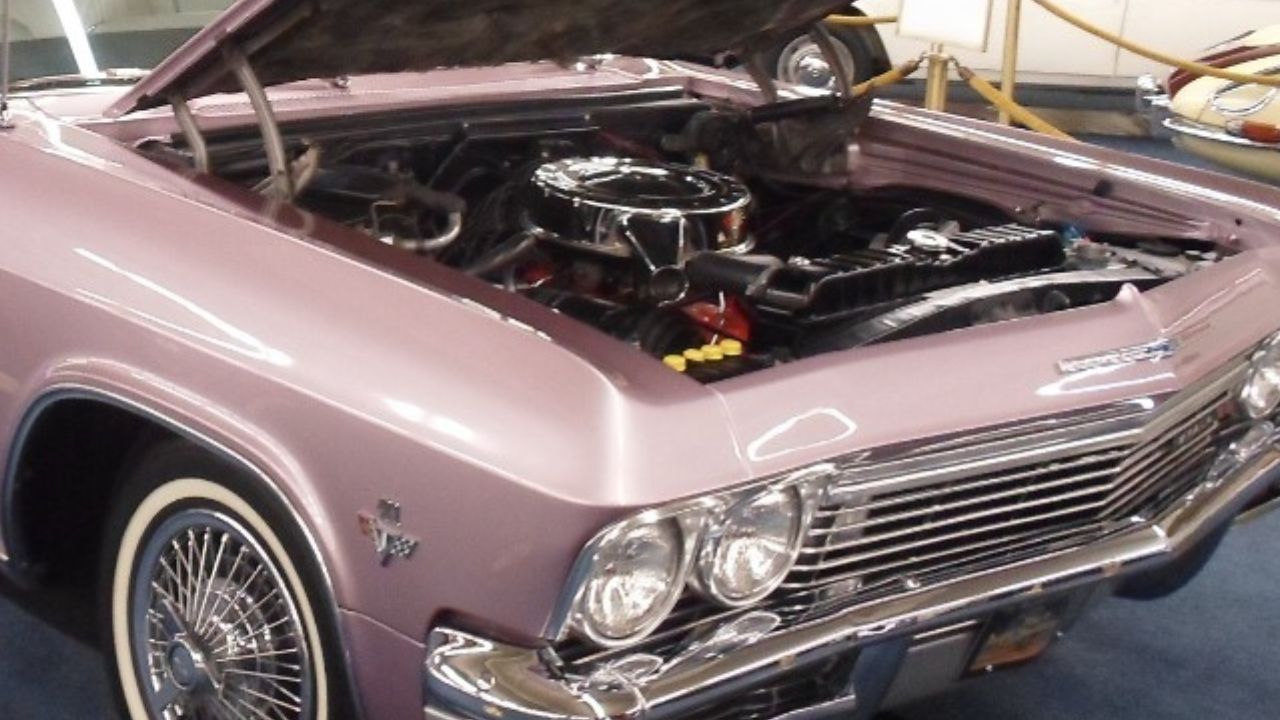
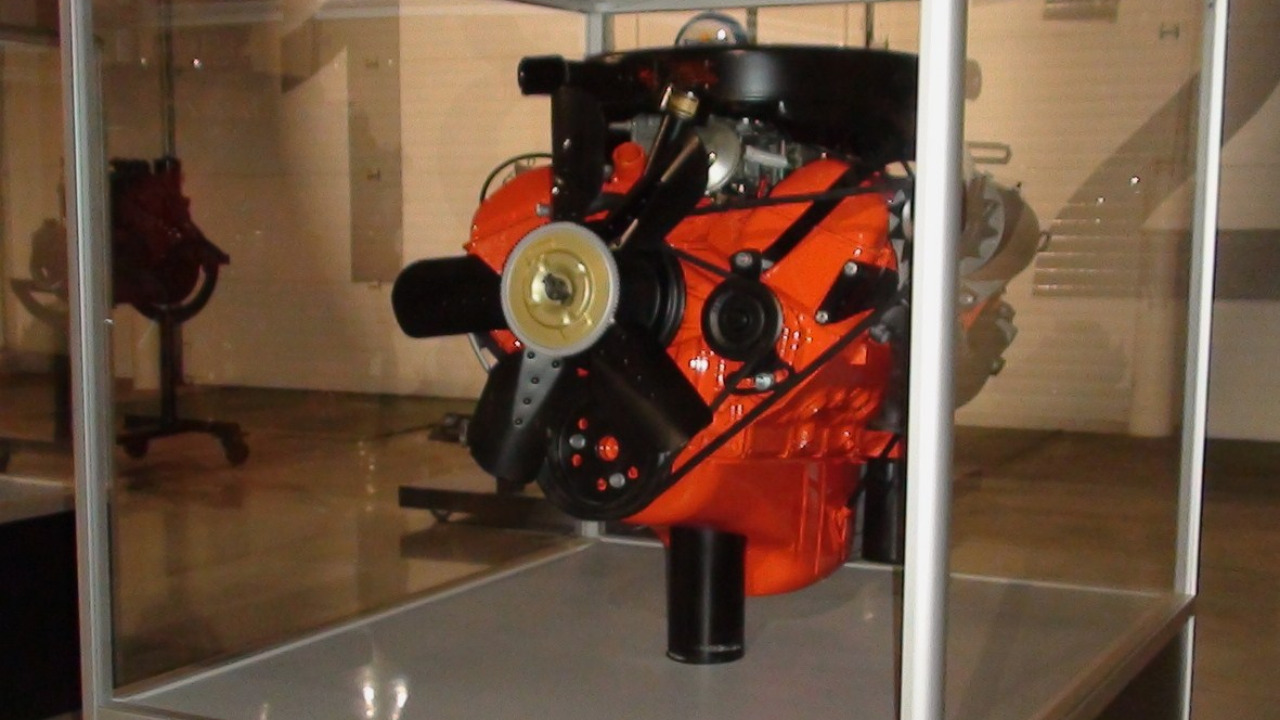
The Chevrolet 409 became one of the most famous large-displacement Chevrolet engines of the early 1960s. Its factory horsepower figures varied by configuration, but the engine’s high-flow heads, large valves, and performance intake gave it strong breathing ability. Available with multiple carburetor setups, the 409 powered cars such as the Impala and helped establish Chevrolet’s big-block reputation. Its combination of displacement and aggressive hardware made it capable of strong real-world performance, especially in higher-output versions equipped with multiple carburetors.
Chevrolet 396 L78
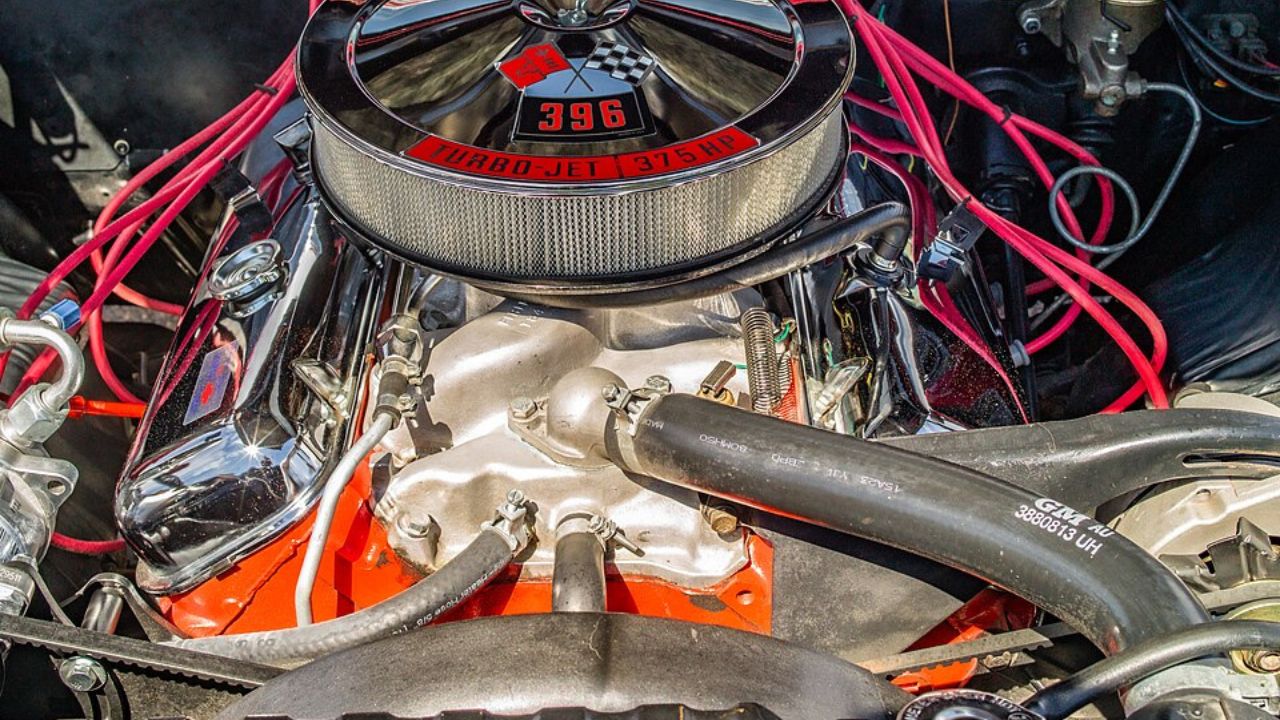
The Chevrolet 396 L78 was officially rated at 425 horsepower, but its hardware suggested an engine built for serious performance. It featured high-compression pistons, a solid-lifter camshaft, rectangular-port cylinder heads, and a large four-barrel carburetor. The engine appeared in high-performance Chevrolets including the Camaro and Chevelle. Its factory rating was already substantial, but period testing and real-world examples showed why the L78 developed a reputation for being stronger than its paperwork suggested. It remains one of Chevrolet’s most respected high-performance big-blocks.
Chevrolet 427 L72
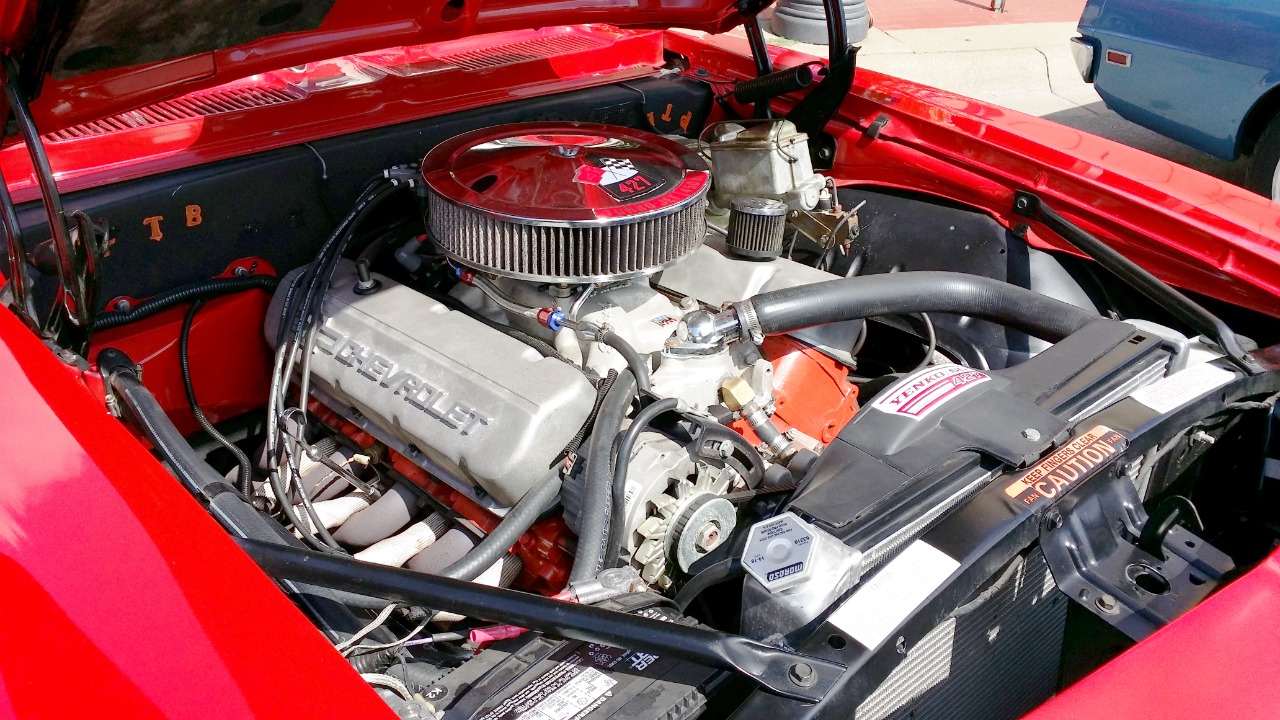
The Chevrolet 427 L72 was another big-block whose official horsepower number did not fully capture its capabilities. Rated at 425 horsepower, the engine used high compression, solid lifters, large-port cylinder heads, and a performance-oriented intake system. It was offered in cars such as the Corvette and full-size Chevrolet models. The combination produced strong acceleration and impressive high-rpm performance. Because Chevrolet’s published figures were sometimes conservative during this period, the L72 became another example of an engine whose real performance could exceed expectations.
Ford 427 Side-Oiler

The Ford 427 Side-Oiler was engineered around durability and high-performance use rather than simply producing an impressive brochure number. Its unique oiling system helped protect the engine during sustained high-rpm operation, while large cylinder heads and aggressive camshaft designs allowed substantial airflow. The engine powered famous machines including the Shelby Cobra and Ford GT40. Its racing history provided strong evidence of its capabilities. Although the factory ratings varied by application, the 427’s competition record demonstrated that the engine could produce far more performance than its street-car numbers might imply.
Ford 428 Cobra Jet

The Ford 428 Cobra Jet was officially rated at 335 horsepower, a number that many enthusiasts consider conservative compared with its hardware and performance. The engine used large-port cylinder heads, a performance camshaft, a high-flow intake, and a large four-barrel carburetor. In the Mustang and other Ford muscle cars, the Cobra Jet became a formidable street and drag-racing engine. Its strong torque and acceleration helped establish the 428 CJ as one of Ford’s most important performance big-blocks despite its relatively modest official rating.
Ford 428 Super Cobra Jet
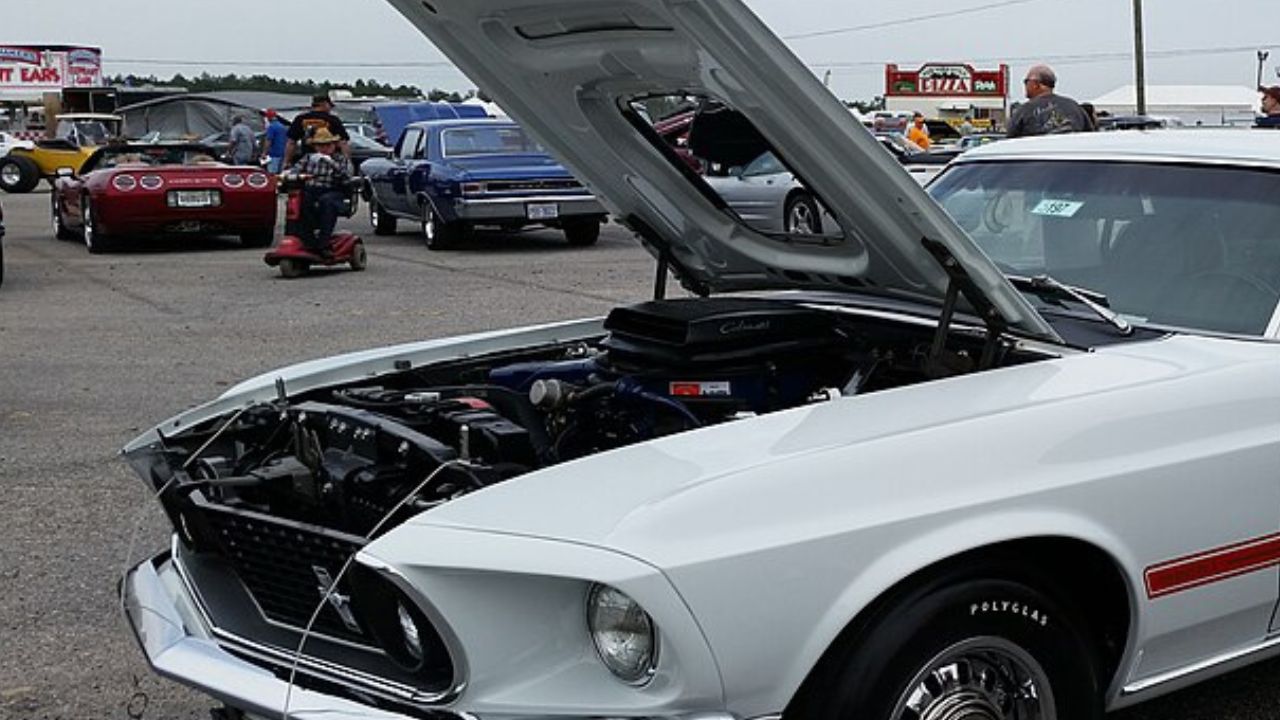
The Ford 428 Super Cobra Jet represented an even more specialized version of Ford’s performance big-block. It featured upgraded internal components and was designed to withstand demanding drag-racing conditions. Ford’s official horsepower figures did not necessarily communicate the engine’s complete performance potential because the published numbers were affected by period rating practices. The Super Cobra Jet became particularly famous in Mustangs equipped with the Drag Pack and other performance options. Its strengthened construction and racing-oriented components made it much more serious than its factory paperwork might suggest.
Chrysler 383 Magnum
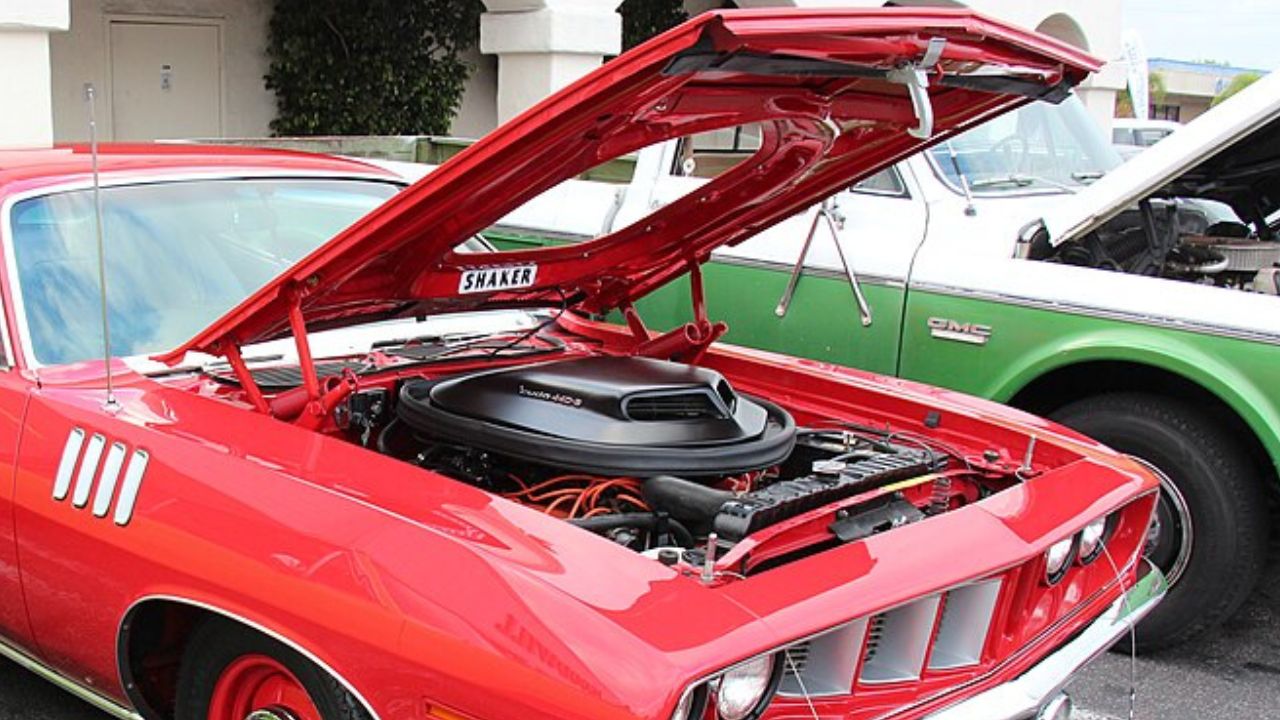
The Chrysler 383 Magnum was a popular big-block that combined substantial displacement with a performance-focused design. Its four-barrel carburetor, higher-compression pistons, and improved cylinder heads helped the engine produce strong torque and useful top-end power. Used in vehicles including the Dodge Charger, Plymouth Road Runner, and Dodge Super Bee, the 383 Magnum offered serious acceleration without requiring the larger 440. Its factory horsepower rating did not always capture how responsive the engine could feel in a properly equipped muscle car.
Ford Boss 429
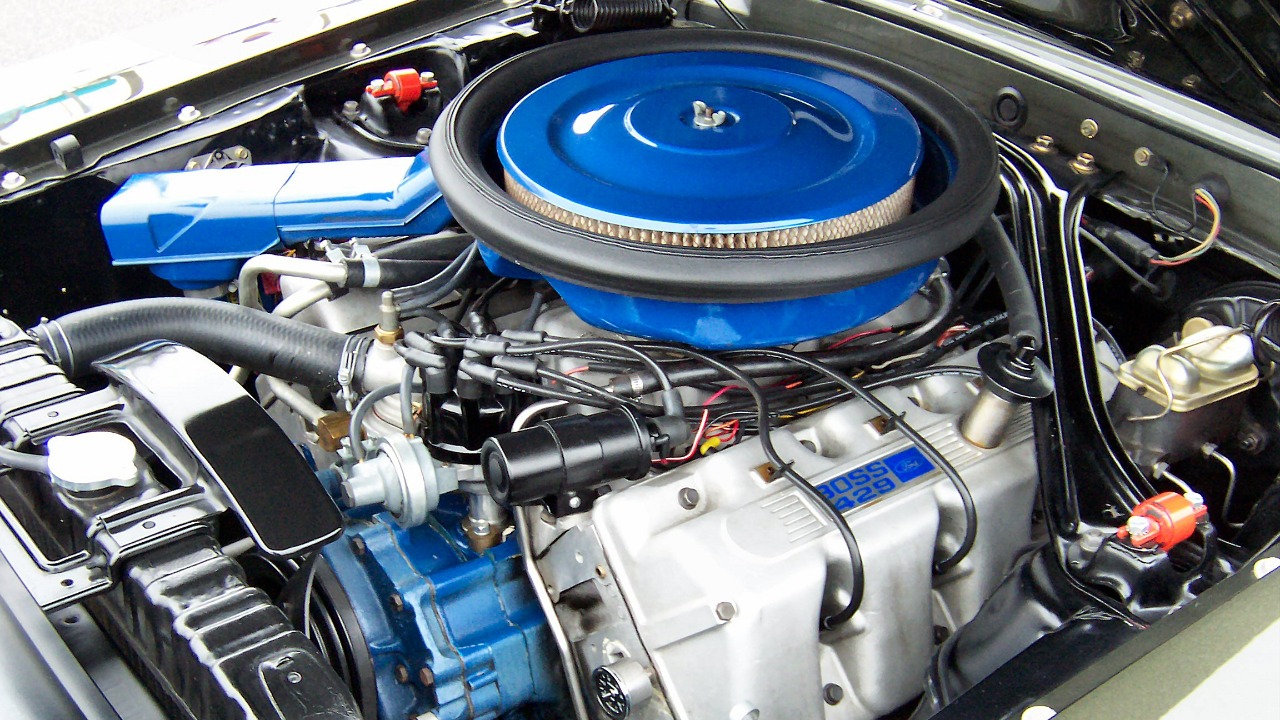
The Ford Boss 429 was developed around NASCAR homologation requirements, so its published horsepower figure did not tell the entire story. The engine featured enormous cylinder heads designed for excellent airflow and high-rpm performance. Fitting it into the Mustang required extensive modifications because of its physical size. Although the factory rating was relatively modest compared with the engine’s potential, competition development showed what the basic architecture could accomplish. Its rarity and specialized construction have made the Boss 429 one of the most recognizable Ford engines of the era.
Chrysler 426 Hemi
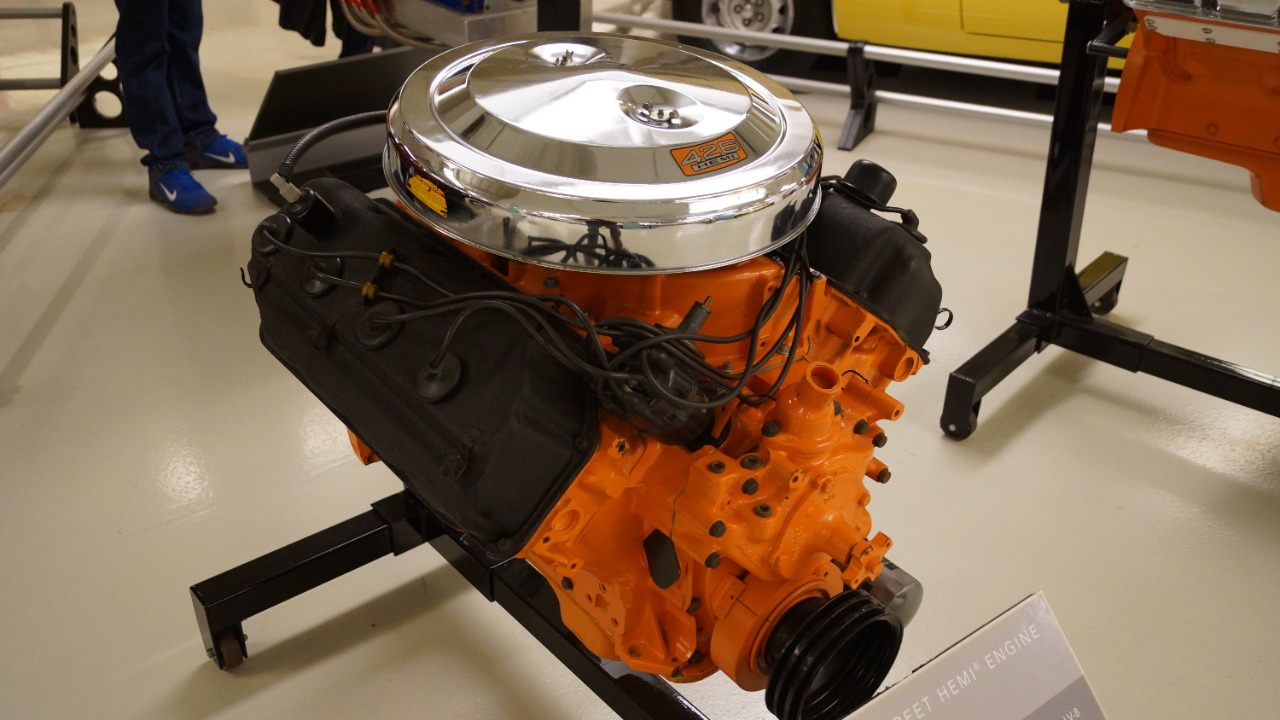
The Chrysler 426 Hemi was officially rated at 425 horsepower in many street applications, but its competition versions demonstrated that the basic engine architecture could produce substantially more. Its hemispherical combustion chambers, large valves, high compression, and strong bottom end gave it excellent breathing and durability. The Hemi became dominant in drag racing and successful in NASCAR, revealing the considerable potential hidden behind its street specifications. Its combination of factory performance and racing development made it one of the defining big-block engines of the muscle era.
Chrysler 440 Six Pack
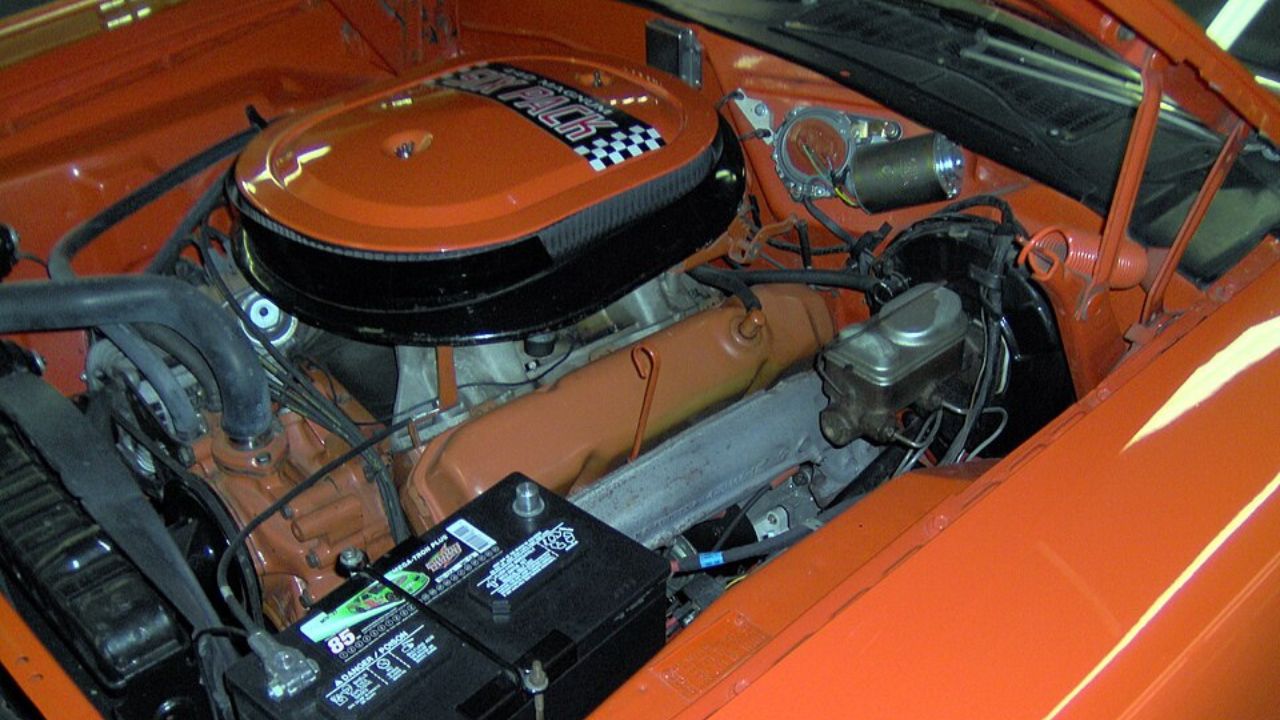
The Chrysler 440 Six Pack became famous for combining the 440-cubic-inch big-block with three two-barrel carburetors. Its official rating was 390 horsepower, but the engine’s large displacement and three-carburetor setup gave it strong breathing capacity and enormous torque. The system could supply substantial airflow when the secondary carburetors opened, transforming the engine’s character under hard acceleration. Used in models such as the Dodge Challenger, Plymouth Road Runner, and Super Bee, the 440 Six Pack became a favorite among Mopar performance enthusiasts.
Chrysler 440 Magnum
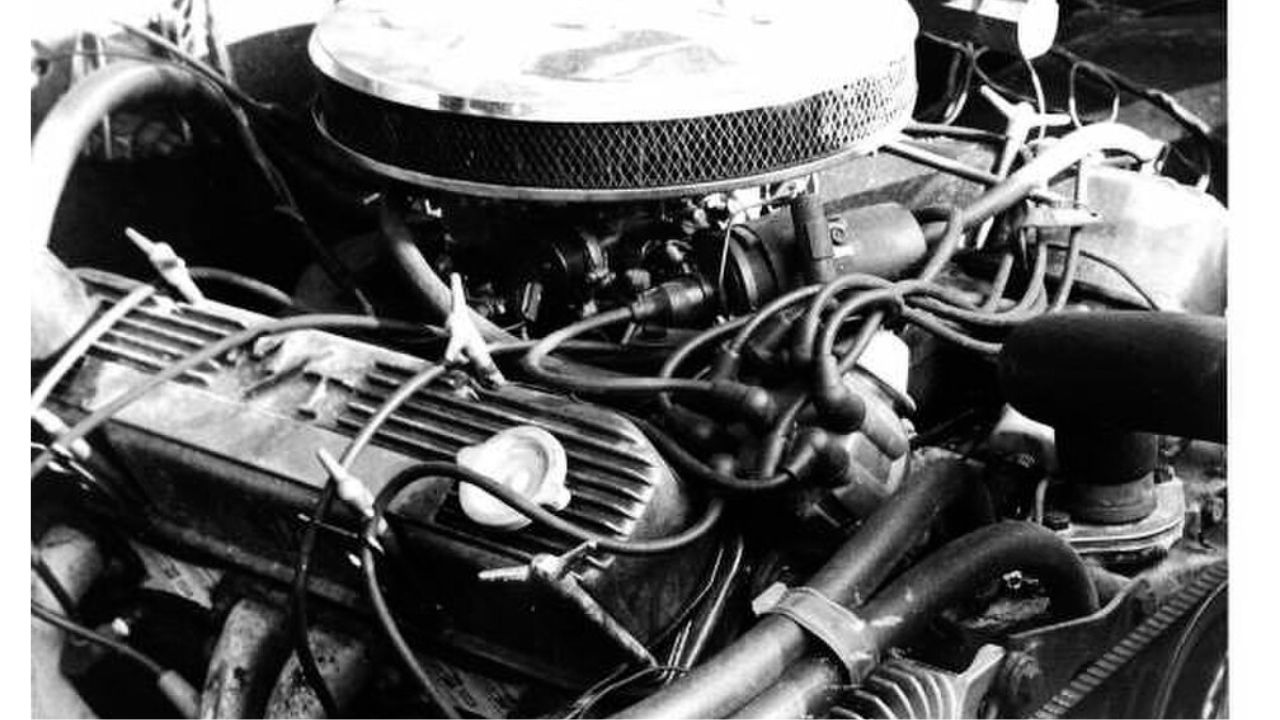
The Chrysler 440 Magnum was another big-block whose factory rating did not completely describe its performance potential. With 440 cubic inches, high-compression versions, four-barrel induction, and performance-oriented components, the engine produced enormous torque. Different applications received different specifications, so horsepower figures varied considerably. The engine became a popular choice in Dodge and Plymouth muscle cars because it combined strong street manners with impressive acceleration. Its broad torque curve allowed many heavy Mopar cars to perform far better than their size might suggest.
Buick 455 Stage 1
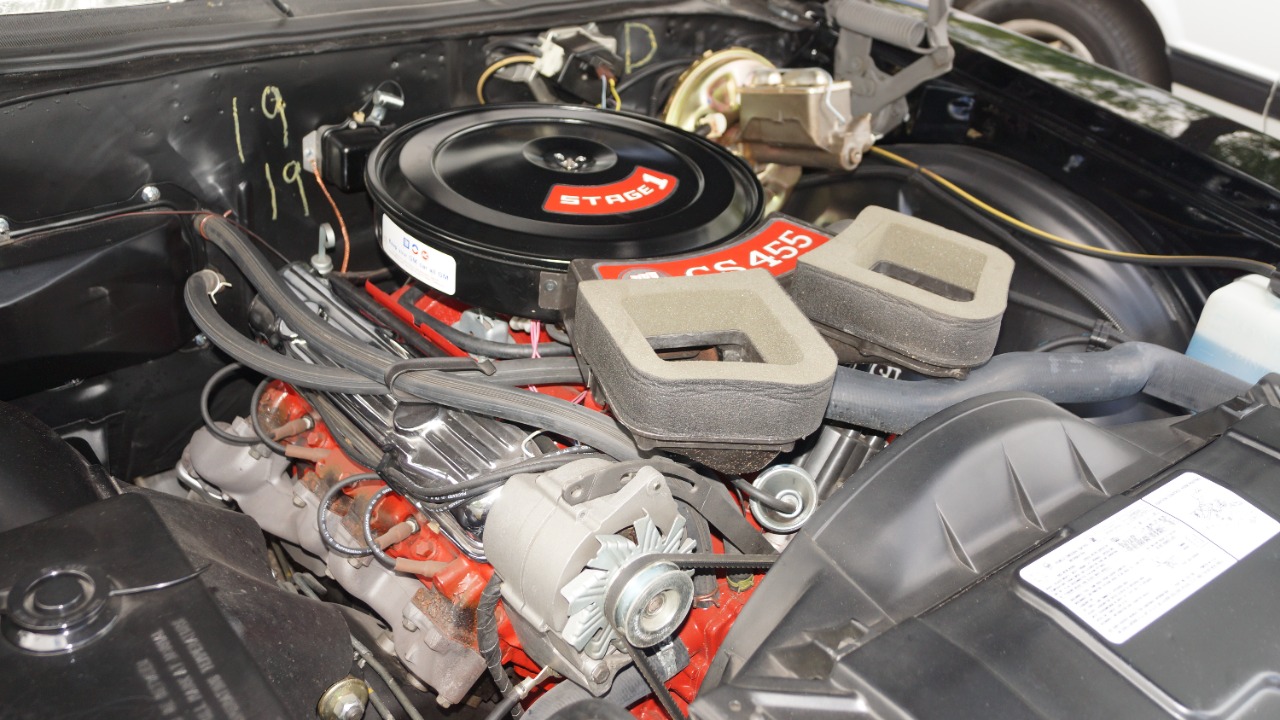
The Buick 455 Stage 1 was engineered around massive torque, and its factory rating did not fully communicate how strong the engine could feel in a heavy performance car. It used high-flow cylinder heads, larger valves, higher compression, and a performance camshaft. The Stage 1 became particularly notable in Buick GS models, where its enormous torque helped deliver impressive acceleration. Its relatively understated appearance also made it easy to overlook. Today, the 455 Stage 1 is remembered as one of Buick’s most powerful muscle-era big-block combinations.
Oldsmobile 455 W-30
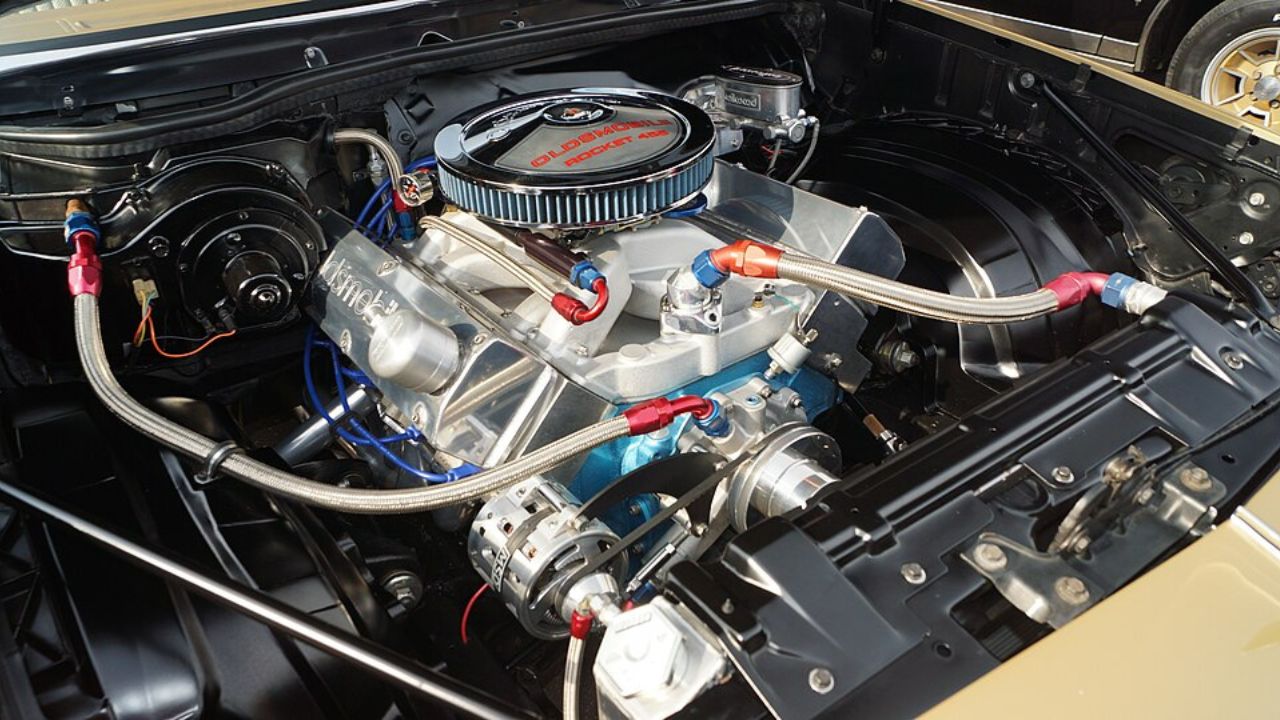
The Oldsmobile 455 W-30 was one of the most serious engines offered by Oldsmobile during the muscle car period. Its 455 cubic inches provided abundant torque, while the W-30 package added performance-oriented cylinder heads, camshaft, induction, and exhaust components. Factory ratings varied by year, but the engine’s hardware and real-world performance helped establish its reputation as a serious competitor. Installed in the 442 and related models, the W-30 gave Oldsmobile a powerful answer to the big-block engines from Chevrolet, Ford, and Chrysler.
Buick 430
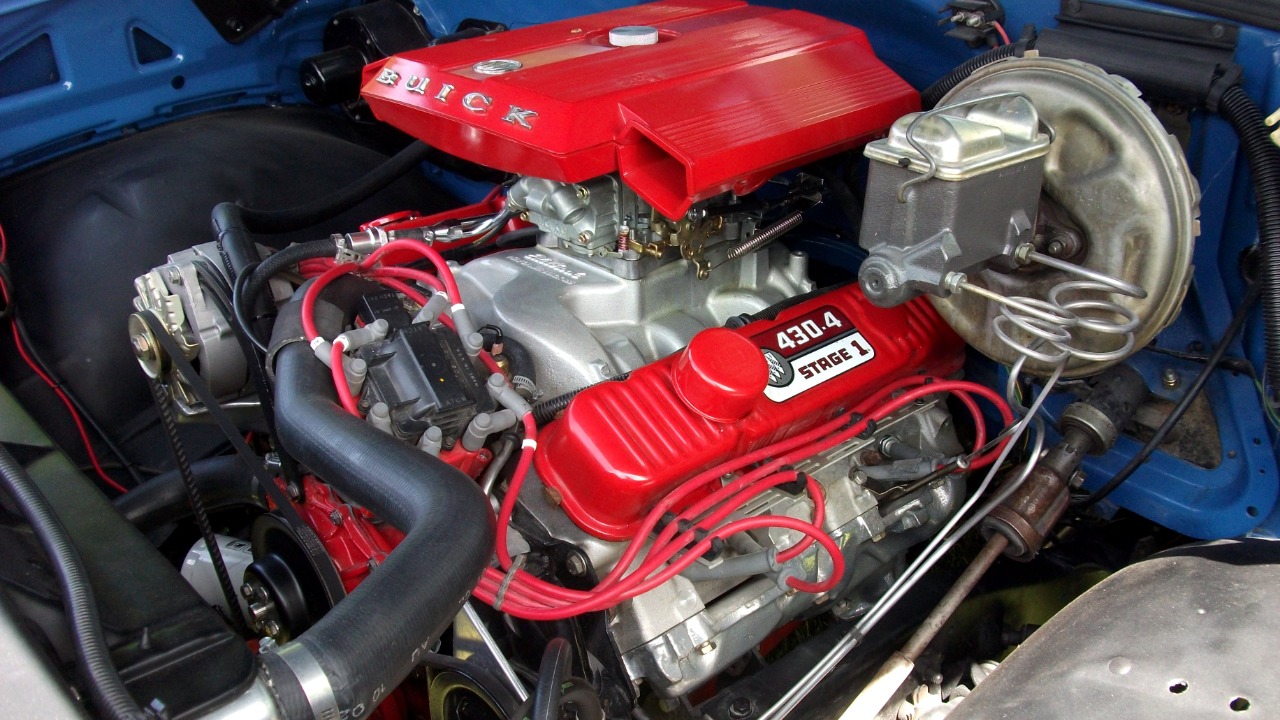
The Buick 430 was a large-displacement big-block introduced during the late 1960s and developed for strong torque and highway performance. Its large bore and displacement gave Buick vehicles substantial pulling power, while four-barrel versions added stronger breathing and acceleration. Used in models such as the Wildcat and Riviera, the 430 was not marketed as aggressively as some famous Chevrolet or Chrysler engines. Nevertheless, its combination of displacement, torque, and robust construction gave it considerably more performance potential than its reputation might suggest.
AMC 401

The AMC 401 was the largest production V8 offered by American Motors during the muscle car period. Its 401 cubic inches provided substantial torque, while performance applications received components designed for demanding use. Factory ratings varied depending on the year and application, but the engine’s displacement and strong construction gave it considerable potential. Used in models such as the AMX, Javelin, and later performance-oriented vehicles, the 401 demonstrated that AMC could compete with the larger manufacturers using a big-block-style performance formula.
More from Fast Lane Only
- Unboxing the WWII Jeep in a Crate
- 15 rare Chevys collectors are quietly buying
- 10 underrated V8s still worth hunting down
- Police notice this before you even roll window down
*Research for this article included AI assistance, with all final content reviewed by human editors.