Vintage motorcycles often looked modest compared with today’s performance machines, but many could deliver surprisingly strong acceleration and high speeds for their time. Lightweight frames, powerful engines, simple drivetrains, and aggressive tuning created motorcycles that could embarrass larger machines. These twenty examples earned reputations for performance that were sometimes underestimated by casual observers.
Honda CB750
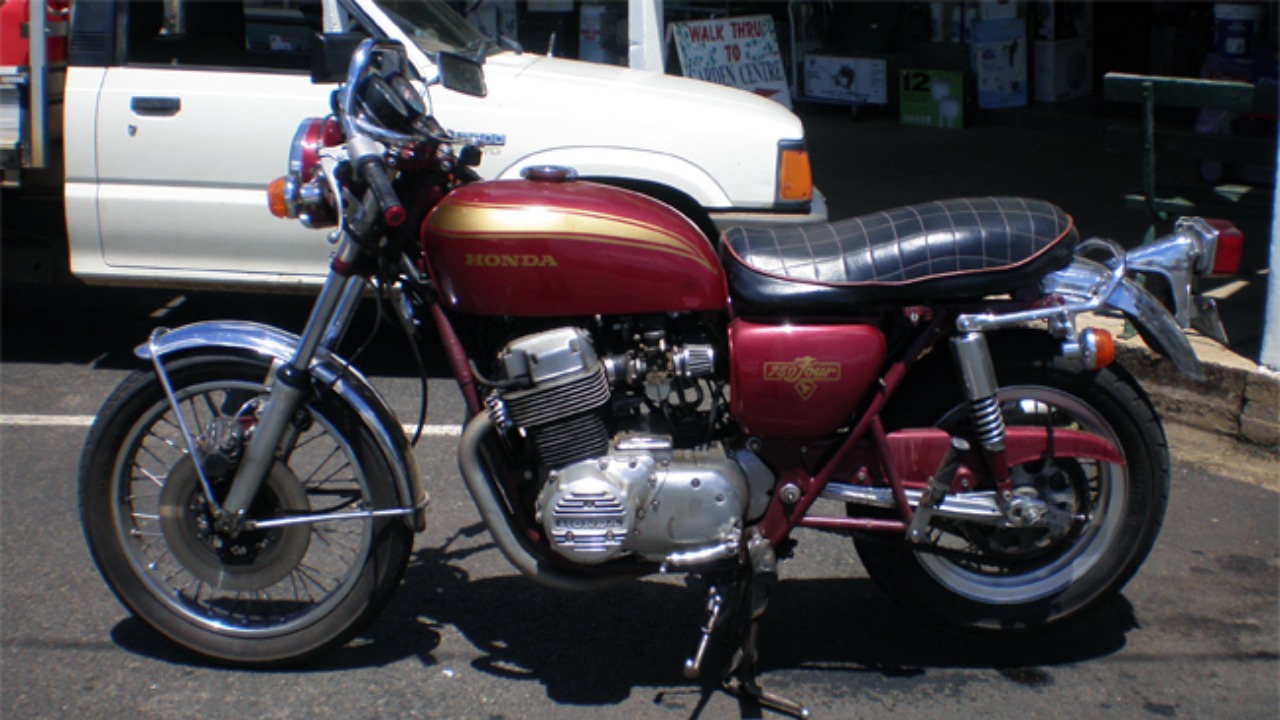
The Honda CB750 changed expectations for production motorcycles when it arrived with a 736cc inline-four engine and four-cylinder performance in a relatively manageable package. Its combination of power, smoothness, and high-speed capability made it one of the fastest practical motorcycles of its era. The CB750 could accelerate strongly while remaining comfortable enough for everyday riding. Its success also proved that Japanese manufacturers could compete directly with established European and American motorcycle makers. Even today, the original CB750 remains one of the defining performance motorcycles of the 1960s and 1970s.
Kawasaki 900 Z1
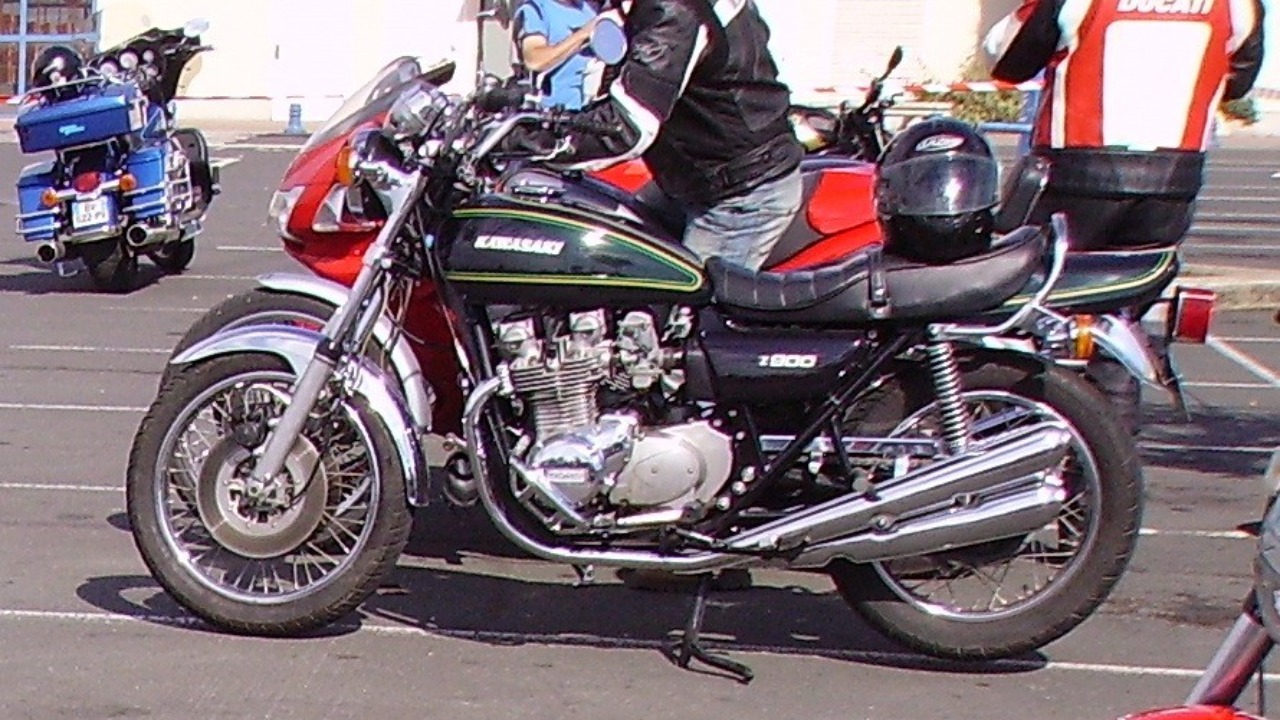
The Kawasaki 900 Z1 became one of the most important superbikes of the early 1970s. Its 903cc inline-four engine produced impressive power, while the relatively light chassis helped turn that output into strong acceleration. The Z1 could reach speeds that placed it among the fastest production motorcycles available at the time. Its smooth engine delivery sometimes made the performance feel less dramatic than the numbers suggested. That combination of refinement and speed helped the Z1 become a legendary machine and a major rival to Honda’s CB750.
Suzuki GT750
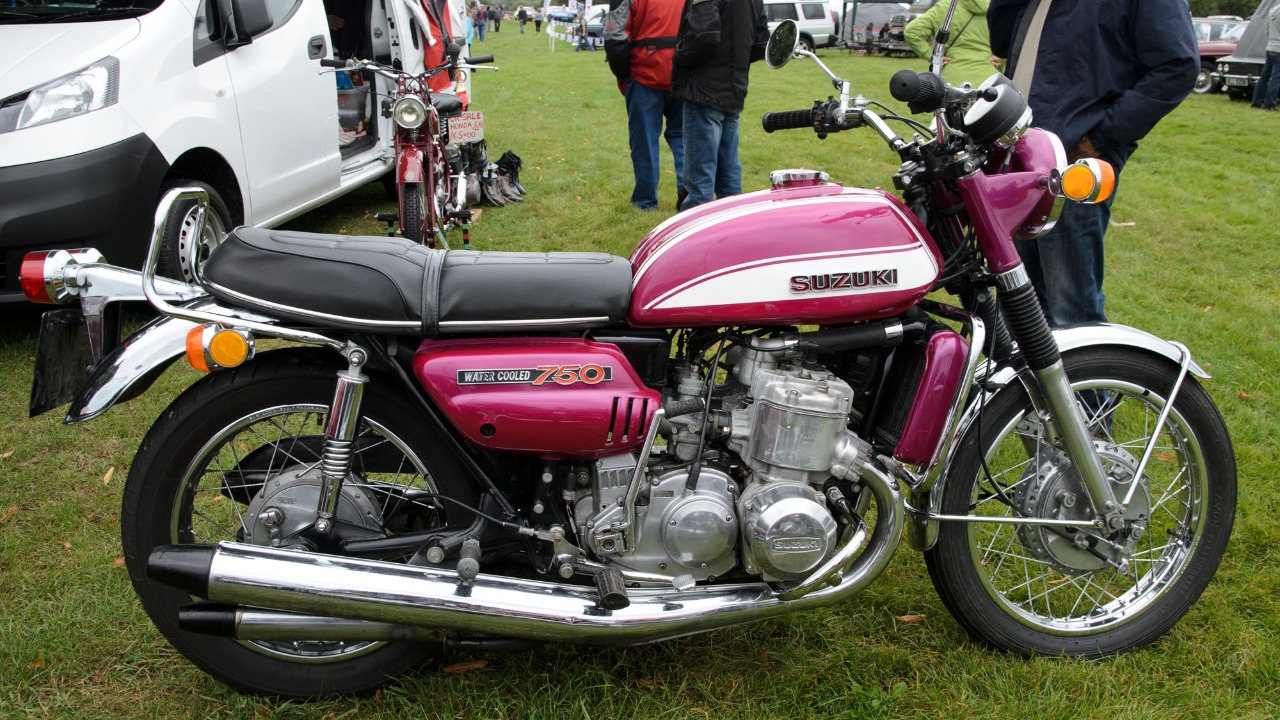
The Suzuki GT750 earned the nickname “Water Buffalo,” partly because of its liquid-cooled three-cylinder engine and substantial appearance. Despite its size and touring-oriented character, the 738cc two-stroke triple could produce surprisingly strong acceleration. The engine delivered power with the distinctive surge associated with large two-stroke motorcycles. Its comfortable chassis made the performance easy to underestimate, especially compared with more aggressive-looking sport machines. The GT750 demonstrated that a motorcycle designed for longer-distance riding could still deliver serious straight-line performance.
Kawasaki H2 Mach IV 750
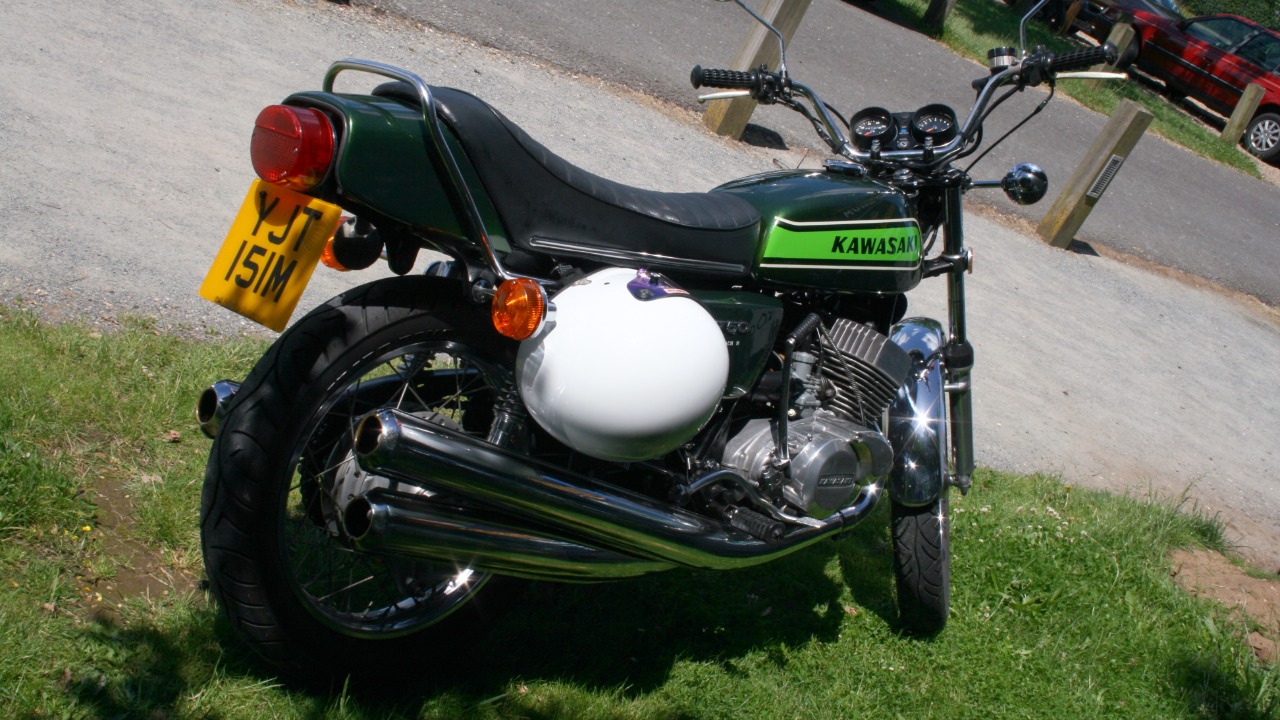
The Kawasaki H2 Mach IV 750 developed a reputation for explosive acceleration thanks to its 748cc two-stroke triple. The engine delivered a strong power surge as the revs climbed, while the motorcycle’s relatively low weight made that power especially effective. Its handling could be demanding, but that only added to its reputation as a machine that rewarded experienced riders. The H2 became one of the most memorable Japanese two-strokes because it offered performance that could surprise riders accustomed to larger four-stroke motorcycles.
Suzuki GT550
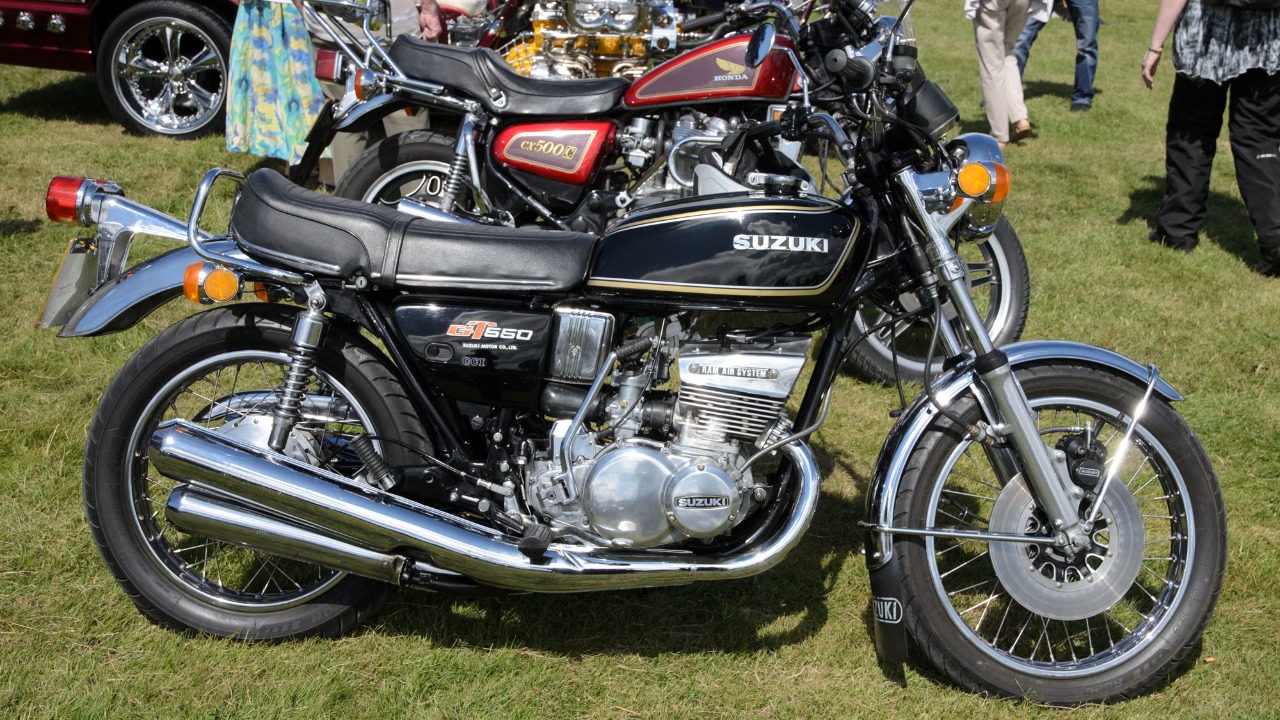
The Suzuki GT550 combined a 543cc three-cylinder two-stroke engine with a relatively practical chassis, creating a motorcycle that could cover distance quickly while remaining comfortable. Its power delivery was strong for its displacement, and the lightweight nature of the engine helped keep the motorcycle manageable. The GT550 was not as famous as Suzuki’s larger GT models, but it could still deliver impressive acceleration for a middleweight. Its understated appearance made it particularly easy to underestimate when compared with more aggressively styled motorcycles.
Yamaha RD350
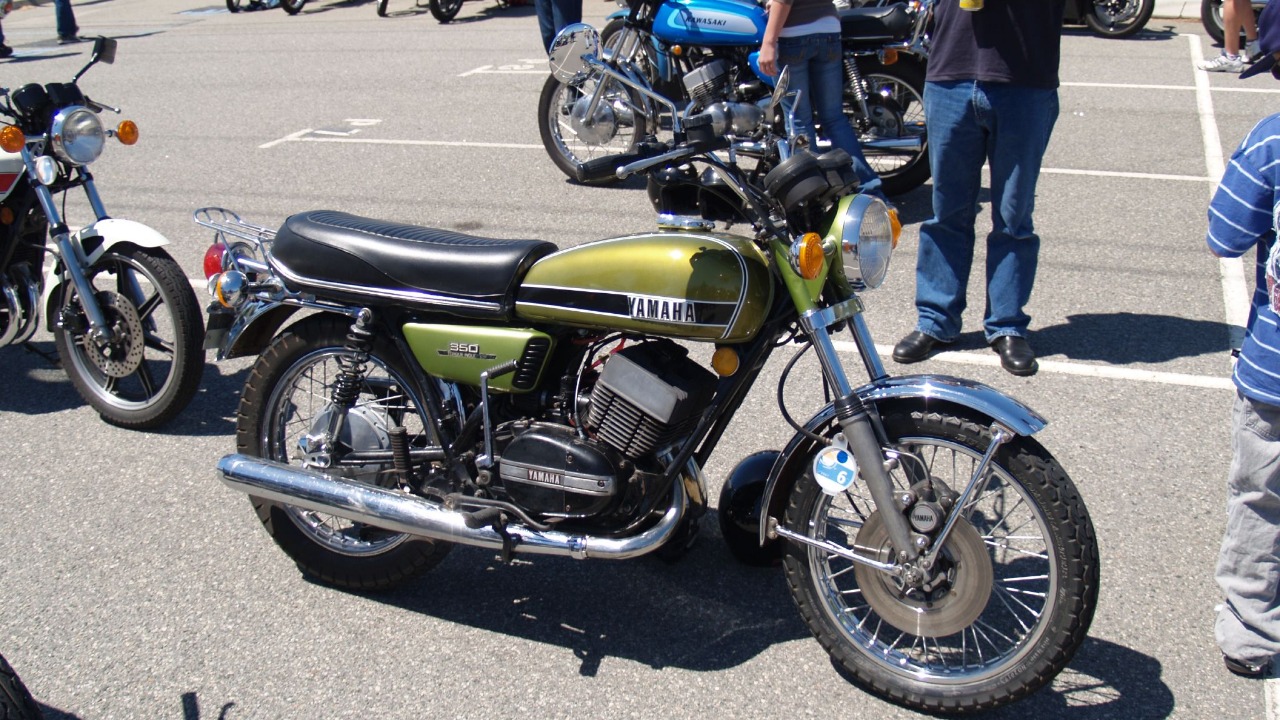
The Yamaha RD350 became famous for delivering serious performance from a relatively small two-stroke engine. Its 347cc parallel-twin engine produced strong power for the motorcycle’s low weight, creating an excellent power-to-weight ratio. The chassis was compact and responsive, allowing experienced riders to carry considerable speed through corners. The RD350’s reputation grew among riders who appreciated lightweight performance rather than simply chasing engine displacement. It demonstrated that a well-designed middleweight could challenge considerably larger motorcycles in real-world acceleration and handling.
Yamaha RD400
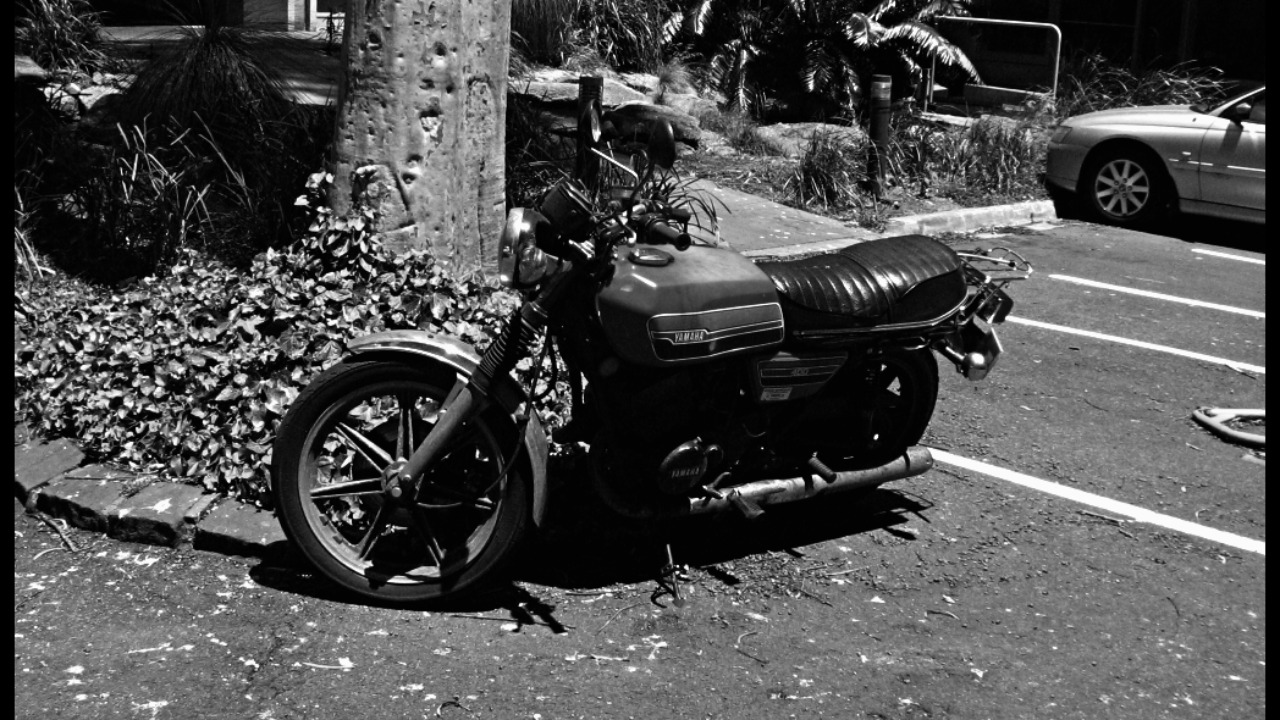
The Yamaha RD400 continued the lightweight performance formula with a larger 398cc two-stroke twin and an improved chassis. Its combination of low weight, responsive handling, and strong power made it one of the most entertaining motorcycles of the late 1970s. The engine’s two-stroke character provided rapid acceleration once it entered its stronger part of the rev range. Because the motorcycle remained relatively small and visually simple, its performance could be underestimated. Among vintage enthusiasts, the RD400 remains highly respected for its excellent power-to-weight ratio.
Suzuki GT380
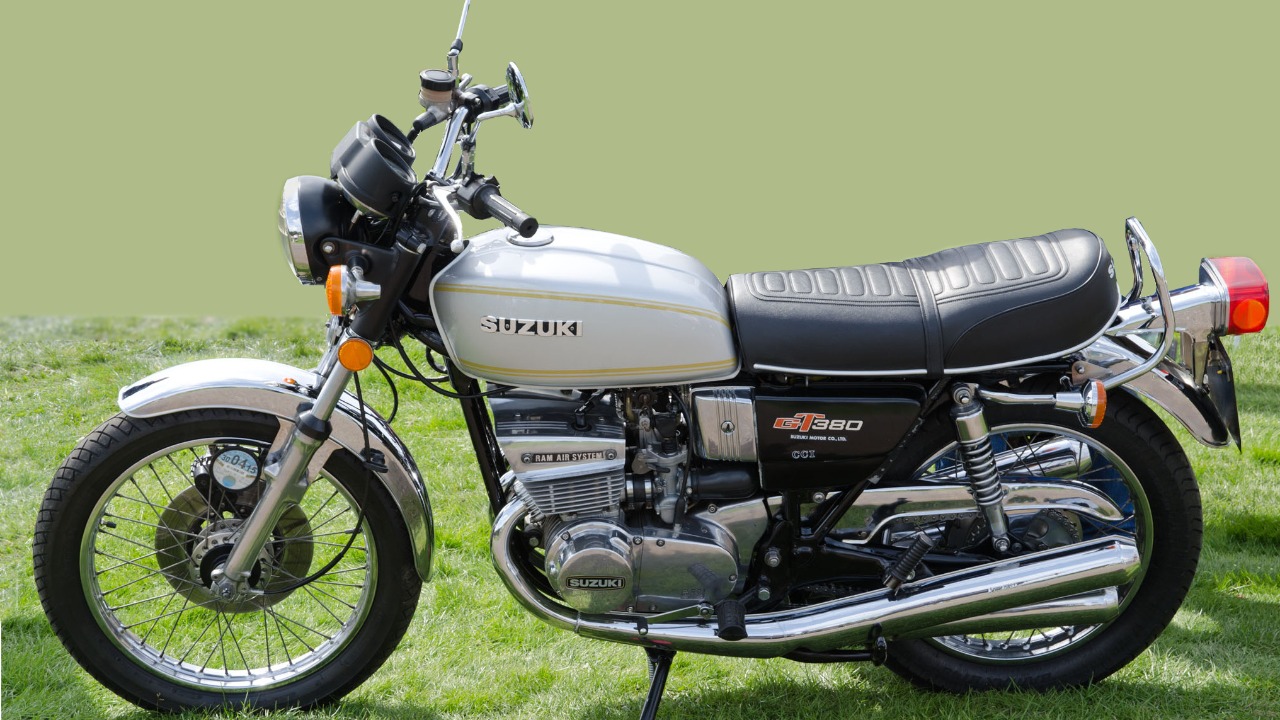
The Suzuki GT380 was a middleweight three-cylinder two-stroke that offered more performance than its relatively conservative appearance suggested. Its 371cc engine provided lively acceleration, while the motorcycle’s manageable size made it useful for both everyday riding and longer trips. The GT380 was smoother and more practical than some of Suzuki’s more aggressive two-strokes, but it could still move quickly for its displacement. Its combination of practicality and performance made it a strong example of how Japanese manufacturers were advancing motorcycle technology during the 1970s.
Kawasaki 750 Turbo
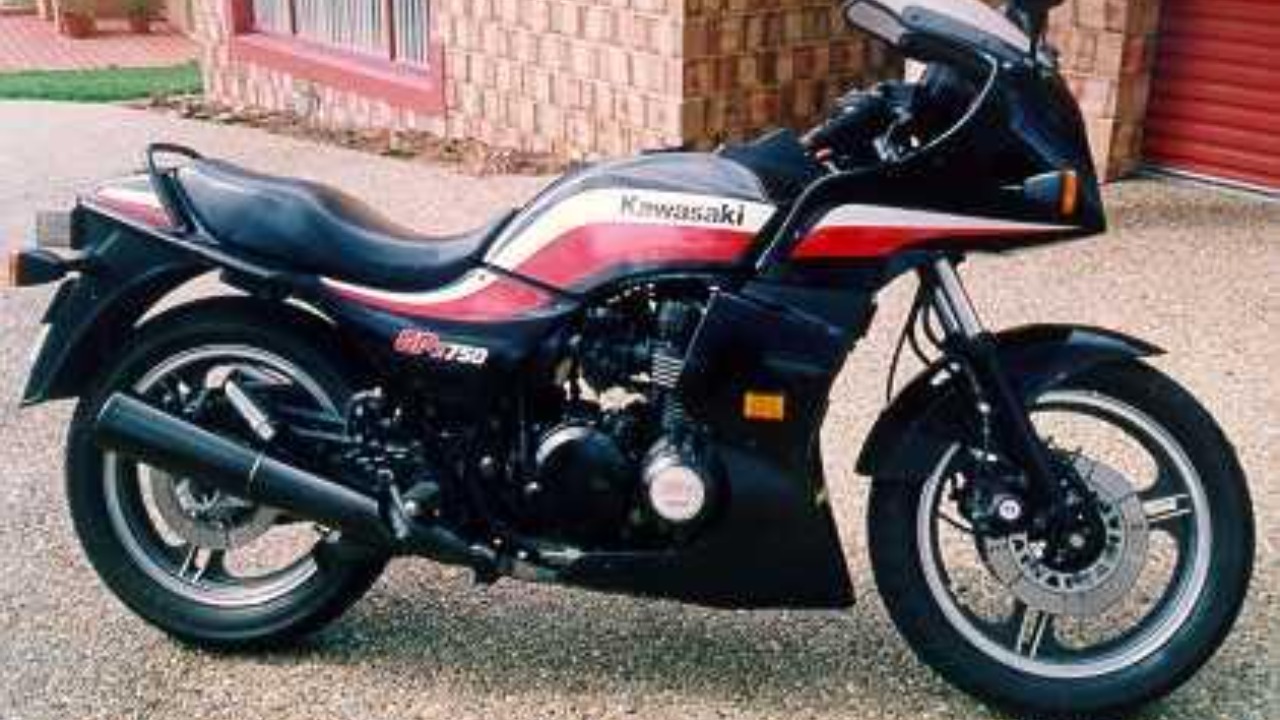
The Kawasaki 750 Turbo brought forced induction into a production motorcycle during an era when turbocharging was still unusual. Its 738cc four-cylinder engine used a turbocharger to produce performance comparable with considerably larger naturally aspirated motorcycles. The boost could deliver a noticeable surge as engine speed increased, giving the bike a distinctly different character from conventional four-cylinder machines. Although later superbikes became faster, the 750 Turbo remains historically significant because it showed how much performance manufacturers could extract from a relatively compact engine.
Honda CBX
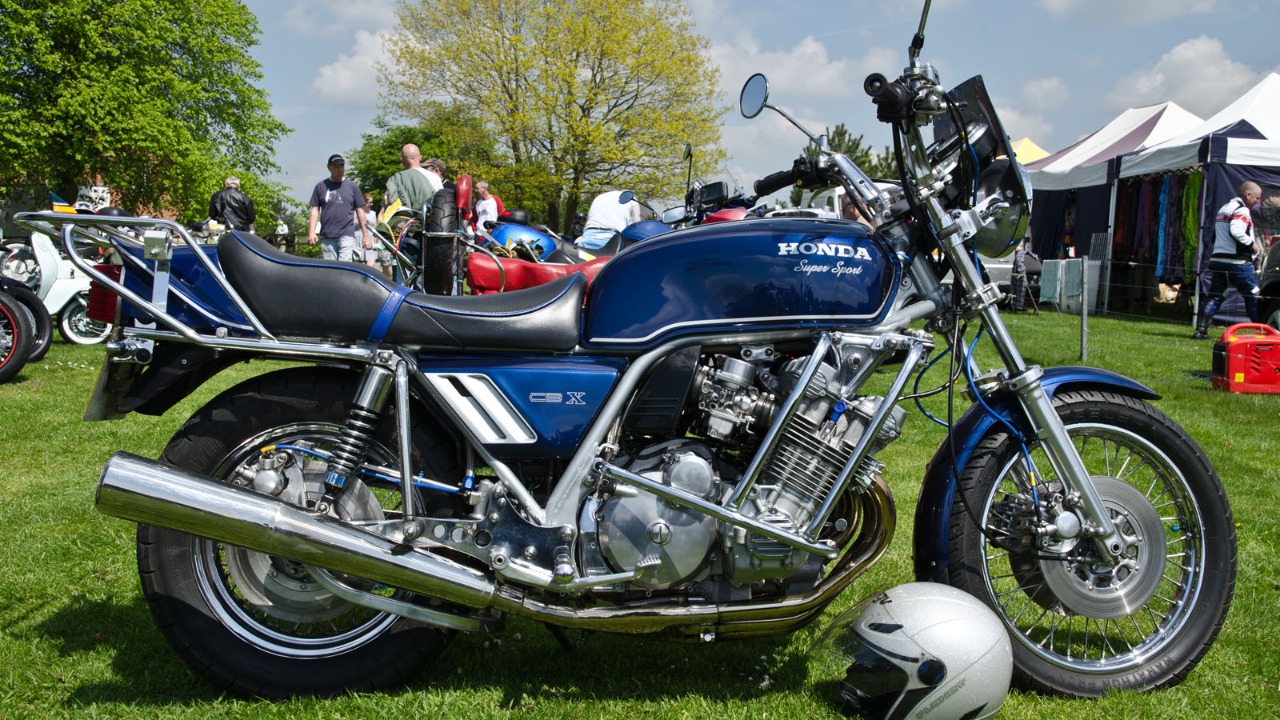
The Honda CBX was visually and mechanically dramatic because it used a 1,047cc inline-six engine. Its six-cylinder layout allowed extremely smooth power delivery while producing substantial high-rpm performance. The motorcycle was larger and heavier than Honda’s smaller four-cylinder models, but its acceleration and engine character made it a serious high-performance machine. The CBX could build speed rapidly while producing a distinctive exhaust note. Its combination of smoothness, complexity, and power made it one of the most memorable superbikes of the late 1970s.
Suzuki GS1000
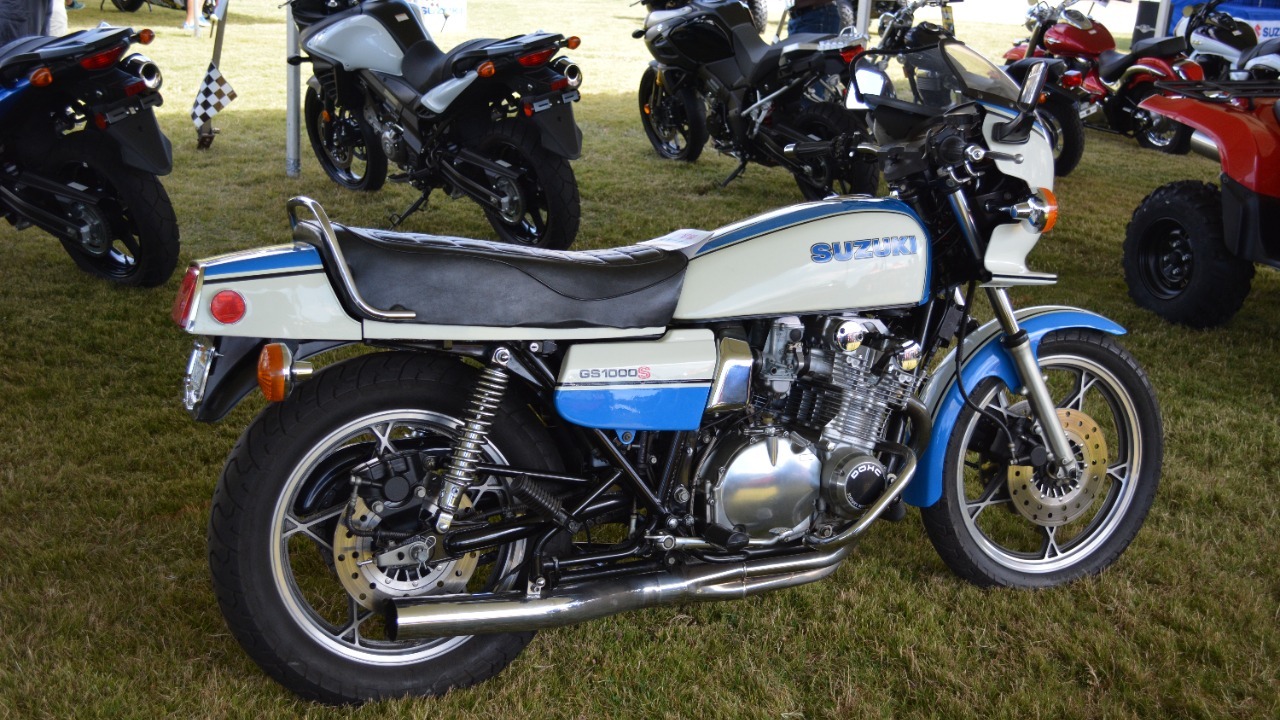
The Suzuki GS1000 offered a strong combination of displacement, power, and manageable weight. Its 998cc inline-four engine produced substantial performance without relying on exotic technology, while the chassis was designed to handle the motorcycle’s speed more effectively than some earlier superbikes. The GS1000 became particularly respected because it could deliver strong acceleration and high-speed performance while remaining relatively practical. Its understated styling made it easy to mistake for a conventional Japanese motorcycle, but its performance placed it firmly among the serious superbikes of its generation.
Honda CB900F
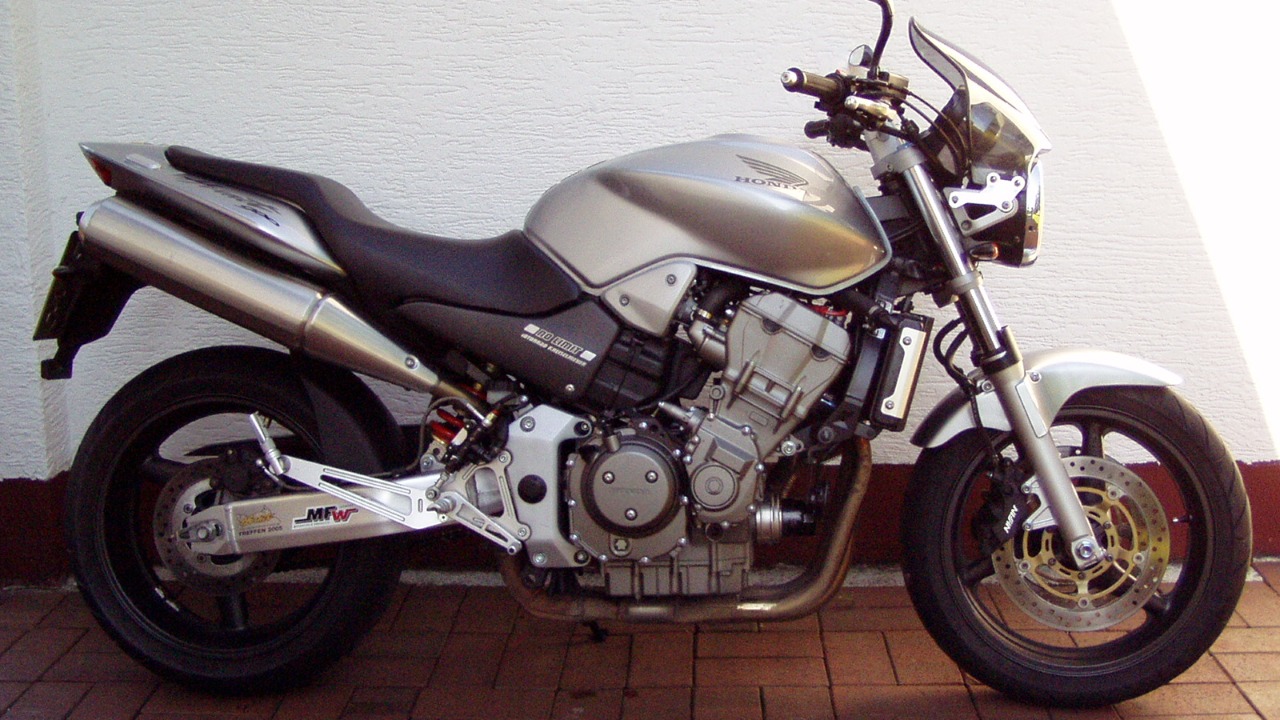
The Honda CB900F combined a 900cc inline-four engine with a relatively compact and sporty chassis. Its engine delivered strong midrange torque and high-speed performance, making the motorcycle capable on both highways and winding roads. The CB900F was less visually extreme than some contemporary superbikes, which contributed to its understated reputation. Riders who experienced its performance quickly understood that it was more than a comfortable standard motorcycle. Its combination of usable power, responsive handling, and Honda engineering made it a respected performance machine.
Yamaha XS1100
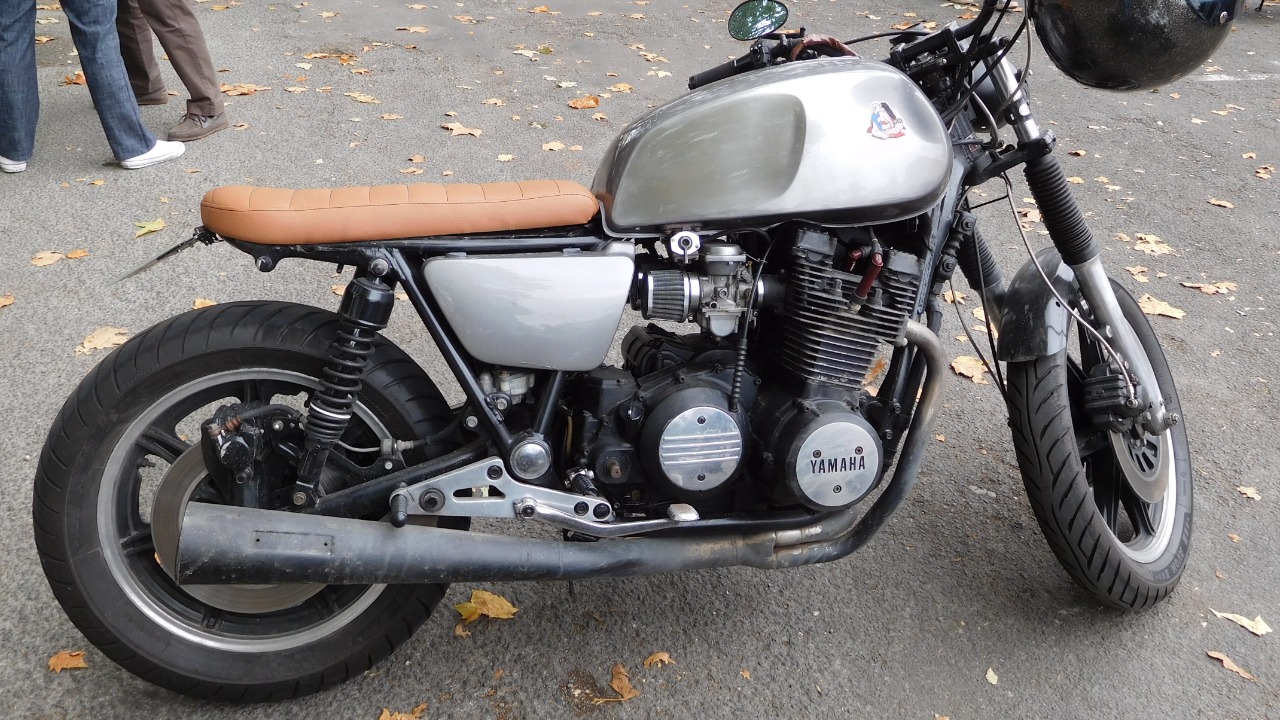
The Yamaha XS1100 was a large motorcycle with an equally large 1,101cc inline-four engine. Its substantial weight could make it look more like a touring machine than a performance motorcycle, but the engine produced enough torque to accelerate the bike with surprising force. The XS1100 became known for strong straight-line performance and effortless high-speed cruising. Its shaft drive and comfortable ergonomics made it practical for long-distance riding, but the powerful engine gave it a performance side that was easy to overlook.
Kawasaki GPz1100
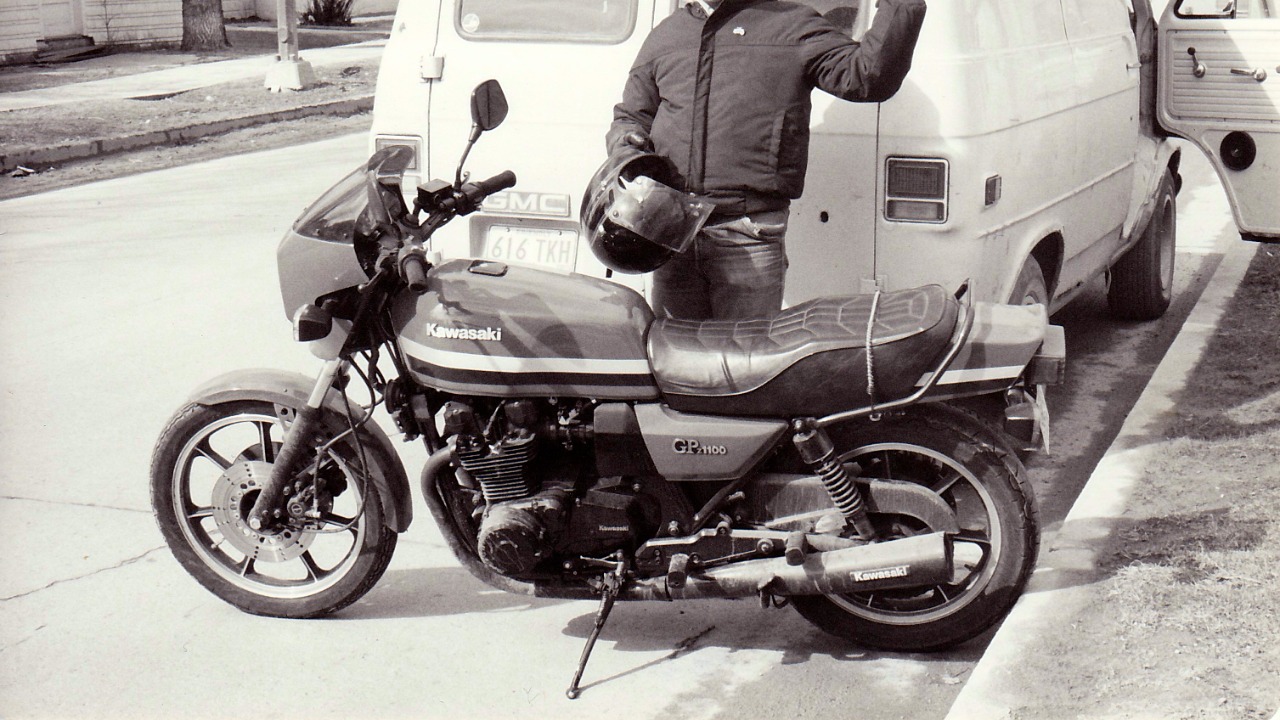
The Kawasaki GPz1100 brought large-displacement superbike performance into a relatively practical package. Its 1,089cc inline-four engine provided strong acceleration and high-speed capability, while later versions benefited from improved fuel injection and chassis development. The GPz1100 could cover ground quickly without requiring the extreme riding position of a dedicated race replica. Its substantial engine output made it one of Kawasaki’s most serious road-going motorcycles of the early 1980s. The bike’s conservative appearance often concealed just how much performance was available.
Suzuki GSX1100S Katana
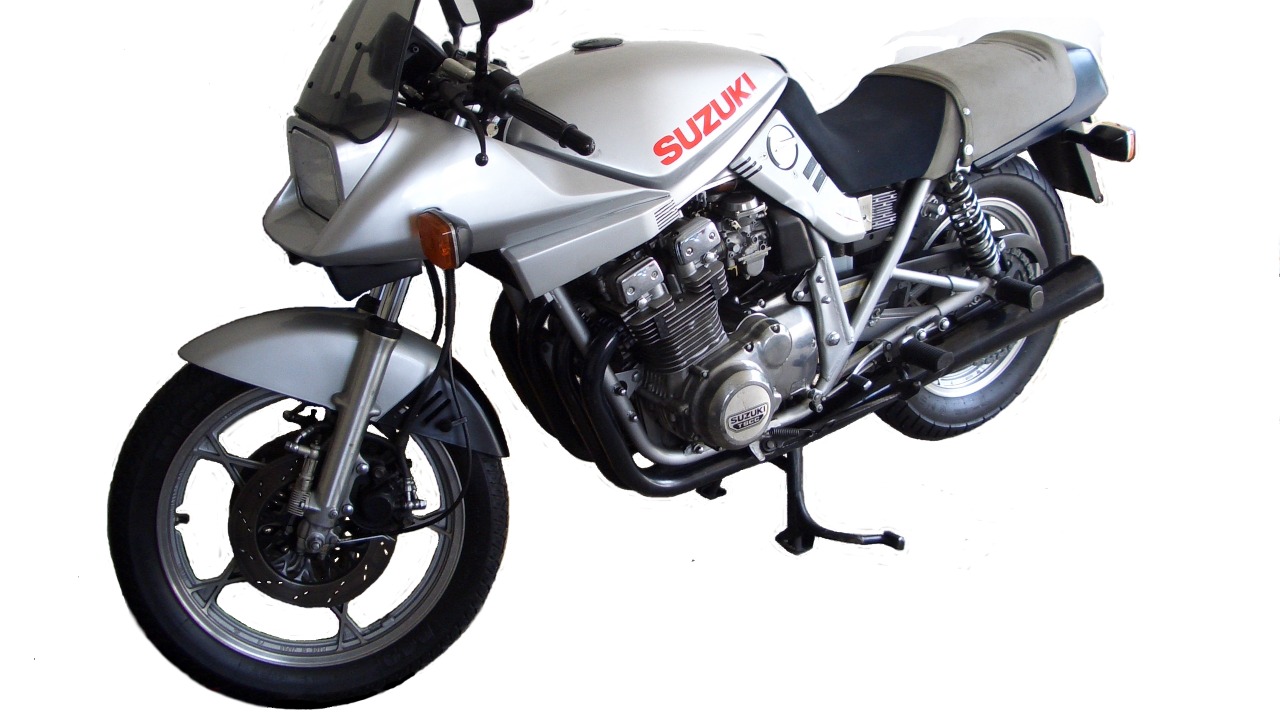
The Suzuki GSX1100S Katana combined distinctive styling with the proven performance of Suzuki’s large inline-four engine. Its 1,075cc powerplant delivered strong acceleration, while the aggressive riding position and aerodynamic bodywork gave the motorcycle a serious performance character. The Katana’s unusual appearance sometimes received more attention than its mechanical ability, but its engine performance was equally important. It could accelerate hard and maintain high speeds while offering the durability associated with Suzuki’s large four-cylinder engines.
Honda VF750F Interceptor
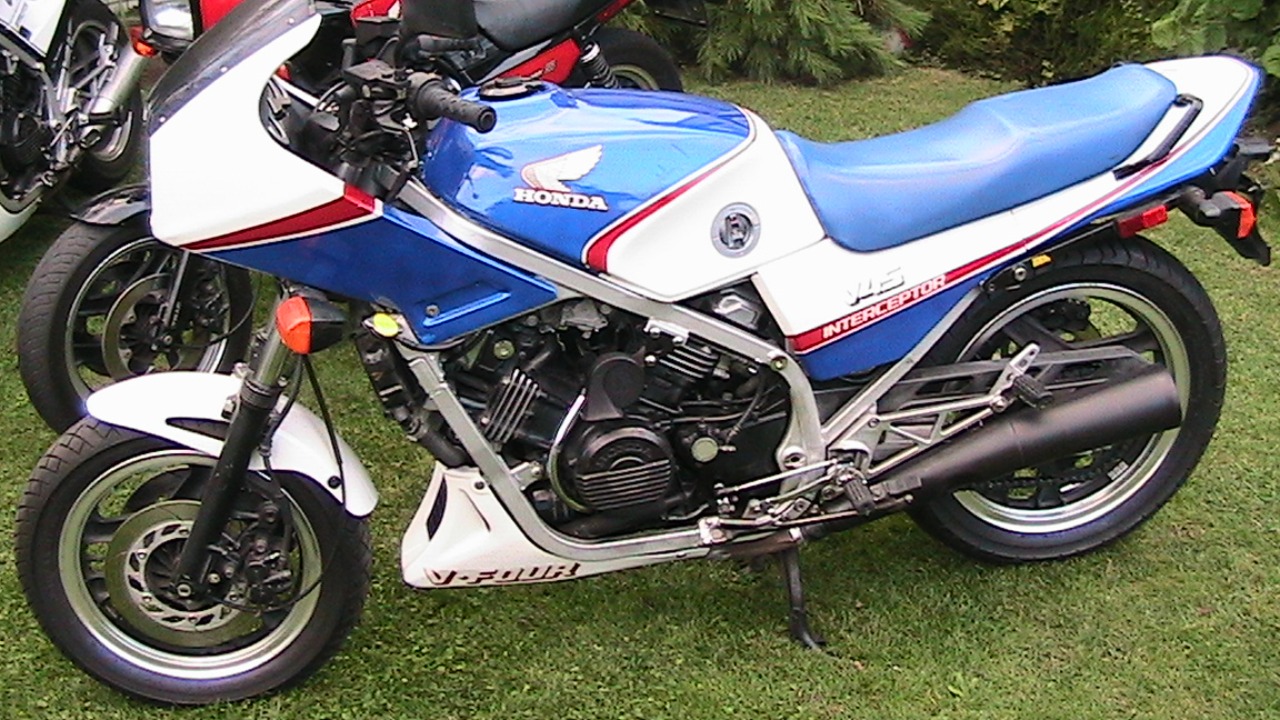
The Honda VF750F Interceptor introduced a V4 engine and a more sport-focused chassis to Honda’s street lineup. Its 748cc engine provided strong performance while the aerodynamic fairing, suspension, and riding position reflected lessons from racing. The Interceptor was considerably more sophisticated than many earlier Japanese motorcycles and offered impressive acceleration for its displacement. Its combination of V4 power and balanced chassis helped establish the Interceptor name as a serious performance brand. It was an important step toward the modern sport-bike formula.
Yamaha FJ1100
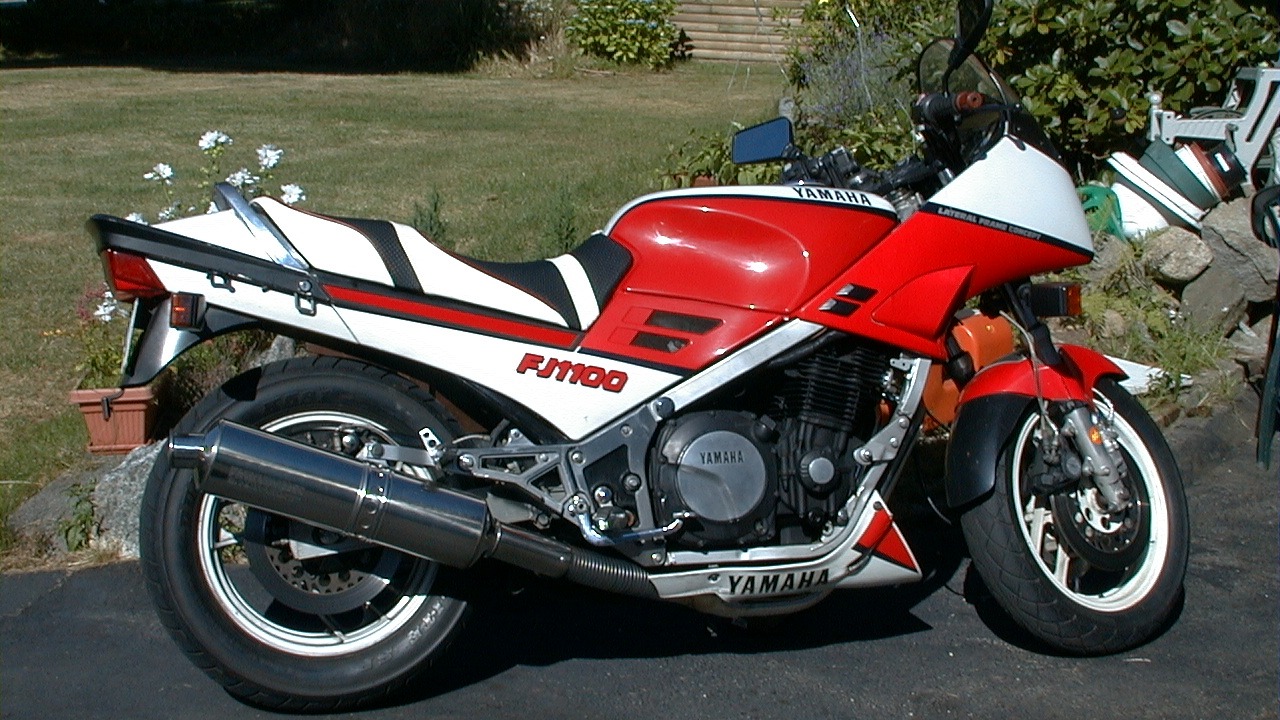
The Yamaha FJ1100 combined a large 1,097cc inline-four engine with a sport-touring chassis designed for high-speed road use. Its substantial torque allowed rapid acceleration, while the fairing provided useful aerodynamic protection during fast highway riding. The FJ1100 was more comfortable than a dedicated race-style motorcycle, which could make its performance easy to underestimate. Its ability to combine long-distance comfort with serious speed helped establish the sport-touring category and made it one of Yamaha’s most capable motorcycles of the early 1980s.
BMW R90S
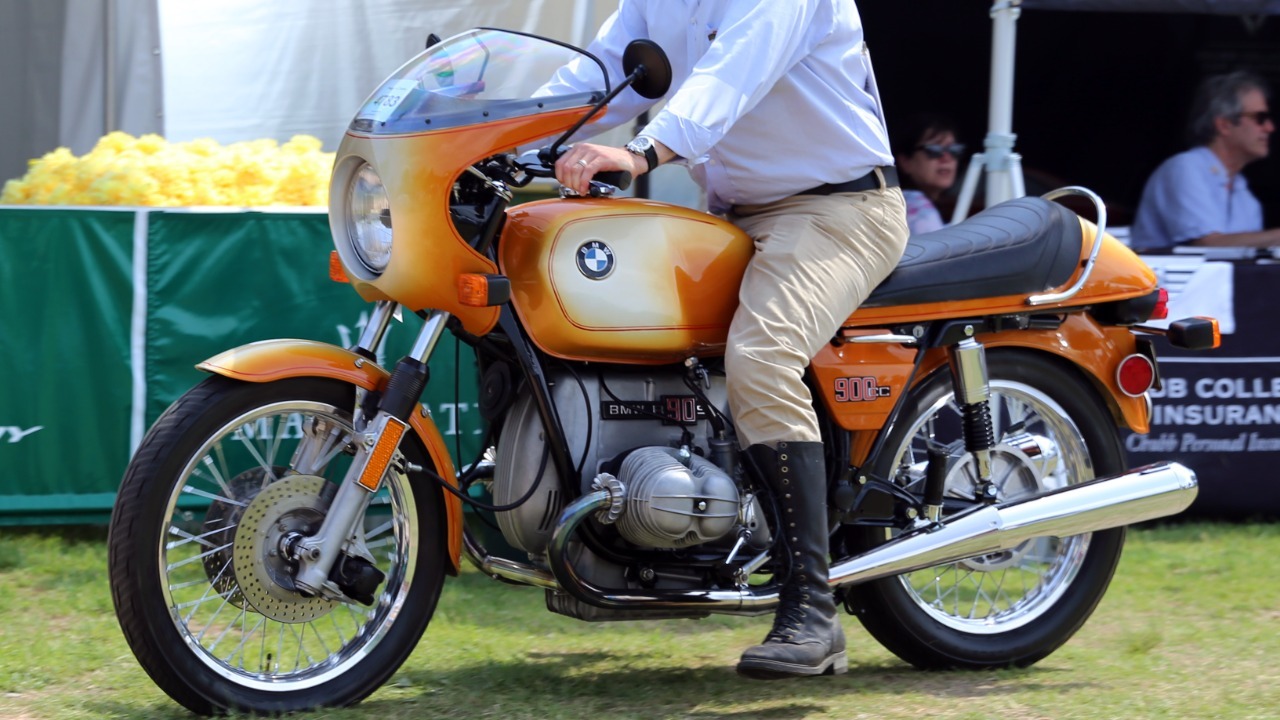
The BMW R90S approached performance differently from Japanese superbikes. Its 898cc boxer-twin engine delivered strong torque and smooth power, while the motorcycle’s chassis and aerodynamic fairing made it capable of sustained high-speed riding. It was heavier and less powerful than some contemporary inline-four machines, but its stability and real-world performance were impressive. The R90S could cover long distances quickly and confidently, demonstrating that outright engine output was not the only measure of a fast motorcycle.
Ducati 900 Super Sport
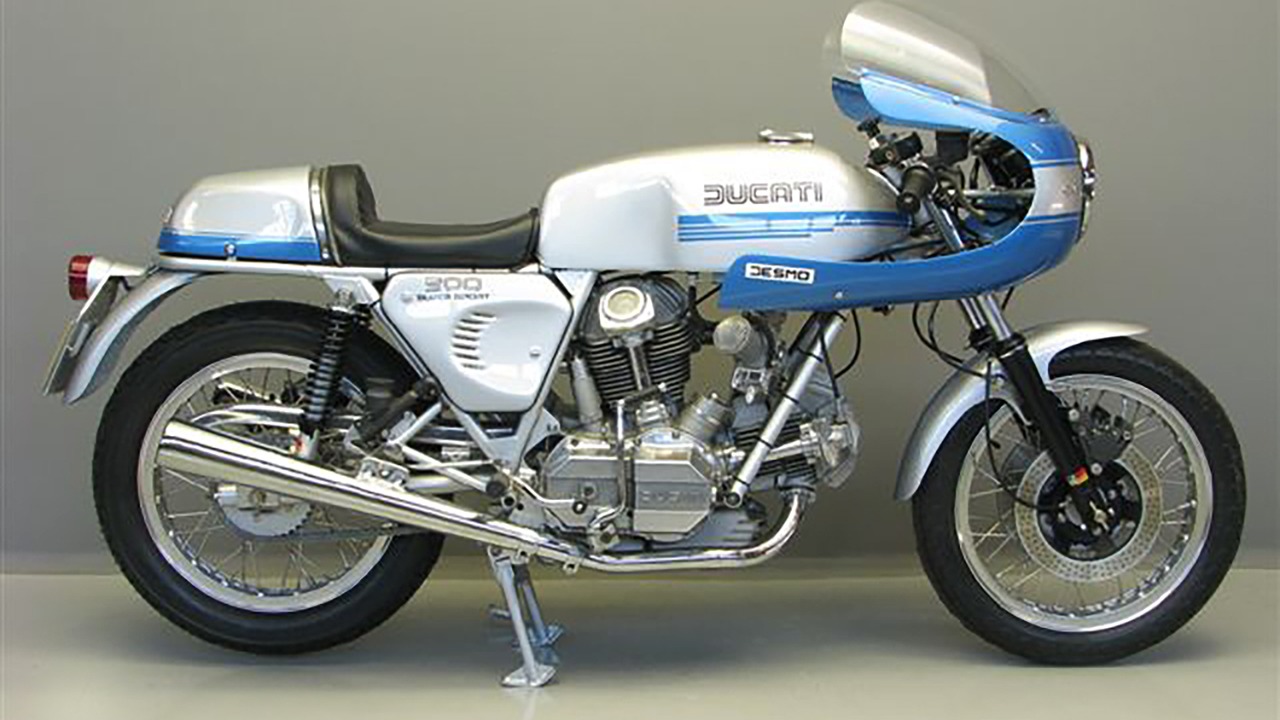
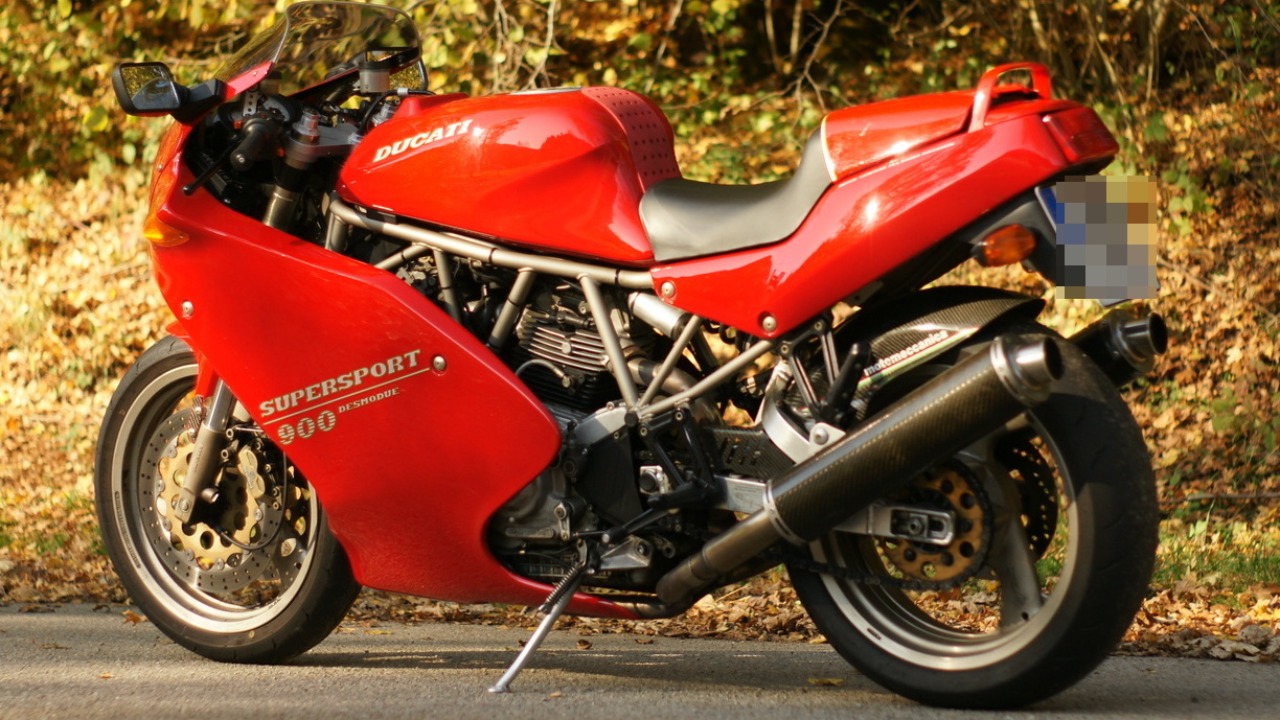
The Ducati 900 Super Sport combined a 900cc V-twin engine with a lightweight chassis and sporting suspension. Its desmodromic valve system allowed precise valve control at high engine speeds, while the narrow V-twin configuration kept the motorcycle relatively compact. The Ducati was not simply about straight-line speed; its braking, cornering ability, and engine character made it especially effective on winding roads. Its performance could be underestimated because of its smaller engine compared with large Japanese four-cylinder motorcycles, but its lightweight design made every unit of power count.
Laverda Jota 1000
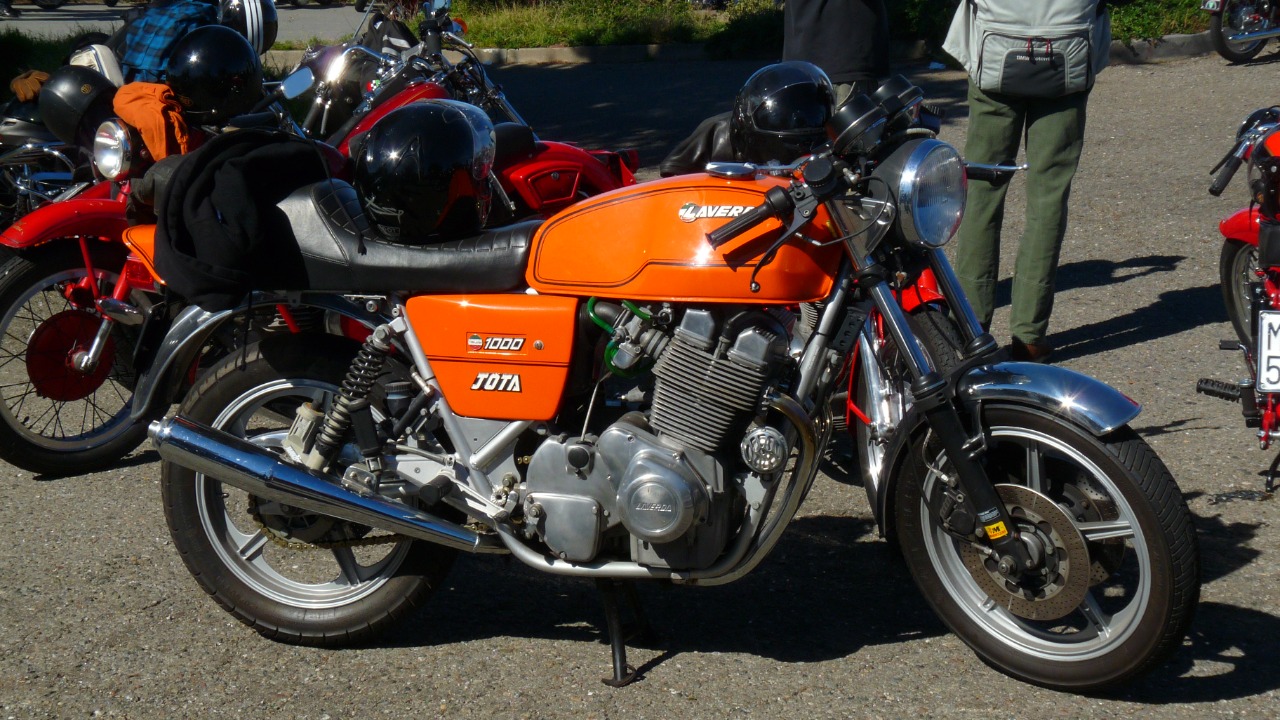
The Laverda Jota 1000 became famous for combining a large three-cylinder engine with strong performance and a rugged chassis. Its 981cc engine produced substantial power and a distinctive mechanical character, while the motorcycle’s weight and sturdy construction gave it stability at speed. The Jota developed a reputation as one of Europe’s serious superbikes during the late 1970s. It was never as common as Japanese competitors, but experienced riders recognized its ability to deliver strong acceleration and high-speed performance with an unmistakably mechanical feel.
More from Fast Lane Only
- Unboxing the WWII Jeep in a Crate
- 15 rare Chevys collectors are quietly buying
- 10 underrated V8s still worth hunting down
- Police notice this before you even roll window down
*Research for this article included AI assistance, with all final content reviewed by human editors.