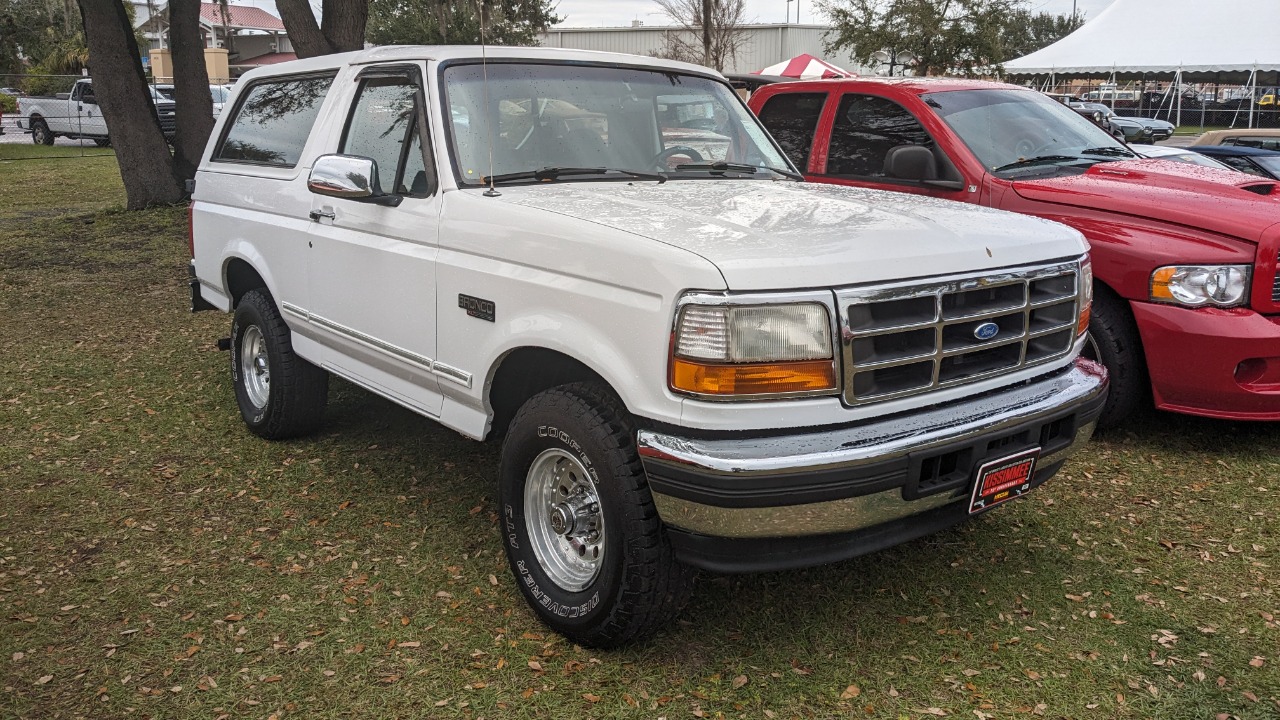
Modern vehicles can offer impressive technology, comfort, and performance, but plenty of older machines earned their reputations with much simpler engineering. These vehicles focused on sturdy drivetrains, straightforward mechanical systems, and designs that could handle years of hard use. Their staying power shows why simple engineering can sometimes be exactly what makes a vehicle last.
Mercedes-Benz 300D
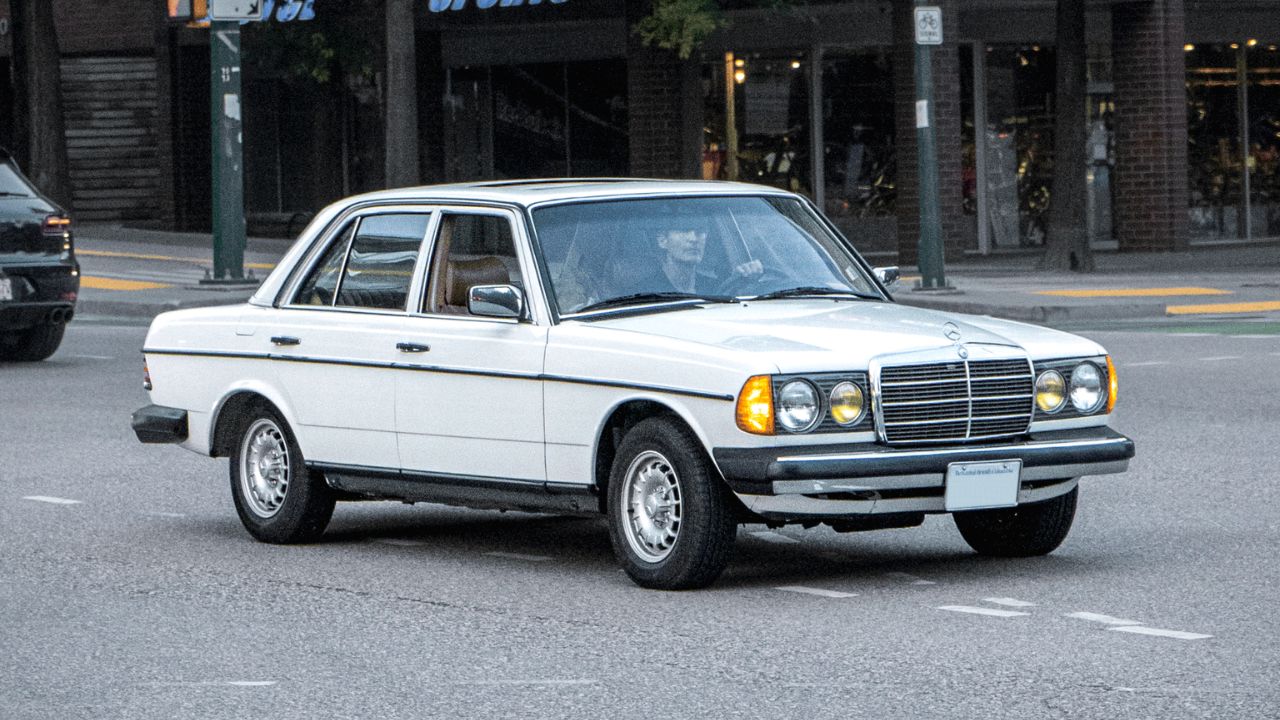
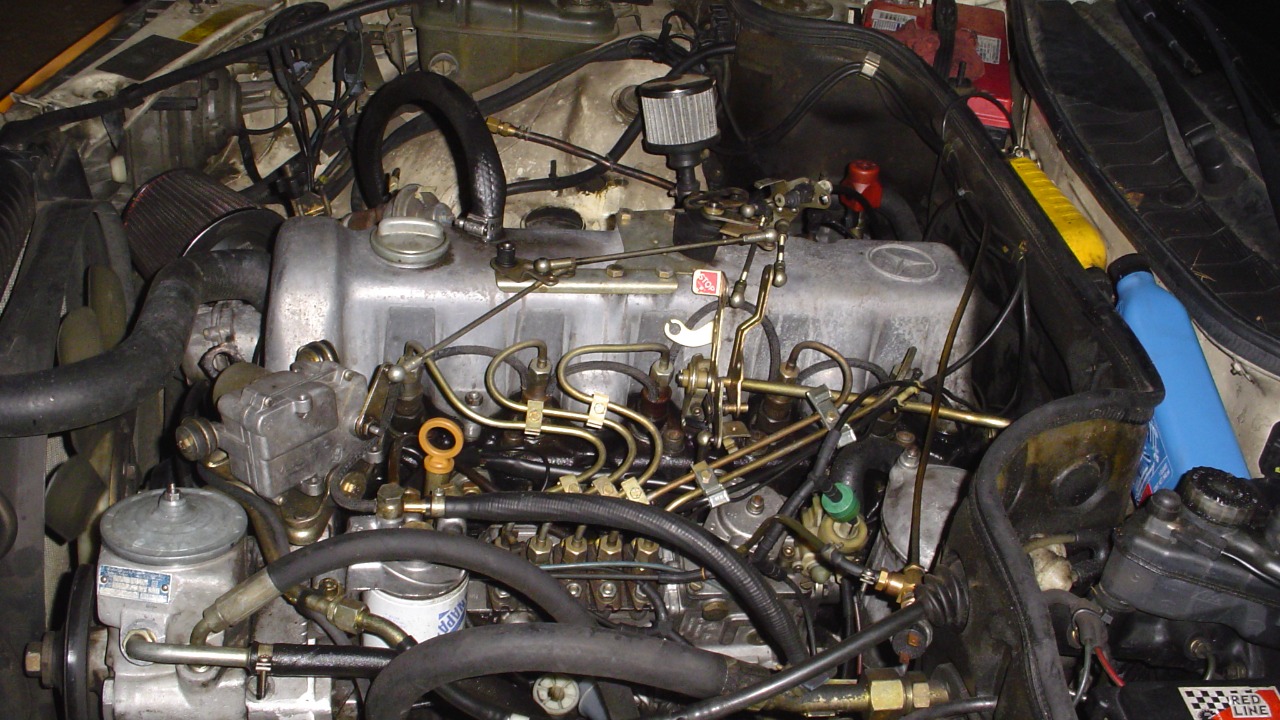
The Mercedes-Benz 300D became famous for its diesel engine, solid construction, and ability to handle enormous mileage. Its engineering was relatively straightforward compared with newer luxury cars, with fewer electronic systems to complicate repairs. Taxi companies and private owners around the world put these cars through demanding daily use. Surviving examples remain popular with enthusiasts because they demonstrate how a well-built drivetrain can keep working long after many newer vehicles have disappeared.
Toyota Hilux
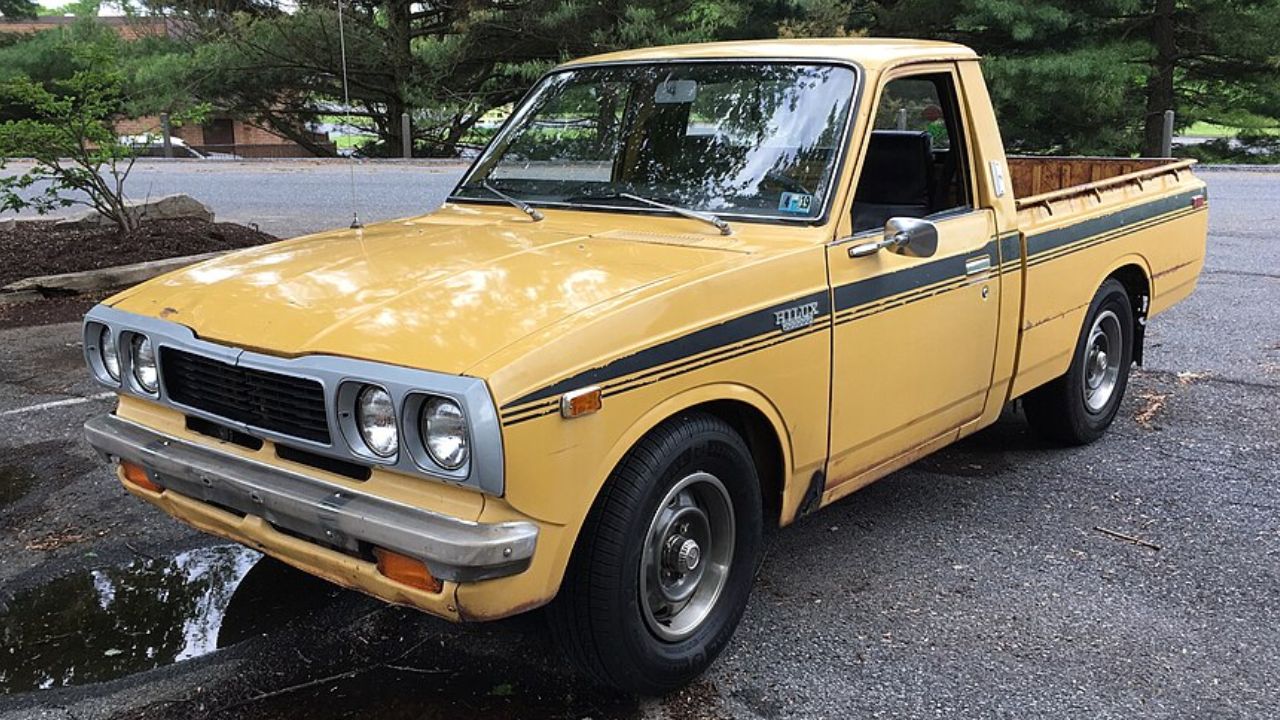
The Toyota Hilux built its reputation in places where trucks are expected to work rather than simply look tough. Its traditional body-on-frame construction and durable mechanical components made it useful for farms, construction sites, and remote roads. Older Hilux pickups were not overloaded with electronic equipment, making them easier to maintain in difficult conditions. That combination of simplicity and durability helped turn the Hilux into one of the world’s best-known work trucks.
Ford Crown Victoria
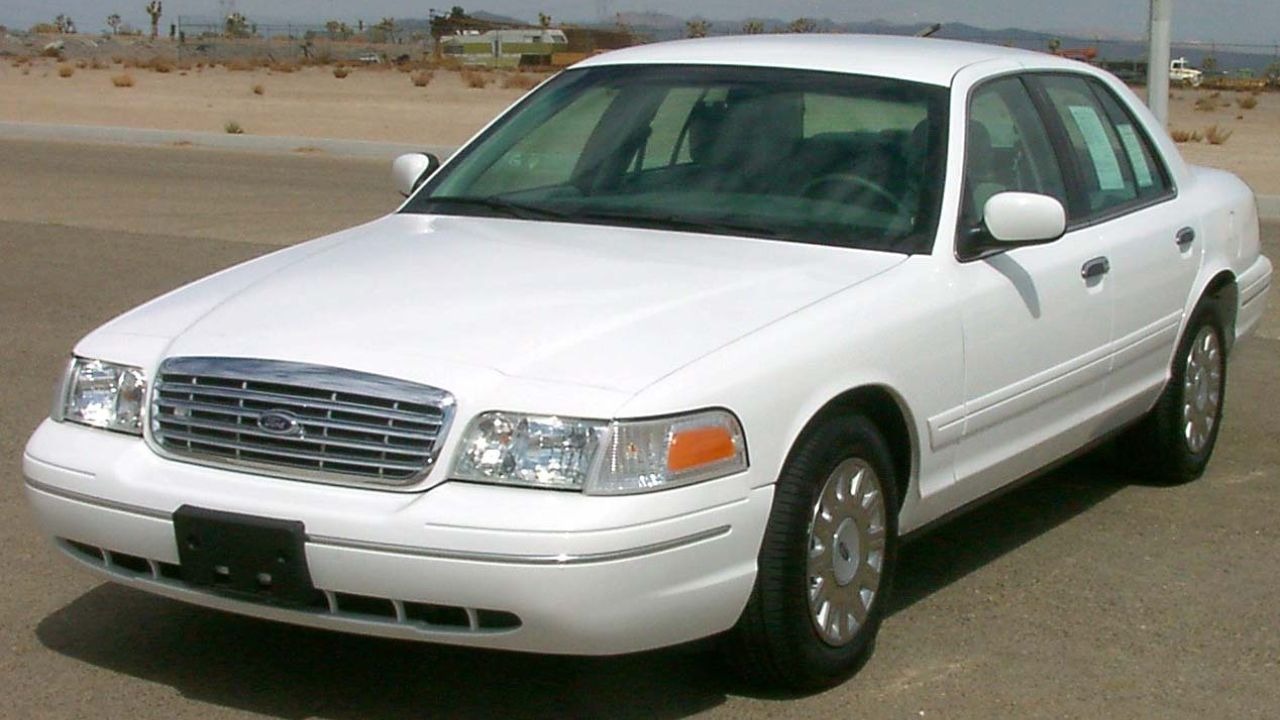
The Ford Crown Victoria was built around a traditional formula that emphasized durability and easy servicing. Its body-on-frame construction, rear-wheel drive, and widely used V8 powertrain made it a familiar sight in taxi fleets, police departments, and rental fleets. Those applications subjected the cars to punishing mileage, yet many kept operating for years. The Crown Victoria remains a strong example of how conventional engineering can work remarkably well when durability matters more than complexity.
Jeep Cherokee XJ
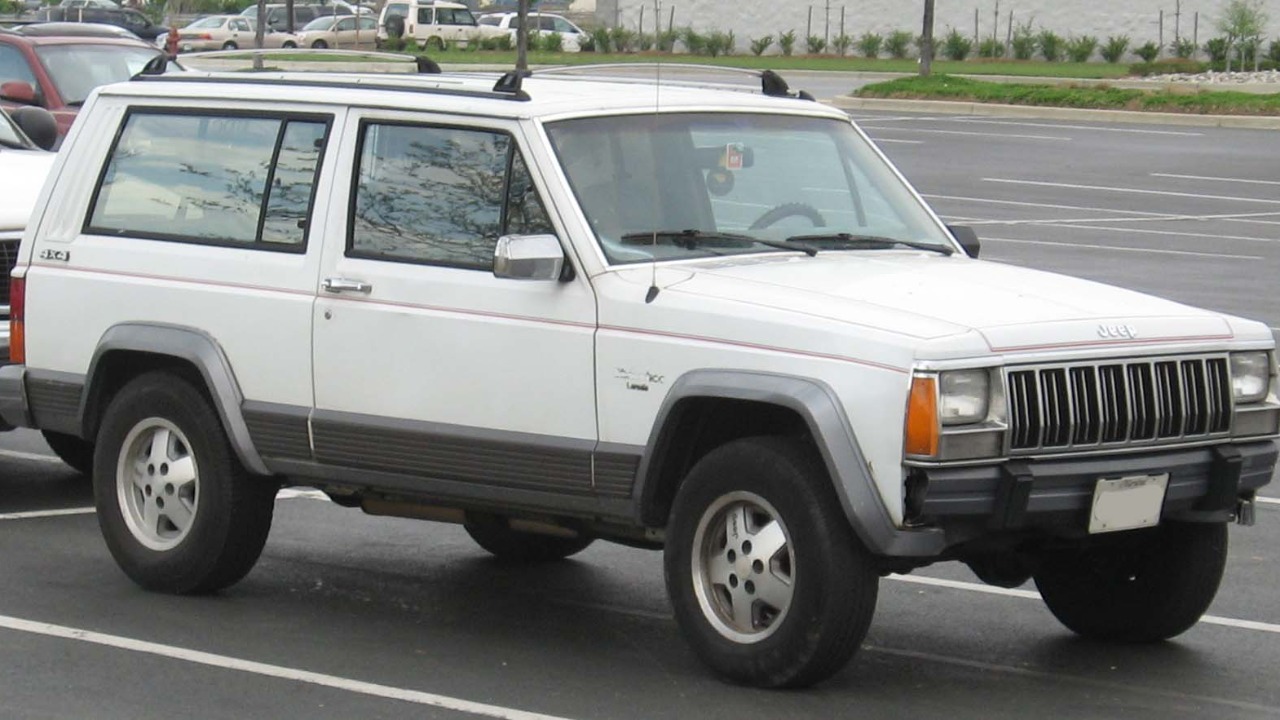
The Jeep Cherokee XJ combined a relatively simple mechanical layout with genuine off-road capability. Its compact size made it easier to maneuver than larger four-wheel-drive vehicles, while its sturdy construction helped it survive demanding terrain. The legendary 4.0-liter inline-six is a major part of its reputation, but the overall simplicity of the vehicle also matters. Many Cherokees were used hard, repaired repeatedly, and kept on the road long after newer SUVs arrived.
Volvo 740
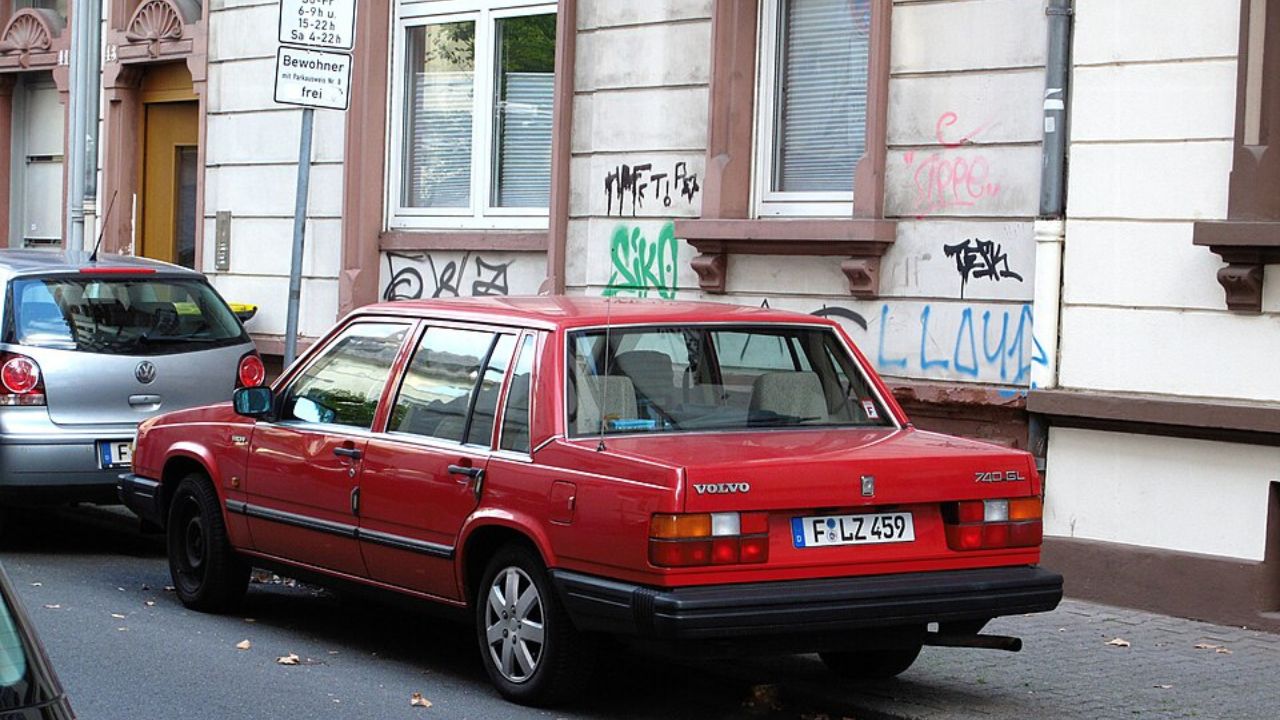
The Volvo 740 was designed during an era when durability was a major part of the brand’s identity. Its boxy body concealed a straightforward mechanical package that could tolerate years of daily use. The car was also relatively easy to work on compared with many modern vehicles. Owners often kept their 740s for remarkably long periods, and surviving examples demonstrate how a practical design, sturdy construction, and accessible mechanical components can combine into a long-lived automobile.
Toyota Land Cruiser
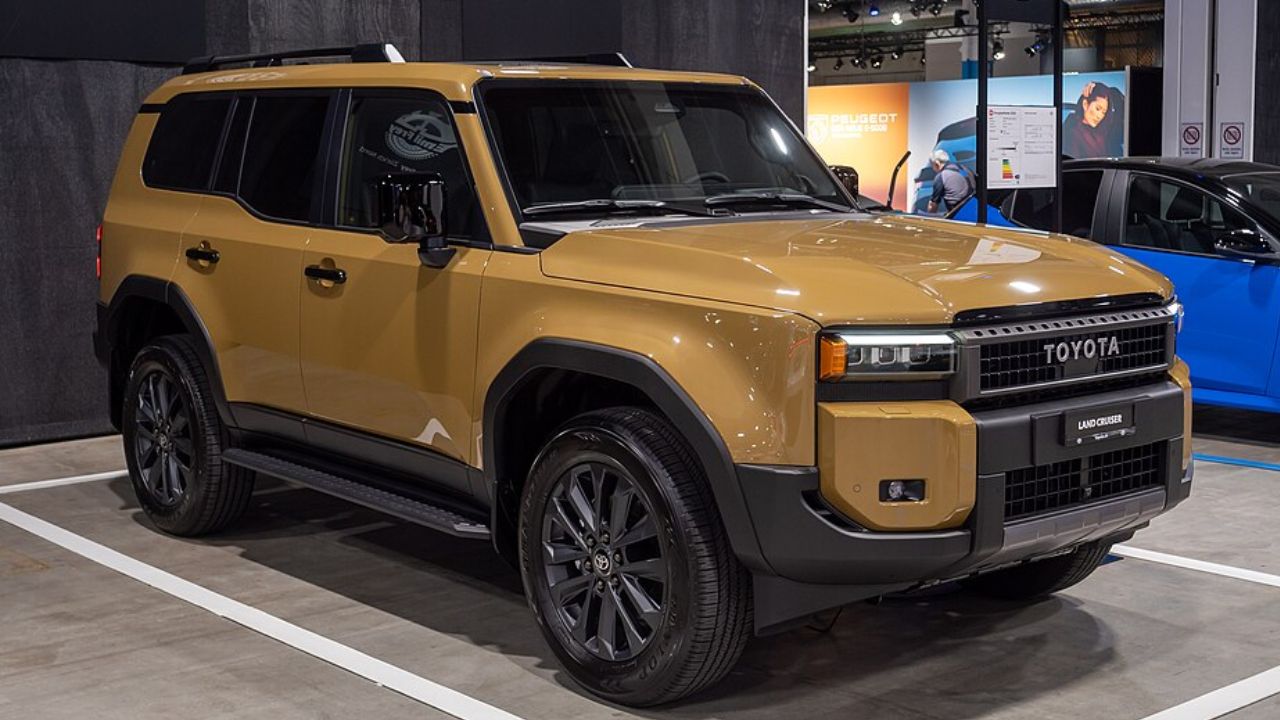
The Toyota Land Cruiser has spent decades earning a reputation in places where reliability is not merely convenient but essential. Older versions relied on straightforward mechanical systems and robust four-wheel-drive hardware rather than complicated electronic controls. Their heavy-duty construction allowed them to handle rough roads, extreme climates, and long periods of hard use. The Land Cruiser shows that durability often comes from engineering a vehicle to tolerate demanding conditions rather than chasing unnecessary complexity.
Ford F-250
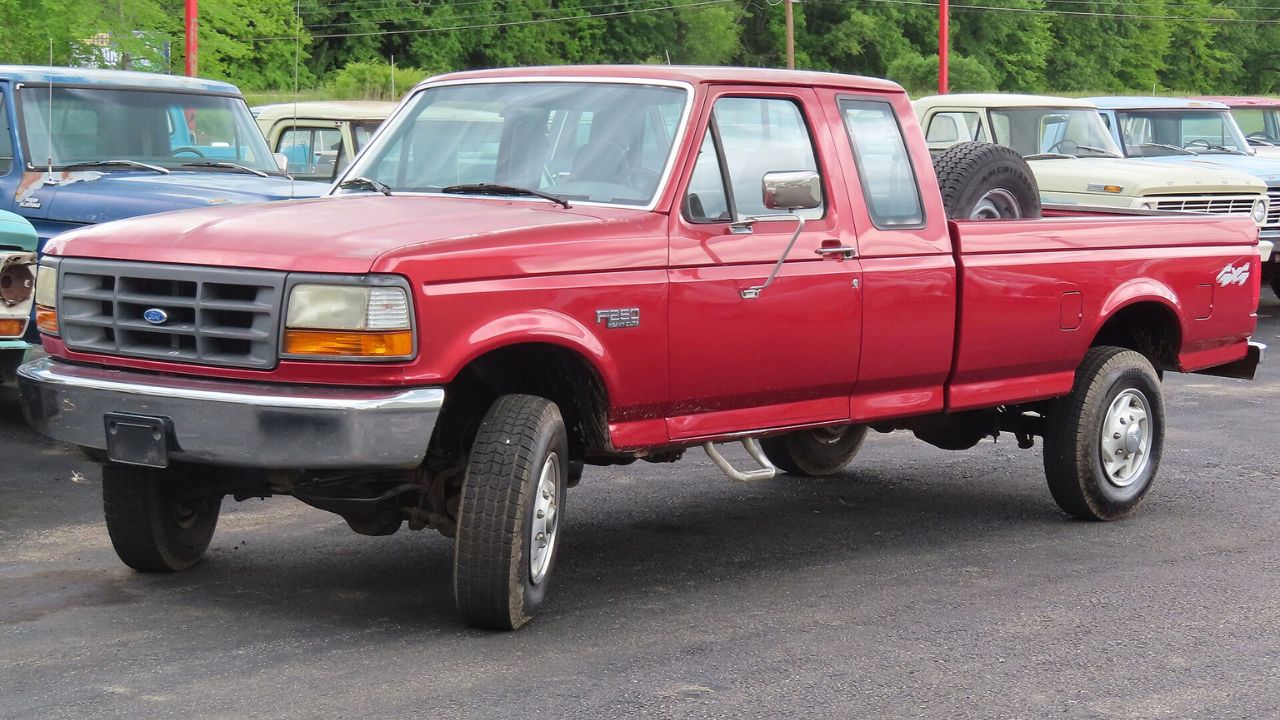
The Ford F-250 has long served owners who need a truck capable of regular heavy work. Earlier generations relied on traditional body-on-frame construction, durable axles, and mechanical systems that could be serviced without specialized equipment. Depending on the engine and configuration, these trucks could handle towing, hauling, and demanding job-site conditions for years. Their longevity illustrates why straightforward heavy-duty engineering remains valuable when a vehicle has to work rather than simply commute.
Chevrolet Suburban
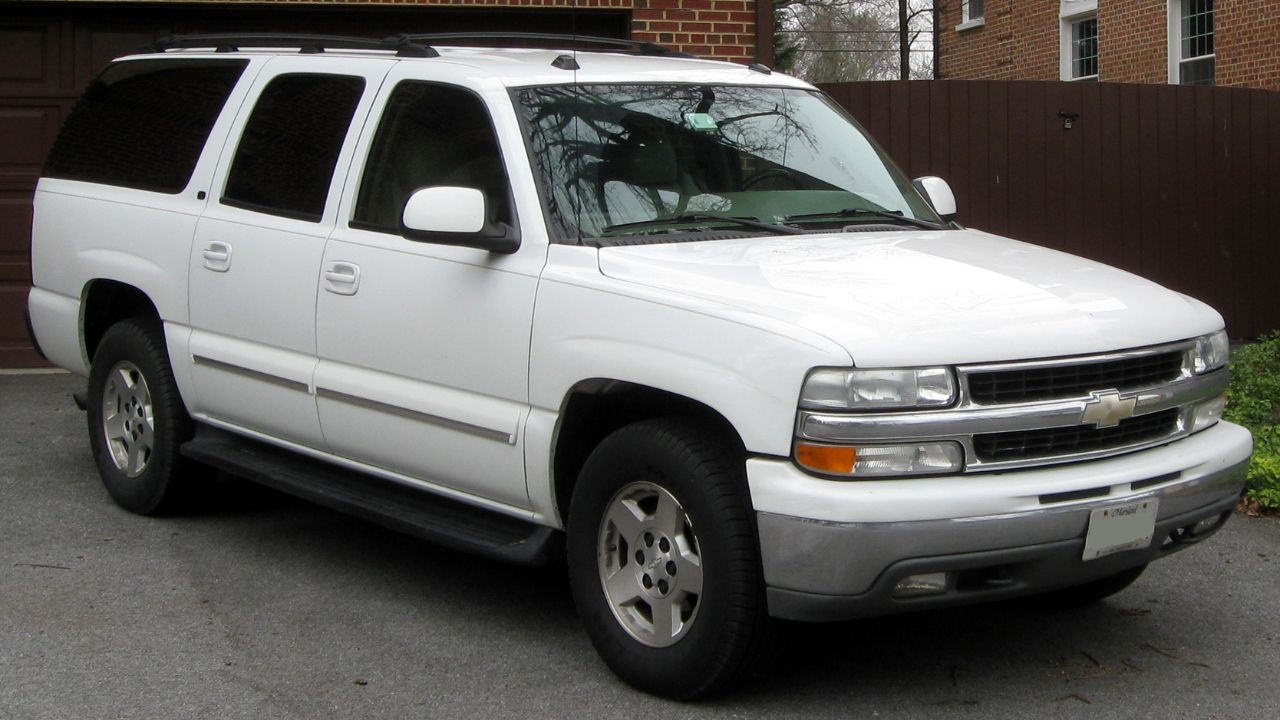
The Chevrolet Suburban has been around for generations because its basic concept is remarkably useful. It combines a truck-based chassis with enough interior space for passengers and cargo, making it suitable for families, businesses, and demanding work. Older Suburbans were relatively simple compared with modern SUVs and could often be repaired using familiar mechanical knowledge. Their long production history shows how a practical design can remain relevant even as automotive technology changes around it.
Nissan Hardbody
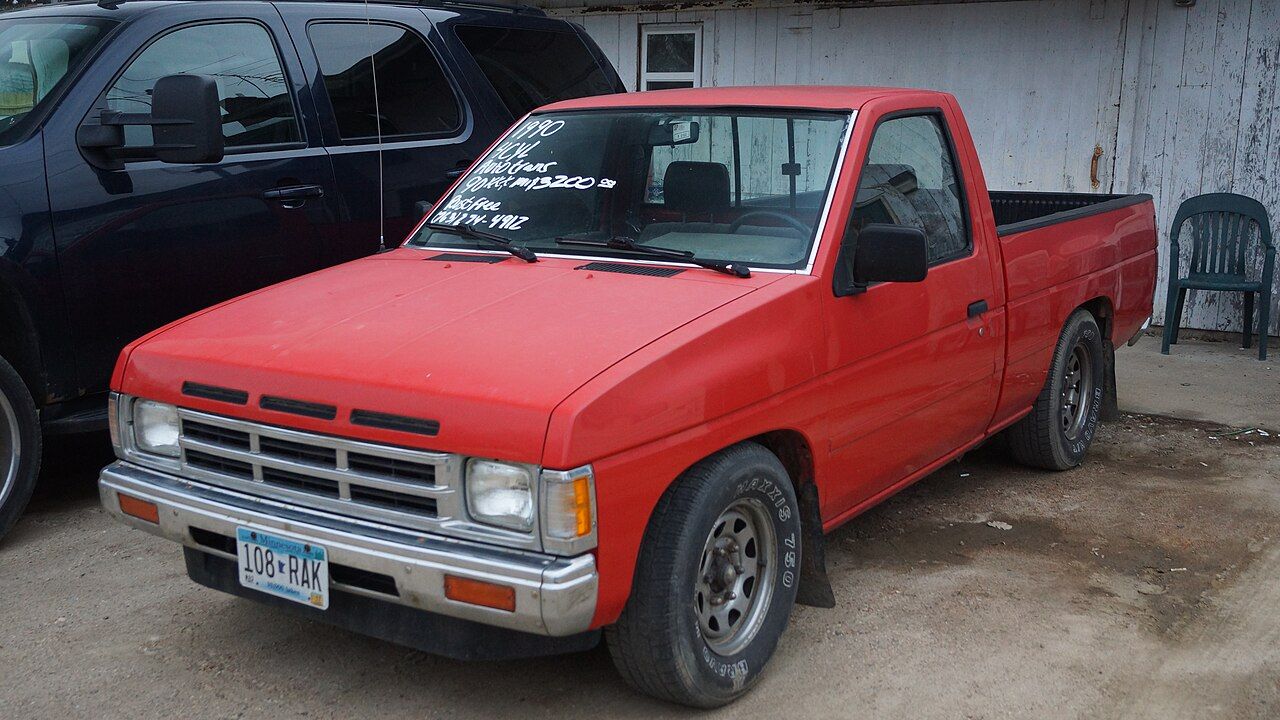
The Nissan Hardbody became a favorite among owners who wanted a compact pickup without unnecessary complications. Its sturdy chassis and dependable four-cylinder engines made it well suited to work, commuting, and rough roads. The truck’s straightforward construction also helped owners keep older examples running for years. Even after decades of use, clean Hardbody pickups remain highly desirable because they represent a period when compact trucks were built around basic utility rather than extensive electronics and luxury equipment.
Honda Civic
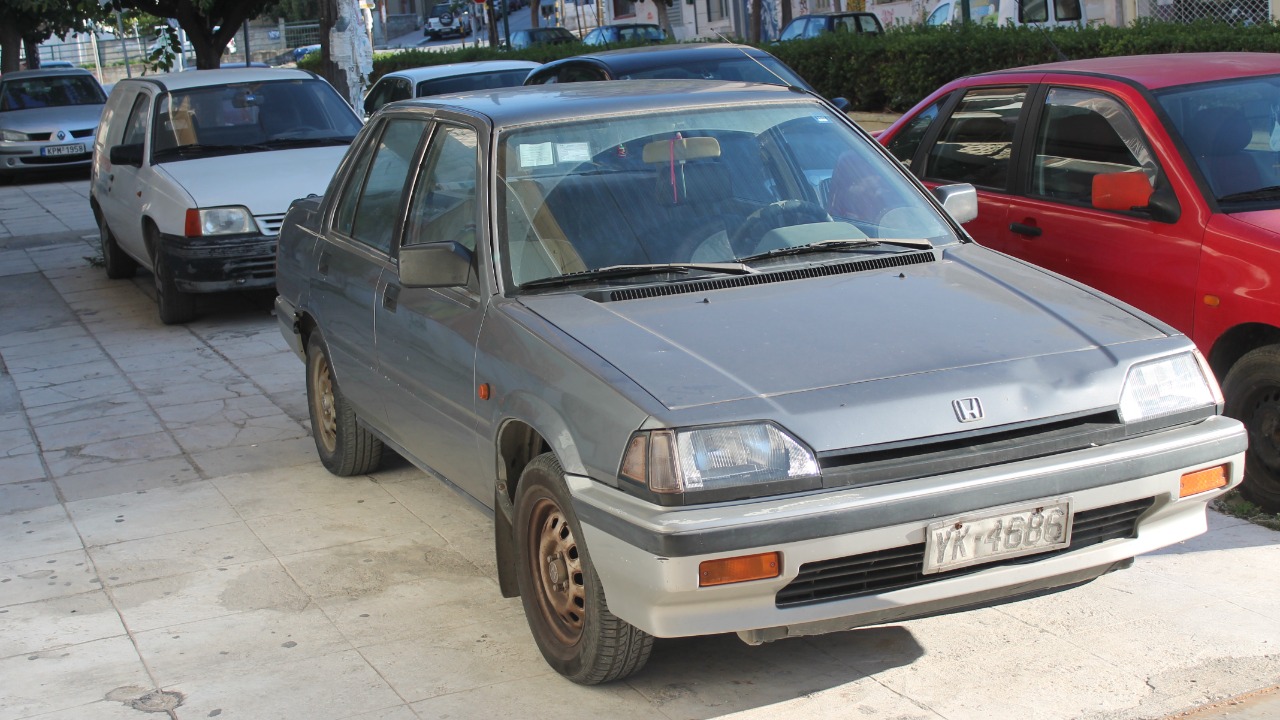
The Honda Civic became a global success by combining efficient engines with a relatively uncomplicated mechanical package. Older generations were lightweight, easy to maintain, and inexpensive to operate. Their engines could handle considerable mileage when properly maintained, while the simple construction made many repairs accessible to ordinary owners and independent mechanics. The Civic demonstrates that durability does not always require a massive engine or heavy-duty chassis. Sometimes keeping a vehicle light and mechanically straightforward works just as well.
Chevrolet C10
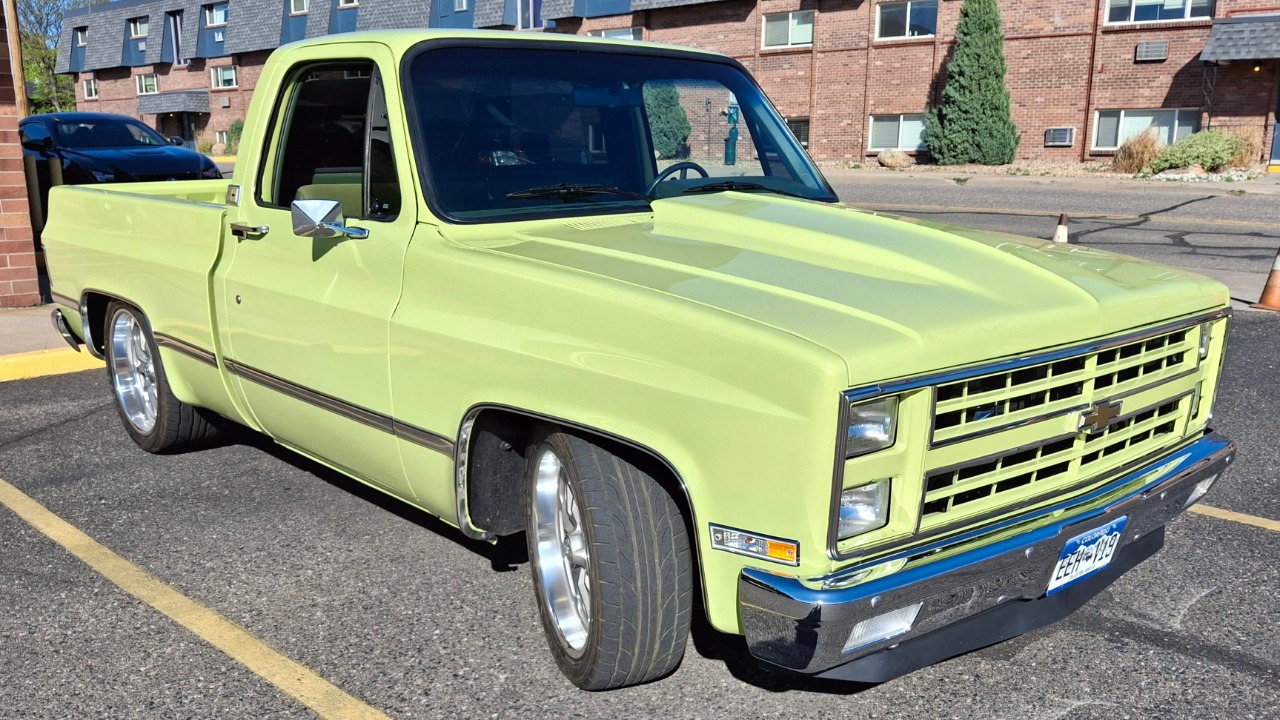
The Chevrolet C10 represents the traditional American pickup at its most straightforward. Its rear-wheel-drive layout, simple chassis, and easily understood mechanical systems made it a practical choice for farmers, tradespeople, and businesses. Many were used hard for decades, while others became popular project vehicles because they were relatively easy to modify and repair. Surviving C10s show how a basic truck designed around useful mechanical components can remain relevant long after newer models arrive.
Toyota Corolla
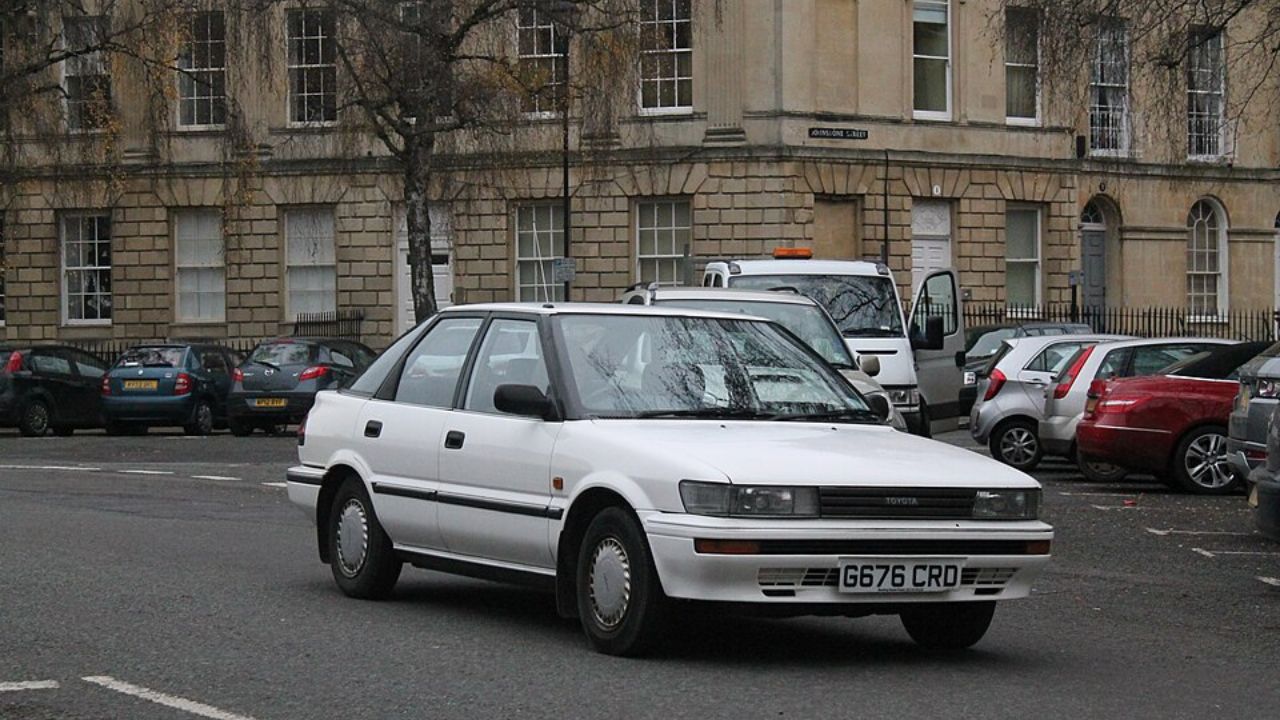
The Toyota Corolla became one of the world’s most recognizable cars by focusing on practical transportation rather than unnecessary complexity. Many older generations used small engines, simple drivetrains, and uncomplicated mechanical layouts. That made them inexpensive to operate and relatively easy to maintain. Millions were sold, but their everyday nature also meant many were eventually worn out. The surviving examples demonstrate why straightforward engineering and sensible design can create a remarkably durable car.
Mercedes-Benz W123
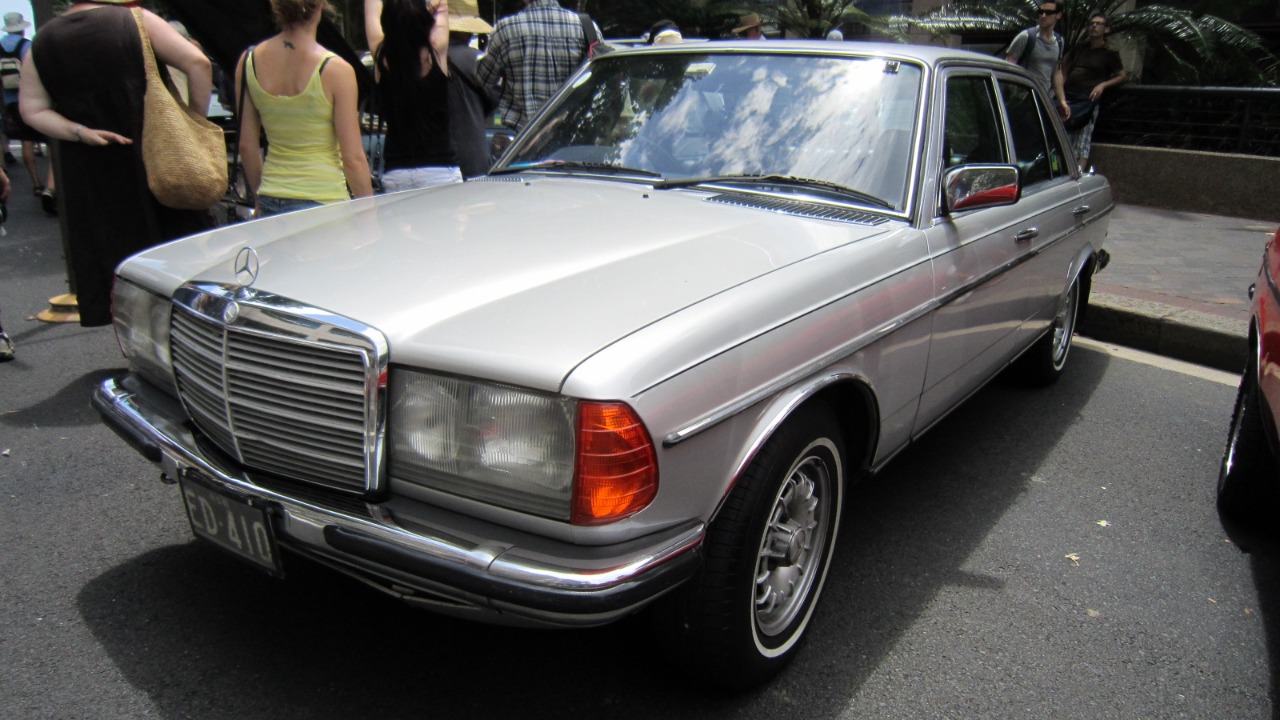
The Mercedes-Benz W123 combined traditional engineering with the kind of solid construction that made it popular with taxi operators and private owners. Its diesel versions became especially famous for long service lives, but the gasoline models could also provide years of dependable transportation. The car was designed before electronics became deeply integrated into every system. That makes it an interesting example of how careful mechanical engineering and robust materials can produce impressive longevity.
Isuzu Trooper
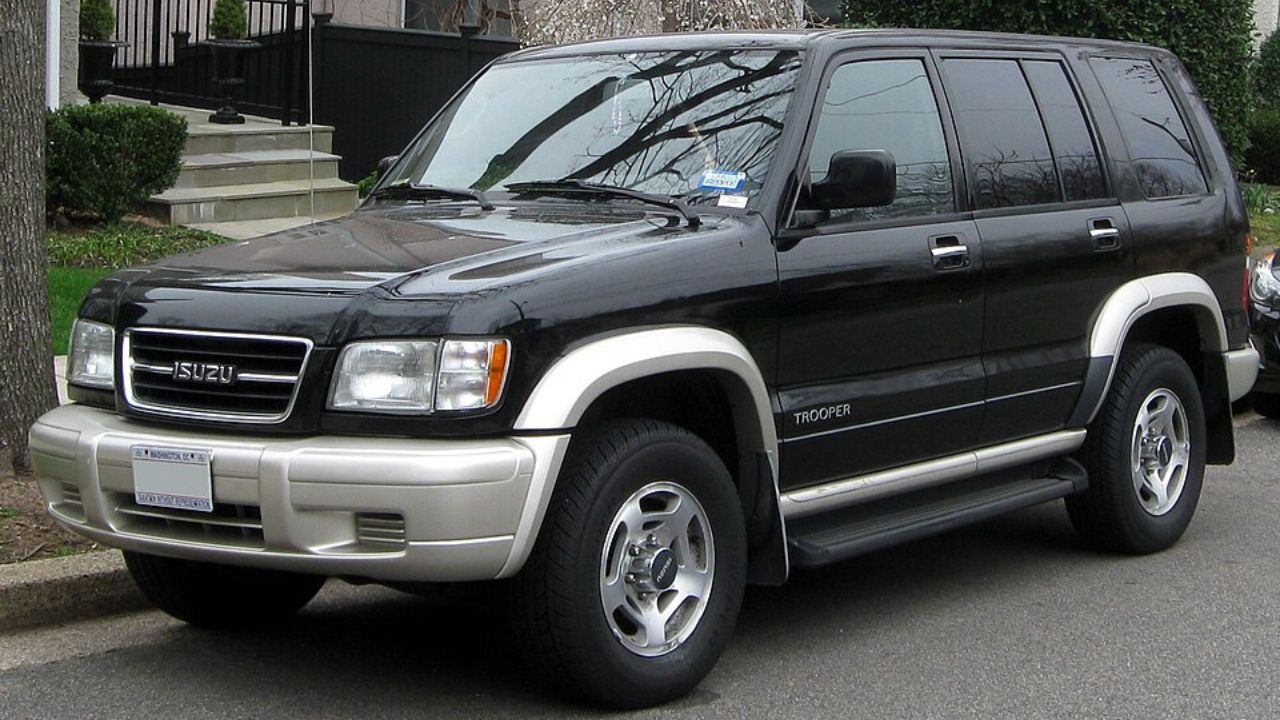
The Isuzu Trooper was built for buyers who wanted a practical four-wheel-drive vehicle without the size and complexity of a full-size SUV. Its rugged construction and relatively simple mechanical systems made it useful for work, travel, and off-road driving. Earlier Troopers could be maintained by mechanics familiar with conventional four-wheel-drive vehicles. While it never achieved the global fame of some Toyota and Jeep models, its sturdy design helped many examples survive years of demanding use.
Mazda B-Series
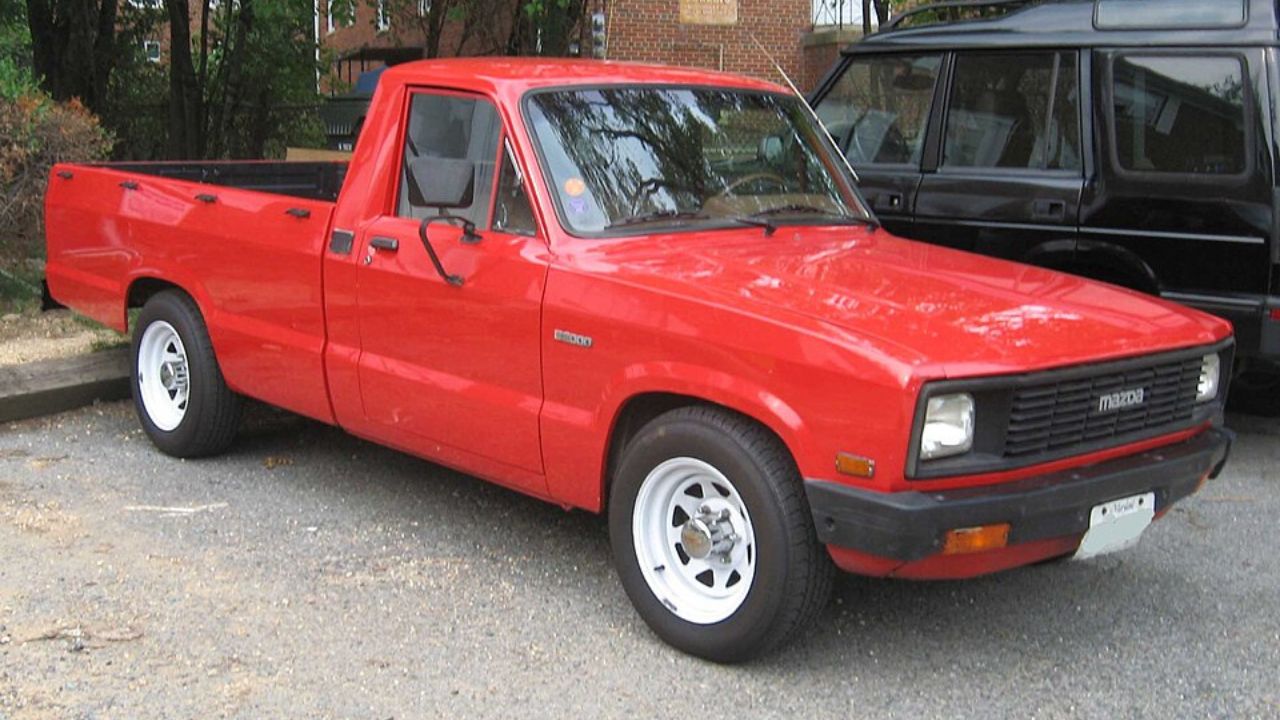
The Mazda B-Series pickup was a straightforward compact truck that focused on utility and affordability. Its small engines and simple construction made it easy to live with, while the truck’s compact dimensions worked well for everyday driving. Many were used as work vehicles, which meant they accumulated plenty of wear but could still remain useful for years. The B-Series is a good reminder that a basic pickup does not need excessive power or equipment to become a dependable long-term companion.
Volkswagen Beetle
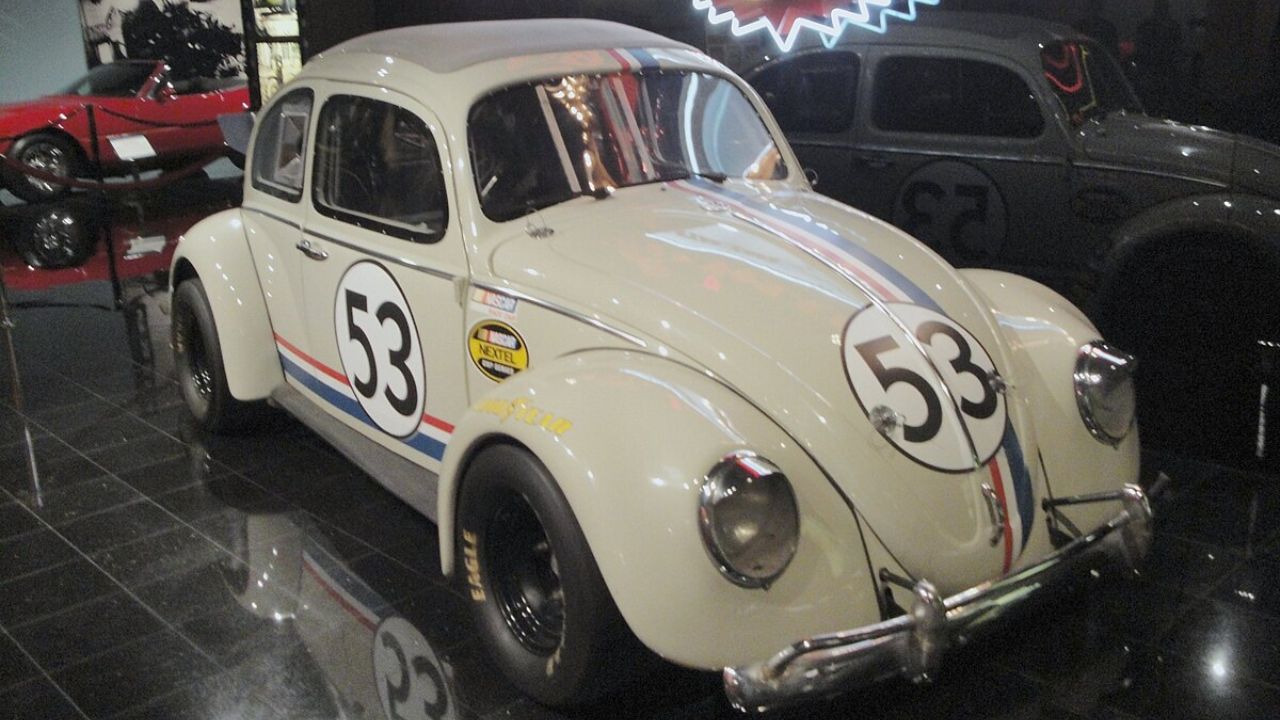
The Volkswagen Beetle was designed around simplicity from the beginning. Its air-cooled rear-mounted engine, straightforward construction, and relatively compact dimensions helped make it inexpensive to operate and maintain. The Beetle was used in everything from daily commuting to rural transportation, and its mechanical design became familiar to generations of owners and mechanics. Its remarkable global production run shows how far a simple engineering concept can go when the design is practical and easy to understand.
Jeep CJ-5
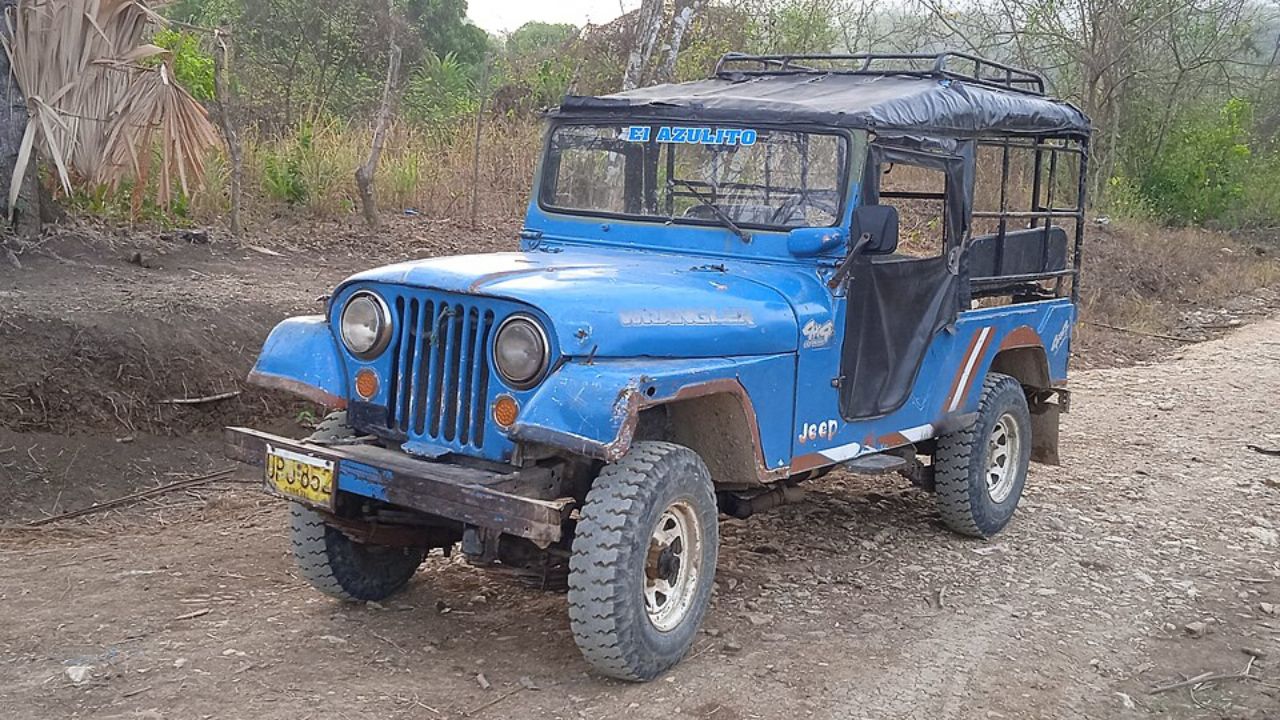
The Jeep CJ-5 was built around a simple formula that prioritized capability over comfort and complexity. Its compact dimensions, rugged four-wheel-drive system, and straightforward mechanical layout made it useful on farms, trails, and work sites. Owners could repair and modify these Jeeps without the specialized equipment required by many modern vehicles. Their survival today reflects how durable a vehicle can be when its design is focused on essential functions rather than unnecessary features.
Toyota 4Runner
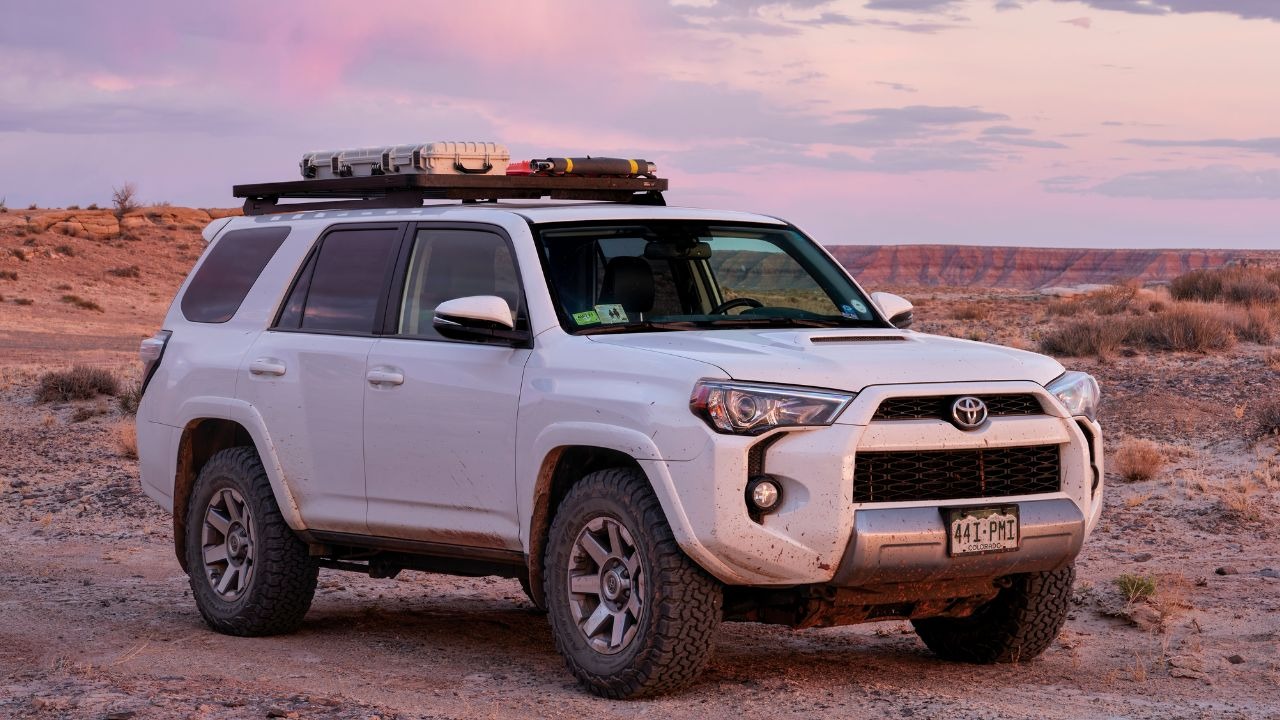
The early Toyota 4Runner combined pickup-truck foundations with a practical enclosed body, creating an SUV that could handle both everyday driving and rough terrain. Its body-on-frame construction and relatively simple mechanical systems helped it survive years of demanding use. Many were modified for off-road adventures, while others served as dependable family transportation. The 4Runner’s long-running reputation shows that a sturdy platform and proven mechanical components can remain useful for decades.
Ford Bronco
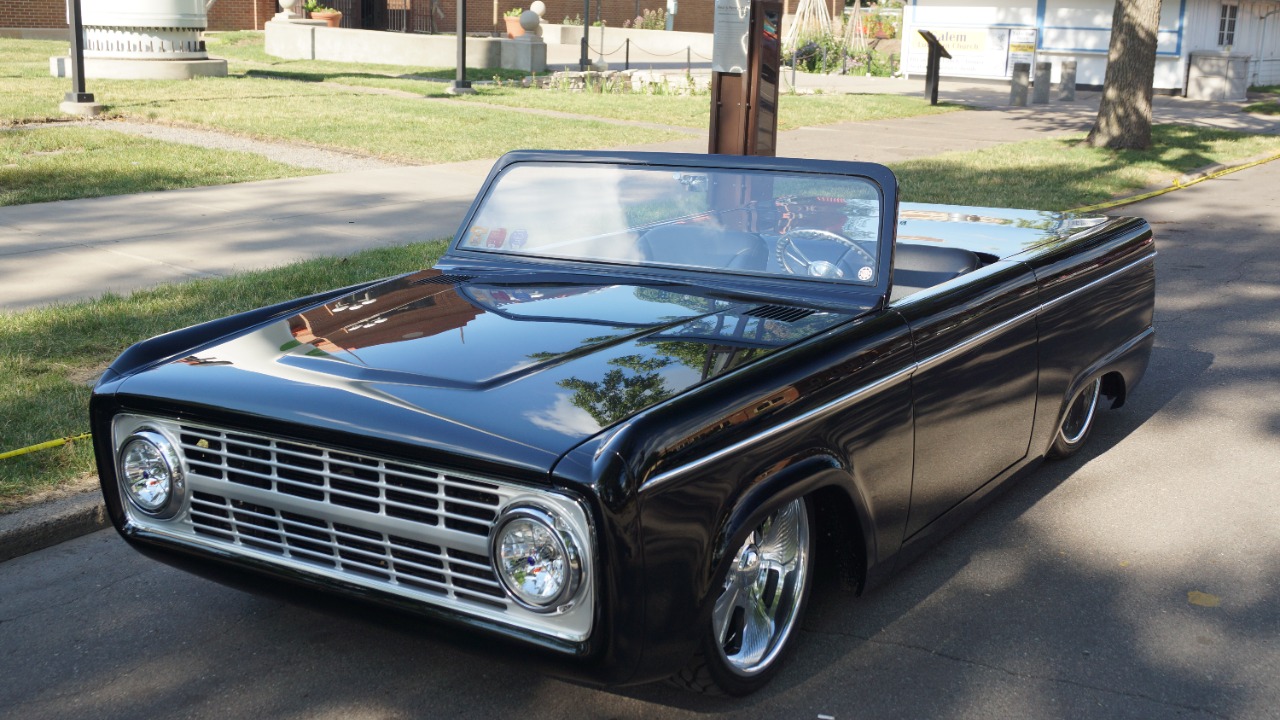
The original Ford Bronco was intentionally simple, compact, and capable. Its basic four-wheel-drive system and rugged construction made it useful for recreation, farming, and off-road work. Compared with today’s feature-heavy SUVs, the early Bronco had remarkably few systems that could complicate maintenance. That simplicity also made it popular with enthusiasts who wanted to repair, restore, or modify their own vehicles. Its continued popularity is a clear reminder that uncomplicated engineering can age extremely well.
Chevrolet K5 Blazer
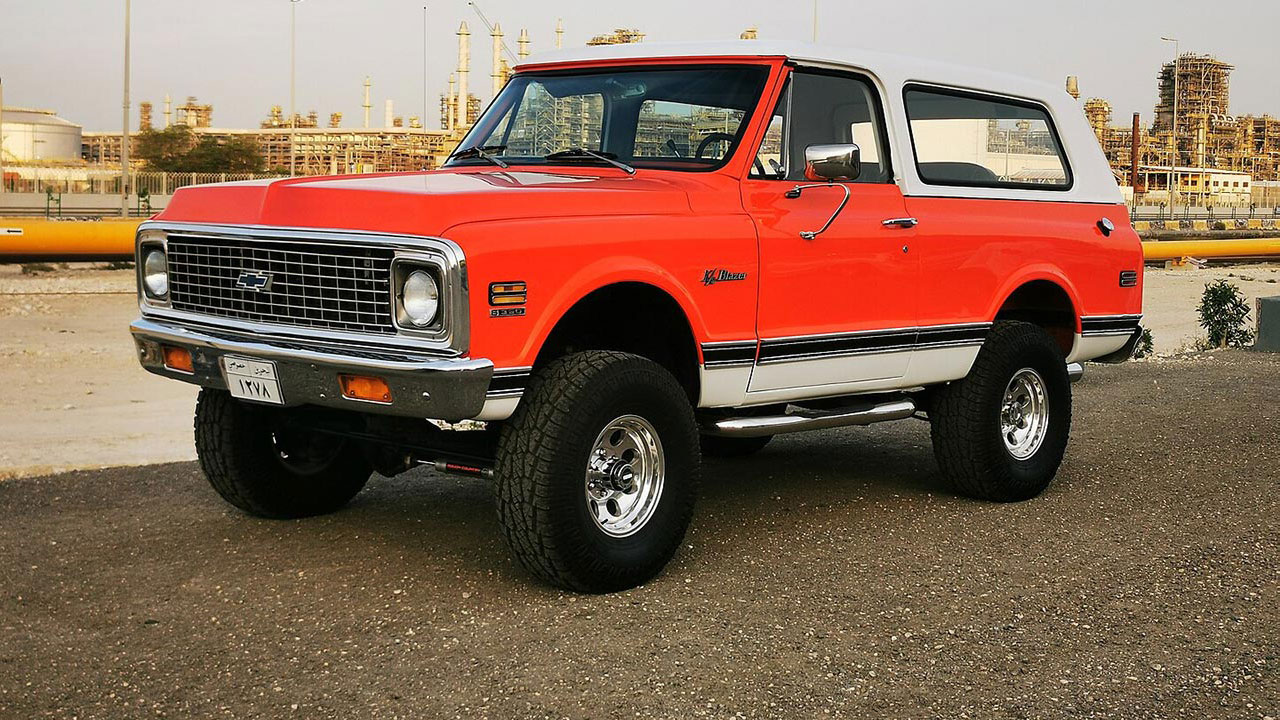
The Chevrolet K5 Blazer brought pickup-truck toughness into a more versatile SUV package. Its body-on-frame construction, traditional four-wheel-drive system, and readily understood mechanical components made it a useful vehicle for both work and recreation. Owners could maintain many of its systems without the specialized diagnostic equipment required by newer SUVs. Surviving K5 Blazers remain popular because their straightforward design makes them approachable projects as well as capable old trucks.
More from Fast Lane Only
- Unboxing the WWII Jeep in a Crate
- 15 rare Chevys collectors are quietly buying
- 10 underrated V8s still worth hunting down
- Police notice this before you even roll window down
*Research for this article included AI assistance, with all final content reviewed by human editors.