Roadsters have always offered something that ordinary cars struggle to match. With two seats, an open cockpit, and a focus on lightness, they turn even an ordinary drive into something memorable. These roadsters became favorites because they emphasized steering feel, balance, character, and the simple pleasure of being behind the wheel.
Mazda MX-5 Miata

The Mazda MX-5 Miata helped bring the lightweight roadster back to a much wider audience. Instead of chasing huge horsepower, Mazda focused on low weight, simple controls, balanced handling, and an engaging driving position. That formula made the Miata approachable for beginners while giving experienced enthusiasts plenty to enjoy. Its compact size also makes ordinary roads feel more interesting because the driver can experience the car’s movements without needing extreme speeds. Few modern roadsters have captured the basic joy of driving quite as successfully.
Honda S2000
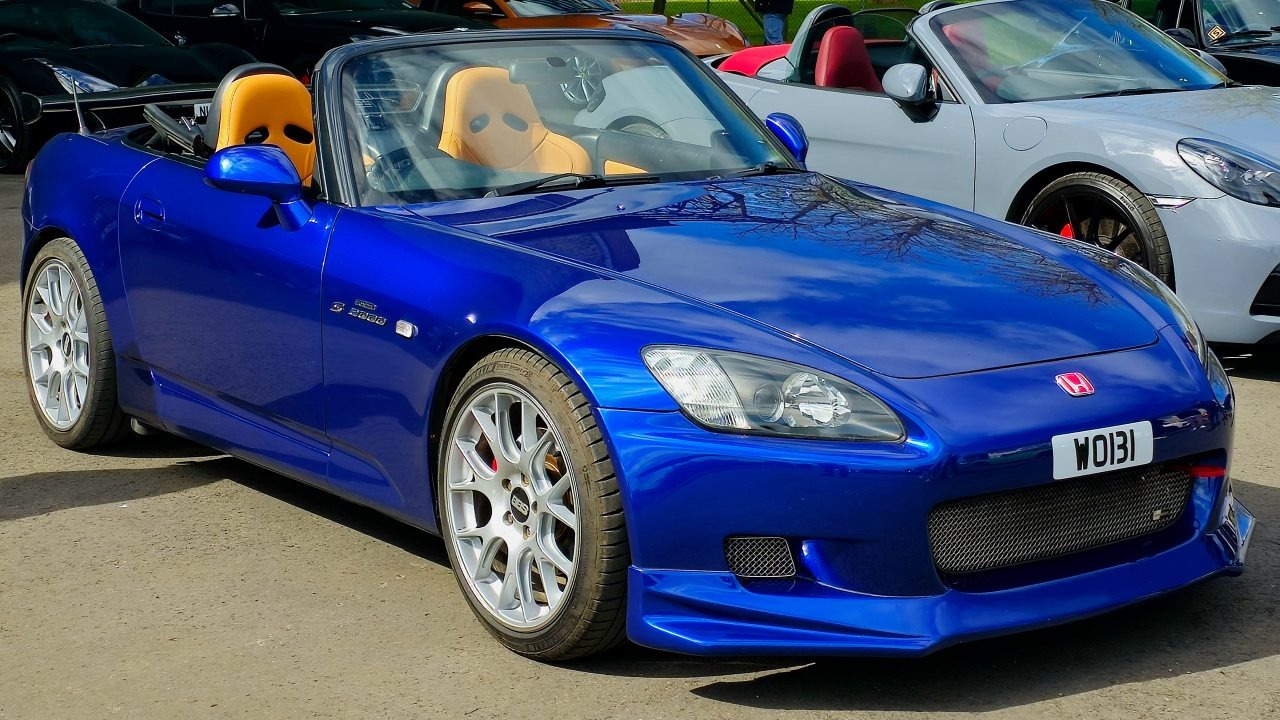
The Honda S2000 became famous for its high-revving engine, precise steering, and remarkably focused driving experience. Its compact body and rear-wheel-drive layout made it feel distinctly different from ordinary convertibles, while the engine encouraged drivers to explore the upper reaches of the rev range. The cabin also puts the driver at the center of the experience rather than surrounding them with unnecessary distractions. Even today, the S2000 remains one of the most respected Japanese roadsters because it feels engineered around the driver’s involvement.
BMW Z3
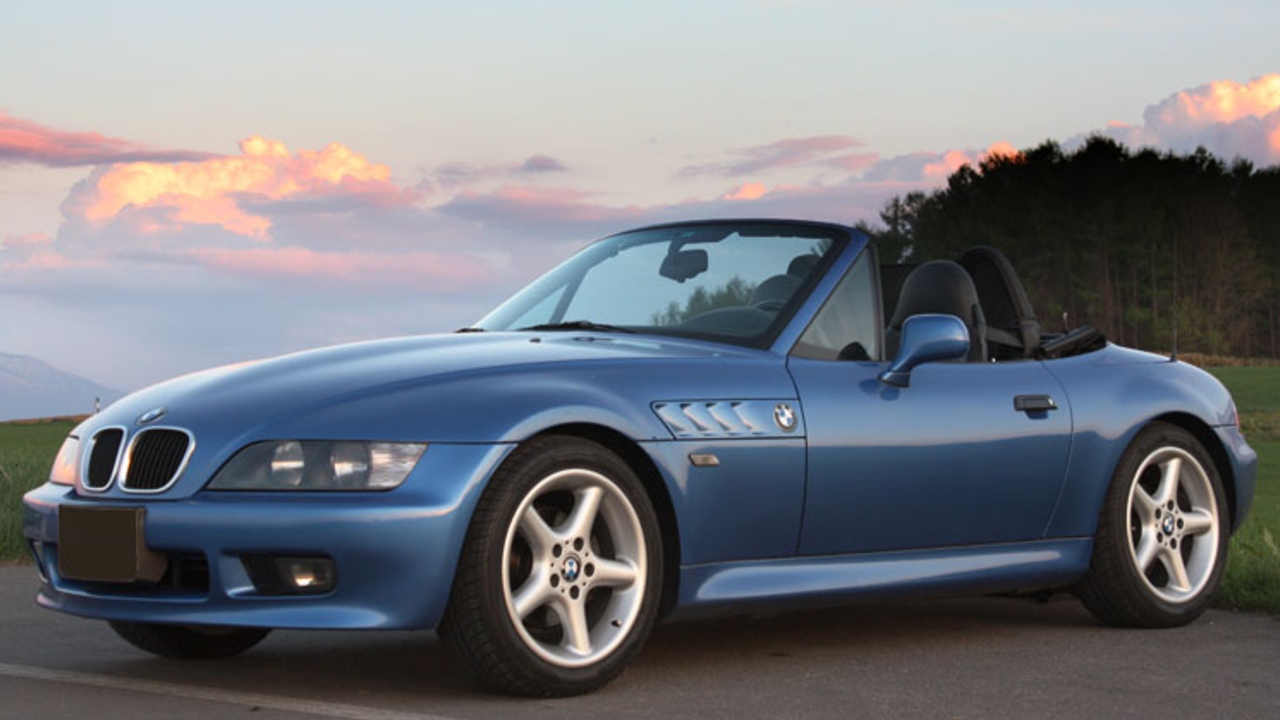
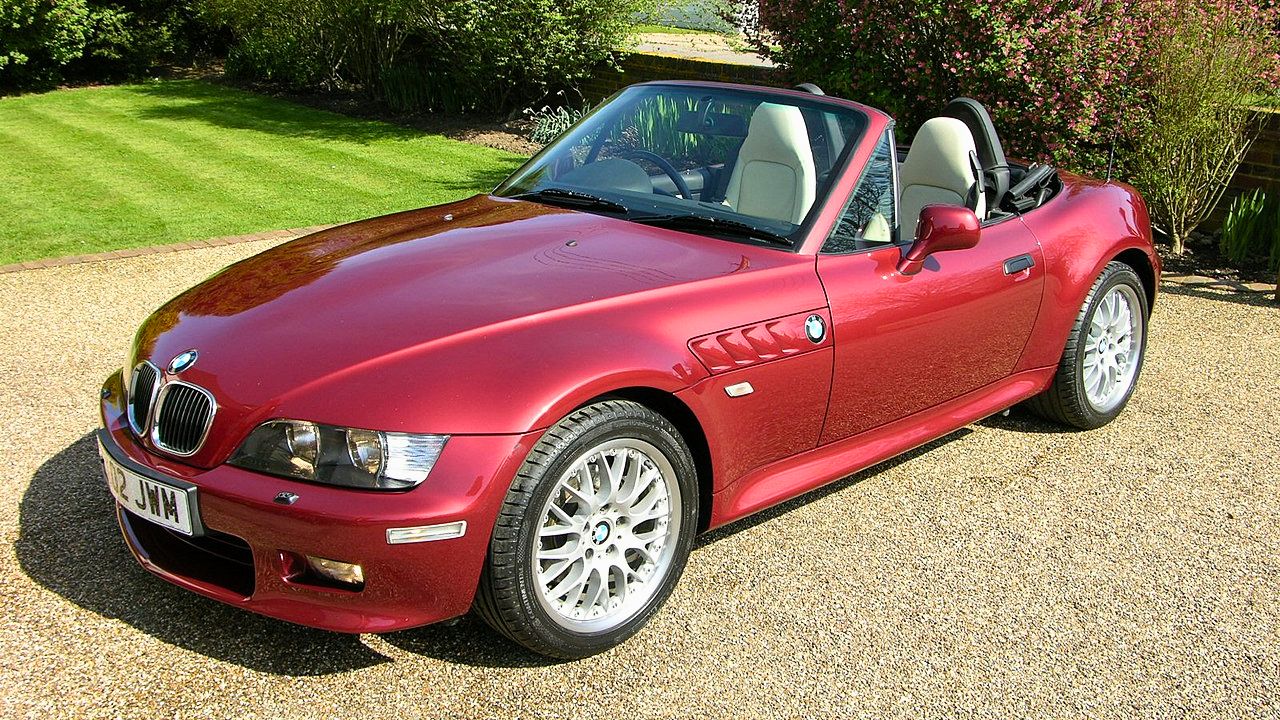
The BMW Z3 brought classic roadster proportions into the modern era with a long hood, short rear deck, and compact two-seat cabin. It offered the traditional rear-wheel-drive layout enthusiasts expected while adding the comfort and refinement of a contemporary BMW. Different engines gave the Z3 very different personalities, but even the less powerful versions could deliver an enjoyable open-air driving experience. Its recognizable styling also helped make the Z3 a cultural icon, ensuring that it remains one of the most familiar modern roadsters.
BMW Z8
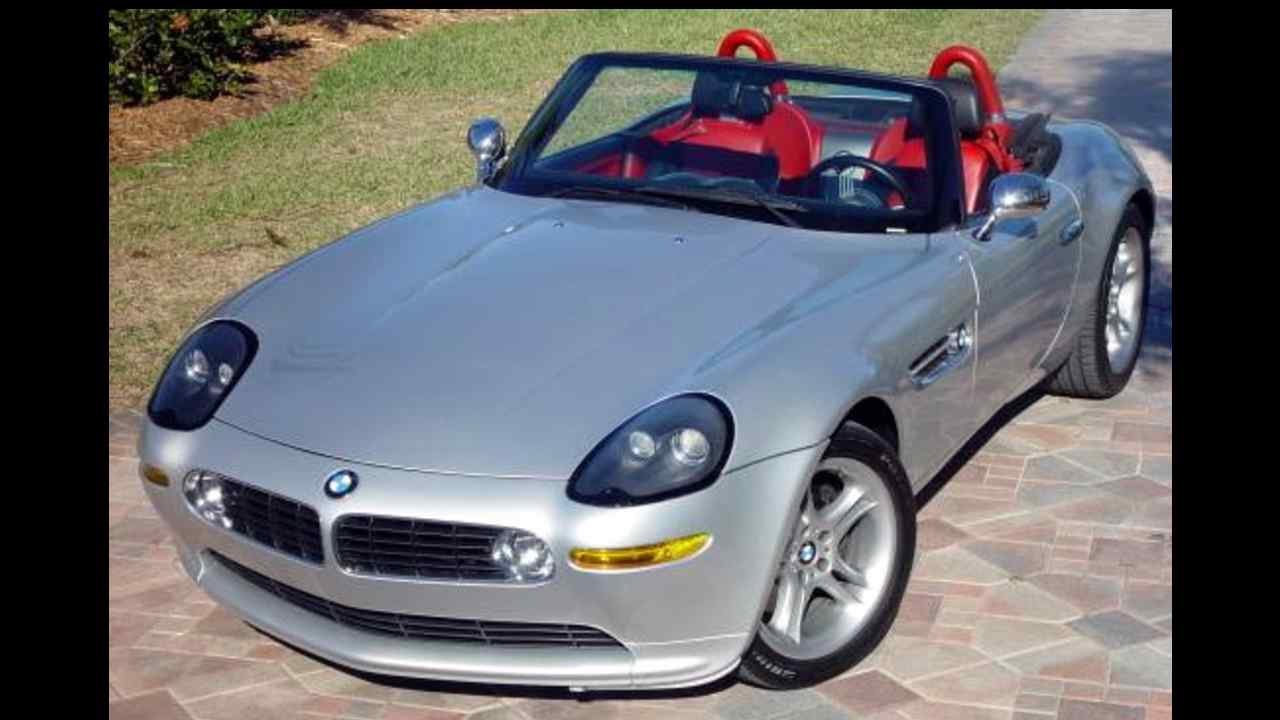
The BMW Z8 was designed as a tribute to classic roadsters, but its performance and technology were thoroughly modern. Its long hood, rounded bodywork, exposed details, and elegant proportions gave it a visual connection to the great European sports cars of the past. Underneath was a powerful V8 and a serious performance-oriented chassis. The result was a car that could feel sophisticated during relaxed cruising while becoming genuinely exciting on a winding road. Its combination of retro-inspired design and modern performance remains difficult to duplicate.
Porsche Boxster

The Porsche Boxster helped prove that an open-top sports car could deliver genuine Porsche driving dynamics without the price or size of the company’s flagship models. Its mid-engine layout gave it excellent balance, while the compact dimensions made it feel agile and responsive. The Boxster also remained practical enough for regular use, making it easier for owners to enjoy its abilities frequently. For many enthusiasts, that accessibility is part of the appeal. It is a roadster that encourages driving rather than simply being admired.
Mercedes-Benz SLK
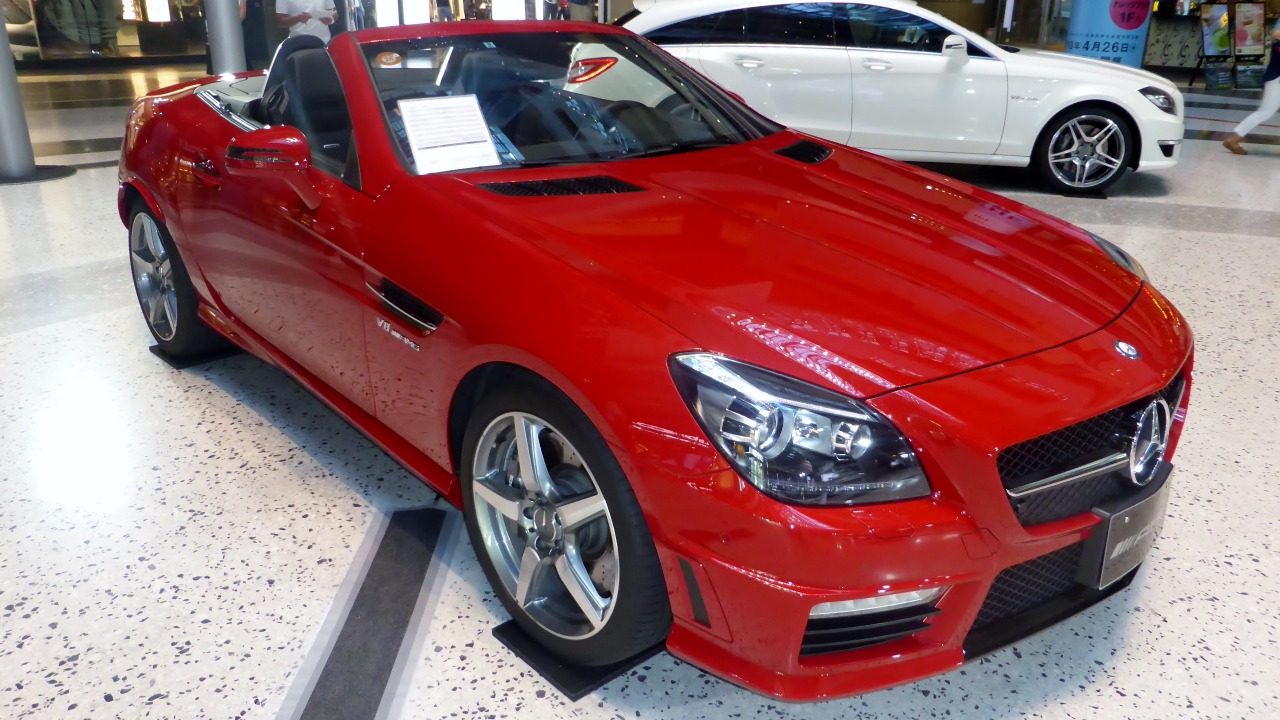
The Mercedes-Benz SLK offered a different interpretation of the roadster formula by combining two-seat proportions with a retractable hardtop. That gave owners the open-air experience of a traditional roadster while retaining greater weather protection and security when the roof was closed. The compact dimensions also made the SLK easier to use than larger luxury convertibles. Depending on the engine, it could be relaxed or genuinely quick. Its clever roof and comfortable cabin helped introduce the roadster concept to drivers who wanted more refinement without giving up the fun.
Fiat Barchetta
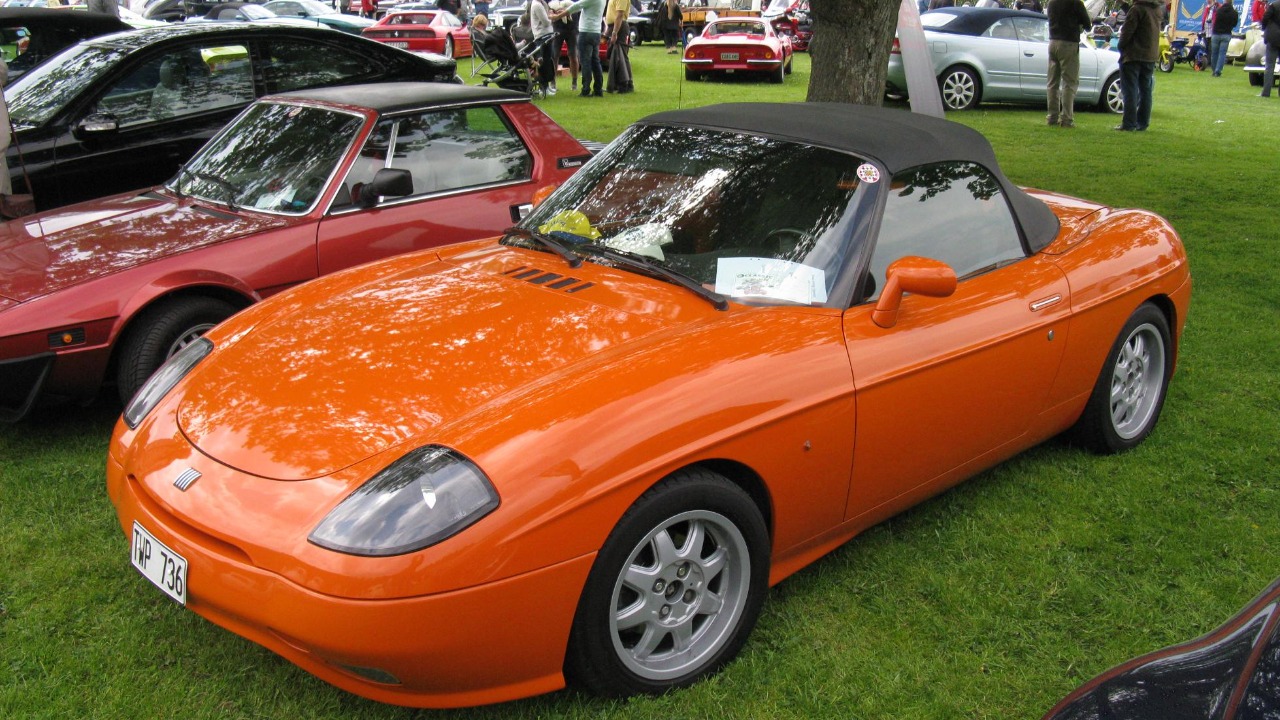
The Fiat Barchetta took a distinctly Italian approach to the compact roadster. Its rounded bodywork, curved hood, compact proportions, and unusual front-end treatment gave it a personality that separated it from more conventional European sports cars. The front-wheel-drive layout was also unusual for a two-seat roadster, but the car remained light and enjoyable. Today, the Barchetta has become an appealing choice for enthusiasts who want something different from the usual British, German, and Japanese roadsters. Its styling remains particularly easy to recognize.
Toyota MR2 Spyder
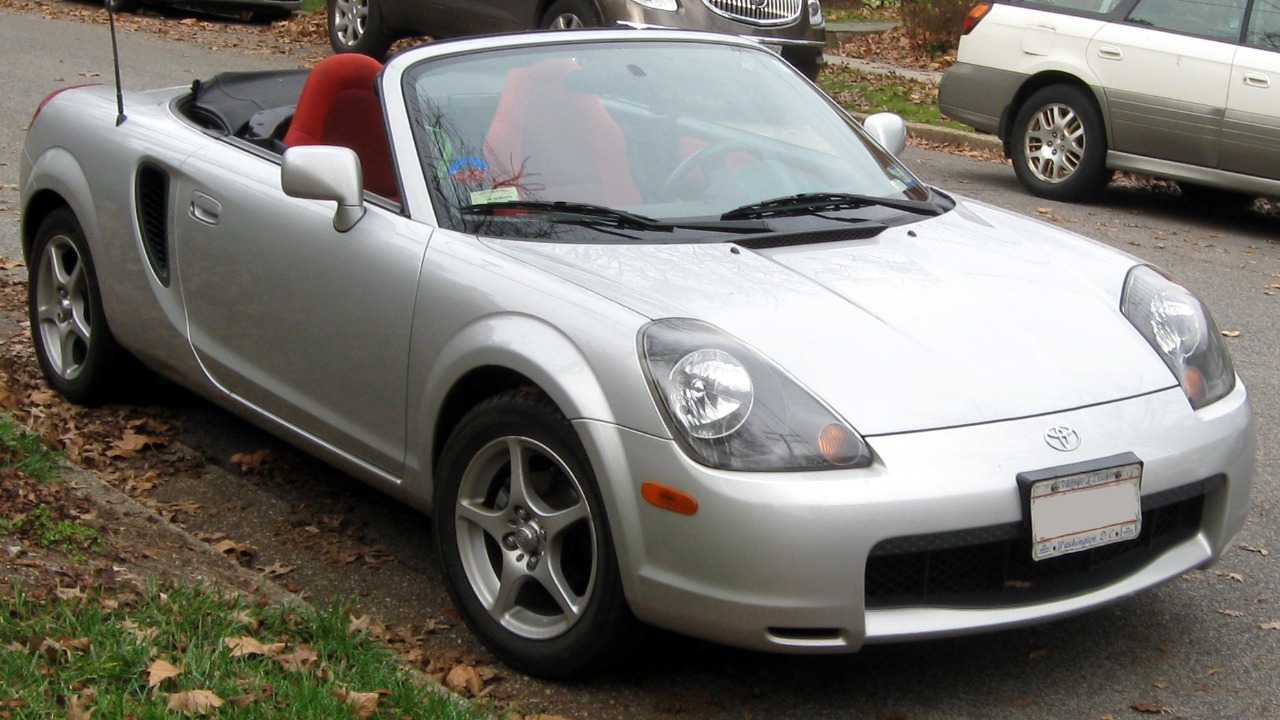
The Toyota MR2 Spyder brought mid-engine sports-car dynamics into a compact and relatively approachable package. Its short body, low seating position, and lightweight construction gave it a playful character that made modest roads more entertaining. The car did not need enormous power to feel lively because its dimensions and balance did much of the work. Its unusual proportions also make it instantly identifiable. For drivers who value agility and simplicity over outright speed, the MR2 Spyder remains an appealing example of how little car is needed to create genuine fun.
Saturn Sky
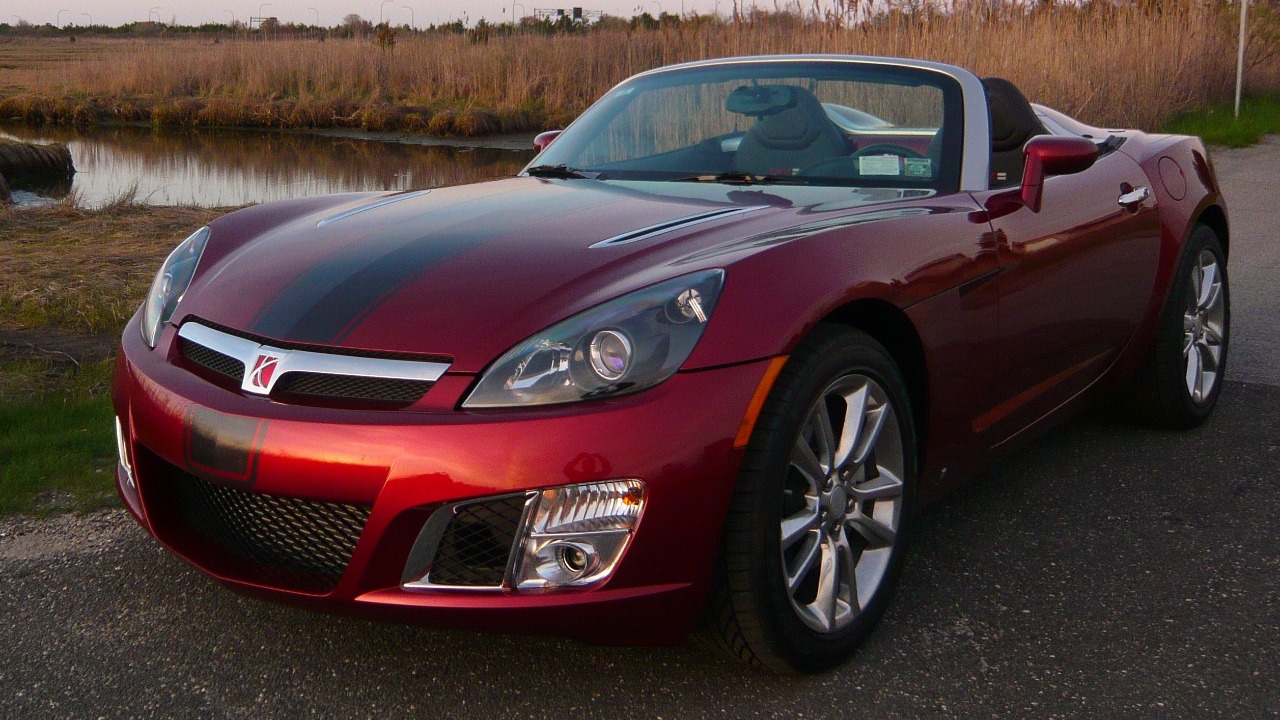
The Saturn Sky gave American buyers an affordable roadster with styling that looked considerably more exotic than its price suggested. Its long hood, short rear deck, low windshield, and sculpted bodywork created a strong presence. The Sky was also closely related to the Pontiac Solstice, but its styling gave it a distinct personality. Available turbocharged versions added considerably more performance. Today, the Sky remains an interesting reminder that affordable American roadsters briefly became a real category, giving enthusiasts another option outside the traditional European and Japanese choices.
Pontiac Solstice
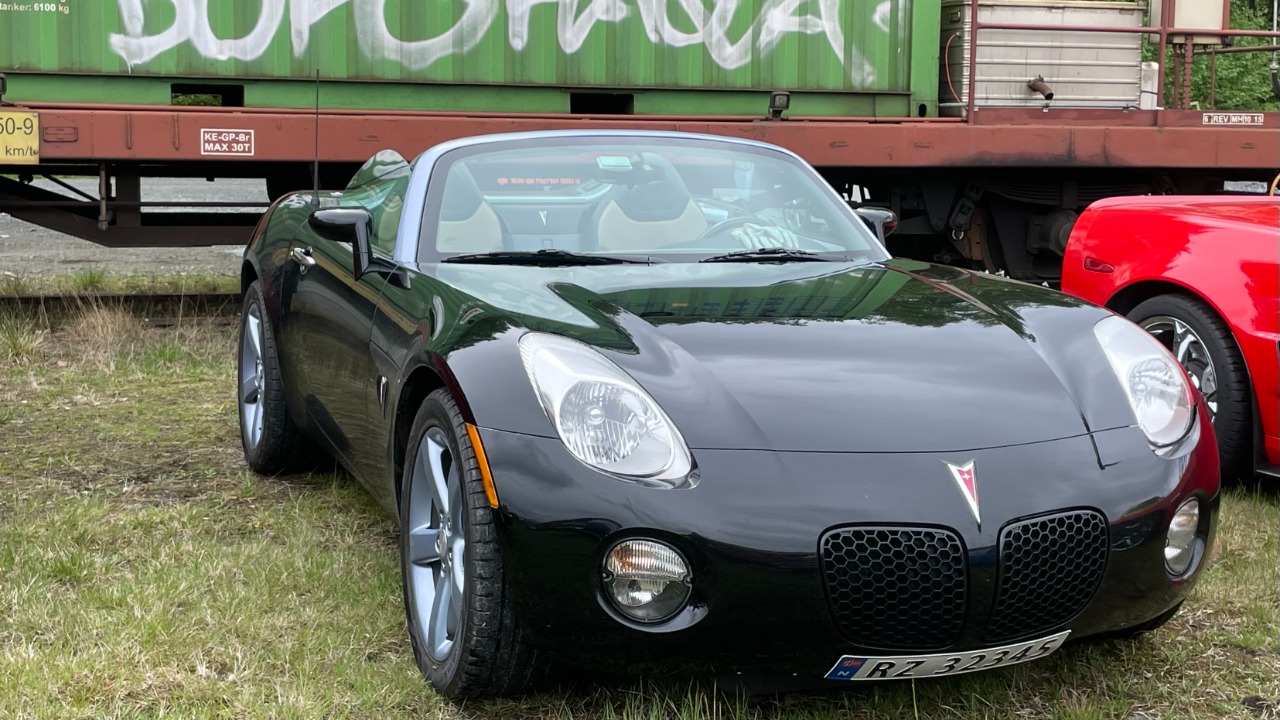
The Pontiac Solstice combined dramatic styling with the basic ingredients enthusiasts expect from a traditional roadster. Its wide stance, long hood, short rear deck, and compact cabin immediately communicated that it was designed for enjoyment rather than practicality. Turbocharged versions gave the car additional performance, but even standard models could make ordinary drives feel special. The Solstice also arrived at a time when Pontiac was trying to inject more excitement into its lineup. Its disappearance makes surviving examples more interesting to enthusiasts who remember the brand’s final years.
Audi TT Roadster
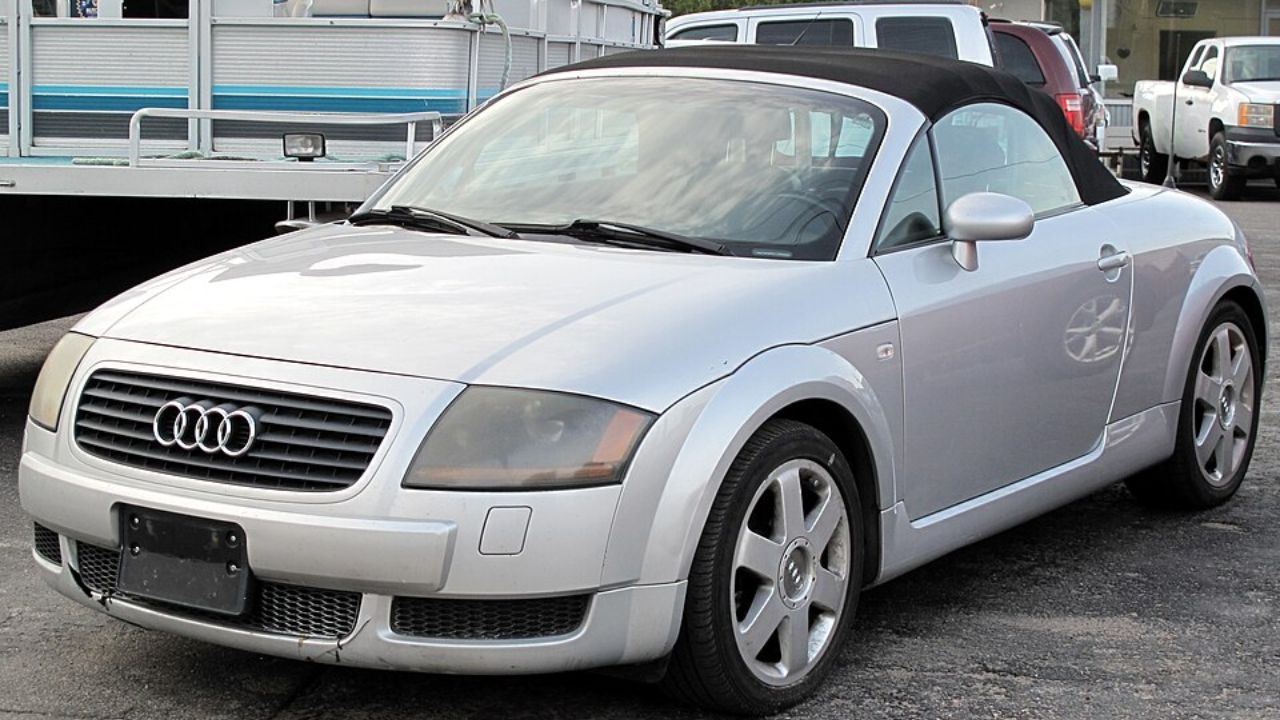
The Audi TT Roadster offered a much more design-focused interpretation of the two-seat sports car. Its rounded body, distinctive grille, and minimalist cabin gave it an appearance unlike most competitors. Yet beneath the styling was a capable platform that could provide confident handling and strong performance in higher-output versions. The TT also made open-top motoring feel more polished and usable than many traditional roadsters. It appealed to drivers who wanted something sporty but did not want to sacrifice the refined feel associated with a premium European car.
Mercedes-Benz SL
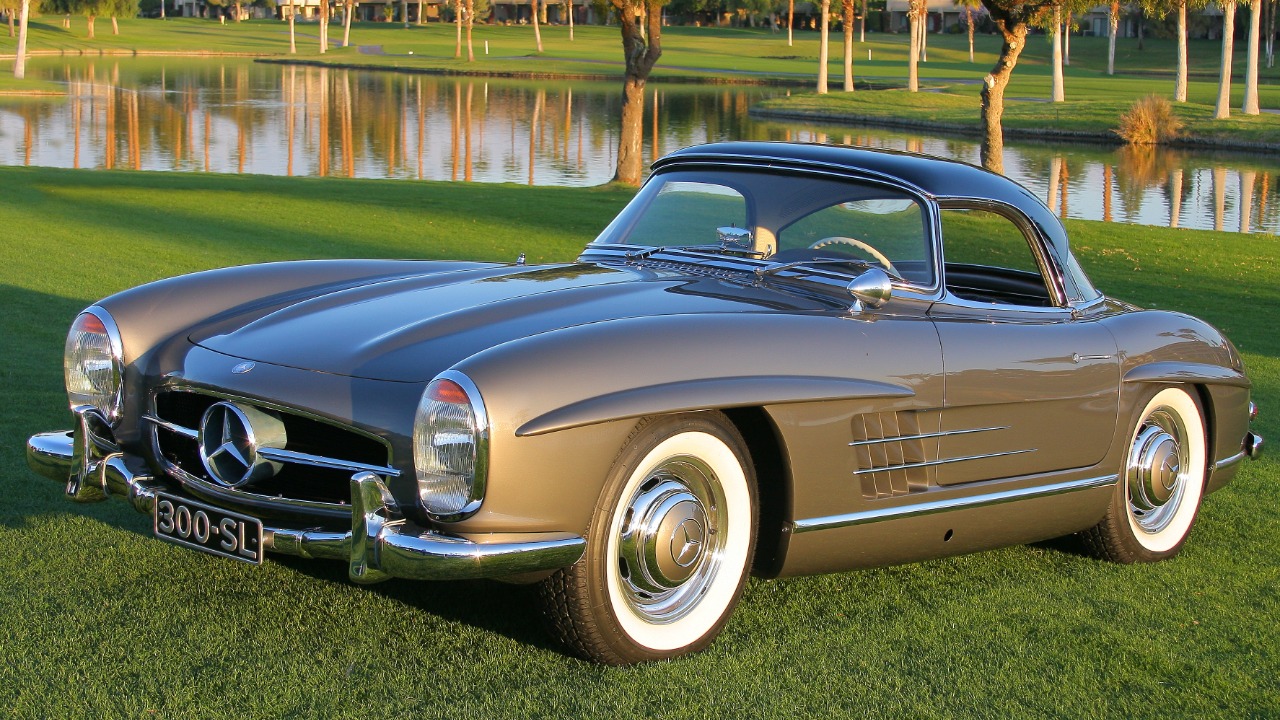
The Mercedes-Benz SL became one of the longest-running names in luxury roadsters because it successfully combined performance, comfort, and open-air driving. Rather than following the minimalist British approach, the SL offered substantial engineering and a more luxurious experience. Over several generations, it became increasingly powerful while retaining its distinctive two-seat identity. The result was a roadster that could handle long-distance cruising as comfortably as spirited driving. Its longevity is a testament to how effectively Mercedes balanced everyday usability with genuine sports-car character.
Jaguar XK8 Convertible
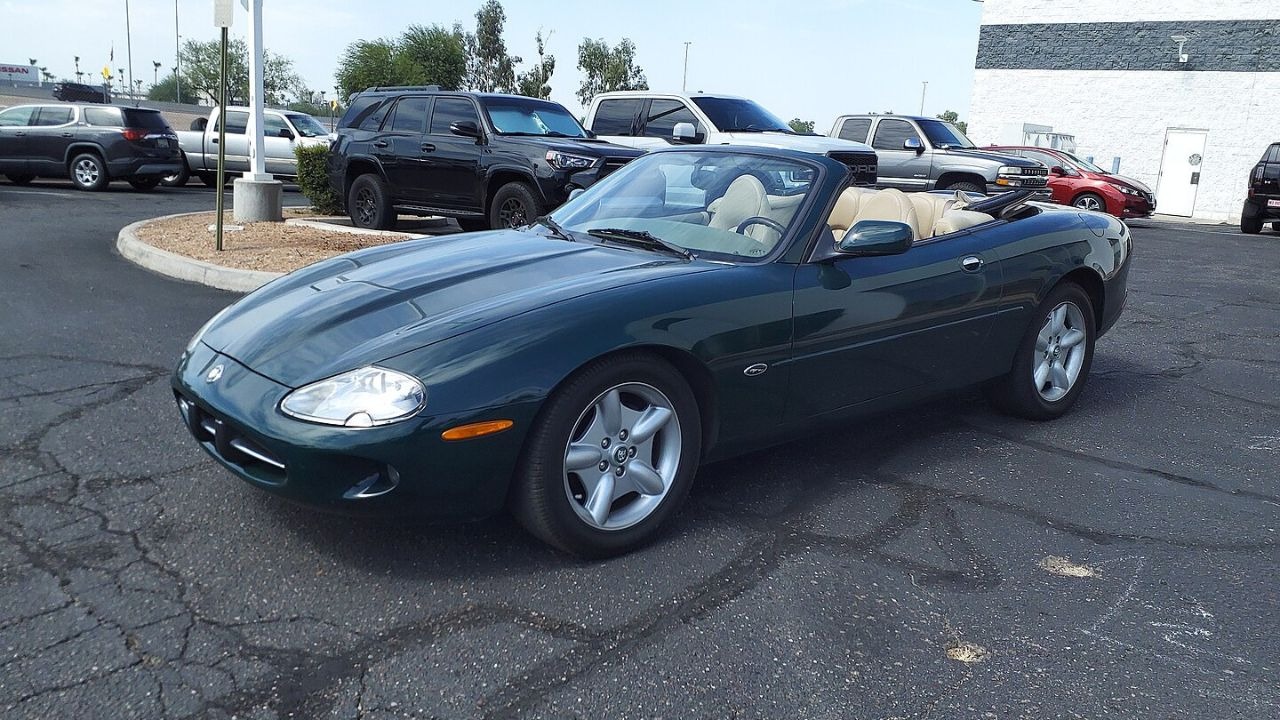
The Jaguar XK8 Convertible brought traditional British elegance into the modern luxury-roadster market. Its long hood, rounded body, low stance, and understated detailing gave it a graceful presence without relying on excessive aggression. The V8 engine provided smooth performance that suited the car’s character, making it more of a grand touring roadster than a stripped-down sports machine. That combination allowed drivers to enjoy open-air motoring while still having a comfortable cabin and long-distance capability. The XK8 remains one of the more elegant modern British convertibles.
Chevrolet Corvette Convertible
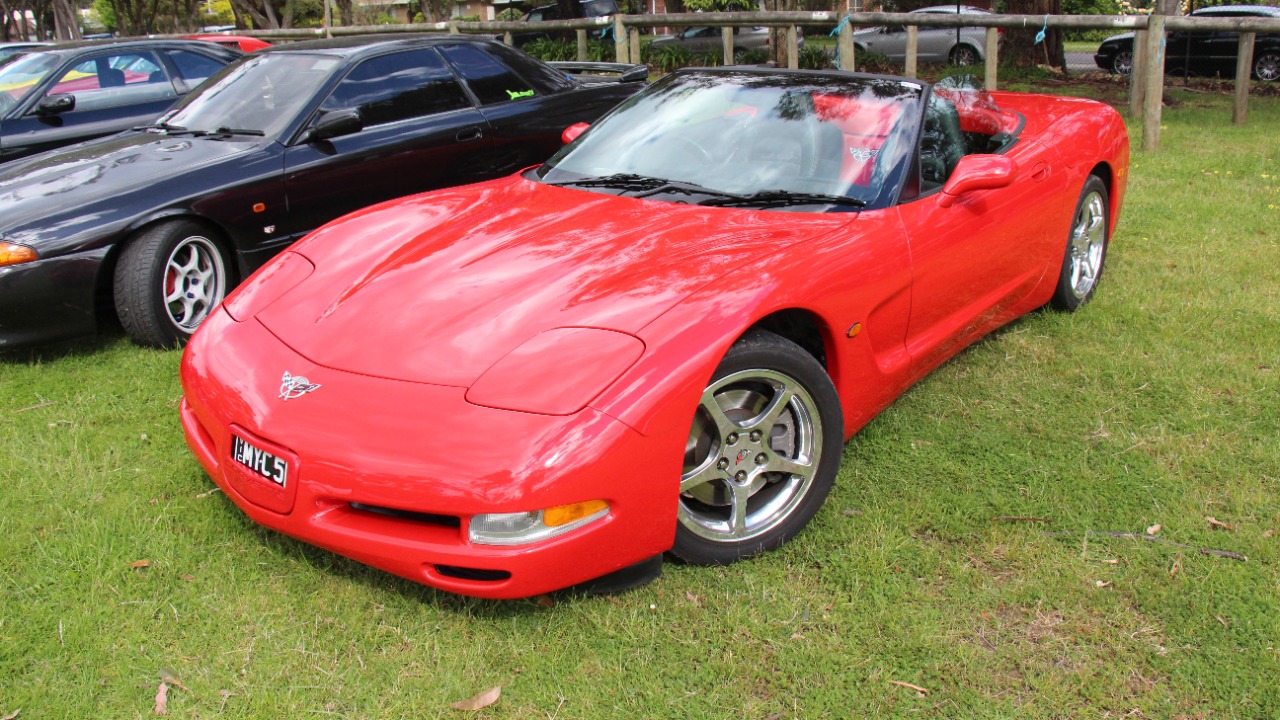
The Chevrolet Corvette Convertible demonstrated that an American roadster could combine serious performance with everyday usability. Its long-running formula paired a powerful engine with rear-wheel drive and an open cockpit, creating a car that could be relaxed around town yet extremely capable when pushed. Across multiple generations, Corvette convertibles became increasingly sophisticated without losing their performance identity. For American enthusiasts, the Corvette remains one of the clearest examples of a sports car designed to make open-road driving feel special without requiring a European badge.
Ford Mustang Convertible
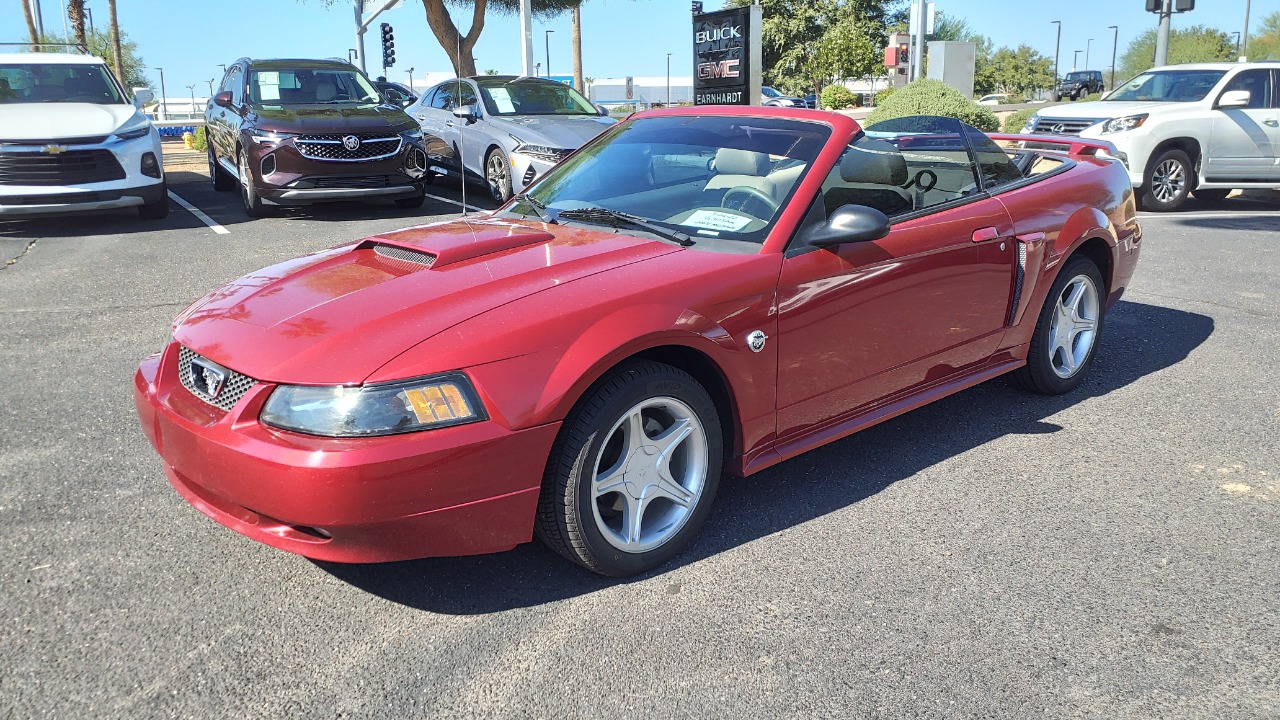
The Ford Mustang Convertible brought open-air driving to a much larger audience than most traditional roadsters could reach. It offered the familiar Mustang combination of rear-wheel drive, recognizable styling, and available performance engines while adding the experience of driving with the roof down. Although it is larger and more practical than a classic two-seat roadster, the convertible Mustang captures much of the same freedom. Its accessibility also helped make top-down cruising a mainstream part of American performance-car culture.
Dodge Viper Roadster
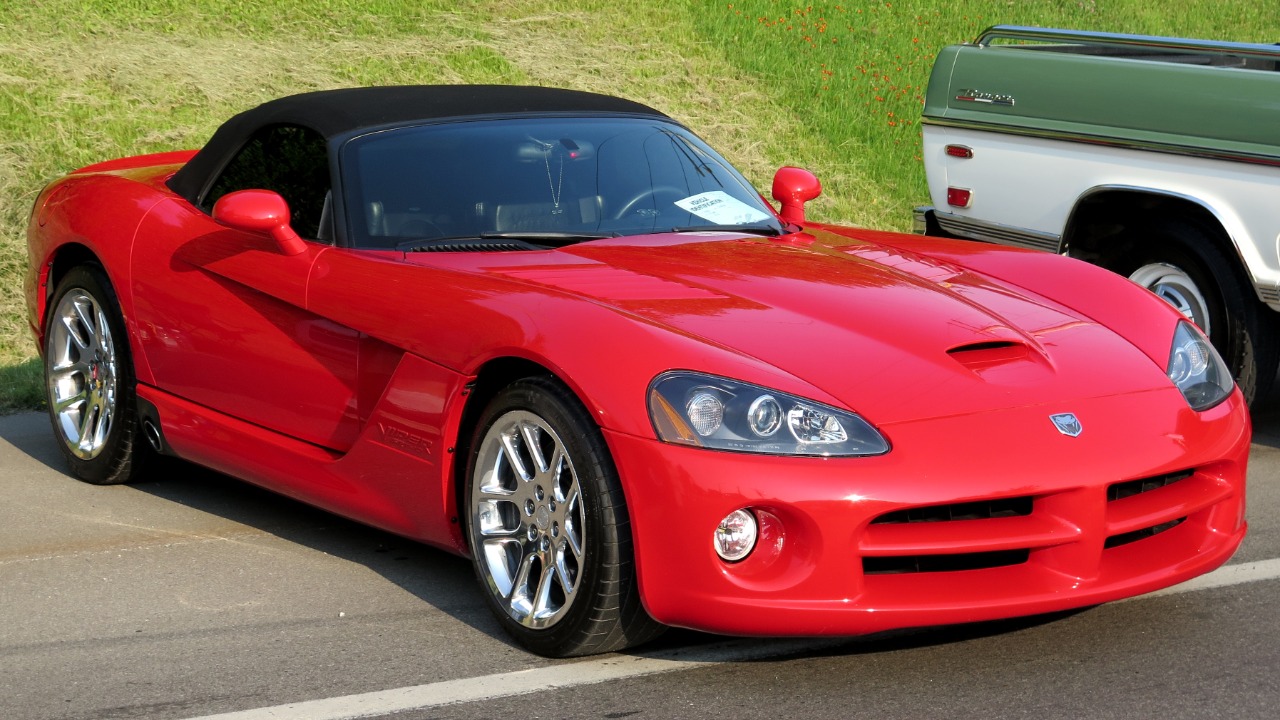
The Dodge Viper took the roadster concept and turned the intensity dial almost as far as it could go. Its enormous V10, low body, long hood, and minimalist interior gave it a raw character that separated it from polished luxury sports cars. Early examples demanded respect because there was relatively little electronic assistance between the driver and the car’s substantial performance. The Viper became famous precisely because it felt uncompromising. For enthusiasts, it remains a symbol of an era when manufacturers were willing to build outrageous performance cars simply because they could.
Lotus Elise
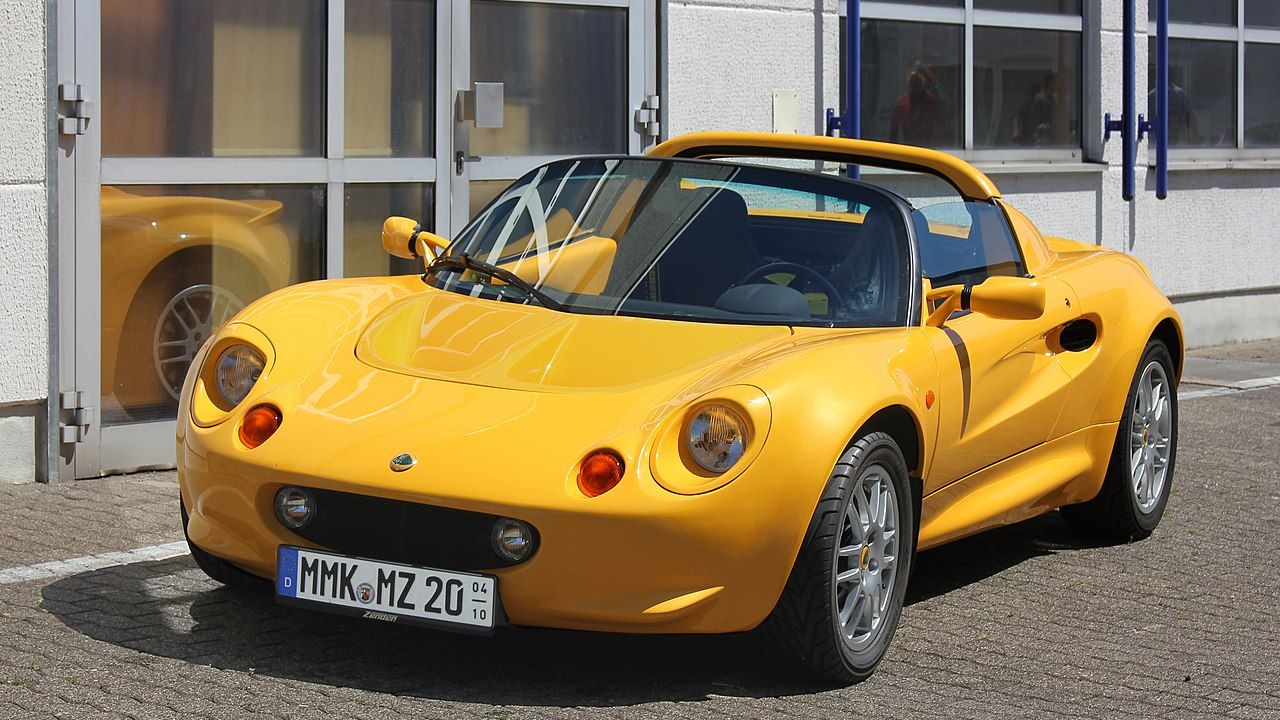
The Lotus Elise demonstrated that extreme lightness could create an extraordinary driving experience without requiring a massive engine. Its tiny dimensions, low seating position, responsive steering, and lightweight construction made it feel almost like a road-legal racing machine. The Elise communicates road texture and chassis movement in ways that many heavier sports cars cannot. It is not the easiest roadster to live with, but that was never really the point. For drivers who prioritize feedback and agility, few cars embody the lightweight philosophy more completely.
Caterham Seven
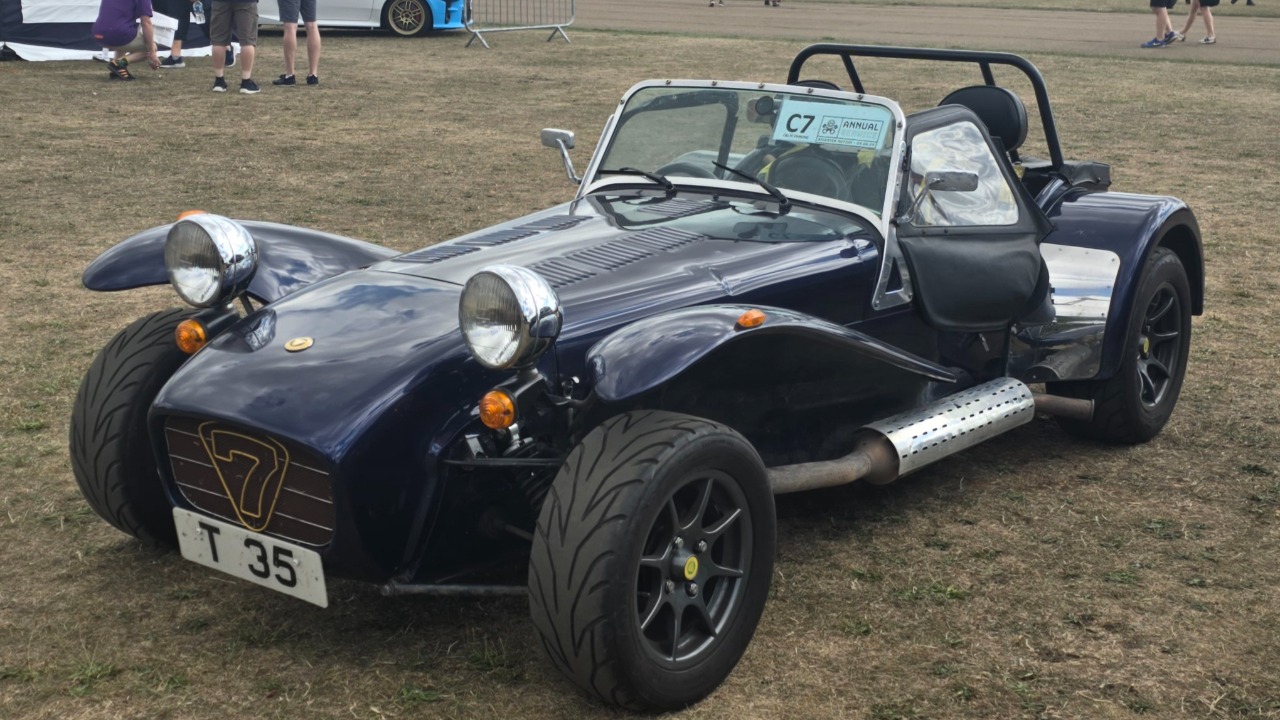
The Caterham Seven takes the lightweight sports-car concept to an extreme. Its exposed suspension, tiny body, minimal interior, and low seating position leave little between the driver and the road. Even relatively modest engines can make the car feel exceptionally quick because there is so little mass to move. The Seven also preserves a mechanical character that modern sports cars increasingly filter out with technology. It is not about luxury or convenience. It is about reducing driving to its most direct and entertaining ingredients.
TVR Griffith

The TVR Griffith became known for combining striking British styling with powerful engines and a distinctly rebellious personality. Its low body, long hood, wide stance, and dramatic proportions made it difficult to mistake for anything else. Unlike more polished German roadsters, the Griffith emphasized character and excitement. The car’s rarity today only adds to its appeal. A Griffith can attract attention even among expensive classics because it represents the kind of unconventional British performance engineering that produced cars with enormous personalities.
Morgan Plus 8
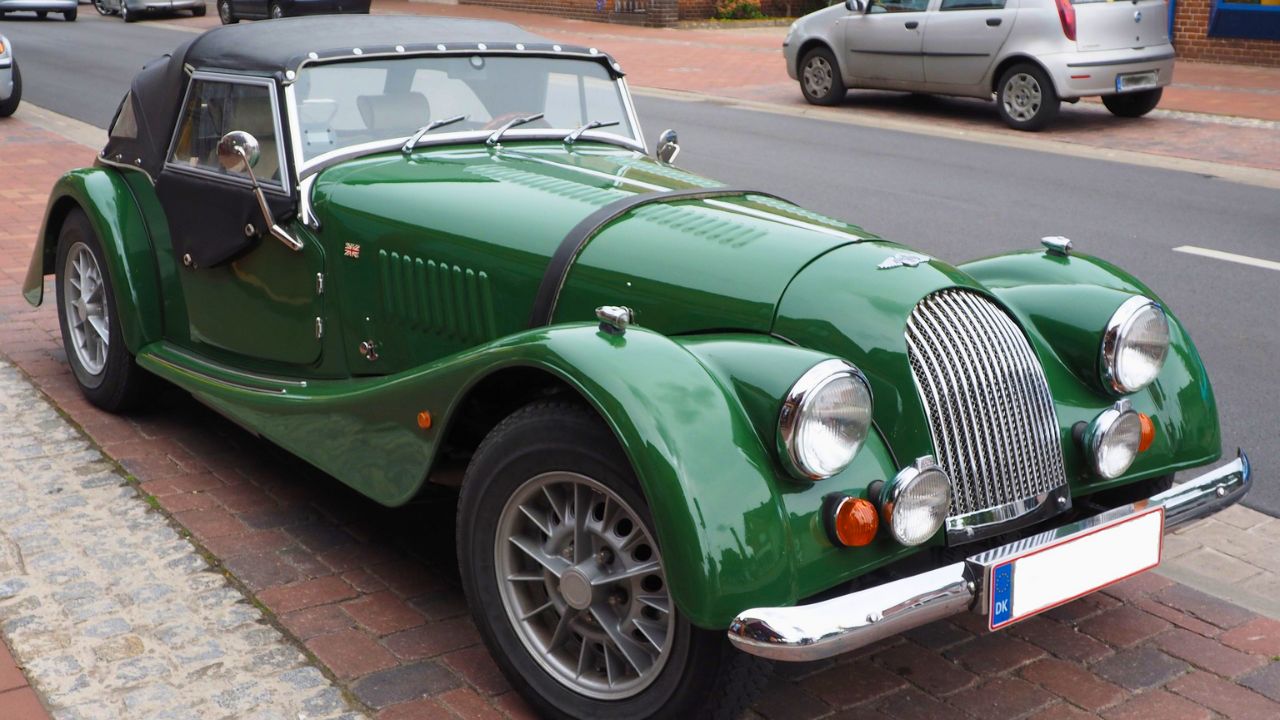
The Morgan Plus 8 preserved the traditional roadster experience long after most manufacturers had moved toward increasingly sophisticated designs. Its upright grille, separate fenders, exposed running boards, and open cockpit make it look almost untouched by automotive fashion. Yet its relatively light construction allowed powerful engines to give it serious performance. The Plus 8 proves that fun does not require complicated technology or futuristic styling. Sometimes a low-slung seat, a manual gearbox, a strong engine, and an open road are enough.
More from Fast Lane Only
- Unboxing the WWII Jeep in a Crate
- 15 rare Chevys collectors are quietly buying
- 10 underrated V8s still worth hunting down
- Police notice this before you even roll window down
*Research for this article included AI assistance, with all final content reviewed by human editors.