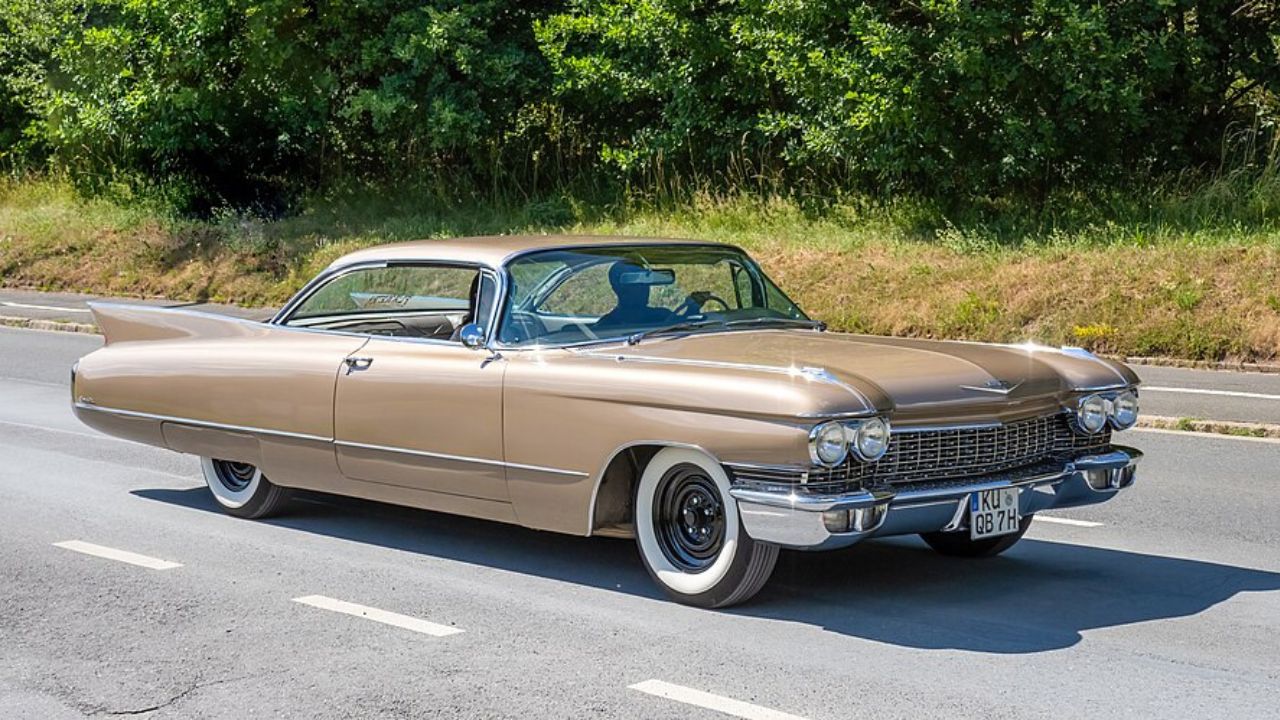
Cadillac spent much of its history building cars that combined luxury with serious performance. Long before horsepower figures became marketing headlines, the brand was developing large engines and increasingly ambitious drivetrains that gave its cars effortless speed. From early V-16s to massive postwar V8s, these Cadillacs show how far the company was willing to push power, size, and engineering during their respective eras.
Cadillac V-16
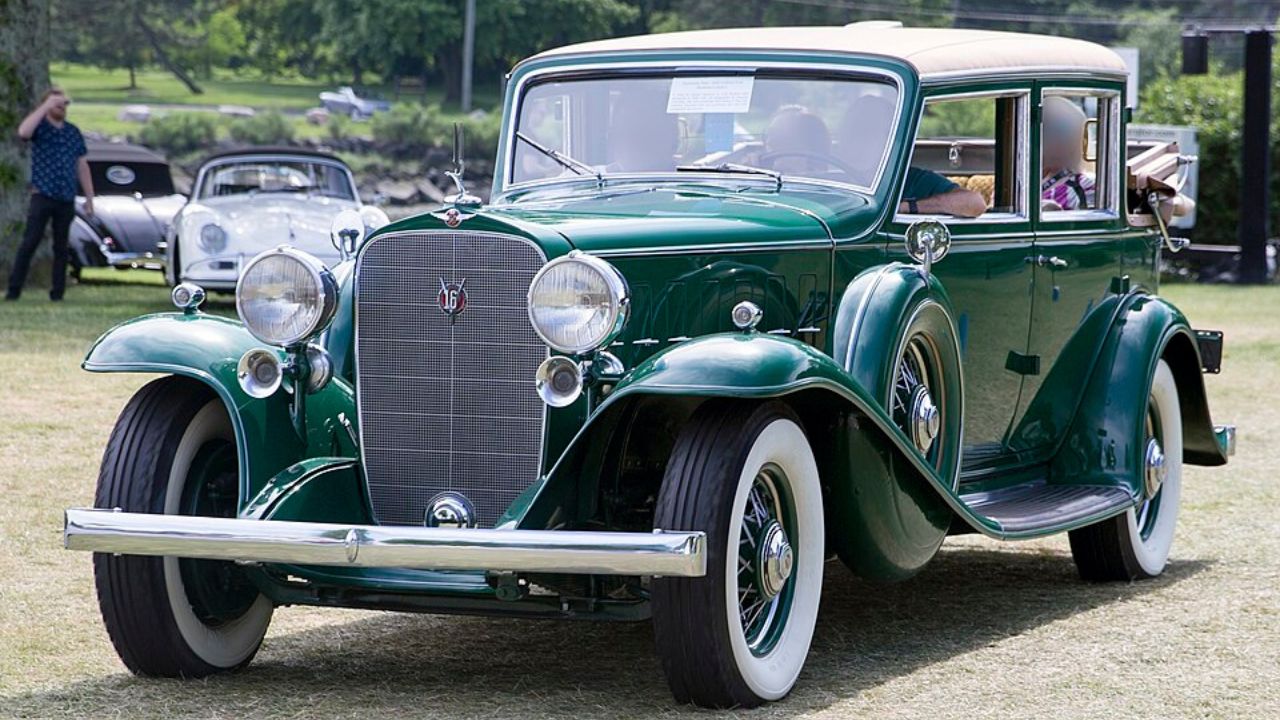
The Cadillac V-16 represented an extraordinary engineering effort when most luxury cars relied on much simpler engines. Its sixteen-cylinder layout delivered exceptionally smooth power and made the car a technological statement as much as a luxury vehicle. The engine was designed to provide effortless performance rather than frantic acceleration. Even today, the V-16 stands as one of Cadillac’s clearest examples of pursuing engineering ambition without worrying much about simplicity or cost.
Cadillac V-12
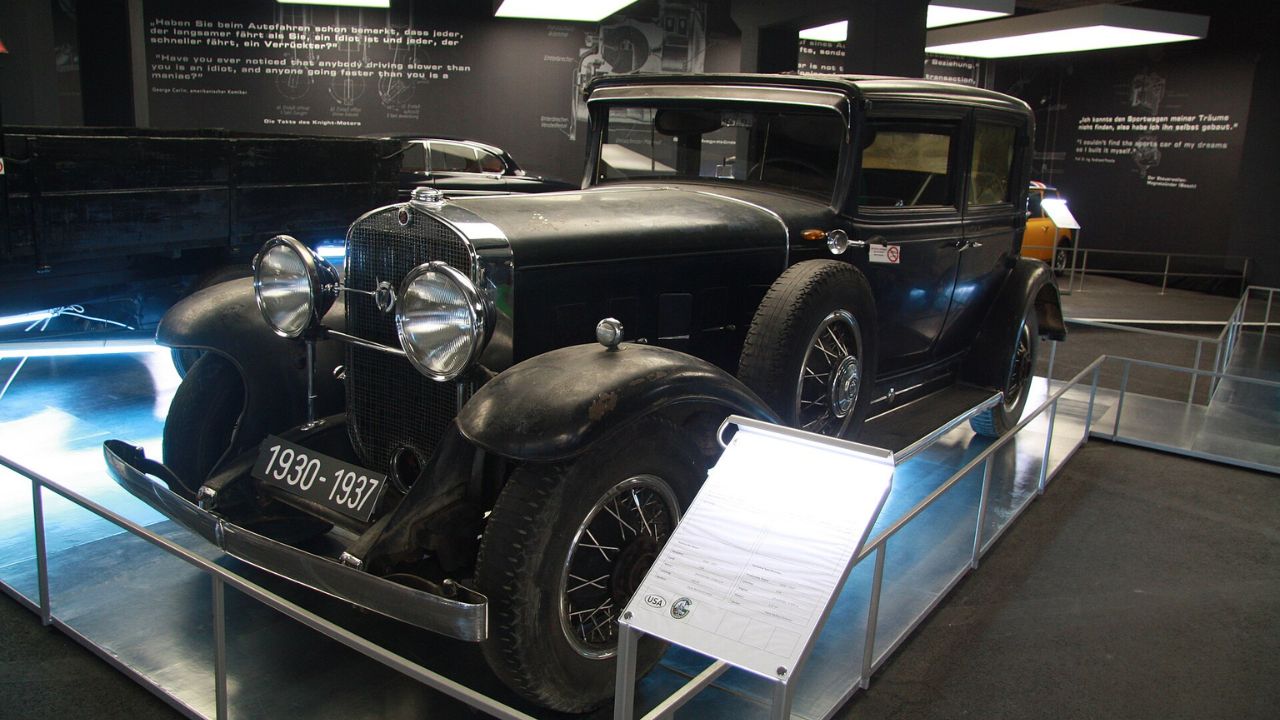
Cadillac’s V-12 offered a middle ground between conventional luxury cars and the remarkable V-16. Its twelve-cylinder engine delivered abundant power with the smoothness expected from a premium automobile. The large displacement allowed the engine to move Cadillac’s substantial bodies with little effort. At a time when powerful multi-cylinder engines represented the height of automotive sophistication, the V-12 helped establish Cadillac as a serious American engineering force.
Cadillac Series 90
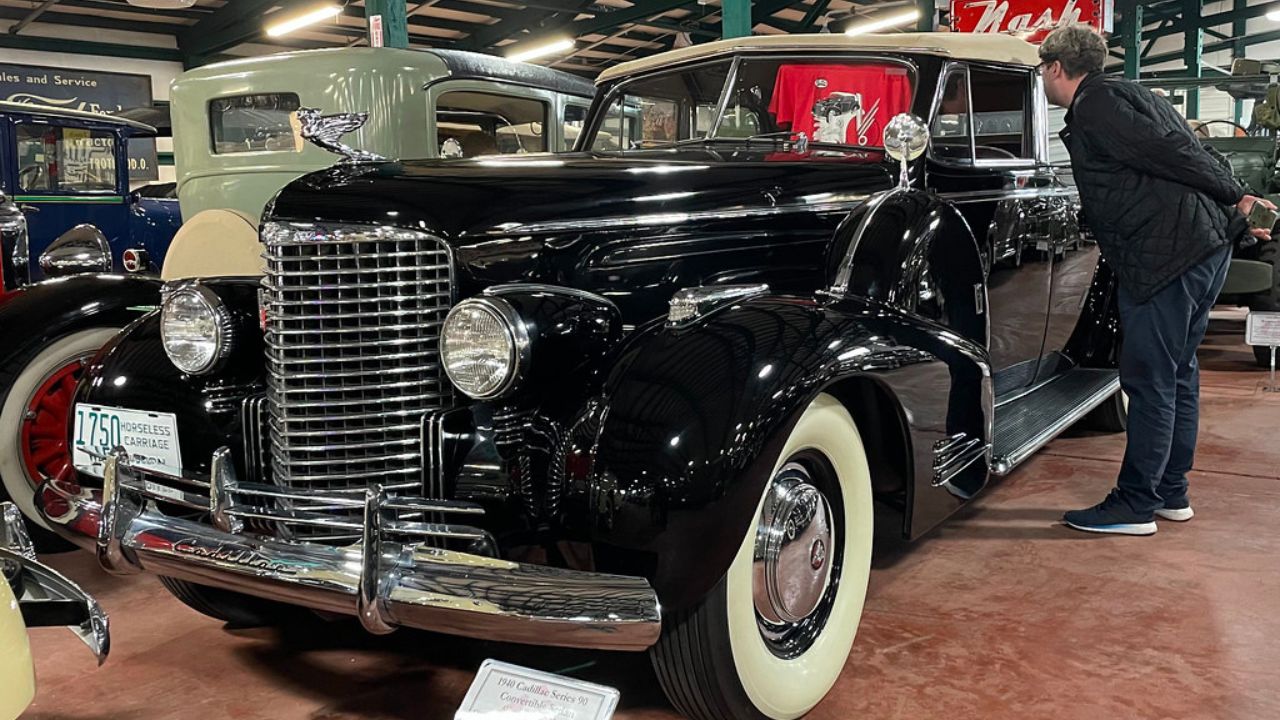
The Series 90 was Cadillac’s flagship during an era when enormous engines and equally enormous bodies were central to the luxury-car market. Its V-16 powerplant gave the car impressive authority for its time, while its substantial dimensions reinforced its status as a top-tier automobile. The Series 90 was not built around lightweight performance. Instead, it delivered speed through displacement and abundant torque, a philosophy Cadillac would continue refining for decades.
Cadillac Sixty Special
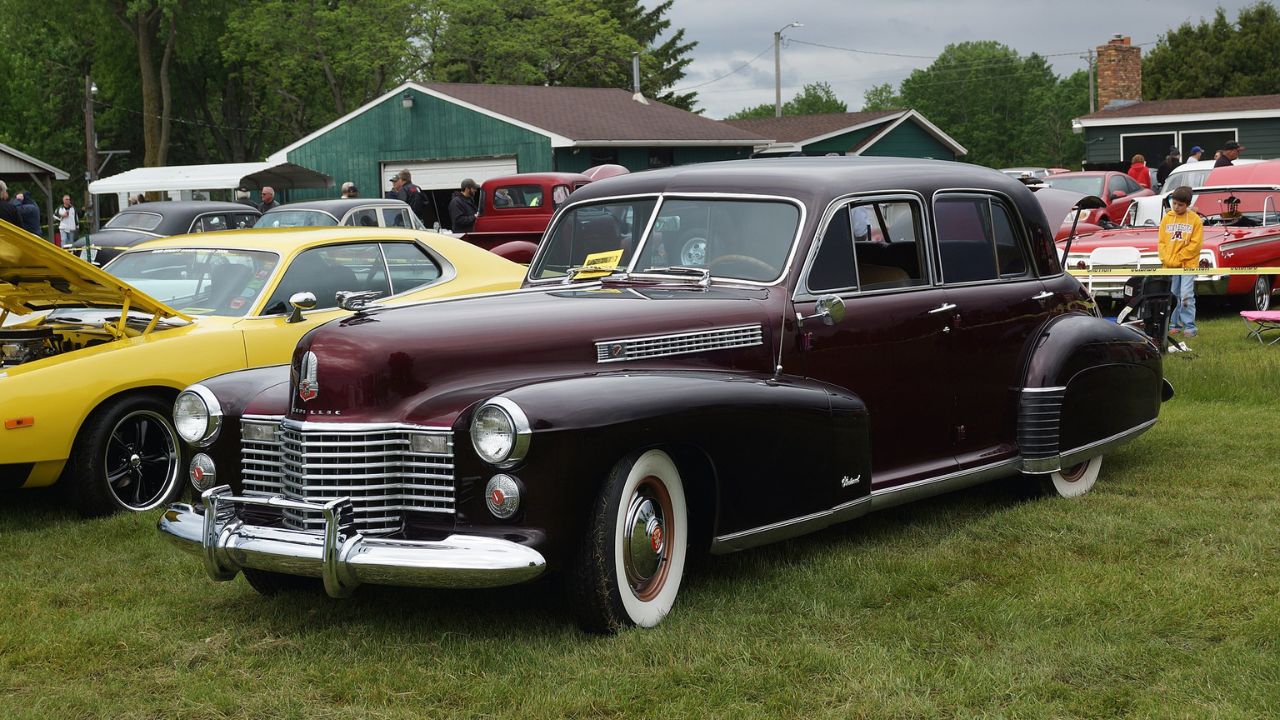
The Sixty Special helped Cadillac combine elegant styling with the growing performance potential of its large V8 engines. Its streamlined body made it look more modern than many traditional luxury cars, while the underlying mechanical package provided effortless acceleration. Cadillac buyers could enjoy serious power without giving up comfort or refinement. The model became an important part of the company’s postwar identity and showed how performance could be integrated into a luxury sedan.
Cadillac Series 62
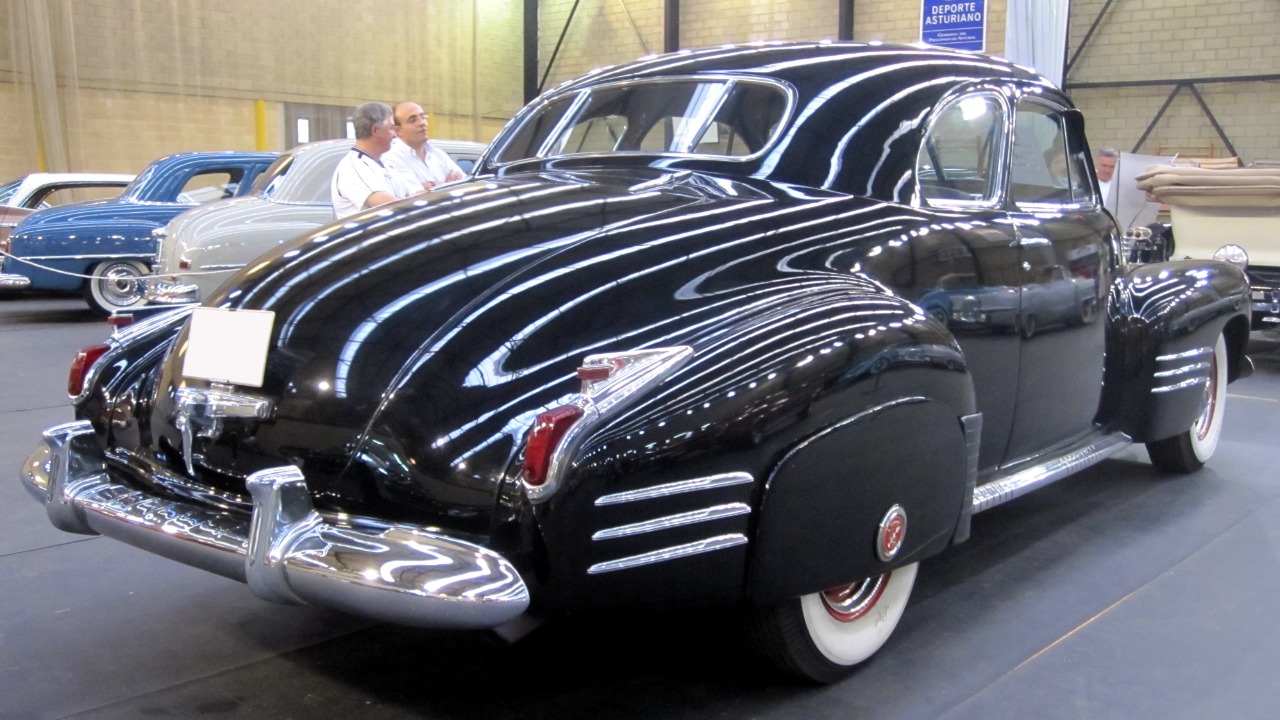
The Series 62 became one of Cadillac’s best-known postwar models, and its increasingly powerful V8 engines helped make it much more than a stylish cruiser. As Cadillac expanded engine displacement, the Series 62 benefited from the additional torque. Its large body could move with surprising authority for such a substantial car. The combination of dramatic styling and growing V8 power made the Series 62 an important symbol of American automotive excess.
Cadillac Eldorado
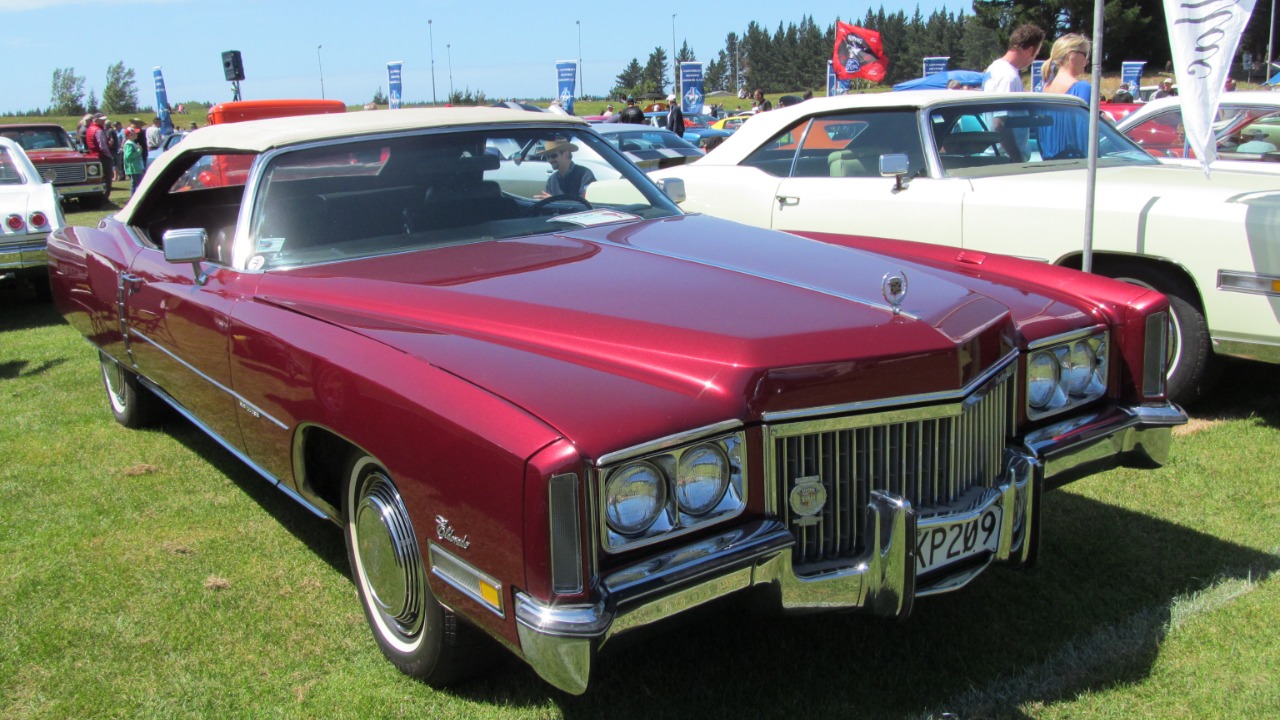
The Eldorado became Cadillac’s personal-luxury showcase, and its large V8 engines gave it the power to match its imposing appearance. Over successive generations, engine displacement grew substantially, turning the Eldorado into one of the company’s most powerful front-wheel-drive cars. The formula was simple but effective: enormous torque, generous dimensions, and a high level of comfort. It represented Cadillac’s willingness to put serious engine capacity into a luxury coupe.
Cadillac Fleetwood
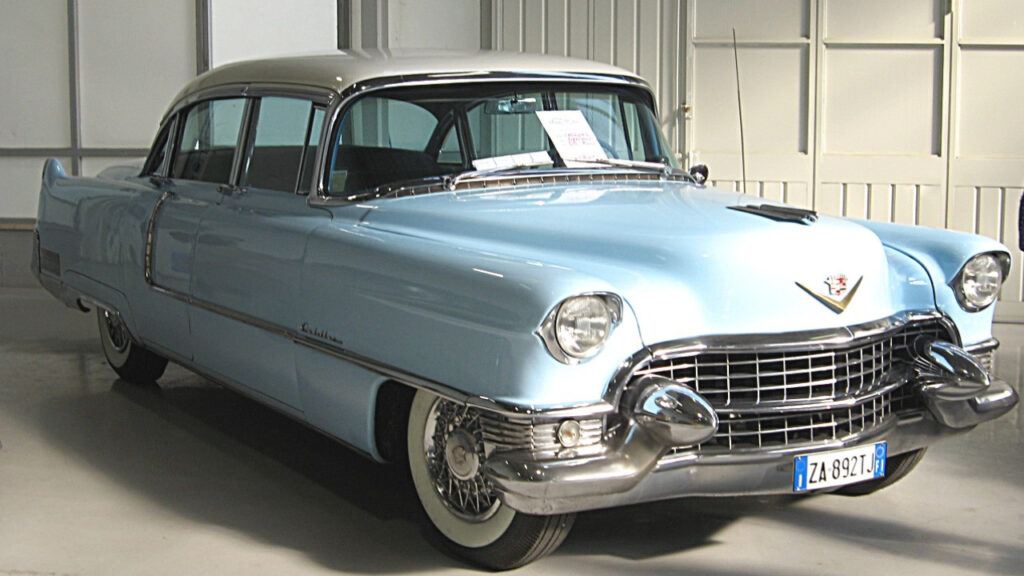
Fleetwood represented Cadillac’s upper level of luxury, but its size and prestige were matched by increasingly powerful engines. Large V8s gave these cars strong low-speed torque and effortless highway performance. The Fleetwood was never intended to behave like a lightweight sports car. Instead, it delivered the sensation of power through smooth acceleration and immense reserves of torque. That approach perfectly suited Cadillac’s traditional interpretation of American luxury.
Cadillac Series 75

The Series 75 was one of Cadillac’s largest and most prestigious models, often associated with formal transportation and long-wheelbase configurations. Moving such a large automobile required a substantial powerplant, and Cadillac supplied increasingly capable engines over its long production history. The result was a vehicle that could carry passengers in considerable comfort while still offering strong performance. Its sheer scale made its powertrain requirements impressive even by American standards.
Cadillac Fleetwood Brougham

The Fleetwood Brougham combined Cadillac’s traditional emphasis on luxury with the company’s large-displacement V8 philosophy. Its spacious body, substantial weight, and smooth suspension made it a classic American luxury cruiser, while the available big V8s supplied plenty of torque. The car did not need aggressive styling to communicate performance. Its sheer size and effortless acceleration made the power available under the hood clear enough.
Cadillac Coupe de Ville
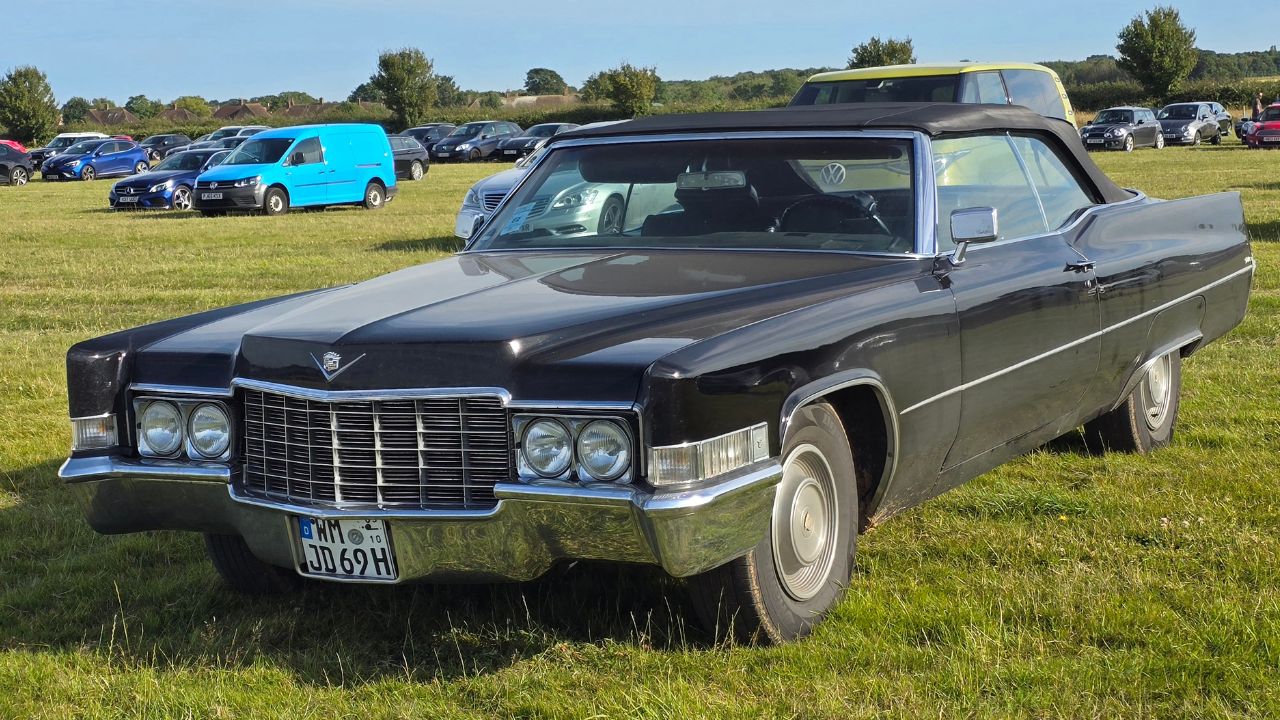
The Coupe de Ville became one of Cadillac’s signature luxury coupes, and its later classic-era versions benefited from some of the company’s biggest engines. The combination of a long body, plush interior, and massive V8 created a driving experience that was very different from a European performance car. It delivered speed through torque and displacement. For many buyers, that effortless power was exactly what Cadillac luxury was supposed to feel like.
Cadillac Seville

The Seville took Cadillac in a different direction by offering a smaller luxury sedan during a period when traditional full-size cars were becoming increasingly difficult to justify. Although it was more compact than Cadillac’s biggest models, the Seville still offered strong V8 performance and a high level of refinement. Its importance comes from showing that Cadillac could package American luxury and substantial power into a more manageable vehicle.
Cadillac Allanté
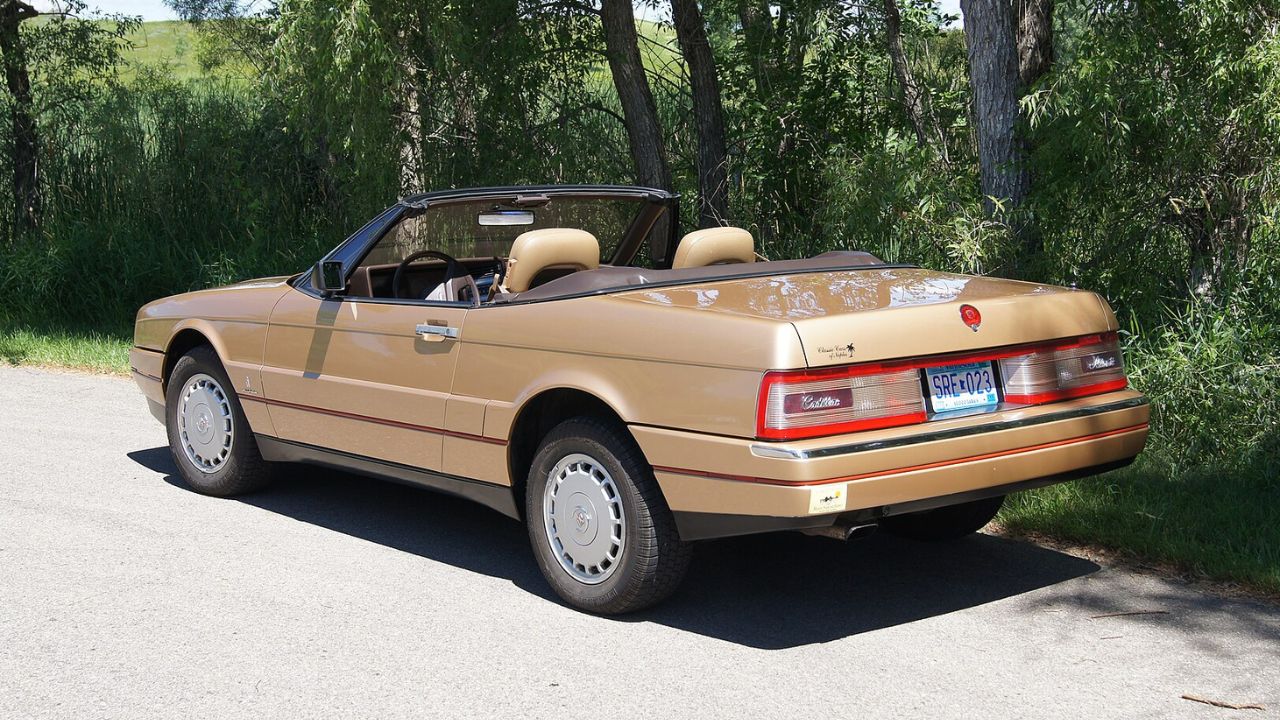
The Allanté represented Cadillac’s attempt to combine American luxury with a more European-style grand-touring character. Its sleek two-seat body was much smaller and sportier than traditional Cadillac models, while V8 power gave it respectable performance. The car also introduced more sophisticated technology and a different chassis philosophy. It demonstrated that Cadillac’s pursuit of performance was no longer limited to enormous sedans and giant luxury coupes.
Cadillac XLR
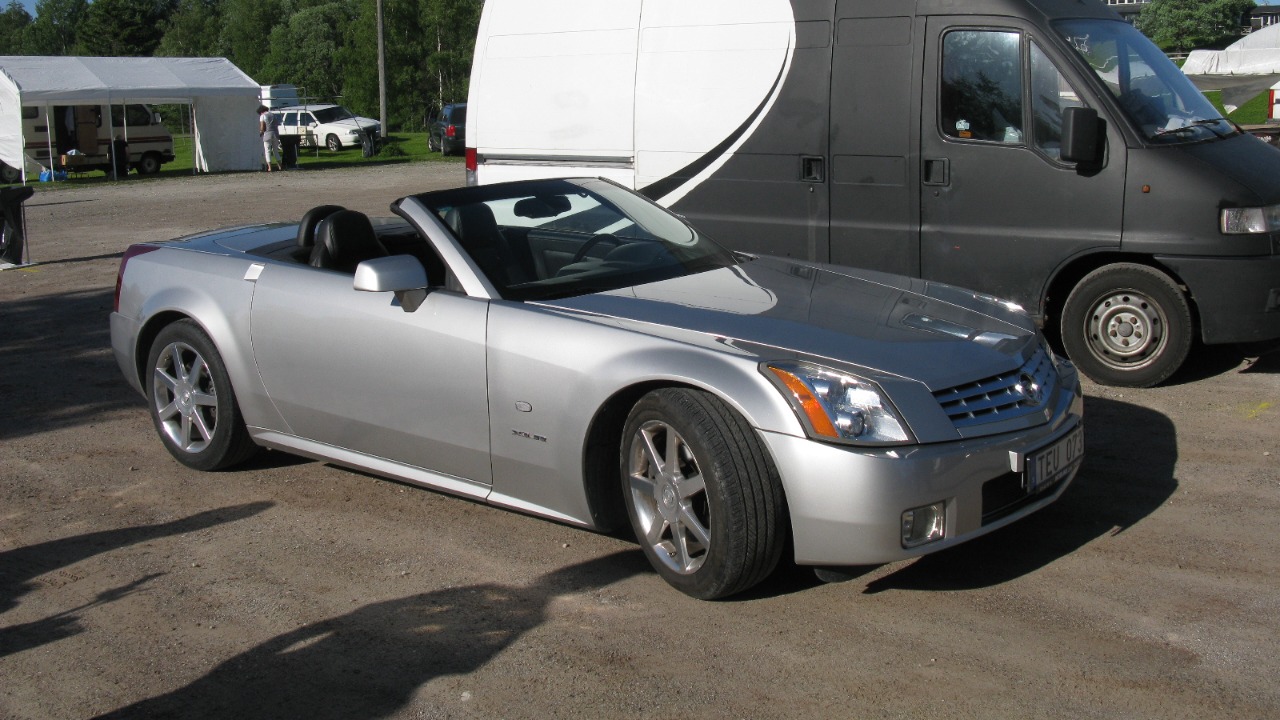
The XLR brought Cadillac into the modern luxury roadster market with a retractable hardtop, rear-wheel drive, and V8 power. Its Northstar-based engine gave it strong performance while the chassis and suspension were developed with a more sporting character than traditional Cadillac cruisers. The XLR showed how dramatically the brand’s interpretation of power had changed. Instead of relying almost entirely on displacement and size, Cadillac was combining performance with modern chassis technology.
Cadillac CTS-V
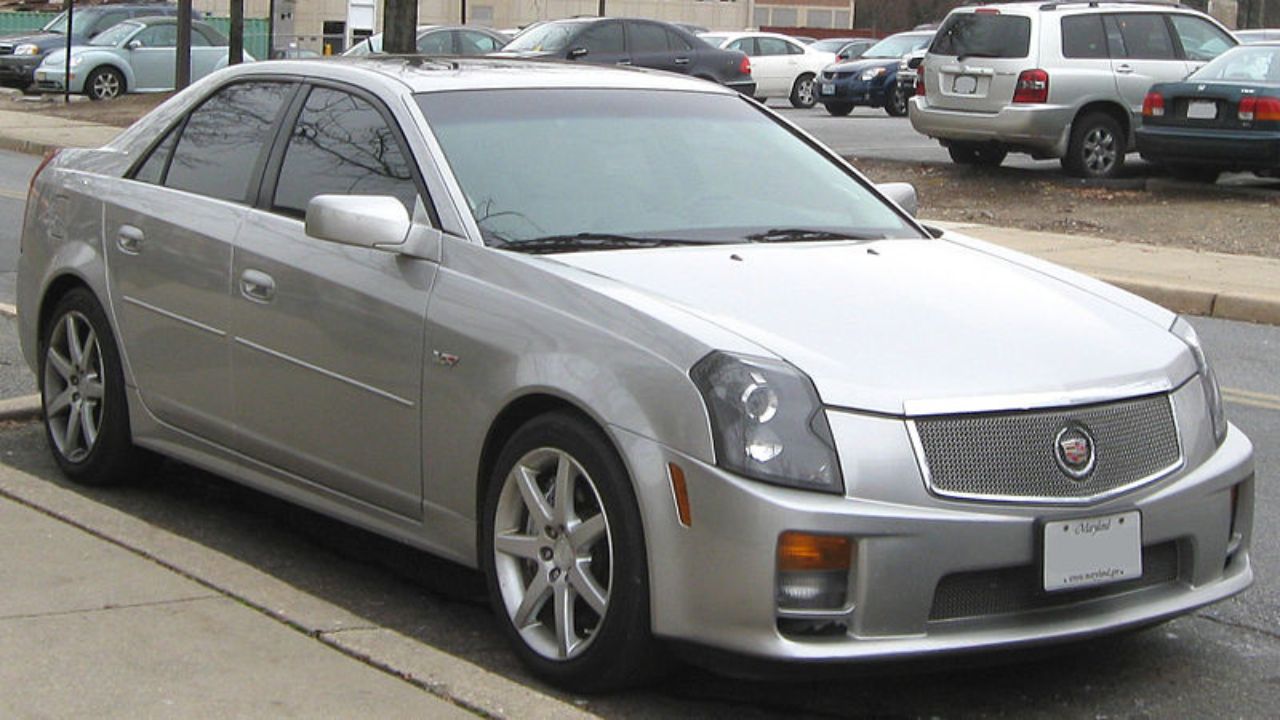
The CTS-V marked a major change in Cadillac’s approach to performance. Rather than simply putting a large engine into a luxury sedan, Cadillac developed a genuinely performance-focused version with a powerful V8, rear-wheel drive, and hardware intended for enthusiastic driving. The result challenged the idea that an American luxury sedan had to choose between comfort and serious performance. The CTS-V became an important part of Cadillac’s modern performance identity.
Cadillac Catera
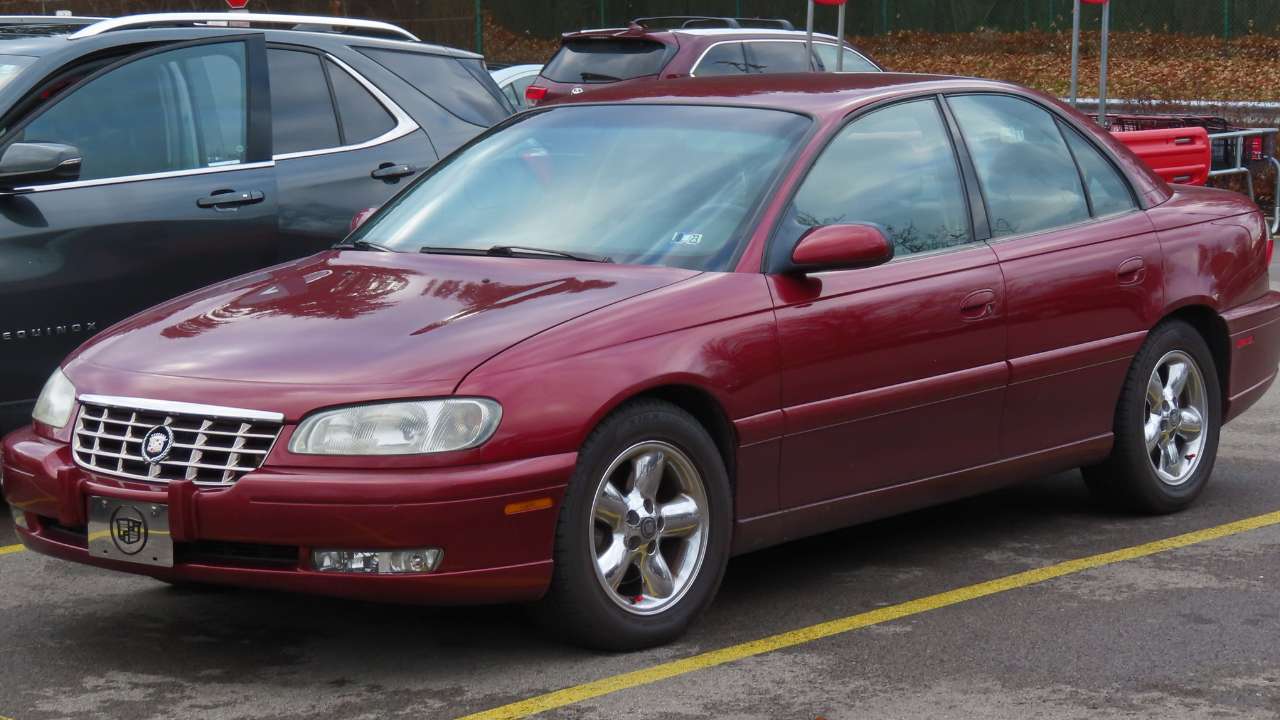
The Catera was a major departure from the traditional Cadillac formula. Based on the Opel Omega, it was a compact rear-wheel-drive sedan designed to attract buyers who might otherwise consider European brands. While it was not a high-performance car in the same sense as a V-Series Cadillac, its rear-wheel-drive layout and European engineering gave Cadillac a very different platform to work with. The Catera represented an important transition period as Cadillac began moving toward smaller, more responsive cars that could eventually support the company’s modern performance strategy.
Cadillac XLR-V
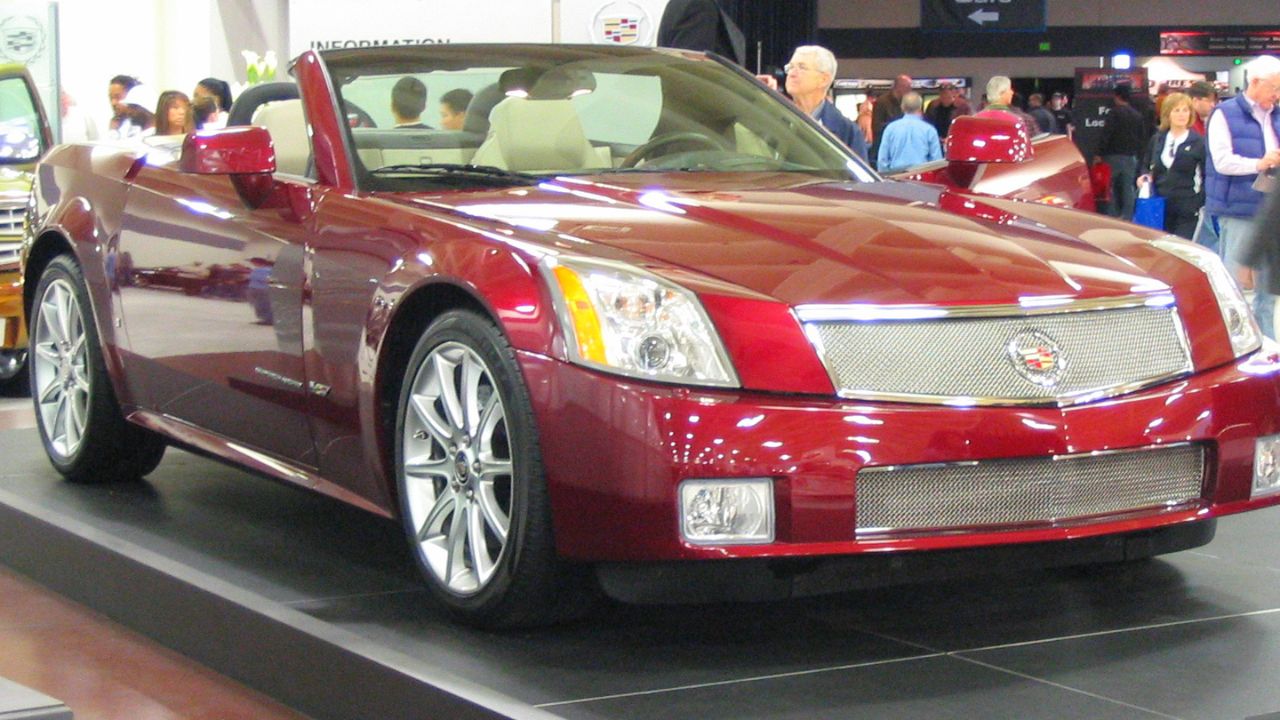
The XLR-V was Cadillac’s most direct attempt to build a high-performance luxury roadster. Based on the XLR, it added more power, larger brakes, performance suspension components, and other upgrades designed to make the car substantially quicker and more capable. Its retractable hardtop gave it a distinctive personality, while its relationship to the Corvette platform gave Cadillac a strong performance foundation. The XLR-V was expensive and relatively rare, but it remains one of the most interesting modern Cadillacs because it combined open-air luxury with genuine high-performance hardware.
Cadillac CTS-V Wagon

The CTS-V Wagon may be one of the most unusual performance Cadillacs ever produced. It took the already powerful CTS-V and added a practical wagon body, creating a combination that was almost unheard of in the American market. It offered tremendous straight-line performance while providing substantially more cargo space than the sedan. That unusual combination made it memorable even among enthusiasts who normally ignored luxury wagons. The CTS-V Wagon showed that Cadillac’s performance ambitions were no longer limited to conventional body styles or traditional definitions of what a fast luxury car should be.
Cadillac Escalade-V
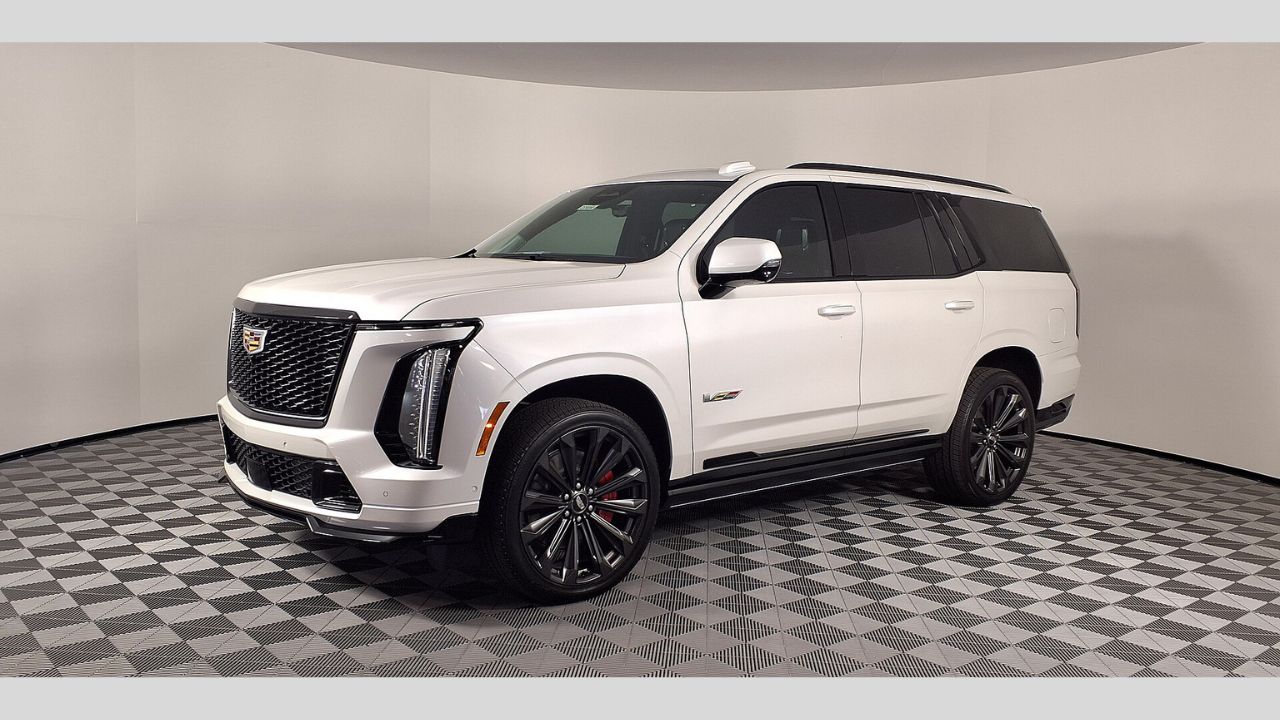
The Escalade-V brought Cadillac’s high-performance philosophy into the full-size luxury SUV segment. Instead of treating the Escalade purely as a comfortable luxury vehicle, Cadillac transformed it into a high-output performance SUV with aggressive suspension tuning, powerful acceleration, and a much more serious road-going character. Its enormous size makes its performance especially striking. The Escalade-V represents the latest evolution of Cadillac’s long-running fascination with excess: rather than building a small sports car, Cadillac found a way to make one of America’s largest luxury SUVs remarkably quick.
More from Fast Lane Only
- Unboxing the WWII Jeep in a Crate
- 15 rare Chevys collectors are quietly buying
- 10 underrated V8s still worth hunting down
- Police notice this before you even roll window down
*Research for this article included AI assistance, with all final content reviewed by human editors.