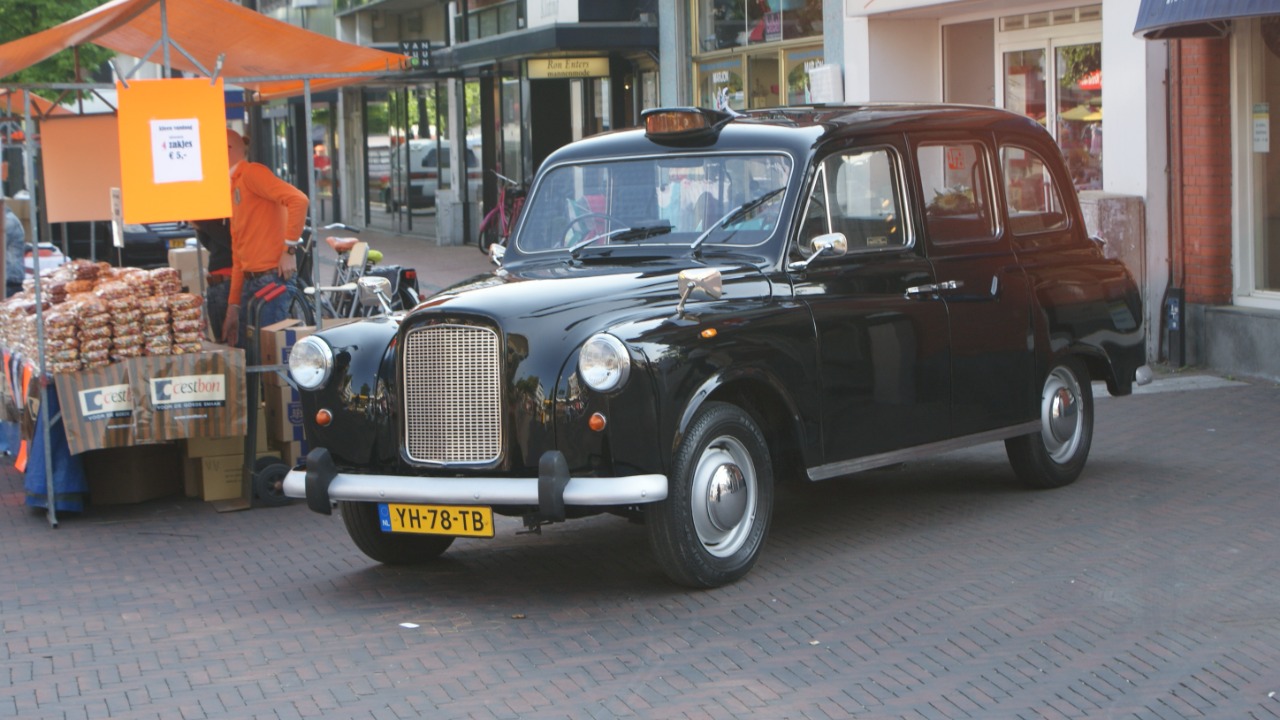
Taxis have always been asked to do what ordinary passenger cars could not: run for hours every day, carry passengers continuously, survive rough streets, and accumulate enormous mileage. Some became so durable that operators kept rebuilding them rather than replacing them. From London’s legendary black cabs to rugged American fleet cars, these eight vintage taxis earned reputations for staying on the road long after newer vehicles had taken their place. The Austin FX4, for example, remained in production from 1958 to 1997, with more than 75,000 built.
Austin FX3
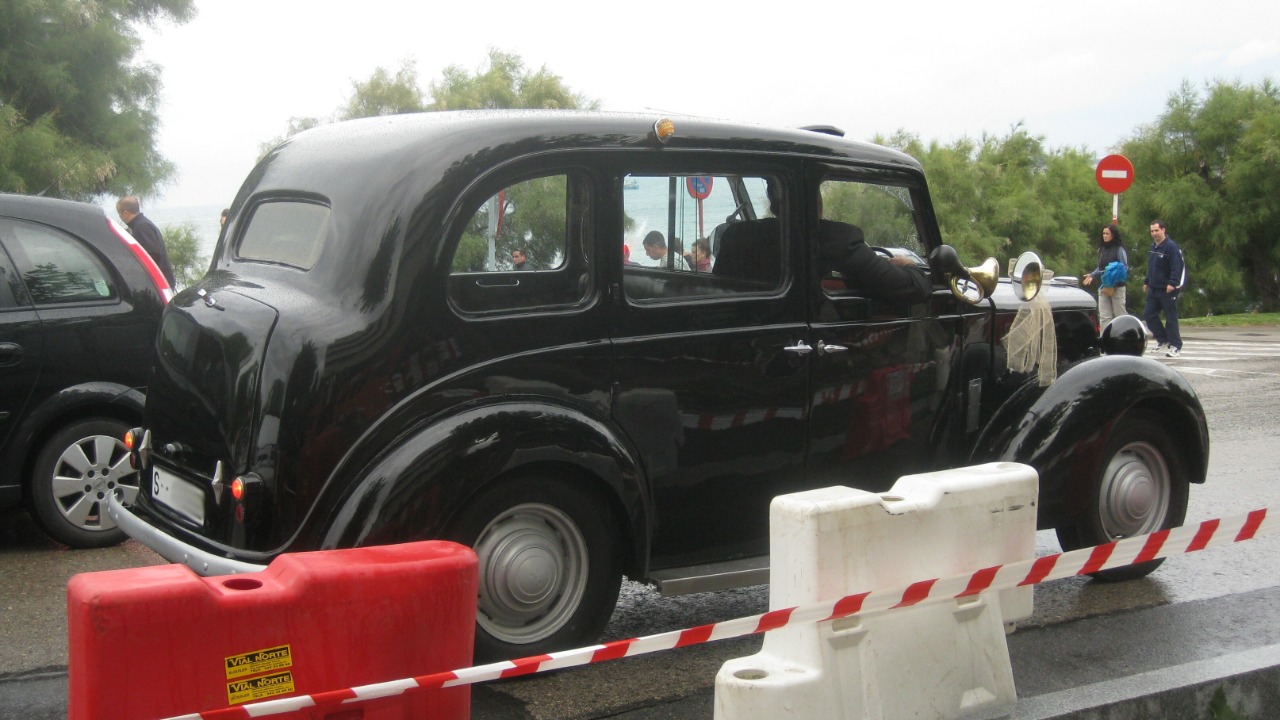
The Austin FX3 became one of postwar London’s most important taxi designs after its introduction in 1948. Its separate chassis and straightforward construction were well suited to the constant punishment of commercial service. A diesel version arrived in 1954 and quickly became popular because of its improved fuel economy, helping Austin regain its position in London’s taxi market. The FX3’s long working life and reputation among operators make it one of Britain’s defining vintage taxis.
Austin FX4
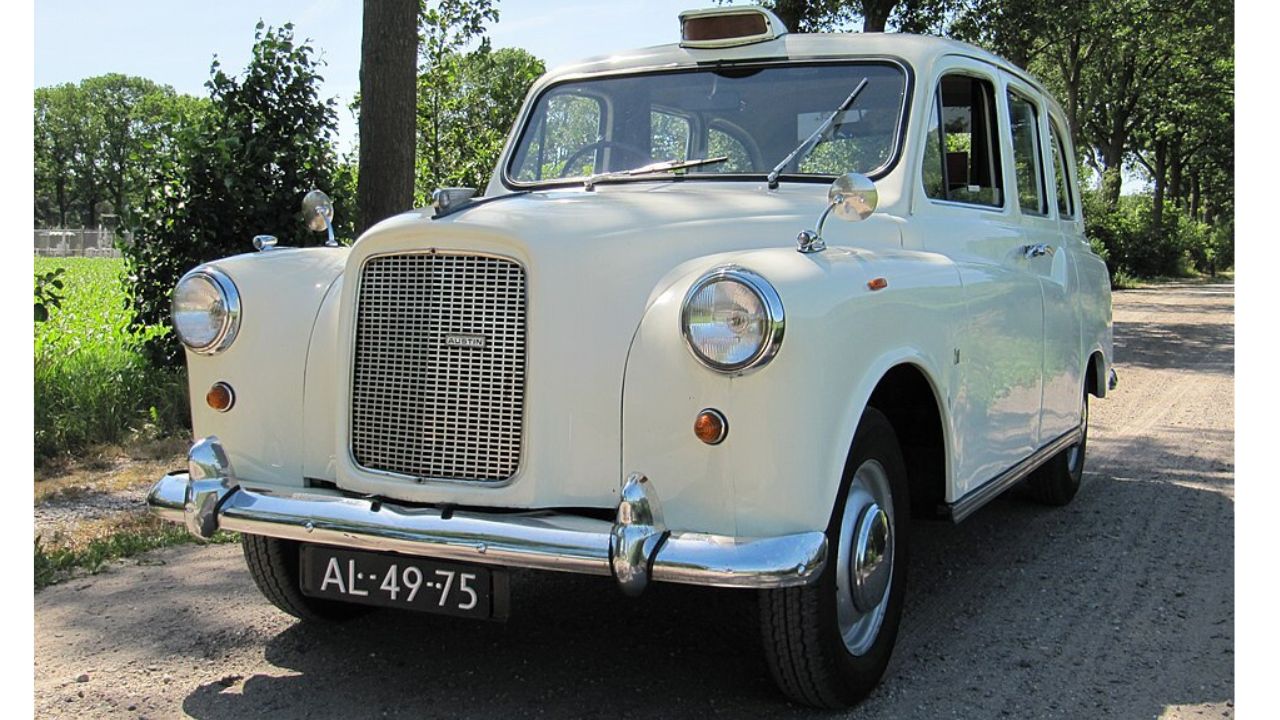
The Austin FX4 became the most recognizable London taxi of its generation. Introduced in 1958, it used a separate chassis, independent front suspension, and dual-circuit hydraulic brakes, while most examples were powered by diesel engines. Production continued through several manufacturers and revisions until 1997, with more than 75,000 built. Some later examples remained in service after accumulating extremely high mileage, demonstrating why the FX4 became synonymous with the traditional London black cab.
Checker Model A8
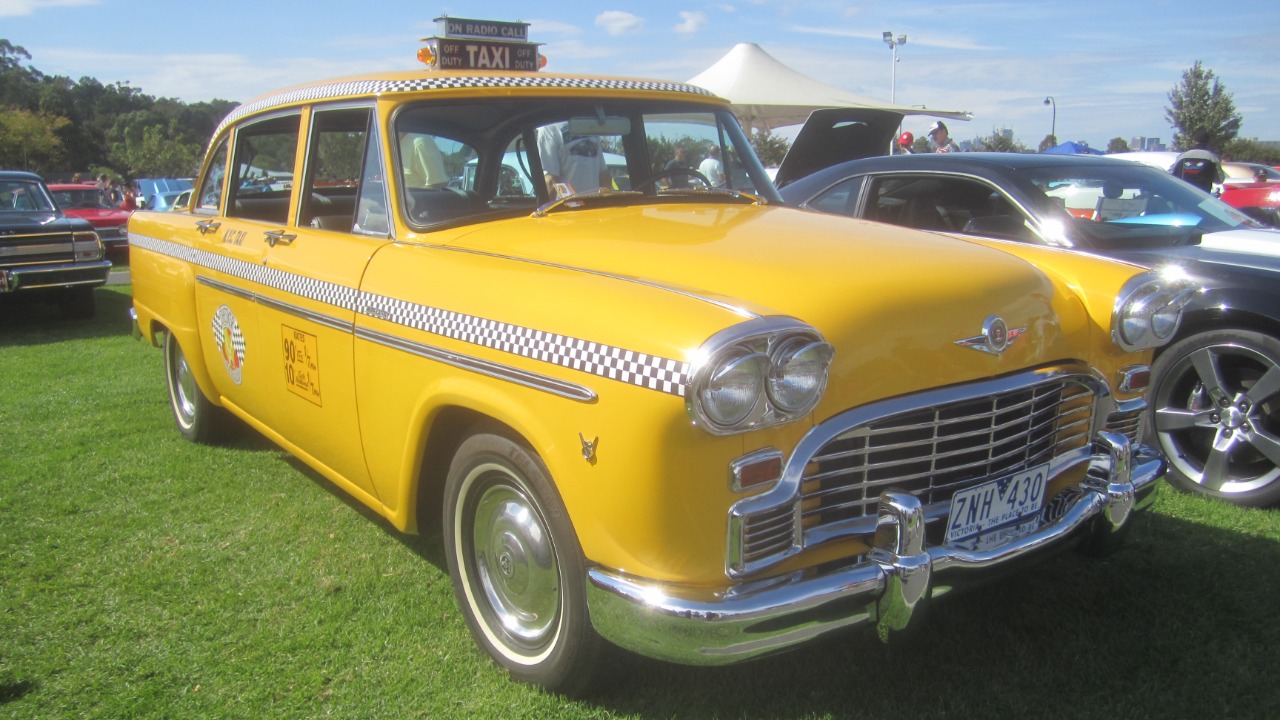
The Checker Model A8 transformed the American taxi into one of the most durable purpose-built passenger cars ever produced. Introduced in 1956, its rugged chassis, spacious cabin, and service-oriented construction were designed around the realities of fleet operation. The basic architecture evolved into later Checker taxis that remained in production for decades. Many A8s were subjected to years of nonstop urban driving, making surviving examples impressive reminders of how heavily these cars were once worked.
Checker Model A11
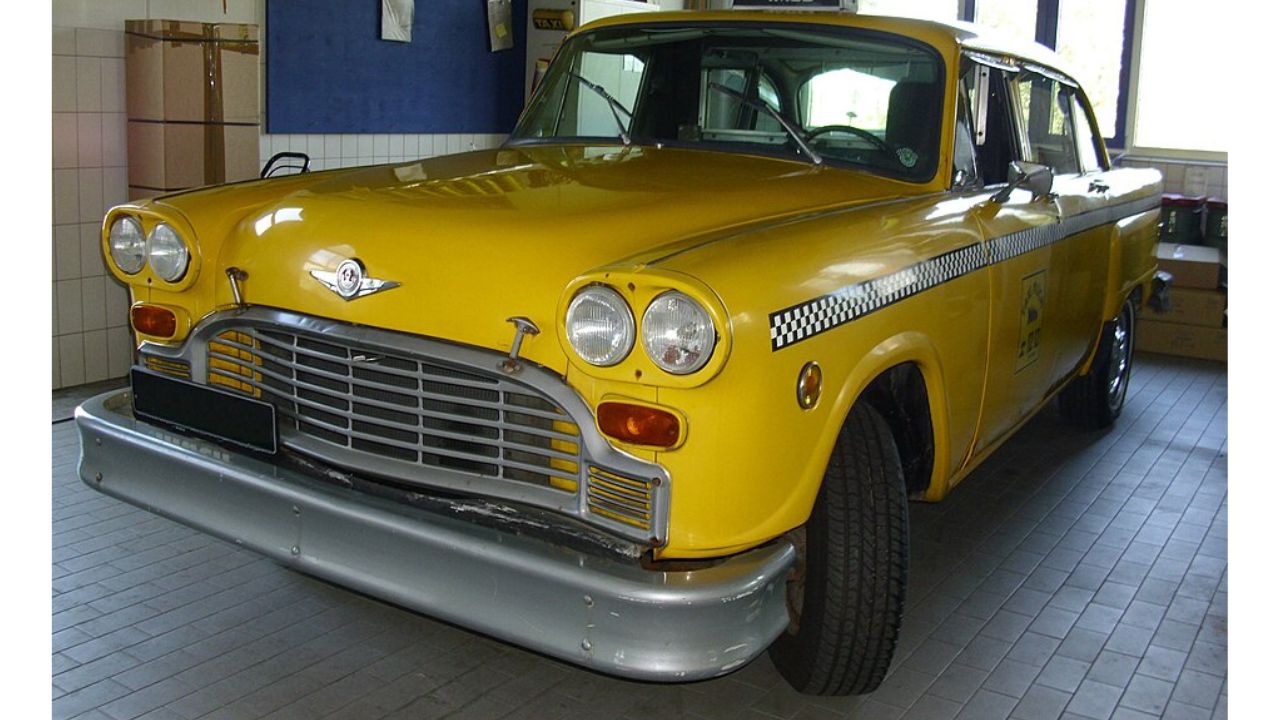
The Checker A11 became the ultimate expression of the company’s taxi philosophy. Introduced in 1961, it retained the basic architecture that had made earlier Checkers successful while continuing in production until 1982. Later versions used Chevrolet engines, and the simple mechanical layout made the cars comparatively practical to maintain. Some A11s accumulated extraordinary mileage during commercial service, helping turn the model into an American symbol of taxi durability.
Mercedes-Benz 170D
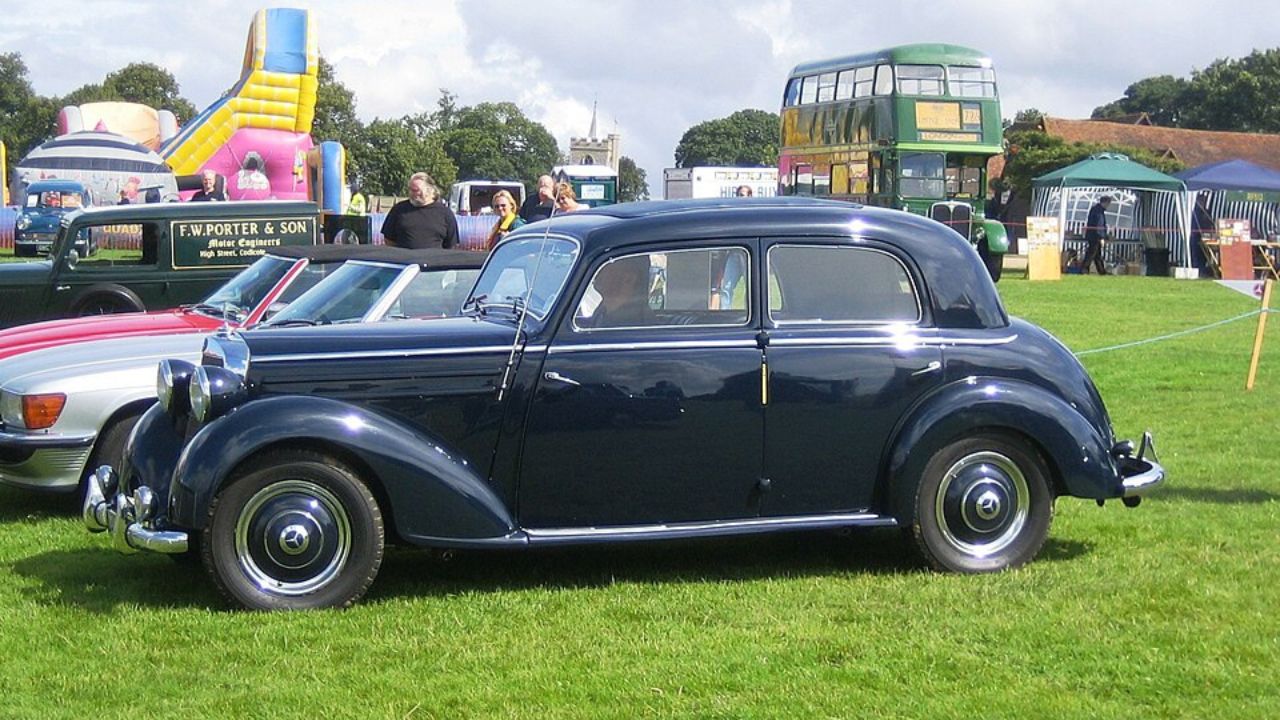
The Mercedes-Benz 170D became an important taxi in postwar Europe thanks to its economical diesel engine and robust construction. Its 1.8-liter diesel was not particularly powerful, but fuel economy mattered enormously to operators who drove all day. The 170D’s conservative engineering and reputation for durability made it well suited to demanding taxi work. Today, surviving examples are rare reminders of an era when a slow diesel sedan could be valued more for endurance than speed.
Peugeot 404
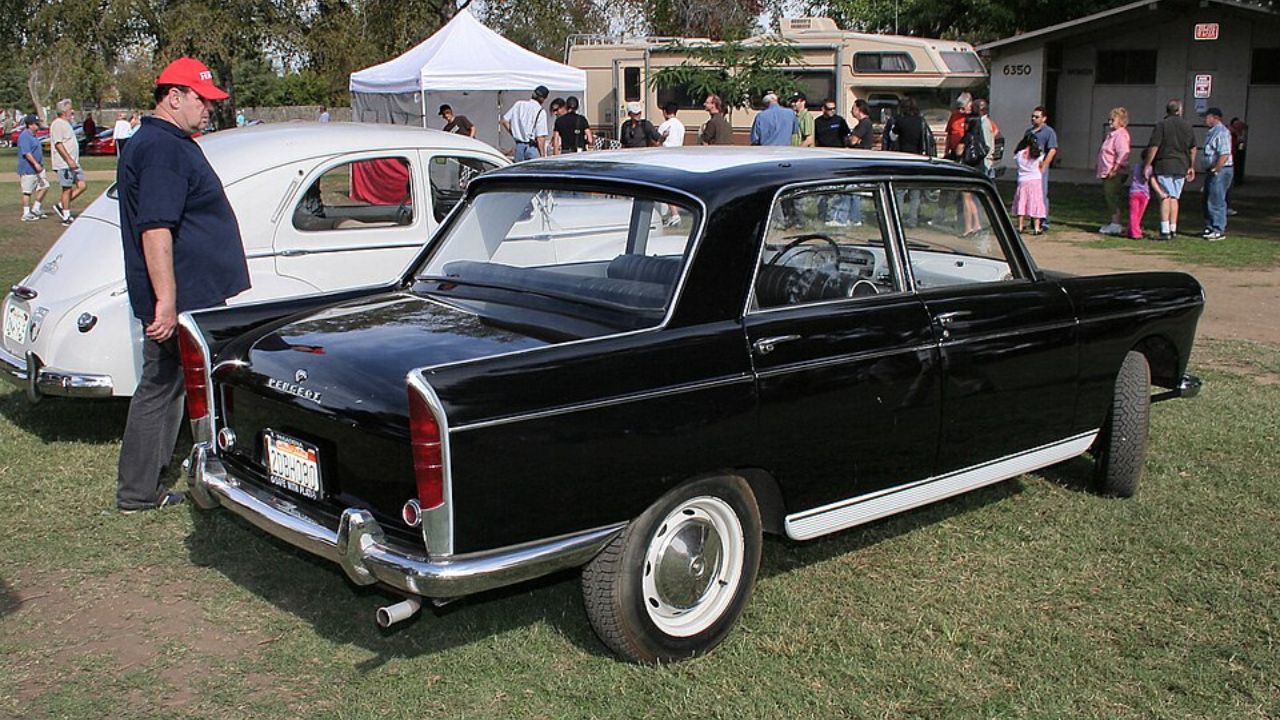
The Peugeot 404 became famous in many parts of the world for its ability to tolerate difficult roads and demanding commercial use. Its rugged suspension, simple mechanical layout, and available diesel engines made it especially attractive to taxi operators in Africa and other regions. Many examples remained in service for decades under conditions that would have destroyed less durable cars. That extraordinary working reputation helped make the 404 one of Peugeot’s most respected utility-oriented sedans.
Volvo 144
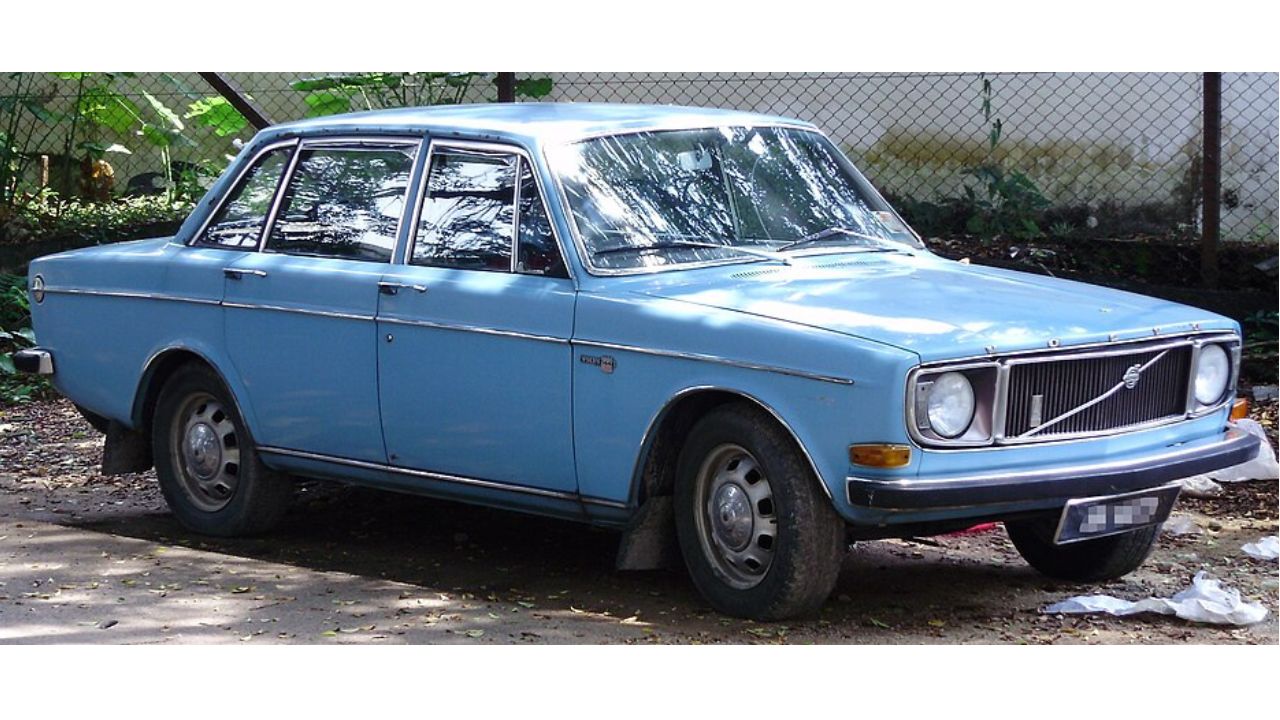
The Volvo 144 brought the Swedish company’s reputation for sturdy construction into the taxi market. Introduced in 1966, it combined a durable drivetrain with a spacious passenger compartment and the safety-focused engineering for which Volvo became known. Taxi operators valued cars that could survive long hours and high mileage, and the 144’s straightforward mechanical design suited that environment. Its longevity helped establish the foundation for Volvo’s later reputation among high-mileage fleet operators.
Morris Oxford
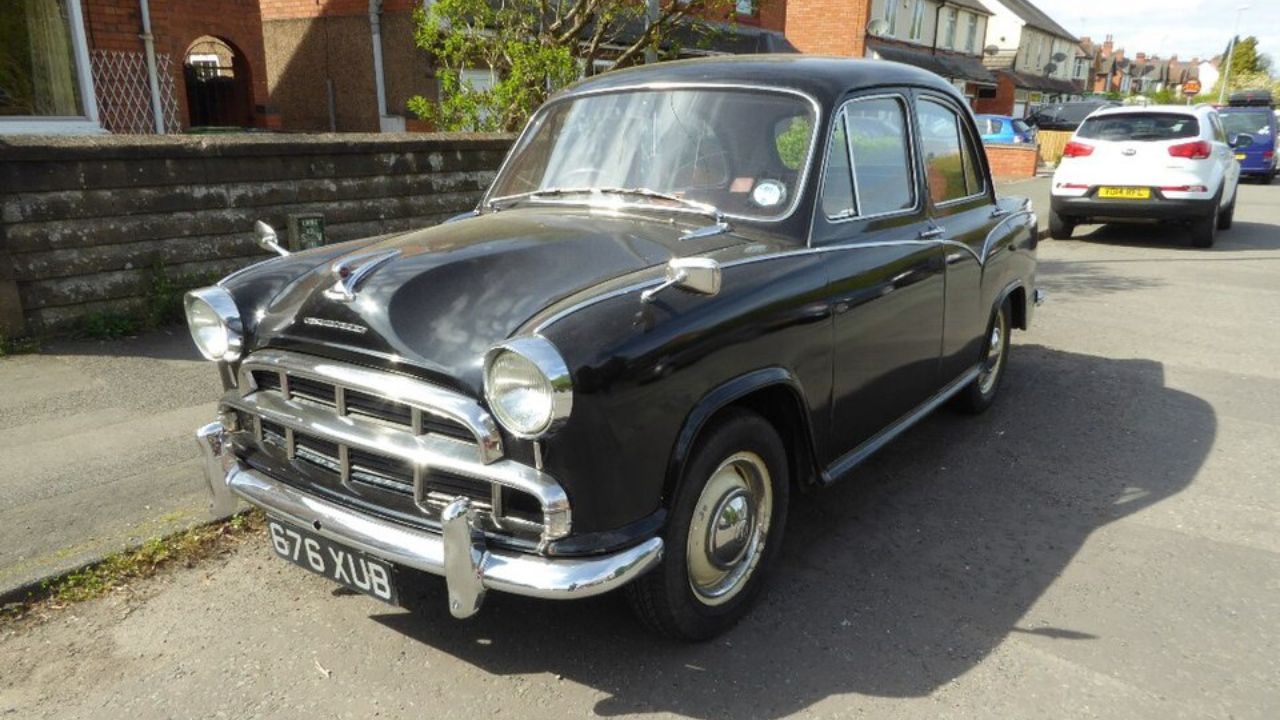
The Morris Oxford became an especially important taxi in India after Hindustan Motors began producing the Ambassador, which was derived from the Morris Oxford. The basic design proved remarkably adaptable to demanding commercial use, with spacious seating and relatively straightforward mechanicals. The Ambassador ultimately became one of India’s most recognizable taxi and government cars, remaining in production for decades. Its extraordinary longevity turned an aging British design into an enduring Indian transportation icon.
More from Fast Lane Only
- Unboxing the WWII Jeep in a Crate
- 15 rare Chevys collectors are quietly buying
- 10 underrated V8s still worth hunting down
- Police notice this before you even roll window down
*Research for this article included AI assistance, with all final content reviewed by human editors.