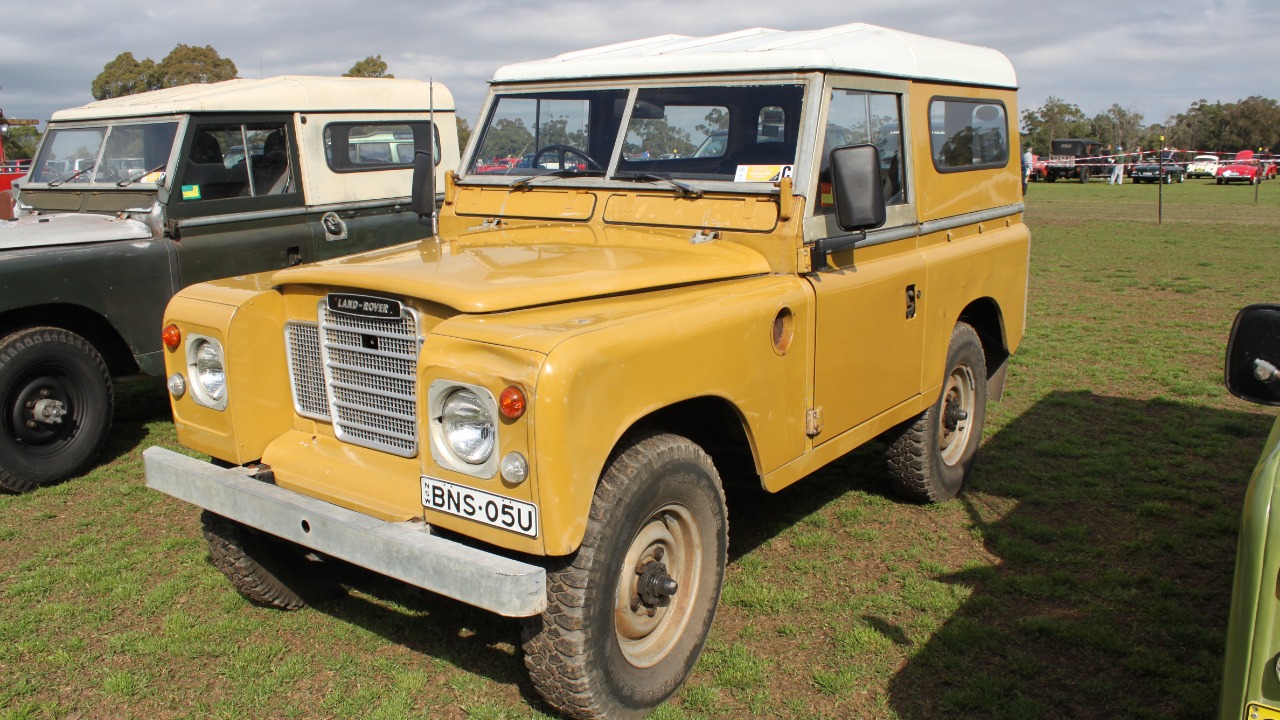
Modern vehicles have brought us remarkable technology, but older machines often succeeded by keeping things simple, durable, and easy to understand. Before computers controlled nearly every function, engineers had to solve problems with mechanical ingenuity and proven hardware. These vehicles show why older engineering still has a loyal following, with designs that remain useful, dependable, and surprisingly capable decades after they first appeared.
Toyota Land Cruiser
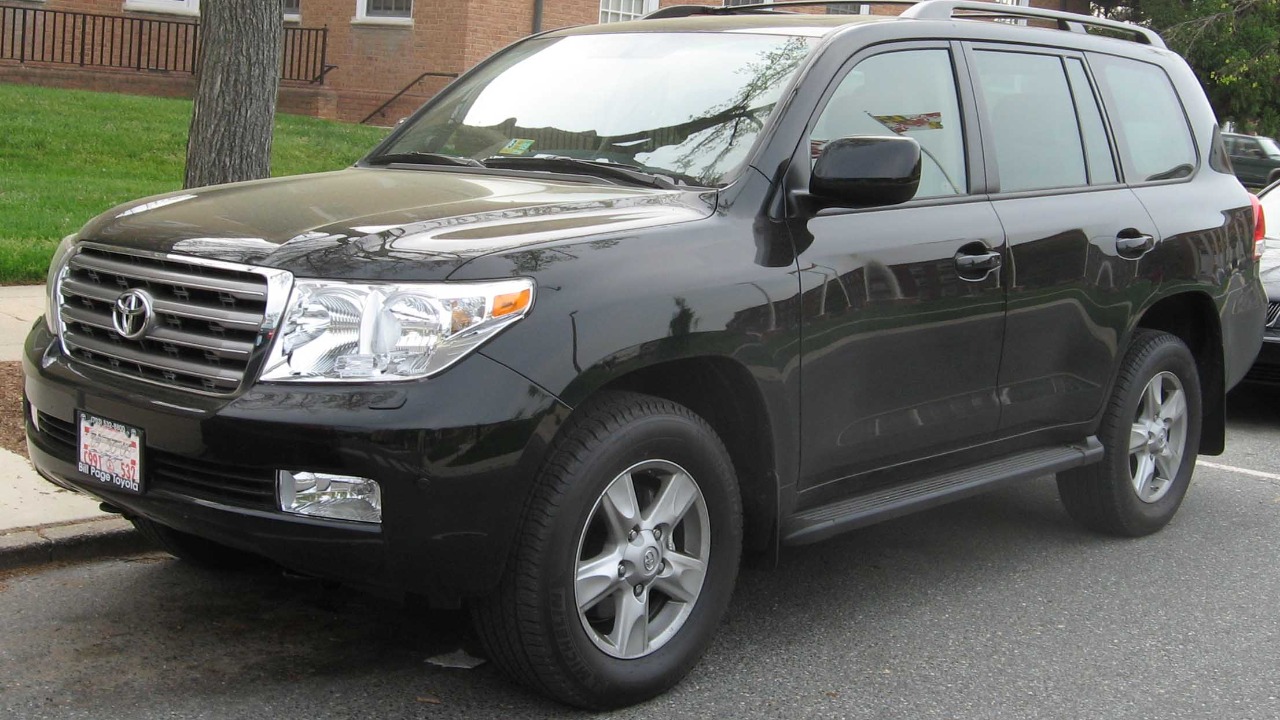
The Toyota Land Cruiser became famous for combining rugged construction with dependable mechanical components. Earlier generations were designed to handle rough roads, remote areas, and demanding workloads without relying on complicated electronics. Their reputation grew through years of hard use in places where reliability mattered more than comfort. Even today, older Land Cruisers are valued for their straightforward design and ability to keep working when conditions are far from ideal.
Volvo 240

The Volvo 240 became a symbol of practical Scandinavian engineering. Its boxy body, sturdy construction, simple mechanical systems, and durable engines helped it remain useful long after many newer cars had disappeared. Owners often appreciated how accessible the mechanical components were and how easily the car could be maintained. The 240 may look basic by modern standards, but its combination of practicality and longevity shows how effective straightforward engineering can be.
Mercedes-Benz W123
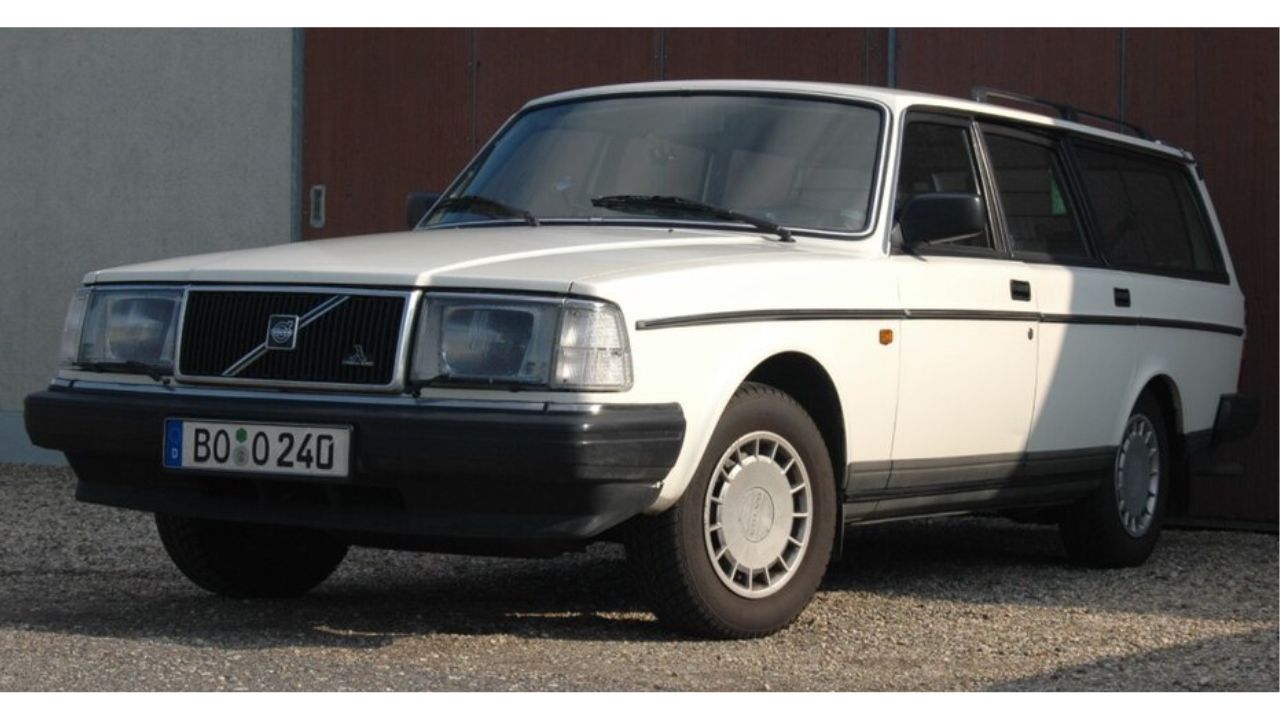
The Mercedes-Benz W123 was built during an era when durability was a major part of the company’s engineering philosophy. Its solid body, robust suspension, and dependable engines helped it become a favorite among taxi operators, families, and long-distance drivers. Diesel versions became especially well known for their longevity. The W123 demonstrates how careful engineering, strong materials, and conservative design can create a vehicle capable of remaining useful for decades.
Jeep Cherokee XJ

The Jeep Cherokee XJ combined a relatively lightweight body with a rugged four-wheel-drive system and a famously durable inline-six engine. Its unibody construction was unusual for a serious off-road vehicle, yet the design proved capable both on trails and as everyday transportation. The XJ became popular with enthusiasts because it was mechanically straightforward and easy to modify. Its continued popularity shows how a well-designed platform can remain relevant long after production ends.
Toyota Corolla
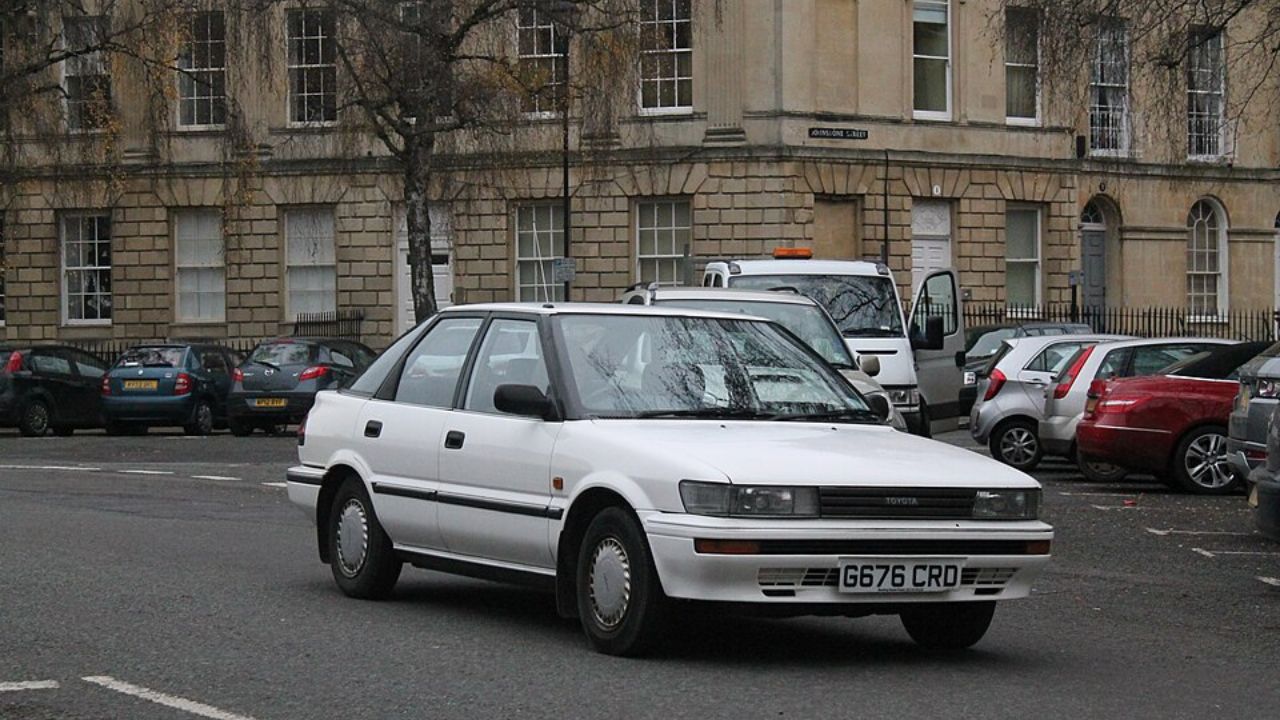
The Toyota Corolla has earned its reputation through generations of simple, practical engineering. Older models often used uncomplicated engines, conventional transmissions, and durable suspension systems that could be repaired without specialized equipment. The Corolla was never dependent on dramatic styling or excessive technology to appeal to buyers. Its success demonstrates that careful engineering focused on reliability and usability can matter more than having the newest features.
Ford Crown Victoria
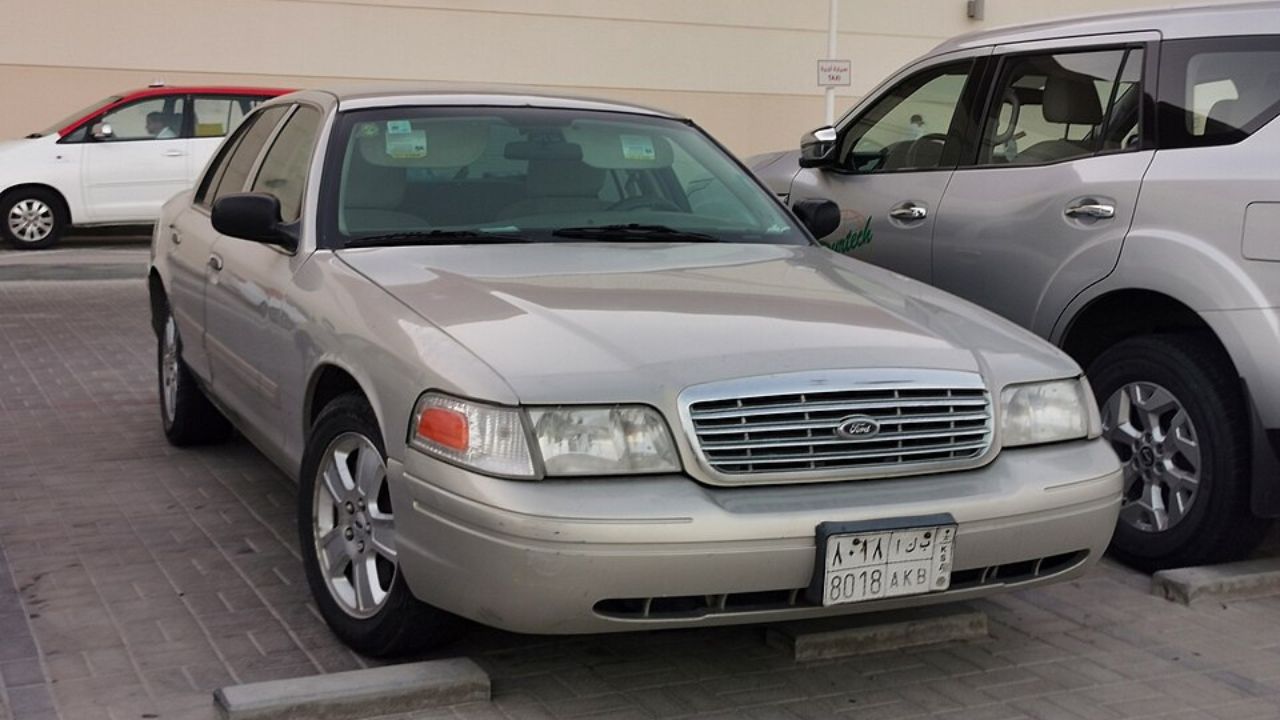
The Ford Crown Victoria represents an era when full-size American sedans were built around sturdy, proven mechanical components. Its body-on-frame construction, rear-wheel drive, and durable V8 made it suitable for police, taxi, fleet, and civilian use. The platform was also relatively easy to service. Even though newer cars offered more technology and efficiency, the Crown Victoria’s rugged mechanical layout helped it remain useful in demanding service for many years.
Honda Civic

Older Honda Civics demonstrated how lightweight construction and efficient engineering could produce a car that was inexpensive to operate without feeling fragile. Their compact engines were known for being durable when properly maintained, while the simple layouts made routine service manageable. Many generations also offered surprisingly engaging handling. The Civic proves that engineering does not need to be complicated to be effective, especially when weight, efficiency, and mechanical simplicity are carefully balanced.
Ford F-150
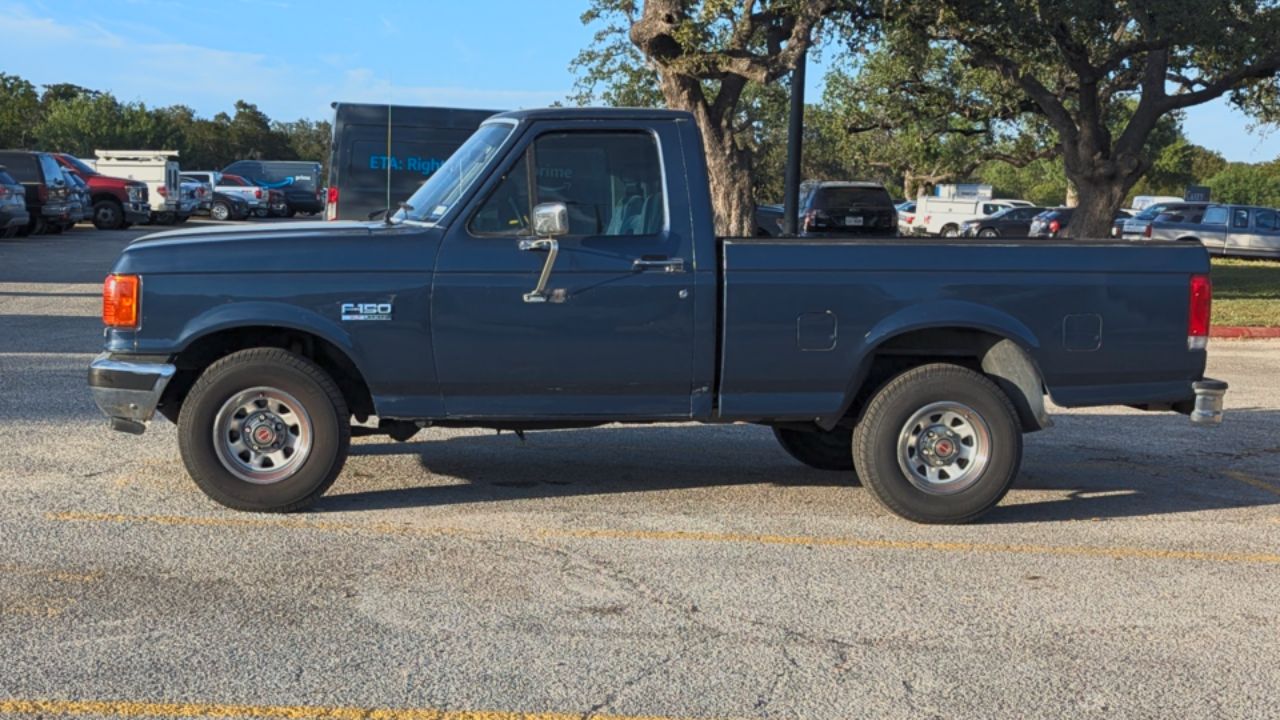
The Ford F-150 has evolved considerably, but earlier generations show why conventional truck engineering remained popular for so long. Traditional body-on-frame construction, sturdy axles, simple suspension designs, and widely available engines made older F-150s easy to maintain and adaptable to different jobs. Many were built as working vehicles rather than lifestyle accessories. Their continued presence on farms, job sites, and private driveways demonstrates the lasting value of straightforward truck design.
Mercedes-Benz G-Class
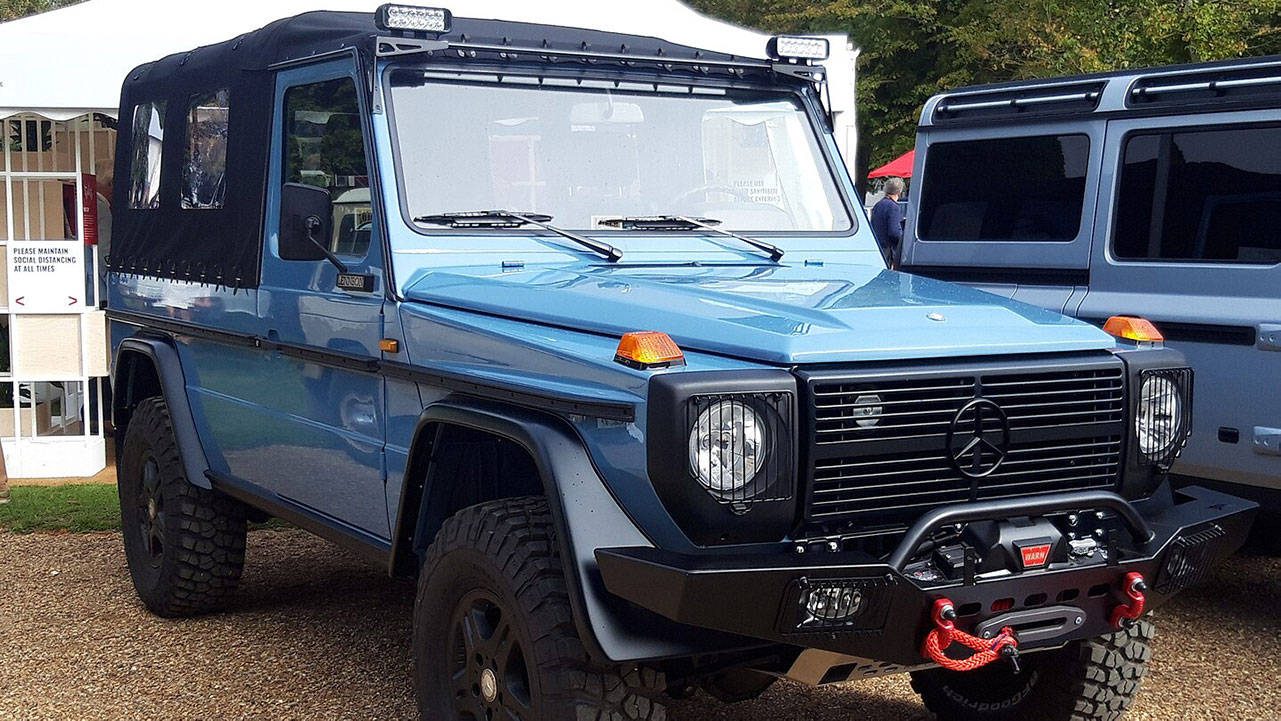
The original Mercedes-Benz G-Class was designed as a serious utility vehicle rather than a luxury statement. Its ladder frame, solid axles, robust four-wheel-drive system, and durable construction gave it genuine off-road capability. Although later versions became much more luxurious, the basic engineering philosophy remained recognizable. Older G-Class models show how a strong mechanical foundation can remain useful for decades when the original design is built with demanding conditions in mind.
Toyota Hilux

The Toyota Hilux became one of the world’s best-known work pickups by focusing on durability and mechanical simplicity. Earlier versions used straightforward engines and rugged chassis components that could withstand hard labor and rough roads. The Hilux was not designed around luxury features or complicated systems. Its long-standing reputation comes from doing basic truck duties consistently well, making it one of the clearest examples of older engineering remaining highly useful.
Chevrolet Suburban
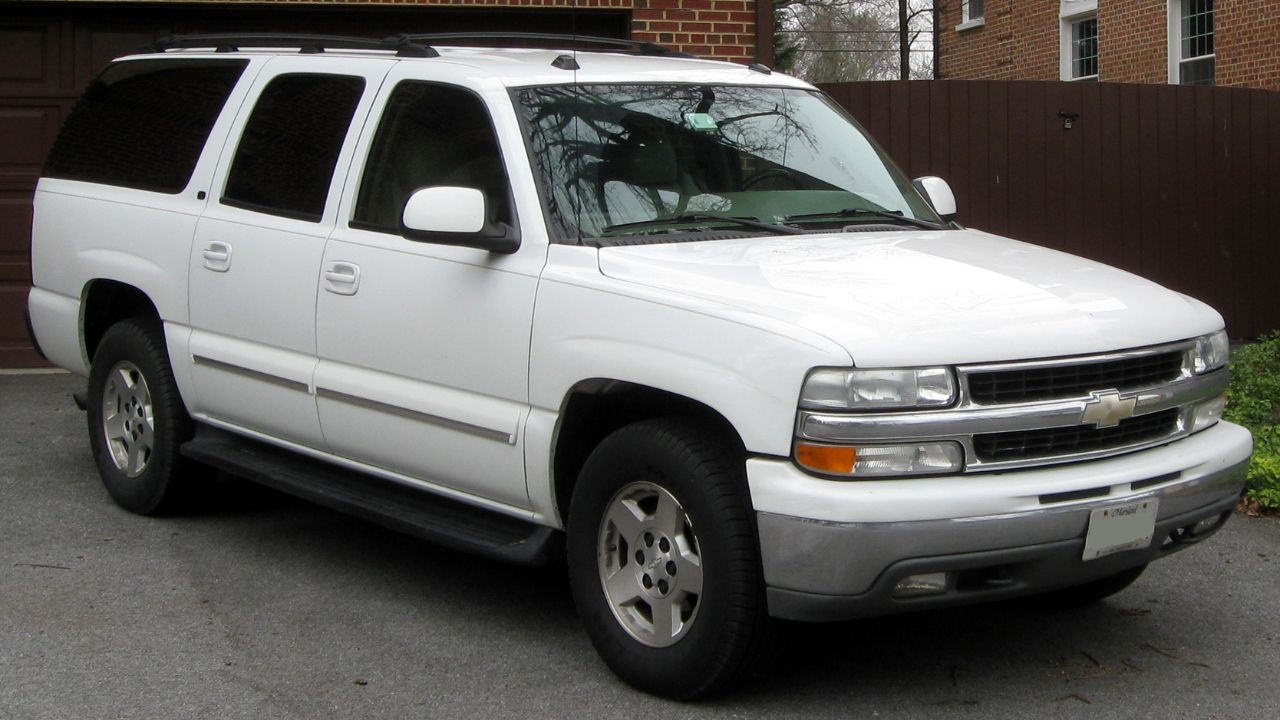
The Chevrolet Suburban has been around for generations because its basic formula has remained useful. Older models combined a sturdy frame, large engines, spacious bodies, and simple mechanical systems that suited families, businesses, and work crews. Earlier Suburbans could be repaired with familiar tools and conventional mechanical knowledge. Their size and fuel consumption may seem outdated today, but their durability and versatility explain why so many remain in service.
Volkswagen Beetle
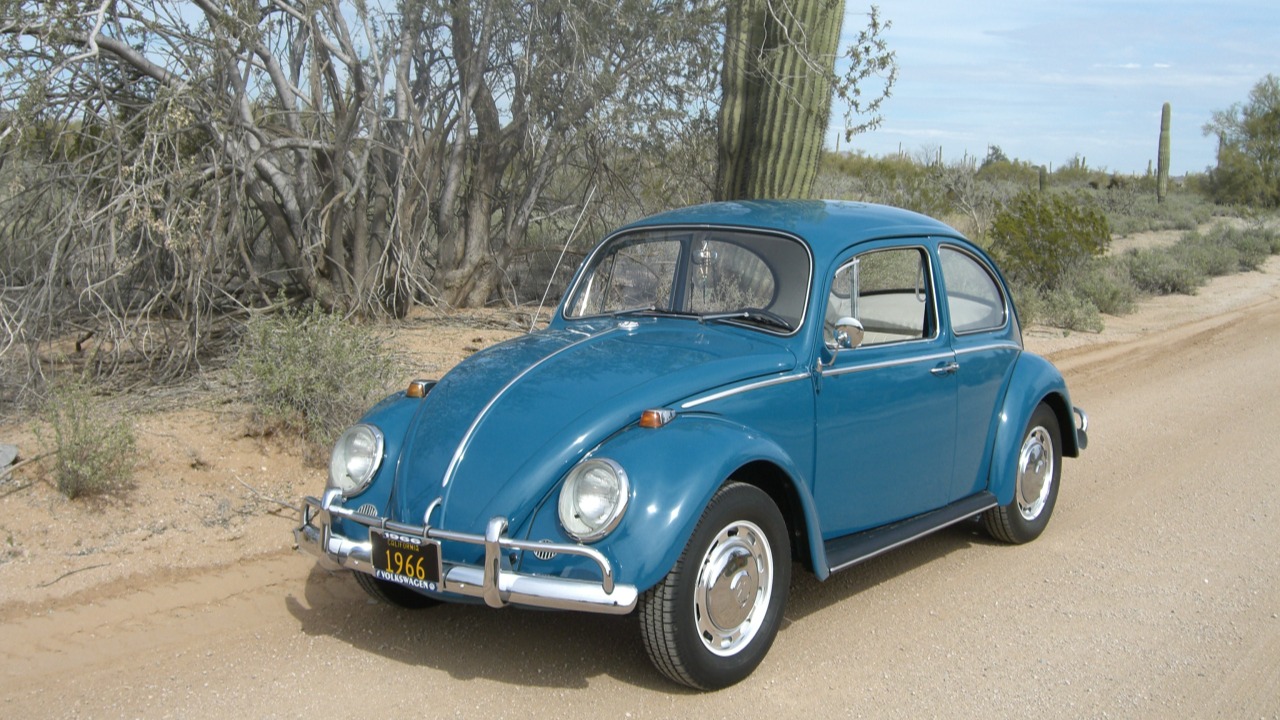
The Volkswagen Beetle demonstrated how clever simplicity could produce an exceptionally long-lived vehicle. Its rear-mounted air-cooled engine reduced mechanical complexity in several areas, while the compact design made the car relatively easy to maintain. The Beetle was inexpensive, practical, and adaptable to different markets. Millions were built, but its continued presence today reflects more than production numbers. It remains a classic example of engineers achieving useful results without relying on complicated technology.
Land Rover Series III
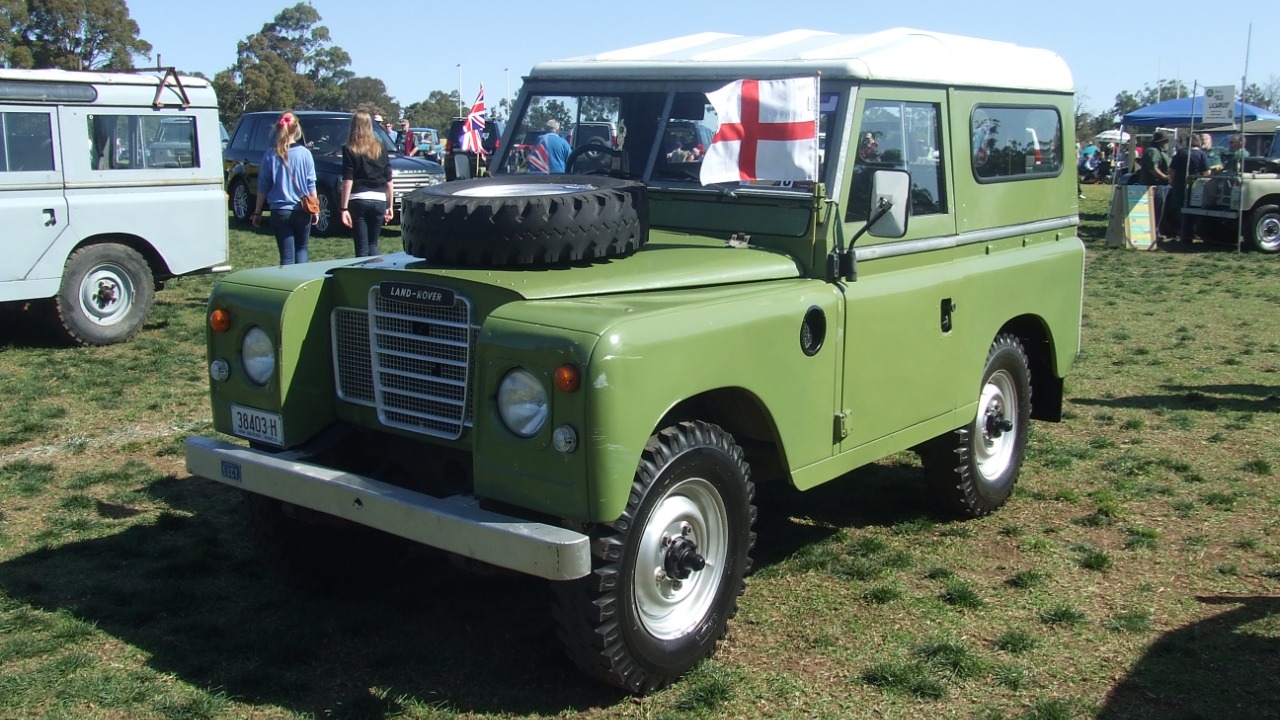
The Land Rover Series III was built around ruggedness, accessibility, and straightforward mechanical systems. Its body-on-frame construction, simple four-wheel-drive hardware, and relatively uncomplicated engines made it suitable for agricultural work, exploration, and utility service. Owners could often diagnose and repair problems without modern diagnostic equipment. The Series III’s enduring appeal comes from that honesty in its engineering: it was designed to perform useful work rather than impress with unnecessary sophistication.
Subaru Legacy
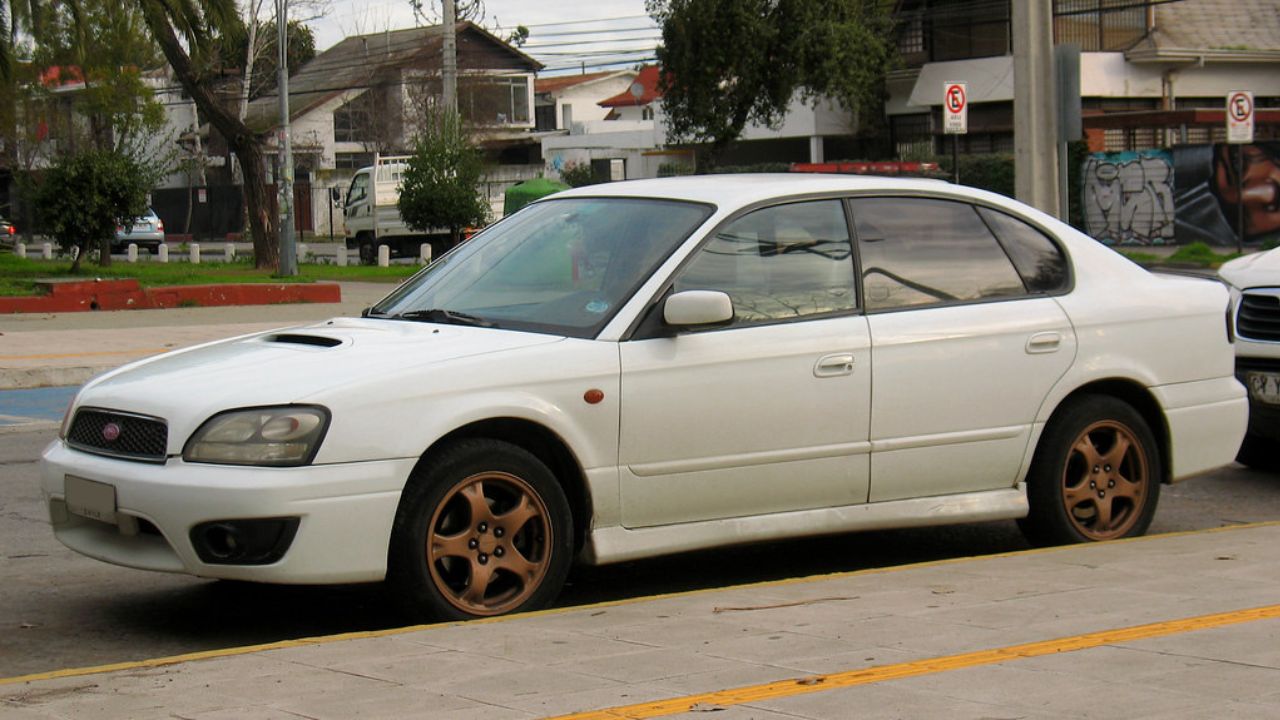
Early Subaru Legacy models combined practical four-wheel drive with relatively simple mechanical systems and durable boxer engines. The drivetrain layout gave the car useful traction in difficult weather while keeping the vehicle practical for everyday transportation. Older Legacies also offered a level of mechanical accessibility that made them familiar to independent repair shops. Their continued survival shows how an intelligently engineered drivetrain can remain effective long after newer systems become more complicated.
Nissan Patrol
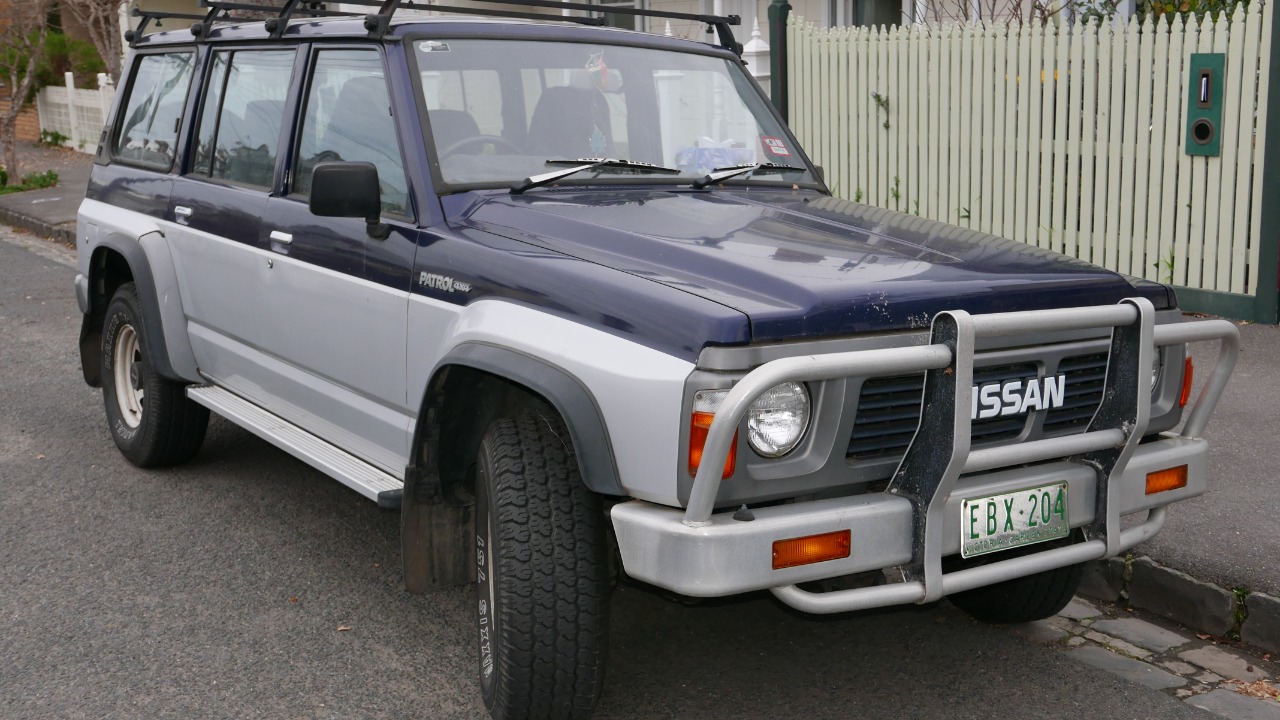
The Nissan Patrol developed a strong reputation as a rugged four-wheel-drive vehicle capable of handling demanding environments. Earlier versions emphasized durable chassis components, strong engines, and straightforward drivetrains rather than electronic sophistication. The design proved especially useful in regions where roads could be rough or nonexistent. Older Patrols remain valued by enthusiasts because their engineering was focused on durability and repairability, two qualities that become increasingly valuable as vehicles grow more complex.
Volkswagen Transporter
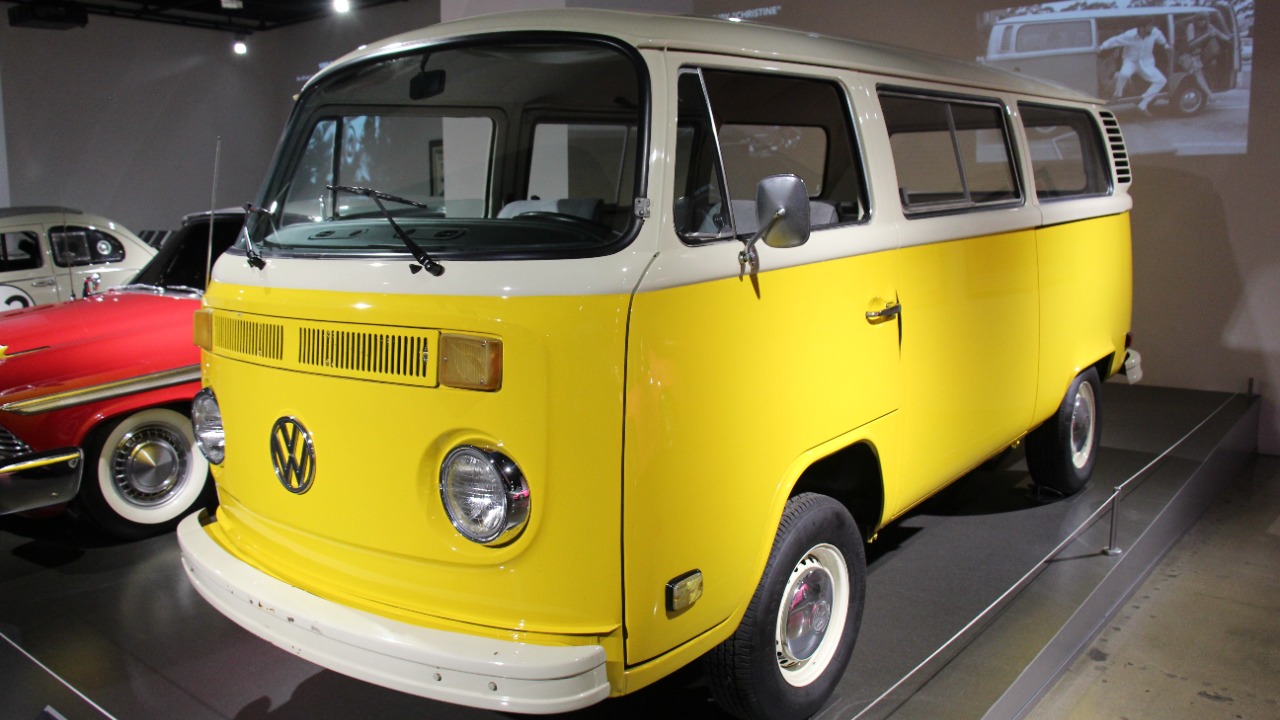
The Volkswagen Transporter became an icon partly because of how effectively its simple layout served practical needs. Earlier generations offered compact dimensions, useful cargo space, and relatively straightforward mechanical systems. The rear-engine layout of classic versions created a distinctive driving experience while keeping the vehicle remarkably versatile. Today, surviving examples are prized by enthusiasts, but their enduring popularity also demonstrates how an uncomplicated design can become useful, recognizable, and memorable.
Honda Accord
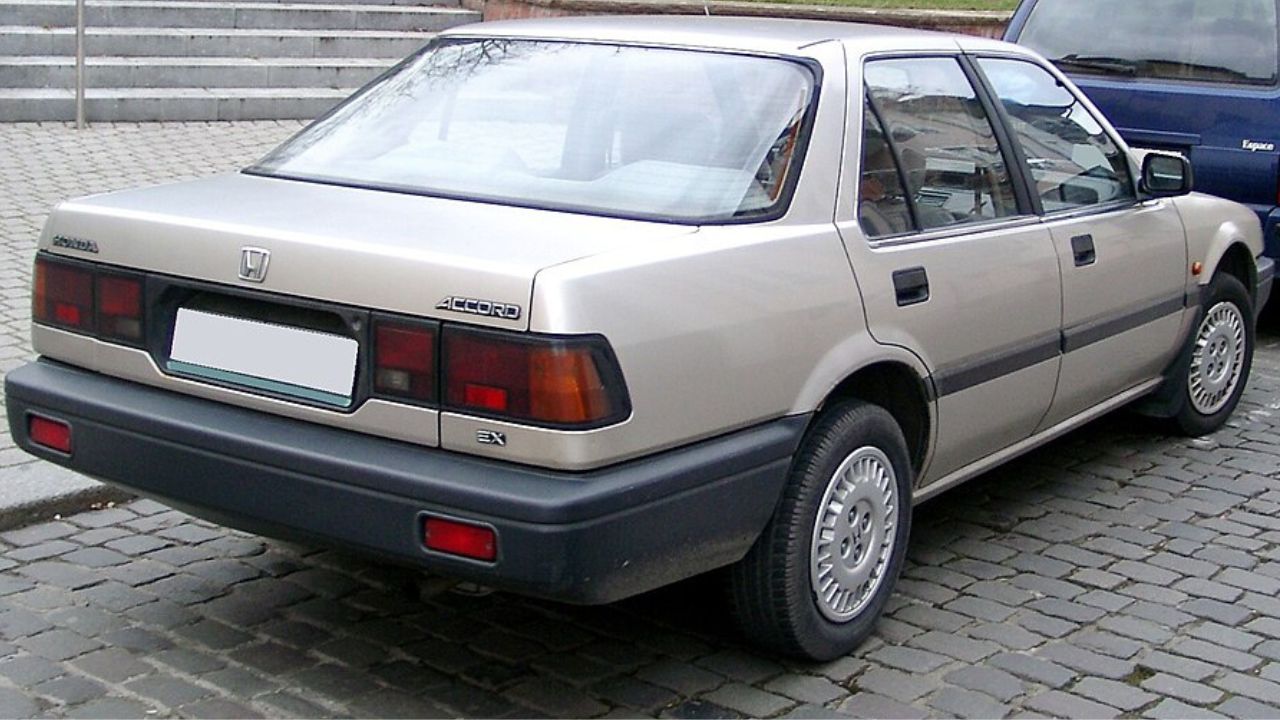
Older Honda Accords showed how careful engineering could combine everyday comfort with long-term dependability. Their engines were generally efficient and mechanically straightforward, while the overall design was built around practical ownership rather than excessive complexity. Earlier Accords also became popular as used cars because replacement parts and mechanical knowledge were widely available. Their longevity demonstrates that a well-balanced family car does not need advanced technology to remain useful for years.
Toyota 4Runner
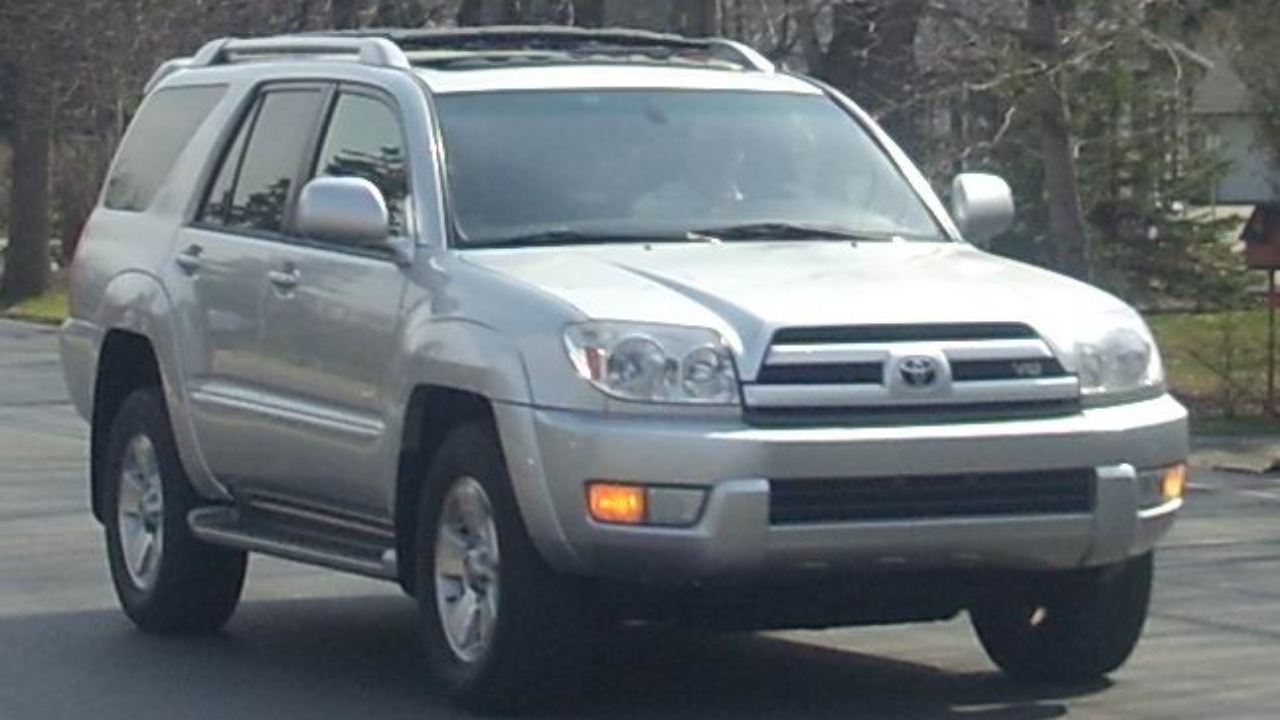
The early Toyota 4Runner was closely related to Toyota’s pickup platform, giving it a rugged foundation beneath its SUV body. Traditional four-wheel-drive hardware, durable engines, and a sturdy chassis made it capable on rough terrain while still serving as everyday transportation. Its mechanical simplicity helped owners keep older examples running long after newer SUVs arrived. The 4Runner remains a strong example of how proven truck-based engineering can age remarkably well.
Isuzu Trooper
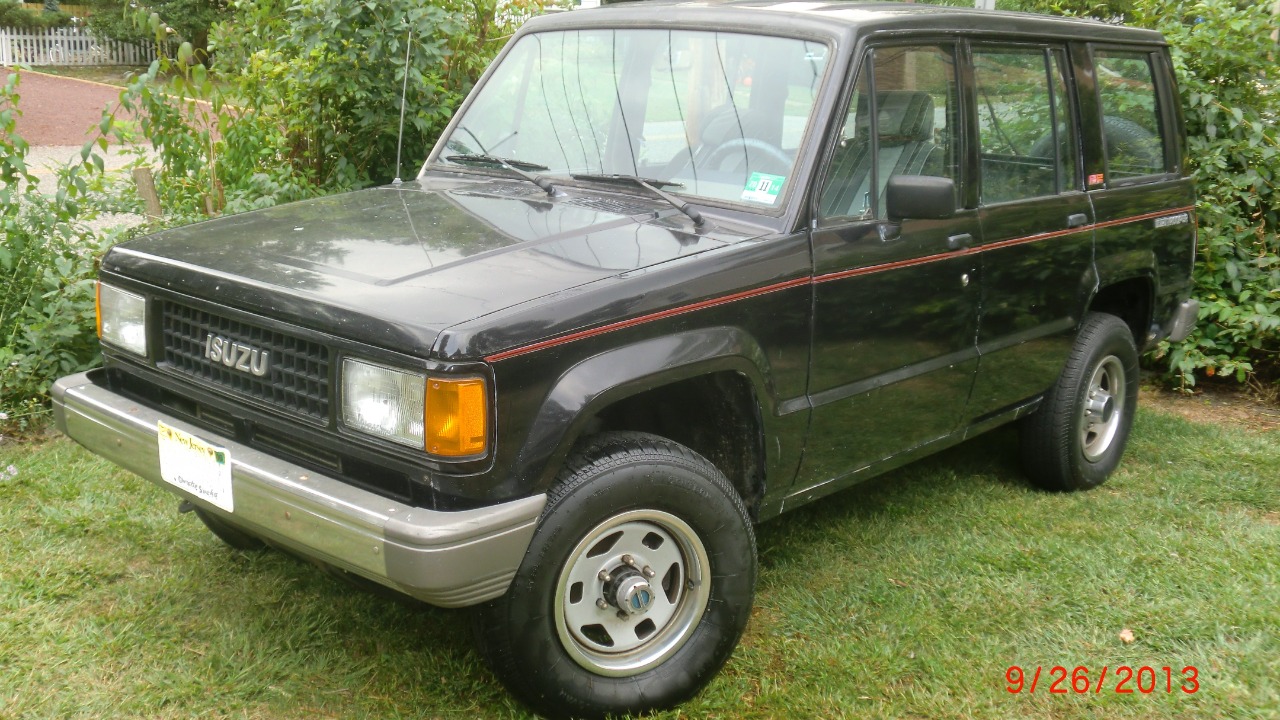
The Isuzu Trooper was built with a straightforward approach to utility and off-road driving. Its body-on-frame construction and available four-wheel-drive systems made it useful for people who needed more than a typical passenger car could provide. Earlier examples were relatively simple to maintain and were valued in markets where durability mattered. The Trooper may not receive the attention of more famous SUVs, but its engineering shows how an unfussy design can remain capable for decades.
Peugeot 504
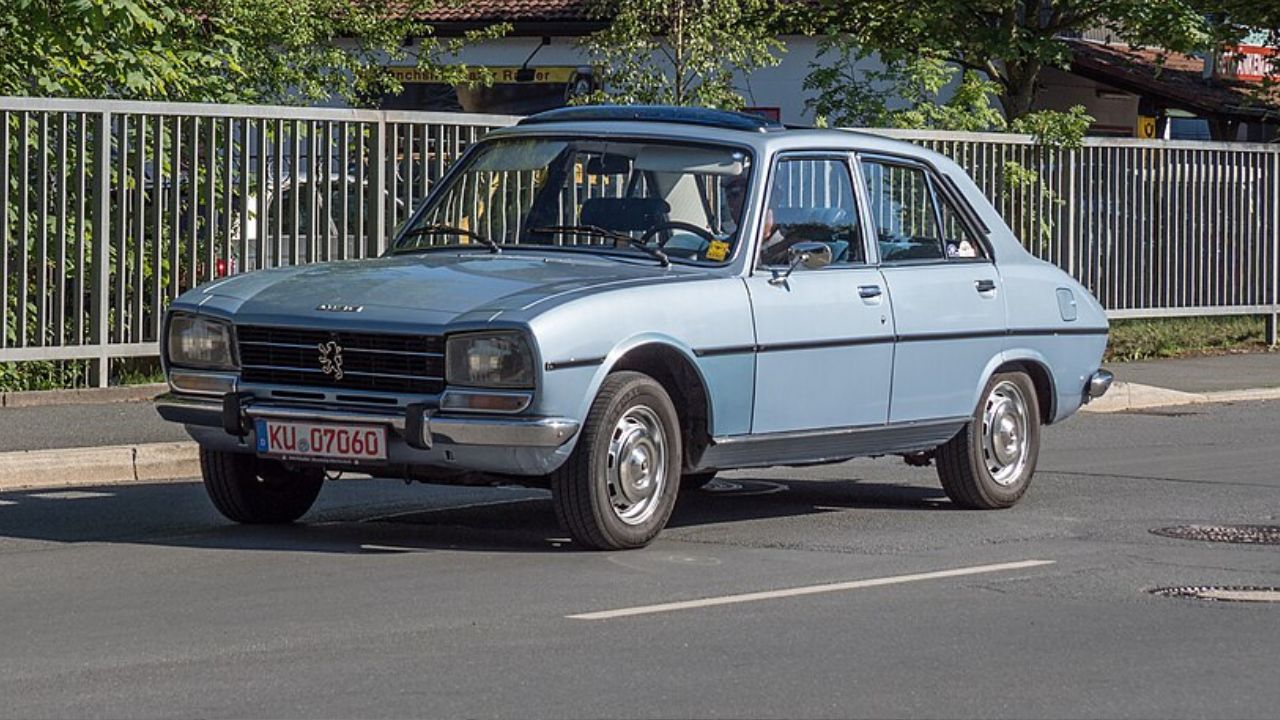
The Peugeot 504 earned a reputation for toughness in places where roads and maintenance conditions could be demanding. Its suspension was designed to handle rough surfaces, while its simple drivetrain made it relatively easy to keep running. The 504 became especially successful in markets where durability mattered more than refinement. Its long service life is a reminder that good engineering is often about understanding real-world conditions rather than simply adding more technology.
More from Fast Lane Only
- Unboxing the WWII Jeep in a Crate
- 15 rare Chevys collectors are quietly buying
- 10 underrated V8s still worth hunting down
- Police notice this before you even roll window down
*Research for this article included AI assistance, with all final content reviewed by human editors.