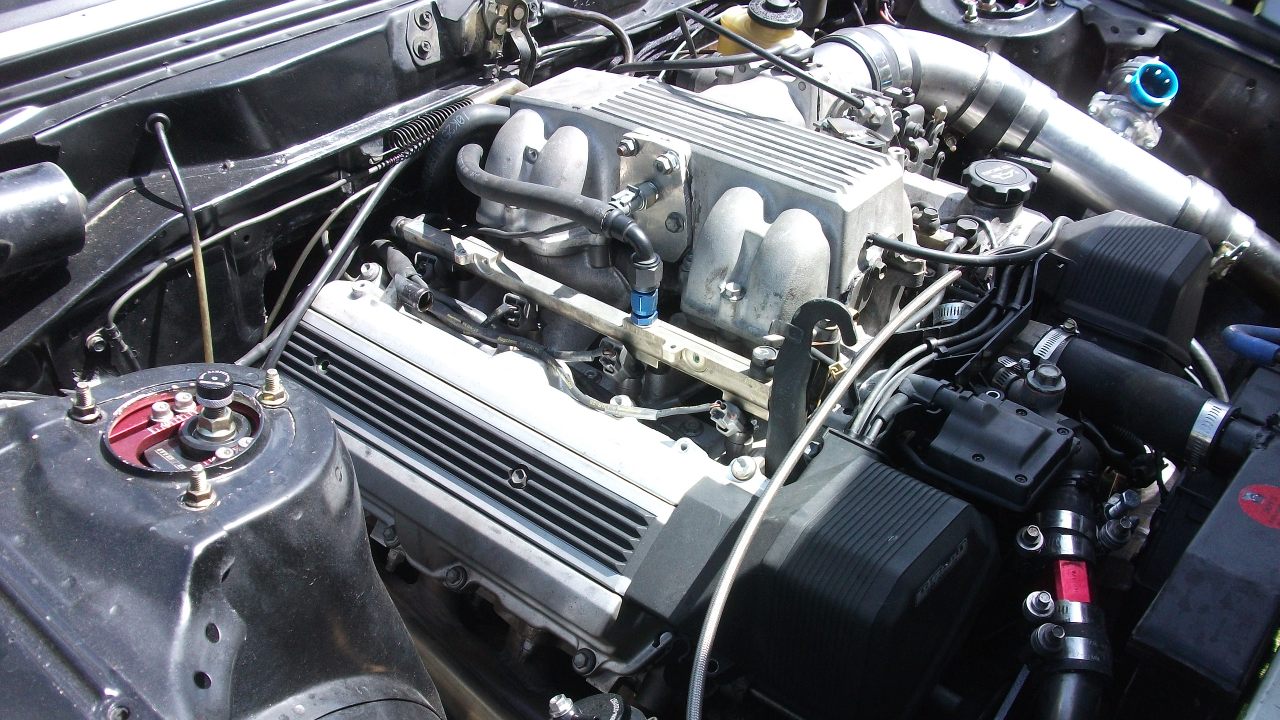
Some engines earned reputations for surviving enormous mileage, years of hard work, and imperfect maintenance. Their durability often came from simple mechanical designs, strong internal components, conservative power outputs, and proven engineering. These classic engines became trusted in cars, trucks, and work vehicles because they could continue running long after many other engines had reached the end of their useful lives.
Toyota 22R
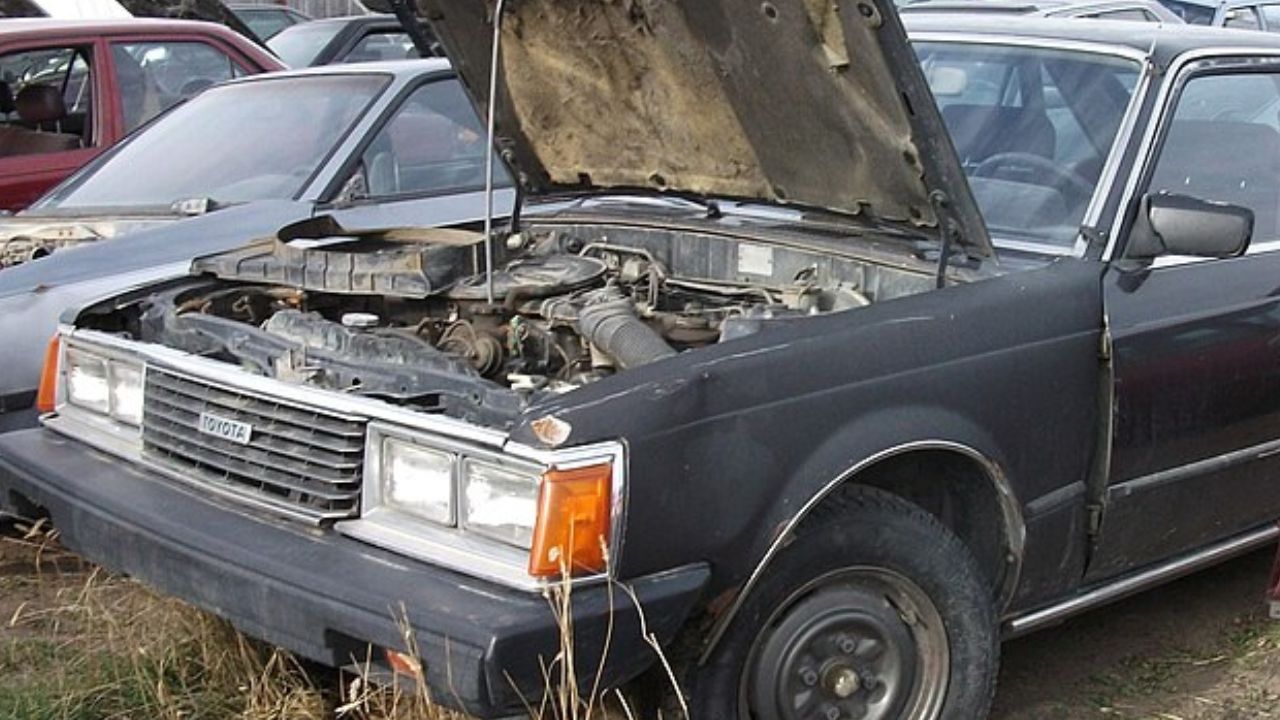
The Toyota 22R became famous for its durability and straightforward mechanical design. Its simple four-cylinder layout, cast-iron block, and relatively conservative output allowed it to tolerate years of demanding use. The engine powered countless Toyota pickups and SUVs, many of which accumulated extremely high mileage. Regular maintenance was still important, but the 22R’s basic construction made it particularly well suited to long-term ownership and hard work.
Mercedes-Benz OM617
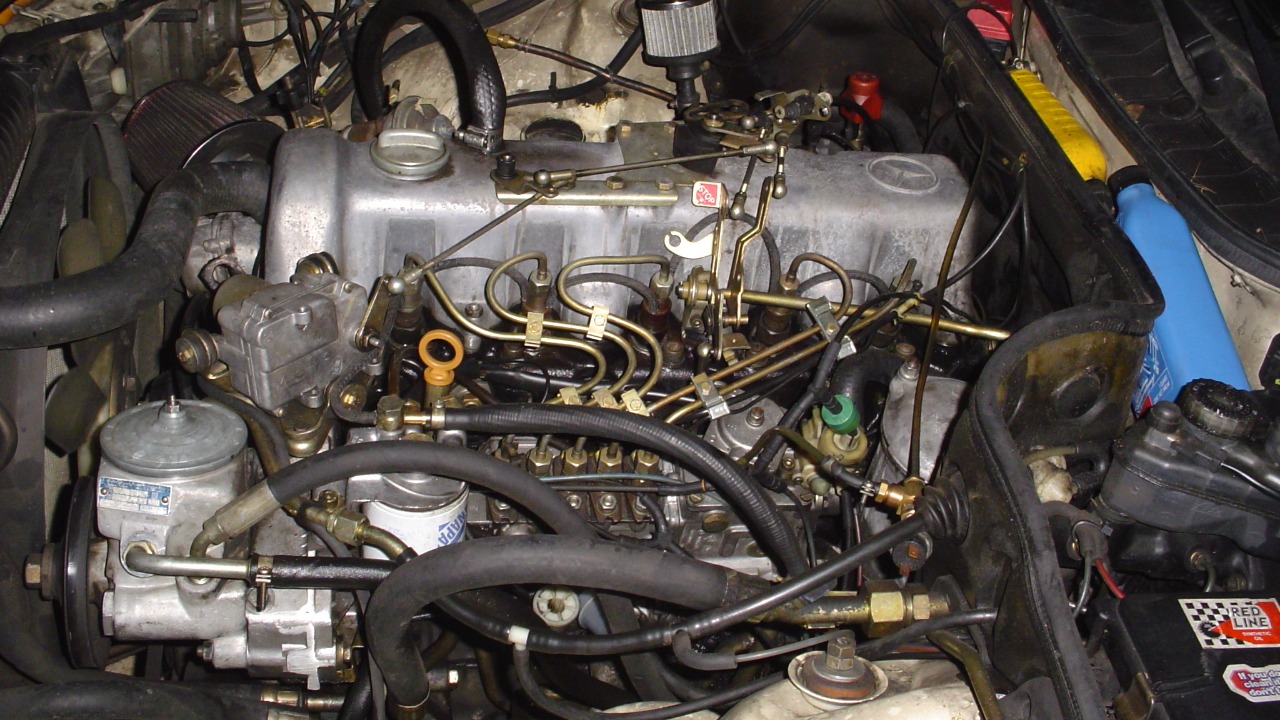
The Mercedes-Benz OM617 five-cylinder diesel became one of the most respected durable diesel engines of its era. Used in models such as the W123 and W126, it featured a relatively simple mechanical fuel-injection system and a heavy-duty construction. Its performance was modest, but that conservative approach contributed to its reputation for longevity. Many examples remained in service for decades, making the OM617 a benchmark for old-school diesel durability.
Toyota 1HZ
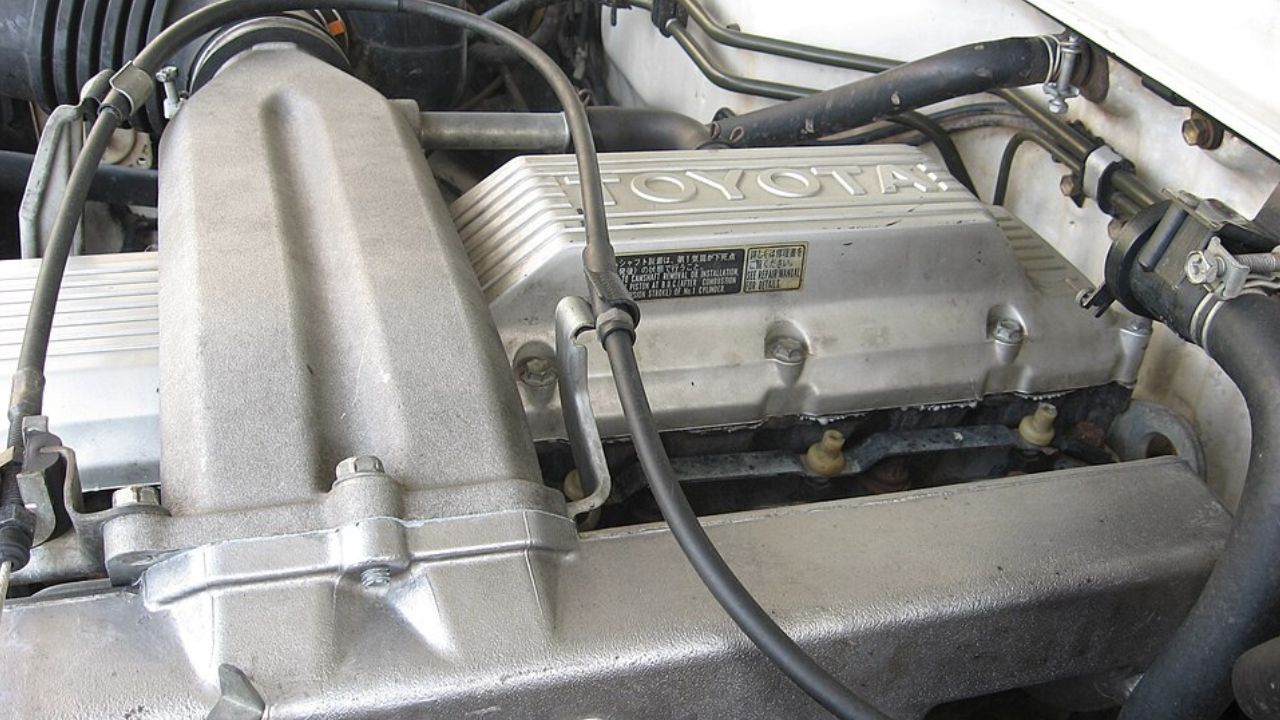
The Toyota 1HZ is a naturally aspirated 4.2-liter diesel engine known for its simplicity and long service life. Its mechanical fuel injection, low-stress design, and strong construction made it particularly popular in demanding applications. The engine became closely associated with Land Cruiser models used in remote regions where reliability was critical. Its modest output was part of the formula, allowing the engine to prioritize durability over outright performance.
Cummins 6BT 5.9
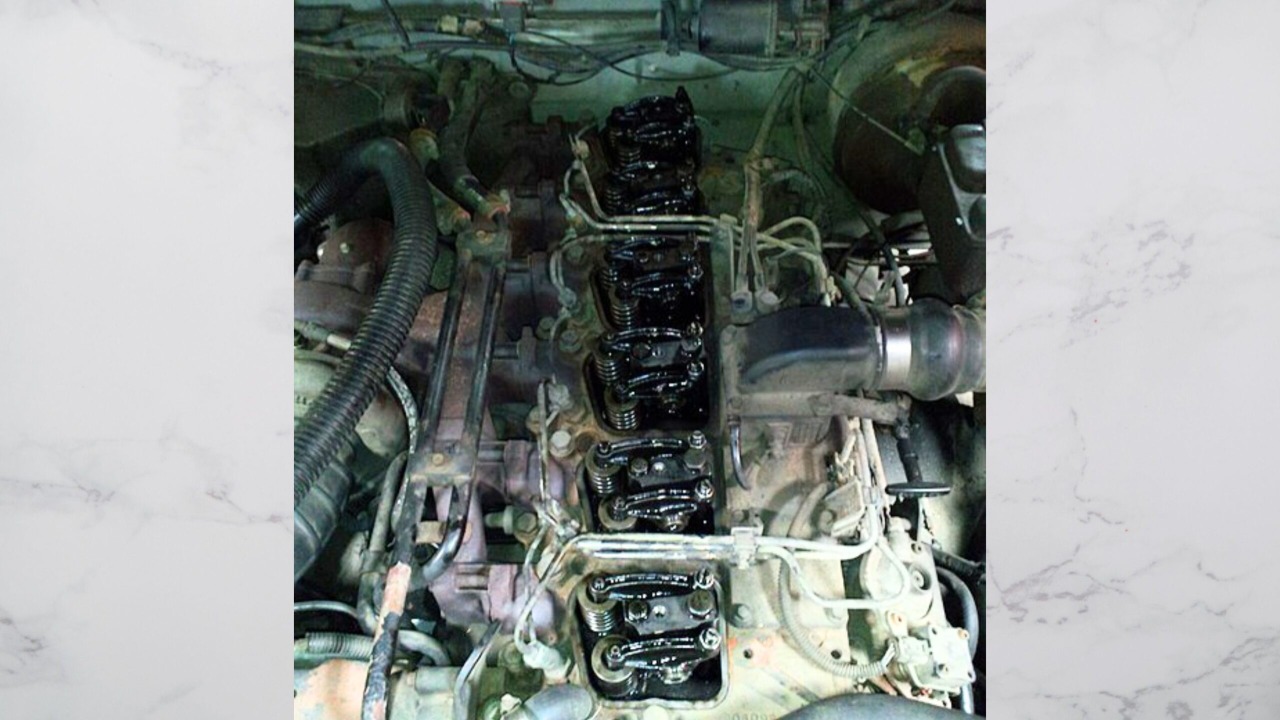
The Cummins 6BT 5.9 became legendary for its strong bottom end and simple mechanical injection system. Originally developed for industrial and commercial applications, the engine later became famous in Dodge Ram pickups. Its inline-six configuration provided excellent balance and torque, while the heavy-duty construction allowed it to tolerate substantial workloads. The 6BT’s reputation for durability made it one of the most respected diesel engines of its generation.
Ford 300 Inline-Six
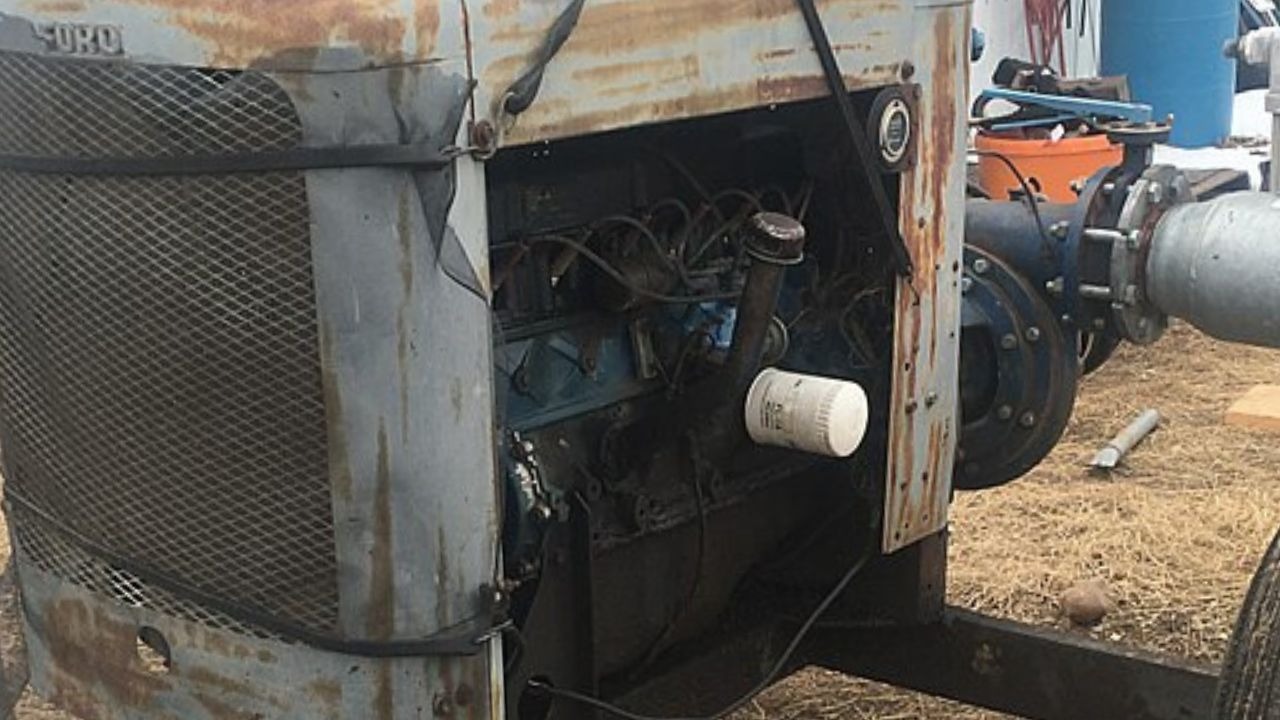
Ford’s 300-cubic-inch inline-six became a favorite among truck owners because of its remarkable low-speed torque and durability. Its long-stroke design and conservative output made it well suited to hauling, towing, and farm work. The engine was not designed around high performance, but that was part of its strength. Many examples continued working for decades with relatively straightforward maintenance and repairs.
Chevrolet 350 Small-Block

The Chevrolet 350 Small-Block became one of the most widely used V8 engines in American automotive history. Its simple pushrod design, large aftermarket support, and proven architecture made it easy to maintain and rebuild. The engine appeared in everything from passenger cars to trucks and boats. Its widespread use also meant replacement parts were readily available, helping many 350-powered vehicles remain on the road long after newer engines had disappeared.
Toyota 3S-FE
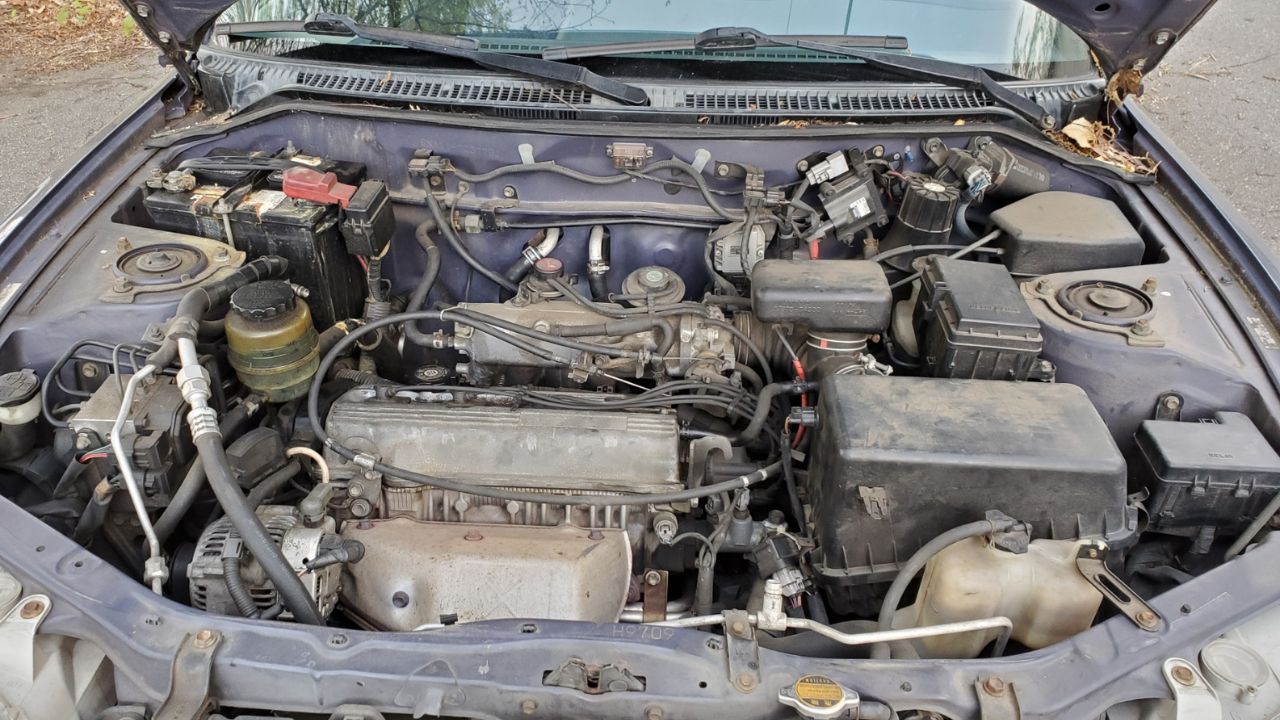
The Toyota 3S-FE was designed with everyday reliability rather than extreme performance as its main objective. Its naturally aspirated four-cylinder configuration and relatively conservative tuning made it suitable for long-term use in a wide range of Toyota models. The engine became known for dependable operation when properly maintained. Its straightforward design also made routine servicing relatively manageable compared with more complicated powerplants.
Volvo B230F
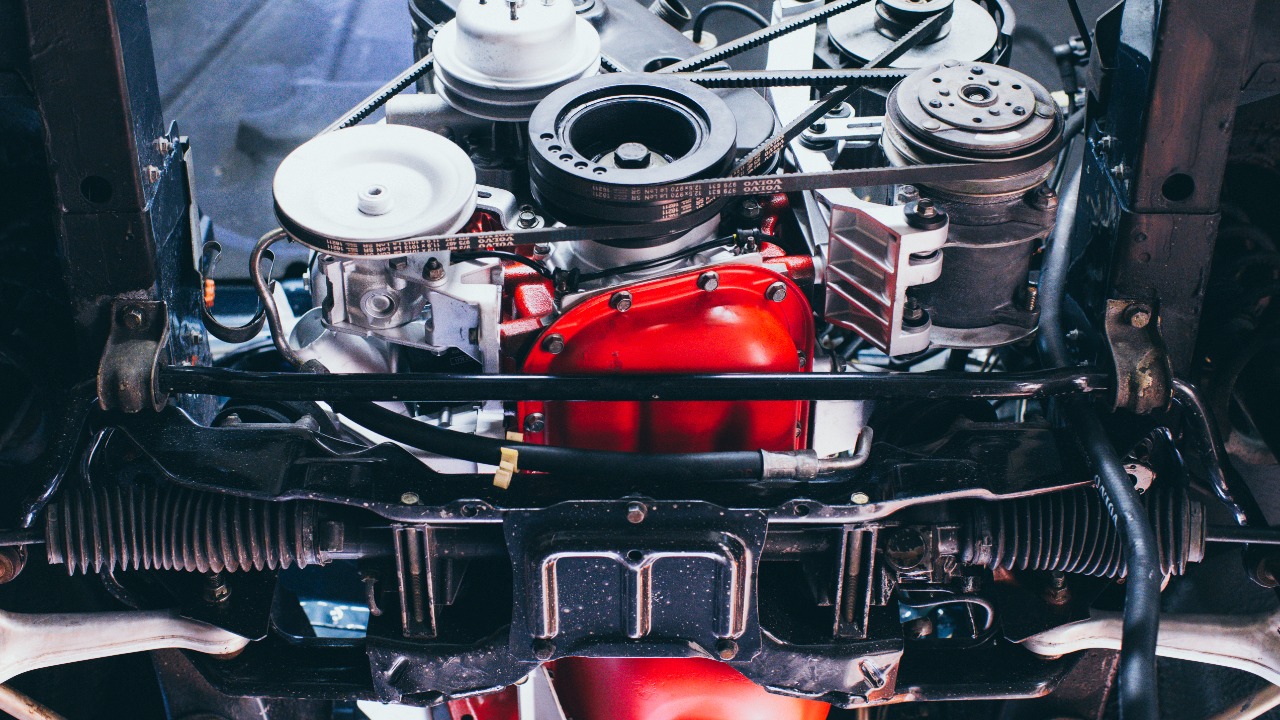
The Volvo B230F became closely associated with the durability of the classic Volvo 240. Its naturally aspirated four-cylinder design used relatively conservative power levels and a robust bottom end. The engine was engineered for everyday reliability rather than maximum performance, making it well suited to long-distance use. With regular servicing, many B230F-powered Volvos accumulated very high mileage while continuing to provide dependable transportation.
Toyota 1UZ-FE
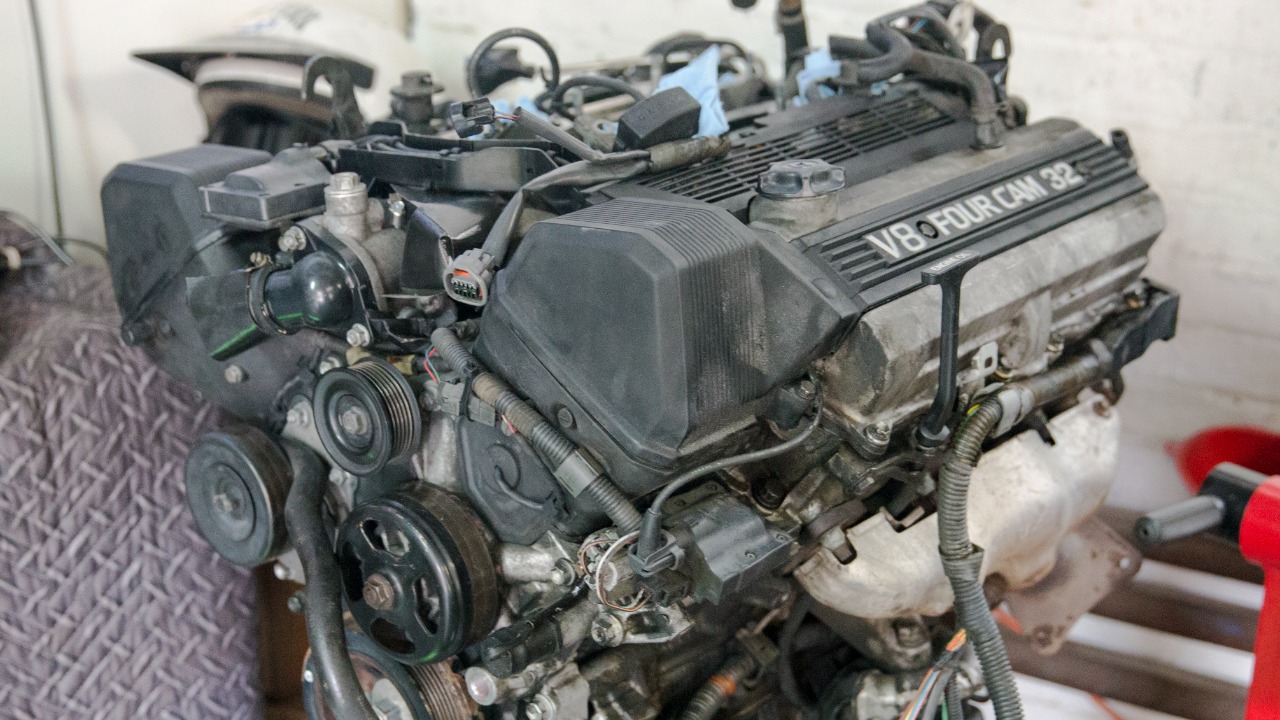
The Toyota 1UZ-FE combined an aluminum V8 block with sophisticated engineering while maintaining an excellent reputation for durability. Introduced for the Lexus LS 400, it featured four valves per cylinder and dual overhead camshafts. Despite its technological sophistication, the engine was engineered with substantial attention to reliability and refinement. Its strong construction and smooth operation helped it become one of Toyota’s most respected V8 designs.
Mercedes-Benz OM606
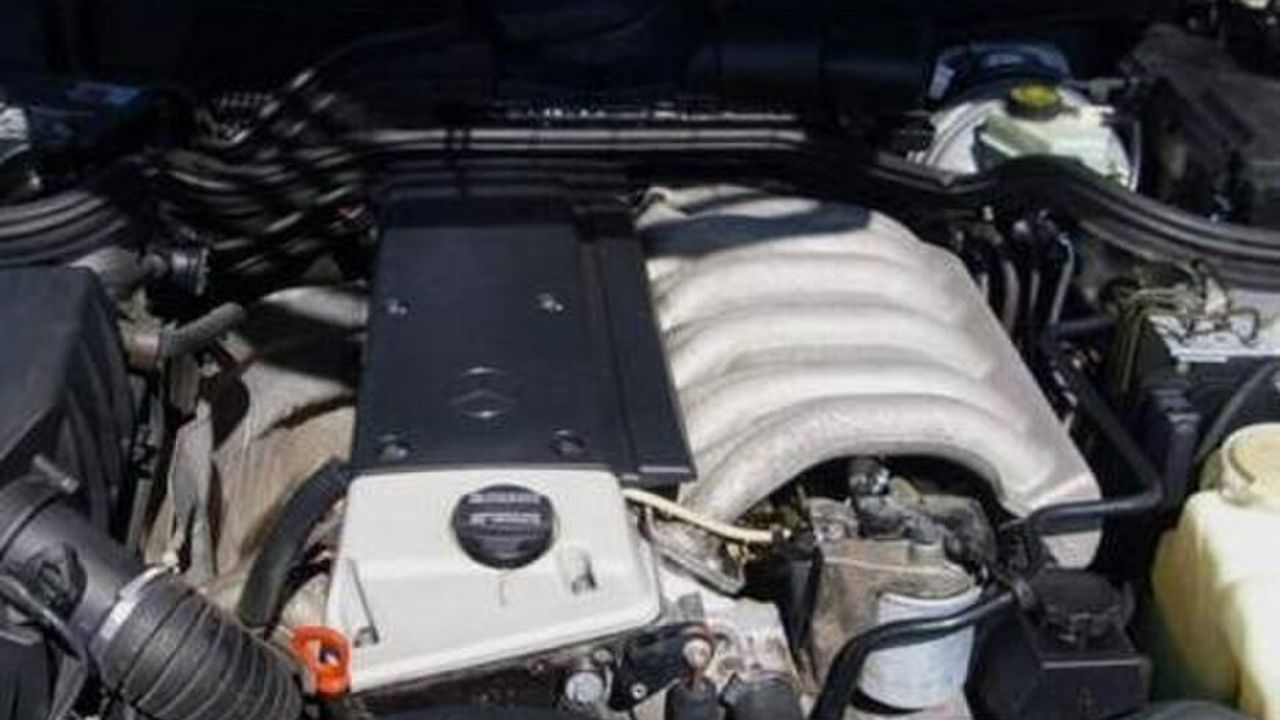
The Mercedes-Benz OM606 was a 3.0-liter inline-six diesel that continued the company’s tradition of durable diesel engineering. Its strong construction, smooth operation, and mechanical roots in earlier Mercedes diesel designs made it attractive to owners seeking long service life. Turbocharged versions offered considerably more performance while retaining the basic architecture. The OM606 later became popular among enthusiasts looking for a robust diesel platform capable of handling additional power.
Toyota 2UZ-FE
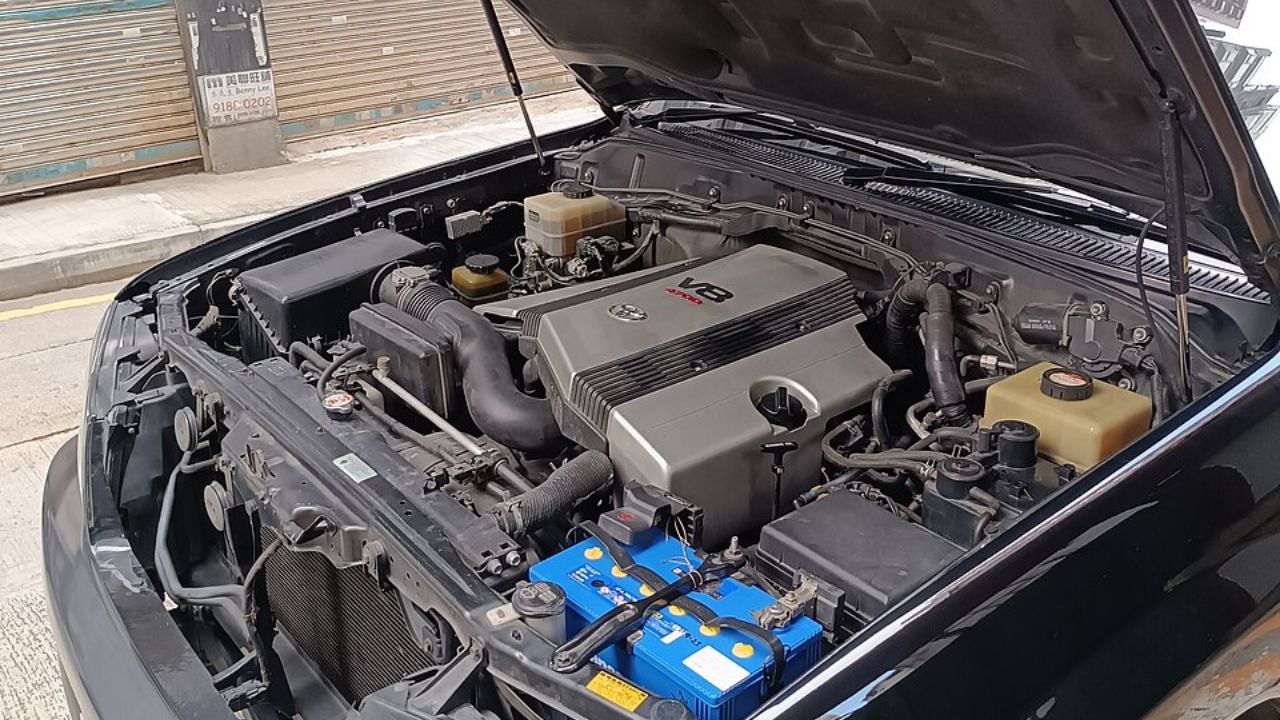
The Toyota 2UZ-FE was designed specifically for applications where durability and torque were more important than compact dimensions. Unlike the aluminum 1UZ-FE, it used a cast-iron block that provided excellent strength. It became widely used in Toyota trucks, SUVs, and the Land Cruiser. The engine’s combination of low-end torque and heavy-duty construction made it particularly well suited to towing and demanding work.
Ford 351 Cleveland
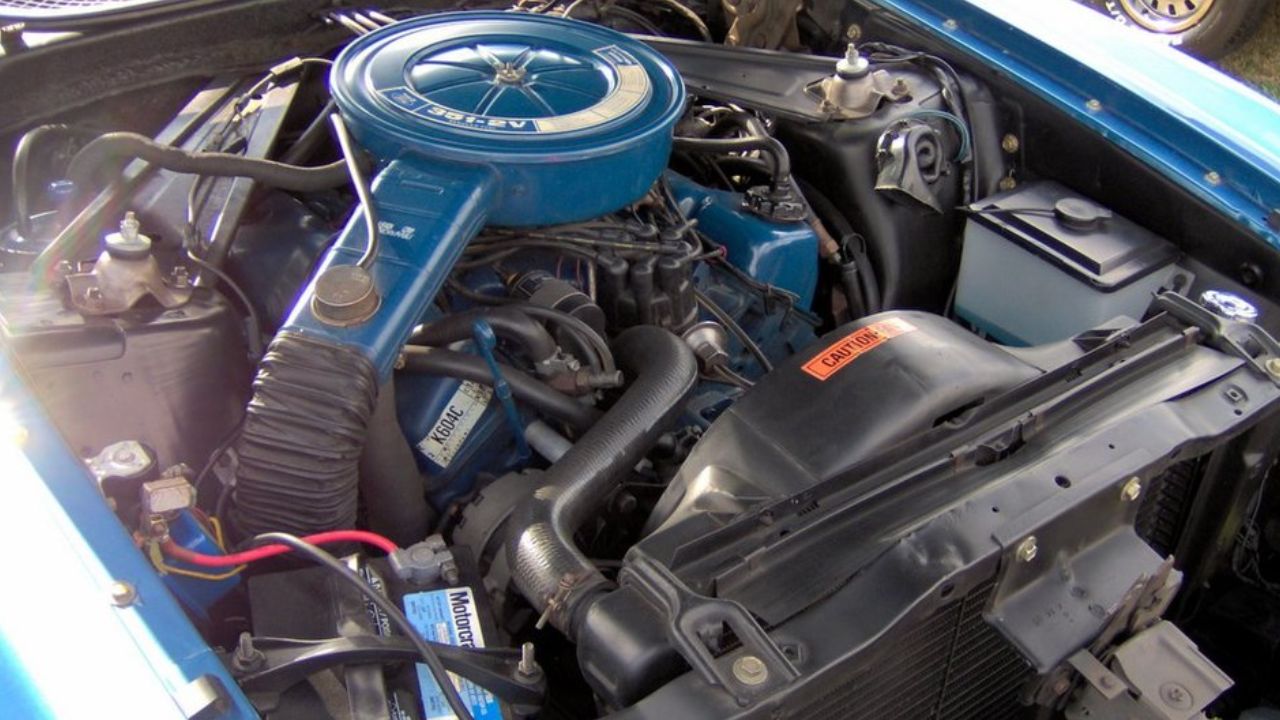
The Ford 351 Cleveland was developed with performance in mind but also became valued for its strong architecture. Its large ports, robust block, and distinctive cylinder-head design gave it considerable breathing potential. While high-performance versions could be demanding, ordinary versions could provide long service when maintained correctly. The engine remains popular among enthusiasts because its basic design supports both street use and serious performance builds.
Toyota 1HD-T
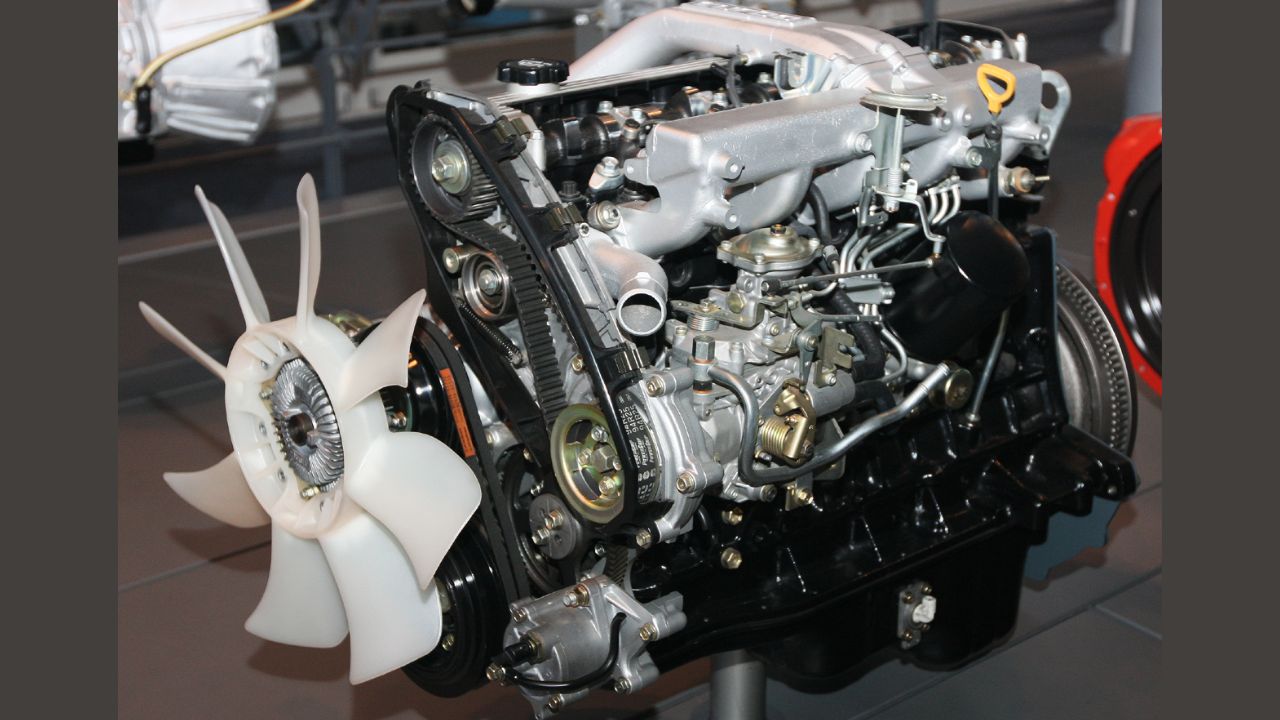
The Toyota 1HD-T was a 4.2-liter turbocharged diesel developed for heavy-duty Land Cruiser applications. Its inline-six layout and strong low-speed torque made it well suited to demanding off-road work and long-distance travel. The engine combined forced induction with a robust basic architecture. Its reputation for durability helped make the 1HD-T a popular choice among owners who needed dependable performance in difficult environments.
Toyota 4A-GE
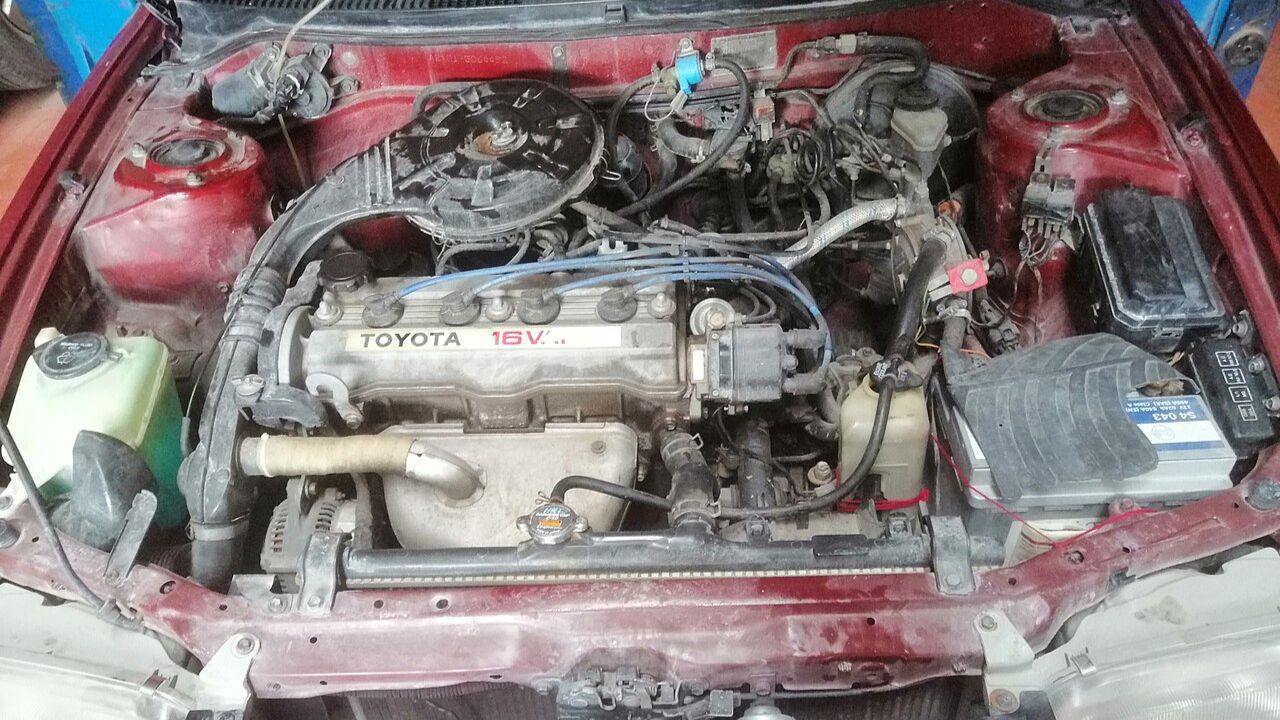
The Toyota 4A-GE became famous among enthusiasts for combining durability with high-revving performance. Its compact four-cylinder design featured double overhead camshafts and four valves per cylinder, allowing it to produce strong power from a relatively small displacement. It powered several lightweight Toyota models and became especially popular in motorsport and tuning. Its robust design allowed it to survive demanding use when properly maintained.
Honda D16
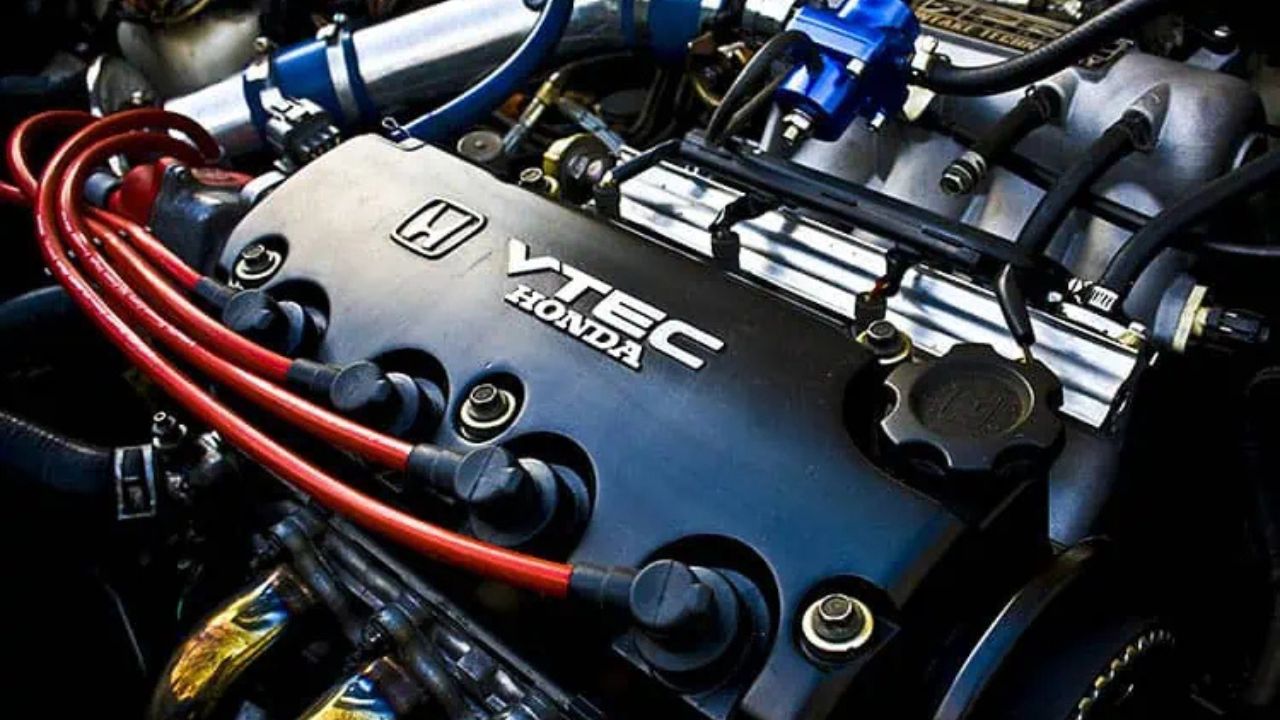
Honda’s D-series engines became known for their efficient operation, compact dimensions, and impressive longevity. The D16 family powered millions of Civic and related models, giving Honda a reliable foundation for everyday transportation. Its simple naturally aspirated versions were particularly durable when maintained properly. The engine’s enormous production numbers also ensured that replacement parts and service knowledge remained widely available for years.
Nissan RB25DET
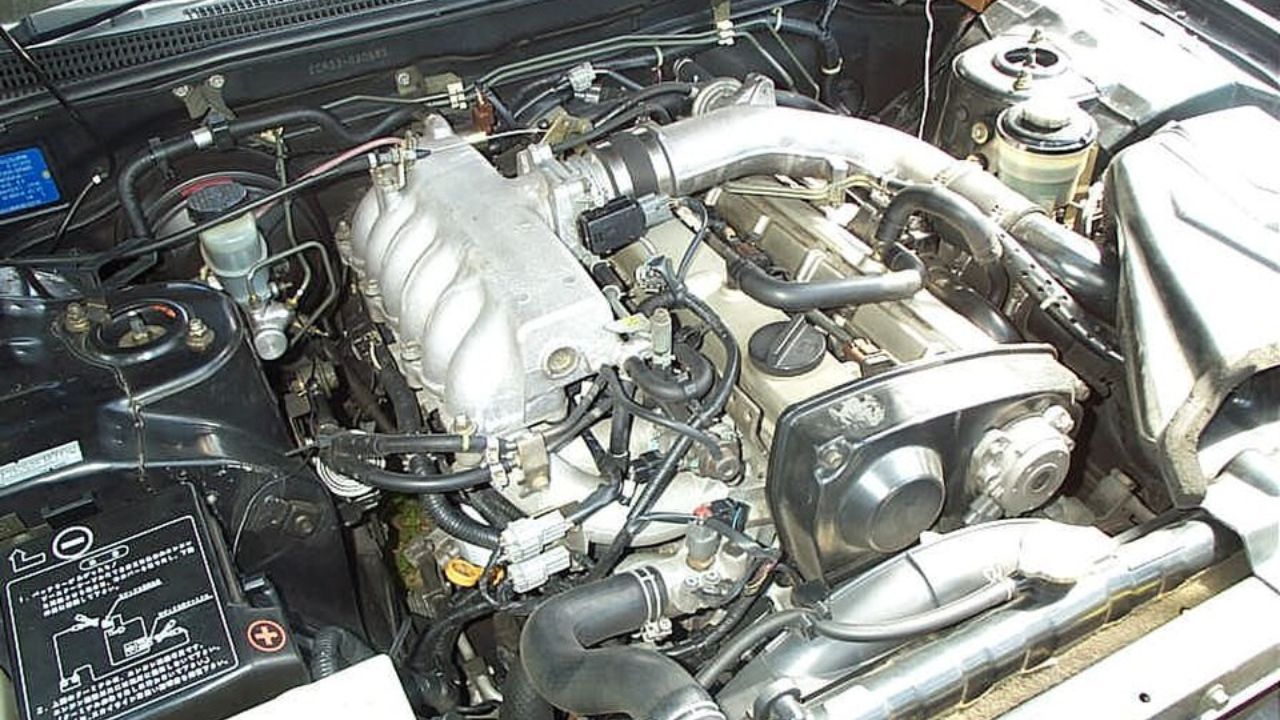
The Nissan RB25DET combined a strong inline-six architecture with turbocharging and electronic fuel injection. Although developed for performance applications, its cast-iron block and robust bottom end gave it a reputation for handling substantial use. The engine became especially popular among enthusiasts because its architecture offered considerable tuning potential. With appropriate maintenance and sensible modifications, the RB25DET could deliver strong performance without sacrificing the durability associated with the RB family.
Mitsubishi 4G63
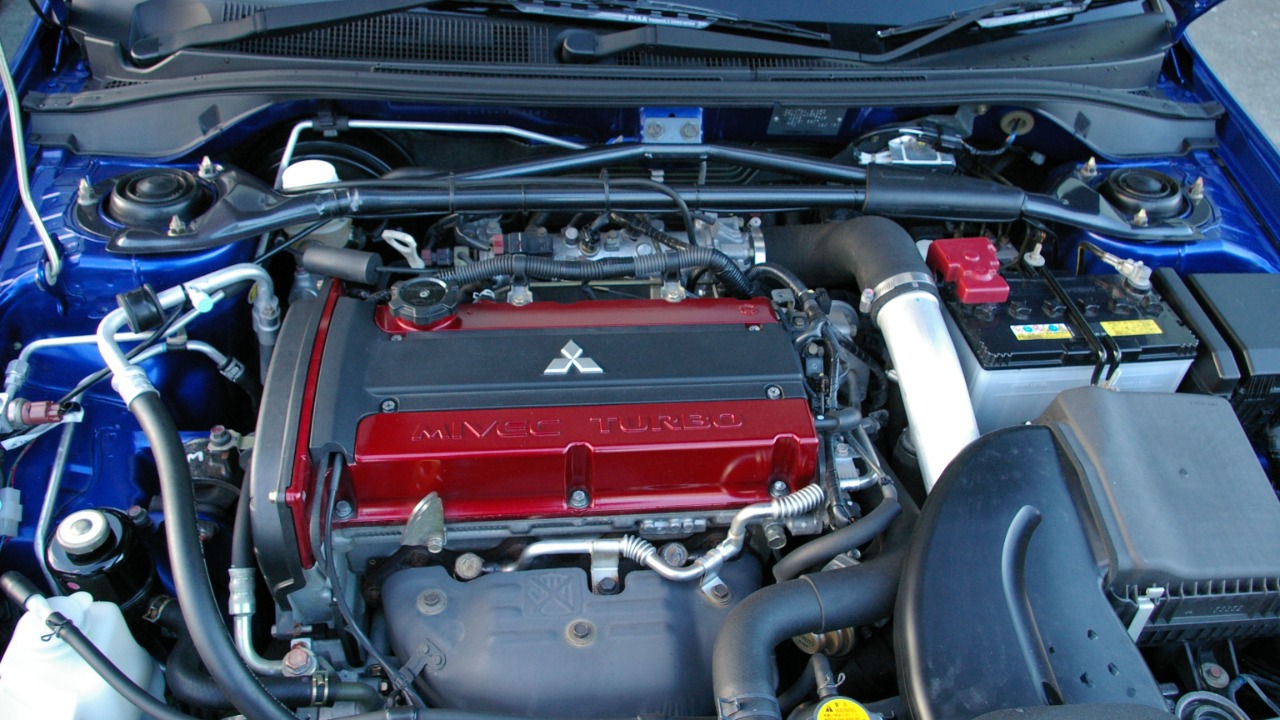
The Mitsubishi 4G63 became famous for its combination of durability, performance, and tuning potential. Used in everything from ordinary passenger cars to high-performance Lancer Evolution models, the engine developed a strong reputation for its sturdy construction. Turbocharged versions could handle significant power when properly prepared. Its success in rallying further demonstrated the strength of the basic architecture and helped make the 4G63 one of Mitsubishi’s most respected engines.
Buick 3800 V6
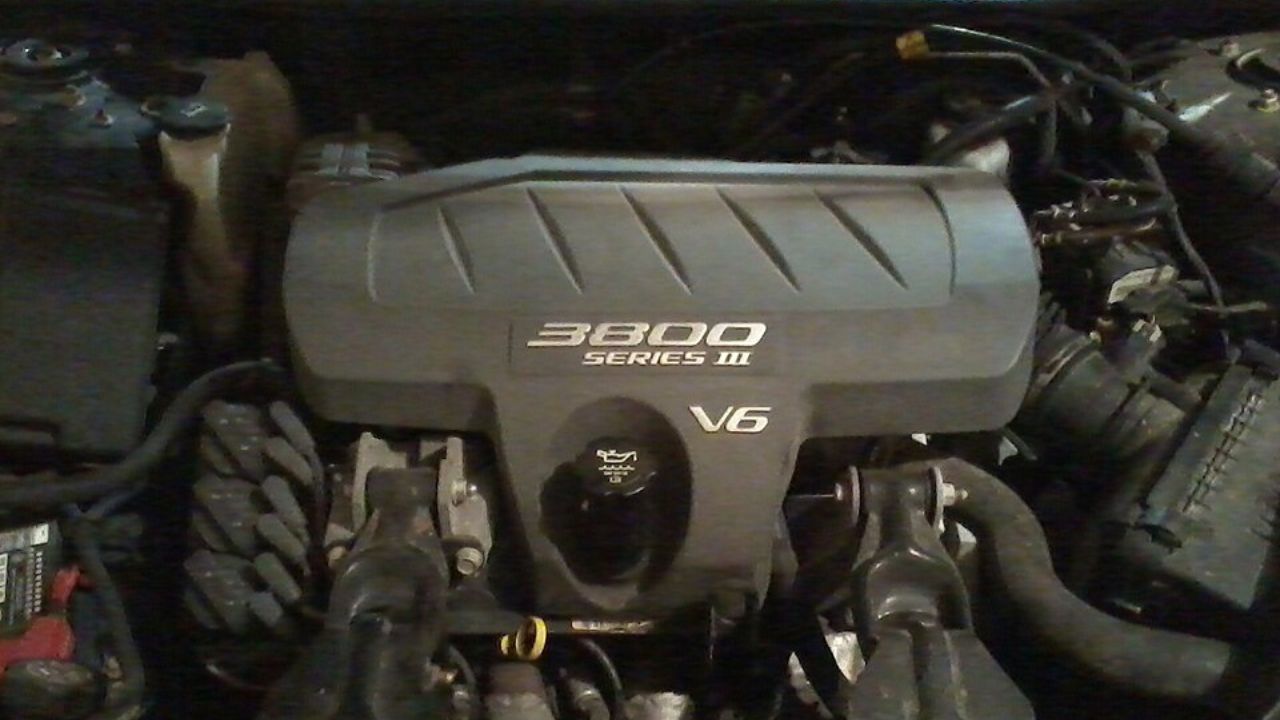
The Buick 3800 became one of the most durable American V6 engines of the modern classic era. Its basic architecture evolved from earlier Buick V6 designs and was refined over many years. Naturally aspirated and supercharged versions powered numerous GM vehicles. The engine became known for strong low-speed torque, relatively simple maintenance, and impressive longevity when properly serviced.
More from Fast Lane Only
- Unboxing the WWII Jeep in a Crate
- 15 rare Chevys collectors are quietly buying
- 10 underrated V8s still worth hunting down
- Police notice this before you even roll window down
*Research for this article included AI assistance, with all final content reviewed by human editors.