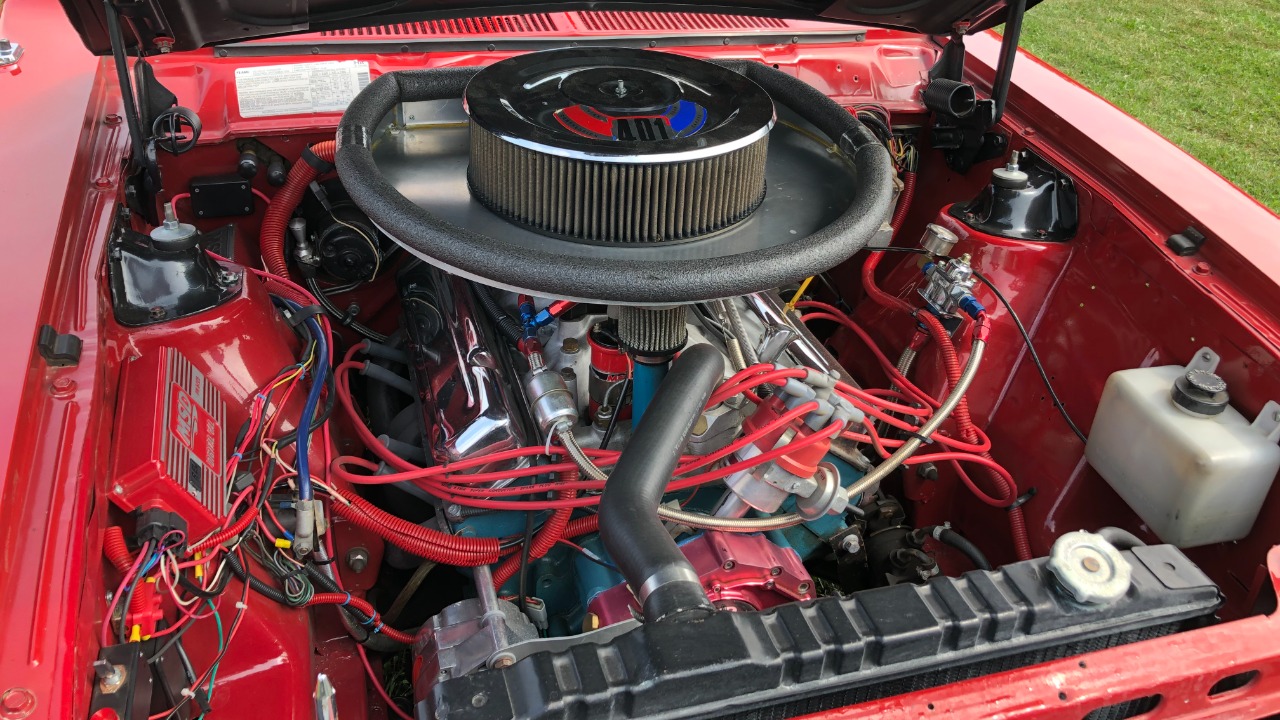
Big-block V8 engines have made a significant impact on the automotive world, delivering impressive power and performance. While many enthusiasts are familiar with iconic models like the Chevrolet 454 or the Ford 429, there are several lesser-known big-block V8s that are equally fascinating. In this list, I’ll take you through nine big-block V8s that you might not have seen in person, each with its own unique story and characteristics.
Chrysler 413 Max Wedge
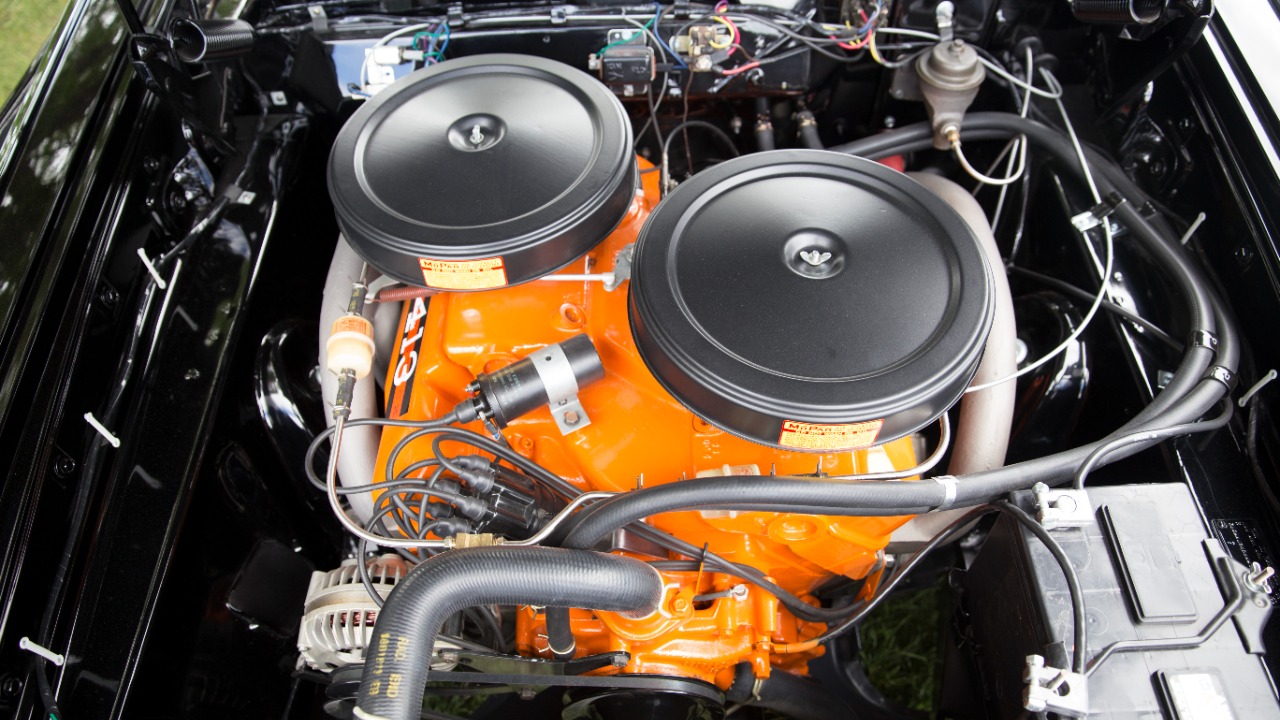
The Chrysler 413 Max Wedge was one of the engines that helped turn the early 1960s horsepower race into something much more serious. Offered in 1962, the Max Wedge wasn’t simply a larger version of Chrysler’s normal passenger-car V8. It featured specially designed cylinder heads, huge intake ports, a cross-ram intake manifold, dual four-barrel carburetors, and distinctive upswept exhaust manifolds that made the engine immediately recognizable. Hot Rod described the 1962-1964 Max Wedge engines as some of the wildest factory Super Stock powerplants of the era, and the 413 version was the beginning of the family before Chrysler moved to larger 426 versions.
The engine was intended for serious competition, which means surviving original combinations are scarce. The unusual intake and exhaust hardware also makes an authentic Max Wedge particularly difficult to confuse with an ordinary Chrysler big-block. Seeing one complete and correctly assembled is therefore a genuine treat for anyone interested in early Mopar performance.
Chevrolet 427 ZL1
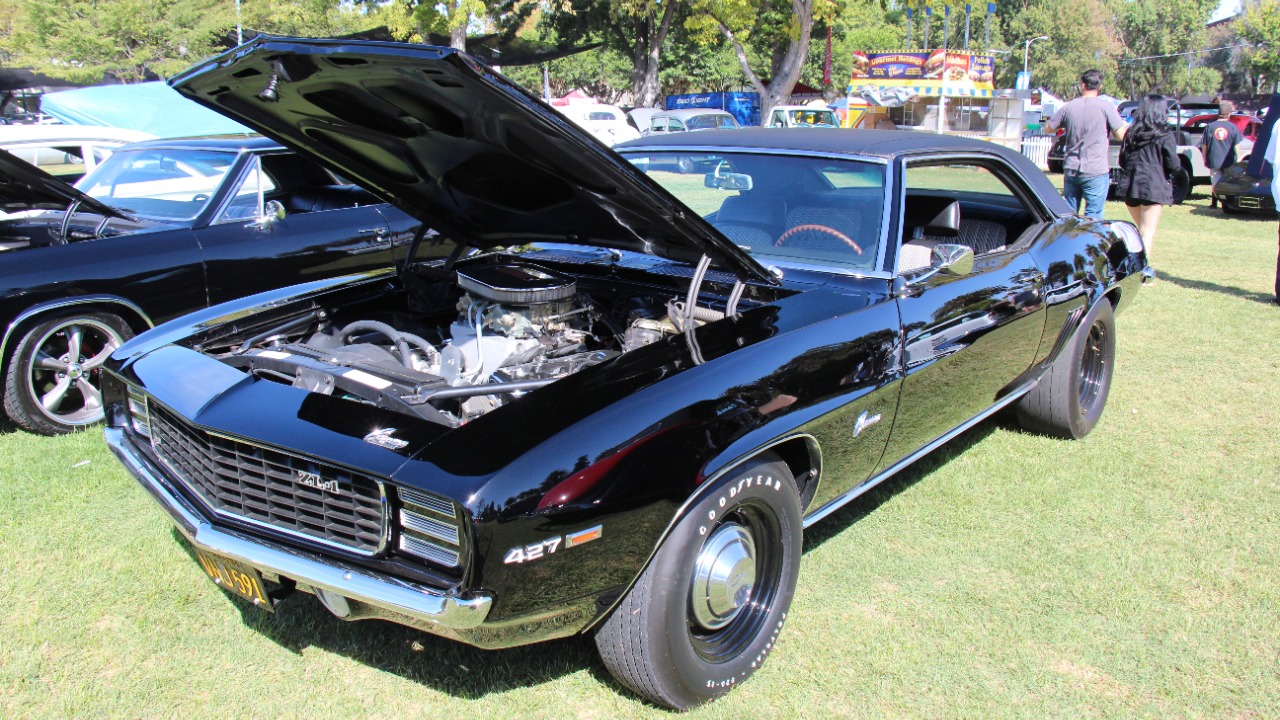
The Chevrolet 427 ZL1 is one of the clearest examples of an engine that became legendary precisely because almost nobody got the chance to own one. The ZL1 was an all-aluminum version of Chevrolet’s 427 big-block, developed with serious competition in mind and ultimately offered in a very limited number of 1969 Camaros. Unlike the heavy cast-iron big-blocks that dominated Chevrolet’s performance lineup, the aluminum construction dramatically reduced engine weight while retaining the enormous displacement and high-performance architecture.
The ZL1 became one of the most extreme factory engines Chevrolet had ever put into a production car, but its price made the option extraordinarily expensive. Only 69 ZL1 Camaros were ultimately built for 1969, making the combination one of the rarest factory muscle-car engine packages of the era. That production figure explains the problem with seeing one today. You can spend years attending major Chevrolet shows and still never encounter a genuine ZL1 Camaro with its original engine.
Chrysler 440 Six Pack
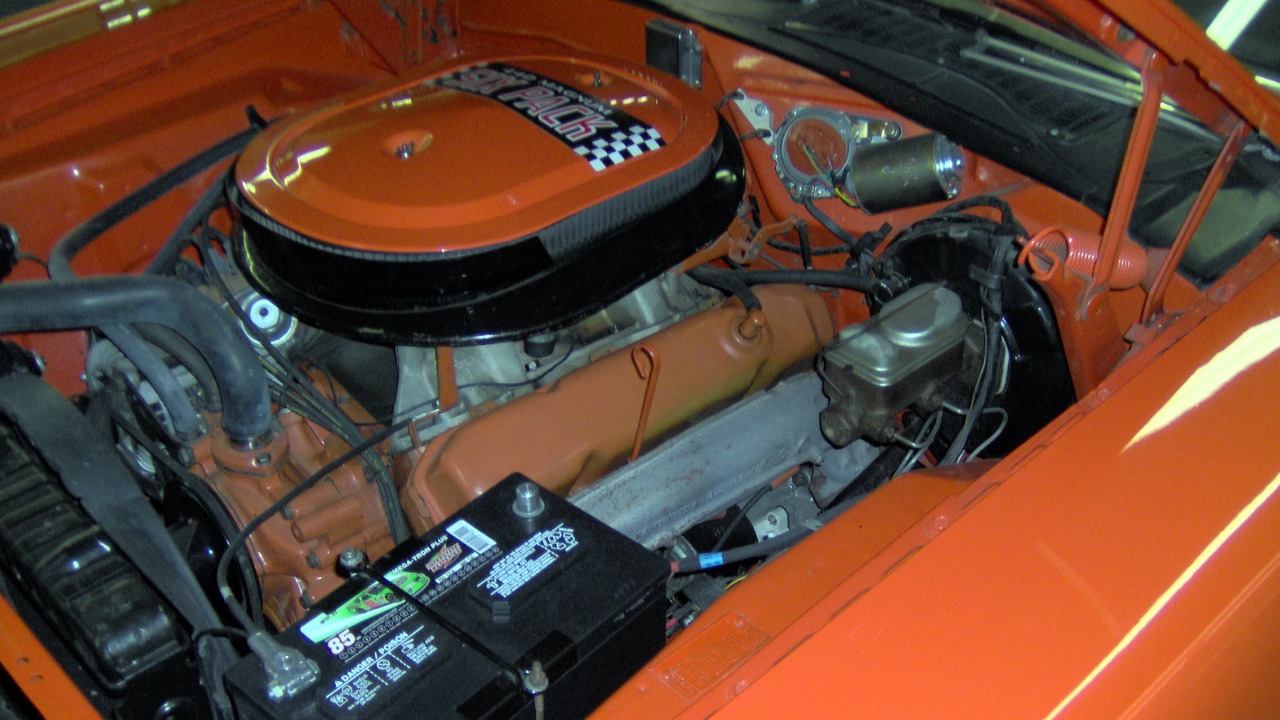
The Chrysler 440 Six Pack is a legendary engine that has earned its place in the annals of American muscle car history. Known for its triple carburetor setup, the 440 Six Pack can produce up to 390 horsepower and 490 lb-ft of torque, offering a thrilling driving experience. This engine is often associated with classic models like the Dodge Charger and Plymouth Road Runner, known for their aggressive styling and performance.
What makes the 440 Six Pack truly special is its racing pedigree. This engine was designed with performance in mind, making it a popular choice for drag racing enthusiasts. Its unique carburetion setup ensures that power is delivered smoothly across the RPM range, making it a favorite among gearheads. If you ever get a chance to see a well-preserved example of a 440 Six Pack in person, you’ll understand why it’s still revered today.
Oldsmobile 455 Rocket
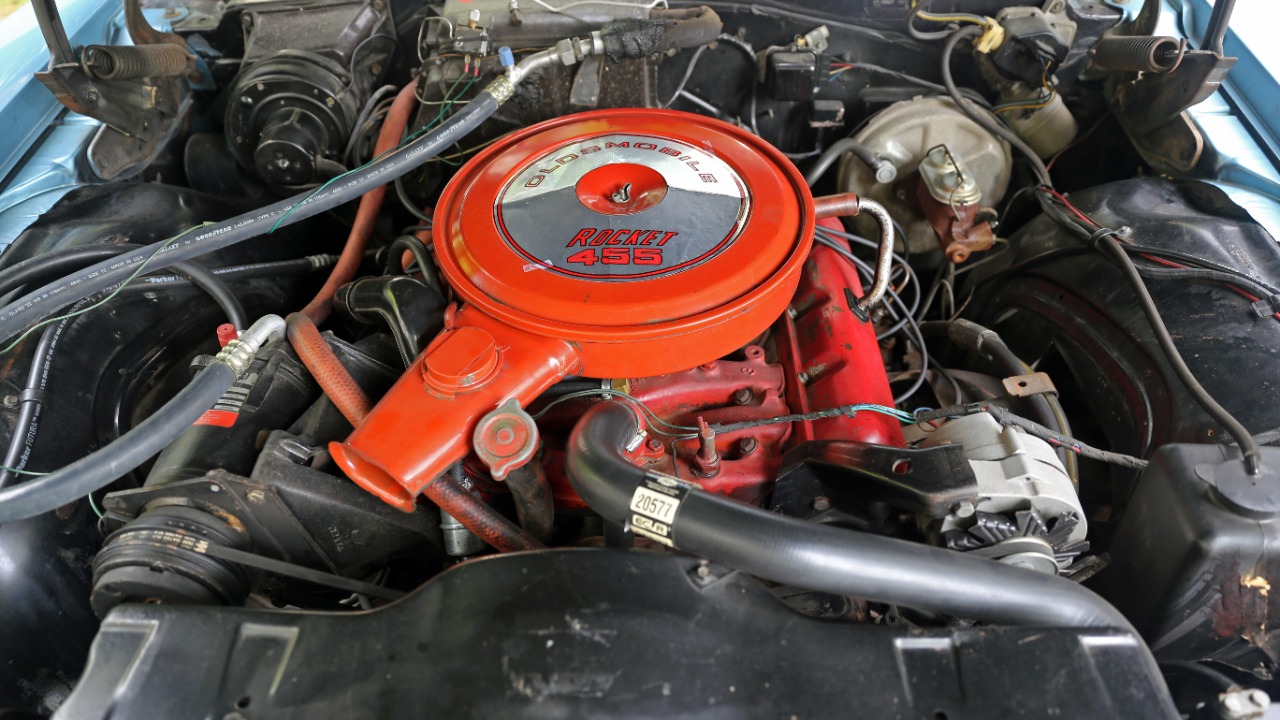
The Oldsmobile 455 Rocket is often overlooked in discussions about big-block V8s, but it deserves recognition for its robust performance and distinctive character. Producing around 370 horsepower and 500 lb-ft of torque, the 455 Rocket was a favorite during the muscle car era, particularly in models like the Oldsmobile Cutlass. Its design emphasizes torque, giving it a strong pull in the lower RPMs, making it ideal for street driving.
One of the unique aspects of the 455 Rocket is its engineering, which was aimed at delivering smooth power delivery. Many enthusiasts appreciate its potential for modifications, allowing for enhanced performance without sacrificing reliability. If you encounter a classic Oldsmobile sporting this engine, take a moment to appreciate the engineering marvel that is the 455 Rocket.
Buick 455 V8

Buick’s 455 V8 is another big-block engine that often flies under the radar. With a displacement of 455 cubic inches, this powerhouse was used in various vehicles, including the Buick Riviera and Skylark. The Buick 455 was renowned for its smooth power delivery and impressive torque, producing up to 360 horsepower and 510 lb-ft of torque. This made it a formidable competitor in the muscle car arena.
What sets the Buick 455 apart is its unique combination of performance and luxury. Unlike many of its contemporaries, this engine offered a refined driving experience, making it a favorite among those who sought both speed and comfort. If you ever come across a classic Buick featuring this engine, you’ll find that it embodies the spirit of American performance.
Pontiac 455 HO
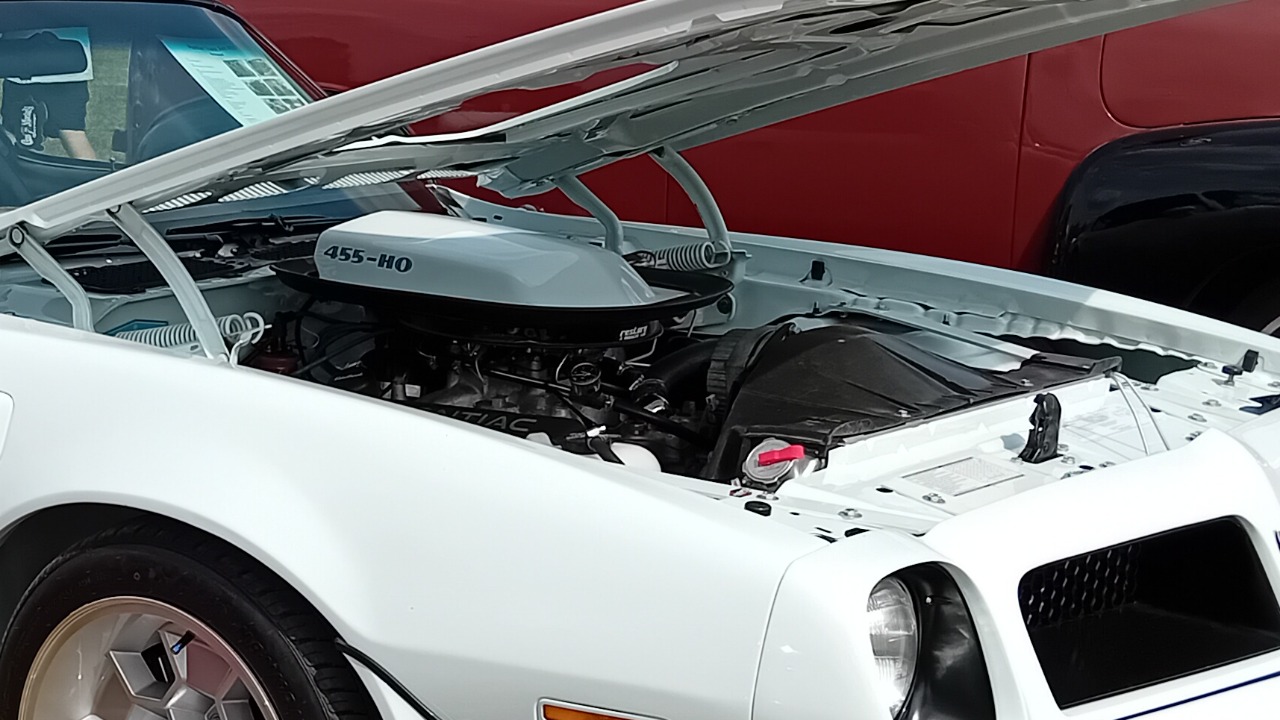
The Pontiac 455 HO (High Output) is a remarkable engine that captures the essence of Pontiac’s performance legacy. With a power output of around 360 horsepower and 500 lb-ft of torque, the 455 HO is known for its impressive acceleration and high-end performance. This engine was often found in performance models like the Pontiac Trans Am and GTO, making it a favorite among muscle car enthusiasts.
The 455 HO distinguishes itself with its unique design features, including upgraded cylinder heads and a more aggressive camshaft. These enhancements allow for improved airflow and performance, resulting in a thrilling driving experience. If you have the chance to see a Pontiac equipped with the 455 HO, you’ll witness a true performance icon that still excites enthusiasts today.
Ford 427 SOHC Cammer
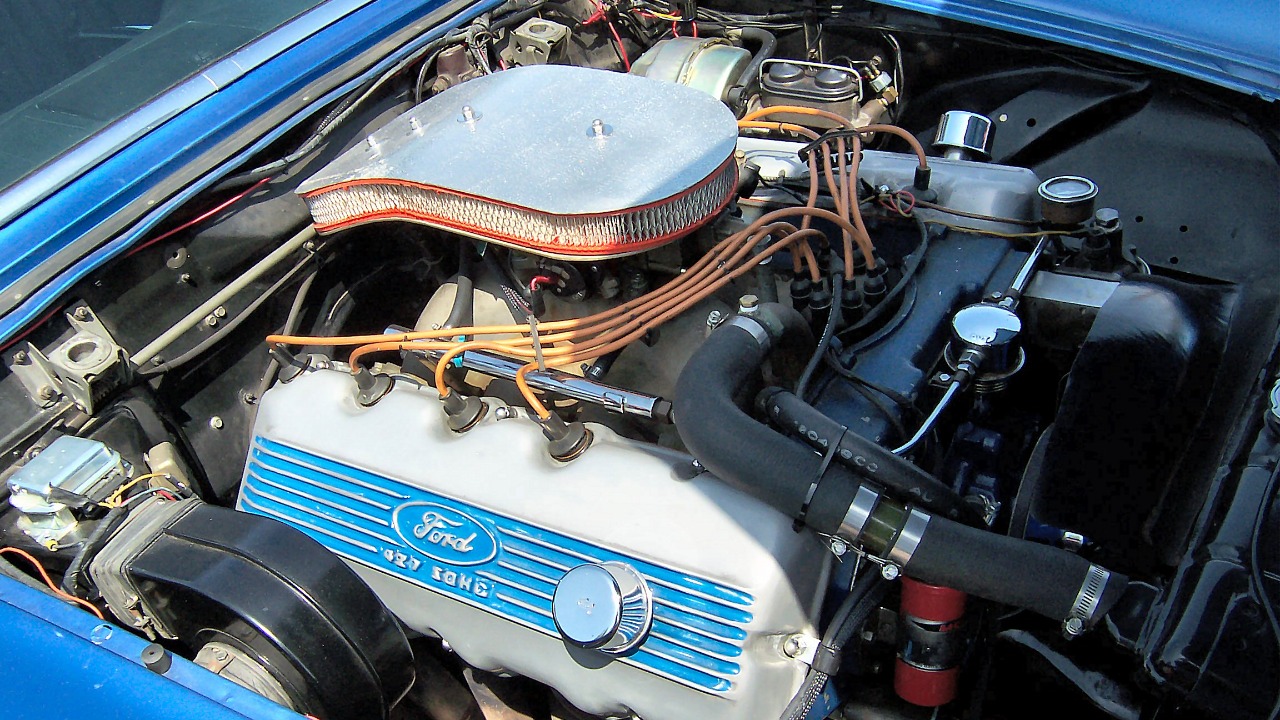
The Ford 427 SOHC, better known as the Cammer, looks like someone took a normal American big-block and decided that conventional pushrods were no longer good enough. Ford developed the engine as a response to Chrysler’s growing success with the 426 Hemi in NASCAR, replacing the FE’s conventional valve arrangement with single overhead camshafts. The result was an enormous and complicated engine with a distinctive chain drive, hemispherical combustion chambers, forged internal components, and an appearance unlike almost anything else Ford produced for the street.
The engine was never produced in large numbers as an ordinary passenger-car option, but it became an important weapon in drag racing and other forms of competition. Its rarity today is partly the result of that limited production and partly because most examples were associated with specialized racing applications. Even Ford enthusiasts who can identify a 427 from across a parking lot may go years without seeing a genuine SOHC Cammer outside a major collection.
Dodge 426 Hemi
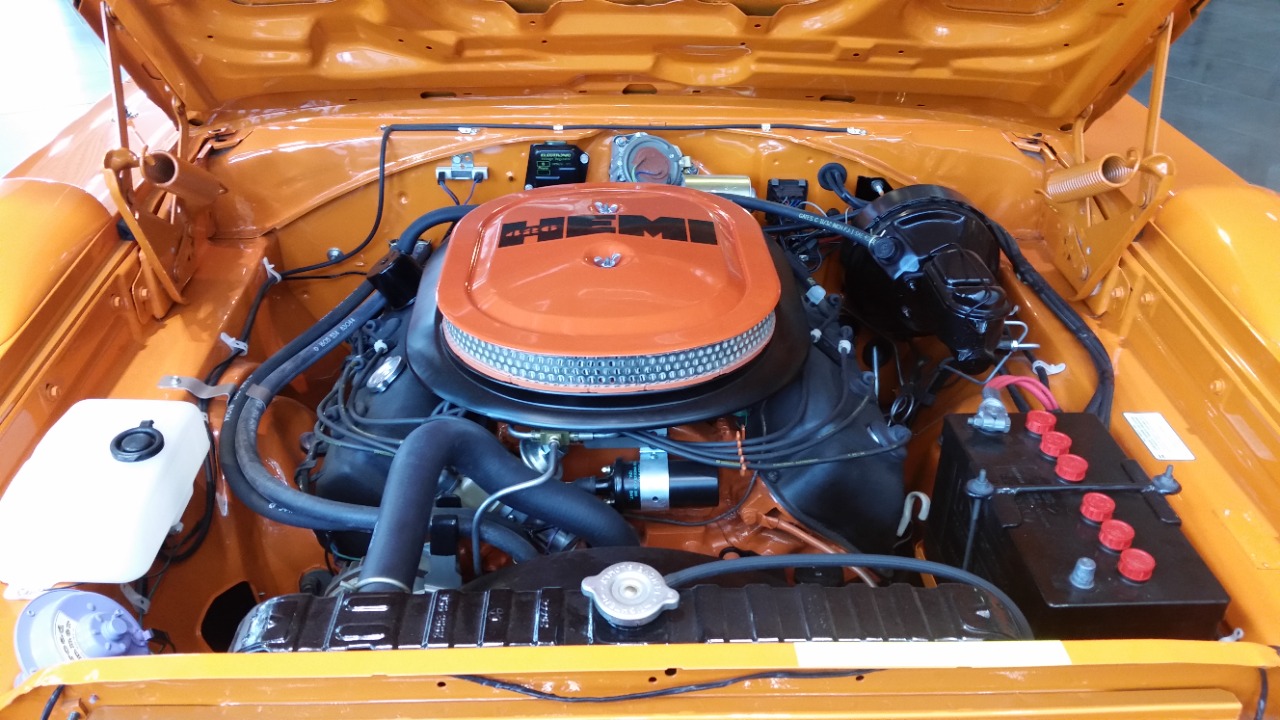
The Dodge 426 Hemi is perhaps one of the most iconic big-block V8s in automotive history. Known for its distinctive hemispherical combustion chamber design, the 426 Hemi was a dominant force in motorsports during the late 1960s. With an output of up to 425 horsepower and incredible torque, this engine became synonymous with power and performance in the muscle car world.
Originally designed for racing, the 426 Hemi was featured in legendary models like the Dodge Charger and Plymouth Superbird. Its unique design allowed for efficient airflow and maximum power output, making it a favorite among drag racers. If you ever get the chance to see a 426 Hemi in person, it’s not just an engine; it’s a piece of automotive history that continues to inspire and excite enthusiasts.
AMC 401 V8
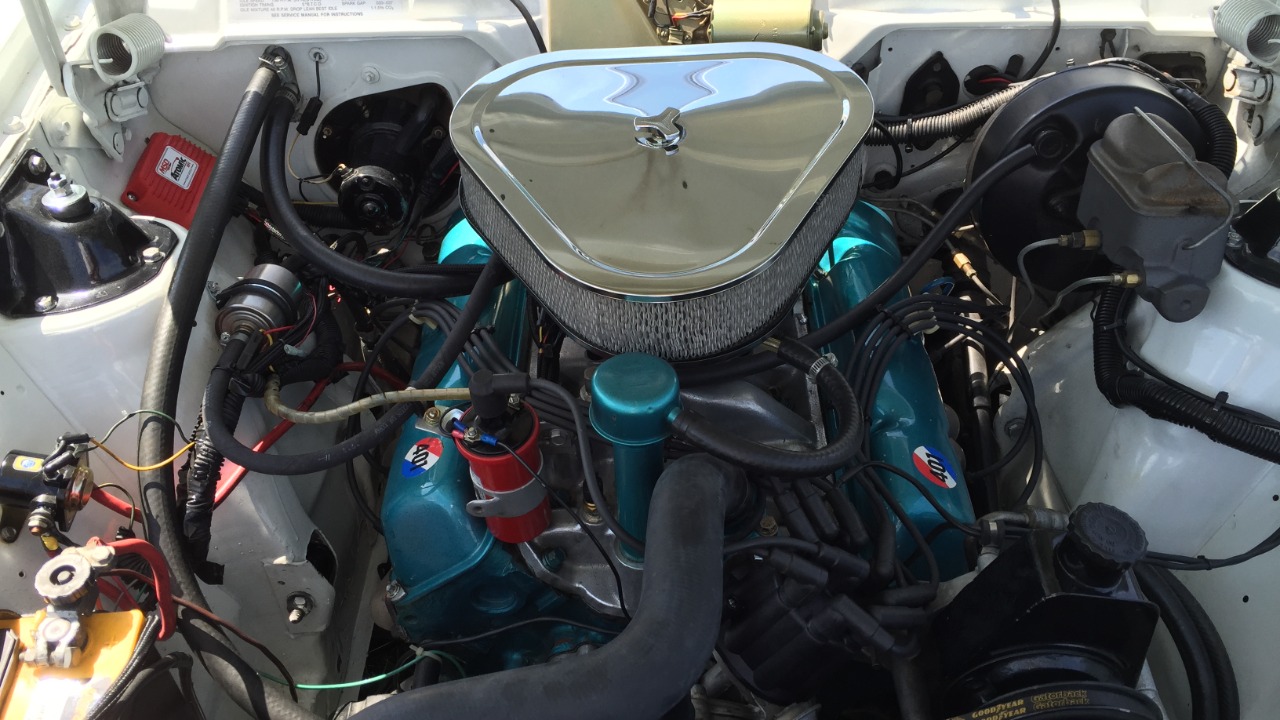
The AMC 401 V8 is a hidden gem among big-block engines, often overshadowed by more prominent brands. With a displacement of 401 cubic inches, this engine produced approximately 330 horsepower and 425 lb-ft of torque, making it a powerful option for AMC vehicles. It was primarily installed in models like the AMC Javelin and Matador, showcasing its performance potential.
What makes the AMC 401 unique is its engineering, which focused on delivering a balance of power and reliability. Despite being less common today, it remains a favorite among collectors and enthusiasts looking to restore classic AMC vehicles. If you encounter an AMC 401 in a vintage car show, take a moment to appreciate this underrated powerhouse that played a significant role in American automotive history.
More from Fast Lane Only
- Unboxing the WWII Jeep in a Crate
- 15 rare Chevys collectors are quietly buying
- 10 underrated V8s still worth hunting down
- Police notice this before you even roll window down
*Research for this article included AI assistance, with all final content reviewed by human editors.