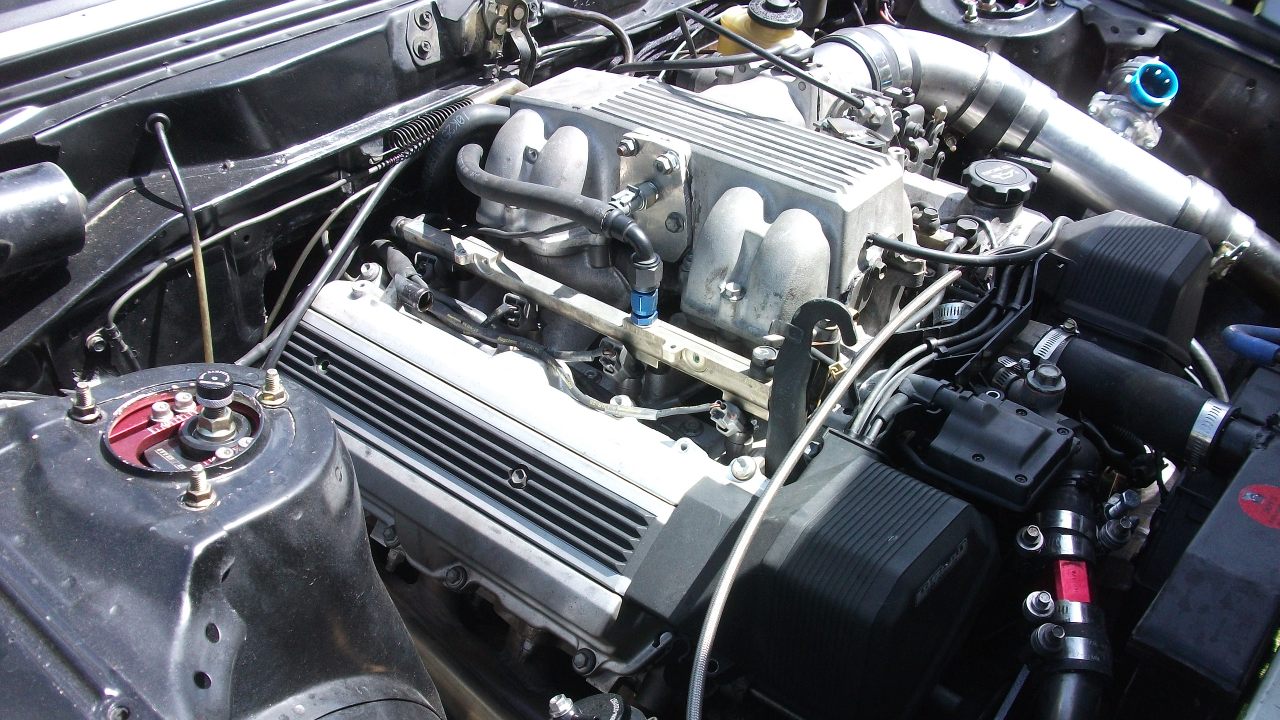
Some engines earned their reputations the hard way, surviving high mileage, harsh climates, heavy workloads, and years of imperfect maintenance. They were not always the most powerful or advanced engines of their time, but their durability made them favorites among owners and mechanics. These 20 engines became known for continuing to run when lesser powerplants might have given up.
Toyota 2F
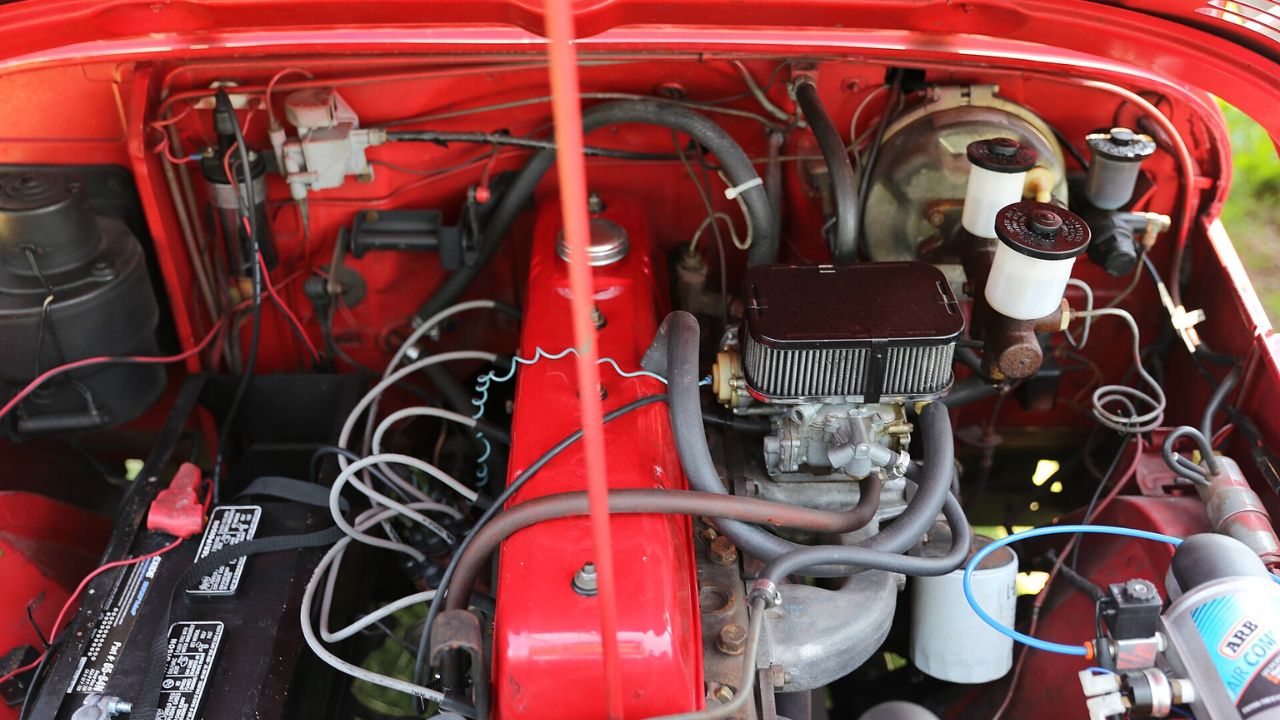
The Toyota 2F was a 4.2-liter inline-six that became closely associated with the Land Cruiser. Its low-stress design, simple construction, and strong low-end torque made it well suited to demanding work in places where reliability mattered more than outright performance. The engine was not particularly sophisticated, but that was part of its appeal. With proper maintenance, 2F-powered vehicles could accumulate impressive mileage while working in difficult conditions. Today, the engine remains respected by Land Cruiser enthusiasts who value mechanical simplicity and long-term dependability.
Mercedes-Benz OM617
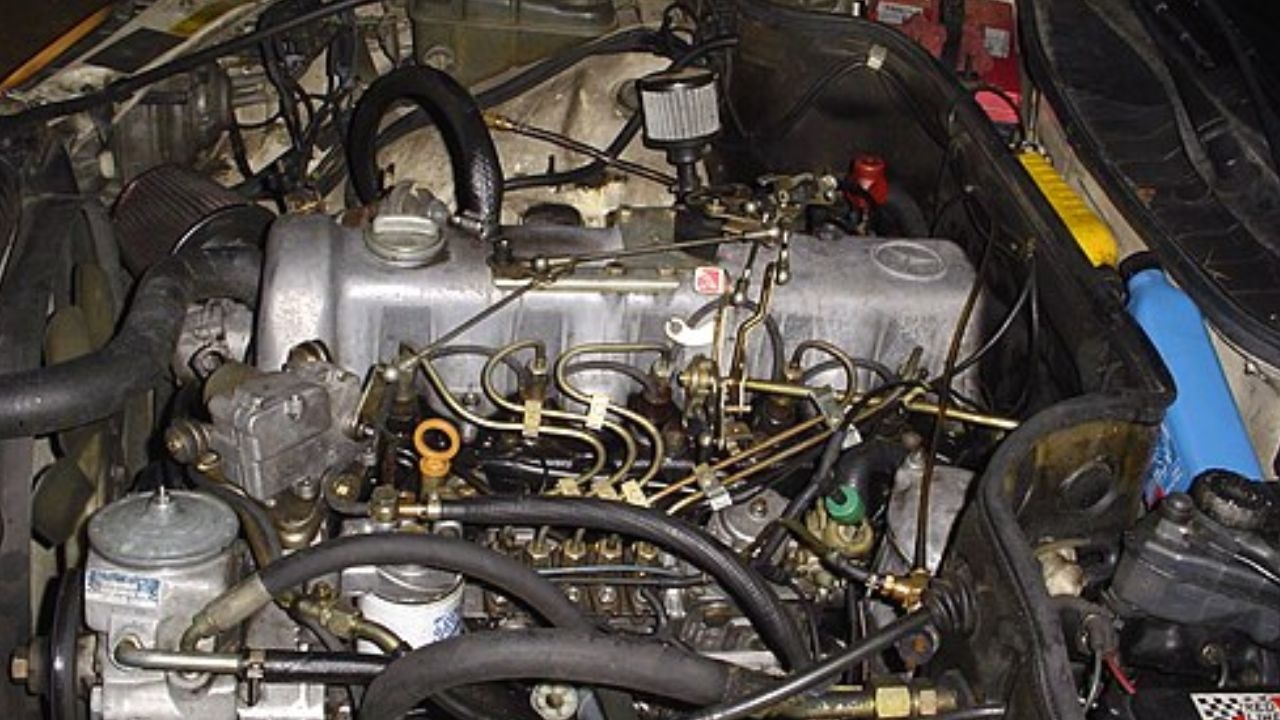
The Mercedes-Benz OM617 diesel developed a legendary reputation for durability. Its five-cylinder design was built around a relatively conservative approach to diesel engineering, with a strong bottom end and mechanical fuel injection. These engines were used in cars that accumulated enormous mileage, sometimes while receiving less-than-perfect care. The OM617 was never known for being particularly quick, but speed was not its mission. Its real strength was continuing to deliver dependable transportation year after year, making it one of the classic diesel engines most closely associated with extreme longevity.
Ford 300 inline-six
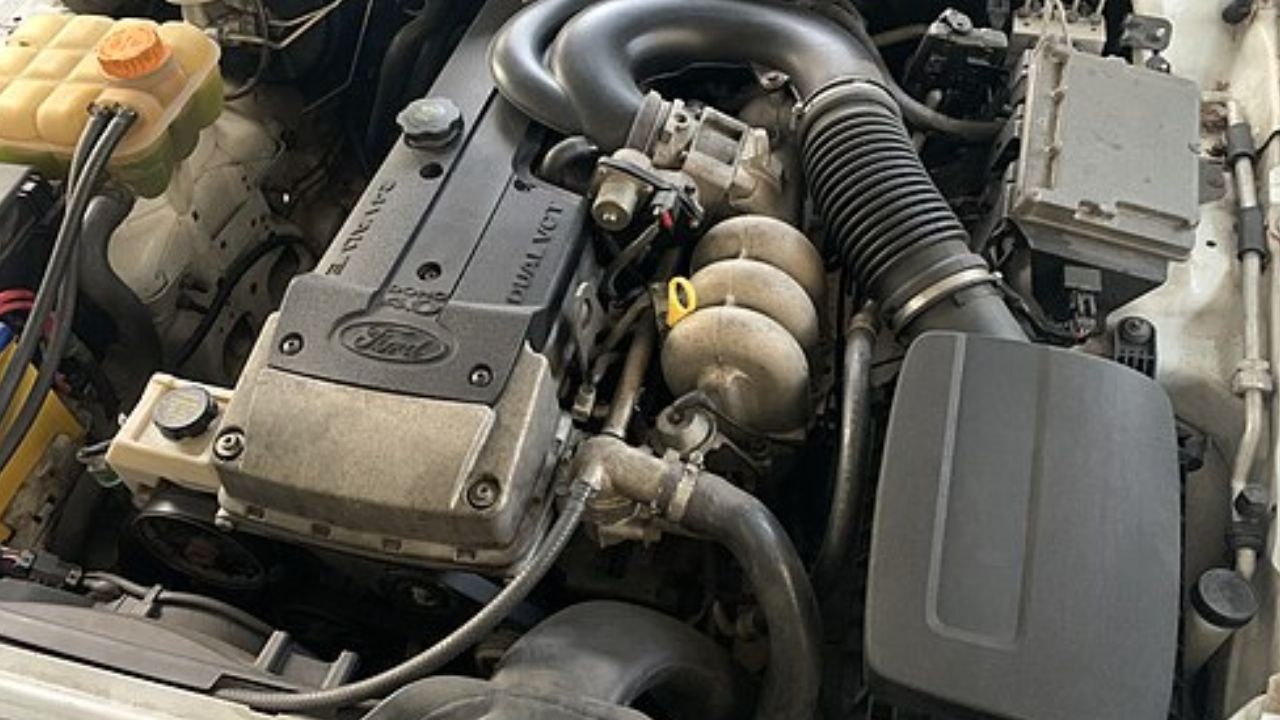
Ford’s 300-cubic-inch inline-six became a favorite among truck owners because it produced useful torque without relying on complicated engineering. The engine was particularly well suited to pickups and commercial applications where reliability mattered more than horsepower figures. Its sturdy construction and relatively simple design helped it tolerate demanding workloads. Many examples spent decades hauling, towing, and working on farms. The 300’s reputation became so strong that it is still frequently mentioned whenever enthusiasts discuss American engines built for durability rather than showroom bragging rights.
GM 3800 V6
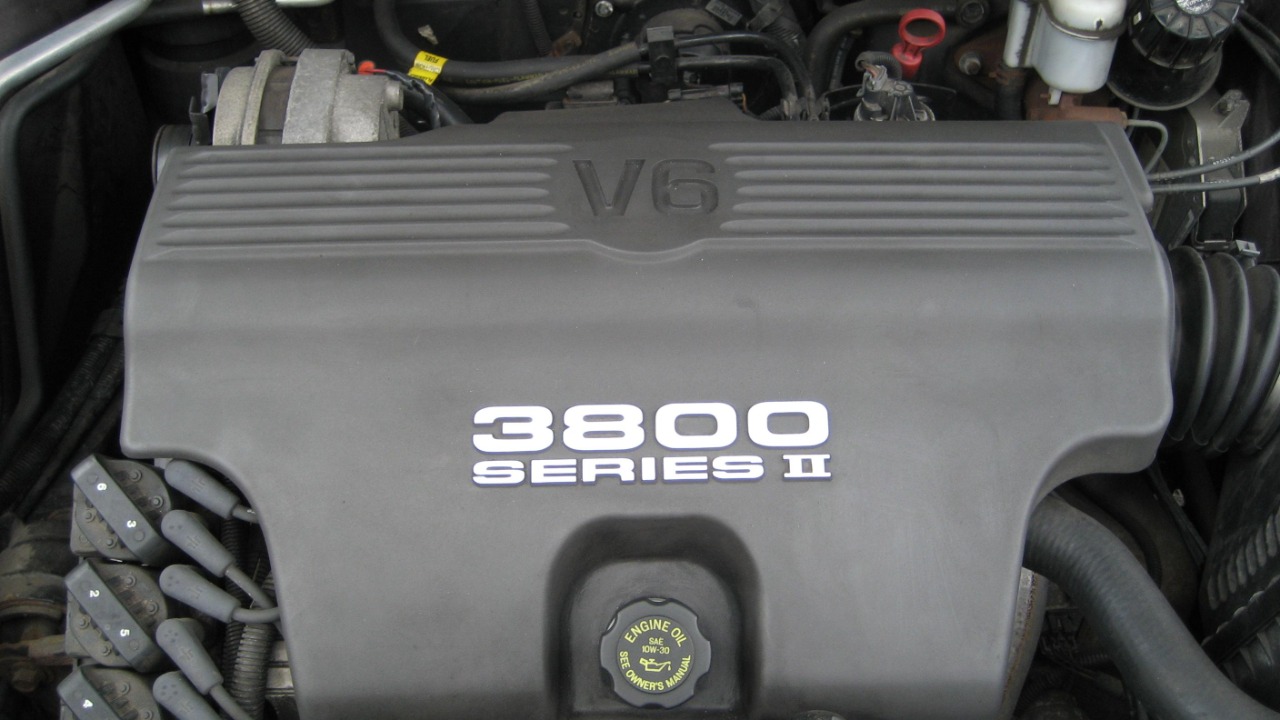
The GM 3800 V6 became one of General Motors’ best-known durable engines. It evolved through several generations, but its fundamental reputation for dependable everyday service remained remarkably consistent. The engine delivered useful torque, reasonable fuel economy, and a long service life in a wide range of GM vehicles. It was not exotic, which was exactly why it worked so well. Millions were produced, parts were readily available, and mechanics became extremely familiar with them. For ordinary transportation, few engines were as proven.
Toyota 4A-FE
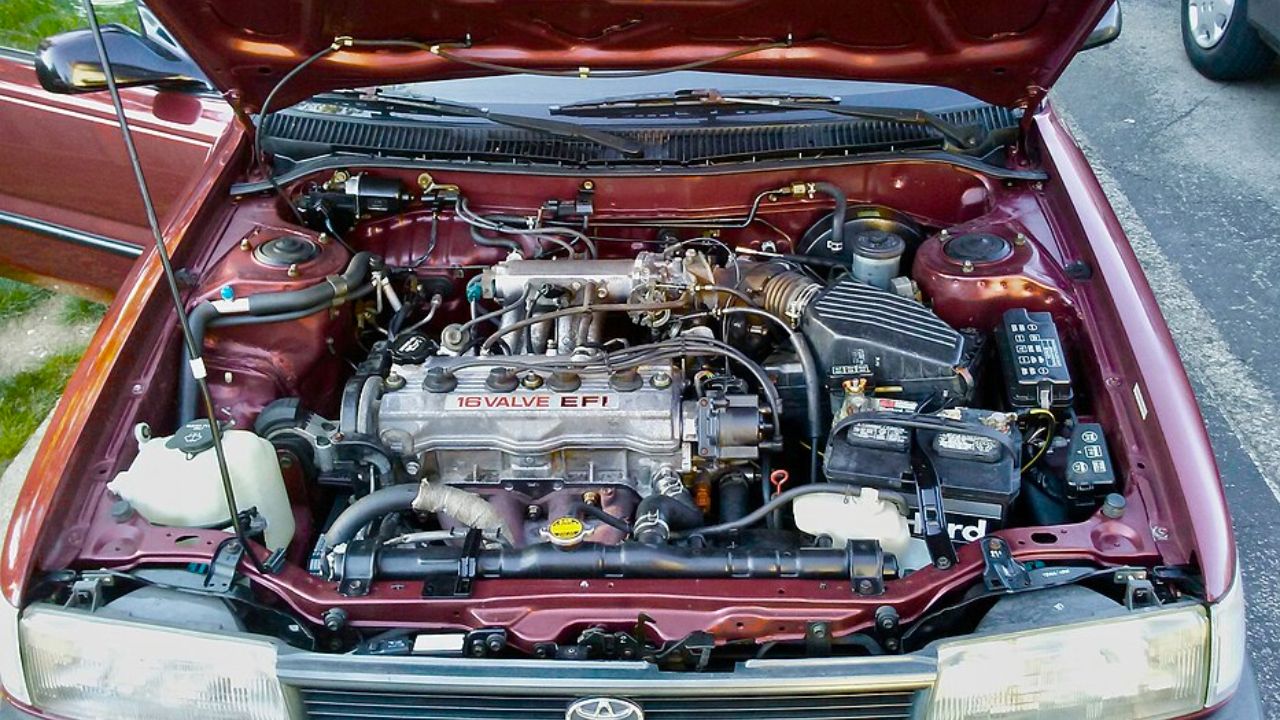
The Toyota 4A-FE was a small four-cylinder engine that demonstrated how durability could be achieved without large displacement. It powered numerous Toyota models and became known for economical operation and dependable daily use. Its relatively simple construction made routine maintenance straightforward, while its modest output meant the engine was not being pushed particularly hard in normal driving. Owners often valued the 4A-FE because it simply did its job without demanding much attention. It remains a good example of Toyota’s practical approach to engine design.
Toyota 1KZ-TE
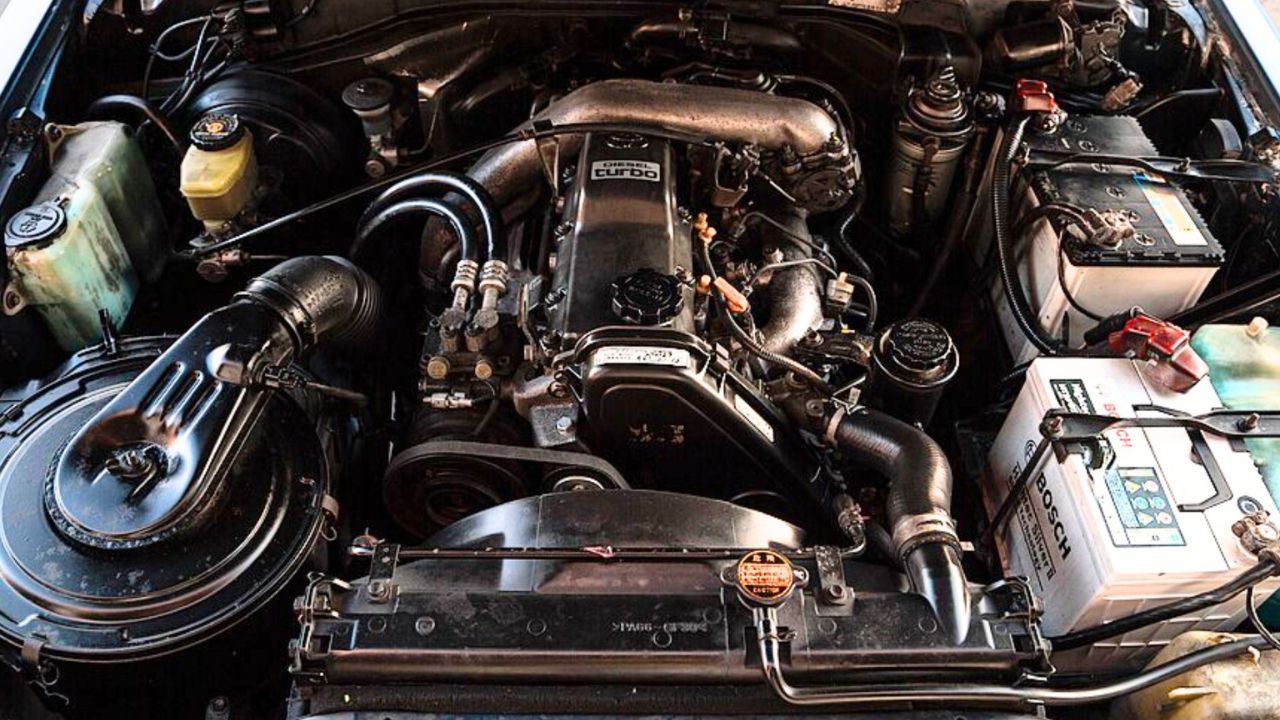
The Toyota 1KZ-TE became a popular diesel engine in several Toyota four-wheel-drive and utility vehicles. Its turbocharged four-cylinder design offered a useful balance between torque, economy, and everyday drivability. Although more complicated than Toyota’s earlier naturally aspirated diesels, it developed a strong following among owners who wanted dependable performance from a relatively compact engine. Proper cooling-system maintenance is important, particularly because overheating can cause serious problems. When looked after correctly, the 1KZ-TE can provide a long service life in demanding vehicles.
Cummins 6BT
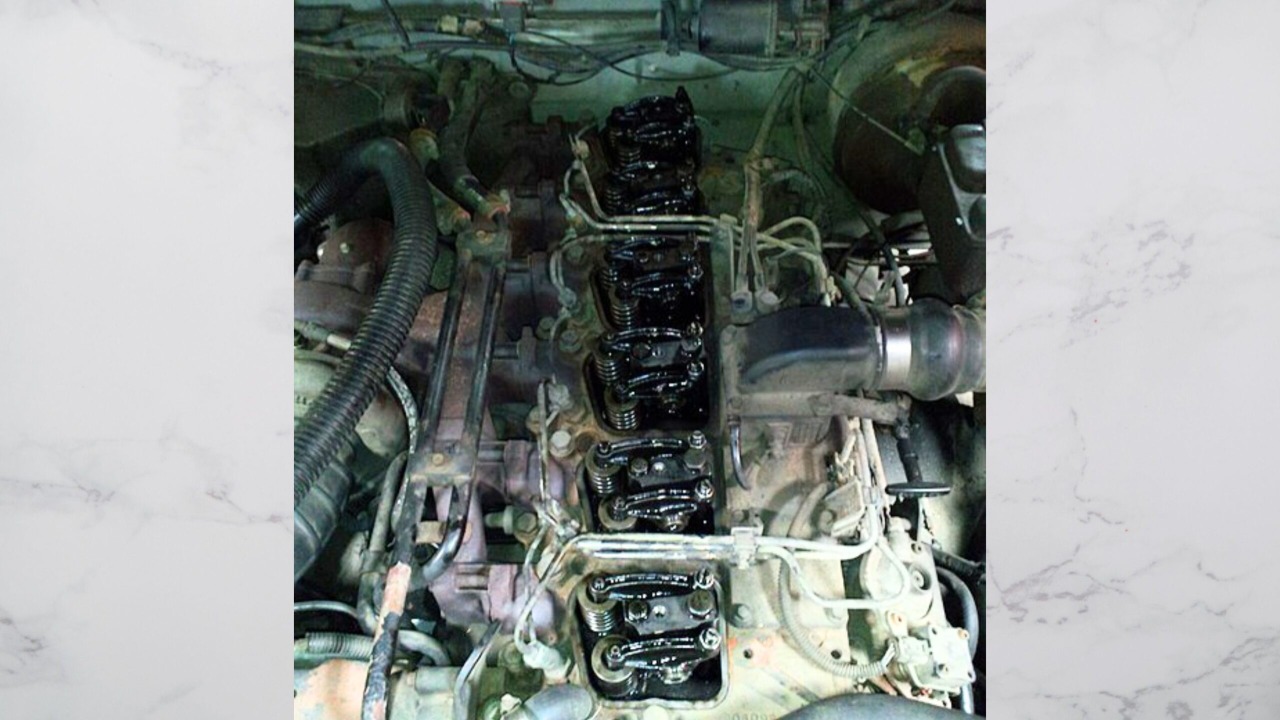
The Cummins 6BT became one of the most respected diesel engines used in pickup trucks. Its 5.9-liter inline-six design combined strong torque with a robust internal structure and relatively straightforward fuel system in earlier applications. The engine was built for heavy-duty use rather than high-revving performance, and that conservative approach contributed to its reputation. It became especially popular among truck owners who expected their vehicles to tow, haul, and work hard. Few diesel engines have developed such a strong reputation among both commercial users and enthusiasts.
Volkswagen 1.9 TDI
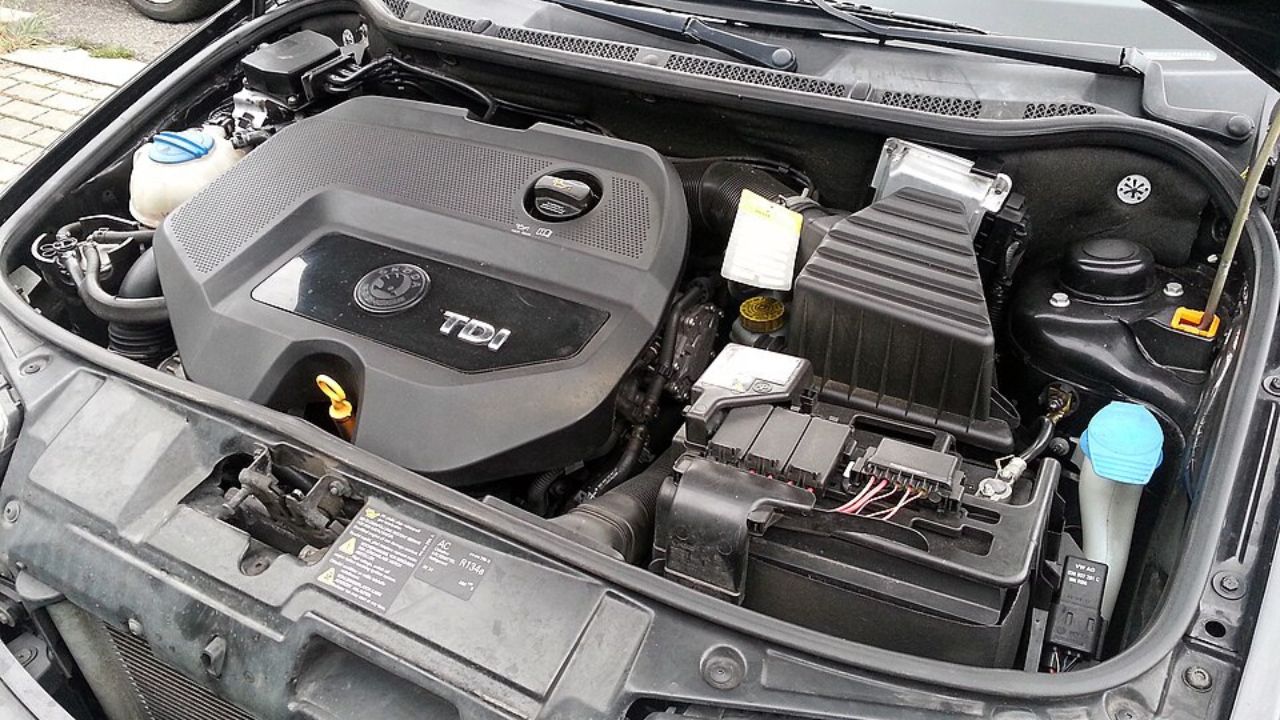
The Volkswagen 1.9 TDI became famous for combining strong fuel economy with impressive longevity. Different versions used different injection systems and turbocharger configurations, but the basic engine family became a staple of Volkswagen’s diesel lineup. Its modest displacement and efficient design allowed it to deliver useful torque without consuming much fuel. Well-maintained examples became known for covering very high mileages. The engine’s popularity also means parts, knowledge, and repair experience remain widespread, helping explain why enthusiasts continue to seek out older 1.9 TDI-powered cars.
Toyota 5VZ-FE
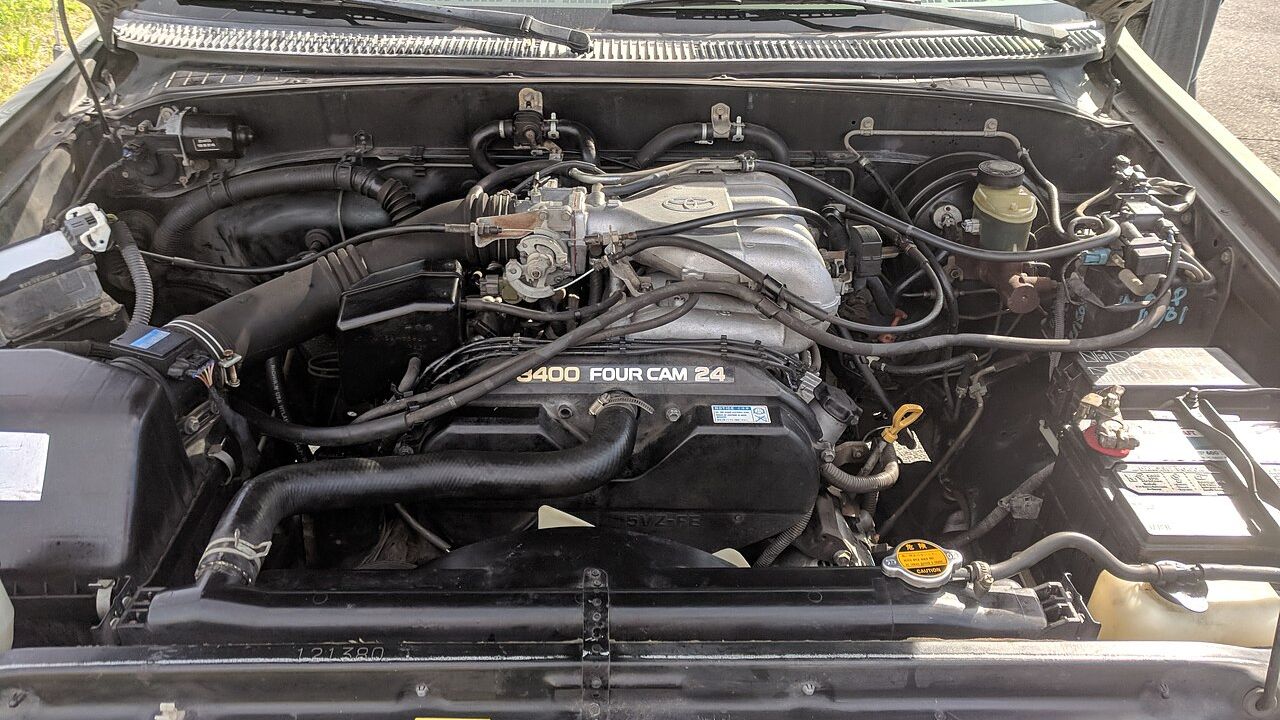
The Toyota 5VZ-FE was a 3.4-liter V6 that earned a strong reputation in trucks and SUVs. It offered considerably more power than Toyota’s smaller four-cylinder engines while maintaining a relatively conservative design. The engine became especially popular in vehicles such as the Tacoma, 4Runner, and Tundra, where it had to deal with towing, off-road driving, and everyday use. Its straightforward architecture and durable reputation have made it a favorite among owners who want an older Toyota powertrain that can withstand years of practical use.
Honda B18C
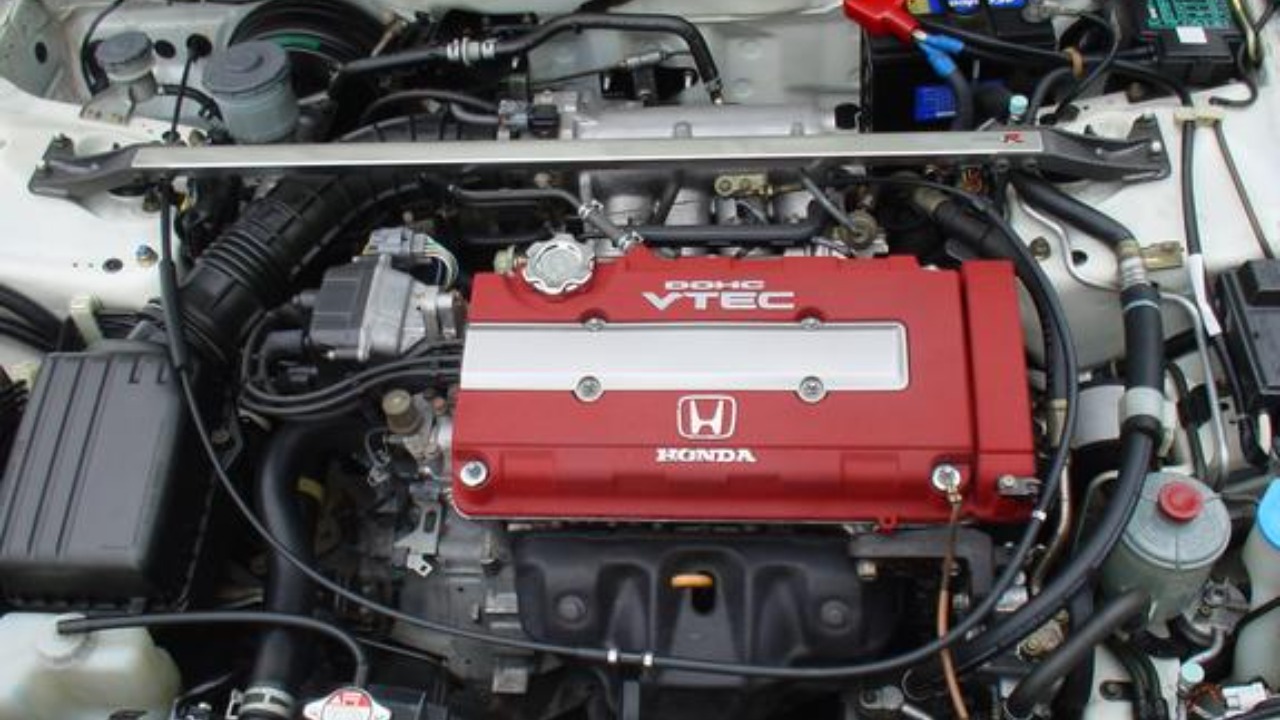
The Honda B18C showed that a performance engine could also be durable when properly maintained. Used in high-performance versions of the Integra, the engine combined a compact four-cylinder layout with Honda’s high-revving VTEC technology. Unlike many engines designed primarily for longevity, the B18C encouraged enthusiastic driving, yet well-maintained examples could remain remarkably reliable. Its strong aftermarket support also means owners have extensive knowledge and parts resources available. Today, the B18C remains respected for proving that performance and durability do not necessarily have to be opposites.
Toyota 3S-FE
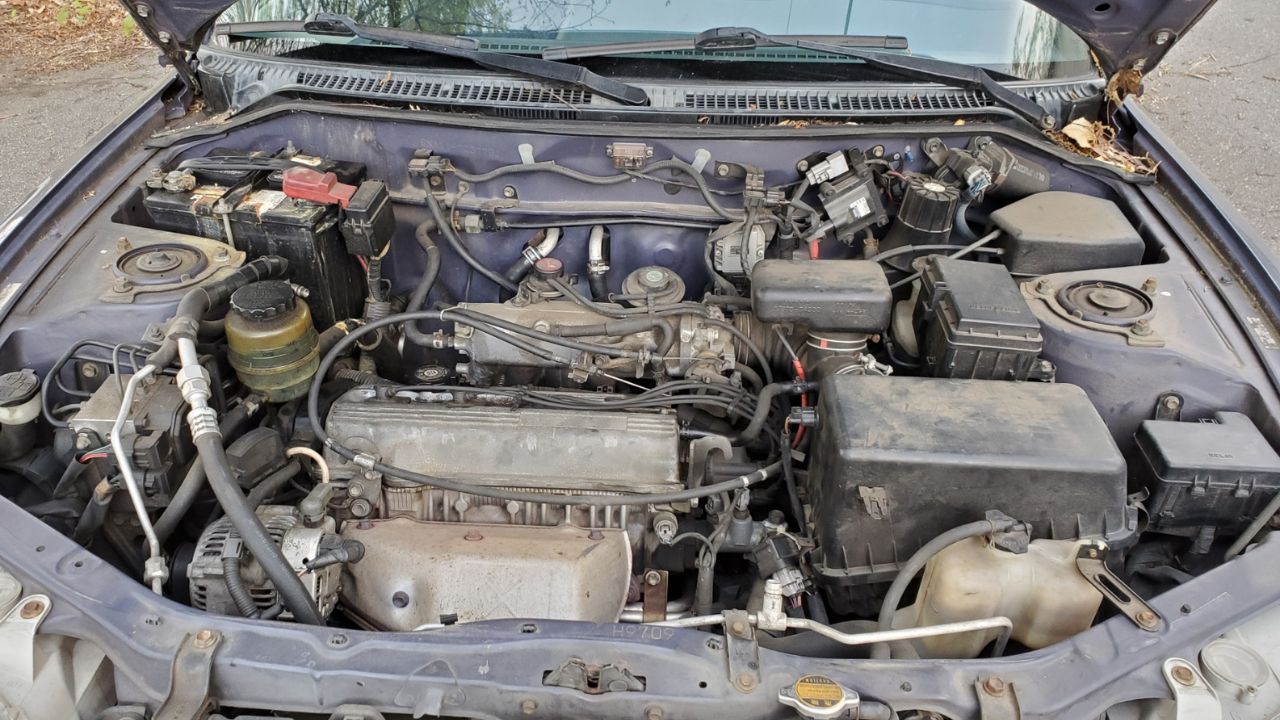
The Toyota 3S-FE was a practical four-cylinder engine used in a broad range of Toyota vehicles. It was designed more for dependable transportation than outright performance, and its conservative tuning helped support that mission. The engine powered family cars, vans, and other vehicles that were expected to work reliably every day. Its widespread use also meant mechanics became familiar with its common maintenance requirements. For drivers who wanted an engine that could rack up years of ordinary commuting without drama, the 3S-FE was a strong choice.
Mitsubishi 4G63
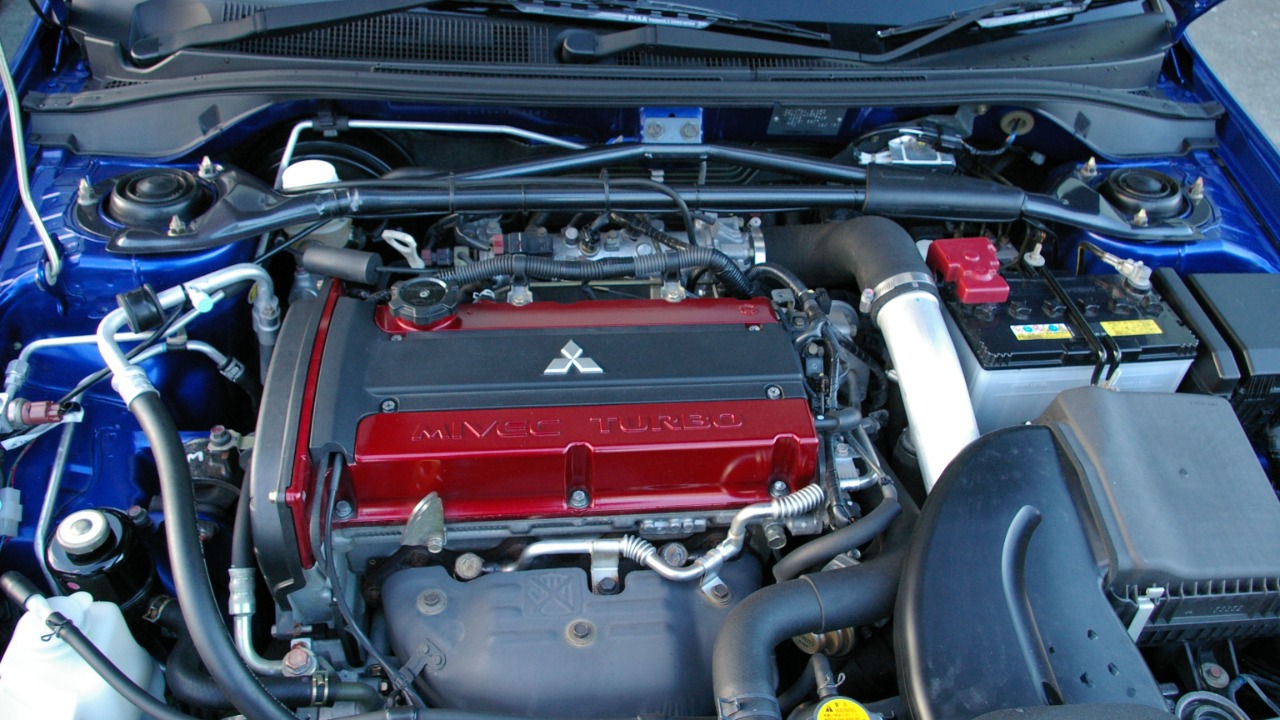
The Mitsubishi 4G63 became famous through performance models such as the Lancer Evolution, but its reputation goes beyond motorsport. The engine family was produced in naturally aspirated and turbocharged forms and developed a reputation for having a strong foundation capable of handling significant power. In stock form, it could provide dependable service when properly maintained, while enthusiasts discovered enormous performance potential. That versatility is a major reason the 4G63 remains so respected. It could serve as a practical engine or become the heart of a serious performance build.
Volvo B230
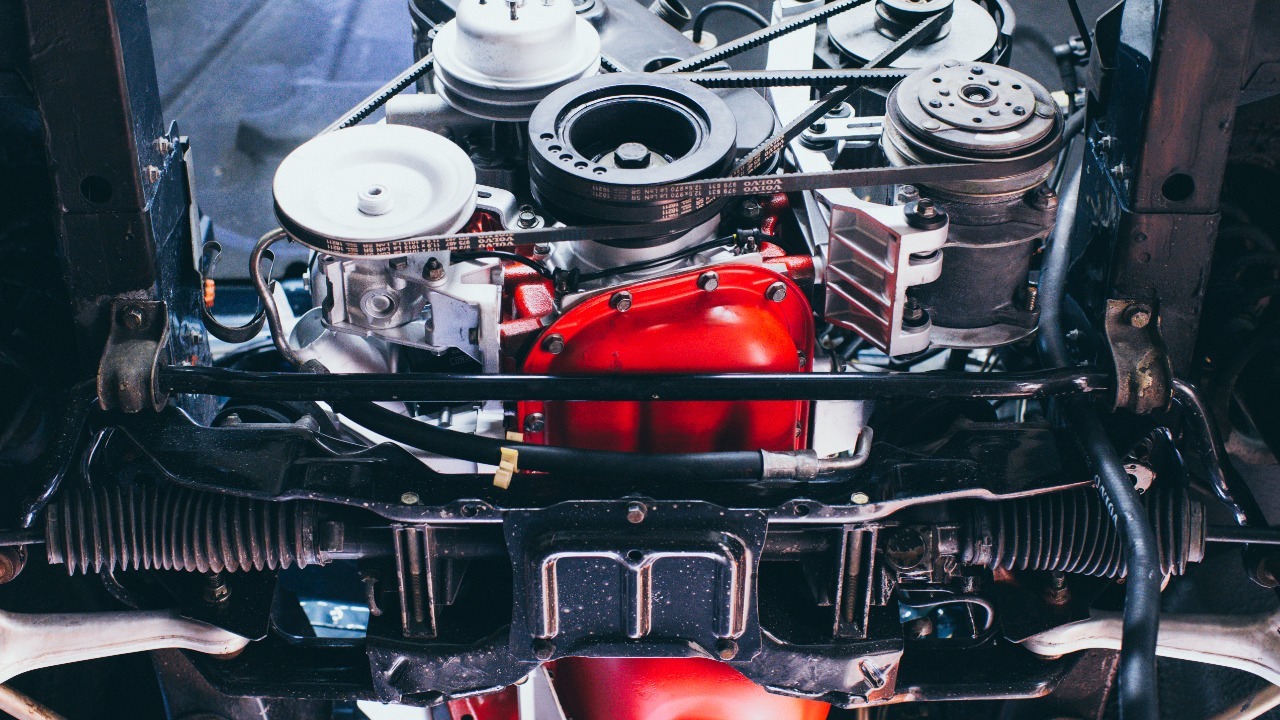
The Volvo B230 four-cylinder became one of the defining engines of the company’s famously durable rear-wheel-drive cars. Its relatively simple architecture and robust construction helped it develop a reputation for surviving high mileage. Turbocharged versions added performance while retaining much of the basic engine’s sturdy character. The B230 also benefited from being installed in vehicles that were commonly kept for many years. Today, enthusiasts still appreciate these engines because they represent an era when manufacturers could build a practical four-cylinder around longevity rather than maximum complexity.
Nissan SR20DE
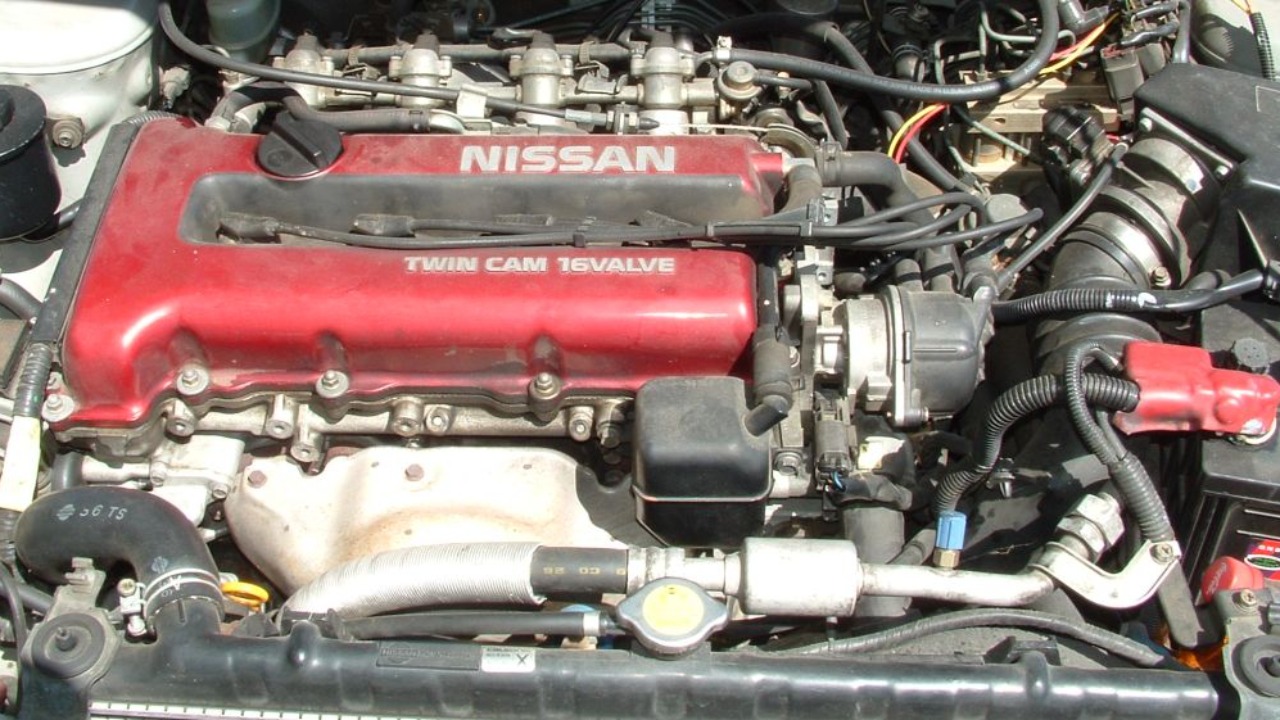
The Nissan SR20DE became popular because it combined compact dimensions, strong performance, and a reputation for durability. Unlike its turbocharged SR20DET relative, the naturally aspirated DE version generally operated under less extreme conditions, making it an appealing choice for long-term use. It powered a variety of Nissan models and became a favorite among enthusiasts because of its straightforward architecture and tuning potential. The engine’s broad popularity also created a large knowledge base. A well-maintained SR20DE remains an enjoyable example of durable Japanese performance engineering.
Chrysler 2.2-liter four-cylinder
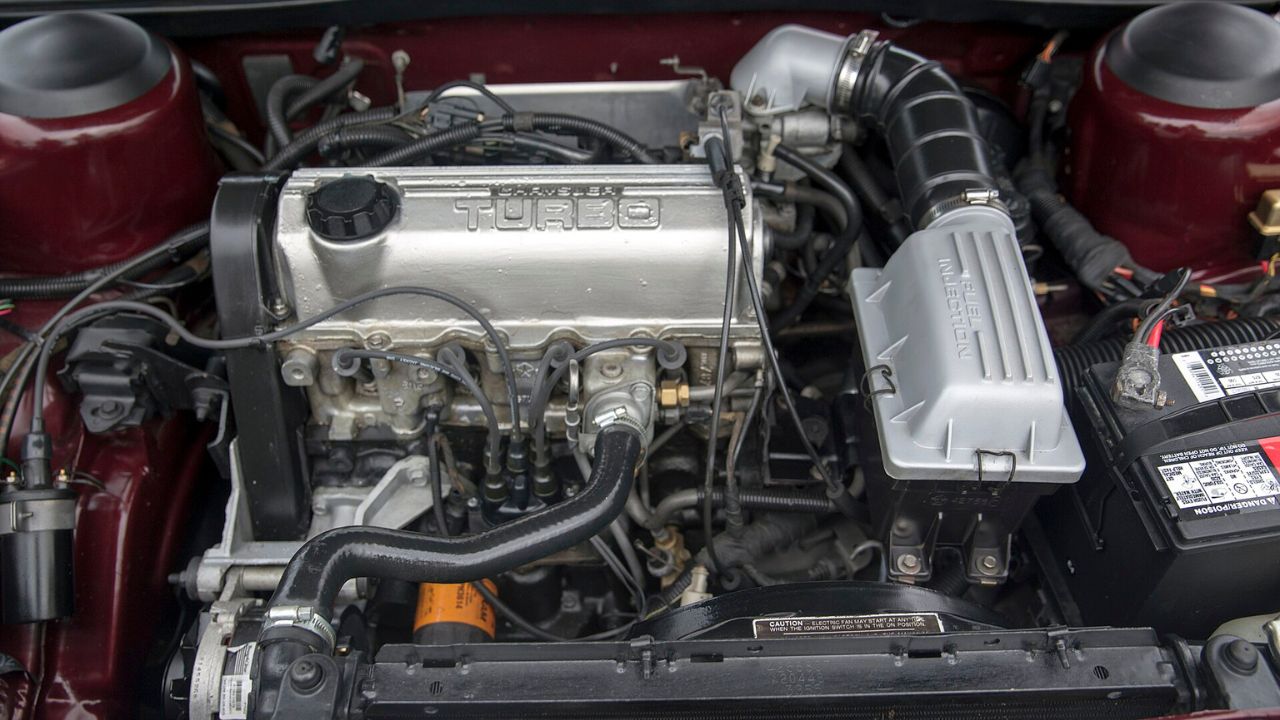
Chrysler’s 2.2-liter four-cylinder became an important engine during the company’s transition toward smaller, more efficient vehicles. It was used in numerous Chrysler, Dodge, and Plymouth models and appeared in both naturally aspirated and turbocharged forms. The naturally aspirated versions were relatively simple and inexpensive to maintain, while later turbocharged variants demonstrated how much performance could be extracted from the basic architecture. The engine is remembered today as an important part of Chrysler’s 1980s comeback and as an example of practical engineering during a challenging period for American automakers.
Ford 4.6 Modular V8
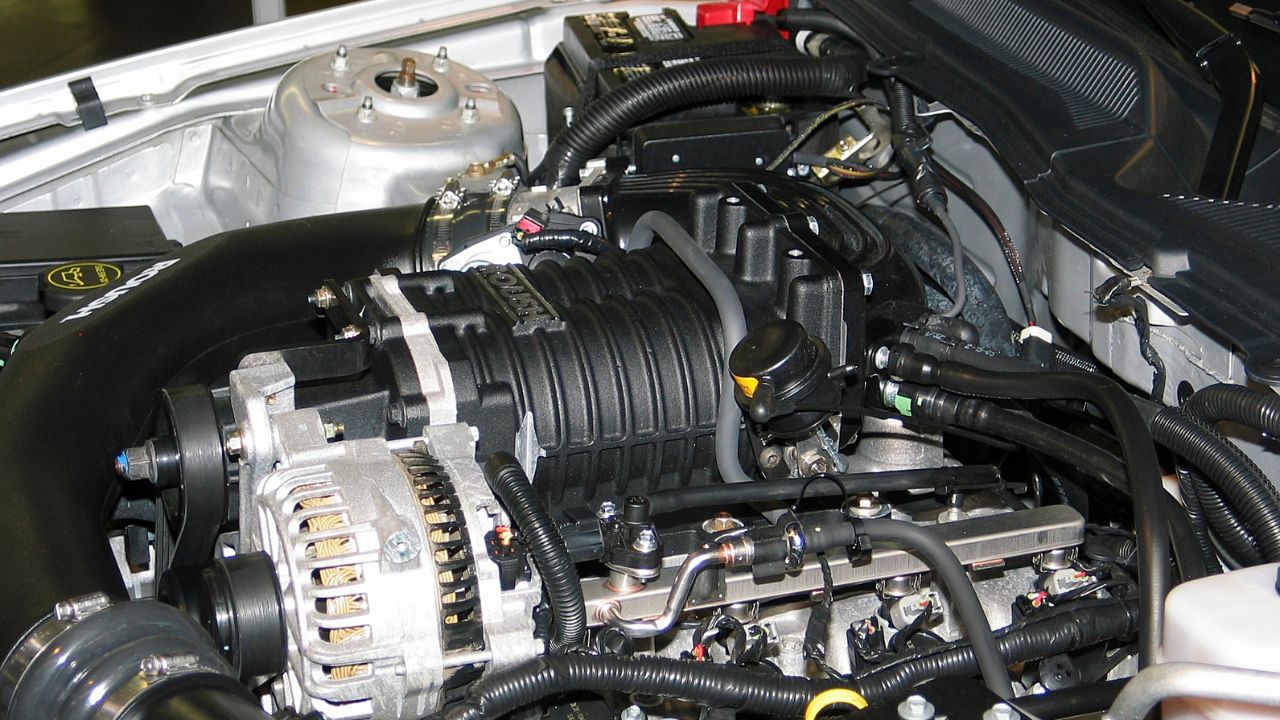
Ford’s 4.6-liter Modular V8 powered an enormous range of cars and trucks, from ordinary sedans to performance-oriented Mustangs. Its overhead-cam design represented a major departure from Ford’s older pushrod V8s, yet the engine became known for providing dependable service in countless applications. The Crown Victoria and related vehicles helped demonstrate its ability to accumulate high mileage in demanding fleet service. With widespread parts availability and extensive mechanic familiarity, the 4.6 remains one of the more durable modern-era American V8 families.
Toyota 1UZ-FE
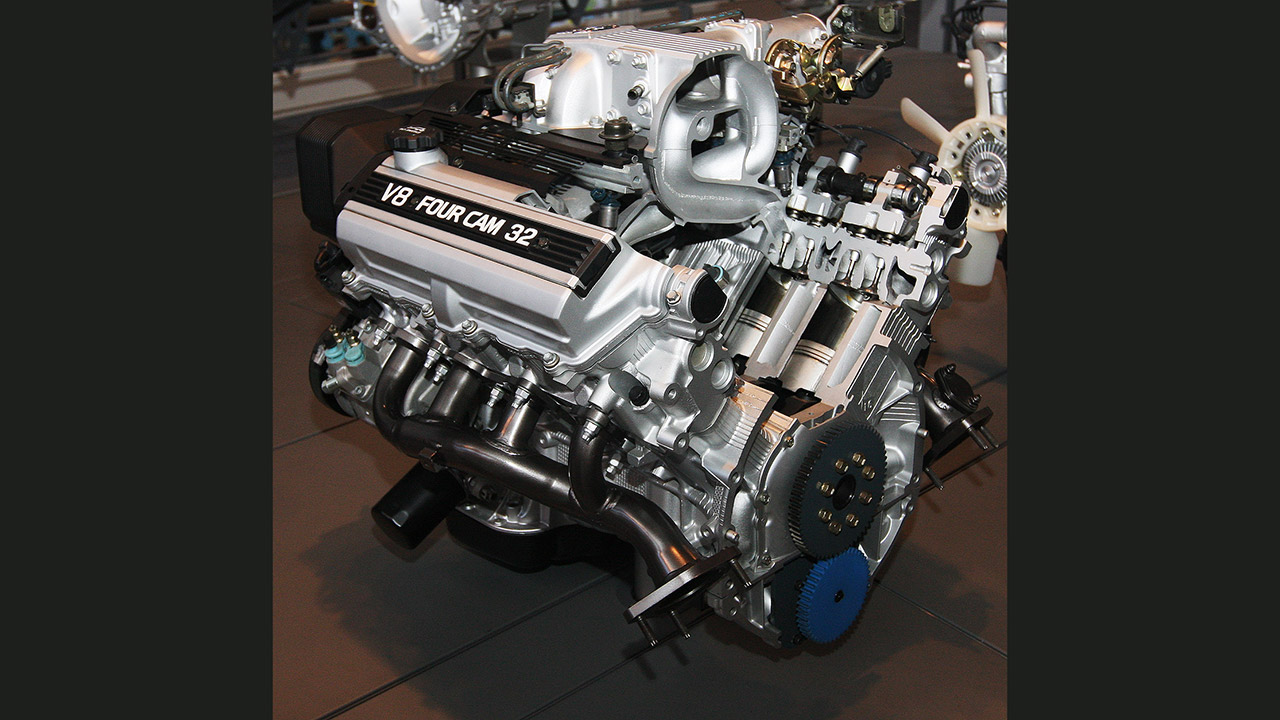
The Toyota 1UZ-FE was developed for the Lexus LS 400 and quickly gained a reputation for exceptionally smooth and durable operation. Its aluminum construction, quad-cam layout, and sophisticated engineering might suggest fragility, but the engine was designed with substantial attention to long-term reliability. The 1UZ-FE also appeared in other Toyota and Lexus applications, where it continued to demonstrate its durability. Proper maintenance remains important, particularly for timing-belt service. For enthusiasts, the engine is a reminder that advanced engineering does not automatically mean poor longevity.
Jeep 4.0 inline-six
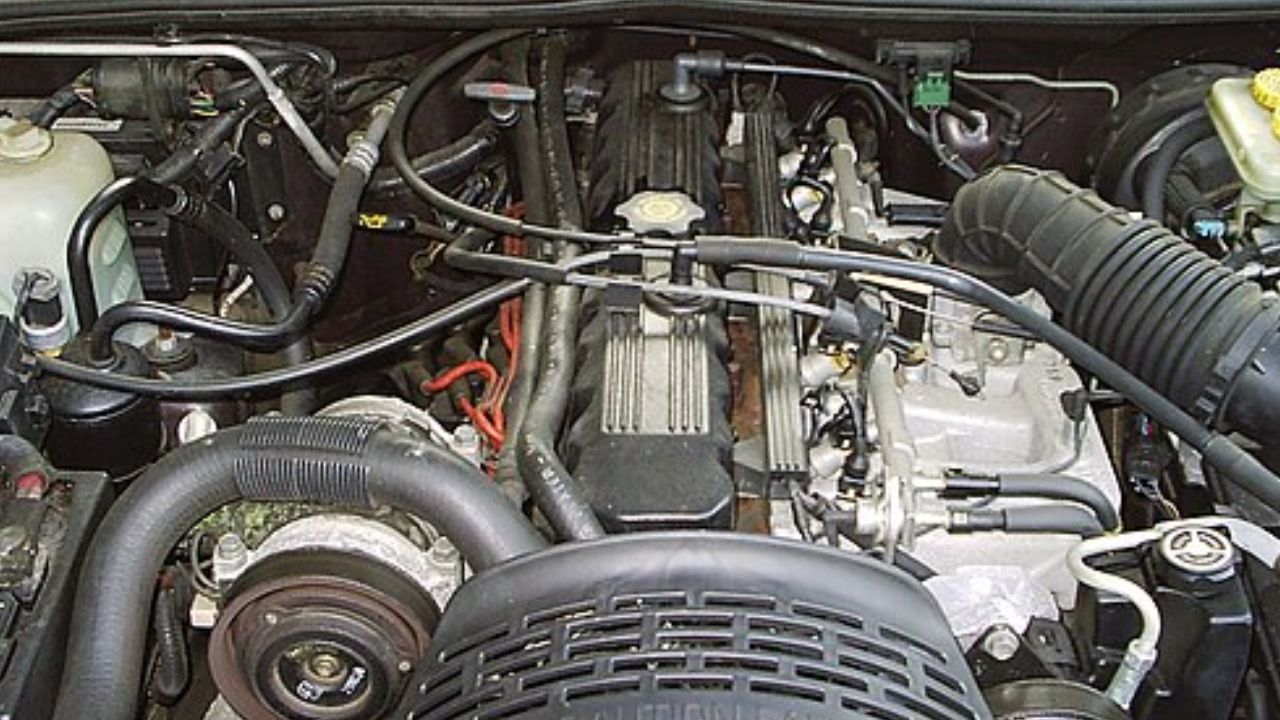
The Jeep 4.0 inline-six became a defining engine for several generations of Jeep vehicles. Its basic design evolved from earlier AMC six-cylinder architecture and eventually became known for strong low-speed torque and remarkable durability. The engine was not particularly sophisticated, but its straightforward construction made it familiar to mechanics and relatively easy to keep running. It also tolerated the kind of low-speed, high-load work common in off-road driving. For many Jeep owners, the 4.0 became synonymous with dependable mechanical simplicity.
More from Fast Lane Only
- Unboxing the WWII Jeep in a Crate
- 15 rare Chevys collectors are quietly buying
- 10 underrated V8s still worth hunting down
- Police notice this before you even roll window down
*Research for this article included AI assistance, with all final content reviewed by human editors.