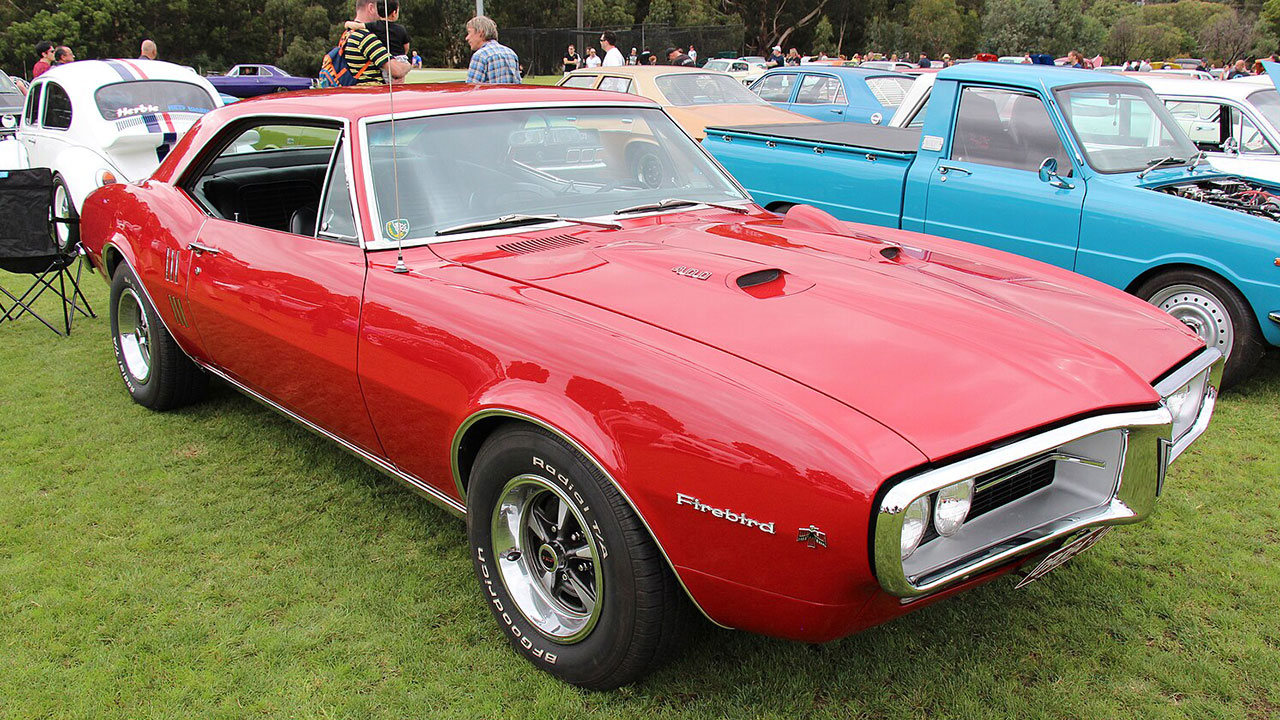
Pontiac built its reputation around performance, and the brand was never shy about putting serious engines into cars that looked like everyday cruisers. From big-block bruisers to lightweight street machines, these Pontiacs could deliver the kind of straight-line performance that made the competition pay attention. Some became legends, while others remain surprisingly overlooked by collectors today.
Pontiac GTO
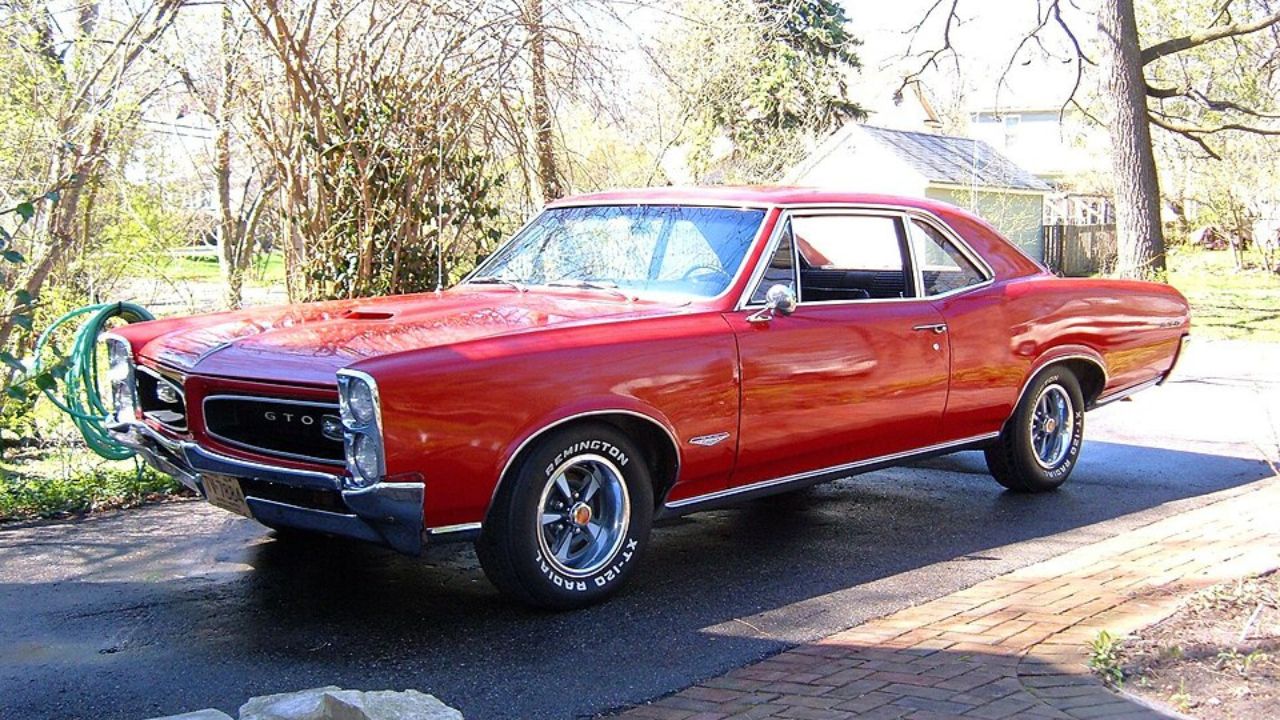
The Pontiac GTO helped launch the muscle-car era by putting serious V8 power into a relatively manageable midsize package. Its combination of aggressive styling, rear-wheel drive, and large-displacement engines made it an obvious choice for buyers who wanted speed without stepping into a dedicated sports car. Strong torque gave the GTO impressive acceleration, while its reputation quickly spread beyond Pontiac showrooms. The GTO became the benchmark against which many later American performance cars were measured.
Pontiac Firebird Formula
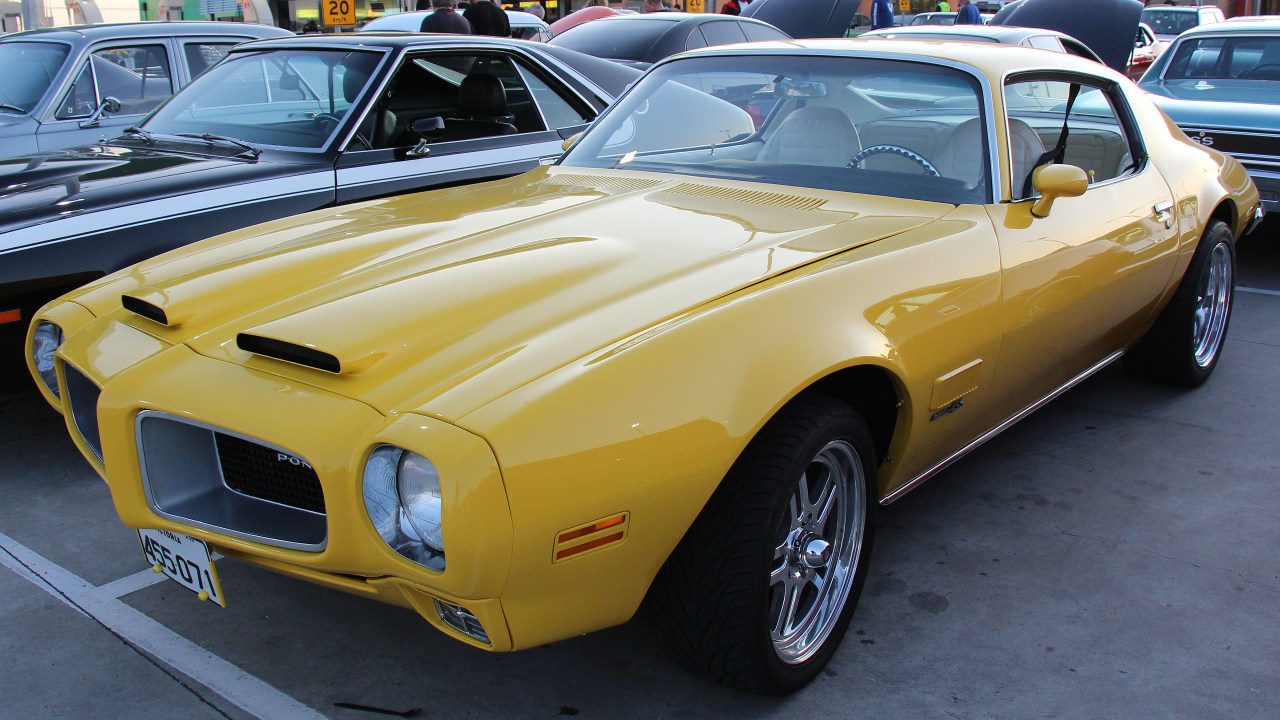
The Firebird Formula offered a more understated alternative to the Trans Am while retaining serious performance potential. Its clean bodywork could hide a powerful V8, making certain versions surprisingly quick at the drag strip. Pontiac offered several engine choices over the years, giving buyers plenty of ways to increase performance. The Formula’s sleeper-like personality remains part of its appeal. It could look relatively restrained while carrying enough hardware underneath to make many larger-looking cars nervous.
Pontiac Trans Am
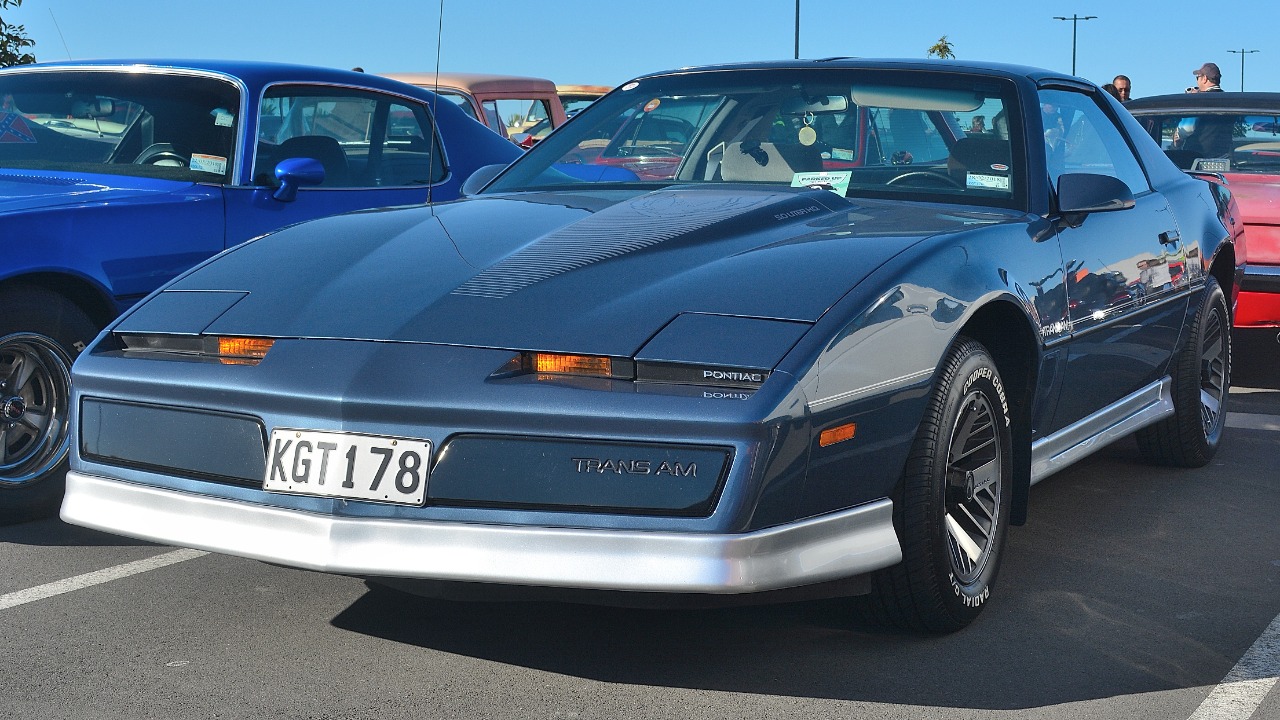
The Pontiac Trans Am became one of the most recognizable American performance cars ever built. Its long hood, wide stance, dramatic graphics, and powerful V8 options gave it an unmistakable presence. Certain versions combined substantial horsepower with aggressive gearing and rear-wheel drive, creating serious straight-line capability. The Trans Am also benefited from its connection to popular culture, but its reputation was not based entirely on appearances. Under the styling was a genuine performance machine capable of making the most of Pontiac’s strongest engines.
Pontiac Firebird 400

The Firebird 400 brought Pontiac’s big V8 performance philosophy into a sporty two-door package. The 400-cubic-inch engine offered the kind of torque that made quick acceleration feel almost effortless, while the Firebird’s relatively compact dimensions helped give it a lively character. Buyers could choose different performance configurations, allowing the car to range from comfortable cruiser to serious street machine. Even today, a well-equipped Firebird 400 has the visual and mechanical ingredients that make classic muscle cars so appealing.
Pontiac Grand Prix
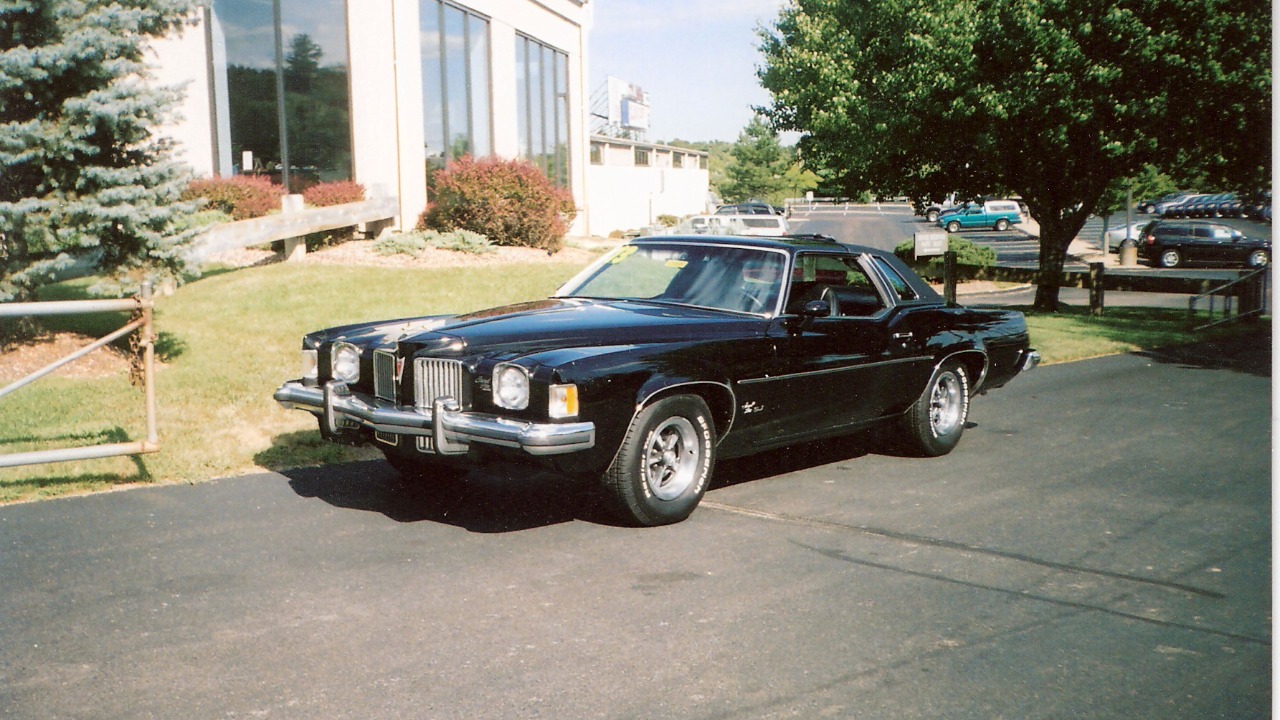
The Pontiac Grand Prix was larger and more luxurious than the typical muscle car, but that did not stop Pontiac from giving it substantial performance. Big V8s and rear-wheel drive allowed certain versions to deliver impressive acceleration while carrying passengers in considerable comfort. The Grand Prix was especially interesting because its upscale image could make its performance less obvious. It demonstrated that a large personal-luxury coupe did not have to sacrifice straight-line speed for a more refined driving experience.
Pontiac Catalina
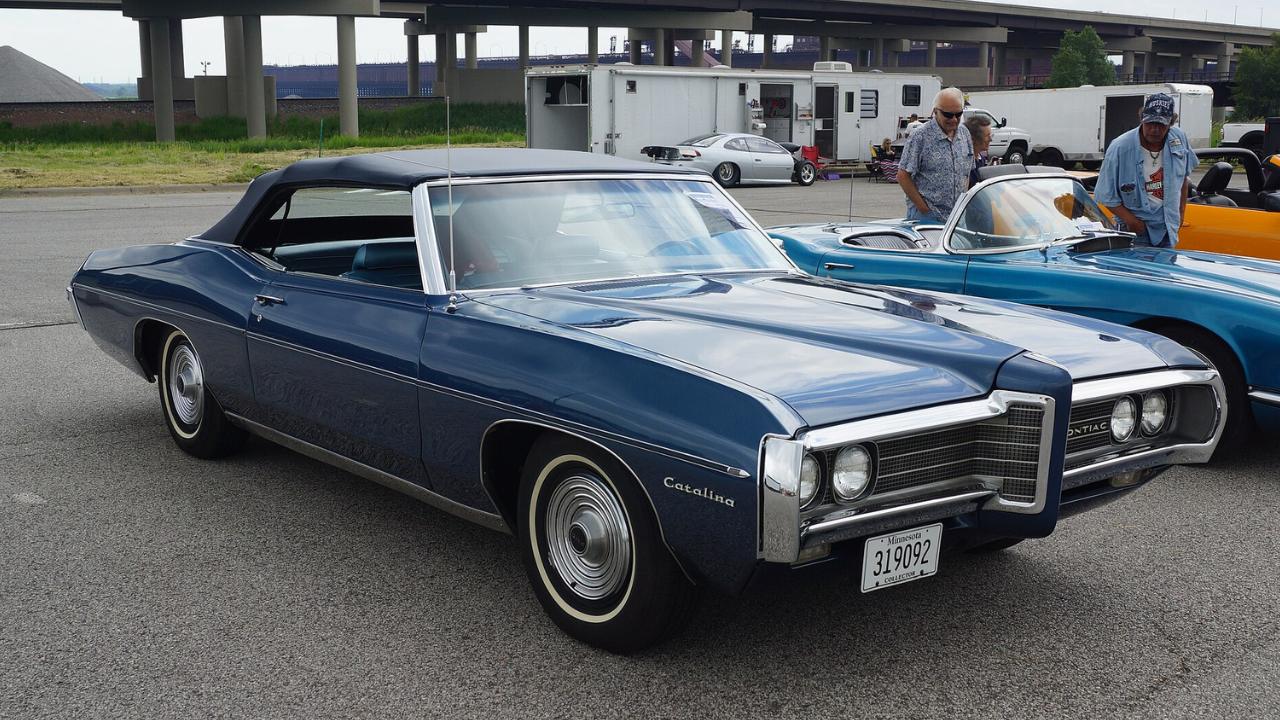
The Pontiac Catalina was a full-size car, but Pontiac’s performance ambitions turned certain versions into serious straight-line performers. Large V8 engines provided huge amounts of torque, allowing the big Pontiac to move with surprising authority. The Catalina could comfortably serve as a family cruiser while also offering enough power to embarrass smaller cars. That contrast became part of Pontiac’s appeal. Few things captured the classic American performance era better than a huge full-size car with an engine built for speed.
Pontiac Bonneville
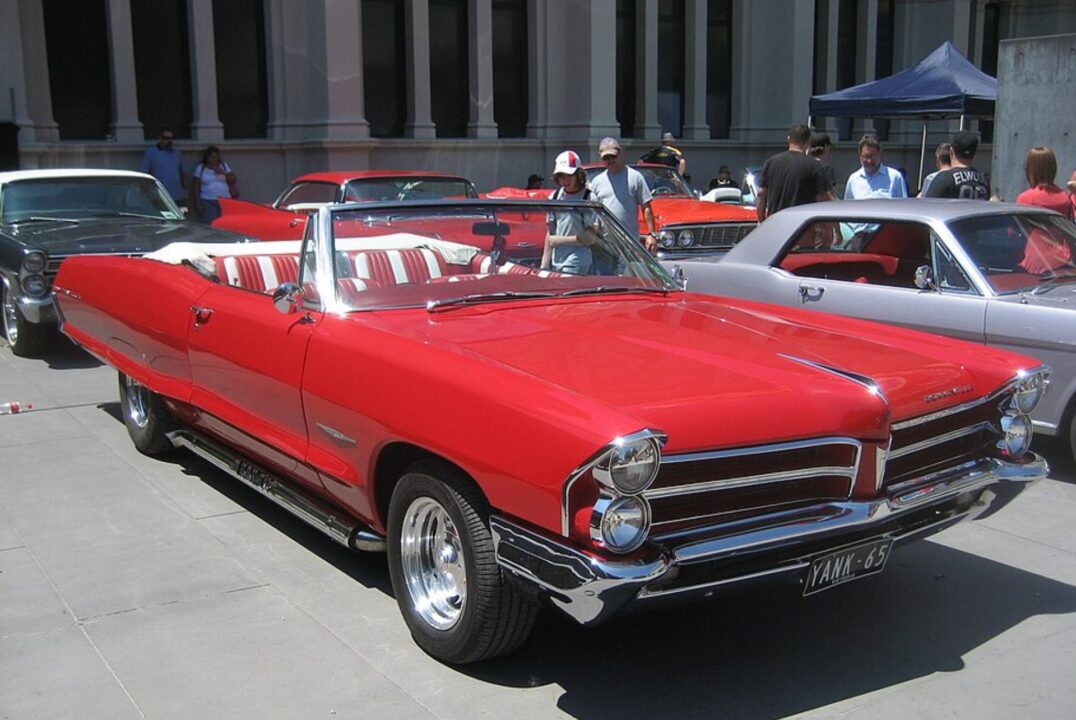
The Bonneville represented the more luxurious side of Pontiac, yet the brand gave it enough engine choices to make certain versions genuinely powerful. Its substantial size did not prevent strong acceleration when paired with one of Pontiac’s larger V8s. The Bonneville’s broad body and long wheelbase also gave it an imposing presence that suited its performance credentials. It was never as closely associated with muscle cars as the GTO, but the right Bonneville could deliver plenty of tire-spinning potential.
Pontiac Ventura
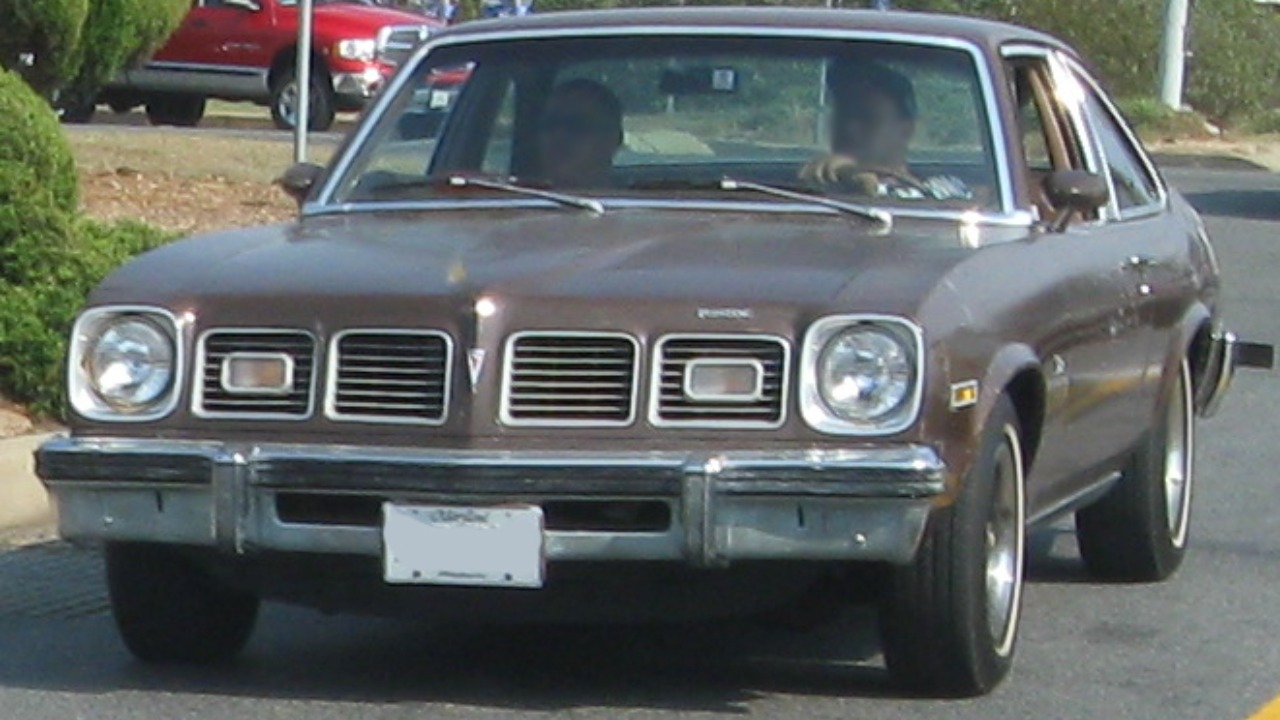
The Pontiac Ventura offered a smaller and more straightforward platform for Pontiac performance. Its compact dimensions made it especially interesting when paired with a strong V8, giving the car a favorable power-to-weight combination. Ventura-based performance versions could surprise drivers who assumed the car was simply another practical Pontiac. Its relatively simple design also made it an appealing foundation for enthusiasts. Today, the Ventura remains one of the less obvious ways to experience classic Pontiac performance.
Pontiac Tempest
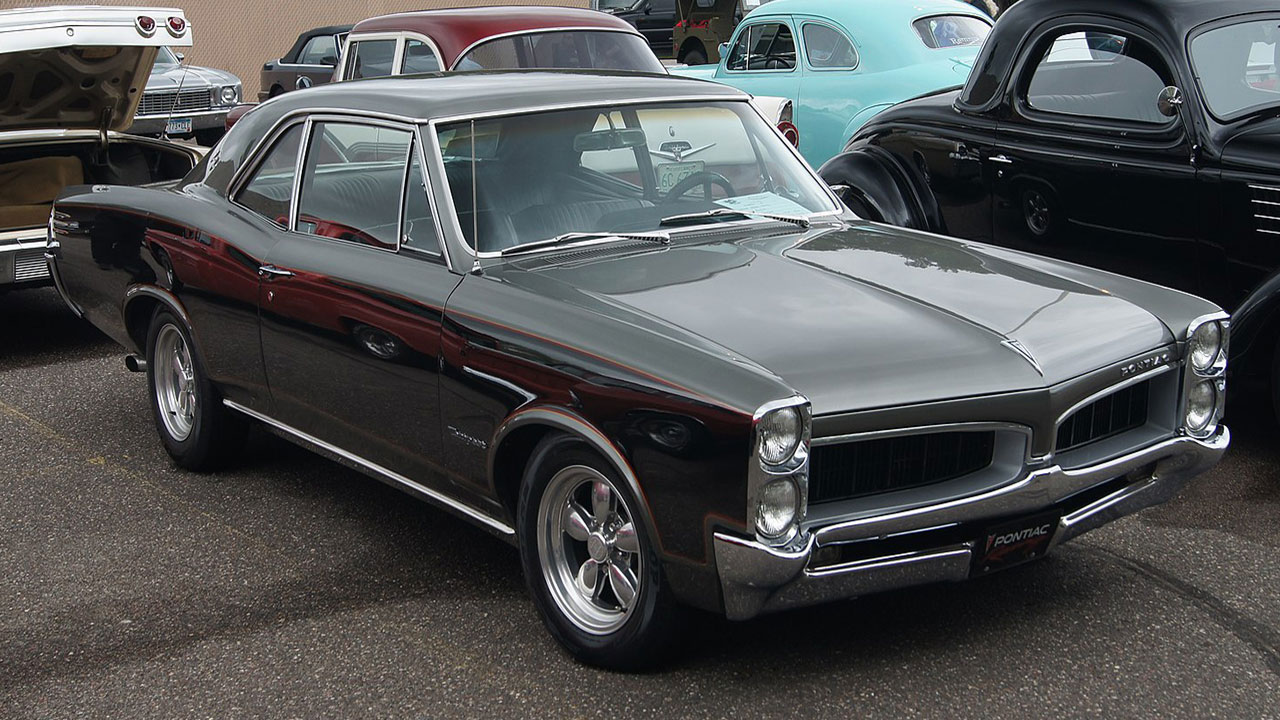
The Pontiac Tempest became famous for its connection to the original GTO, but the model itself deserves attention. Its midsize dimensions provided a useful foundation for performance, while Pontiac’s willingness to install larger engines transformed certain versions into formidable street cars. The Tempest was never as intimidating visually as some larger Pontiacs, which made its performance even more surprising. It represents the moment when Pontiac discovered that a relatively ordinary midsize car could become a serious performance machine.
Pontiac LeMans
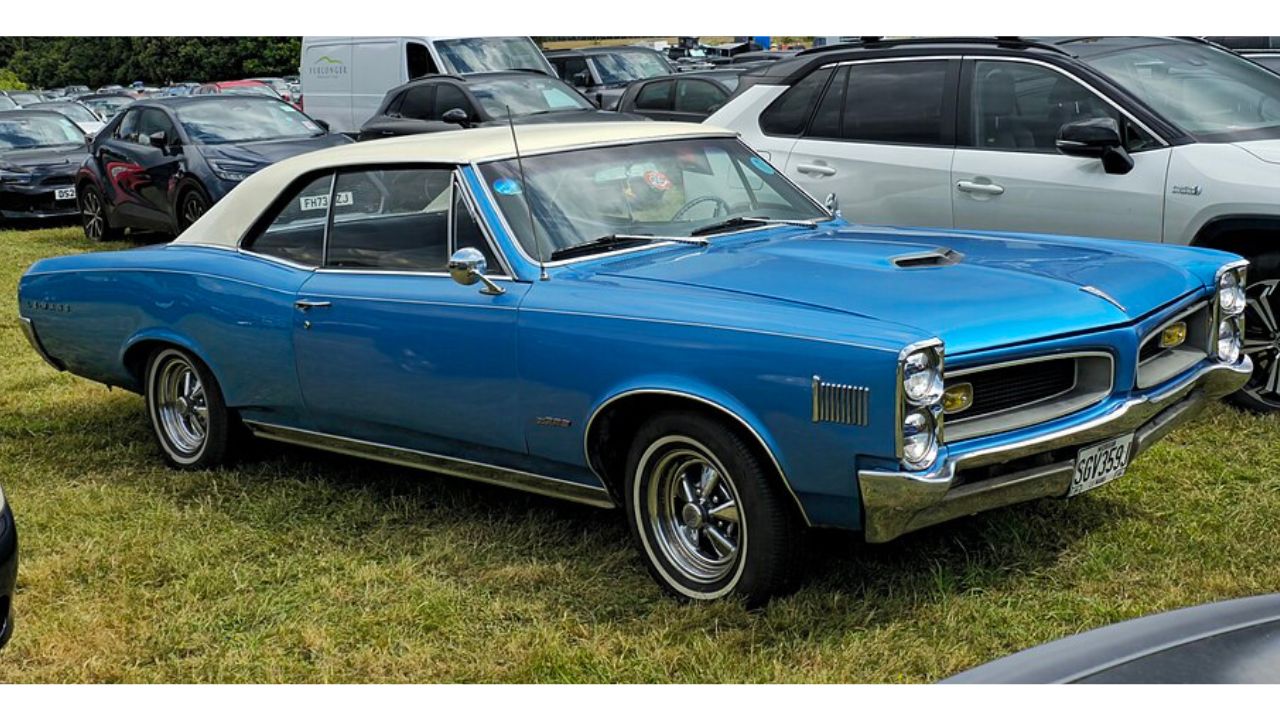
The Pontiac LeMans sat at the heart of the brand’s midsize lineup and provided the foundation for some memorable performance combinations. Its rear-wheel-drive platform and broad engine availability made it a natural choice for enthusiasts. Depending on the configuration, the LeMans could deliver strong V8 acceleration while retaining enough comfort for everyday driving. It also had the benefit of Pontiac’s increasingly aggressive styling. For buyers who wanted muscle-car character without the premium attached to the most famous nameplates, the LeMans was an attractive option.
Pontiac 2+2
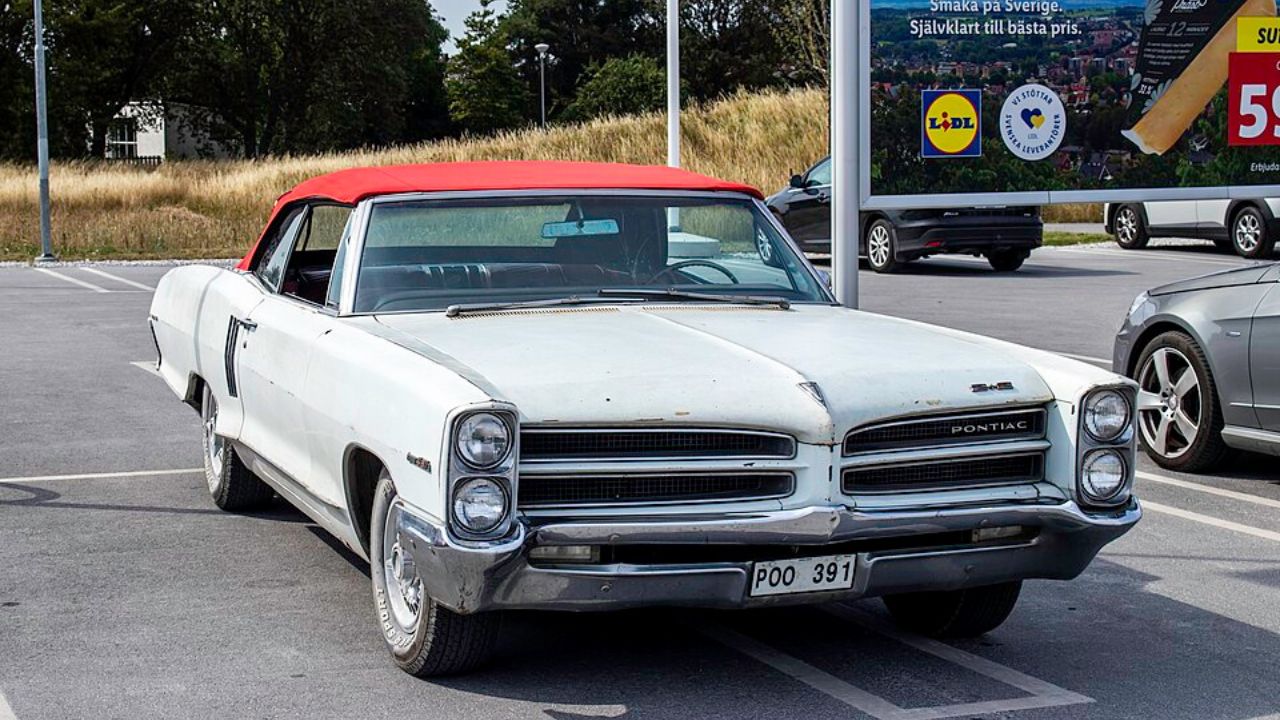
The Pontiac 2+2 brought a performance-oriented identity to Pontiac’s full-size lineup. Its long body and substantial V8 options gave it plenty of visual presence, while specific configurations offered impressive straight-line capability. The 2+2 was never as common as the GTO, which has made surviving examples particularly interesting to collectors. It also demonstrates how far Pontiac was willing to push performance across its lineup. Even a large American cruiser could become a serious machine when Pontiac’s engineers had the right engine available.
Pontiac Grand Prix SJ
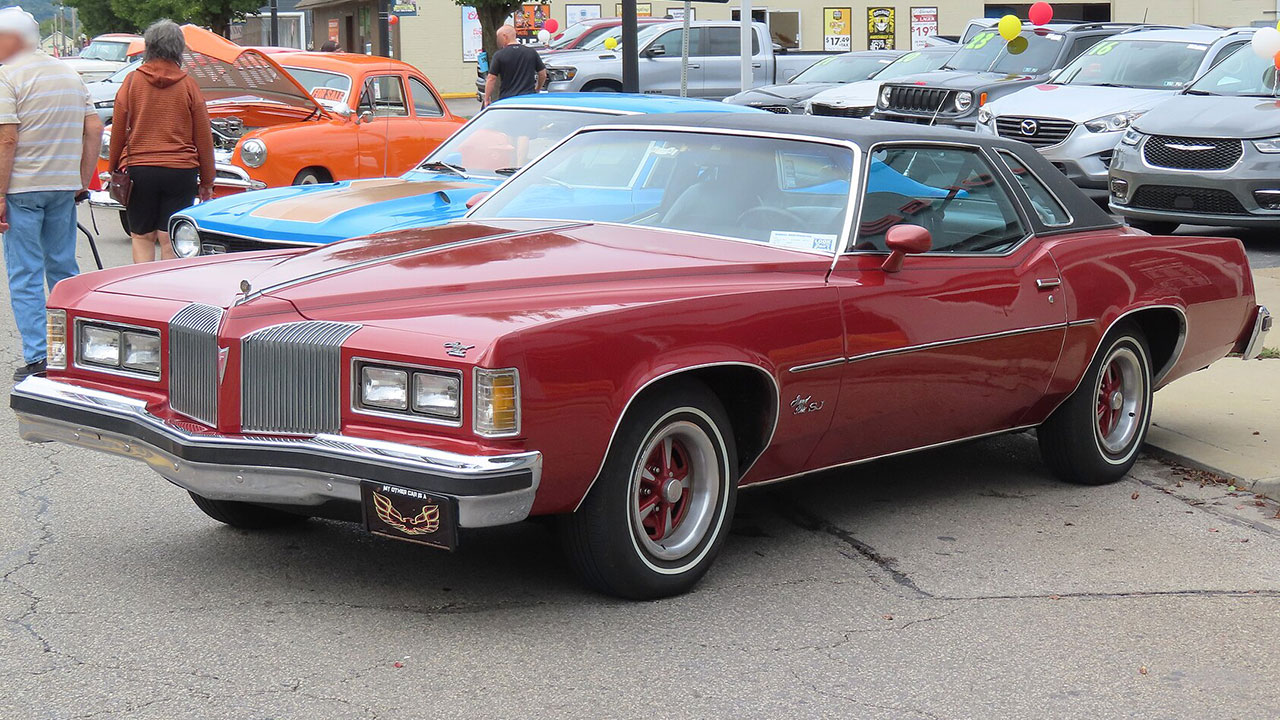
The Grand Prix SJ combined personal-luxury styling with a much stronger performance focus. Large V8 power gave the coupe impressive acceleration, while its long body and comfortable interior maintained the Grand Prix’s upscale character. This combination made it particularly appealing to buyers who wanted speed without the stripped-down personality of some traditional muscle cars. The SJ name has become increasingly interesting to collectors because it represents an era when a luxurious American coupe could still have serious performance hardware underneath.
Pontiac Can Am
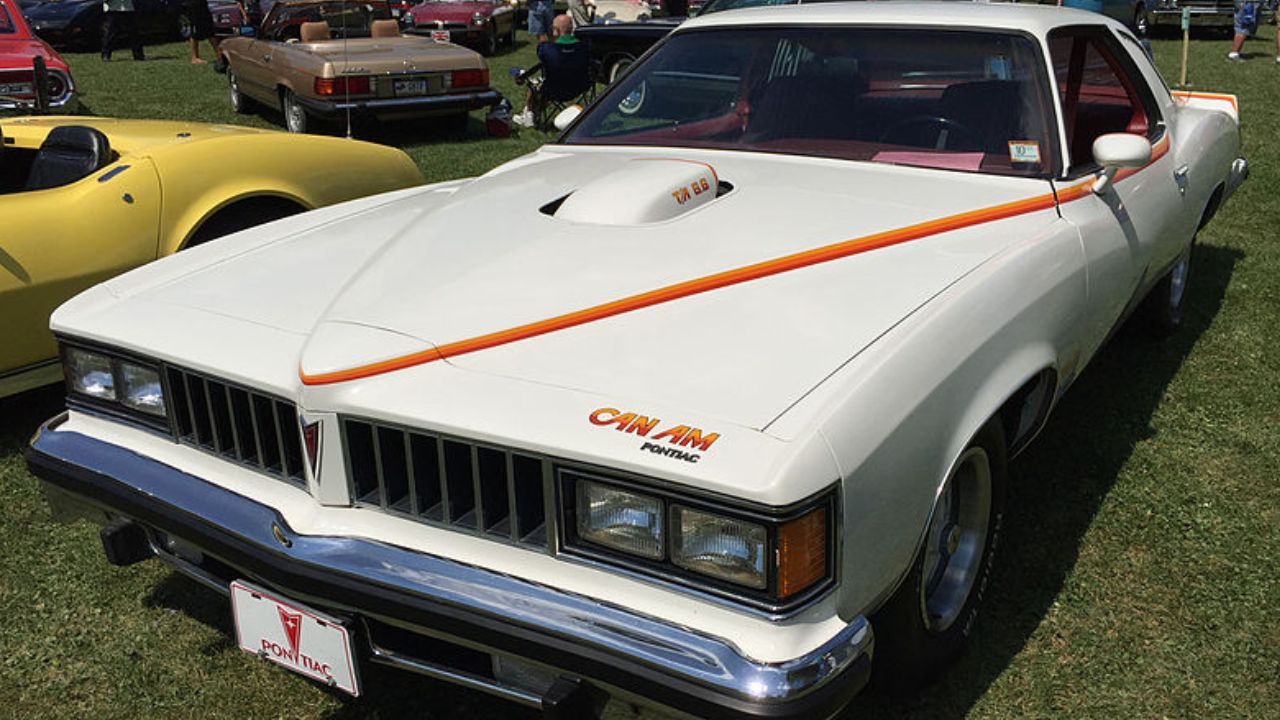
The Pontiac Can Am was an unusual performance-oriented wagon based on the LeMans platform. Its combination of a practical body, sporty appearance, and strong V8 options made it one of Pontiac’s most interesting experiments. The Can Am could carry plenty of cargo and passengers while still offering the kind of power associated with Pontiac’s performance coupes. Its limited availability has made surviving examples especially desirable. Few vehicles combine family-car practicality and classic muscle-car attitude quite as convincingly.
Pontiac Grand Am
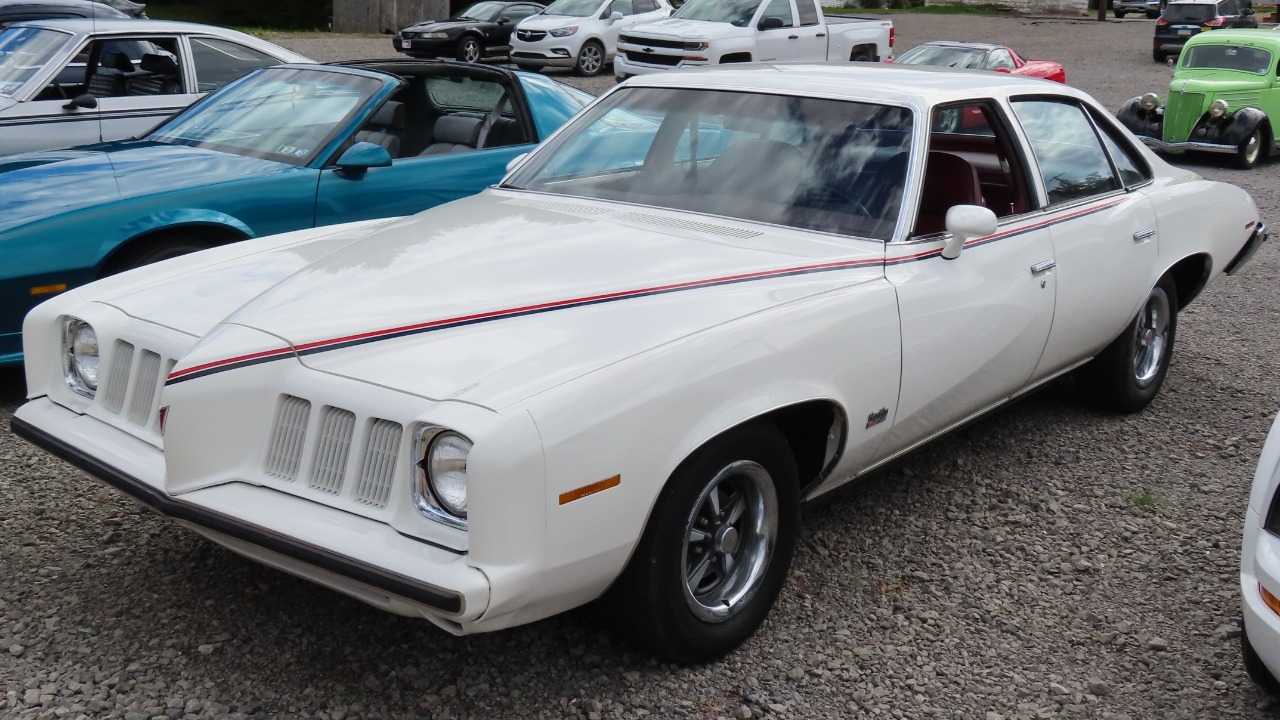
The Pontiac Grand Am eventually became associated with sporty midsize transportation, but its earlier versions had a much stronger performance character. Pontiac used the name for cars that blended stylish bodywork with available V8 power and rear-wheel drive. The Grand Am could therefore provide a more upscale interpretation of the muscle-car formula. Its relative obscurity today makes it particularly interesting. Collectors who want a Pontiac that stands apart from the usual GTO and Firebird choices have plenty to appreciate here.
Pontiac Ventura Sprint
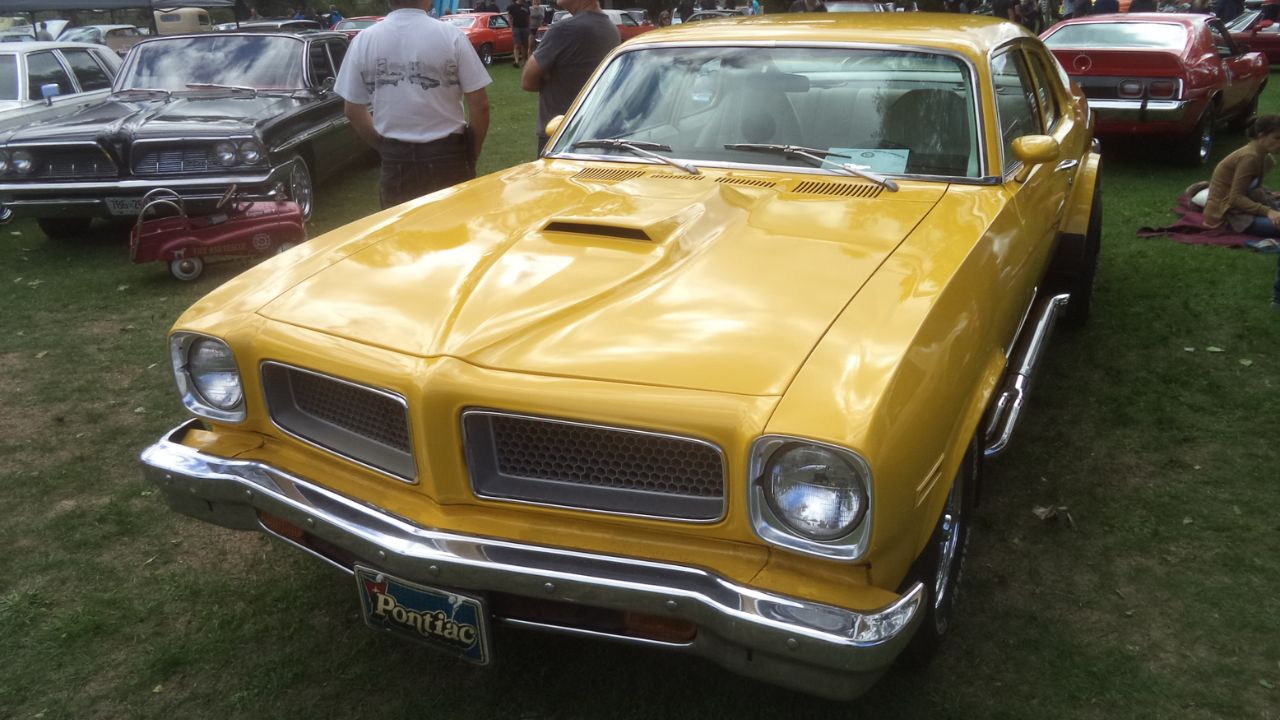
The Ventura Sprint added a sportier character to Pontiac’s compact lineup without relying on the enormous dimensions of the brand’s larger cars. Its smaller body made the car relatively nimble, while the available six-cylinder and V8 combinations gave it useful performance potential. The Ventura Sprint is often overlooked because it never became a major muscle-car icon. That makes it an appealing choice for enthusiasts who prefer less obvious classics. It captures Pontiac’s performance-minded approach in a compact and approachable package.
Pontiac Firebird Esprit
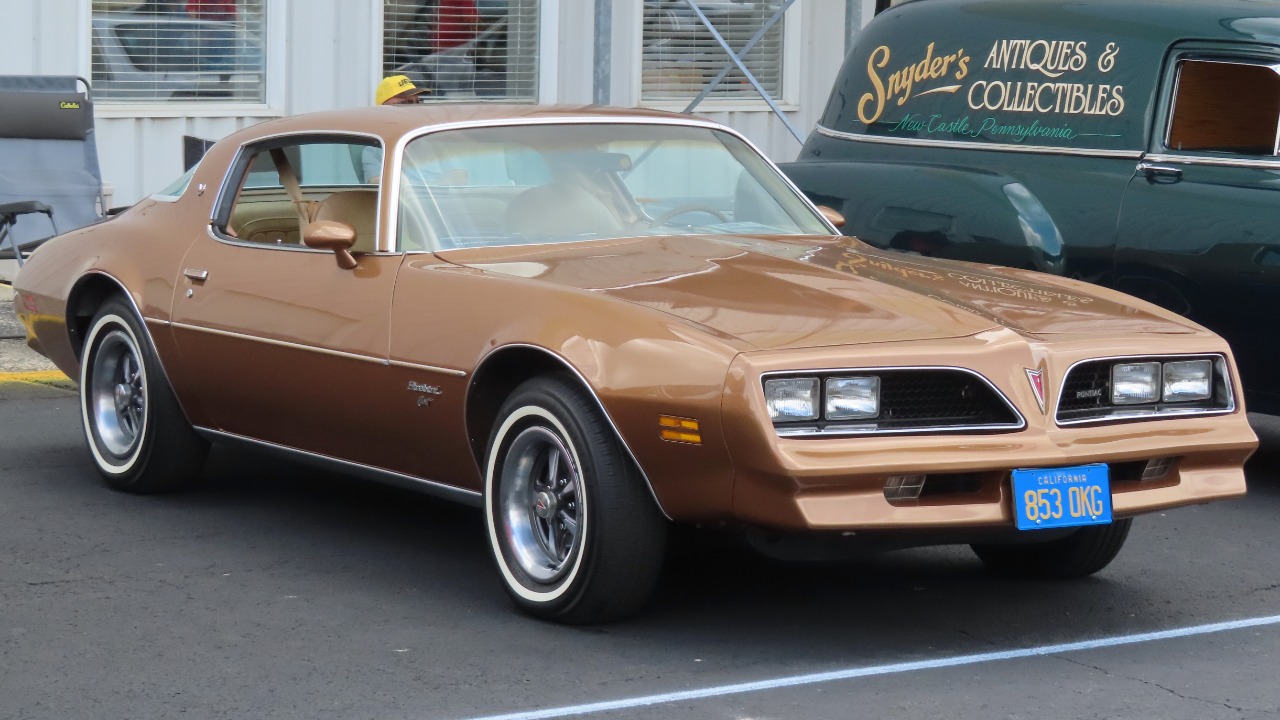
The Firebird Esprit was marketed more toward style and comfort than outright performance, but its platform still provided a strong foundation. V8-equipped examples could offer respectable power while maintaining the Esprit’s smoother personality. That makes the model an interesting sleeper among classic Pontiacs. Its less aggressive appearance could hide a much stronger drivetrain than observers expected. For collectors, the Esprit also provides a different way to enjoy the Firebird shape without automatically choosing the most famous Trans Am configuration.
Pontiac Grand Prix 428
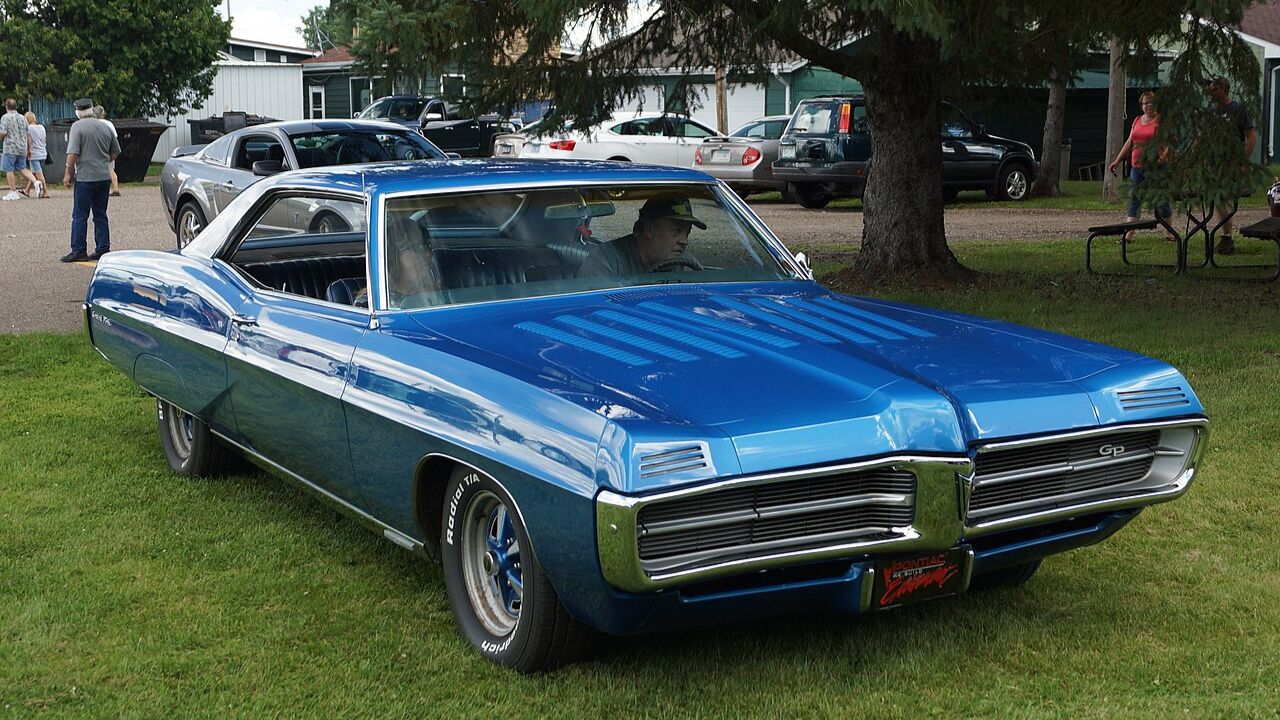
The Grand Prix 428 took the personal-luxury coupe concept into serious performance territory. Its large-displacement V8 provided the kind of torque that could make a substantial car accelerate with surprising force. The Grand Prix’s elegant bodywork made that performance less obvious, creating an interesting contrast between appearance and capability. It was a perfect example of Pontiac’s willingness to blur the line between luxury and muscle. Today, surviving examples are especially appealing to collectors who appreciate overlooked big-engine Pontiacs.
Pontiac Catalina 421
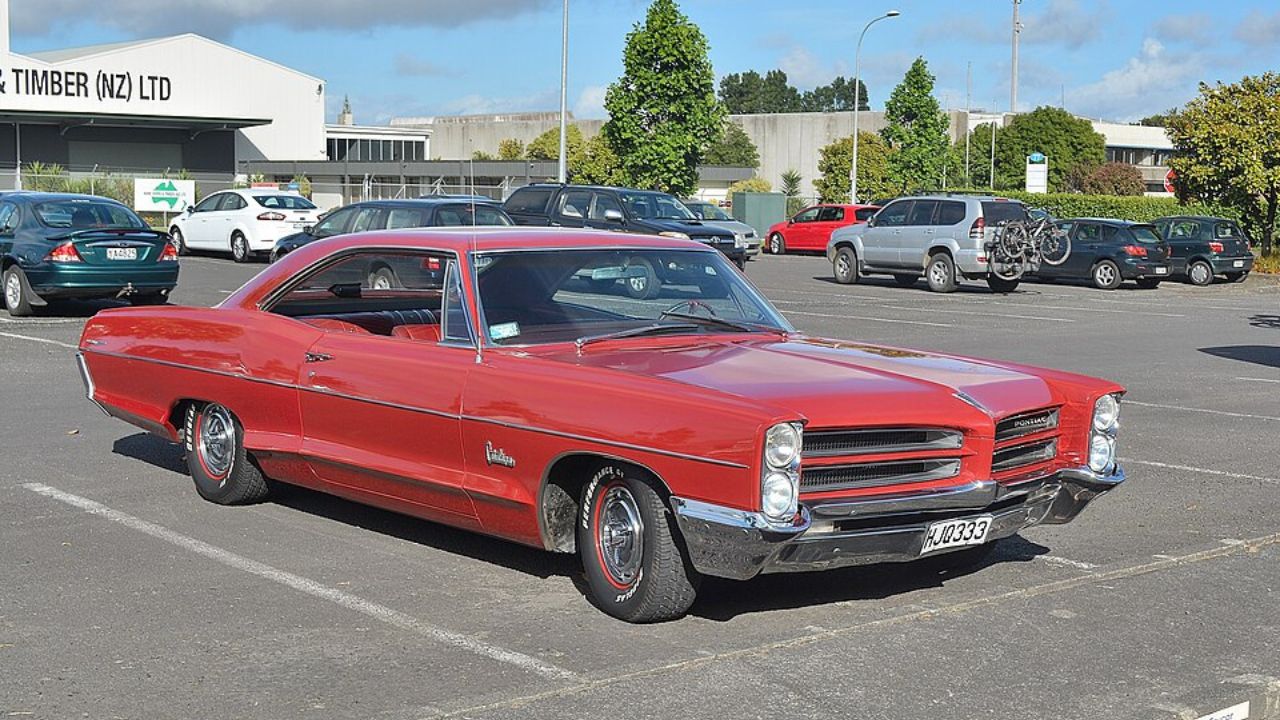
The Catalina 421 represented Pontiac’s ability to turn a full-size family car into a genuine performance machine. The 421-cubic-inch V8 offered substantial displacement and strong torque, giving the large Pontiac an impressive presence on the street and at the drag strip. Its size only made the performance more surprising. The Catalina could look like a comfortable family cruiser while carrying an engine capable of delivering serious acceleration. That combination helped cement Pontiac’s reputation for making big cars move quickly.
Pontiac Ventura GTO
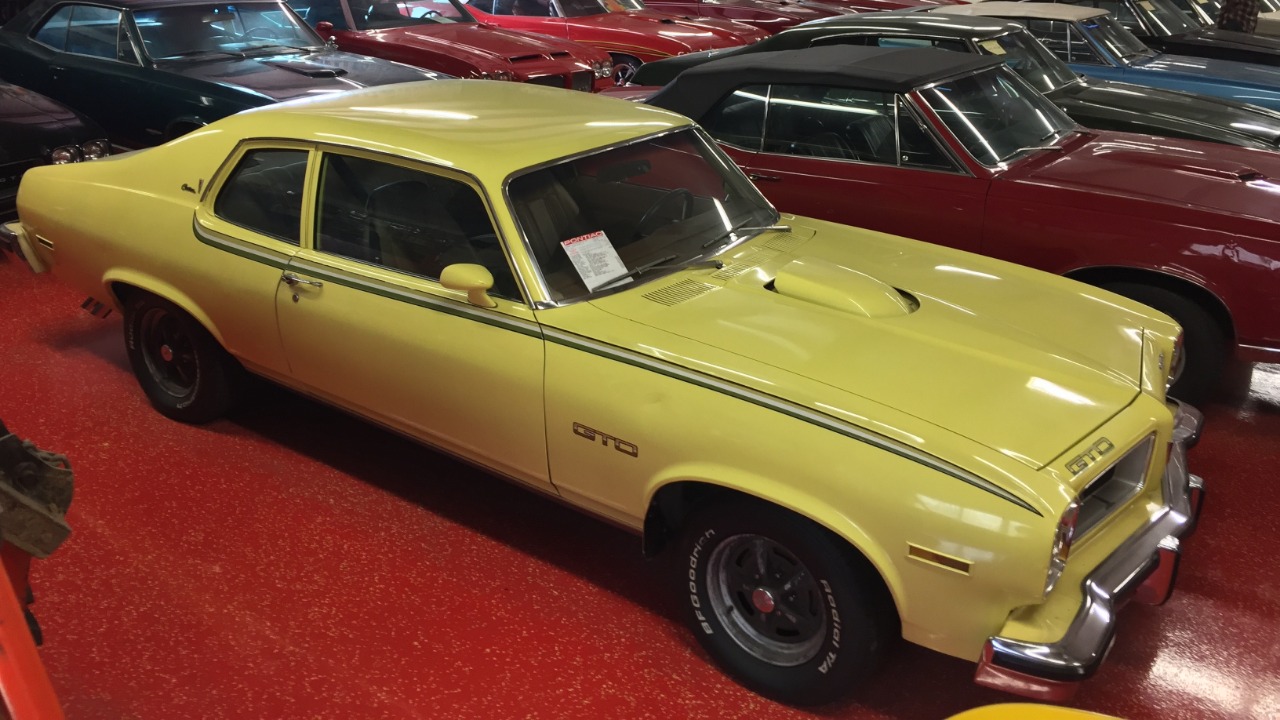
The Pontiac Ventura GTO was a Canadian-market version that gave the compact Pontiac a much stronger performance identity. Its connection to the GTO name made it an unusual part of Pontiac history, especially because the model was based on a smaller platform. The combination of compact dimensions and V8 power created the kind of performance recipe enthusiasts still love. Because it was produced for a specific market, surviving examples are far less familiar than mainstream GTOs, adding another layer of collector appeal.
Pontiac Grand Prix 2+2
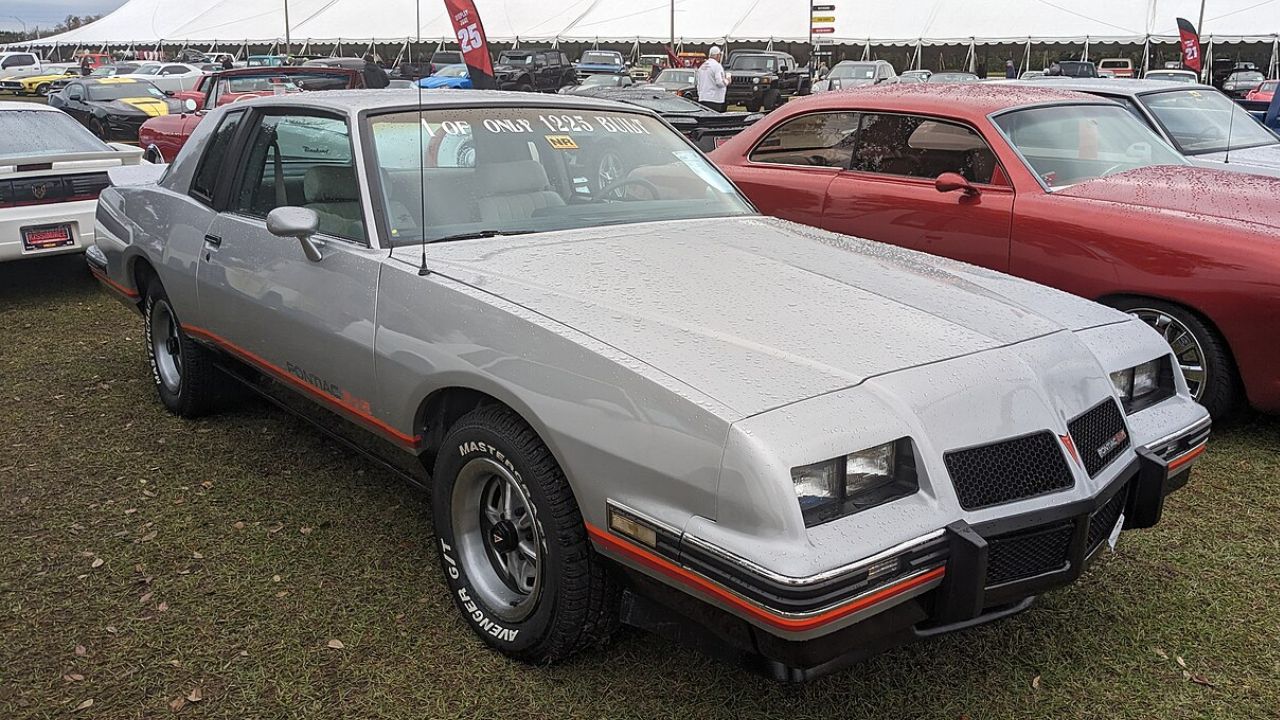
The Grand Prix 2+2 was one of Pontiac’s more unusual attempts to combine a full-size platform with a sportier image. Its distinctive styling and limited availability helped separate it from ordinary Grand Prix models. The car also offered substantial V8 power, giving it the straight-line performance expected from Pontiac during the muscle-car era. Its relative rarity has helped preserve its reputation among enthusiasts who enjoy unusual performance cars. It is exactly the kind of Pontiac that rewards collectors willing to look beyond the obvious choices.
More from Fast Lane Only
- Unboxing the WWII Jeep in a Crate
- 15 rare Chevys collectors are quietly buying
- 10 underrated V8s still worth hunting down
- Police notice this before you even roll window down
*Research for this article included AI assistance, with all final content reviewed by human editors.