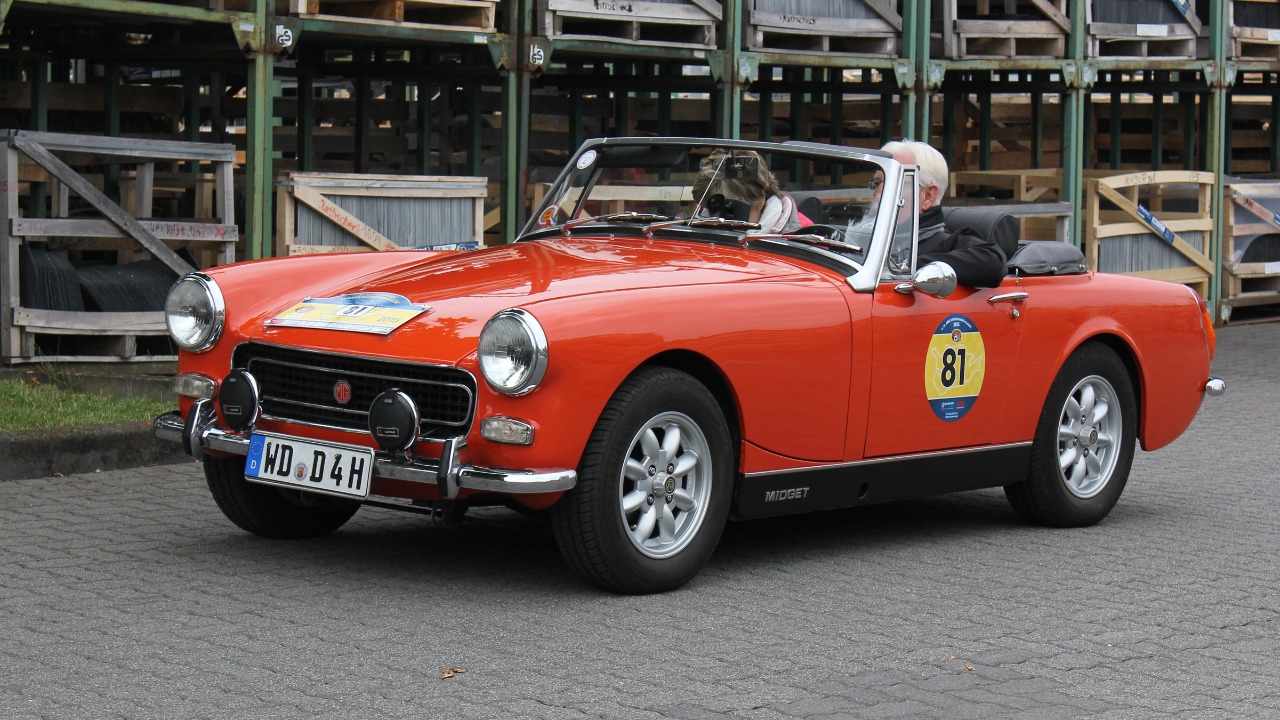
Roadsters have always offered a simple kind of driving pleasure, with two seats, an open cockpit, and very little separating the driver from the road. While famous models often dominate the conversation, plenty of lesser-known roadsters have built loyal followings of their own. These forgotten machines show that driving enjoyment does not always come from the most famous badge in the garage.
Fiat 124 Spider
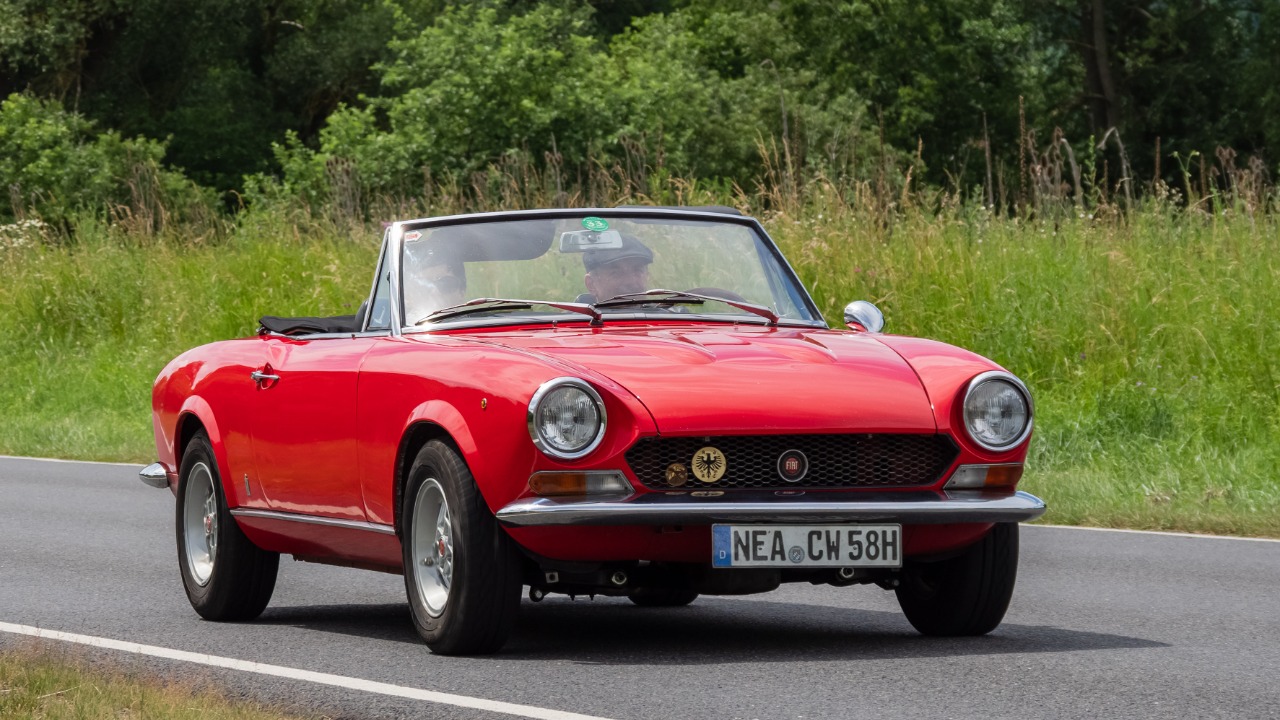
The Fiat 124 Spider combined Italian styling with a relatively simple mechanical layout and rear-wheel drive. Its four-cylinder engine provided enough performance to make the lightweight roadster enjoyable without overwhelming the chassis. The Pininfarina-designed body also gave it an elegant shape that has aged well. It remains a favorite among drivers who want classic open-top motoring without the prices attached to some of the better-known European roadsters.
Datsun 2000 Roadster
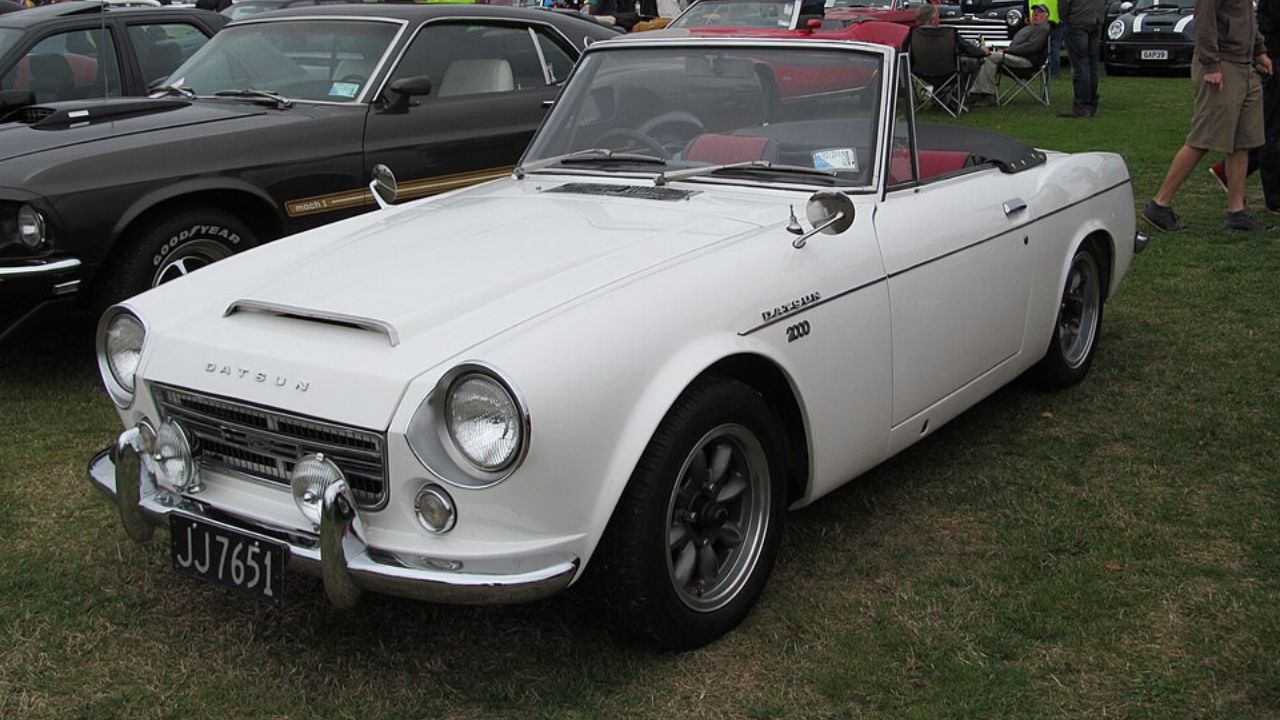
The Datsun 2000 Roadster helped establish Nissan’s reputation for building affordable sports cars with genuine performance. Its four-cylinder engine offered strong power for the period, while the lightweight body and manual transmission encouraged enthusiastic driving. The car also had a straightforward mechanical design that made it approachable for owners who enjoyed maintaining their own vehicles. Today, clean examples attract drivers who appreciate its combination of Japanese reliability and classic roadster character.
Triumph GT6
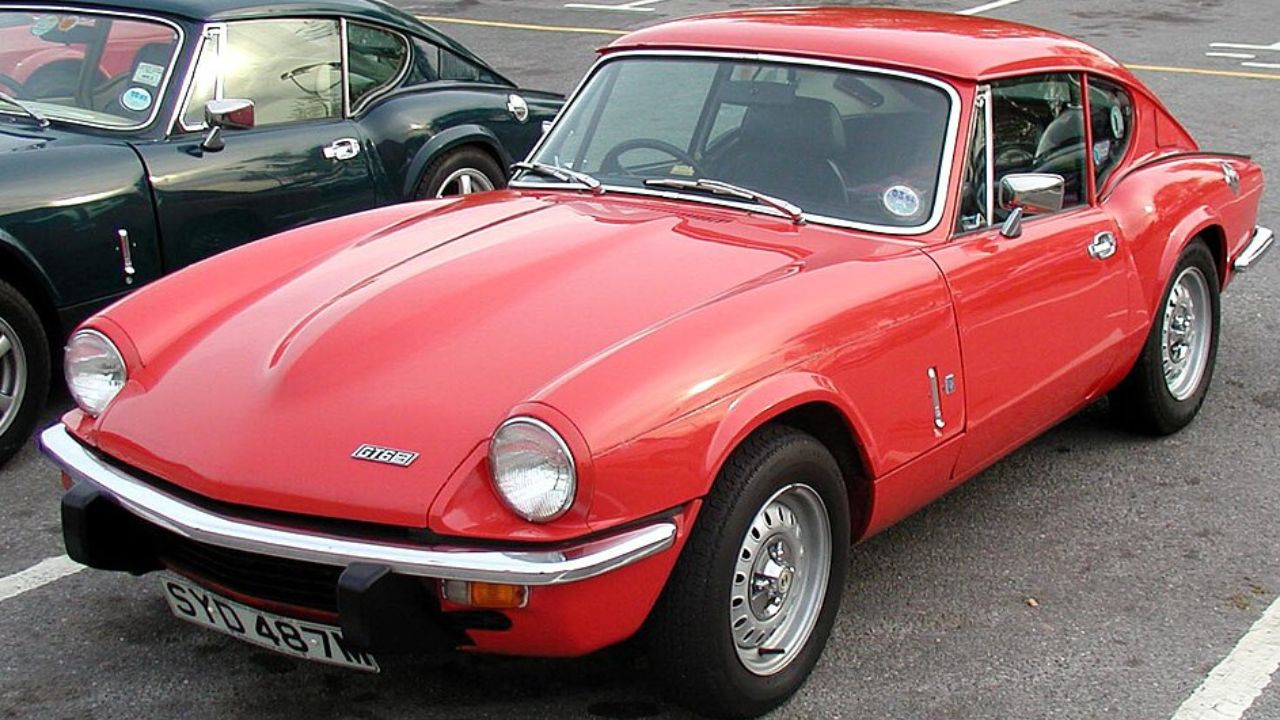
The Triumph GT6 was technically a fastback coupe rather than a traditional open roadster, but its closely related Spitfire platform and sporting character make it part of the same classic British driving story. Its inline-six engine gave it more performance than the smaller four-cylinder Triumphs, while its compact dimensions made winding roads entertaining. It remains appealing to enthusiasts who enjoy lightweight British sports cars with distinctive styling and a more substantial engine.
Sunbeam Alpine
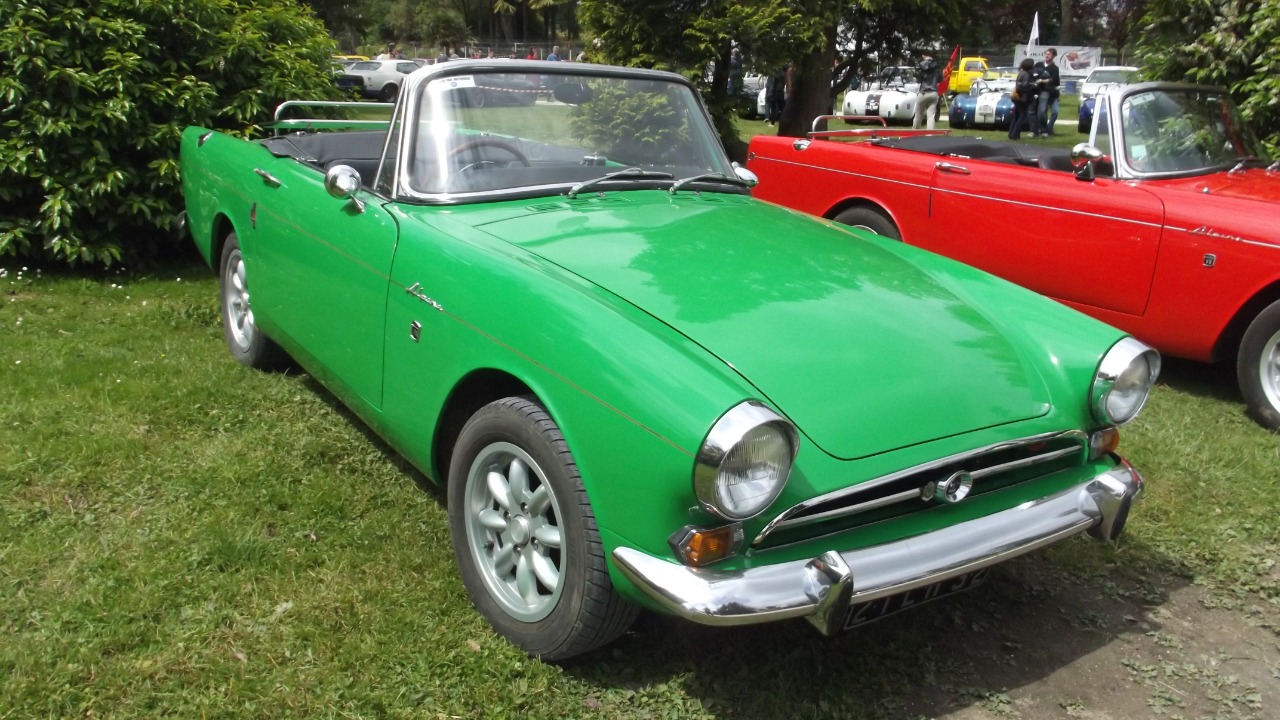
The Sunbeam Alpine offered a more comfortable interpretation of the British roadster formula. Its four-cylinder engine was not enormous, but the car’s relatively light weight and responsive chassis made it enjoyable on back roads. The Alpine also provided more practicality than many tiny sports cars, making it easier to use regularly. Its understated appearance means it is often overlooked beside more famous British roadsters, which has helped preserve its appeal among enthusiasts seeking something different.
MG Midget
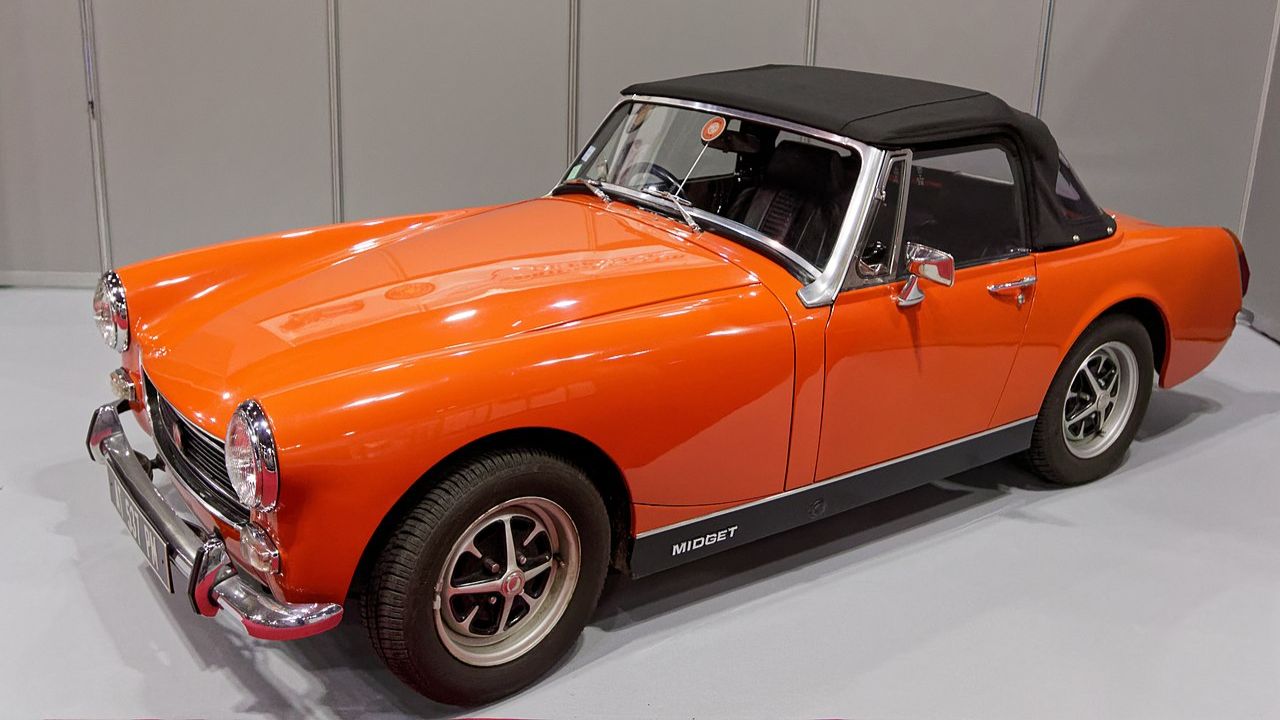
The MG Midget focused almost entirely on lightweight driving fun. Its compact body, small engine, manual transmission, and simple mechanical systems created an experience that depended more on agility than outright power. The car was easy to understand and relatively straightforward to maintain, which helped it develop a dedicated following. For drivers who value steering feel, low weight, and an uncomplicated connection with the road, the Midget remains an appealing classic.
Fiat X1/9
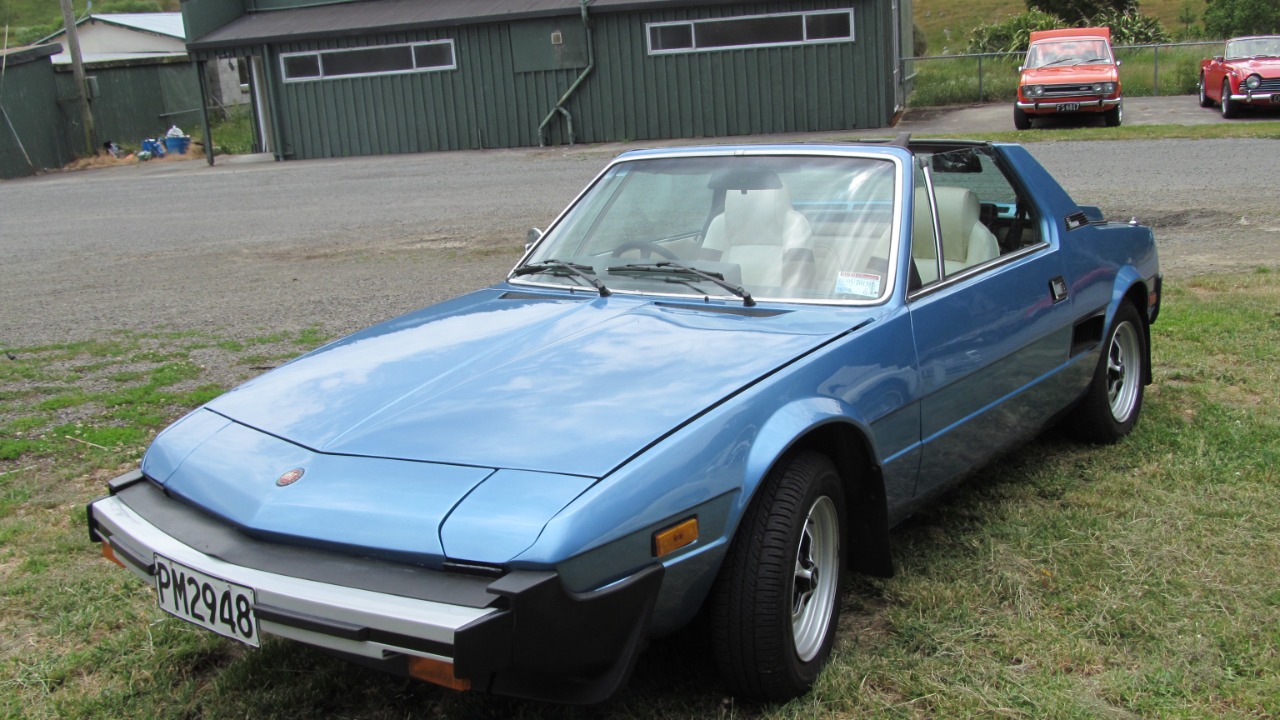
The Fiat X1/9 stood apart from traditional front-engine roadsters with its mid-engine layout. Its compact four-cylinder engine sat behind the driver, helping create balanced handling and a distinctive driving experience. The removable roof panel gave it open-air appeal while the wedge-shaped body looked futuristic when new. It remains a fascinating choice for enthusiasts because it delivers mid-engine sports-car character in a much more approachable package than many exotic alternatives.
Alfa Romeo Spider
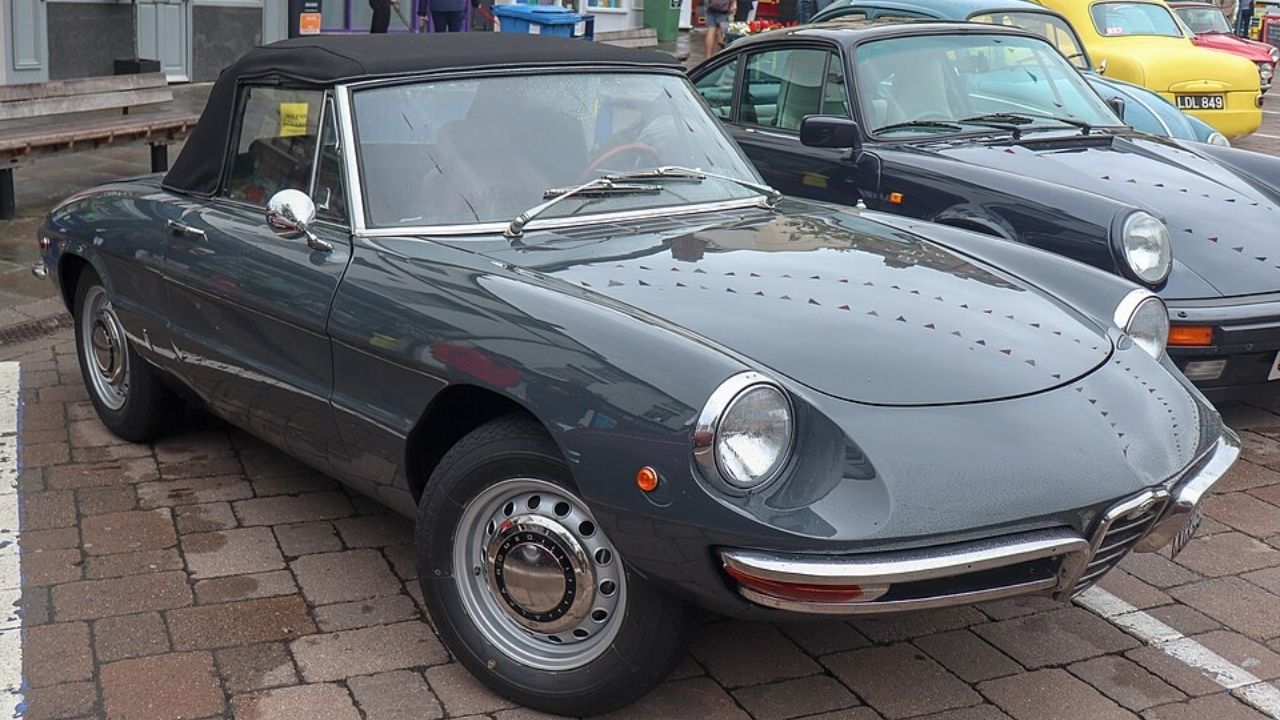
The Alfa Romeo Spider became famous for its beautiful styling, but its appeal goes well beyond appearance. The compact roadster combined a responsive chassis with a lively four-cylinder engine and rear-wheel drive. The driving position and open cockpit gave it a distinctly European character. Later examples became more accessible to buyers, helping the model develop a lasting enthusiast following. It remains a classic choice for drivers who value feel and personality.
BMW Z1
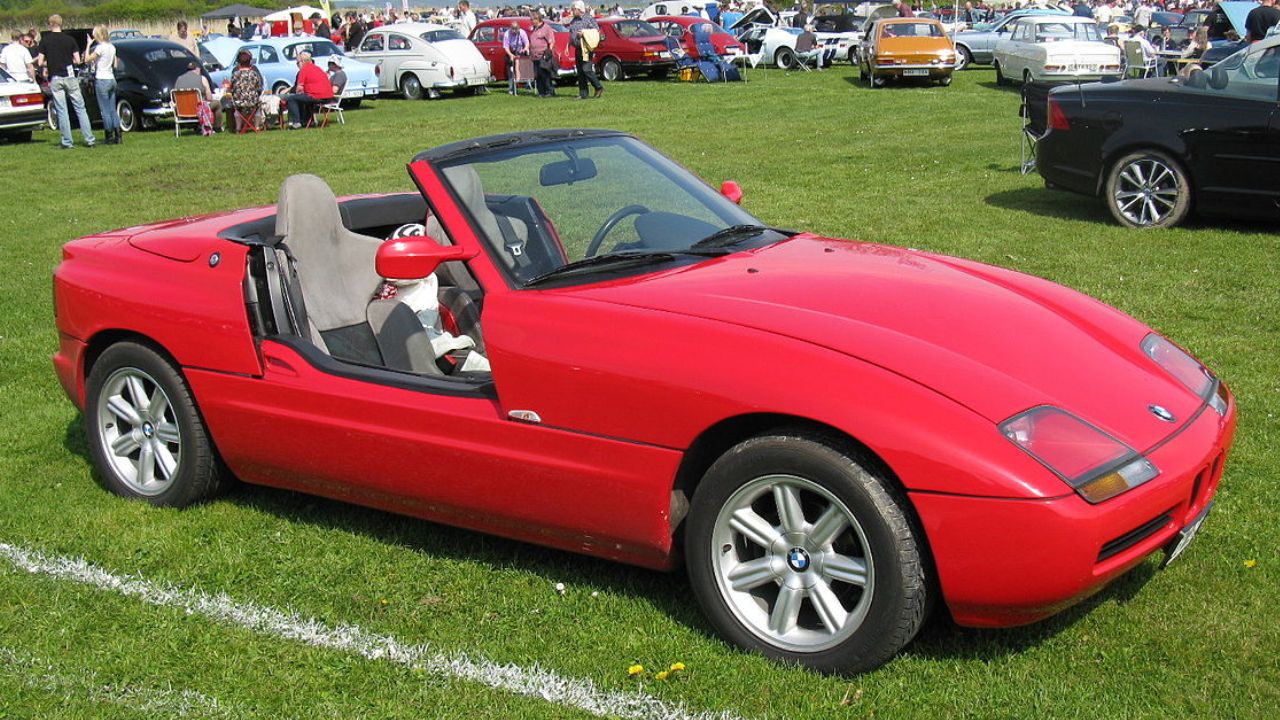
The BMW Z1 was one of the most unusual roadsters BMW ever produced. Its distinctive vertically sliding doors separated it from conventional sports cars, while its lightweight construction and rear-wheel-drive chassis gave it genuine driving appeal. Production numbers were limited, which helped make surviving examples interesting to collectors. The Z1 remains attractive to enthusiasts who want a classic BMW that feels both mechanical and experimental rather than simply being another familiar sports model.
Honda Beat
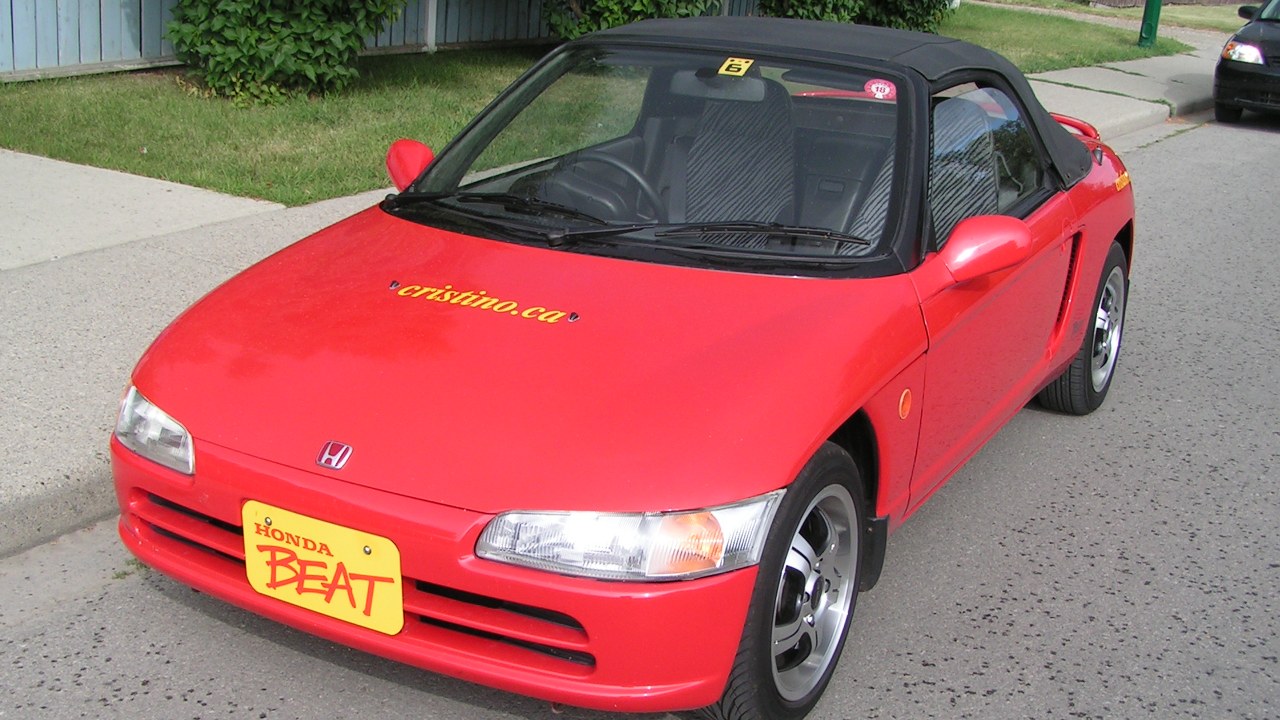
The Honda Beat proved that a tiny engine could still create a memorable sports-car experience. Its compact mid-engine layout, lightweight construction, and responsive chassis allowed the small roadster to deliver plenty of fun at everyday speeds. The car was designed primarily for the Japanese market, which kept it relatively uncommon elsewhere. Enthusiasts still appreciate the Beat because it emphasizes balance, agility, and driver involvement rather than raw horsepower.
Toyota MR2 Spyder
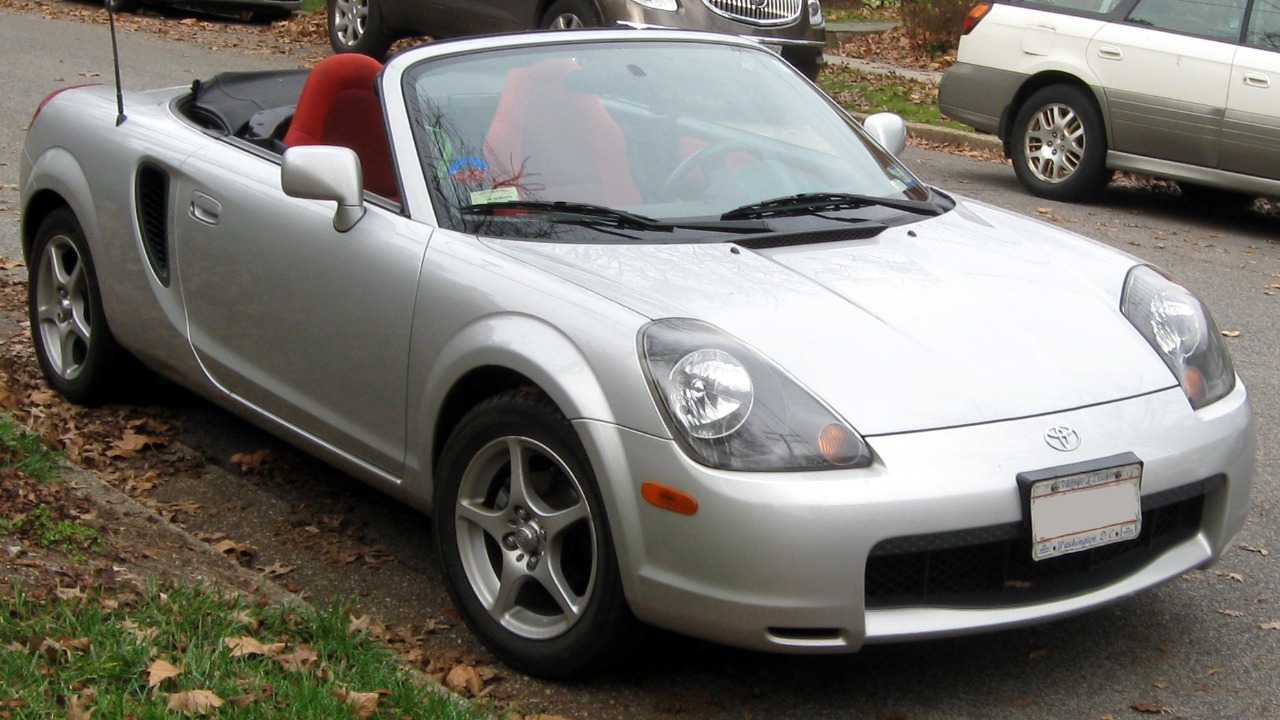
The Toyota MR2 Spyder offered a modern interpretation of the lightweight roadster. Its mid-engine layout helped provide balanced handling, while the compact body and low weight kept the driving experience lively. The four-cylinder engine was not especially powerful, but the chassis did not need huge output to be entertaining. Today, the MR2 Spyder is often overshadowed by larger sports cars, yet drivers who value simplicity continue to seek good examples.
Mazda MX-3
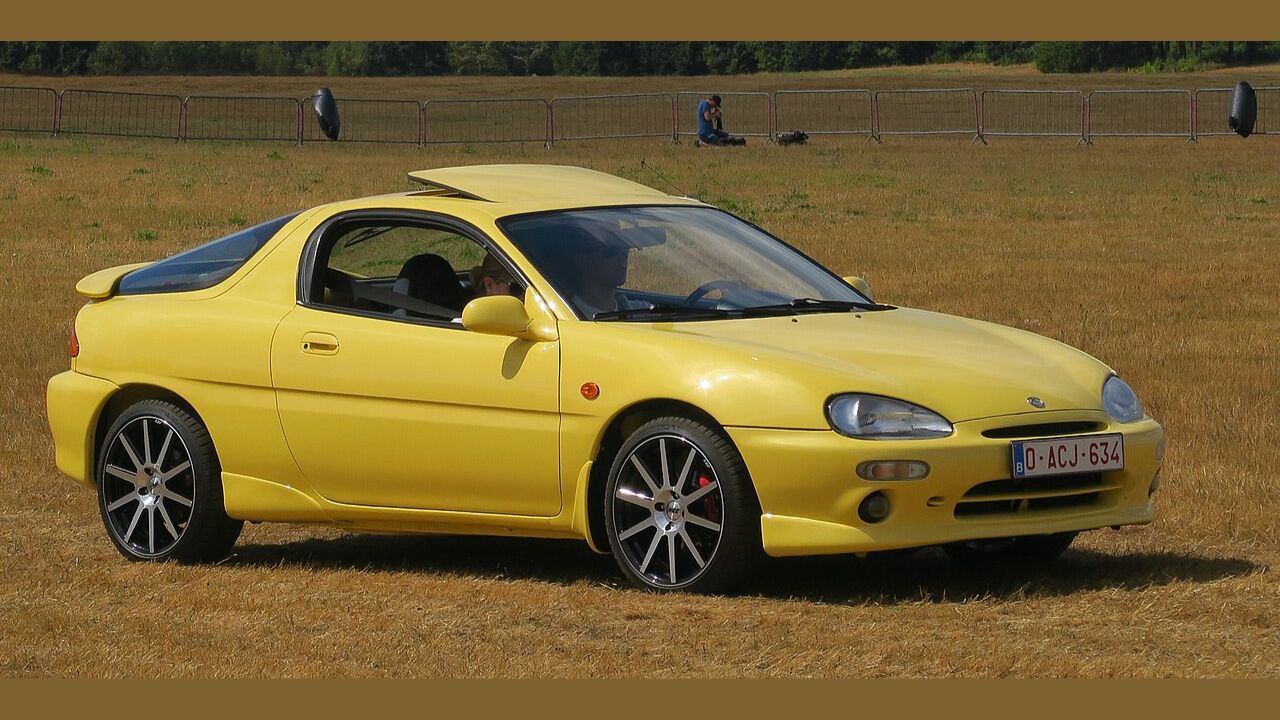
The Mazda MX-3 is better remembered as a compact coupe than a roadster, but its engineering showed the same lightweight philosophy that made Mazda sports cars appealing. Its compact dimensions and responsive chassis gave it an unusually playful character. The available V6 was especially notable for its small size and smoothness. While not a conventional roadster, it represents the kind of overlooked Mazda engineering that continues to attract enthusiasts who enjoy unusual, driver-focused cars.
Mercury Capri Convertible
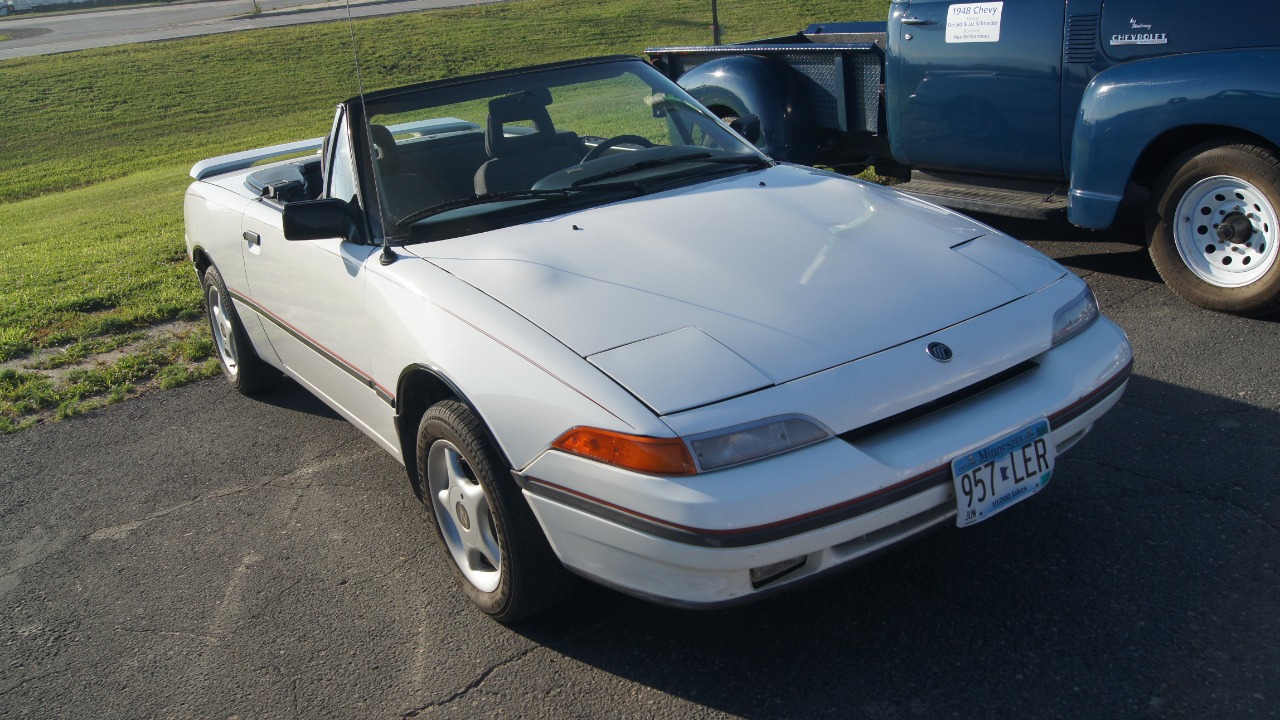
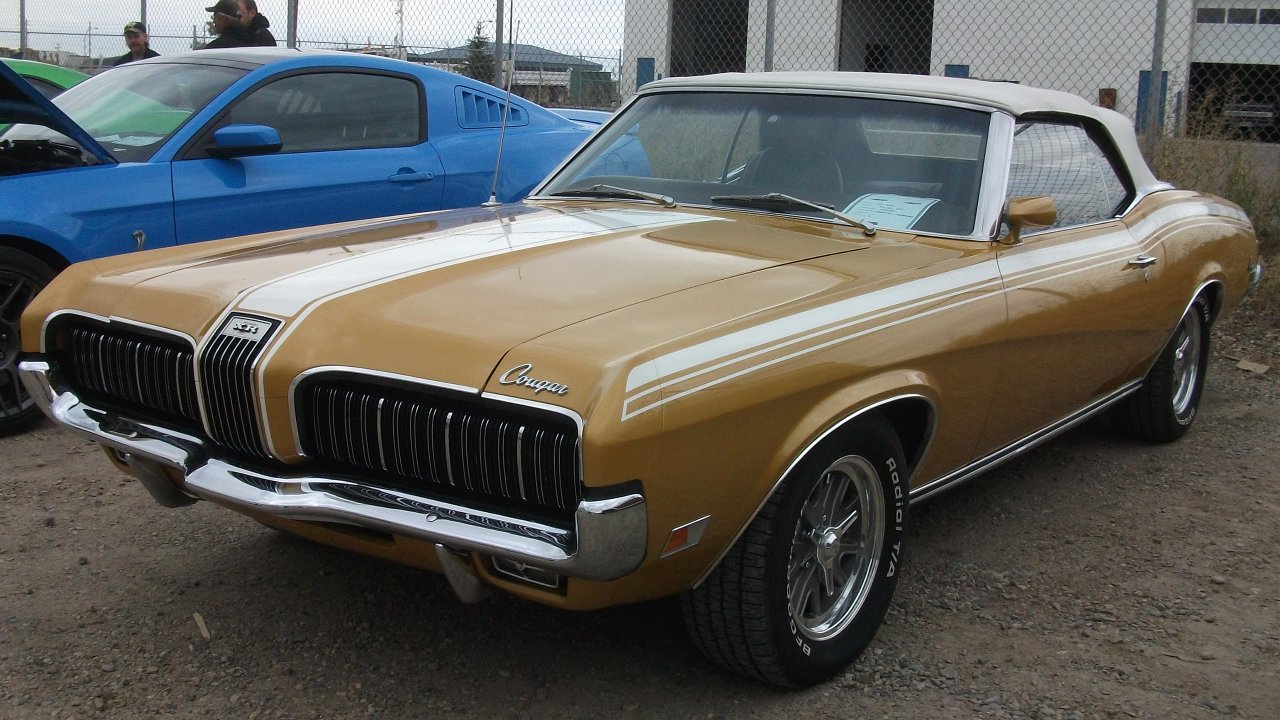
The Mercury Capri brought an affordable European-inspired character to the American market. Convertible versions added open-air appeal, while compact dimensions and responsive handling made the car more entertaining than its modest image suggested. Later versions offered stronger engines and improved performance. The Capri remains relatively overlooked compared with Ford’s better-known performance cars, making it an interesting choice for drivers who want a classic convertible with a different story.
Pontiac Solstice
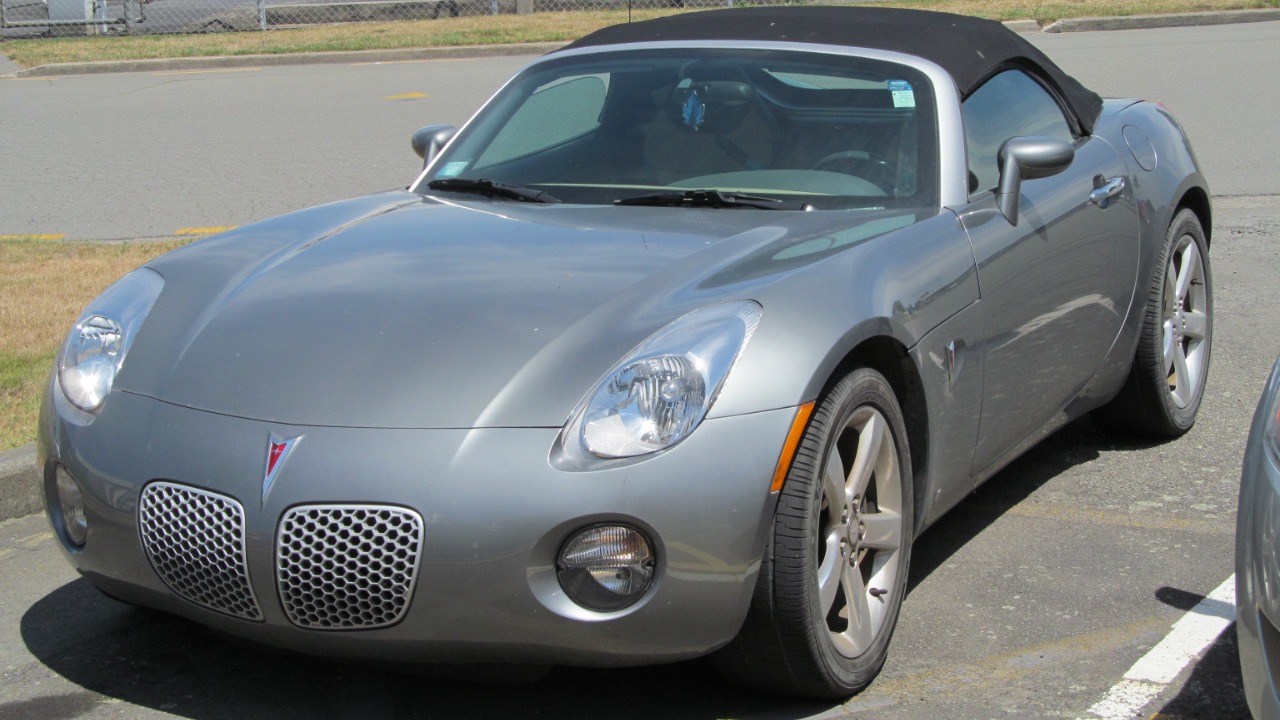
The Pontiac Solstice arrived with modern styling and rear-wheel drive at a time when affordable American roadsters were becoming rare. Its two-seat layout, relatively compact dimensions, and available four-cylinder engines gave it a genuine sports-car identity. The Solstice also shared its basic platform with the Saturn Sky, giving buyers another option with similar hardware. Today, enthusiasts appreciate the Solstice because it offers modern roadster proportions without the complexity of many newer performance cars.
Saturn Sky
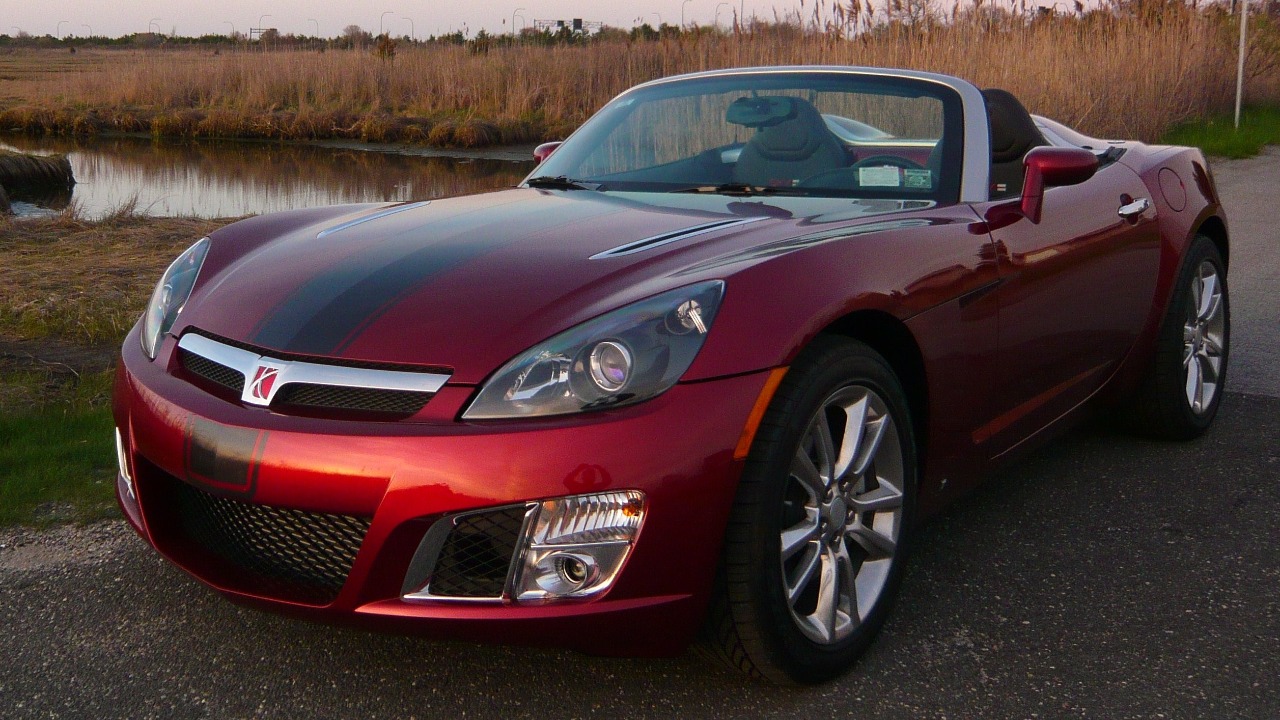
The Saturn Sky brought a sharper interpretation of the same basic roadster platform used by the Pontiac Solstice. Its dramatic bodywork gave it a distinctive presence, while rear-wheel drive and a relatively low seating position made it genuinely engaging. Turbocharged versions offered considerably more performance. The Sky remains an overlooked choice because Saturn disappeared from the market, but that history also makes surviving examples increasingly interesting to enthusiasts.
Daihatsu Copen
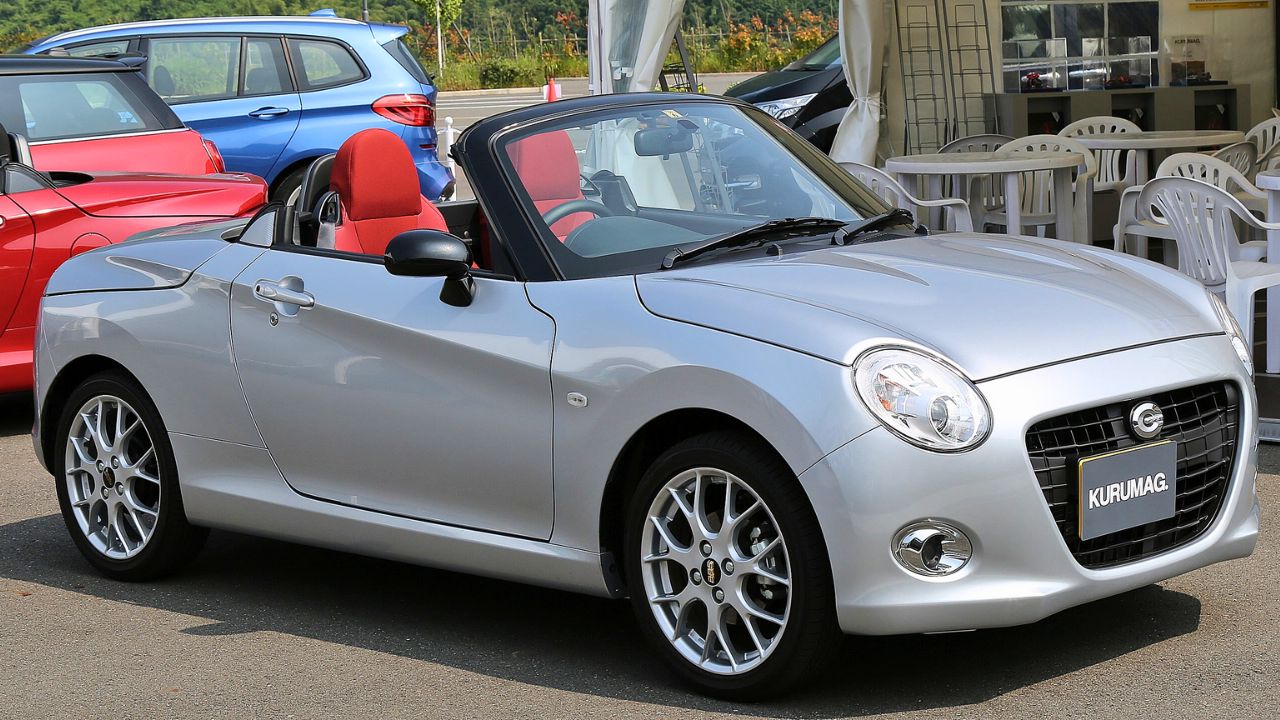
The Daihatsu Copen took the Japanese kei-car concept and turned it into a tiny convertible sports car. Its small dimensions, lightweight construction, and compact engine made it easy to enjoy without requiring high speeds. Some versions also offered a retractable hardtop, adding practicality to the package. The Copen remains a niche enthusiast choice because it delivers a completely different interpretation of the roadster, emphasizing size, agility, and accessibility rather than power.
Panoz Roadster
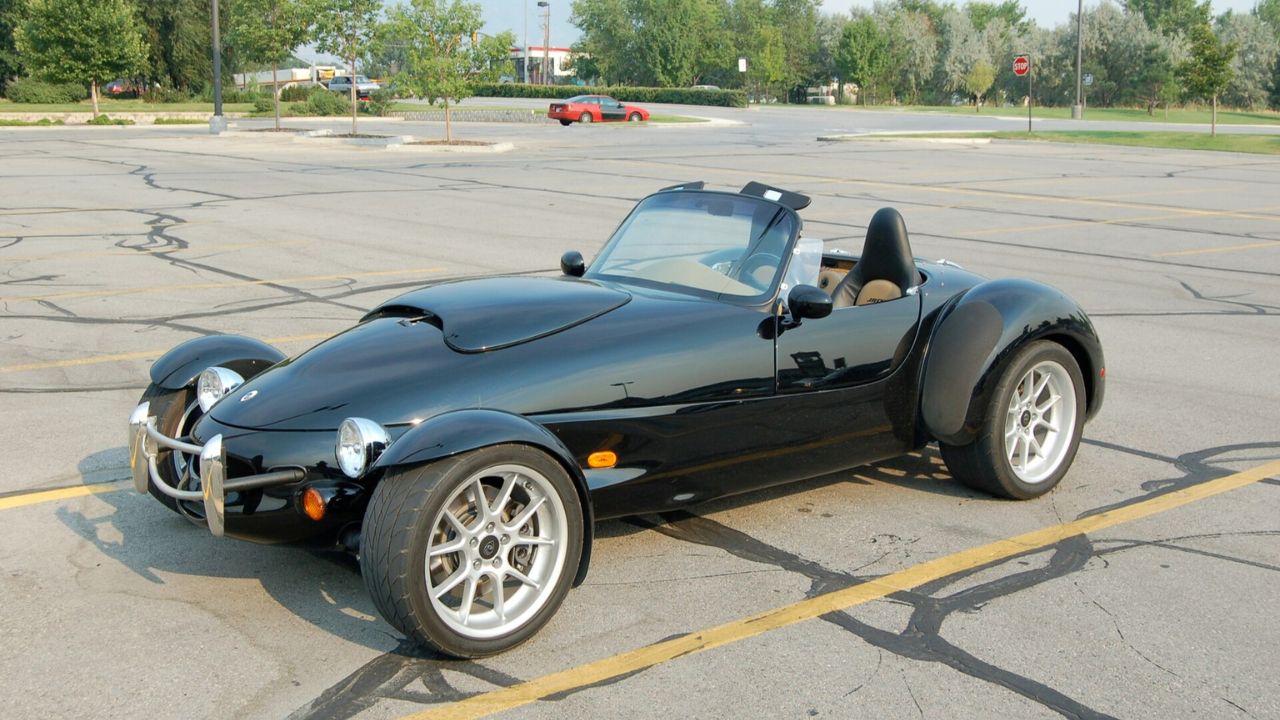
The Panoz Roadster was built around a simple idea: combine a lightweight chassis with American V8 power and minimal distractions. Its open bodywork and compact proportions gave it a raw character that separated it from polished mainstream sports cars. Production numbers were limited, so it never became a familiar sight. Drivers who value mechanical involvement continue to appreciate the Roadster because it feels closer to a traditional club-racing machine than a conventional luxury sports car.
Morgan Plus 4
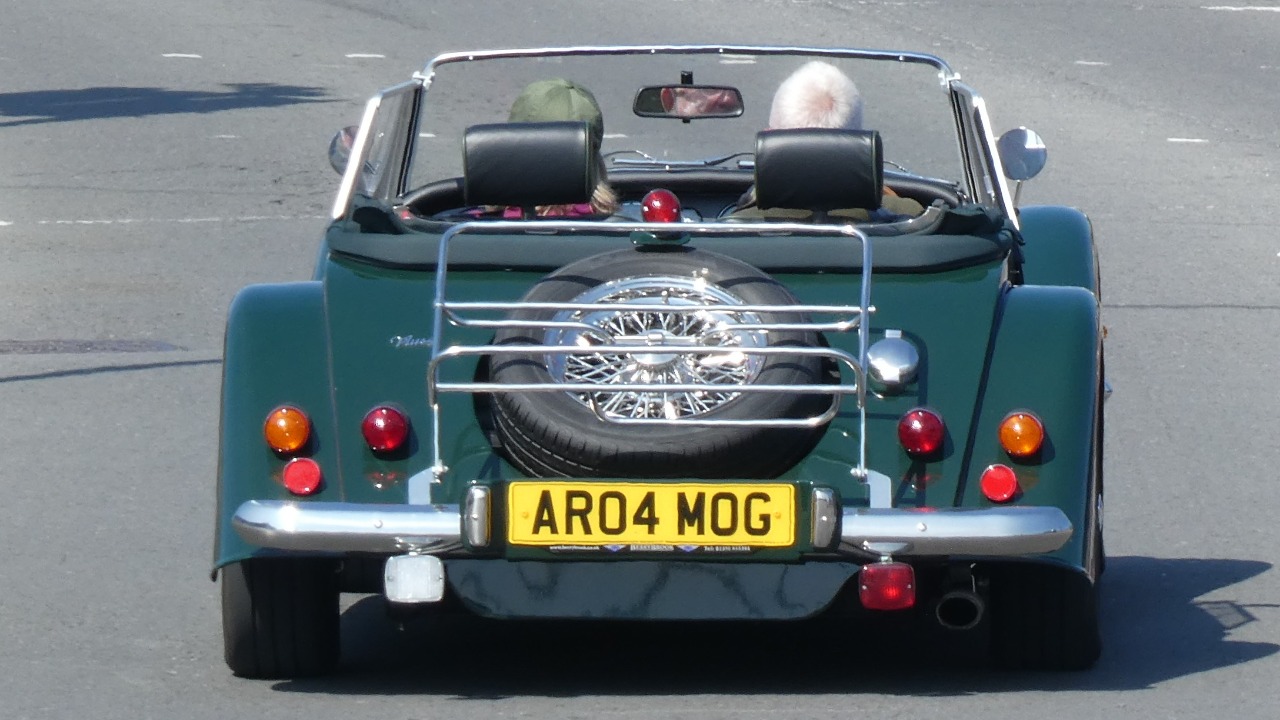
The Morgan Plus 4 represents an old-school approach to roadster design that remained remarkably consistent for decades. Its traditional construction, narrow body, rear-wheel drive, and simple cabin put the focus squarely on driving. The car does not need huge power to feel lively because its relatively light weight does much of the work. It remains a favorite among enthusiasts who want a roadster experience that feels fundamentally different from modern performance cars.
AC Ace
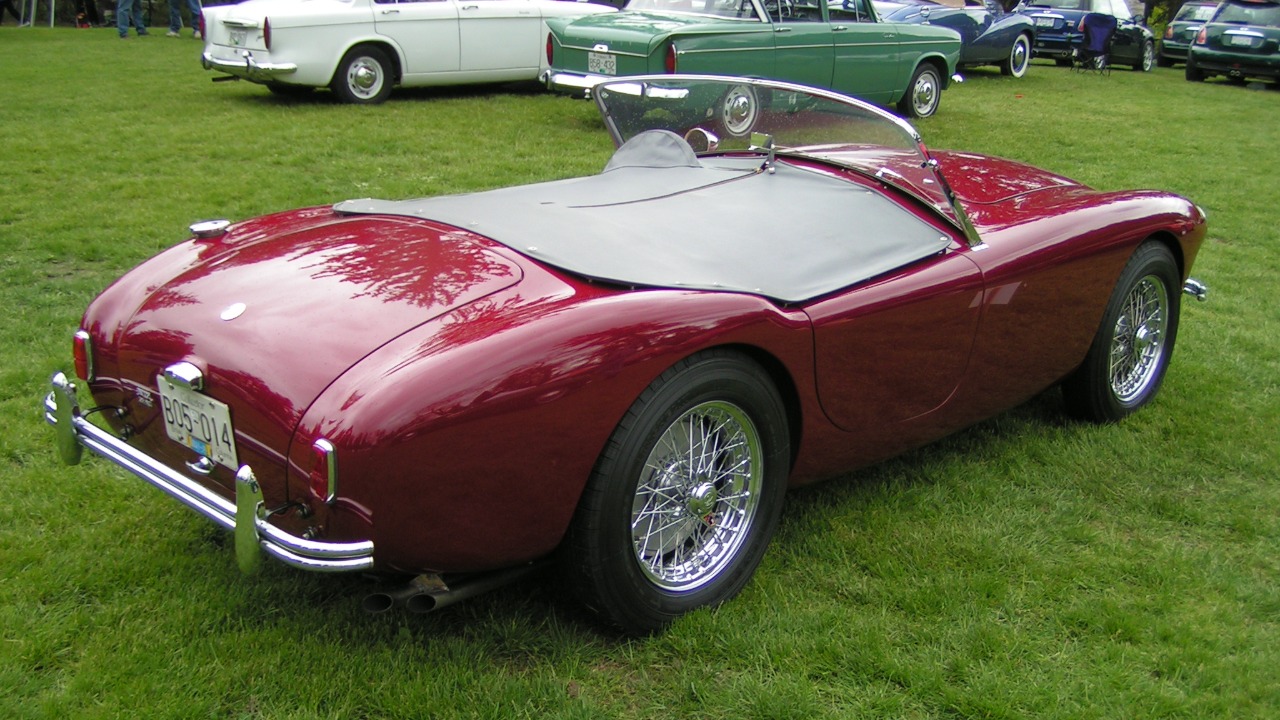
The AC Ace was a lightweight British sports car that became historically important for its elegant body and sporting chassis. Its compact dimensions and rear-wheel-drive layout created the foundation for a highly engaging driving experience. The Ace is also remembered as the starting point for the later AC Cobra story. Today, surviving examples are highly interesting to enthusiasts because the model represents a pure form of British roadster engineering before performance cars became increasingly complex.
More from Fast Lane Only
- Unboxing the WWII Jeep in a Crate
- 15 rare Chevys collectors are quietly buying
- 10 underrated V8s still worth hunting down
- Police notice this before you even roll window down
*Research for this article included AI assistance, with all final content reviewed by human editors.