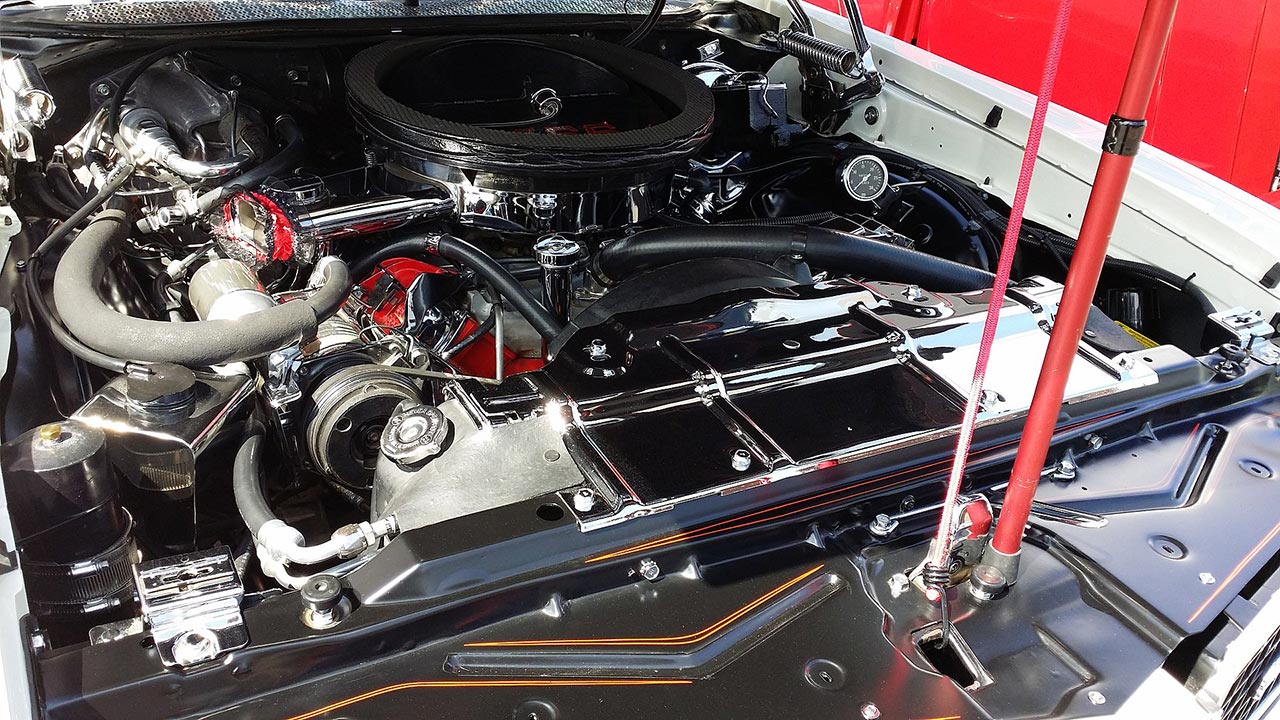
Big-block V8s are often remembered for horsepower, muscle cars, and drag-strip glory, but mechanics tend to judge them by different standards. Easy maintenance, durable construction, strong torque, parts availability, and an ability to survive years of hard use can matter more than peak power. From Chevrolet workhorses to Ford and Chrysler heavy hitters, these 7 big-block V8s earned lasting respect for being strong, dependable, and relatively straightforward to keep running.
Chevrolet 454 Big-Block
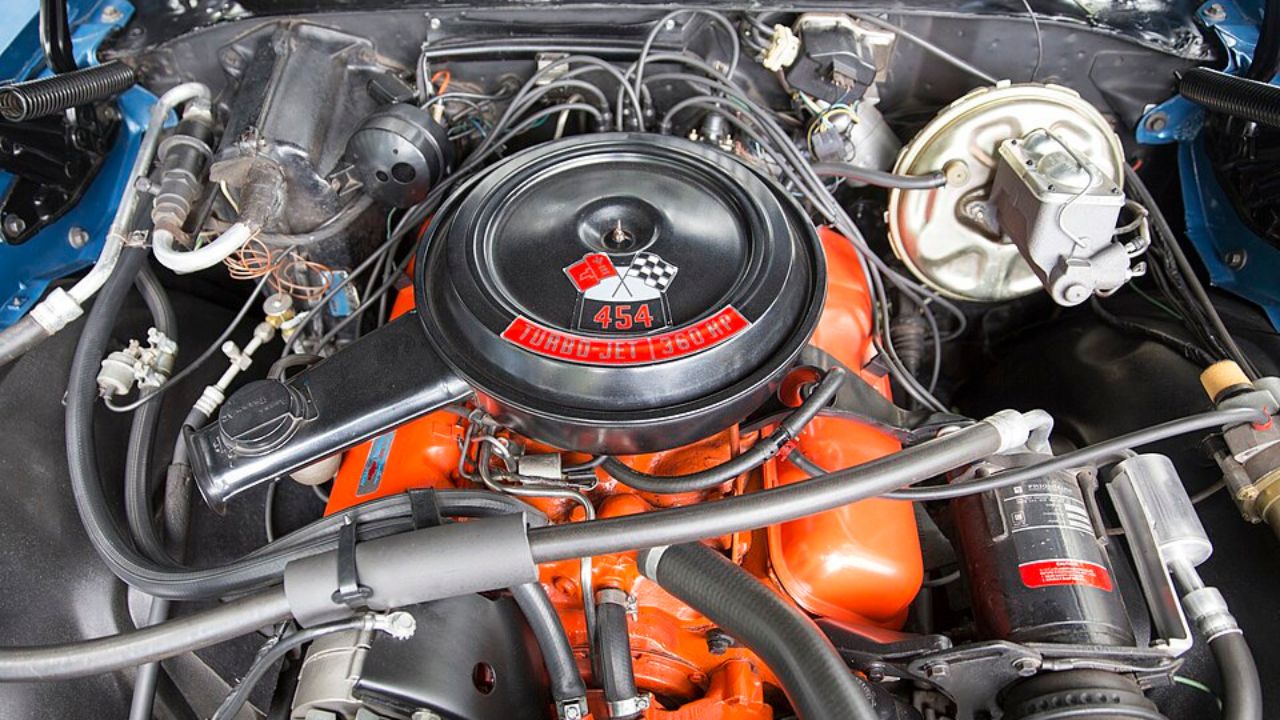
The Chevrolet 454 became one of the most versatile big-block V8s ever produced. It powered everything from muscle cars and full-size Chevrolets to heavy-duty trucks and motorhomes. Its large displacement provided abundant torque, while the basic pushrod design remained relatively straightforward to service. Later versions continued evolving with fuel injection and other improvements. Its long production history, strong aftermarket support, and reputation for durability helped make the 454 a favorite among mechanics and enthusiasts.
Cadillac 472 V8
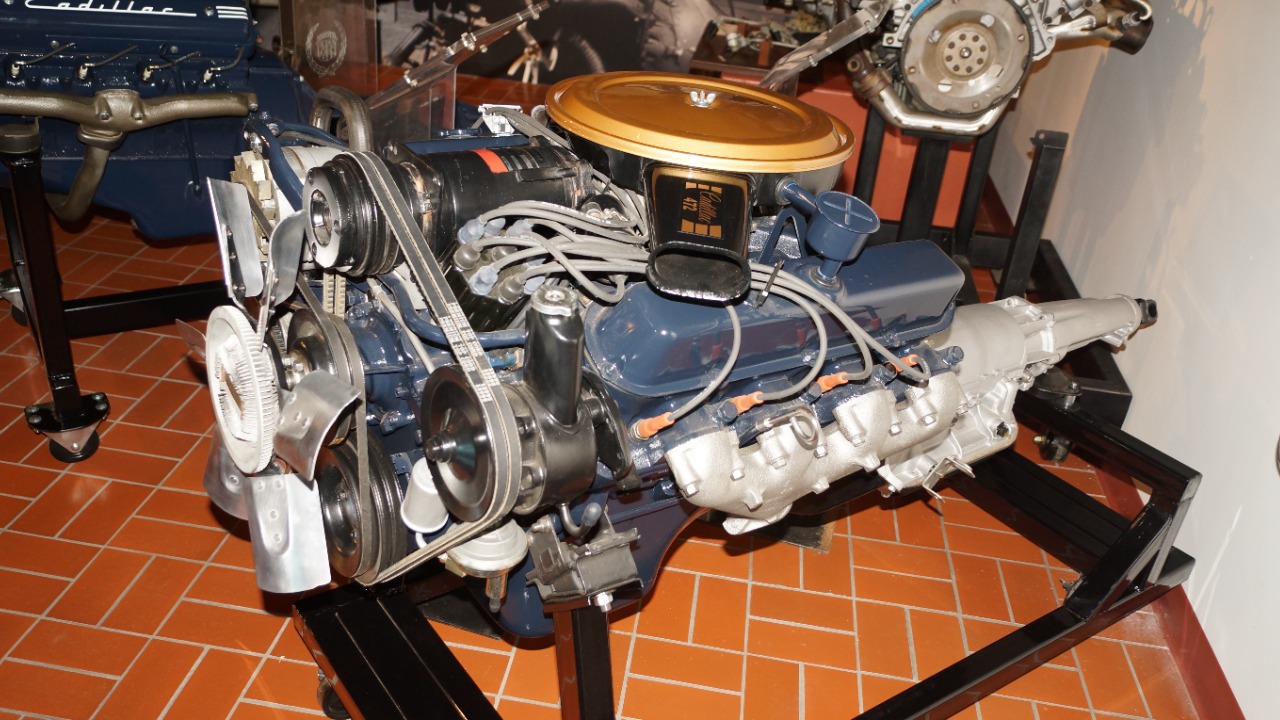
The Cadillac 472 V8 became known for combining massive displacement with strong low-speed torque and straightforward engineering. Introduced for 1968, the 7.7-liter engine powered Cadillac models including the DeVille, Fleetwood, and Eldorado. Its conventional pushrod layout made it relatively simple to service, while its robust construction helped it handle the demands of large luxury cars. The 472’s combination of torque, durability, and mechanical simplicity earned it lasting respect among enthusiasts and experienced mechanics.
Chevrolet 396 Big-Block
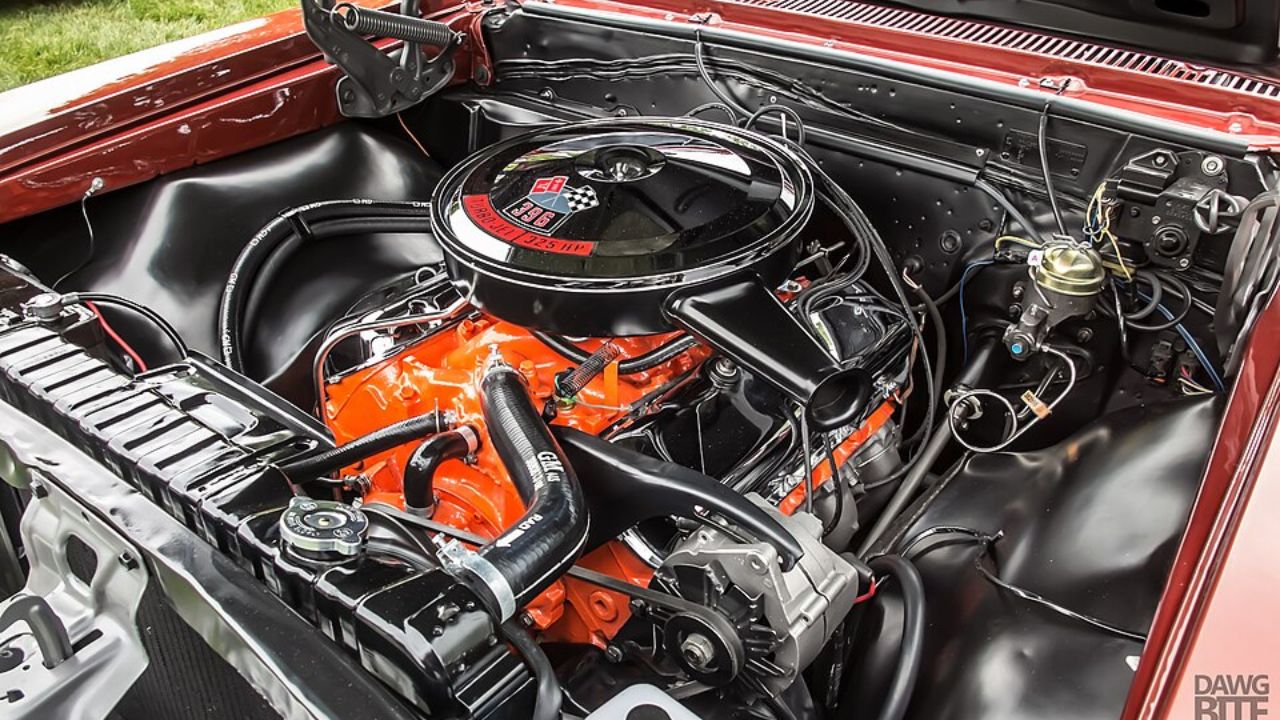
The Chevrolet 396 helped establish the Mark IV big-block family as a major force during the muscle-car era. Introduced in 1965, it appeared in popular performance cars including the Chevelle SS and Camaro SS. Mechanics appreciated its conventional pushrod architecture and straightforward layout, while enthusiasts valued its strong low- and mid-range torque. The 396 also served as the foundation for later Chevrolet big-block developments, eventually leading to larger and more powerful engines such as the 427 and 454.
Oldsmobile 455
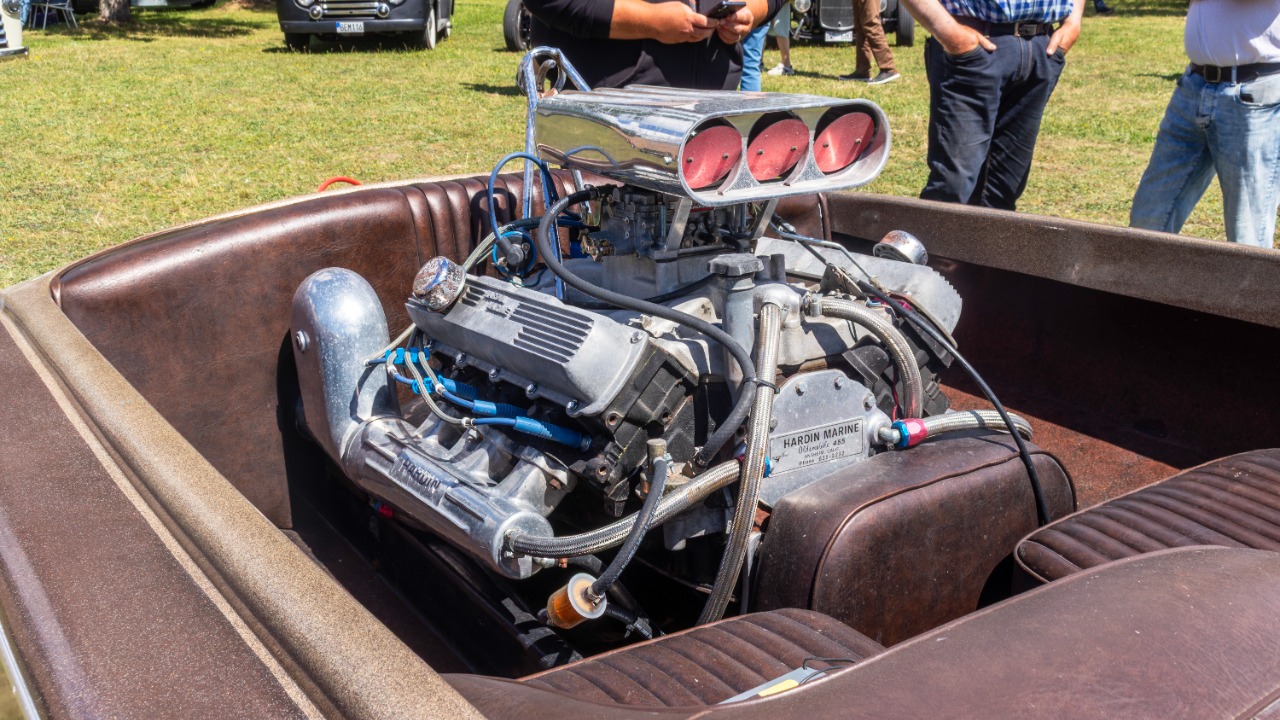
The Oldsmobile 455 earned respect for delivering enormous torque without relying on an overly complicated design. Introduced for 1968, the big-block became a popular choice in Oldsmobile performance cars and was available in several versions with different levels of output. Its strong low-speed torque made it useful for both street driving and heavy-duty applications. Mechanics and enthusiasts continue to appreciate the 455 for its sturdy construction, straightforward pushrod layout, and impressive pulling power.
Ford 428 Cobra Jet
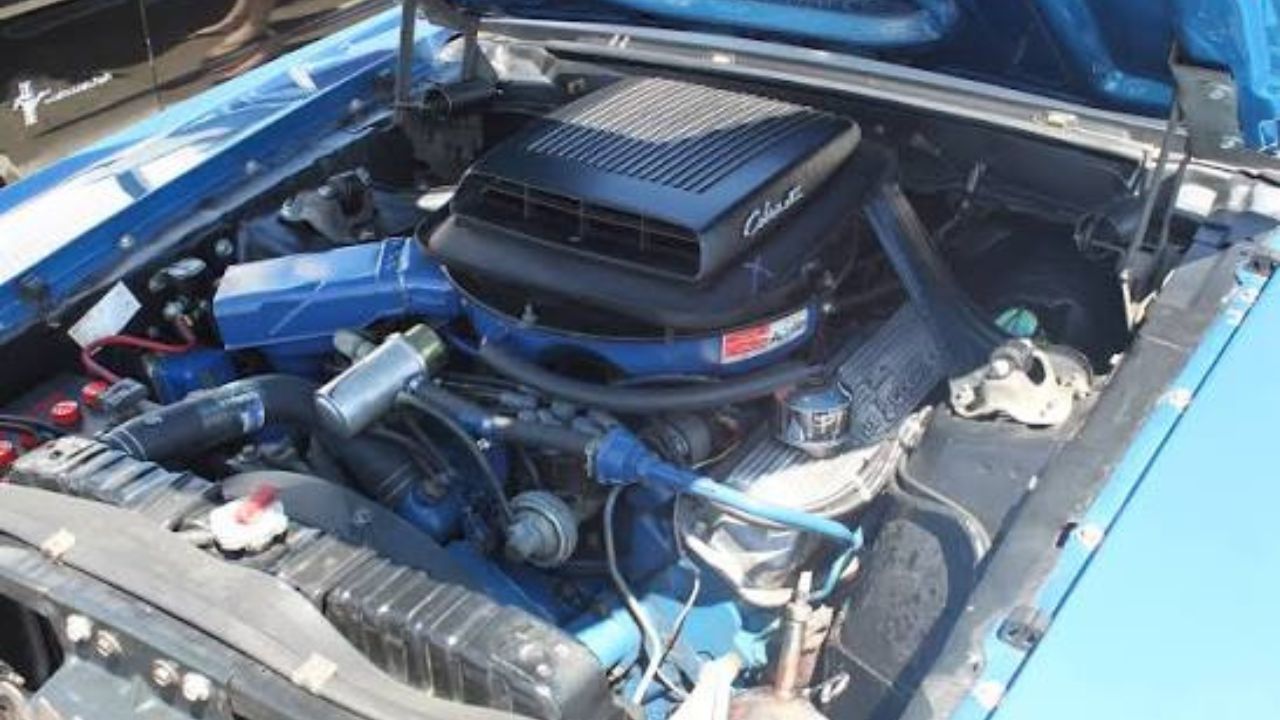
The Ford 428 Cobra Jet earned its reputation through a combination of strong street performance and relatively simple mechanical construction. Introduced for 1968, it used the FE architecture with high-performance cylinder heads, a larger-valve arrangement, and a performance-oriented induction system. The engine became famous in cars such as the Mustang, Torino, and Fairlane. Its strong torque and proven FE foundation made it one of Ford’s most respected muscle-car big-blocks.
Chevrolet 427 Big-Block
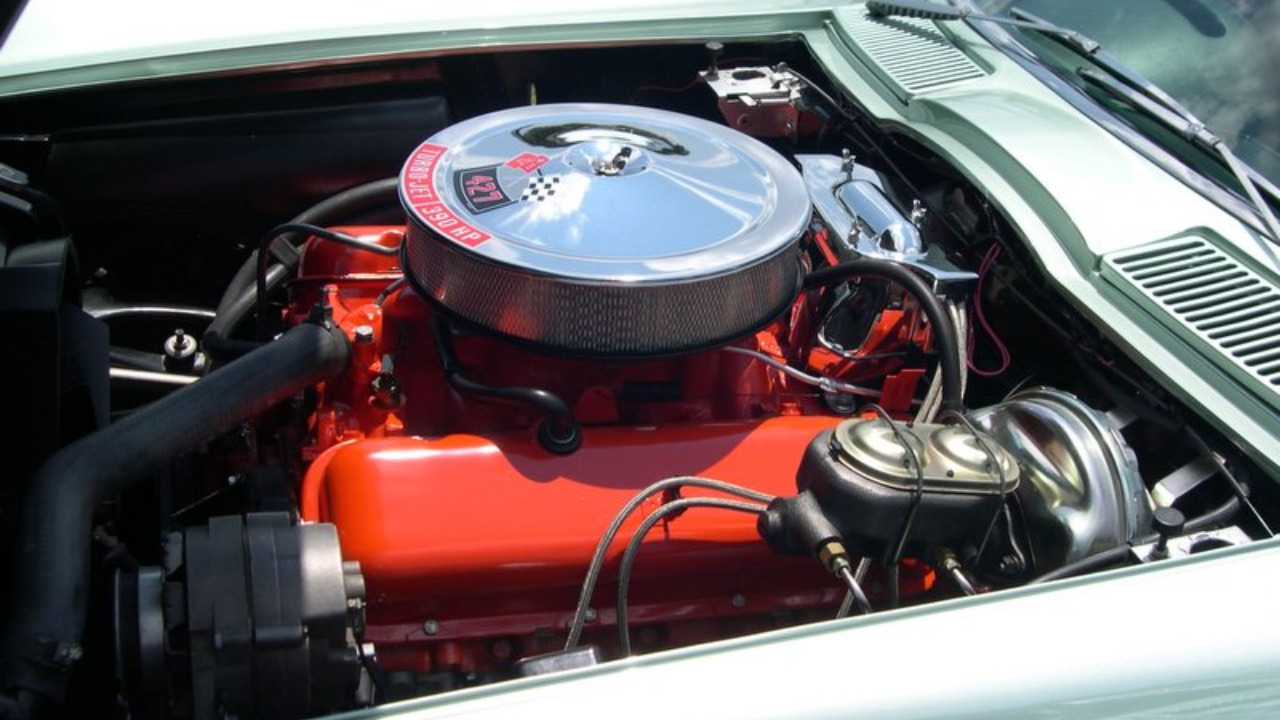
The Chevrolet 427 became one of the defining big-block engines of the 1960s and early 1970s. Its large displacement and Mark IV architecture gave Chevrolet plenty of room for different performance combinations, from street-oriented versions to highly developed racing engines. Mechanics also benefited from the engine’s conventional pushrod layout and extensive parts availability. The 427’s combination of strength, flexibility, and enormous tuning potential made it a cornerstone of Chevrolet’s high-performance engine history.
Cadillac 500 V8

The Cadillac 500 V8 became famous for combining enormous displacement with effortless low-speed torque. Introduced for 1970, the 8.2-liter engine was based on Cadillac’s 472 family and powered large luxury cars as well as the Eldorado. Its conventional pushrod design kept the engine mechanically straightforward, while its massive displacement provided strong pulling power. Although it was not designed primarily for high-performance racing, the 500 earned respect for its durability, torque, and simple mechanical layout.
More from Fast Lane Only
- Unboxing the WWII Jeep in a Crate
- 15 rare Chevys collectors are quietly buying
- 10 underrated V8s still worth hunting down
- Police notice this before you even roll window down
*Research for this article included AI assistance, with all final content reviewed by human editors.