Some Lincolns were never common enough to become household names, while others simply disappeared behind the brand’s better-known Continentals and Town Cars. Now, collectors are taking a closer look at these overlooked models. Their unusual styling, limited production, or distinctive place in Lincoln history is giving them a second chance with enthusiasts who want something different.
Lincoln Capri
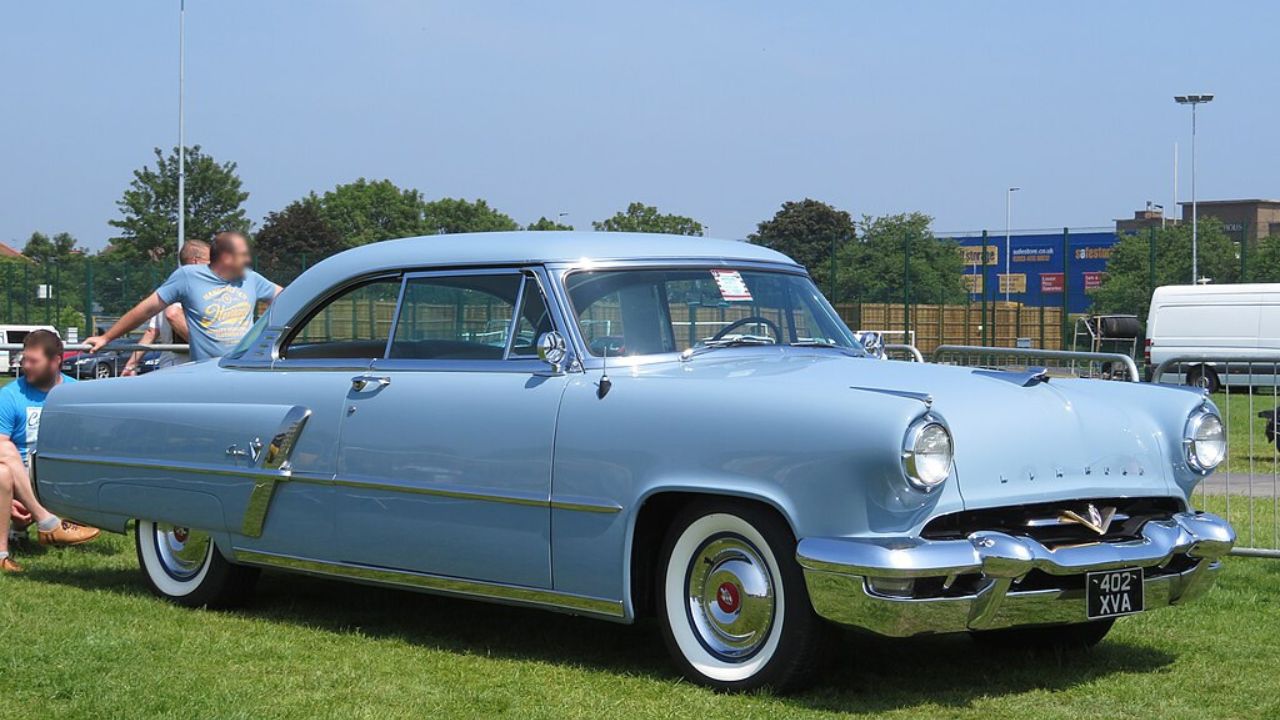
The Lincoln Capri offered a more compact alternative to the enormous luxury cars that dominated the American market in its era. It still carried the formal styling, substantial chrome, and V8 power expected from Lincoln, but its proportions gave it a slightly more manageable appearance. The Capri never became as famous as the Continental, which helped keep it out of the spotlight for decades. Today, its relative rarity and unmistakable period styling make surviving examples increasingly interesting to collectors.
Lincoln Premiere

The Lincoln Premiere was positioned below the Continental but still delivered plenty of traditional American luxury. Its long body, distinctive grille, and extensive trim gave it a commanding road presence. The model represented an important period in Lincoln design when the brand was experimenting with new proportions and increasingly dramatic styling. Because far fewer Premieres survived than more familiar full-size Lincolns, collectors can now appreciate how unusual they look. A well-preserved example stands out at almost any classic-car gathering.
Lincoln Continental Mark II
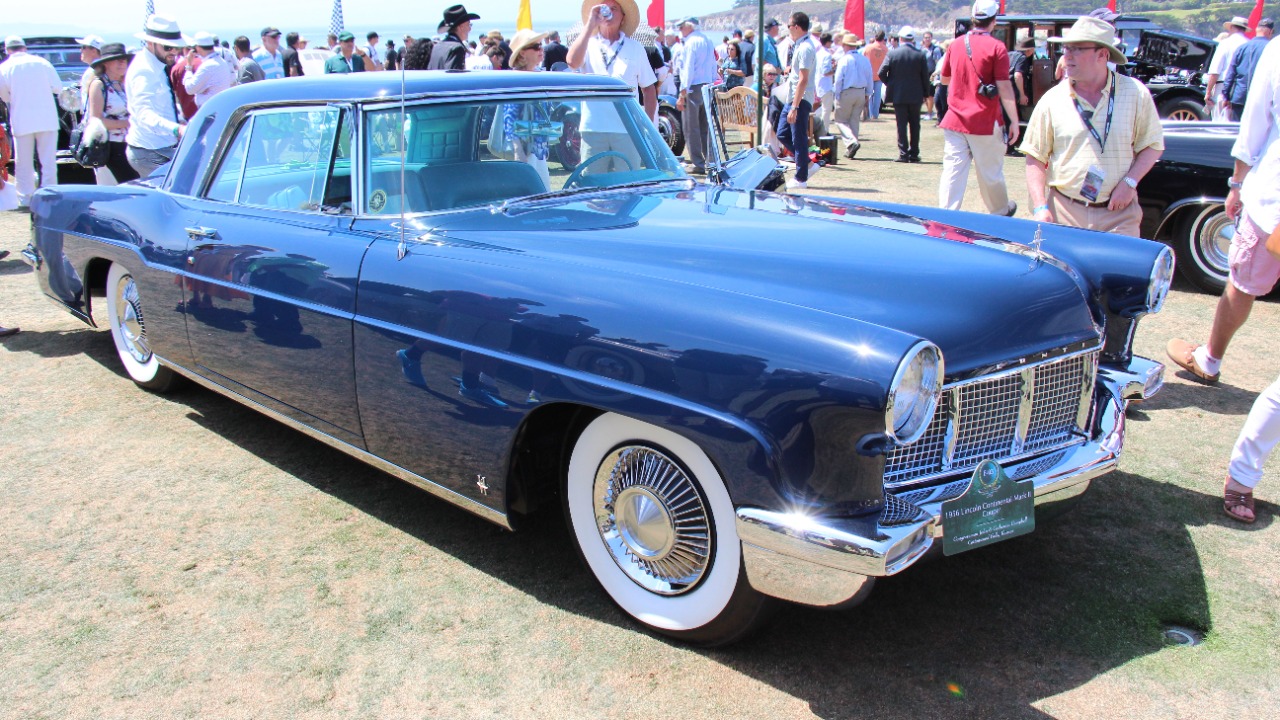
The Continental Mark II was one of the most exclusive American cars of its time. It featured restrained styling compared with the extravagant tail-fin designs appearing elsewhere, giving it a sophisticated appearance that has aged particularly well. The car was expensive when new and produced in relatively limited numbers, so it never became an everyday sight. That exclusivity has become one of its biggest strengths. Collectors today recognize the Mark II as an important piece of American luxury-car history.
Lincoln Continental Cabriolet
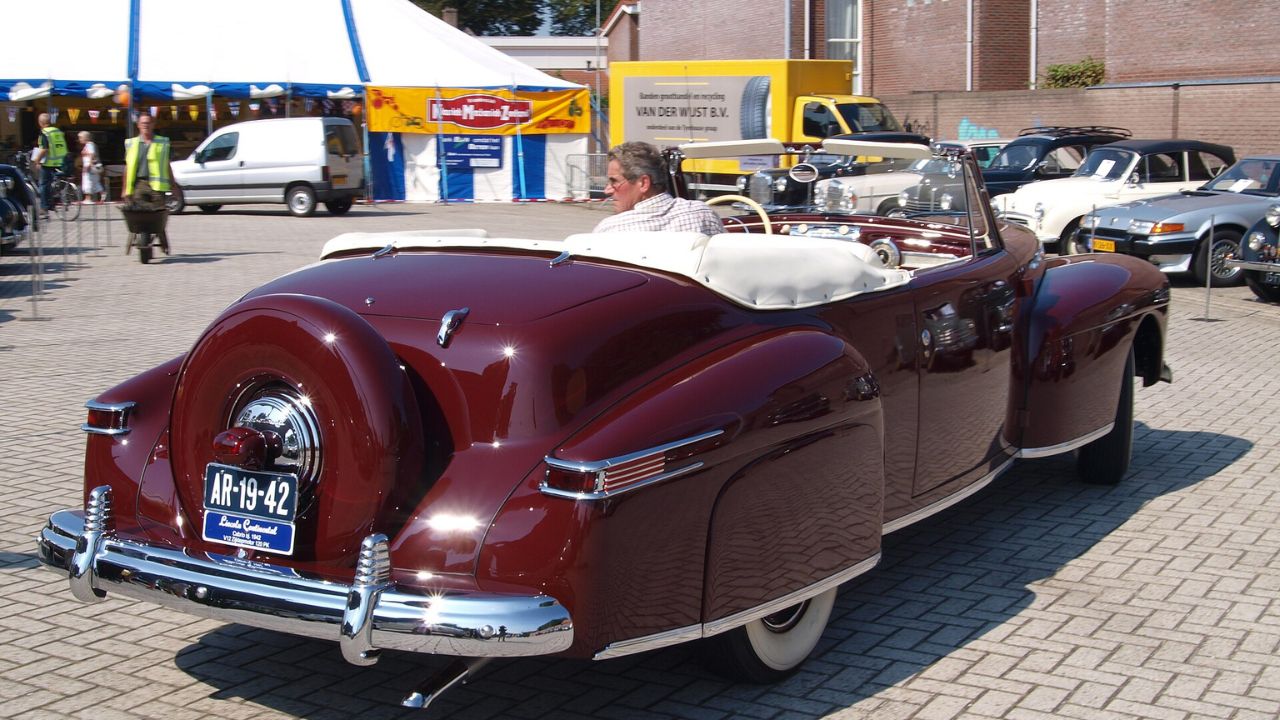
The Lincoln Continental Cabriolet represents one of the most elegant versions of the iconic Continental design. Its clean body lines and distinctive suicide-door configuration gave it an unmistakable profile, while the open roof added another level of visual appeal. These cars were never produced in enormous numbers, and surviving examples are increasingly valuable to collectors. The combination of historical importance, recognizable styling, and convertible bodywork makes the Cabriolet one of the most desirable early Continental variants.
Lincoln Continental Coupe
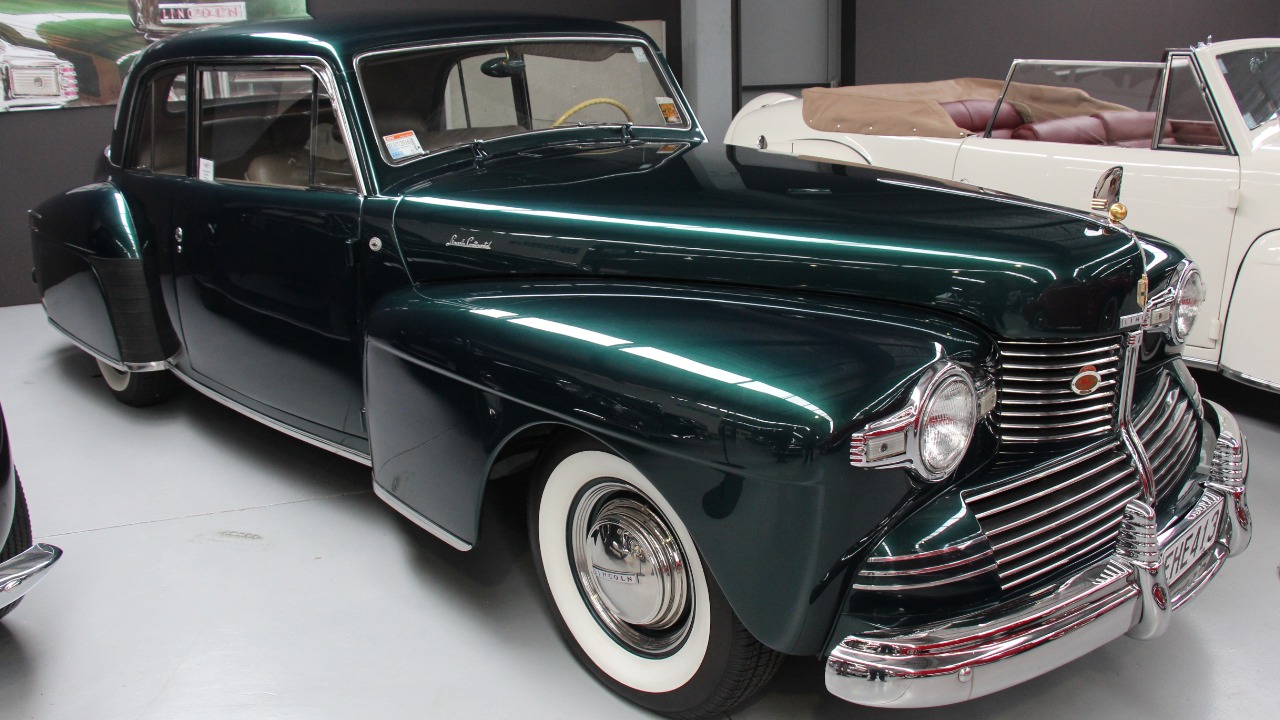
The two-door Continental offered the same formal styling and substantial presence as the sedan but with a more personal character. Its long doors, clean roofline, and understated details gave it a surprisingly elegant appearance. The coupe has become particularly interesting to collectors because it is less frequently encountered than the four-door version. It also demonstrates how versatile the Continental design could be. A properly restored example has the presence of a luxury flagship without looking overly complicated.
Lincoln Zephyr
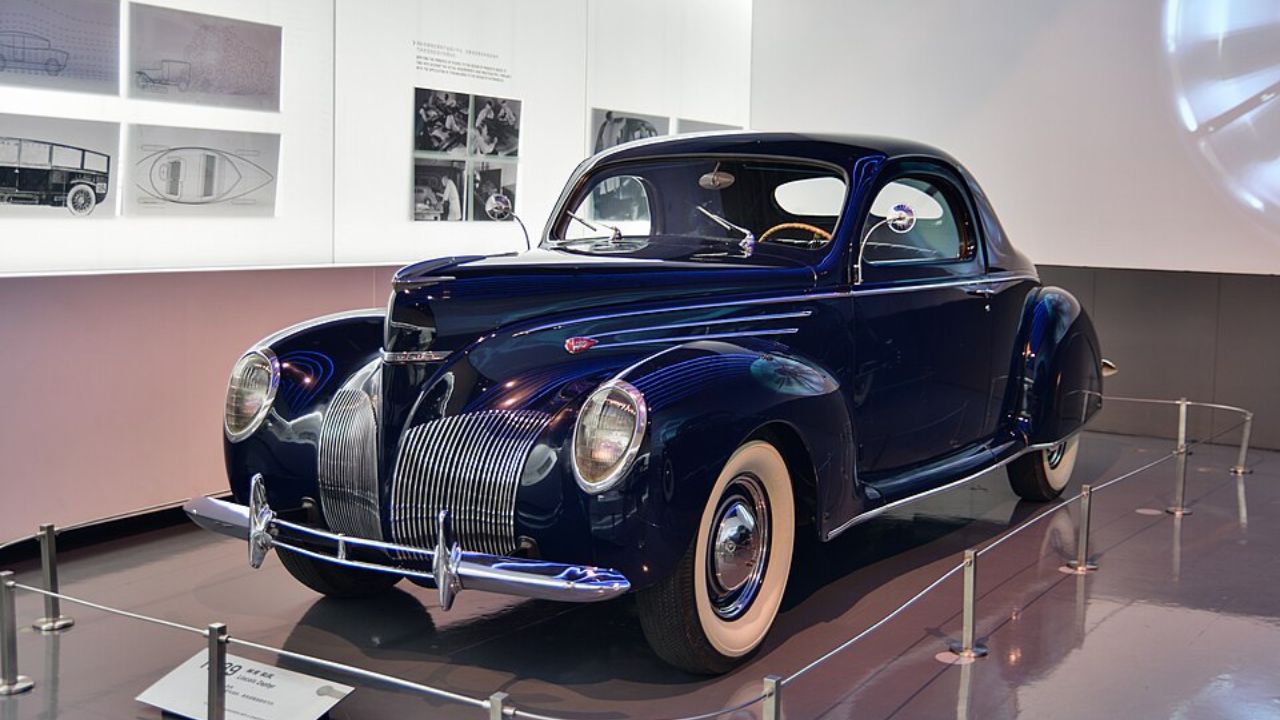
The Lincoln Zephyr was a major departure from the upright luxury cars that came before it. Its streamlined body, integrated fenders, and smooth silhouette represented a new approach to American automotive design. The Zephyr name also has strong historical importance because it helped establish Lincoln as a manufacturer capable of producing a more aerodynamic luxury car. Surviving examples have become increasingly appreciated by collectors who value prewar design. Few Lincolns from the period look as distinctive.
Lincoln Zephyr Convertible
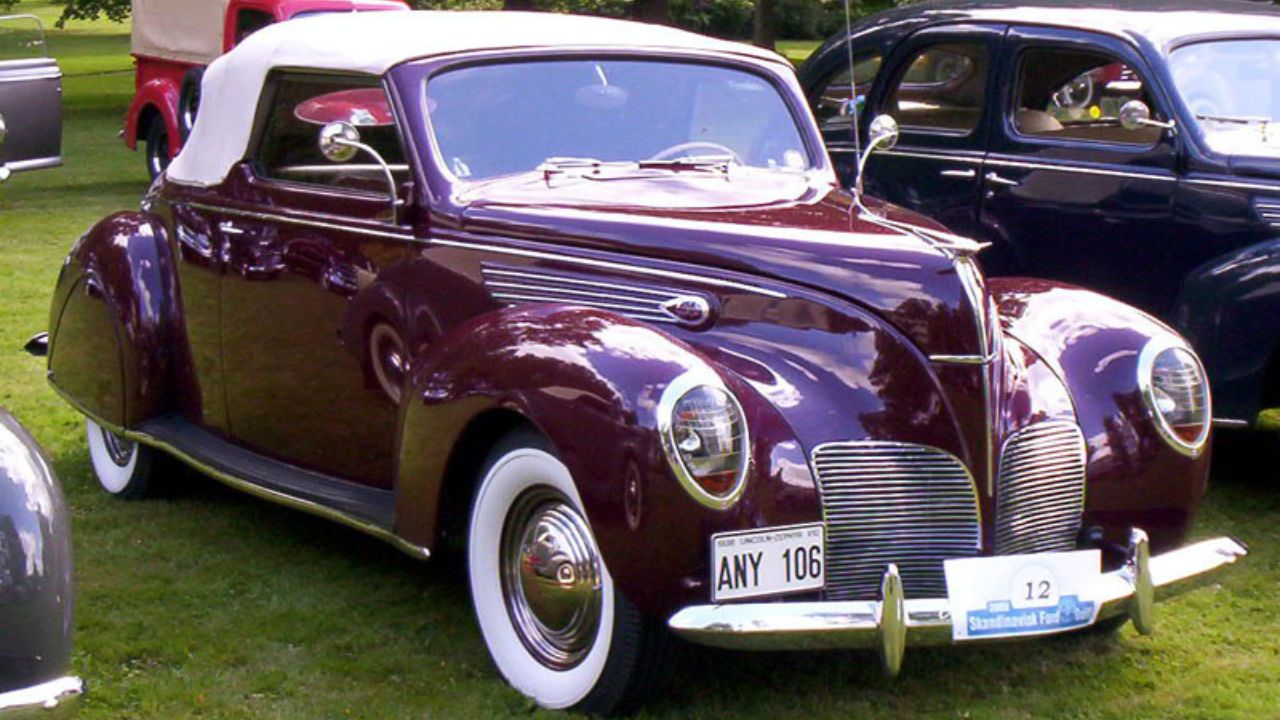
The convertible version of the Lincoln Zephyr added open-air appeal to one of the brand’s most important designs. Its streamlined body looked particularly elegant without a fixed roof, while the long hood and flowing fenders emphasized the car’s proportions. Convertibles from this period are naturally scarce, making surviving Zephyrs especially interesting. Collectors also appreciate the model because it represents a significant moment in Lincoln history, when aerodynamic styling was becoming an important part of American automotive design.
Lincoln Cosmopolitan
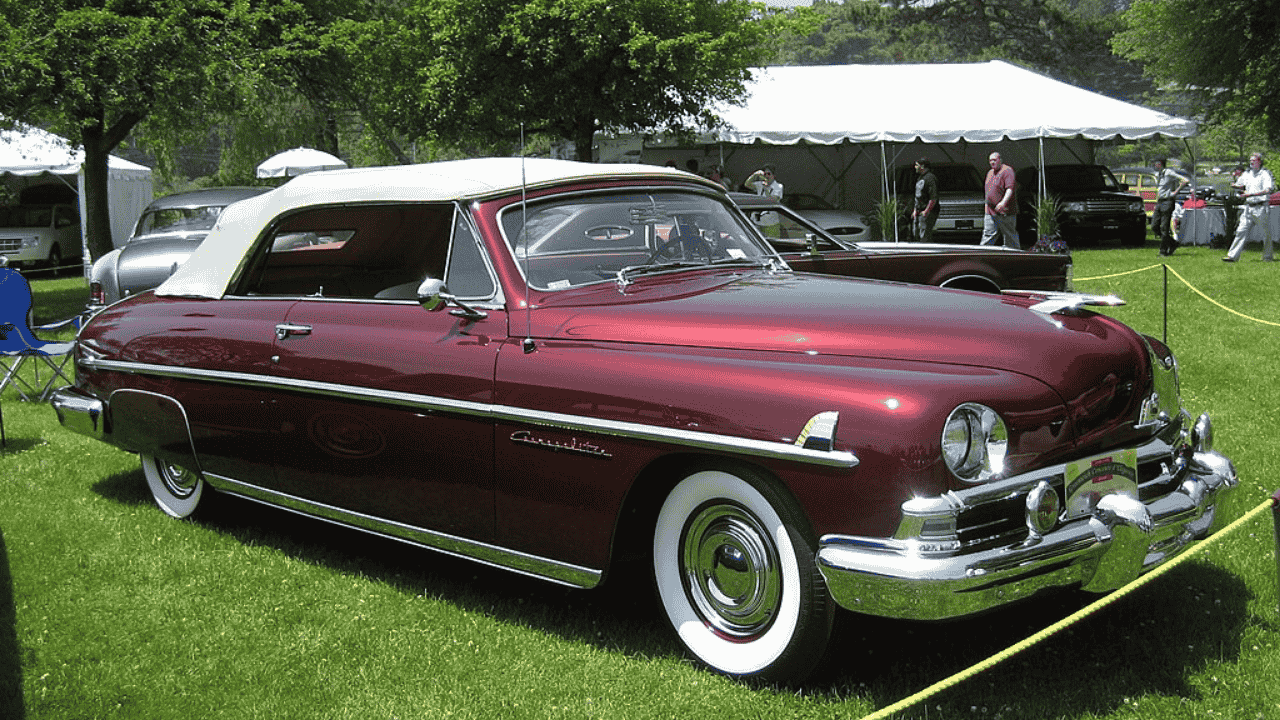
The Lincoln Cosmopolitan represented Lincoln’s return to a more modern postwar design language. Its broad body, integrated fenders, and substantial grille gave it a distinctive appearance without the extreme decoration that would arrive later in the decade. The Cosmopolitan was offered in several body styles, making surviving examples especially interesting to collectors. It is not as immediately recognizable as a Continental, but that relative obscurity is part of the appeal. It provides a fascinating look at Lincoln’s early postwar direction.
Lincoln Capri Convertible

The Lincoln Capri Convertible combined full-size American luxury with the appeal of an open roof. Its substantial proportions, chrome detailing, and V8 power gave it plenty of road presence, while the convertible body made it considerably more unusual than the typical Lincoln sedan. Surviving examples are uncommon, particularly in original condition. Collectors looking beyond the standard Continental offerings are beginning to appreciate cars like the Capri because they offer the same period luxury with a much less predictable identity.
Lincoln Continental Mark III
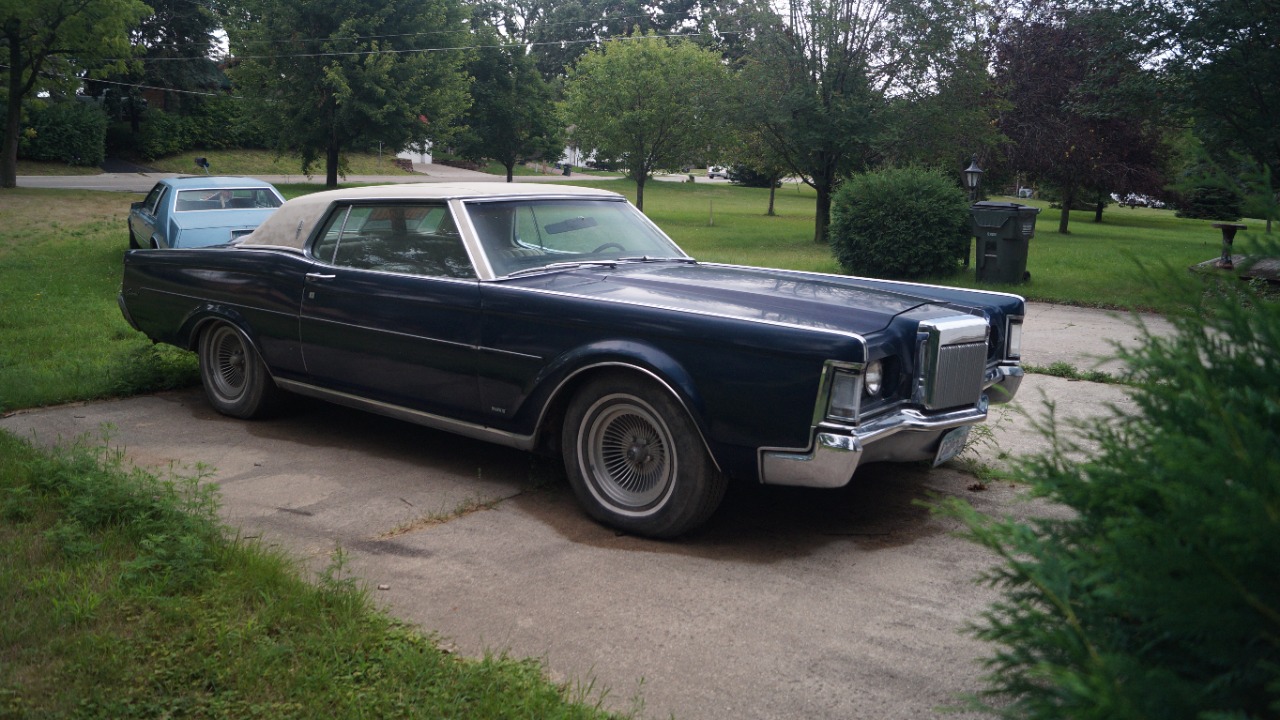
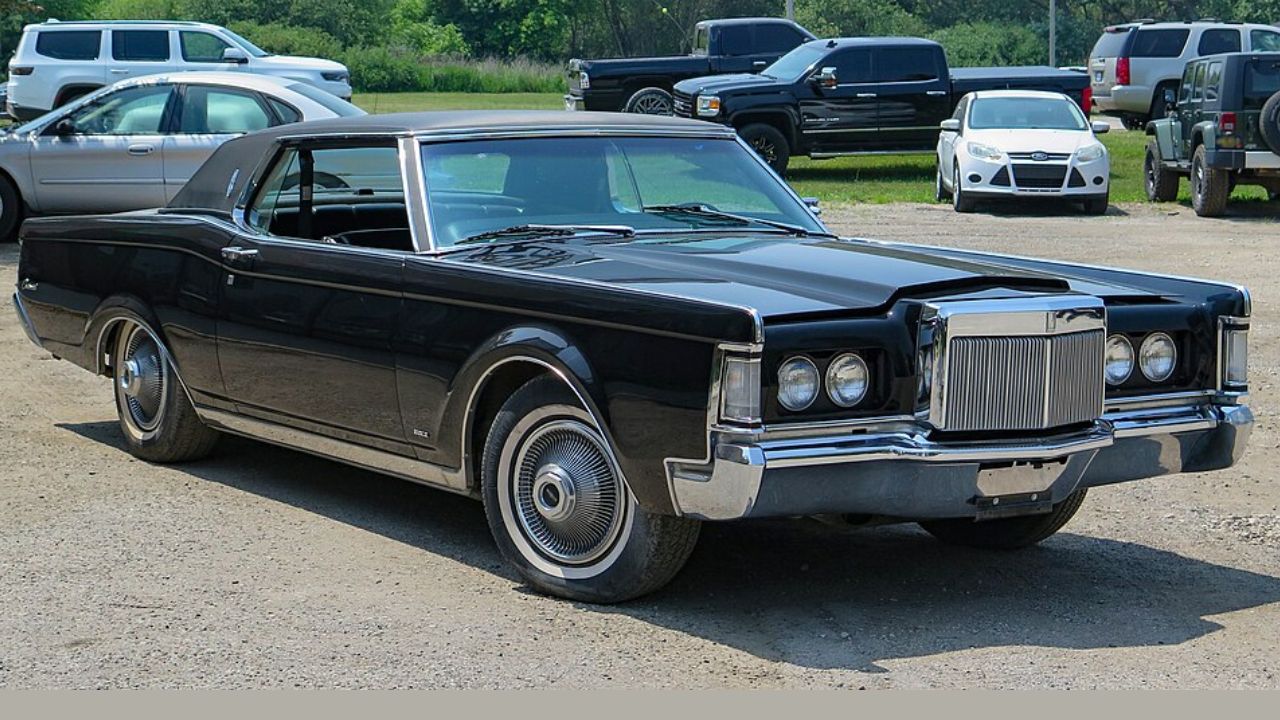
The Continental Mark III brought a personal-luxury interpretation to Lincoln’s lineup with a dramatic long-hood, short-deck profile. Its hidden headlights, formal grille, and prominent rear styling gave it a strong visual identity. Although the Mark III was more successful than some of the rarest Lincolns here, it is still overshadowed by later Mark-series cars. Collectors increasingly appreciate its combination of traditional American proportions and upscale presentation. It also helped establish the design direction that influenced later Continental Marks.
Lincoln Continental Mark IV
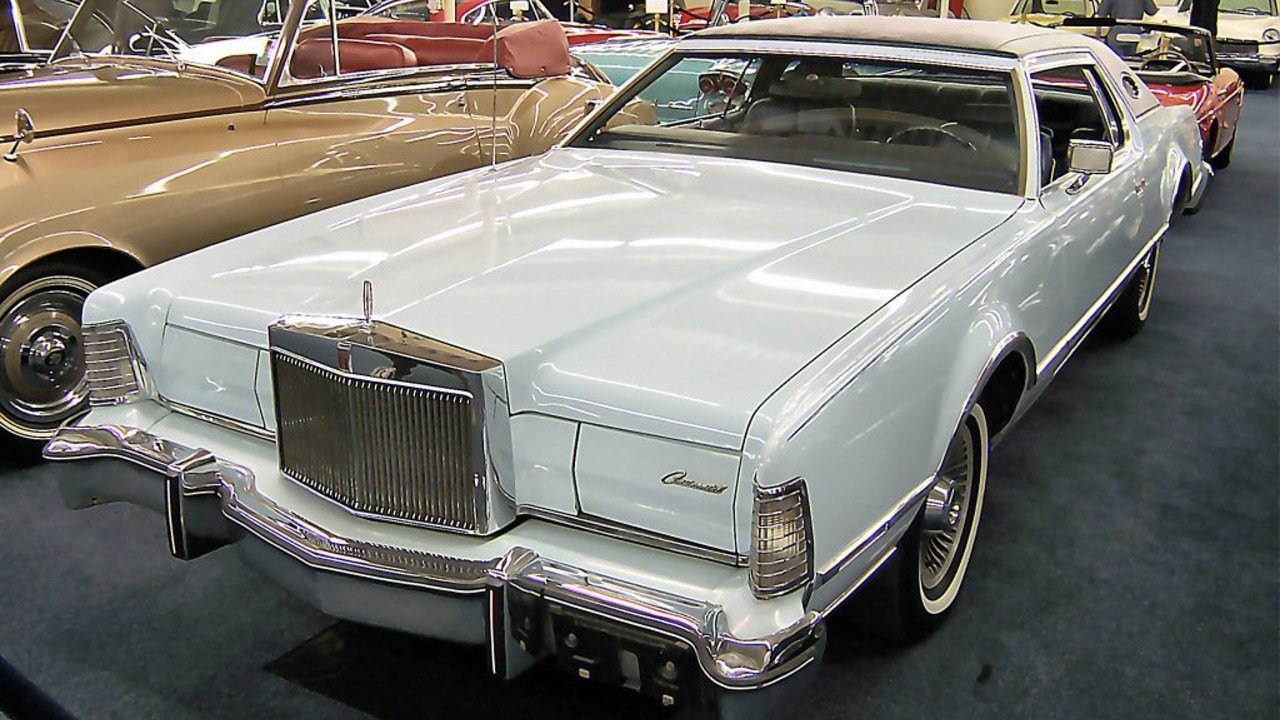
The Mark IV became one of the defining personal-luxury cars of its period. Its enormous body, formal roofline, hidden headlights, and distinctive grille made it instantly recognizable. Special editions associated with luxury fashion houses added even more exclusivity and collector interest. Despite being produced in significant numbers, many examples have disappeared over time. Clean cars are therefore attracting renewed attention, especially among enthusiasts who appreciate the confident styling of large American luxury coupes.
Lincoln Continental Mark V
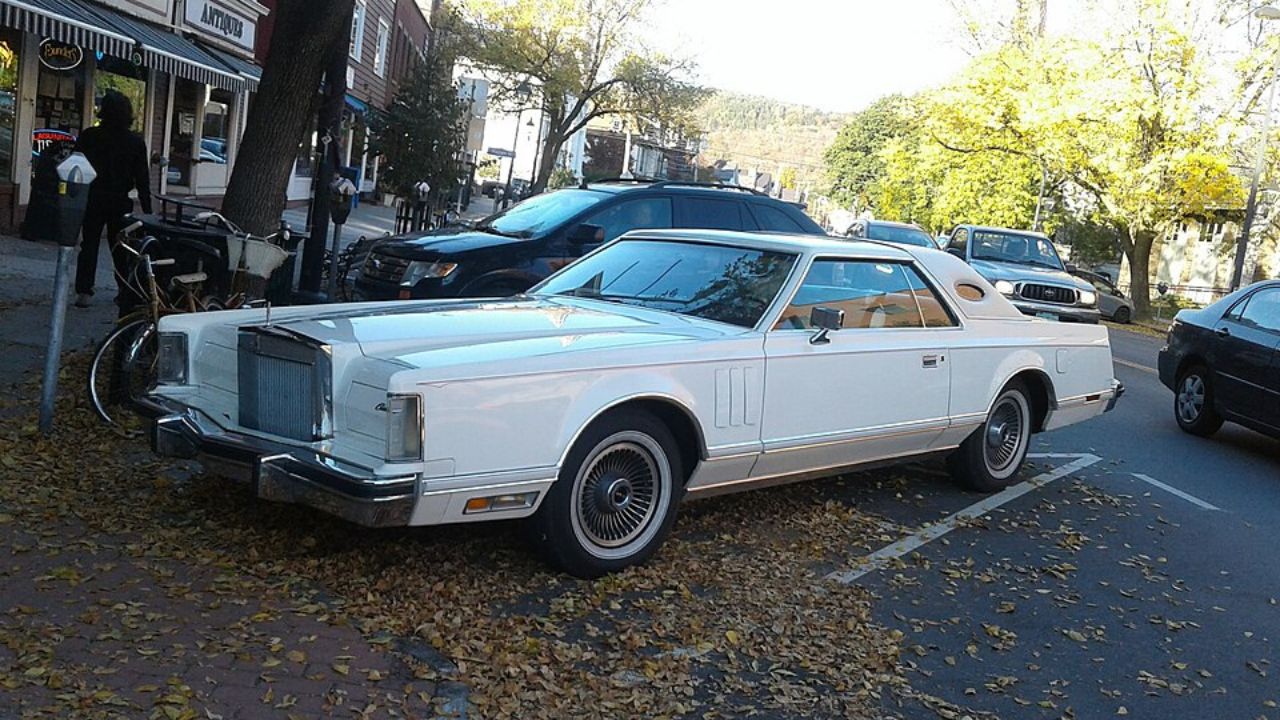
The Continental Mark V took the personal-luxury formula to an even larger and more elaborate level. Its long body, formal roof, sharp lines, and prominent grille captured the excesses of late-1970s American design. Designer editions added recognizable combinations of colors and trim that have become increasingly collectible. Today, the Mark V is gaining appreciation as a time capsule from a very specific automotive era. Its sheer size and unmistakable styling make it difficult to confuse with anything else.
Lincoln Versailles
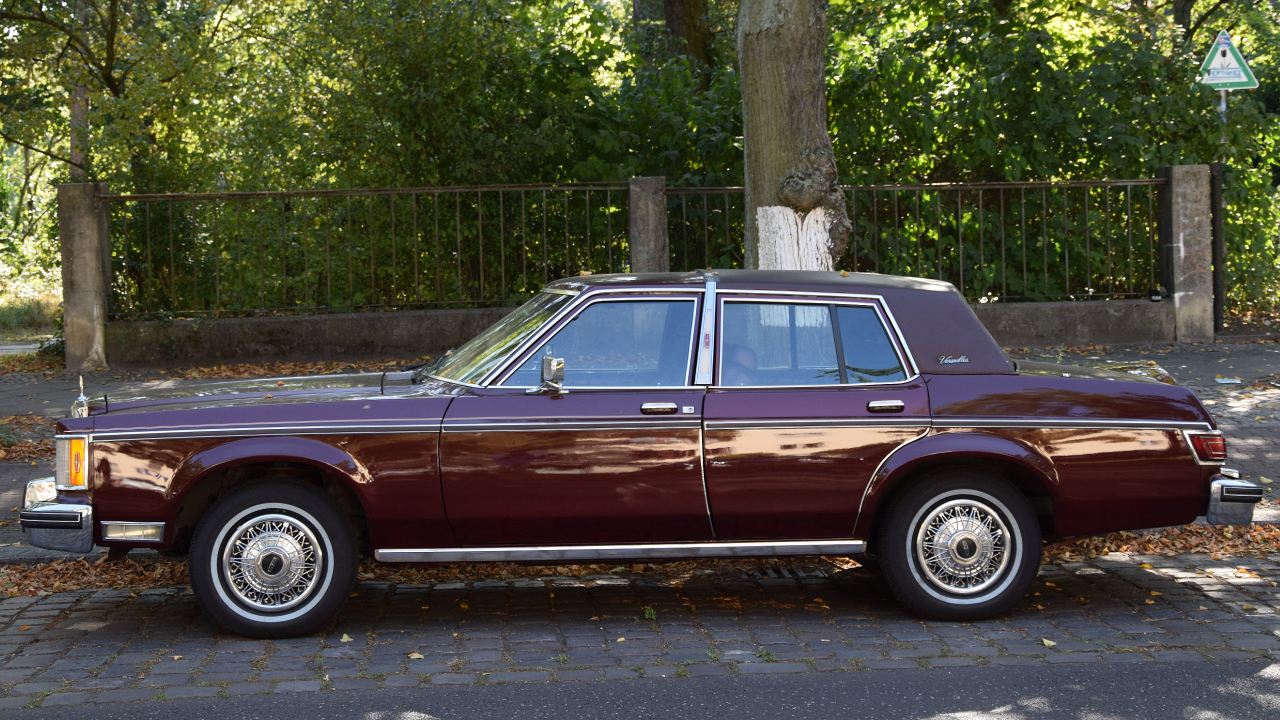
The Lincoln Versailles was an unusual attempt to bring Lincoln-style luxury to a smaller package. Based on a compact Ford platform, it offered a more manageable alternative to the brand’s traditional full-size models. Its formal grille and upscale trim gave it a distinctly Lincoln appearance despite its smaller dimensions. The Versailles was never as successful as the company hoped, but that limited popularity has helped preserve its unusual status. Collectors now find its combination of compact size and traditional luxury styling increasingly appealing.
Lincoln Town Car

The Lincoln Town Car became one of America’s most recognizable luxury sedans, but earlier examples are increasingly interesting to collectors. Its body-on-frame construction, rear-wheel drive, large V8 engines, and formal styling represent an approach that has largely disappeared. Certain generations were especially influential as symbols of American luxury. While many were used extensively as daily drivers or limousines, clean, original examples are becoming harder to find. Collectors now appreciate them as surviving examples of classic American luxury engineering.
Lincoln Continental Signature Series
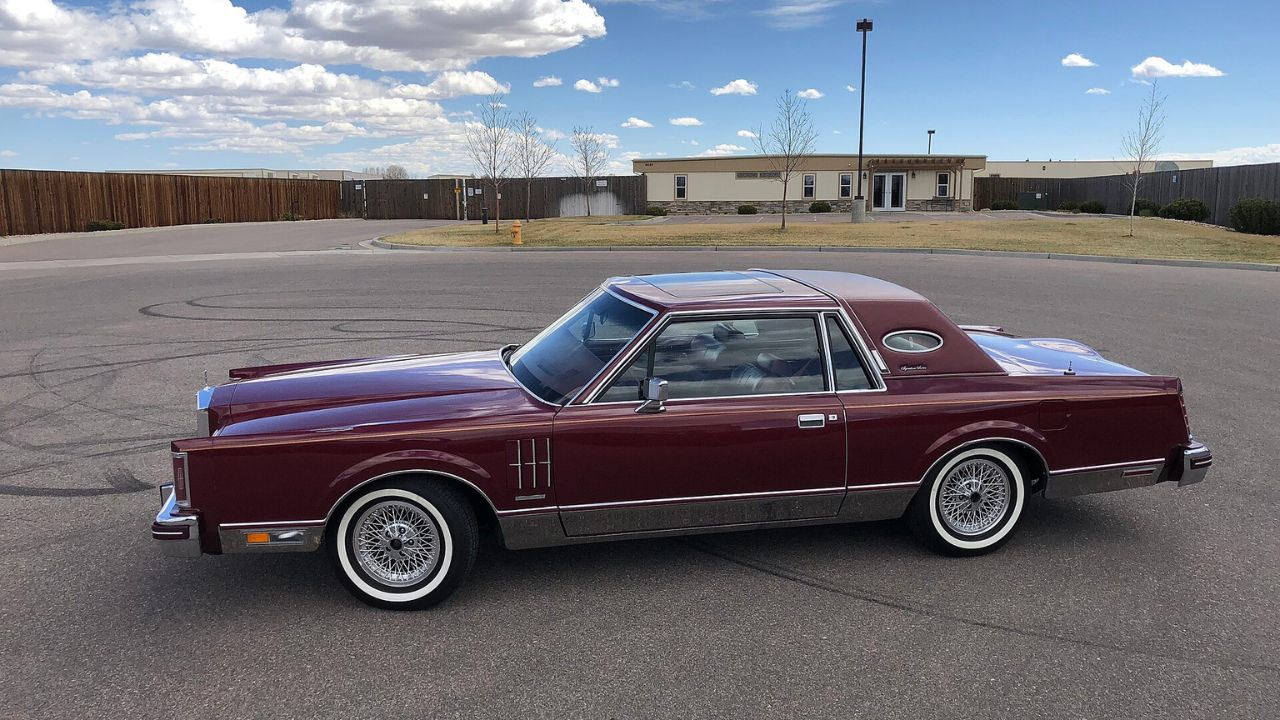
The Signature Series gave the Continental a more upscale and carefully equipped personality while retaining the model’s traditional full-size character. These cars combined comfortable interiors with a formal exterior that reflected Lincoln’s luxury positioning. Their styling is closely tied to the era in which American personal luxury was transitioning toward more aerodynamic designs. Because many were used as everyday transportation, well-preserved examples are becoming less common. Collectors are starting to notice them as attractive survivors from an easily overlooked period.
Lincoln Continental Cartier Edition
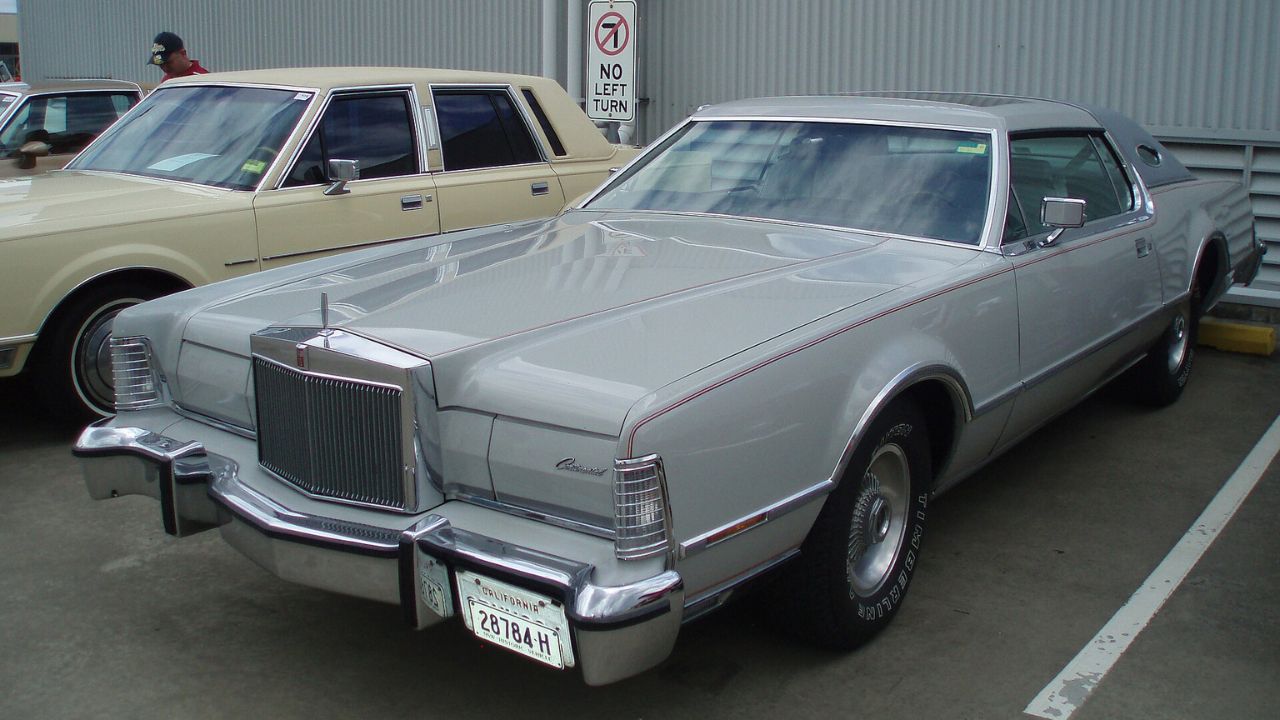
The Cartier Edition is one of the most recognizable special versions of the Continental. Its association with the famous jewelry house gave the car an upscale identity, while distinctive interior and exterior treatments separated it from ordinary models. These editions appealed to buyers who wanted something more exclusive without moving to a different brand. Today, the combination of recognizable branding, period-specific luxury, and surviving original details makes Cartier examples particularly interesting to collectors who enjoy special-edition American cars.
Lincoln Continental Givenchy Edition
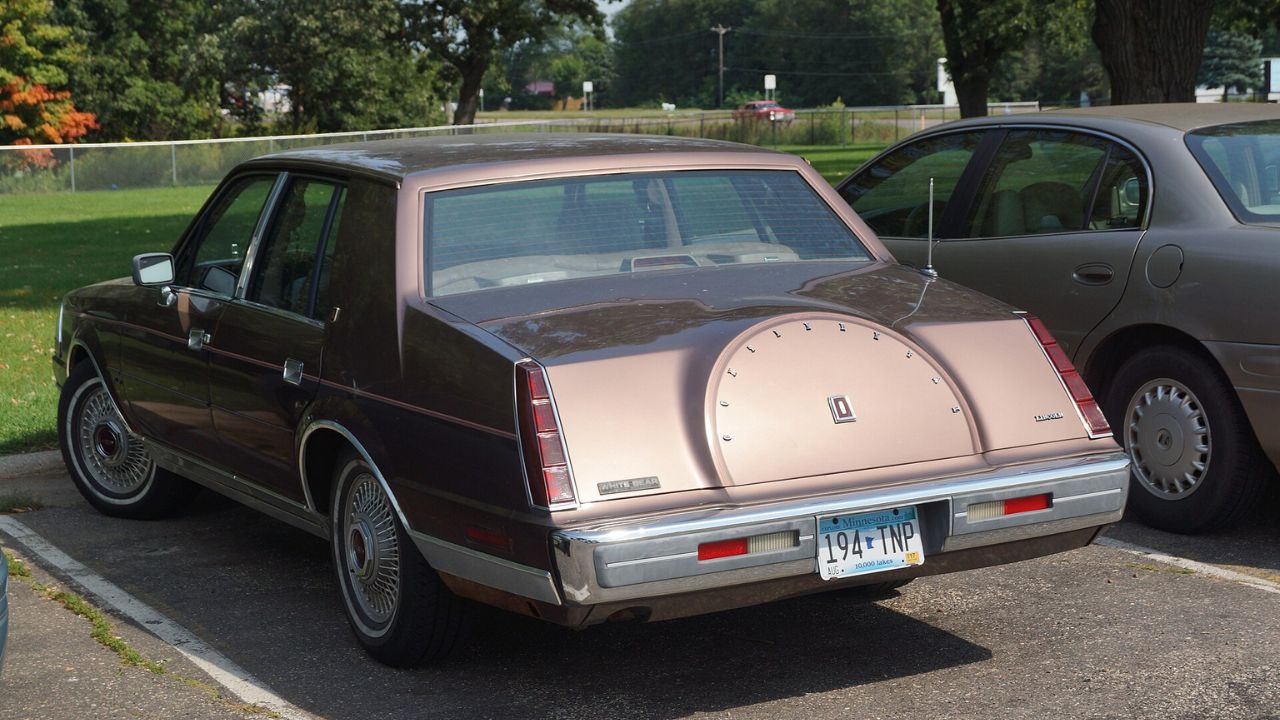
The Givenchy Edition brought fashion-world influence into Lincoln’s luxury lineup. Its carefully coordinated styling and designer branding gave the Continental a more exclusive character than standard versions. These cars are increasingly appealing because they capture a specific period when American manufacturers collaborated with famous designers to create highly recognizable special editions. Original examples are especially interesting when their distinctive trim and interior details remain intact. Collectors looking for unusual Lincolns have good reason to keep an eye out for one.
Lincoln Blackwood
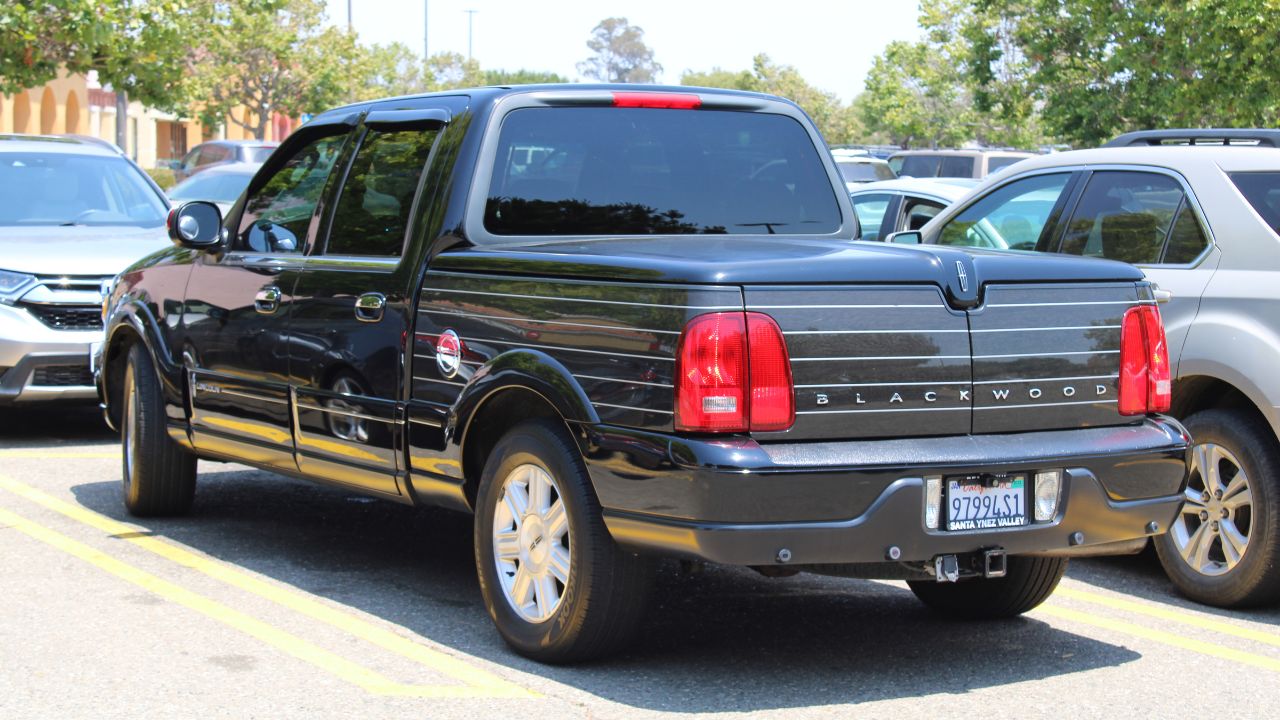
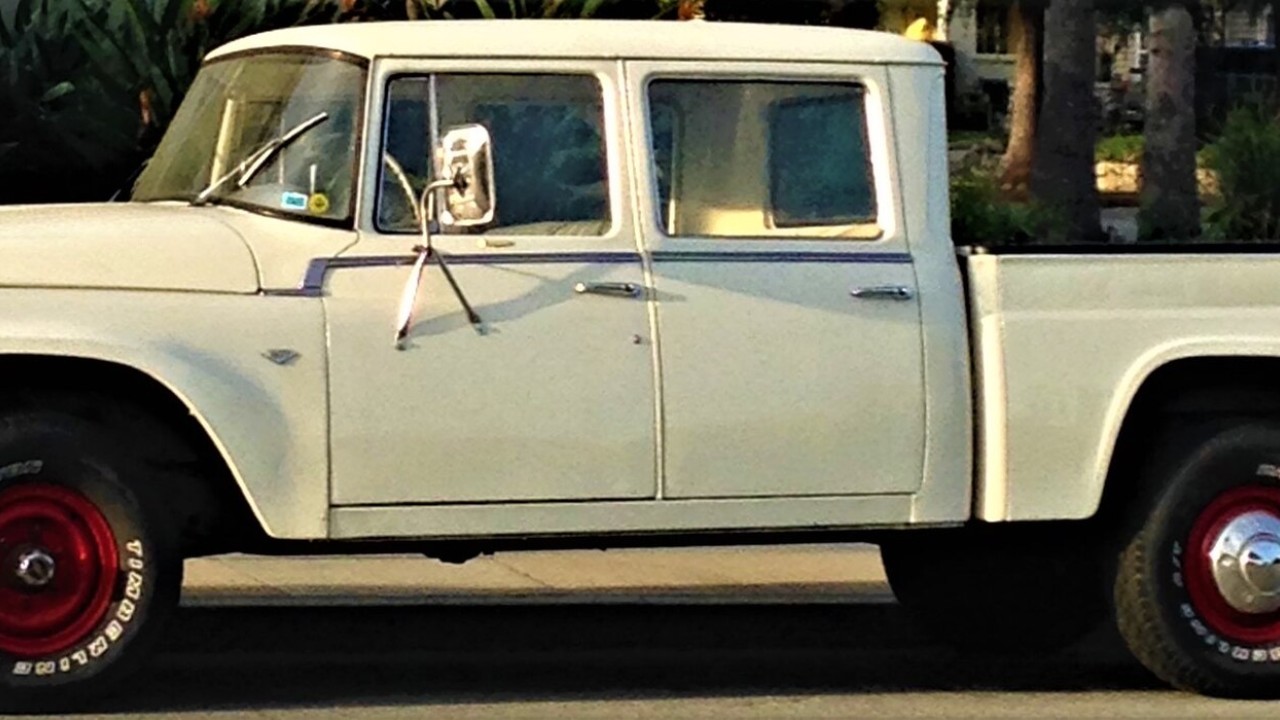
The Lincoln Blackwood was one of the strangest experiments in the brand’s modern history. It combined luxury-car appointments with the basic concept of a pickup, creating a vehicle aimed at buyers who wanted utility without giving up upscale surroundings. The model had a very short production run, which makes surviving examples relatively unusual. Its controversial concept may have limited its original success, but that same oddness now gives the Blackwood collector appeal. It is a fascinating example of Lincoln trying something few luxury brands attempted.
More from Fast Lane Only
- Unboxing the WWII Jeep in a Crate
- 15 rare Chevys collectors are quietly buying
- 10 underrated V8s still worth hunting down
- Police notice this before you even roll window down
*Research for this article included AI assistance, with all final content reviewed by human editors.