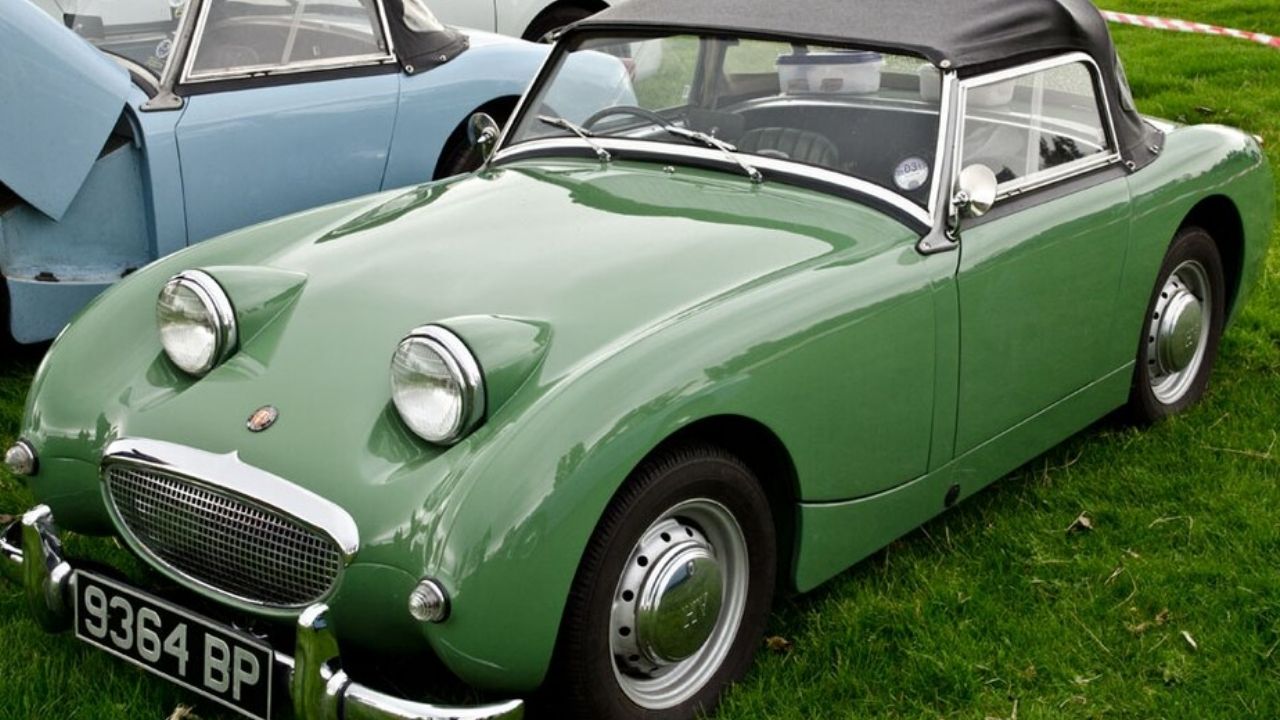
Vintage roadsters have a way of becoming permanent members of the family. Their open cabins, simple controls, lightweight proportions, and unmistakable styling offer a driving experience that modern cars rarely match. From tiny British sports cars to elegant American and European two-seaters, these roadsters have the kind of character that makes owners think twice before ever putting them up for sale.
Chevrolet Corvette
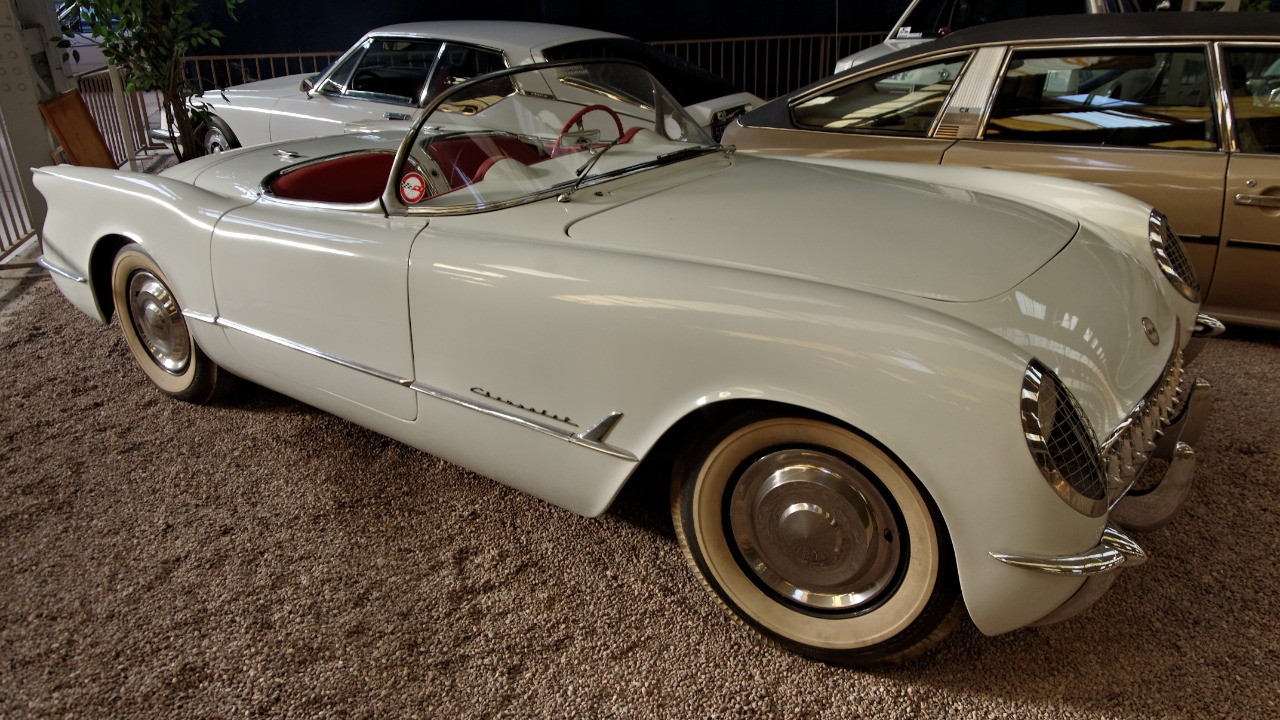
The Chevrolet Corvette remains one of America’s most recognizable sports cars, and early convertibles have a special place among collectors. The fiberglass body, low stance, long hood, and open cabin created a formula that still looks right today. Later generations added more power and sharper styling while preserving the Corvette’s identity. Owners also benefit from extensive parts availability and enthusiast support. Once someone has a good Corvette convertible in the garage, finding a reason to let it go can be surprisingly difficult.
Ford Thunderbird

The original Ford Thunderbird offered a different interpretation of the sports car, combining two-seat styling with a comfortable, relaxed character. Its clean proportions, removable hardtop, and available V8 gave it broad appeal. Convertible versions are particularly attractive because they capture the carefree side of 1950s American motoring. The Thunderbird also has tremendous name recognition, which makes it easy to appreciate even for people who are not serious collectors. For many owners, that combination of style and usability makes it a lifelong keeper.
Mercedes-Benz 190 SL
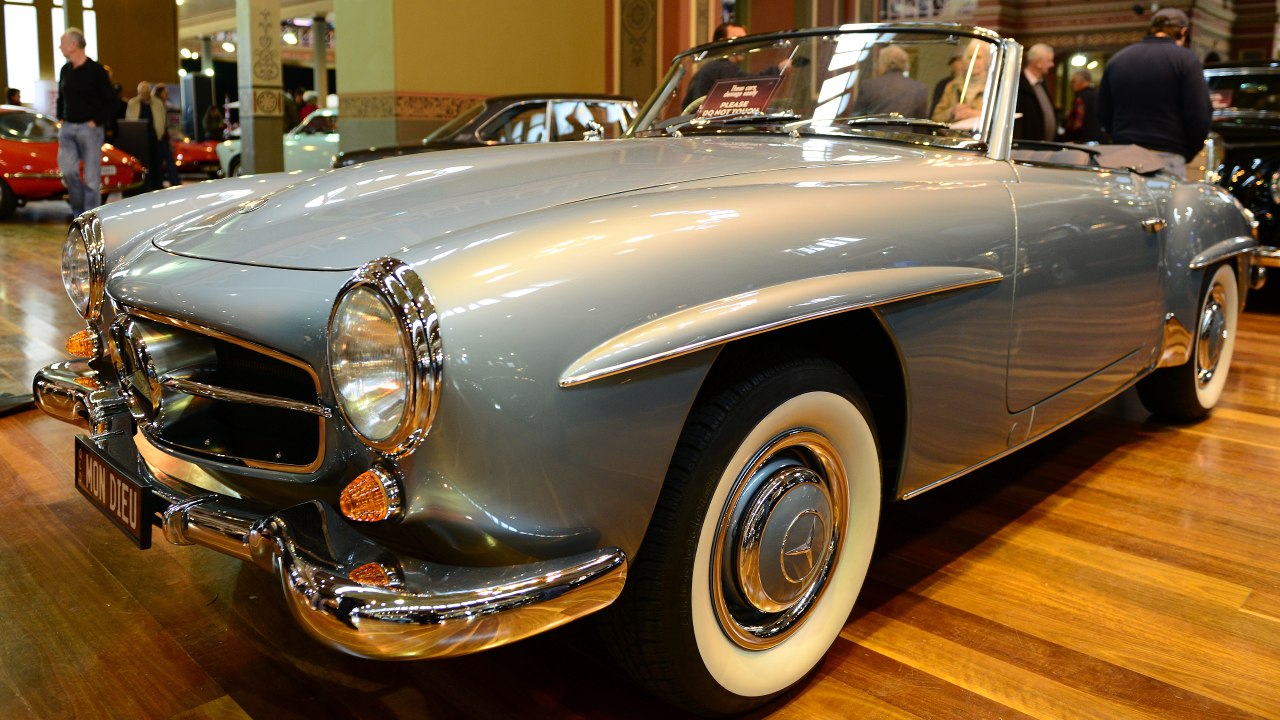
The Mercedes-Benz 190 SL brought elegant German styling to a more accessible roadster than the company’s competition-focused sports cars. Its rounded fenders, upright grille, low windshield, and restrained detailing have aged beautifully. Rather than being built solely for speed, the 190 SL was designed for comfortable touring, which gives it a relaxed character on the road. Clean examples have become highly desirable, and owners who have invested in restoring one often have little interest in starting the search for another.
Alfa Romeo Spider
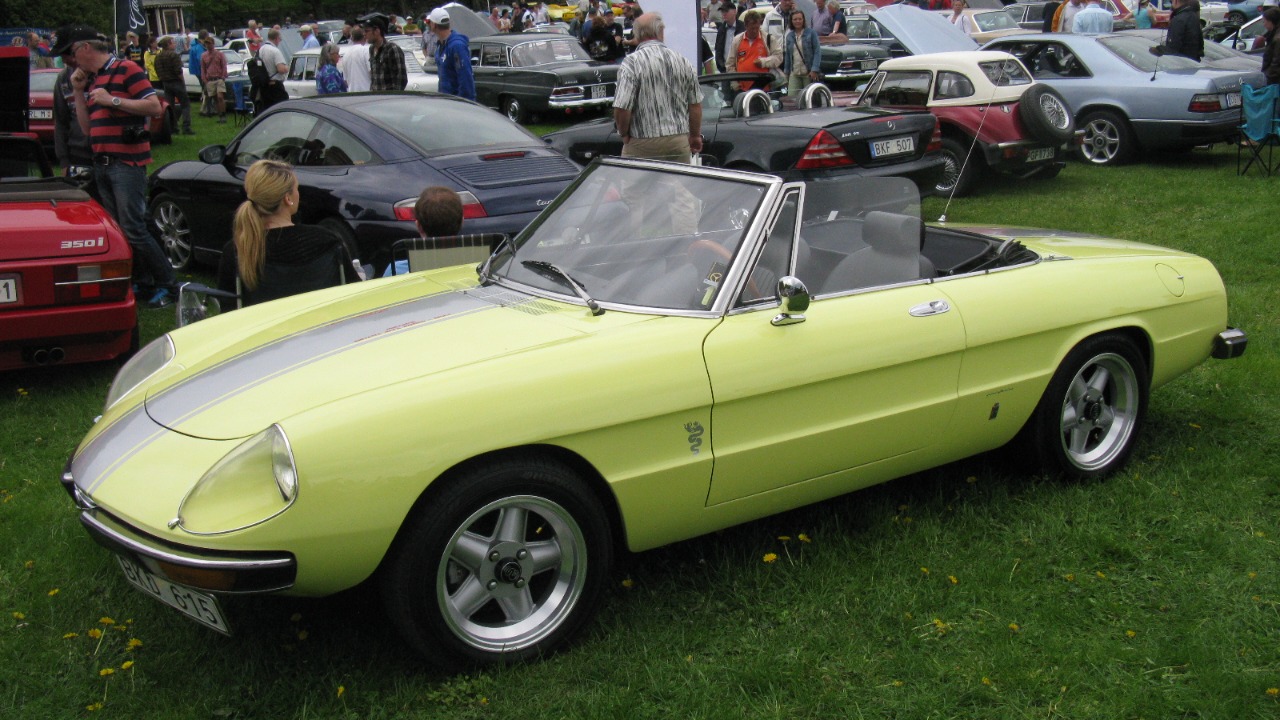
The Alfa Romeo Spider became one of the defining Italian roadsters of its era. Its long hood, compact passenger compartment, and graceful bodywork gave it a distinctive silhouette, while the open cabin made ordinary drives feel more memorable. Different generations changed the details without losing the Spider’s basic character. The car’s appeal goes beyond its appearance, too. It delivers the kind of involving driving experience that encourages owners to take the long way home, making it difficult to think of it as just another collectible.
Fiat 850 Spider
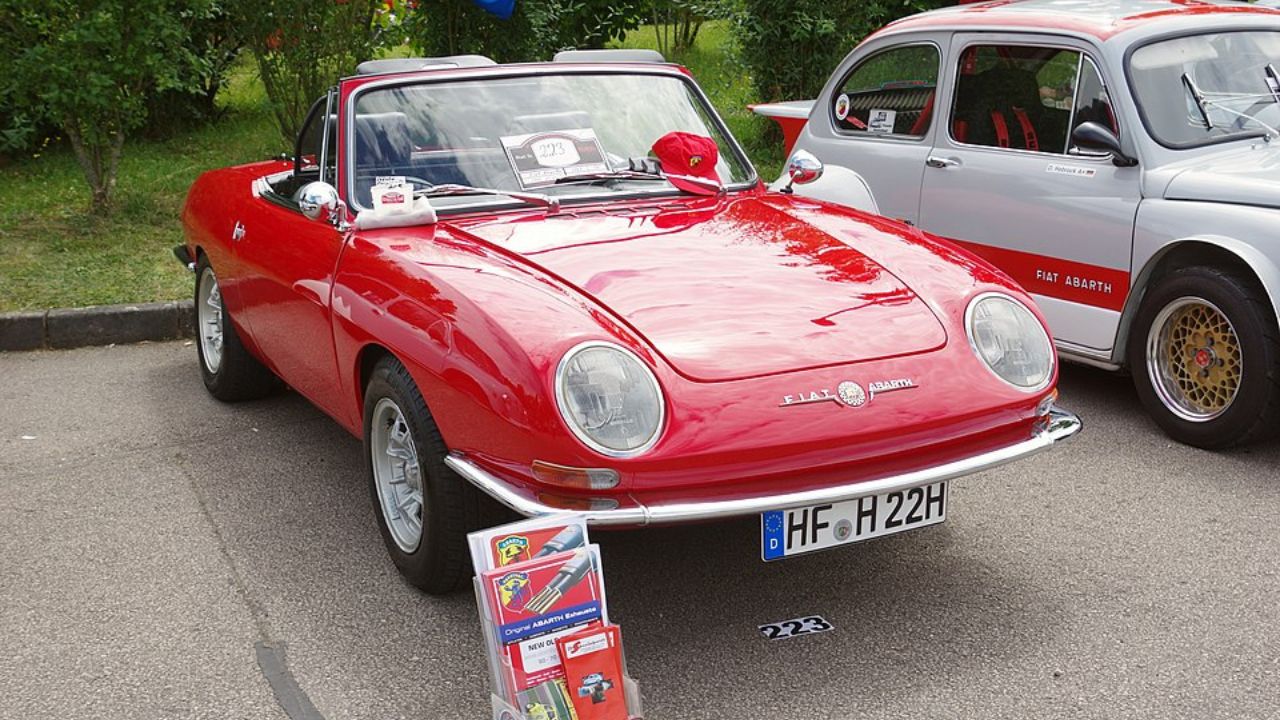
The Fiat 850 Spider is small, unusual, and instantly charming. Its mid-engine layout and Bertone-designed body gave it proportions that stood apart from conventional front-engine roadsters. The modest engine was never intended to deliver overwhelming power, but the lightweight chassis made the car enjoyable at everyday speeds. Its compact size also makes it a refreshing alternative to the huge American convertibles of the same period. Because good examples are increasingly difficult to find, owners who discover one tend to hold onto it.
Datsun Fairlady
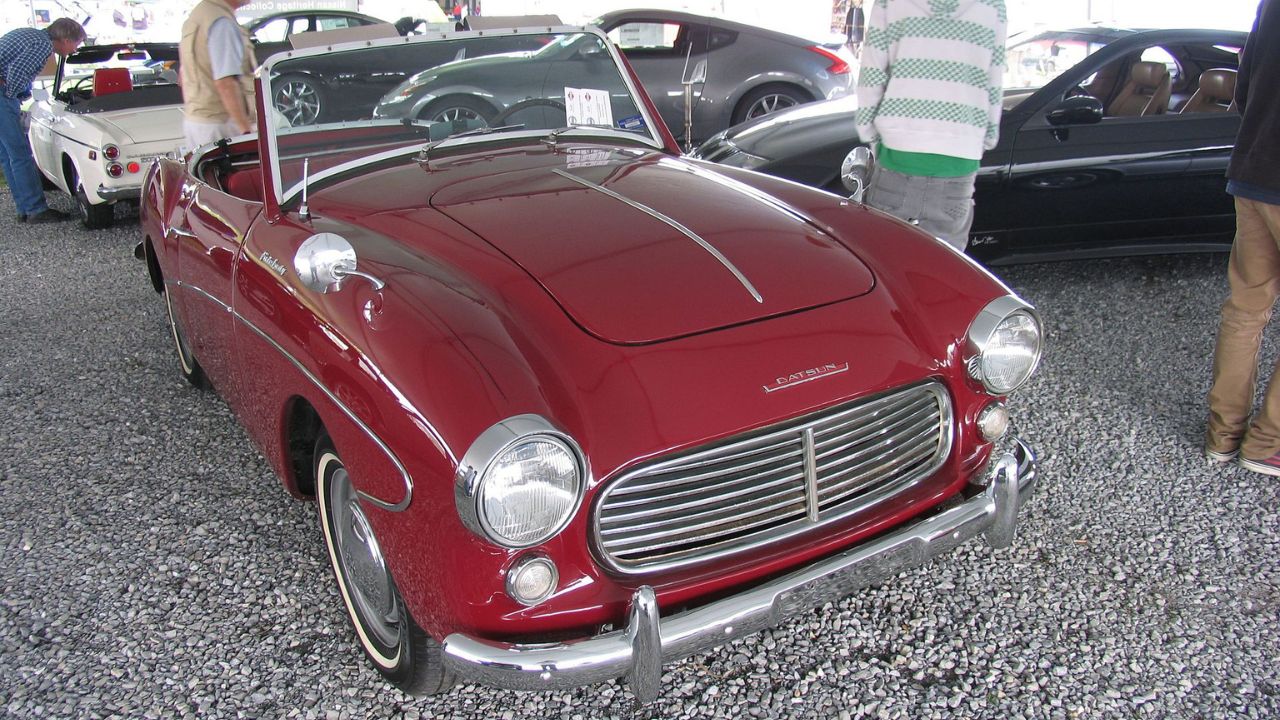
The Datsun Fairlady helped establish the foundation for the Japanese sports cars that would eventually become famous around the world. Its compact body, rear-wheel-drive layout, and straightforward mechanical character made it an appealing alternative to British roadsters. Later versions became more capable, but the early cars have a charm all their own. They are also considerably less common than the better-known Datsun Z cars. For collectors interested in the beginning of Datsun’s international sports-car story, a Fairlady is a special car to keep.
Honda S800
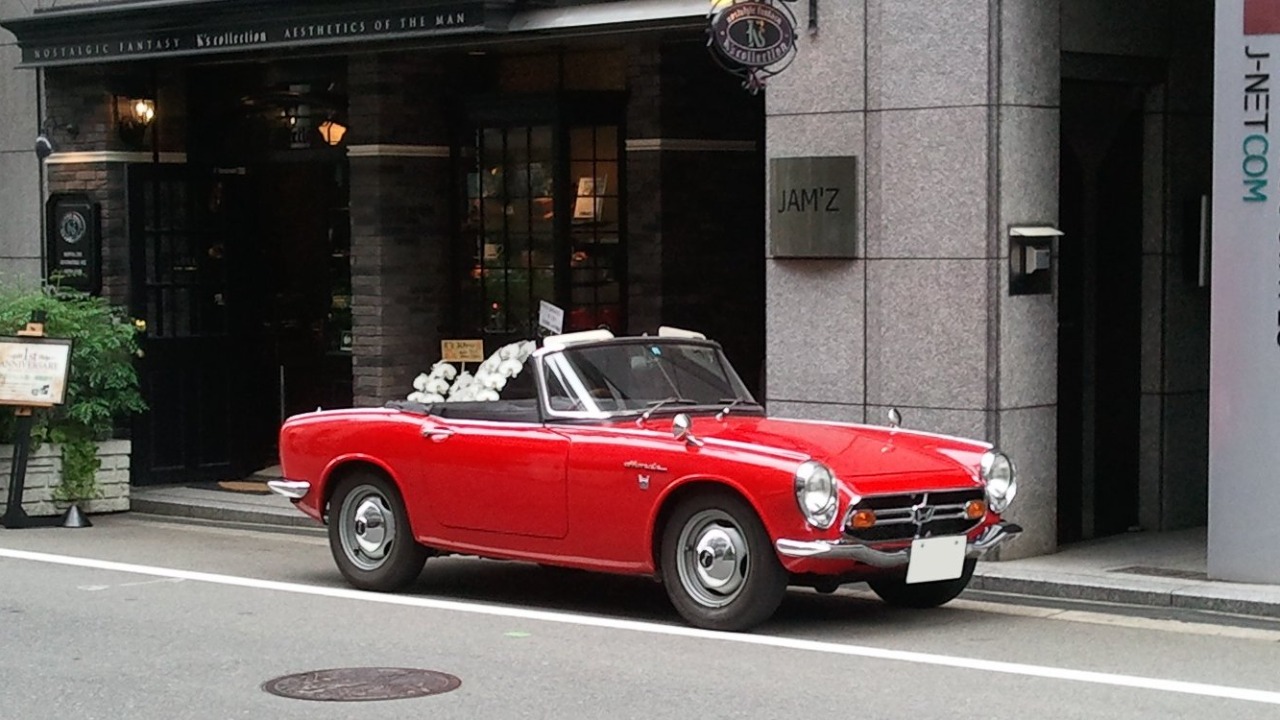
The Honda S800 brought an unusual level of engineering sophistication to a tiny sports car. Its compact dimensions and high-revving engine reflected Honda’s motorcycle background, giving the car a personality unlike larger roadsters. The S800 was offered as both a roadster and coupe, but the open version best captures its lightweight sporting character. Limited production and its place in Honda history have made it increasingly interesting to collectors. Owners who find an original example have plenty of reasons to preserve it.
BMW 1600 Cabriolet

The BMW 1600 Cabriolet represents an important stage in the development of BMW’s modern identity. Its clean bodywork, compact proportions, and understated styling give it an elegant appearance without excessive decoration. The open roof makes the car especially appealing to collectors who enjoy period European touring cars. It is also much less common than BMW models that became famous later. That combination of historical importance and relative rarity makes a good 1600 Cabriolet the kind of car owners are reluctant to replace.
Saab Sonett
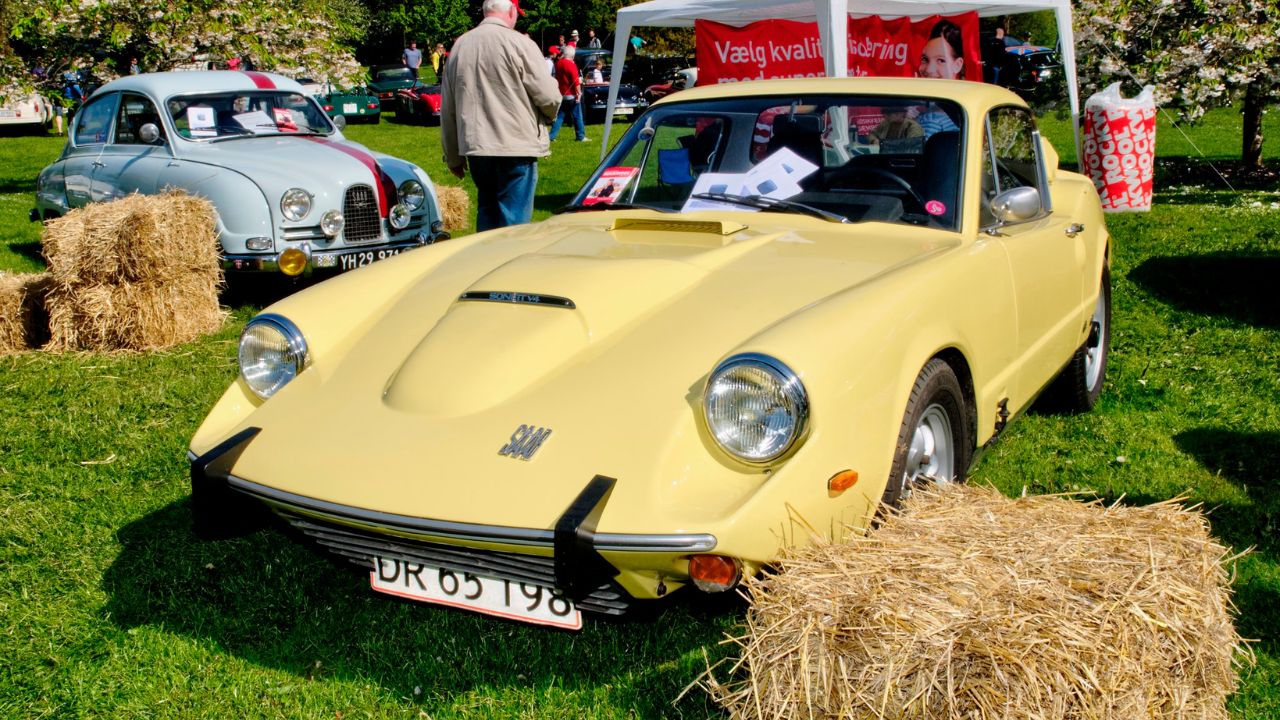
The Saab Sonett is one of the strangest vintage sports cars on this list, and that is exactly what makes it appealing. Saab gave the compact coupe and roadster concept its own interpretation, using distinctive fiberglass bodywork and unconventional front-wheel-drive engineering. Later versions became more mature while retaining their unusual personality. The Sonett was never a major sales success, so surviving examples have become interesting to collectors looking for something outside the usual British, German, and Italian choices. It is hard to replace something this unusual.
Lotus Elan
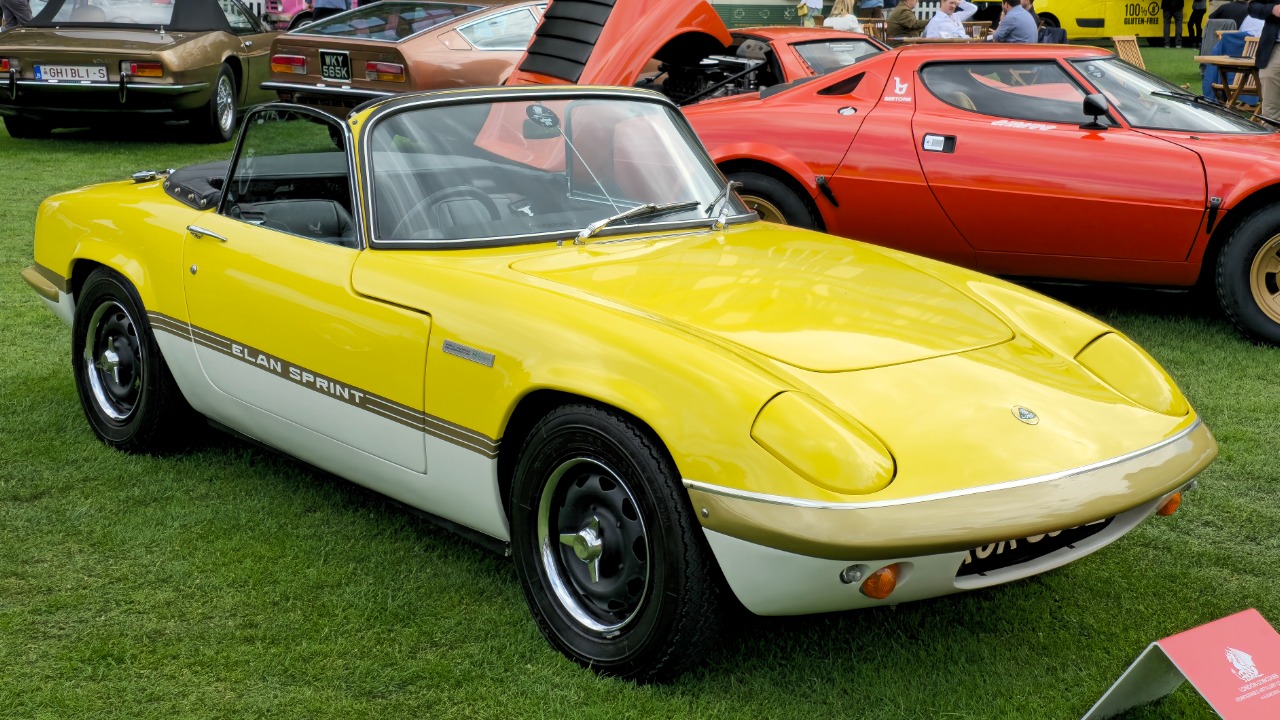
The Lotus Elan demonstrated how much performance could come from keeping a sports car light rather than simply adding horsepower. Its compact body, low weight, independent suspension, and precise steering created an engaging driving experience. The roadster configuration made the sensation even more direct. The Elan requires attentive ownership, but enthusiasts often see that as part of its charm. Once an owner becomes accustomed to its lightweight character and responsive handling, replacing it with a heavier modern sports car may not feel like an upgrade.
Morgan 4/4
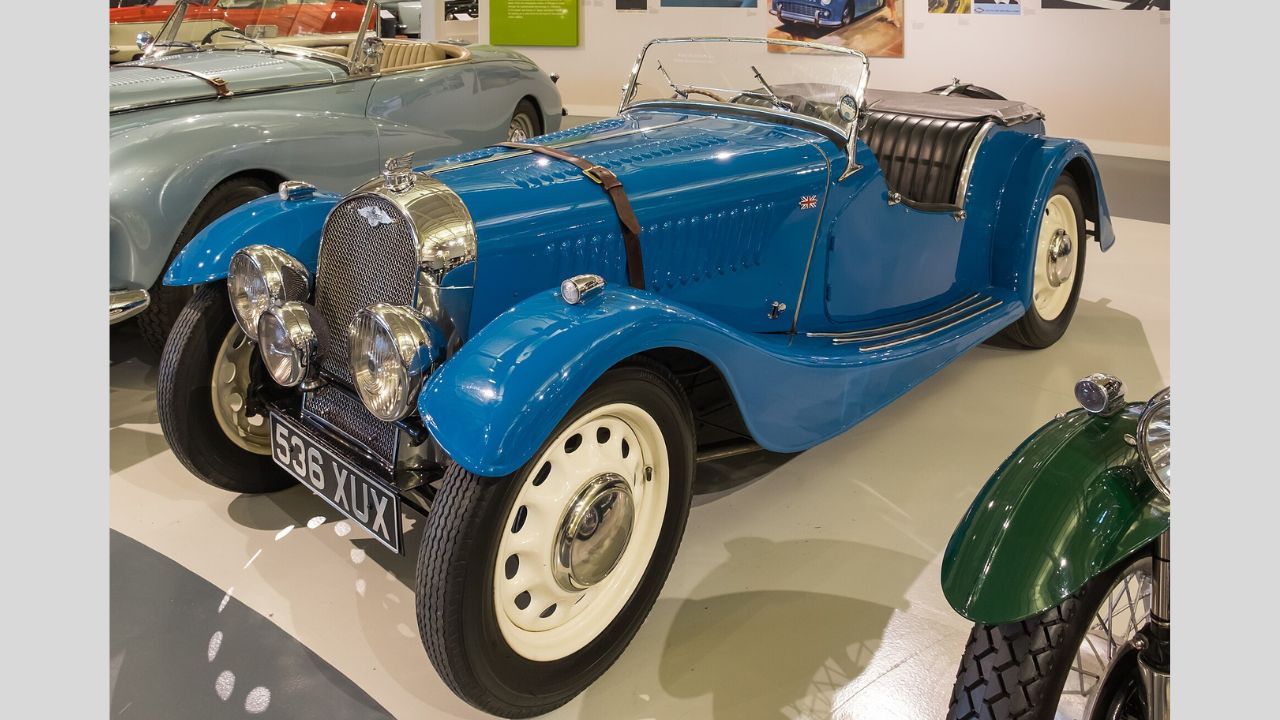
The Morgan 4/4 looks like it came from a different chapter of automotive history, and that is a major part of its appeal. Its upright grille, separate fenders, narrow body, and traditional roadster proportions remained remarkably faithful to Morgan’s established design philosophy. It is not about chasing the latest technology or maximum horsepower. Instead, it delivers a highly mechanical driving experience that feels increasingly unusual. Owners who appreciate that individuality often keep their Morgans because there are very few modern substitutes.
Porsche 356 Speedster
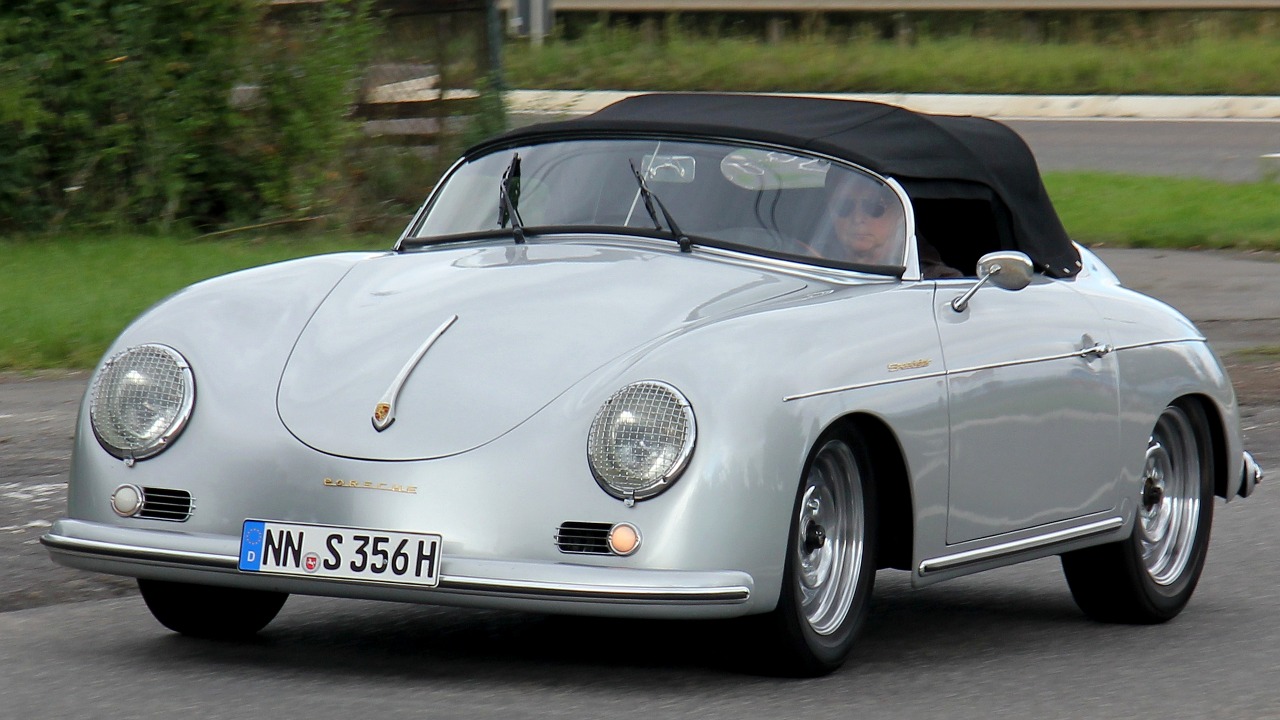
The Porsche 356 Speedster combines simple styling with one of the most recognizable early Porsche silhouettes. Its low windshield, compact body, and minimalist cabin give it an unmistakable appearance, while the lightweight construction keeps the driving experience focused. The Speedster has become one of the most desirable versions of the 356, making good original examples particularly valuable. Owners are not simply holding onto an old sports car. They are preserving a foundational piece of Porsche history that is becoming harder to replace.
Austin-Healey 100
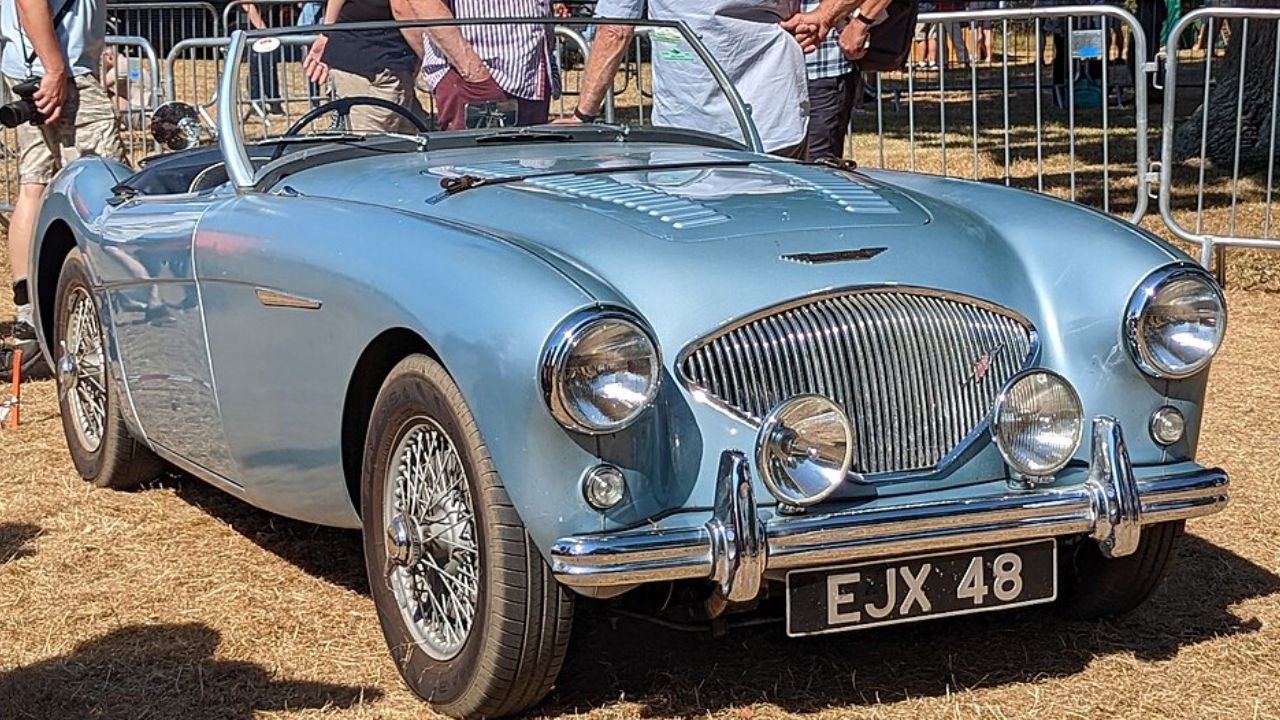
The Austin-Healey 100 helped define the classic British roadster formula with its long hood, low seating position, open cockpit, and rear-wheel-drive layout. It also offered enough performance to make the car genuinely entertaining rather than simply attractive. The mechanical design is relatively straightforward compared with many later sports cars, which appeals to enthusiasts who enjoy maintaining their own classics. Its combination of style, history, and driving enjoyment makes it easy to understand why owners often keep a good example for decades.
MG TD

The MG TD brought prewar-inspired styling into the postwar sports-car market while introducing a more modern chassis. Its narrow body, separate fenders, upright windshield, and compact proportions give it an unmistakable vintage appearance. The TD was never about outright speed, but that is not why owners buy one. It encourages leisurely drives and puts the emphasis on the simple pleasures of open-air motoring. Its approachable mechanical design and strong enthusiast community also make long-term ownership more practical.
Triumph TR2
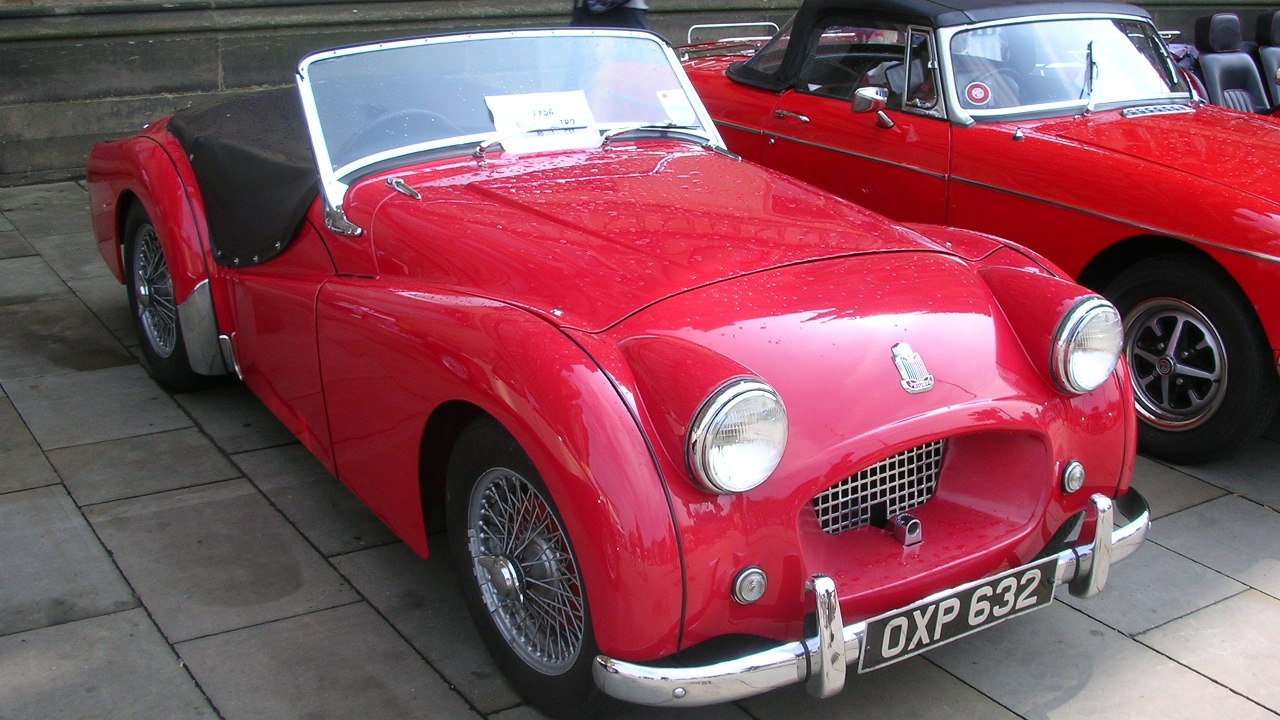
The Triumph TR2 helped establish Triumph as a serious maker of affordable sports cars. Its long hood, low body, simple cockpit, and rear-wheel-drive layout delivered the classic roadster formula in a relatively compact package. It also had enough performance to make spirited driving worthwhile. Today, surviving TR2s have a special appeal because they represent an early chapter in Triumph’s sports-car history. Owners who have restored one can enjoy both its historical significance and the distinctive driving character that comes with it.
Austin-Healey Sprite
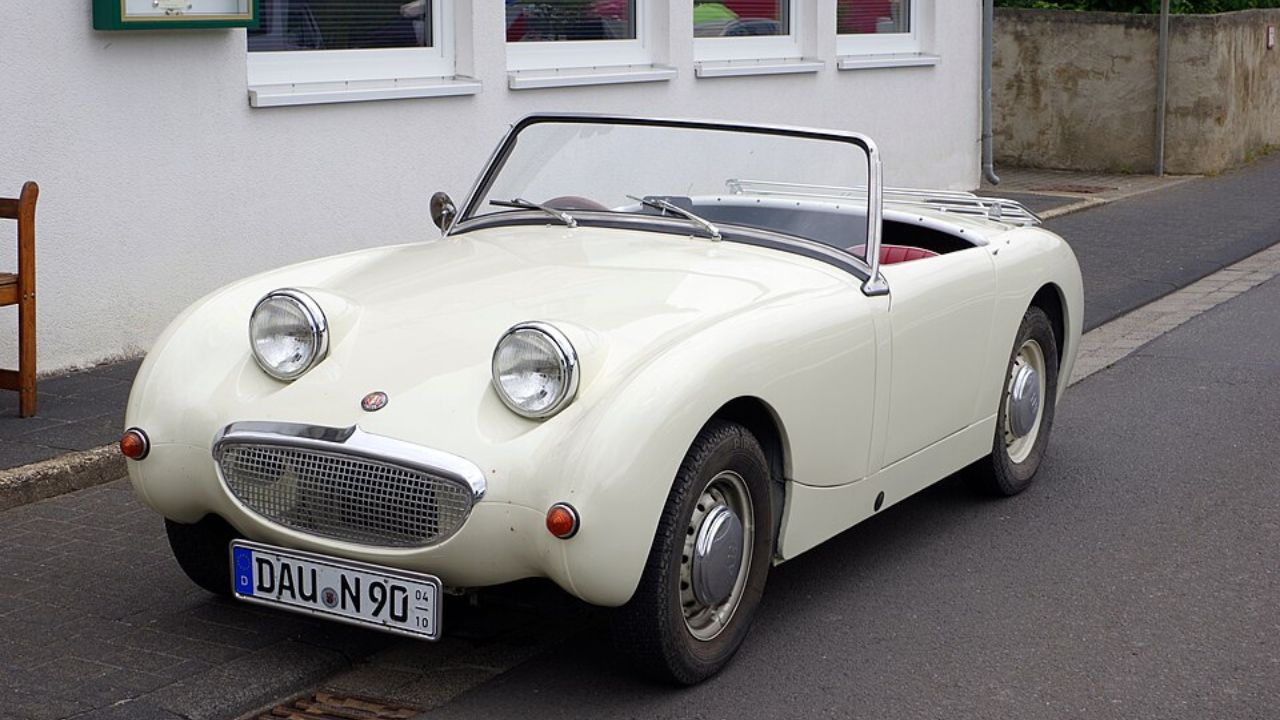
The Austin-Healey Sprite proved that a sports car did not need a large engine or expensive equipment to be fun. Its tiny dimensions, lightweight construction, and simple mechanical layout made it highly approachable. Early examples are particularly recognizable for their rounded front-end design. The Sprite’s modest performance is actually part of its charm because drivers can enjoy its handling without needing excessive speed. Owners who appreciate lightweight roadsters often keep them precisely because newer cars have become much larger and more complicated.
MG Midget
The MG Midget distilled the British roadster formula into a small, affordable package. Its compact body, rear-wheel drive, manual transmission, and lightweight construction give it a very direct personality. It was never intended to dominate a drag strip, but on a winding road, its small dimensions and responsive nature can make ordinary speeds entertaining. The model also benefits from decades of enthusiast knowledge and parts support. For owners who enjoy simple sports cars, that combination can make a Midget nearly impossible to replace.
Triumph Spitfire
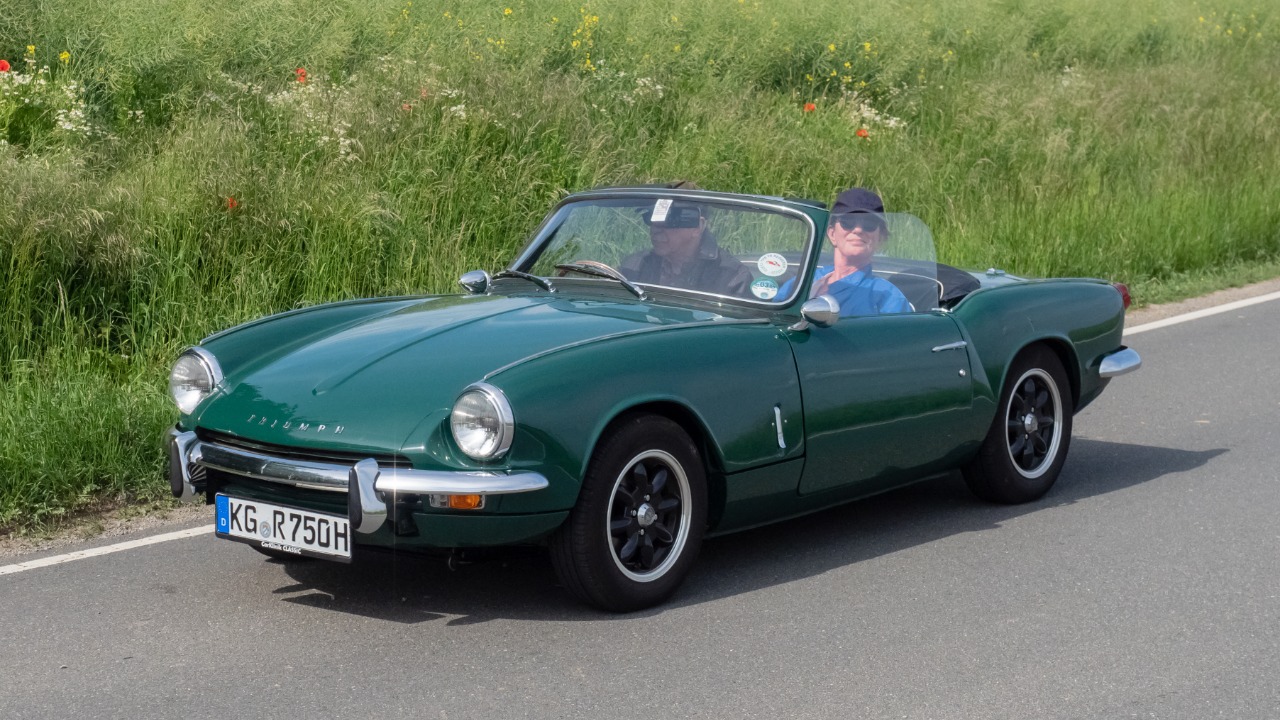
The Triumph Spitfire remains one of the most recognizable small British roadsters. Its long hood, low seating position, curved bodywork, and compact rear deck give it a classic silhouette that still attracts attention. The car was designed around lightweight driving rather than huge power, which makes it enjoyable without demanding excessive speed. Its simple character and enormous enthusiast following also help with ownership. Once a driver becomes attached to the Spitfire’s personality, selling it can feel like giving away part of the experience.
Jaguar XK140 Roadster
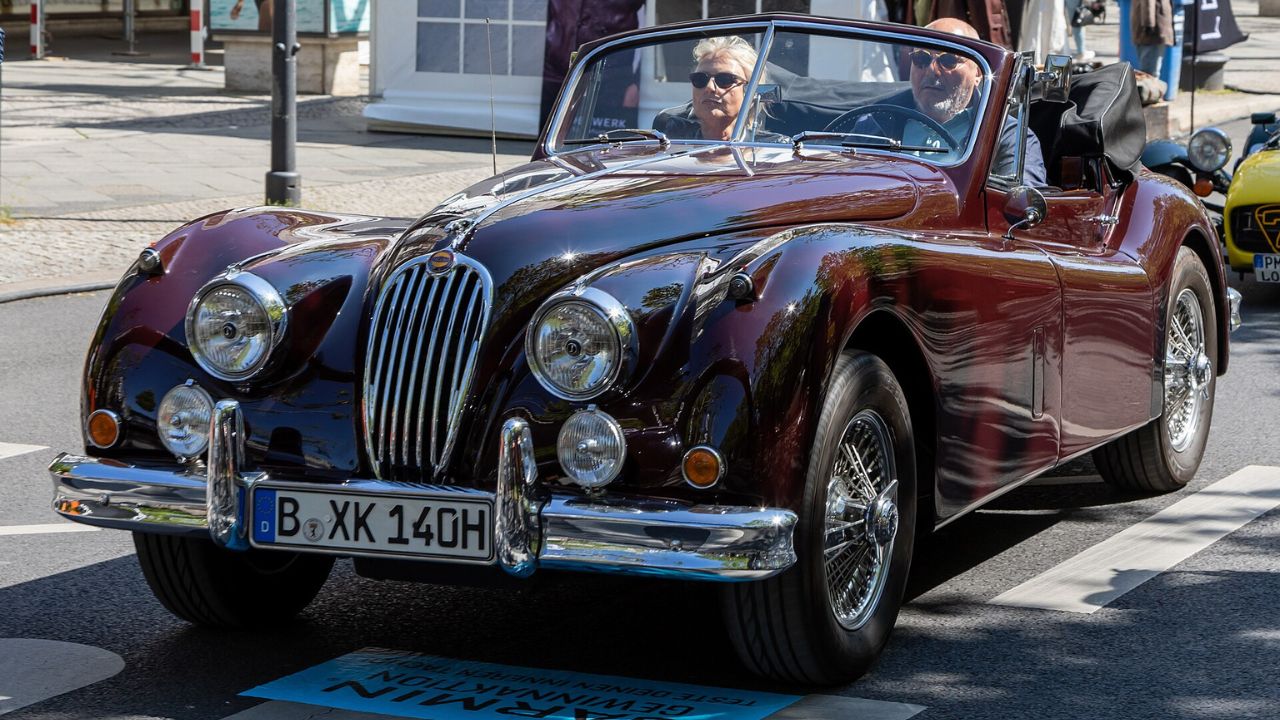
The Jaguar XK140 Roadster brought together elegant British styling and serious performance for its time. Its sweeping fenders, long hood, low windshield, and open cabin create a dramatic profile, while the XK engine provides the performance expected from a Jaguar sports car. It is larger and more luxurious than many traditional British roadsters, giving it a distinctive position among vintage sports cars. Owners who find a well-preserved example are unlikely to see it as something easily replaced, especially as surviving cars become increasingly scarce.
Chevrolet Corvair Monza Convertible
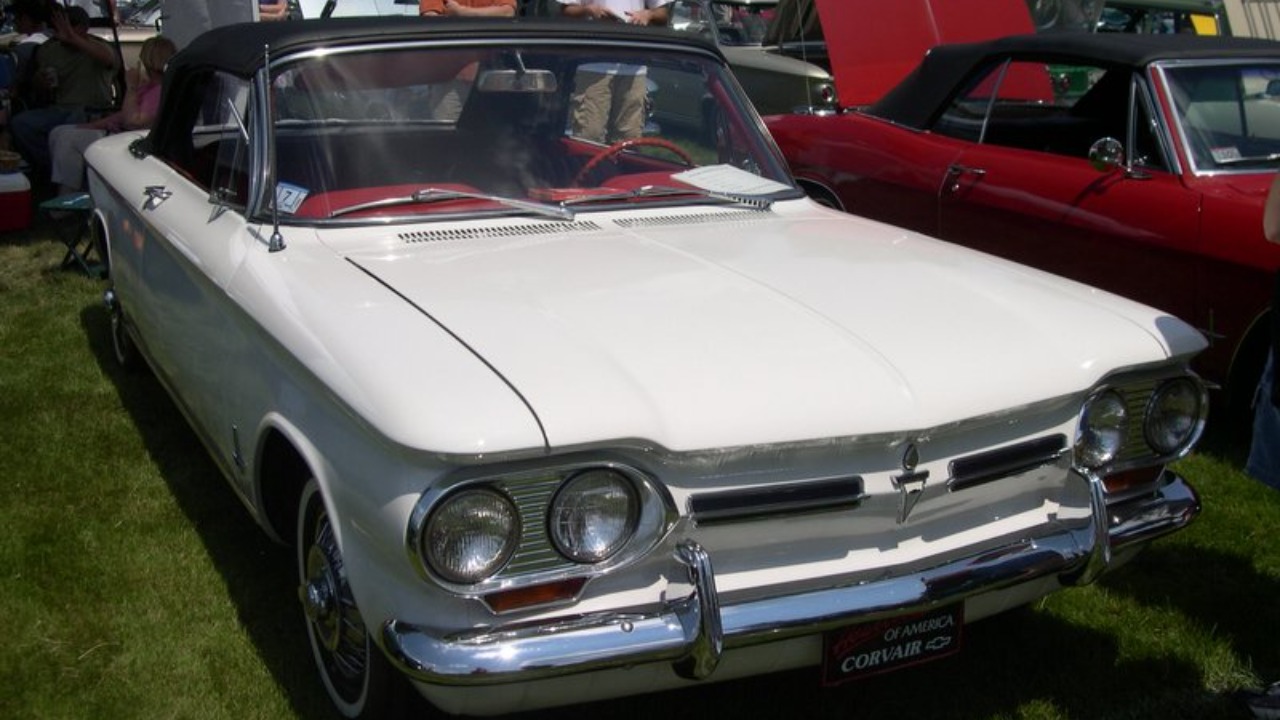
The Chevrolet Corvair Monza Convertible offers an unusual alternative to the typical American roadster. Its rear-mounted air-cooled engine, compact dimensions, and clean styling made it unlike most domestic cars of its era. The Monza trim added a sportier personality, while the convertible body gave it extra visual appeal. The Corvair’s unconventional engineering has become part of its collector appeal rather than a drawback. Owners who enjoy distinctive American classics have good reason to hold onto a car with such a unique combination of traits.
More from Fast Lane Only
- Unboxing the WWII Jeep in a Crate
- 15 rare Chevys collectors are quietly buying
- 10 underrated V8s still worth hunting down
- Police notice this before you even roll window down
*Research for this article included AI assistance, with all final content reviewed by human editors.