Some sports cars arrive at exactly the wrong time. Others are overshadowed by better-known rivals, misunderstood by buyers, or simply disappear before the market catches up with them. These forgotten machines offered genuine style, performance, or driving enjoyment but never achieved the recognition their makers hoped for. Looking back, many of them seem like cars that deserved a much bigger place in automotive history.
Chevrolet Monza
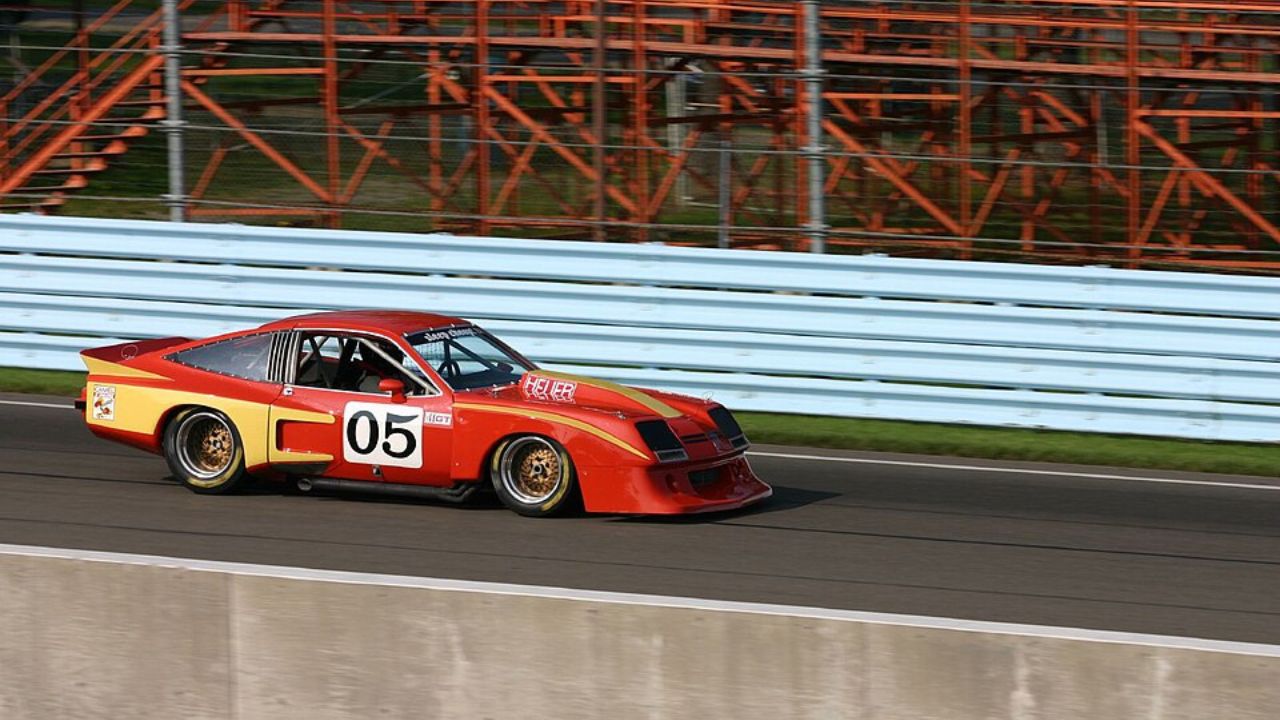
The Chevrolet Monza had the right ingredients to become a bigger sports-car success. Its compact fastback shape gave it a distinctive look, while V8 availability made it more interesting than its modest size suggested. The Monza also offered several body styles and performance-oriented versions during its run. It arrived during a difficult period for American performance cars, however, when emissions rules and fuel concerns were changing what buyers wanted. Today, its unusual proportions and overlooked status make it an intriguing classic.
Ford Probe
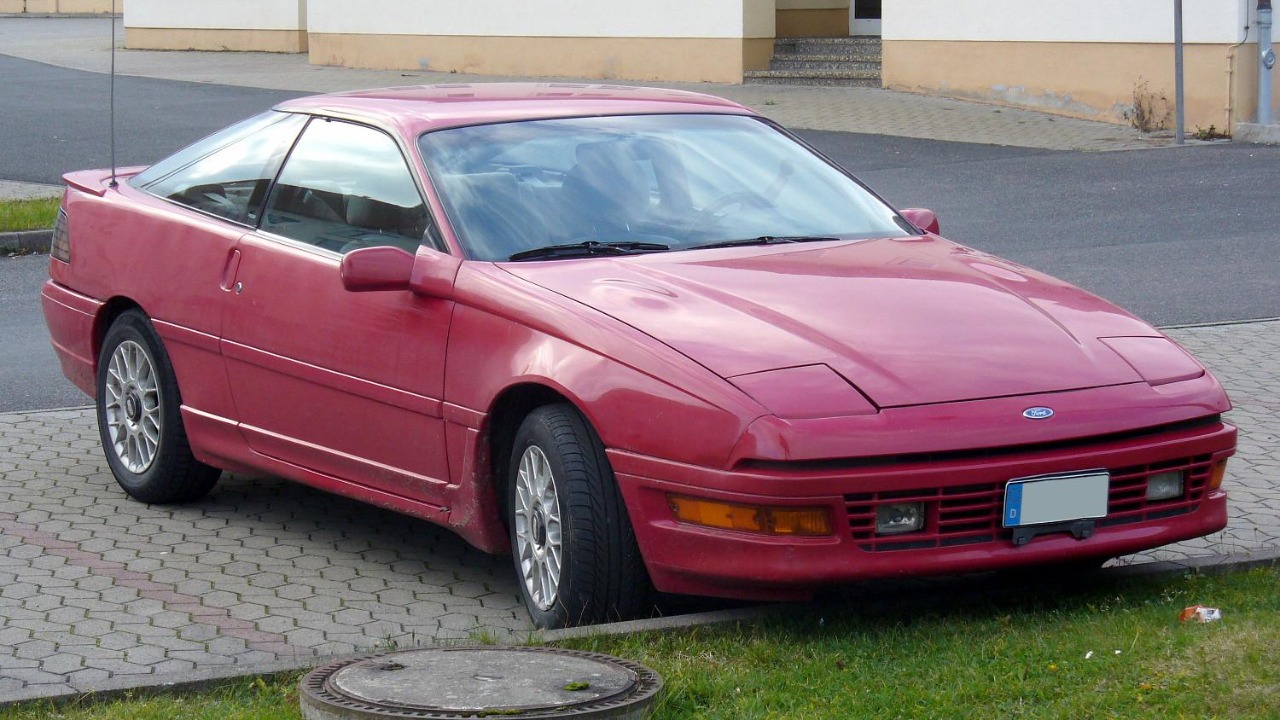
The Ford Probe was one of the more interesting front-wheel-drive performance cars sold by an American manufacturer. Its aerodynamic styling looked modern when it arrived, while GT versions offered turbocharged power and a surprisingly sporty character. The Probe was never taken as seriously as the Mustang, which made it difficult to establish a strong enthusiast identity. Today, its styling has aged into an appealing piece of 1980s and 1990s design, and clean examples are becoming harder to find.
Mitsubishi 3000GT

The Mitsubishi 3000GT arrived with technology and performance features that made it one of the most ambitious Japanese sports cars of its era. Depending on the version, buyers could get twin-turbo power, all-wheel drive, active aerodynamics, and four-wheel steering. That complexity also contributed to the car’s reputation for being expensive to maintain. It never achieved the same lasting recognition as the Supra or RX-7. With time, however, enthusiasts have begun appreciating just how advanced the 3000GT was.
Isuzu Impulse
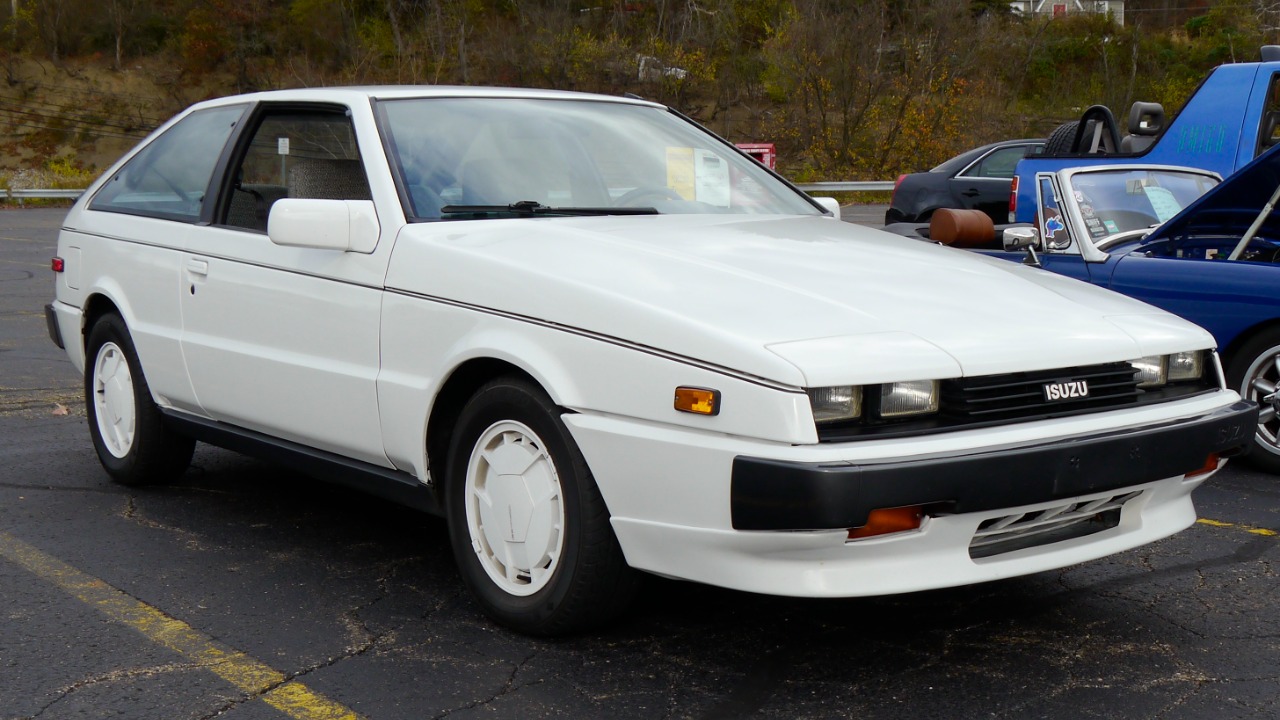
The Isuzu Impulse was an unusual sports coupe that never received the attention its styling deserved. Its sharp lines and compact proportions gave it a distinctive appearance, while later turbocharged versions added genuine performance. Lotus was involved in chassis development, giving the car an interesting engineering connection that many buyers overlooked. Isuzu’s limited reputation in the performance market did not help. Today, the Impulse stands out precisely because it is so uncommon, offering enthusiasts something far different from the usual Japanese sports-car choices.
Pontiac Fiero
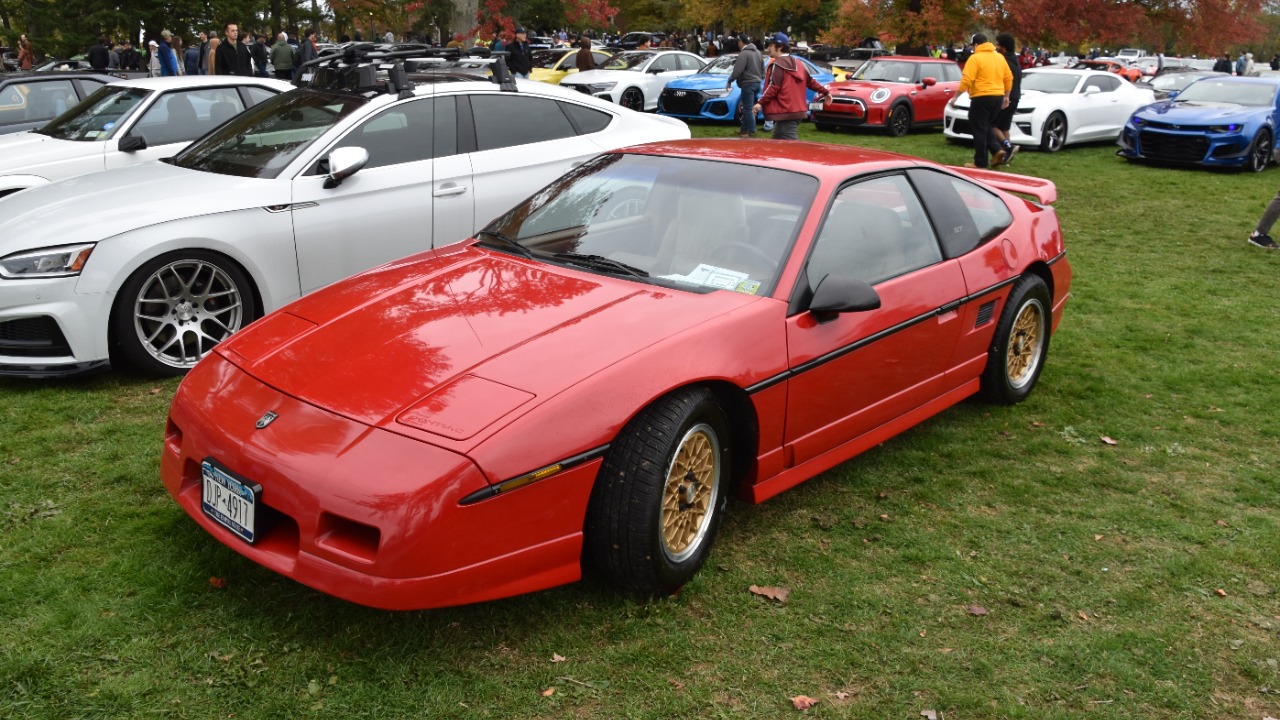
The Pontiac Fiero was one of the most unconventional American sports cars of its era. Its mid-engine layout gave it a configuration normally associated with much more expensive cars, while its compact body made it visually distinctive. Early versions were criticized for performance limitations, but later models improved considerably. The Fiero never escaped the reputation established by those early cars. Today, enthusiasts recognize its potential, especially in performance and handling versions. Its mid-engine layout also makes it one of Pontiac’s most interesting experiments.
Toyota Celica
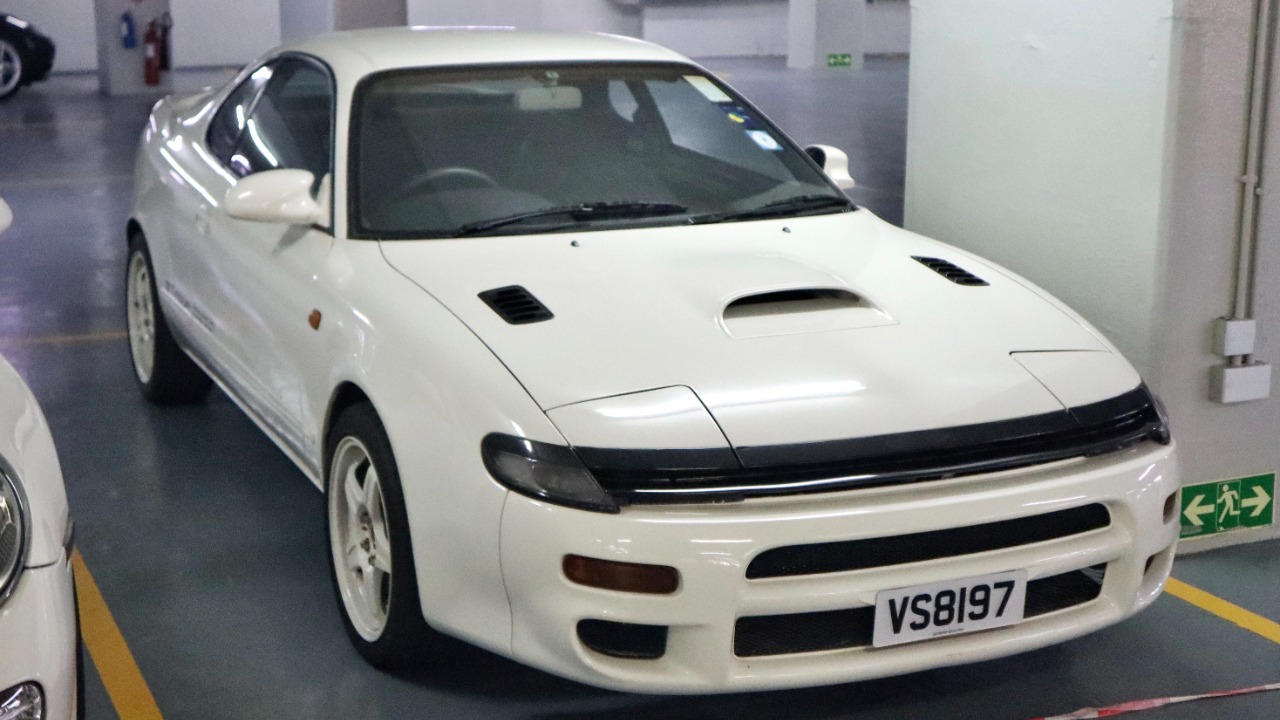
The Toyota Celica spent much of its life in the shadow of more famous Toyota performance models, but that does not mean it lacked sporting credentials. Its lightweight proportions, available four-cylinder engines, and responsive handling made it enjoyable without requiring huge power. Some generations also offered turbocharged and all-wheel-drive variants. The Celica’s broad production history means there is considerable variety among surviving examples. For enthusiasts looking for an approachable Japanese sports coupe, the Celica remains an underrated choice.
Nissan 200SX
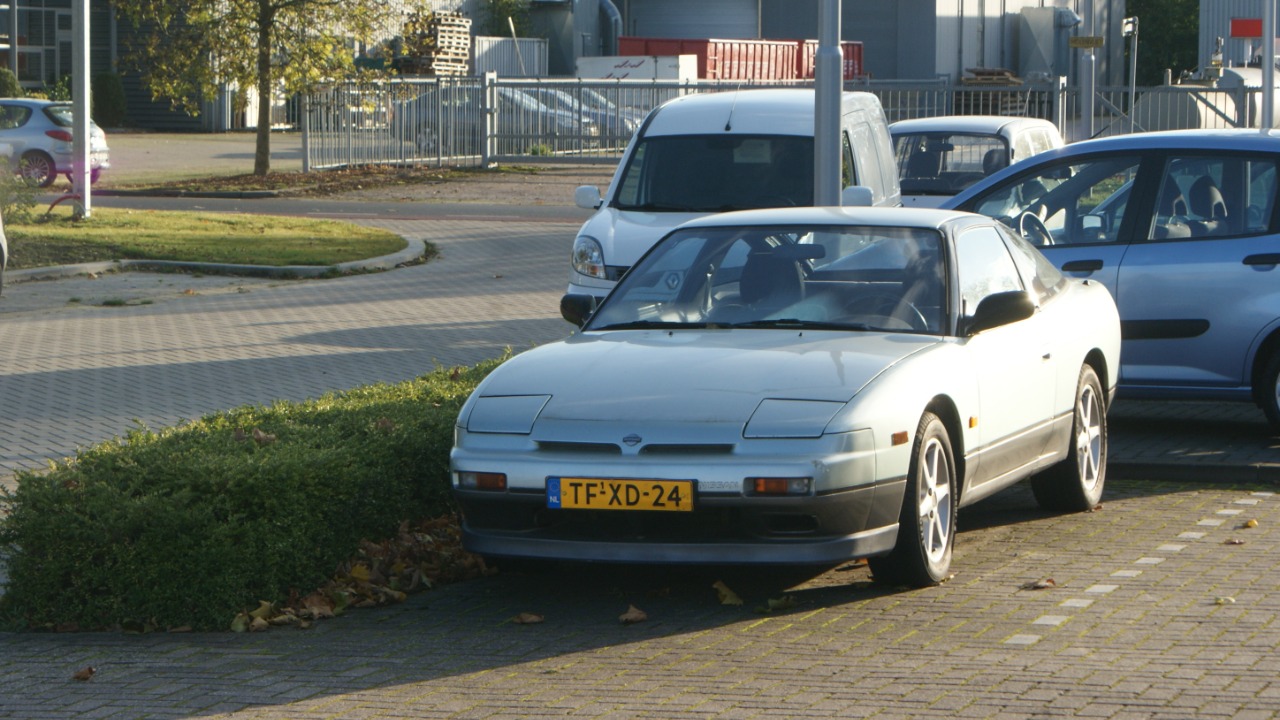
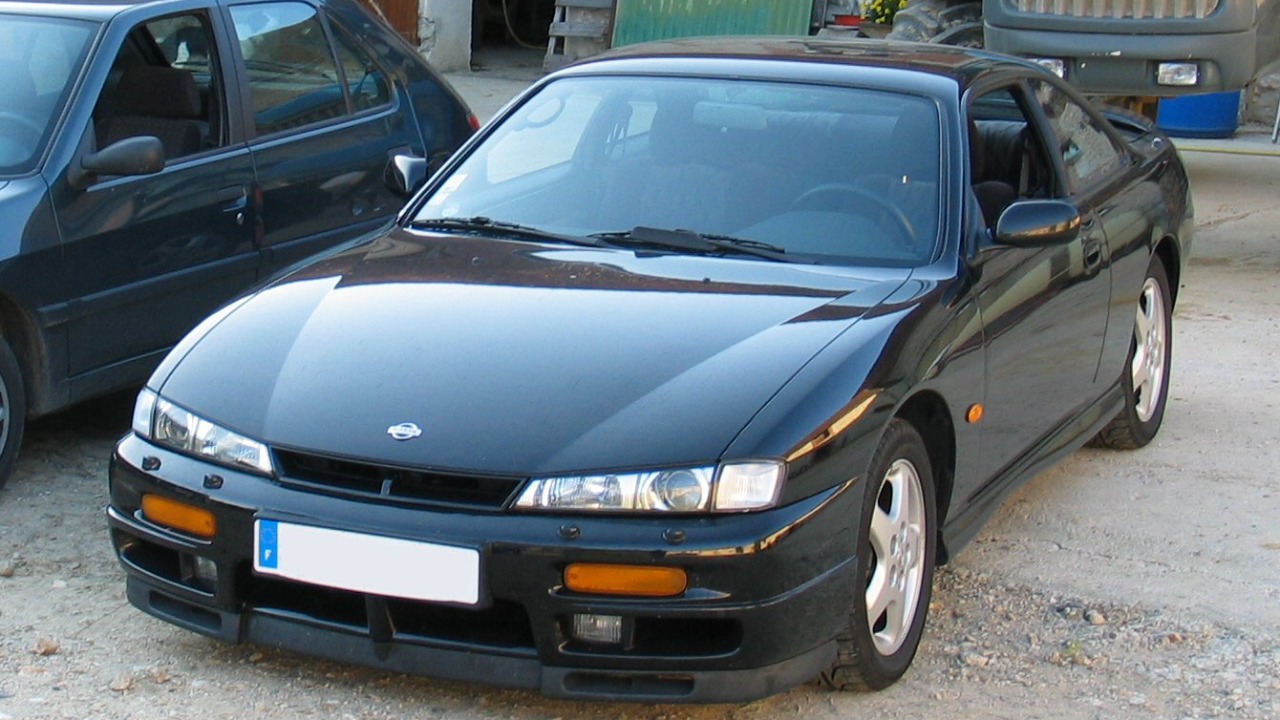
The Nissan 200SX occupied an interesting position in Nissan’s lineup, offering sporty styling and rear-wheel-drive character without the price or reputation of the Z cars. Depending on the market and generation, buyers could find turbocharged engines and strong performance potential. The model was often overlooked because Nissan offered several better-known sports cars at the same time. Today, its relative rarity adds appeal. It represents the kind of affordable performance coupe that has become increasingly difficult to find.
Mazda MX-3
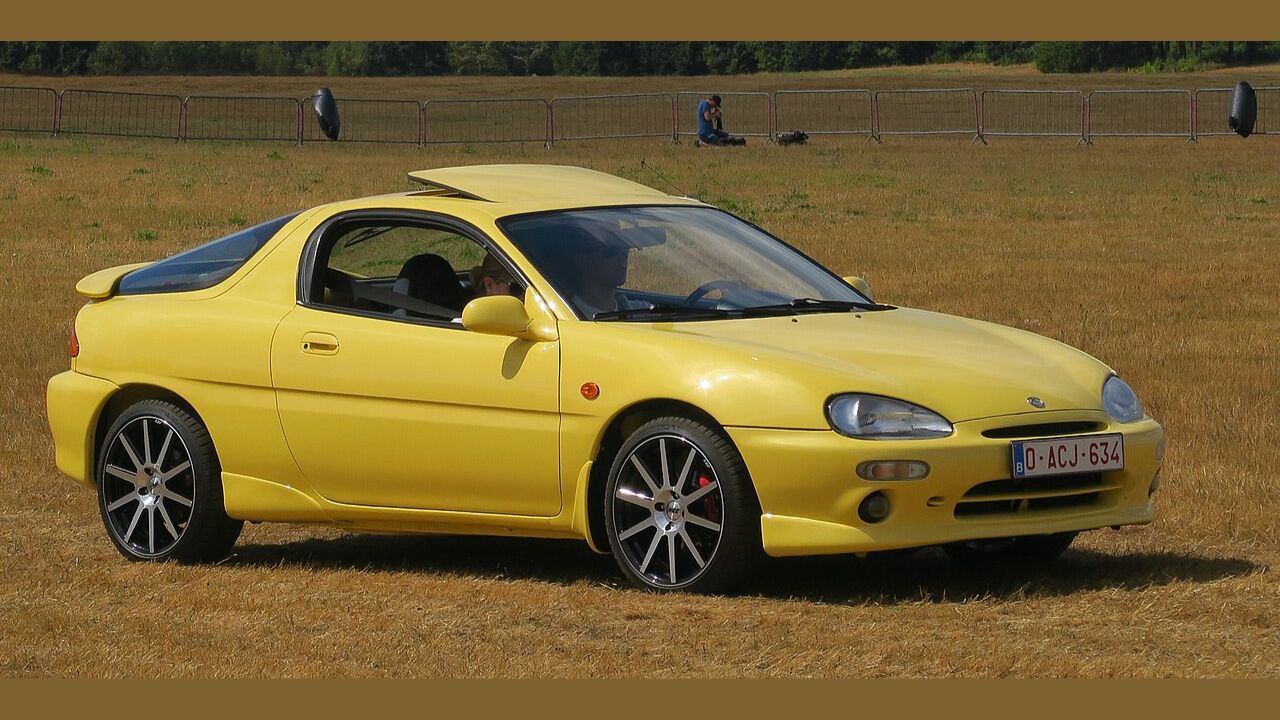
The Mazda MX-3 looked small and harmless, but its available V6 engine gave it a character that set it apart from ordinary compact coupes. Its lightweight body and responsive chassis also made it more entertaining than its modest specifications suggested. Mazda was willing to experiment with unusual engine configurations in this era, and the MX-3 benefited from that approach. It never became a major collector car, but its combination of compact dimensions, distinctive styling, and mechanical curiosity makes it worth remembering.
Hyundai Scoupe
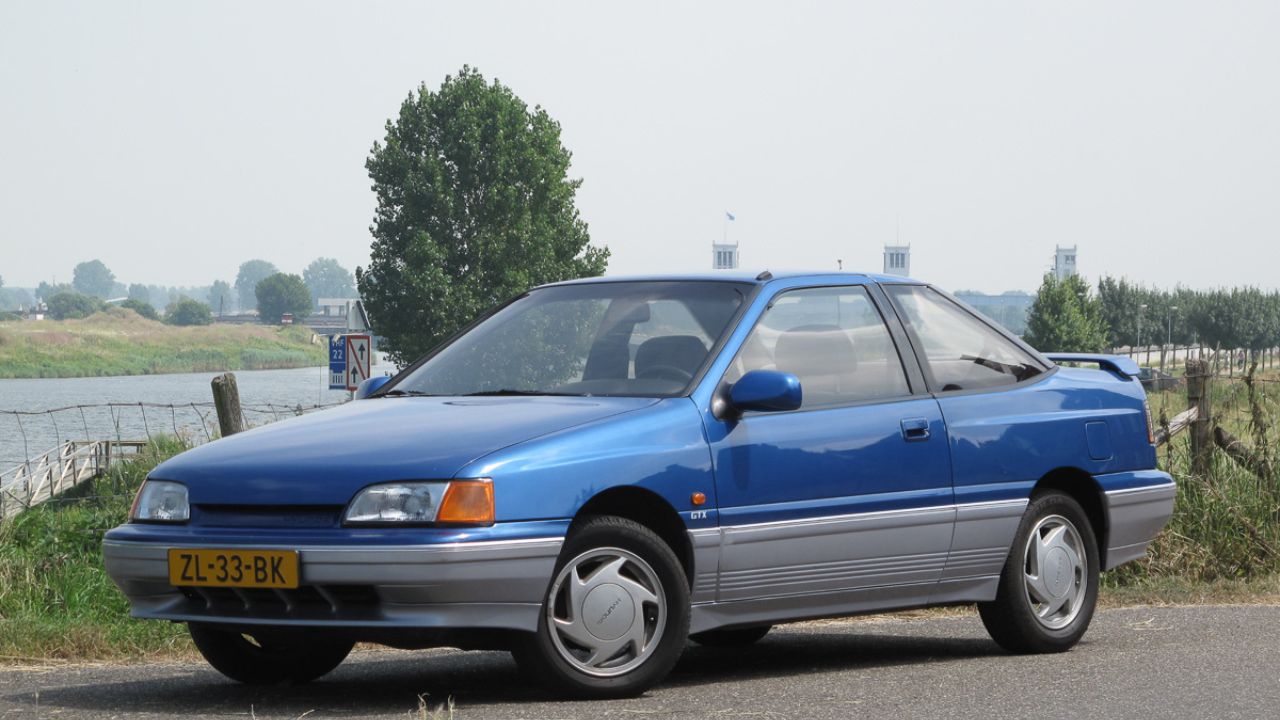
The Hyundai Scoupe arrived when Hyundai was still trying to establish itself in performance-oriented markets. Its sporty body gave buyers an inexpensive alternative to more established compact coupes, while later turbocharged versions offered considerably more performance. The Scoupe lacked the brand recognition enjoyed by Japanese competitors, which limited its appeal among enthusiasts. Today, it represents an interesting chapter in Hyundai’s development. Looking back, the car deserves credit for helping establish the company’s willingness to build vehicles aimed at younger drivers.
Mercury Capri
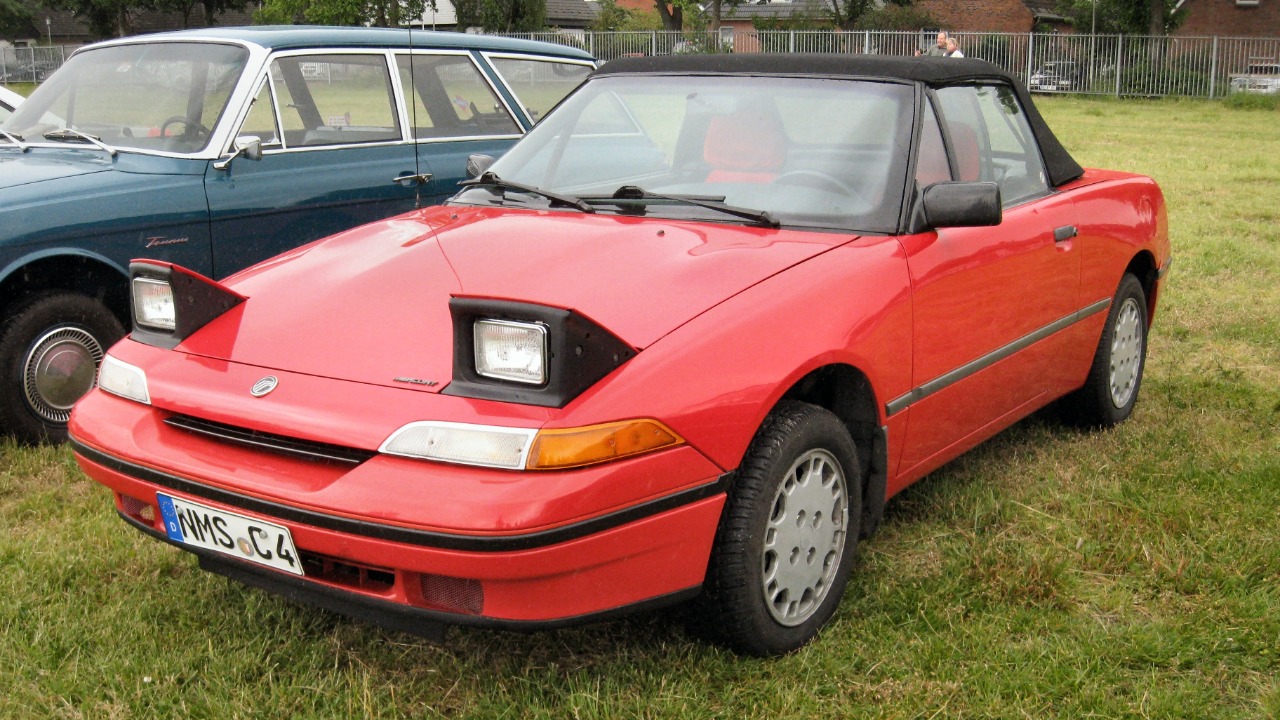
The Mercury Capri offered American buyers a compact sporty coupe with European-inspired character. Earlier versions were closely related to Ford’s European offerings, while later models developed a more distinct identity. The Capri was available with several engines and became particularly interesting in performance-oriented forms. It never gained the cultural impact of the Mustang, partly because it occupied a difficult position within Ford’s lineup. Today, its compact proportions and distinctive styling give it a charm that has become increasingly uncommon.
Pontiac Solstice
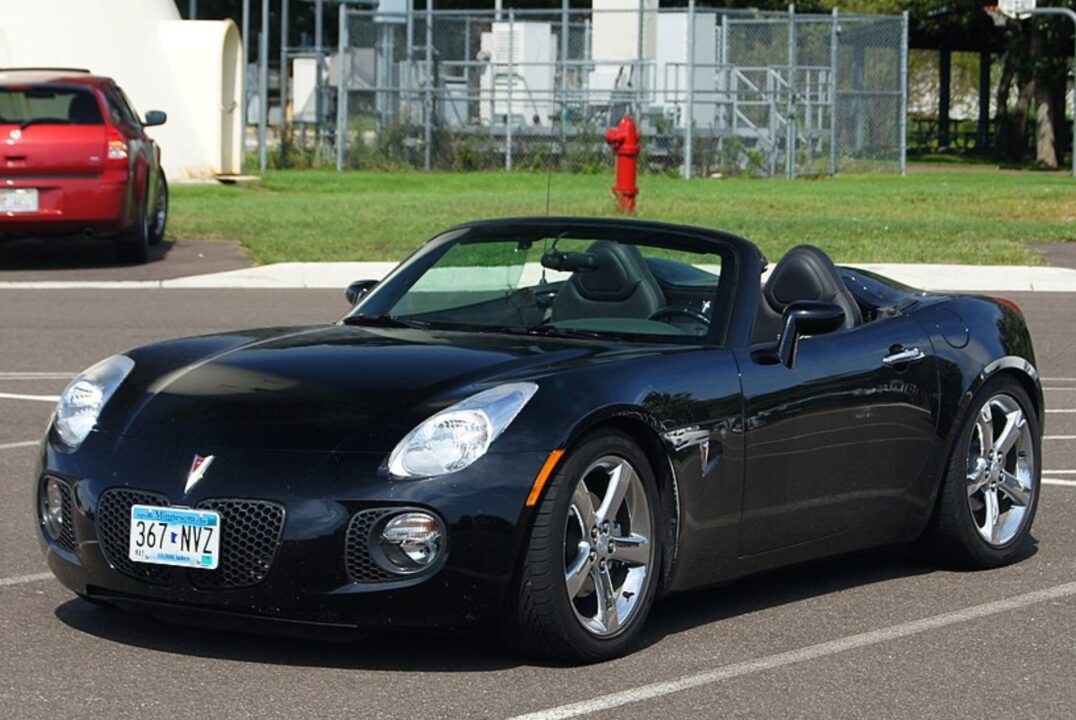
The Pontiac Solstice arrived late in Pontiac’s history but immediately stood out for its long hood, short rear deck, and rear-wheel-drive layout. Its proportions made it look more expensive than it was, while the available turbocharged GXP added genuine performance. The model never had enough time to develop a long-term identity before Pontiac disappeared. That short production run has helped make surviving examples more interesting. The Solstice now looks like a promising sports-car program that ended just as it was gaining momentum.
Saturn Sky
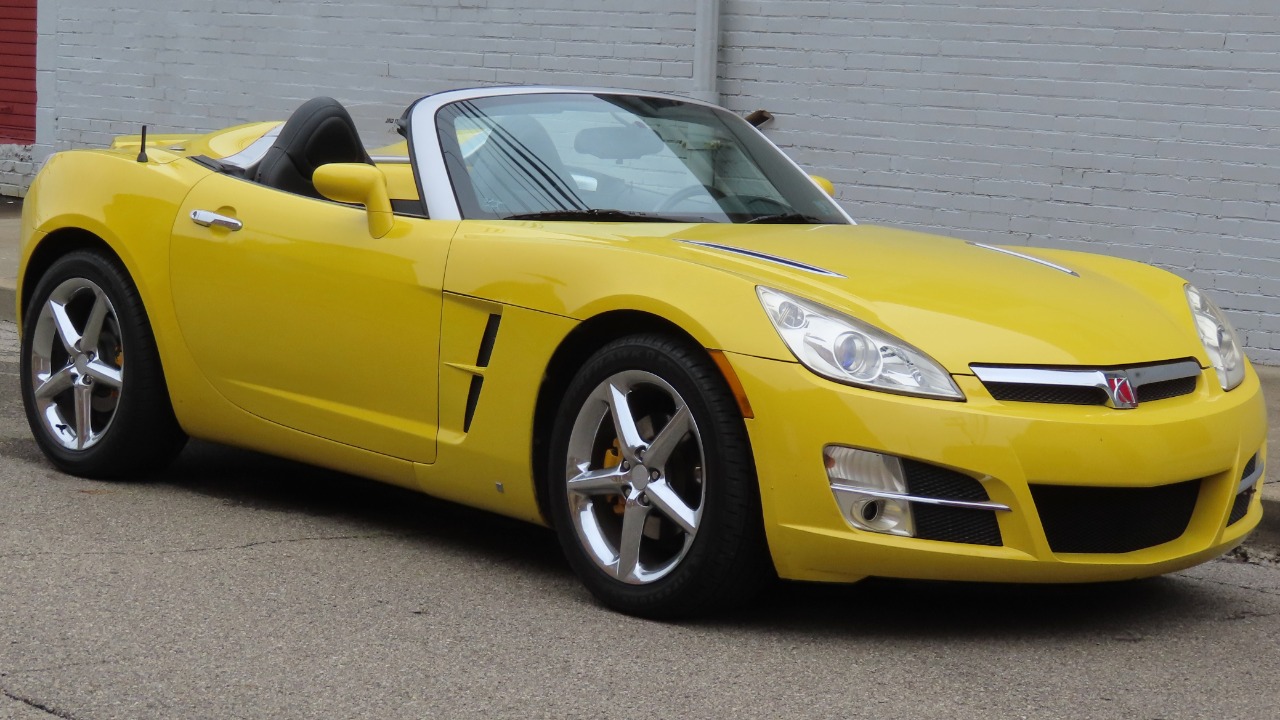
The Saturn Sky shared much of its mechanical foundation with the Pontiac Solstice but developed a personality of its own. Its sharp bodywork and low stance made it one of the most distinctive American roadsters of the 2000s. The Red Line version added turbocharged performance, making it even more appealing to enthusiasts. Saturn’s demise prevented the model from establishing a long-term reputation. Today, the Sky is remembered as one of the brand’s most interesting and stylish vehicles.
Toyota MR2
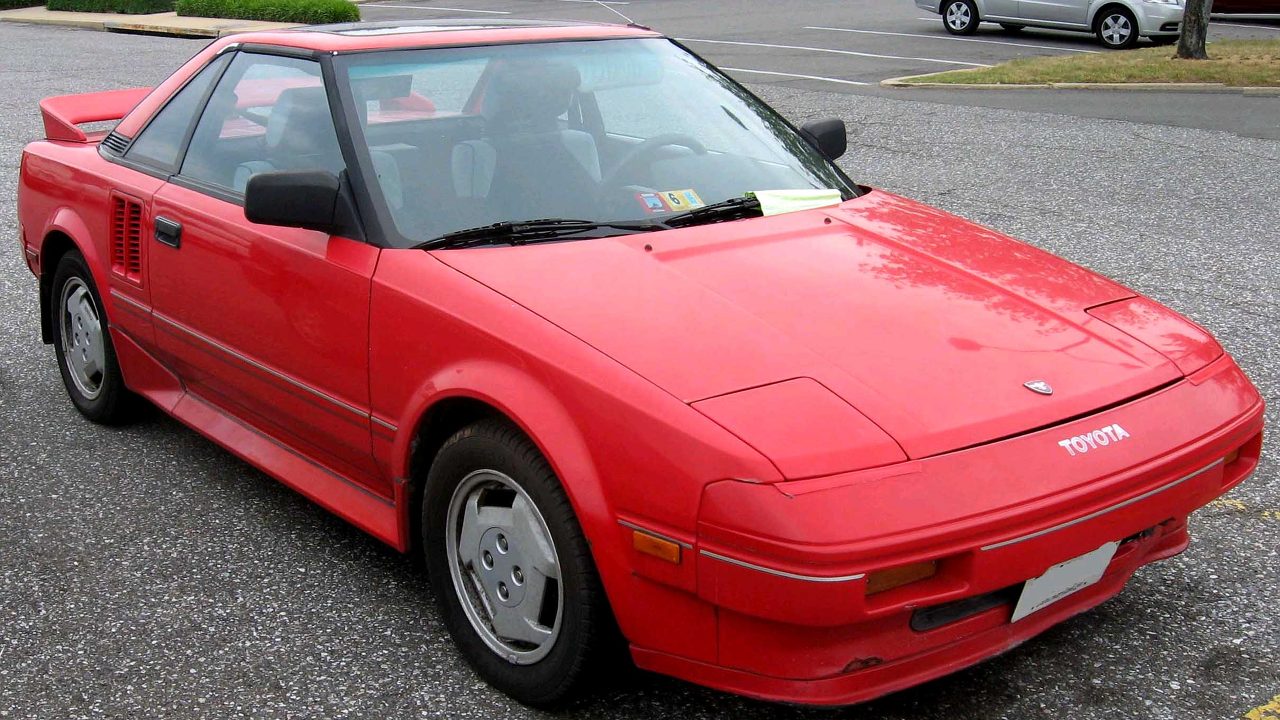
The Toyota MR2 never reached the mainstream recognition of the Supra, yet its mid-engine layout made it one of Toyota’s most entertaining sports cars. Different generations offered very different interpretations, from lightweight two-seaters to more powerful turbocharged models. The compact dimensions and balanced chassis gave the MR2 a distinctive driving character. Its limited practicality may have restricted its original audience, but that same focus is part of its appeal today. It remains a sports car designed around driving rather than image.
Fiat X1/9
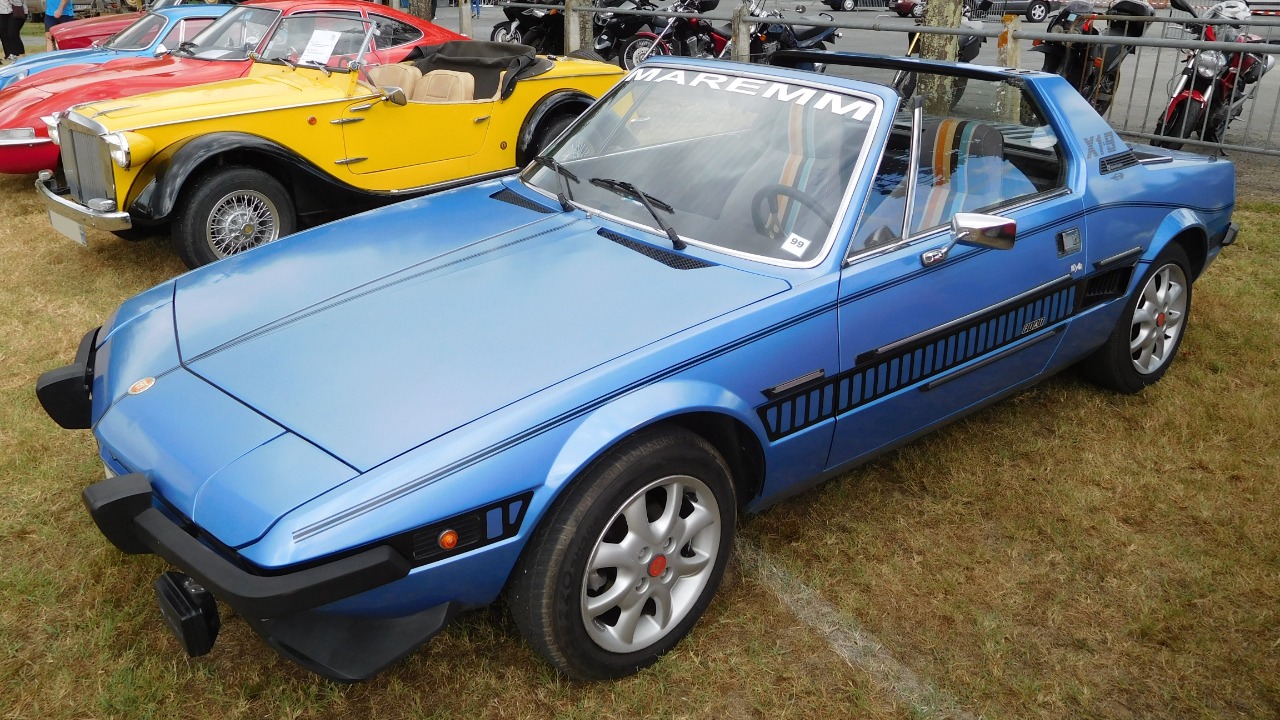
The Fiat X1/9 brought mid-engine sports-car architecture to a relatively affordable price point. Its wedge-shaped body, compact dimensions, and targa roof gave it a distinctive personality that was unlike most mainstream cars. The small engines were not particularly powerful, but the lightweight chassis allowed the car to remain entertaining. Reliability concerns and Fiat’s reputation in some markets hurt its popularity. Today, the X1/9 looks like an interesting alternative to the better-known British and Japanese sports cars of its period.
Datsun 510
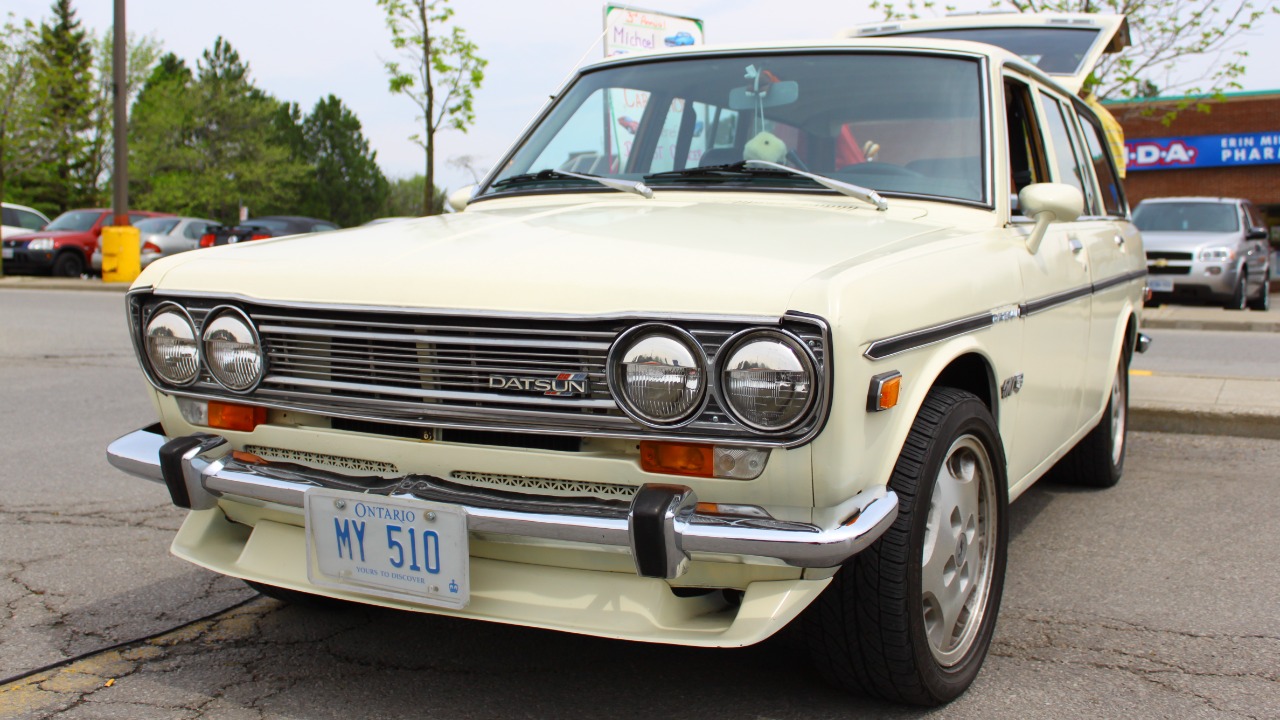
The Datsun 510 is often remembered for racing and tuning, but its road-going character also made it an appealing compact performance car. Rear-wheel drive, relatively low weight, and simple mechanicals created an excellent foundation for enthusiasts. It was never marketed as a high-end sports car, which may explain why its performance potential was initially underestimated. Its clean styling has aged beautifully, and surviving examples have become increasingly desirable among collectors and enthusiasts who appreciate simple, lightweight cars.
Volkswagen Corrado
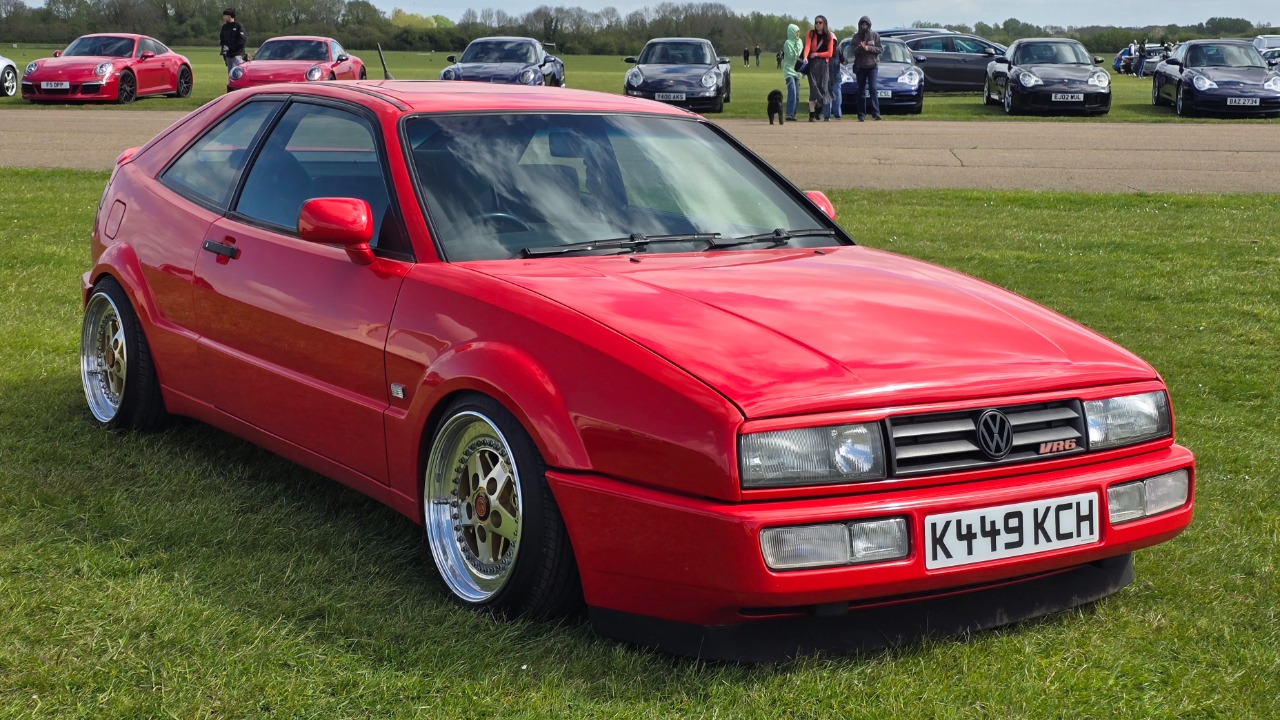
The Volkswagen Corrado was an unusually serious sports coupe for a company better known for practical hatchbacks and family cars. Its compact body, front-wheel-drive chassis, and strong engine choices gave it impressive handling and performance. Some versions also featured sophisticated equipment for the period, including an automatically deployed rear spoiler. The Corrado never sold in the numbers Volkswagen hoped for, but that limited success has made clean examples much more interesting today. It remains one of the brand’s most distinctive enthusiast cars.
Honda Prelude
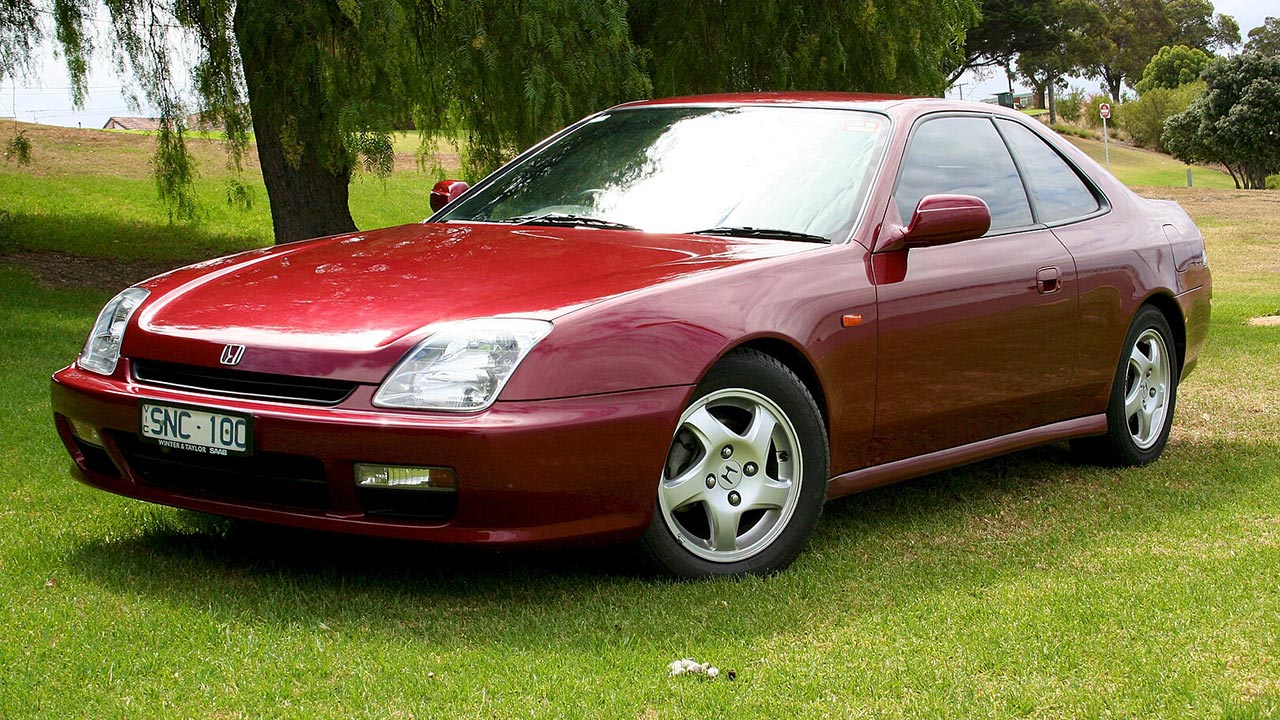
The Honda Prelude occupied a space between ordinary compact coupes and dedicated sports cars. Its sleek styling, front-wheel-drive layout, and rev-happy four-cylinder engines gave it a strong sporting character without sacrificing everyday usability. Later versions became particularly sophisticated, with advanced chassis technology and excellent handling. The Prelude was often overlooked beside the Civic and Integra, even though it offered something different. Today, its clean lines and relatively focused driving experience have helped it develop a stronger following.
Acura Integra
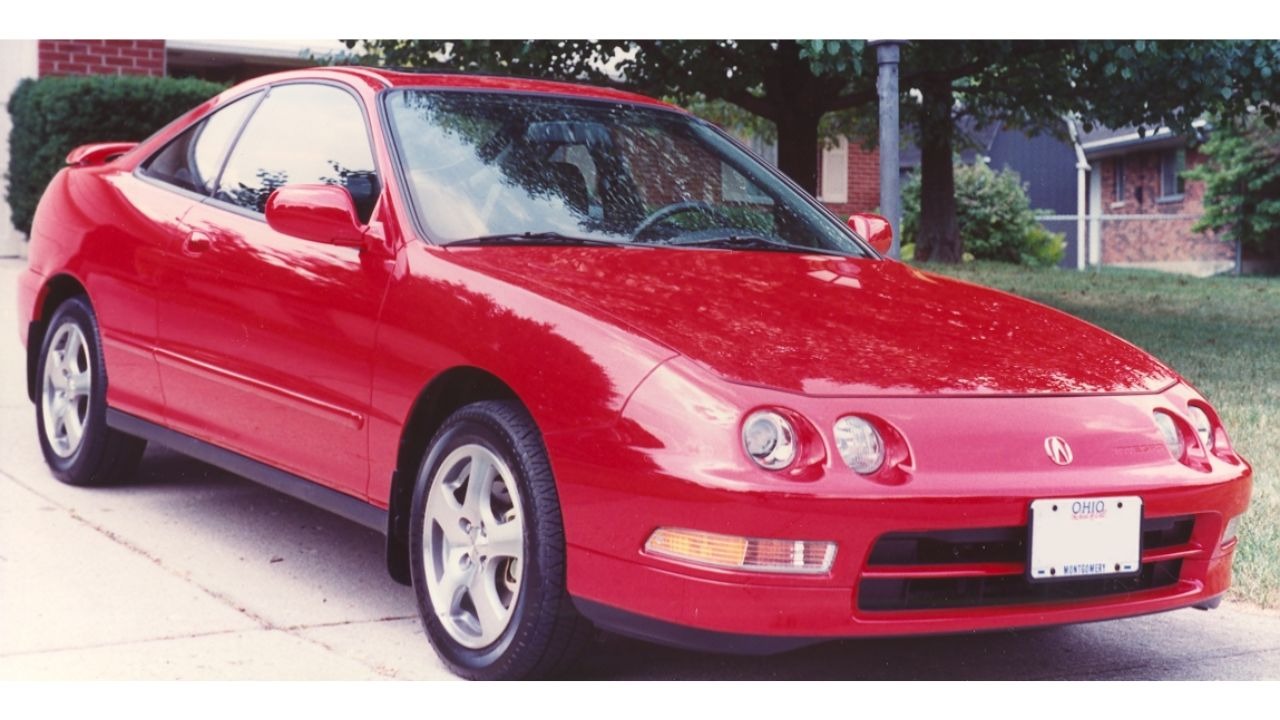
The Acura Integra became famous among enthusiasts, but it still deserves recognition as a sports car that took a while to receive its due. The combination of lightweight construction, front-wheel drive, responsive handling, and high-revving engines made it an exceptional performance bargain. Type R versions eventually became icons, but even ordinary Integras could be remarkably entertaining. The car demonstrated that a front-wheel-drive coupe did not need enormous power to be genuinely rewarding, helping establish a formula that many competitors struggled to match.
Pontiac Grand Prix
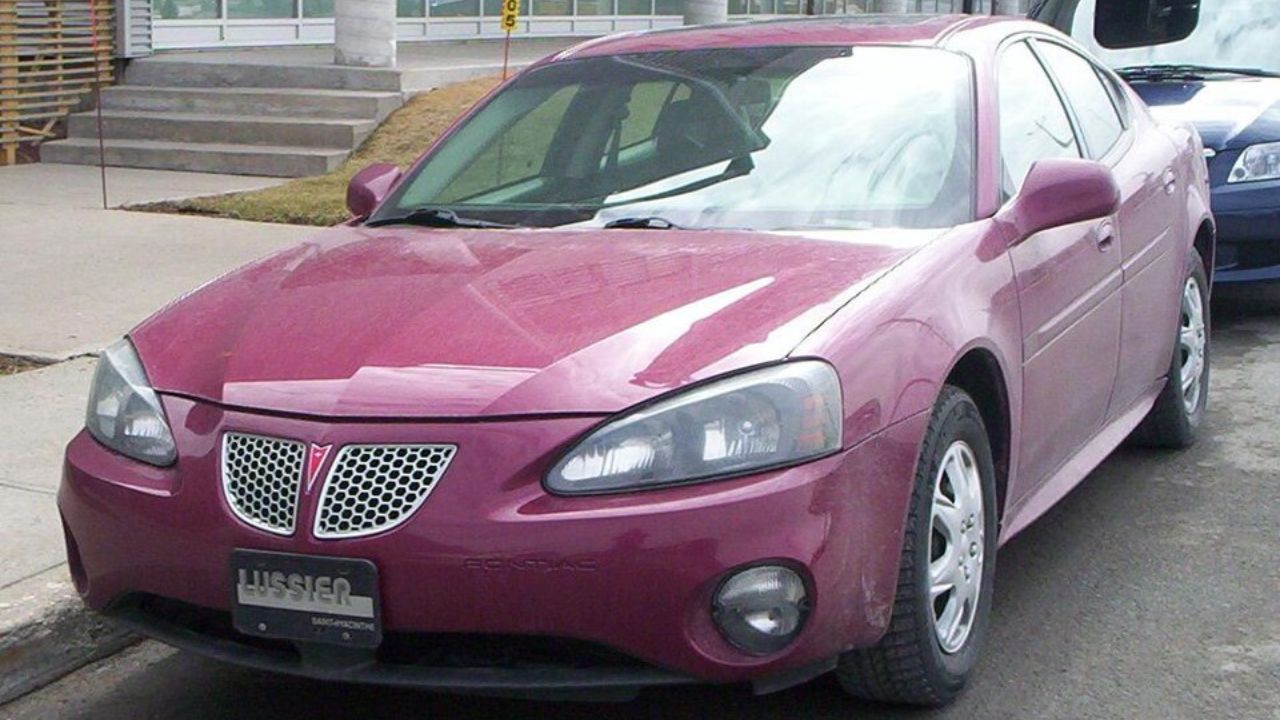
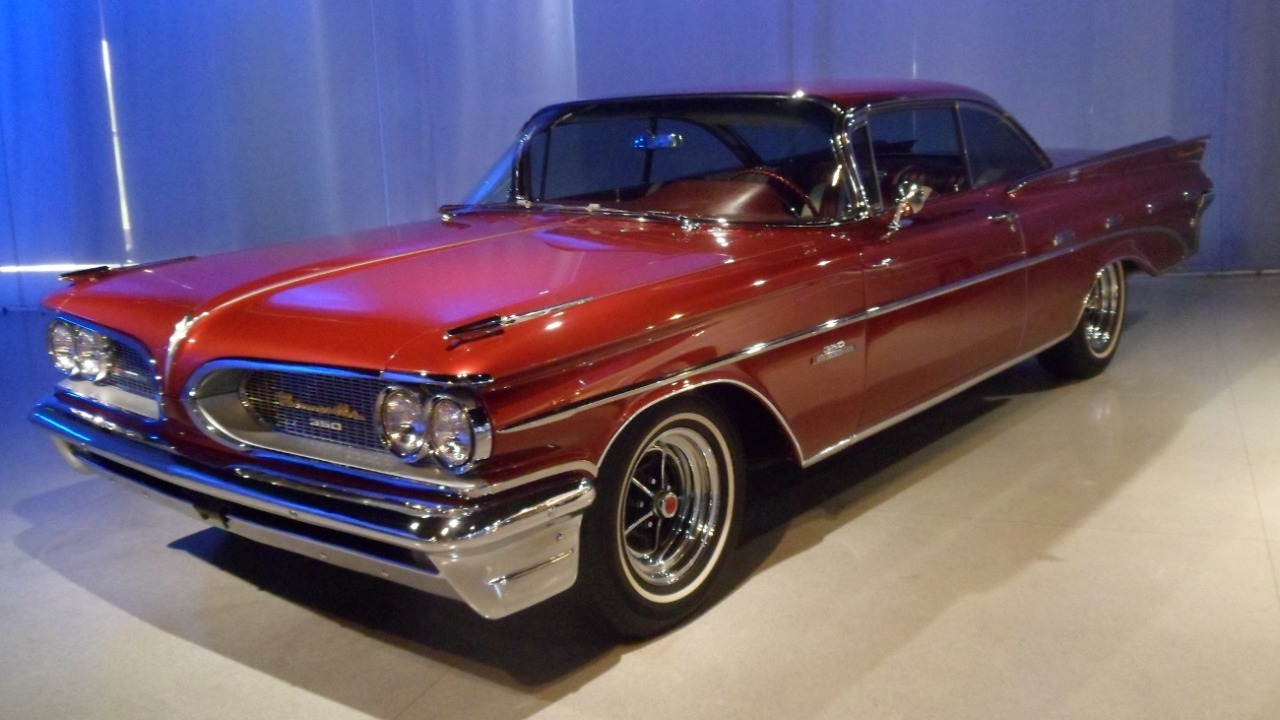
The Pontiac Grand Prix is better known as a personal-luxury coupe and sedan than as a sports car, but certain versions offered surprisingly strong performance. The model developed a more aggressive personality through sportier trims, larger engines, and improved chassis tuning. It also carried Pontiac’s distinctive styling, which helped separate it from more conservative competitors. While it never became a true sports-car icon, the Grand Prix deserves more attention for delivering performance in a practical package at a time when buyers often overlooked that combination.
Dodge Stealth
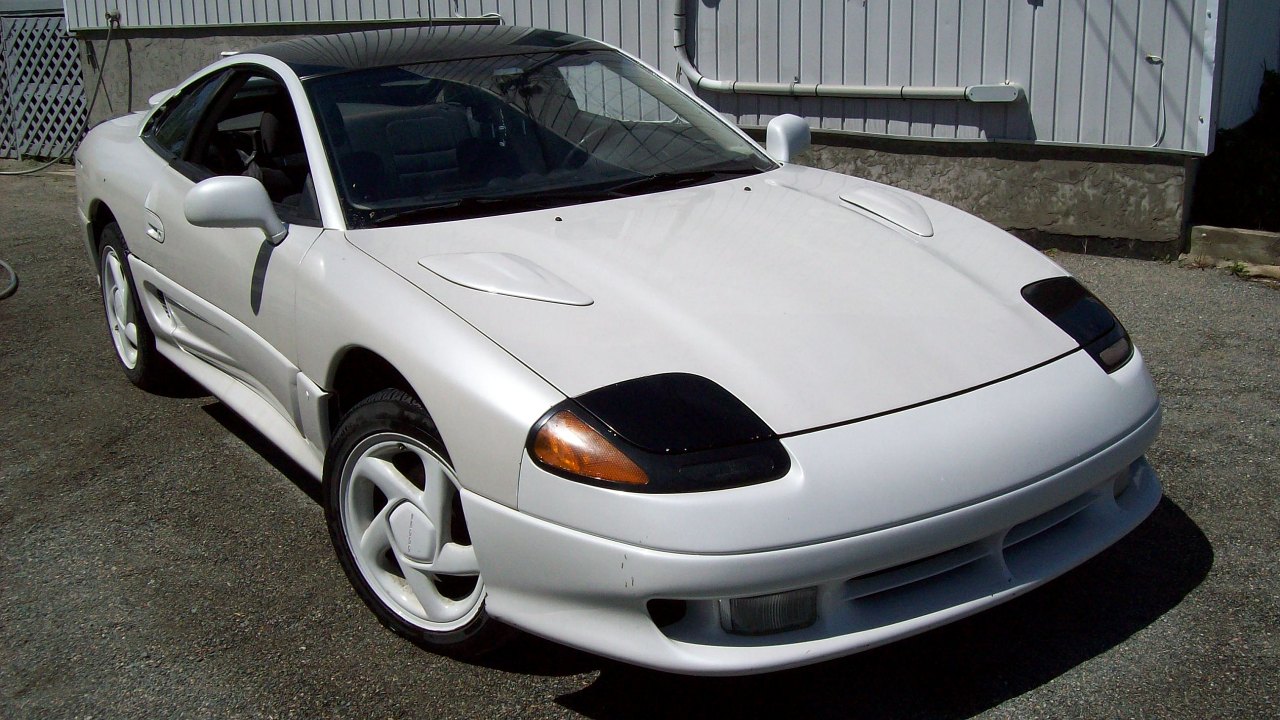
The Dodge Stealth shared its basic architecture with the Mitsubishi 3000GT but was marketed with a distinctly American identity. Its dramatic styling, front-wheel-drive platform, and available twin-turbo V6 gave it serious performance potential. The car also offered advanced features that were unusual for its price range. Despite that, it remained overshadowed by better-known sports cars from Japan and the United States. Today, the Stealth is an especially interesting choice for collectors who want something recognizable but far less common.
More from Fast Lane Only
- Unboxing the WWII Jeep in a Crate
- 15 rare Chevys collectors are quietly buying
- 10 underrated V8s still worth hunting down
- Police notice this before you even roll window down
*Research for this article included AI assistance, with all final content reviewed by human editors.