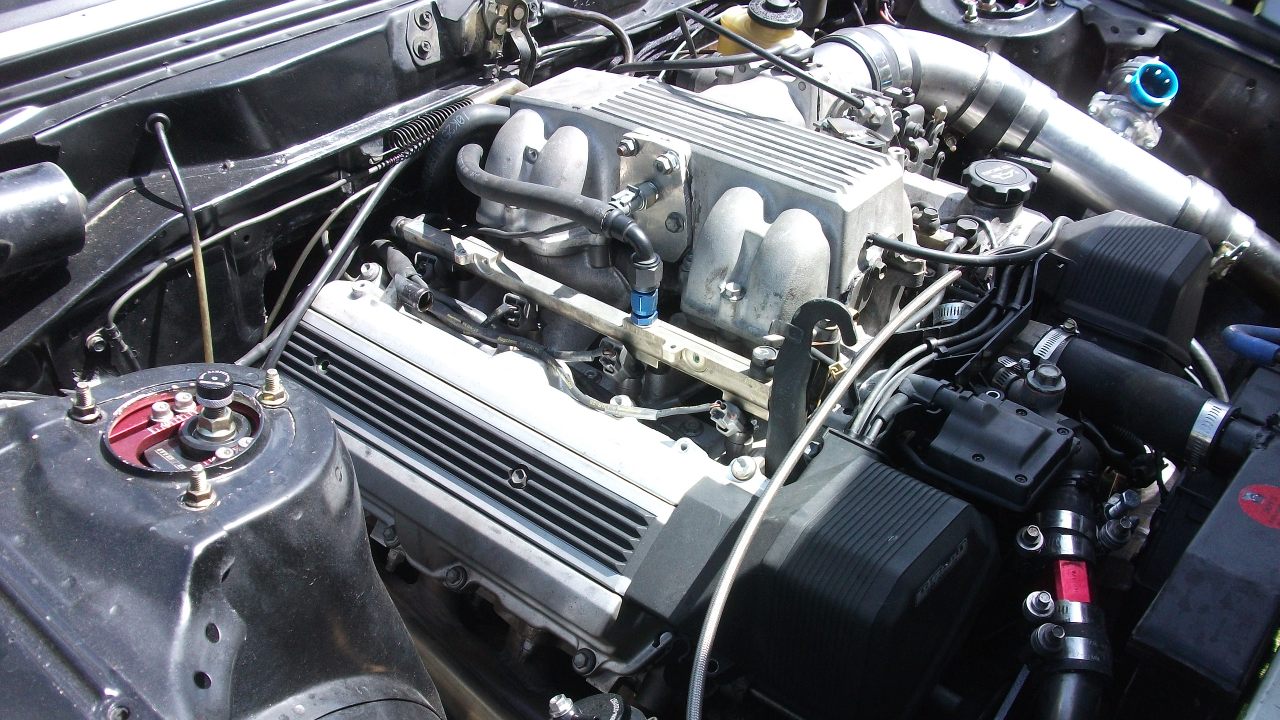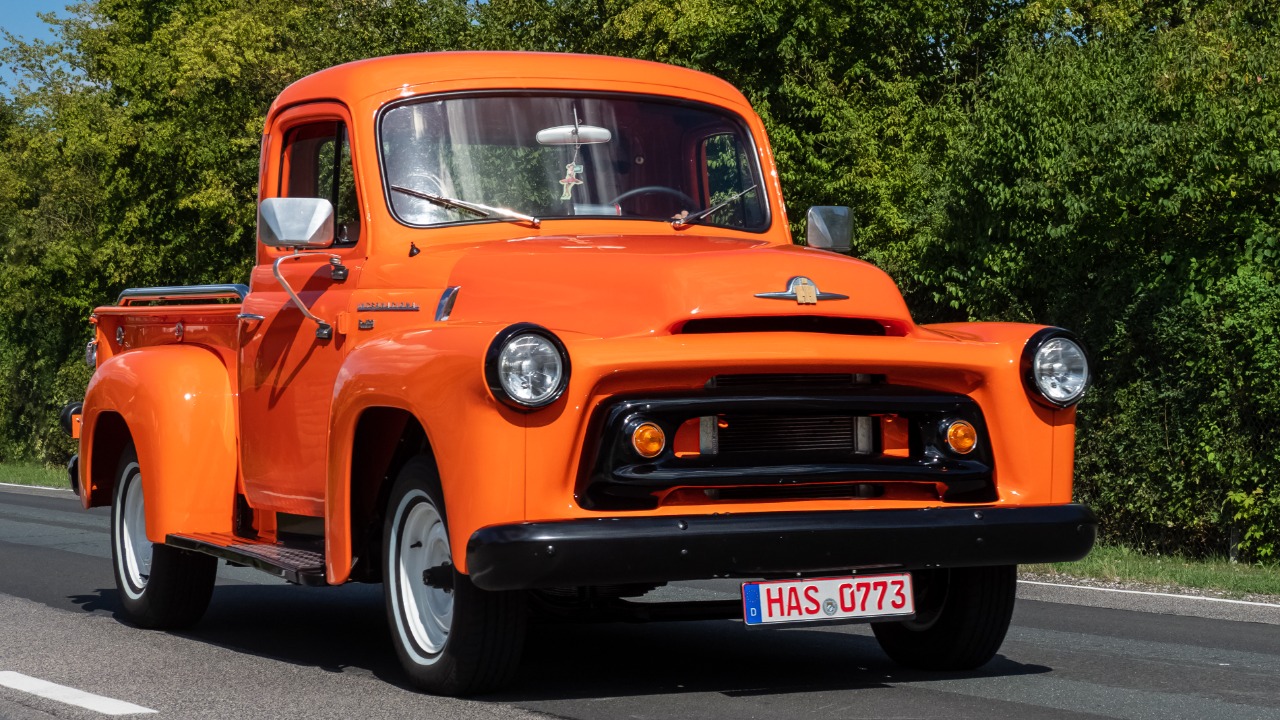
International Harvester has produced a variety of trucks over the decades, some of which have gained cult followings among enthusiasts. However, not all models have stood the test of time or engineering excellence. It’s crucial to know which ones to steer clear of if you’re in the market for a reliable vehicle. Here are six International Harvester trucks that are best avoided, primarily due to issues related to performance, reliability, and overall safety.
International Harvester Scout II (1971-1980)
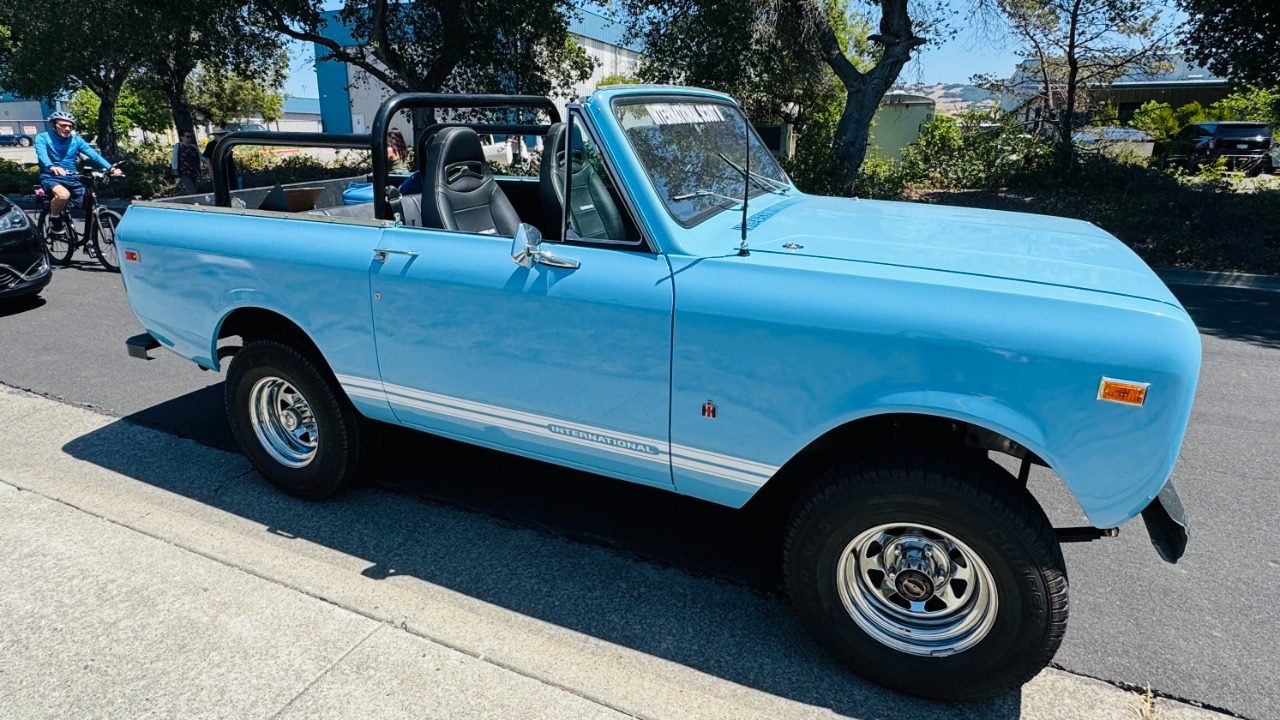
The Scout II, while iconic, has a number of pitfalls that make it less desirable today. Many owners report serious rust problems, particularly in the body and frame. Additionally, the drivetrain can be problematic, often leading to costly repairs. The engine options, especially the V8, are known for poor fuel efficiency, which can be a major drawback for daily drivers. If you’re considering this model, be prepared for a potential money pit. For a comprehensive understanding of the Scout II’s drawbacks, various forums and articles discuss its performance issues.
Moreover, the Scout II’s handling is often criticized, especially compared to its contemporaries. The steering can feel loose, leading to a lack of control, especially on highways. Finding replacement parts can also be a challenge, as they become rarer with time. For those passionate about vintage vehicles, the allure of a Scout II may be hard to resist, but the practical drawbacks can outweigh the nostalgic charm.
International Harvester Loadstar (1962-1978)
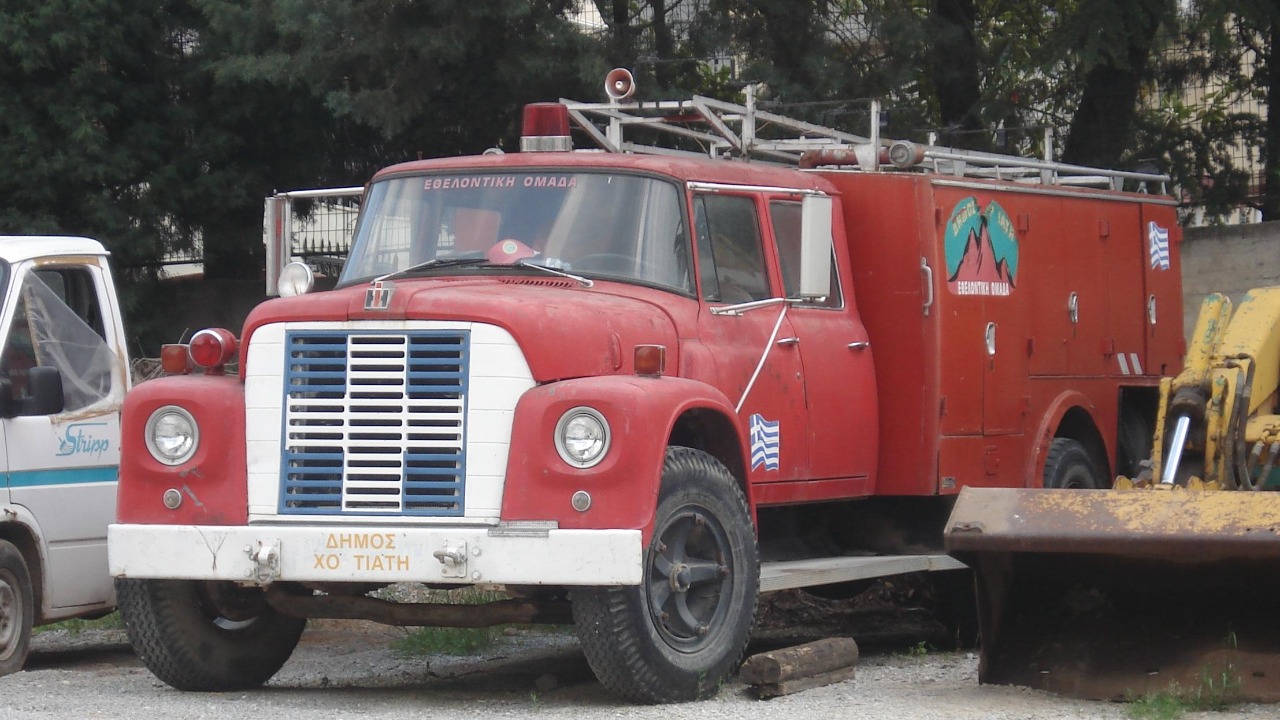
The Loadstar series is another model that often falls short of expectations. While it was designed for heavy-duty work, many users have reported issues with engine reliability and fuel efficiency. The engines, particularly the 304 and 345 V8s, can struggle with performance, leading to frequent breakdowns. Parts can be hard to find, making repairs more complicated than necessary. For those looking at commercial options, it may be wise to explore alternatives.
Additionally, the Loadstar’s design does not prioritize comfort, which can turn long hauls into a strenuous experience. The cab interior is often outdated, lacking modern features that enhance usability. If you’re considering this model, it’s worth looking at studies that detail which trucks are built to last. Some options may serve you better in the long run, so make sure to check out reliable choices before committing.
International Harvester Travelall (1953-1980)
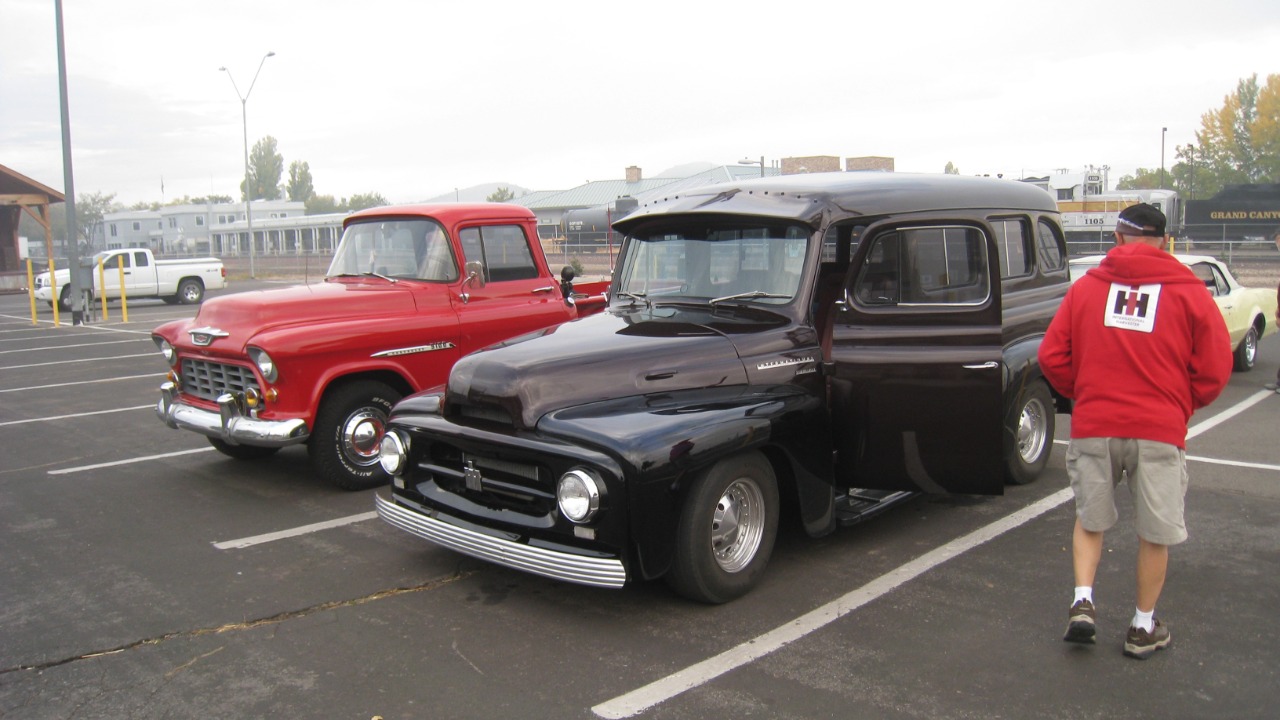
The Travelall is often regarded as a classic, but it comes with its own set of issues that make it less favorable. Rust is a persistent problem, especially in older models, which can compromise the vehicle’s integrity. Additionally, the engine options are limited, and many owners report poor fuel economy. The handling can also be cumbersome, leading to a less-than-pleasant driving experience.
Another critical point is the lack of safety features compared to modern vehicles. If you’re considering using a Travelall as a family car, you might want to rethink that decision. On the market today, safety features and reliability are paramount, and the Travelall may not meet those needs. For alternatives that offer better safety ratings, consider looking into newer models that prioritize driver and passenger safety.
International Harvester R-Series (1961-1968)
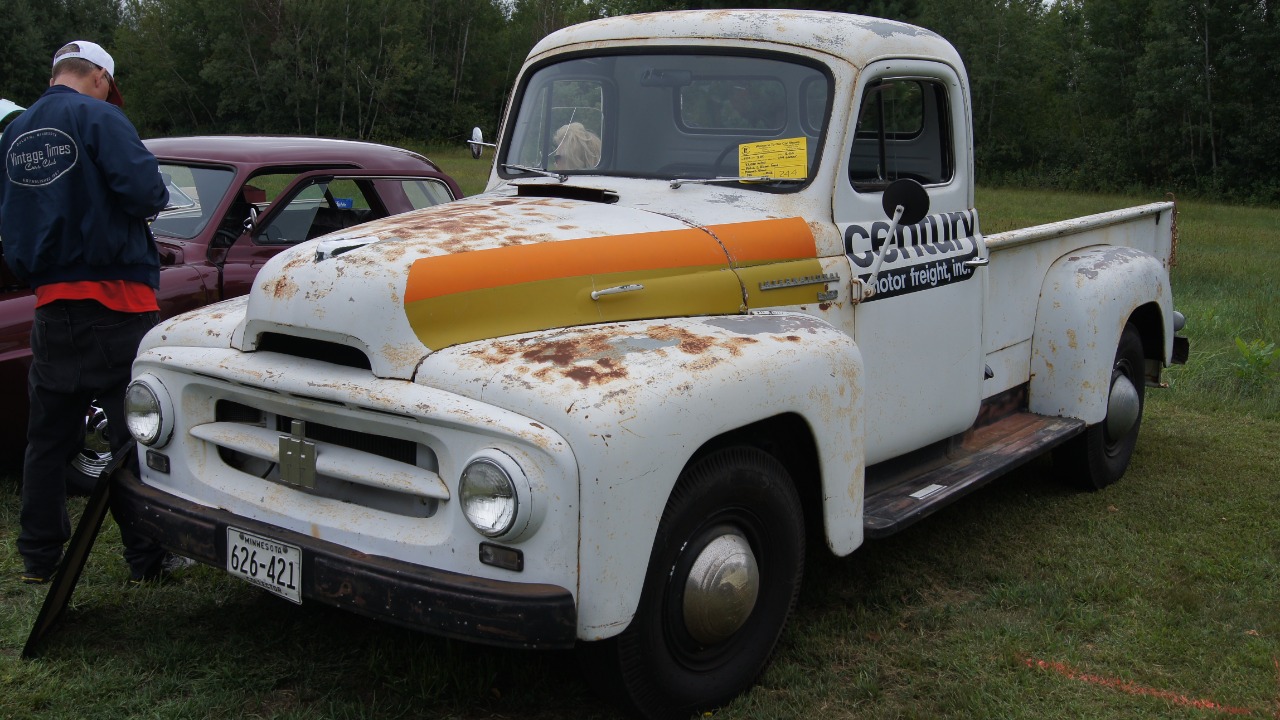
The R-Series trucks are often overshadowed by more popular models, and for good reason. They are notorious for rust issues, particularly in the frame, which can lead to structural problems over time. Engine performance is another area of concern; many owners report that the engines can be underpowered, especially when fully loaded.
Additionally, the R-Series lacks many modern conveniences that make driving enjoyable. The interior can be spartan, and finding replacement parts can be a hassle. If you’re eyeing this model, it may be prudent to consider alternatives that offer better reliability and comfort, as these trucks may not hold their value well over time. The effort needed to maintain an R-Series can outweigh the benefits.
International Harvester S-Series (1963-1986)
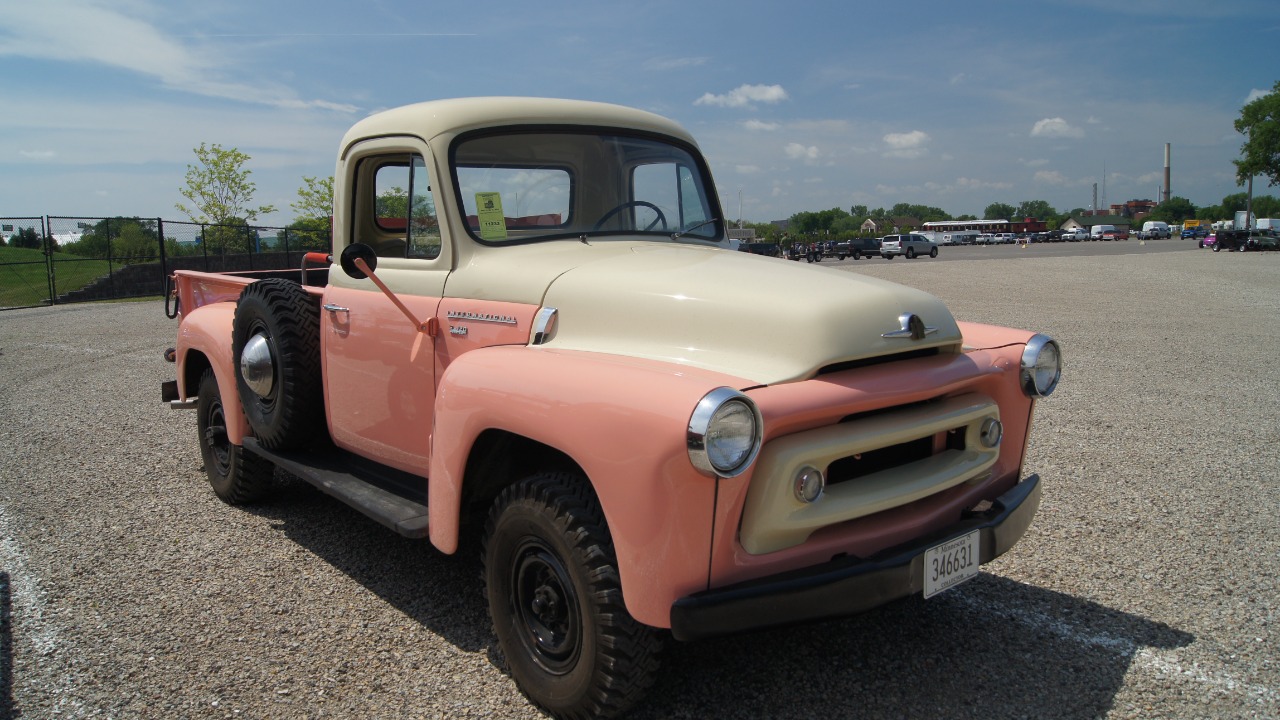
The S-Series offers a range of configurations, but it also has a reputation for being unreliable. Engine problems are common, particularly with the V8 options, which can lead to poor performance and high maintenance costs. Many users report that the fuel efficiency is notably subpar, which can be a significant drawback for those looking to save on gas.
Furthermore, the S-Series lacks modern safety features, which can be a dealbreaker for families or anyone concerned about safety. If you’re considering purchasing one, it may be worth looking into its safety ratings compared to other vehicles on the market. The challenges associated with maintenance and operation may not justify the nostalgic appeal.
International Harvester Metro Van (1940-1975)
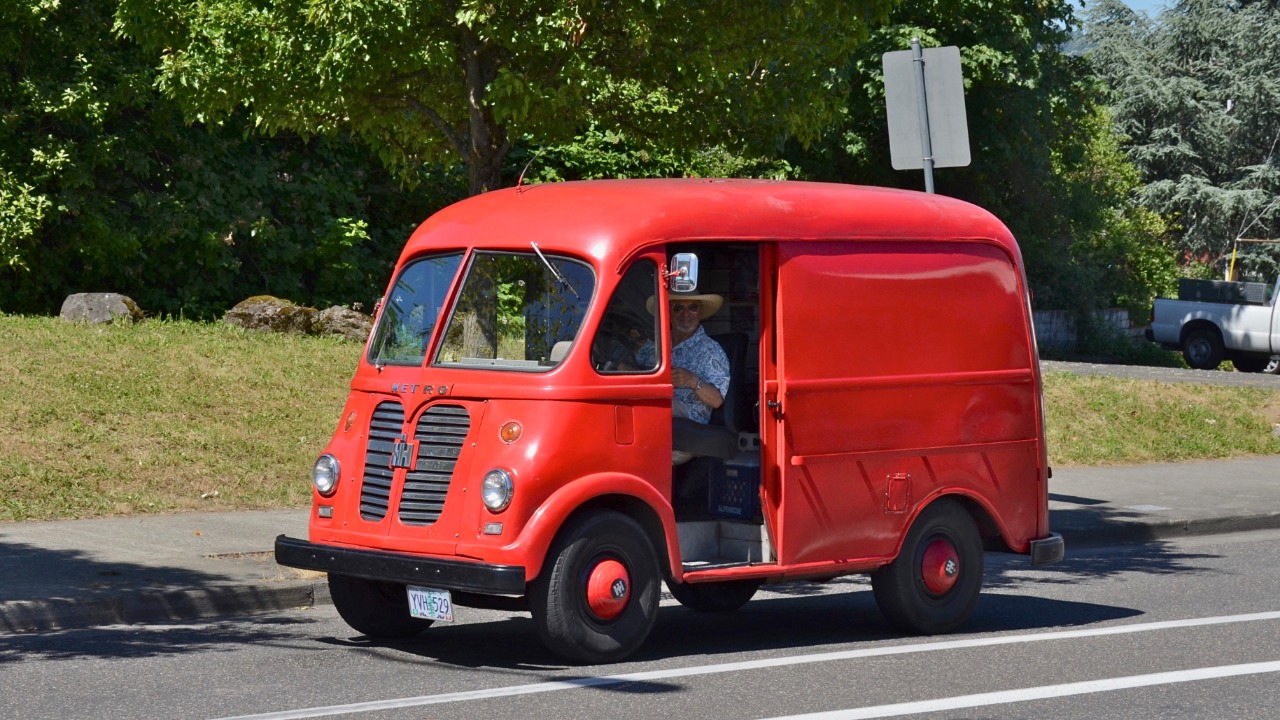
The Metro Van is a classic vehicle that has garnered attention for its unique design, but it also presents a number of challenges. Many owners experience issues with rust, particularly in the body and frame. The engine’s reliability is another concern; the performance can be lackluster, especially when carrying heavy loads.
Additionally, the interior space is not optimized for modern needs, lacking comfort and convenience features. If you’re considering using a Metro Van for everyday purposes, it might be wise to assess whether it meets your requirements. There are many newer options available that offer better functionality and safety, making it worth exploring alternatives that are better suited for daily use.
More from Fast Lane Only
- Unboxing the WWII Jeep in a Crate
- 15 rare Chevys collectors are quietly buying
- 10 underrated V8s still worth hunting down
- Police notice this before you even roll window down
*Research for this article included AI assistance, with all final content reviewed by human editors.