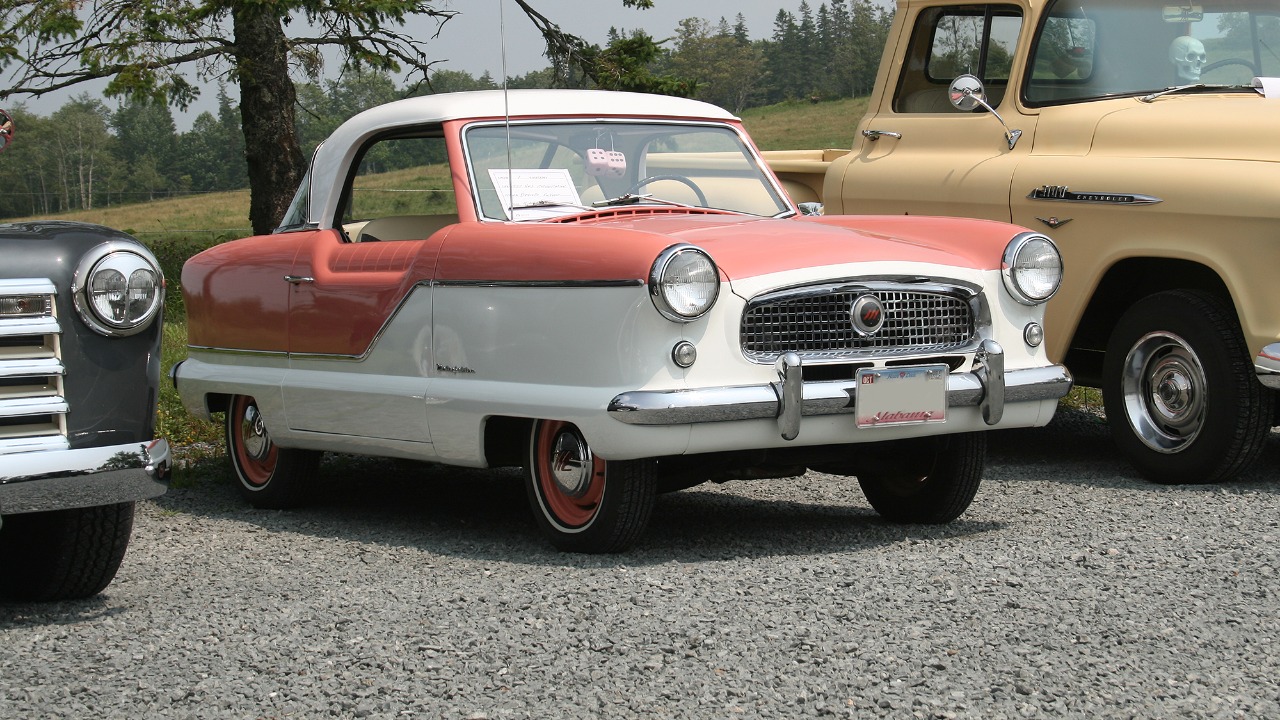
The Nash Metropolitan looked almost comically small beside the enormous American cars of the 1950s. Yet its unusual proportions, British-built engineering, and cheerful styling eventually turned it into a favorite among collectors. Originally created as an economical alternative to America’s oversized automobiles, the Metropolitan became one of the most recognizable small cars of its era. These eight versions show why a car once dismissed as an odd little economy model eventually became a collectible classic.
Nash Metropolitan Convertible
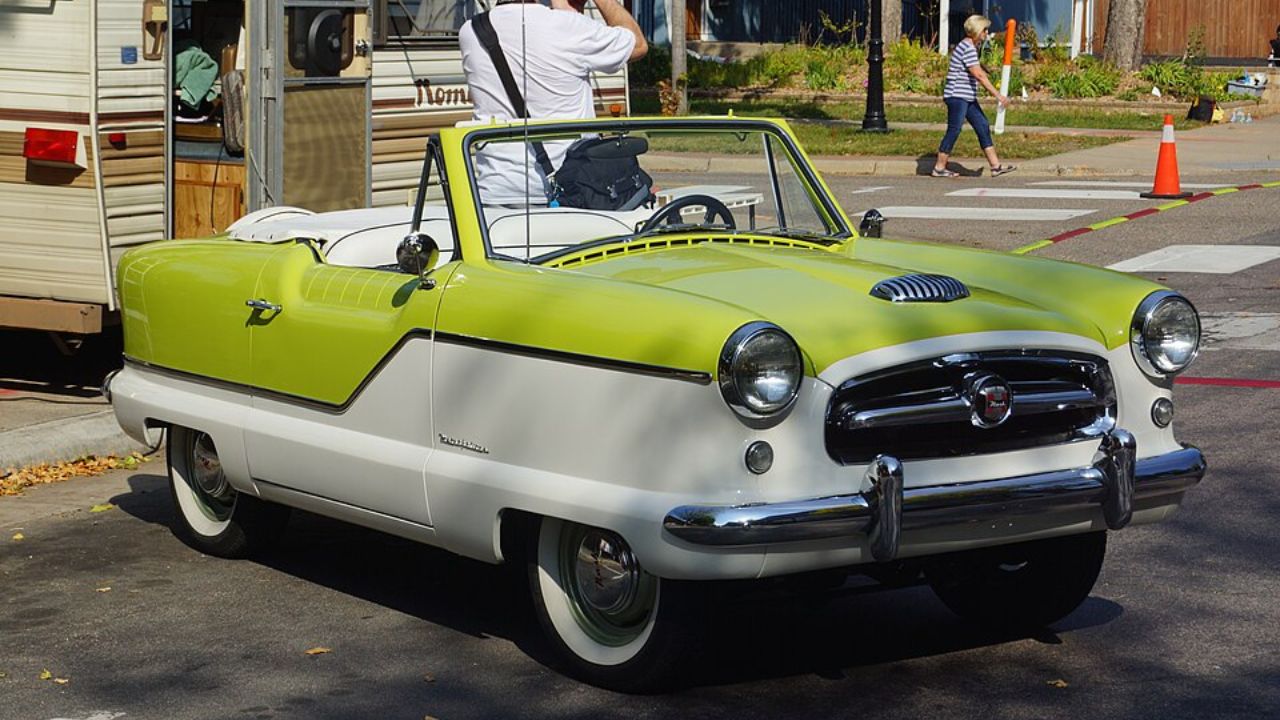
The Nash Metropolitan Convertible brought an unusual combination of American styling and compact British engineering to the market in 1954. Built by Austin in England, it used a small four-cylinder engine and offered open-air motoring in a package far smaller than contemporary American cars. Its distinctive proportions made it stand out immediately, while its relatively simple mechanical design helped it survive decades after larger cars disappeared. Today, well-preserved convertibles are among the Metropolitan’s most recognizable collector cars.
Nash Metropolitan Hardtop
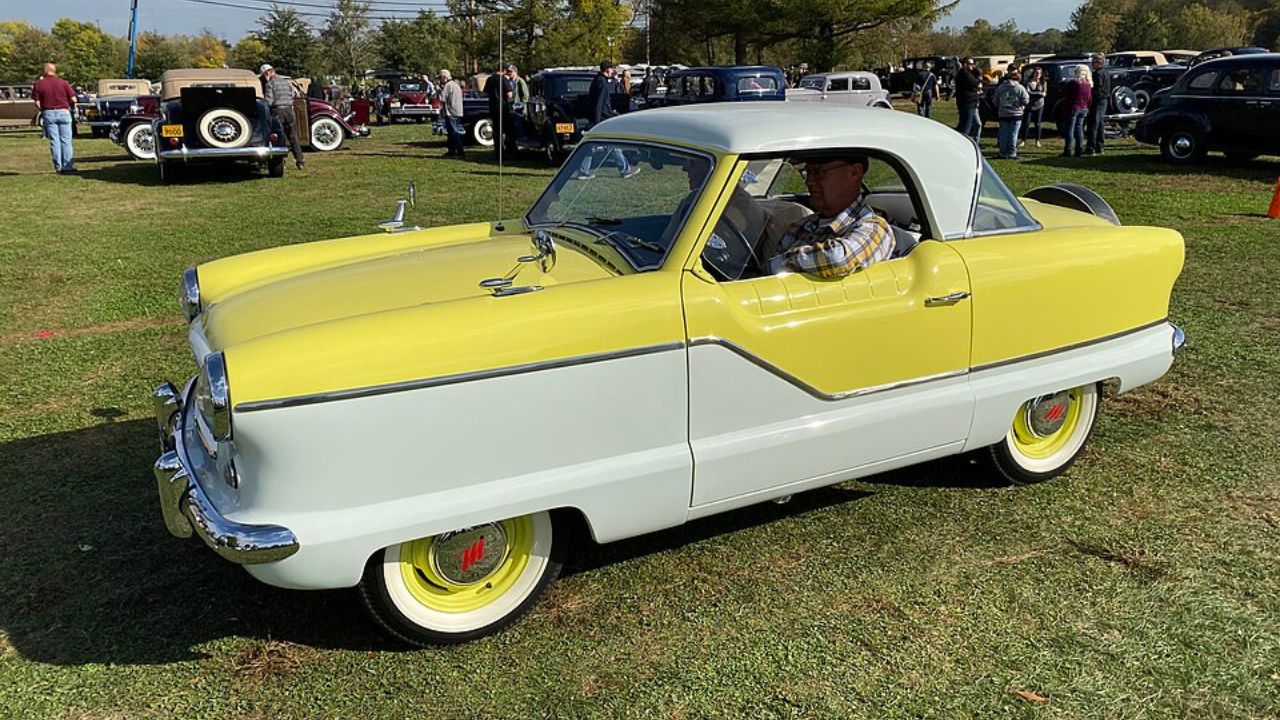
The Nash Metropolitan Hardtop offered the same tiny dimensions and distinctive styling without a folding roof. Its fixed roof made the car practical for everyday driving while retaining the unusual proportions that separated it from conventional American automobiles. Early examples used Austin’s 1.2-liter four-cylinder engine, while later cars received the larger 1.5-liter unit. The combination of compact size, American-market styling, and British construction gives surviving hardtops considerable character today.
Hudson Metropolitan
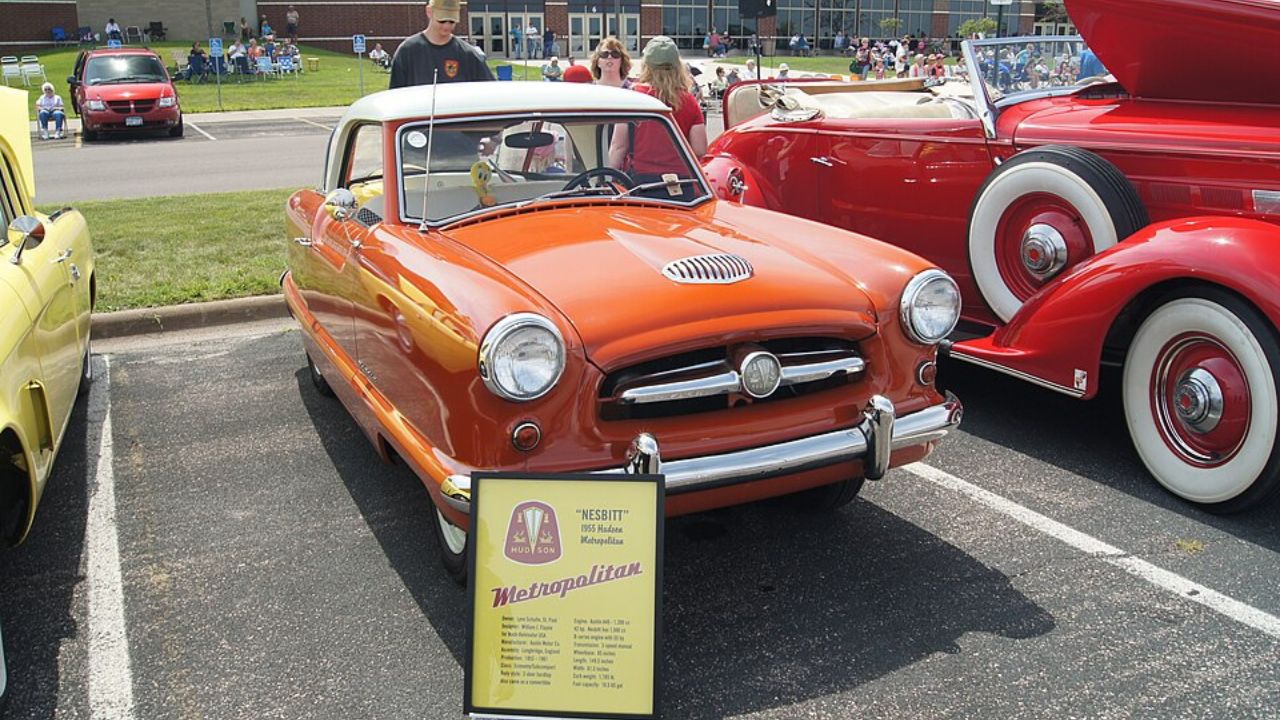
Image Credit: Greg Gjerdingen – CC BY 2.0 / Wiki Commons
The Hudson Metropolitan was essentially the same small car sold through Hudson dealers following the 1954 merger that created American Motors. Aside from differences in badging and some trim details, it shared the Metropolitan’s basic engineering and body with the Nash version. Hudson-badged examples are particularly interesting to collectors because the branding was used for only part of the Metropolitan’s early history. Their unusual connection to Hudson makes them especially appealing to AMC enthusiasts.
Metropolitan 1500
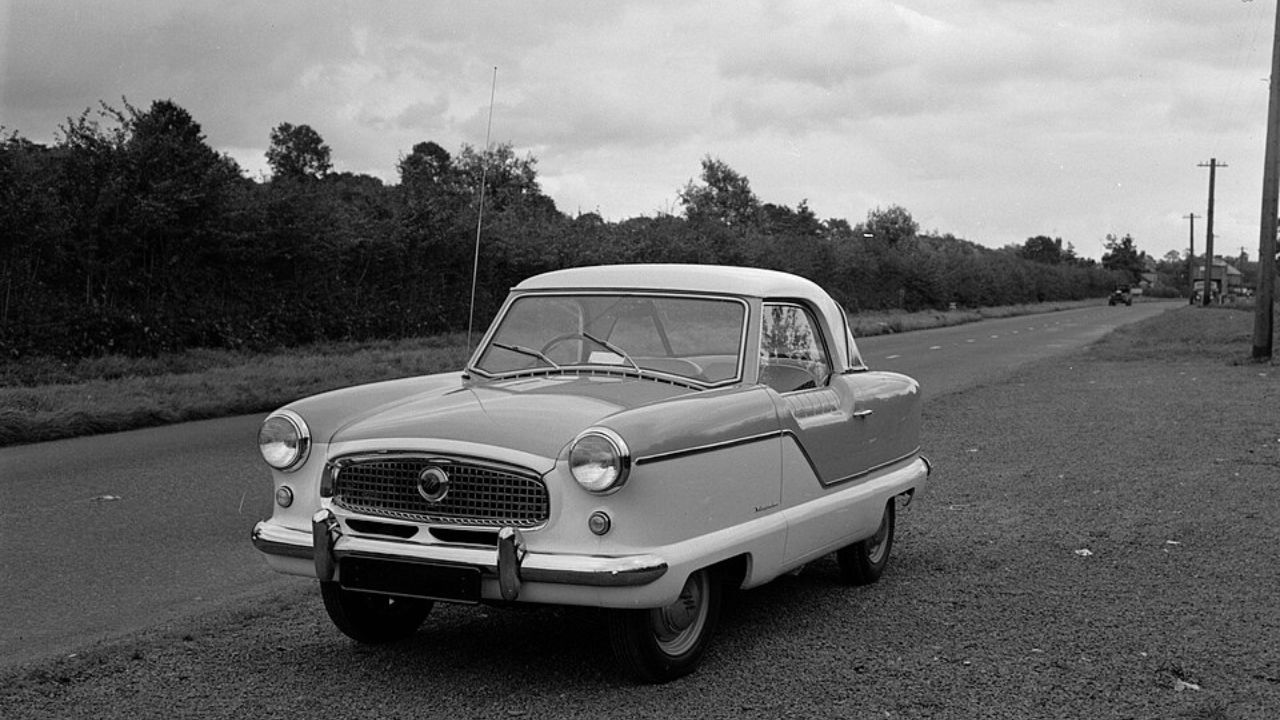
The Metropolitan 1500 represented an important mechanical improvement when the larger Austin engine arrived in the mid-1950s. Its 1.5-liter four-cylinder engine produced more power than the original 1.2-liter unit, giving the tiny car stronger performance without sacrificing its economical character. The updated Metropolitan also received revised styling, including new grille treatment and stainless-steel side trim. Today, the 1500 is one of the most recognizable forms of the Metropolitan.
Metropolitan Convertible
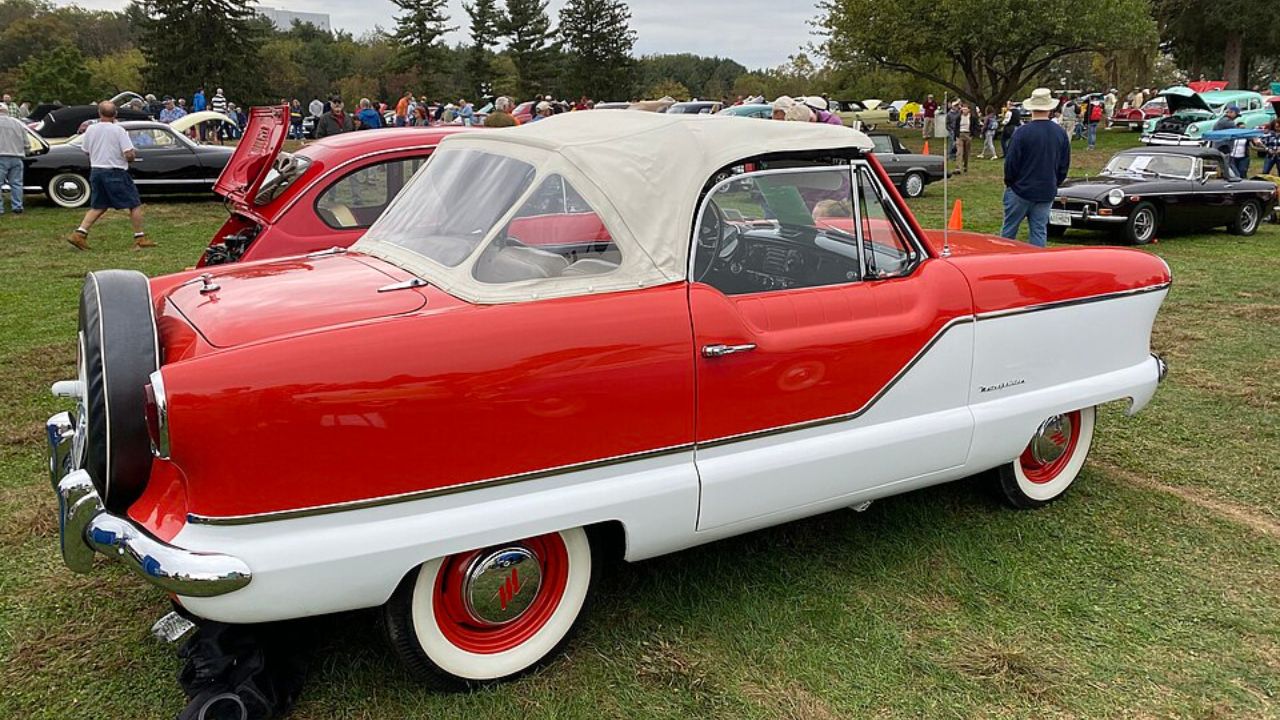
The Metropolitan continued under its own name after American Motors gradually dropped the Nash and Hudson branding. Later convertibles retained the familiar compact body while receiving mechanical and styling improvements developed during the car’s long production run. The combination of a small footprint, open roof, and distinctive 1950s design makes these cars especially photogenic. Their rarity compared with ordinary contemporary economy cars has also helped establish a dedicated collector following.
Metropolitan Hardtop
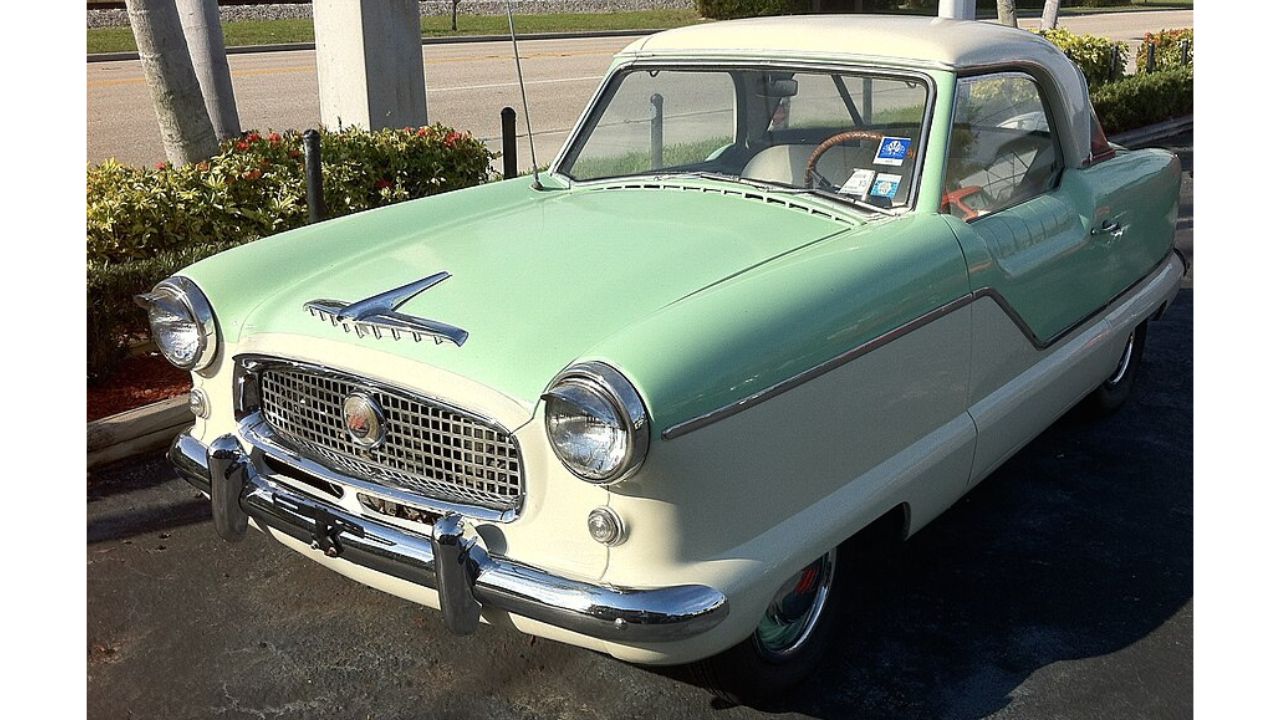
Later Metropolitan Hardtops became increasingly refined while retaining the tiny footprint that made the model so unusual. Improvements included updated rear-window designs, revised trim, and greater practicality as the car evolved through the late 1950s and early 1960s. The hardtop’s enclosed body also emphasizes the Metropolitan’s distinctive roofline and rounded proportions. For collectors who want the Metropolitan’s character without a convertible top, the hardtop remains an appealing choice.
Metropolitan 1500 Convertible
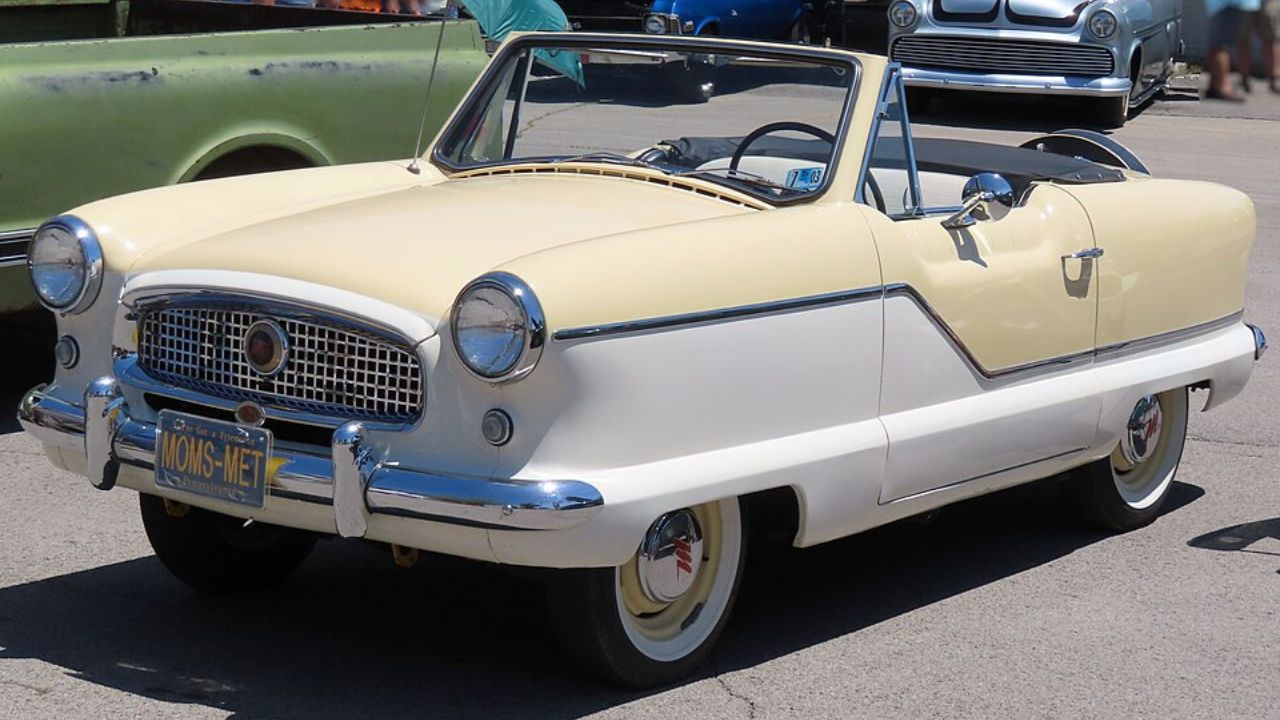
The Metropolitan 1500 Convertible combined the larger 1.5-liter Austin engine with the model’s most charming open-air body style. The additional displacement gave the lightweight car more useful performance, while updated exterior trim helped create the distinctive two-tone appearance associated with later Metropolitans. Its combination of bright colors, compact proportions, and British mechanical roots makes it one of the most recognizable Metropolitan configurations. Clean examples have become increasingly desirable among small-car collectors.
Metropolitan 1500 Hardtop
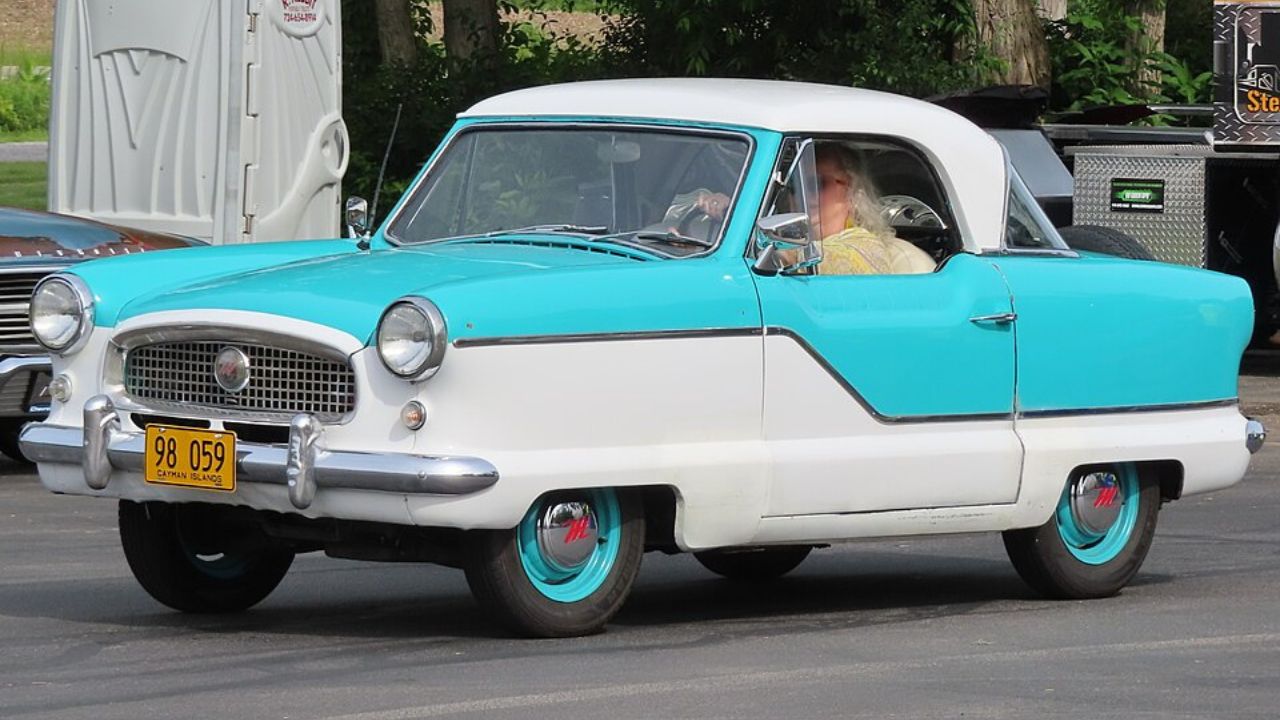
The Metropolitan 1500 Hardtop combined the upgraded engine with the model’s practical fixed-roof body. Its larger four-cylinder engine, compact dimensions, and improved exterior styling made it one of the more mature versions of the Metropolitan. The car remained dramatically smaller than almost every American automobile surrounding it on the road, which is part of its lasting appeal. Today, surviving 1500 Hardtops offer collectors a distinctive snapshot of America’s brief fascination with tiny cars.
More from Fast Lane Only
- Unboxing the WWII Jeep in a Crate
- 15 rare Chevys collectors are quietly buying
- 10 underrated V8s still worth hunting down
- Police notice this before you even roll window down
*Research for this article included AI assistance, with all final content reviewed by human editors.