British roadsters have a way of becoming personal favorites long after newer sports cars have come and gone. Their lightweight bodies, simple mechanical layouts, open cabins, and distinctive styling give them a character that is difficult to replace. These roadsters may demand more attention than modern cars, but owners often say that personality is exactly why they keep them.
MG MGB
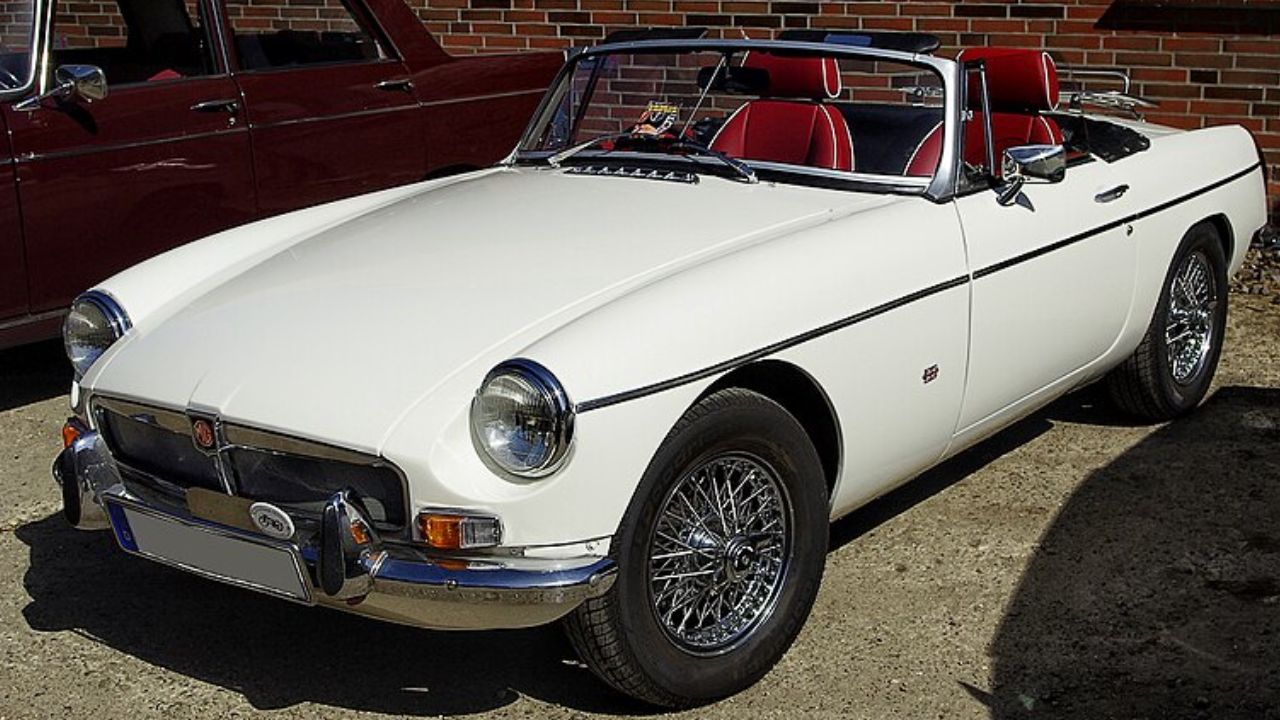
The MG MGB became one of Britain’s most recognizable roadsters by combining simple mechanicals with classic open-top styling. Its compact dimensions made it enjoyable on winding roads, while the four-cylinder engine provided enough performance without making the car intimidating. Parts availability has also helped keep many examples on the road. For owners, the MGB is rarely just an old sports car. It offers an approachable driving experience that encourages people to keep maintaining and enjoying it rather than simply putting it away.
Triumph TR6

The Triumph TR6 has the kind of traditional sports-car character that keeps owners attached for decades. Its six-cylinder engine gives it a distinctive sound, while the rear-wheel-drive layout and manual transmission provide the direct driving experience enthusiasts expect from an old British roadster. The styling remains unmistakably British without being overly delicate. TR6 owners often appreciate that the car feels mechanical and involved, making every drive different from the experience offered by modern vehicles.
Austin-Healey 3000
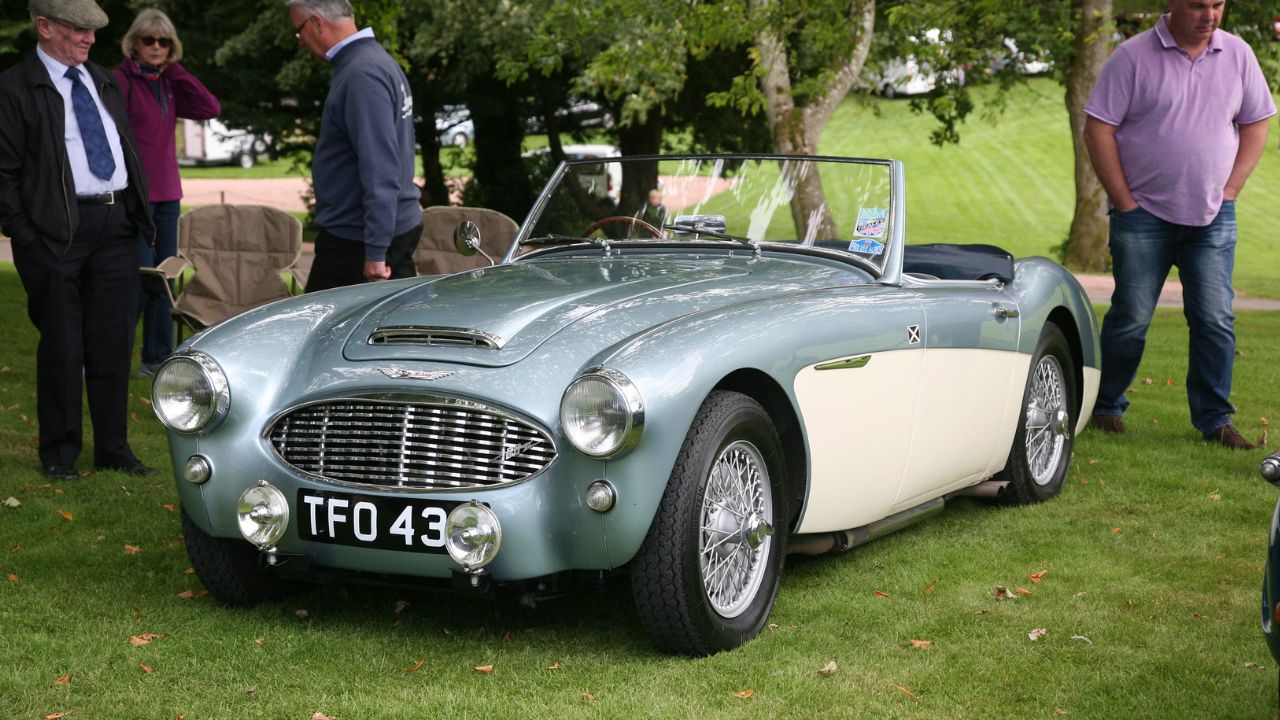
The Austin-Healey 3000 combined classic British roadster proportions with a larger six-cylinder engine and enough performance to make it exciting on open roads. Its long hood, short rear deck, and low seating position give it the traditional sports-car profile many enthusiasts still love. The car can require patience and regular attention, but that is part of its appeal for devoted owners. Once someone becomes attached to the 3000’s character, replacing it with something newer can feel almost pointless.
Triumph Spitfire
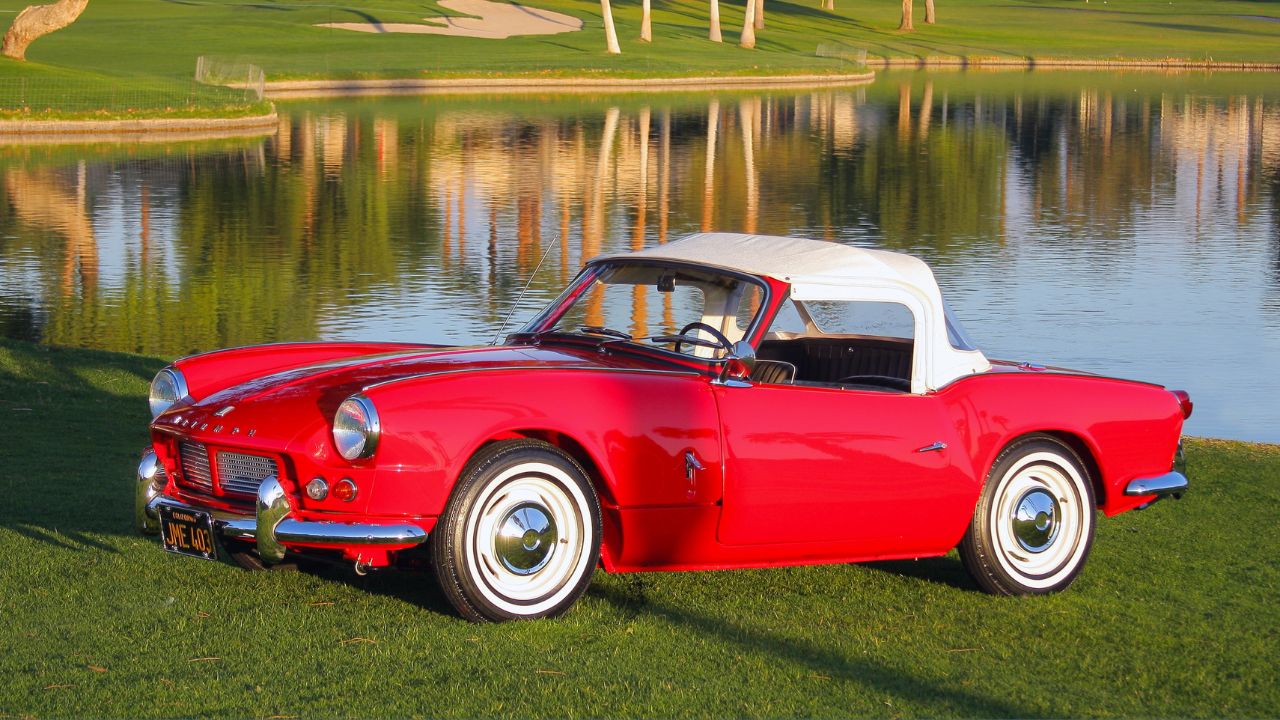
The Triumph Spitfire offered sports-car fun in a compact and relatively affordable package. Its small dimensions made it nimble, while the simple mechanical layout made it approachable for owners who enjoyed working on their own cars. The roadster’s low seating position and folding roof gave ordinary drives a special quality. Spitfires were never about overwhelming power. Their appeal came from light weight, direct controls, and the feeling that even a short trip could become an enjoyable drive.
Jaguar E-Type Roadster
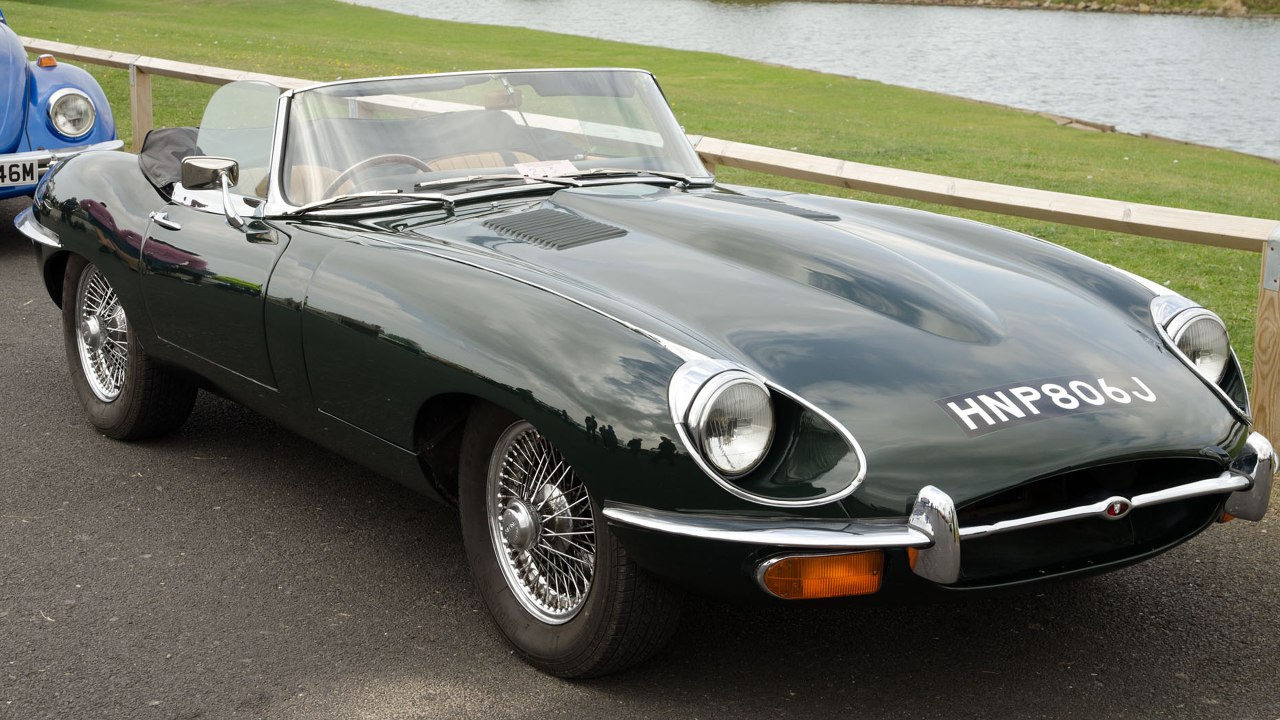
The Jaguar E-Type Roadster became an icon almost immediately because its long hood, low body, and flowing proportions made it look unlike almost anything else on the road. Beneath the styling was a serious sports car with a powerful engine and independent suspension. The open version added even more drama to the experience. Owners who have spent years with an E-Type often become deeply attached to its combination of beauty, performance, and history, making it difficult to imagine letting one go.
MG MGA
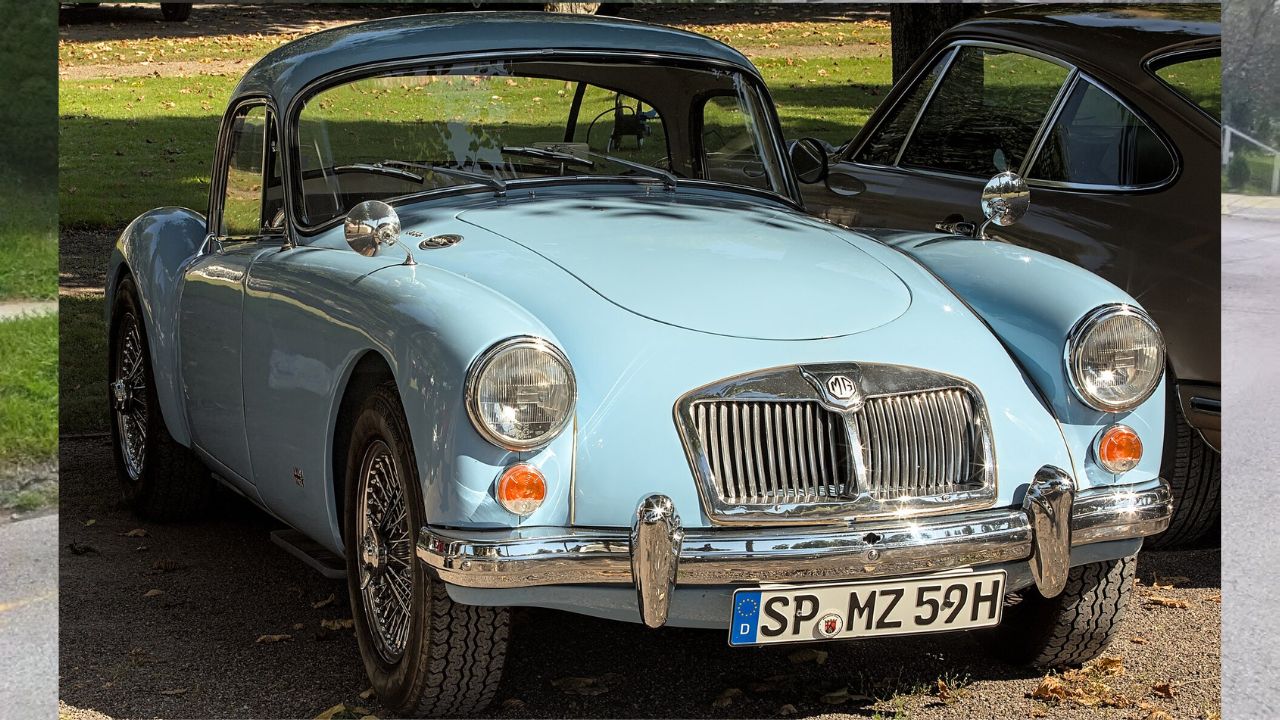
The MG MGA introduced a cleaner and more modern design language to the British roadster formula while retaining the lightweight character enthusiasts wanted. Its rounded body, simple cabin, and four-cylinder engine created an approachable sports car that rewarded enthusiastic driving rather than outright speed. The MGA also helped strengthen MG’s reputation internationally. Today, owners value its elegant shape and uncomplicated mechanical character. It is the sort of car that can become a long-term hobby as much as a means of transportation.
Triumph TR3
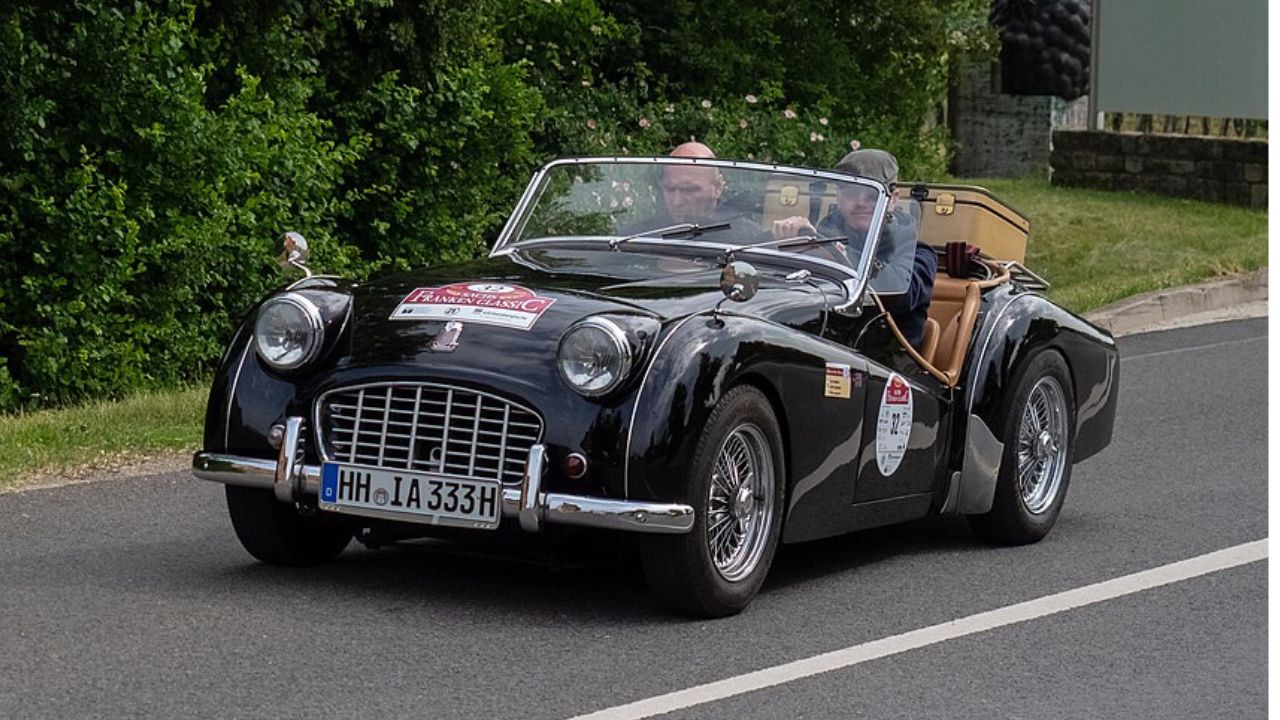
The Triumph TR3 delivered an unmistakably old-school sports-car experience with a simple body, rear-wheel drive, and a four-cylinder engine. Its low windshield and exposed driving position made the car feel especially connected to the road. The TR3 was not designed around luxury or isolation, and that remains part of its appeal. Owners who enjoy vintage motoring often appreciate how little separates them from the mechanical experience. Once accustomed to its personality, many enthusiasts find newer sports cars less engaging.
Austin-Healey Sprite
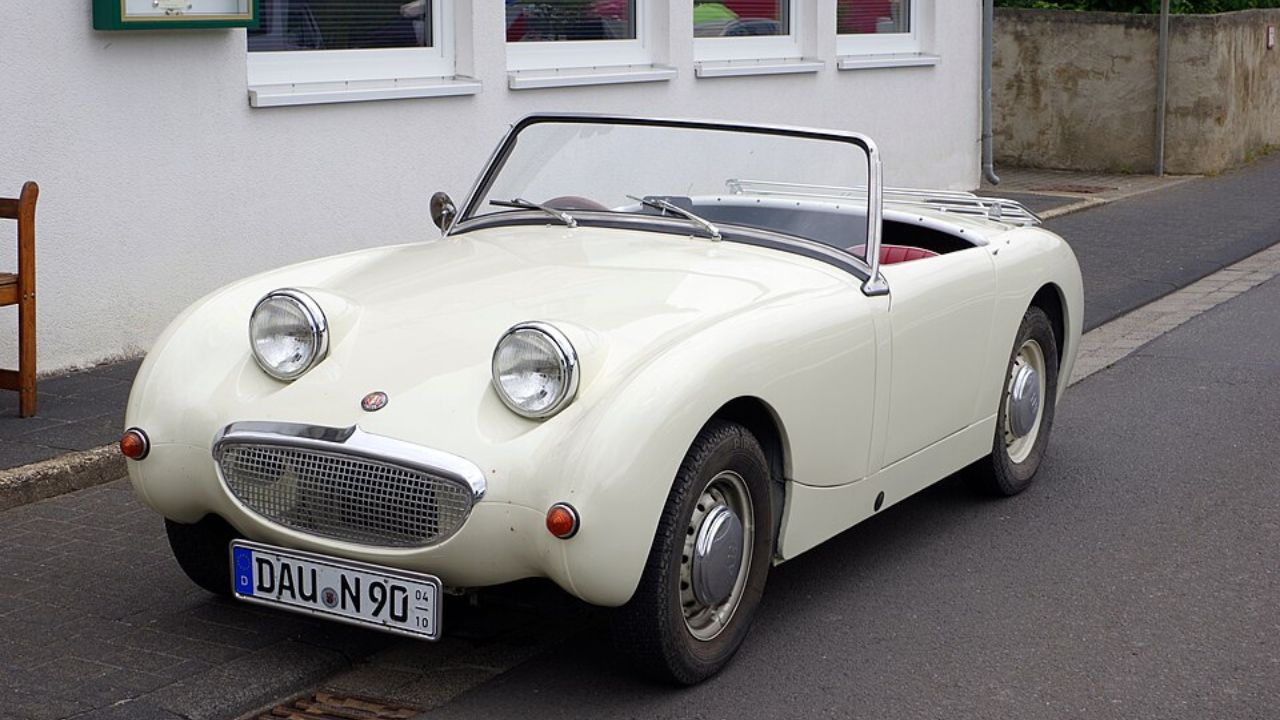
The Austin-Healey Sprite became famous for making British roadster fun accessible to a much wider audience. Its tiny dimensions, lightweight construction, and simple four-cylinder engine kept the focus on agility rather than outright power. The early cars became especially recognizable for their distinctive headlights and compact proportions. A Sprite does not need a powerful engine to be entertaining. Its charm comes from how much involvement it provides at relatively modest speeds, which helps explain why owners become so attached to them.
Triumph TR4
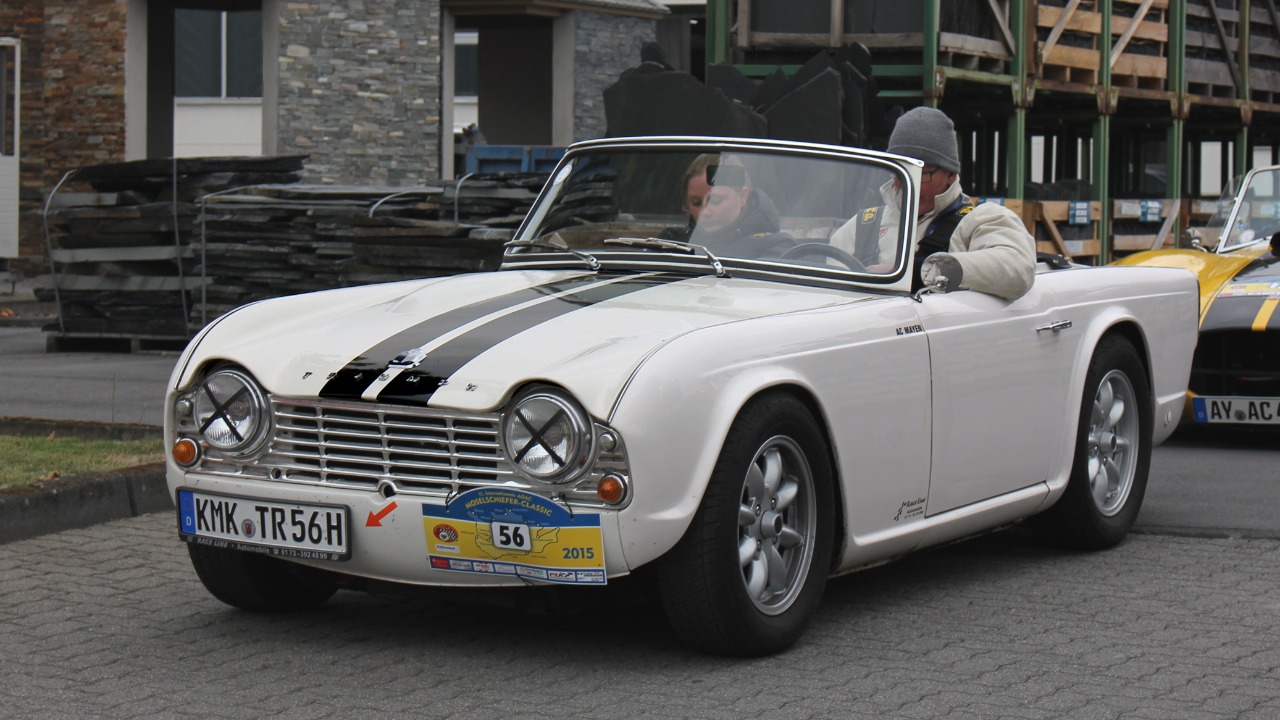
The Triumph TR4 modernized the traditional British roadster without losing the mechanical character enthusiasts expected. Its sharper styling, improved interior, and stronger four-cylinder engine made it a more practical successor to earlier Triumph models. The car remained compact and rear-wheel drive, preserving the direct driving experience. Owners often appreciate the TR4 because it sits between two eras, offering classic roadster charm while being somewhat more usable than some of the older British sports cars that came before it.
MG Midget
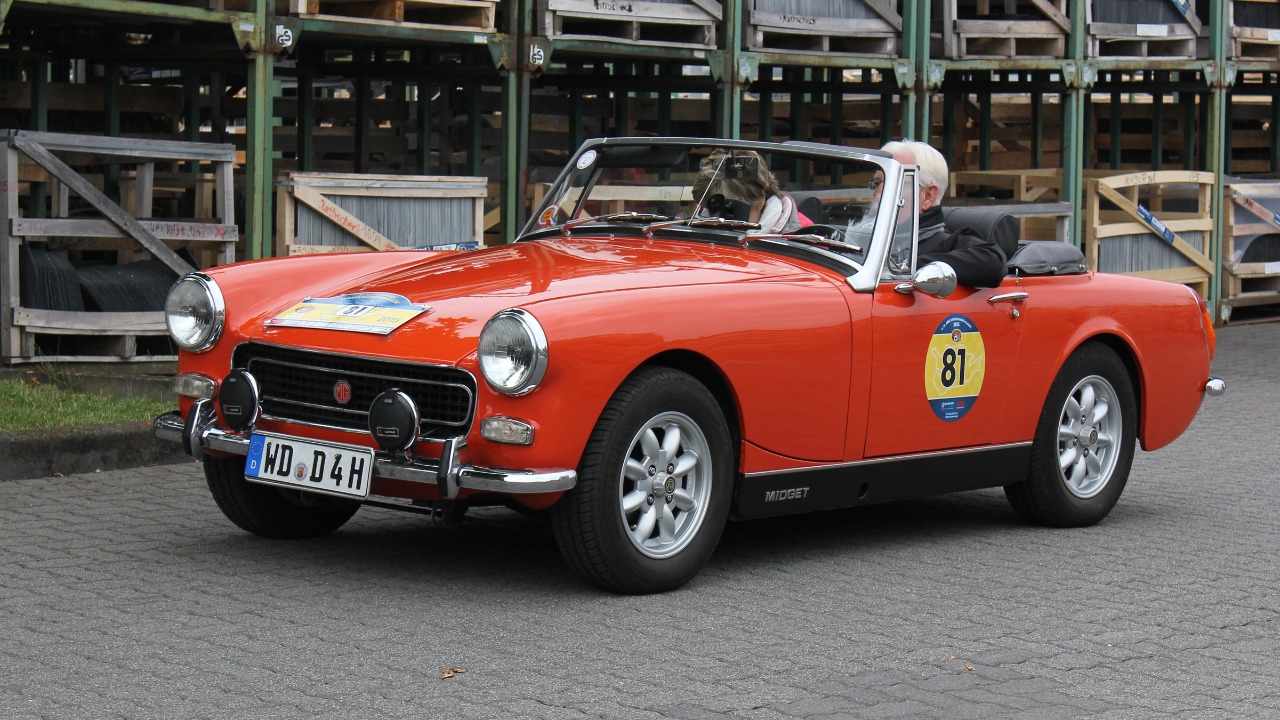
The MG Midget became a favorite among enthusiasts who wanted maximum driving involvement from a very small package. Its lightweight body and compact dimensions allowed a modest engine to provide plenty of entertainment on winding roads. The controls feel direct, and the car’s simplicity encourages owners to learn how its mechanical systems work. Midgets are also relatively approachable compared with larger and more complex classics. That combination has helped many remain in enthusiast hands rather than disappearing from the road.
Sunbeam Alpine
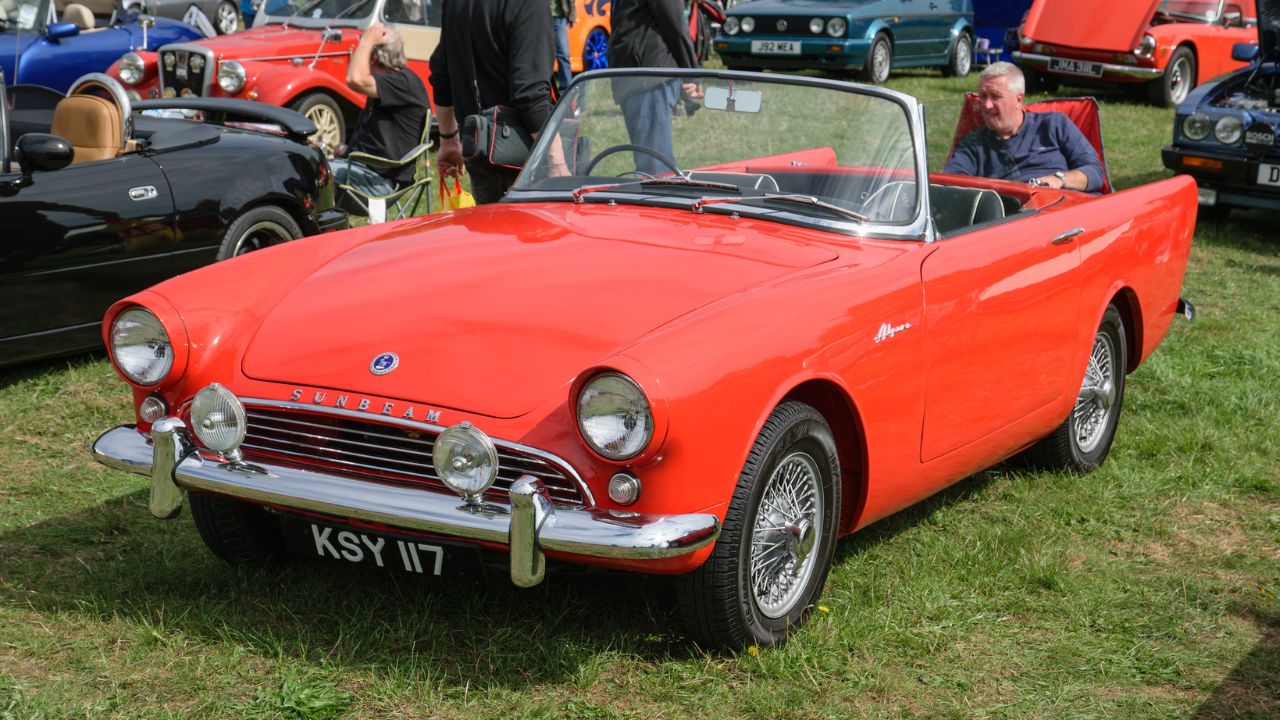
The Sunbeam Alpine offered a slightly more practical interpretation of the British roadster. It retained the open-top layout and rear-wheel drive but provided a roomier cabin and more refined road manners than some smaller rivals. The Alpine became particularly well known through its appearance in popular culture, which gave the model an enduring place in automotive history. Owners today appreciate its elegant proportions and less common status. It is distinctive enough to attract attention without being as familiar as an MG or Triumph.
Morgan Plus 4
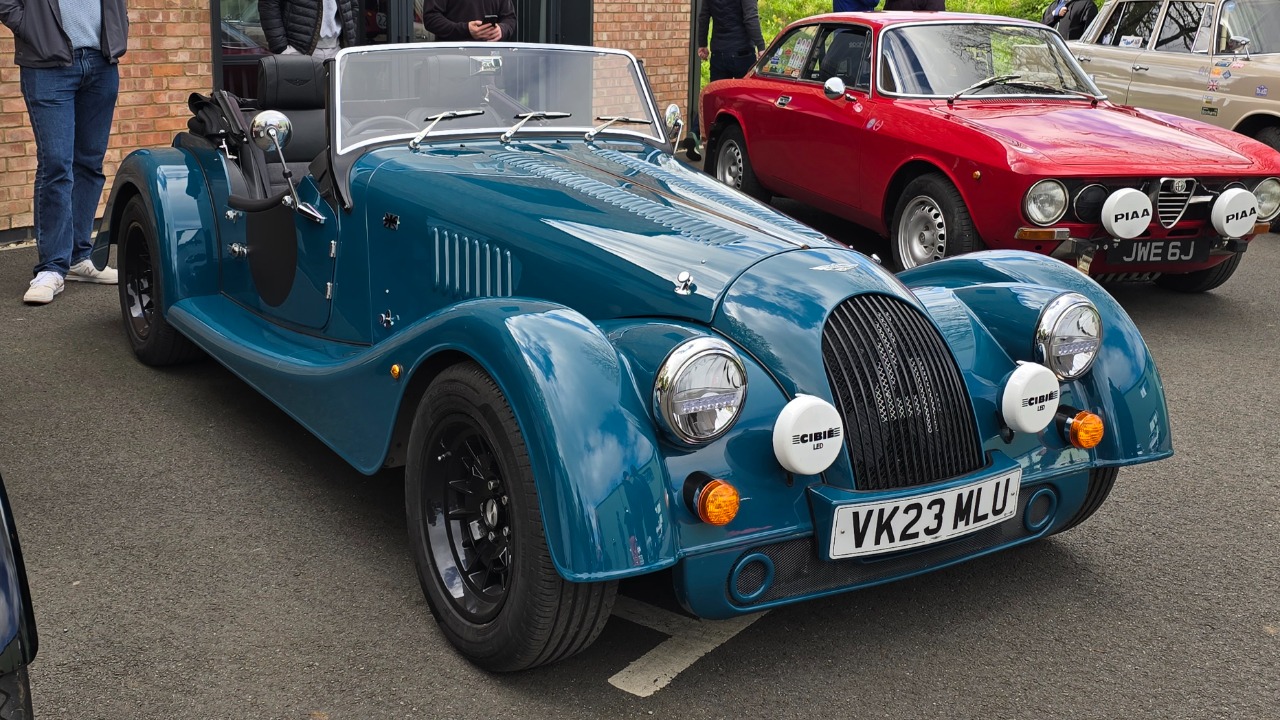
The Morgan Plus 4 represents one of the strongest links between modern motoring and traditional British sports-car construction. Its distinctive body, low seating position, and rear-wheel-drive layout preserve an old-fashioned driving experience that modern vehicles rarely attempt to replicate. Morgan’s unusual construction methods also contribute to the car’s character. Owners are often drawn to the sense that they are driving something built according to a philosophy that has largely disappeared. That uniqueness makes selling one particularly difficult.
Lotus Elan
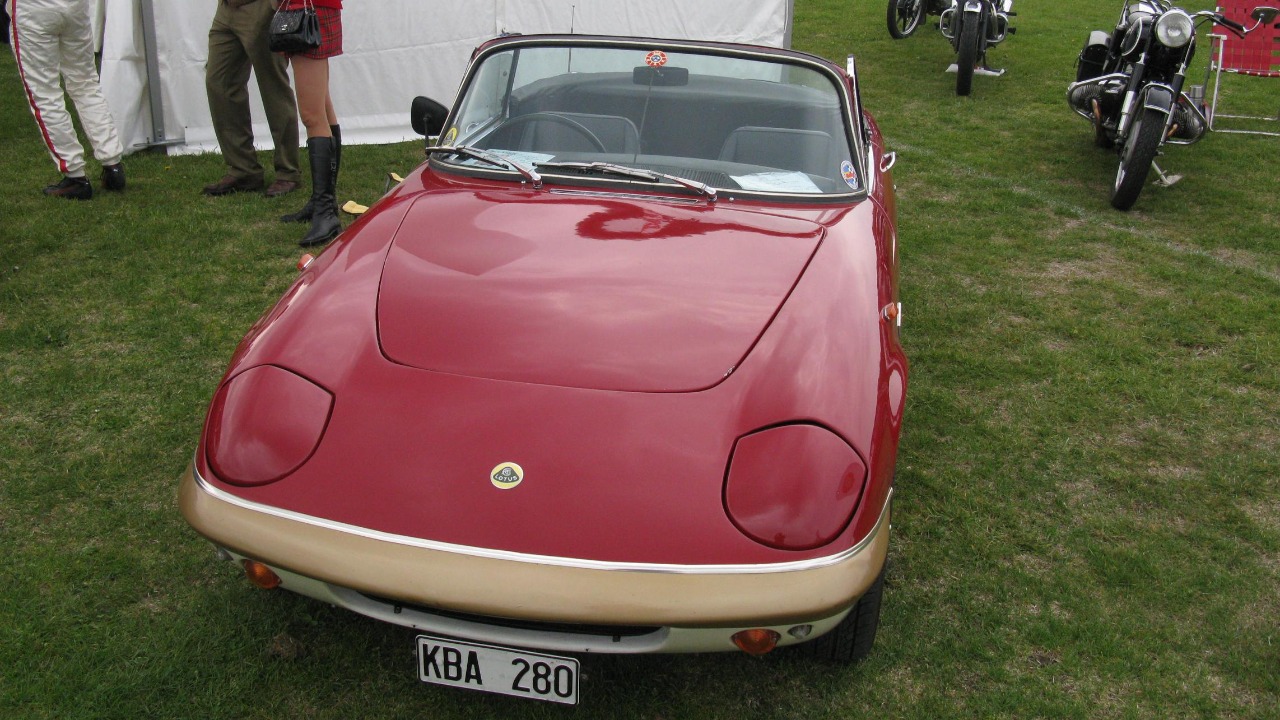
The Lotus Elan became a landmark lightweight sports car because it showed how much performance could come from low weight rather than enormous power. Its compact body, responsive handling, and four-wheel independent suspension created an engaging driving experience. The Elan feels delicate compared with larger sports cars, but that is exactly why many enthusiasts love it. Owners often become attached to the car’s steering and agility, qualities that are increasingly difficult to find in heavier modern performance vehicles.
Triumph TR2
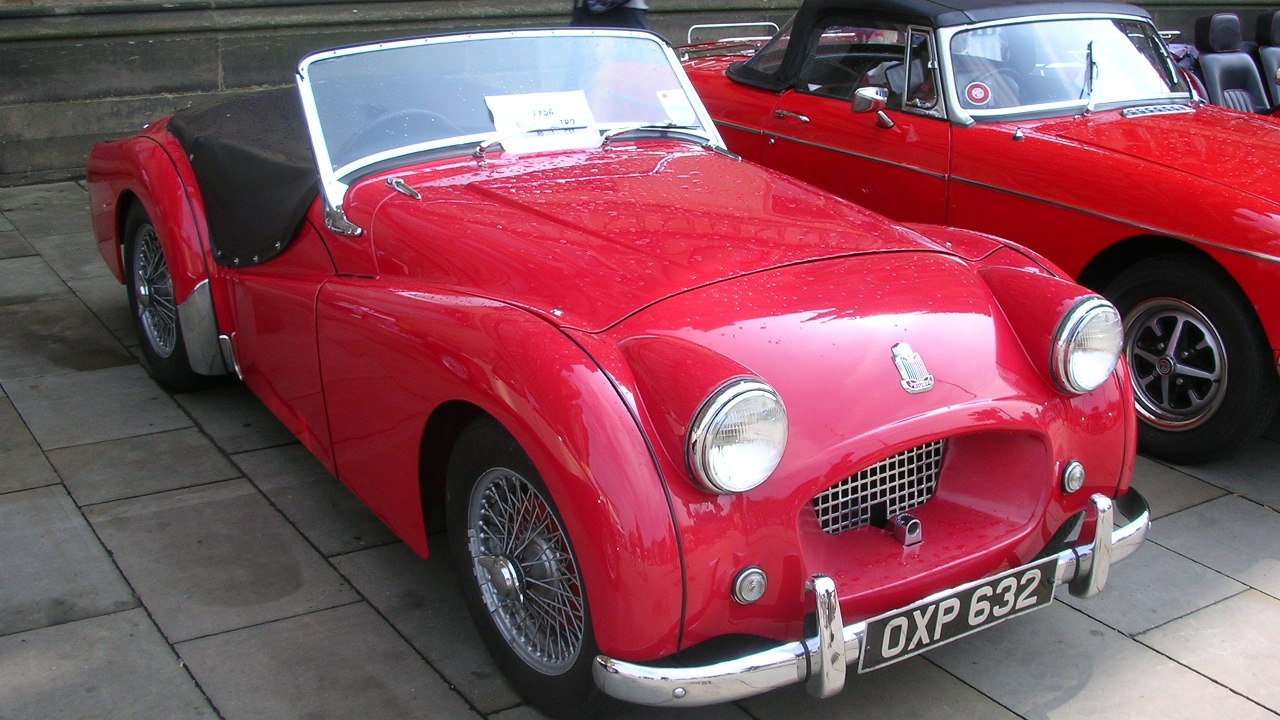
The Triumph TR2 helped establish the company’s reputation for producing affordable sports cars with genuine driving character. Its simple four-cylinder engine, lightweight construction, and rear-wheel-drive layout made it entertaining without requiring huge power. The car also delivered the open-air experience that defined the British roadster. For owners, the TR2’s appeal comes from its honesty. It does not try to imitate a modern sports car. It delivers a distinctly vintage experience that can make even a quiet country road feel special.
MG TF
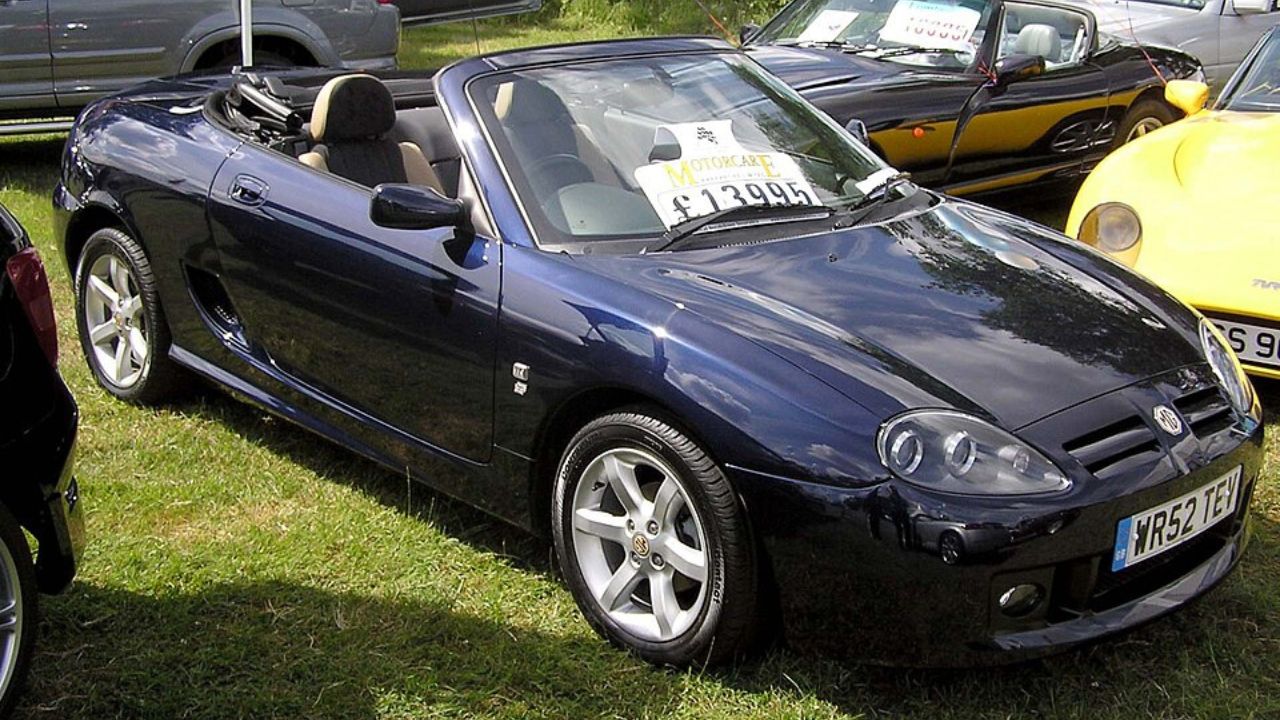
The MG TF represents a later interpretation of the classic British roadster formula. Its mid-engine layout gave it balanced handling, while the compact body kept the driving experience light and approachable. Unlike many older British sports cars, the TF offered a more modern cabin and chassis while retaining the open-top personality enthusiasts wanted. Owners appreciate the combination of familiar MG character and more contemporary road manners. It is an interesting choice for drivers who want British roadster charm without going completely vintage.
Jaguar XK120 Roadster
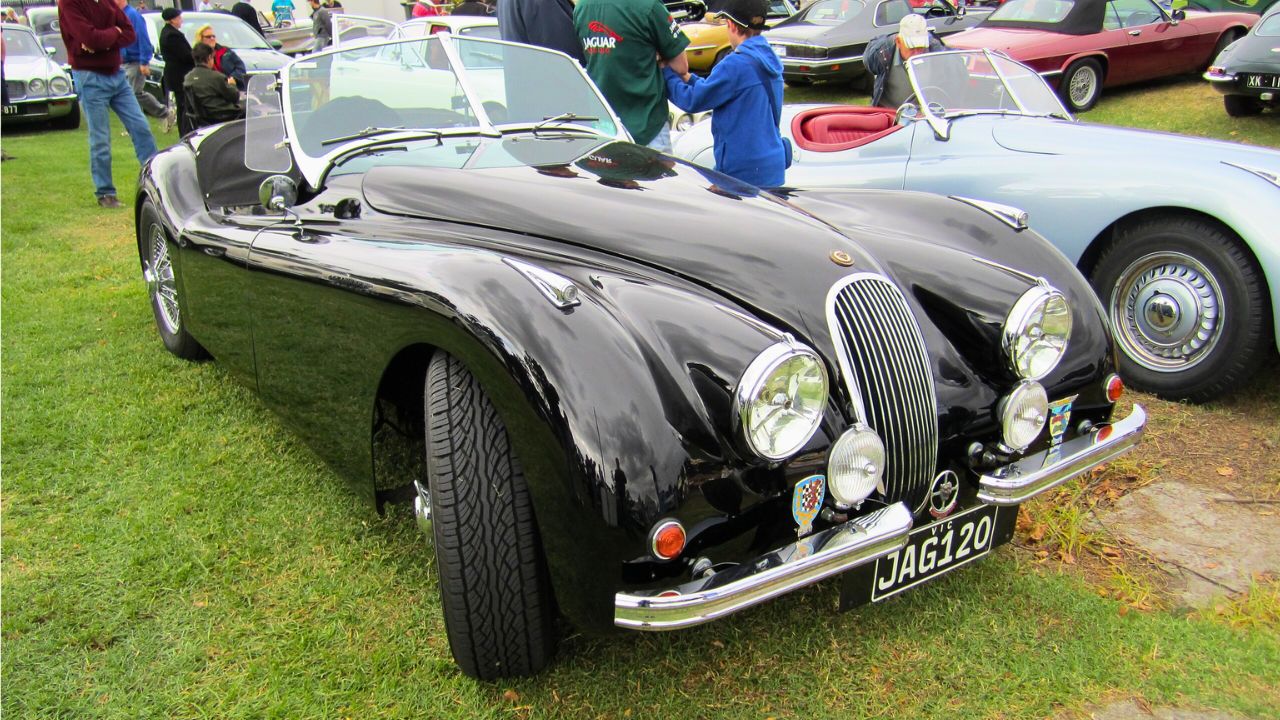
The Jaguar XK120 Roadster was one of the cars that helped establish Jaguar as a serious performance brand after World War II. Its streamlined body and powerful inline-six gave it impressive speed for its time, while the open cabin created a dramatic driving experience. The XK120 also looked expensive and exotic without relying on excessive ornamentation. Owners today value its combination of engineering, history, and unmistakable styling, making well-preserved examples particularly difficult to part with.
Triumph Herald Convertible
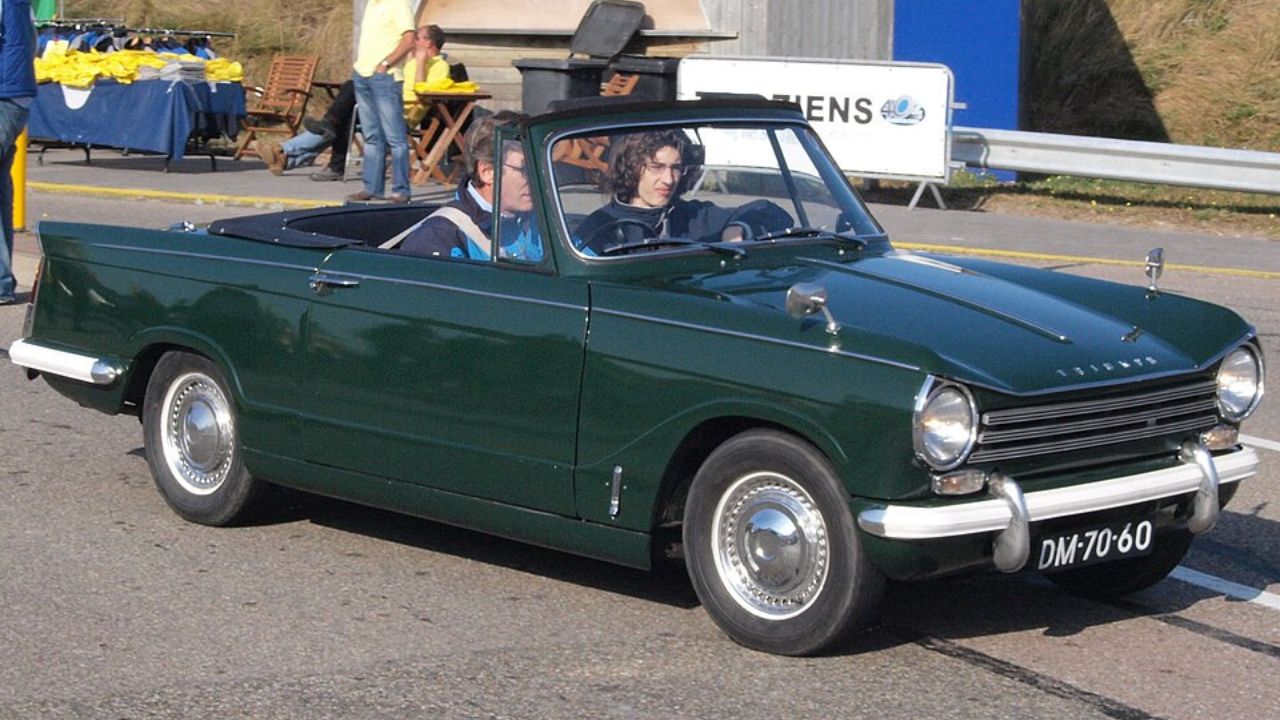
The Triumph Herald Convertible offered a more approachable side of British open-air motoring. Its compact dimensions, distinctive styling, and simple mechanical layout made it practical enough for everyday use while still providing the pleasure of a folding roof. The Herald was not a high-performance roadster, but it did not need to be. Its charm came from its personality and ease of use. Owners often keep these cars because they provide an uncomplicated and cheerful driving experience that newer vehicles cannot easily reproduce.
Morgan Plus 8
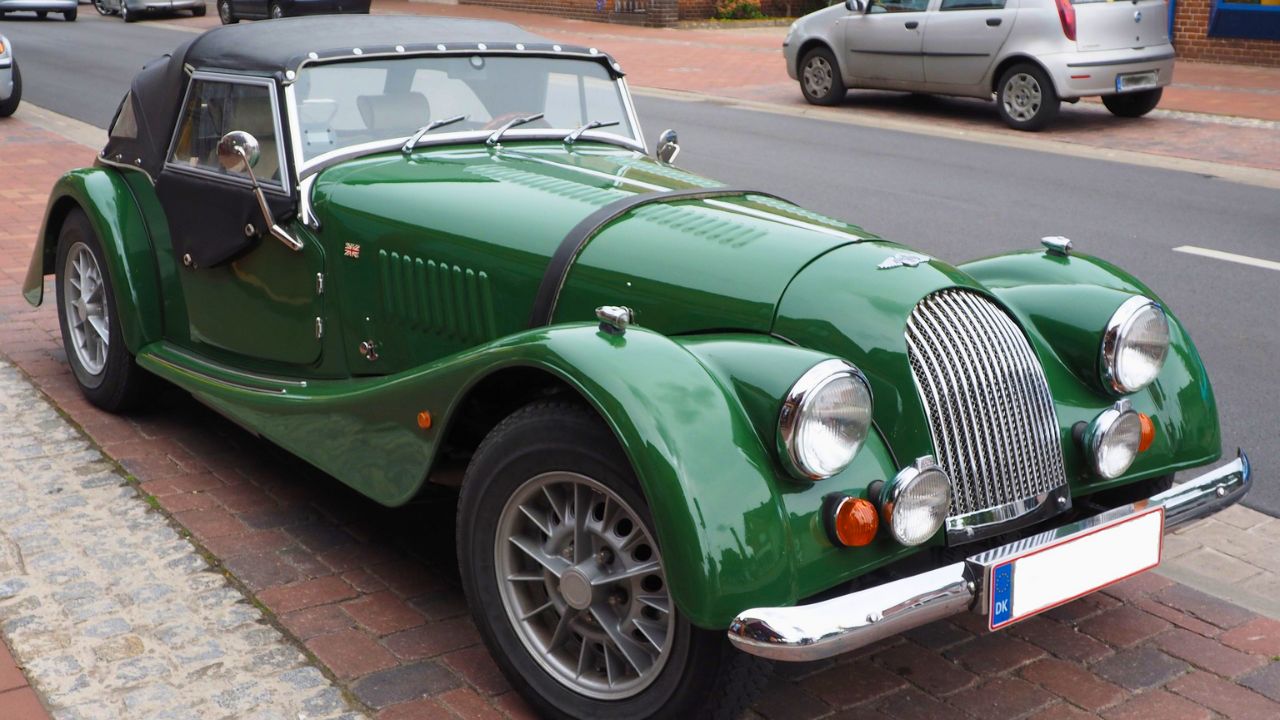
The Morgan Plus 8 combined the company’s traditional lightweight construction with a powerful V8 engine, creating a particularly memorable British roadster. Its low weight meant that the engine did not have to work hard to produce serious performance. The result was a car that felt fast, direct, and distinctly old-fashioned. The Morgan’s unusual appearance and handcrafted character also make it difficult to confuse with anything else. For many owners, that uniqueness becomes a major reason to keep the car indefinitely.
TVR Griffith

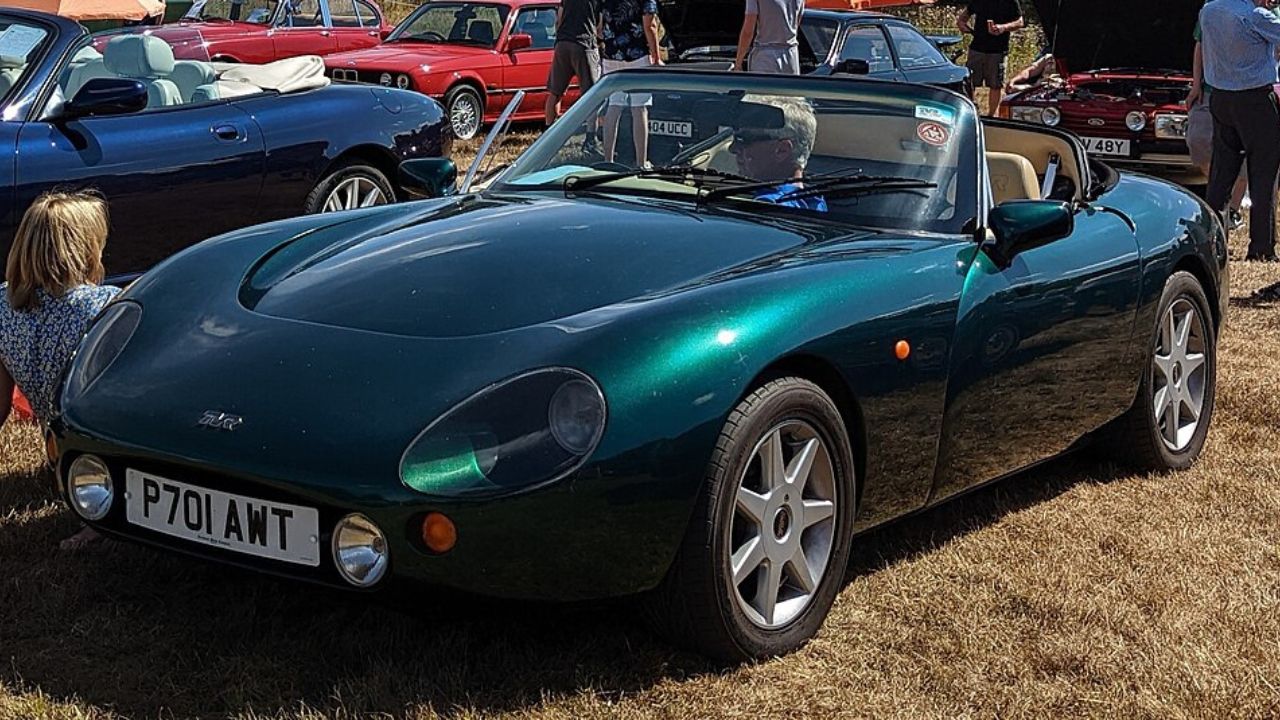
The TVR Griffith developed a reputation for delivering enormous performance in a lightweight and unconventional package. Its muscular V8 engine gave it serious acceleration, while the compact body kept the driving experience intense. TVR was never interested in making cars feel ordinary, and the Griffith reflected that philosophy. It could be demanding, but that was part of its attraction. Owners who enjoy unusual performance cars often become fiercely loyal to the Griffith because few other British roadsters offer quite the same combination of power and personality.
More from Fast Lane Only
- Unboxing the WWII Jeep in a Crate
- 15 rare Chevys collectors are quietly buying
- 10 underrated V8s still worth hunting down
- Police notice this before you even roll window down
*Research for this article included AI assistance, with all final content reviewed by human editors.