Some sports cars were built to deliver speed, but a handful seemed to take the idea much further than anyone expected. They arrived with huge engines, serious power, and performance that could make an ordinary road feel like a race track. These machines pushed the limits of acceleration and became legends among drivers who wanted something far more exciting than everyday transportation.
Chevrolet Corvette ZR-1

The Chevrolet Corvette ZR-1 arrived with the kind of performance that made many sports cars of its era look ordinary. Its powerful V8, rear-wheel drive, and sophisticated chassis gave it genuine supercar pace while retaining the familiar Corvette shape. The ZR-1 could accelerate hard and remain composed at speed, making it much more than a straight-line bruiser. Its combination of American power and serious engineering helped establish the Corvette as a legitimate high-performance threat well beyond traditional muscle-car territory.
Dodge Viper
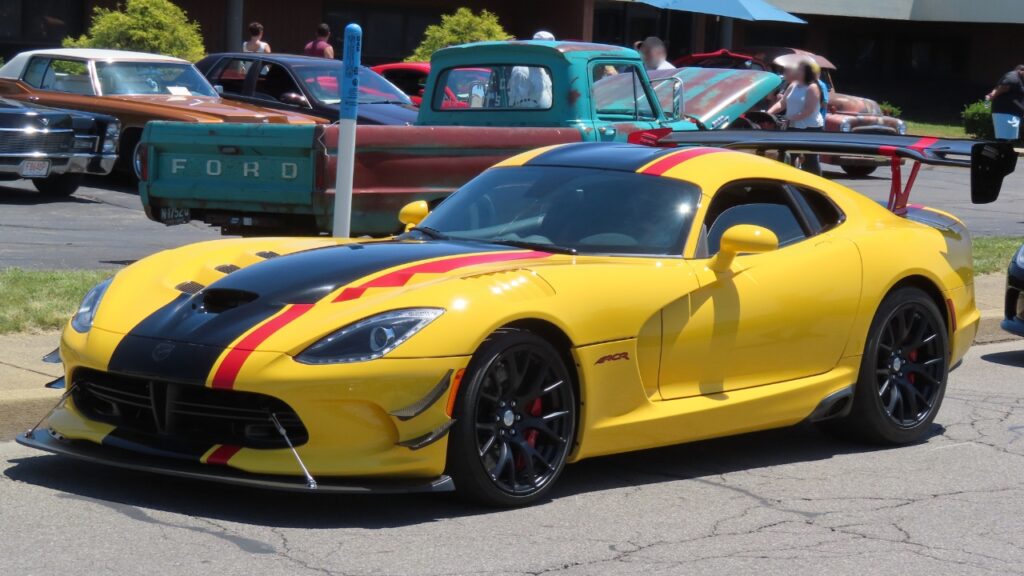
The Dodge Viper was almost comically direct about its intentions. Instead of relying on turbochargers or complicated electronics, it paired a massive V10 with a lightweight sports-car body and a manual transmission. Early versions demanded respect because the power delivery was immediate and the car offered relatively little electronic assistance. The Viper became famous for its intimidating character as much as its speed. Few American sports cars ever delivered such a raw combination of enormous torque, rear-wheel drive, and minimal interference.
Porsche 911 Turbo
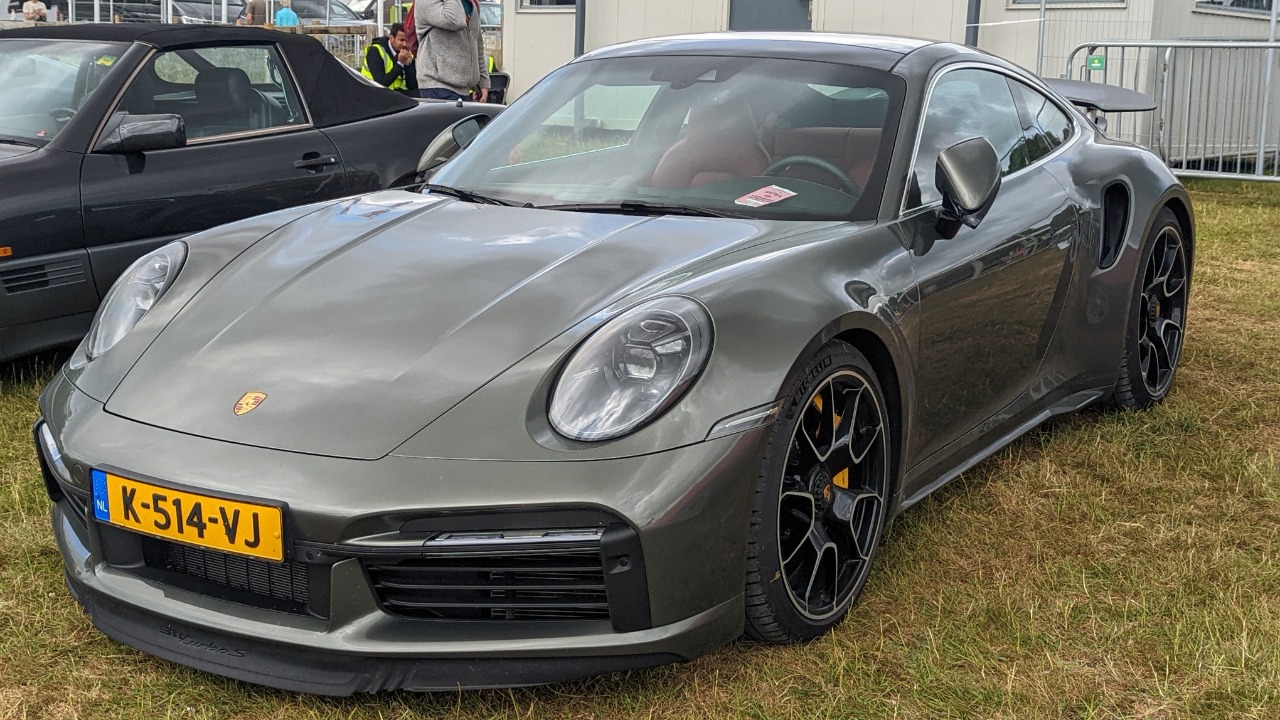
The Porsche 911 Turbo became one of the world’s most respected high-performance sports cars by combining serious power with exceptional engineering. Turbocharging gave it explosive acceleration, while its rear-engine layout created a driving experience unlike almost anything else. Later versions became increasingly sophisticated, but the basic formula remained recognizable. The 911 Turbo could behave like a comfortable road car and then deliver astonishing performance when pushed. That dual personality helped make it one of the most influential performance cars ever built.
Ferrari Testarossa
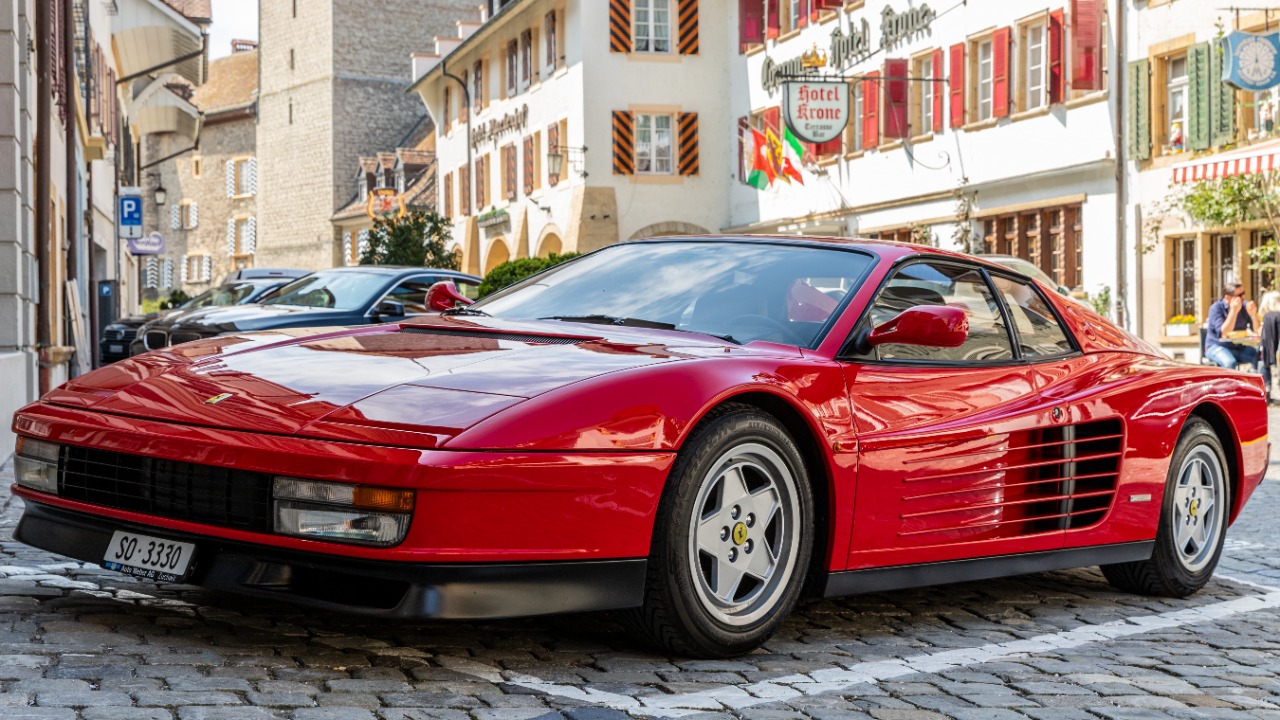
The Ferrari Testarossa looked dramatic even when parked, but its wide body concealed an equally serious mechanical package. Its mid-mounted flat-12 engine provided strong acceleration and a distinctive soundtrack, while the rear-wheel-drive layout kept the car firmly focused on performance. The Testarossa became one of Ferrari’s most recognizable models and a symbol of excess during the 1980s. It was not simply fast for its time; it represented an era when exotic manufacturers were willing to build road cars that felt remarkably close to racing machines.
Lamborghini Countach
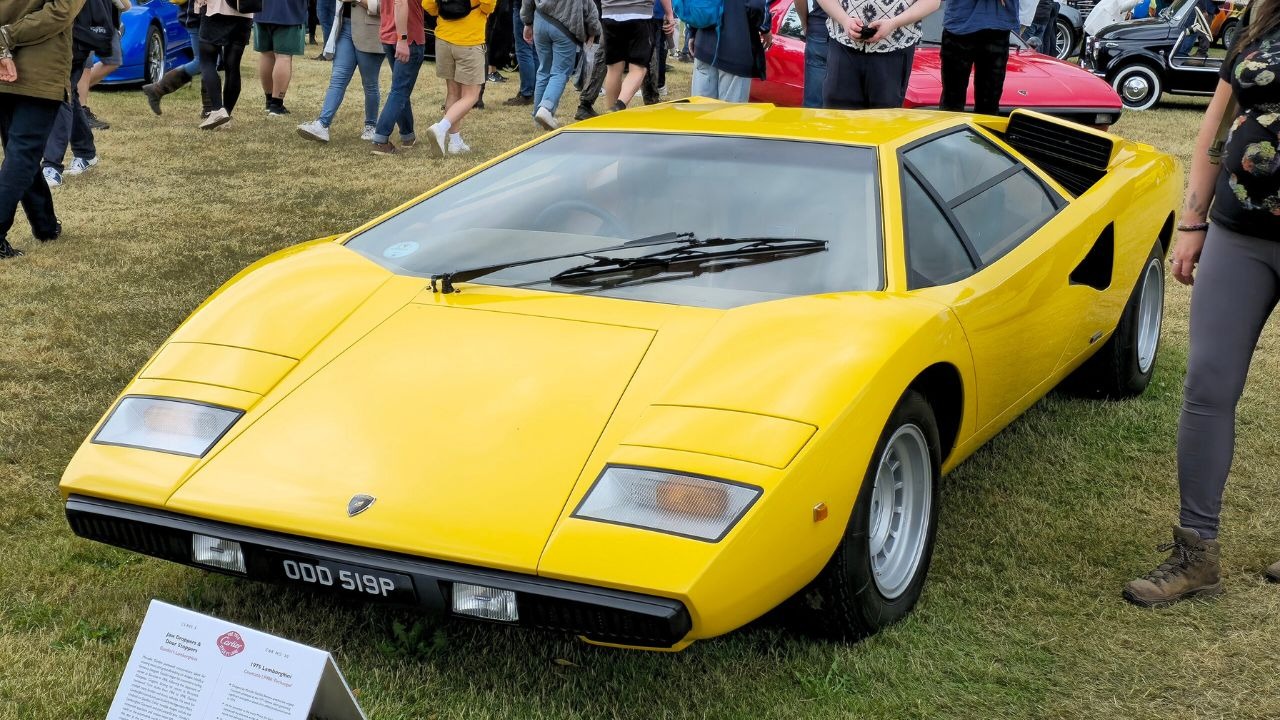
The Lamborghini Countach became legendary because almost everything about it seemed excessive. Its wedge-shaped body, dramatic proportions, and mid-mounted V12 engine created an unmistakable presence. Performance was only part of the experience, because the Countach made ordinary driving feel like an event. Powerful versions delivered serious acceleration and high-speed capability, while the wide stance and low seating position reinforced its exotic character. Few cars captured the idea of unrestricted performance as completely as the Countach.
Ferrari F40
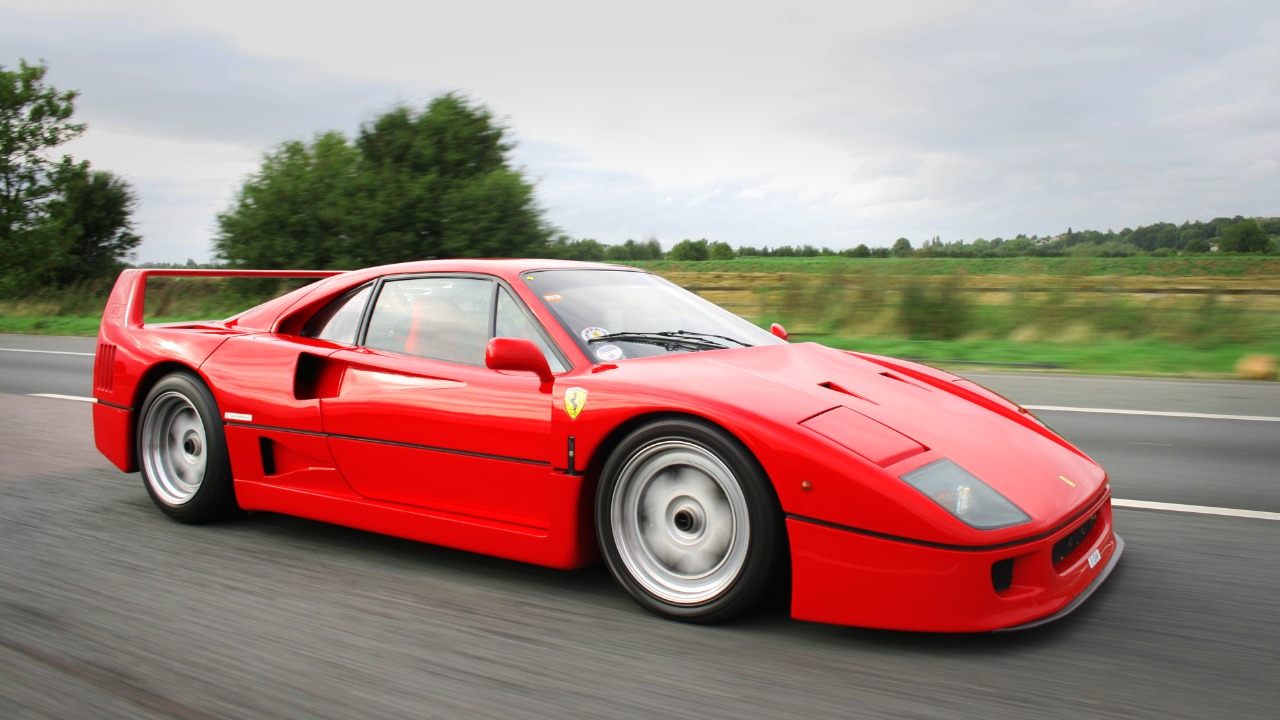
The Ferrari F40 was created with a singular focus on speed and low weight. Its twin-turbocharged V8 produced tremendous performance for a relatively light car, while the cabin and body were kept intentionally simple. There was little attempt to disguise the F40’s racing-inspired personality. It felt fast even at modest speeds because the steering, engine response, and road feedback demanded attention. The F40 became one of Ferrari’s defining supercars and remains one of the clearest examples of performance taking priority over comfort.
Porsche 959

The Porsche 959 demonstrated how advanced technology could transform a high-performance sports car. Its twin-turbocharged flat-six engine worked with sophisticated all-wheel drive, giving the car remarkable traction and acceleration. It was developed with competition in mind but adapted for road use, resulting in a machine that was far ahead of many contemporaries. The 959 could launch with tremendous force while remaining stable and controlled. Its technology helped establish a template that many modern high-performance cars still follow.
BMW M1
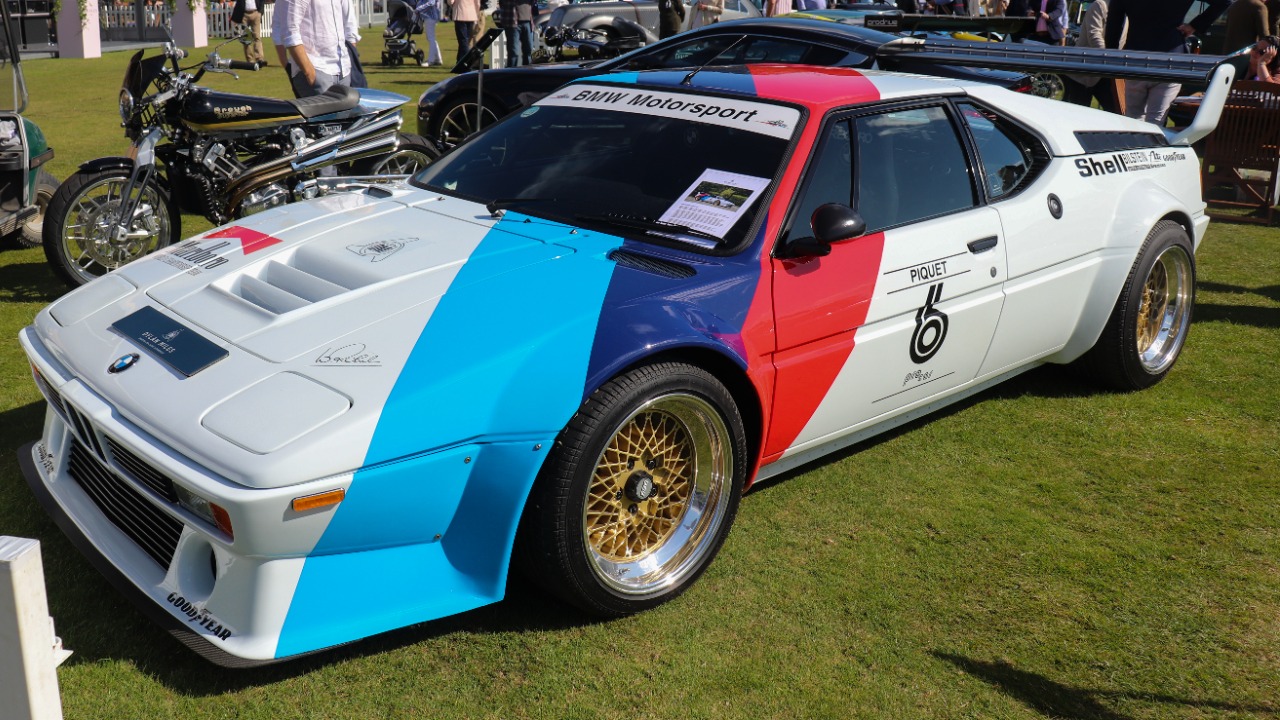
The BMW M1 was BMW’s first production mid-engine sports car and remains one of the company’s most distinctive performance machines. Its naturally aspirated inline-six engine delivered strong power without relying on forced induction, while the lightweight chassis gave it sharp handling. The M1 was created with motorsport ambitions, and that purpose influenced everything from its proportions to its mechanical layout. Although it never became a mass-market performance car, its combination of Italian styling and German engineering gave it lasting legendary status.
Mercedes-Benz 300 SL
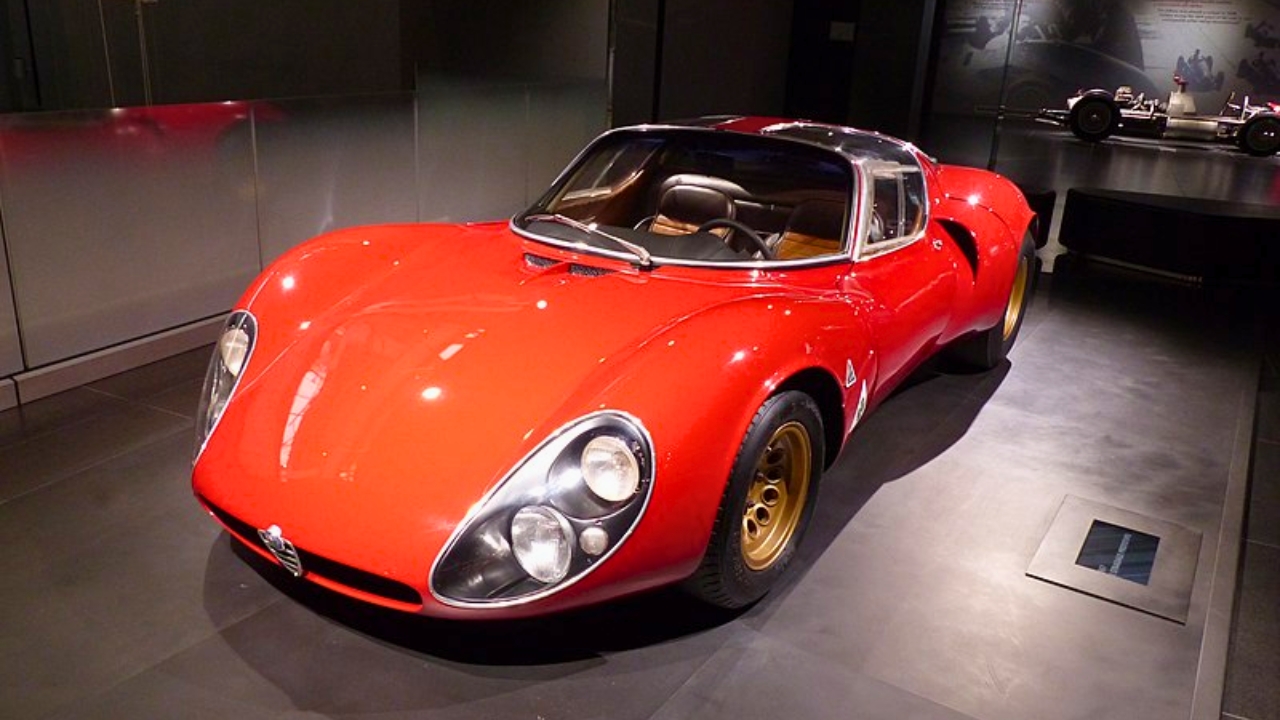
The Mercedes-Benz 300 SL combined advanced engineering with genuine high-speed capability. Its lightweight tubular frame, aerodynamic body, and fuel-injected inline-six made it one of the fastest road cars of its era. The famous gullwing doors added visual drama, but the engineering underneath was the real achievement. The 300 SL demonstrated that a road-going sports car could incorporate technology derived from racing. Today, it remains one of the most recognizable and valuable European performance cars from the postwar period.
Jaguar XJ220
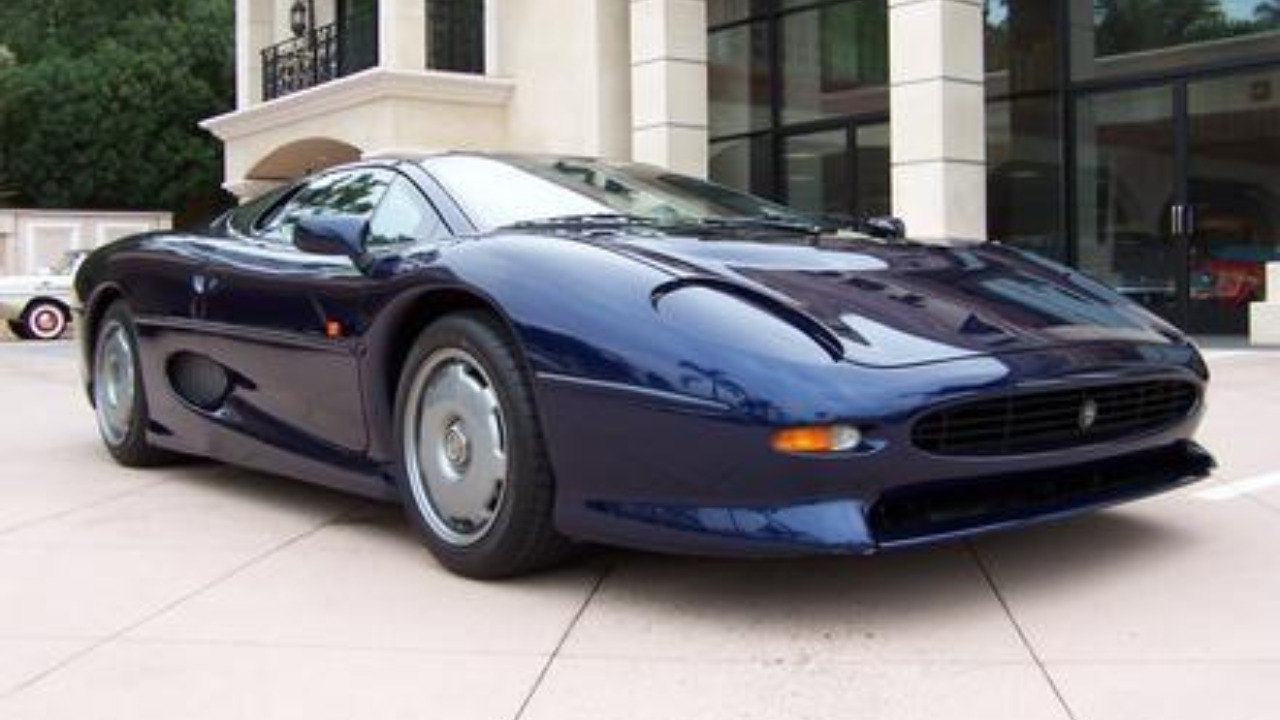
The Jaguar XJ220 began as an ambitious concept before becoming one of the fastest production cars of its era. Its twin-turbocharged V6 drove the rear wheels through a lightweight body designed with aerodynamic performance in mind. The final production version was very different from the original concept, but it remained extraordinarily quick. Jaguar’s goal was not to build a comfortable grand tourer with extra power; the XJ220 was intended to compete at the highest level of road-going performance.
Acura NSX
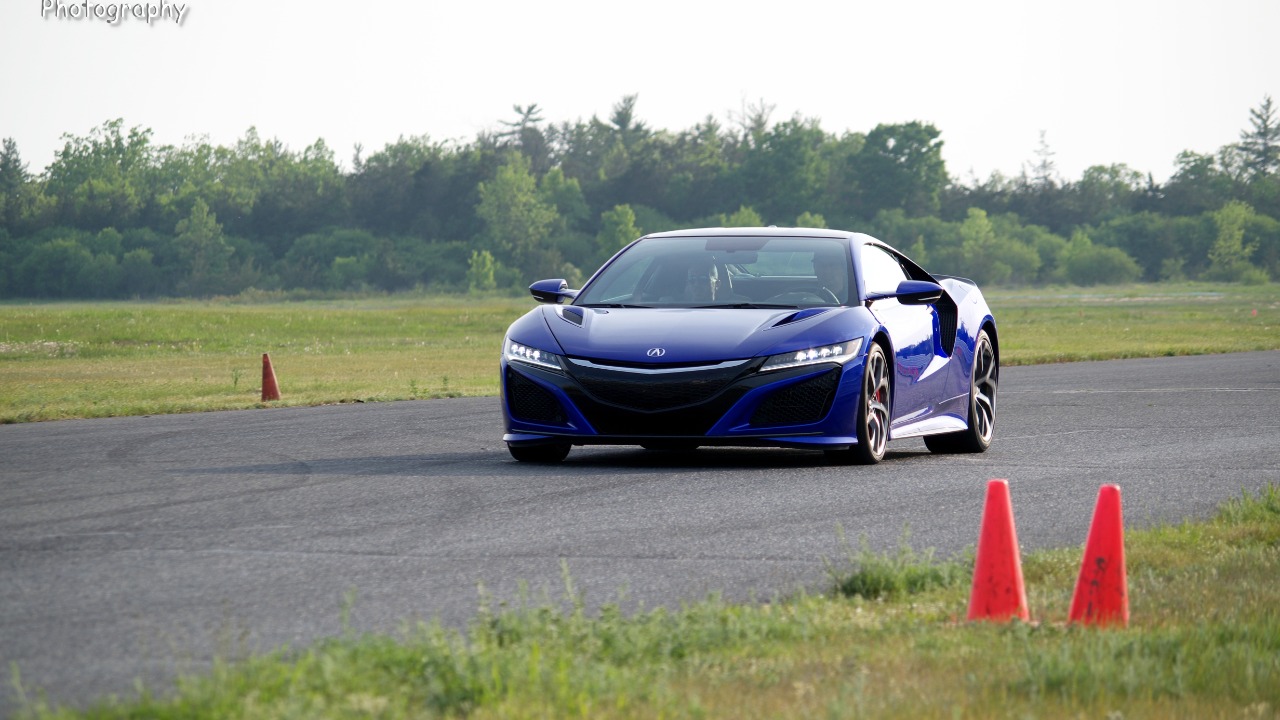
The Acura NSX proved that a high-performance sports car could combine exotic performance with everyday usability. Its mid-mounted V6, lightweight aluminum construction, and carefully tuned chassis gave it impressive speed and handling without the difficult ownership experience associated with some European exotics. Honda’s engineering discipline was evident throughout the car. It was quick without feeling intimidating, yet its performance could still challenge much more expensive machinery. The NSX changed expectations for what a reliable, usable supercar could be.
Toyota Supra Turbo
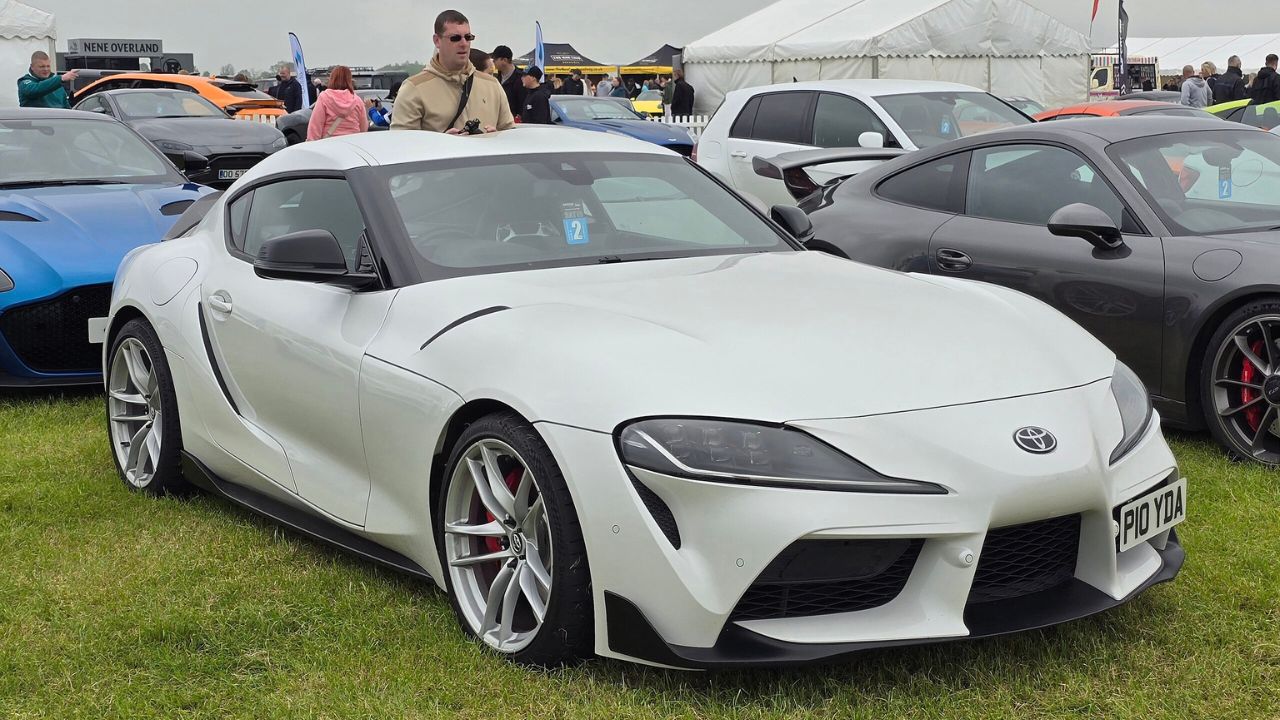
The Toyota Supra Turbo became one of the most famous Japanese performance cars of its generation. Its turbocharged inline-six delivered strong power, while rear-wheel drive and a sturdy chassis made it particularly appealing to enthusiasts. The engine also developed a reputation for handling significant performance modifications. Straight from the factory, the Supra Turbo was already quick, but its tuning potential helped turn it into a cultural icon. Few Japanese sports cars have developed such a strong reputation among both collectors and performance builders.
Nissan Skyline GT-R
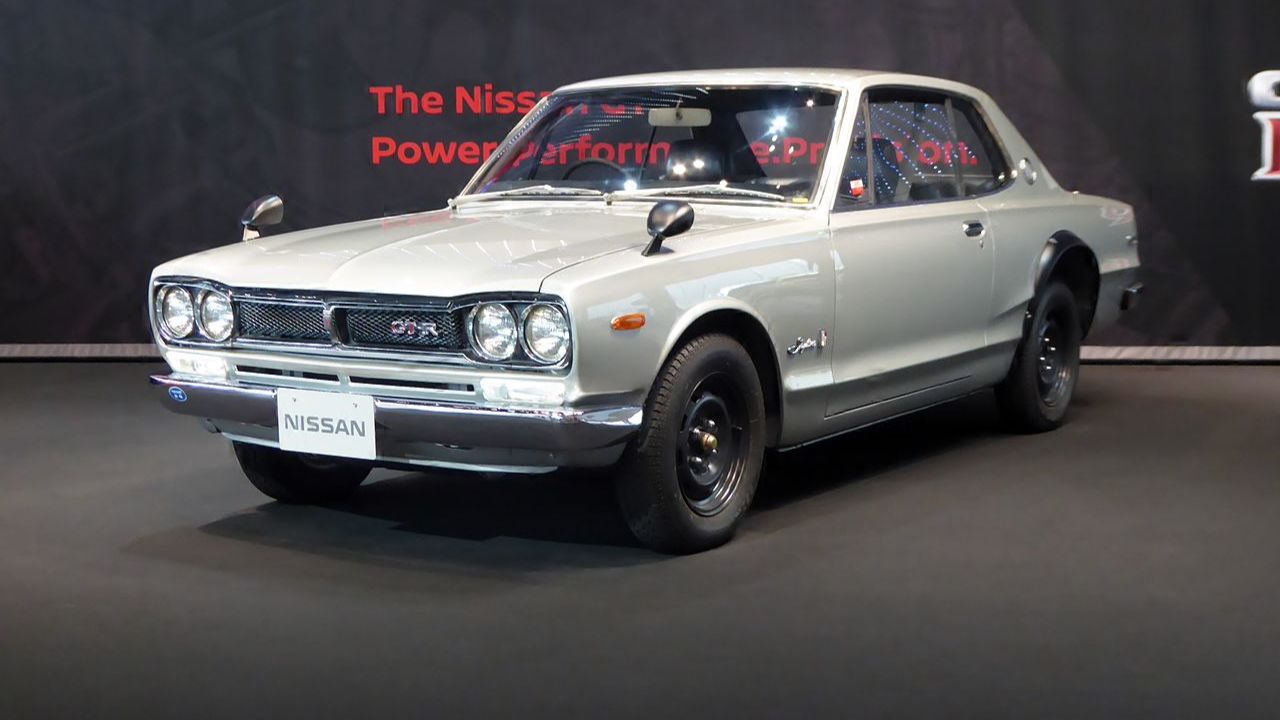
The Nissan Skyline GT-R earned its reputation by combining sophisticated engineering with serious performance. Its twin-turbocharged inline-six, all-wheel-drive system, and advanced chassis technology allowed it to put power down effectively while remaining stable at speed. The GT-R became especially famous through motorsport and performance culture, where its ability to challenge more expensive machinery made it a favorite. Its reputation eventually became so strong that later generations were treated less like ordinary sports cars and more like Japanese performance royalty.
Mitsubishi Lancer Evolution
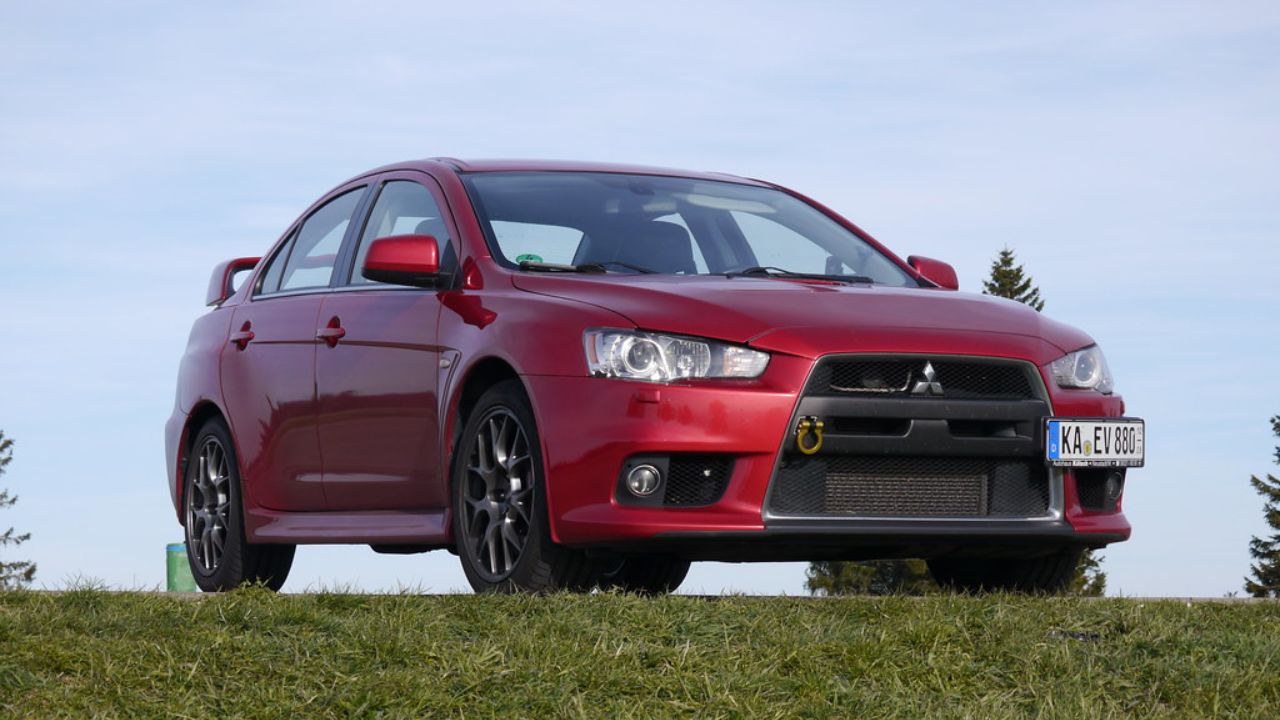
The Mitsubishi Lancer Evolution was technically based on a compact sedan, but its rally-bred engineering gave it sports-car levels of performance. Turbocharging and sophisticated all-wheel drive allowed the Evolution to launch aggressively and maintain traction in conditions that could defeat rear-wheel-drive rivals. Its compact size also made it feel remarkably responsive. The Evolution became famous for turning practical transportation into something capable of embarrassing much more expensive performance cars, particularly when a winding road or poor weather entered the equation.
Subaru Impreza WRX STI
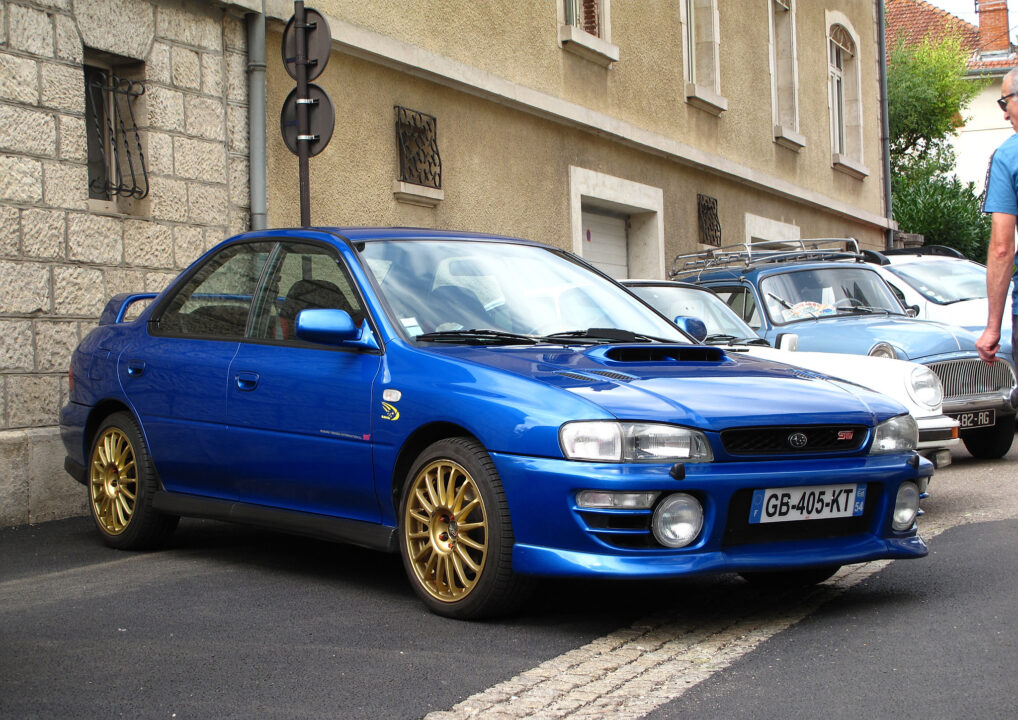
The Subaru Impreza WRX STI brought rally technology to a road car in a package that was surprisingly practical. Its turbocharged flat-four engine and symmetrical all-wheel-drive system gave it strong acceleration and impressive traction. The car could be driven every day but still deliver the kind of performance that attracted serious enthusiasts. Its reputation was strengthened by Subaru’s success in rally competition. Few performance cars offered such a useful combination of four doors, all-weather capability, and motorsport-inspired speed.
Ford GT
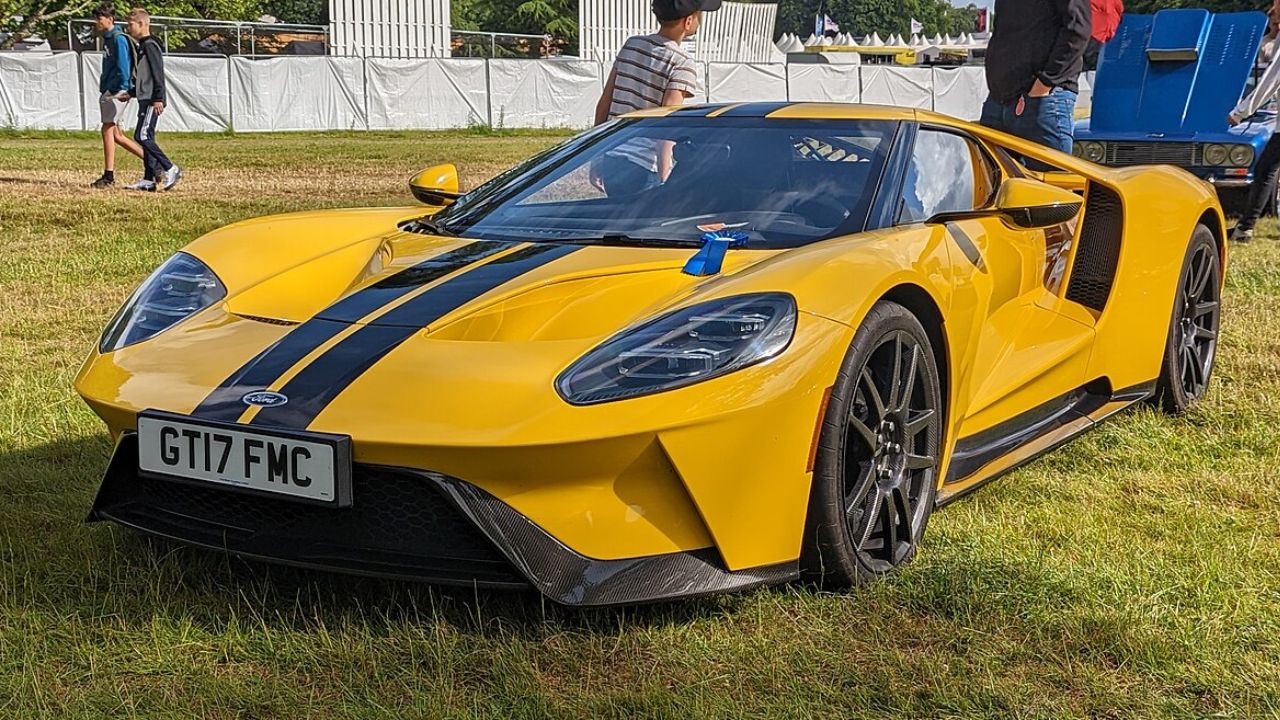
The Ford GT was created as a modern interpretation of the legendary GT40, but it was more than a styling exercise. Its supercharged V8 and lightweight body gave it serious straight-line performance, while the chassis was designed to handle high-speed driving. The GT looked spectacular without sacrificing its performance purpose. It demonstrated that an American manufacturer could build a limited-production supercar capable of competing directly with established European names. Its connection to Ford’s racing history made the performance feel even more significant.
Saleen S7
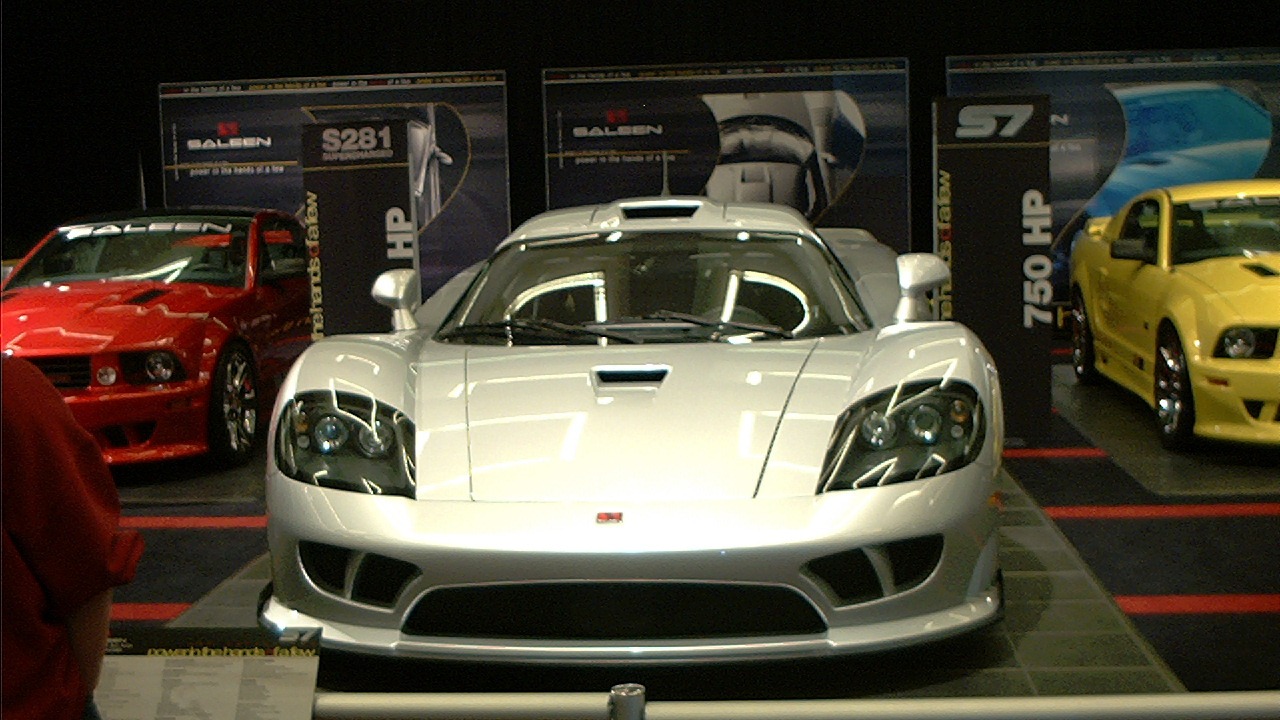
The Saleen S7 was one of the most extreme American supercars of its era. Its mid-mounted V8, lightweight construction, and low aerodynamic body were designed around speed rather than practicality. Later versions received twin turbochargers, pushing performance even further. The S7 never achieved the production numbers of better-known European exotics, but that rarity only strengthened its reputation. It represented a period when small American performance companies were willing to build incredibly ambitious machines without softening their personalities for mass-market appeal.
Chevrolet Corvette C6 Z06
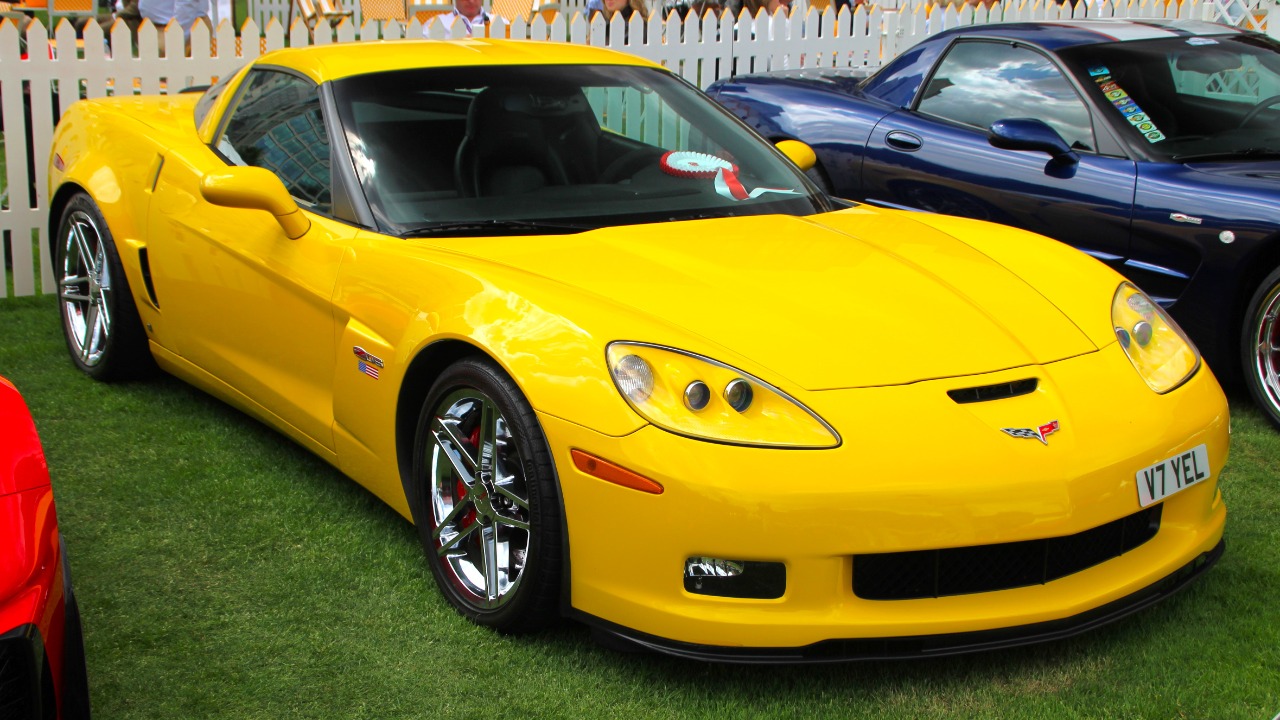
The Corvette C6 Z06 combined a lightweight body with a large naturally aspirated V8, creating a sports car that could deliver enormous acceleration without depending on forced induction. Its power-to-weight ratio was a major part of the appeal, while the front-engine, rear-wheel-drive layout kept the driving experience familiar. The Z06 was also relatively affordable compared with many European performance cars offering similar pace. That made its speed even more remarkable because buyers did not need a supercar budget to experience it.
Nissan 300ZX Turbo
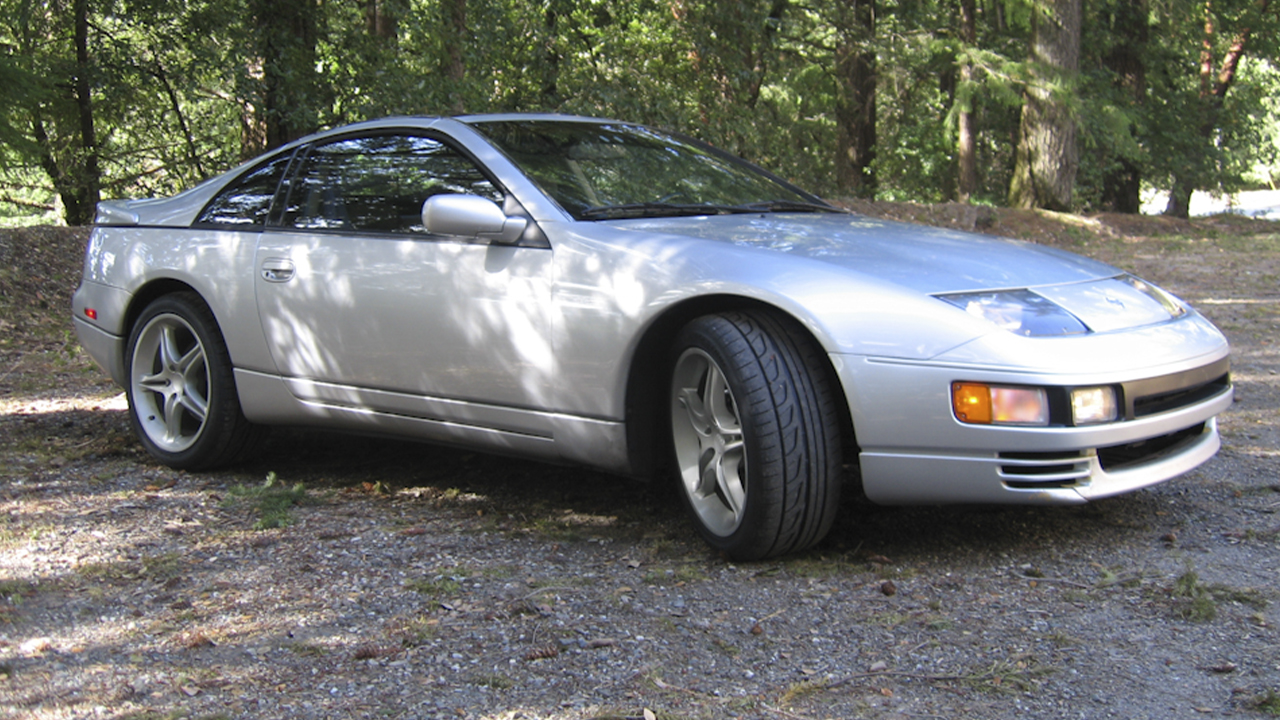
The Nissan 300ZX Turbo brought twin-turbocharged performance and sophisticated chassis technology into a package that was still usable on the street. Its V6 delivered strong acceleration, while the available four-wheel steering system added another layer of engineering to the driving experience. The car was heavier and more refined than some rivals, but its performance remained serious. The 300ZX helped demonstrate that Japanese manufacturers could build technologically advanced sports cars capable of competing with established European and American performance models.
Lotus Esprit Turbo
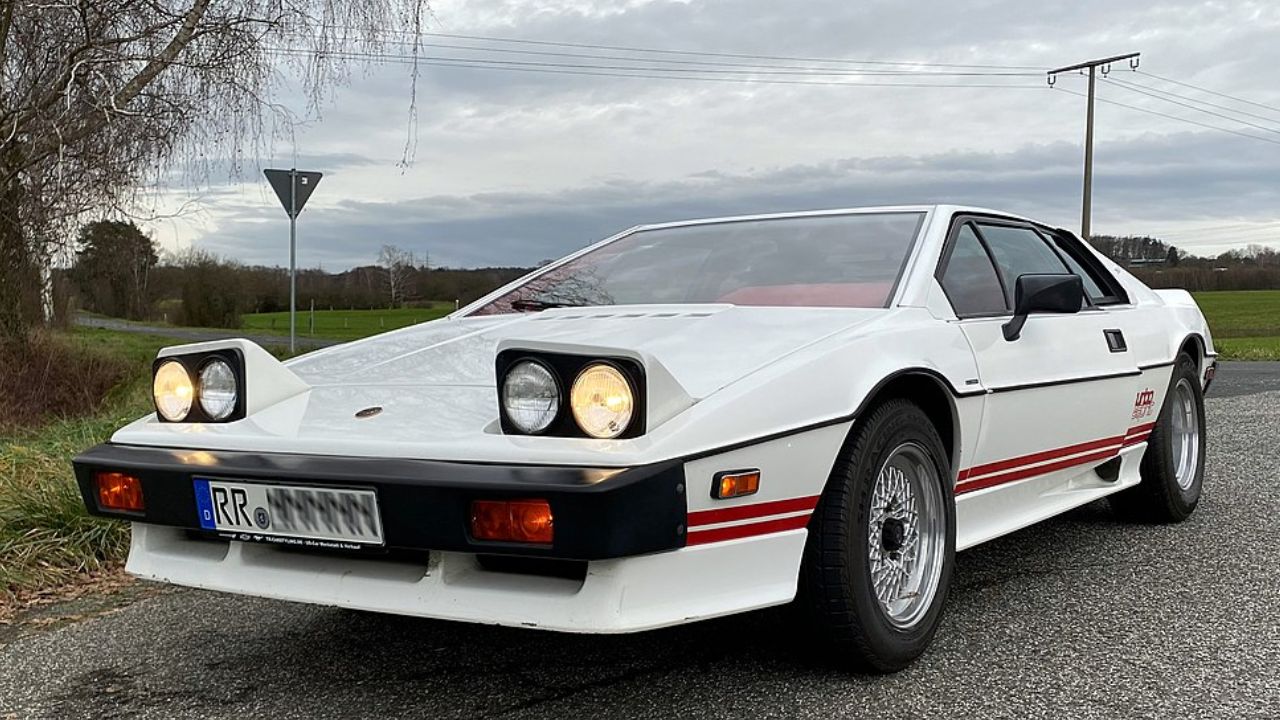
The Lotus Esprit Turbo combined lightweight construction with a turbocharged engine and the sharp handling expected from Lotus. Its mid-engine layout gave it an exotic profile, while the relatively low weight allowed its power to produce impressive performance. The Esprit also became famous through popular culture, which helped make its dramatic shape instantly recognizable. Beneath the styling, however, it remained a serious driver’s car. Its combination of low weight, turbo power, and mid-engine balance made it a memorable high-performance machine.
More from Fast Lane Only
- Unboxing the WWII Jeep in a Crate
- 15 rare Chevys collectors are quietly buying
- 10 underrated V8s still worth hunting down
- Police notice this before you even roll window down
*Research for this article included AI assistance, with all final content reviewed by human editors.