Some classic cars became legends because they were fast or beautiful, while others earned their reputations simply by refusing to quit. Built during an era of simpler mechanical engineering, these cars could often be repaired, maintained, and driven for decades. Their ability to survive high mileage and years of use helped turn ordinary transportation into lasting automotive icons.
Toyota Corona
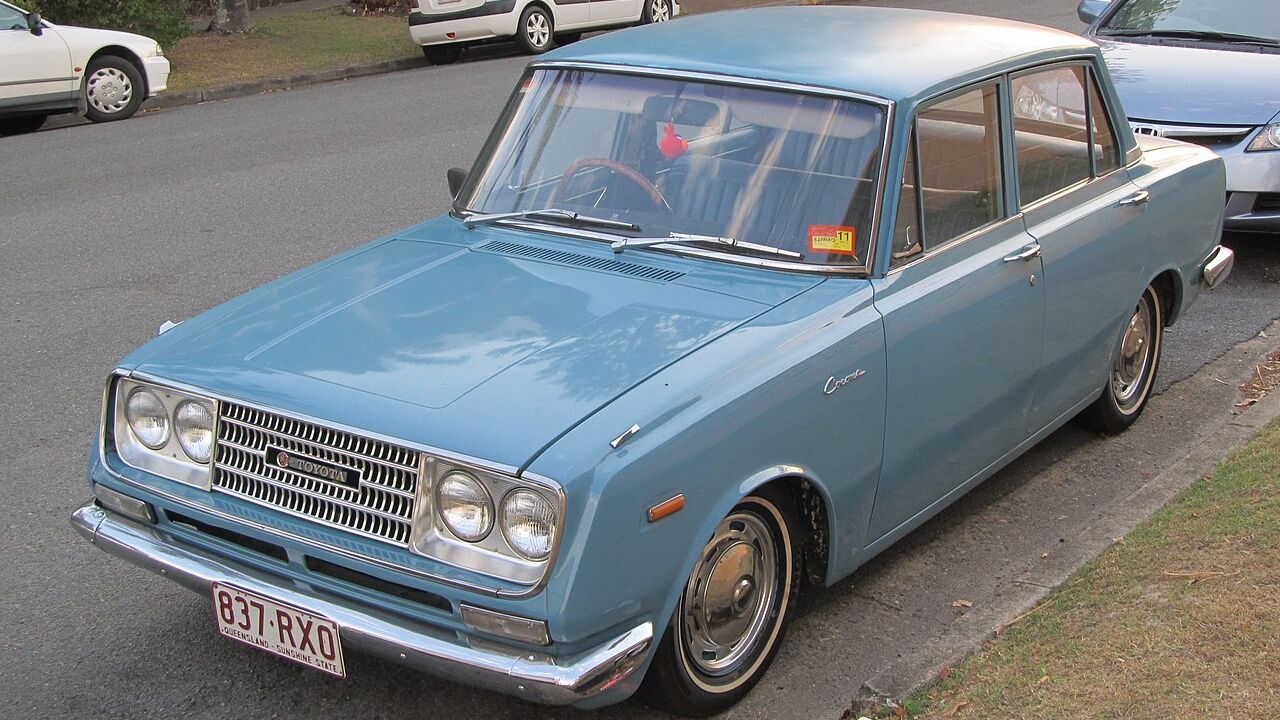
The Toyota Corona helped establish Toyota’s reputation for dependable everyday cars in markets around the world. Its straightforward four-cylinder engines and conventional mechanical layout made it relatively easy to maintain, while its compact size kept it practical for daily driving. Many Coronas were used as family cars, taxis, and commuter vehicles, often accumulating years of hard service. The model may not have had the glamour of a sports car, but its ability to keep functioning long after newer cars had disappeared gave it a loyal following.
Honda Accord
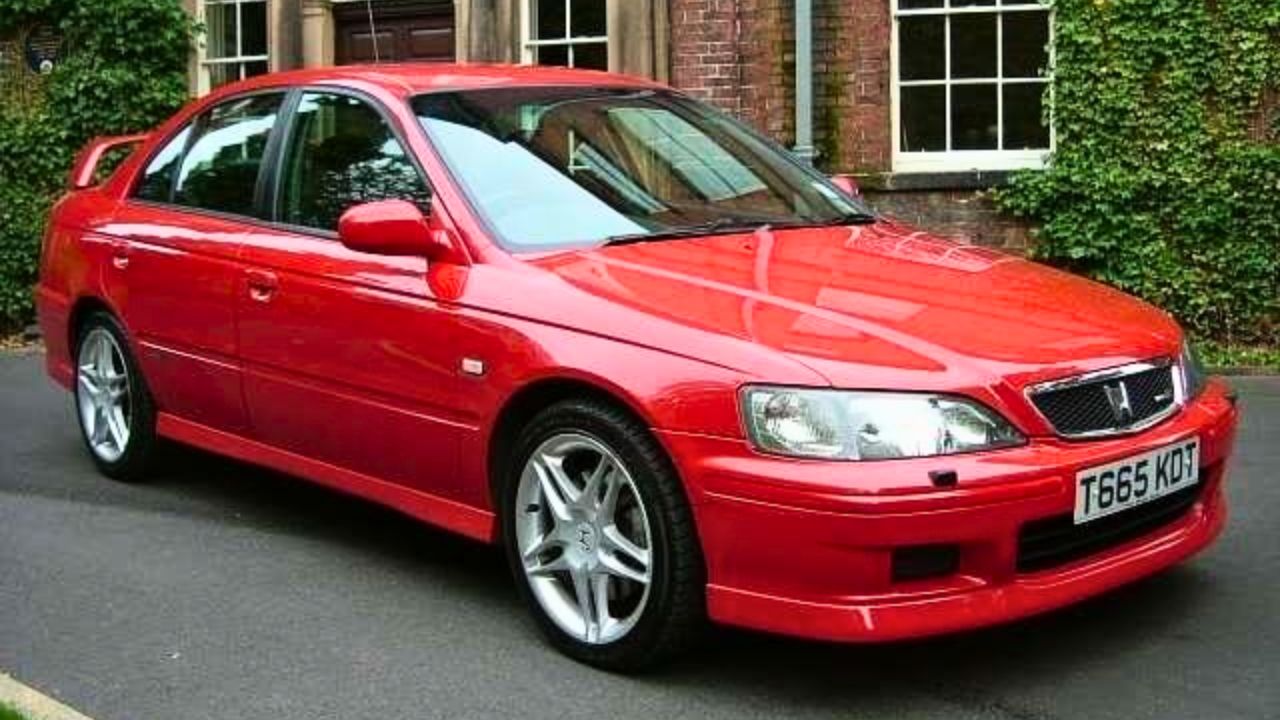
The early Honda Accord became popular because it offered sensible engineering in a practical package. Its compact engines, front-wheel-drive layout, and relatively simple mechanical systems made it an excellent choice for drivers who wanted dependable transportation. Many examples became family cars that were kept for years rather than traded frequently. The Accord eventually became one of Honda’s most recognizable nameplates, but its long-running reputation was built on ordinary owners discovering that their cars simply kept working.
Mercedes-Benz W123
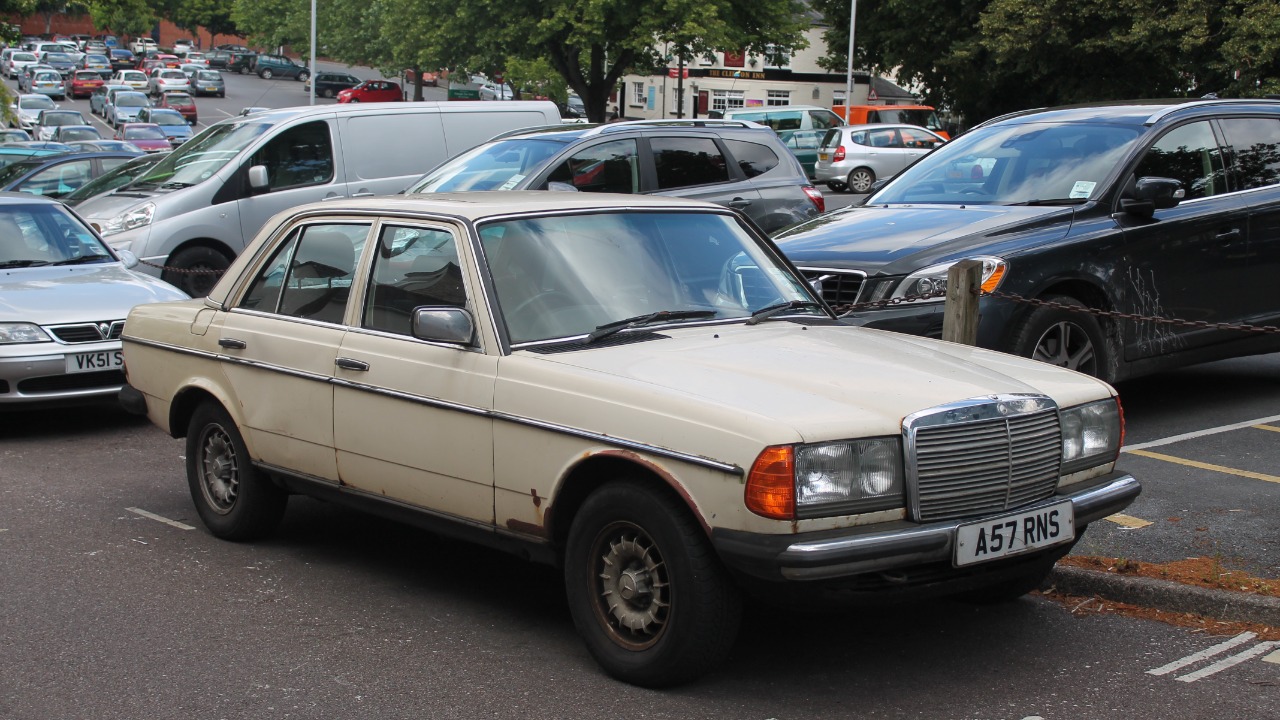
The Mercedes-Benz W123 became famous for its combination of solid construction and durable mechanical components. Its diesel versions are particularly associated with high mileage, but gasoline models could also provide remarkably long service when maintained properly. The car was built with a level of structural solidity that made it feel substantial even after years of use. Many became taxis and fleet vehicles, proving they could handle constant driving. For collectors today, that durability is one of the W123’s biggest attractions.
Volvo 140
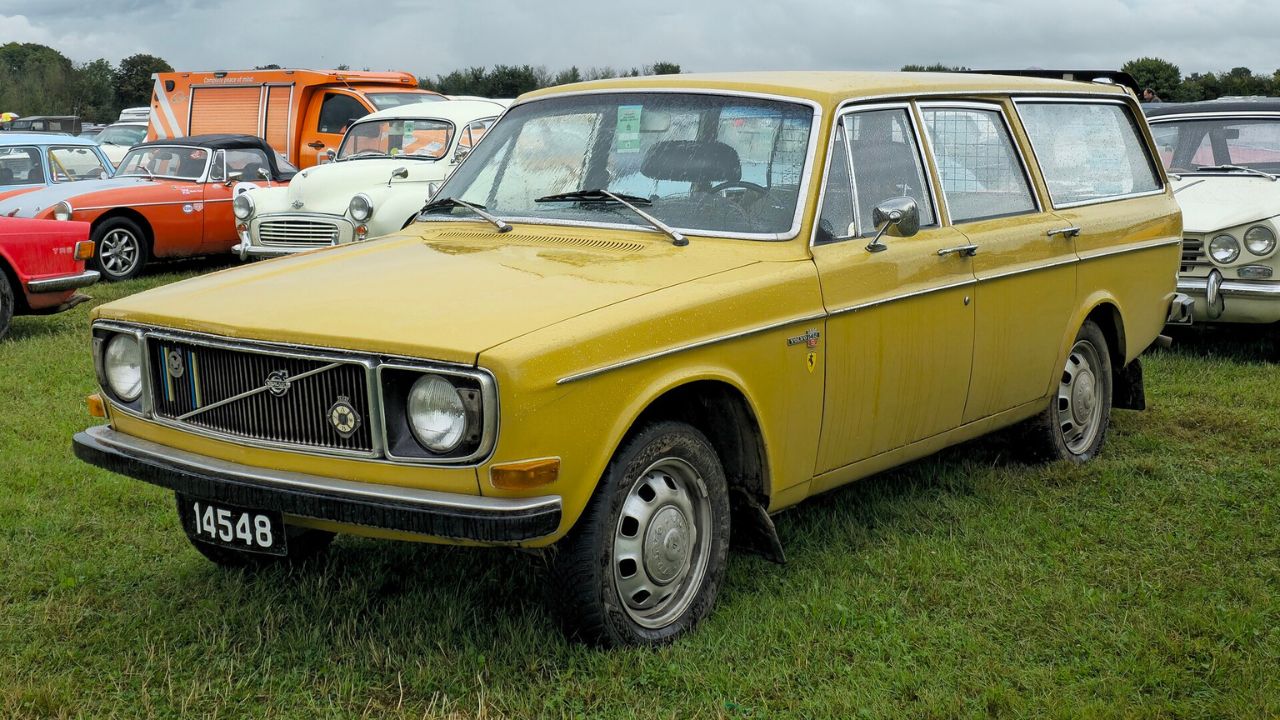
The Volvo 140 established the boxy, practical formula that would become closely associated with the Swedish manufacturer. Its sturdy body, simple interior, and durable four-cylinder engines made it well suited to years of family use. Volvo also designed the car with safety and longevity in mind, giving owners plenty of reasons to keep repairing rather than replacing it. Surviving examples often show how well the basic structure held up. The 140 helped create Volvo’s long-standing reputation for building cars that were difficult to wear out.
Saab 900
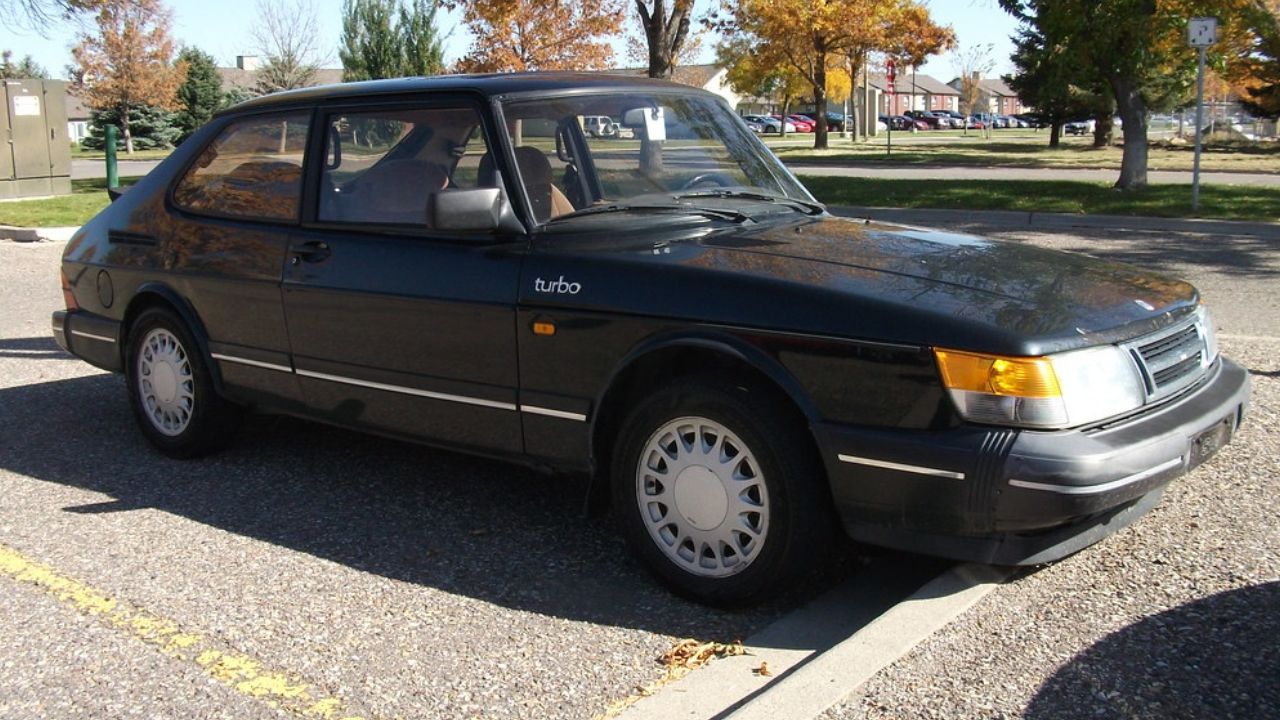
The Saab 900 combined unusual engineering with impressive long-term practicality. Its front-wheel-drive layout, distinctive engine placement, and hatchback body made it different from conventional European cars, yet owners appreciated its durability and useful interior. Turbocharged versions added performance without abandoning the model’s practical character. Many 900s remained daily transportation long after their contemporaries had disappeared. Their durability, combined with Saab’s unconventional personality, helped create a devoted owner community that continues to preserve these cars.
Mercedes-Benz 190E
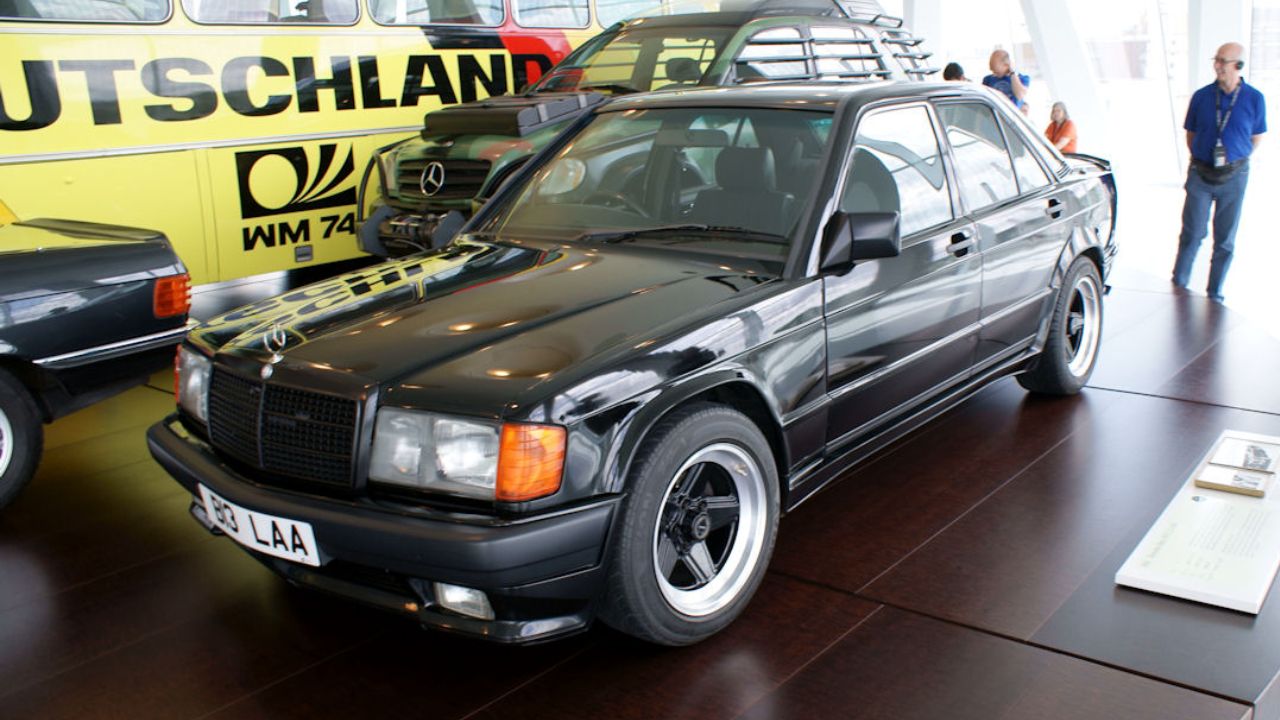
The Mercedes-Benz 190E brought traditional Mercedes-Benz engineering into a smaller package. Its compact dimensions made it easier to use every day, while its sturdy construction and well-developed engines helped it remain dependable over time. The car was designed to meet high standards of build quality without becoming excessively complicated. Many were driven for years by owners who appreciated their solid road manners. Today, a well-preserved 190E can still feel remarkably substantial compared with many cars from the same period.
Toyota Celica
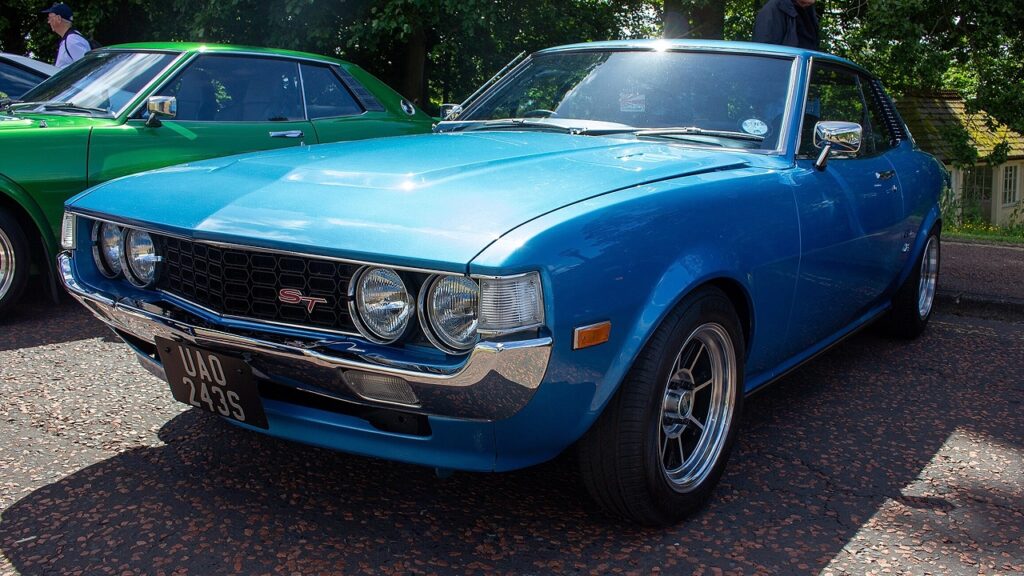
The Toyota Celica proved that a car could combine sporty styling with the dependable mechanical character expected from Toyota. Its four-cylinder engines were generally straightforward, while the compact rear-wheel-drive layout of earlier versions made the car enjoyable without making it difficult to maintain. Celicas often served as daily transportation rather than carefully preserved sports cars. That widespread use makes surviving examples especially interesting today. The model’s reputation for reliability helped it remain popular with owners who wanted something more exciting than an ordinary sedan.
Honda Civic

The Honda Civic became one of the world’s most recognizable compact cars by focusing on efficiency, practicality, and mechanical simplicity. Early generations were lightweight and relatively uncomplicated, which made them inexpensive to operate and repair. Many were driven hard because they were affordable enough to become everyday transportation for younger owners and families. Yet plenty continued running for years. The Civic’s ability to accumulate mileage without demanding excessive maintenance helped establish a reputation that remains closely associated with the name.
Volkswagen Golf
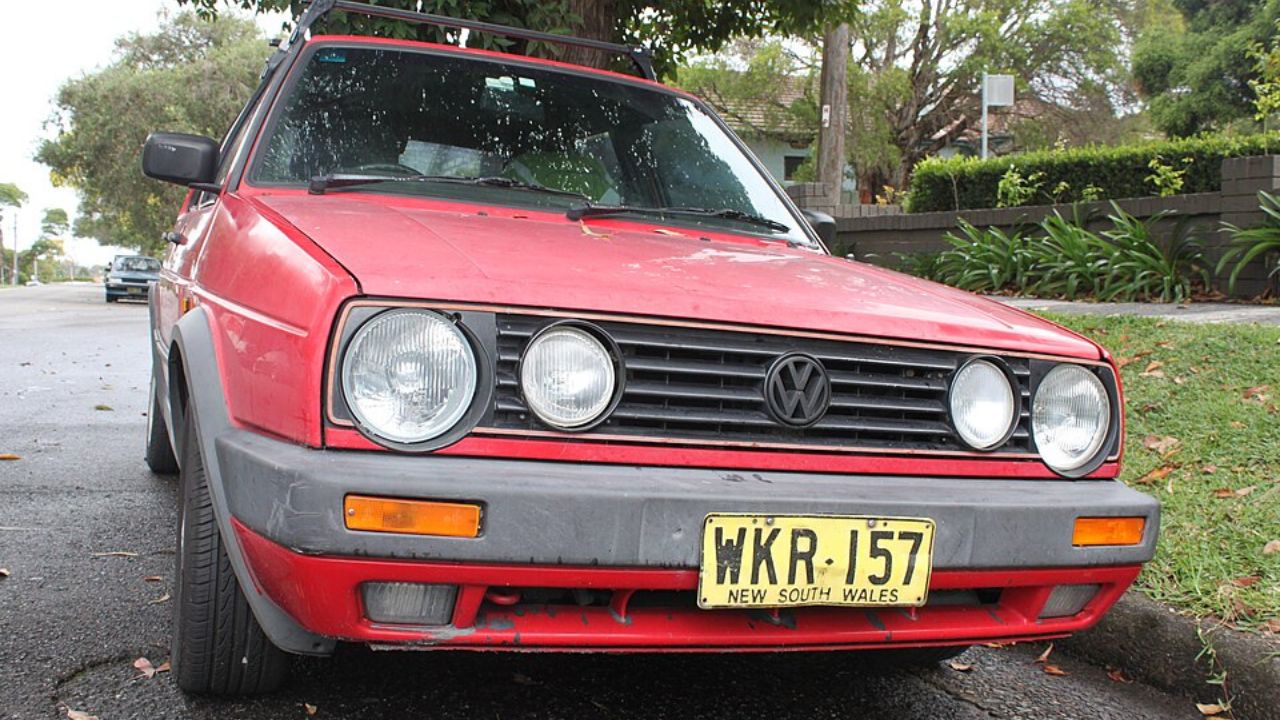
The Volkswagen Golf became a European favorite because it offered a practical hatchback body with simple, efficient mechanicals. Early versions were compact, economical, and easy to use in crowded cities, but they could also handle long-distance driving. Diesel versions became particularly associated with high mileage and low operating costs. Many Golfs were kept for years because their basic design remained useful even as newer models appeared. That combination of practicality and durability helped turn an ordinary hatchback into one of Europe’s most important automotive nameplates.
Datsun 510
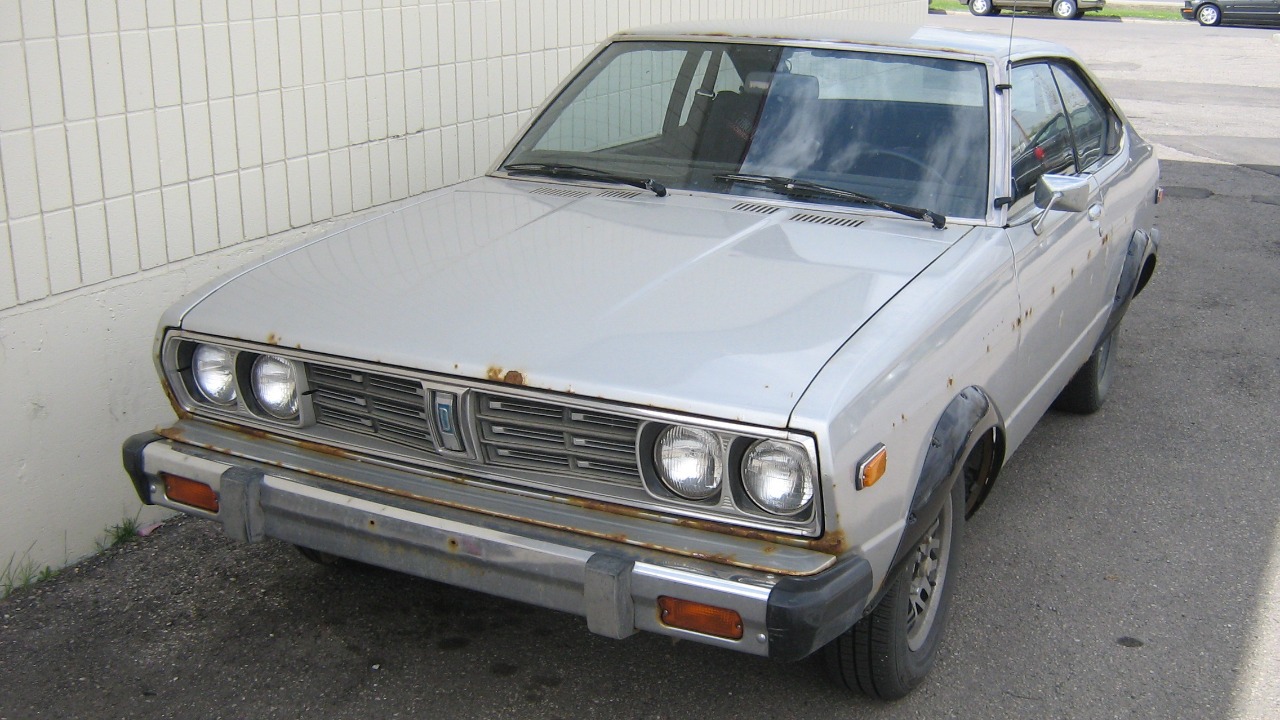
The Datsun 510 became a cult favorite because it combined Japanese reliability with a surprisingly engaging driving experience. Its compact dimensions, simple four-cylinder engine, and rear-wheel-drive layout made it useful on the street and appealing to enthusiasts. Owners could maintain and modify the cars without excessive complexity. Many were driven hard in everyday use and motorsports alike. The surviving examples are now highly valued because the 510 represents an era when an affordable family car could also deliver genuine mechanical character.
Ford Crown Victoria
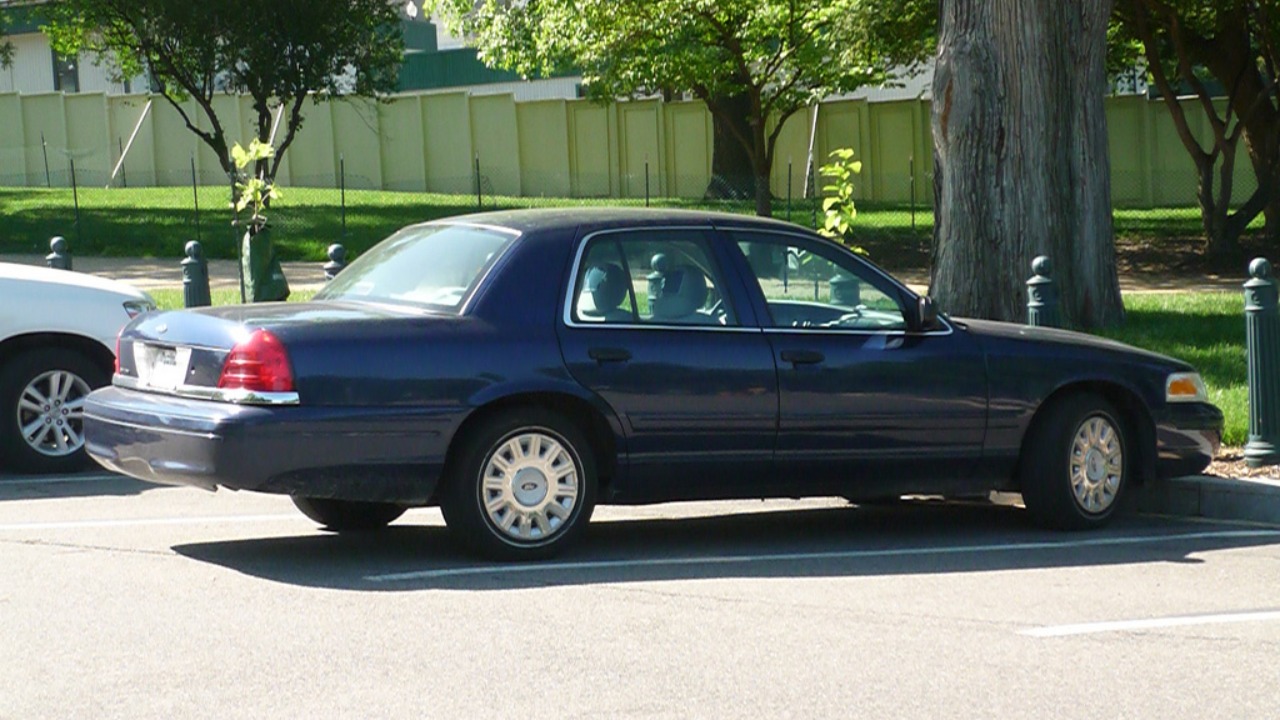
The Ford Crown Victoria was built around a traditional body-on-frame formula that allowed it to handle years of demanding use. Police departments, taxi companies, fleets, and ordinary families all relied on the platform. Its large V8, rear-wheel-drive layout, and simple construction made it particularly well suited to high-mileage service. Many accumulated enormous distances before retirement. That working history transformed the Crown Victoria into something more than an ordinary sedan. It became a symbol of American cars that could keep going through almost anything.
Volkswagen Beetle
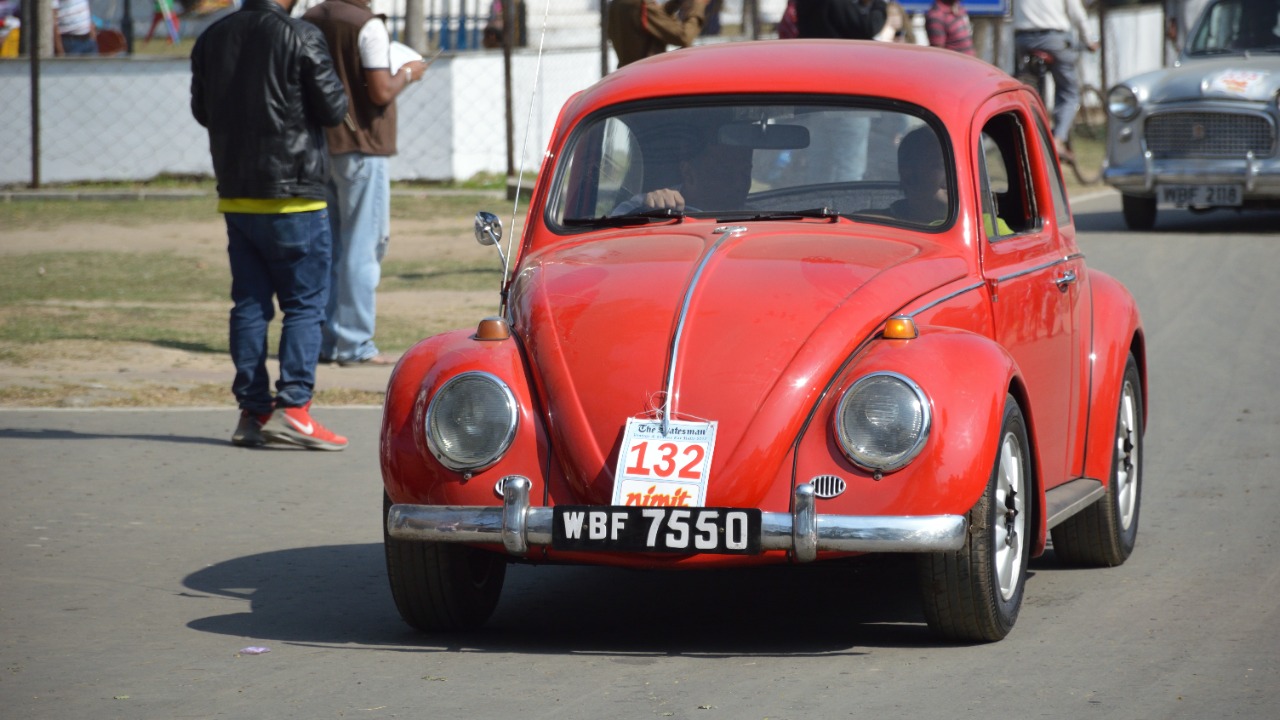
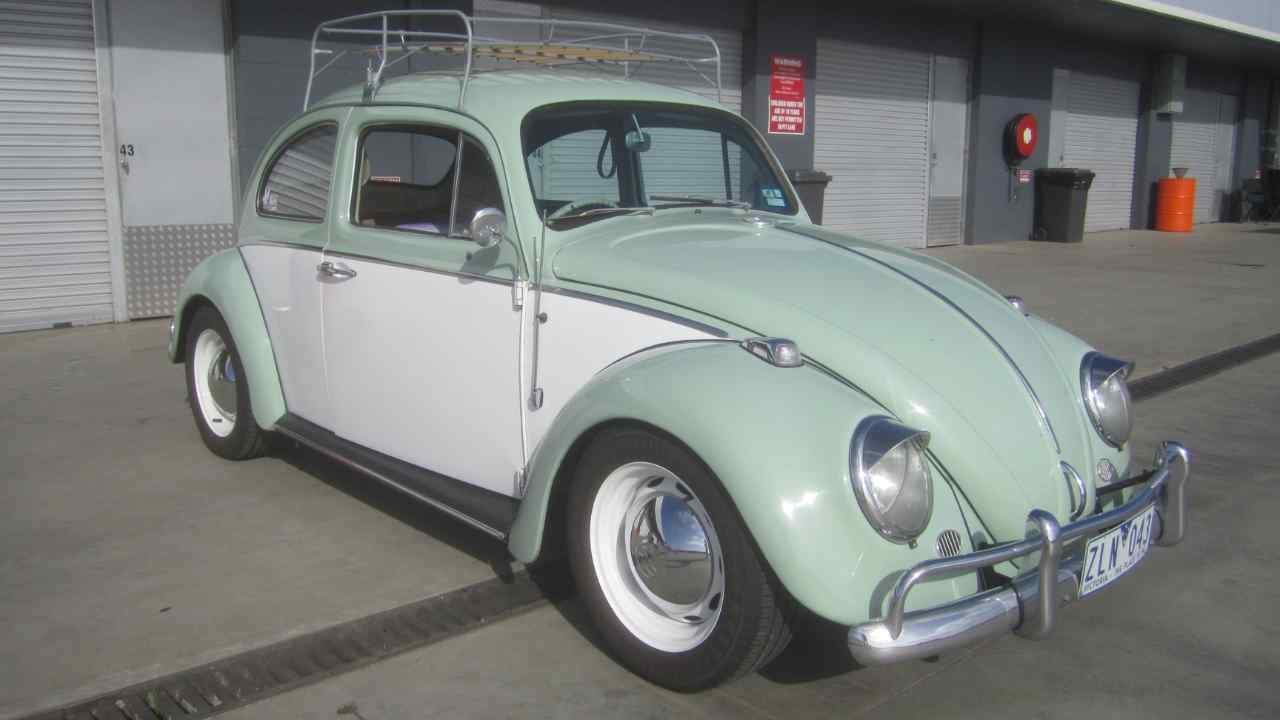
The Volkswagen Beetle became famous around the world partly because of its simple and durable mechanical design. Its air-cooled flat-four engine eliminated the conventional liquid-cooling system, while the rear-engine layout gave the car a distinctive character. Beetles were inexpensive to maintain and could be repaired in places where more complicated vehicles might have been difficult to support. Their enormous production numbers also ensured strong parts availability. Few cars have demonstrated as clearly that simple engineering can sometimes be remarkably effective over the long term.
Peugeot 504
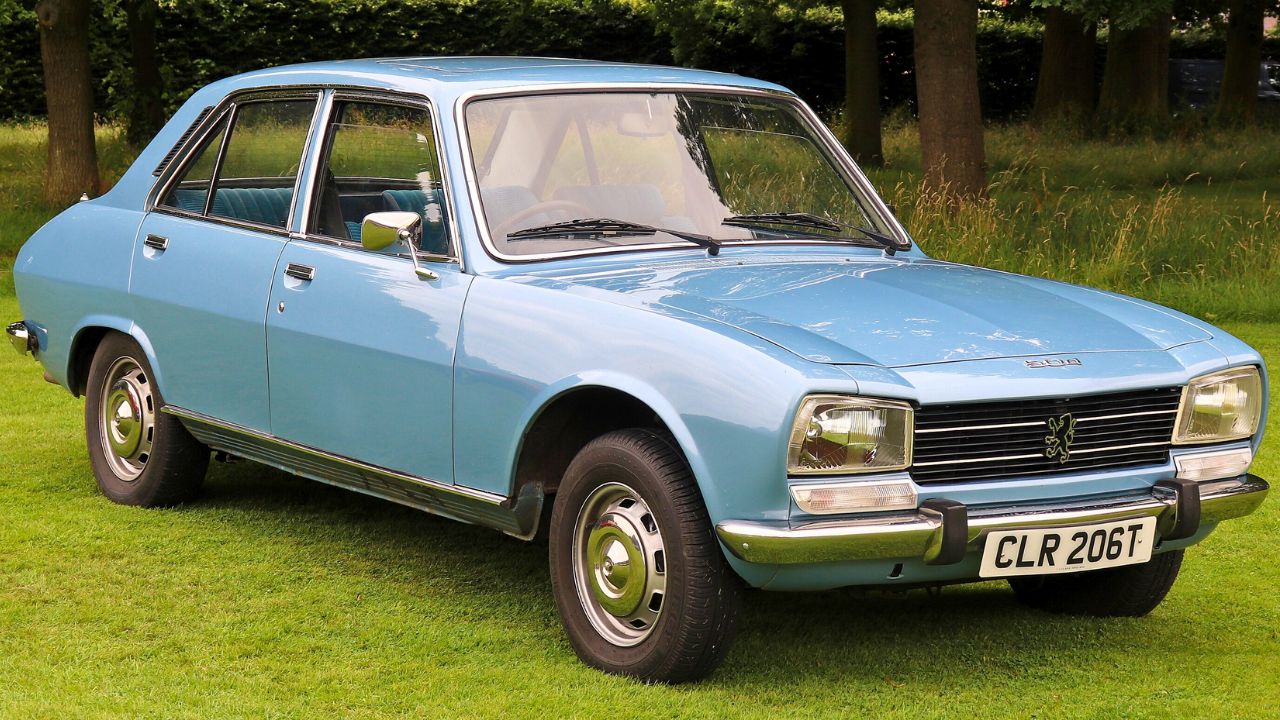
The Peugeot 504 developed an especially strong reputation in regions where roads were rough and vehicles were expected to survive difficult conditions. Its sturdy suspension, durable engines, and relatively simple construction made it a favorite for demanding use. In many countries, the 504 became a taxi, family car, and work vehicle all at once. Owners often kept them running for decades because the cars could tolerate conditions that were hard on more fragile vehicles. That reputation helped make the 504 one of Peugeot’s most respected classics.
Ford Granada
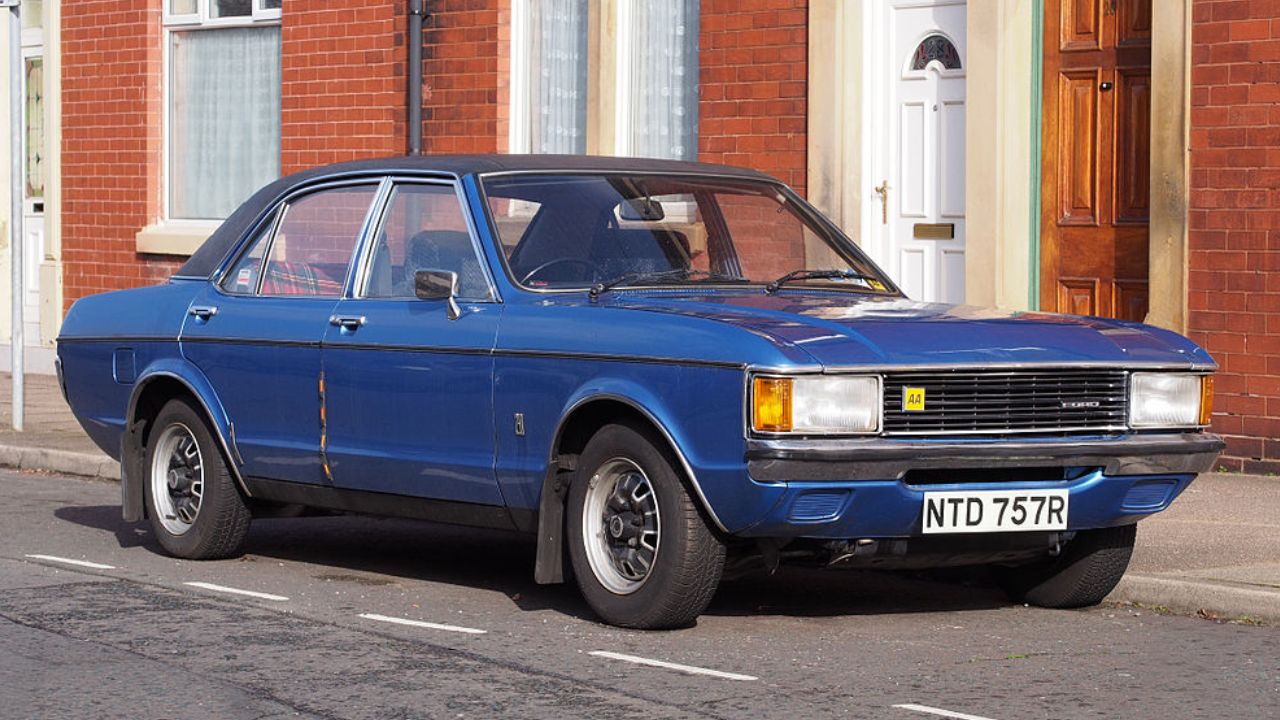
The Ford Granada offered traditional European executive-car comfort without abandoning straightforward mechanical engineering. Its rear-wheel-drive layout and familiar engines made it relatively easy to maintain, while its roomy cabin suited families and long-distance drivers. Many Granadas spent their lives as everyday transportation, company cars, or taxis. Although they were never as celebrated as Ford’s sports cars, their ability to stay useful for years made them a dependable choice. Today, surviving examples offer a glimpse at a more straightforward era of large European sedans.
BMW 2002
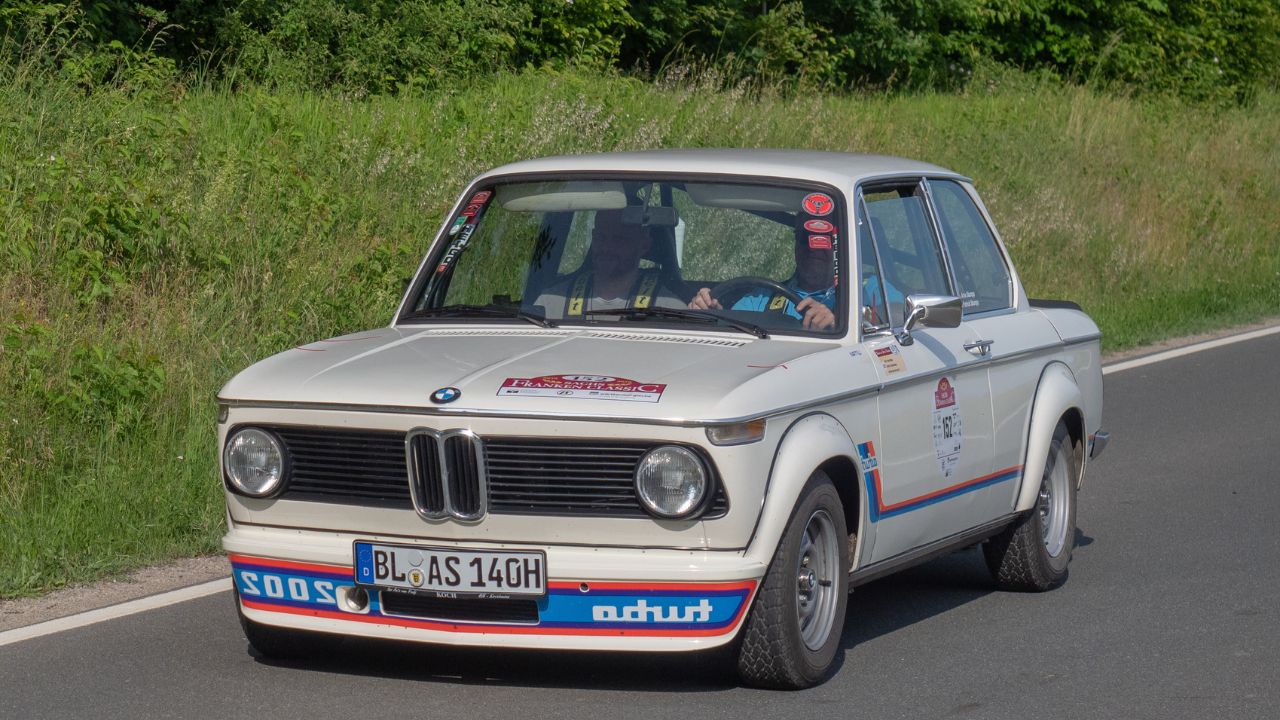
The BMW 2002 helped establish the formula that would eventually define BMW’s compact sports sedans. Its simple four-cylinder engine, rear-wheel-drive layout, and relatively light body made it enjoyable to drive while remaining practical enough for everyday use. The mechanical package was also approachable for enthusiasts who wanted to maintain or modify their own cars. Many were driven enthusiastically throughout their lives, yet properly cared-for examples could remain reliable. The 2002’s combination of durability and driving enjoyment is a major reason it remains so respected.
Ford Escort

The Ford Escort became one of Europe’s most familiar compact cars, with millions sold across several generations. Its popularity came from practical dimensions, affordable ownership, and relatively simple mechanical systems. Escorts were used by families, commuters, businesses, and motorsport enthusiasts, giving the model an unusually broad range of applications. Many were driven until their owners had little reason to keep them, yet plenty survived through years of ordinary maintenance. The Escort demonstrated how a basic compact car could become a long-lasting part of everyday life.
Renault 4
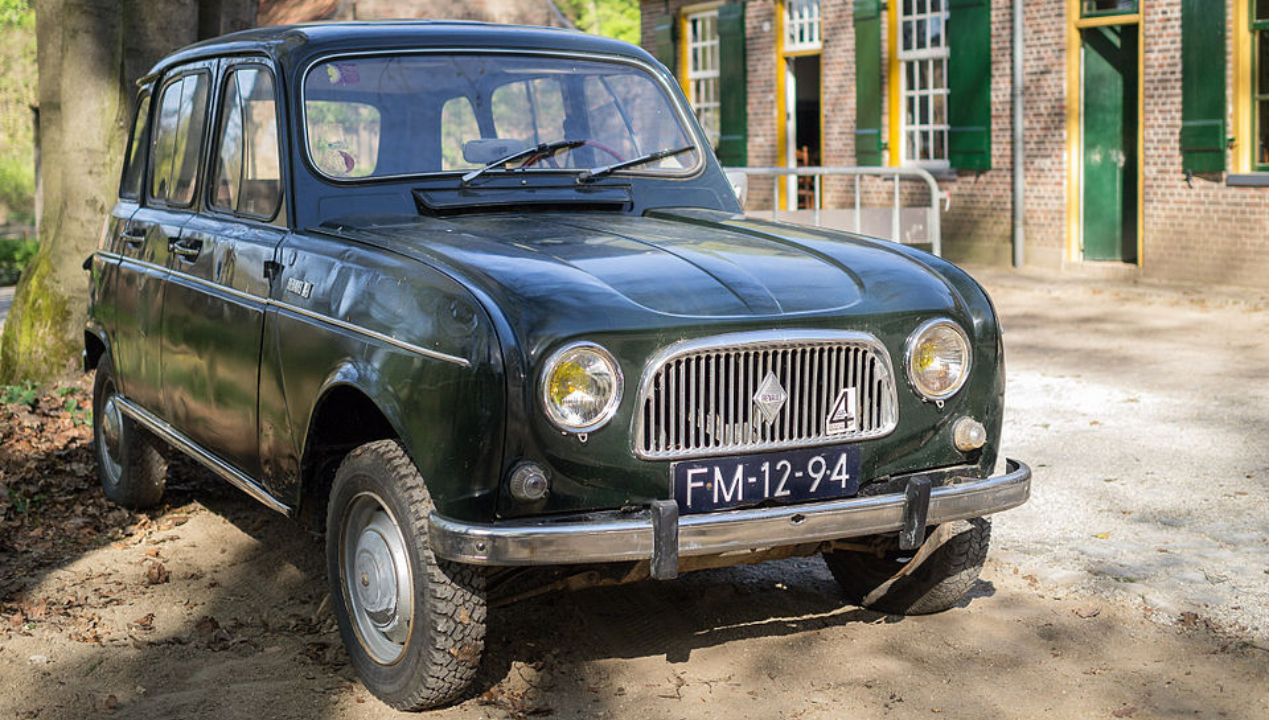
The Renault 4 was designed around practicality rather than prestige, and that straightforward approach helped it survive for decades. Its lightweight construction, simple four-cylinder engine, and versatile hatchback body made it useful in both cities and rural areas. The car was inexpensive to operate and could cope with roads that were far from perfect. Millions were built, and many remained in service for years. Its longevity came from being uncomplicated, affordable, and easy to adapt to whatever job its owner needed.
Ford Cortina
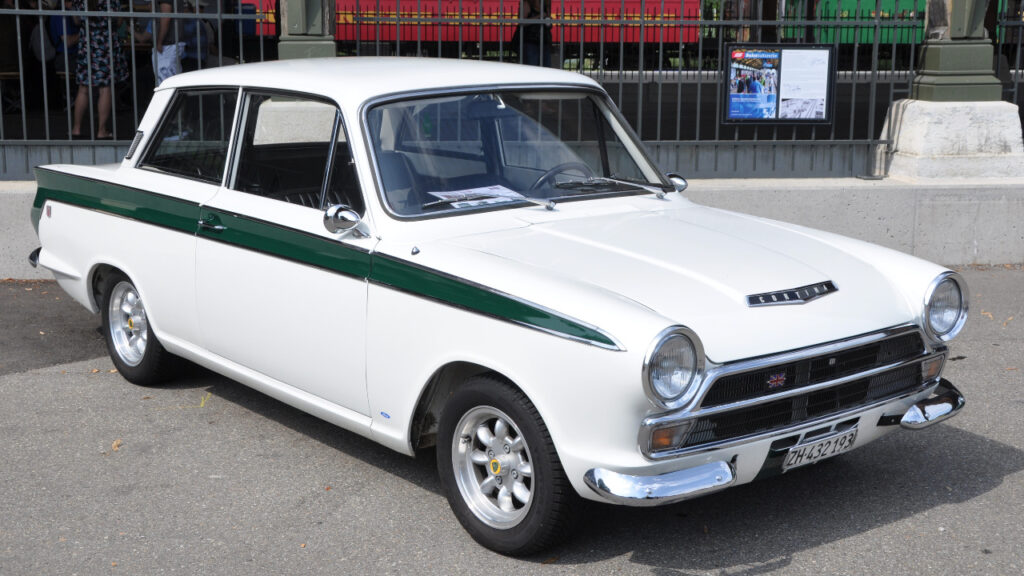
The Ford Cortina became one of Britain’s most familiar family cars and spent much of its life as dependable everyday transportation. Its conventional rear-wheel-drive layout and straightforward engines made it relatively easy for local mechanics to service. Cortinas served as family cars, company vehicles, taxis, and work transportation, meaning many accumulated substantial mileage. Its success was never based solely on performance or luxury. The Cortina earned its place in automotive history by being practical enough to become a long-term companion for millions of drivers.
Fiat Panda
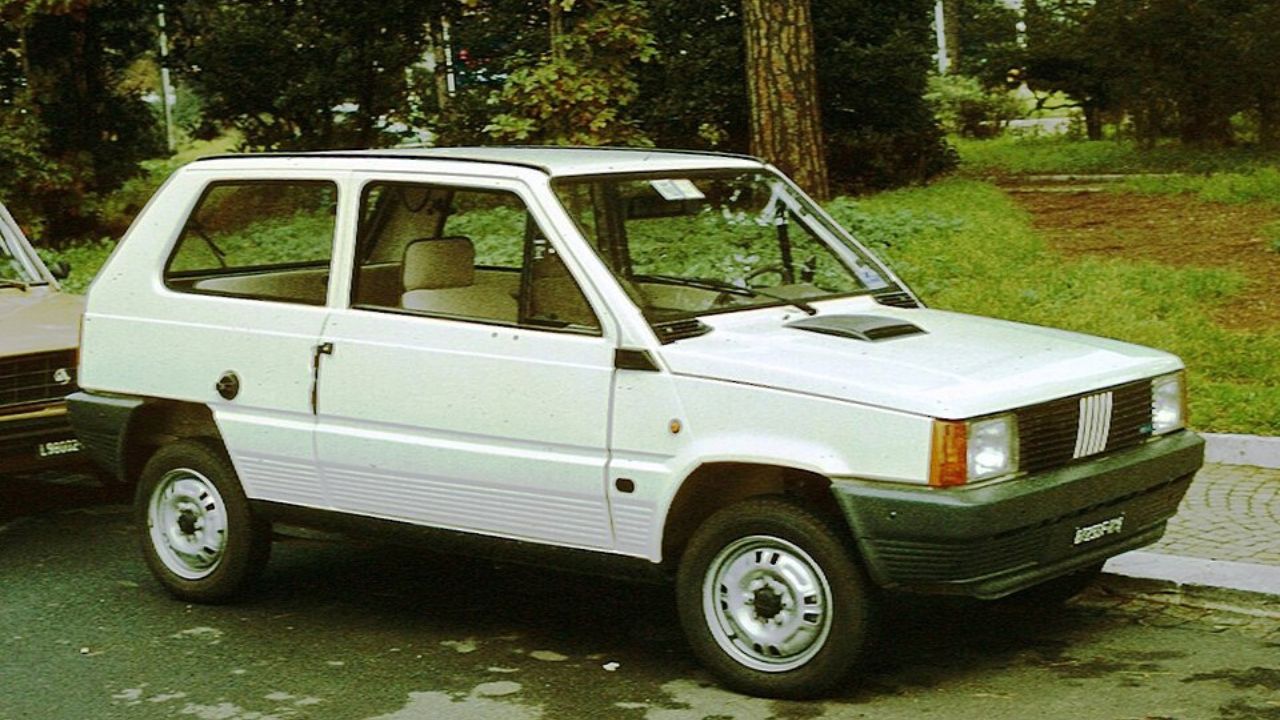
The original Fiat Panda was a lesson in how simplicity could make a car useful for a surprisingly long time. Its lightweight construction, compact engines, and basic interior kept the design inexpensive and relatively easy to maintain. The practical shape also gave owners more usable space than its small exterior suggested. Pandas were popular across Europe and often served as inexpensive transportation for years. Their durability was closely tied to their lack of unnecessary complexity, allowing owners to keep them running with basic mechanical attention.
Mitsubishi Galant
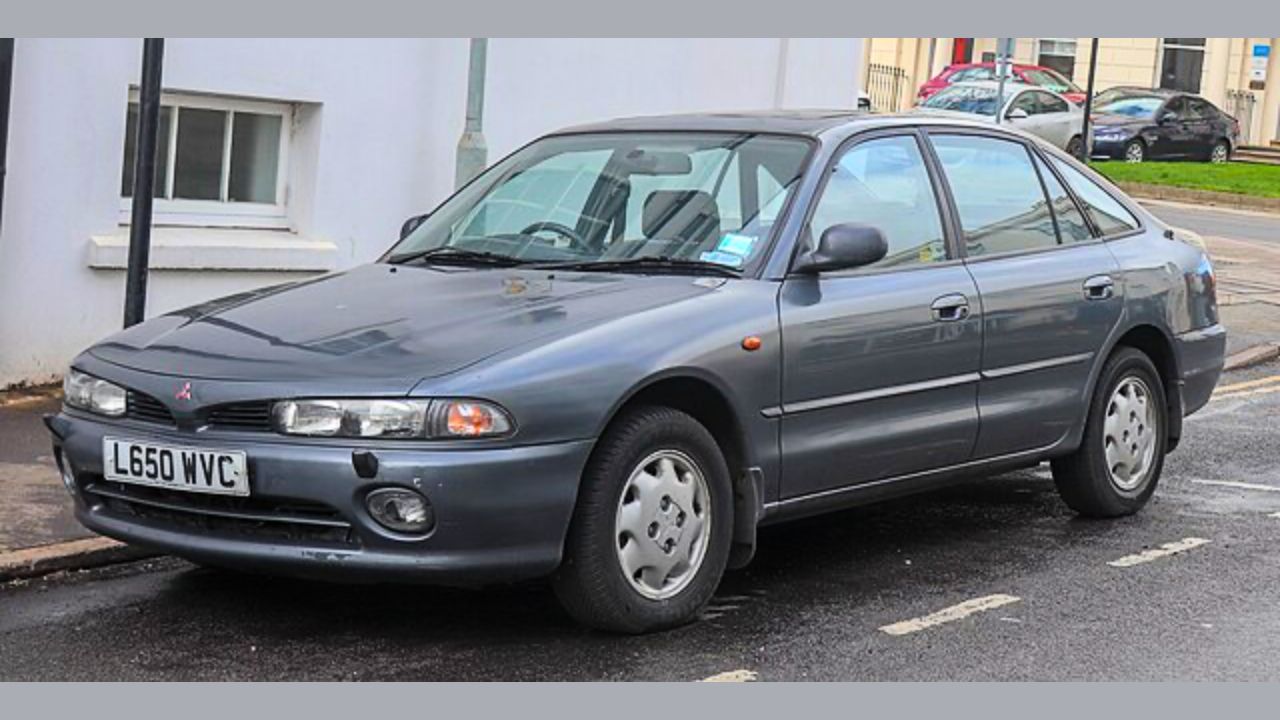
The Mitsubishi Galant became a dependable choice for drivers who wanted a practical family car with more substance than a basic economy model. Several generations used durable four-cylinder engines and conventional drivetrains that could provide long service when properly maintained. Galants were often used as everyday transportation rather than enthusiast cars, so many accumulated significant mileage. Their understated nature means they are less remembered today than some performance-oriented Mitsubishis, but that quiet durability is precisely what made them valuable to longtime owners.
More from Fast Lane Only
- Unboxing the WWII Jeep in a Crate
- 15 rare Chevys collectors are quietly buying
- 10 underrated V8s still worth hunting down
- Police notice this before you even roll window down
*Research for this article included AI assistance, with all final content reviewed by human editors.