Some motorcycles become classics because of their styling, while others earn their reputations by surviving decades of hard use. These bikes built their followings through simple engineering, durable engines, dependable frames, and designs that could handle years of riding without falling apart. For enthusiasts, their longevity is part of what makes them special.
Honda CB550
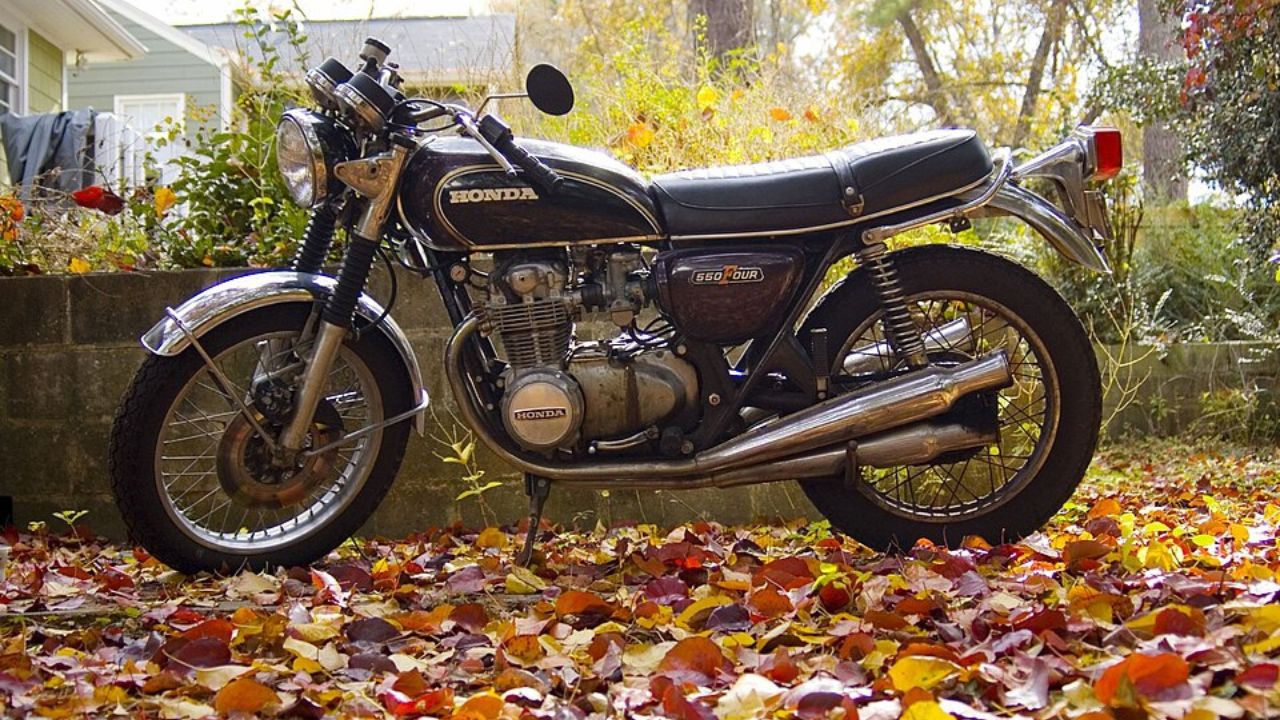
The Honda CB550 earned a reputation for being one of those motorcycles that simply kept running. Its inline-four engine delivered smooth performance without requiring exotic engineering, while the straightforward mechanical layout made maintenance relatively approachable. It was also smaller and lighter than some of Honda’s larger four-cylinder bikes, giving it a useful balance of performance and practicality. Decades later, surviving CB550s remain popular with riders and builders because the basic motorcycle was so well engineered from the beginning.
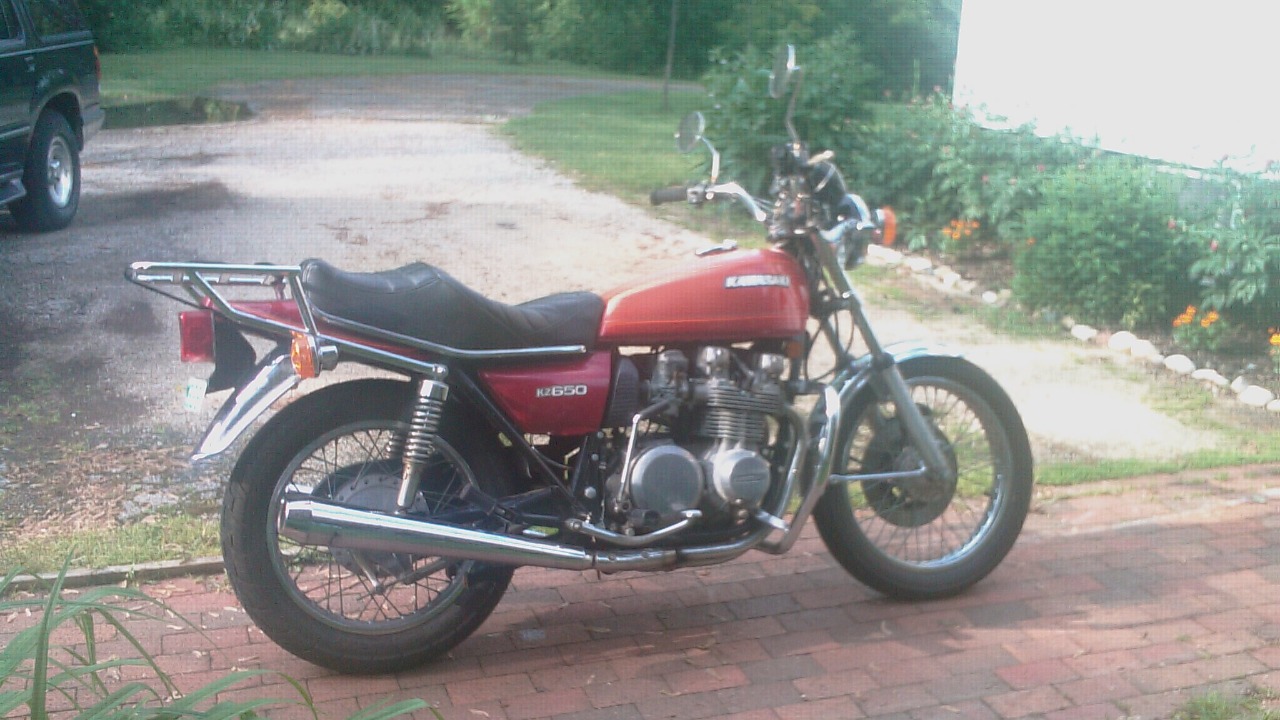
Kawasaki KZ650
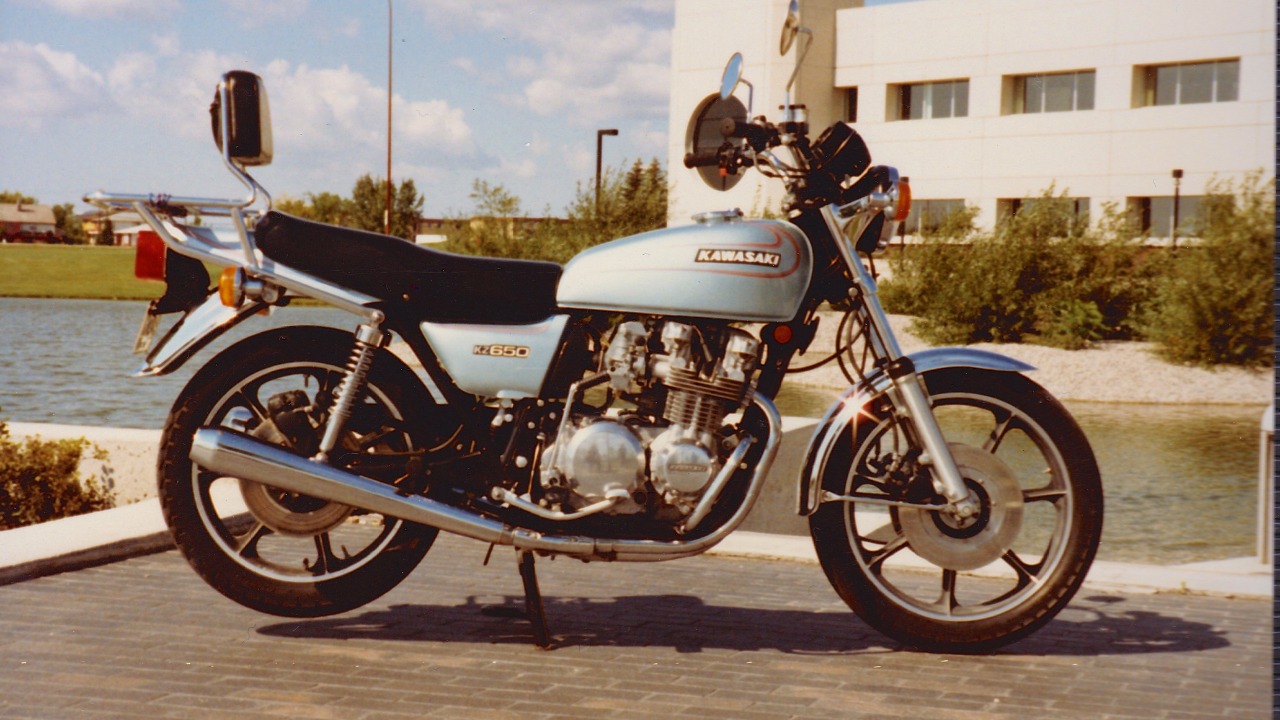
The Kawasaki KZ650 gave riders four-cylinder performance in a package that was more manageable than the company’s larger superbikes. Its air-cooled engine was mechanically straightforward, and the bike developed a reputation for being dependable enough for everyday use. The KZ650 also had a strong frame and conventional components that were relatively easy to understand. That combination helped many examples survive long after newer motorcycles had disappeared from the roads.
Yamaha XS400
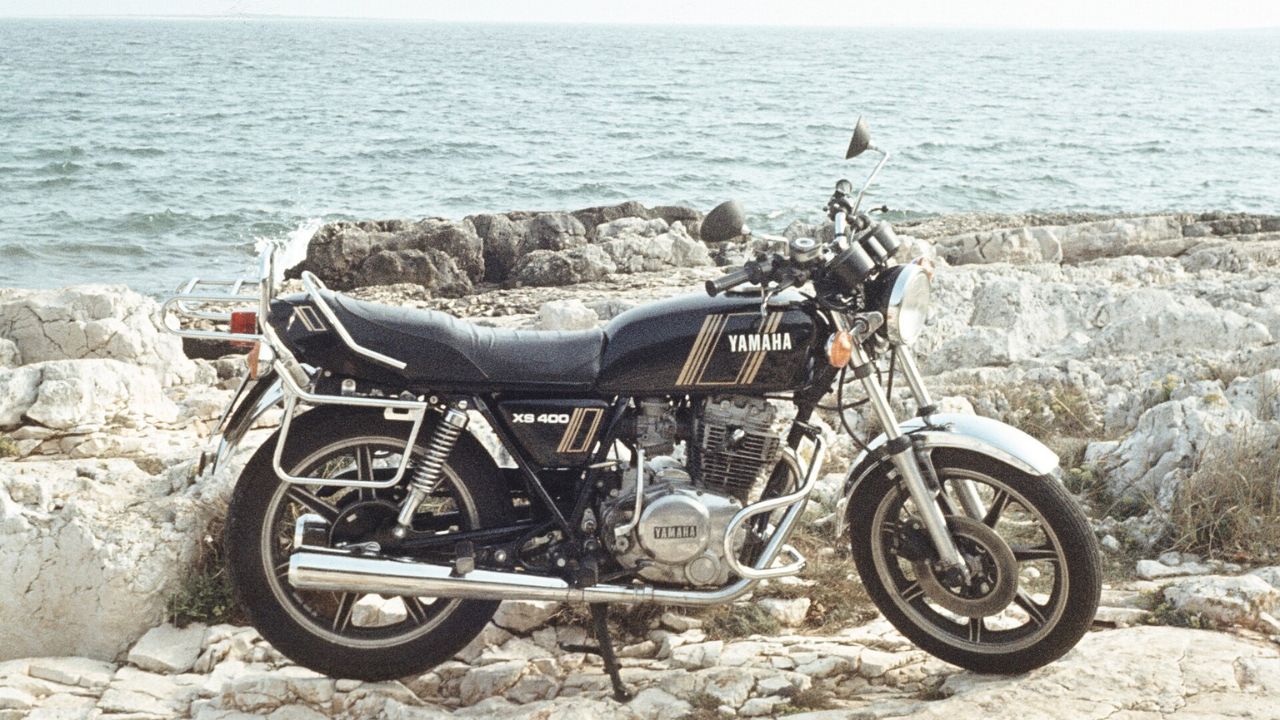
The Yamaha XS400 was not the biggest or fastest motorcycle of its era, but durability was never dependent on outright performance. Its parallel-twin engine was compact, simple, and economical, making it well suited to commuting and everyday riding. The motorcycle’s relatively uncomplicated design also meant owners could keep older examples on the road without relying on complicated electronics. For riders who value practicality over bragging rights, the XS400 remains an appealing example of durable Japanese engineering.
Suzuki GS550
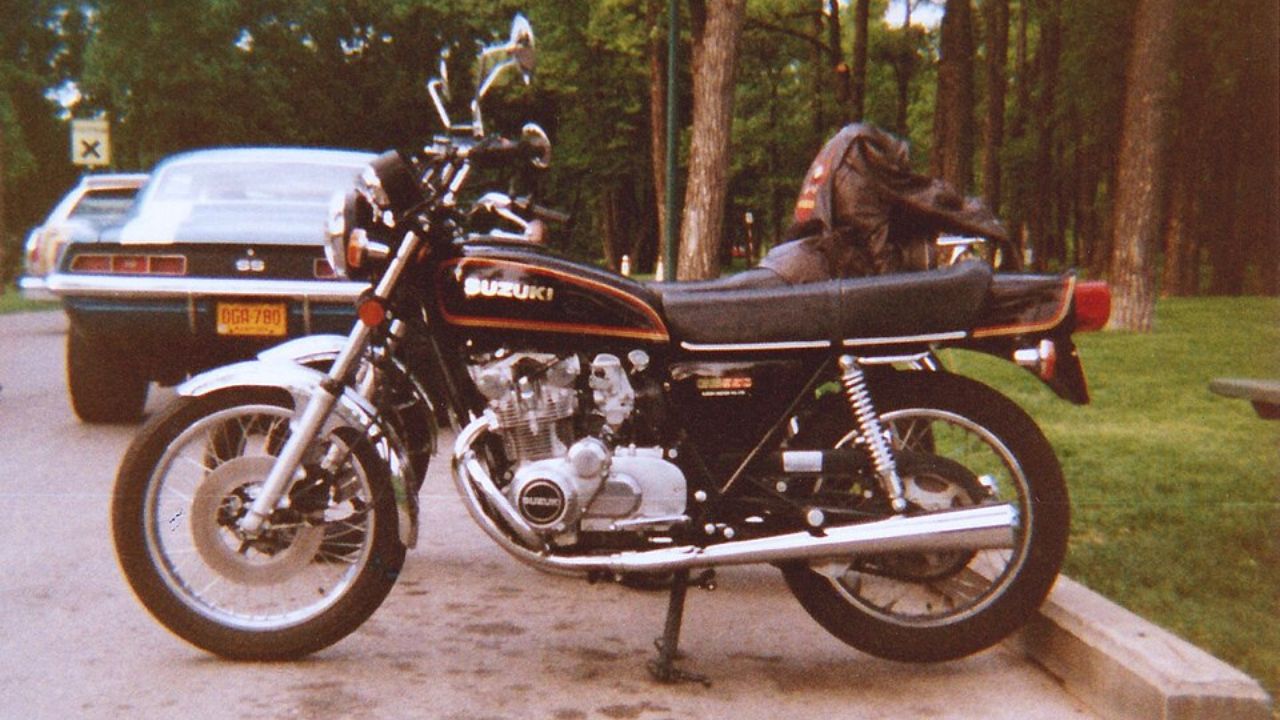
The Suzuki GS550 combined an inline-four engine with a relatively compact chassis, creating a motorcycle that was enjoyable without being unnecessarily complicated. Its air-cooled powerplant was designed around conventional mechanical principles, and replacement parts and maintenance knowledge have helped keep surviving bikes running. The GS550 was also versatile enough to serve as a commuter, weekend bike, or touring machine. Its ability to fill several roles is one reason enthusiasts continue to restore and ride these motorcycles.
Honda CX500
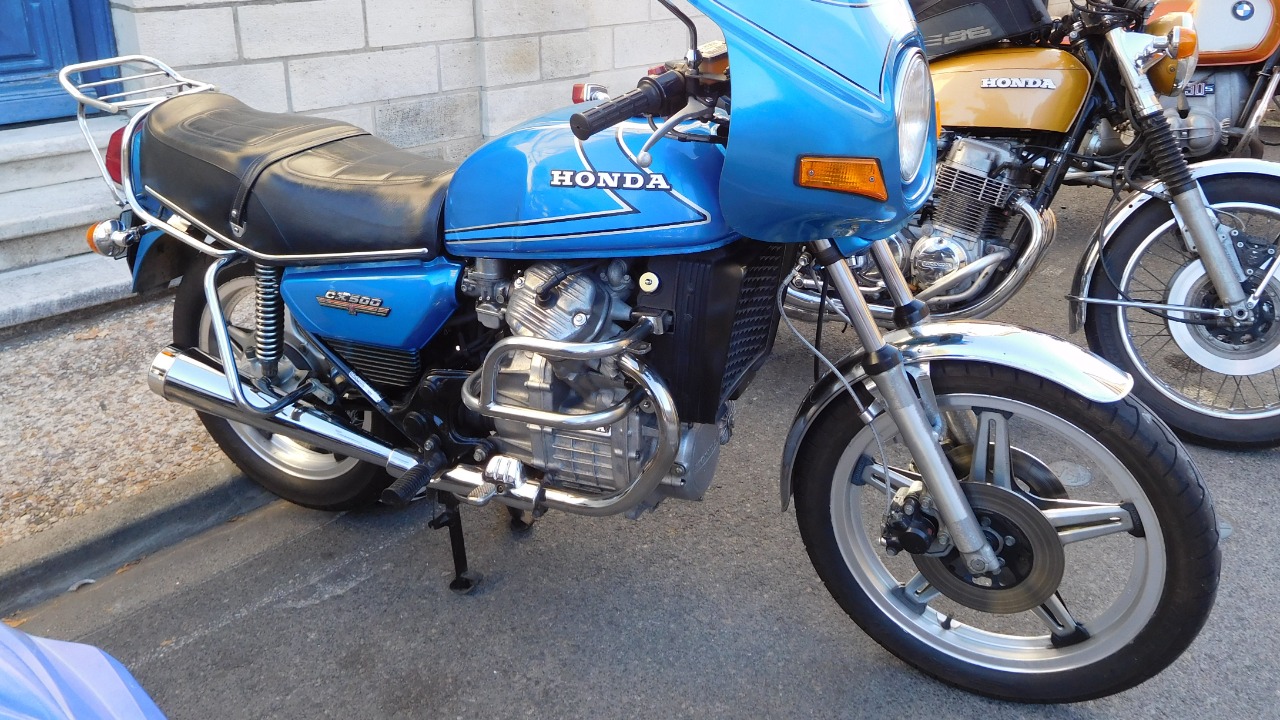
The Honda CX500 looked unusual, but its unconventional appearance hid a remarkably practical machine. Its liquid-cooled V-twin engine used shaft drive, reducing the need for routine chain maintenance, while the design was built with everyday reliability in mind. The CX500 became especially popular with riders who appreciated its durability and practicality. Even after decades, the model remains a favorite foundation for custom builds because the underlying motorcycle is tough enough to withstand years of use.
Yamaha SR500
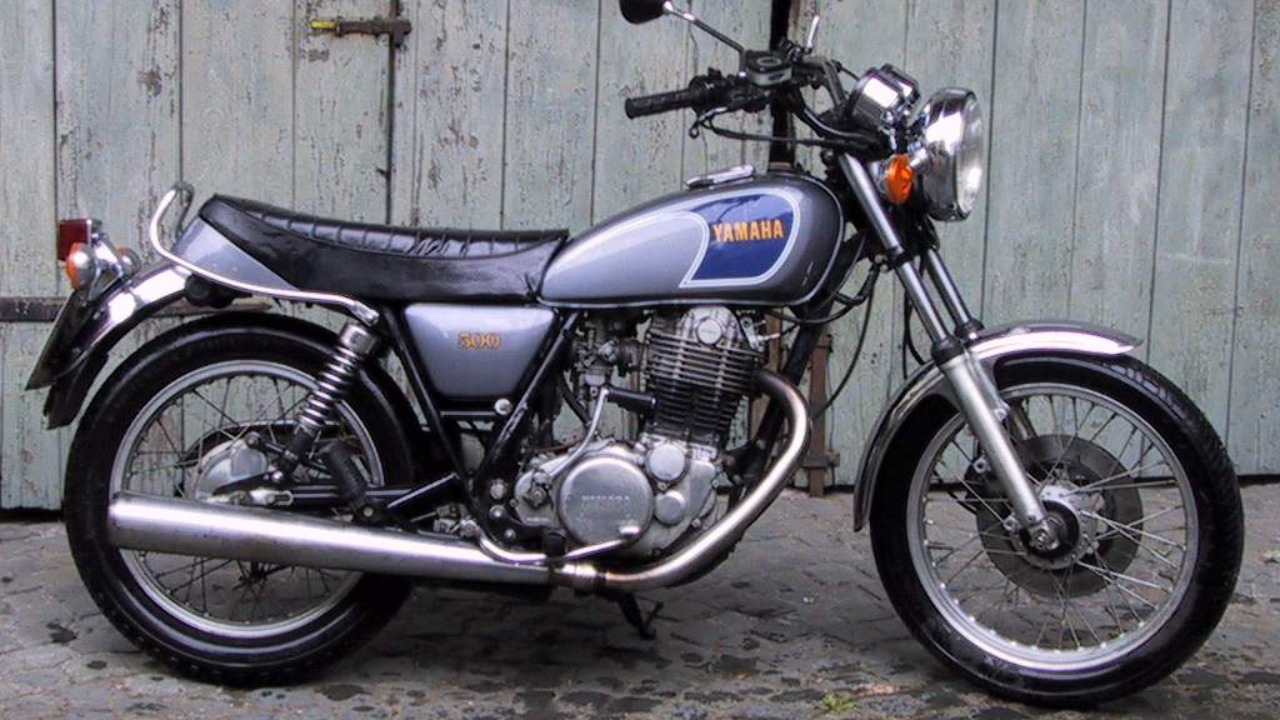
The Yamaha SR500 was built around a simple formula that enthusiasts still appreciate. Its air-cooled single-cylinder engine avoided unnecessary complexity, while the lightweight chassis made the motorcycle easy to handle around town and on winding roads. The SR500’s mechanical simplicity is a major reason so many examples have survived. Owners can work on the bike without needing sophisticated equipment, and that accessibility has helped turn an ordinary single-cylinder motorcycle into a long-running cult classic.
Suzuki GSX750E
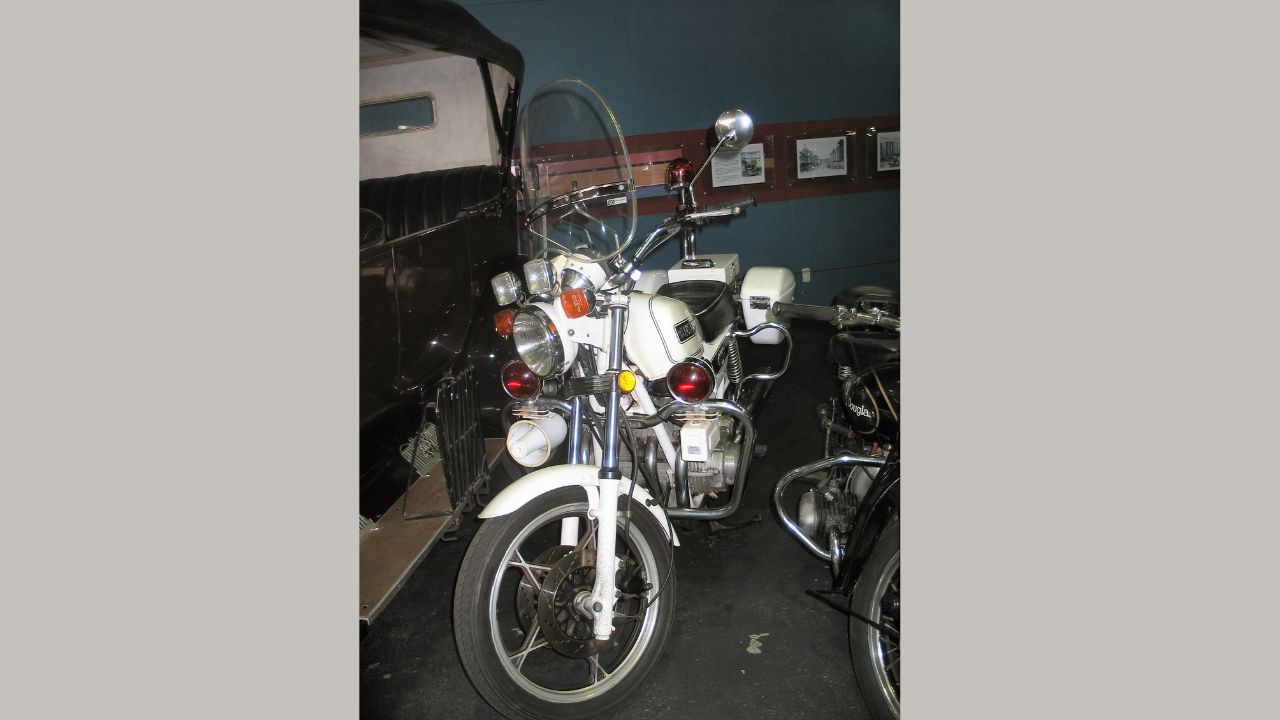
The Suzuki GSX750E offered strong four-cylinder performance while retaining the straightforward mechanical character associated with older Japanese motorcycles. Its air-cooled engine was robust and relatively easy to service, and the bike was capable enough for both daily riding and longer trips. It also arrived during a period when Japanese manufacturers were rapidly improving motorcycle performance without abandoning mechanical simplicity. That balance helped the GSX750E earn a following among riders who wanted speed without excessive complexity.
Kawasaki KZ1000

The Kawasaki KZ1000 was built for riders who wanted serious performance, but its reputation eventually became just as closely associated with toughness. Its large air-cooled inline-four produced strong power while using a conventional mechanical layout that could be maintained for years. The KZ1000 also became famous in police and law-enforcement applications, where durability mattered. Its combination of strength, performance, and straightforward engineering has made surviving examples highly desirable among classic motorcycle enthusiasts.
Honda Gold Wing GL1000
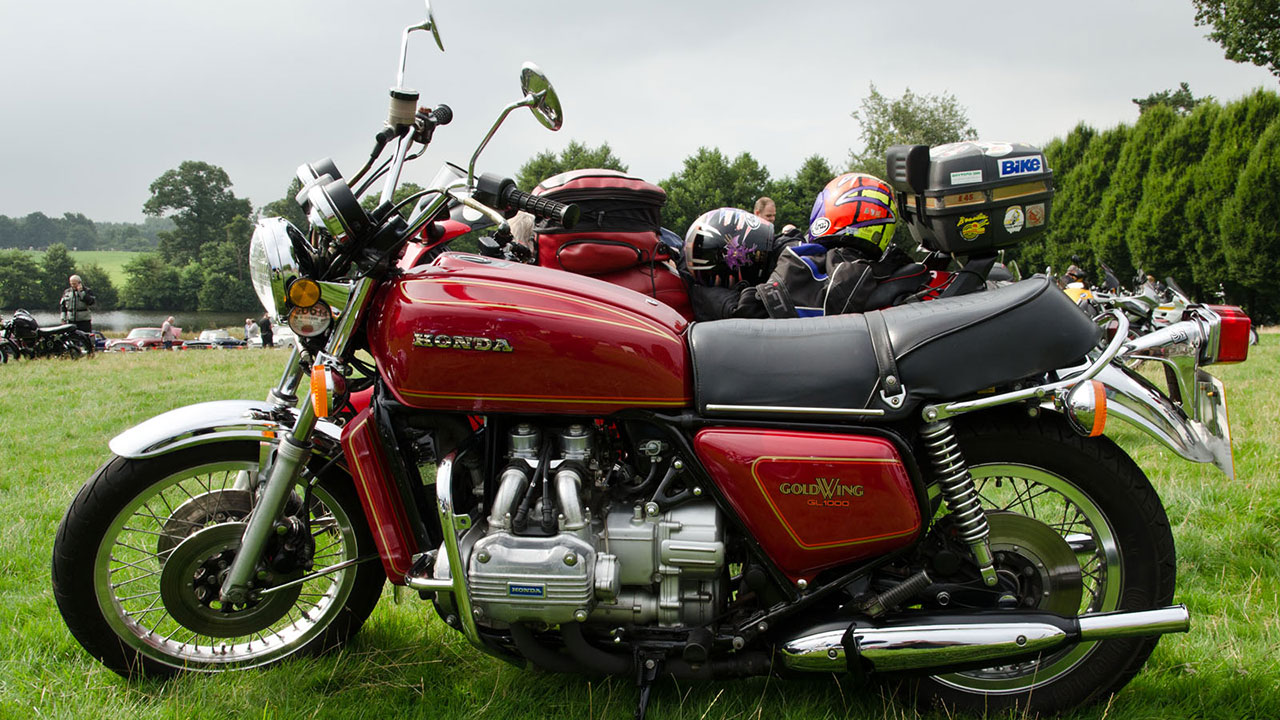
The original Honda Gold Wing introduced a different kind of long-distance motorcycle. Its flat-four engine was smooth and substantial, while the shaft drive and strong chassis made it well suited to extended touring. Honda designed the machine with durability in mind, and many examples accumulated impressive mileage over the years. The GL1000 also established the foundation for the Gold Wing family that followed. Its ability to cover long distances reliably helped make it one of the defining touring motorcycles of its era.
Yamaha XS650
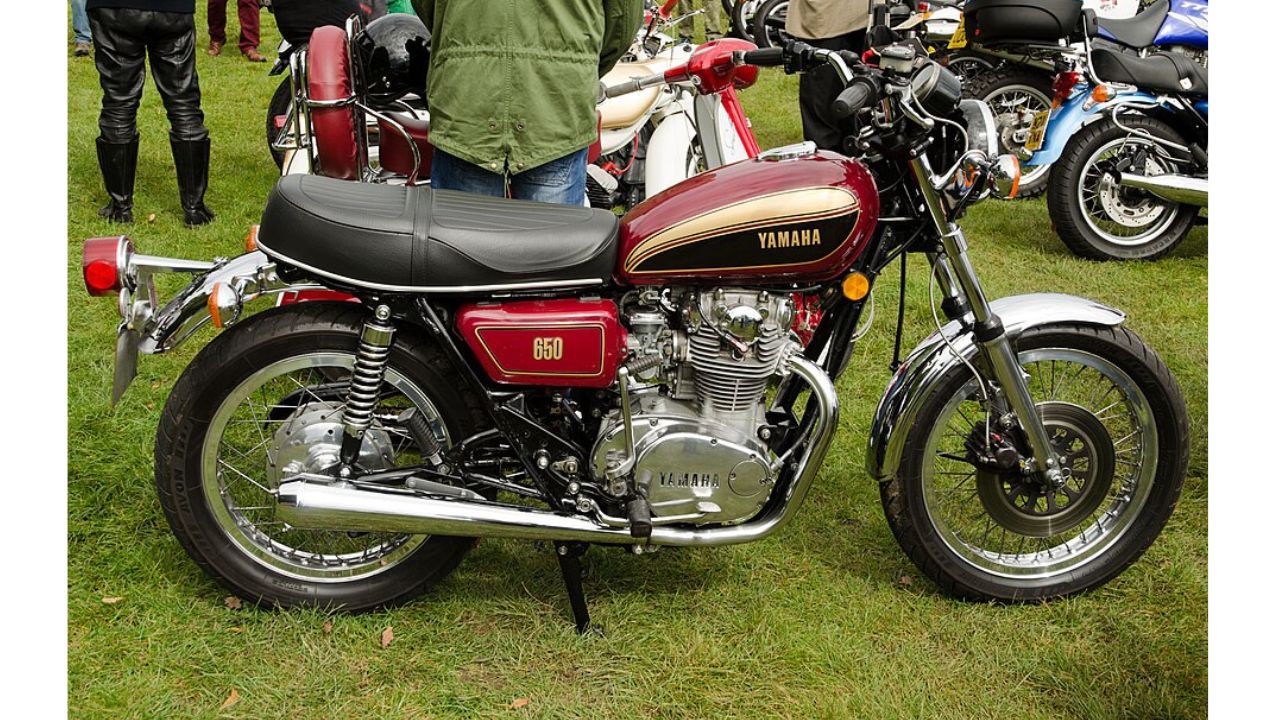
The Yamaha XS650 used a classic parallel-twin layout that gave it a mechanical character many riders still enjoy. Its air-cooled engine was relatively simple, and the motorcycle’s conventional construction made it easier to maintain than many modern machines. The XS650 also proved remarkably adaptable, becoming a popular base for everything from restorations to custom motorcycles. Its combination of durability, simplicity, and abundant mechanical knowledge has helped keep the model alive long after its production ended.
Suzuki GS750
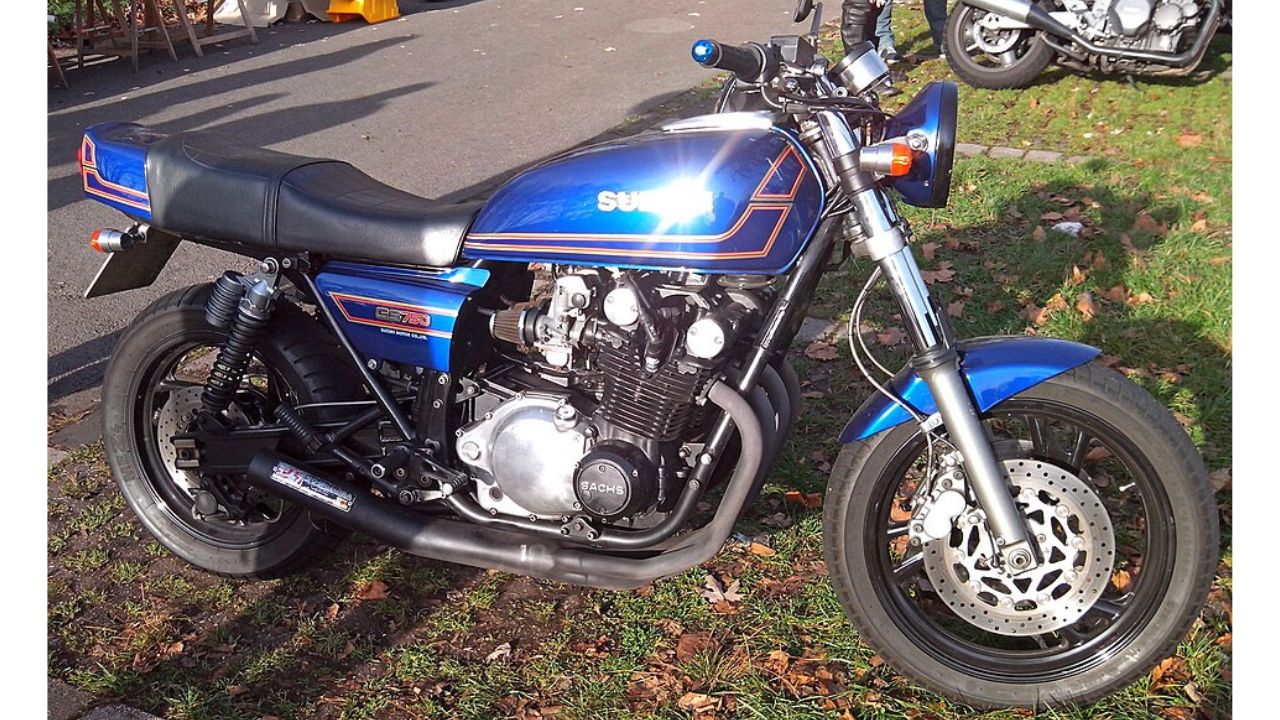
The Suzuki GS750 brought a larger four-cylinder engine into a package known for smooth performance and dependable operation. Its air-cooled powerplant avoided many of the complexities that would become common on later motorcycles, while the conventional chassis made maintenance straightforward. The bike was capable enough for highway riding but remained useful around town. That versatility helped it develop a loyal following, and many enthusiasts still regard the GS750 as one of Suzuki’s most dependable early superbike-era machines.
Honda CB750K
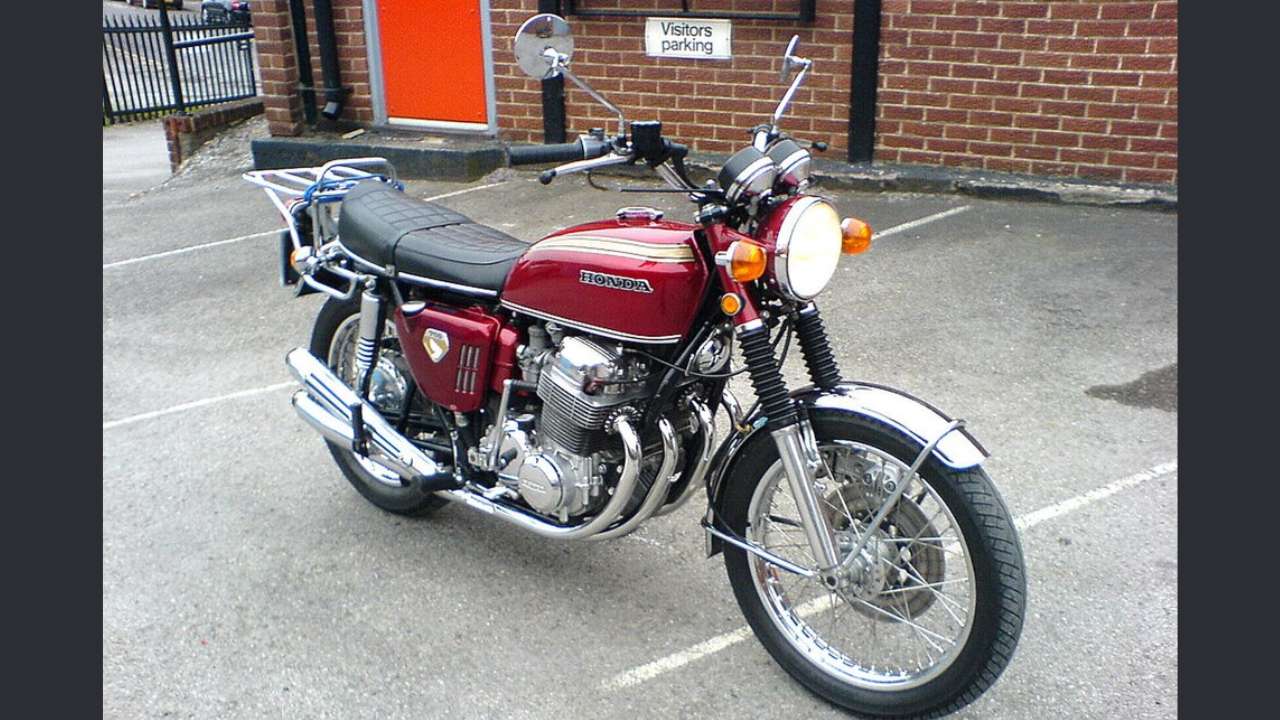
The Honda CB750K became one of the most influential Japanese motorcycles ever built, but its importance was not based solely on performance. Its inline-four engine offered smooth power and impressive durability, while the overall design proved capable of handling everyday use for years. The motorcycle also established a reputation that encouraged owners to maintain rather than replace their bikes. Today, the CB750K remains a common sight at classic motorcycle gatherings because so many examples survived the passage of time.
Kawasaki KZ440
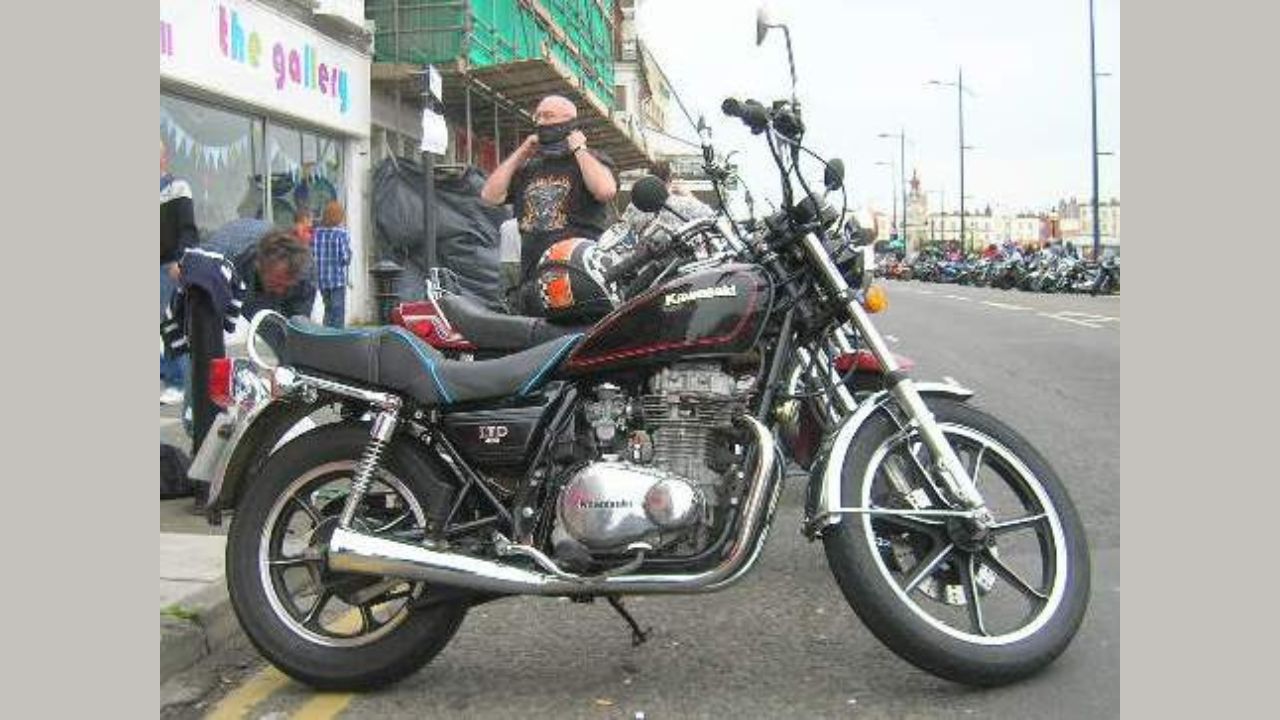
The Kawasaki KZ440 demonstrated that durability was not limited to large-displacement motorcycles. Its parallel-twin engine was economical, relatively simple, and well suited to everyday riding. The bike’s manageable size made it attractive to commuters and newer riders, while its conventional construction allowed owners to keep older examples running without excessive complication. It may lack the status of Kawasaki’s famous superbikes, but that practical nature is precisely why the KZ440 remains an interesting classic.
Honda GL500 Silver Wing
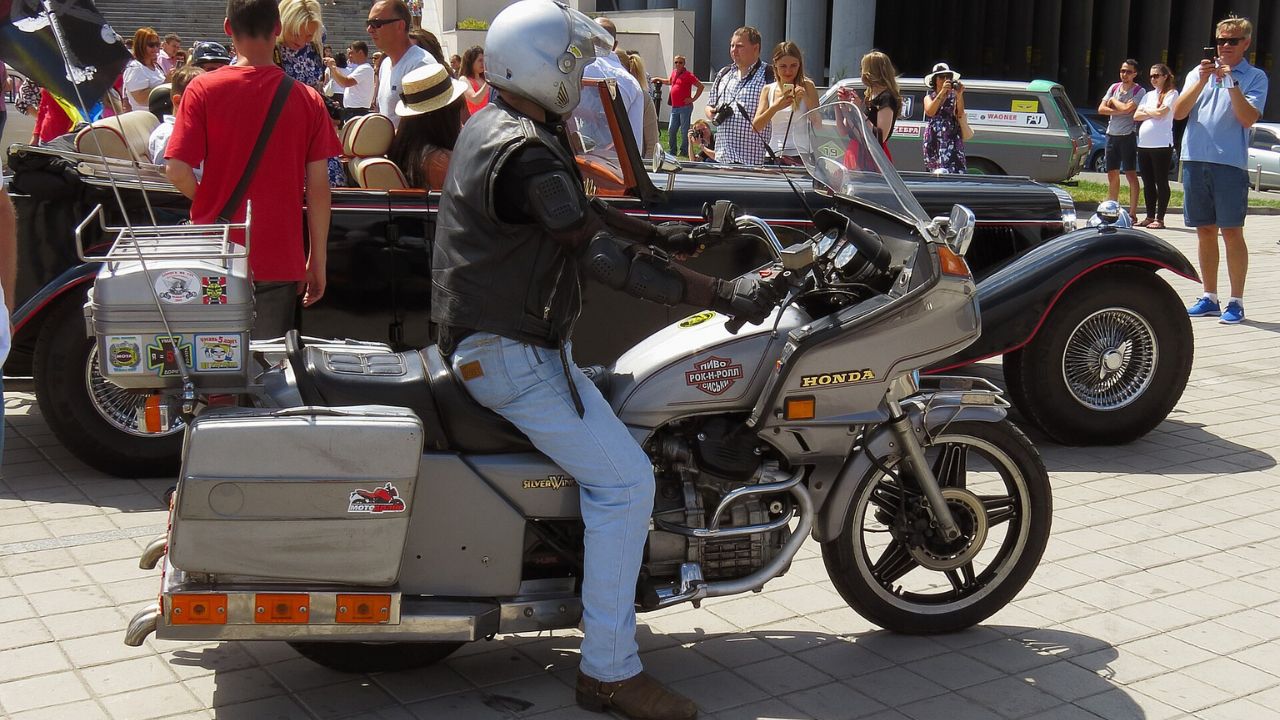
The Honda GL500 Silver Wing borrowed the basic CX-series formula and developed it into a practical middleweight motorcycle. Its liquid-cooled V-twin, shaft drive, and comfortable riding position made it useful for commuting and touring. Honda’s engineering emphasized smooth operation and low-maintenance ownership rather than headline performance. As a result, the GL500 could quietly accumulate years of service. Enthusiasts today appreciate it as an overlooked example of Honda building a motorcycle around everyday longevity.
Suzuki GS850
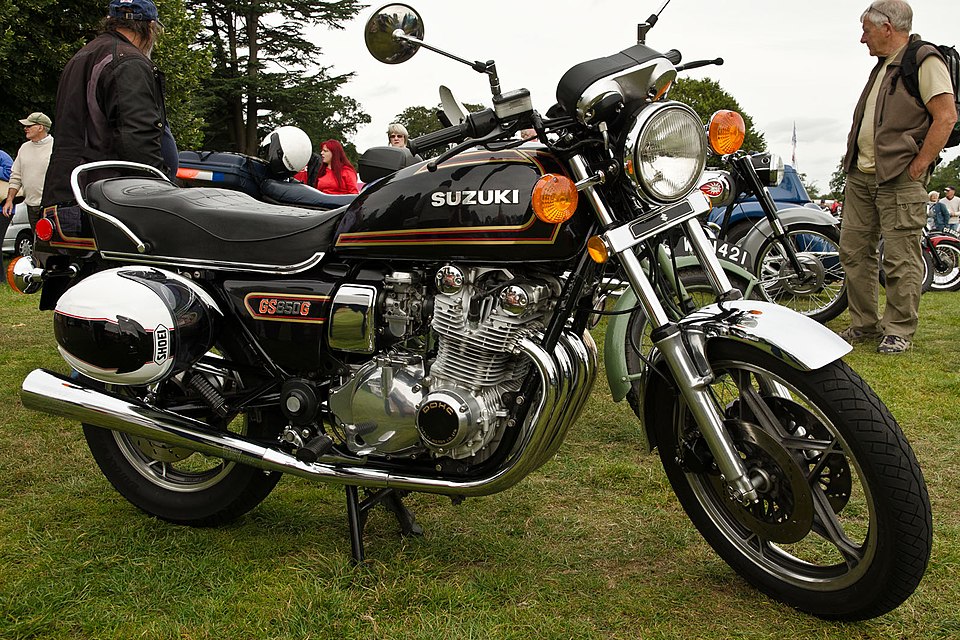
The Suzuki GS850 was built with long-distance riding in mind, and its engineering reflected that purpose. The air-cooled inline-four provided smooth power, while shaft drive reduced routine maintenance and made the bike particularly suitable for touring. Its substantial construction also gave it a reassuring feel on the highway. Many GS850s accumulated serious mileage during their working lives, and surviving examples remain evidence of Suzuki’s ability to build large motorcycles that could handle years of regular use.
Honda Rebel 450
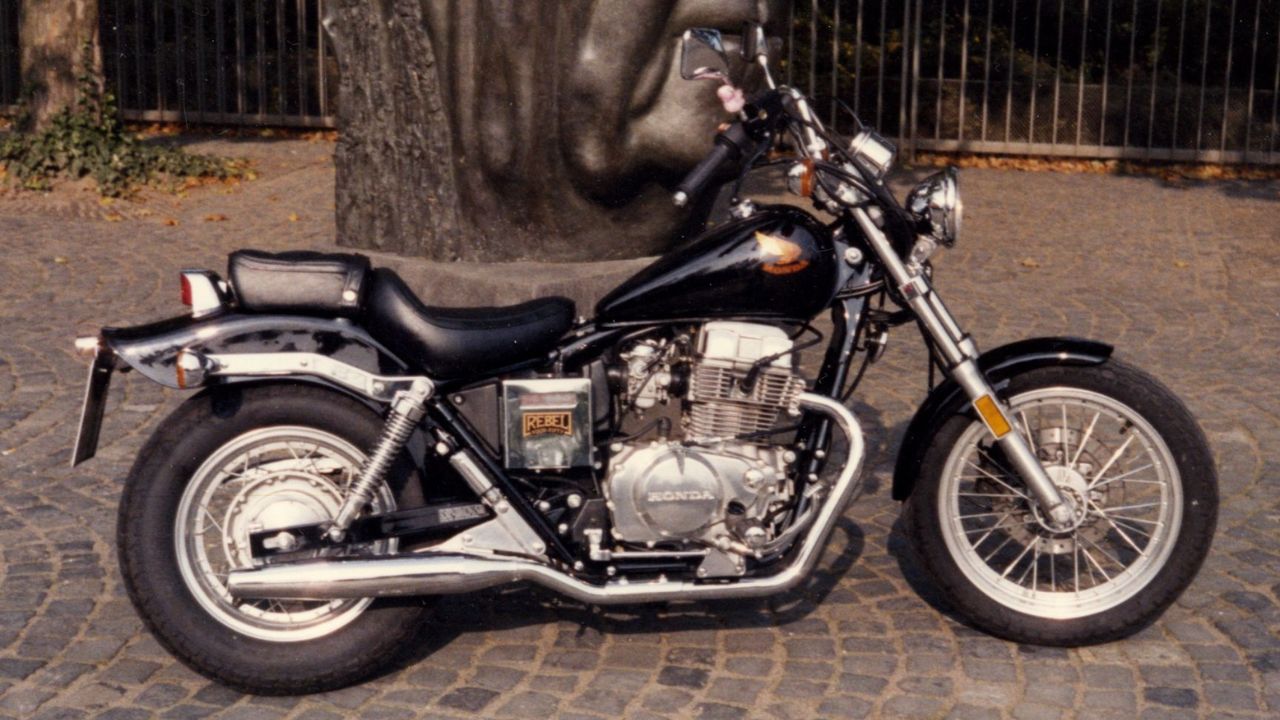
The Honda Rebel 450 offered cruiser styling with a smaller and more manageable package, but it also benefited from Honda’s reputation for dependable mechanical engineering. Its twin-cylinder engine delivered useful performance without being overly complicated, while the relatively simple chassis kept ownership approachable. The Rebel name eventually became one of Honda’s most recognizable motorcycle lines. The 450 version remains interesting to classic-bike enthusiasts because it provided a practical blend of economy, reliability, and easygoing road manners.
Kawasaki KZ750
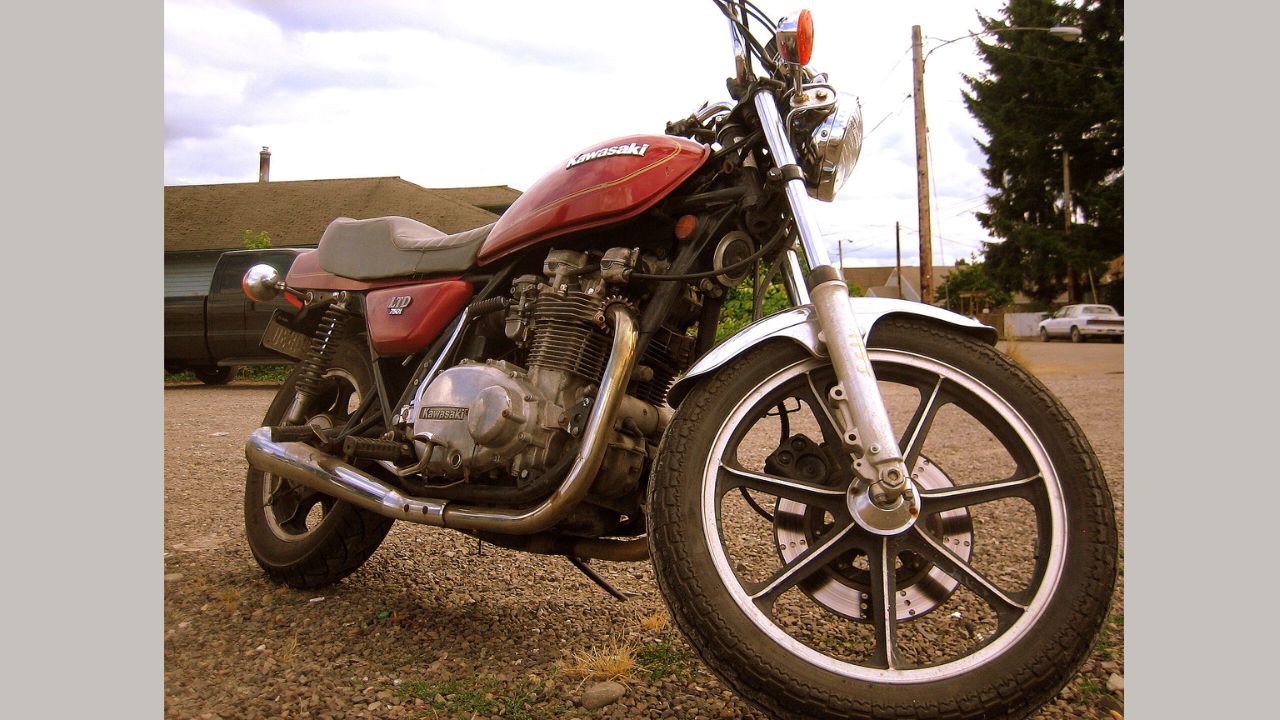
The Kawasaki KZ750 gave riders a useful middle ground between smaller motorcycles and the company’s larger superbikes. Its four-cylinder engine delivered respectable performance, while the air-cooled design kept the mechanical package relatively uncomplicated. The KZ750 could handle commuting, highway travel, and weekend riding without being overly specialized. That versatility helped many examples remain in service for years. Enthusiasts value it today as a durable Kawasaki that offered plenty of motorcycle without demanding exotic maintenance.
BMW R80

The BMW R80 represented a very different approach to motorcycle durability. Its air-cooled boxer twin was built around a simple and accessible mechanical layout, while shaft drive reduced routine drivetrain maintenance. The motorcycle was designed for riders who valued long-distance reliability and solid construction rather than outright speed. Its reputation for longevity helped establish BMW’s airhead motorcycles as enduring classics. Even today, the R80 remains popular with riders who want a vintage machine that can still be used regularly.
Harley-Davidson Sportster 883
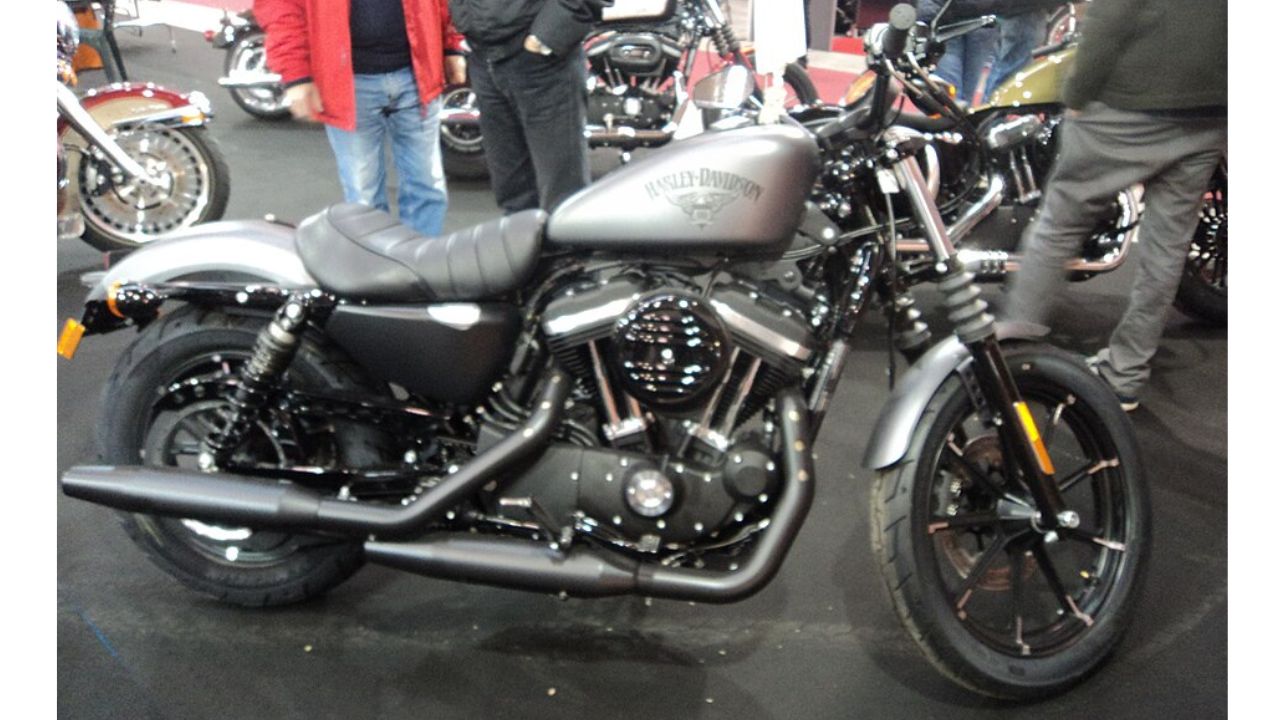
The Harley-Davidson Sportster 883 became one of the most enduring names in American motorcycling because of its simple formula and broad appeal. Its air-cooled V-twin provided accessible performance, while the basic architecture allowed owners to maintain and personalize their motorcycles over many years. The Sportster was equally at home as a commuter, weekend cruiser, or custom project. Its long production history also ensured a deep supply of knowledge and parts, helping countless older examples stay on the road.
More from Fast Lane Only
- Unboxing the WWII Jeep in a Crate
- 15 rare Chevys collectors are quietly buying
- 10 underrated V8s still worth hunting down
- Police notice this before you even roll window down
*Research for this article included AI assistance, with all final content reviewed by human editors.