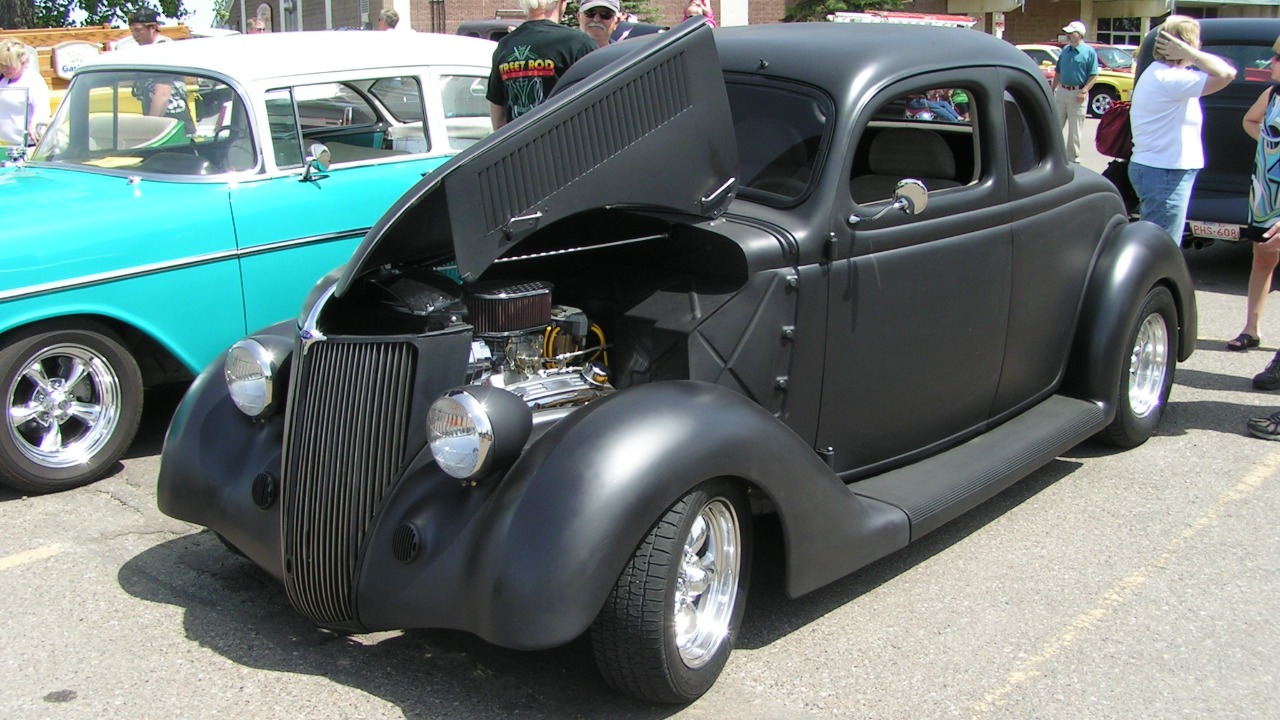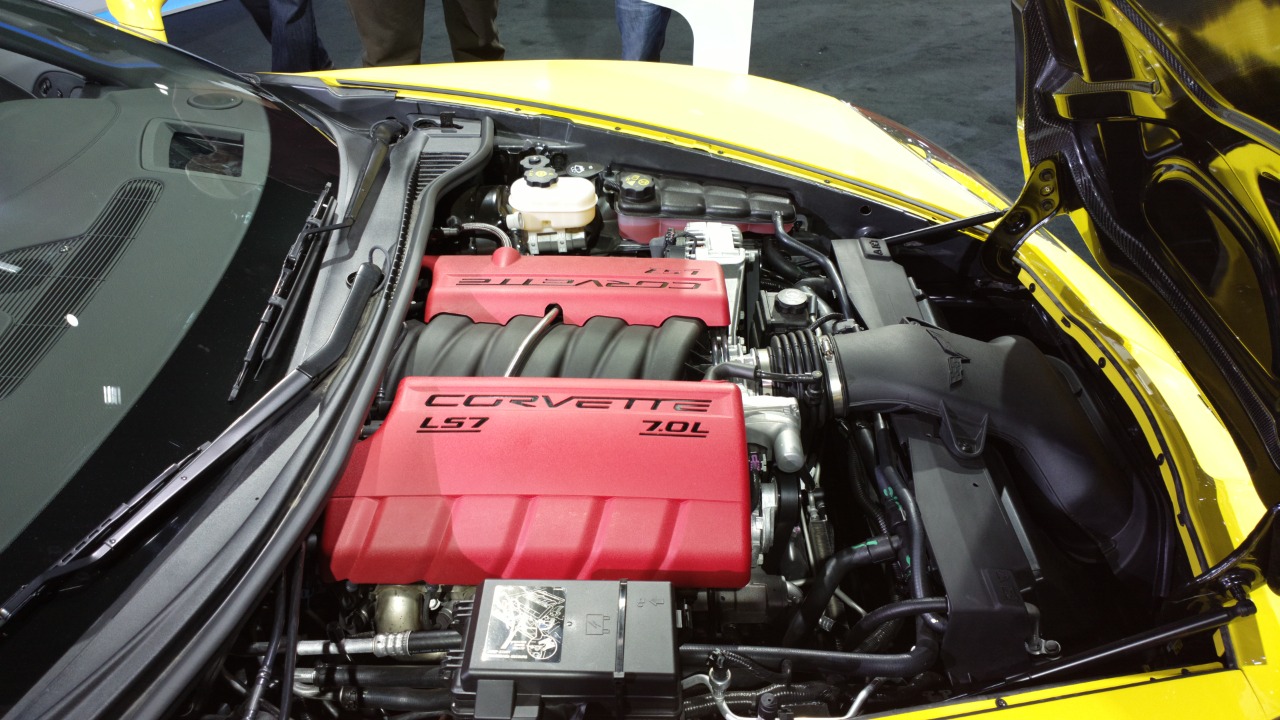
Some engines become collectible because they powered famous cars, while others gain value simply because good examples are becoming harder to find. Collectors have started looking beyond the obvious choices and paying attention to original engines that once seemed ordinary, overlooked, or too common to save. Factory performance packages, rare cylinder heads, unusual induction systems, and engines tied to limited-production cars can all make a powerplant worth preserving.
The interesting part is that many of these engines are no longer being treated as spare parts. Owners are pulling them from cars that are being modified, keeping complete assemblies in storage, and searching swap meets and private sales for correct blocks, heads, intake manifolds, and other factory components. Some are already highly valuable, while others remain surprisingly affordable compared with the cars they powered. Either way, these are the engines collectors are increasingly reluctant to let disappear.
1. Chrysler 426 Hemi
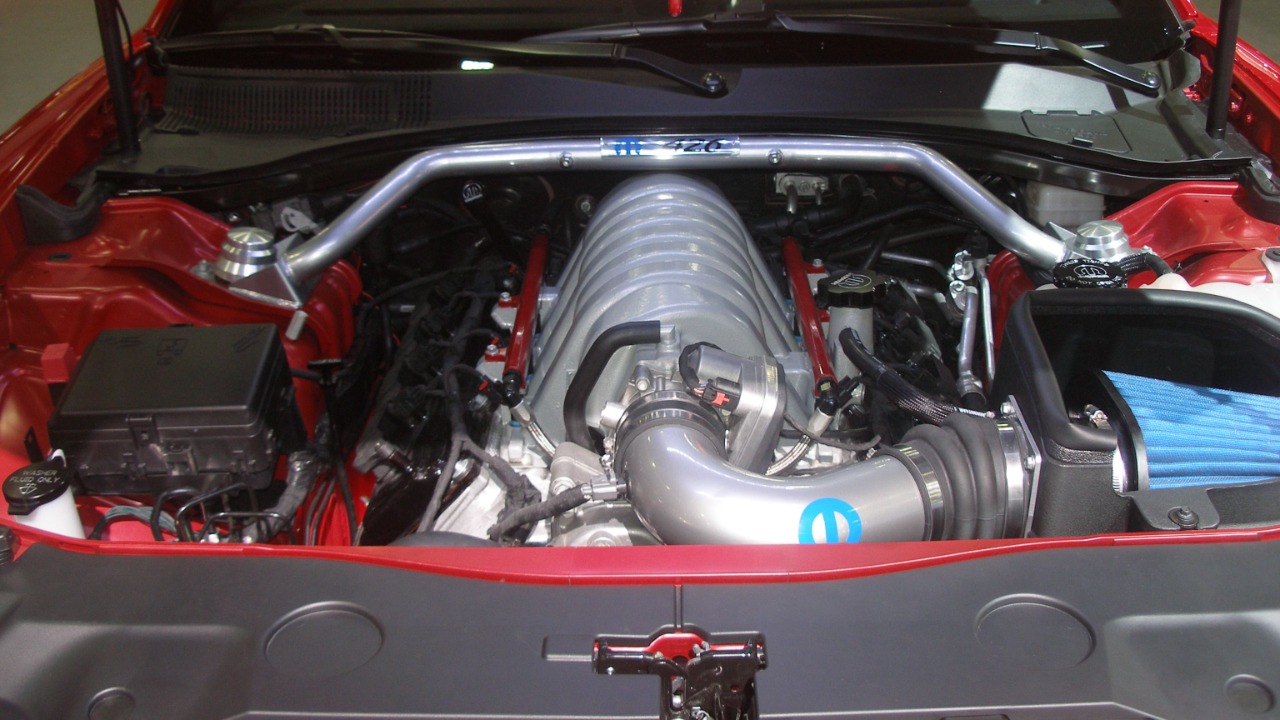
The Chrysler 426 Hemi has been collectible for decades, but complete original examples have become particularly desirable as more muscle cars are restored to factory specifications. Introduced for 1964 NASCAR competition and later adapted for street use in 1966, the 426 Hemi combined hemispherical combustion chambers with a robust bottom end, high-flow cylinder heads, and dual four-barrel carburetors. The street version was officially rated at 425 horsepower, although its reputation came from far more than the number printed in the brochure. It powered some of Chrysler’s most desirable muscle cars, including the Dodge Charger, Plymouth Road Runner, Dodge Challenger, and Plymouth Barracuda. Original engines with correct casting numbers, date codes, and factory components are particularly important to restorers.
2. Chrysler 440 Six Pack
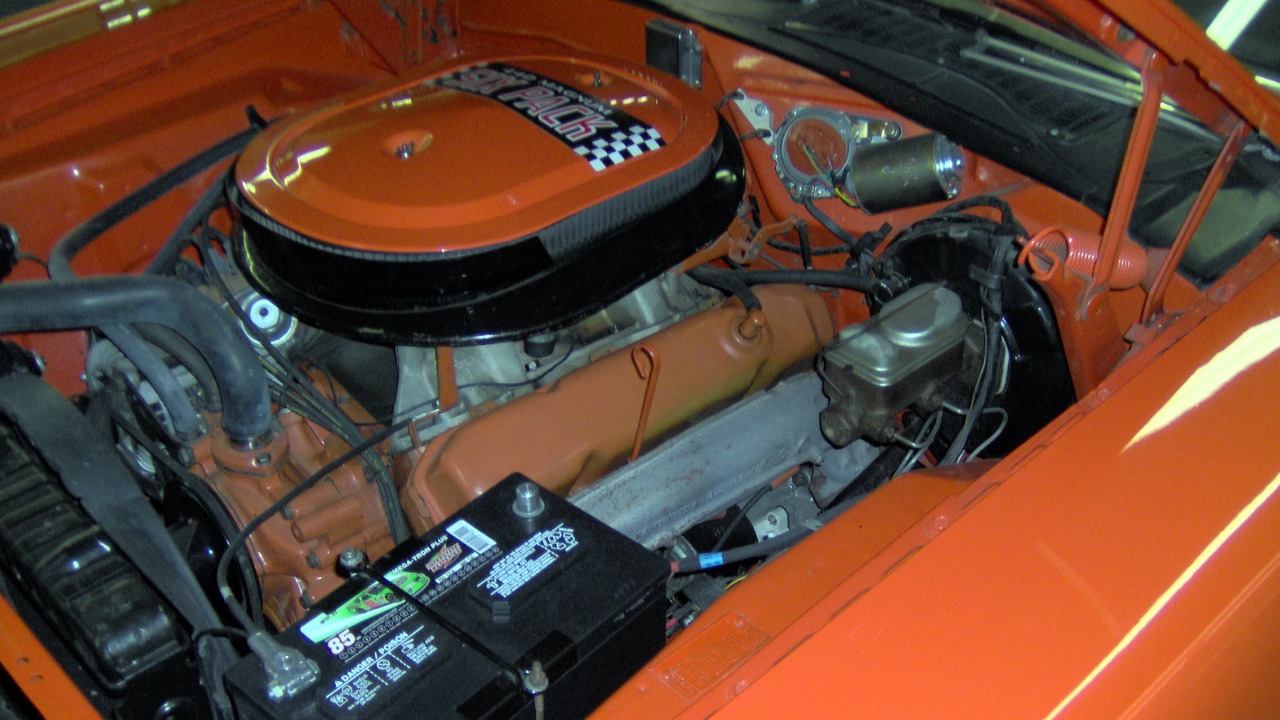
The 440 Six Pack became one of the most recognizable Mopar performance engines because it combined huge displacement with a relatively simple triple-carburetor setup. Plymouth called its version the 440 Six Barrel, while Dodge generally used the Six Pack name. The engine used three two-barrel carburetors mounted on a special intake manifold, giving the big-block a distinctive appearance and strong high-load performance. It powered cars such as the Road Runner, Super Bee, Challenger, and Superbird, making it an important part of Chrysler’s late-1960s and early-1970s performance story. Collectors particularly want complete original assemblies because the correct intake, carburetors, linkage, heads, and other components can be difficult to locate separately. A loose 440 block is one thing, but a properly documented Six Pack engine with its original equipment is another matter entirely.
3. Chrysler 340 Six Pack
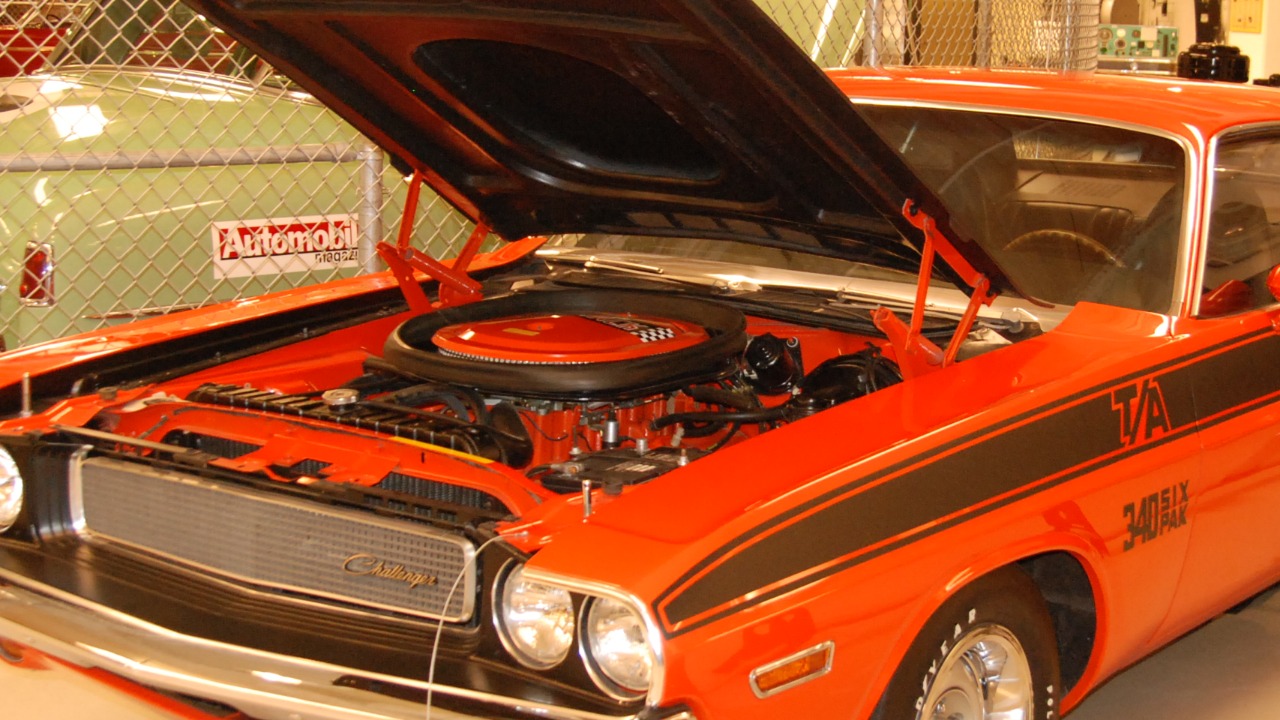
The 340 Six Pack is smaller than many engines on this list, but that has done little to reduce its appeal among Mopar collectors. Also known as the 340 Six Barrel in Plymouth applications, it used three two-barrel carburetors to give the small-block a serious performance advantage. The setup appeared in cars such as the Plymouth ‘Cuda and Dodge Challenger during the early 1970s, when manufacturers were finding creative ways to maintain performance as the muscle-car era began changing. Original examples are particularly interesting because the induction system is such a major part of the engine’s identity. Collectors restoring a Six Barrel car don’t just need any 340. They want the correct block and the proper intake, carburetors, linkage, and related hardware. That has made complete 340 Six Pack engines increasingly worth saving instead of breaking down for ordinary replacement parts.
4. Ford 427 SOHC
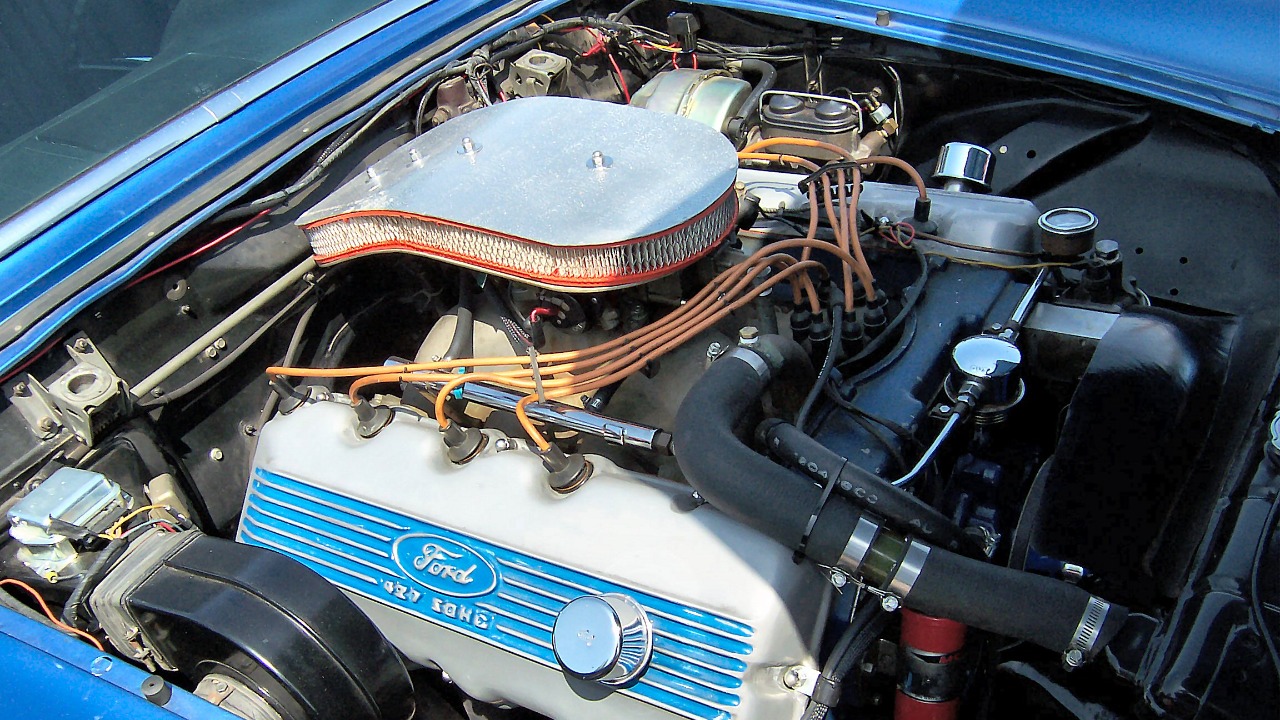
Ford’s 427 SOHC, commonly called the Cammer, is the kind of engine collectors save simply because it represents an extraordinary moment in American racing history. Ford developed the engine as a response to Chrysler’s powerful 426 Hemi, replacing the conventional FE pushrod arrangement with single overhead camshafts. The result was a complicated and intimidating engine with a massive timing-chain system, hemispherical combustion chambers, and serious high-rpm potential. It was never a normal mass-production passenger-car engine, which is a major reason genuine examples are so difficult to find today. Most were associated with racing and drag-racing applications, where their specialized design made sense. Collectors aren’t just preserving horsepower when they acquire a 427 SOHC. They are preserving one of Ford’s most ambitious attempts to turn a production-based V8 into a dedicated competition weapon.
5. Ford 427 FE
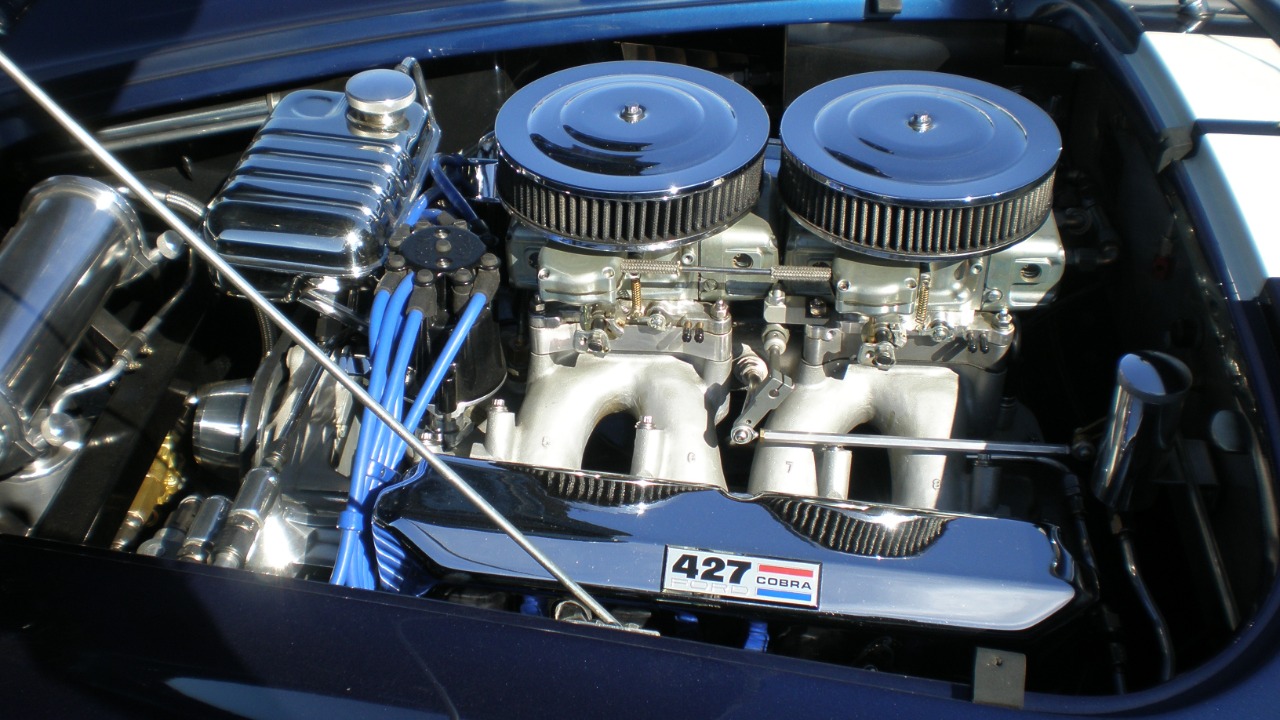
The Ford 427 FE became one of the most important engines of Ford’s 1960s performance program. It appeared in some of the company’s most serious racing efforts and became closely associated with cars such as the Ford Galaxie, Fairlane, and Shelby Cobra. The engine’s combination of large displacement, strong construction, and extensive factory development gave it a reputation that went well beyond ordinary street performance. Original 427 blocks are particularly interesting because many engines were modified, raced, rebuilt, or otherwise altered during their lives. Collectors searching for an authentic restoration therefore pay close attention to casting numbers, dates, cylinder heads, intake manifolds, and other details that can establish whether a particular engine is genuinely correct. A complete original 427 FE is increasingly treated as a piece of Ford racing history rather than simply an old big-block that can be swapped into another car.
6. Ford 289 Hi-Po
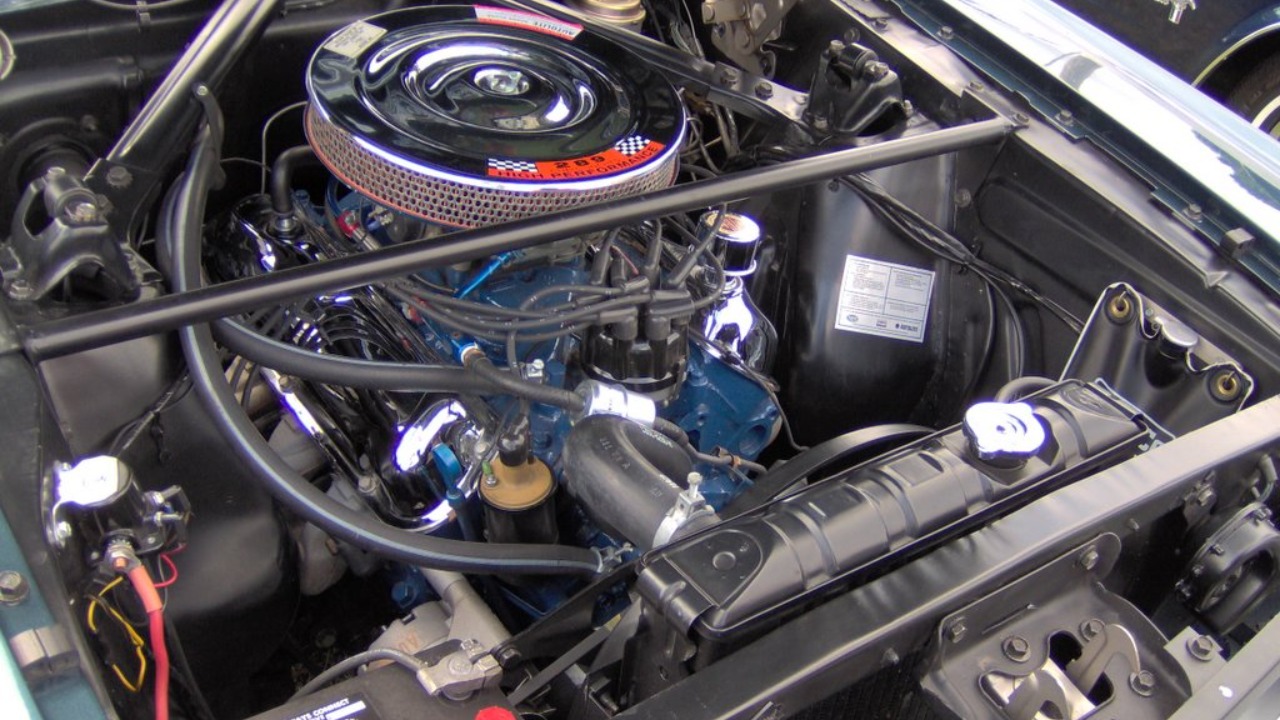
The Ford 289 High Performance V8 may not have the sheer displacement of the big-blocks, but collectors have plenty of reasons to hold onto original examples. The engine became famous through the early Mustang and other Ford performance applications, where its solid-lifter valvetrain, stronger internal components, and high-rpm character made it considerably more serious than the ordinary 289. It also played an important role in the early Shelby Mustang story, giving the compact Ford platform a performance identity that would eventually become central to the Mustang brand. Original Hi-Po engines are increasingly valuable to restorers because many have been modified over the decades or replaced with more modern Ford engines. A correctly dated 289 Hi-Po with its original heads, valvetrain, intake, and other factory equipment can therefore be far more interesting to a collector than an ordinary rebuilt 289.
7. Ford 351 Cleveland 4V
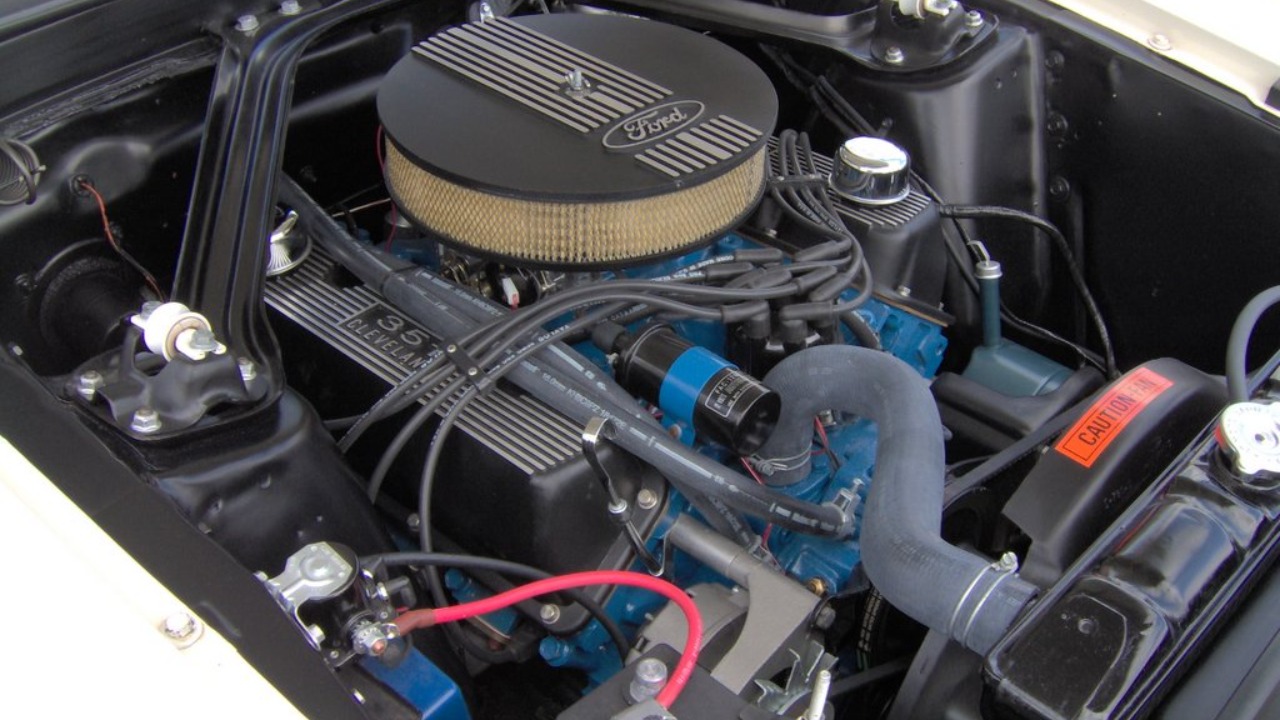
The 351 Cleveland 4V developed a following because Ford gave it cylinder heads that could breathe exceptionally well for a relatively compact V8. The large-port four-barrel heads were designed with serious performance in mind, and the engine became an important part of Ford’s early-1970s performance lineup. Its combination of relatively small displacement and strong high-rpm breathing made it attractive to enthusiasts who wanted something different from the larger FE and 385-series engines. Today, collectors and restorers often pay particular attention to genuine 4V blocks and cylinder heads because those components can be difficult to distinguish from later or less desirable versions without knowing what to look for. Complete original engines are especially useful for factory-correct restorations, which explains why good examples are increasingly being kept rather than dismantled for individual parts.
8. Pontiac 455 Super Duty
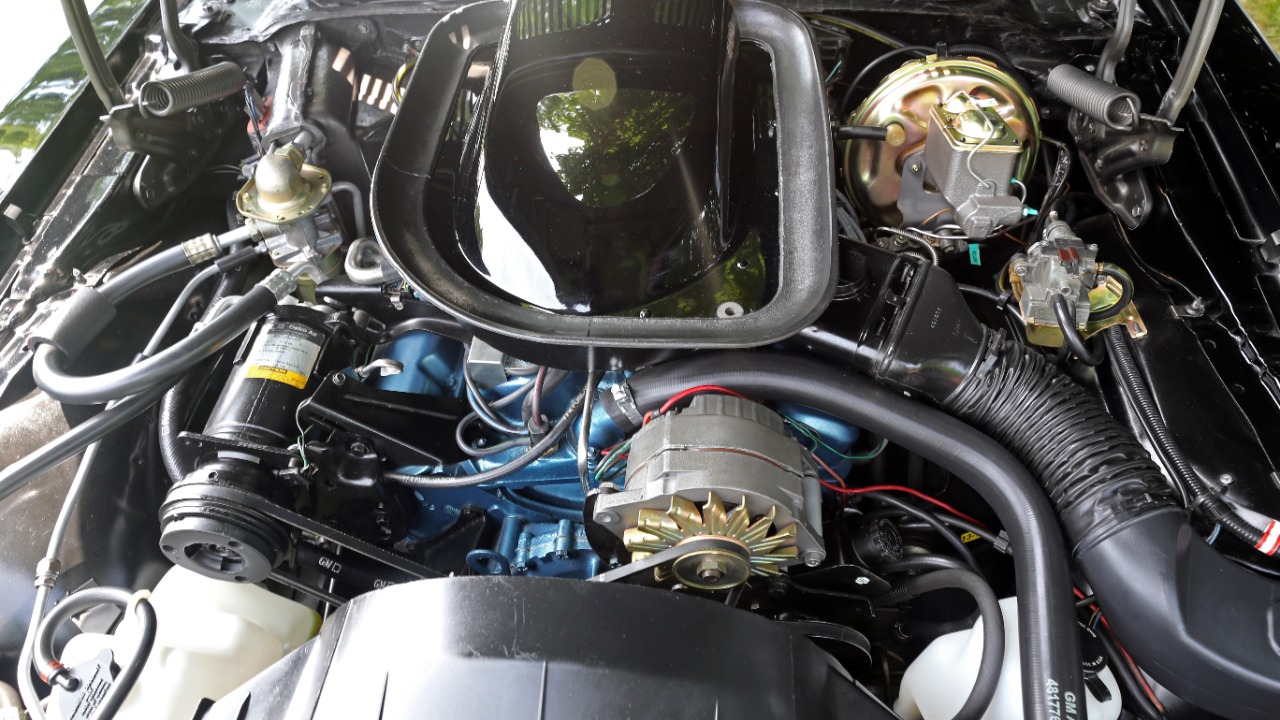
The Pontiac 455 Super Duty arrived at almost the worst possible time for traditional muscle cars, which is part of what makes it so desirable today. Pontiac developed the engine with heavy-duty components capable of handling serious performance use, including a reinforced block, four-bolt main construction, specialized cylinder heads, and other parts developed from the company’s earlier racing experience. The Super Duty eventually found its way into the Firebird Formula and Trans Am in 1973 and 1974. Production was limited, particularly for the Super Duty Formula, and the engine became one of the last genuinely serious factory Pontiac performance V8s before the era moved further toward emissions restrictions and lower compression. Collectors now treat genuine Super Duty engines as important pieces of late muscle-car history, and complete examples with correct components are rarely treated as disposable cores.
9. Buick 455 Stage 1
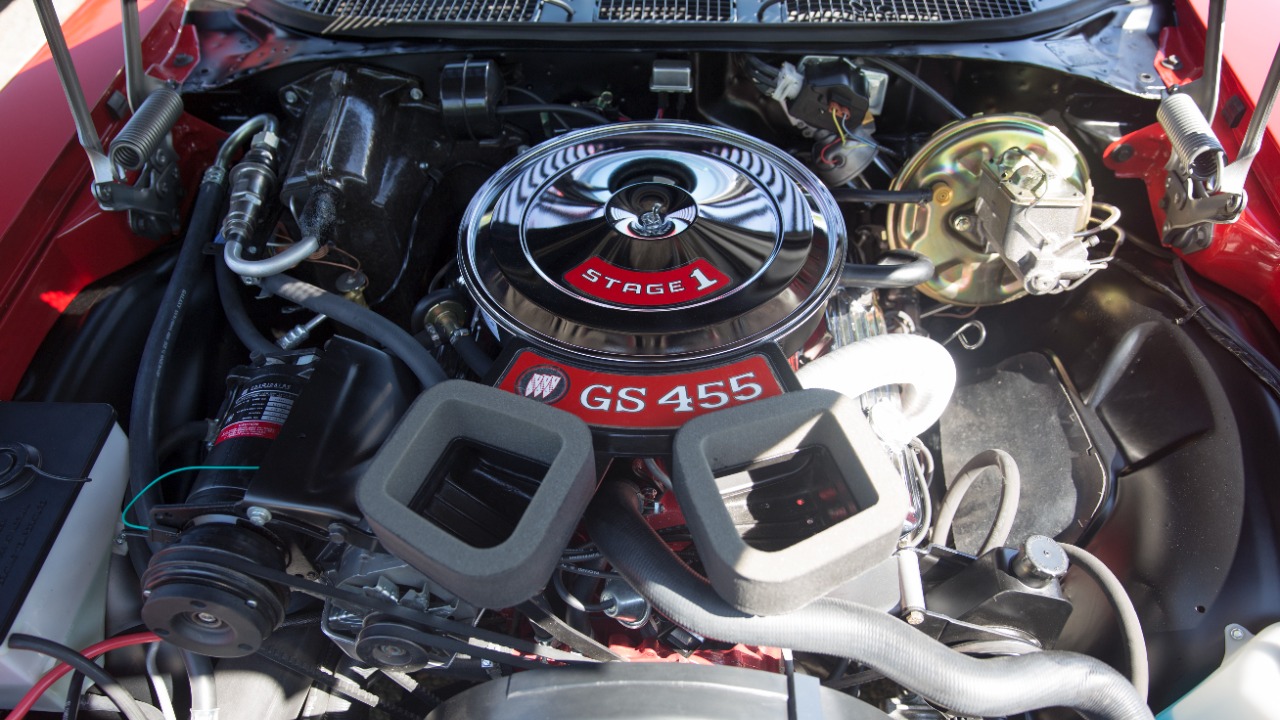
Buick’s 455 Stage 1 is another engine that collectors increasingly want in its correct original form. Buick used the 455 to give its large performance cars enormous torque while retaining the smooth character expected from the brand. The Stage 1 package added important performance hardware and calibration changes, turning cars such as the GS 455 and GSX into serious performers. The engine’s appeal comes partly from its rarity and partly from the fact that Buick has historically received less attention from collectors than Chevrolet, Ford, and Chrysler. That has made genuine Stage 1 components particularly interesting to people restoring desirable Buick muscle cars. The difference between a regular 455 and a properly documented Stage 1 engine can involve several important components, which means collectors have good reason to preserve original blocks and associated hardware when they find them.
10. Chevrolet 409
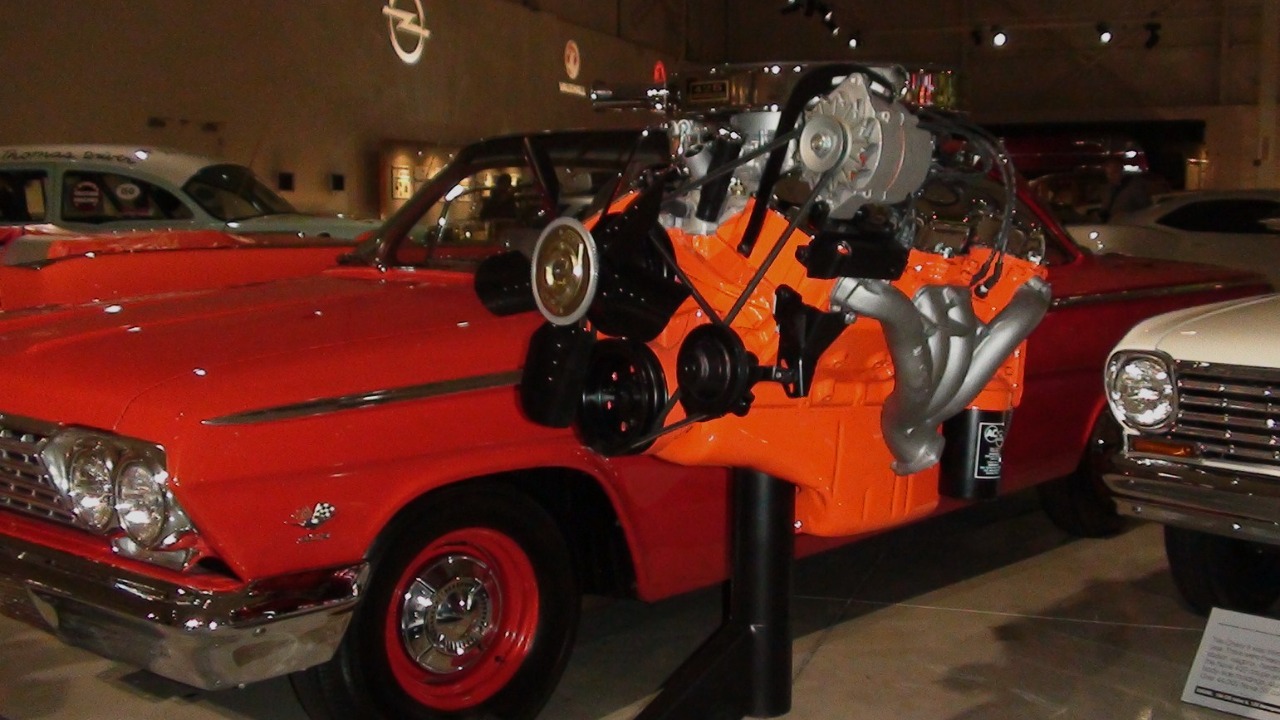
The Chevrolet 409 is one of the most recognizable early performance V8s, but original examples are much harder to encounter than its famous reputation might suggest. Chevrolet offered the 409 in full-size cars during the early 1960s, and the engine became closely associated with the Impala and Chevrolet’s growing performance image. The more desirable versions used higher-output specifications and multiple carburetors, giving the engine a distinctive appearance and stronger performance than the standard configurations. Its cultural fame also helped cement the engine in American popular culture, but that does not mean good original examples are everywhere. Collectors restoring early Chevrolets want correct 409 blocks, heads, intake manifolds, carburetors, and other factory components. As more cars receive later engines or aftermarket replacements, original 409 assemblies become increasingly useful to anyone trying to return an important Chevrolet to its original specification.
11. Chevrolet 427 L88
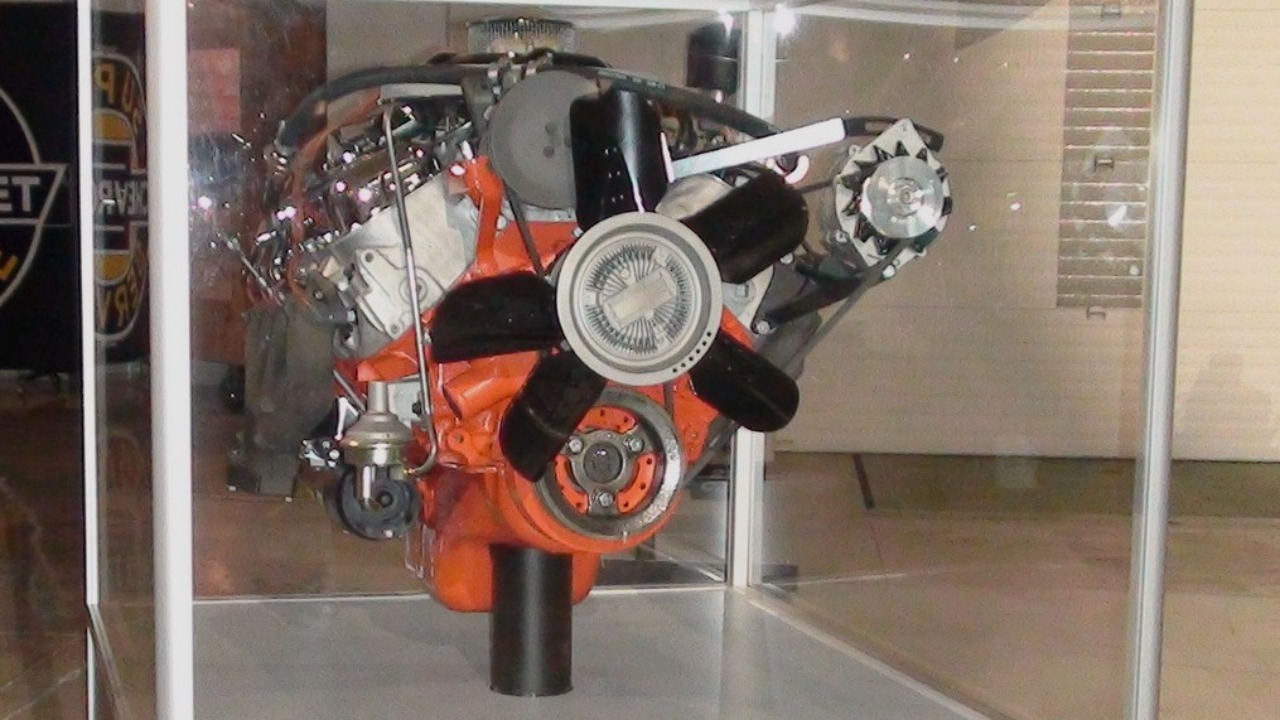
The Chevrolet 427 L88 is one of the clearest examples of an engine that collectors preserve because very few were ever built for ordinary customers. Chevrolet developed the L88 around serious competition, giving it high compression, aluminum cylinder heads, an aggressive camshaft, and other components intended for high-performance use. It was offered through the Corvette program in extremely limited numbers, and the cars were never intended to be ordinary transportation. That scarcity has made genuine L88 engines extremely desirable. Collectors are especially interested in complete engines with verifiable casting numbers, dates, and original components because the value of an authentic L88 depends heavily on its provenance. Reproduction and modified versions exist, but an original engine with the right components represents a direct connection to one of Chevrolet’s most serious factory performance programs.
12. Chevrolet 302 Z/28
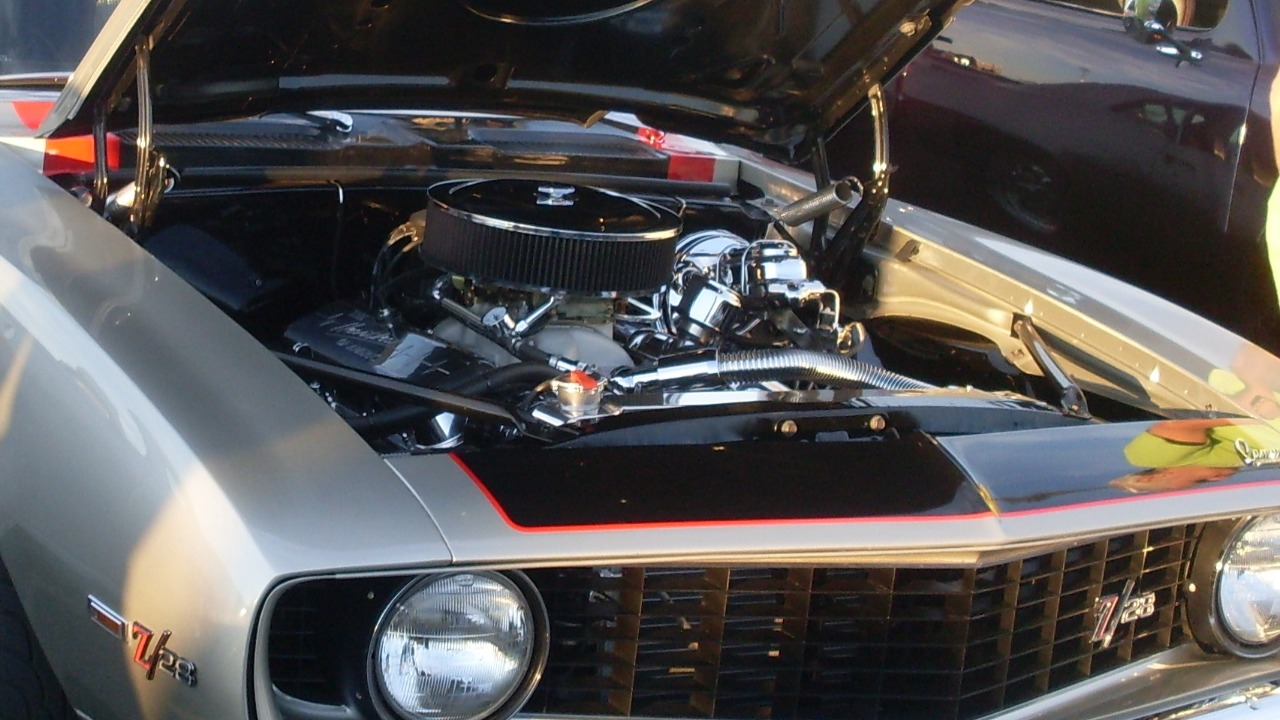
The Chevrolet 302 used in the first-generation Camaro Z/28 has become one of the most sought-after small-blocks from the muscle-car era. Chevrolet created the engine by combining a 327 block’s 4.00-inch bore with the 283’s 3.00-inch stroke, producing a displacement that met the racing rules governing the Z/28 program. The result was a high-revving V8 that became closely associated with the Camaro’s Trans-Am racing ambitions. Its relatively small displacement did not prevent it from developing a serious reputation, particularly when paired with the Z/28’s other performance equipment. Collectors restoring first-generation Z/28s are particularly interested in finding correctly dated 302 blocks and matching factory components. Many original engines were rebuilt or replaced during their lives, so an untouched or properly documented example is considerably more interesting than an ordinary small-block wearing Z/28-style parts.
13. Chevrolet 454 LS6
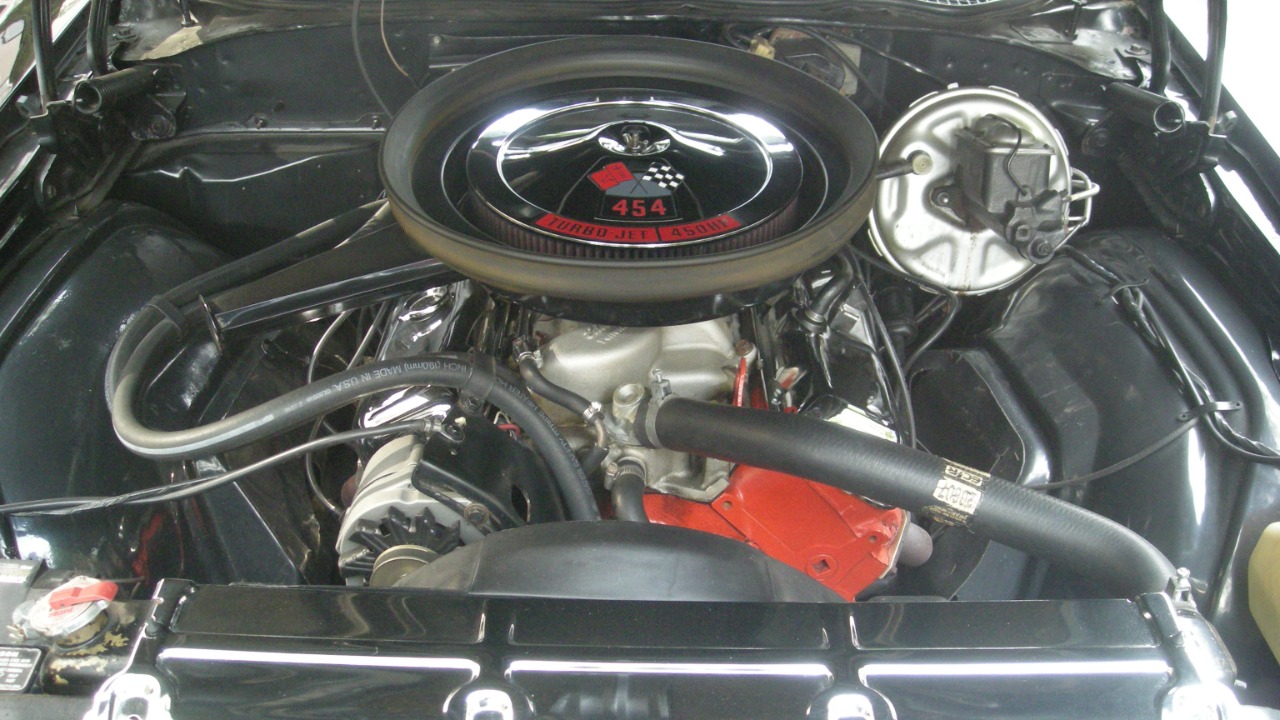
The Chevrolet LS6 454 is one of the engines collectors have good reason to keep under lock and key. Offered for the 1970 model year, the LS6 represented Chevrolet’s peak big-block street performance, with an advertised 450 horsepower and enormous torque. It became particularly famous in the Chevelle SS 454, where the combination of a relatively light intermediate body and a high-output 454 created one of the most memorable factory muscle cars of the period. Original LS6 engines are valuable because the engine itself is a major part of the car’s identity. Once an original block has been separated from its car, finding all of the correct factory components can be difficult. That has encouraged restorers and collectors to preserve complete LS6 assemblies whenever possible instead of treating them as ordinary used big-blocks.
14. Chrysler 340
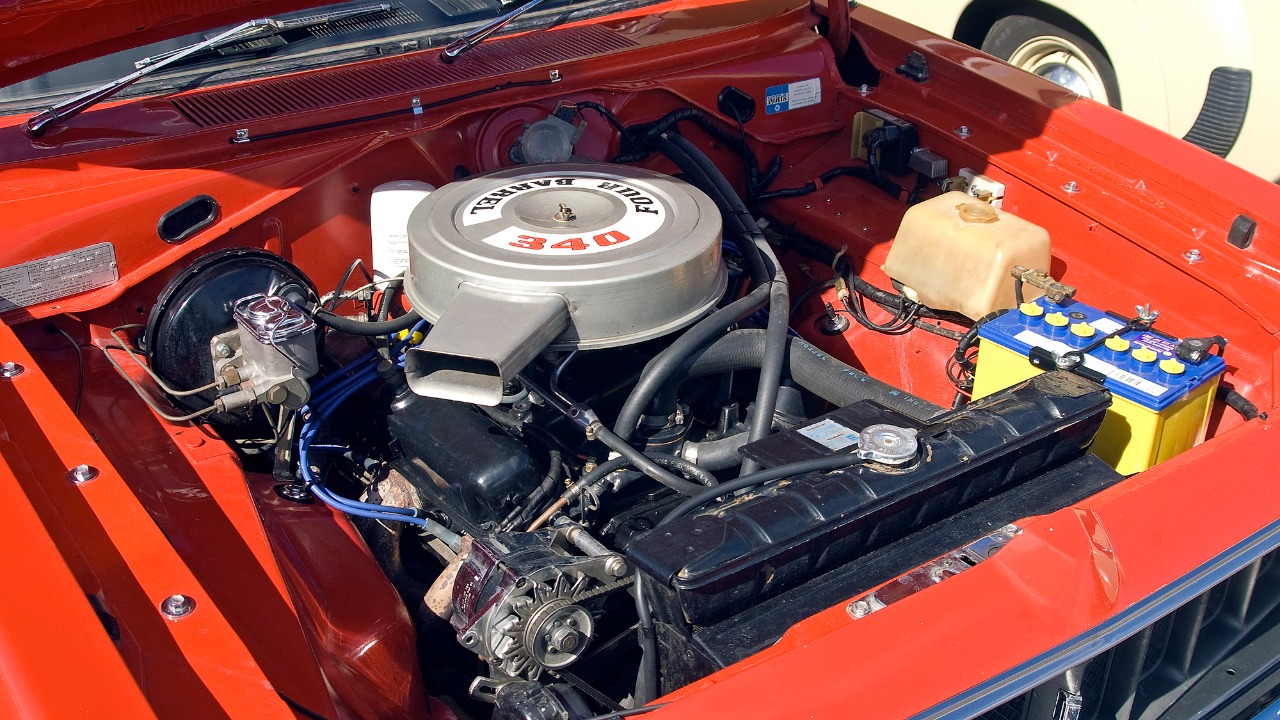
The Chrysler 340 is another engine that has quietly become more important to collectors as original Mopar cars are restored. Introduced as a performance-oriented small-block, the 340 gave cars such as the Plymouth Barracuda, Dodge Challenger, Dodge Dart, and Plymouth Duster strong performance without the weight and size of Chrysler’s largest big-blocks. Its combination of relatively compact dimensions, strong factory specifications, and broad aftermarket support also made it popular with racers and street enthusiasts, which means many original engines were modified over the years. That history has made unaltered examples more interesting today. A collector restoring a factory 340 car wants the correct engine rather than simply any 340 that happens to fit. Original blocks, heads, intake manifolds, and other period-correct components are therefore being saved in increasing numbers.
15. AMC 401
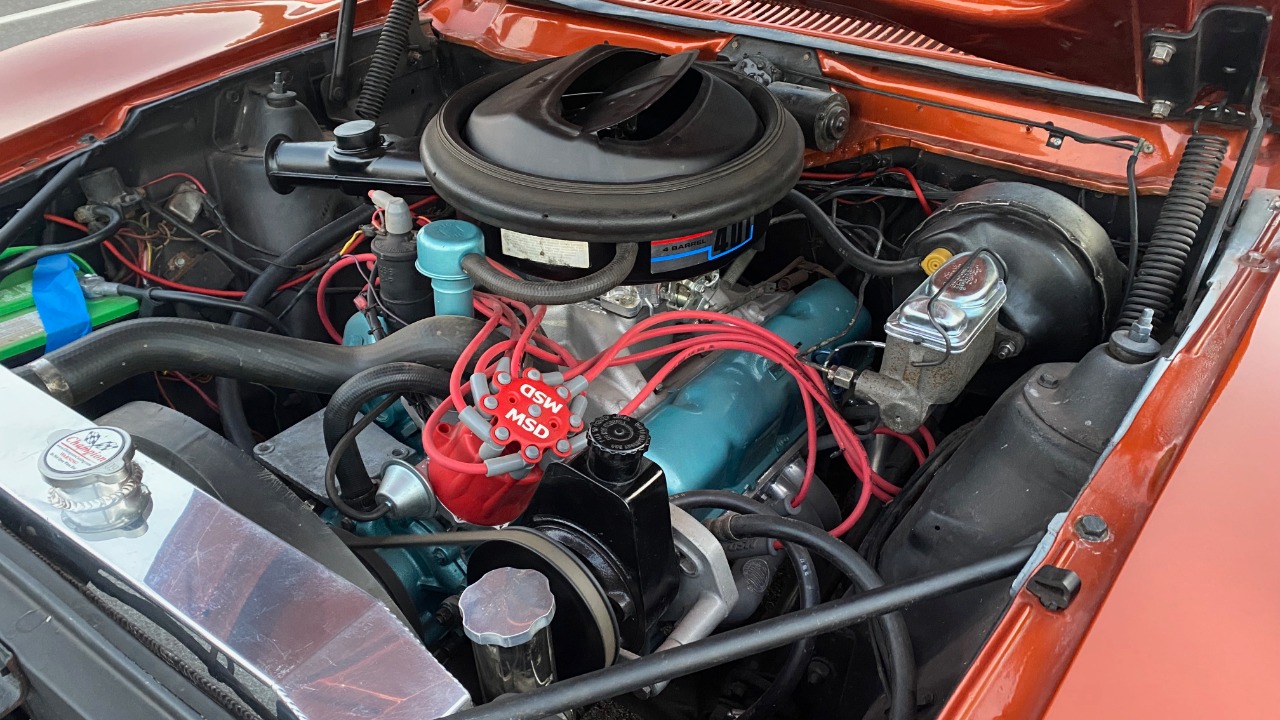
AMC’s 401 V8 never achieved the same level of recognition as the famous Chevrolet, Ford, and Chrysler engines, but that relative obscurity is now part of its appeal. The 401 was AMC’s largest production V8 and powered performance-oriented cars such as the Javelin and AMX before also finding a home in Jeep applications. Its strong torque and distinctive place in AMC history have made complete original engines interesting to collectors who want something outside the usual muscle-car choices. Many AMC performance cars have changed hands repeatedly over the decades, and their original engines were often rebuilt, modified, or replaced. That makes a correct 401 increasingly useful for a restoration. Collectors who already have the more familiar Ford and Chevrolet engines are also drawn to the 401 because it represents one of the last serious American V8s from an independent automaker.
16. Ford Boss 302
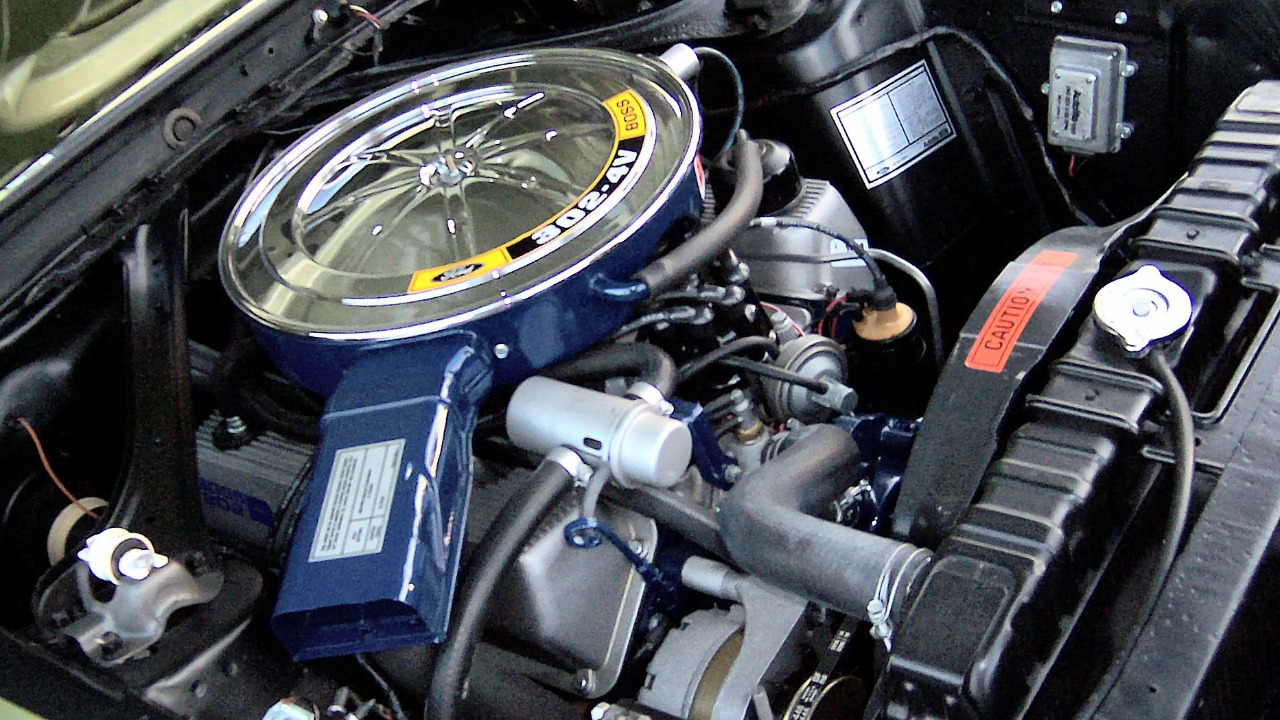
The Ford Boss 302 is collectible for more than its connection to the Mustang. Ford developed the engine specifically for the Boss 302 program, combining a 302-cubic-inch bottom end with specialized Cleveland-style cylinder heads. The result was a high-revving small-block designed to give Ford a serious weapon in road racing while still meeting production requirements. The Boss 302 Mustang became one of the most recognizable performance Fords of the period, and original engines are now closely tied to those cars. Collectors have good reason to preserve them because the difference between a genuine Boss 302 engine and an ordinary 302 fitted with reproduction parts can be substantial. Correct blocks, heads, intake components, and other factory hardware are increasingly important to restorers, making complete original engines far more valuable than their basic displacement might suggest.
17. Ford Boss 429
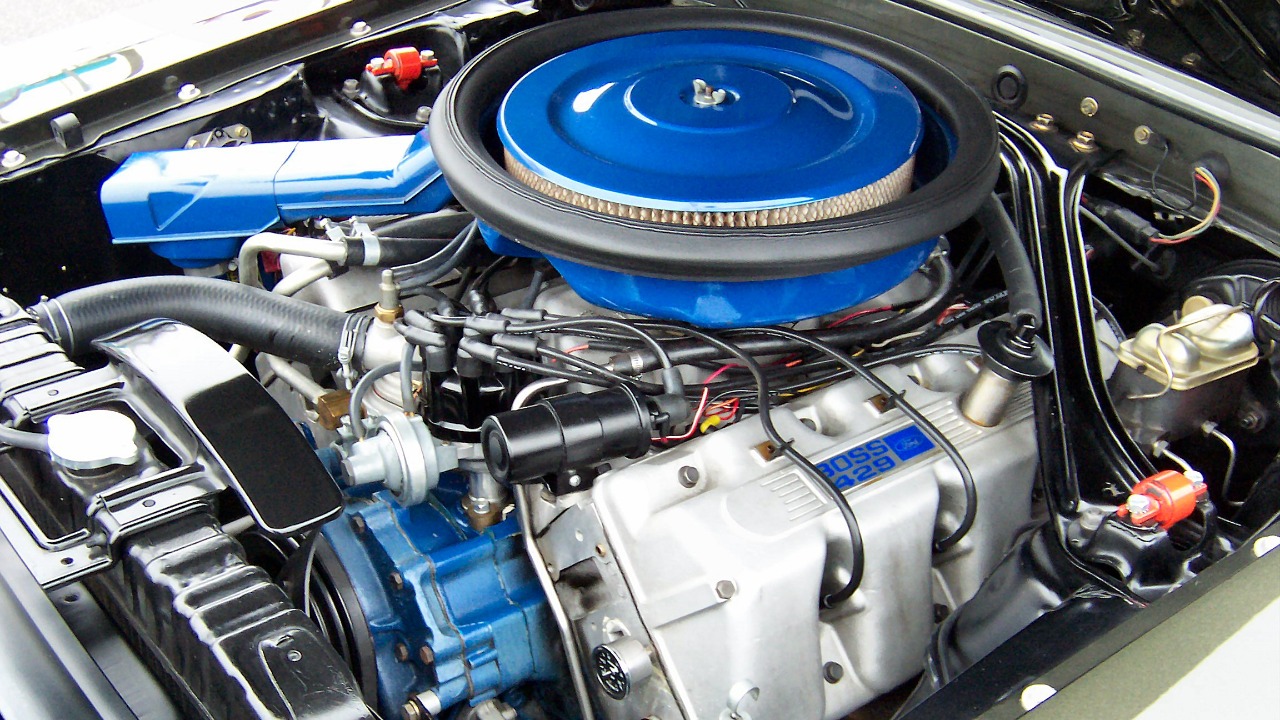
The Ford Boss 429 is one of the most famous homologation engines ever built for an American production car. Ford needed a suitable production engine for NASCAR competition, but fitting the enormous 429 into the Mustang required extensive engineering changes. The engine itself used large cylinder heads and specialized architecture that made it substantially different from other Ford V8s. Production numbers were low, and the Boss 429 Mustang has become one of Ford’s most desirable muscle cars. That has created a strong demand for genuine Boss 429 engines and components. Collectors are particularly cautious about engine provenance because reproduction parts and modified engines can make a car appear correct without actually retaining its original powerplant. A documented original Boss 429 is therefore treated as a valuable piece of Ford’s NASCAR homologation history rather than simply another high-performance big-block.
18. Toyota 2JZ-GTE
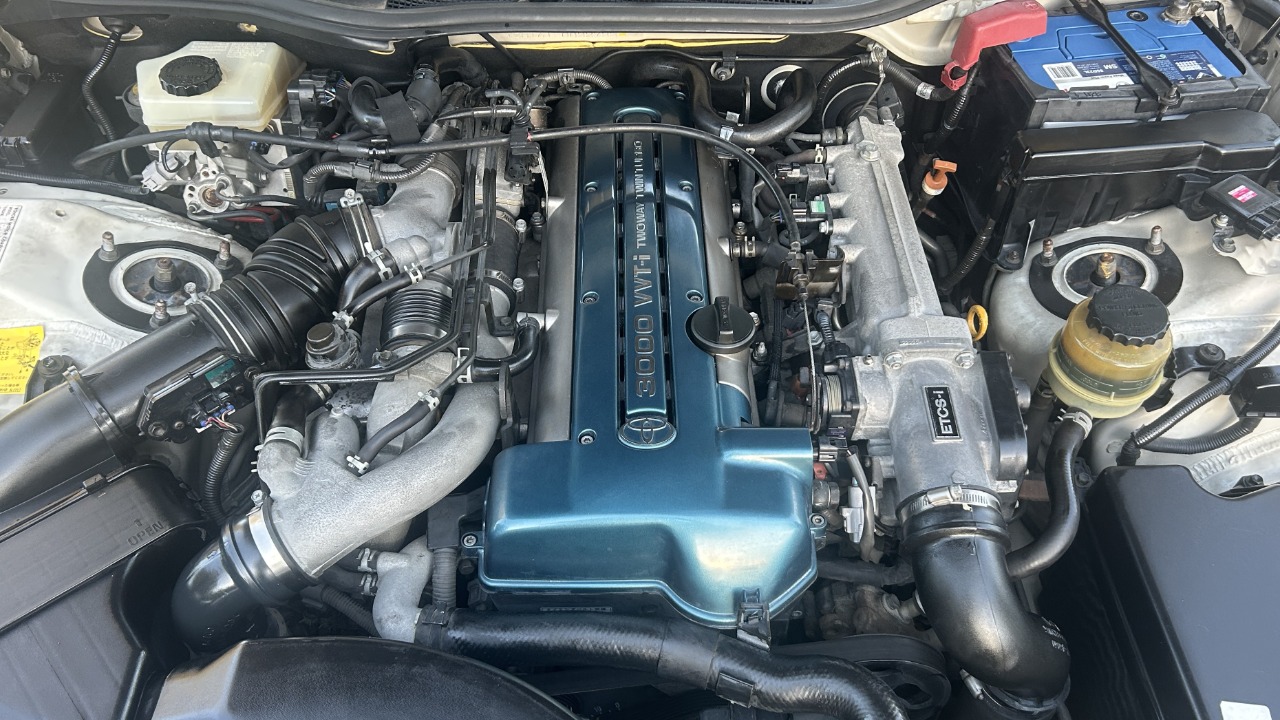
The Toyota 2JZ-GTE has crossed the line from performance engine to modern collector item. Originally developed for the turbocharged Toyota Supra and related applications, the 3.0-liter twin-turbocharged inline-six became famous for its strong iron block, robust bottom end, and ability to handle substantial increases in power when properly built and tuned. Its reputation grew dramatically through the tuning and import scenes, where the engine became one of the most recognizable Japanese performance powerplants. As original Supra Turbo cars have become increasingly valuable, complete unmodified 2JZ-GTE engines have also become more interesting. Collectors may have little interest in an engine that has already been heavily modified for extreme power, but a clean, complete example with its original turbochargers, intake, accessories, and other equipment can represent an important piece of Toyota performance history.
19. Chevrolet LS7
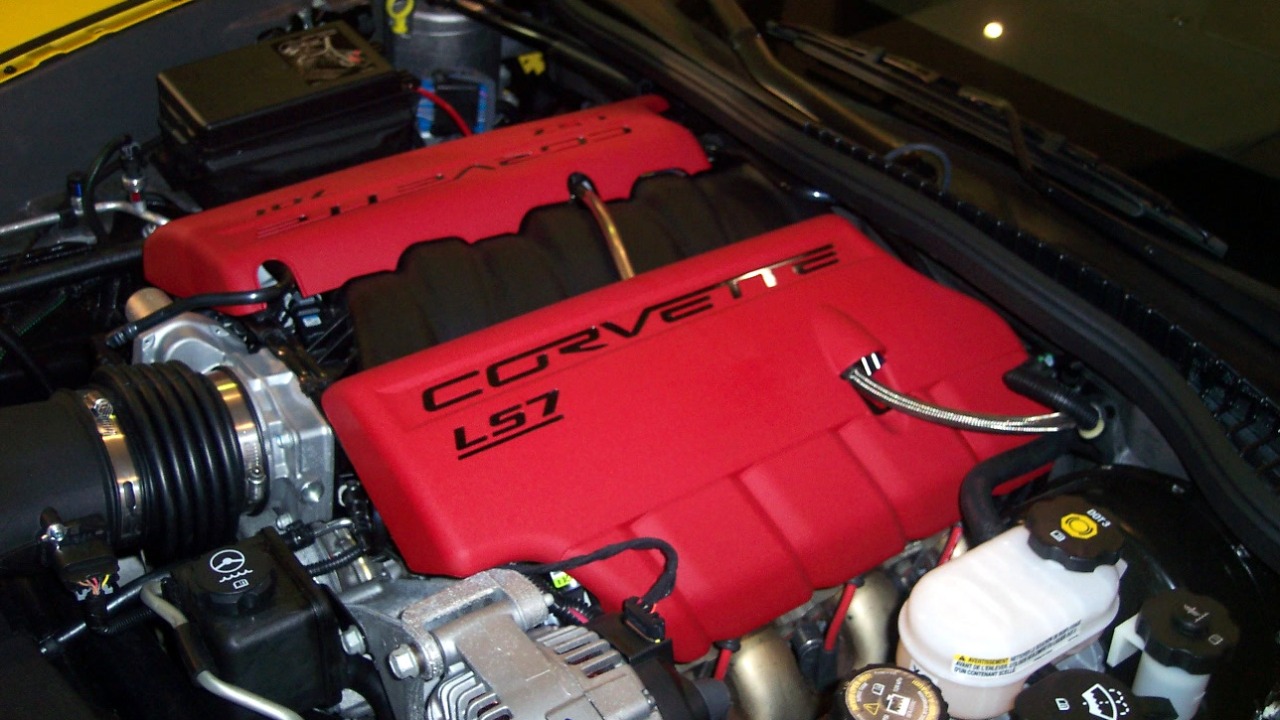
The Chevrolet LS7 represents the point where the traditional naturally aspirated American V8 formula was refined into a much more modern performance package. The 7.0-liter engine became famous through the Corvette Z06 and used lightweight internal components, titanium valves, high-flow cylinder heads, and a high-revving design that allowed Chevrolet to extract serious performance without forced induction. Its 7.0-liter displacement also gave it a direct connection to Chevrolet’s long history of large-displacement performance engines. Collectors are increasingly interested in complete LS7 engines because they are closely associated with a specific generation of Corvette performance and because the engine’s specialized components make it more than an ordinary LS-based powerplant. As more examples are modified, swapped, or separated from their original cars, untouched LS7 assemblies become increasingly useful to owners who want to preserve the factory specification.
More from Fast Lane Only
- Unboxing the WWII Jeep in a Crate
- 15 rare Chevys collectors are quietly buying
- 10 underrated V8s still worth hunting down
- Police notice this before you even roll window down
*Research for this article included AI assistance, with all final content reviewed by human editors.