Some hot rods are valuable because of their history, while others become nearly impossible for their owners to replace. A hot rod can spend years being modified, rebuilt, repainted, and driven before it becomes something far more personal than an ordinary classic car. The right combination of body style, engine, stance, sound, and driving character can turn an old car into a permanent member of the family.
That is why certain hot rods rarely stay on the market for long, even when someone makes a serious offer. Owners may have spent decades getting the car exactly right, or the vehicle may carry memories that cannot be measured by an auction result. From traditional Ford builds to wild gassers and custom cruisers, these are the kinds of hot rods that tend to become lifelong keepers.
1932 Ford Roadster
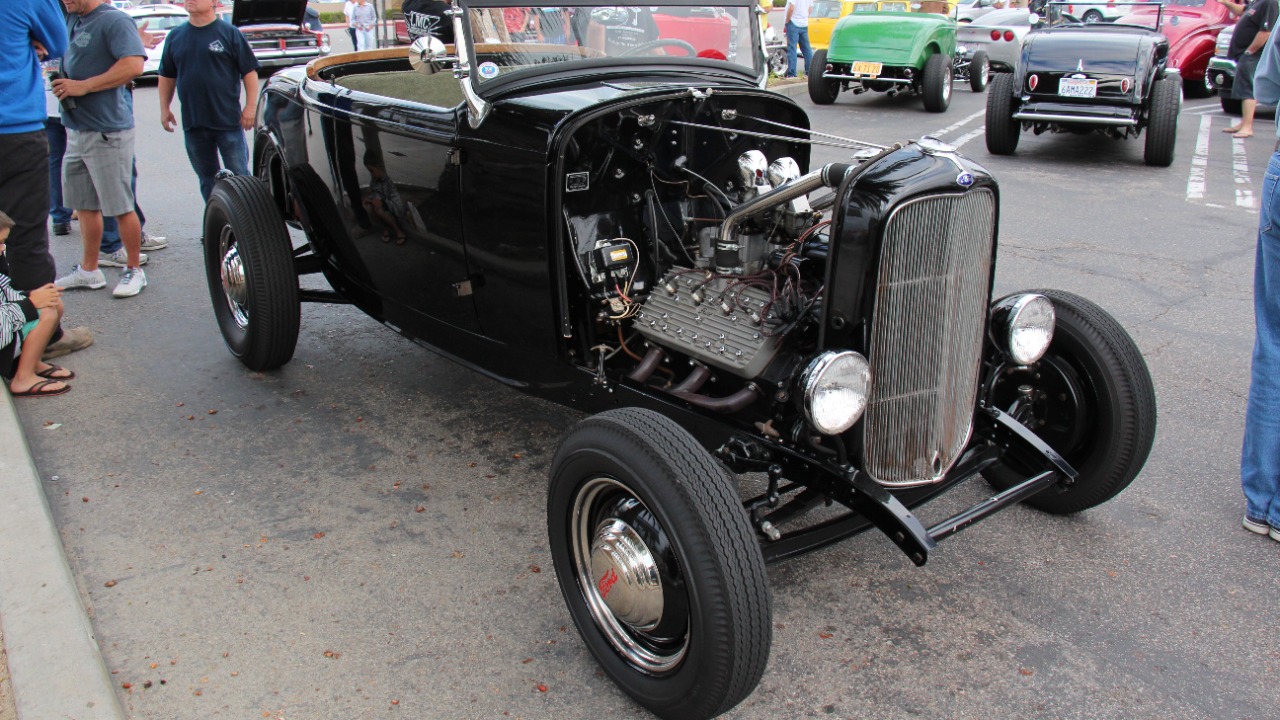
The 1932 Ford Roadster is one of the foundational cars of American hot rodding, and its appeal has survived virtually every change in automotive fashion. The lightweight body, low profile, simple construction, and enormous aftermarket support make it an ideal starting point for a traditional or heavily customized build. Early hot rodders quickly discovered that Ford’s new V8 could give the car serious performance, while later builders found almost endless ways to combine modern engines, suspension systems, brakes, and drivetrains with the classic body. A good Deuce roadster can therefore be anything from a traditional flathead-powered machine to a modern street rod with far more performance than the original Ford ever offered. Owners who have spent years developing one rarely see it as just another old Ford. The combination of history, personality, and personal effort makes a well-built 1932 Roadster extremely difficult to replace.
1932 Ford Coupe

The 1932 Ford Coupe has been one of the most influential hot-rod platforms since the earliest days of the hobby. Its enclosed body gives it a different personality from the roadster, while the recognizable grille, fenders, and roofline make it instantly identifiable even after extensive customization. Traditional builders often favor flathead Ford V8s, steel wheels, and period-correct details, while modern street rods can feature fuel-injected V8s, independent suspension, upgraded brakes, and carefully engineered drivetrains. The car’s proportions also lend themselves naturally to chopped roofs, lowered suspension, and subtle body modifications. What makes a good 1932 Coupe particularly difficult to sell is the amount of individuality that can be built into one. Two cars can start with the same basic body and end up completely different. Once an owner has spent years creating a specific combination, finding another car that feels exactly the same is practically impossible.
1933 Ford Coupe
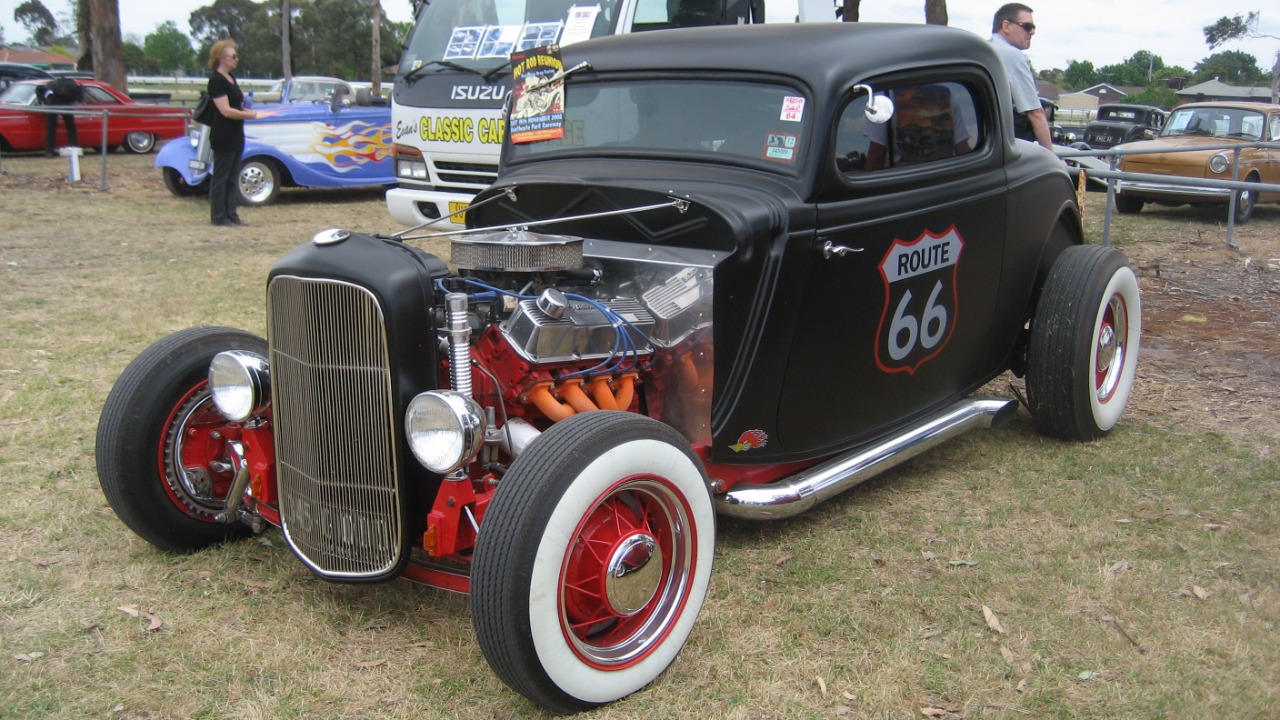
The 1933 Ford Coupe may not have the same universal recognition as the 1932 model, but that has never stopped hot rodders from becoming attached to one. Its slightly larger and more rounded body gives it a distinctive appearance, while the sweeping fenders and grille provide plenty of room for both traditional and modern interpretations. Builders have used everything from Ford flatheads to modern small-blocks and fuel-injected engines in these cars, creating everything from mild cruisers to serious street machines. The 1933 body also works particularly well with understated modifications, allowing an owner to create a car that looks almost factory-built while hiding substantially more performance underneath. Clean original steel bodies are becoming increasingly valuable because so many were modified decades ago. Once someone has found a good body and built the car around it, there is usually little incentive to start over with another project.
1934 Ford Coupe
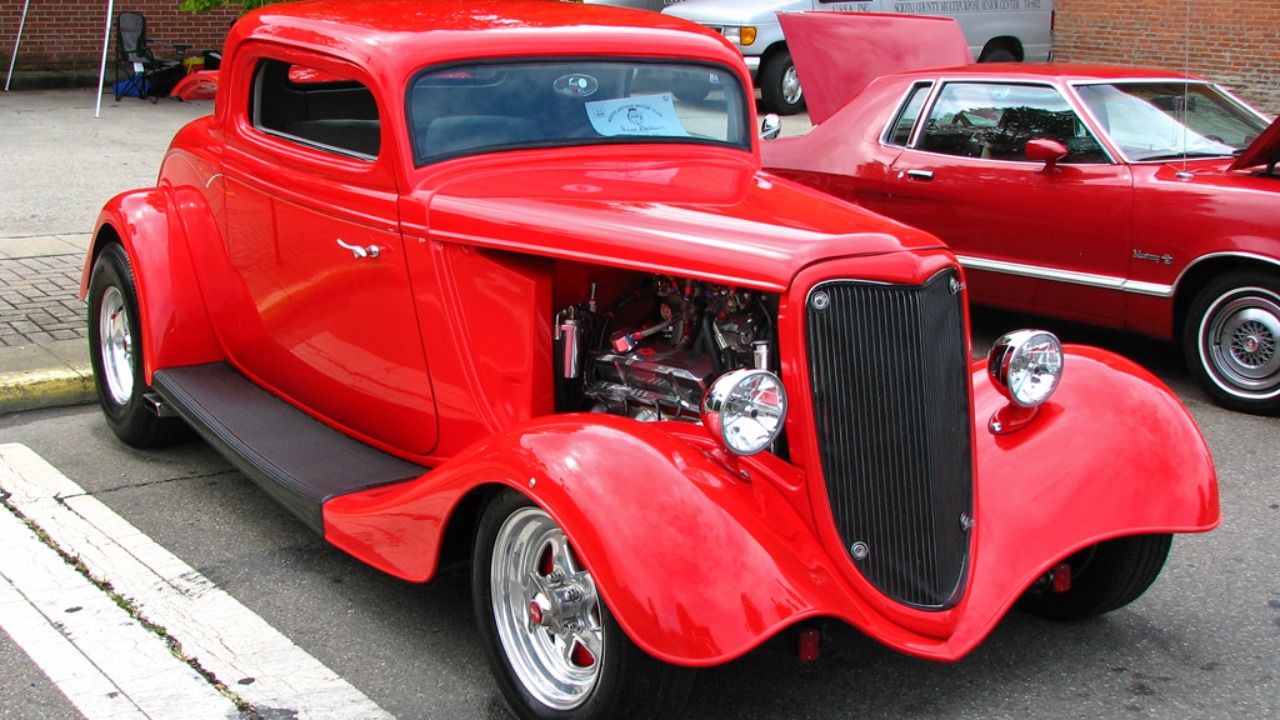
The 1934 Ford Coupe has become one of the most recognizable shapes in traditional hot rodding. Its distinctive grille and slightly more substantial body gave builders a strong foundation for everything from mild customs to serious street machines. Early hot rodders appreciated the car because Ford’s flathead V8 could be modified extensively, while later generations discovered that modern V8s could transform the same basic platform into remarkably quick street cars. The 1934 also has enough visual character that it doesn’t require extreme modifications to stand out. A clean body, lowered stance, polished wheels, and carefully chosen engine can create a car that looks timeless rather than overbuilt. Owners who have spent years finding the right parts and getting the proportions right often become extremely protective of the result. Selling such a car can mean giving up a combination of parts and personality that cannot easily be duplicated.
1936 Ford Coupe

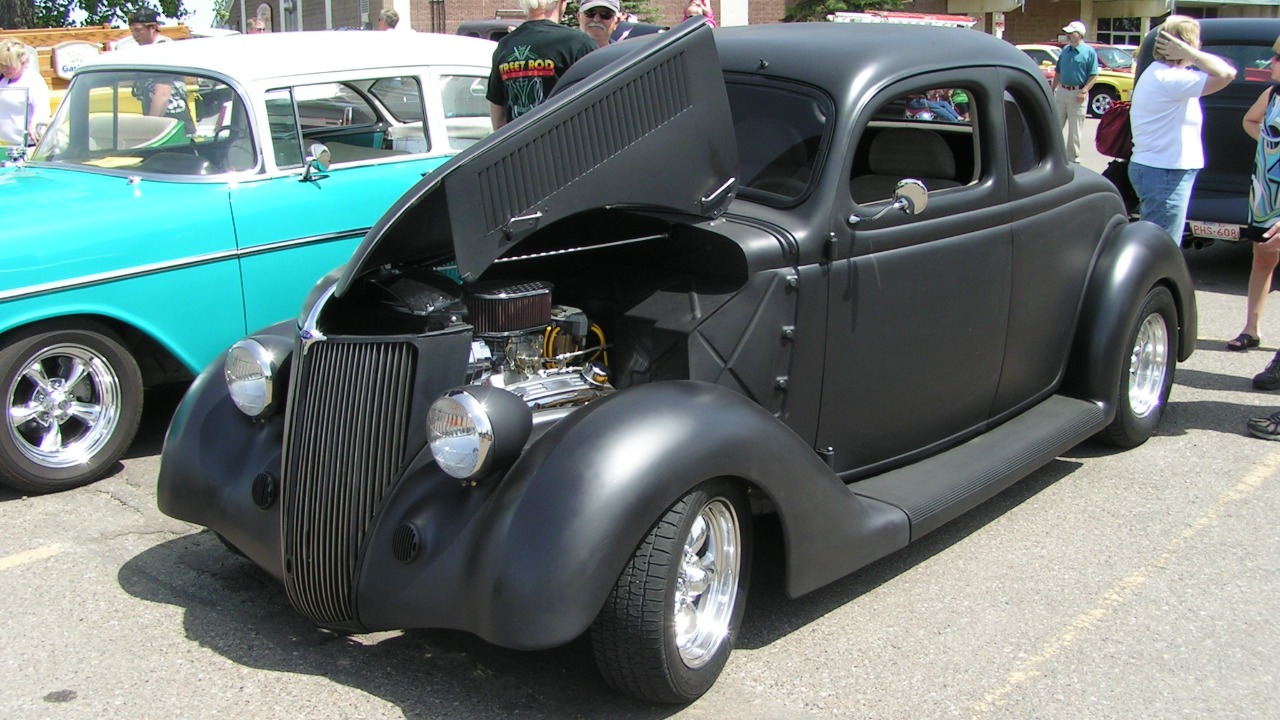
The 1936 Ford Coupe occupies an interesting position between the early stripped-down hot rods and the more substantial customs that followed. Its rounded body, integrated fenders, and distinctive front grille give it a strong presence without requiring extensive body modifications. Hot rodders have traditionally used the car as a platform for flathead V8s, later Ford engines, and modern small-block conversions. The relatively compact cabin and long hood also create the classic proportions enthusiasts expect from a traditional American hot rod. A well-executed 1936 Coupe can therefore feel both old-fashioned and surprisingly usable. Many owners also appreciate the fact that it is less predictable than a 1932 Ford. It still belongs unmistakably to the hot-rod world, but it does not appear at every gathering in exactly the same configuration. That individuality is one reason owners can become deeply attached to them.
1940 Ford Coupe
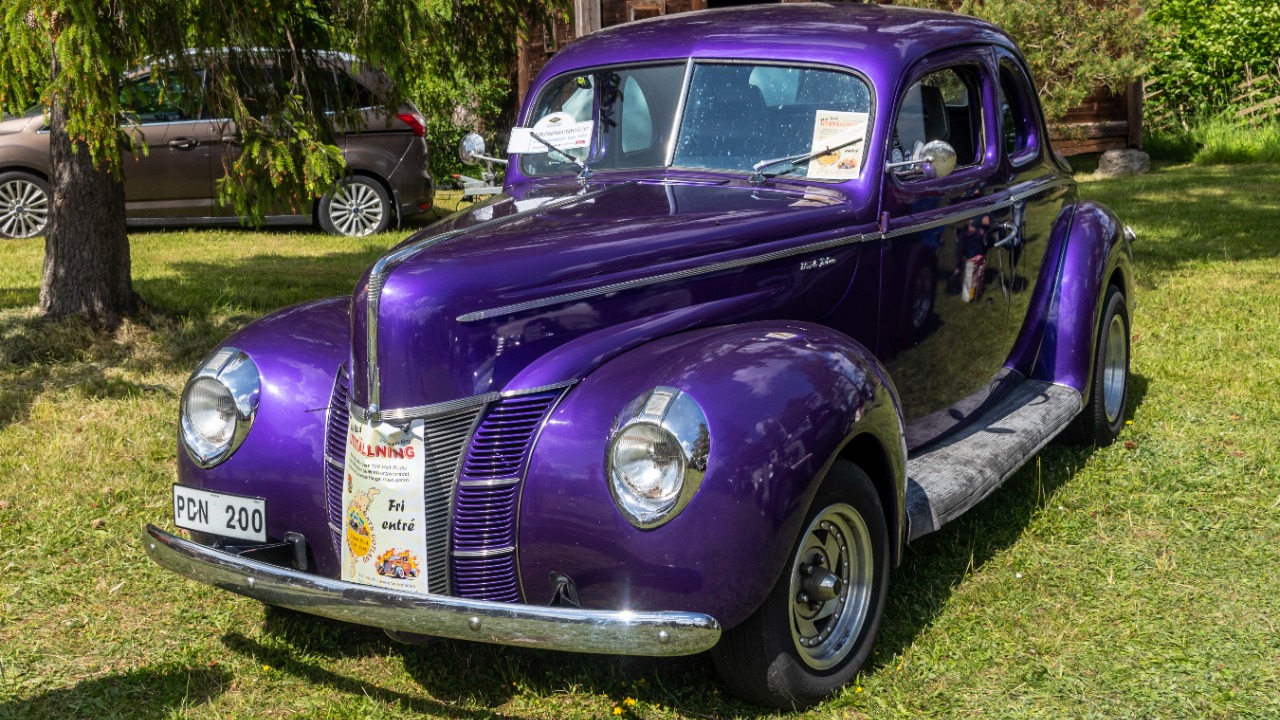
The 1940 Ford Coupe is another hot rod that can become a long-term keeper because it combines classic styling with a practical platform for modification. The broad grille and flowing fenders give it an unmistakable prewar appearance, while the relatively large engine compartment can accommodate a wide range of V8 combinations. Traditional builders can keep the car close to its flathead roots, while modern street-rod enthusiasts can install fuel-injected V8s, automatic transmissions, improved brakes, and contemporary suspension components. The result can still look like a 1940 Ford while behaving far more like a modern performance car. That versatility is a major part of its appeal. An owner can build the car according to personal taste rather than following one strict formula. After years of driving and refining a car like that, selling it often means giving up a machine that has become deeply connected to its owner’s personality.
1940 Willys Coupe
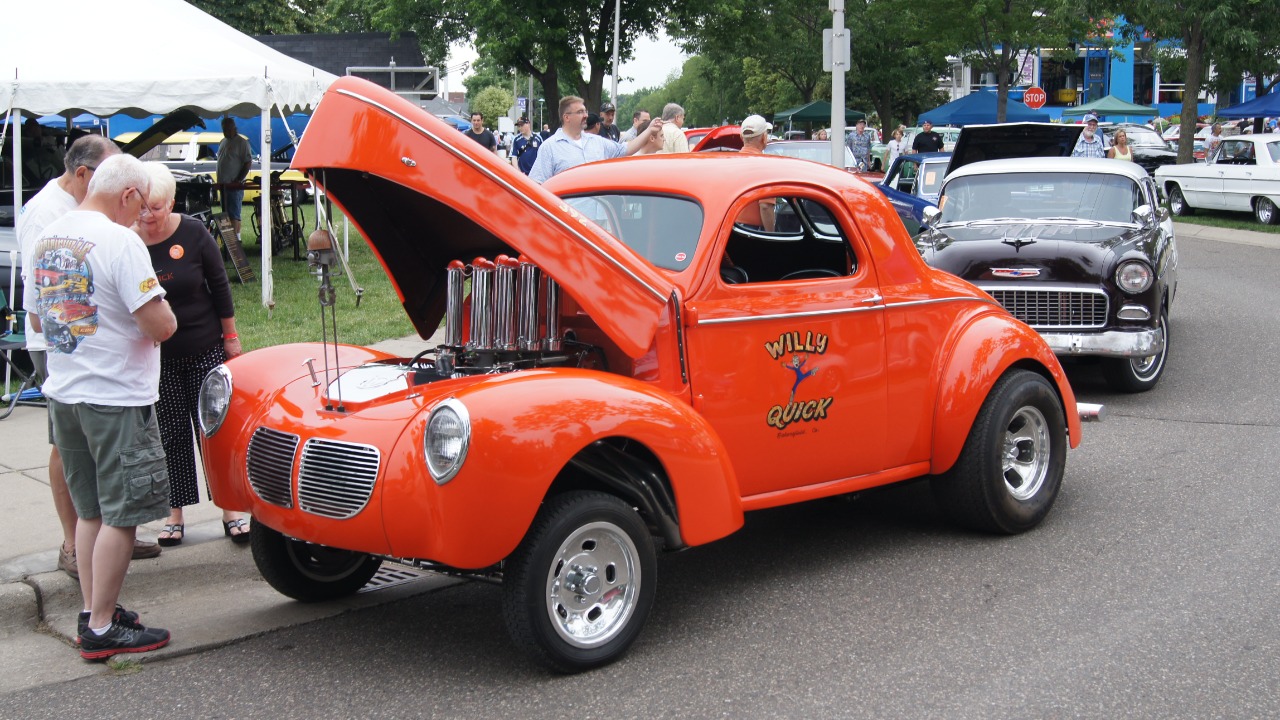
The 1940 Willys Coupe became a legend for a completely different reason. Its compact dimensions and relatively lightweight body made it an outstanding foundation for drag-racing and gasser builds, particularly when increasingly powerful V8s began finding their way into small cars. Hot rodders discovered that the Willys could turn enormous engine output into spectacular acceleration because there simply wasn’t much car to move. The resulting machines became some of the most recognizable cars in early drag racing, often featuring raised front ends, large rear tires, aggressive V8s, and dramatic paint schemes. A street-driven Willys can be particularly difficult for an owner to sell because it delivers an experience that few other classics can reproduce. The driving position, compact body, engine noise, and lightweight character create a very different experience from a conventional muscle car. Once someone becomes accustomed to that personality, replacing it is not simple.
1941 Willys Coupe
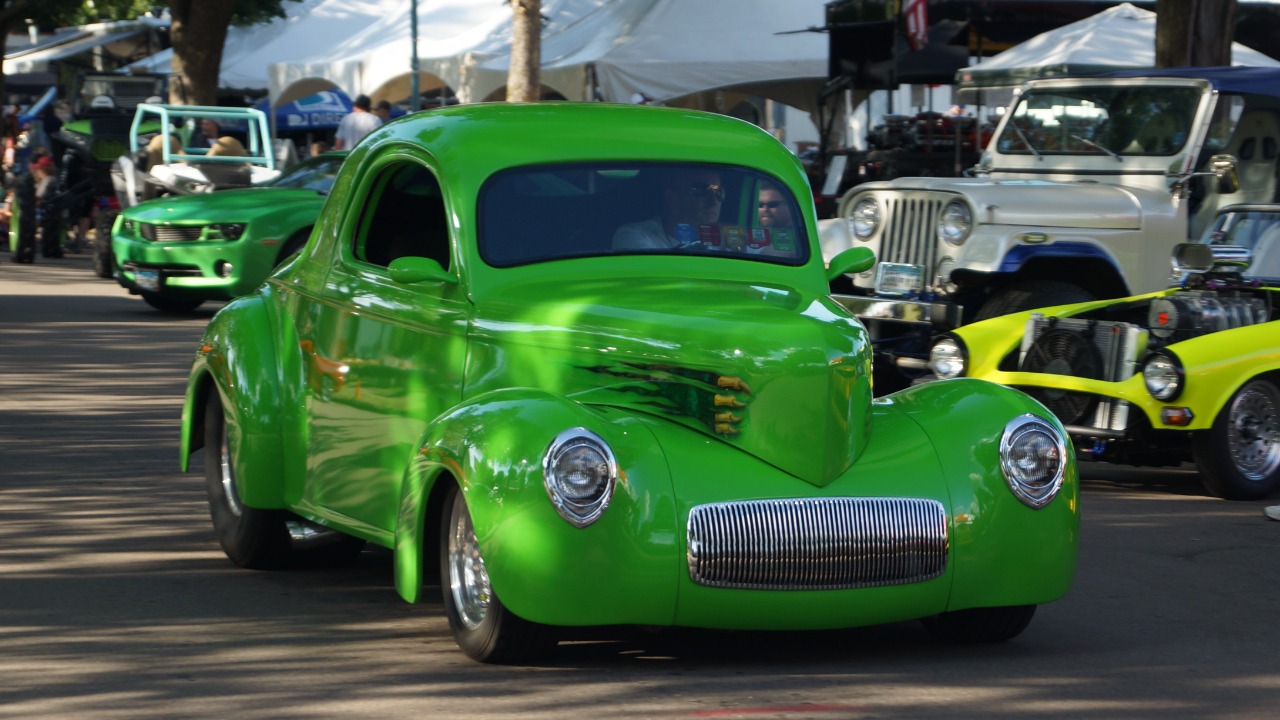
The 1941 Willys Coupe is another lightweight classic that became closely associated with the American gasser and drag-racing scene. The compact body provided hot rodders with an excellent platform for installing increasingly powerful V8 engines, while the car’s distinctive proportions gave finished builds an unmistakable appearance. Many were transformed into dedicated drag machines, but the basic formula also works for street-driven hot rods. A properly built 1941 Willys can combine an enormous amount of power with very little weight, creating the kind of acceleration that makes ordinary cruising feel like an event. Surviving bodies are valuable to builders because so many original cars were modified, raced, crashed, or discarded decades ago. An owner who manages to build a well-sorted Willys around a good body has something that is difficult to duplicate. That scarcity alone can make the car a permanent fixture in a garage.
1949 Mercury Coupe

The 1949 Mercury Coupe became a defining shape in custom-car culture and remains one of the most recognizable foundations for a traditional hot rod. Its smooth body lines, long hood, and rounded roof created an ideal canvas for chopped roofs, lowered suspension, shaved trim, custom grilles, and carefully integrated V8 power. The Mercury became especially influential during the custom-car boom of the 1950s, when builders began treating body modification as an art form rather than simply a way to make a car faster. Today, owners can take the same basic shape in several directions. Some prefer traditional flathead power and period-correct styling, while others build powerful modern street rods underneath the classic body. A well-executed Mercury often becomes deeply personal because so much of its character comes from the owner’s choices. Once the proportions, paint, interior, and stance are exactly right, selling it can feel like giving away a piece of personal history.
1951 Ford Victoria
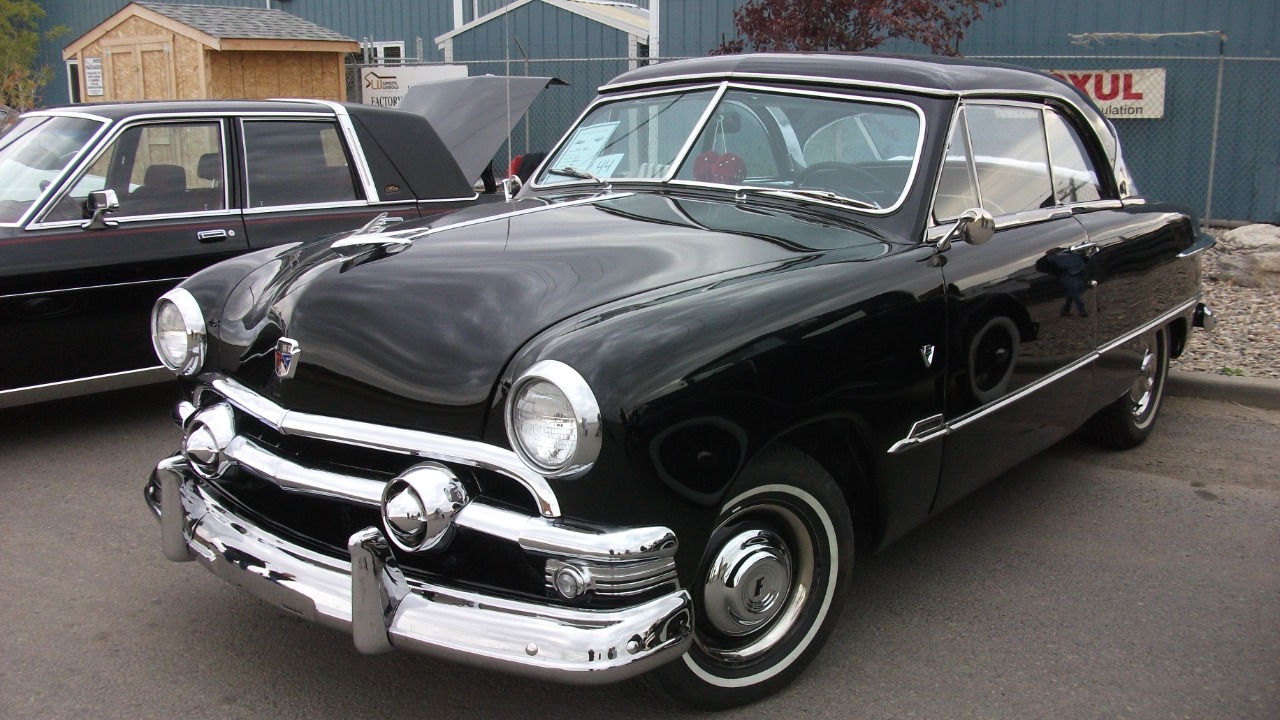
The 1951 Ford Victoria is not always the first car that comes to mind when people discuss iconic hot rods, but that is part of what makes a great example interesting. The two-door hardtop body offers classic early-1950s proportions without looking exactly like the more heavily collected cars from the same period. Builders have used small-block Ford and Chevrolet V8s, modern transmissions, lowered suspension, and upgraded brakes to turn these cars into comfortable street cruisers. The relatively broad body also provides enough room for practical interiors and long-distance driving. A finished Victoria can therefore offer much more comfort than some of the tighter traditional hot rods. Owners who build one often end up keeping it because it occupies a useful middle ground between a full custom and a traditional street rod. It has enough personality to attract attention without feeling like every other car at a local cruise night.
1955 Chevrolet Bel Air
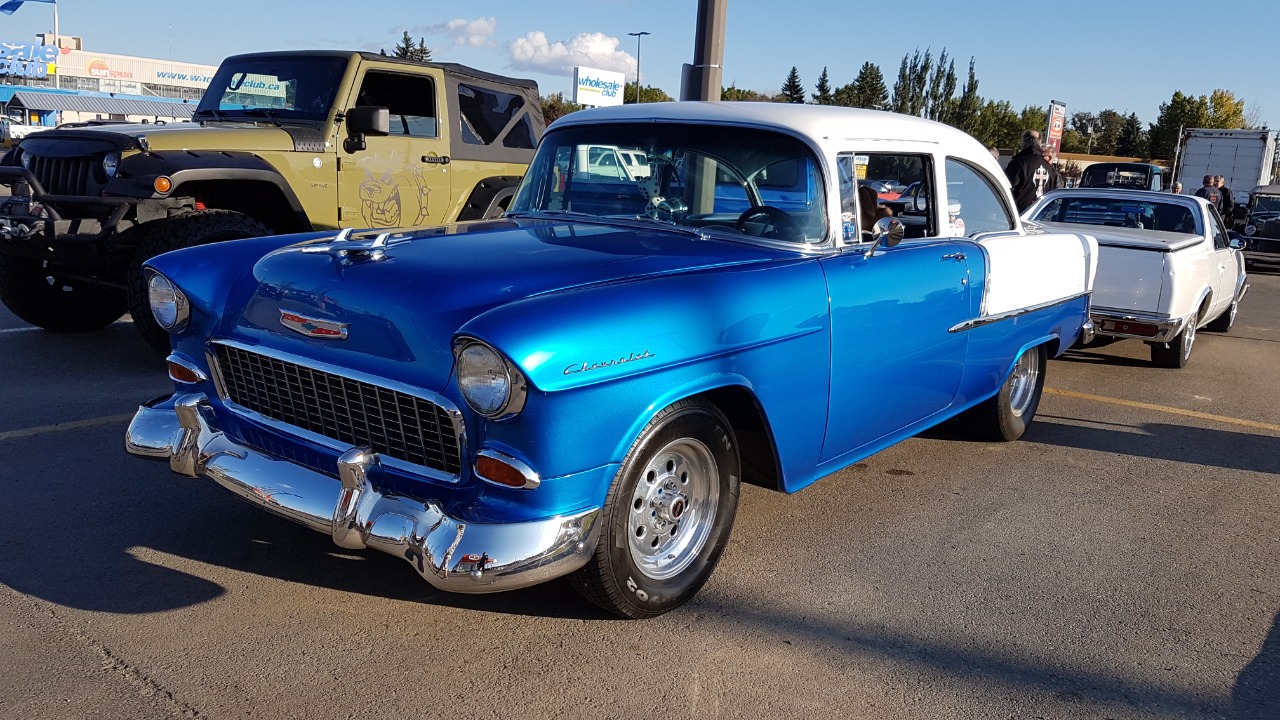
The 1955 Chevrolet Bel Air became a hot-rodding favorite when Chevrolet introduced its compact small-block V8, giving builders a lightweight and powerful engine that could be modified extensively. The car’s clean body lines and relatively simple mechanical layout made it an ideal platform for everything from mild cruisers to serious street machines. Even today, a 1955 Bel Air can be built in many different directions. Some owners prefer a traditional look with polished trim and period wheels, while others hide modern suspension, fuel injection, disc brakes, and powerful LS-based engines underneath the familiar body. The car’s popularity also means parts and knowledge are widely available, which makes a properly finished example enjoyable to own rather than merely attractive to look at. Once an owner has combined the right stance, engine, interior, and paint, the car can become a personal signature. That is why good 1955 Bel Air hot rods rarely stay unwanted for long.
1956 Chevrolet 210
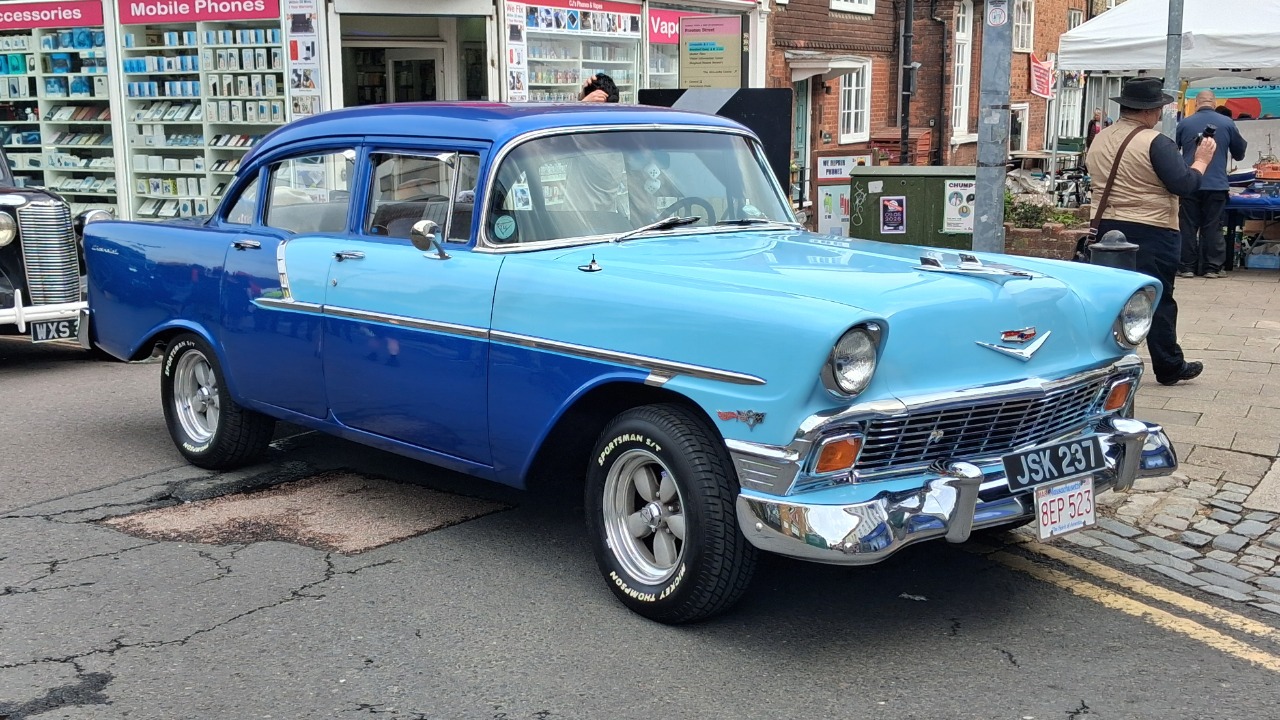
The 1956 Chevrolet 210 offers much of the visual appeal of the Tri-Five era without carrying quite as much decorative trim as the Bel Air. That makes it particularly attractive to hot rodders who want a cleaner and more understated build. The car’s relatively straightforward body provides plenty of room for V8 swaps, suspension upgrades, improved brakes, and custom interiors, while its unmistakable 1950s shape keeps the finished product connected to its roots. A 210 can also be built without spending the money associated with the most desirable Bel Air versions, although exceptional finished hot rods can become valuable in their own right. Owners often appreciate the fact that the car can be both nostalgic and practical. A good build can cruise comfortably, make strong power, and still attract attention at a show. After years of ownership, that combination can make a 1956 210 surprisingly hard for an owner to let go.
1957 Chevrolet 210
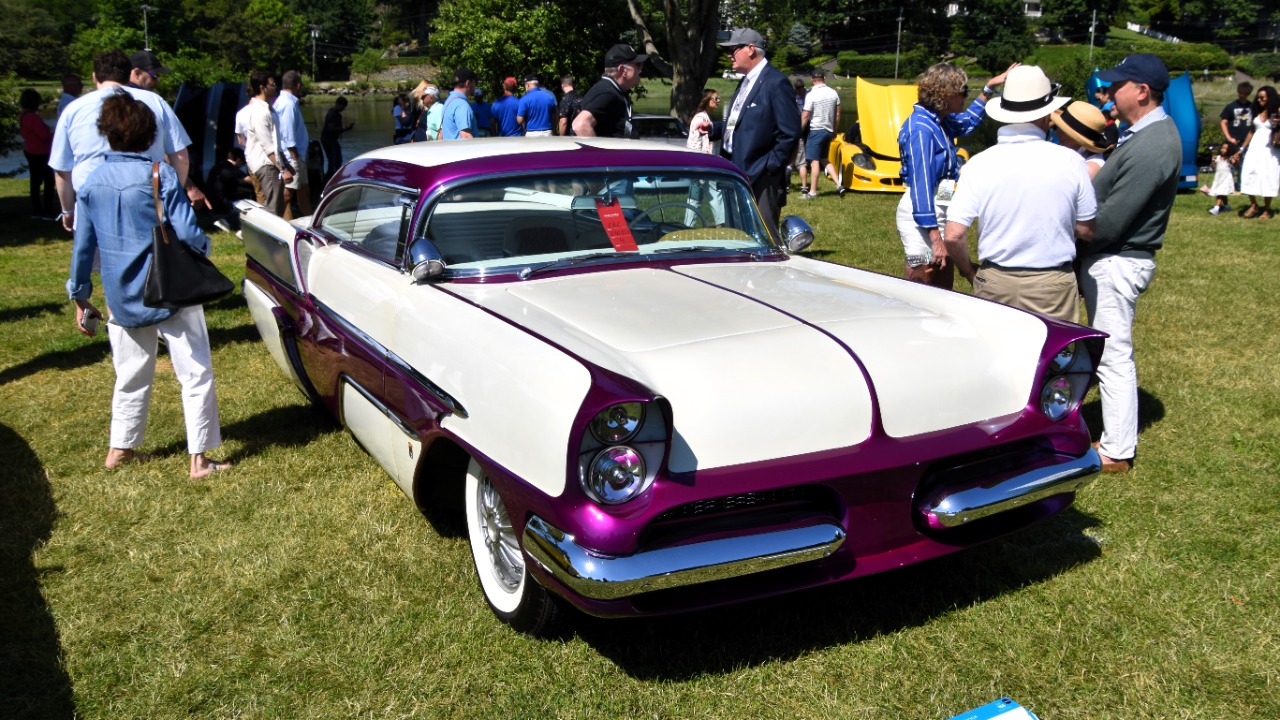
The 1957 Chevrolet 210 has long been overshadowed by the better-known Bel Air, but hot rodders have never needed the top trim level to create an interesting car. The simpler 210 body provides a cleaner starting point for a performance build, while Chevrolet’s small-block V8 family offers almost unlimited opportunities for customization. Builders can create anything from a traditional cruiser with a period-correct engine to a modern street machine with fuel injection and contemporary suspension. The 1957 body itself remains one of the most recognizable shapes of the decade, giving even a heavily modified example a strong visual connection to the original car. Owners also tend to become attached to these cars because they can reflect very specific tastes. A particular wheel design, paint combination, engine setup, and interior can make one 210 feel completely different from another. That individuality is difficult to put a price on once the car becomes part of someone’s life.
1957 Chevrolet Corvette

The 1957 Chevrolet Corvette occupies a special place in American performance history because Chevrolet was already experimenting with technologies that would become important to future hot rodding. The small-block V8 could be equipped with Rochester mechanical fuel injection, giving the Corvette considerably more performance than its modest displacement might suggest. The fiberglass body kept weight relatively low, while the compact two-seat layout made the car fundamentally different from the large American cruisers of the period. For collectors and hot rodders, the most interesting examples are those that retain important original performance equipment. A genuine fuel-injected Corvette can be difficult to replace because the combination of rarity, historical importance, and recognizable styling is so strong. Owners who have spent years preserving or restoring one often see it as more than an old sports car. It represents the moment when Chevrolet began pushing the Corvette toward the serious performance machine it would become.
1962 Chevrolet Impala SS
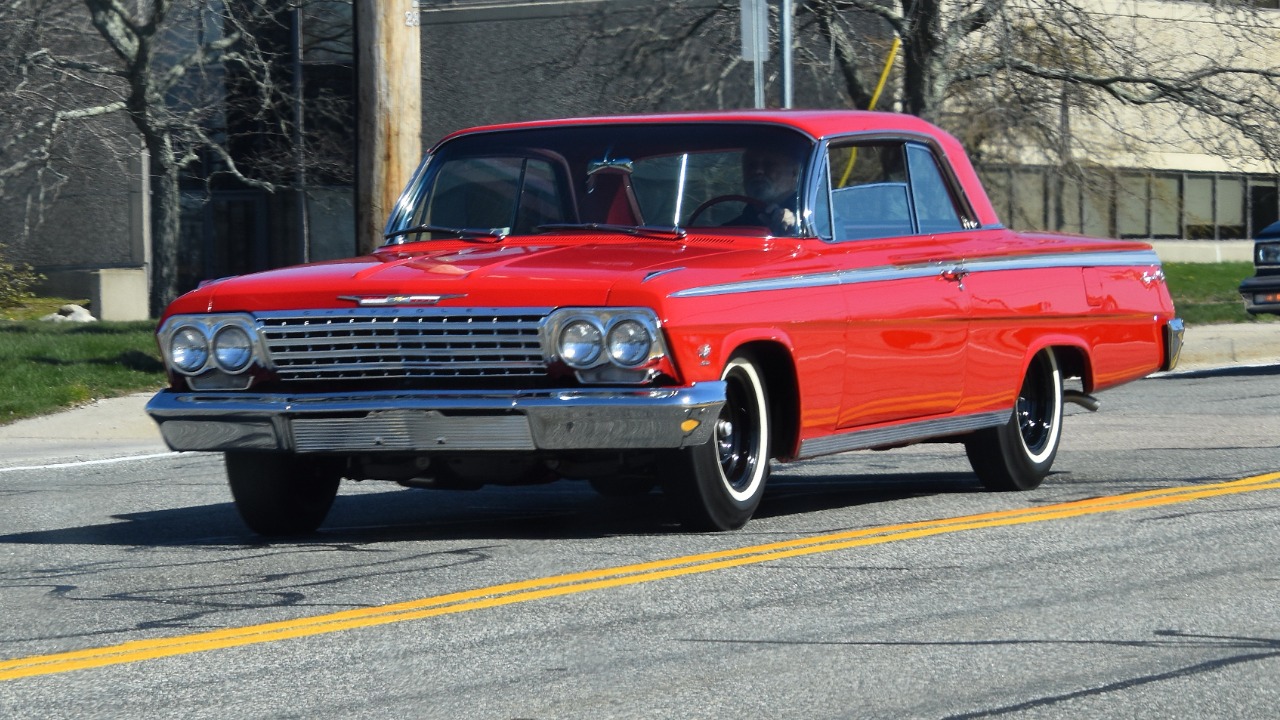
The 1962 Chevrolet Impala SS can become an unusually personal hot rod because it combines the size and comfort of a full-size Chevrolet with the performance potential of the small-block and big-block V8 family. The clean body lines of the 1962 model also lend themselves well to lowered suspension, larger wheels, custom interiors, and carefully selected engine swaps. Some builders prefer to keep the car close to its original character, while others turn it into a powerful cruiser capable of long highway trips and strong acceleration. The full-size platform provides plenty of room for modern cooling systems, transmissions, and suspension upgrades without sacrificing cabin space. An owner who has built a 1962 Impala into a dependable long-distance hot rod can become particularly attached to it because the car offers something many smaller street rods cannot. It can be dramatic at a show while remaining comfortable enough for a weekend road trip.
1963 Chevrolet Nova
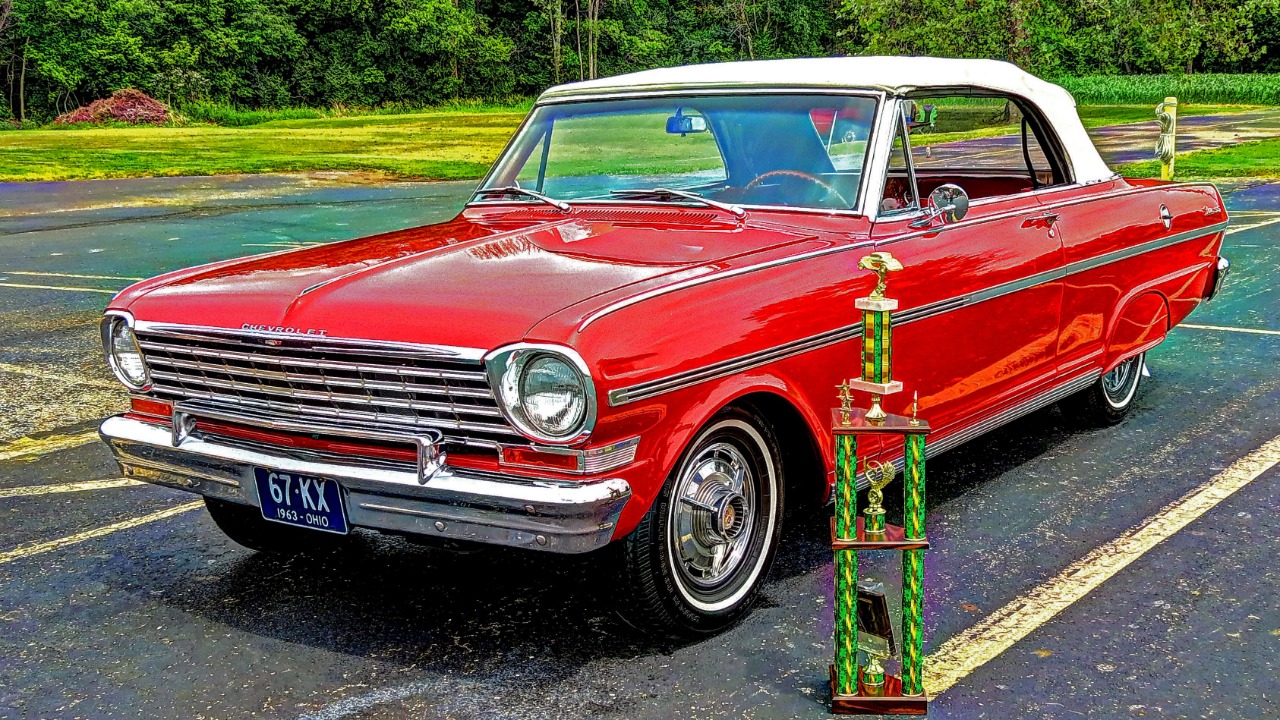
The early Chevrolet Nova became an appealing hot-rod platform because its compact size allowed relatively modest engine output to produce impressive performance. The lightweight body could accept a range of small-block and big-block Chevrolet V8s, while the straightforward chassis made modifications relatively accessible to home builders. That combination helped turn early Novas into popular street and drag cars, particularly as the muscle-car era developed. A well-built 1963 Nova can feel dramatically different from a large American cruiser because the driver sits in a much smaller package with substantially less weight surrounding the engine. That character is one of the main reasons owners become attached to them. The car also has a clean, understated appearance that can hide a serious drivetrain underneath. Once an owner has found the right balance between power, gearing, suspension, and street manners, there is little motivation to replace it with a larger or newer machine.
1964 Ford Fairlane
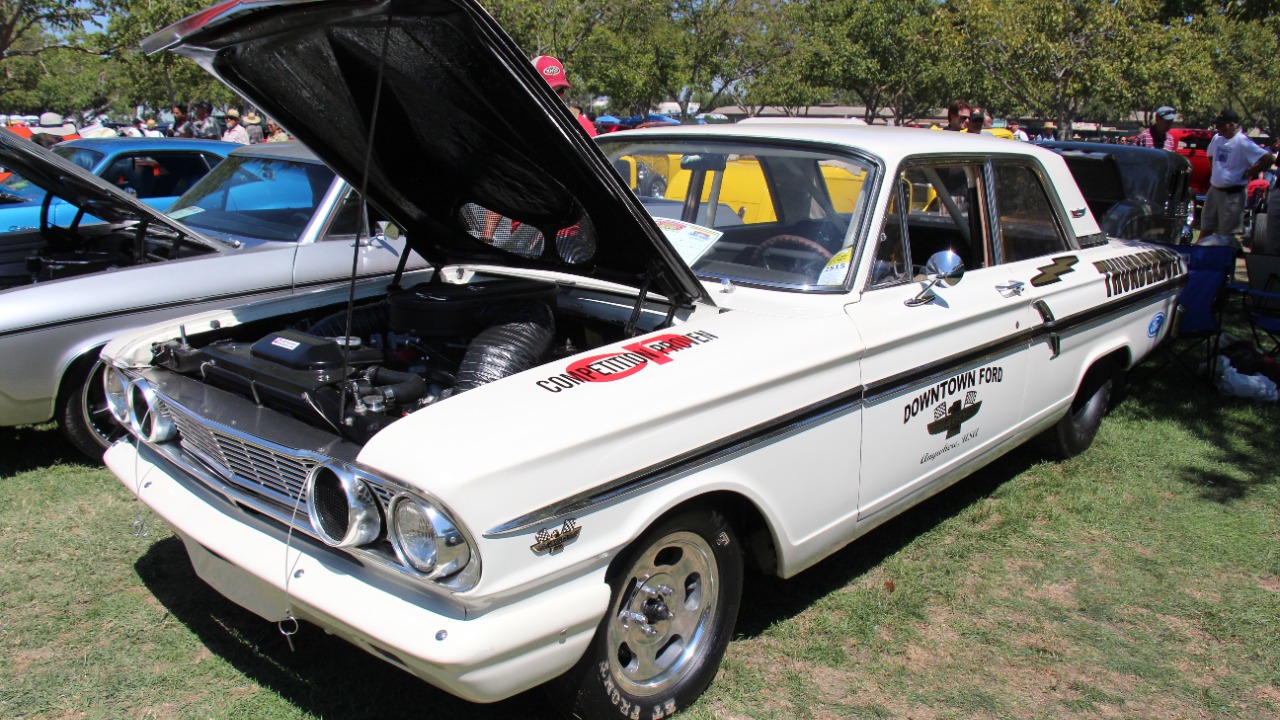
The 1964 Ford Fairlane sits at an interesting point in Ford’s performance history because the company was beginning to explore how much power could be packed into an intermediate-size car. The Fairlane’s relatively compact dimensions made it an excellent platform for V8 performance, while the availability of engines ranging from small-blocks to larger Ford powerplants gave builders plenty of options. Hot rodders later discovered that the body responded well to suspension improvements, larger brakes, improved gearing, and modern drivetrains. A carefully built Fairlane can therefore combine classic styling with genuinely strong performance without becoming unnecessarily complicated. Owners often become attached to these cars because they feel less predictable than the Mustang or the more famous Galaxie. A clean Fairlane with the right stance and engine can stand apart at a cruise night, and that individuality is often precisely what makes an owner decide that the car is staying in the garage.
1967 Ford Mustang Fastback
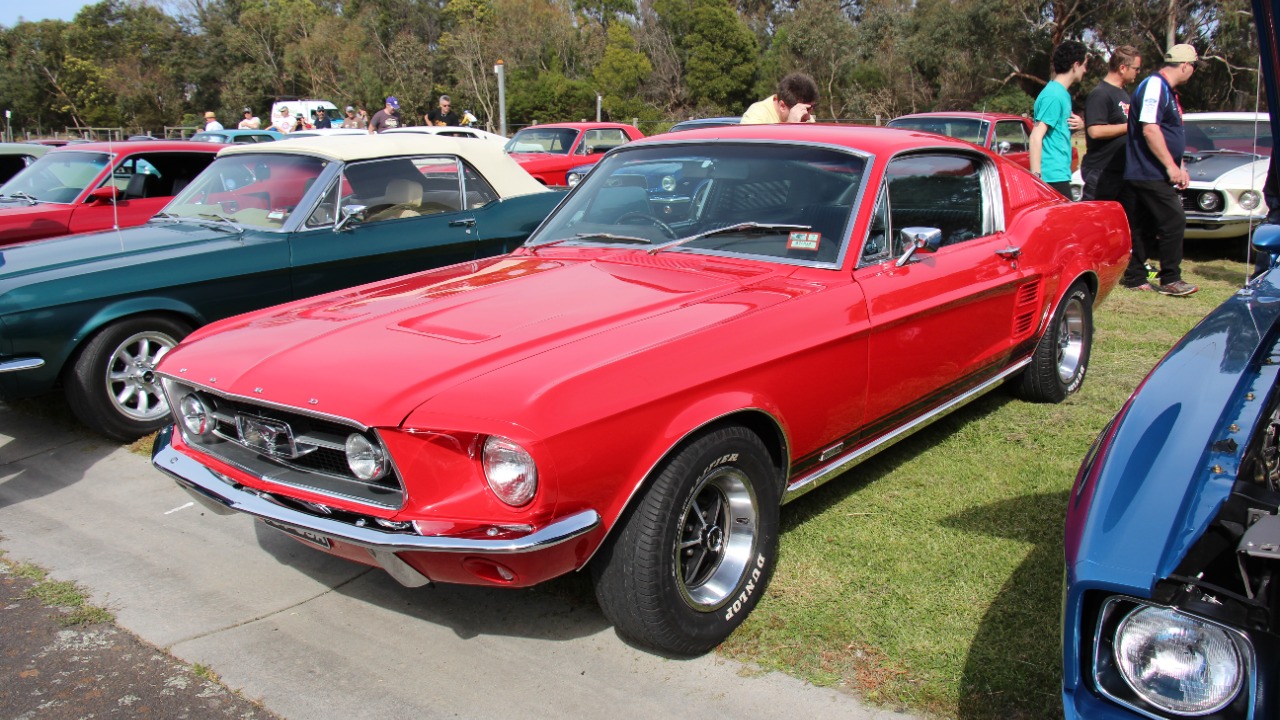
The 1967 Ford Mustang Fastback became one of the most desirable shapes of the first-generation Mustang, and it has been a favorite foundation for hot rods and restomods ever since. The fastback roofline gives the car a more aggressive appearance than the standard coupe, while the enormous availability of Ford performance parts allows owners to build almost anything they want. Traditional cars can retain period-correct small-block power, while modern builds can use fuel injection, independent rear suspension, large brakes, and contemporary V8s. The Mustang’s popularity means there is no shortage of examples, but a genuinely personal build is another matter. Owners can spend years choosing the right engine, wheels, interior, paint, and chassis setup. Once all of those choices come together, the finished car becomes difficult to replace. It may not be the rarest Mustang, but a carefully built 1967 Fastback can become one of the hardest cars in an owner’s garage to sell.
1949 Chevrolet Coupe
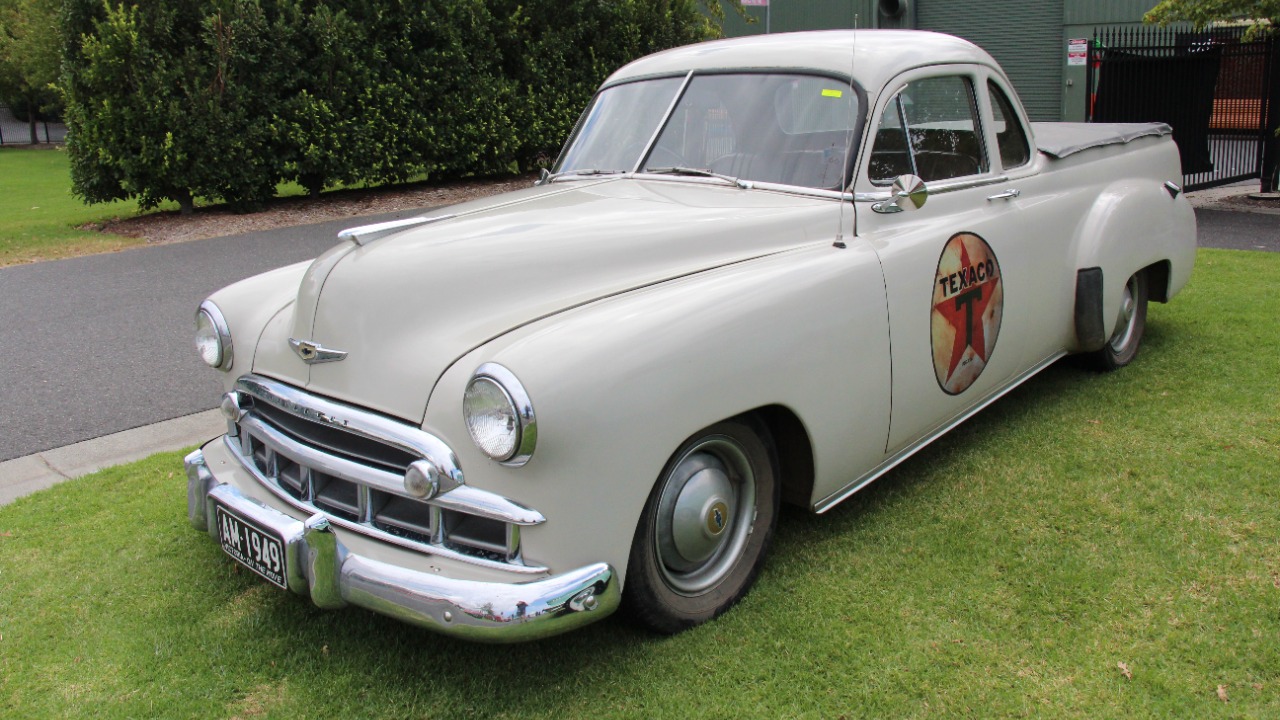
The 1949 Chevrolet Coupe is a less obvious choice than the classic Ford platforms, which is exactly why a great one can become such a prized possession. Its postwar styling provides a broad canvas for traditional hot-rod treatment, including lowered suspension, custom wheels, shaved trim, and V8 swaps. Chevrolet’s small-block family gives builders an enormous range of engine choices, while modern brakes and suspension can make the car considerably easier to drive than its original mechanical specification would suggest. The body also has enough visual character to stand on its own without requiring extreme customization. Owners who build one from the ground up can create a car that feels genuinely individual rather than following a familiar formula. After years of work, road trips, repairs, and shows, the car can accumulate the kind of history that makes an asking price almost irrelevant. At that point, it is no longer just a hot rod. It is the owner’s hot rod.
More from Fast Lane Only
- Unboxing the WWII Jeep in a Crate
- 15 rare Chevys collectors are quietly buying
- 10 underrated V8s still worth hunting down
- Police notice this before you even roll window down
*Research for this article included AI assistance, with all final content reviewed by human editors.