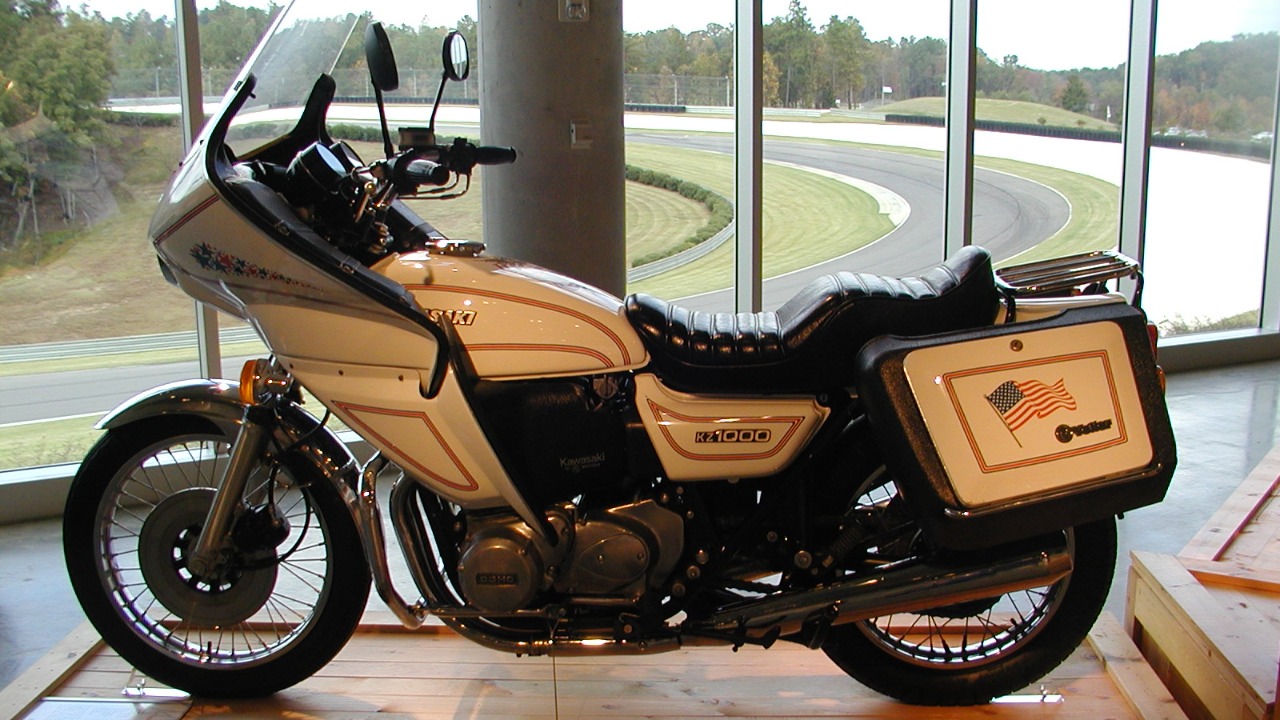
Some motorcycles become classics because of their racing records, while others earn their reputations through character, simplicity, and the way they make riders feel. The bikes on this list helped define different eras of motorcycling without relying on modern electronics or complicated rider aids. For enthusiasts who value the connection between rider and machine, these classics still have plenty to offer.
Honda CB750
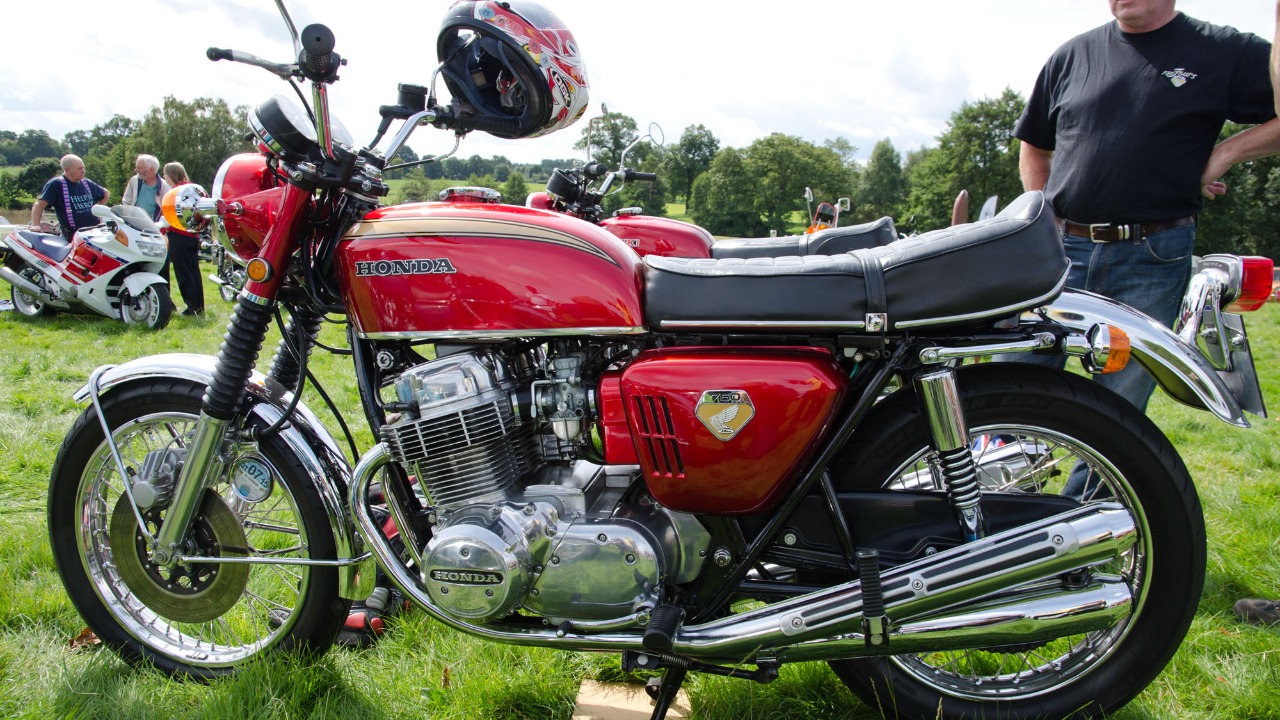
The Honda CB750 changed expectations for what a large Japanese motorcycle could deliver. Its inline-four engine, electric start, disc brake, and smooth power made it remarkably sophisticated for its era. The combination of performance and everyday usability helped establish the superbike category. Today, riders still seek out good examples because the CB750 offers a direct connection to one of the most important turning points in motorcycle history.
Kawasaki Z1
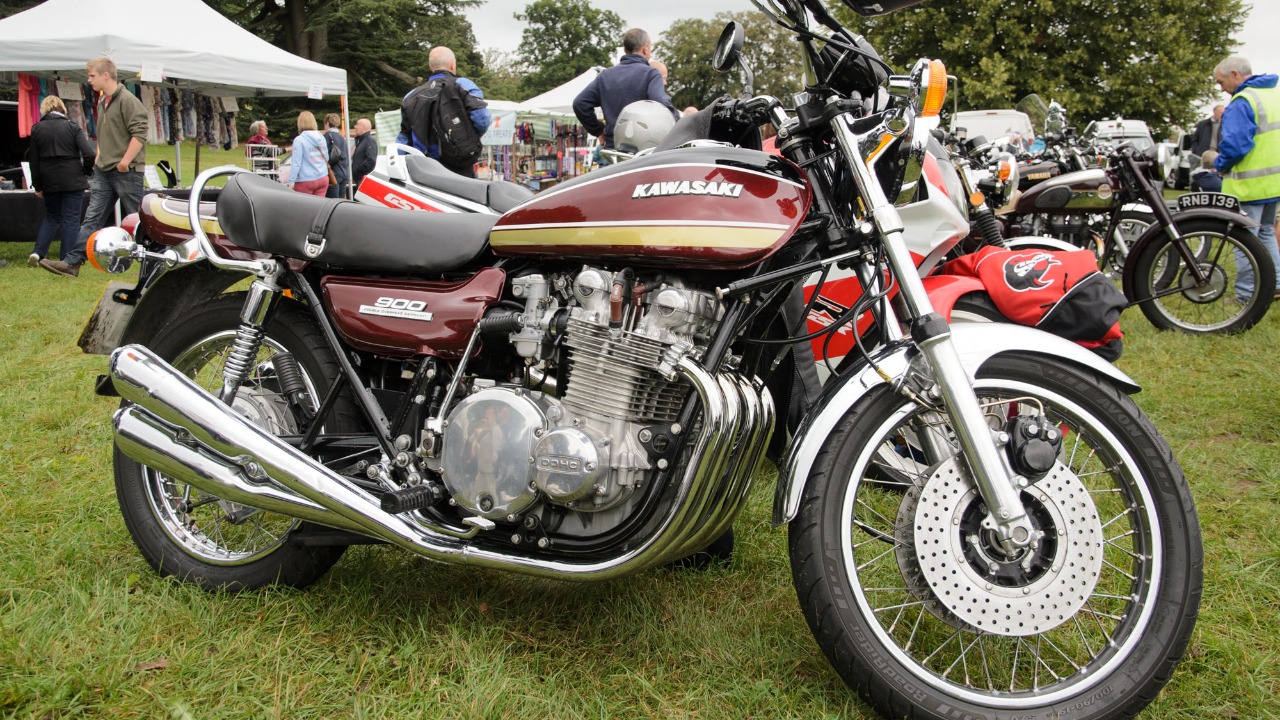
The Kawasaki Z1 arrived with a powerful inline-four engine and a distinctive combination of speed, comfort, and Japanese engineering. Its large displacement gave it serious performance, while the upright riding position kept it practical enough for longer rides. The Z1 quickly became a benchmark among performance motorcycles. Decades later, riders still appreciate its strong engine character and mechanical simplicity, especially when compared with the electronically managed motorcycles of today.
Yamaha XS650
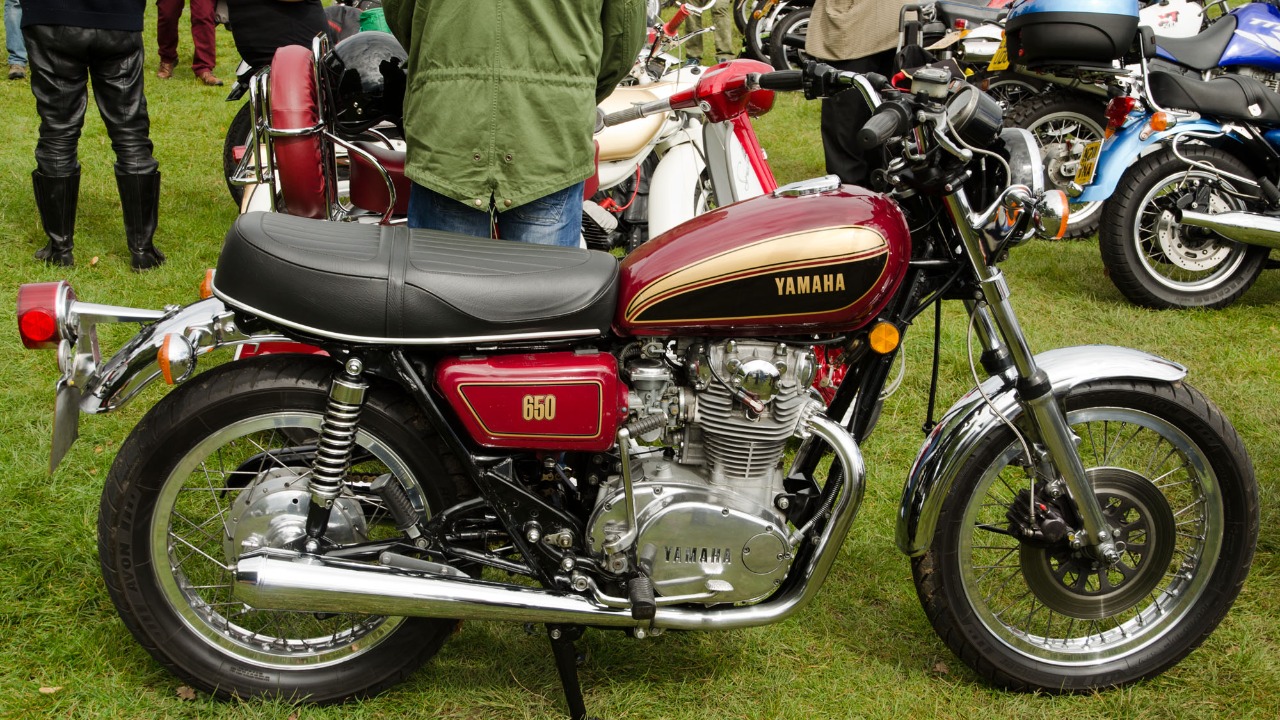
The Yamaha XS650 became known for its air-cooled parallel-twin engine and classic riding character. Its engine design had a strong mechanical feel, while the conventional chassis made it approachable for riders and mechanics alike. The XS650 also became popular with custom builders, but original examples remain highly desirable. Riders who appreciate traditional motorcycle engineering often gravitate toward the XS650 because it feels distinctly mechanical without being unnecessarily complicated.
Suzuki GS750
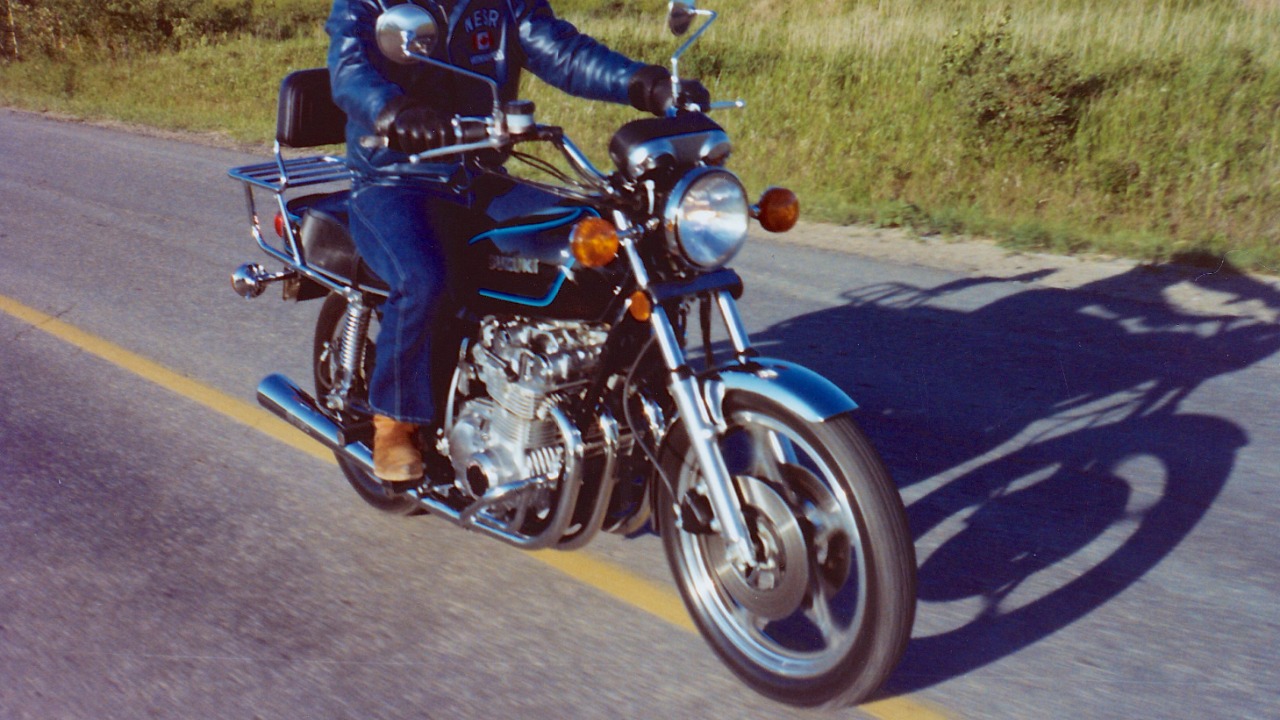
The Suzuki GS750 offered a smooth inline-four engine in a relatively manageable package. It provided strong performance without requiring the aggressive riding position associated with some later sport bikes. The engine’s reputation for durability also helped the model earn a loyal following. Today, a clean GS750 appeals to riders who want the feel of a classic Japanese superbike while retaining a machine that remains relatively practical and approachable.
Honda CX500
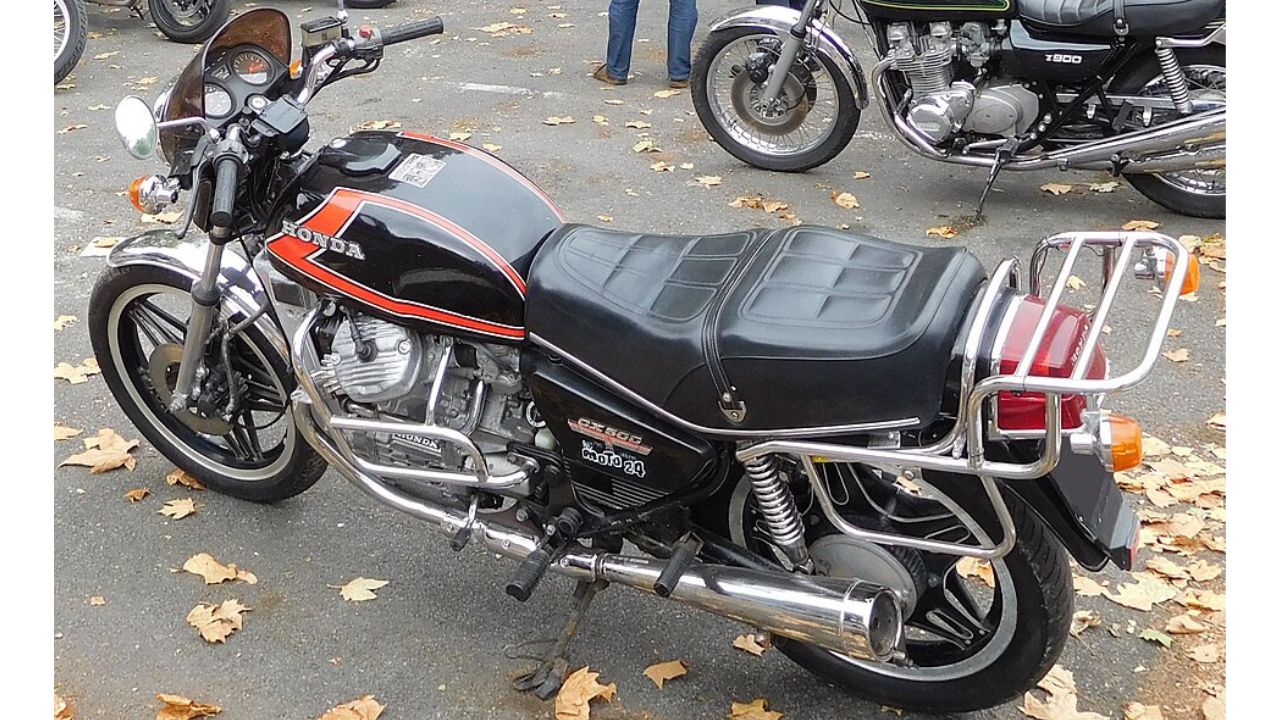
The Honda CX500 was unusual from the beginning, using a liquid-cooled V-twin engine mounted transversely with shaft drive. Its engineering was different from the typical inline-four Japanese motorcycle of the period, and its practical nature made it a popular choice for commuting and touring. The CX500 has developed a strong enthusiast following because of its distinctive mechanical layout and durable character. Riders who enjoy unconventional classics often seek one out.
Yamaha SR500
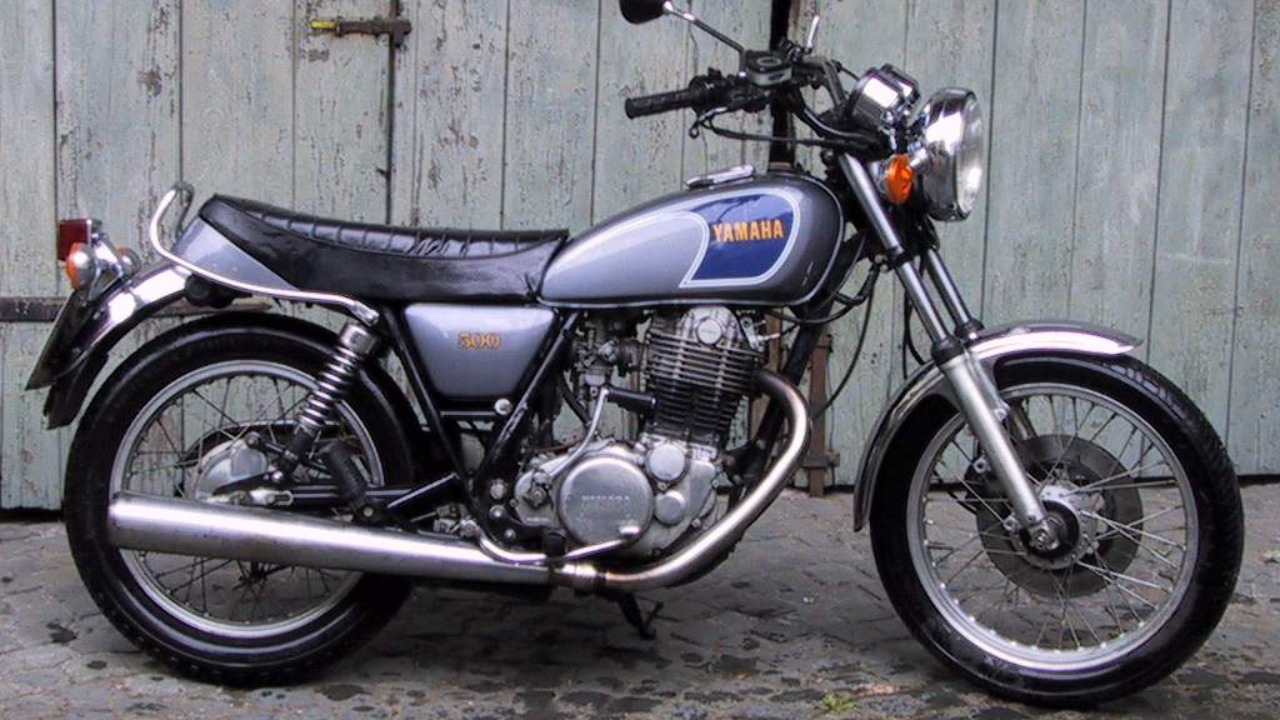
The Yamaha SR500 focused on simplicity rather than outright performance. Its air-cooled single-cylinder engine, lightweight chassis, and straightforward design made it an appealing motorcycle for riders who wanted a direct connection with the machine. The SR500 also became popular with custom builders, but original examples remain attractive to enthusiasts. Its uncomplicated character makes it especially appealing in an era when many motorcycles rely on sophisticated electronics.
Suzuki GSX750E
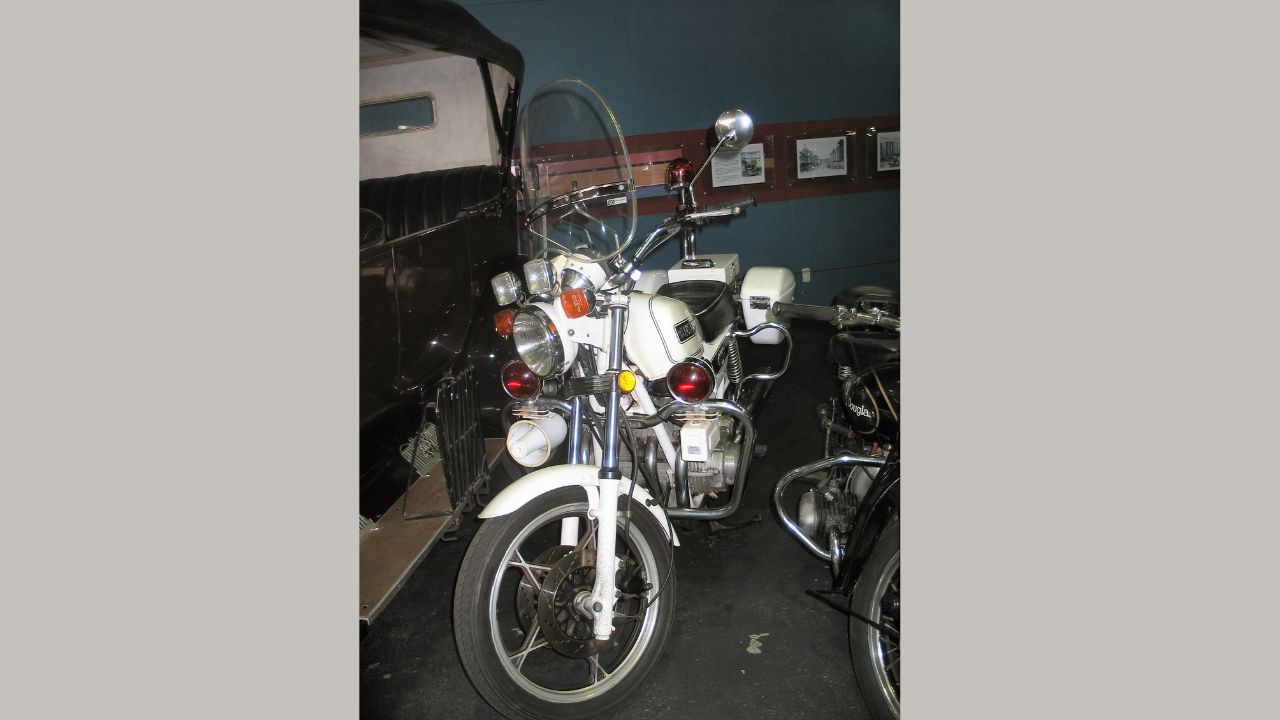
The Suzuki GSX750E brought strong inline-four performance to a package that could still be used for everyday riding. Its combination of comfortable ergonomics, substantial power, and classic Japanese styling gave it broad appeal. The bike also represented an important stage in Suzuki’s development of high-performance four-cylinder motorcycles. Today, riders interested in the transition from traditional superbikes to more modern sport machines continue to seek well-preserved examples.
Kawasaki KZ1000

The Kawasaki KZ1000 built on the success of the Z1 with an even larger engine and strong performance. Its inline-four delivered substantial power while the conventional chassis kept the motorcycle familiar to experienced riders. The KZ1000 became associated with police service, touring, drag racing, and everyday performance, giving it an unusually broad legacy. A clean example remains appealing because its engine delivers the unmistakable character of a classic big Kawasaki.
Honda Gold Wing GL1000
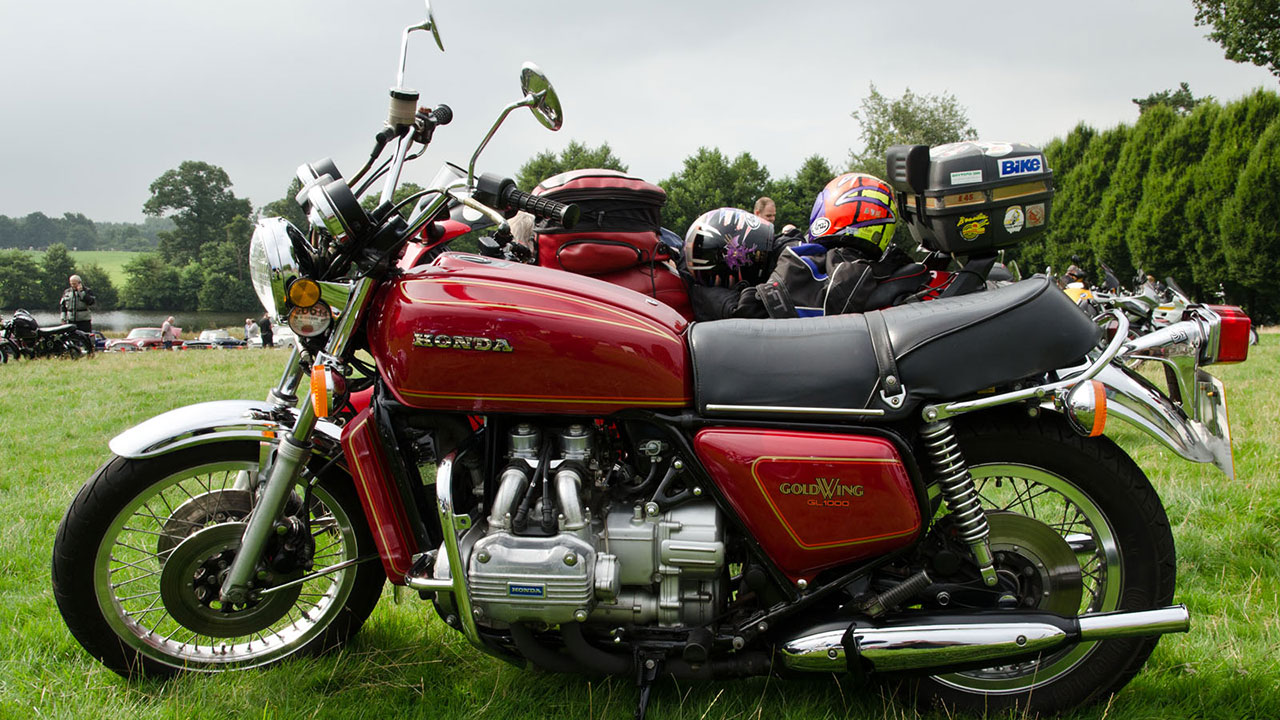
The original Honda Gold Wing was very different from the enormous touring machines that followed. The GL1000 used a smooth flat-four engine and offered long-distance comfort without excessive weight or complexity by later standards. Its shaft drive and relaxed character made it especially suitable for touring. Riders still seek early Gold Wings because they provide a fascinating combination of Japanese engineering, smooth performance, and classic motorcycle simplicity.
Yamaha RD350
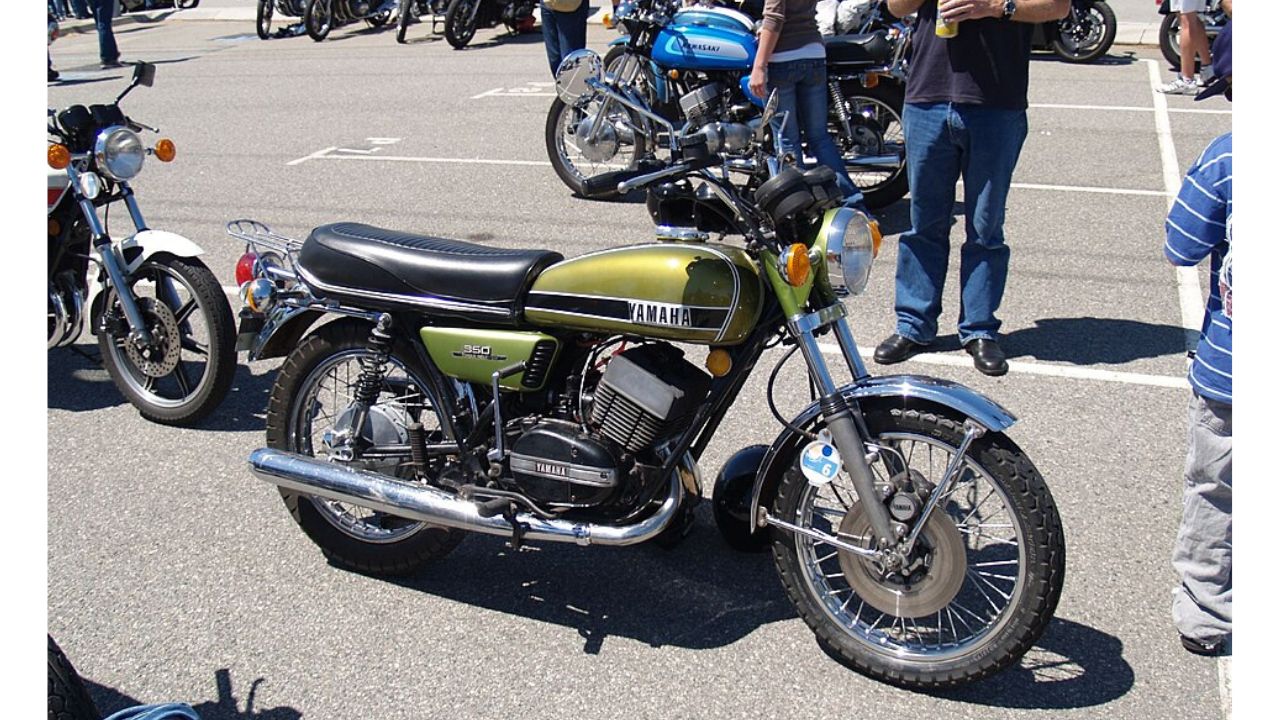
The Yamaha RD350 earned its reputation through a lightweight chassis and lively two-stroke engine. Its compact dimensions and strong power delivery made it particularly entertaining on winding roads, while its relatively simple construction appealed to riders who enjoyed working on their own machines. The RD350 became an important part of Yamaha’s performance history. Today, clean examples are highly sought after because modern motorcycles rarely deliver the same lightweight two-stroke experience.
Suzuki GSX-R750

The Suzuki GSX-R750 helped bring genuine race-inspired technology to the street. Its lightweight construction, full fairing, and high-performance inline-four engine created a motorcycle that felt much closer to a competition machine than many earlier sport bikes. The earliest examples are especially important to collectors and riders. The GSX-R750 remains a favorite among enthusiasts who want to experience the period when Japanese manufacturers were transforming the modern sportbike.
Honda CBX
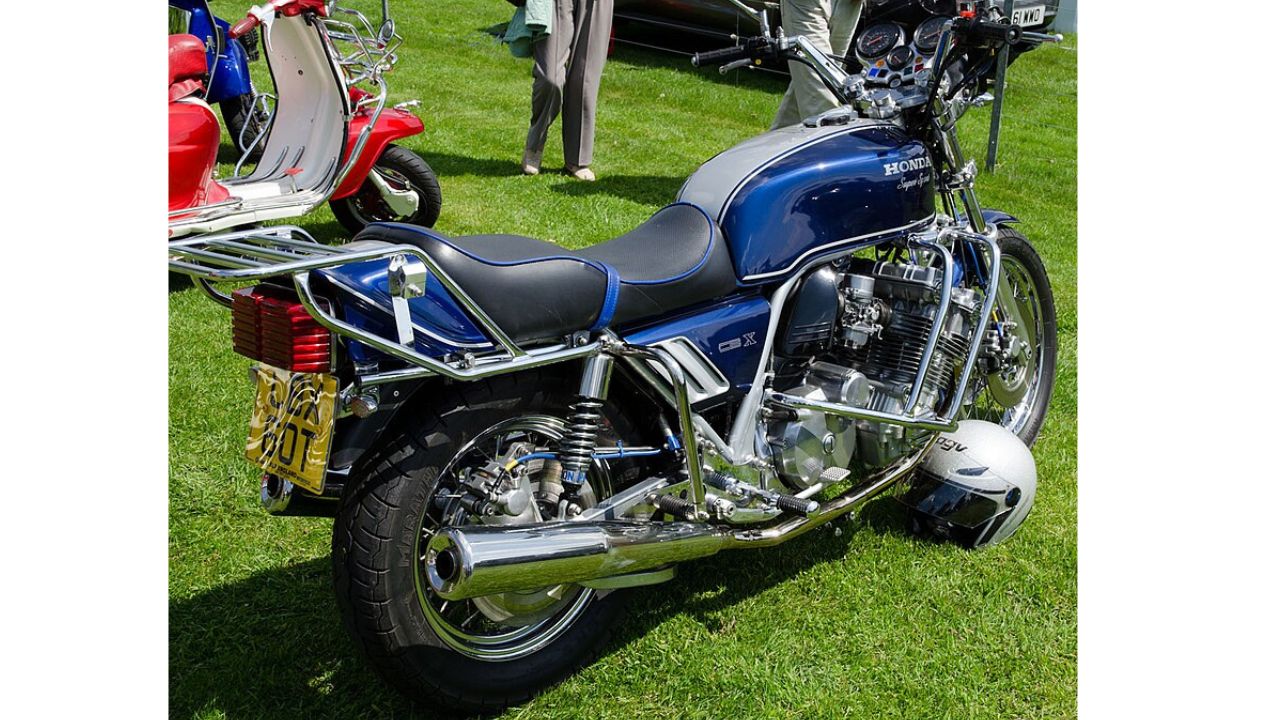
The Honda CBX stood apart from nearly every other Japanese motorcycle because of its six-cylinder engine. Its 1,047cc inline-six produced a distinctive exhaust note and smooth power delivery, while the bike’s styling emphasized its mechanical character. The CBX was not the lightest or simplest motorcycle, but its engine made it unforgettable. Riders continue to chase good examples because few motorcycles have ever offered such an unusual combination of sound, smoothness, and engineering ambition.
Kawasaki KZ650
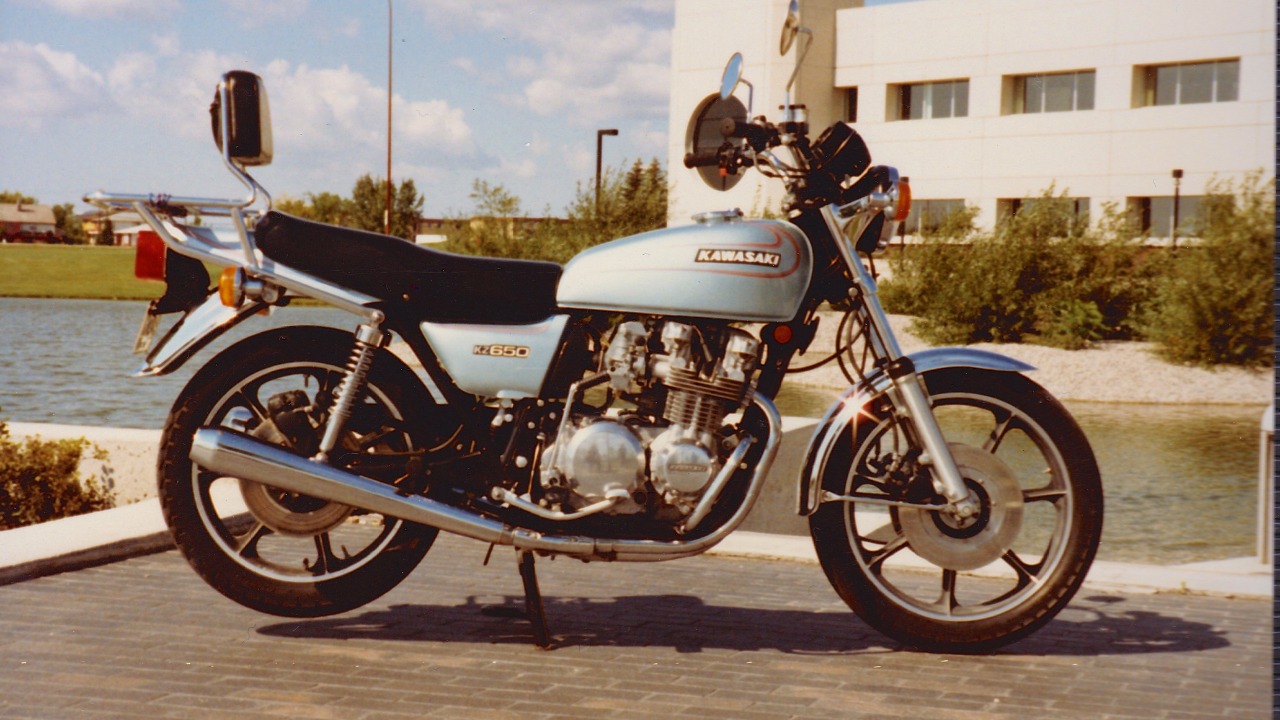
The Kawasaki KZ650 offered a more manageable alternative to the larger KZ1000 while retaining the smoothness of an inline-four engine. Its lighter weight made it easier to handle, and its balanced proportions suited both everyday riding and longer trips. The bike developed a reputation for being enjoyable without overwhelming its rider. Today, the KZ650 remains appealing to enthusiasts who want classic Kawasaki character in a package that is easier to live with.
Honda CB550
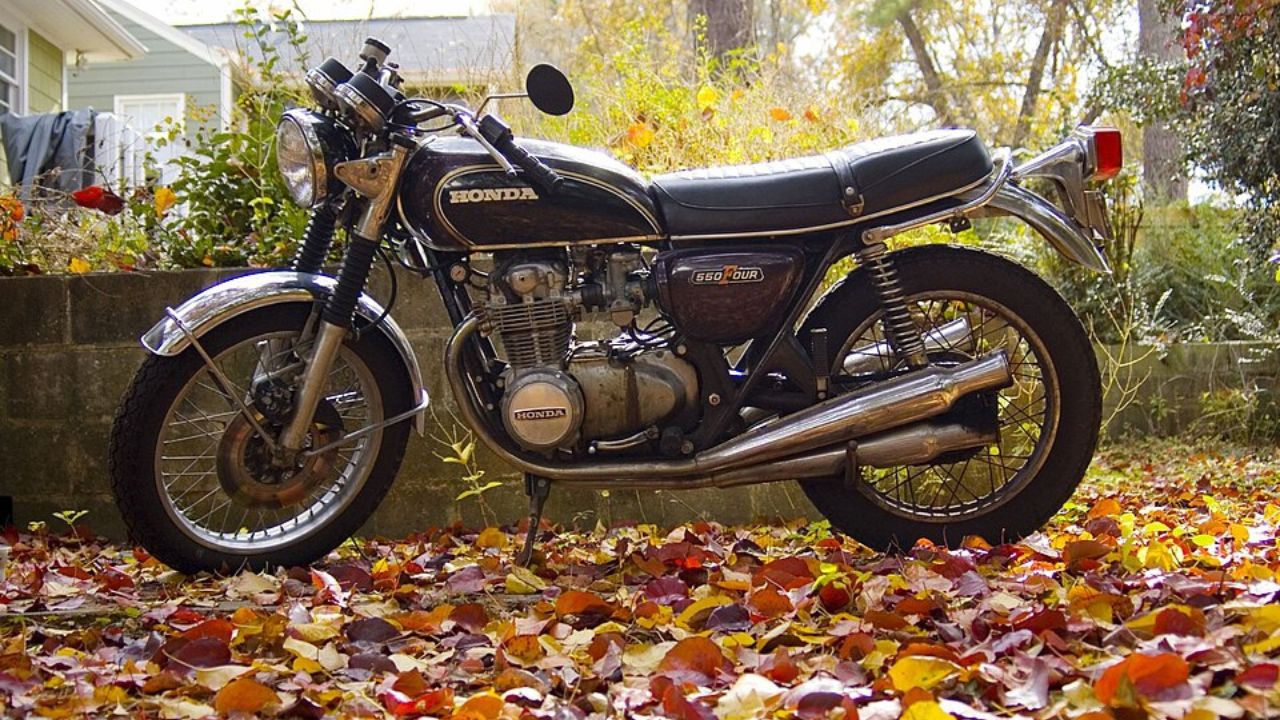
The Honda CB550 became one of the most approachable ways to experience a classic inline-four motorcycle. Its compact size, smooth engine, and balanced chassis made it popular with new and experienced riders alike. The bike also became a favorite among builders because of its straightforward construction. Original examples remain desirable, particularly among riders who want a classic Honda that offers the traditional four-cylinder experience without the size of a larger superbike.
BMW R90S
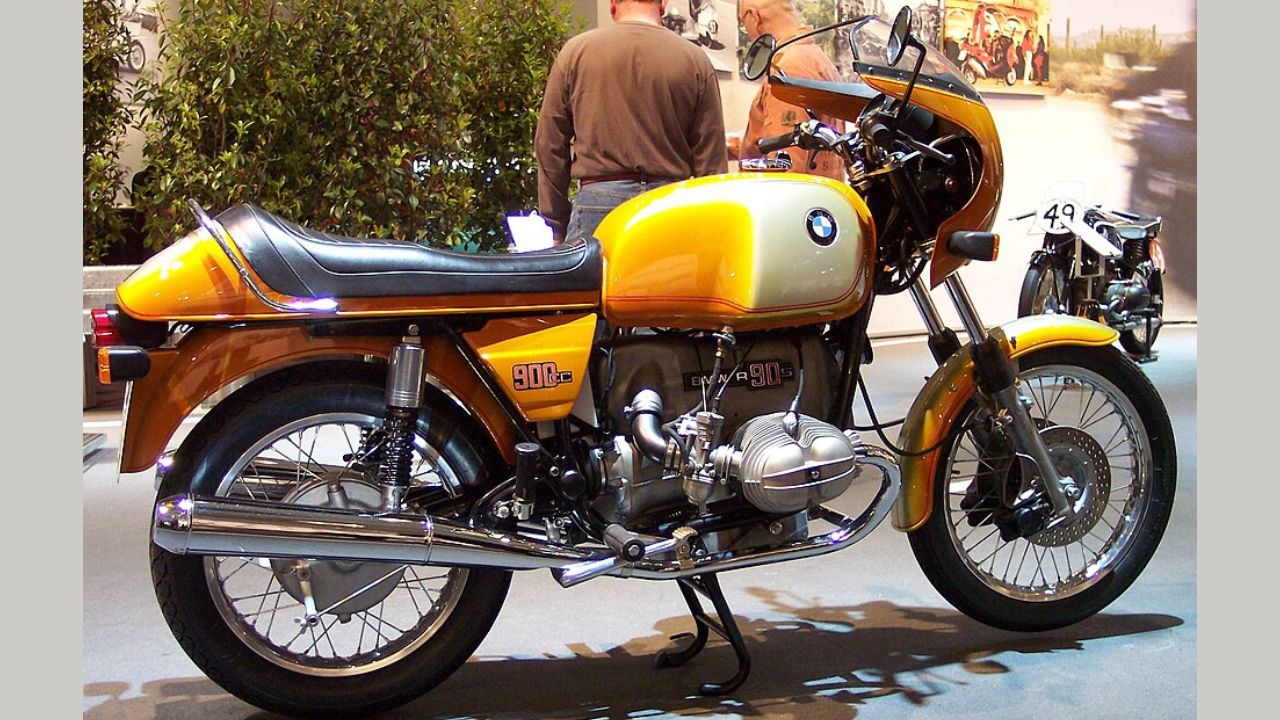
The BMW R90S brought a sportier edge to BMW’s traditionally touring-focused motorcycle lineup. Its air-cooled boxer-twin engine, shaft drive, distinctive fairing, and comfortable ergonomics made it capable of long-distance riding while retaining genuine performance character. The model’s distinctive paint schemes also helped it stand apart visually. Today, the R90S is one of the most recognizable classic BMW motorcycles and remains highly sought after by riders who appreciate its blend of touring and sport.
Triumph Bonneville
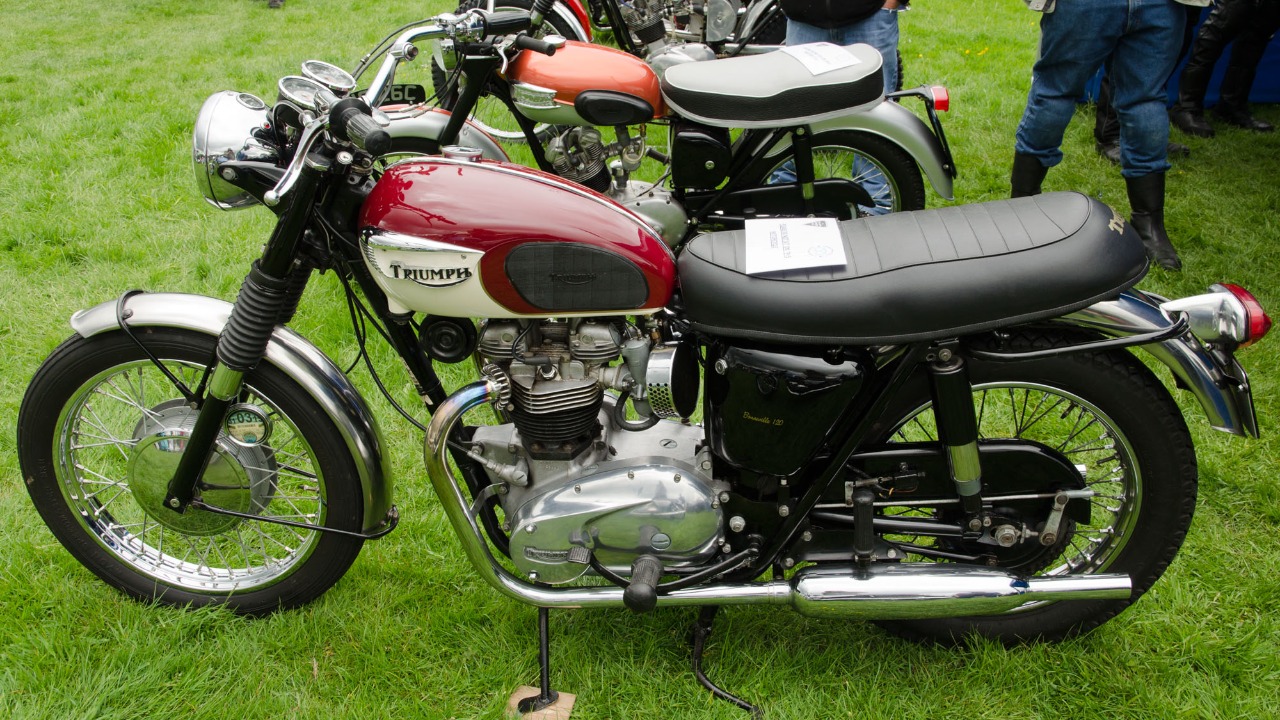
The Triumph Bonneville became one of the defining British motorcycles of the classic era. Its parallel-twin engine, slim proportions, and simple styling created a motorcycle that emphasized riding enjoyment rather than technical complexity. The Bonneville became closely associated with the culture surrounding British motorcycles and the broader performance scene of the 1960s. Riders still chase well-preserved examples because few motorcycles capture the look and mechanical feel of that era so effectively.
Norton Commando
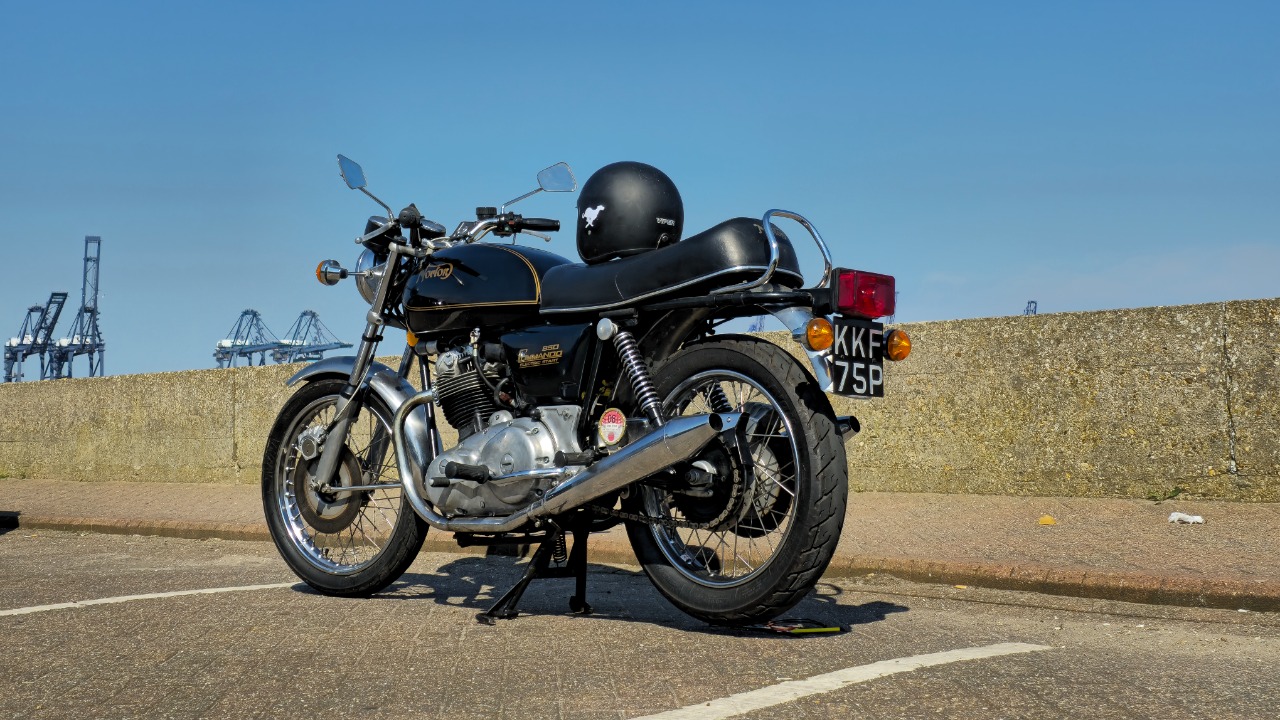
The Norton Commando combined a powerful parallel-twin engine with an innovative frame-mounted isolation system designed to reduce vibration reaching the rider. Its distinctive exhaust layout, slim body, and classic British styling gave it a strong visual identity. The Commando also developed a reputation for enjoyable handling. Today, it remains an important motorcycle for enthusiasts interested in British engineering and the final generation of classic high-performance twins before the Japanese manufacturers transformed the market.
Moto Guzzi V7

The Moto Guzzi V7 brought the company’s transverse V-twin layout and shaft drive into a relatively compact motorcycle. Its distinctive engine arrangement gives the bike a character that is immediately different from a typical inline-four or parallel twin. The V7 also became known for its practical riding position and understated styling. Riders who value unusual mechanical designs continue to seek early examples because the motorcycle offers a very different interpretation of classic European motorcycling.
Harley-Davidson Sportster
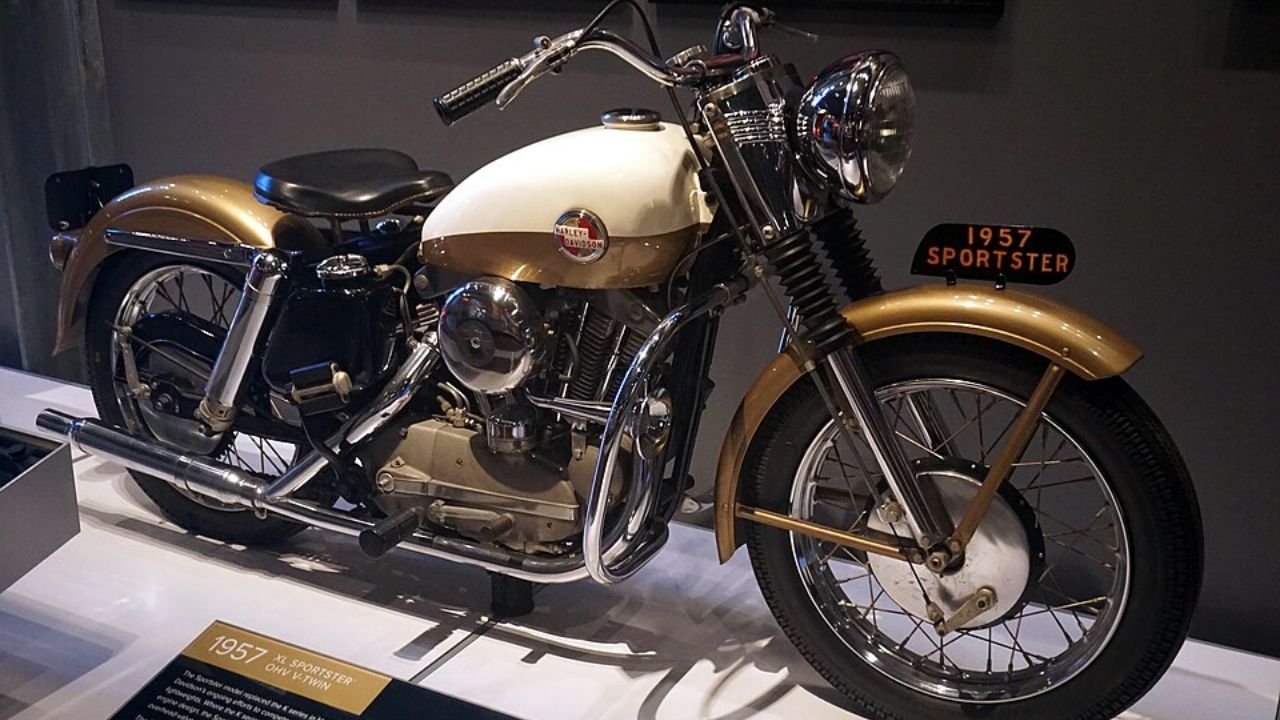
The Harley-Davidson Sportster has remained one of the company’s most recognizable motorcycles for decades. Its air-cooled V-twin, compact proportions, and unmistakable exhaust note helped establish a strong identity that separated it from larger touring models. Early Sportsters are particularly interesting because they capture the model’s original performance-oriented character. Riders who enjoy traditional American motorcycles continue to seek them out for their simplicity, sound, and direct mechanical feel.
Ducati 750 GT
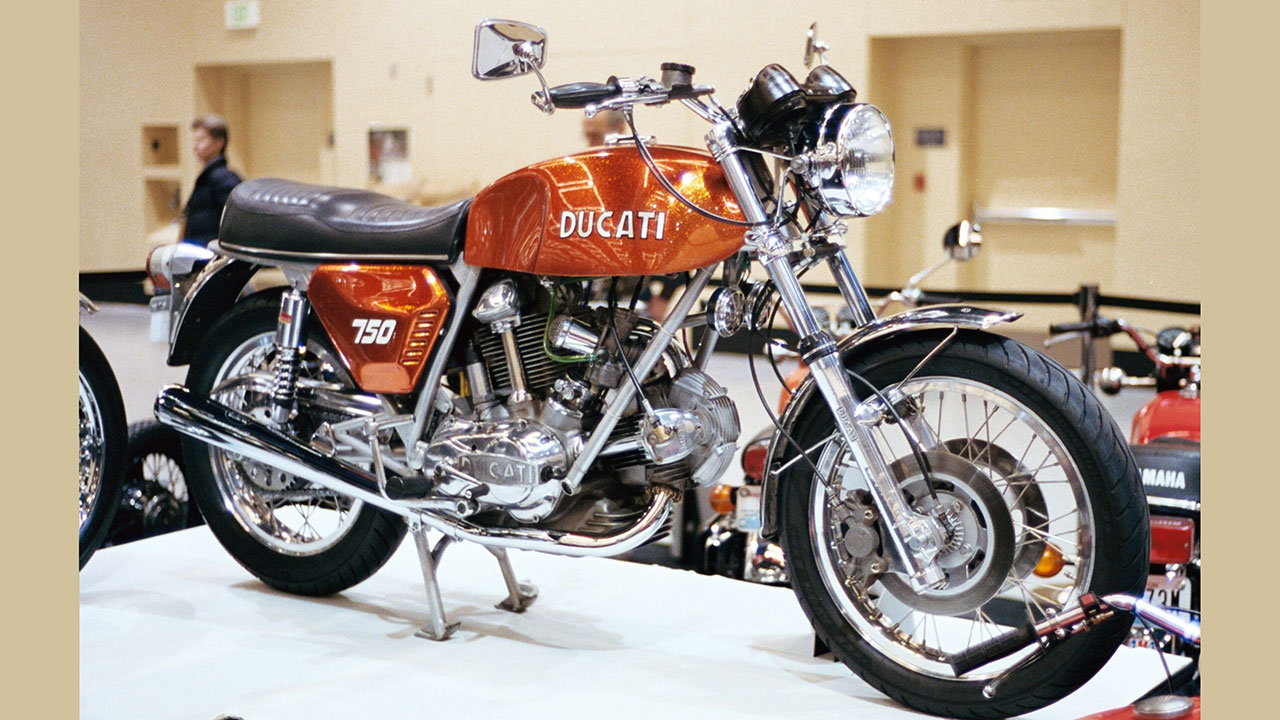
The Ducati 750 GT combined a lightweight chassis with the company’s famous desmodromic V-twin engine, creating a motorcycle with genuine sporting character and distinctive Italian engineering. Its narrow proportions and clean styling gave it an elegant appearance without unnecessary decoration. Production numbers were relatively limited compared with mainstream Japanese motorcycles, making surviving examples especially interesting. Riders and collectors continue to chase the 750 GT because it represents one of Ducati’s most important early superbike-era designs.
More from Fast Lane Only
- Unboxing the WWII Jeep in a Crate
- 15 rare Chevys collectors are quietly buying
- 10 underrated V8s still worth hunting down
- Police notice this before you even roll window down
*Research for this article included AI assistance, with all final content reviewed by human editors.