Farm trucks were never built simply to look impressive. They hauled feed, pulled trailers, carried tools, crossed muddy fields, and worked through conditions that could quickly defeat ordinary vehicles. Many became known for simple engineering, strong frames, dependable engines, and impressive durability. These trucks earned their reputations through years of hard work.
Ford F-150
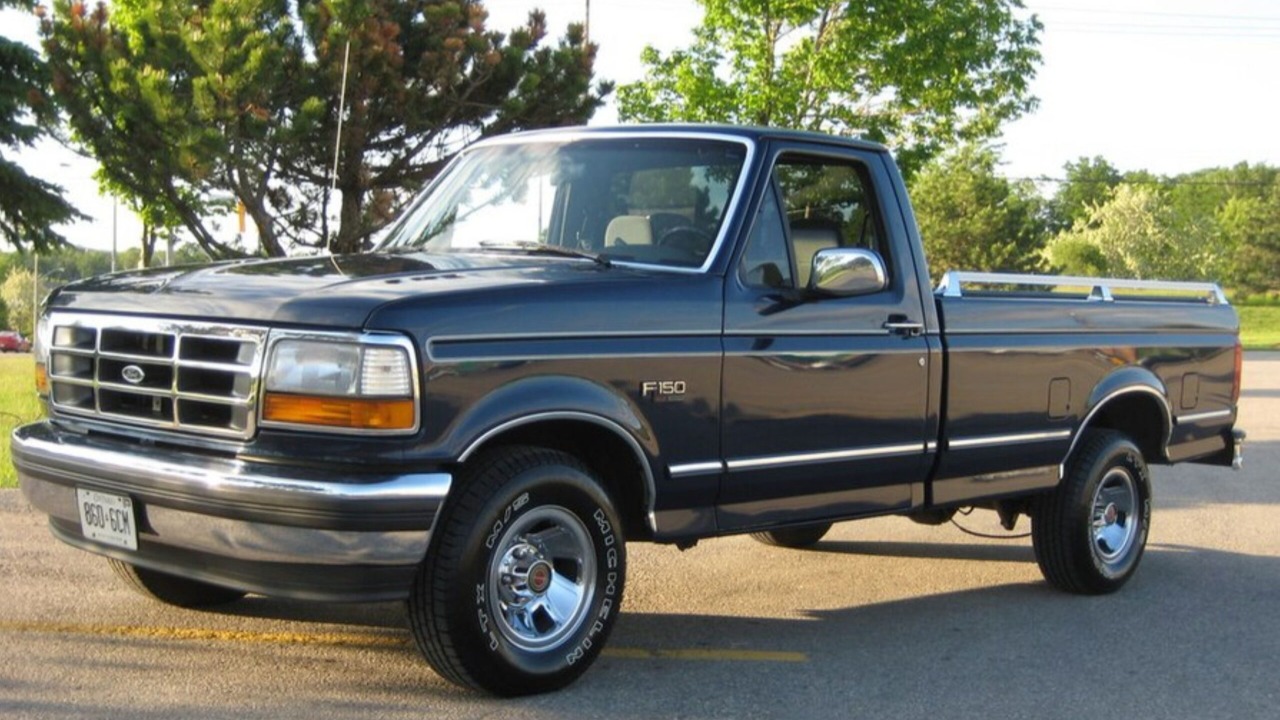
The Ford F-150 became a familiar sight on farms because it could handle everyday hauling without being overly complicated. Earlier generations offered durable frames, straightforward engines, and useful payload capacity for carrying supplies, fencing materials, tools, and feed. Many farm owners valued the truck’s ability to keep working despite rough roads and heavy use. Four-wheel-drive versions added even more capability when fields became muddy or uneven. Its combination of practicality, mechanical simplicity, and widespread parts availability helped make the F-150 a dependable working truck.
Chevrolet C/K 10
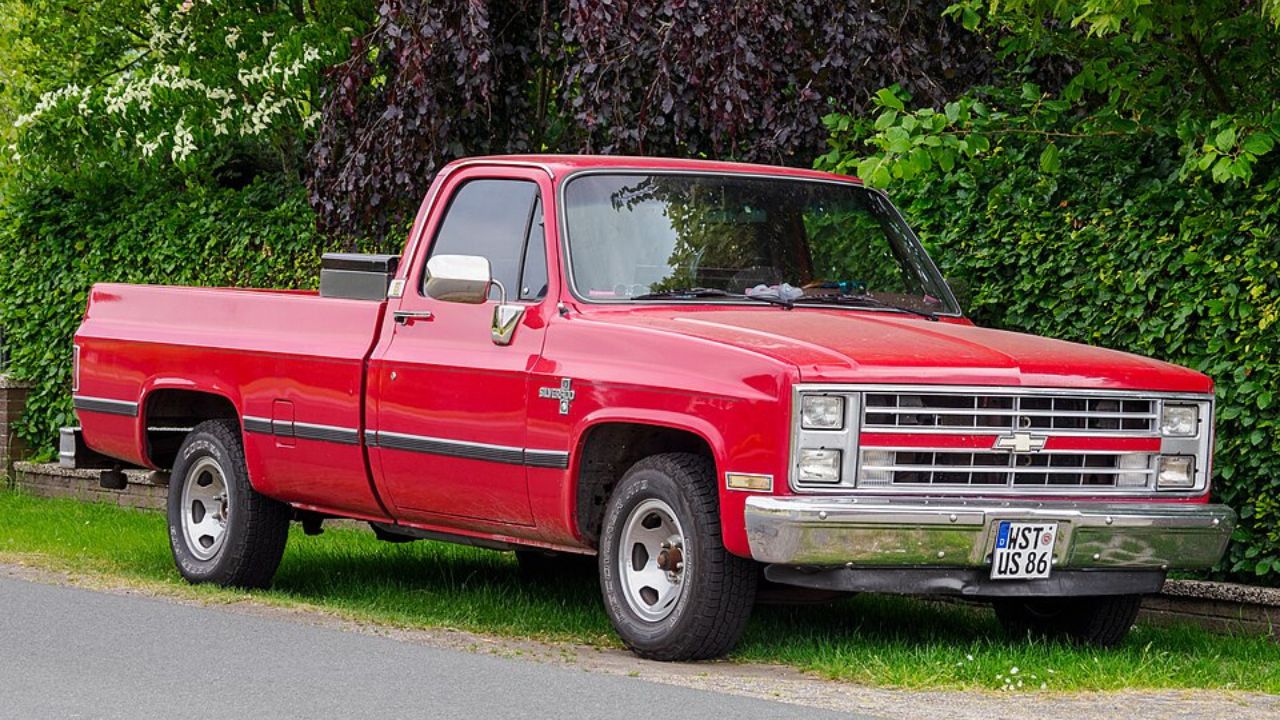
The Chevrolet C/K 10 earned a strong reputation among farmers who needed a truck that could perform without unnecessary complexity. Its body-on-frame construction and range of small-block and big-block V8 engines gave it enough strength for hauling equipment, trailers, and farm supplies. Four-wheel-drive models were especially useful on dirt roads and fields. The C/K’s relatively simple mechanical design also made repairs easier for owners who preferred doing their own maintenance. Many examples continued working for decades after newer trucks had already become expensive to maintain.
Ford F-250
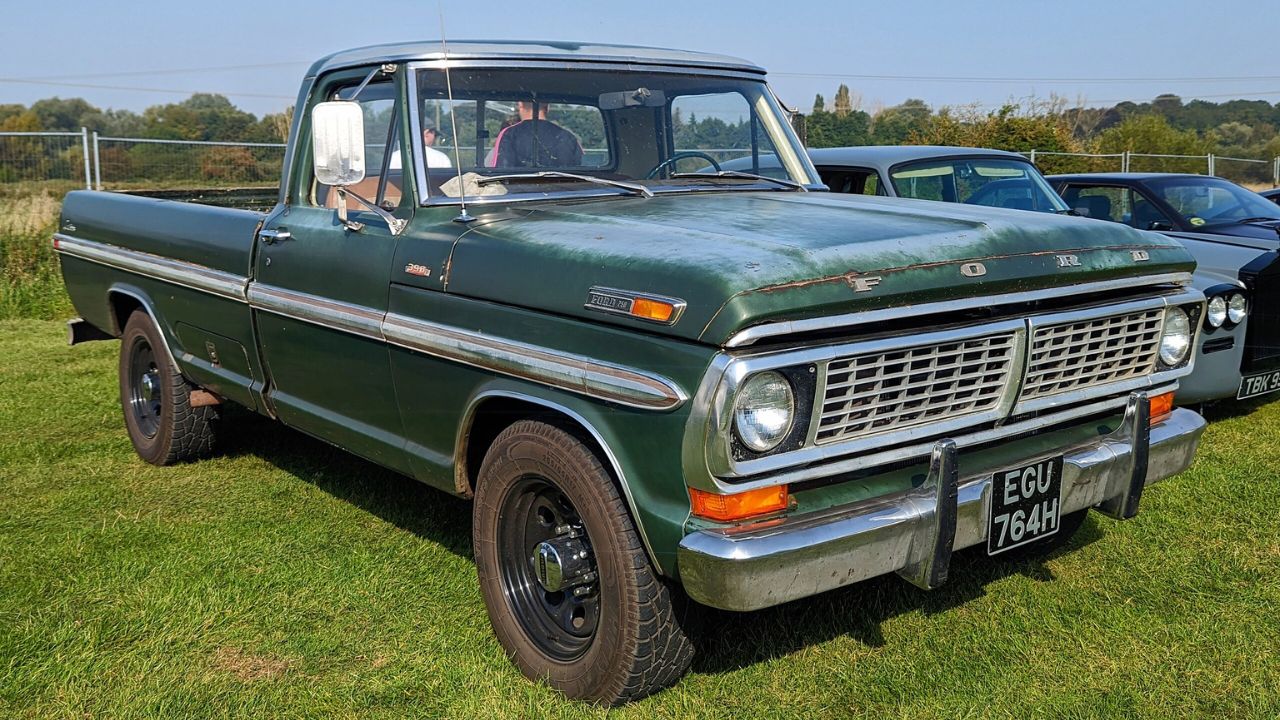
The Ford F-250 was designed for heavier work than the typical half-ton pickup, making it particularly useful around farms and ranches. Its stronger suspension, larger brakes, and greater payload capacity allowed it to carry heavy materials and tow substantial trailers. Depending on the generation, buyers could choose durable gasoline or diesel engines. The F-250 was not dependent on complicated technology to get work done, especially in older generations. Its straightforward construction allowed owners to keep these trucks operating through demanding conditions and years of hard labor.
International Harvester Scout
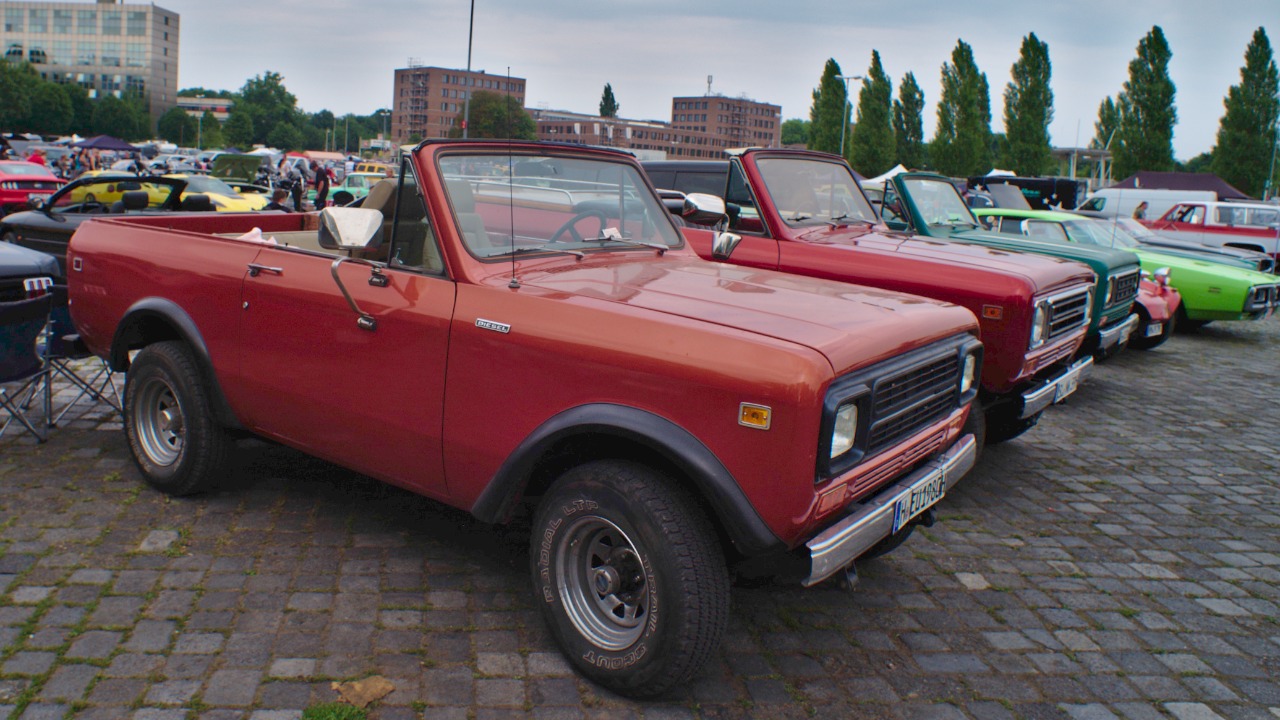
The International Harvester Scout was smaller than traditional farm pickups, but its rugged construction made it extremely useful around agricultural properties. Designed with four-wheel drive and a durable body-on-frame layout, the Scout could travel through mud, fields, and rough trails where ordinary passenger vehicles struggled. Farmers used it for checking livestock, reaching remote parts of their property, and carrying tools. Its compact size was another advantage because it could maneuver through narrow paths and tight spaces. The Scout became especially respected for its off-road durability.
Jeep Gladiator

The Jeep Gladiator brought four-wheel-drive capability and pickup practicality together in a package that suited demanding rural work. Its rugged chassis and off-road design allowed it to travel across muddy fields, rocky tracks, and poorly maintained roads. Farmers could use the cargo bed for tools, fencing materials, feed, and other supplies while benefiting from Jeep’s traditional traction advantages. The Gladiator was not the largest truck available, but its compact dimensions and four-wheel-drive system made it useful in places where larger pickups could become difficult to maneuver.
Toyota Hilux
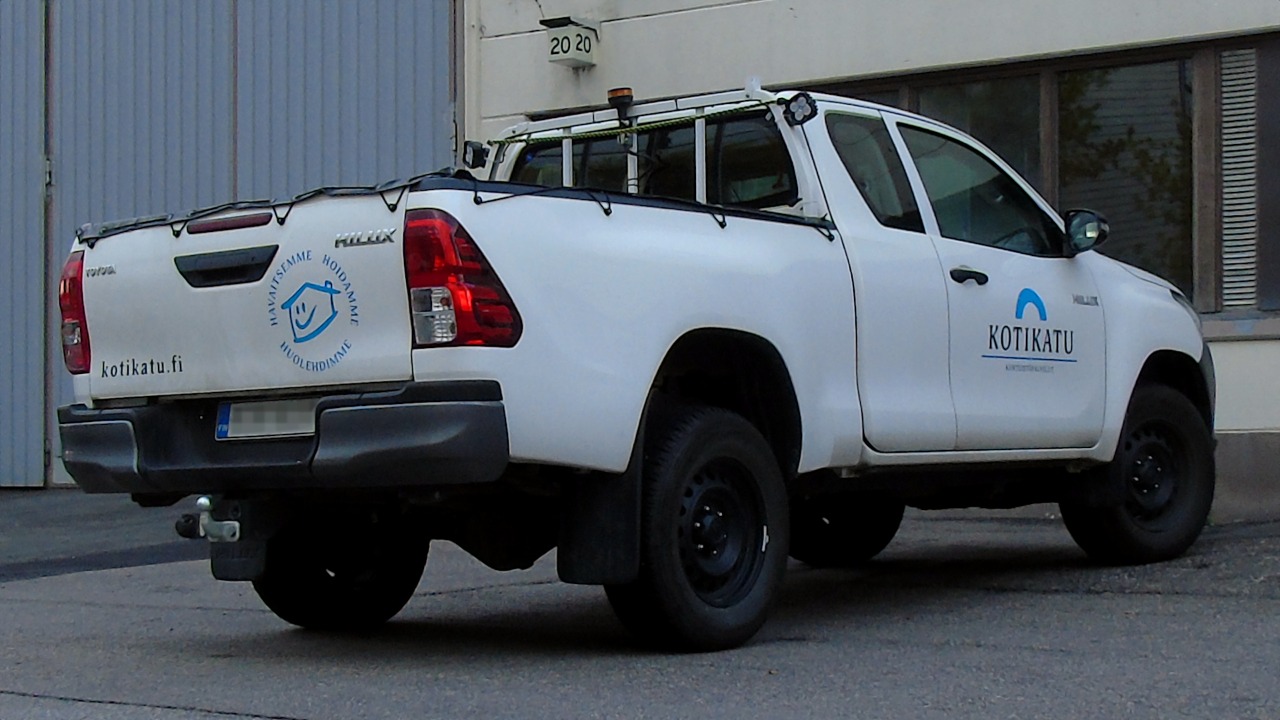
The Toyota Hilux developed its reputation by surviving hard working conditions in markets around the world. Its compact dimensions made it practical on narrow farm roads, while its sturdy chassis and dependable engines allowed it to carry supplies and equipment. Four-wheel-drive versions provided additional traction when conditions became difficult. Farmers appreciated the Hilux because it could often continue working with basic maintenance rather than requiring constant attention. Its reputation for durability eventually became one of the strongest parts of the model’s identity, especially in demanding rural environments.
Nissan Hardbody
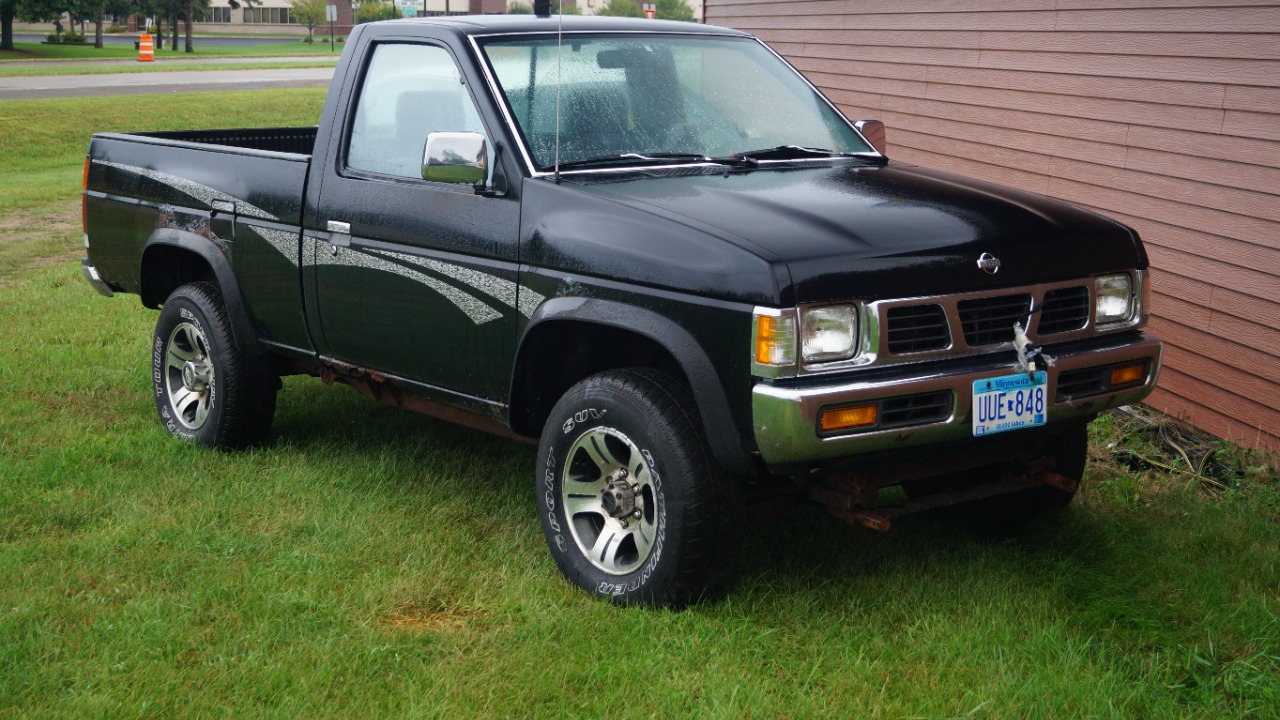
The Nissan Hardbody became a popular choice for owners who wanted a compact pickup capable of serious everyday work. Its strong frame, simple mechanical layout, and available four-wheel drive made it useful for farms, construction sites, and rural properties. The truck could carry tools, feed, fencing supplies, and smaller equipment while remaining easy to maneuver. Many examples accumulated high mileage while continuing to serve as dependable work vehicles. Its durability came less from excessive size and more from straightforward engineering and a design intended to withstand regular use.
Ford Bronco
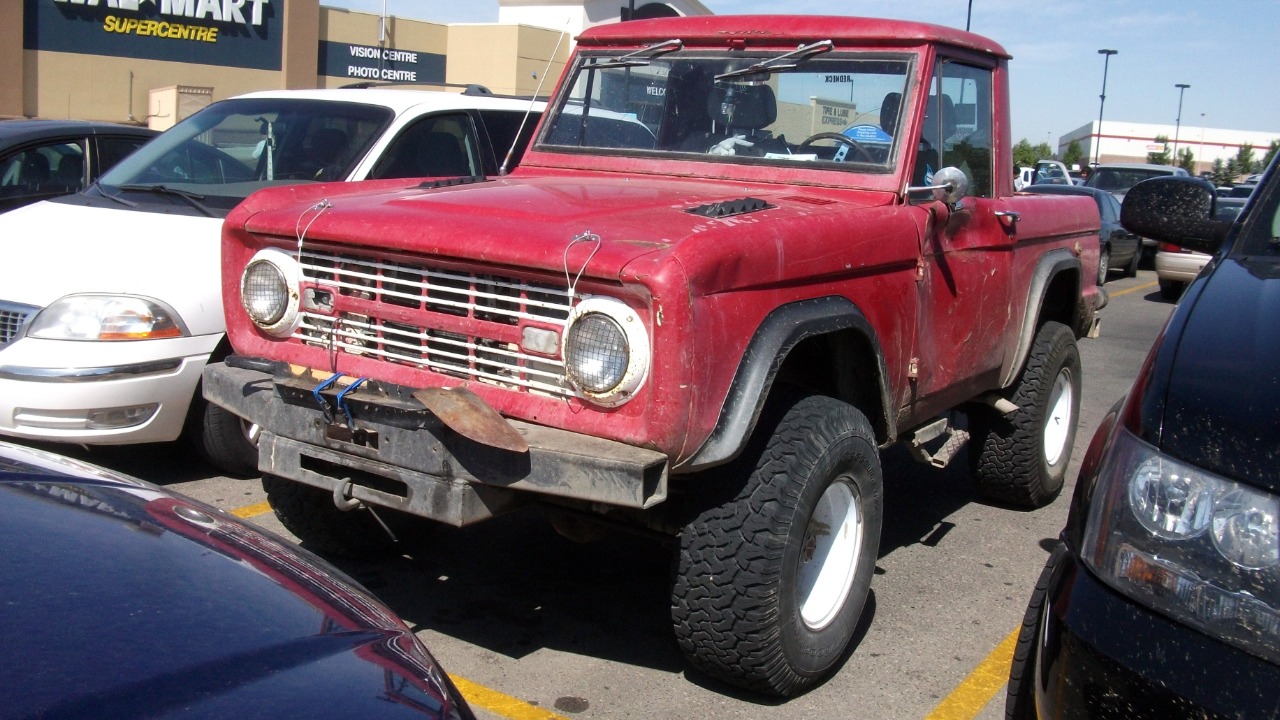
The Ford Bronco was not a conventional pickup, but its rugged design made it highly useful for farm work. Four-wheel drive, a sturdy chassis, and compact dimensions allowed it to travel across muddy fields and rough trails while carrying people and equipment. Farmers often valued Broncos for checking livestock, reaching distant parts of large properties, and handling conditions unsuitable for ordinary cars. Earlier versions were relatively simple mechanically, making them easier to maintain. Their combination of off-road ability and durability allowed many Broncos to remain useful long after newer vehicles appeared.
Chevrolet Suburban
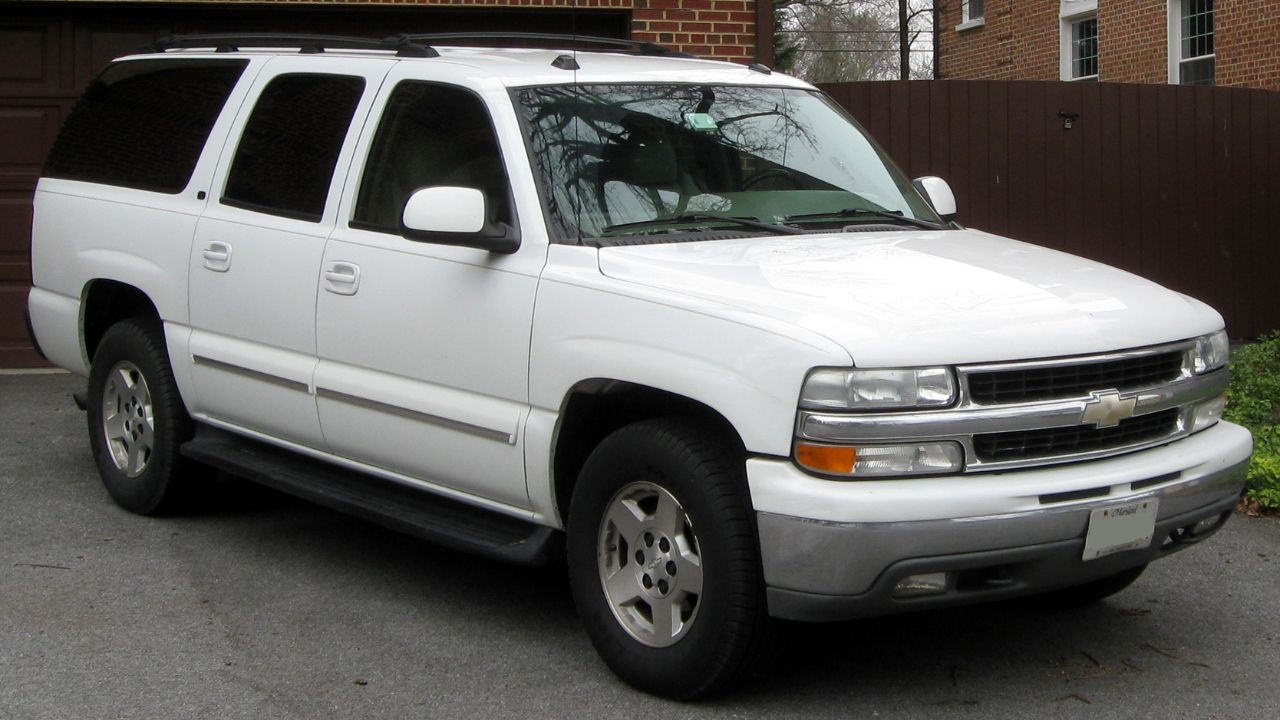
The Chevrolet Suburban proved that a farm vehicle did not always need an open pickup bed to be useful. Its large interior provided plenty of space for workers, tools, feed, and equipment, while available four-wheel drive made it capable of handling rough rural roads. Body-on-frame construction gave the Suburban the strength expected from a traditional truck. Farmers could use one vehicle for transportation, hauling, and property work. Its ability to carry people and equipment at the same time made it especially valuable on larger agricultural properties.
GMC Sierra
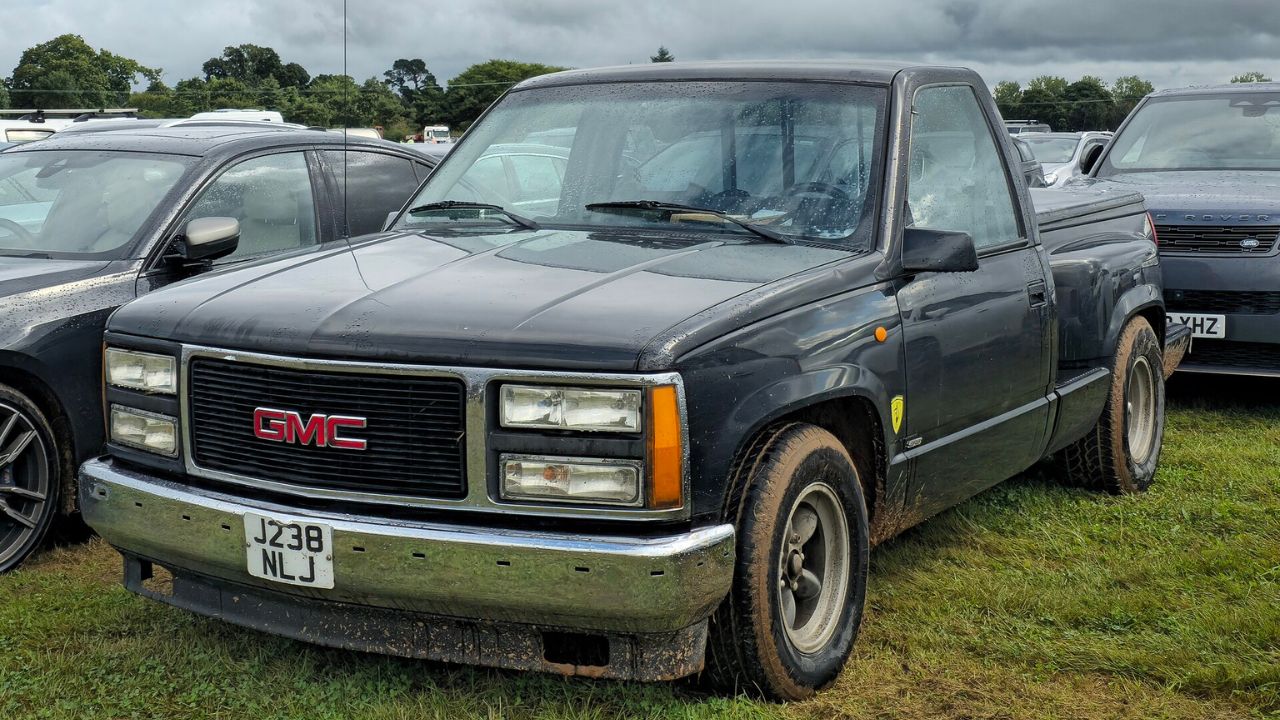
The GMC Sierra developed into a dependable work truck through generations of sturdy construction and useful engine choices. Older Sierra models shared much of their mechanical foundation with Chevrolet pickups, giving farmers access to proven engines and readily available parts. Heavy-duty versions were capable of towing trailers and carrying substantial loads, while four-wheel-drive models could handle muddy farm roads. The Sierra’s appeal came from its ability to perform ordinary agricultural jobs repeatedly without demanding excessive attention. Many examples became trusted working partners rather than occasional utility vehicles.
Dodge Ram 250
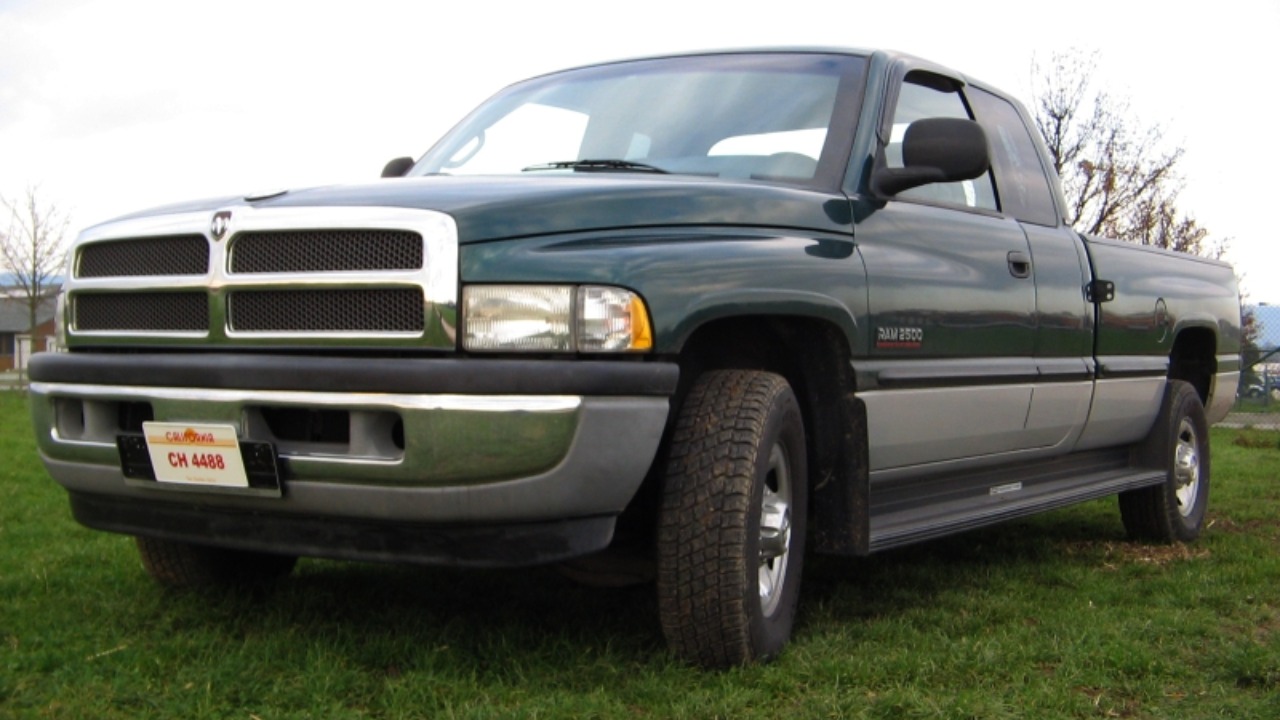
The Dodge Ram 250 was built for owners who needed more capability than a basic half-ton pickup could provide. Its heavier suspension and available big-block and diesel engines made it suitable for towing livestock trailers, equipment, and other heavy loads. Four-wheel-drive versions were particularly useful when fields became wet or uneven. Older examples were mechanically straightforward compared with modern trucks, allowing experienced owners and mechanics to perform many repairs themselves. That simplicity, combined with substantial towing and payload capability, helped the Ram 250 survive demanding agricultural workloads.
Chevrolet K20
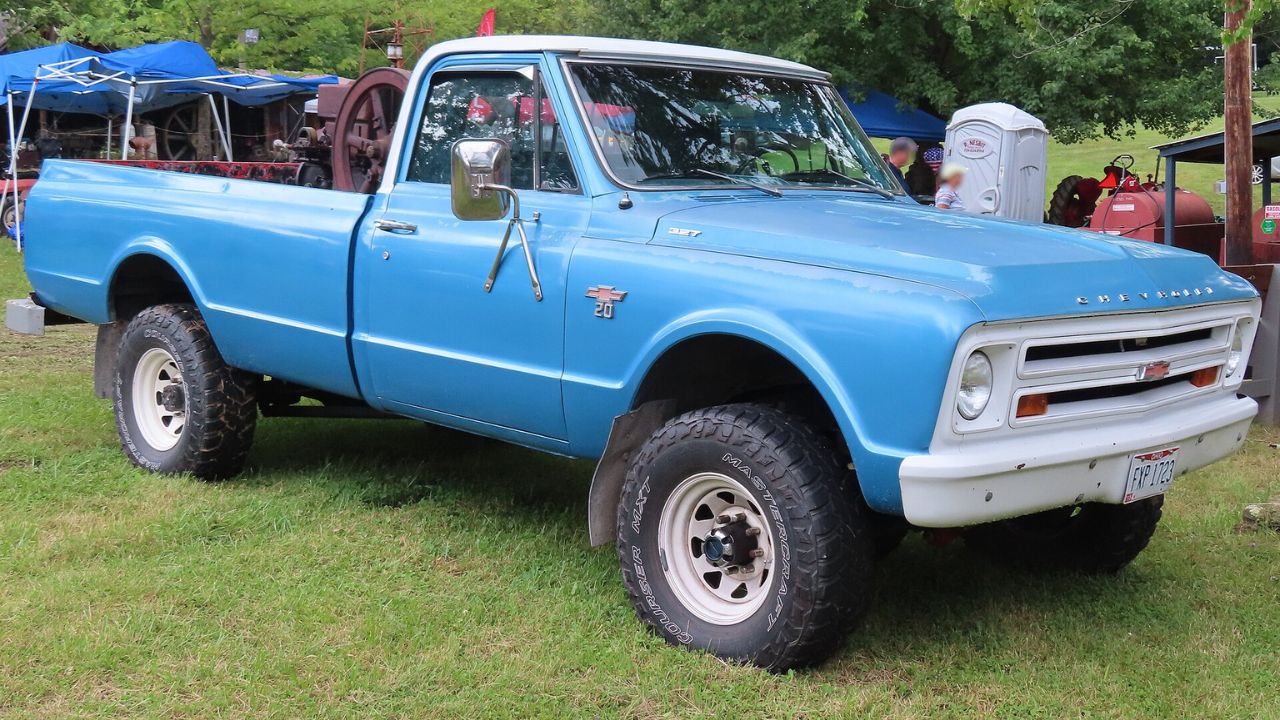
The Chevrolet K20 was a serious working pickup designed for owners who needed four-wheel-drive capability and more carrying strength. Its heavy-duty frame, suspension, and available V8 engines made it well suited to farm duties. Farmers could use K20 models for hauling hay, towing trailers, transporting equipment, or traveling across muddy property. The truck’s traditional mechanical layout also made maintenance relatively straightforward. Rather than relying on complicated electronics, the K20 delivered its capability through durable hardware that could withstand years of rough roads and heavy agricultural use.
Ford F-350
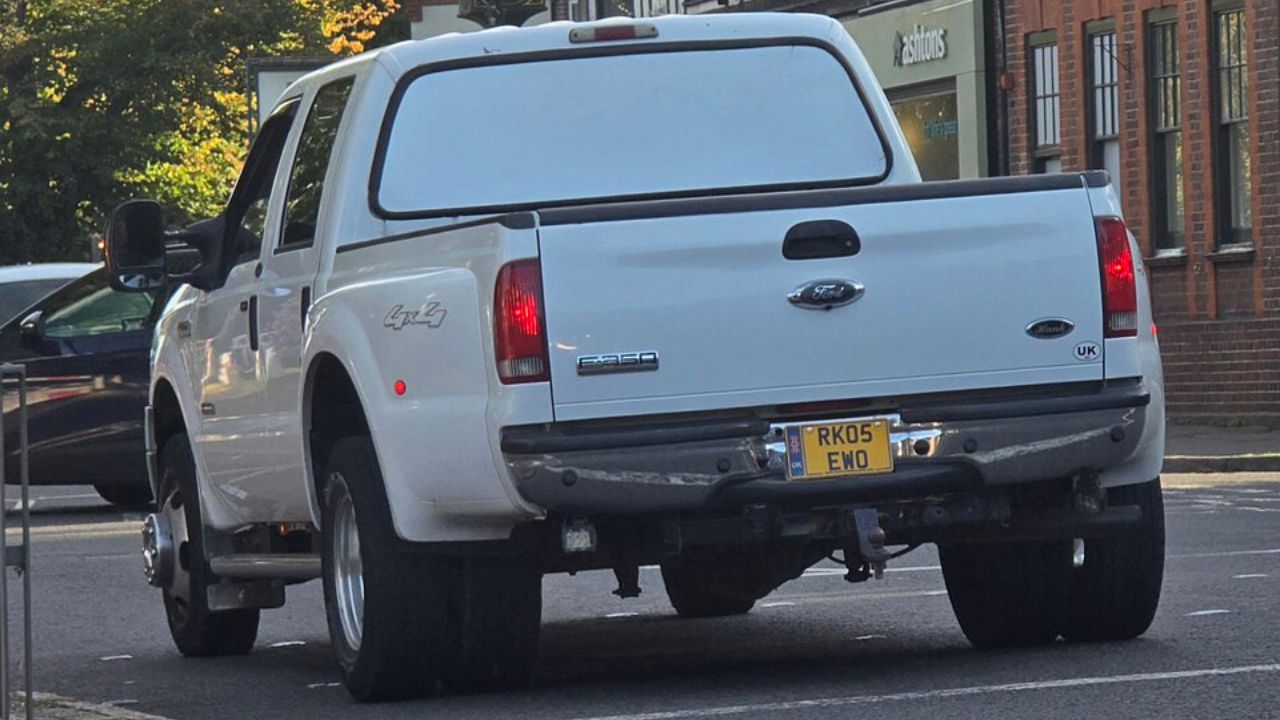
The Ford F-350 occupied the heavy-duty end of Ford’s pickup lineup and became a valuable tool for serious farm work. Its stronger frame and suspension allowed it to carry heavier loads than lighter pickups, while powerful gasoline and diesel engines provided substantial towing ability. Farmers could use an F-350 for livestock trailers, equipment transport, hay hauling, and other demanding jobs. Older models were particularly valued for their straightforward mechanical construction. With proper maintenance, these trucks could remain productive for many years under conditions that would quickly wear out lighter vehicles.
International Harvester Pickup
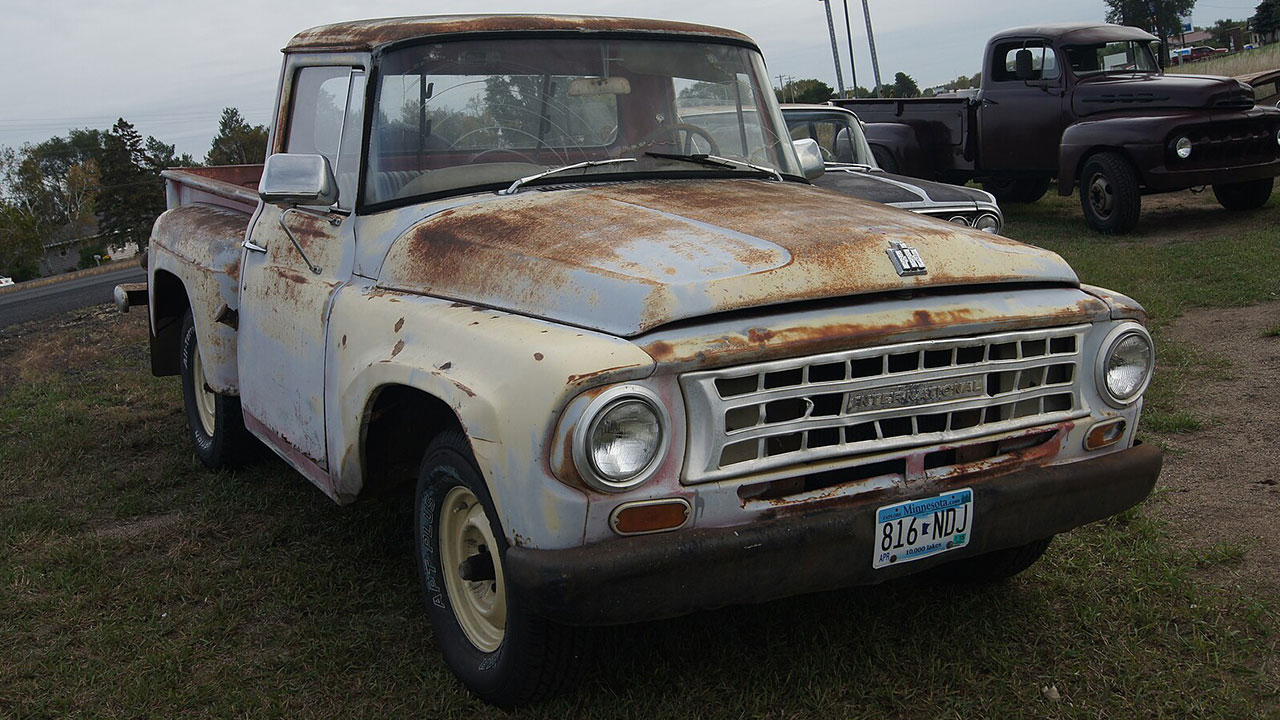
International Harvester produced pickups that were built with the practical needs of working owners in mind. Their sturdy construction, durable frames, and available four-wheel-drive systems made them useful on farms and rural properties. These trucks were often used for hauling feed, tools, fencing supplies, and agricultural equipment rather than serving as personal transportation. Their mechanical simplicity was another advantage because owners could maintain them with basic tools and knowledge. International’s reputation for agricultural machinery carried naturally into its trucks, which were expected to withstand serious working conditions.
GMC 2500
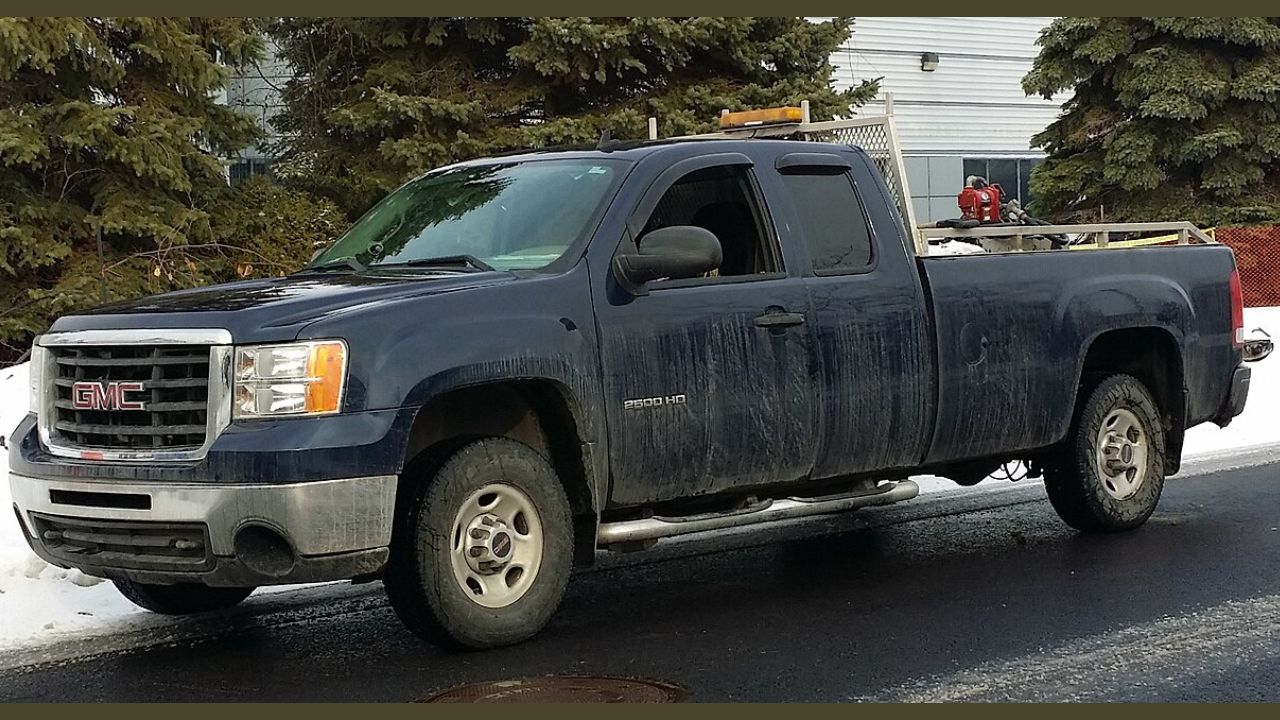
The GMC 2500 became a dependable choice for farmers who needed a truck capable of handling heavier loads without moving into the largest commercial classifications. Its strong chassis, substantial suspension, and available V8 engines gave it useful towing and hauling ability. Four-wheel-drive versions could reach fields and rural roads that became difficult after heavy rain. GMC also benefited from sharing many mechanical components with Chevrolet trucks, making replacement parts easier to find. For farm owners, that combination of capability and serviceability was often more important than appearance.
Ford Ranchero
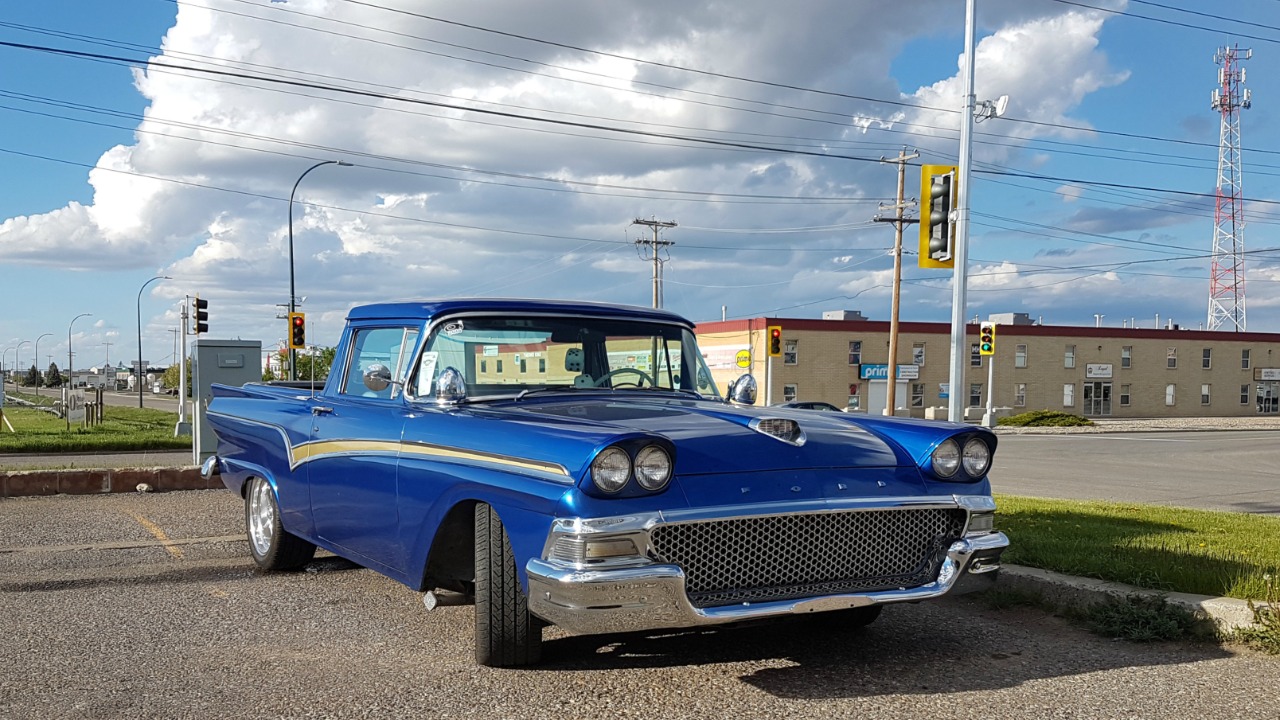
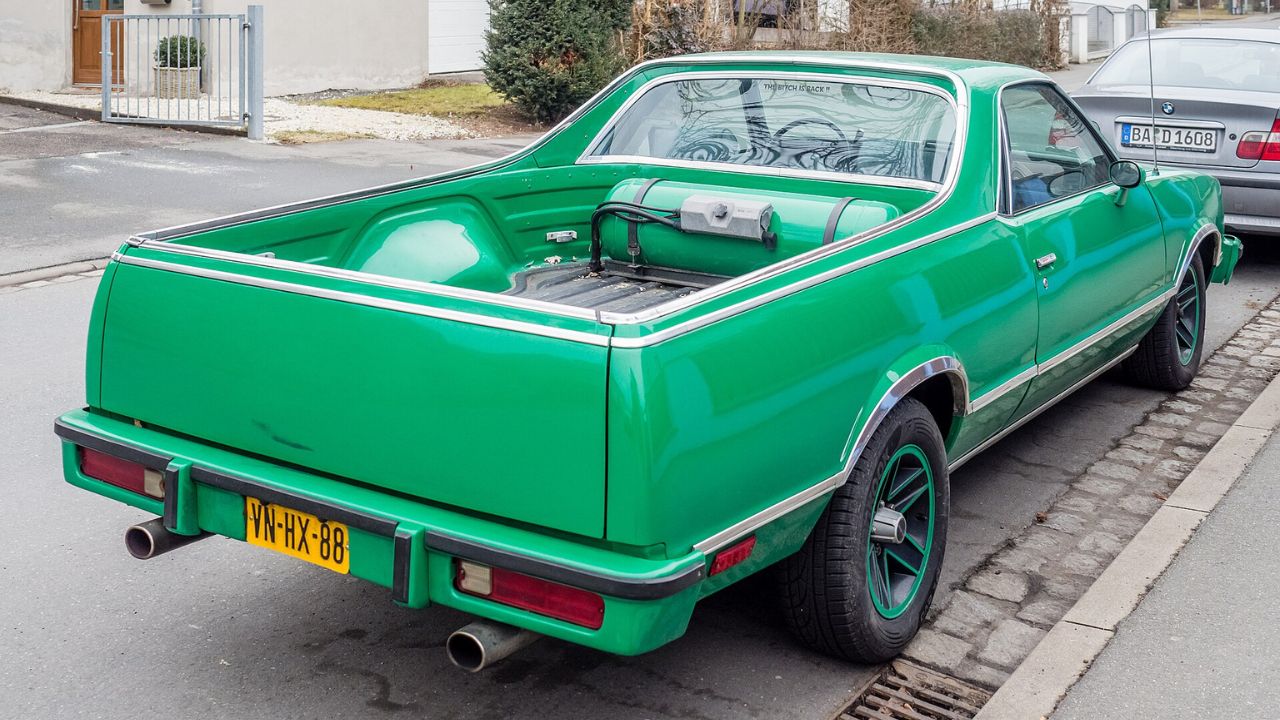
The Ford Ranchero offered a different approach to farm transportation by combining a car-based design with a useful cargo bed. It was not designed for the heaviest agricultural loads, but its practicality made it useful for lighter farm duties. Owners could transport tools, feed bags, small equipment, and supplies while enjoying easier road manners than a traditional heavy pickup. The Ranchero’s relatively simple construction also made maintenance manageable. It demonstrated that a useful farm vehicle did not always need massive dimensions or heavy-duty components to earn a place on rural properties.
Chevrolet El Camino
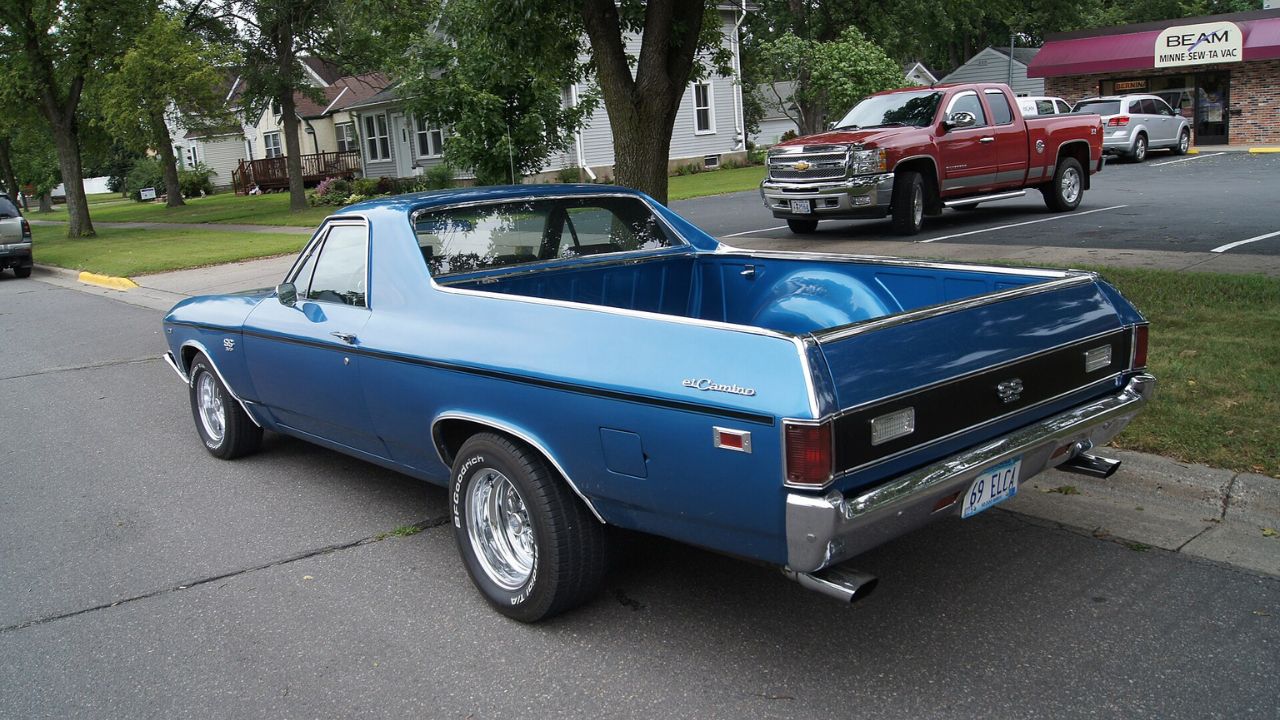
The Chevrolet El Camino became another unusual farm workhorse by blending passenger-car comfort with pickup-style utility. Its open cargo bed could carry tools, supplies, feed, and smaller equipment while its car-based chassis provided a smoother ride on paved roads. V8 versions added enough performance for towing lighter trailers and handling daily transportation duties. Although it was never intended to replace a heavy-duty truck, many rural owners appreciated its versatility. The El Camino proved that practical agricultural transportation could take a different form from the traditional pickup.
Willys Jeep Pickup
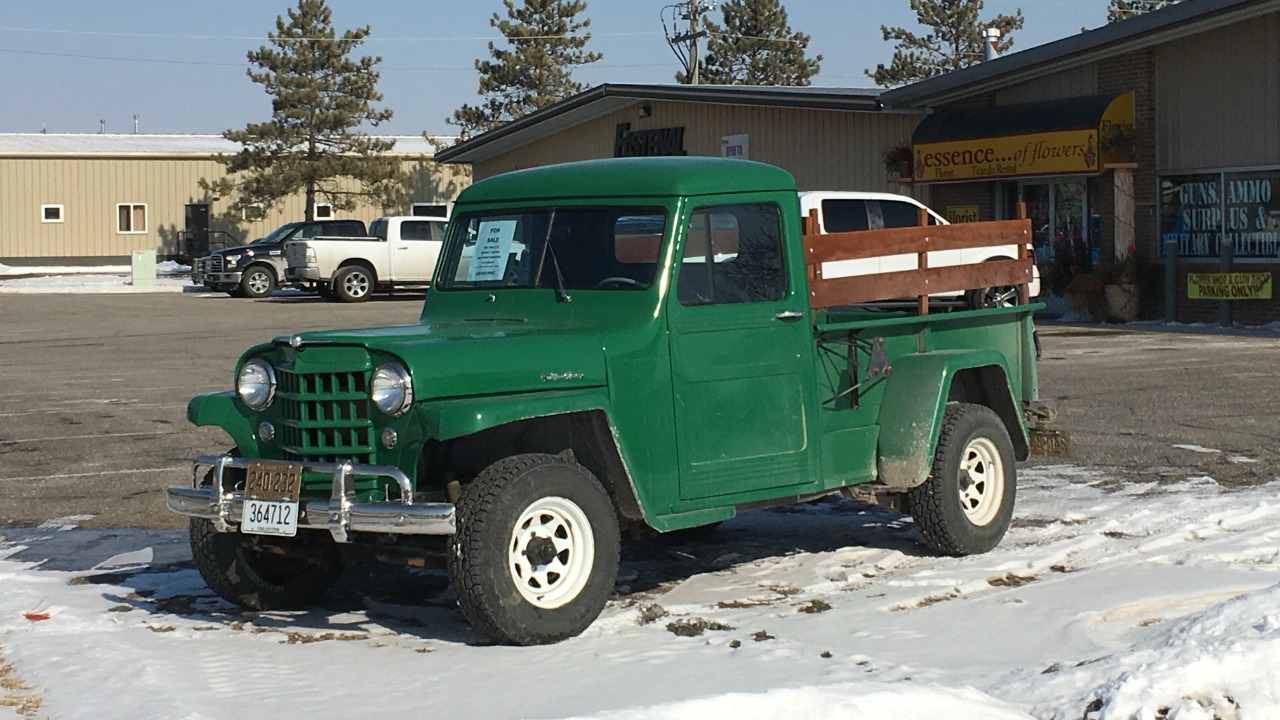
The Willys Jeep Pickup was built with rugged rural use in mind and became especially useful where four-wheel-drive traction mattered. Its compact size allowed it to travel along narrow farm trails, while its sturdy chassis and pickup bed provided practical carrying capacity. Farmers could use it to transport tools, feed, fencing materials, and other supplies across difficult terrain. The mechanical design emphasized durability and simplicity rather than comfort. That straightforward approach made the Jeep Pickup a valuable working vehicle for agricultural owners who needed dependable transportation in challenging conditions.
Chevrolet Suburban Carryall
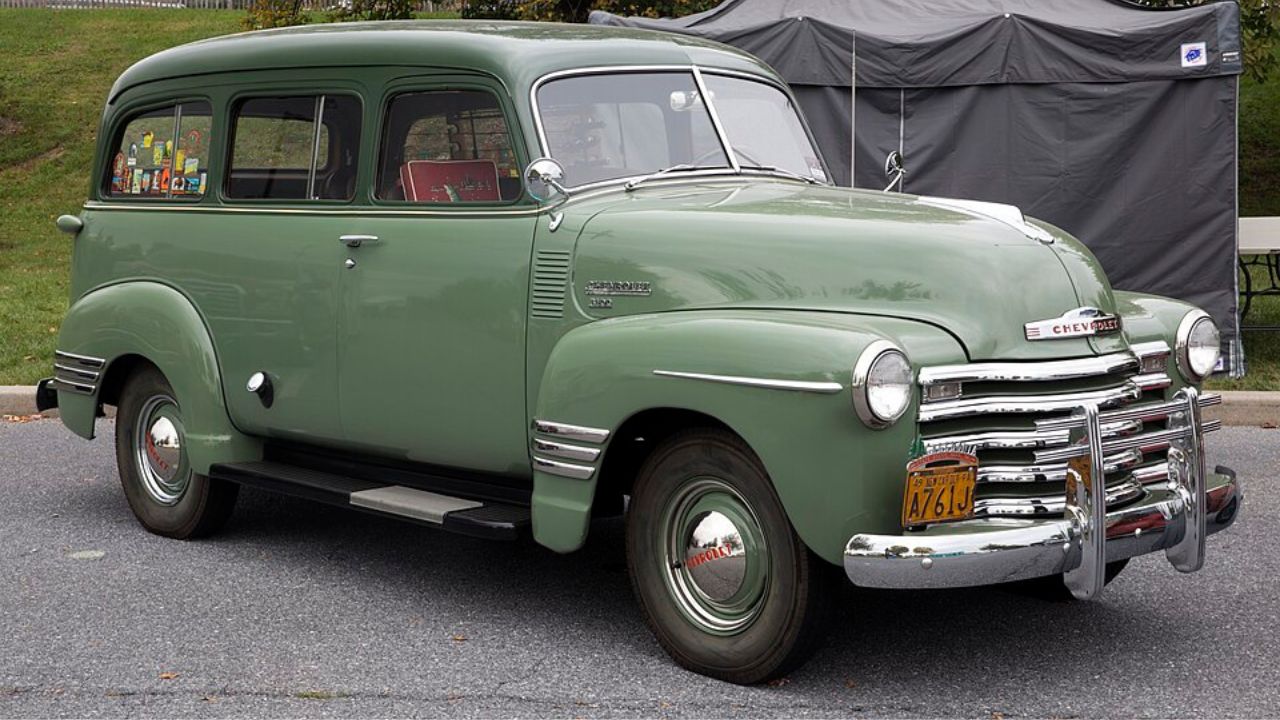
The Chevrolet Suburban Carryall was not a conventional pickup, but its enclosed body and strong truck-based construction made it valuable on farms. It could carry workers, tools, supplies, and smaller equipment while offering protection from weather. Its ability to combine passenger and cargo duties made it useful for large rural properties. Early examples are now extremely rare because many were consumed by decades of practical service.
More from Fast Lane Only
- Unboxing the WWII Jeep in a Crate
- 15 rare Chevys collectors are quietly buying
- 10 underrated V8s still worth hunting down
- Police notice this before you even roll window down
*Research for this article included AI assistance, with all final content reviewed by human editors.