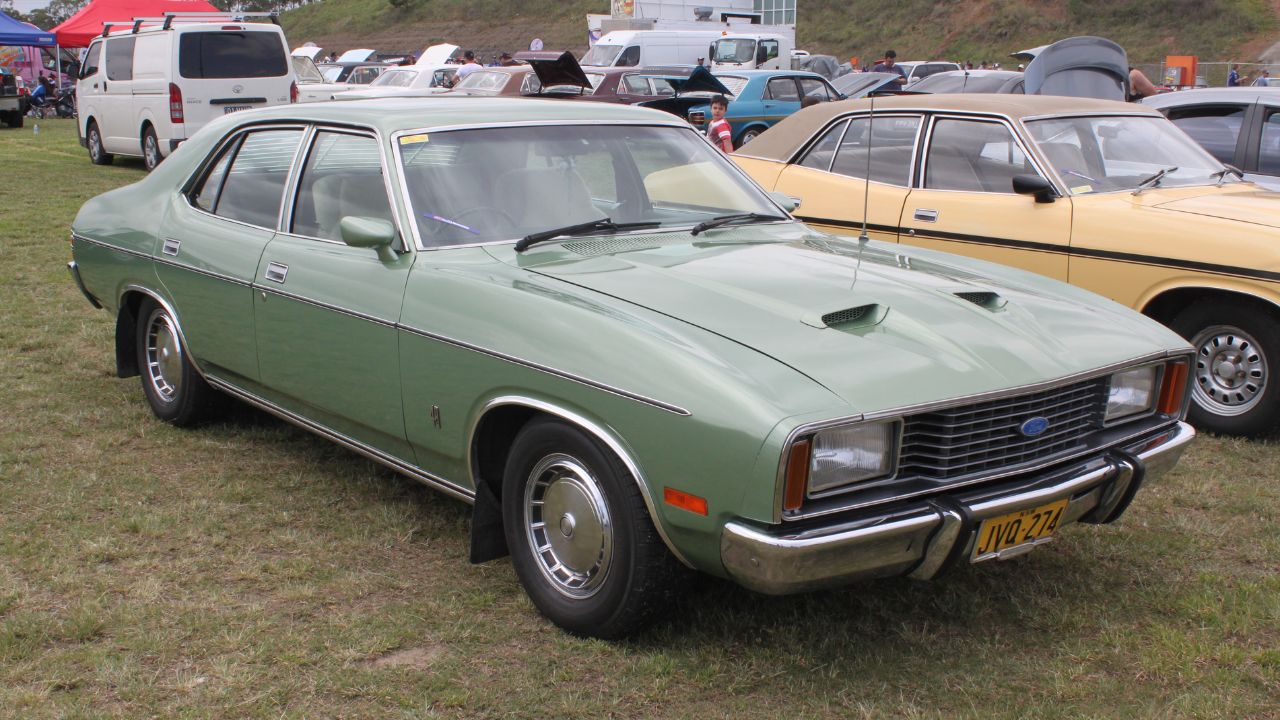
Some American cars were built with more strength than they probably needed. Heavy-duty drivetrains, simple mechanical systems, sturdy frames, and engines designed for years of service helped certain models develop impressive reputations for longevity. They may not have been the most exciting cars when new, but decades later, these overbuilt machines continue to prove that simple engineering can go a long way.
Buick Roadmaster
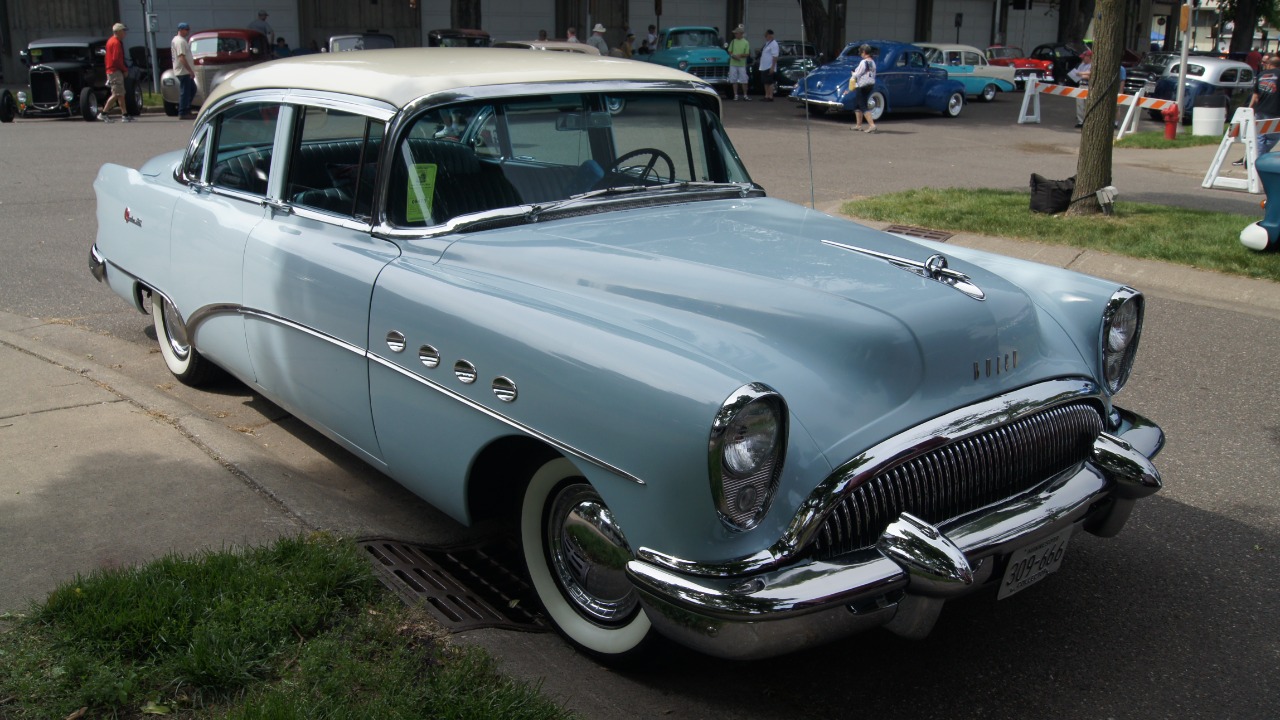
The Buick Roadmaster was built around the idea of effortless, long-distance transportation, and that worked in its favor when it came to durability. Large engines, substantial construction, and a spacious cabin made it a comfortable highway cruiser. Later versions gained the dependable small-block V8, giving the car a strong combination of power and simplicity. Owners who maintained them properly could keep these big Buicks on the road for years, making the Roadmaster an appealing example of old-school American engineering.
Chevrolet Caprice
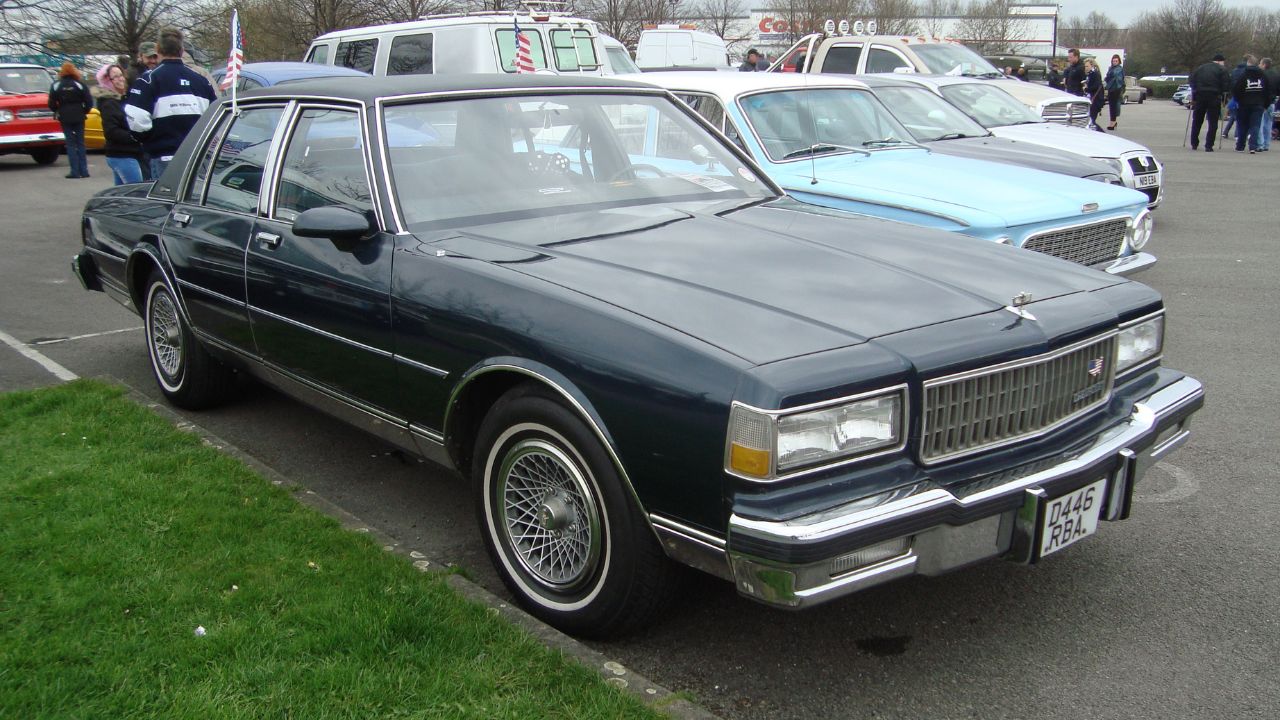
The Chevrolet Caprice became a familiar sight with families, taxi companies, police departments, and large fleets, which put its durability to a serious test. Its body-on-frame construction and rear-wheel-drive layout gave it a sturdy foundation, while V8 engines provided plenty of usable power. Fleet use also meant mechanics became extremely familiar with the platform. A well-maintained Caprice could absorb years of commuting and hard service, helping it earn a reputation as one of Chevrolet’s dependable full-size cars.
Oldsmobile Custom Cruiser
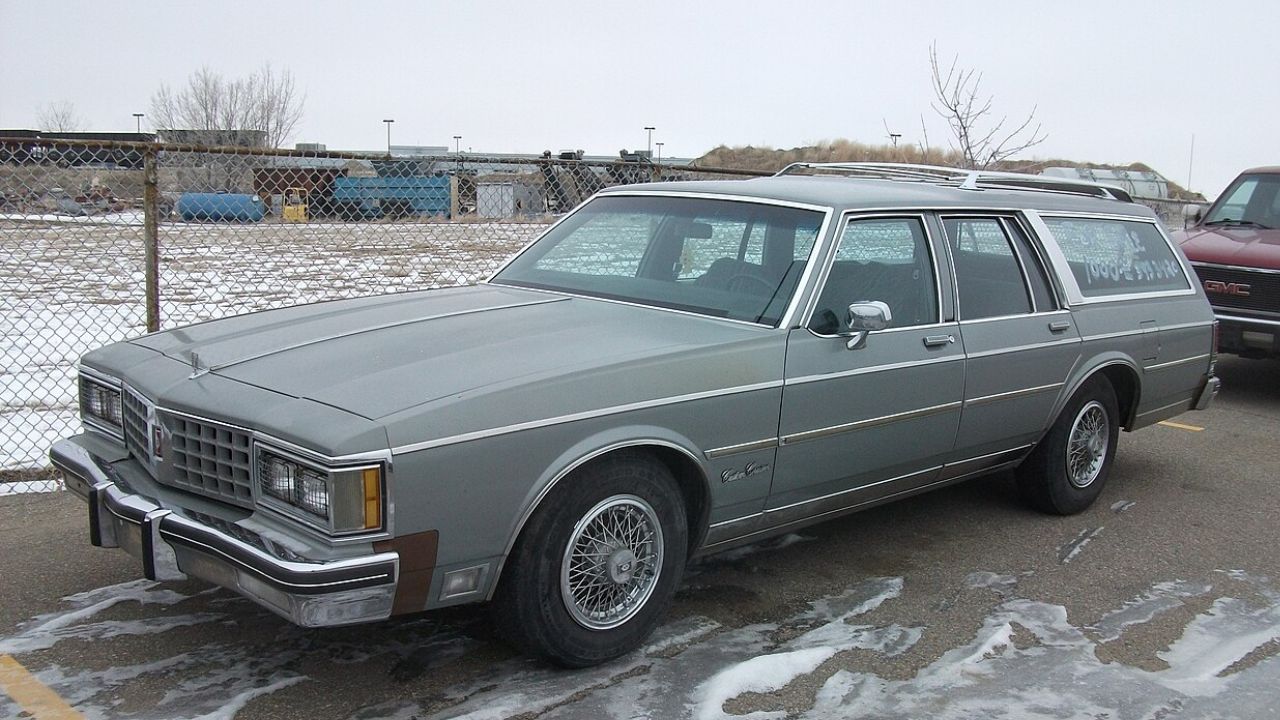
The Oldsmobile Custom Cruiser was essentially a rolling demonstration of how much utility American manufacturers once packed into a family wagon. Its full-size body, rear-wheel-drive chassis, and available V8 power made it capable of hauling people and cargo for years. The mechanical layout was familiar and relatively straightforward, which helped owners keep older examples running. Today, the Custom Cruiser is appreciated as a practical classic that combines old-fashioned space with the toughness of a traditional American drivetrain.
Ford Crown Victoria

The Crown Victoria became one of the most heavily used American cars of its era. Police departments, taxi companies, rental fleets, and ordinary families all depended on it, exposing the platform to enormous amounts of mileage. Its body-on-frame construction, rear-wheel drive, and widely used V8 drivetrain made it particularly well suited to demanding service. The Crown Victoria was never designed to be exotic, and that was part of its strength. Its simple, familiar mechanical package helped keep countless examples running.
Chevrolet Impala
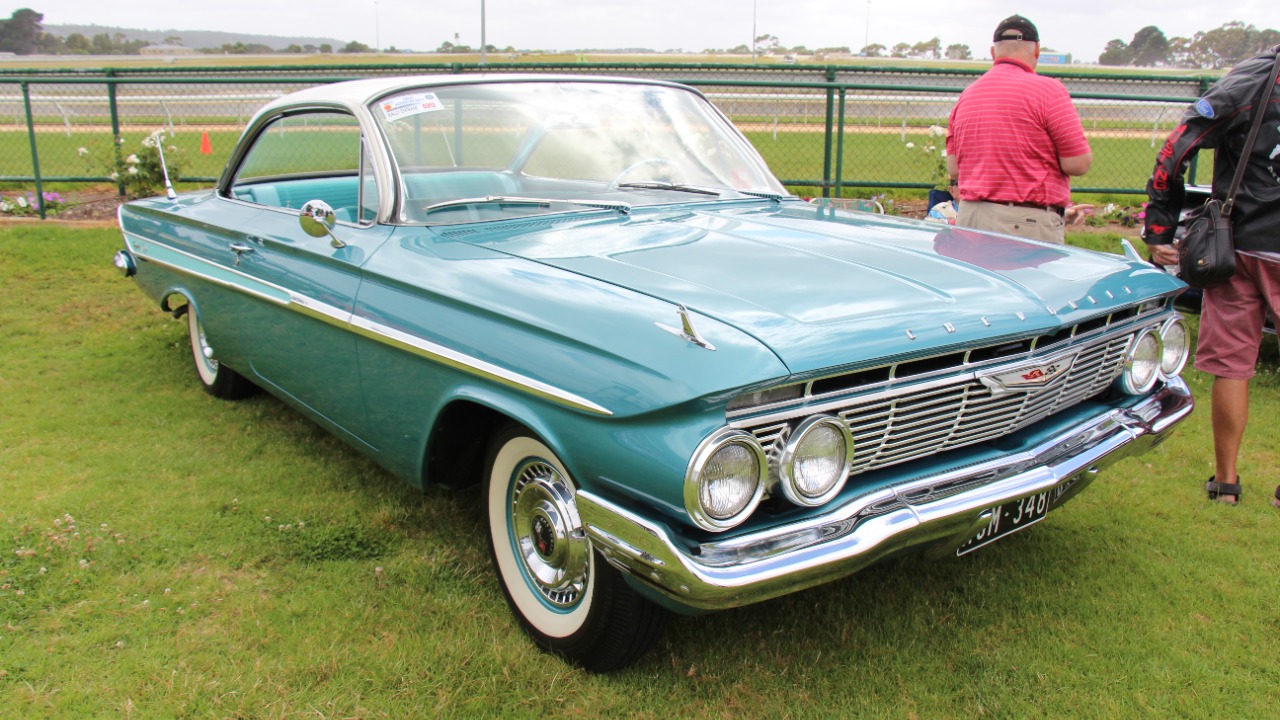
The Chevrolet Impala has gone through many generations, but several older versions became known for being durable everyday transportation. Full-size construction gave the earlier cars substantial proportions, while simple V8 drivetrains made them relatively straightforward to maintain. The Impala was also produced in enormous numbers, ensuring that parts and mechanical knowledge remained widely available. It was never difficult to find one being used as a daily driver, family car, or work vehicle, even years after production ended.
Buick LeSabre
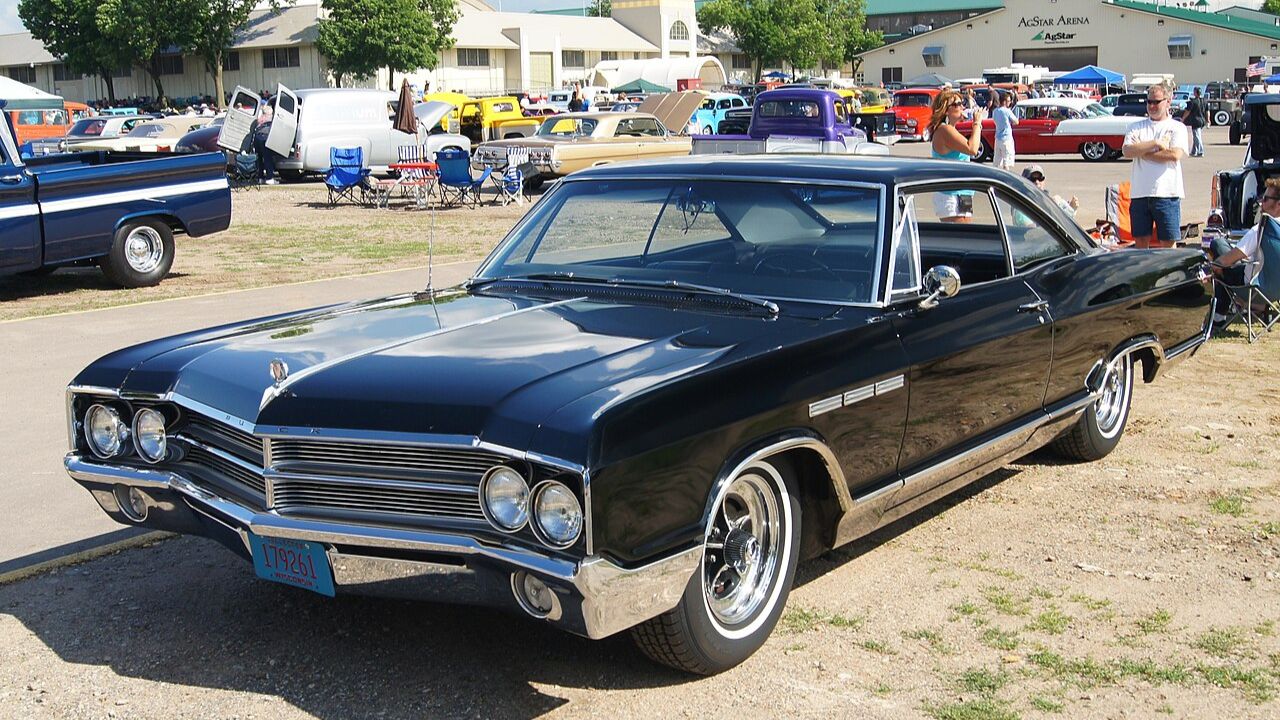
The Buick LeSabre was not built around flashy performance or complicated technology. Instead, it focused on comfortable transportation, roomy seating, and dependable mechanical components. Several generations used durable V6 engines that became particularly well known for surviving high mileage with regular maintenance. The combination of a relaxed driving character and straightforward engineering made the LeSabre a favorite among owners who simply wanted a car that would keep working. Its unassuming personality helped hide just how durable some examples could be.
Pontiac Bonneville

The Pontiac Bonneville combined full-size comfort with a more performance-minded character than many traditional American sedans. Its larger engines and rear-wheel-drive architecture gave it plenty of mechanical substance, while its simple layout made long-term ownership manageable. Earlier examples were substantial cars built during an era when manufacturers were not shy about using plenty of metal and displacement. The Bonneville eventually became more modern and efficient, but its older generations remain memorable for their combination of size, power, and durability.
Ford Grand Marquis
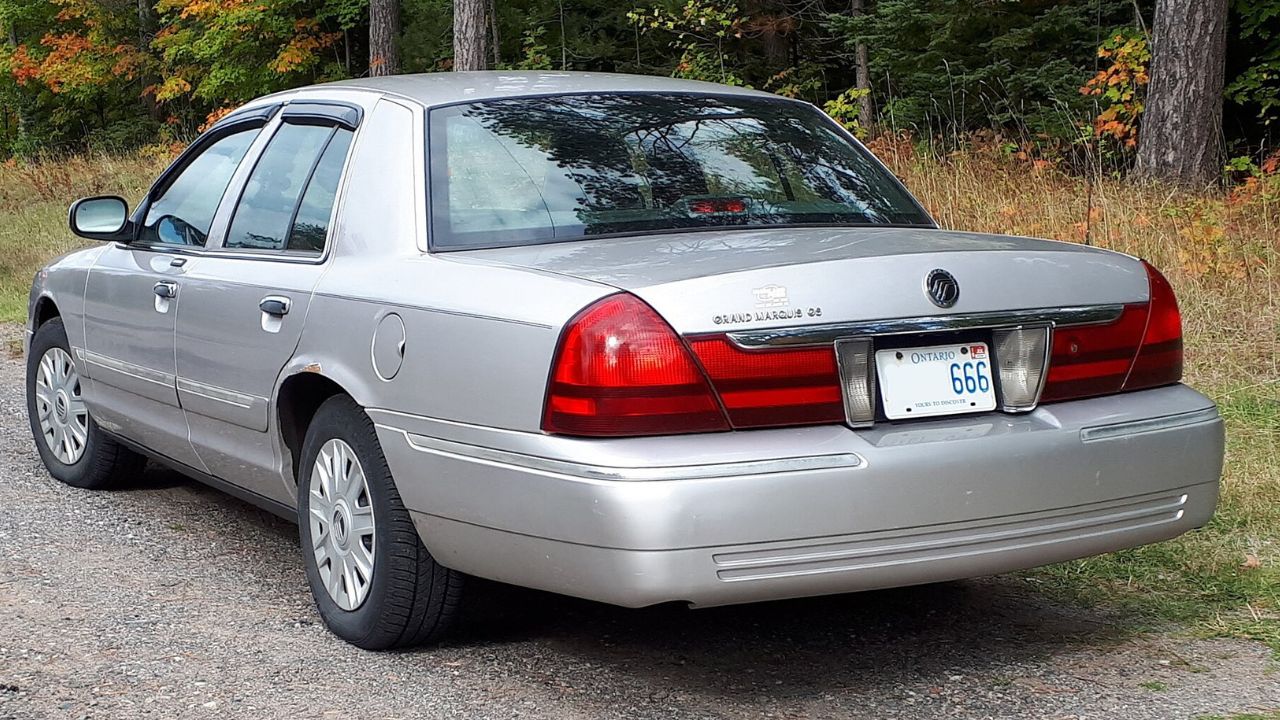
The Ford Grand Marquis was closely related to other long-running Panther-platform cars, giving it a strong foundation for high-mileage service. Its traditional rear-wheel-drive layout and V8 engine were well suited to relaxed cruising and heavy daily use. The Grand Marquis was also popular with older drivers and fleets, meaning many examples accumulated substantial mileage. It was never an exciting car in the conventional sense, but its conservative engineering made it one of those vehicles that could remain useful long after its styling had become dated.
Mercury Marquis
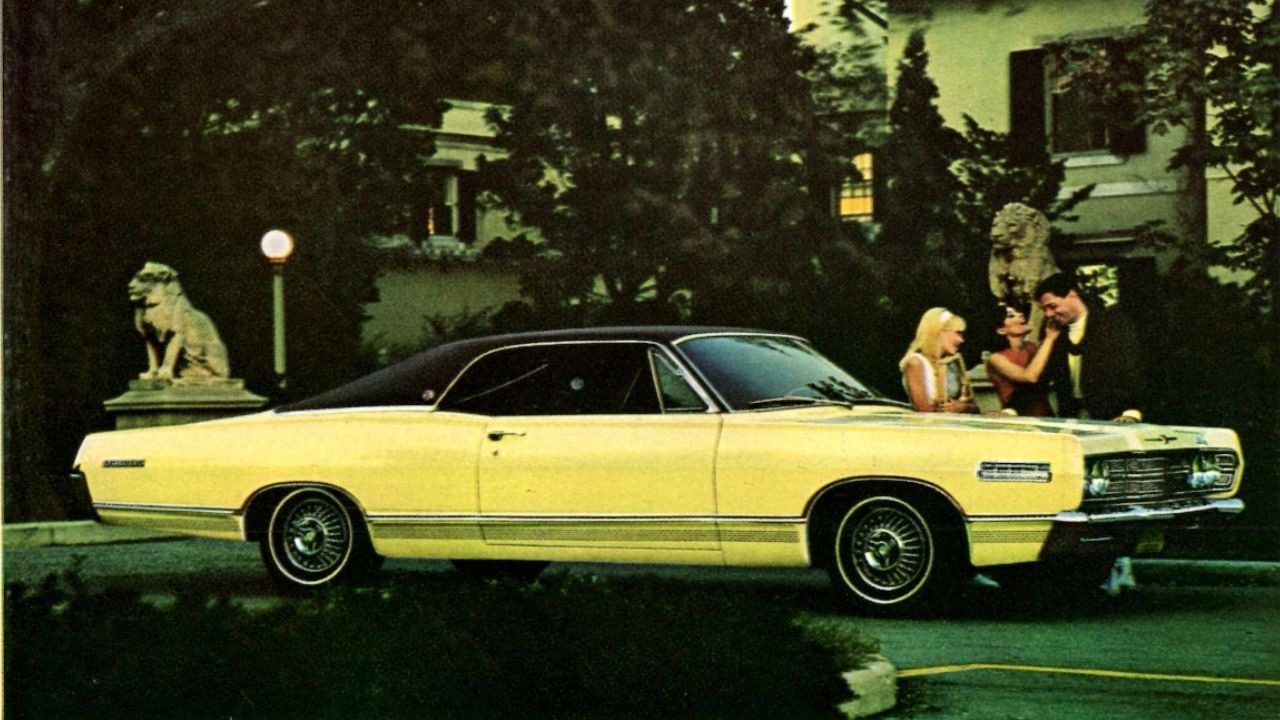
The Mercury Marquis offered a more upscale interpretation of Ford’s traditional full-size sedan formula. Depending on the generation, buyers received large V8 engines, spacious cabins, and substantial construction. These cars were designed primarily for comfort, but the underlying mechanical simplicity helped many survive for decades. Their enormous dimensions could make them cumbersome compared with modern cars, yet that same size reflected an era when manufacturers often built vehicles with considerable structural and mechanical reserve.
Chevrolet Monte Carlo

The Chevrolet Monte Carlo became famous for its personal-luxury styling, but its underlying mechanical components were often shared with other long-running Chevrolet platforms. That gave the car access to familiar engines, transmissions, and suspension components that mechanics knew well. Later versions became smaller and more efficient, but many remained relatively straightforward to maintain. The Monte Carlo’s combination of recognizable styling and familiar Chevrolet hardware helped make it a car that owners could keep going long after newer models had moved on.
Pontiac Grand Prix
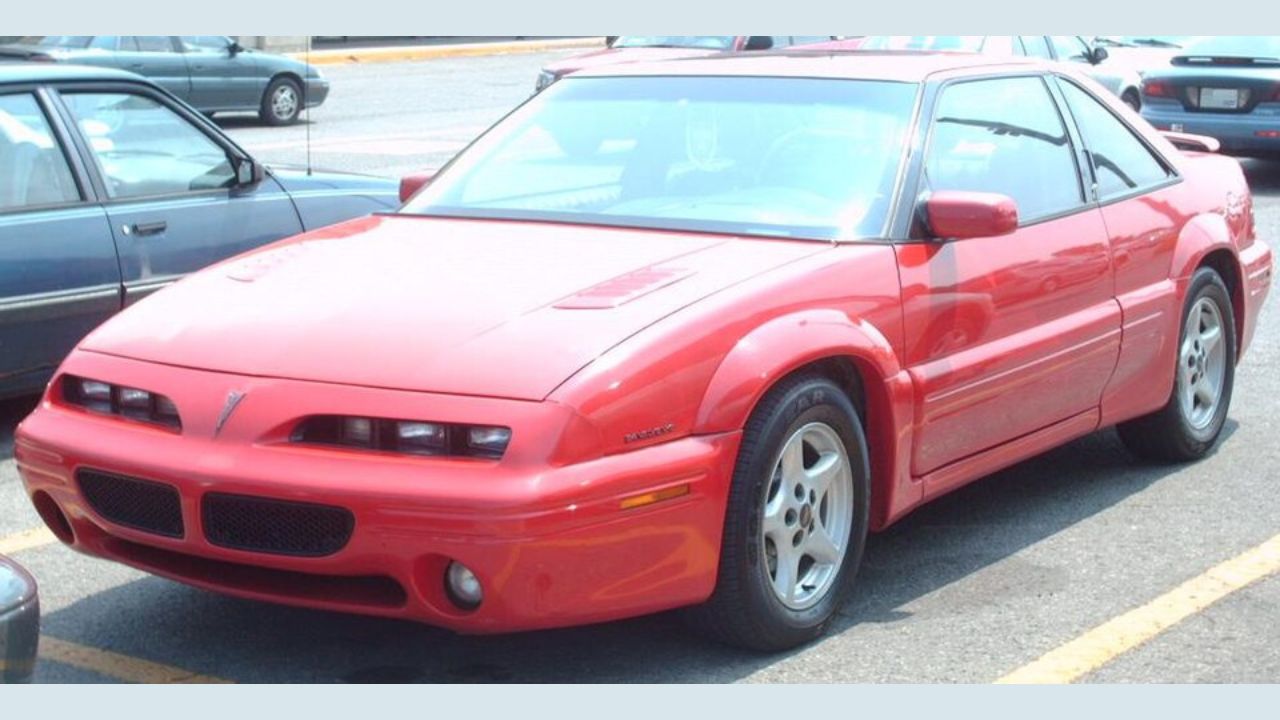
The Pontiac Grand Prix evolved considerably over the years, but its earlier rear-wheel-drive generations were particularly substantial machines. Large V8 engines and sturdy drivetrains gave these cars plenty of mechanical reserve, while their comfortable interiors made them useful for long-distance driving. The Grand Prix also benefited from Pontiac’s emphasis on performance, which meant certain versions received stronger hardware. Today, surviving examples demonstrate how a stylish personal-luxury car could also be surprisingly durable.
Mercury Cougar
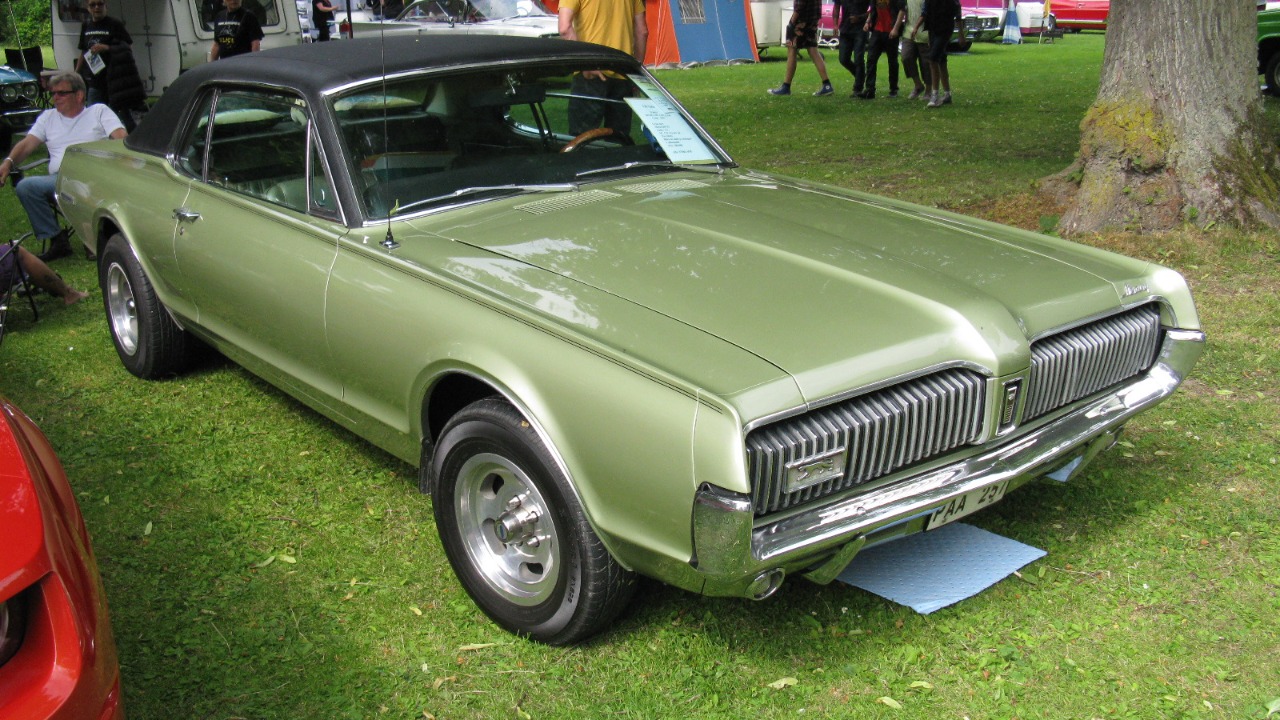
The Mercury Cougar is usually remembered for its styling and sporty personality, but many versions were built using robust Ford mechanical components. The early cars shared much of their basic architecture with other Ford products, giving owners access to proven engines and transmissions. Even later Cougars benefited from familiar Ford hardware. That parts commonality helped keep these cars alive. For enthusiasts, the Cougar offers an appealing combination of recognizable classic styling and mechanical components that were built in substantial numbers.
Ford Thunderbird
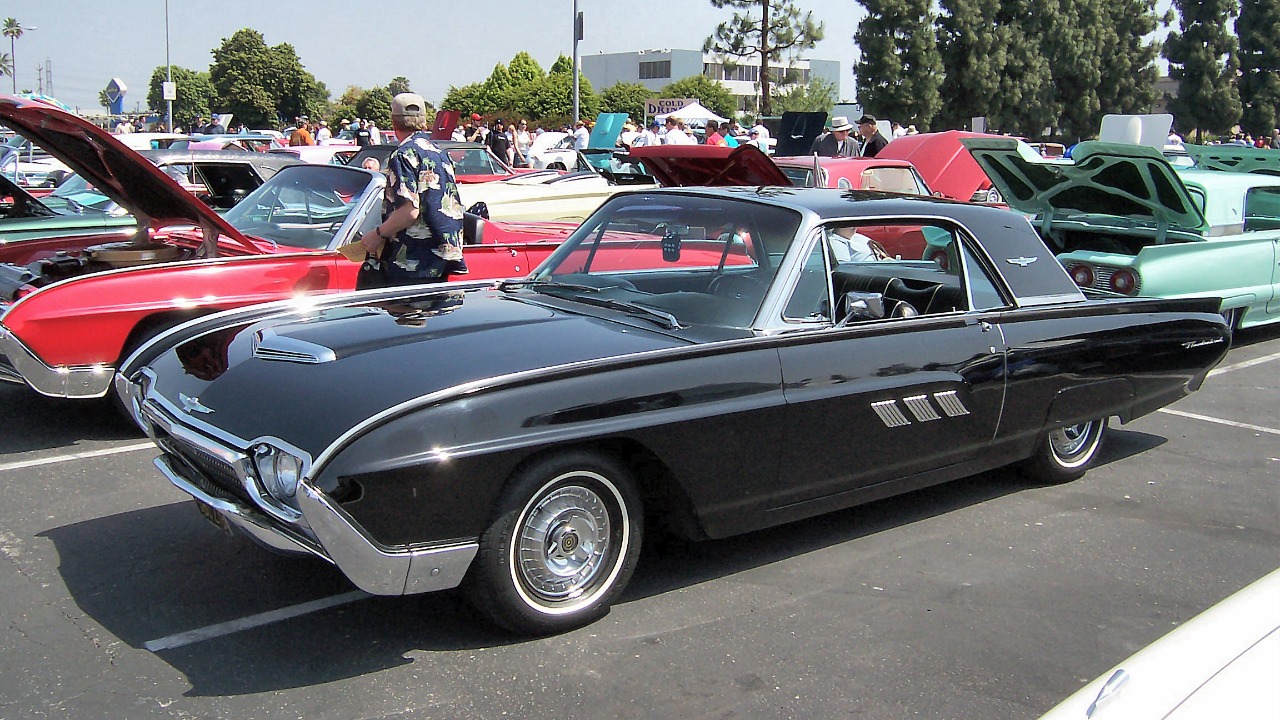
The Ford Thunderbird became a luxury-oriented personal car, but its connection to Ford’s broader mechanical lineup helped give it a durable foundation. Many generations used proven Ford V8 engines and transmissions that were widely supported by mechanics and parts suppliers. The Thunderbird was heavier and more complicated than a basic Ford sedan, yet its major mechanical components were often familiar. That combination helped many examples survive well beyond their original ownership cycles.
Chevrolet Nova
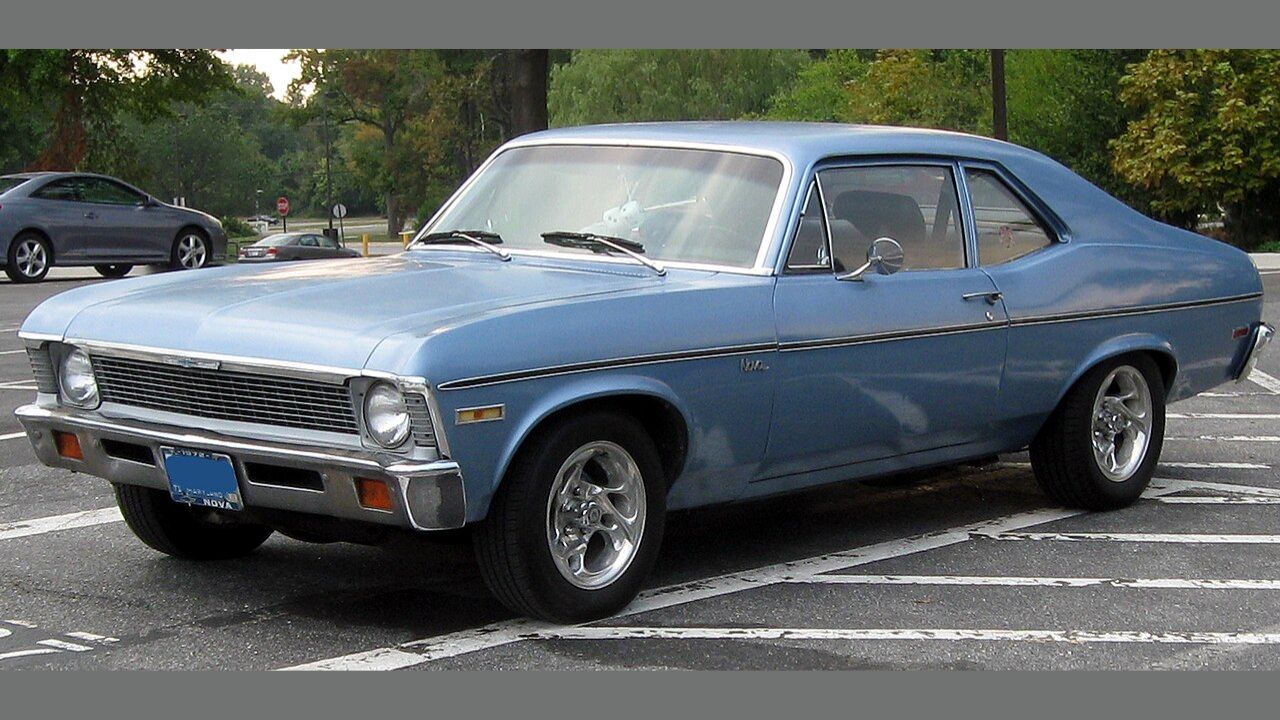
The Chevrolet Nova may have been compact by American standards, but its straightforward construction made it particularly appealing to owners who valued simplicity. Early versions could be equipped with basic inline-six engines or V8s, while the rear-wheel-drive platform was easy for mechanics to understand. The Nova was also produced in large numbers, creating an extensive parts supply. Today, surviving examples are prized by collectors, but the basic car was originally valued because it was simple, useful, and relatively easy to keep running.
Ford Falcon
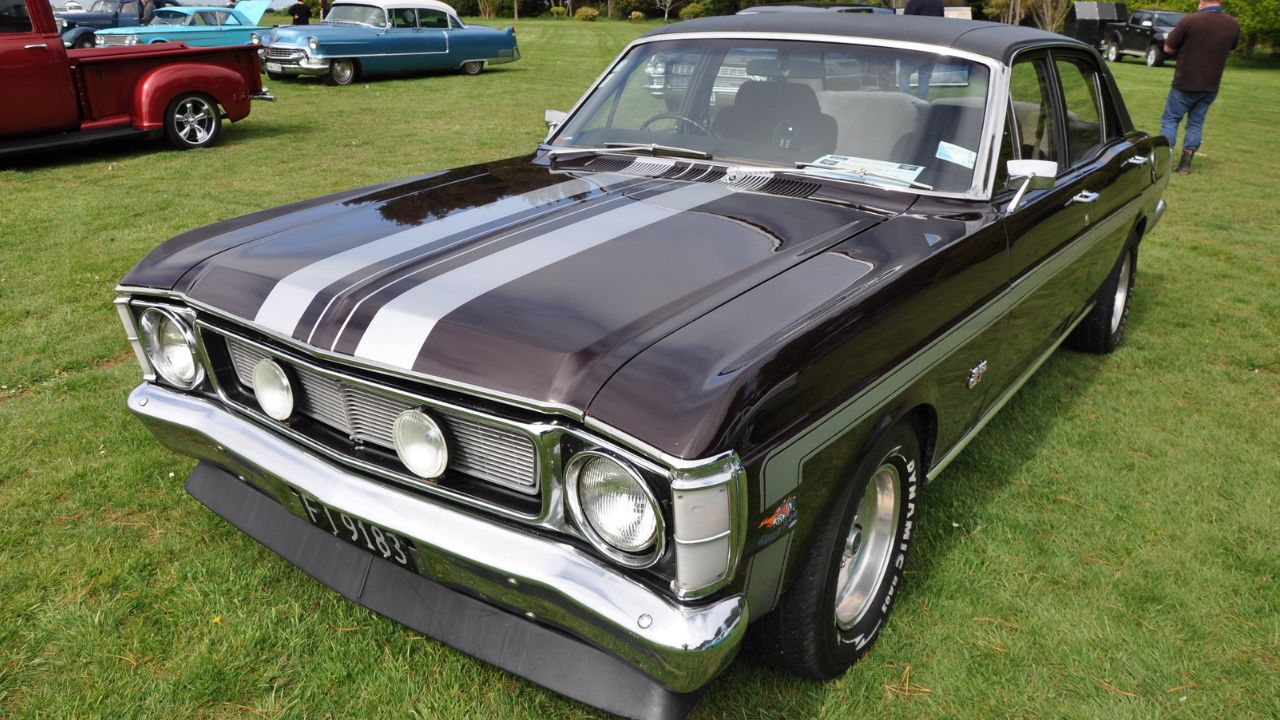
The Ford Falcon was designed as a simple compact car at a time when American manufacturers were beginning to recognize the need for smaller vehicles. Its lightweight construction and uncomplicated mechanical layout made it economical to operate and relatively easy to repair. The car could be equipped with straightforward six-cylinder engines that were built for everyday use rather than exotic performance. Many Falcons accumulated years of service, and their simple design remains one reason enthusiasts continue to appreciate them.
Chevrolet Biscayne
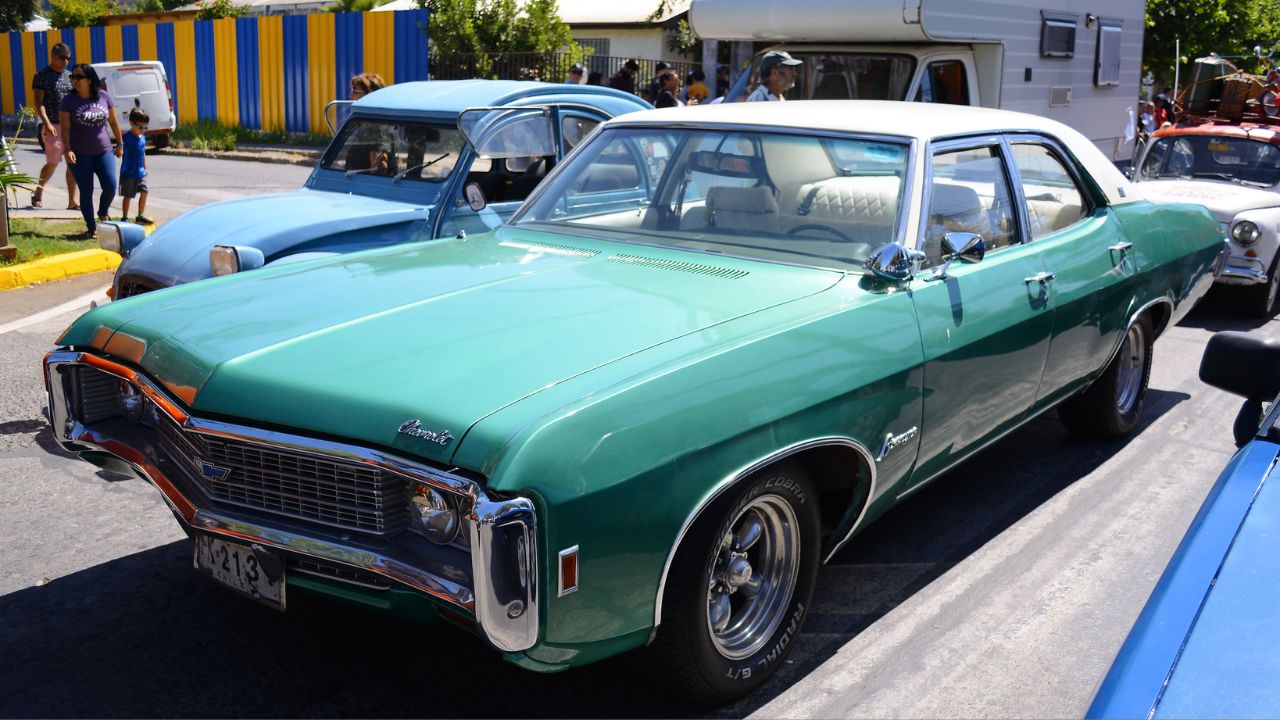
The Chevrolet Biscayne was one of the less expensive full-size cars in Chevrolet’s lineup, but its basic engineering was closely related to more prestigious models. Buyers could get a straightforward interior, substantial body, and proven Chevrolet engines without paying for unnecessary luxury equipment. Fleet operators particularly appreciated this simplicity. The Biscayne’s no-frills approach made it a natural workhorse, and its familiar mechanical components helped many examples remain serviceable for a surprisingly long time.
Ford LTD
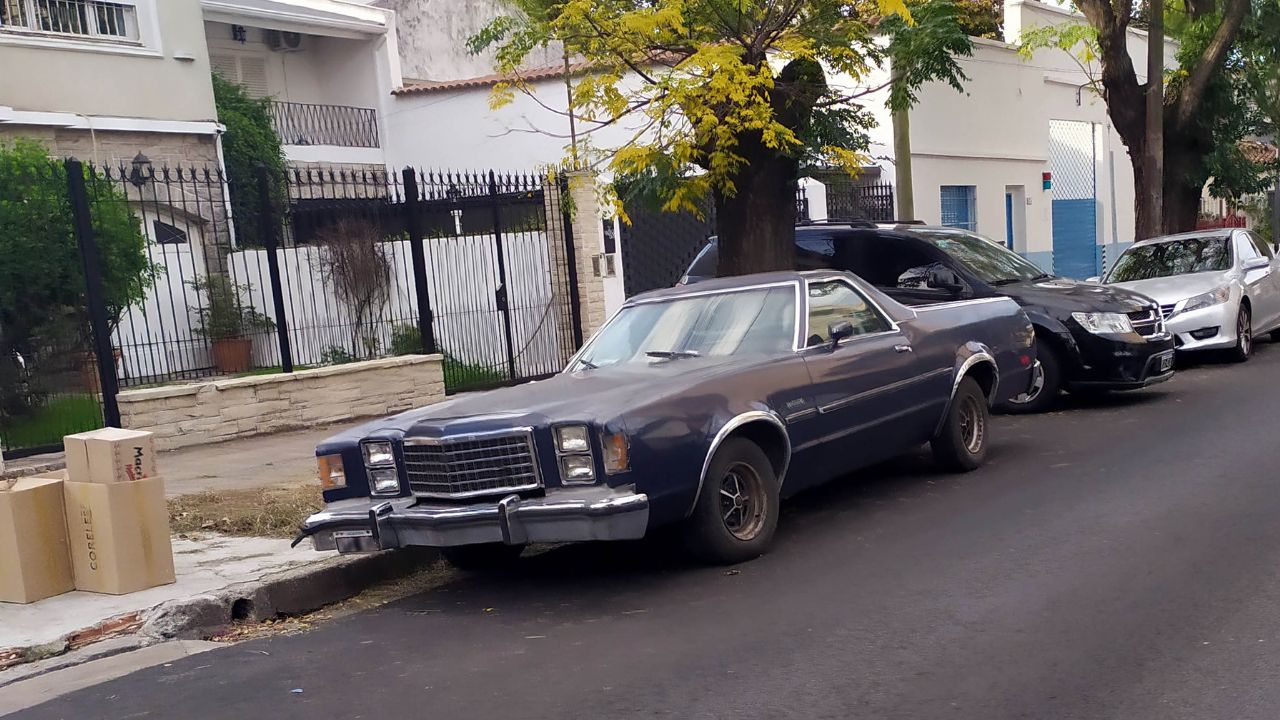
The Ford LTD was designed as a comfortable full-size family car, but its traditional construction also gave it a strong durability advantage. Large V8 engines, rear-wheel drive, and a sturdy chassis were common features, while the mechanical components were shared across Ford’s extensive lineup. That made repairs relatively familiar to independent mechanics. The LTD may not attract the same attention as a Mustang or Torino, but its ability to handle years of ordinary transportation is exactly what makes it an interesting overbuilt classic.
Chevrolet Malibu

The Chevrolet Malibu became one of America’s most familiar midsize cars, and many older versions benefited from simple rear-wheel-drive architecture and proven engines. The platform was used across Chevrolet’s lineup, giving mechanics extensive experience with its major components. V8 availability also meant buyers could get considerable power without stepping into a specialized performance model. Although the Malibu is often overlooked by collectors, certain generations remain good examples of straightforward American engineering that could tolerate years of everyday use.
Ford Fairmont

The Ford Fairmont was an ordinary compact sedan, but its simple mechanical layout made it surprisingly easy to keep alive. It used rear-wheel drive and could be equipped with familiar Ford engines, while the basic construction was uncomplicated compared with many newer cars. The Fairmont was designed for practical transportation rather than luxury or performance, and that simplicity has become an advantage with age. For enthusiasts who appreciate overlooked classics, it is a good example of an inexpensive car built with little unnecessary complexity.
Mercury Grand Marquis
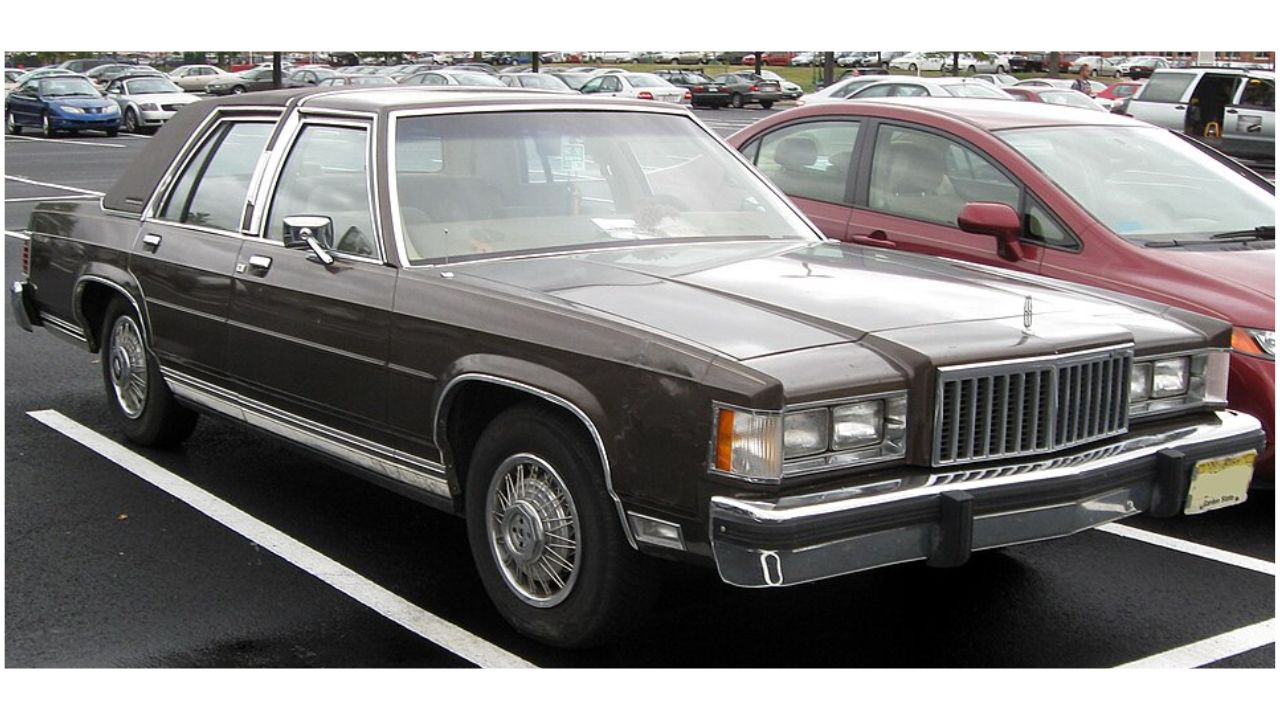
The Mercury Grand Marquis deserves a place on any list of American cars that became dependable long-term transportation. Its conservative design changed little over the years, while the rear-wheel-drive platform and V8 drivetrain remained familiar to generations of mechanics. The car was also widely used by fleets and private owners, giving it a huge real-world durability record. It may have looked old-fashioned even when new, but that conservative approach helped make it one of the easier American cars to keep running for years.
More from Fast Lane Only
- Unboxing the WWII Jeep in a Crate
- 15 rare Chevys collectors are quietly buying
- 10 underrated V8s still worth hunting down
- Police notice this before you even roll window down
*Research for this article included AI assistance, with all final content reviewed by human editors.