Long before pickups became rolling computers, many trucks were built around simple engines, sturdy frames, and mechanical systems that could be repaired instead of replaced. Some of these old workhorses stayed in service for decades, often long after their original warranties had become irrelevant. Their longevity helped turn ordinary pickups into some of the most respected trucks in automotive history.
Toyota Hilux

The Toyota Hilux became famous for its ability to survive rough roads, heavy workloads, and years of neglect. Its straightforward construction and durable engines helped establish a reputation that spread far beyond its original markets. Many examples spent their lives hauling cargo, working farms, or traveling remote roads rather than sitting in garages. That hard-use history is part of what makes the Hilux so respected today. Few vintage compact pickups have developed such a strong reputation for staying useful long after newer trucks have moved on.
Ford F-100
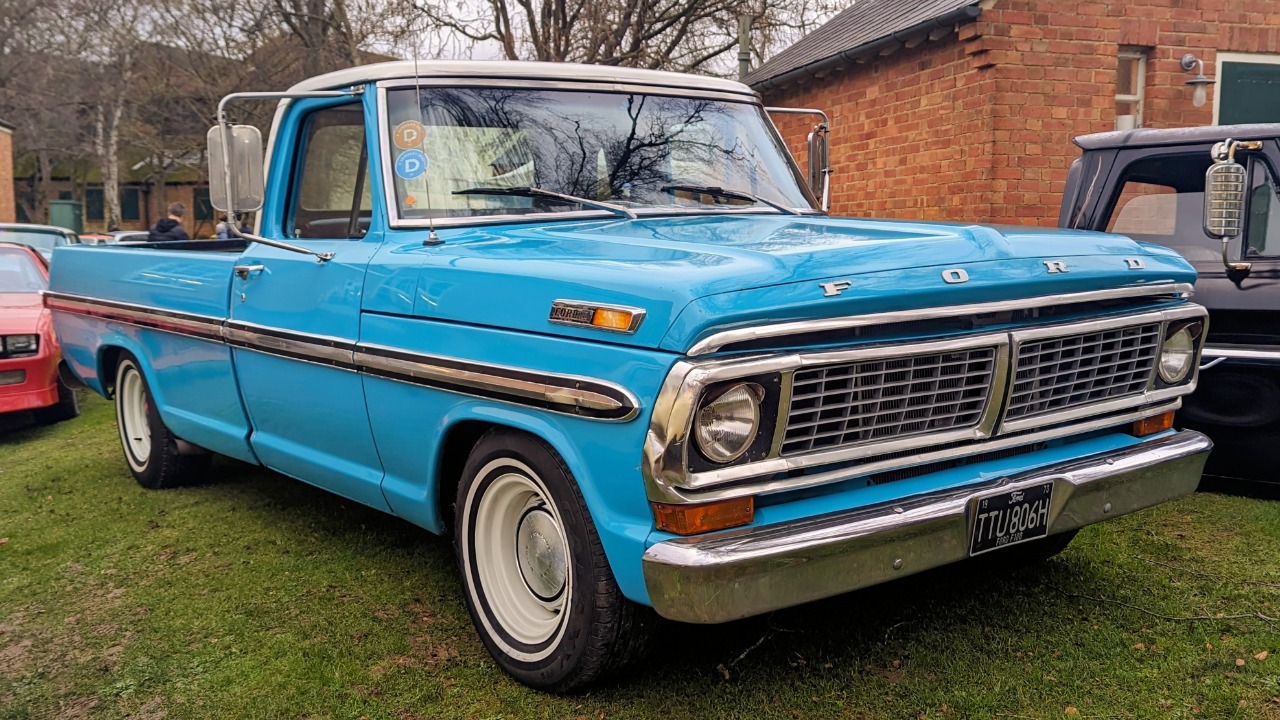
The Ford F-100 became one of America’s most recognizable working pickups because it offered a combination of simplicity, durability, and easy serviceability. Earlier generations relied on conventional engines, rear-wheel drive, and rugged chassis designs that mechanics could understand without specialized electronics. Owners routinely kept them for years because repairs were usually straightforward. The F-100 eventually became a collector favorite, but its greatest achievement was simply continuing to work long after many original owners expected to replace it.
Chevrolet C10
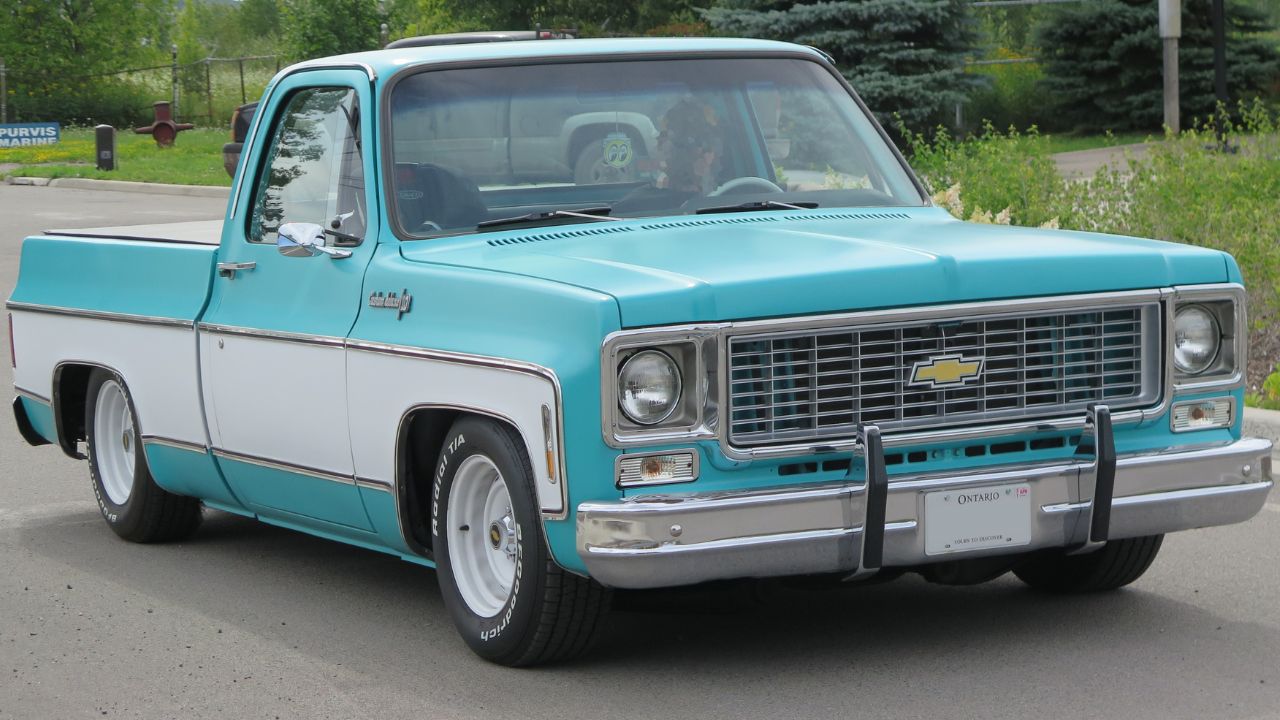
The Chevrolet C10 became a favorite among workers and later among collectors because of its simple mechanical foundation. Its body-on-frame construction, rear-wheel-drive layout, and familiar Chevrolet engines made it easy to maintain. Many examples spent decades hauling tools, materials, and equipment before being retired. That history helps explain why surviving C10s are so desirable today. They were never designed as luxury vehicles, but their combination of useful engineering and timeless styling has allowed them to remain relevant.
Nissan Hardbody
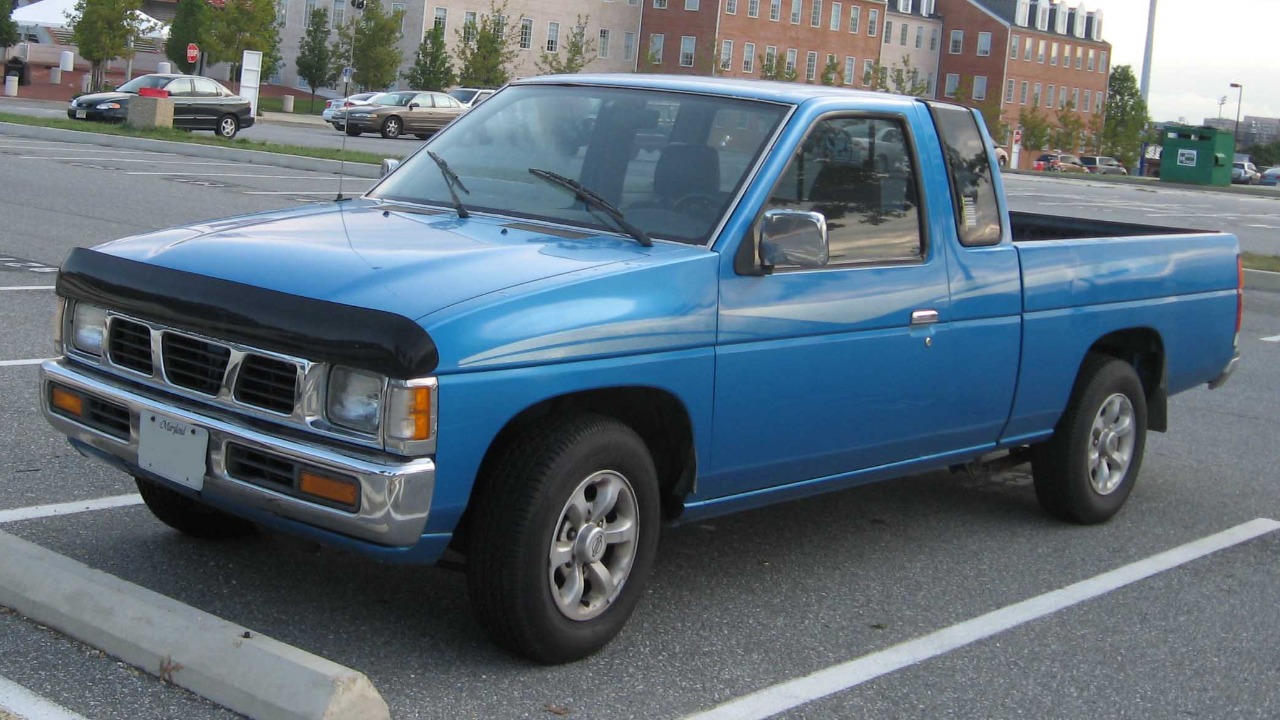
The Nissan Hardbody developed an unusually strong reputation for durability among compact pickups. Its tough chassis, simple drivetrain, and dependable four-cylinder engines made it popular with owners who needed inexpensive transportation that could also handle work. Many were driven for years with basic maintenance. The truck’s compact size also made it practical in places where full-size pickups were cumbersome. Today, clean Hardbodies have become increasingly desirable because they deliver genuine old-school pickup character without excessive complexity.
Ford Ranger
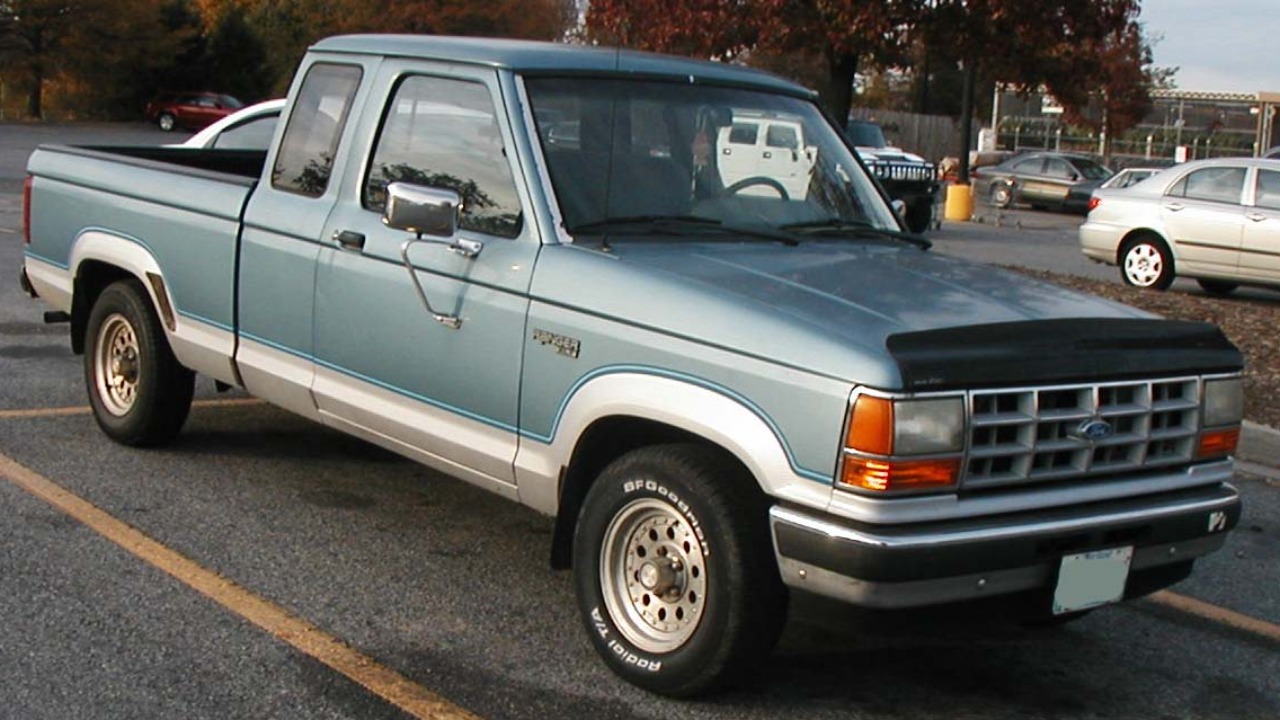
The early Ford Ranger offered American buyers a smaller alternative to full-size pickups without abandoning the basic principles of truck construction. Its compact dimensions made it economical and maneuverable, while its conventional mechanical systems kept maintenance relatively approachable. Four-cylinder and V6 engines gave owners several choices depending on their needs. Many Rangers became dependable daily drivers and work trucks, which explains why so many accumulated years of service. Surviving examples now appeal to enthusiasts looking for a practical vintage pickup.
Chevrolet S-10
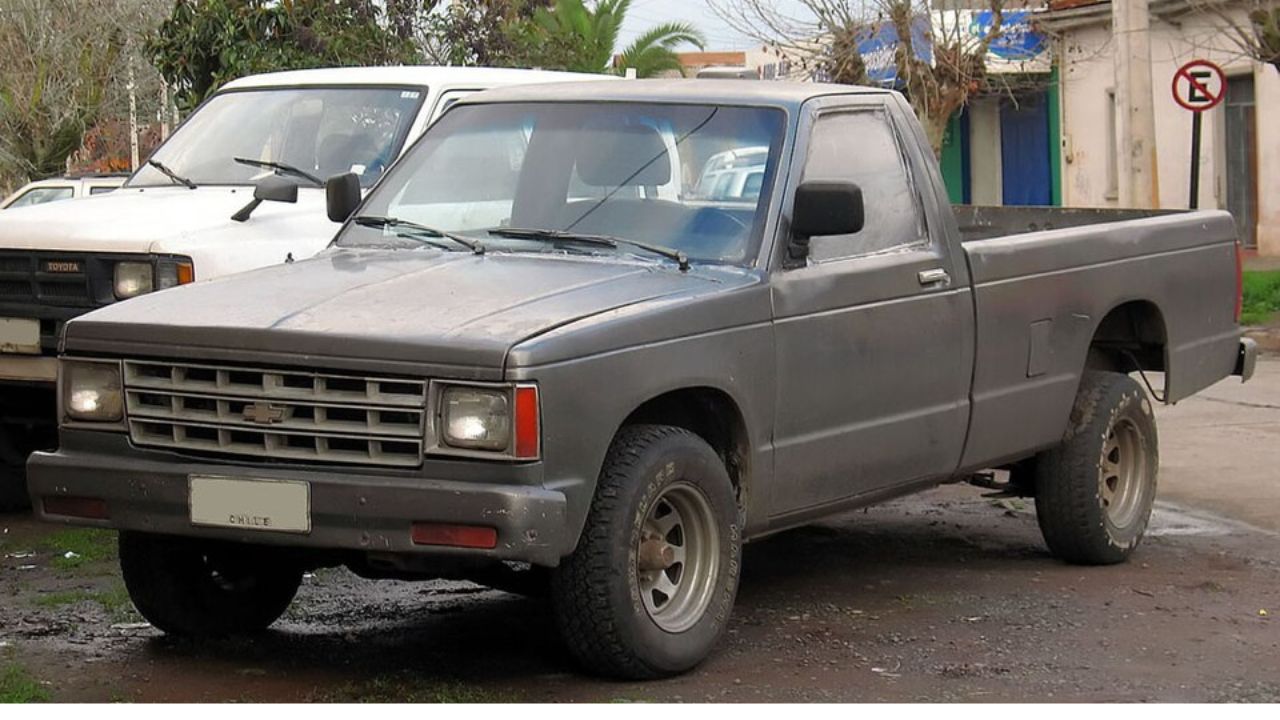
The Chevrolet S-10 helped establish the compact pickup as a major part of the American market. Its simple construction, familiar GM powertrains, and manageable dimensions made it useful for everything from light work to everyday transportation. Many were inexpensive enough to become first trucks for younger drivers, but plenty stayed in service far longer than expected. Mechanics appreciate the S-10 because its systems are generally accessible and parts availability remains strong. That practicality has helped keep the model alive among enthusiasts.
GMC Sonoma
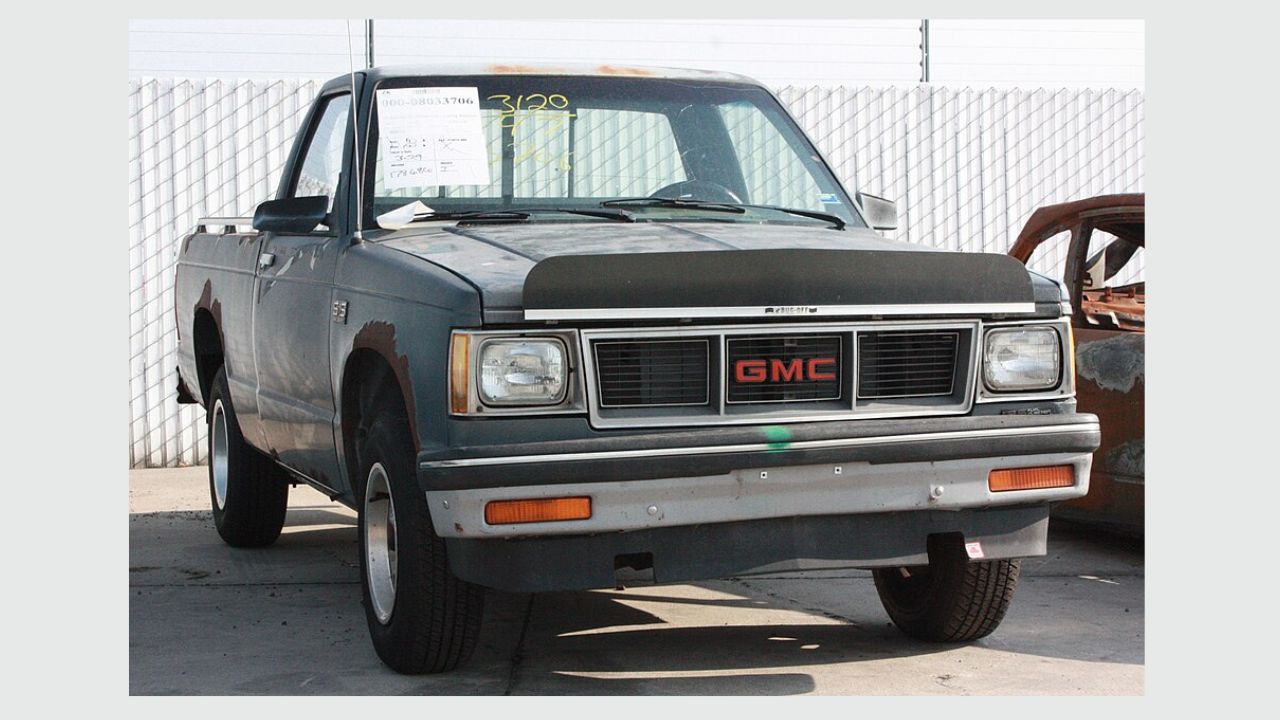
The GMC Sonoma shared much of its mechanical foundation with the S-10 but offered slightly different styling and trim. Its compact body and conventional drivetrain made it useful for owners who needed a truck without the size and cost of a full-size pickup. Four-cylinder and V6 engines provided sensible choices, while the straightforward chassis made repairs manageable. Today, a clean Sonoma can be surprisingly hard to find, especially because so many were used heavily and treated as inexpensive work vehicles.
Toyota Pickup
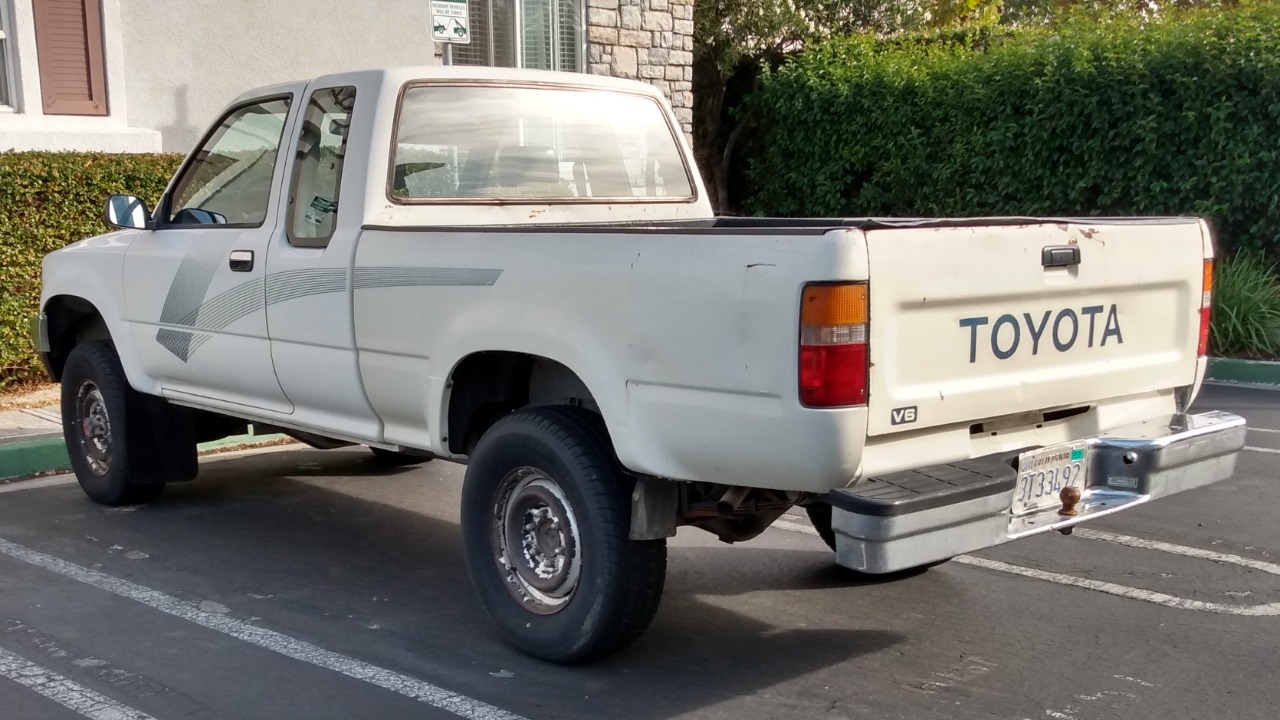
Before the Tacoma became Toyota’s signature compact truck, the simpler Toyota Pickup established the company’s reputation for long-term durability in North America. These trucks were relatively basic, with tough engines, sturdy frames, and uncomplicated interiors. Four-wheel-drive versions became particularly popular with off-road enthusiasts and workers. Many were kept alive through routine repairs rather than expensive restoration. Their survival is a testament to how useful a well-designed pickup can remain when its basic mechanical components are built to last.
Mazda B-Series
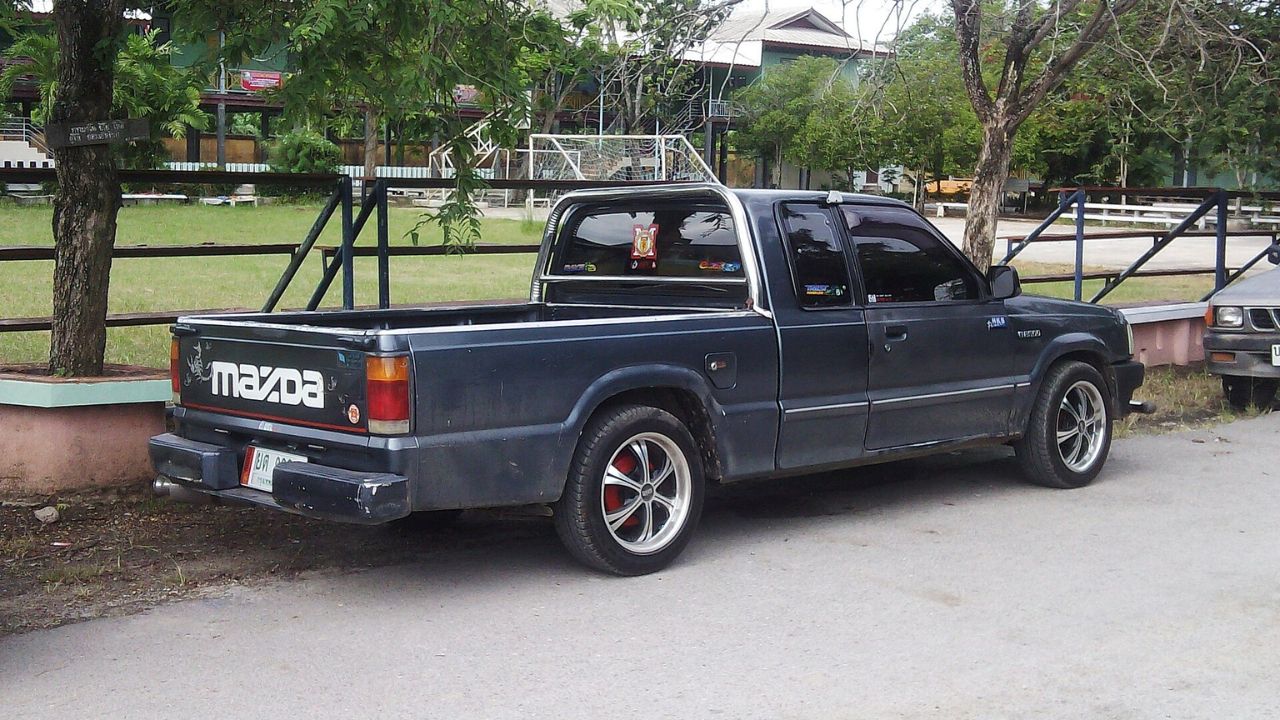
The Mazda B-Series offered a straightforward alternative to larger American pickups. Compact dimensions, simple engines, and conventional rear-wheel-drive hardware made it economical to operate while still providing useful hauling ability. Many were sold as affordable transportation, so owners often kept them long after newer vehicles became available. Their relative simplicity is now part of their appeal. A surviving B-Series can provide an uncomplicated vintage truck experience without the size and complexity associated with full-size pickups.
Dodge D-Series

The Dodge D-Series covered a broad range of pickups that earned a reputation for rugged construction and strong V8 power. These trucks were built for work, and many owners used them accordingly. Their conventional frames, engines, and drivetrains were familiar to mechanics and could be kept going with regular maintenance. The D-Series also benefited from distinctive styling that has aged well. Today, restored examples are valued not only for their appearance but also for the durability that kept so many working for decades.
Chevrolet K10
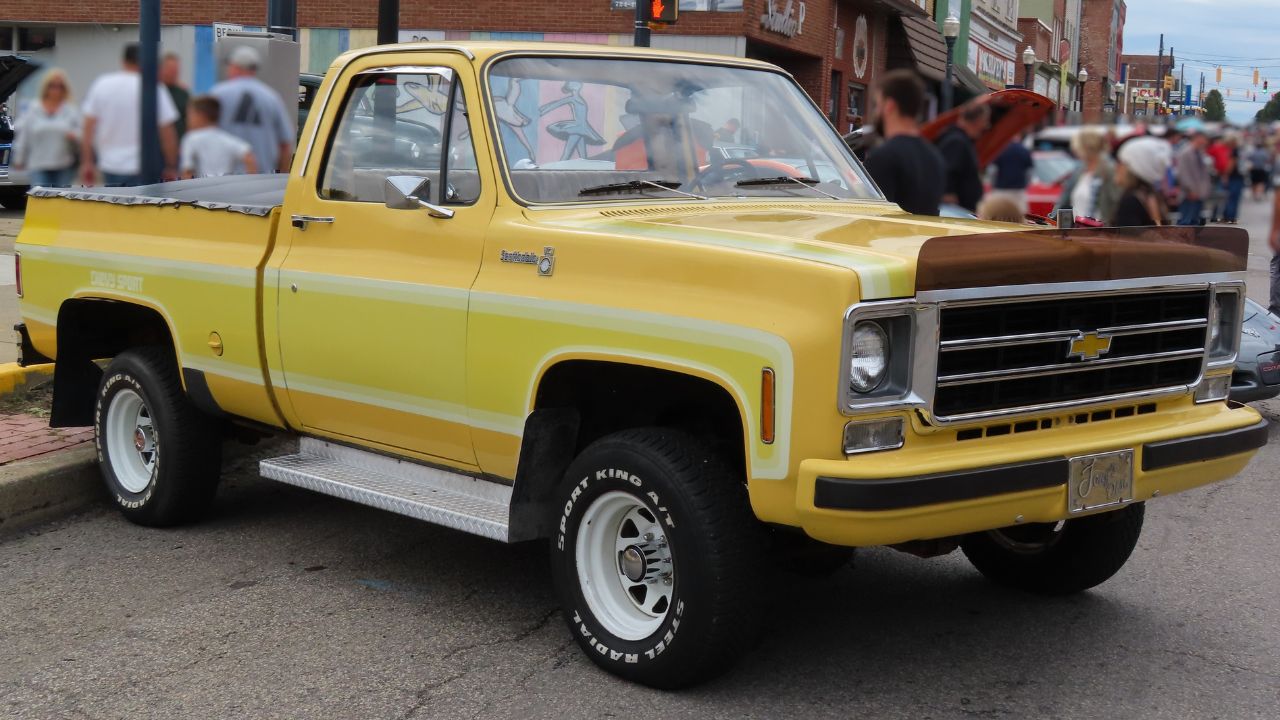
The K10 brought four-wheel-drive capability to Chevrolet’s popular light-duty pickup range. Its rugged drivetrain and traditional body-on-frame construction made it useful for farms, construction work, towing, and off-road driving. The combination of a strong V8 and four-wheel drive could handle jobs that would have overwhelmed smaller vehicles. Many were used hard, which makes well-preserved survivors increasingly interesting. The K10 remains a favorite among enthusiasts because it offers real utility along with classic Chevrolet truck styling.
Ford F-250
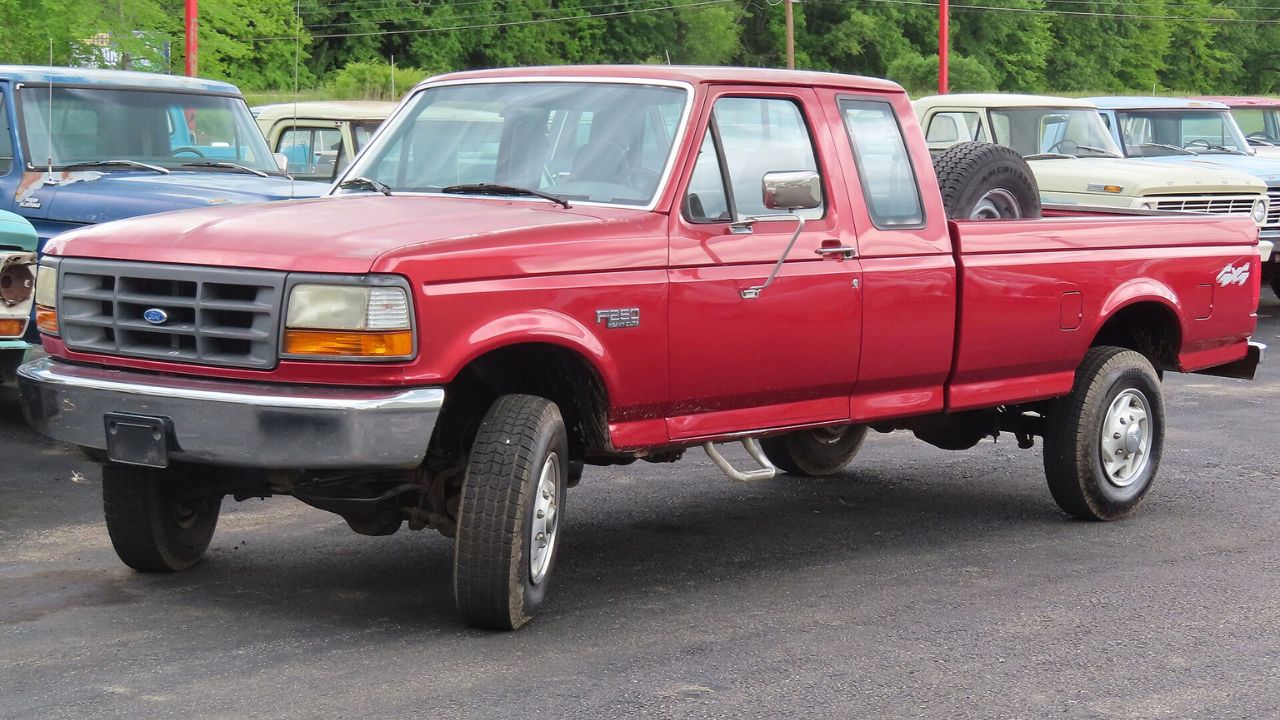
The F-250 was designed for buyers who needed more capability than a half-ton pickup could provide. Its stronger chassis, suspension components, and available V8 engines made it suitable for serious hauling and towing. Older examples also benefited from relatively simple mechanical systems that could be repaired in a home garage. Many spent decades working on farms, ranches, and construction sites. The fact that some are still useful today demonstrates just how much abuse these heavy-duty pickups were designed to tolerate.
GMC Sierra Classic

The Sierra Classic name became associated with the traditional GMC pickup formula of the late 1970s and 1980s. These trucks offered substantial frames, familiar GM engines, and straightforward drivetrains that mechanics knew well. They were often purchased as work vehicles rather than collector pieces, so many accumulated considerable mileage before being retired. Surviving examples now have a strong following because they capture the look and feel of an era when a pickup was still primarily a tool.
Chevrolet LUV
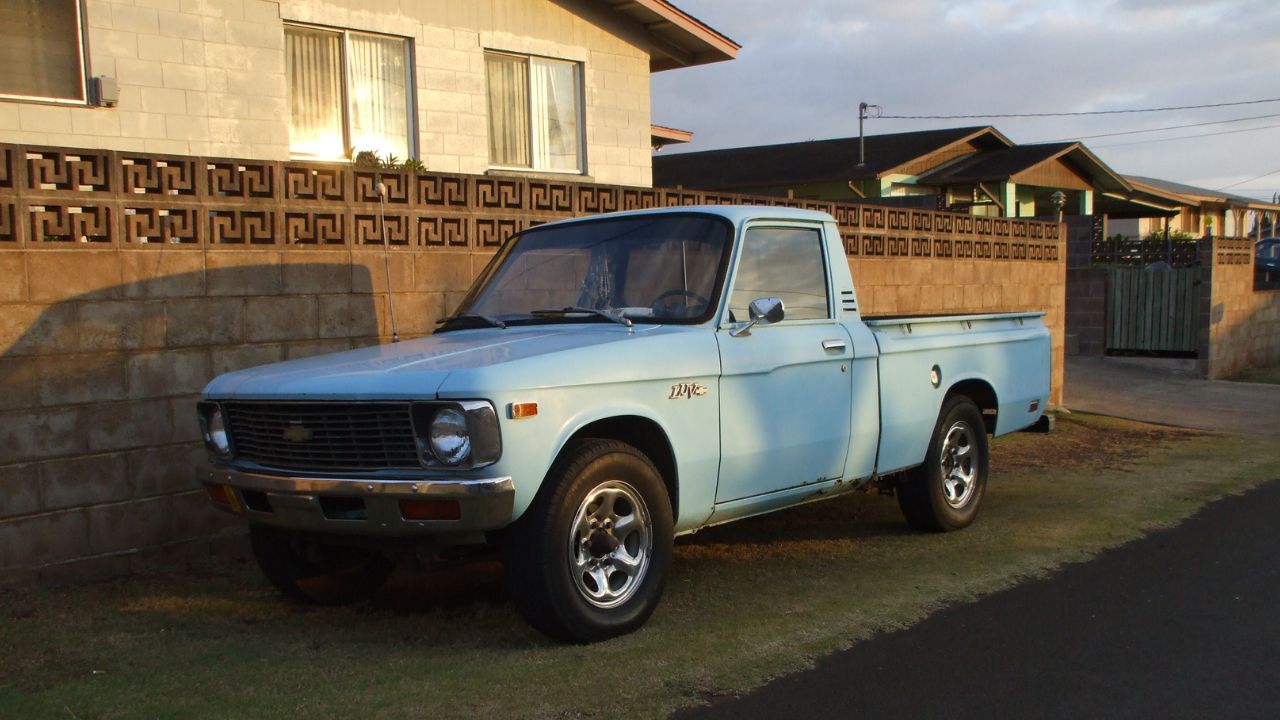
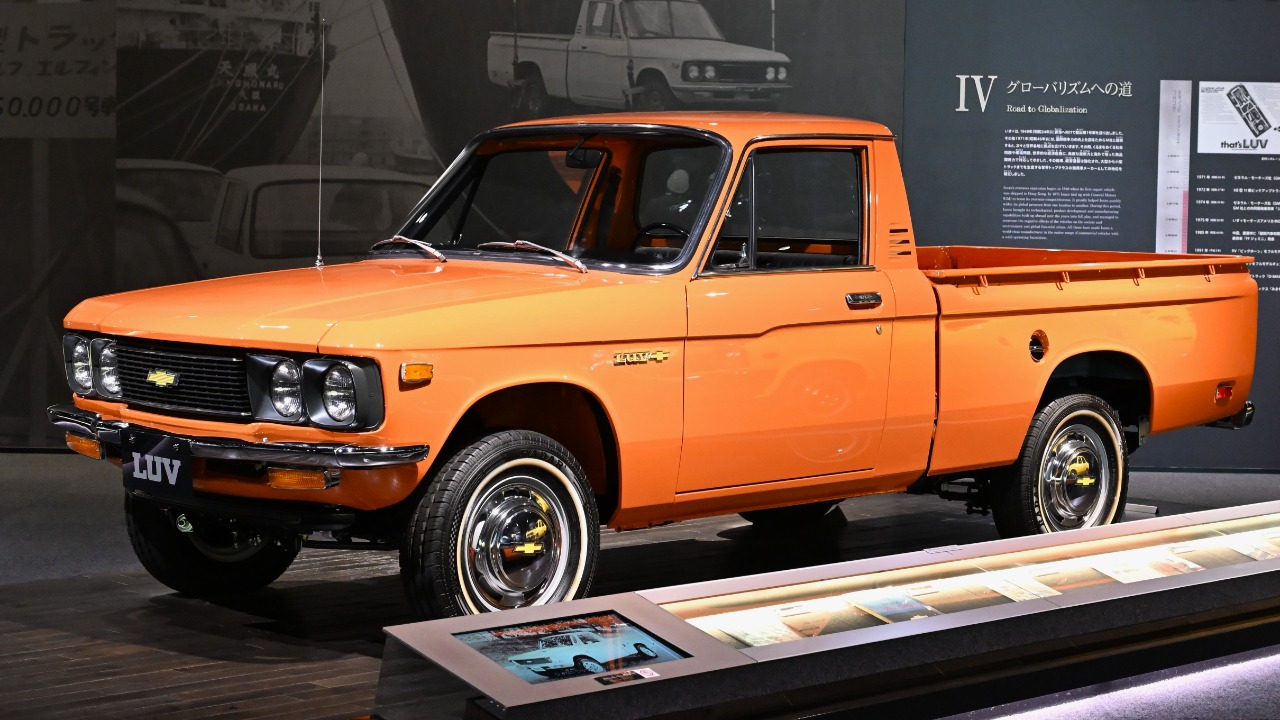
The Chevrolet LUV was an unusual entry into the American compact-pickup market, offering a smaller footprint and economical four-cylinder power. Its simple construction made it inexpensive to operate and relatively easy to maintain. The LUV was never as dominant as Chevrolet’s full-size pickups, which makes surviving examples much harder to encounter today. Its rarity has become part of its charm. For enthusiasts, the LUV represents an interesting period when American buyers began embracing smaller imported-style trucks for everyday work.
Ford Courier

The Ford Courier was another compact pickup that benefited from straightforward mechanical engineering and modest dimensions. Its smaller engine and lightweight construction helped keep running costs down, while the pickup bed provided useful cargo capacity. It was aimed at buyers who did not need a full-size truck, making it especially useful for small businesses and everyday hauling. Because many were used until they wore out, clean survivors are now uncommon. The Courier remains an appealing reminder of how simple a pickup could be.
International Harvester Scout II
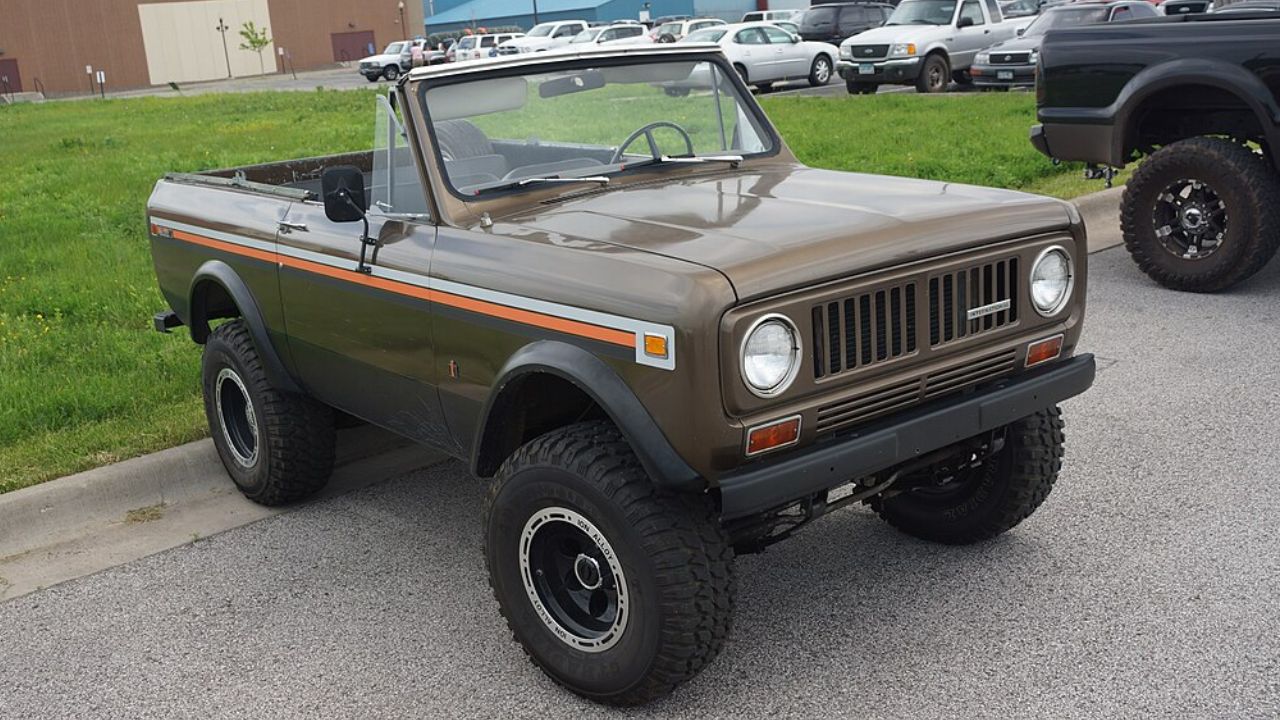
The Scout II was primarily an SUV, but its truck-based construction and available pickup-style configurations made it a genuine utility vehicle. Its rugged frame, four-wheel-drive system, and straightforward engines helped it survive demanding work and off-road use. International Harvester designed the Scout around durability rather than refinement. That philosophy is obvious when examining the mechanical package. Today, the Scout II is highly valued by enthusiasts who want an old-fashioned utility vehicle that can still be repaired and modified without modern electronic systems.
Jeep Comanche
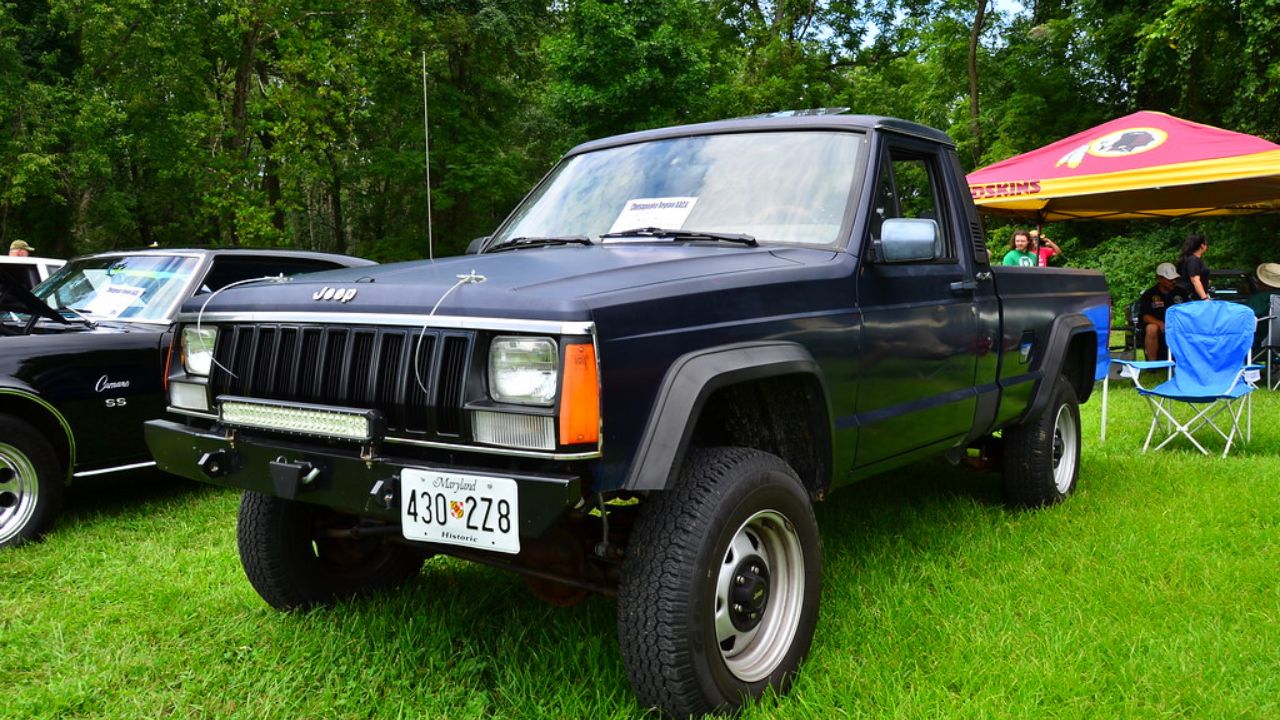
The Jeep Comanche was a compact pickup built around a unibody-style construction approach, but it still earned a reputation for toughness. Its available four-wheel-drive system and familiar Jeep powertrains made it useful for both work and recreation. The legendary 4.0-liter inline-six became one of its strongest selling points in later versions. Because production ended relatively early, clean examples have become increasingly scarce. The Comanche is now one of the more interesting choices for enthusiasts seeking a compact classic truck with genuine off-road ability.
Mitsubishi Mighty Max

The Mitsubishi Mighty Max was another compact pickup that earned respect through simplicity and practical engineering. It offered economical engines, manageable dimensions, and useful payload capacity without the bulk of American full-size trucks. Four-wheel-drive versions added additional versatility. Many were treated as inexpensive work vehicles, which meant few owners thought about preserving them for the future. Today, surviving examples have become much more interesting to collectors who appreciate compact Japanese pickups from the period.
Isuzu Pickup
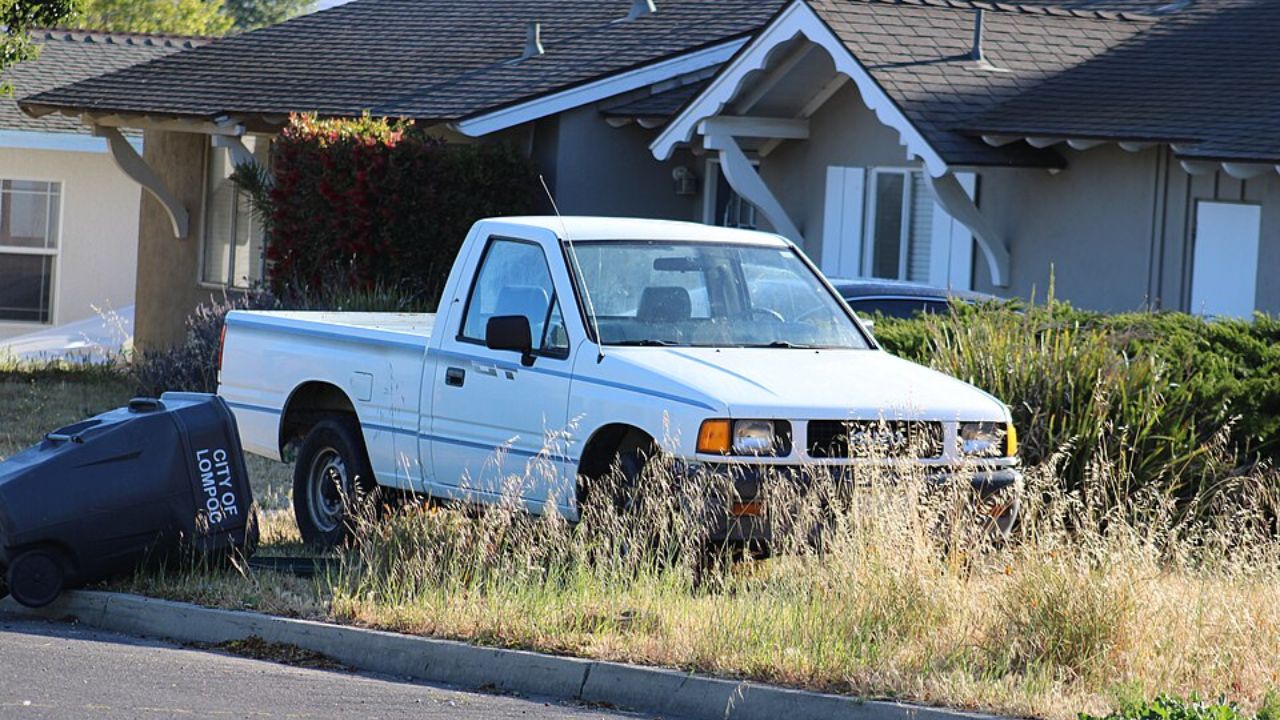
The Isuzu Pickup was built around the idea of providing dependable transportation without unnecessary complication. Its compact body, economical engines, and straightforward mechanical systems made it popular with owners who wanted a small truck capable of handling daily work. Isuzu’s reputation for commercial vehicles also helped shape the truck’s practical character. Many were kept in service until they were completely worn out, making clean survivors difficult to find. That scarcity has helped the model gain attention among vintage-truck enthusiasts.
More from Fast Lane Only
- Unboxing the WWII Jeep in a Crate
- 15 rare Chevys collectors are quietly buying
- 10 underrated V8s still worth hunting down
- Police notice this before you even roll window down
*Research for this article included AI assistance, with all final content reviewed by human editors.