The 1968 Pontiac GTO marked a sharp break from the original muscle car formula, trading the crisp, boxy lines of the early cars for a more sculpted, safety‑driven shape. That redesign did more than refresh showroom appeal at the time, it created a lasting split in the market that still shapes how collectors price and chase GTOs today. By looking at how styling, engineering and production changed in 1968, I can trace why some years command a premium while others remain relative bargains.
From straight edges to curves: why 1968 became the dividing line
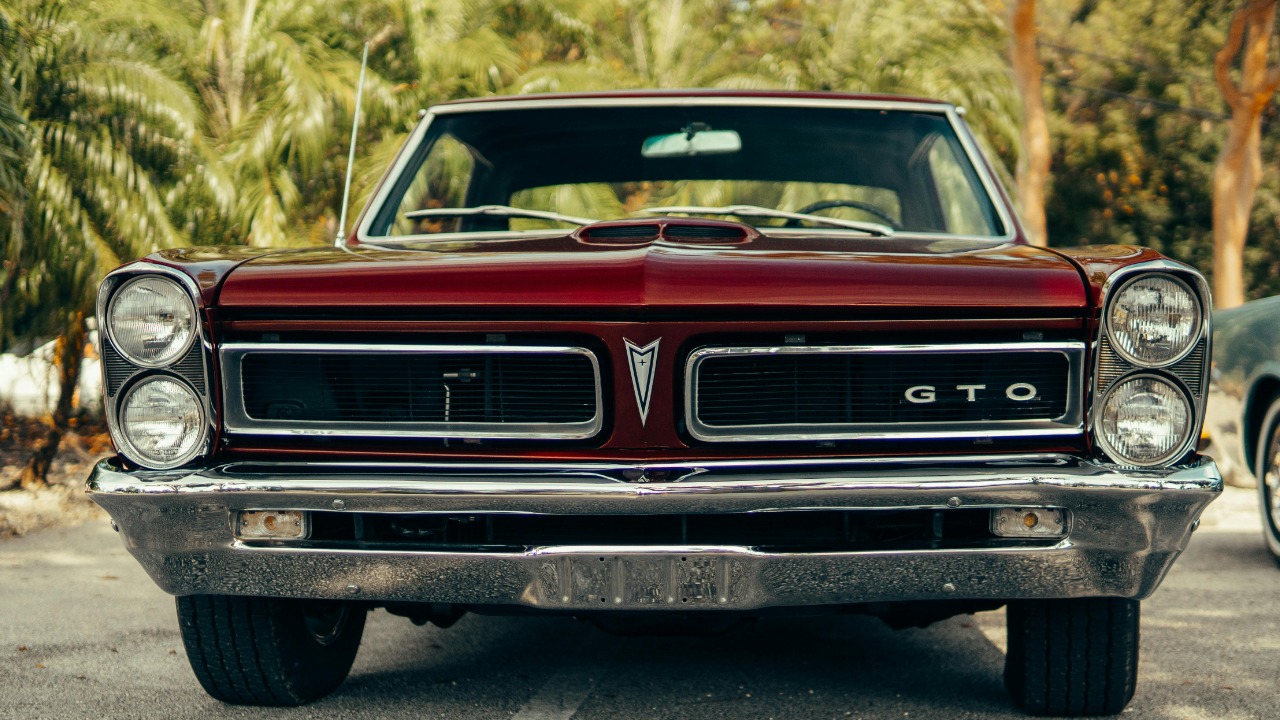
The first‑generation GTOs built through 1967 established the car’s legend with square shoulders, a long hood and short deck, and a relatively simple body that echoed the mid‑sixties A‑body Pontiac. When Pontiac rolled out the 1968 redesign, the GTO adopted a more rounded “Coke bottle” profile, hidden headlights on many cars and a semi‑fastback roofline that visually lowered the car. That shift created two distinct visual eras, and in today’s market I see buyers sorting GTOs first by whether they prefer the earlier, more traditional muscle car look or the later, more flowing shape, a preference that directly affects values across auction and private‑sale data backed by detailed valuation guides.
The 1968 redesign also coincided with tightening safety and emissions rules, which meant the car’s new body was engineered around energy‑absorbing front ends, revised crash structures and more integrated bumpers. Those changes made the GTO feel more modern and refined on the road, but they also signaled the beginning of the end for the raw, lightly regulated muscle era that purists prize. As a result, I see many collectors treating 1967 as the last of the “pure” GTOs and 1968 as the first of the “civilized” ones, a perception that shows up in the price gap between comparable condition cars from the two years in current market trend reports.
How the new body and options reshaped desirability
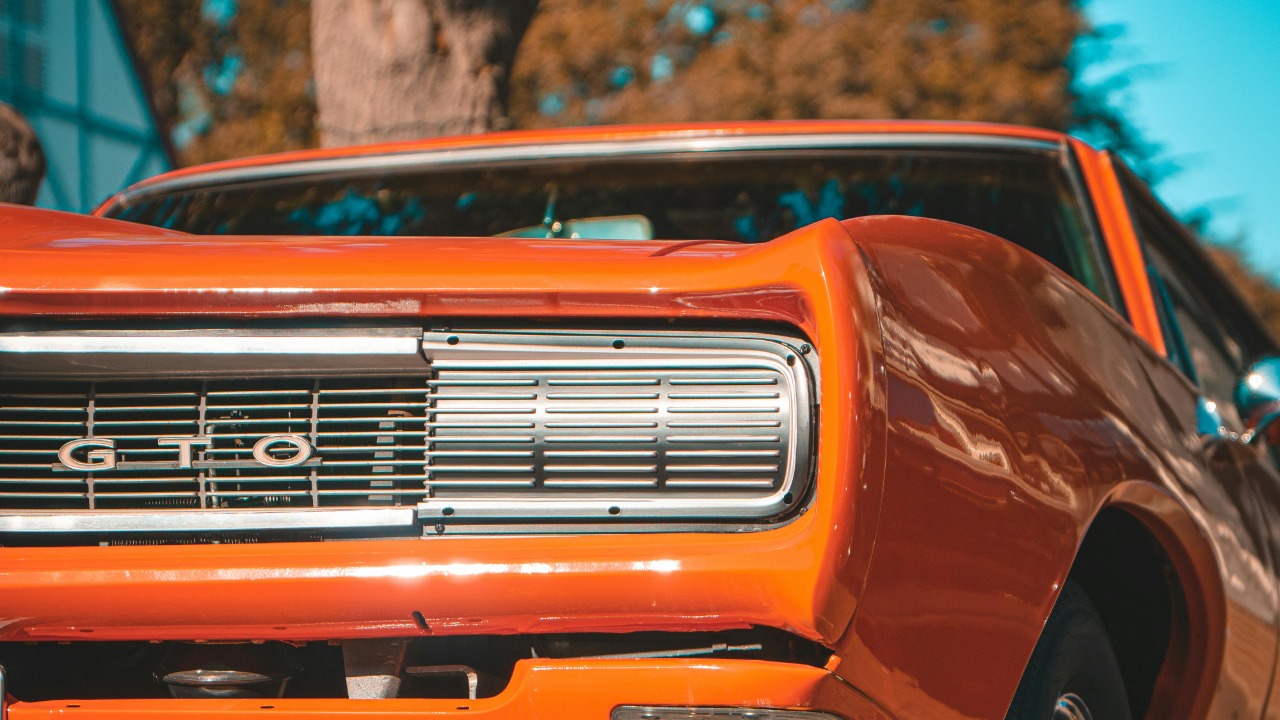
Beyond the basic styling shift, the 1968 redesign brought a host of new options and engineering tweaks that still influence which cars bring top dollar. The Endura front bumper, which allowed the nose to be body‑colored and integrated the grille and headlights, became a signature feature that many buyers now associate with the late‑sixties GTO identity. Cars ordered with that Endura setup, particularly those retaining original components, tend to draw stronger bids than similar chrome‑bumper cars, a pattern that shows up repeatedly in auction catalogs and realized prices where sellers highlight the nose as a key selling point.
The 1968 model year also saw Pontiac refine the GTO’s suspension and offer more combinations of engines, transmissions and rear‑axle ratios, which created a wide spread in how these cars drive today. A base 400‑cubic‑inch car with an automatic and highway gears feels like a comfortable cruiser, while a 400 HO or Ram Air car with a close‑ratio four‑speed and performance axle is still a serious performer. Because the body redesign made the cars slightly heavier and more complex to restore, I see buyers paying a clear premium for higher‑spec drivetrains that offset that weight and complexity, a trend supported by current sales databases that show Ram Air and four‑speed 1968 cars consistently outpacing base‑engine examples.
Production numbers, rarity and the 1968 value curve
One of the quieter ways the 1968 redesign changed values is through how Pontiac built and marketed the car. The GTO had moved from a surprise hit in the mid‑sixties to an established nameplate by the time the new body arrived, and Pontiac responded by offering more body styles, colors and option packages to keep volume high. That strategy created a large pool of relatively common 1968 hardtops and convertibles, which in today’s market keeps entry‑level prices for driver‑quality cars accessible compared with earlier, lower‑production years documented in detailed production breakdowns.
At the same time, the expanded order sheet meant some combinations were built in very small numbers, especially high‑performance engines paired with specific transmissions or rare colors. Those low‑volume builds have become the sweet spot for collectors who want the later styling without sacrificing exclusivity, and I see them trading at a significant premium over more common configurations. The result is a value curve within the 1968 model year itself, where a basic 400 automatic might sit near the bottom of the GTO price spectrum while a documented Ram Air car with original drivetrain and rare options can rival or exceed earlier cars, a pattern that shows up clearly in Ram Air‑specific valuations.
Collector psychology: nostalgia, drivability and the split market
Values are not just about rarity and horsepower, they are also about how buyers imagine using the car. The 1968 redesign gave the GTO a more refined interior, better sound insulation and a chassis that feels more planted at highway speeds, all of which appeal to enthusiasts who want to drive their cars regularly. I see many younger collectors gravitating toward these later GTOs because they blend classic looks with a level of comfort and usability that fits modern traffic, a preference reflected in the steady demand for well‑sorted 1968 drivers in recent online auction results.
On the other side of the market, long‑time muscle car fans often anchor their nostalgia to the earlier, more stripped‑down GTOs they remember from high school parking lots and local drag strips. For those buyers, the 1968 redesign can feel like the moment the car started to move away from its original mission, which helps explain why pristine 1964–1967 examples still command a strong premium over many later cars in similar condition. That emotional divide, layered on top of the objective changes in styling and engineering, has effectively created two GTO sub‑markets that move somewhat independently, a split that becomes clear when comparing multi‑year price indices in comprehensive muscle car indexes.
Why the 1968 redesign still shapes restoration and investment choices
The legacy of the 1968 redesign shows up not only in sale prices but also in how owners choose to restore or modify their cars. Because the later bodywork involves more complex curves and unique parts like the Endura nose, full restorations on 1968 GTOs can be more labor‑intensive and parts‑dependent than on earlier, more straightforward cars. I see many owners of driver‑grade 1968s opting for sympathetic mechanical refreshes and tasteful upgrades rather than chasing concours‑level perfection, a strategy that aligns with cost estimates and parts availability outlined in current restoration cost analyses.
For investors and enthusiasts weighing which GTO to buy, the 1968 redesign effectively forces a choice between two philosophies. The earlier cars tend to reward originality and period‑correct details, while the later, more refined GTOs are often judged more on drivability and tasteful personalization. I find that buyers who value long‑distance comfort, better road manners and the distinctive late‑sixties styling are increasingly comfortable paying strong money for well‑sorted 1968 examples, even if they lack the absolute top‑tier auction results of the rarest early cars. That shift suggests the redesign’s influence on values is still evolving, and as new generations of collectors come in, the balance between early and late GTOs documented in ongoing market tracking may continue to tilt toward the cars that debuted with that pivotal 1968 overhaul.
More from Fast Lane Only