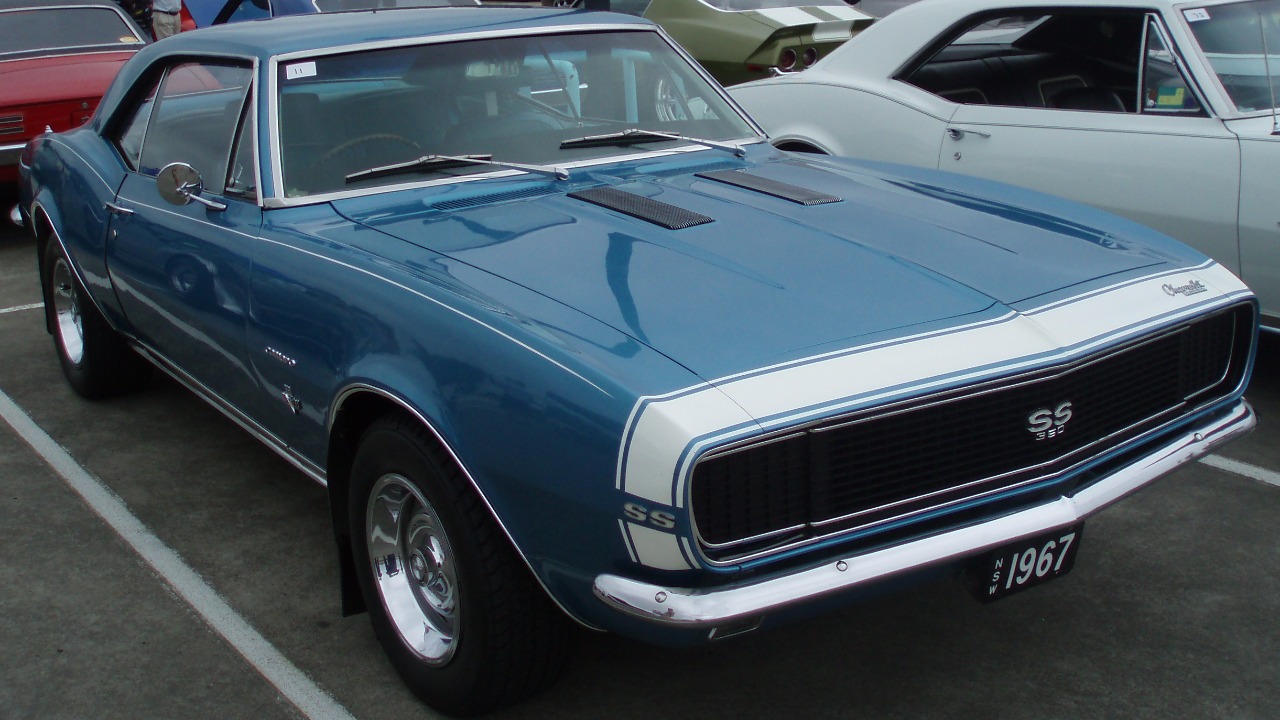
Among first-generation Camaros, the 1967 RS/SS cars sit at the center of collector attention because they combine the model’s debut-year significance with some of Chevrolet’s most desirable performance and appearance options. For buyers and sellers trying to understand why one car brings a premium over another, the key is not just the RS/SS badges but the specific factory equipment that separates a merely nice driver from a top-tier collectible. I focus here on the options and combinations that consistently move the needle in the marketplace, and how documentation and originality shape their value.
Why the RS/SS combination is the collector sweet spot
The Rally Sport and Super Sport packages each added their own appeal in 1967, but it is the combination of both that collectors usually chase first. The RS package delivered hidden headlights, revised taillights with backup lamps under the bumper, bright exterior trim and unique badging, while the SS package layered on performance cues like simulated hood stacks, special striping and chassis upgrades. When both were ordered together, the result was a visually distinctive Camaro with genuine performance credibility, which is why RS/SS cars tend to sit at the top of price guides and auction results for the model year.
Market data consistently shows that buyers pay more for cars that can be verified as factory RS/SS examples rather than later “clone” builds, especially when the car retains its original driveline and trim. Auction listings for documented RS/SS cars with correct hidden headlamp hardware, SS-specific suspension pieces and matching identification tags routinely highlight these features as justification for higher estimates, and sale prices often confirm that premium. Collectors also watch for correct RS details such as the relocated rear backup lights and specific grille treatment, which help distinguish authentic cars from conversions that only mimic the look.
Big-block 396 engines and why displacement dominates
Among all the options available on a 1967 Camaro SS, the big-block 396 engines are the most decisive factor in collector interest. Chevrolet offered the 396 in several horsepower ratings, and even the lower-output versions transformed the car from a sporty coupe into a serious muscle machine. The presence of a factory-installed 396, especially in an RS/SS configuration, typically pushes a car into a different value bracket than small-block SS cars, because displacement and rarity intersect in a way that collectors can quantify.
Surviving documentation and production records show that big-block 1967 Camaros were built in far smaller numbers than their small-block counterparts, which is why auction catalogs and private sellers emphasize original 396 engine codes, casting numbers and matching VIN stampings. Cars retaining their born-with big-blocks, correct Holley or Rochester carburetion and original heavy-duty cooling components are often described as “investment grade,” and sale prices reflect that language. By contrast, small-block RS/SS cars, while still desirable, generally trade at lower levels unless they carry unusual provenance or exceptionally low mileage.
Four-speed manuals, rear gears and the performance spec sheet
Transmission choice is another option that matters greatly to collectors, and in 1967 the four-speed manual is usually the most sought-after configuration on an RS/SS car. The Muncie four-speed, especially when paired with a 396, delivered the kind of driver engagement that modern enthusiasts still prize, and it also signaled that the original buyer prioritized performance over convenience. As a result, documented four-speed RS/SS cars often command a premium over similar cars equipped with the Powerglide automatic, even when the rest of the specification is comparable.
Rear axle ratios and limited-slip differentials further refine that performance story. Factory build sheets and Protect-O-Plate data frequently list options such as Positraction and specific gear ratios, and collectors scrutinize these details to understand how the car was originally configured. A 396 RS/SS with a close-ratio four-speed and a performance-oriented rear gear is typically more desirable than a car ordered with a highway-friendly ratio, because it reflects a period-correct muscle car mindset. Auction descriptions that call out original Positraction units, correct axle codes and verified drivetrain components use these details to justify higher estimates and to differentiate one RS/SS from another in a crowded field.
Rally Sport appearance cues that separate real RS cars from clones
Because the RS package is heavily visual, it has been widely replicated, which makes authentic RS equipment especially important to collectors. The hidden headlamp system, with its specific doors, actuators and wiring, is the most obvious cue, but serious buyers look beyond the grille to confirm that the car carries the full suite of RS features. Correct rear lighting with separate under-bumper backup lamps, RS-specific taillight lenses and the proper interior headlight switch are all part of the checklist that helps distinguish a genuine RS from a cosmetic conversion.
Factory literature and restoration guides document these details in depth, and many auction descriptions now reference those standards when presenting high-value RS/SS cars. Listings for well-documented examples often highlight original RS headlamp hardware, correct vacuum or electric components and properly finished grille assemblies as evidence that the car has not been pieced together from later parts. Collectors also pay attention to RS-specific trim such as rocker moldings, wheel opening brightwork and emblem placement, since incorrect or missing pieces can signal a past rebody or incomplete restoration, both of which can depress value even on an otherwise attractive car.
Interior and comfort options that quietly move prices
Performance and appearance dominate the conversation, but interior and comfort options on a 1967 Camaro RS/SS can subtly influence collector demand. Deluxe interiors with upgraded door panels, woodgrain accents and special seat trim tend to make a car feel more upscale, and buyers often respond to that impression with higher bids. Features such as center consoles with gauge packages, factory tachometers and tilt steering columns also add to the sense that the car was heavily optioned when new, which can enhance its desirability today.
Period ordering guides and surviving window stickers show how these options were bundled, and auction catalogs frequently call out deluxe interior codes, console gauges and original tachometer equipment as value-adding features. Air conditioning, particularly when combined with a big-block engine, is another option that can matter to collectors who intend to drive their cars in warm climates, although some purists prefer the cleaner engine bay of a non-A/C car. Power windows, AM/FM radios and fold-down rear seats are less common but often noted in high-end listings, where the combination of performance, appearance and comfort equipment helps justify a premium over more sparsely optioned RS/SS examples.
Color combinations, stripes and how paint affects desirability
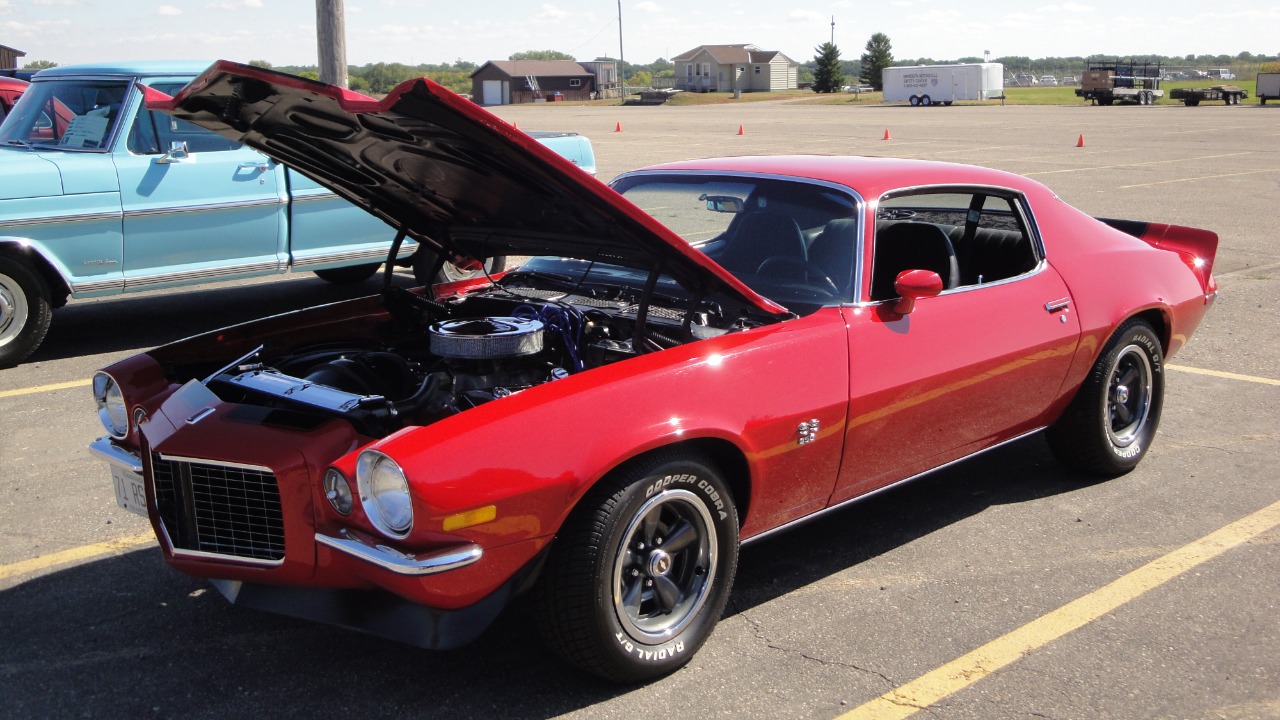
Paint and trim combinations are among the first things a buyer notices, and on a 1967 Camaro RS/SS they can significantly influence perceived value. Certain factory colors, especially vivid hues paired with contrasting stripes, tend to attract more attention at shows and auctions, which can translate into stronger prices. Collectors often favor cars that retain their original color combination as documented by trim tags or factory paperwork, even if that color is less dramatic than a later respray in a more fashionable shade.
Factory documentation outlines which stripe packages were available with the SS option and how they were applied, and restoration references detail correct stripe placement and width. Auction descriptions for top-tier RS/SS cars routinely emphasize original paint or high-quality repaints in the factory color, along with correctly executed SS striping and RS-specific badging. Cars that have been repainted in non-original colors or that mix incorrect stripe styles sometimes sell at a discount compared with similarly equipped cars finished to factory specifications, because serious collectors view accurate colors and graphics as part of the car’s historical integrity.
Documentation, matching numbers and why paperwork is an “option” of its own
For many collectors, the most valuable “option” on a 1967 Camaro RS/SS is not a physical part but the paperwork that proves how the car left the factory. Original window stickers, build sheets, Protect-O-Plate warranty tags and dealer invoices provide hard evidence of RS and SS packages, engine size, transmission type and other key options. In a market where cloning and restamping are well known, this documentation can be the difference between a car that commands a premium and one that raises questions.
Auction houses and specialist dealers increasingly highlight matching-numbers drivetrains and original paperwork in their descriptions of high-value RS/SS cars, often providing detailed photographs of engine pad stampings, transmission tags and axle codes. Cars that can demonstrate continuity between these mechanical identifiers and the factory documents are typically described as “numbers matching,” a phrase that carries significant weight with buyers. By contrast, cars with undocumented engine swaps or missing paperwork may still be enjoyable drivers, but they usually trade at lower prices because collectors factor in the uncertainty about how closely the car matches its original specification.
Rare factory options and low-production variants that stand out
Beyond the core RS and SS packages, a handful of low-production options and early performance variants can make a 1967 Camaro especially interesting to advanced collectors. Special performance equipment, heavy-duty cooling packages and early high-output engine configurations are among the features that auction catalogs single out when describing standout cars. While some of the most extreme performance versions were more common in later model years, early examples with unusual drivetrain or suspension combinations still attract attention because they hint at Chevrolet’s evolving muscle car strategy.
Production figures and period ordering data suggest that certain combinations, such as big-block RS/SS cars with specific performance axle ratios or heavy-duty brake packages, were built in relatively small numbers. When these cars surface with strong documentation and original components, they often become headline lots at marque-specific auctions. Collectors who focus on rarity as well as performance look for these unusual build sheets, and they are often willing to pay a premium for cars that represent the upper edge of what could be ordered in 1967, especially when the RS appearance package is layered over a serious SS performance specification.
Condition, originality and how restoration choices shape collector value
Even the best option mix on a 1967 Camaro RS/SS will not reach its full market potential if the car’s condition and originality are compromised. Collectors generally place the highest value on cars that retain a large percentage of their original sheet metal, interior components and driveline parts, especially when those pieces can be tied back to factory documentation. High-quality restorations that faithfully reproduce original finishes, fasteners and assembly techniques can also command strong prices, but buyers often differentiate between “restored to original” and “restored with upgrades.”
Restoration guides and judging standards for first-generation Camaros provide detailed benchmarks for paint finishes, underhood detailing and interior materials, and auction descriptions for top-tier RS/SS cars frequently reference these standards. Cars that deviate from factory specifications with modern wheels, aftermarket gauges or non-original drivetrains may appeal to drivers, but they typically fall short of the prices achieved by correctly restored or highly original examples. For collectors focused on long-term value, the most desirable 1967 Camaro RS/SS is usually the one that combines a strong option set, verified documentation and a level of originality or restoration quality that aligns closely with how Chevrolet built the car in the first place.
More from Fast Lane Only