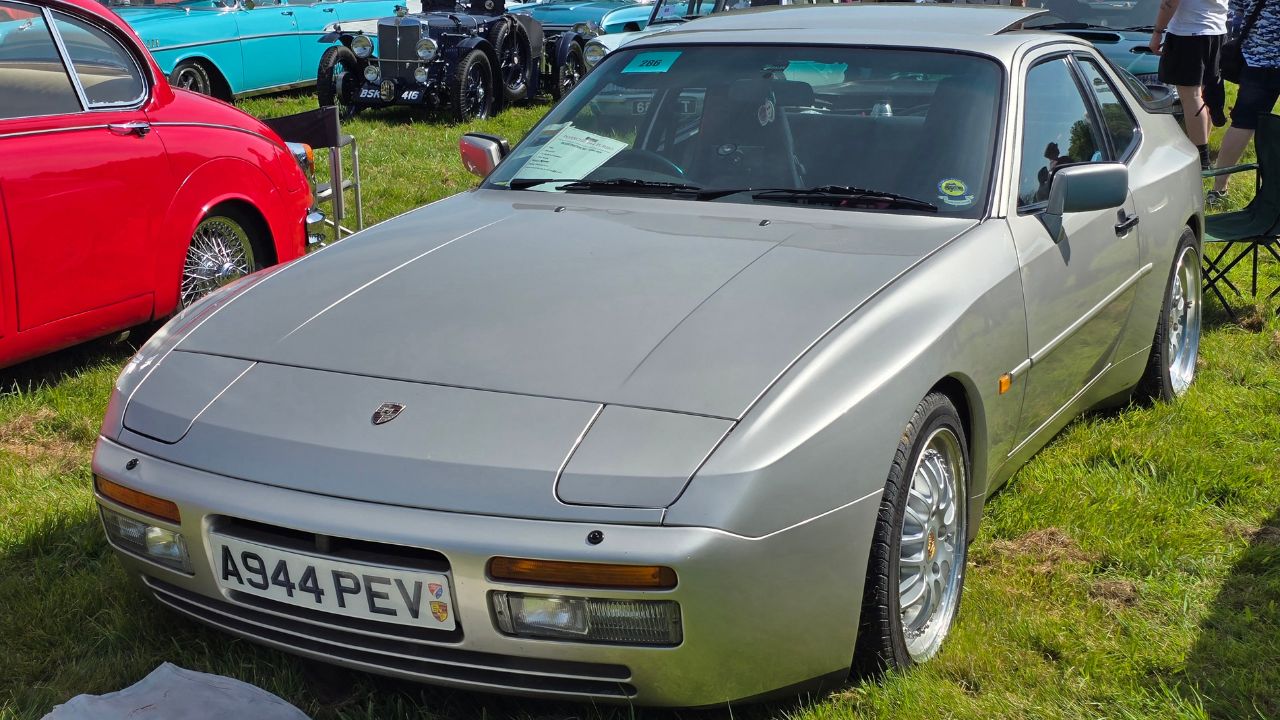
Not every muscle car needed a famous badge or a huge price tag to deliver serious performance. Some offered big V8 power, lightweight bodies, or surprisingly capable drivetrains while costing less than the names everyone remembers. These 20 cars proved that smart buyers could get plenty of speed without paying the premium attached to the biggest muscle-car legends.
Buick Skylark GS
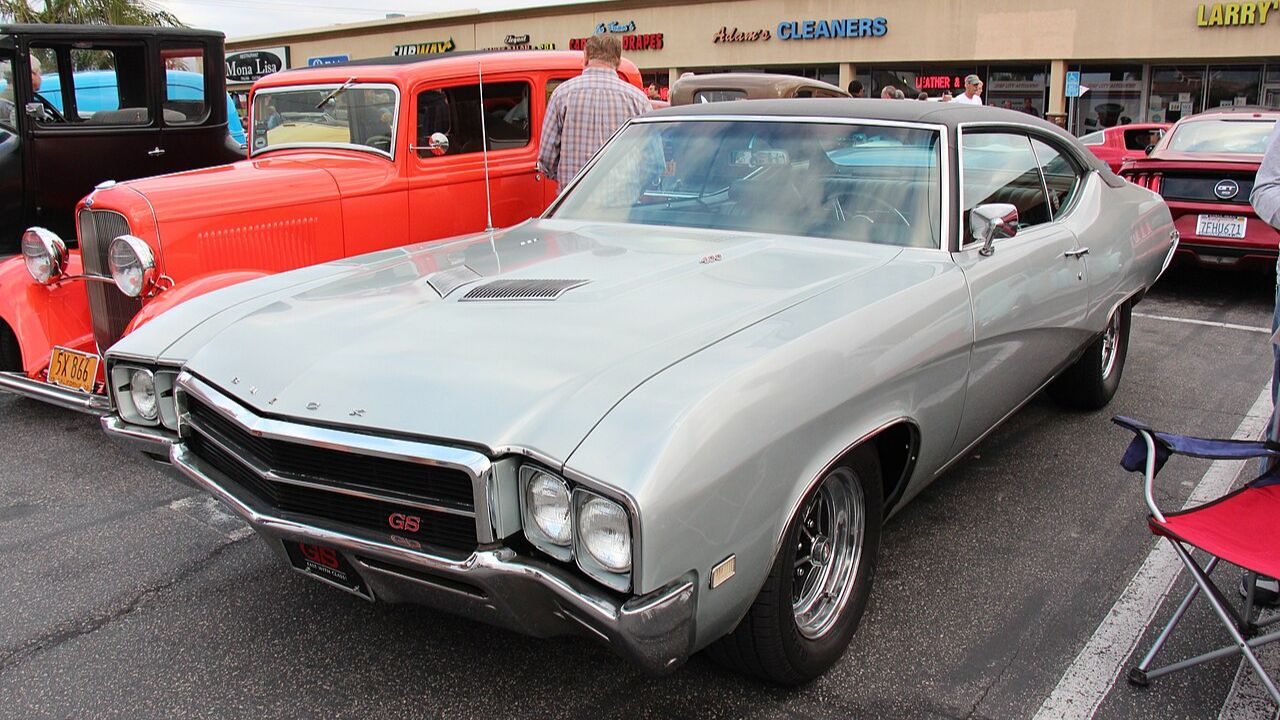
The Buick Skylark GS was one of the smartest ways to get serious V8 performance without paying the premium attached to more famous muscle cars. Buick gave the GS substantial engine options while keeping the car comfortable enough for everyday driving. Its upscale image also helped it fly under the radar compared with more aggressive-looking competitors. That combination made the Skylark GS an unusually effective sleeper. Collectors still appreciate how much performance could be hiding behind its relatively restrained Buick styling.
Ford Torino GT

The Ford Torino GT offered a lot of classic muscle-car hardware without carrying the same collector premium as a Mustang or other famous Ford performance models. Buyers could choose from several V8s, and the Torino’s midsize body provided plenty of room for serious power. Its long hood and low profile also gave it genuine road presence. The Torino’s combination of performance, comfort, and relatively understated reputation made it an appealing choice for buyers who wanted something fast without choosing the most obvious car in the showroom.
Mercury Cyclone GT
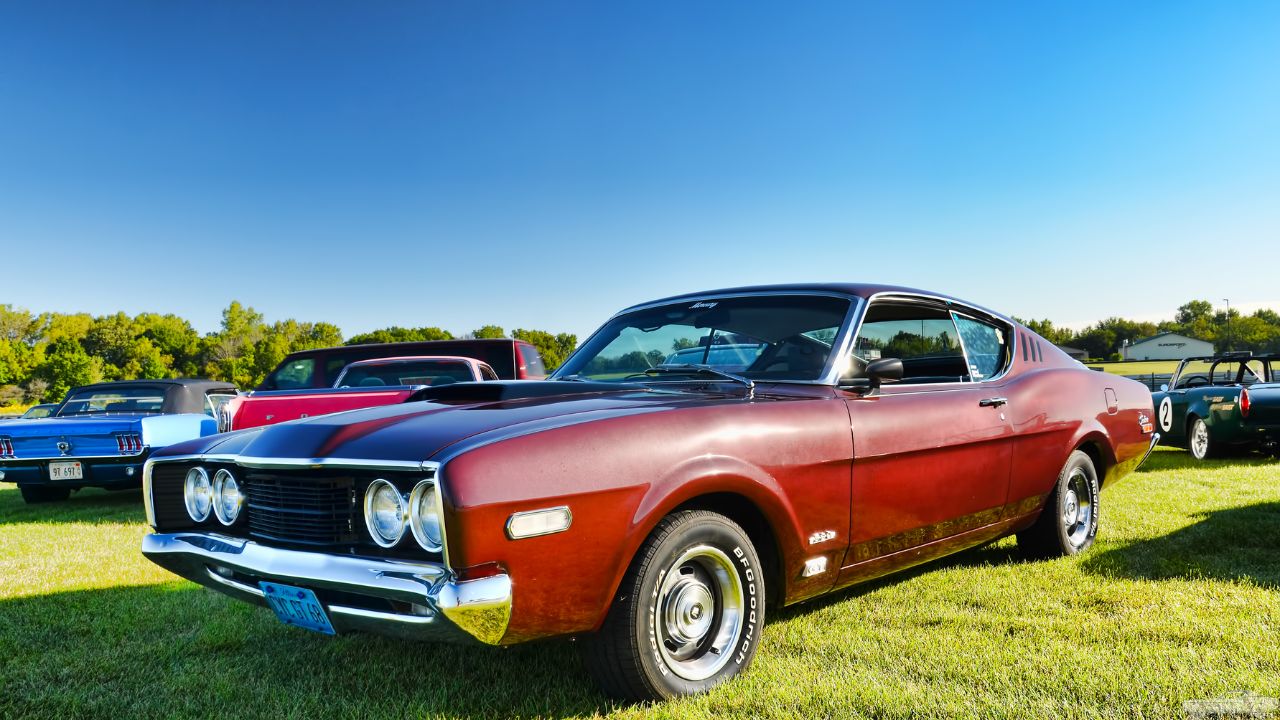
The Mercury Cyclone GT gave buyers much of the performance hardware associated with Ford’s midsize lineup but with a less common badge. It shared mechanical foundations with the Torino, yet its Mercury identity gave it a slightly more upscale personality. The available V8 engines could turn the Cyclone into a very serious performer, while the styling gave it plenty of presence. Today, collectors often appreciate these cars precisely because they are less predictable than a Mustang. A clean Cyclone can deliver genuine period muscle without the usual nameplate premium.
Chevrolet Nova
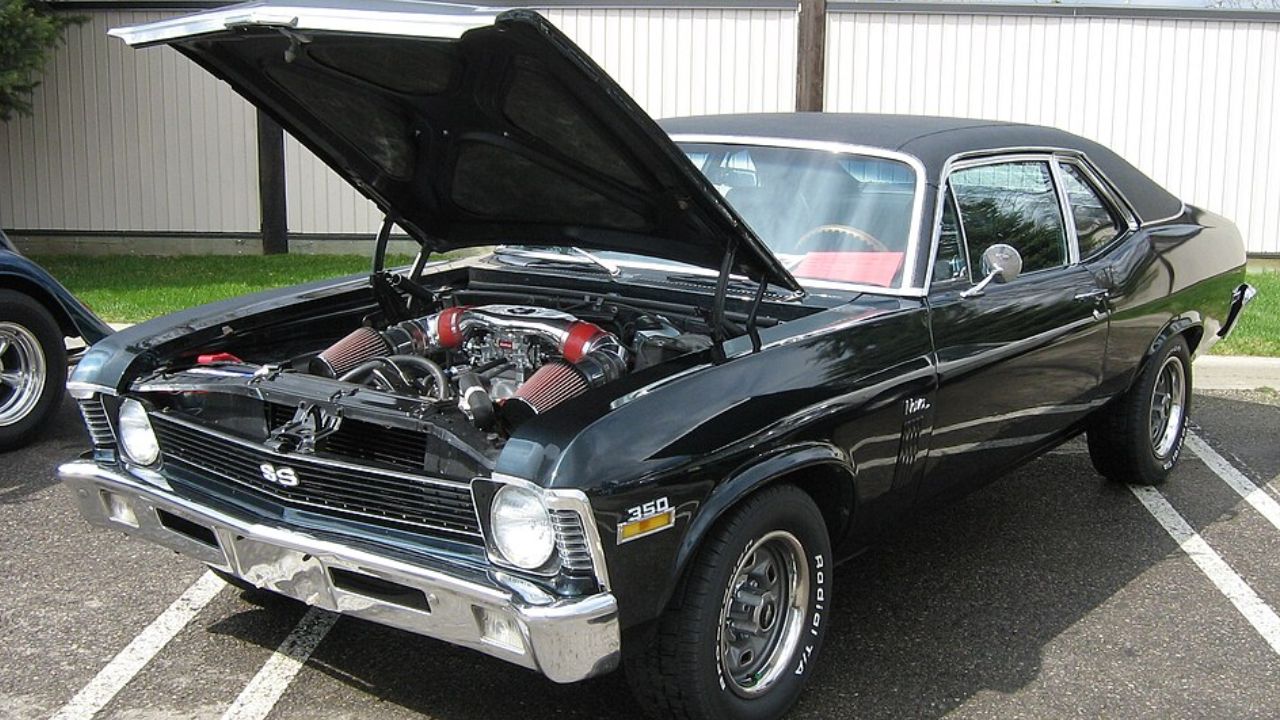
The Chevrolet Nova was one of the most convincing examples of a smaller car punching above its weight. V8 versions combined a relatively compact body with straightforward rear-wheel-drive mechanicals, making them excellent platforms for performance. The Nova SS is now highly collectible, but ordinary V8 Novas can still be interesting because they share much of the same basic character. Their lighter bodies made modest engines feel stronger than expected. The result was an affordable Chevrolet that could deliver plenty of classic muscle-car excitement.
Oldsmobile Cutlass
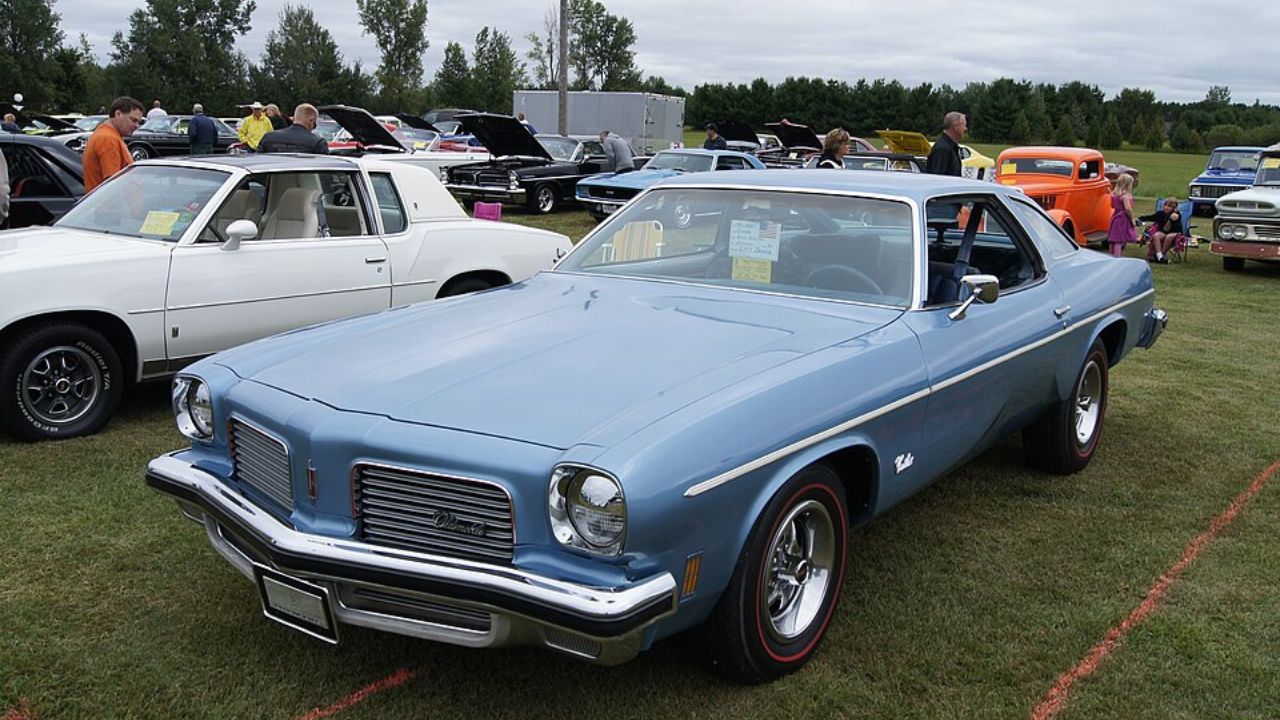
The Oldsmobile Cutlass offered buyers a more refined alternative to the typical muscle car. It shared the GM A-body architecture used by several famous performance models, while providing its own combination of styling and comfort. A standard Cutlass was not necessarily a fire-breathing muscle car, but the platform offered plenty of performance potential. That made it a smart choice for someone who wanted the look and feel of a classic American coupe without paying 442 money. Even today, its understated character gives it plenty of appeal.
Buick Gran Sport
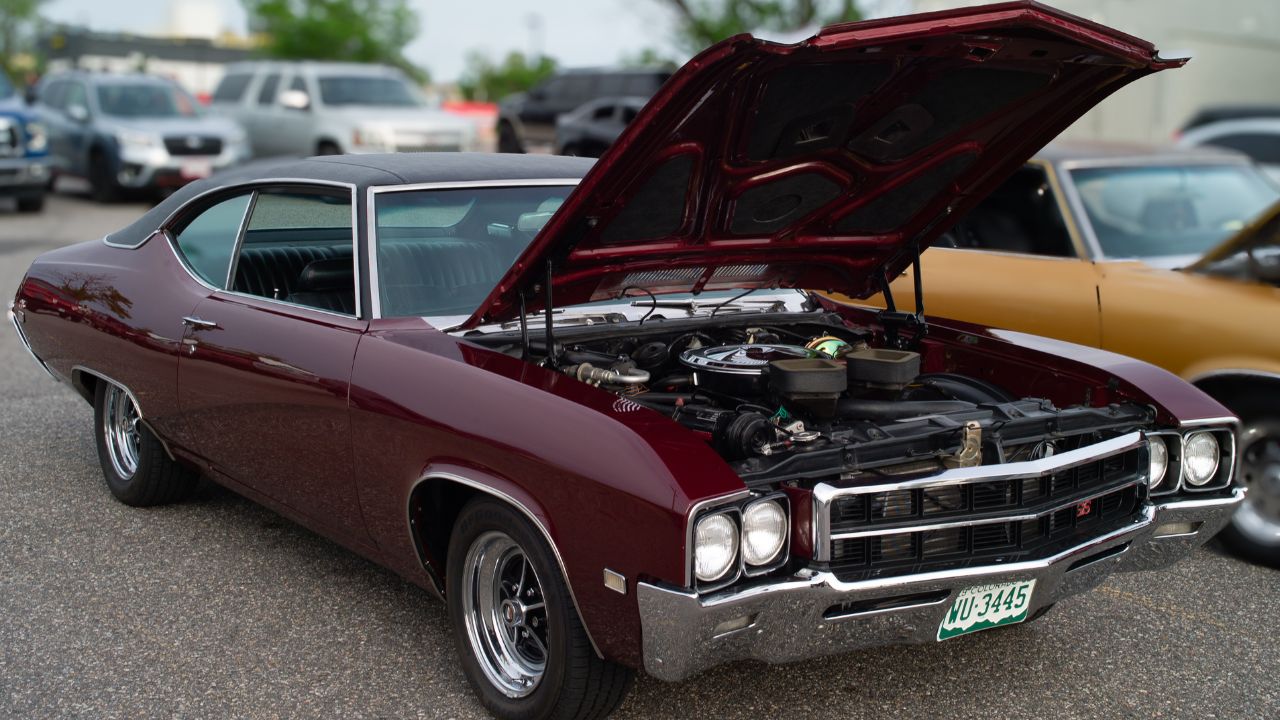
The Buick Gran Sport was another GM performance car that rarely received the same attention as its Chevrolet and Pontiac cousins. Yet it had the ingredients enthusiasts wanted, including powerful V8 engines, rear-wheel drive, and a midsize body. Buick’s more luxurious image helped disguise the car’s performance intentions. That made it particularly appealing to buyers who wanted muscle without an overly aggressive appearance. The Gran Sport demonstrates how much performance could be obtained by looking beyond the most famous badges of the era.
Pontiac LeMans
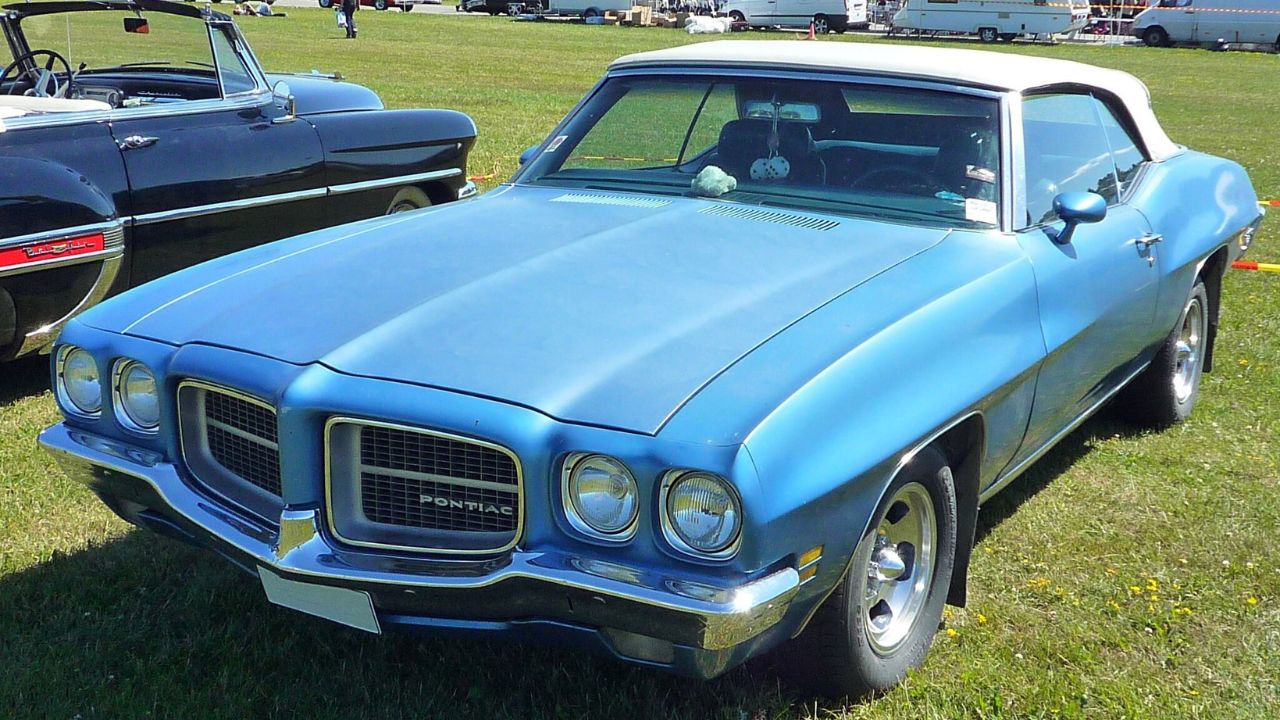
The Pontiac LeMans is one of the easiest ways to understand how much performance value existed outside the famous GTO name. The GTO itself began as an option package on the Pontiac Tempest and LeMans, so the underlying cars already had a strong performance foundation. A V8-powered LeMans could provide much of the visual character and driving experience of a GTO without necessarily carrying the same collector premium. For enthusiasts who care more about driving than badges, that makes the LeMans particularly interesting.
Ford Fairlane GT
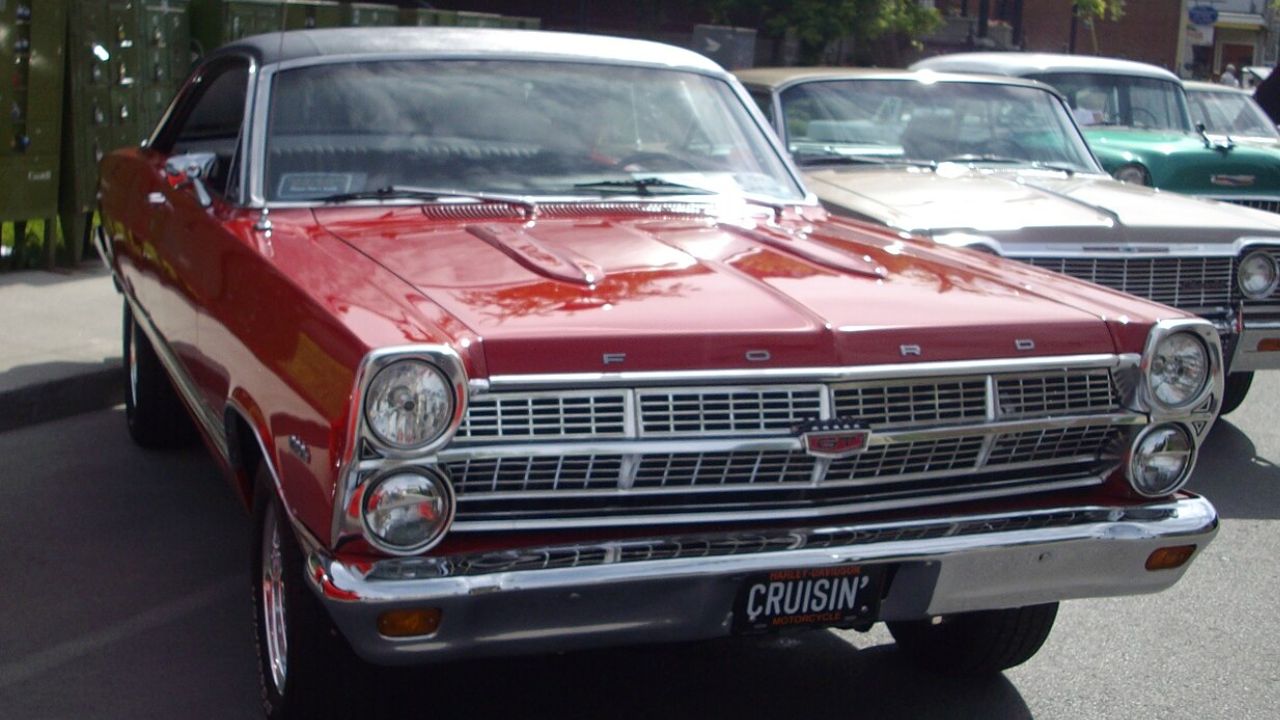
The Ford Fairlane GT combined a relatively compact midsize body with a selection of capable V8 engines. It arrived just before the muscle-car market became completely dominated by the biggest names, giving it an interesting position in Ford’s performance history. The Fairlane’s proportions also make it visually appealing without looking oversized. Because the Mustang and Torino tend to dominate Ford muscle-car conversations, the Fairlane can still feel like a discovery. It is a strong choice for collectors who want traditional Ford performance with a less common nameplate.
Mercury Comet
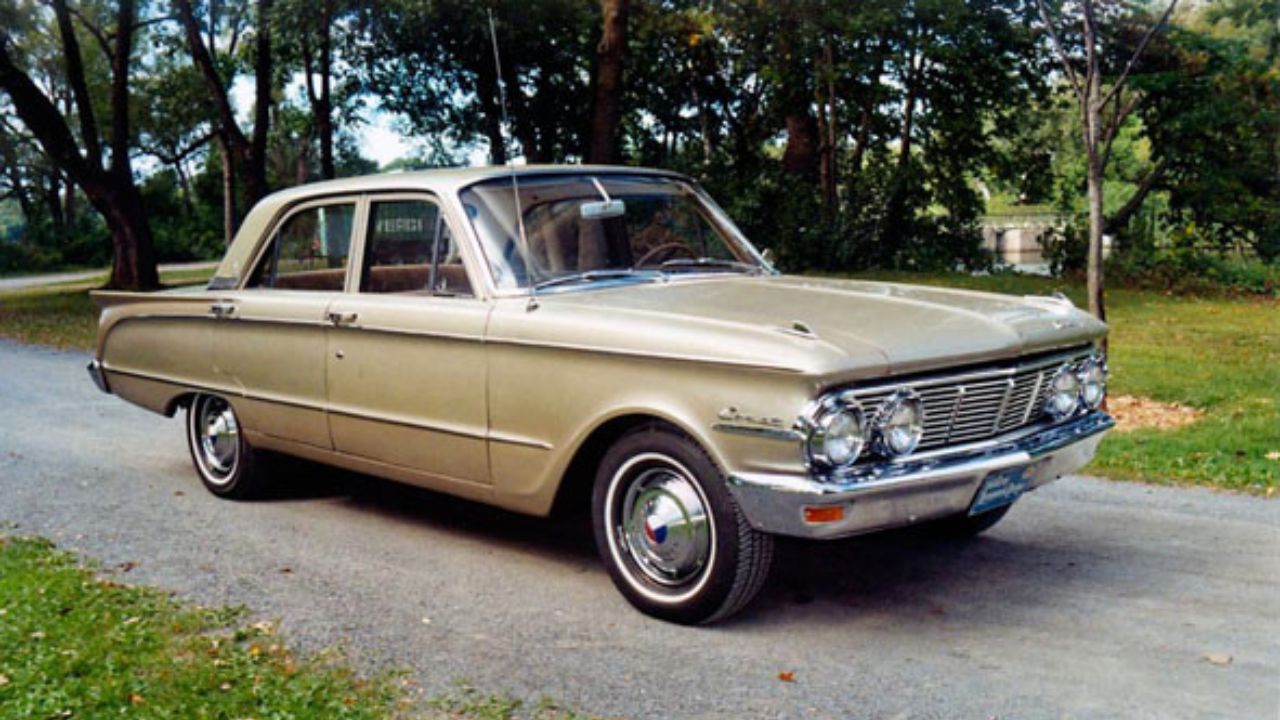
The Mercury Comet became surprisingly interesting when Ford’s V8 performance hardware found its way into the compact platform. The lighter body meant even moderate V8 power could produce entertaining acceleration, while the Mercury badge gave the car a slightly different identity from its Ford relatives. High-performance versions are particularly desirable today, but the broader Comet lineup remains fascinating. It represents the period when American manufacturers discovered that smaller cars could make excellent foundations for performance. That idea helped shape the compact muscle-car movement.
Plymouth Satellite
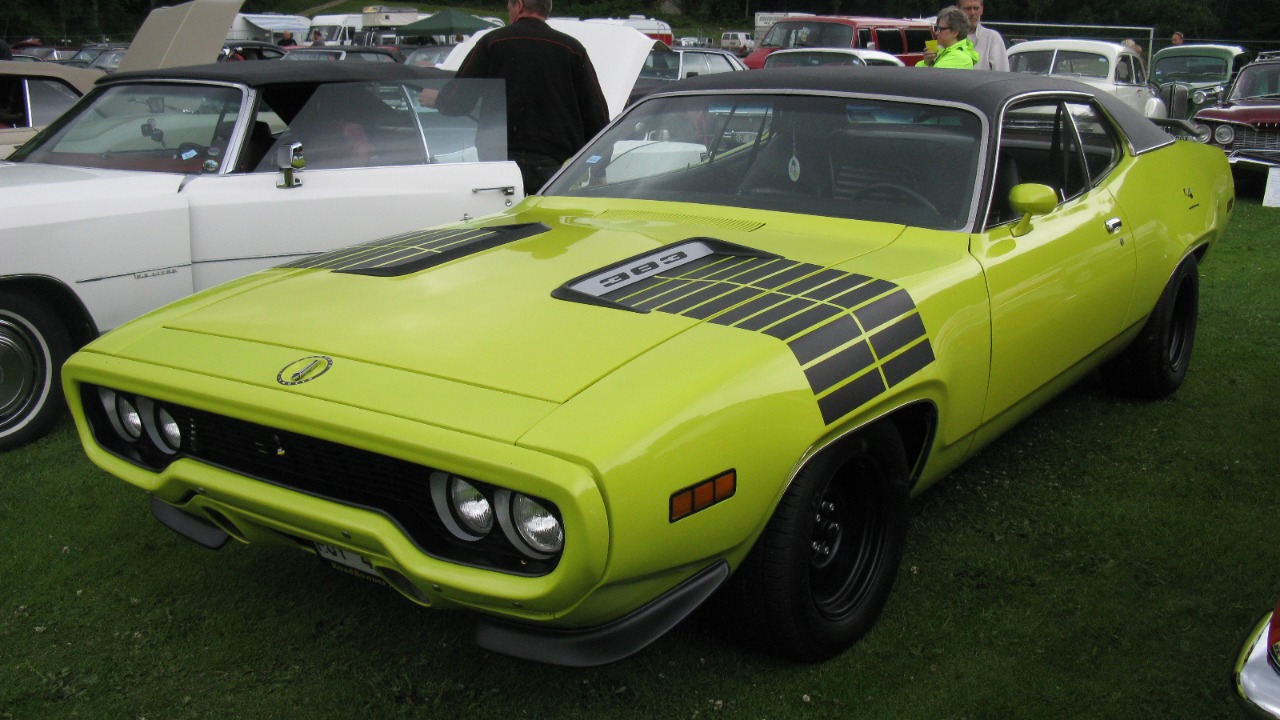
The Plymouth Satellite offered a quieter alternative to the Road Runner and GTX while retaining access to powerful Mopar V8s. Its styling was generally more restrained, and that helped it escape some of the attention surrounding Plymouth’s dedicated performance models. Buyers could still build a surprisingly quick Satellite, particularly when combining a strong V8 with the right transmission and rear axle. The car therefore delivered a useful combination of everyday comfort and muscle-car capability. For many collectors, that makes the Satellite more interesting than its reputation suggests.
Dodge Coronet 500

The Dodge Coronet 500 was an upscale midsize car that could be equipped with serious V8 power. It lacked the instantly recognizable profile of the Charger, but that was part of its appeal. The Coronet offered a more discreet way to enjoy Mopar performance while retaining a comfortable cabin and substantial road presence. Depending on configuration, these cars could be remarkably quick. Their relative lack of attention compared with the Charger and Challenger also makes them an interesting choice for enthusiasts looking for something different.
AMC Rebel SST
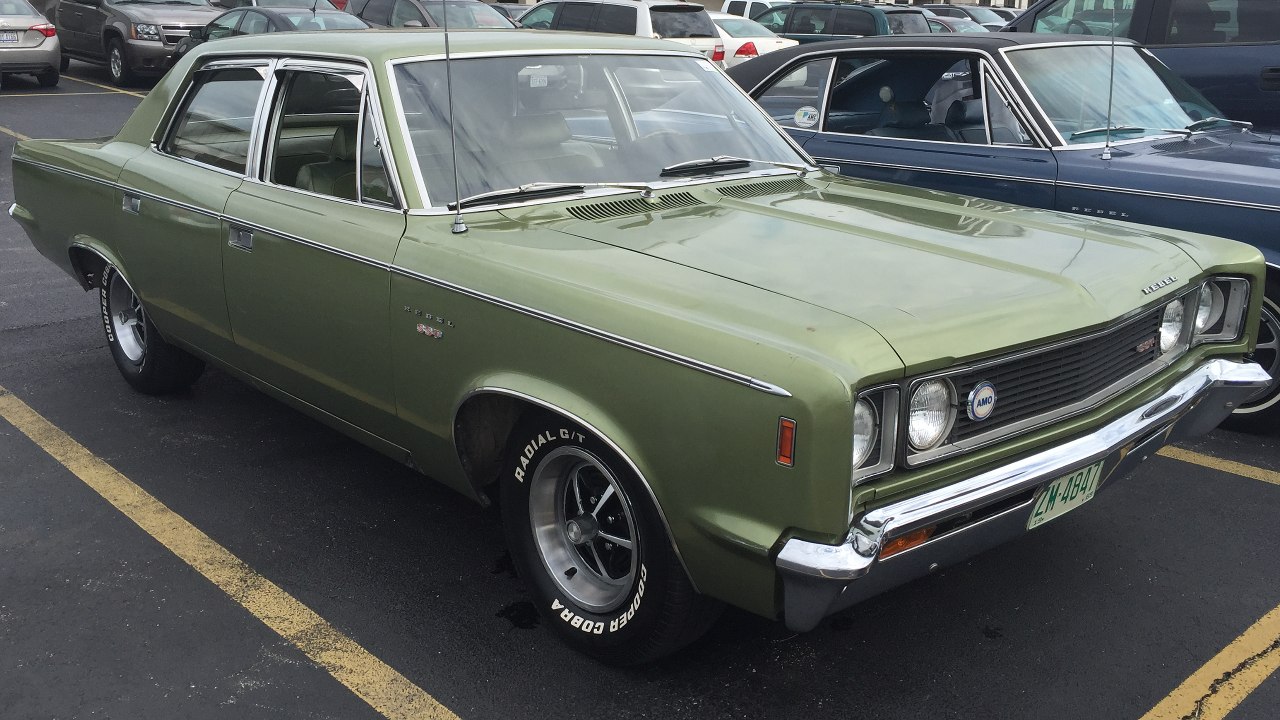
The AMC Rebel SST was one of the smaller manufacturer’s answers to Detroit’s growing muscle-car competition. It could be equipped with AMC’s increasingly powerful V8 engines, giving the midsize Rebel genuine performance potential. AMC did not have the enormous resources of Chevrolet, Ford, or Chrysler, which makes the car’s performance story especially interesting. The Rebel SST also helped establish the groundwork for later AMC performance models. For collectors, it offers a chance to own a genuine piece of the muscle-car era without choosing one of the usual mainstream names.
Mercury Montego
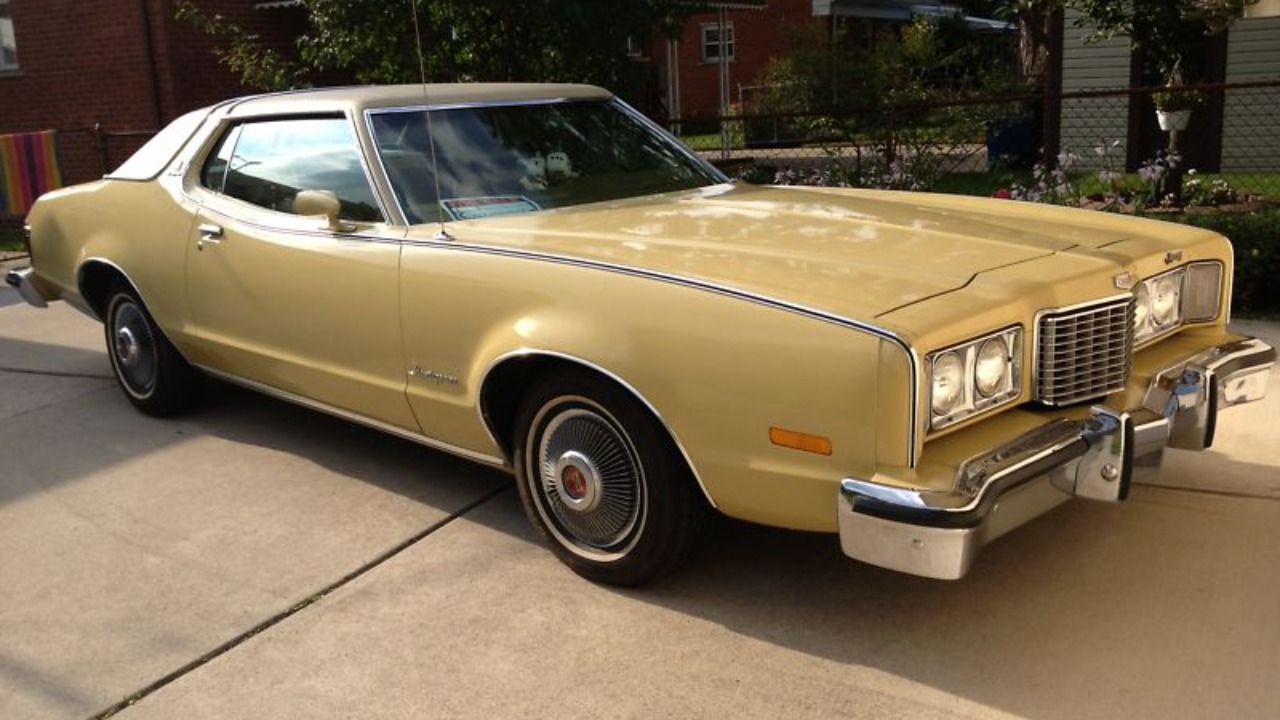
The Mercury Montego offered a more formal interpretation of Ford’s midsize performance formula. Depending on configuration, it could be equipped with strong V8 engines and substantial performance hardware, yet it remained less associated with muscle-car culture than the Torino. That made it a potential sleeper when new and an intriguing collector car today. The Montego’s combination of comfortable proportions and available power makes it especially appealing to enthusiasts who prefer understated American performance rather than aggressive graphics and spoilers.
Pontiac Ventura
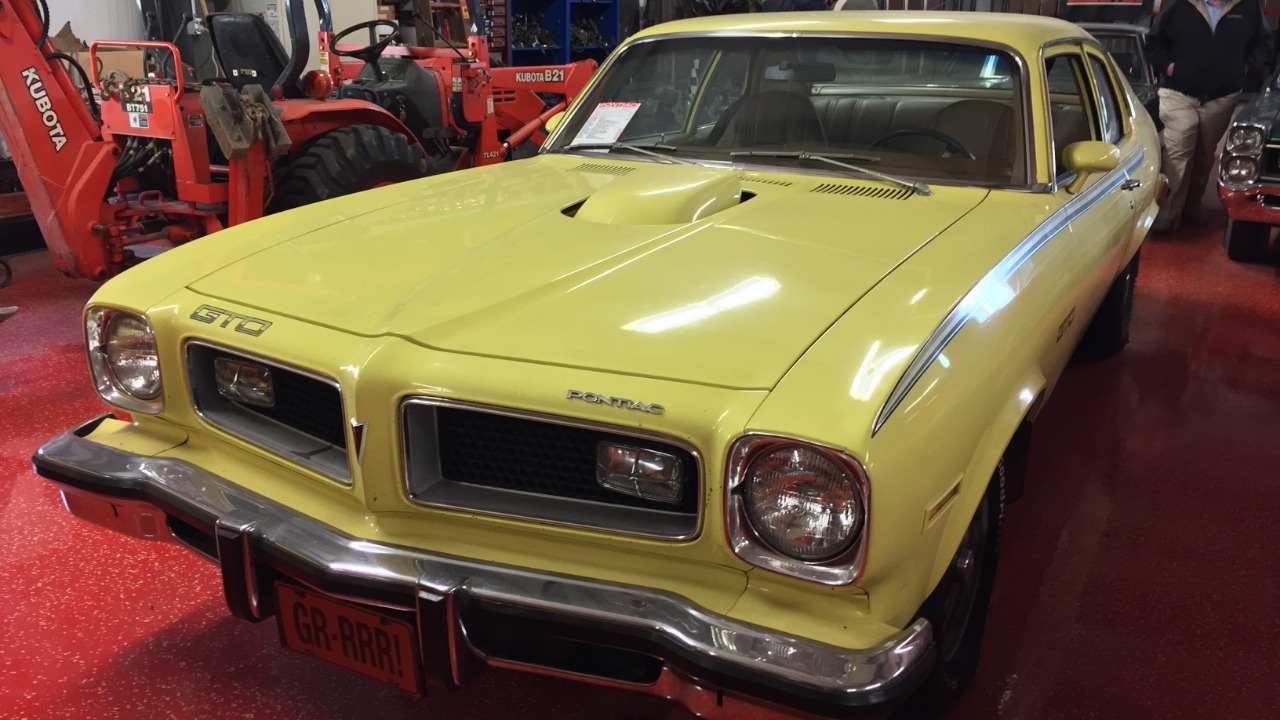
The Pontiac Ventura was a compact model that could become much more interesting when equipped with a V8. Its relatively small dimensions gave it a different character from the larger Pontiac performance cars, while rear-wheel drive kept the basic formula simple. Later high-performance versions added even more credibility. The Ventura never became a mainstream muscle-car icon, which is exactly why it works for this list. It offered buyers a less expensive path into Pontiac performance and remains a fascinating alternative to the better-known Firebird and GTO.
Oldsmobile Cutlass Supreme
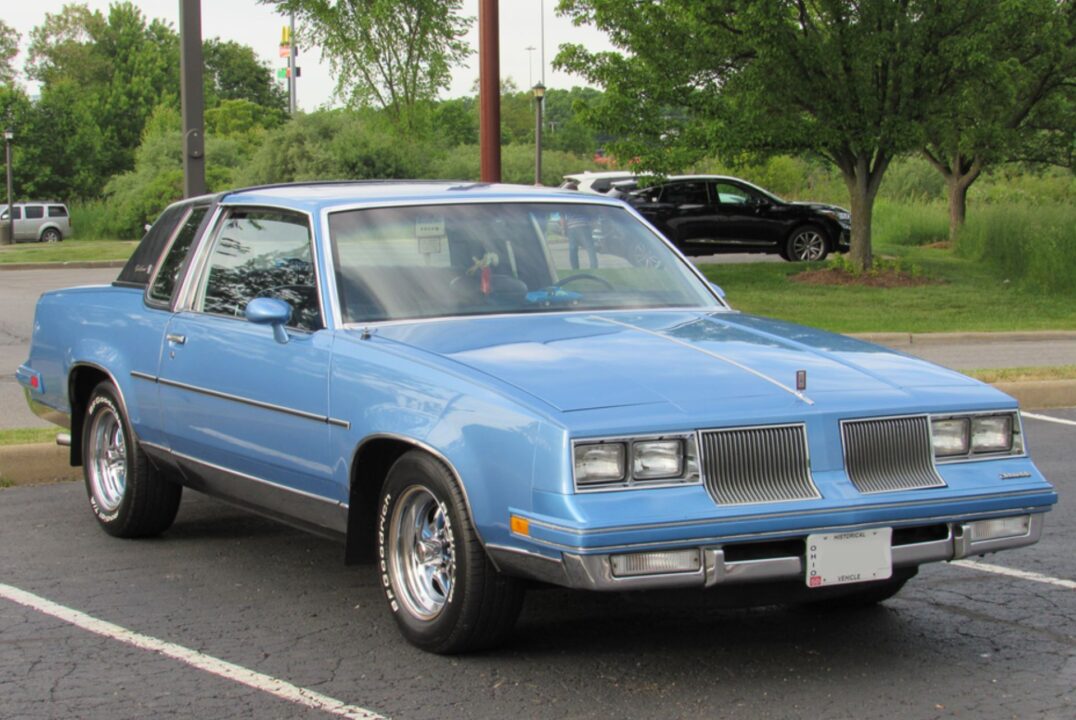
The Cutlass Supreme combined personal-luxury styling with the rear-wheel-drive foundation that made Oldsmobile’s performance cars so appealing. It was not always sold as a muscle car, but certain V8 configurations gave it plenty of straight-line ability. The more upscale presentation also meant owners could enjoy substantial performance without driving something that looked like a dedicated street racer. That sleeper quality has helped the Cutlass Supreme age well. It remains an attractive choice for enthusiasts who want classic American performance with a little more comfort.
Dodge Dart 340
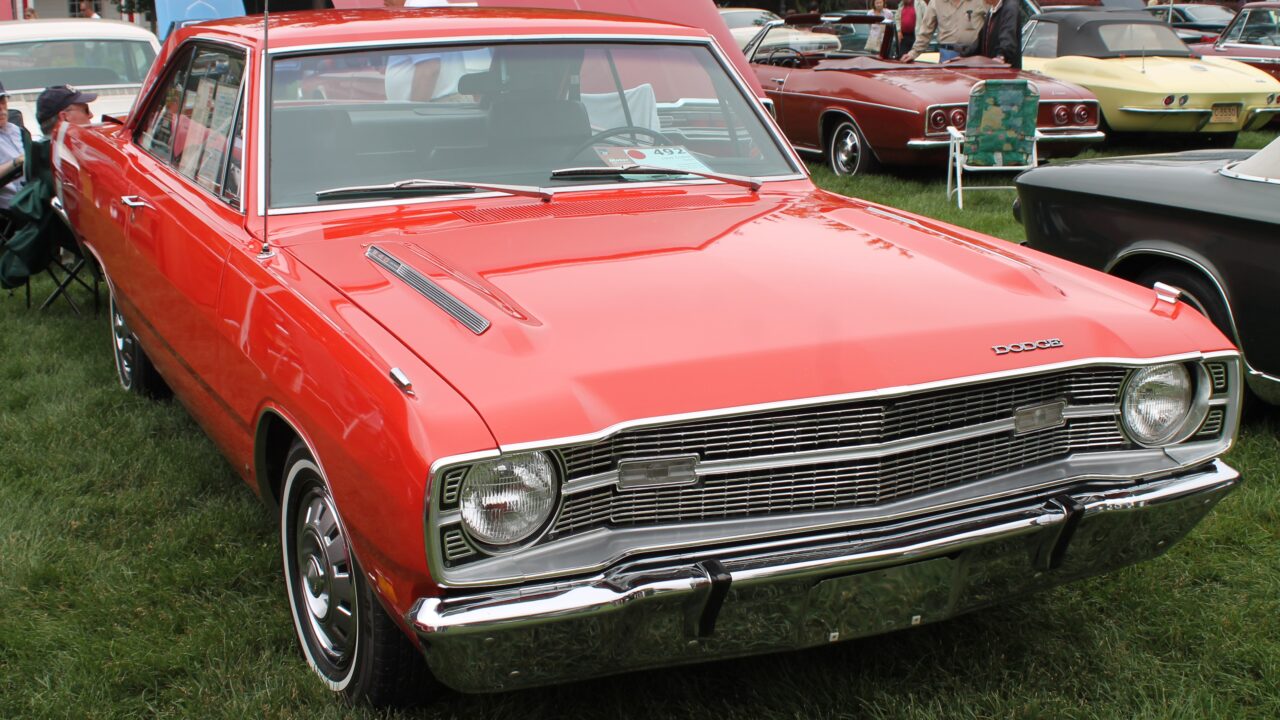
The Dodge Dart 340 was a compact Mopar with a strong performance identity. Its relatively small body paired well with the 340-cubic-inch V8, creating a car that could deliver impressive acceleration without needing one of Chrysler’s largest engines. The Dart also had the advantage of looking more ordinary than some of Dodge’s bigger muscle cars. That made it a particularly appealing combination of speed and simplicity. Today, the 340-powered Dart is remembered as one of the compact Mopars that proved smaller muscle cars could be extremely entertaining.
Plymouth Duster 340
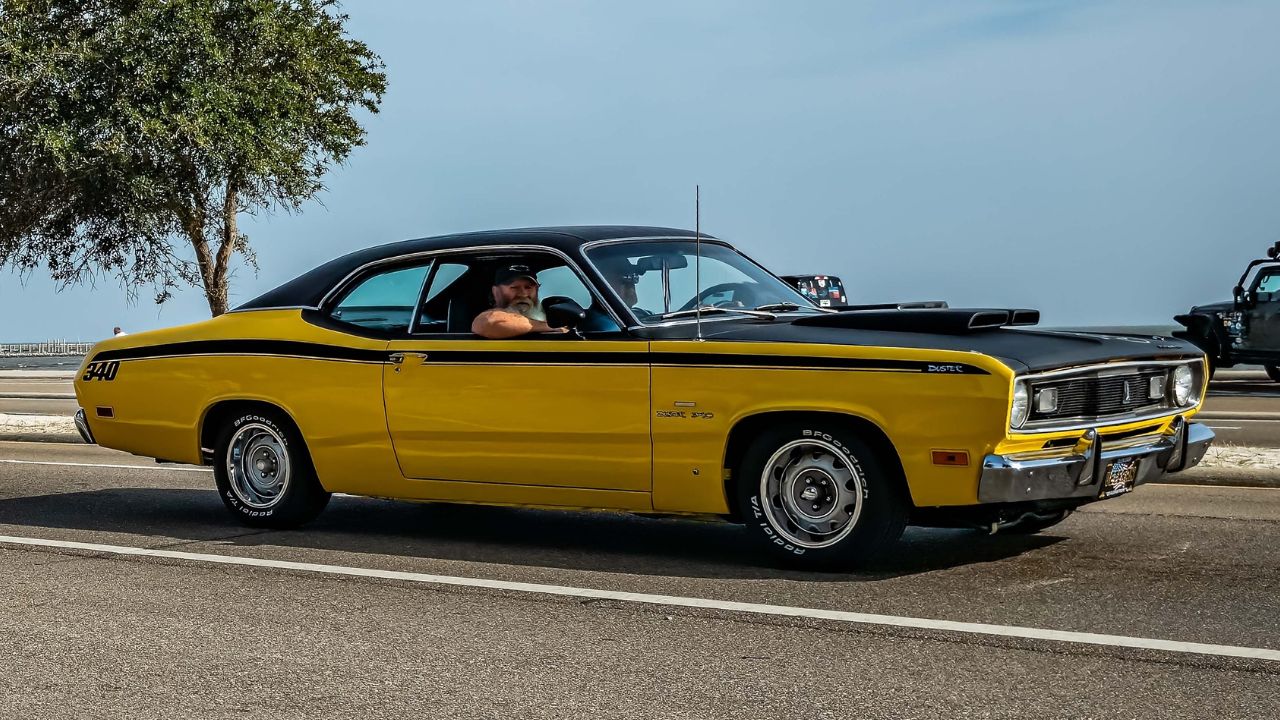
The Plymouth Duster 340 took the compact muscle formula and made it particularly accessible. Its lightweight body and small-block V8 created a combination that could surprise much larger cars. The Duster also had a simple, recognizable shape that has aged well. Unlike some of the most expensive muscle cars, it was never positioned as an exotic collector piece. That practical foundation helped make it a favorite among enthusiasts who wanted performance they could actually drive. The 340 version remains one of the most appealing compact Mopars.
Pontiac Grand Am
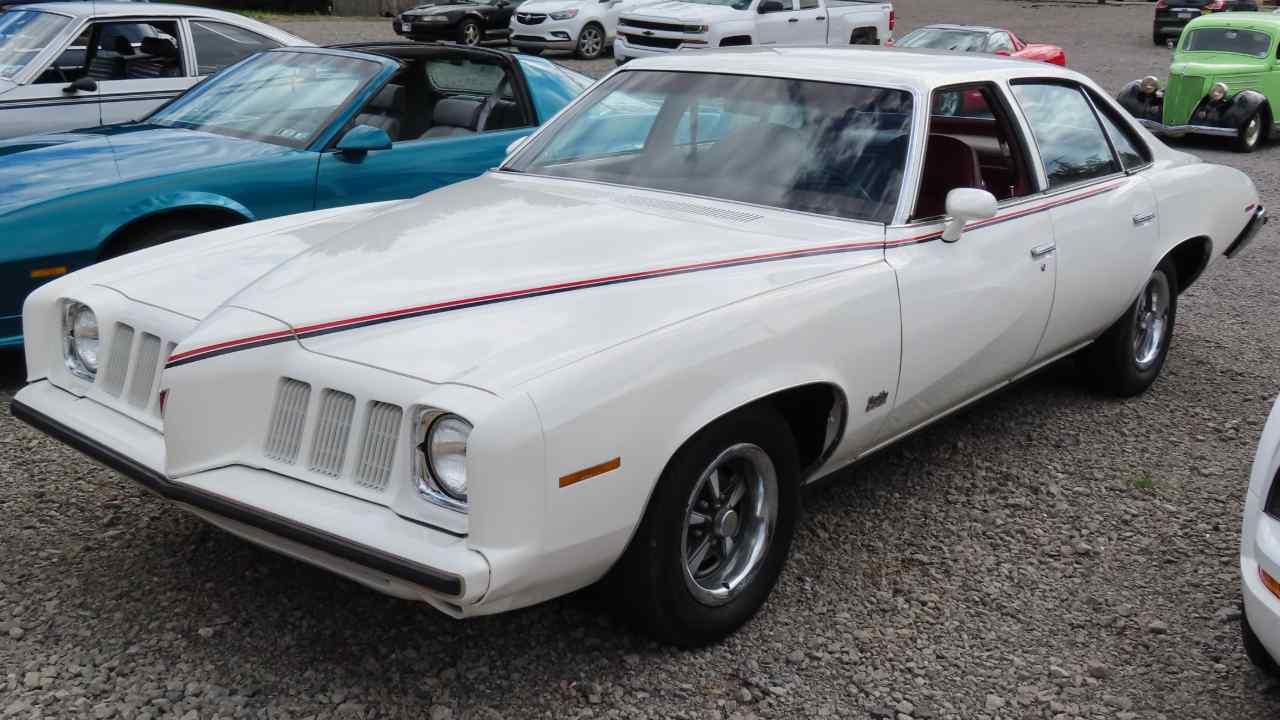
The Pontiac Grand Am became an interesting performance bargain as the traditional muscle-car era began fading. Its sporty styling and available V8 power gave buyers a way to enjoy Pontiac performance without stepping into the increasingly expensive GTO market. Later versions became more closely associated with personal luxury, but the early cars had a genuine performance character. Collectors now recognize the Grand Am as part of the transitional period when American manufacturers were trying to keep performance alive despite increasingly restrictive regulations and changing buyer preferences.
Ford Maverick Grabber
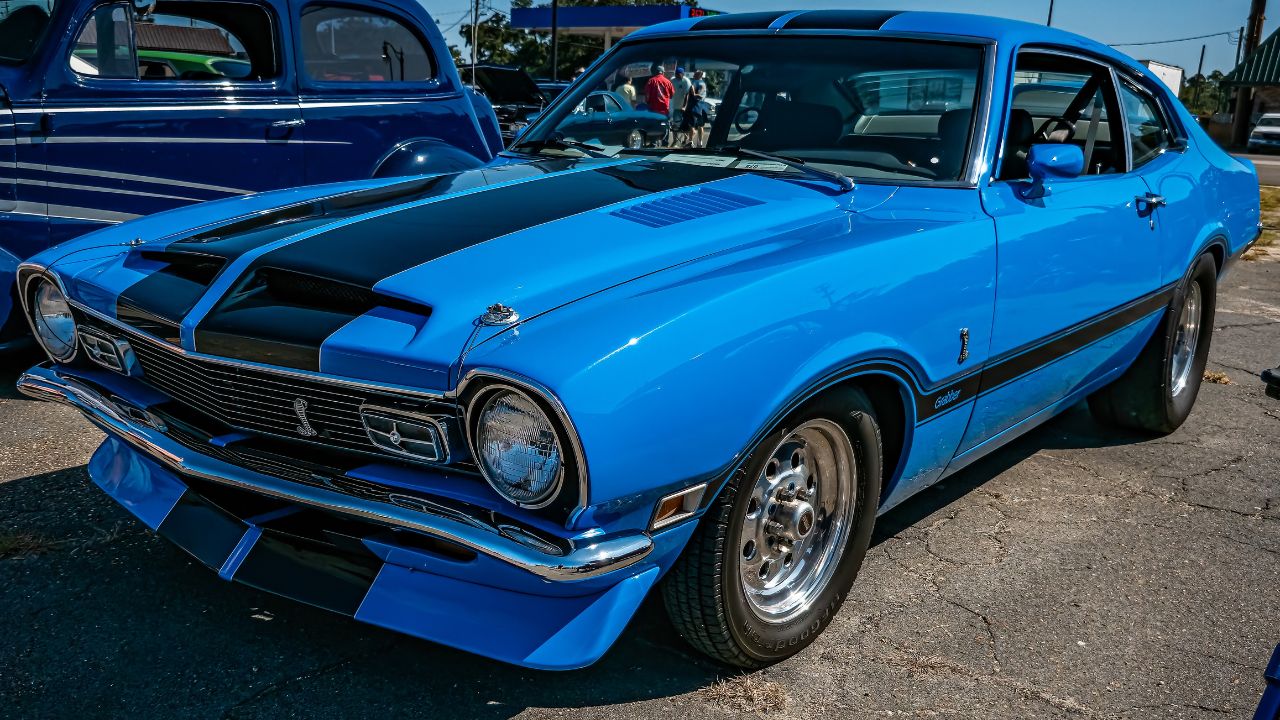
The Ford Maverick Grabber was never a traditional big-block muscle car, but it delivered the right ingredients for buyers who wanted something sporty and relatively affordable. The compact body, V8 option, distinctive graphics, and lightweight proportions gave it plenty of visual and driving appeal. Its performance was modest compared with the wildest muscle cars, but the Grabber’s value came from combining the muscle-car look with a smaller package. It remains one of the more accessible ways to experience the style of the era.
Pontiac Grand Prix
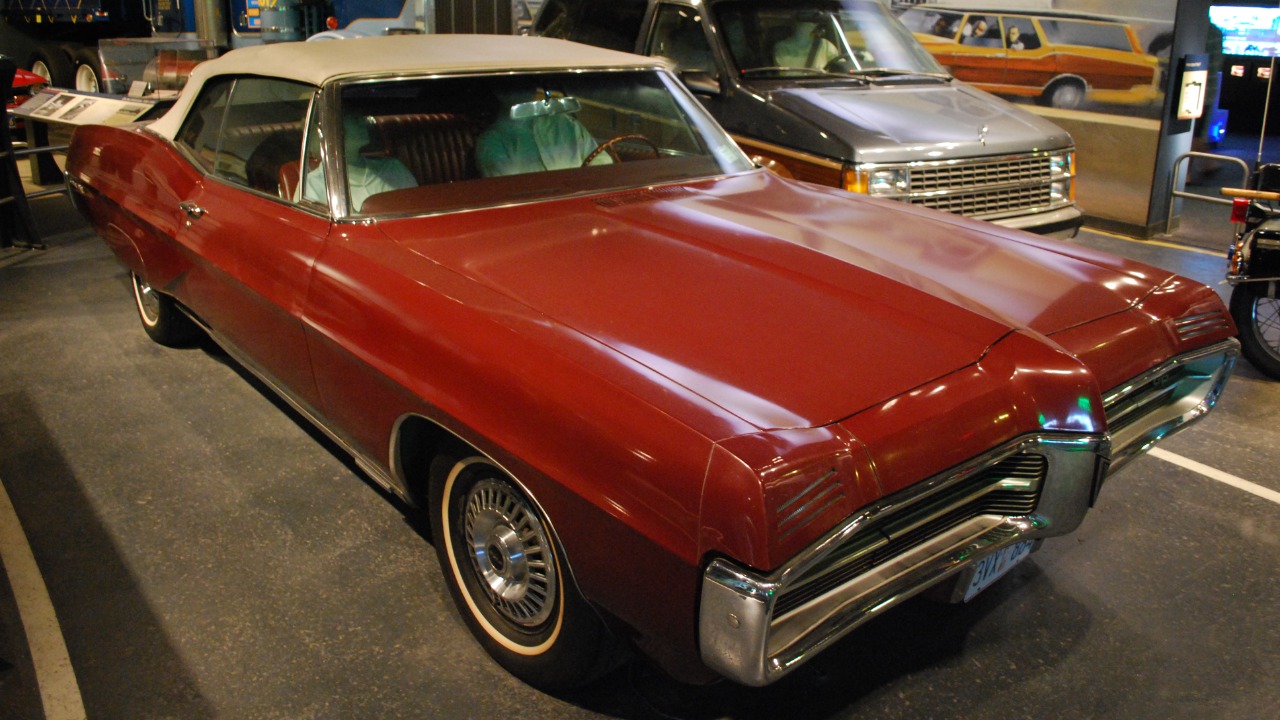
The Pontiac Grand Prix was more of a personal-luxury car than a traditional muscle car, but its large V8 options gave it serious straight-line performance. Its longer body and upscale interior also made it different from compact performance cars. That combination helped the Grand Prix appeal to buyers who wanted speed without sacrificing comfort. Today, the model can still be overlooked when enthusiasts discuss classic muscle. For collectors who enjoy unusual combinations, however, the Grand Prix offers plenty of period-correct performance with a more sophisticated personality.
More from Fast Lane Only
- Unboxing the WWII Jeep in a Crate
- 15 rare Chevys collectors are quietly buying
- 10 underrated V8s still worth hunting down
- Police notice this before you even roll window down
*Research for this article included AI assistance, with all final content reviewed by human editors.