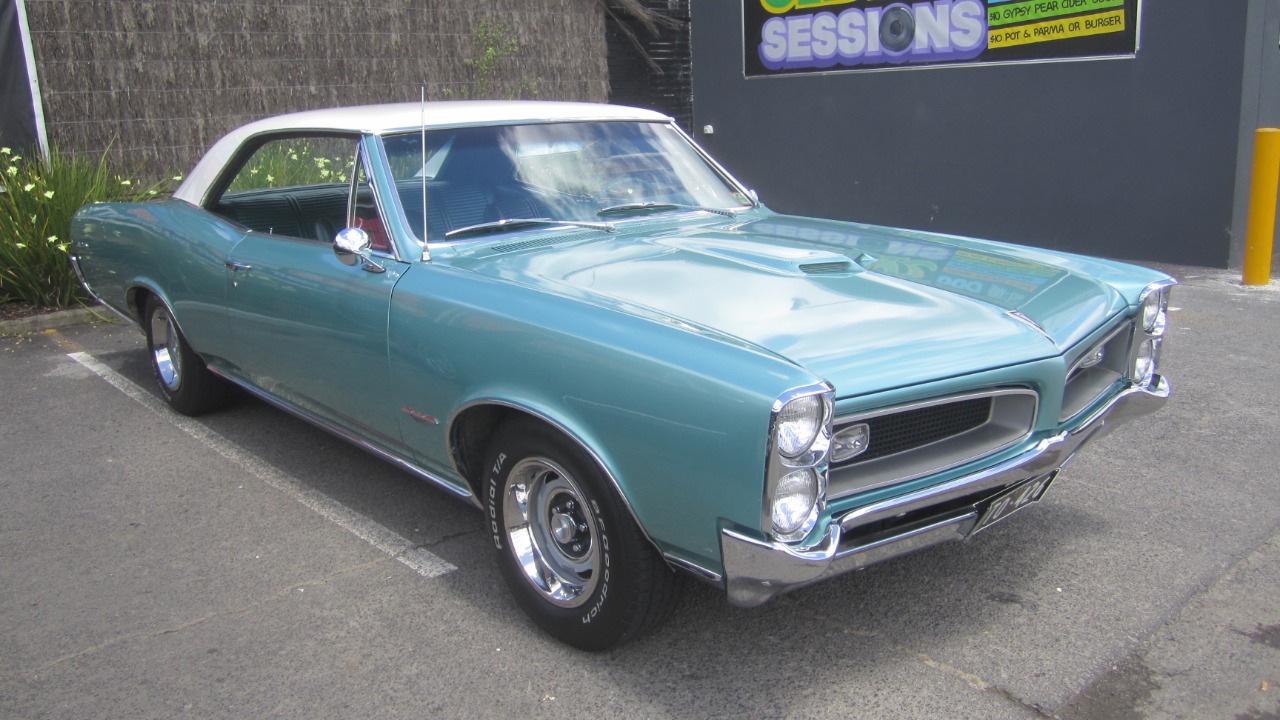
American performance cars are often remembered through a familiar handful of names, but plenty of capable machines never received the recognition they deserved. Some were overshadowed by Mustangs and Camaros, while others arrived at the wrong time or wore badges buyers overlooked. These cars brought genuine performance to the street and deserve another look from enthusiasts today.
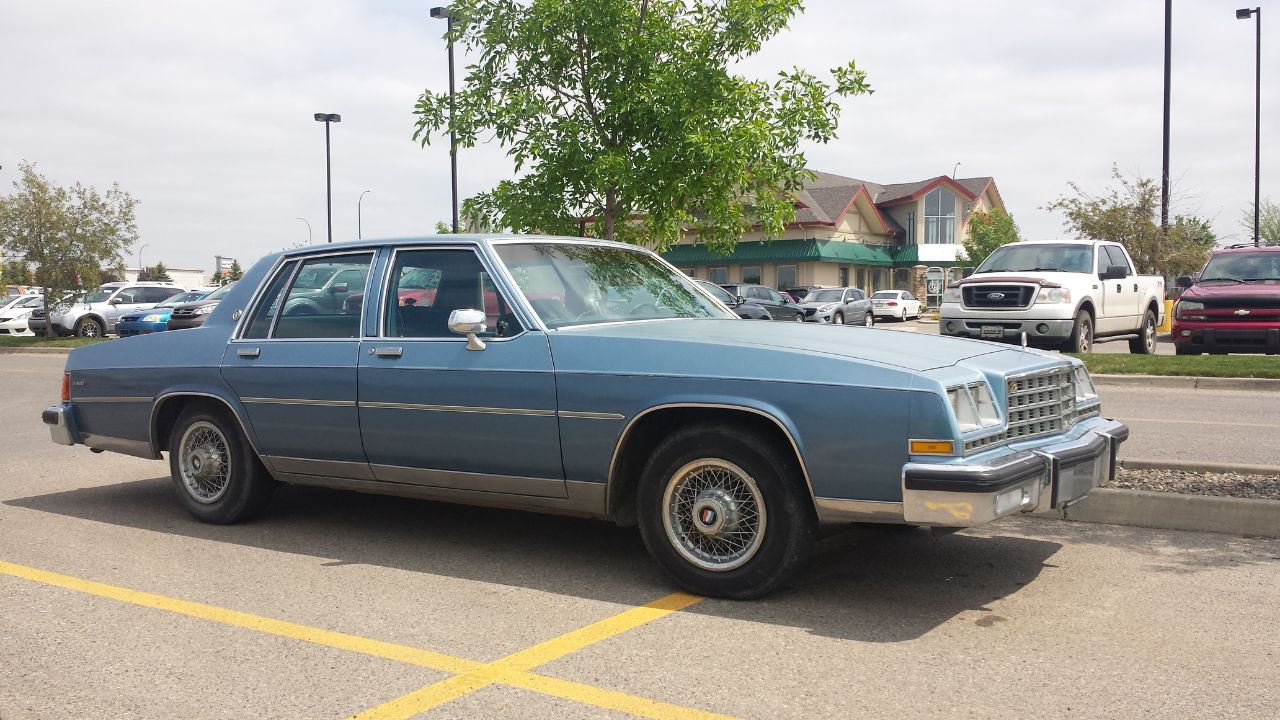
Buick Regal T-Type
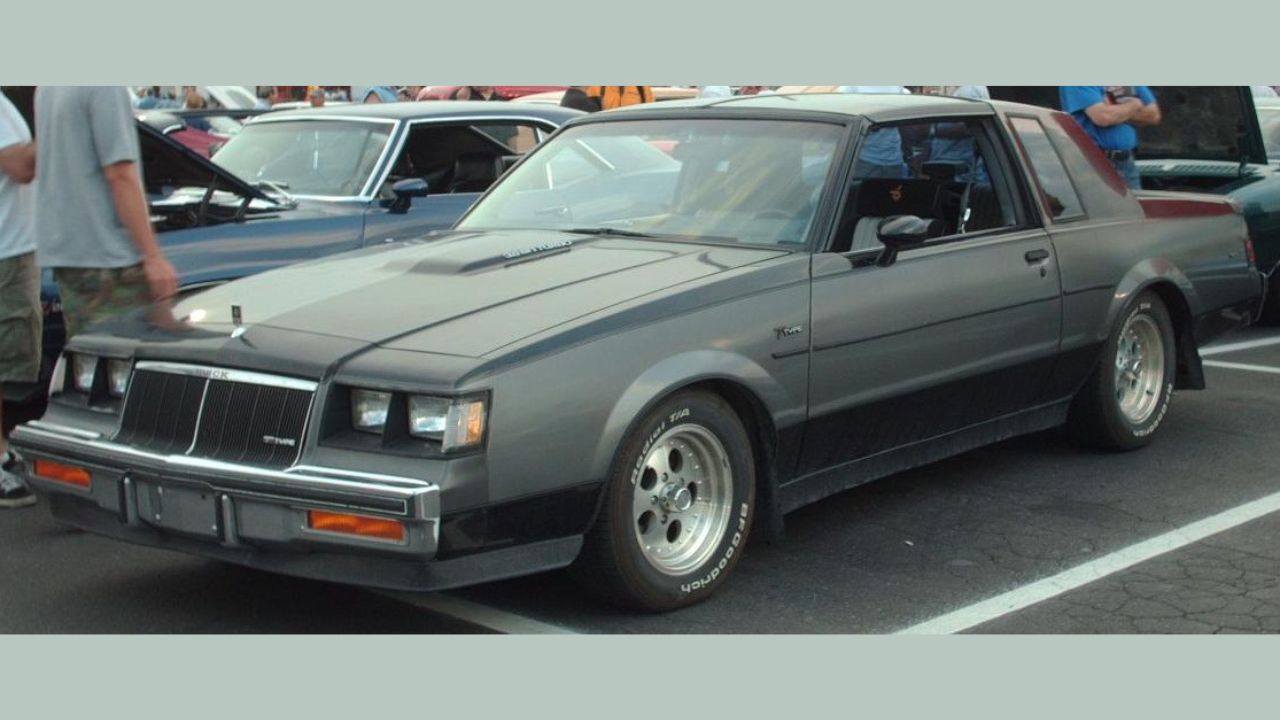
The Buick Regal T-Type offered serious performance without looking like a traditional muscle car. Its turbocharged V6 delivered strong acceleration, while the comfortable cabin and understated styling made it easy to use as a daily driver. The combination was unusual for its time and helped establish Buick as a legitimate performance player. It was never as universally recognized as the Mustang or Camaro, but enthusiasts who discovered the T-Type knew there was much more happening under its conservative exterior.
Pontiac Grand Prix 2+2
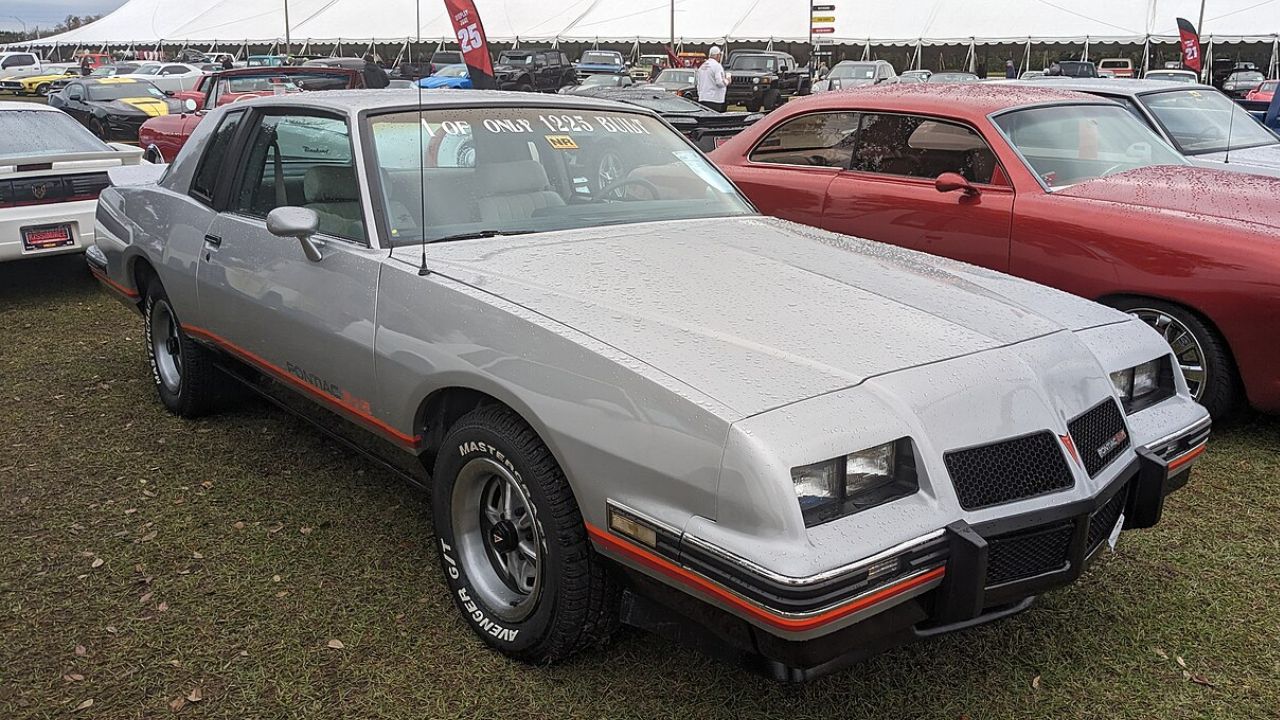
The Grand Prix 2+2 was a rare attempt to blend Pontiac’s large-car image with more aerodynamic performance styling. Its distinctive rear treatment and available V8 power gave it a personality separate from the typical Grand Prix. Production was limited, which kept it from becoming a mainstream performance icon. Today, its unusual proportions and scarcity make it an interesting choice for collectors who want something that stands apart from the usual Pontiac GTO and Firebird selections.
Ford Taurus SHO
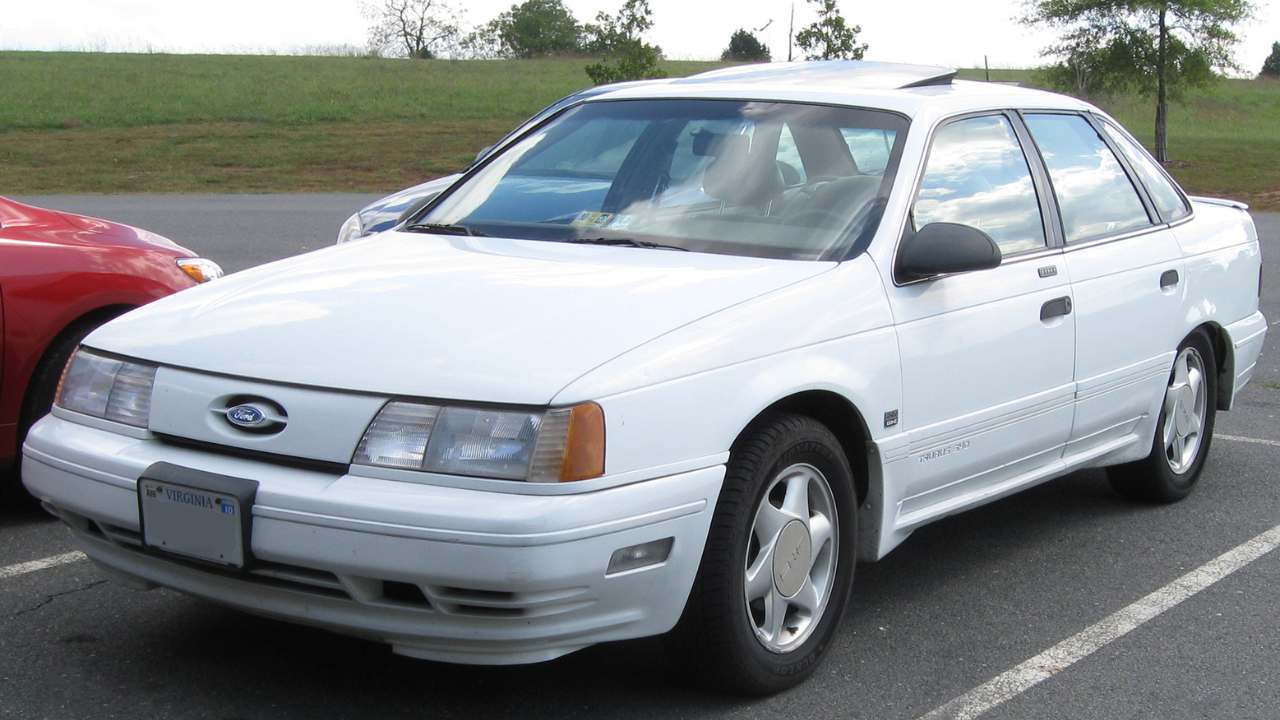
The Taurus SHO proved that a practical American sedan could have a serious performance side. Its high-output V6, manual transmission availability, and surprisingly capable chassis made it much more entertaining than the ordinary Taurus suggested. The sleeper appearance was part of the appeal, allowing it to surprise drivers who expected nothing more than family transportation. Although later versions became more familiar, the original SHO remains an important example of Ford taking performance in an unexpected direction.
Chevrolet Beretta GTZ
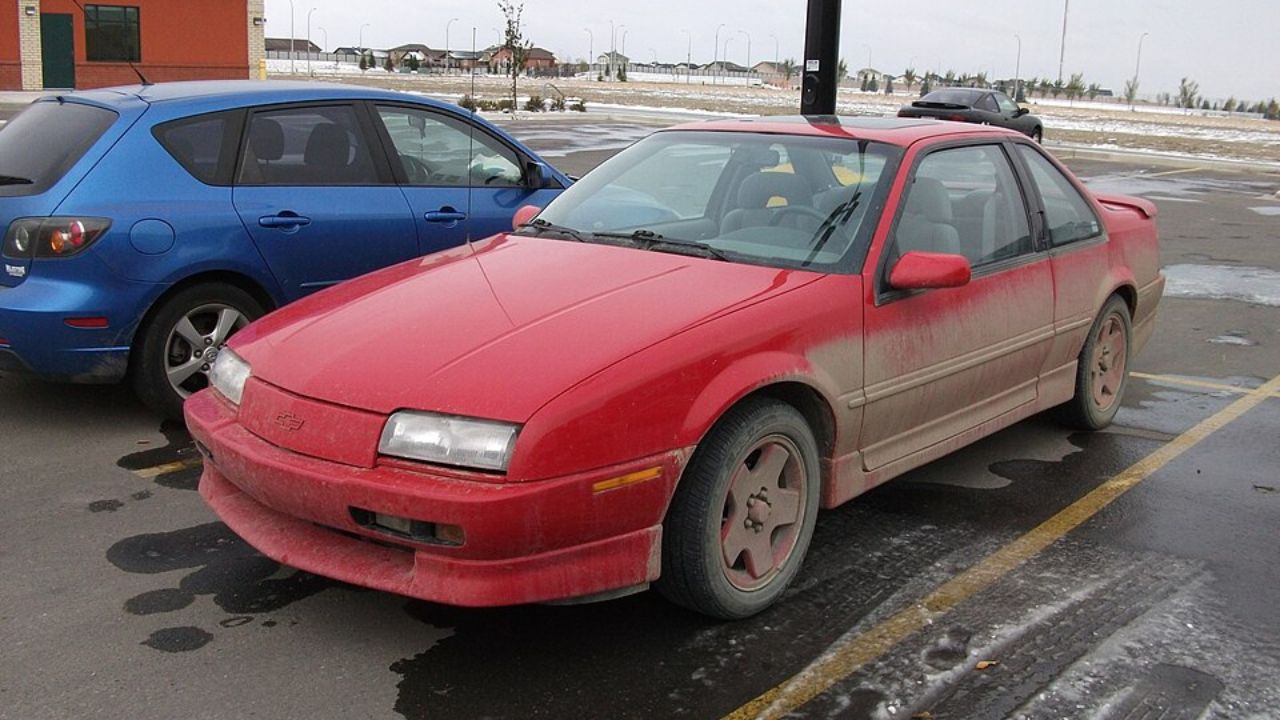
The Beretta GTZ brought sporty intentions to Chevrolet’s compact lineup with a stronger engine, firmer suspension, and distinctive styling. It was never positioned as a direct replacement for a Camaro, but it offered a more affordable and practical way into performance driving. Its front-wheel-drive layout gave it a different character from traditional American muscle cars. Today, the GTZ is largely forgotten, making clean examples interesting to enthusiasts who appreciate overlooked performance cars from the 1990s.
Pontiac Sunbird Turbo
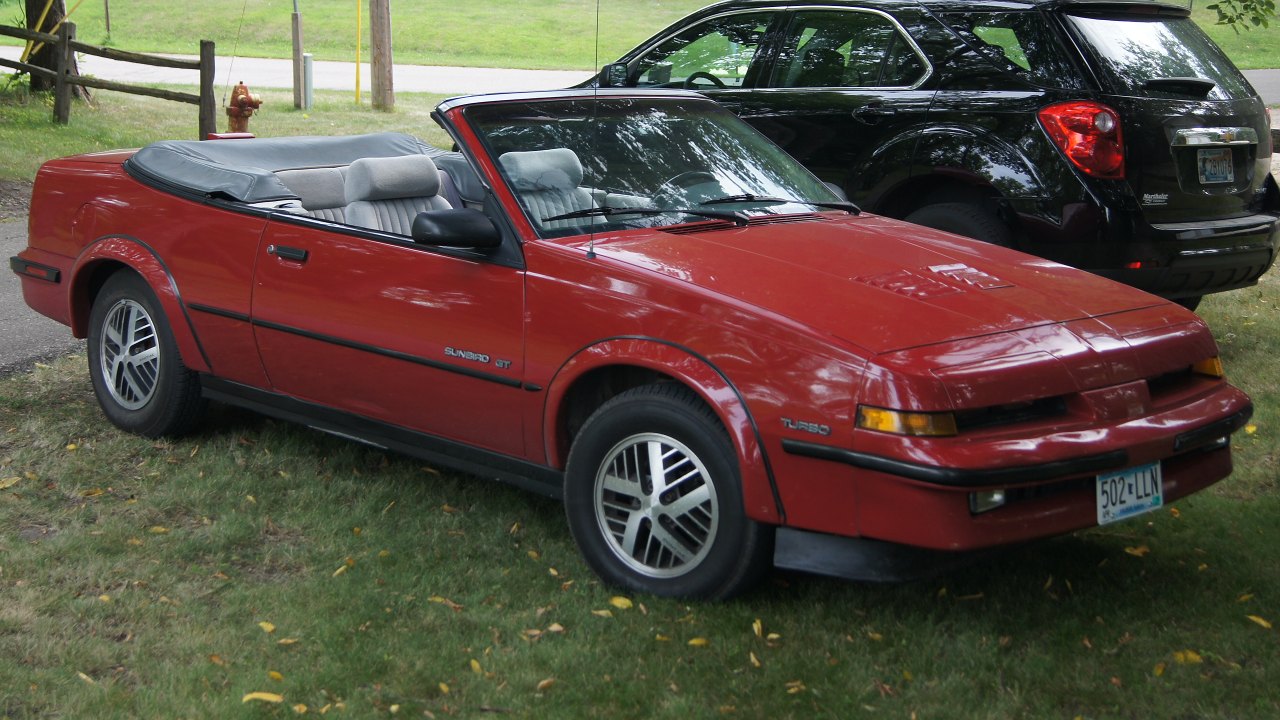
The Pontiac Sunbird Turbo was one of the more interesting small performance cars to emerge from the 1980s. Its turbocharged four-cylinder gave the compact coupe considerably more urgency than its modest appearance suggested. The car was affordable and relatively easy to live with, but it arrived during a period when buyers were increasingly distracted by other sporty models. Enthusiasts now recognize the Sunbird Turbo as an entertaining reminder that American performance did not always require a V8.
Chevrolet Monte Carlo SS
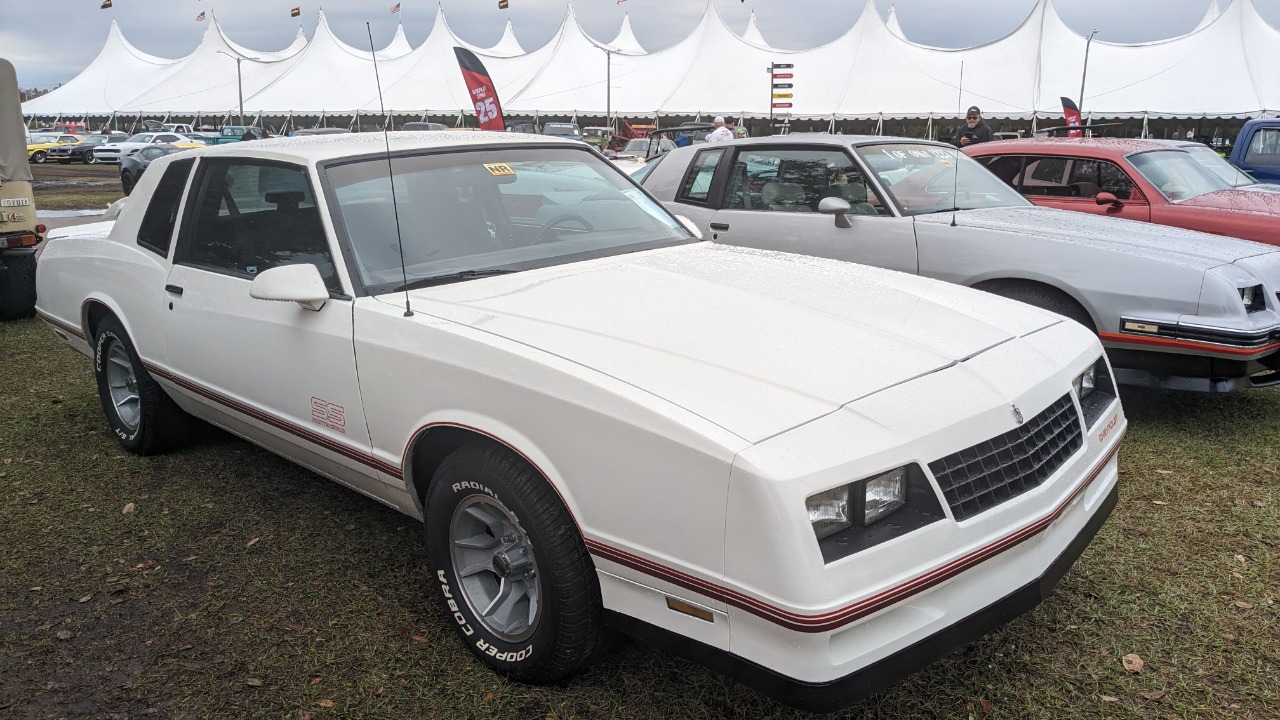
The Monte Carlo SS combined personal-luxury styling with a sportier attitude and V8 power. Its front-wheel-drive platform and aerodynamic design made it quite different from earlier rear-wheel-drive Monte Carlos, but the SS badge gave it a performance identity of its own. It became popular enough to be recognizable, yet it never achieved the collector status of the Camaro or Corvette. Today, its distinctive shape makes it an appealing choice for enthusiasts who remember the performance cars of the 1980s.
Oldsmobile Cutlass Calais 442
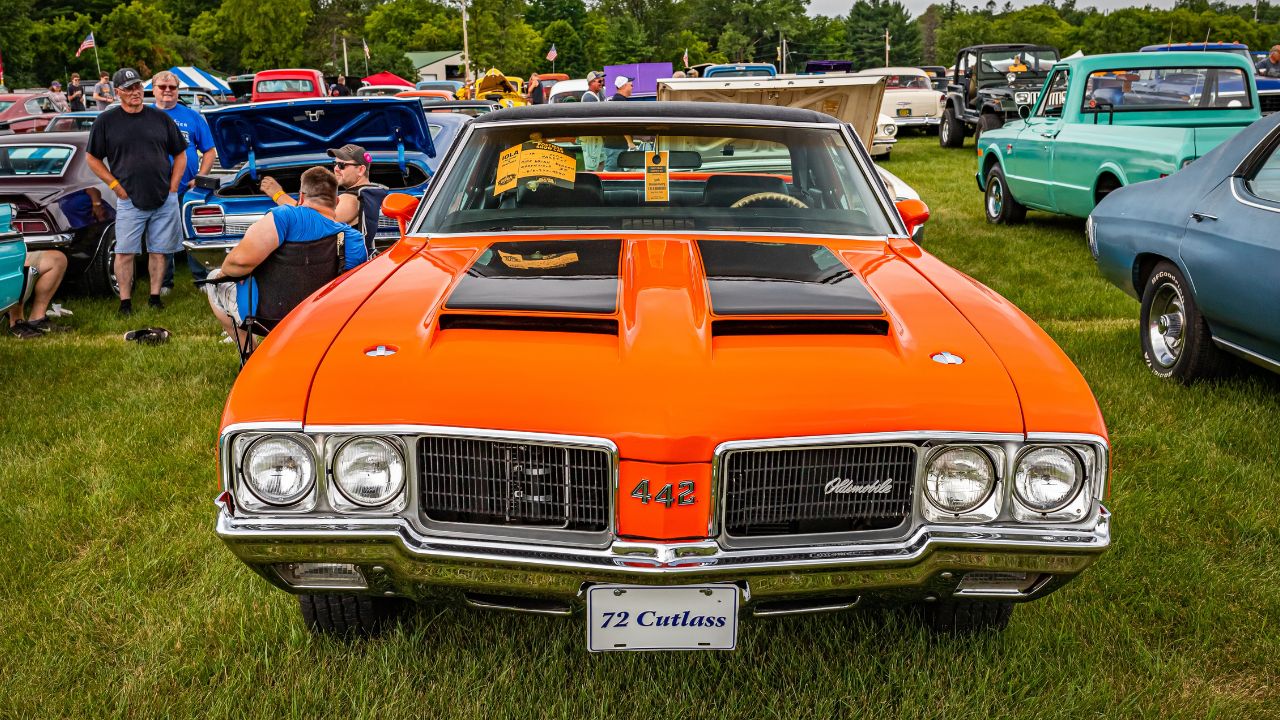
The Cutlass Calais 442 revived a famous Oldsmobile performance name on a smaller, more modern platform. Its compact dimensions and available V8 created a different interpretation of the traditional 442 formula. The car was never as celebrated as the classic 442s from the muscle-car era, partly because changing regulations and market conditions had transformed what performance meant. Nevertheless, the Calais 442 remains an interesting piece of Oldsmobile history and a genuinely overlooked American performance model.
Buick Somerset T-Type
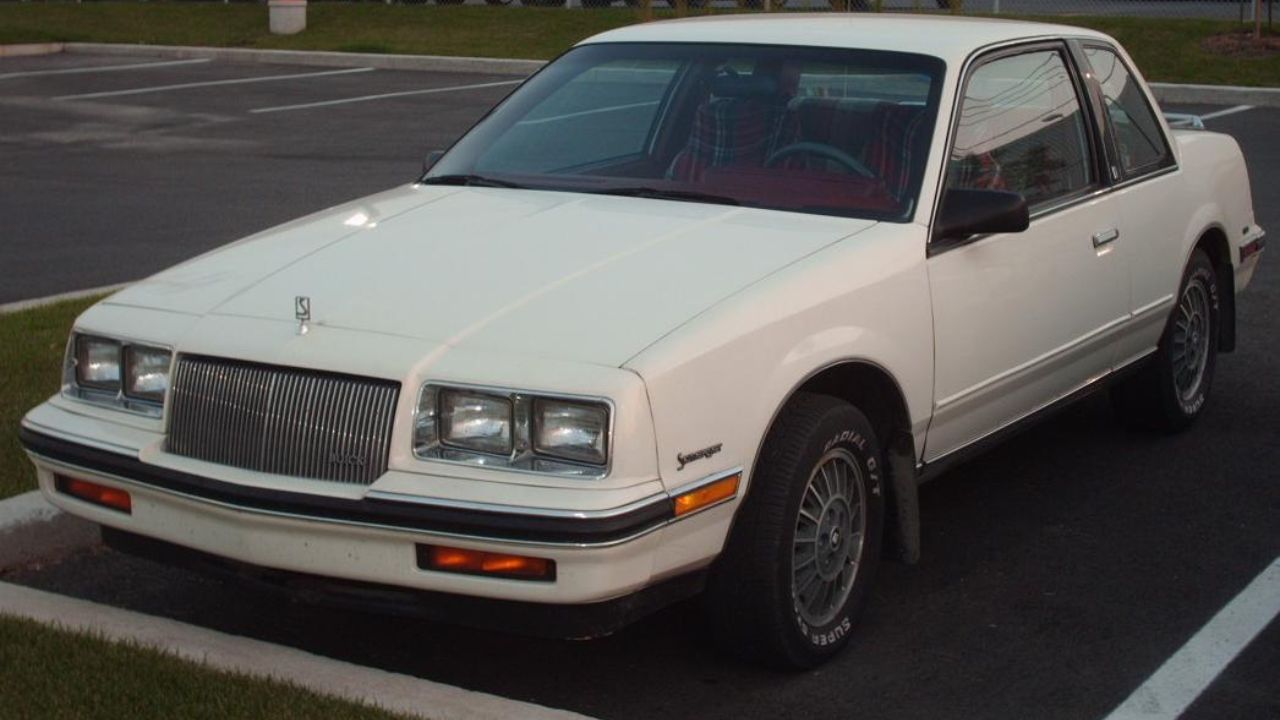
The Buick Somerset T-Type was a sporty compact that rarely gets mentioned alongside the brand’s more famous turbocharged cars. It offered sharper styling and a more performance-oriented character than the ordinary Somerset, giving Buick a foothold in a changing market. Its front-wheel-drive layout reflected the direction American cars were taking during the period. While it lacked the headline power of a Grand National, the T-Type showed that Buick was still experimenting with affordable performance.
Pontiac Fiero GT
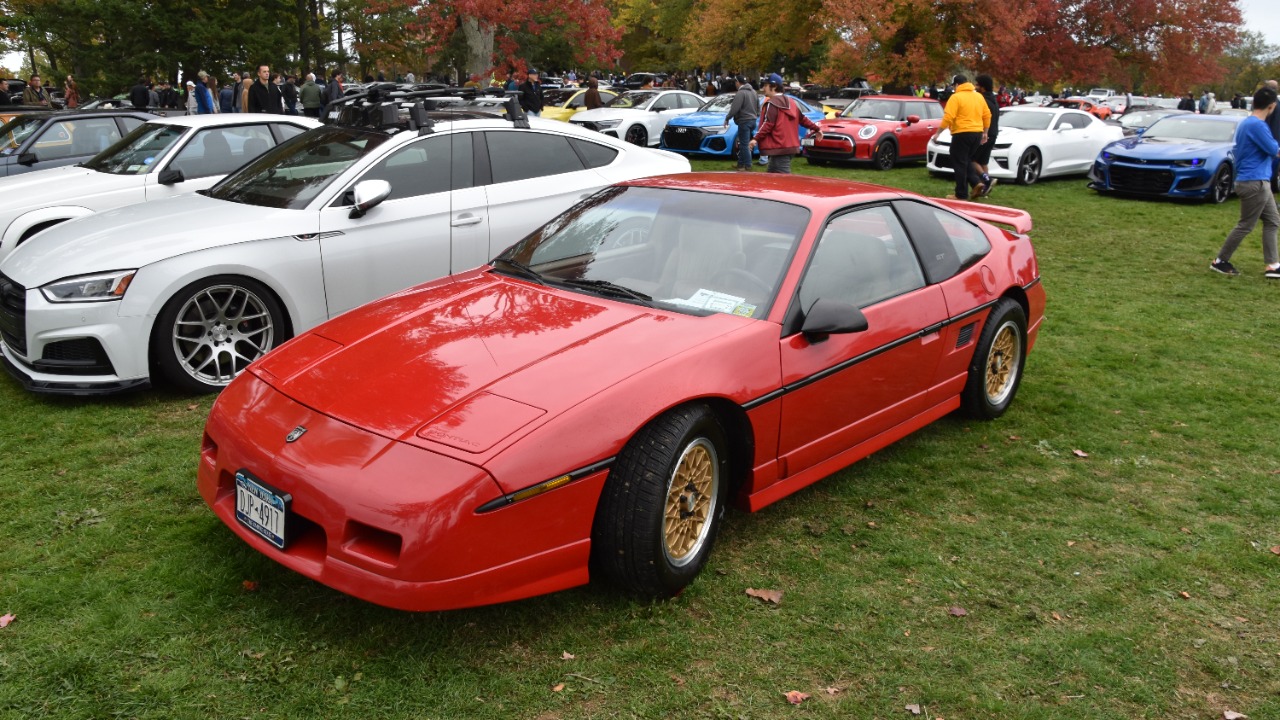
The Fiero GT remains one of Pontiac’s most distinctive performance cars, yet it was never given the opportunity to become the sports car many enthusiasts believed it could be. Its mid-engine layout provided an unusual foundation, while the GT’s V6 gave it considerably more performance than the original four-cylinder models. Styling also helped the Fiero stand apart from almost everything else on American roads. Today, it has earned a dedicated following among enthusiasts who appreciate its unusual engineering.
Ford Probe GT
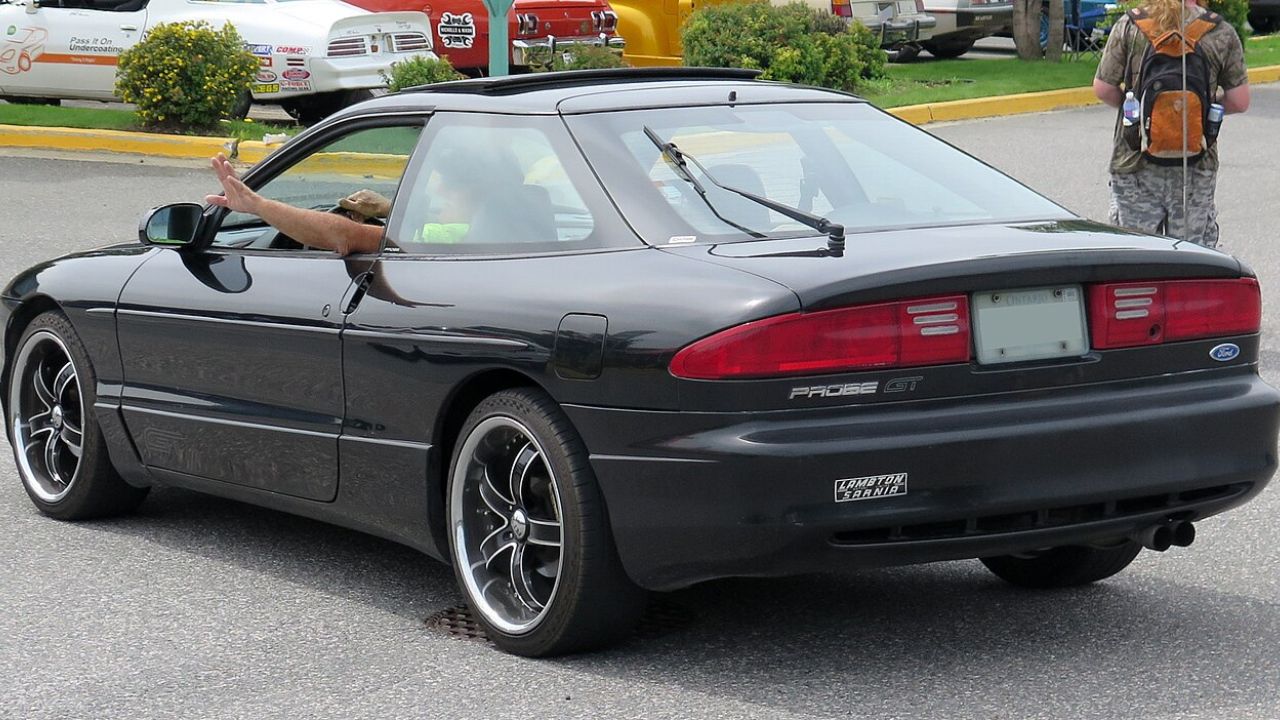
The Probe GT was a sporty front-wheel-drive coupe that offered turbocharged power, sharp styling, and a surprisingly capable chassis. It was developed during a period when Ford was experimenting with more modern performance concepts rather than simply relying on rear-wheel-drive V8s. The Probe never escaped the shadow of the Mustang, which likely limited its reputation. Looking back, however, the GT version stands out as one of Ford’s more interesting attempts to build a performance coupe for a changing market.
Dodge Daytona Shelby Z
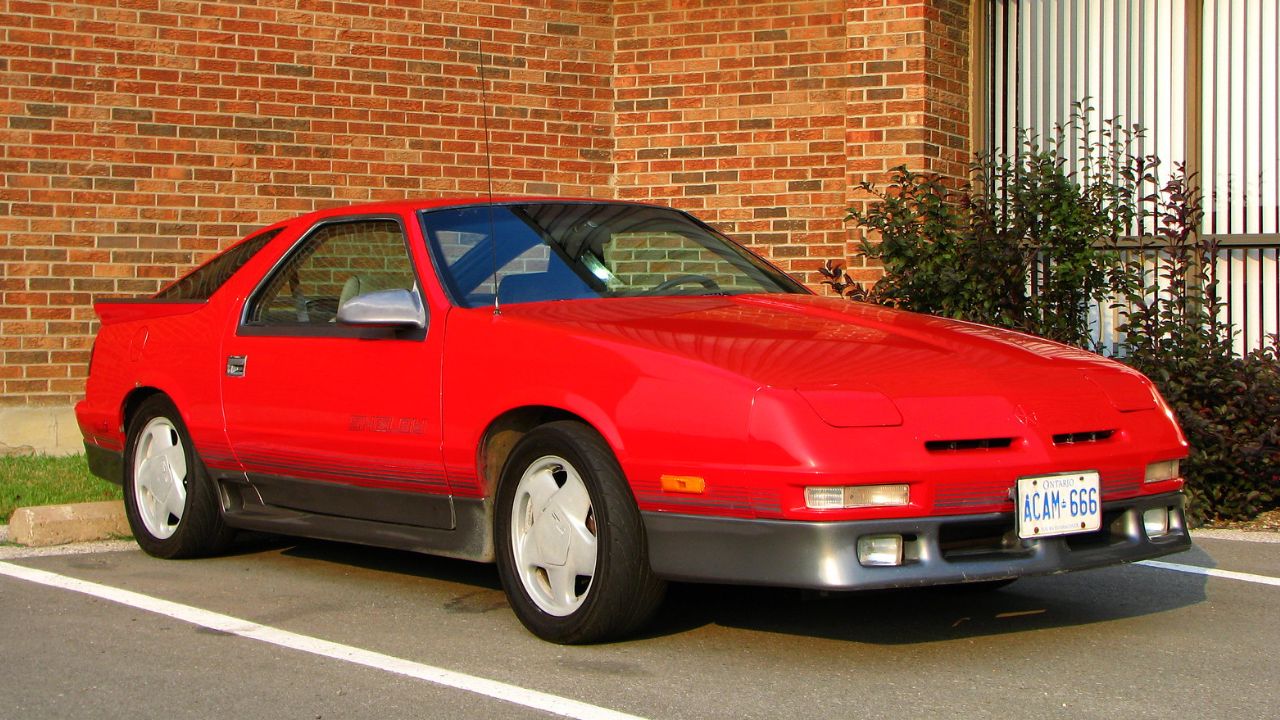
The Daytona Shelby Z combined Chrysler’s front-wheel-drive platform with turbocharged performance and suspension upgrades. It looked aggressive without being enormous, and the turbo engine gave it the ability to keep up with considerably more expensive sporty cars. The Shelby connection added credibility, although the Daytona never achieved the same cultural impact as Dodge’s V8 muscle cars. Today, surviving Shelby Z models appeal to enthusiasts who enjoy the overlooked turbocharged side of 1980s American performance.
Dodge Shadow Shelby CSX
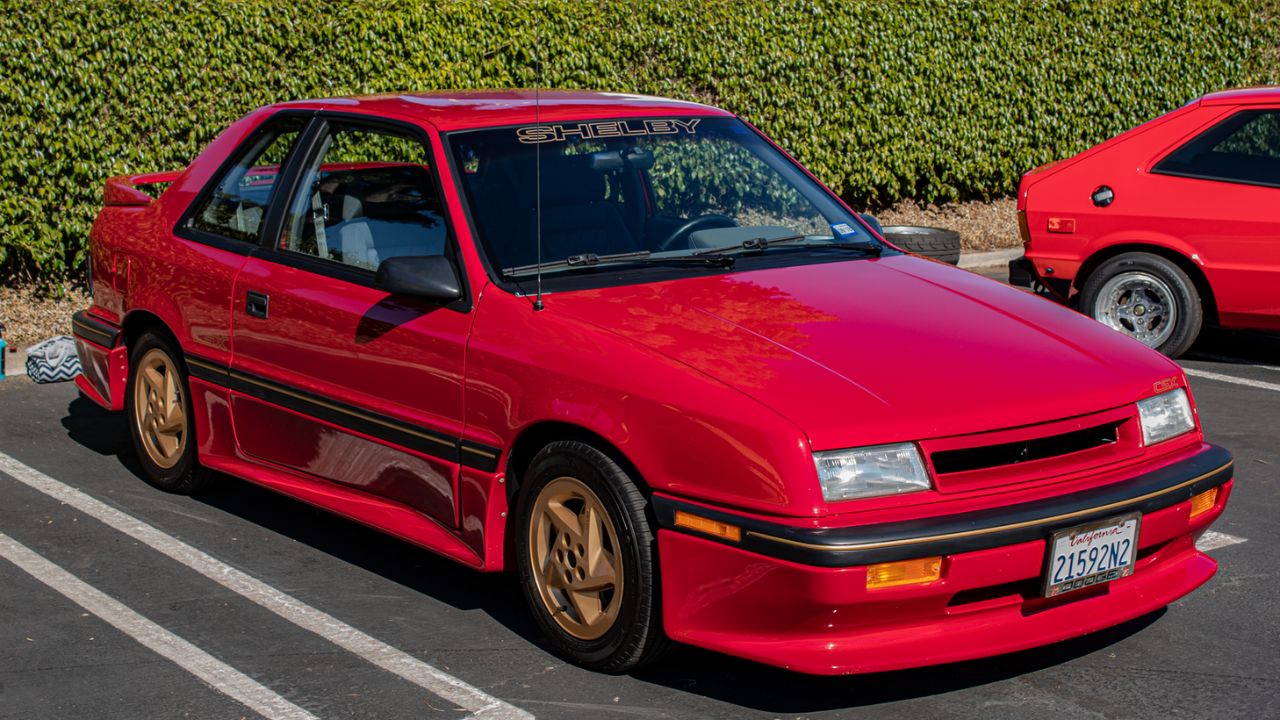
The Shadow Shelby CSX was a compact performance car that packed considerable power into a small package. Turbocharging gave the little Dodge serious acceleration, while Carroll Shelby’s involvement helped produce a sharper performance character. It was unconventional compared with the big V8 muscle cars traditionally associated with Dodge. That difference is part of its appeal today. The CSX represents a period when American manufacturers were finding new ways to deliver speed despite changing regulations and smaller engine sizes.
Chevrolet Cobalt SS
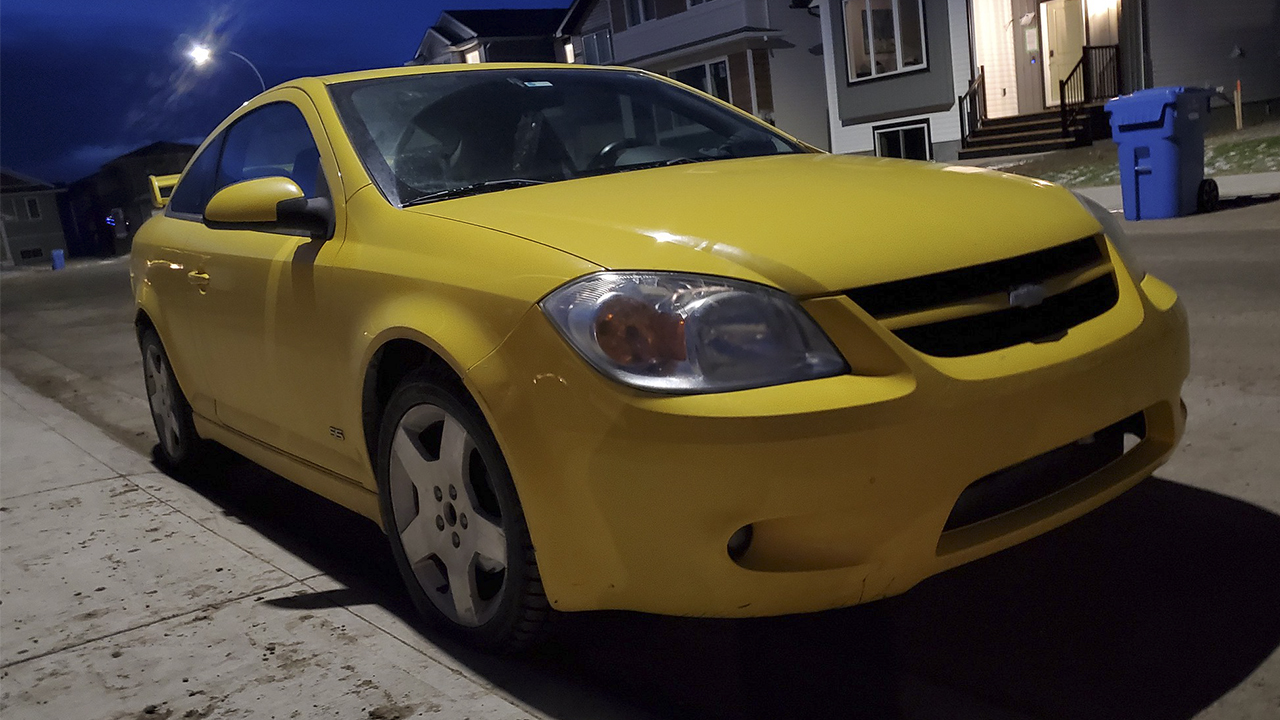
The Cobalt SS demonstrated that Chevrolet could still build an affordable compact performance car with genuine enthusiast appeal. Depending on the version, it offered turbocharged power, a manual transmission, and a chassis capable of entertaining driving. Its modest appearance made the performance even more surprising. Although the Camaro and Corvette naturally received more attention, the Cobalt SS developed a loyal following among enthusiasts. It remains one of Chevrolet’s more convincing modern attempts at a budget-friendly performance coupe.
Pontiac G8 GXP

The Pontiac G8 GXP arrived at a difficult time for both Pontiac and the American auto industry, which helped limit its long-term recognition. Beneath its understated sedan body was a powerful V8 paired with rear-wheel drive and, in some examples, a manual transmission. That combination gave it the ingredients enthusiasts wanted in a modern American performance sedan. Unfortunately, Pontiac’s eventual closure prevented the G8 GXP from developing into the long-running performance model it deserved to become.
Chevrolet SS
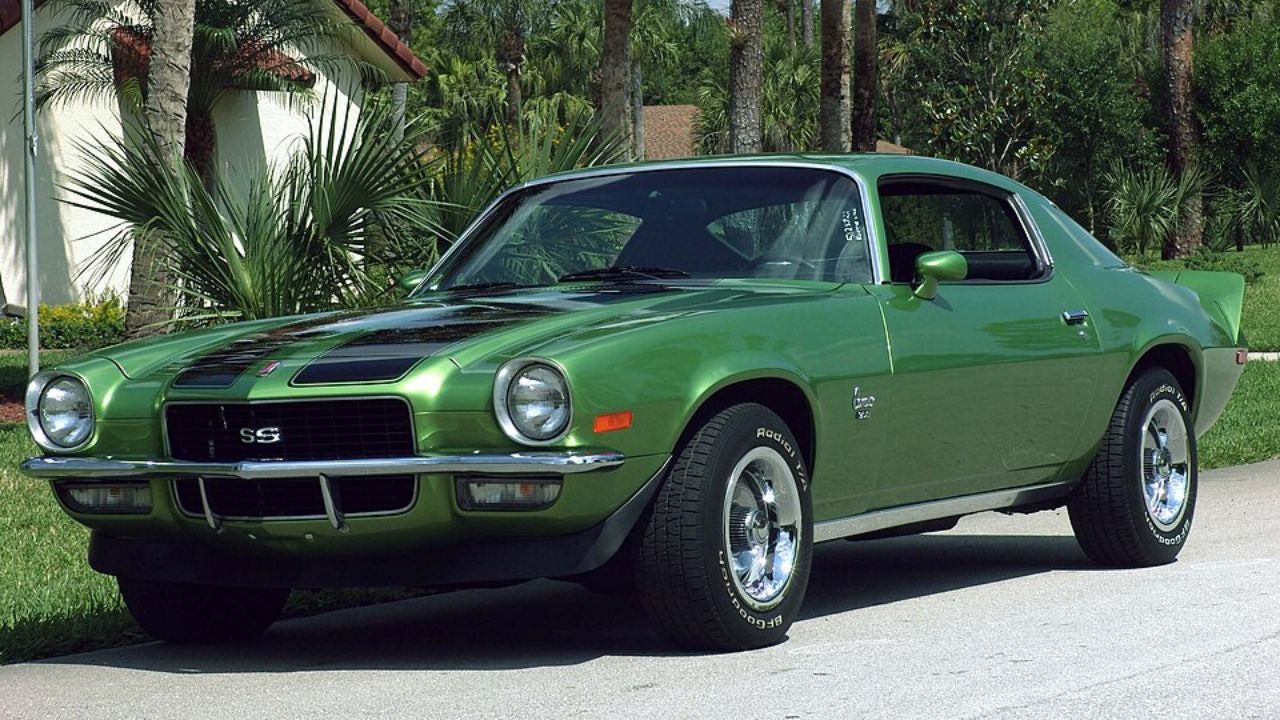
The Chevrolet SS was another understated American sedan that offered a serious performance package. Rear-wheel drive, a naturally aspirated V8, strong brakes, and available manual transmission made it unusually appealing to traditional enthusiasts. Its anonymous appearance also gave it genuine sleeper qualities. Despite its capabilities, the SS struggled to attract the attention its hardware deserved. Today, enthusiasts increasingly appreciate it as one of the last examples of a straightforward V8-powered American sedan.
Cadillac CTS-V Wagon

The CTS-V Wagon was an unusual combination of family practicality and serious performance. Its supercharged V8 gave it enormous power, while the wagon body provided cargo capacity that most high-performance cars could not match. It was expensive and relatively specialized when new, limiting its audience. With the passage of time, however, that combination has become much more interesting. For enthusiasts who want performance without giving up everyday usefulness, the CTS-V Wagon remains difficult to replicate.
Chrysler Crossfire SRT-6

The Crossfire SRT-6 was a major step beyond the standard Crossfire, adding a supercharged V6 and more aggressive performance hardware. Its sleek body already looked unlike most American cars of the period, while the SRT-6 gave it the performance to match. Limited sales meant few people encountered one when new. Today, it remains one of Chrysler’s more unusual performance experiments and a compelling choice for enthusiasts who prefer something outside the traditional American muscle-car formula.
Cadillac XLR-V
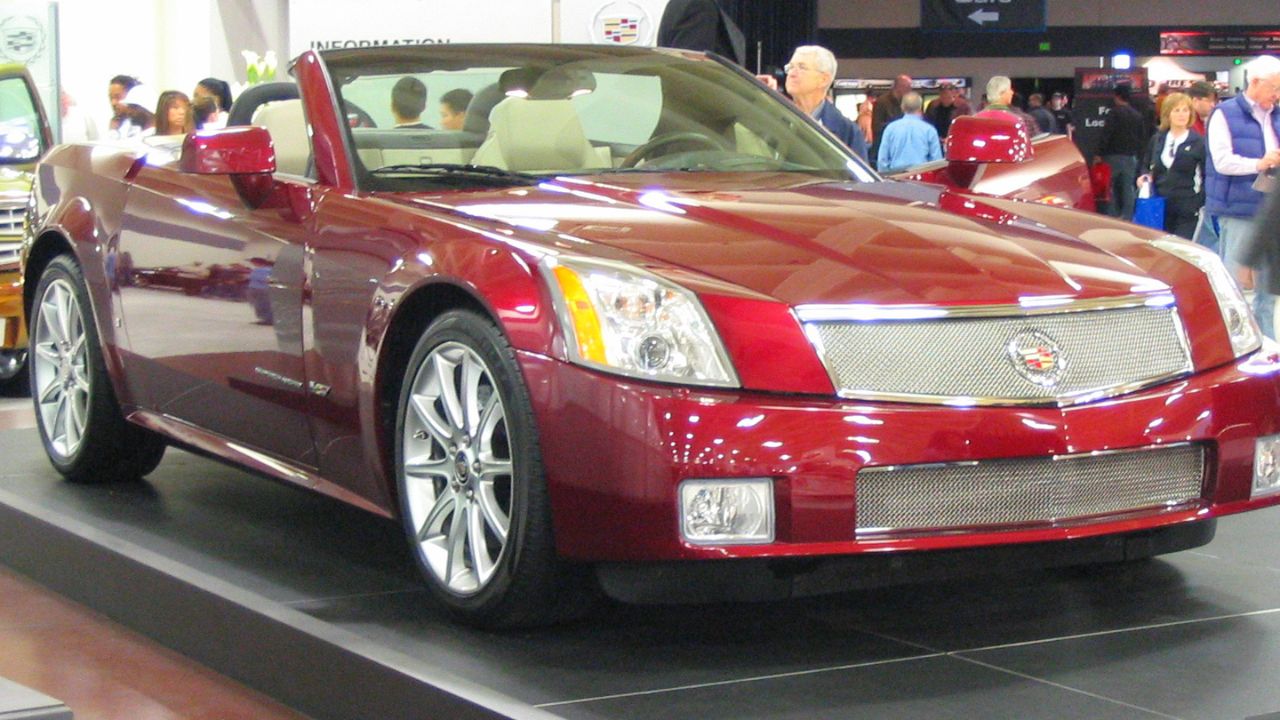
The XLR-V took Cadillac’s luxury roadster and gave it a supercharged V8, turning an elegant grand tourer into a much more serious performance machine. Its retractable hardtop and sophisticated cabin separated it from traditional muscle cars, while the V-Series hardware gave it impressive straight-line ability. The XLR-V was expensive and relatively rare, which kept it from becoming widely known. For collectors, that rarity is now part of the appeal.
Pontiac GTO

The modern Pontiac GTO deserves more appreciation than it often receives. Instead of following the retro styling trend, Pontiac built a straightforward rear-wheel-drive performance coupe with powerful V8 engines and a relatively understated appearance. Its Australian roots also gave it a different character from traditional American muscle cars. The lack of flashy styling may have hurt its showroom appeal, but it aged well. Today, the GTO offers a compelling combination of performance, comfort, and sleeper looks.
Ford SVT Contour
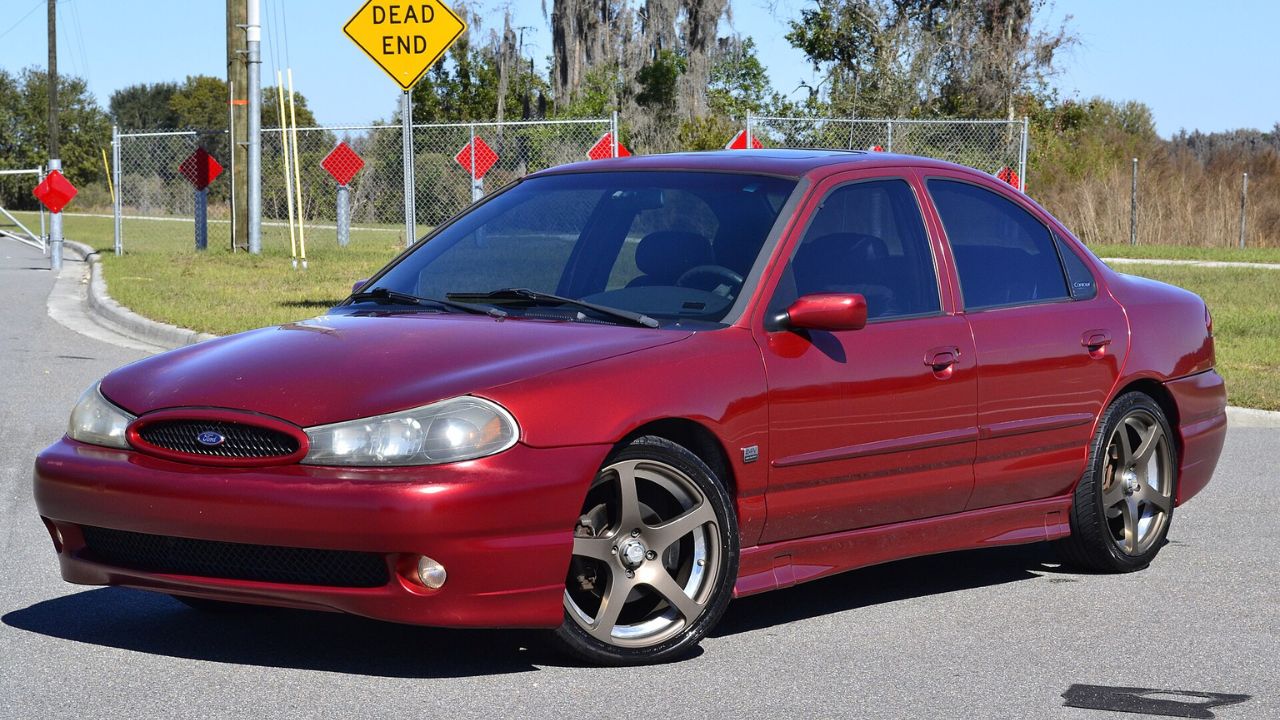
The SVT Contour was one of Ford’s more ambitious attempts to turn an ordinary family sedan into a genuine sport sedan. Its high-revving V6, upgraded suspension, stronger brakes, and available manual transmission gave it a surprisingly capable character. It never became a major collector car, partly because the Contour itself was viewed as ordinary transportation. For enthusiasts willing to look past the badge, however, the SVT version remains an excellent example of an American performance car that deserved more attention.
More from Fast Lane Only
- Unboxing the WWII Jeep in a Crate
- 15 rare Chevys collectors are quietly buying
- 10 underrated V8s still worth hunting down
- Police notice this before you even roll window down
*Research for this article included AI assistance, with all final content reviewed by human editors.