Some vehicles become famous for speed, styling, or luxury, while others earn their reputations simply by refusing to quit. These cars and trucks were not always marketed as indestructible, but years of real-world use turned many of them into legends. Their straightforward engineering, strong drivetrains, and ability to survive hard use helped create loyal followings that remain strong today.
Toyota Land Cruiser
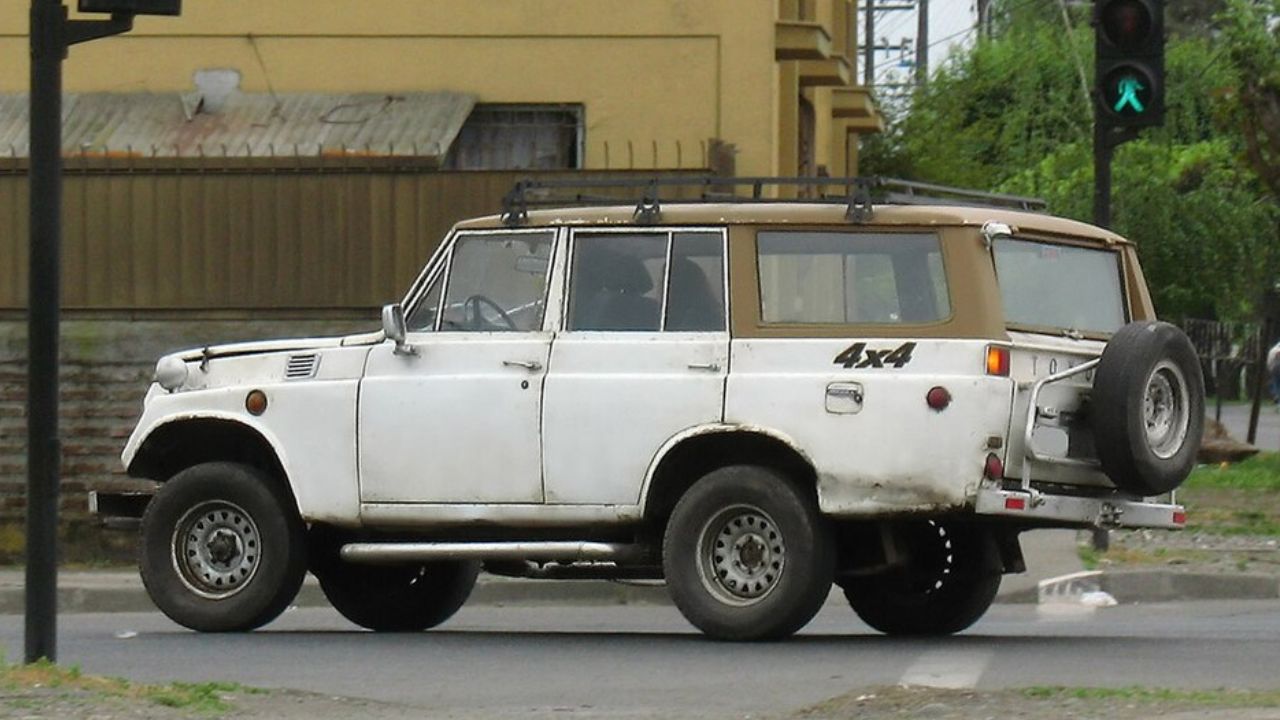
The Toyota Land Cruiser built its reputation in places where reliability was not a luxury but a necessity. Its rugged construction, capable four-wheel-drive system, and durable engines allowed it to handle rough roads, remote terrain, and demanding work. Owners often kept them for decades because there was little reason to replace something that continued doing its job. The Land Cruiser eventually became a luxury vehicle in some markets, but its reputation for toughness was established long before that transformation.
Honda Accord
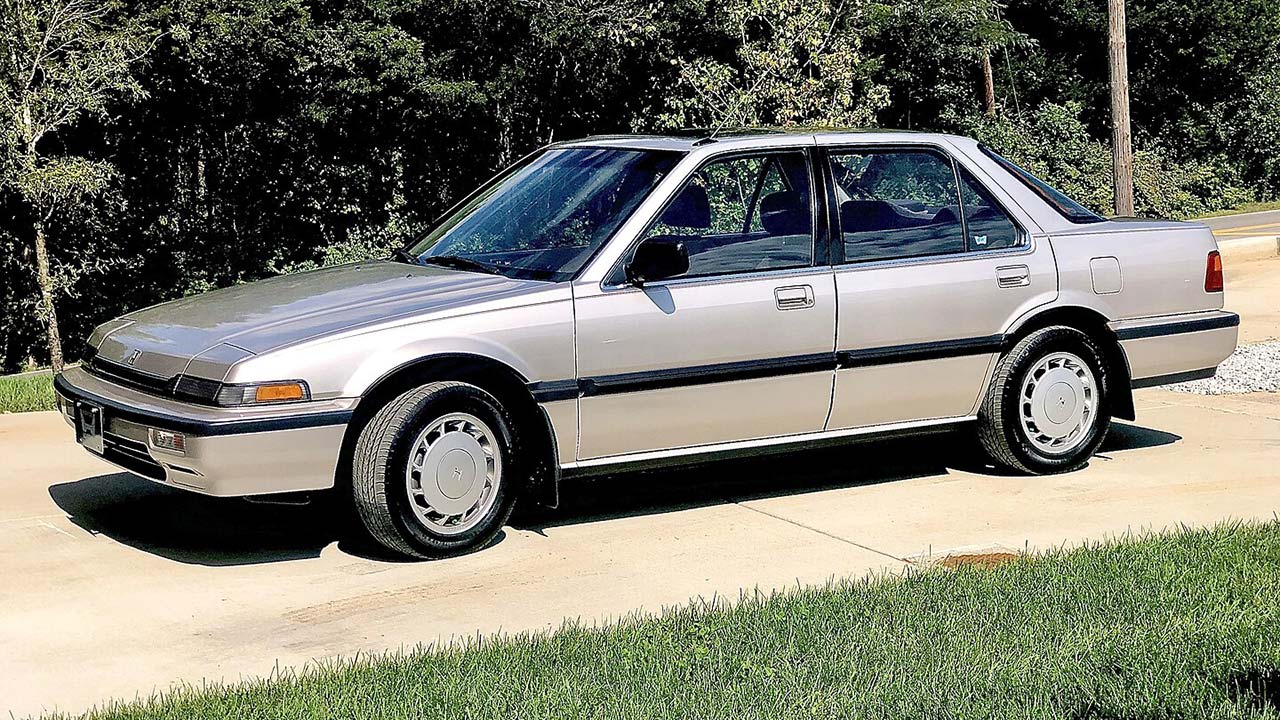
The Honda Accord became one of the most trusted family cars through a combination of sensible engineering and consistent reliability. Older Accords were relatively simple compared with newer vehicles, and their engines could accumulate substantial mileage when properly maintained. They were also comfortable enough for long trips without becoming complicated or extravagant. The Accord’s reputation was built gradually rather than through dramatic advertising, making it a good example of an ordinary car that quietly became a long-term favorite.
Toyota Corolla
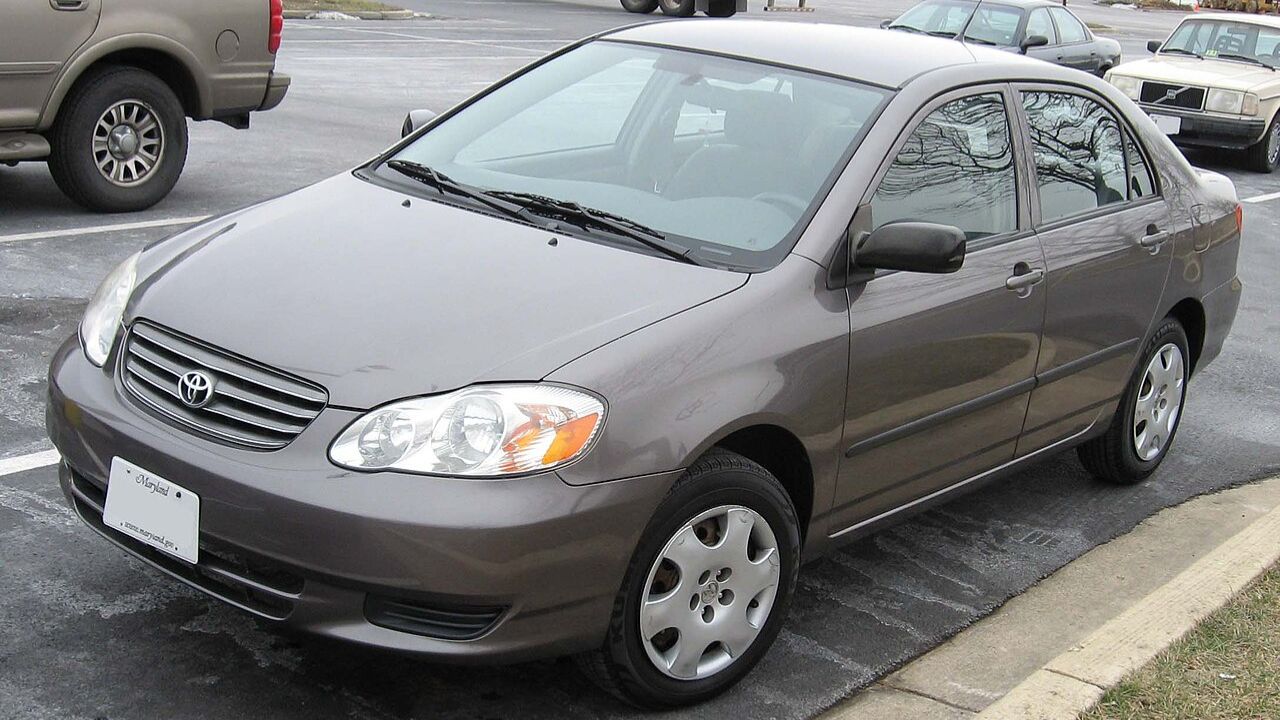
The Toyota Corolla has earned its durability reputation by being remarkably consistent across generations. It was never intended to be an exotic or exciting machine, but its straightforward mechanical design helped millions of owners depend on it for daily transportation. Older Corollas could tolerate years of commuting, high mileage, and basic maintenance without demanding much attention. That combination of simplicity and dependability helped turn the Corolla into one of the world’s best-known examples of practical automotive durability.
Volvo 240
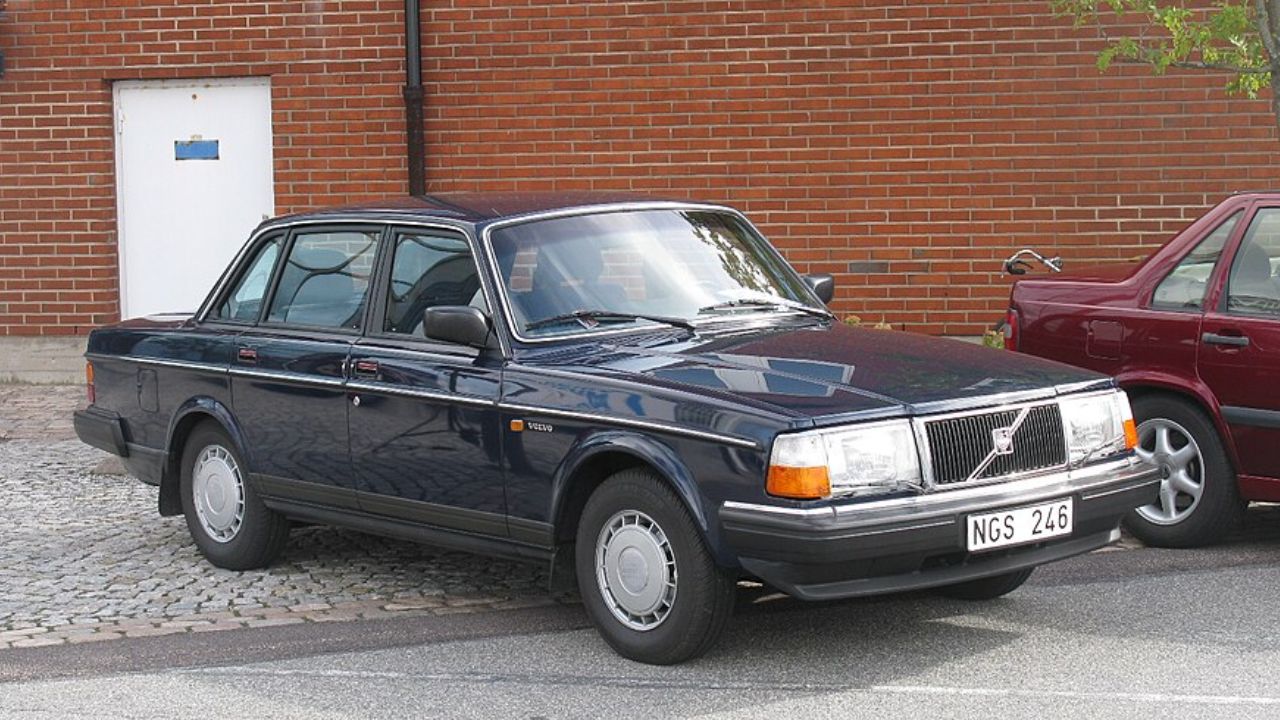
The Volvo 240 became famous for its boxy styling, but its real achievement was how long many examples remained useful. The sturdy body, simple mechanical systems, and durable engines made the car popular with families, commuters, and people who simply wanted transportation they could keep for years. Its practical wagon version was particularly useful. The 240 eventually became a symbol of longevity, with well-maintained examples routinely remaining on the road long after newer cars had disappeared.
Mercedes-Benz W123
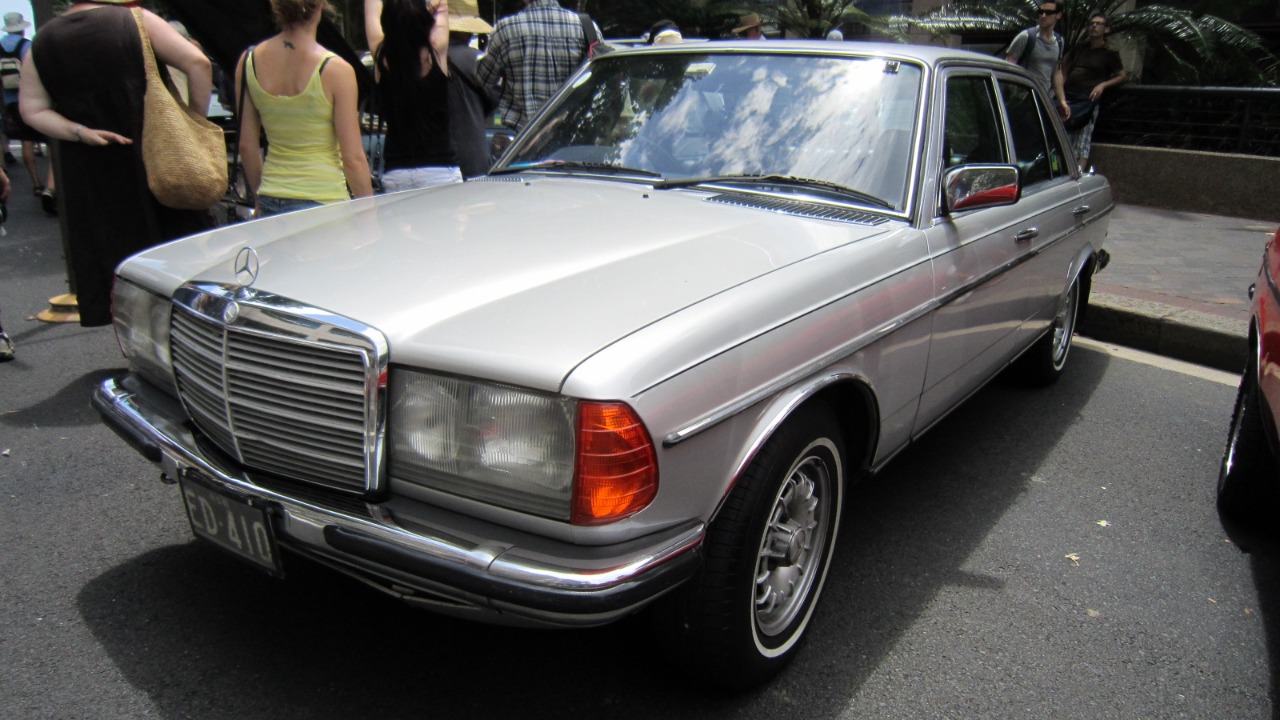
The Mercedes-Benz W123 was engineered with a level of solidity that helped create its legendary reputation. Its diesel versions became especially famous for accumulating enormous mileage, but gasoline models could also be remarkably durable when maintained correctly. The cabin was comfortable and the suspension suited long-distance driving, making the car useful rather than merely tough. Many examples spent decades serving as taxis, family cars, and work vehicles, giving the W123 a durability record that enthusiasts still admire.
Ford Crown Victoria

The Ford Crown Victoria became a durability icon partly because of how heavily it was used. Police departments, taxi companies, fleets, and private owners put enormous mileage on these cars, exposing them to conditions that would quickly reveal weaknesses. The rear-wheel-drive platform and robust V8 drivetrain were well suited to that punishment. Its simple construction also made repairs relatively straightforward. The Crown Victoria was never glamorous, but few cars demonstrated the value of dependable fleet engineering quite so clearly.
Toyota 4Runner
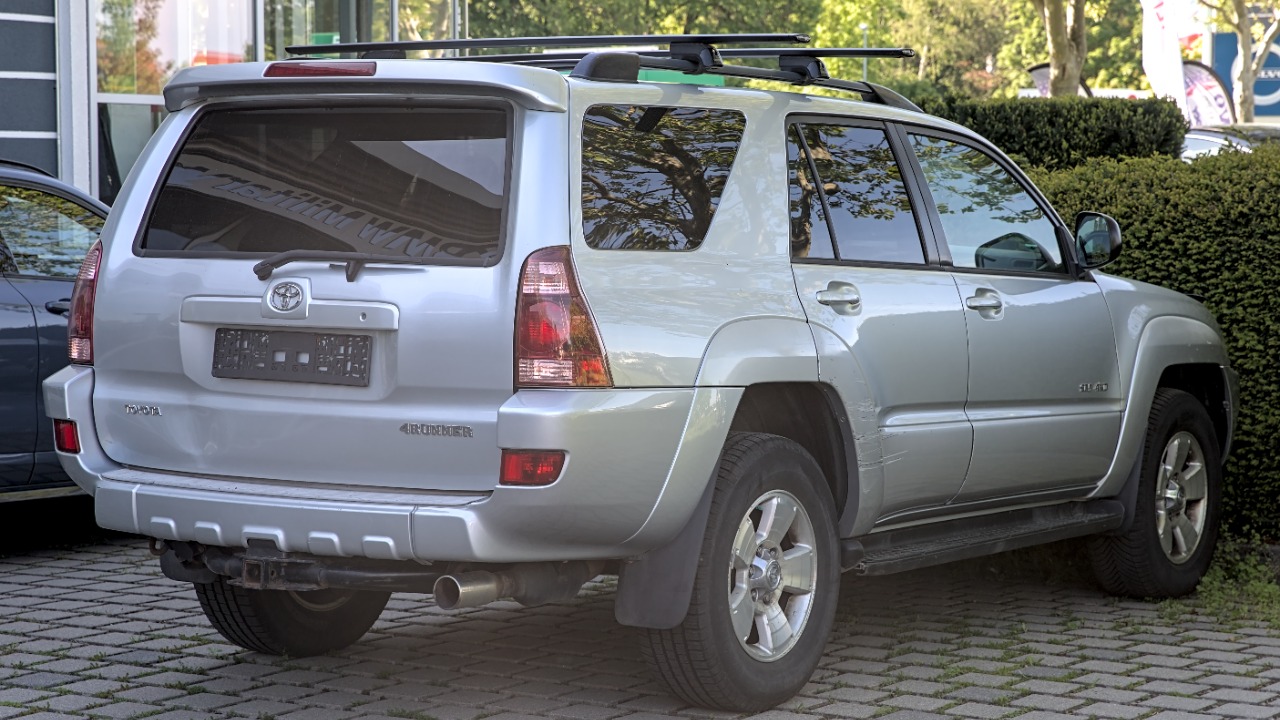
The Toyota 4Runner developed its reputation by combining a rugged truck-based foundation with enough comfort for everyday driving. Older generations were particularly appreciated for their durable drivetrains and body-on-frame construction. They could handle rough trails, bad weather, hauling, and daily commuting without feeling like fragile recreational vehicles. Many owners kept them far beyond the point when they would normally consider replacing a family SUV. That longevity helped make the 4Runner a benchmark for durable utility vehicles.
Honda Civic
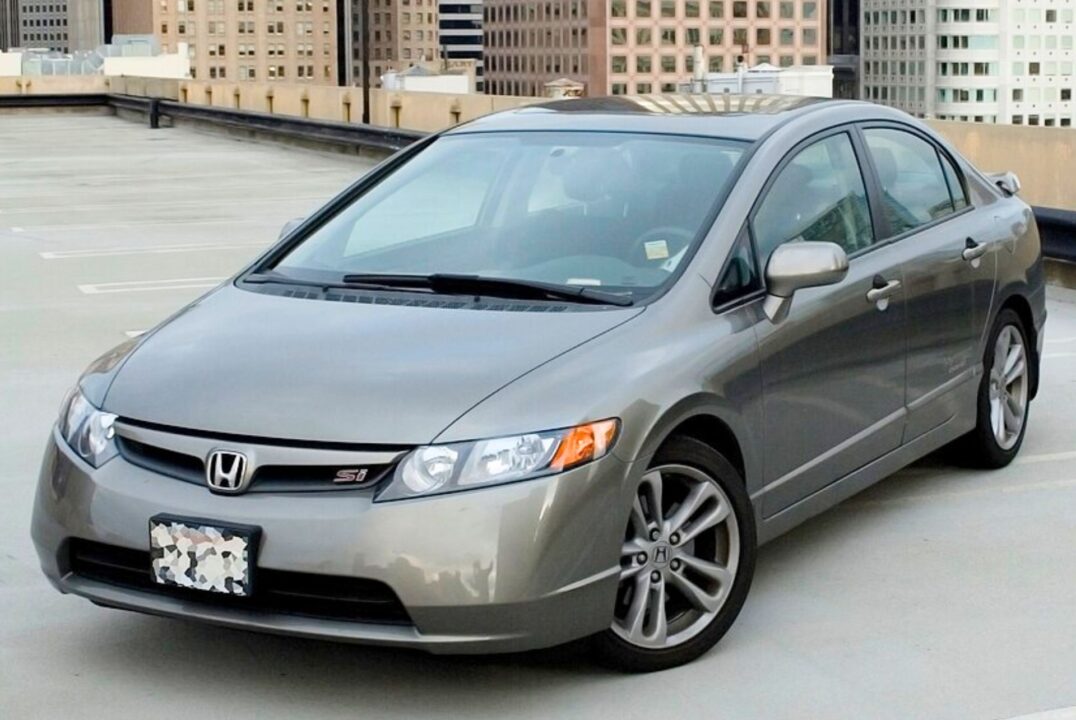
The Honda Civic became a durability legend by proving that a small car could survive years of everyday use. Its compact engines, efficient design, and relatively simple mechanical layout made it easy to live with and maintain. Civics were also inexpensive enough that many owners depended on them as their primary transportation for years. While individual generations differed considerably, the model’s reputation for reliability remained remarkably consistent, helping the Civic become one of the most trusted small cars ever produced.
Chevrolet Suburban
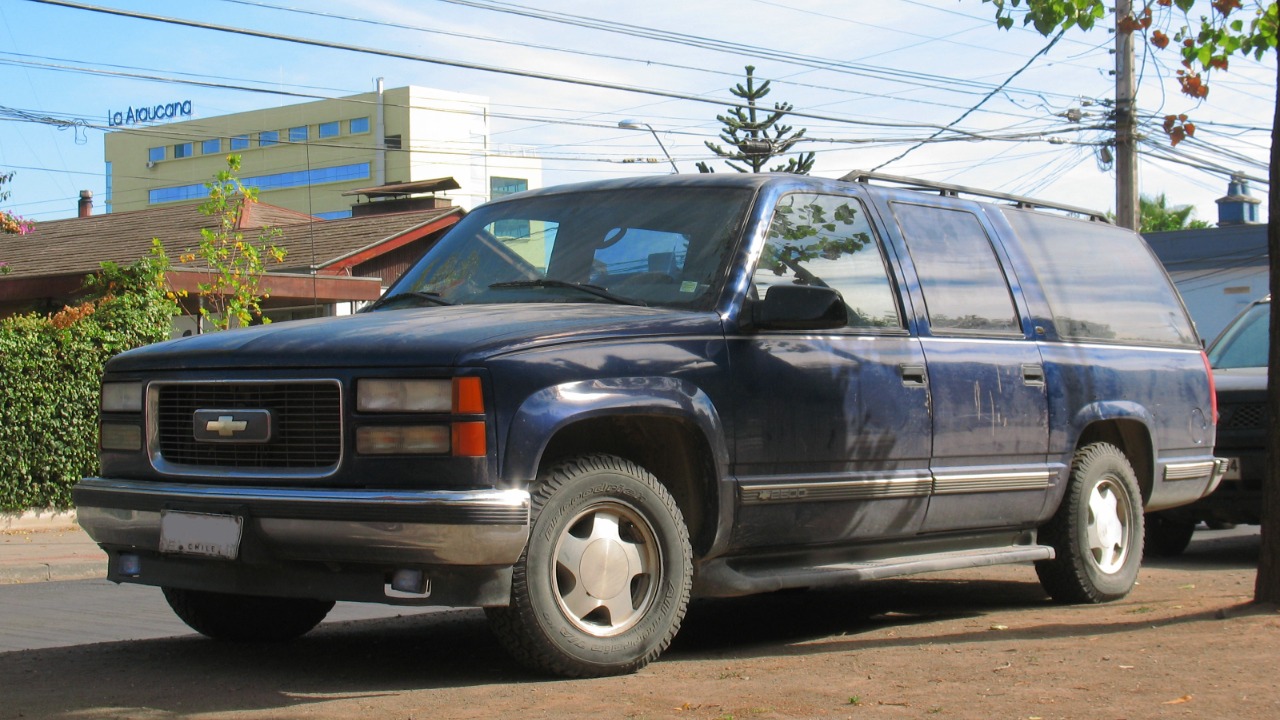
The Chevrolet Suburban has spent decades serving families, businesses, farms, fleets, and emergency services. Its large body and truck-based construction allowed it to carry people and equipment while handling demanding work. Older Suburbans were especially straightforward mechanically, which made them easier to keep running when repairs were needed. Their durability was not necessarily about delicate engineering or efficiency. It came from being built as a substantial utility vehicle capable of handling years of heavy use.
Jeep Cherokee XJ
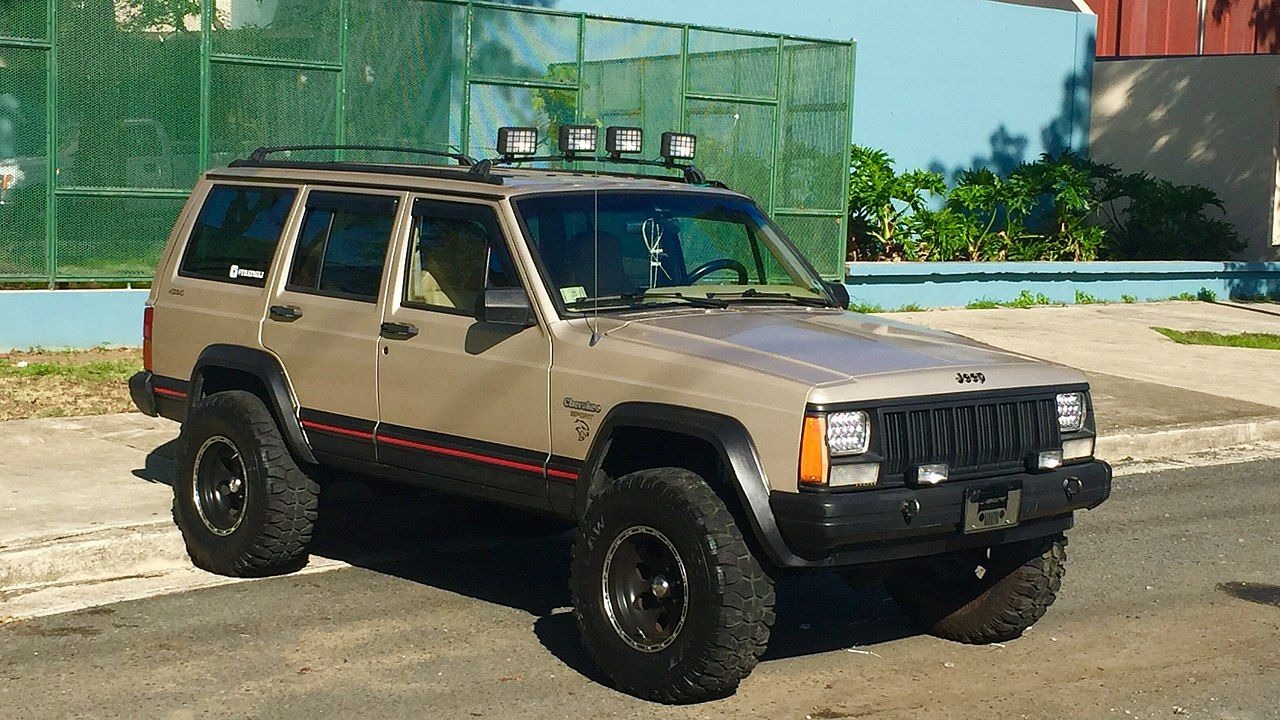
The Jeep Cherokee XJ became a cult favorite because its compact body hid a remarkably capable and durable platform. Its unibody construction was unusual for a vehicle with such strong off-road credentials, while the legendary 4.0-liter inline-six gave many examples an exceptionally long service life. The Cherokee could serve as a commuter during the week and tackle difficult trails on weekends. Its combination of simplicity, capability, and toughness made it one of Jeep’s most enduring designs.
Nissan Hardbody
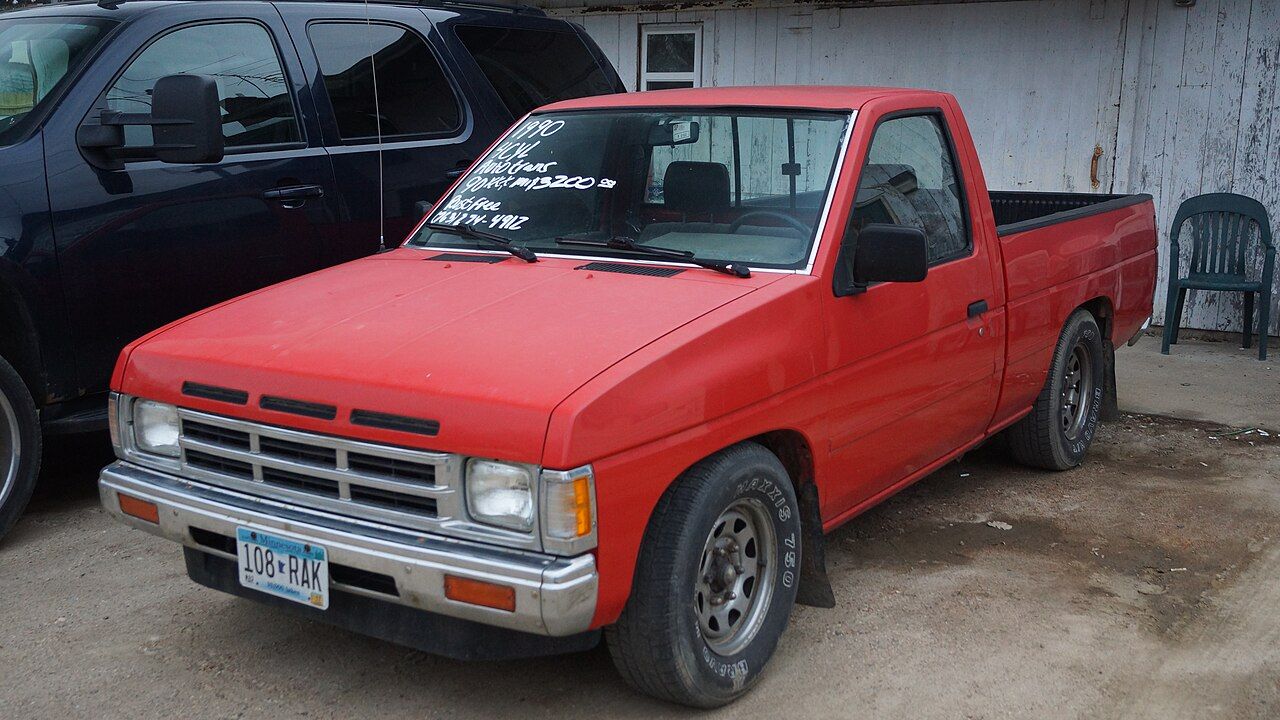
The Nissan Hardbody earned its reputation in an era when compact pickups were expected to work hard without demanding much in return. Its rugged chassis, simple interior, and durable four-cylinder engines made it a popular choice for tradespeople and everyday owners. Many were subjected to years of hauling, commuting, and rough use. The Hardbody’s straightforward design also helped keep maintenance manageable. Today, surviving examples are appreciated not only for their retro appearance but also for their remarkable ability to keep working.
Ford F-150
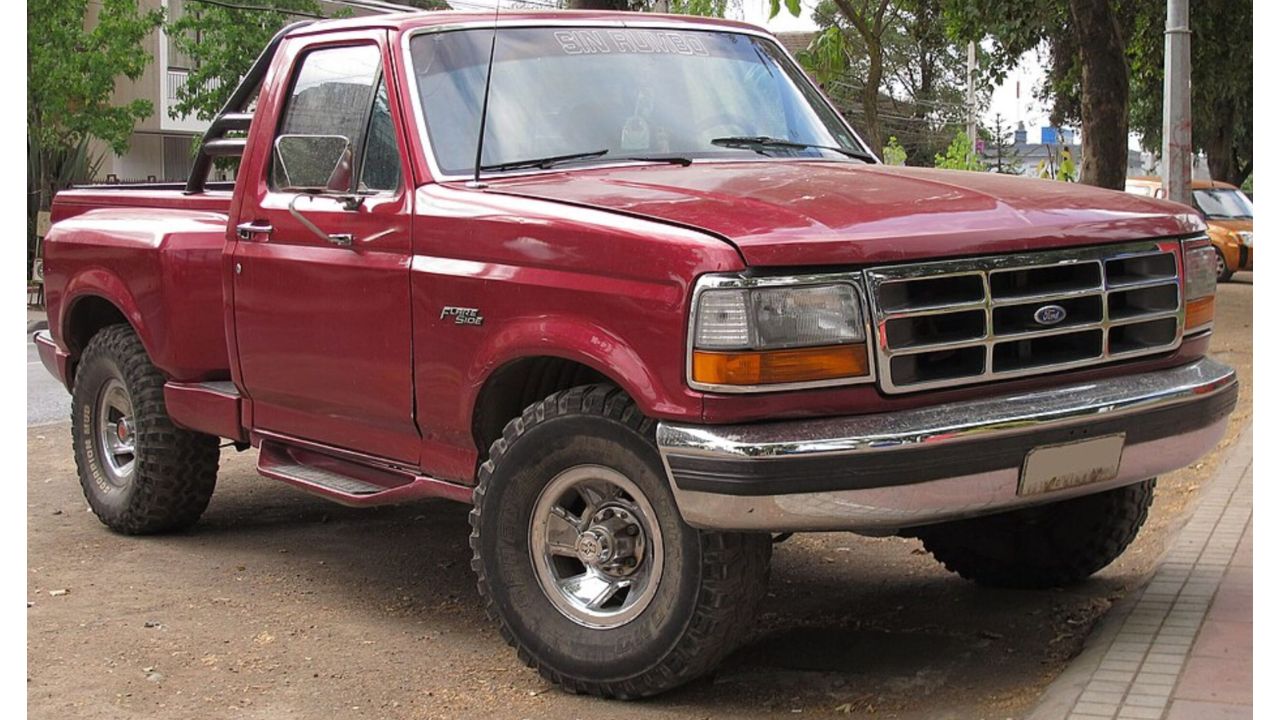
The Ford F-150 became a durability legend because it was designed around the demands of working owners. Generations of these pickups have been used for towing, hauling, construction, farming, and daily transportation. Strong frames and widely supported drivetrains helped keep older examples useful long after their original owners moved on. Not every F-150 was equally durable, but the model’s overall track record is impressive. Its enormous production numbers also ensured that parts and mechanical knowledge remained widely available.
Toyota Hilux
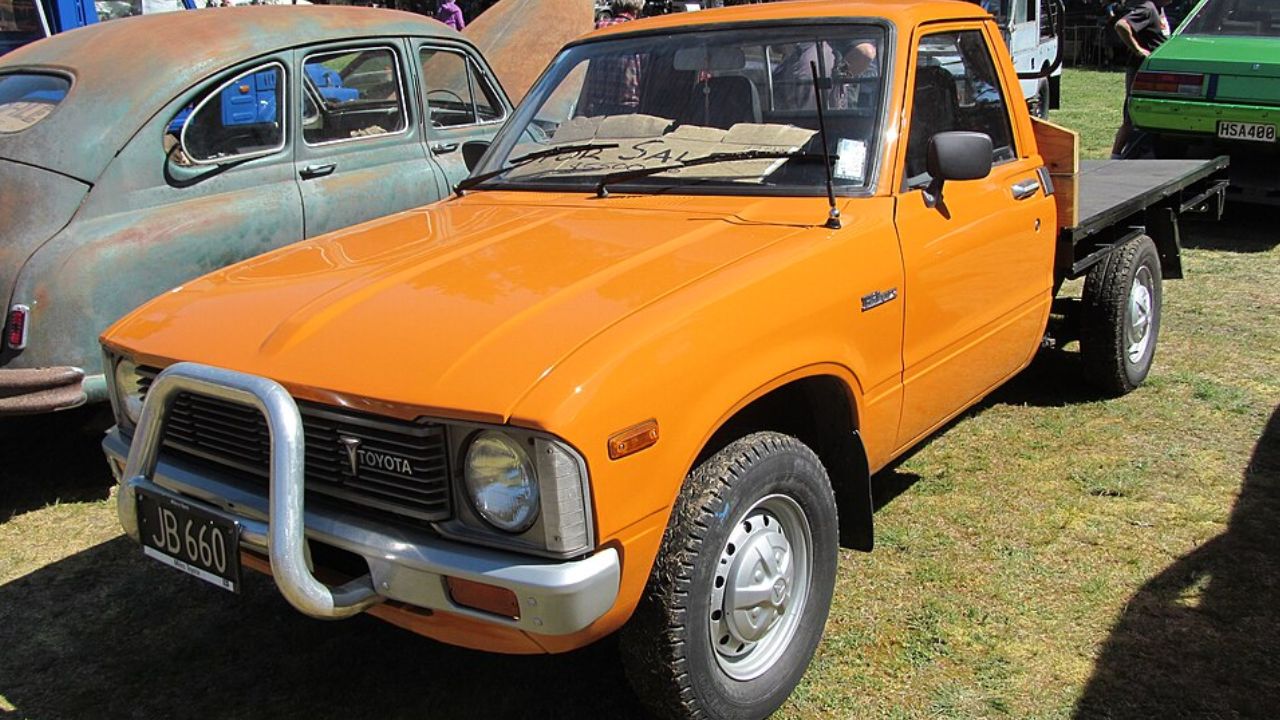
The Toyota Hilux earned its reputation through hard use across markets around the world. Its simple mechanical design and rugged construction allowed it to serve as transportation, farm equipment, commercial machinery, and off-road transportation. The Hilux became especially respected in regions where vehicles faced heat, dust, rough roads, and limited repair facilities. That environment separated genuinely durable pickups from merely adequate ones. The Hilux consistently proved capable of surviving conditions that would quickly expose weaknesses in less rugged trucks.
Subaru Outback
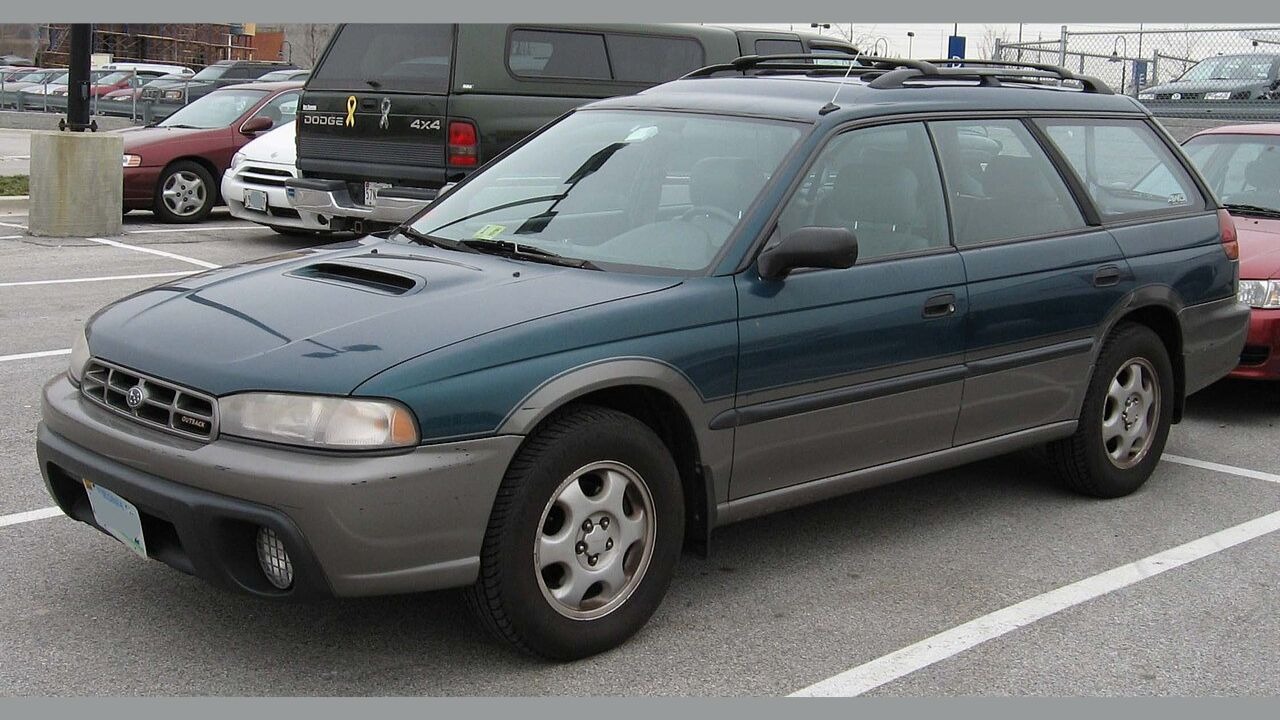
The Subaru Outback quietly built its reputation by combining practical wagon-like packaging with all-wheel drive and durable everyday engineering. Owners valued the extra traction in poor weather and the useful cargo area for family trips, outdoor activities, and commuting. Earlier examples could remain useful for many years when maintained properly. The Outback also helped establish the idea that a practical family vehicle did not need to be a large truck-based SUV to handle difficult weather and rougher roads.
Buick LeSabre
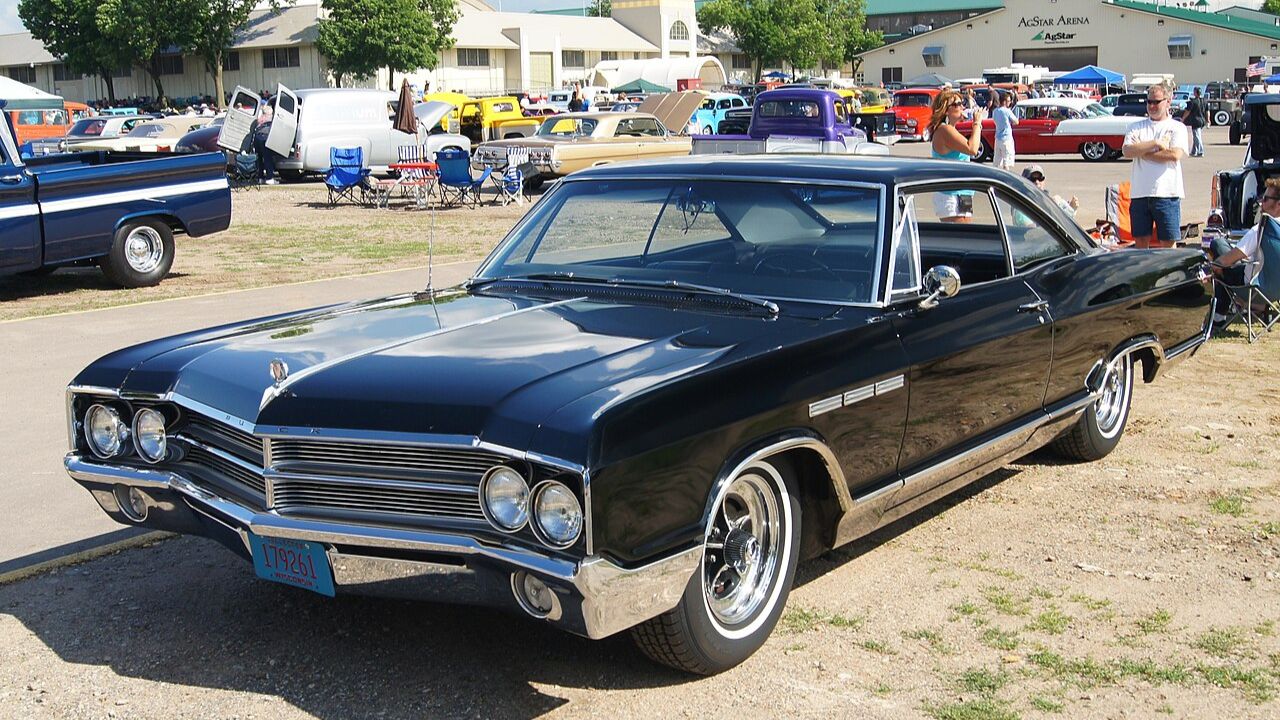
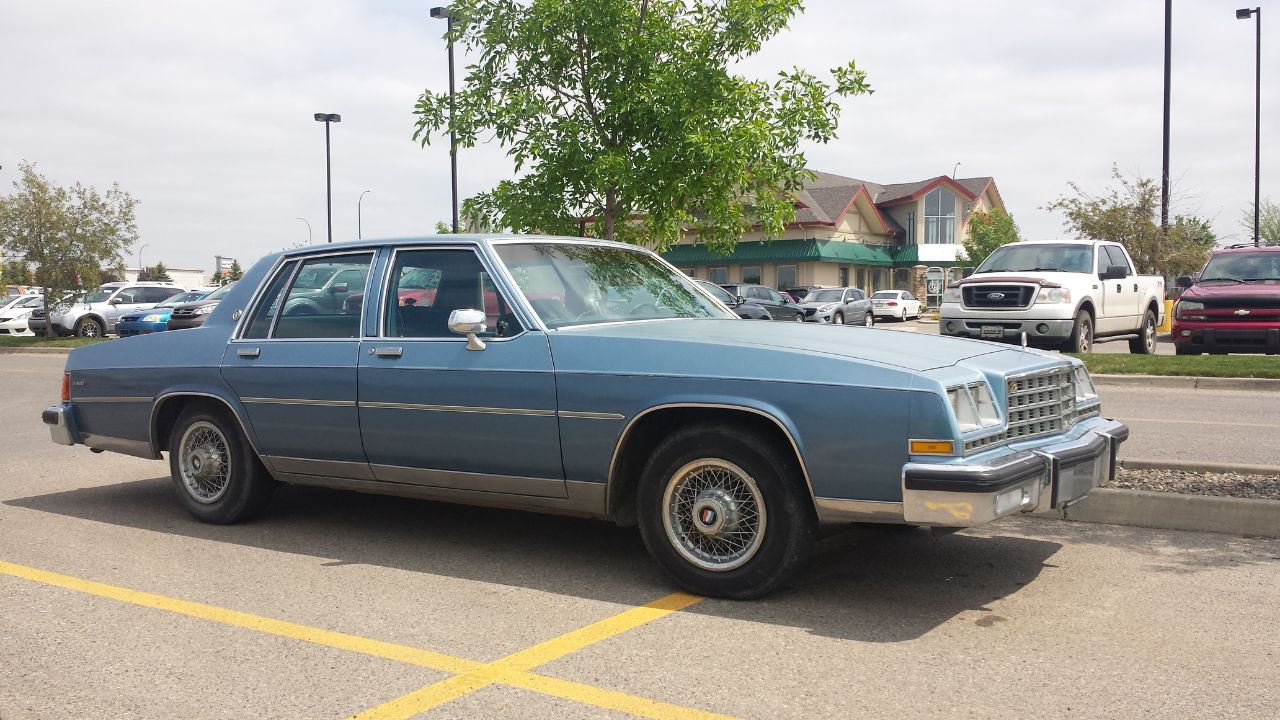
The Buick LeSabre became a favorite among drivers who wanted comfortable transportation without unnecessary complexity. Its large engines, spacious cabins, and relaxed mechanical character made it particularly well suited to long-distance driving. Certain generations developed strong reputations for dependable service and high mileage. The LeSabre was not built to impress enthusiasts with exotic engineering. Instead, it focused on doing ordinary transportation duties for years, which is precisely why so many owners remember these cars fondly.
Toyota Camry
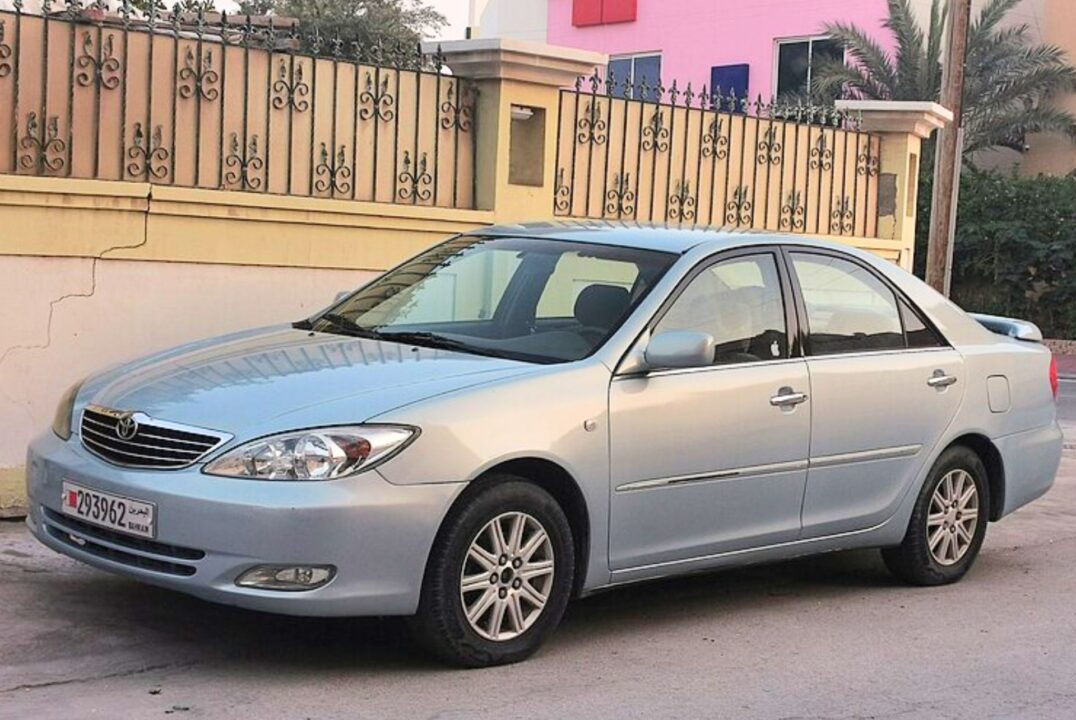
The Toyota Camry established itself as a dependable family sedan by emphasizing predictable engineering rather than dramatic innovation. Its engines and drivetrains became known for handling high mileage with regular maintenance, while the comfortable cabin made it easy to use as a daily driver. Millions of Camrys accumulated years of commuting and road trips without becoming particularly troublesome. That quiet consistency helped turn the model into one of the strongest durability benchmarks in the midsize-car market.
Ford Ranger
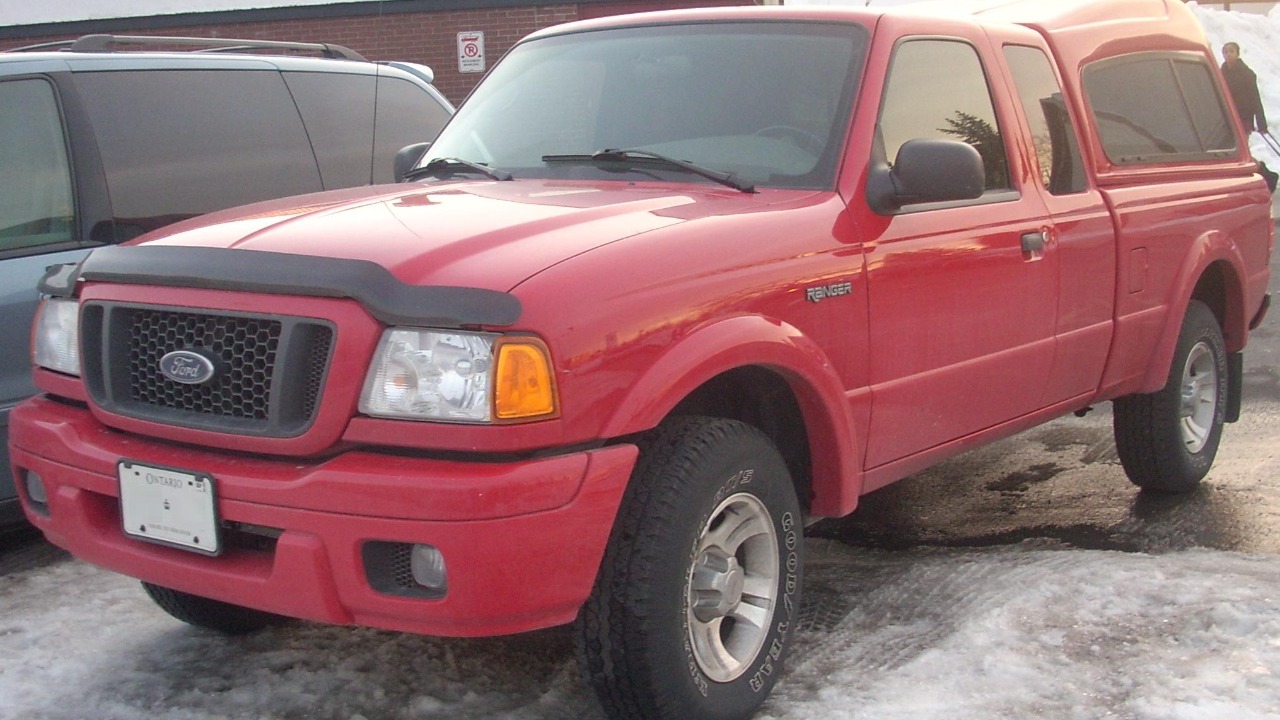
The Ford Ranger became a popular small pickup because it offered useful truck capability without the size and expense of a full-size model. Older Rangers were relatively simple, making them attractive to owners who wanted something they could maintain for years. Four-cylinder and V6 versions served as work trucks, transportation, and recreational vehicles. Many survived heavy use because their basic design was easy to understand and repair. Their reputation helped establish the Ranger as a dependable compact pickup.
Honda CR-V
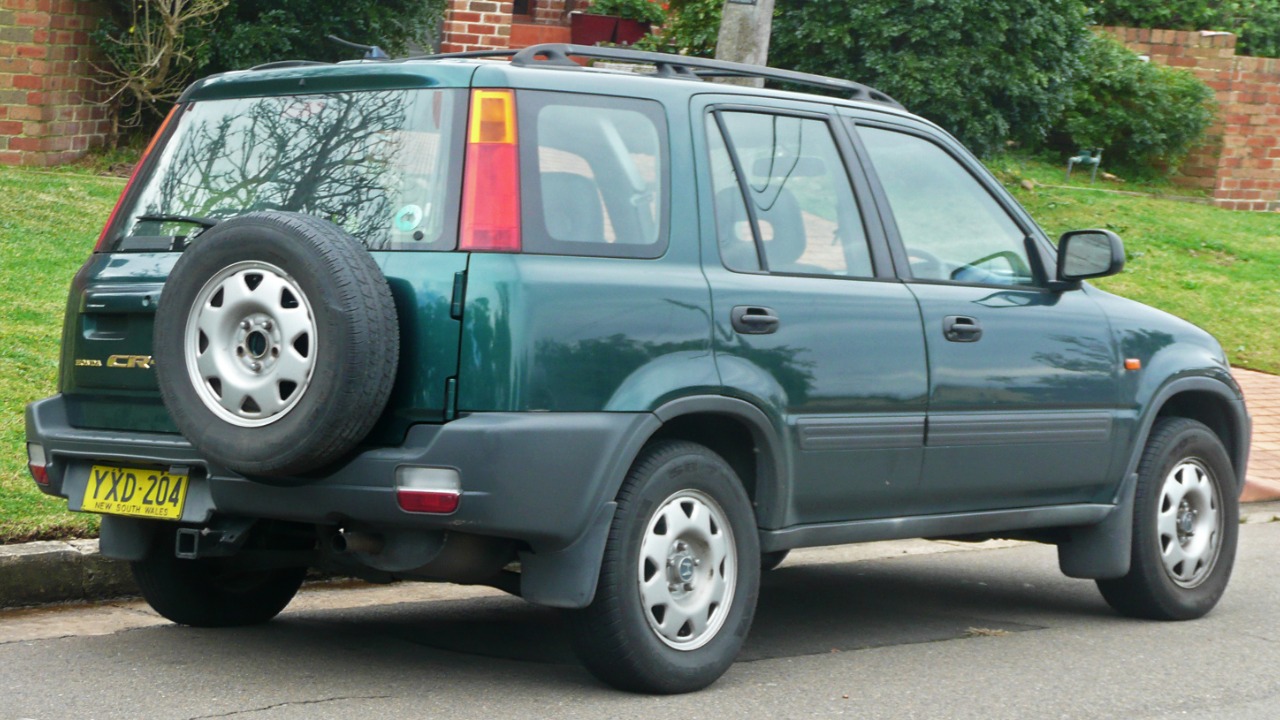
The Honda CR-V became a durability favorite by combining car-like driving manners with useful SUV practicality. Its compact size made it easy to operate every day, while the tall cabin and rear cargo area gave families more flexibility than a traditional sedan. Earlier generations were particularly straightforward mechanically. With routine maintenance, many remained useful for years of commuting and family duty. The CR-V demonstrated that a practical crossover-style vehicle could also develop a strong reputation for longevity.
Chevrolet Silverado
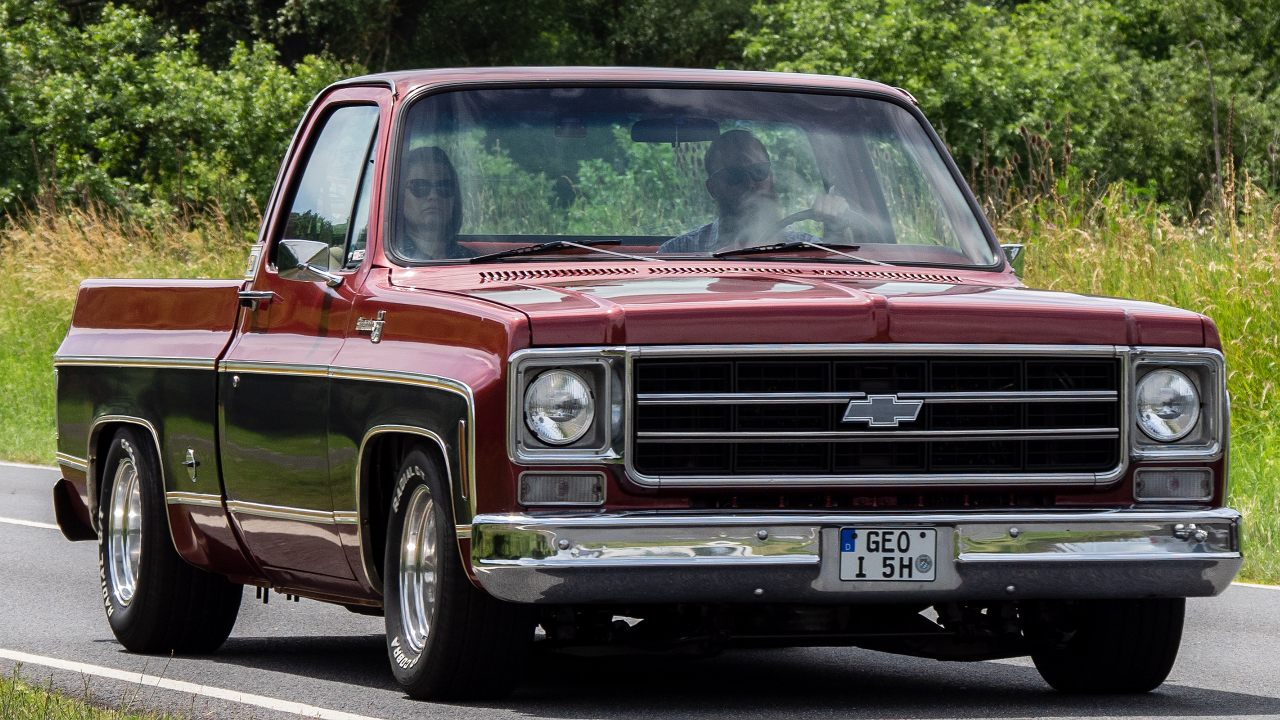
The Chevrolet Silverado became a familiar workhorse for owners who needed a pickup capable of handling serious everyday demands. Depending on configuration, it could tow, haul, commute, or serve as a dedicated work truck. Large production numbers also meant replacement parts and repair knowledge were widely available. Certain drivetrain combinations developed particularly strong reputations for longevity. The Silverado’s durability story is less about one perfect generation and more about decades of trucks proving themselves through ordinary hard work.
Volkswagen Beetle
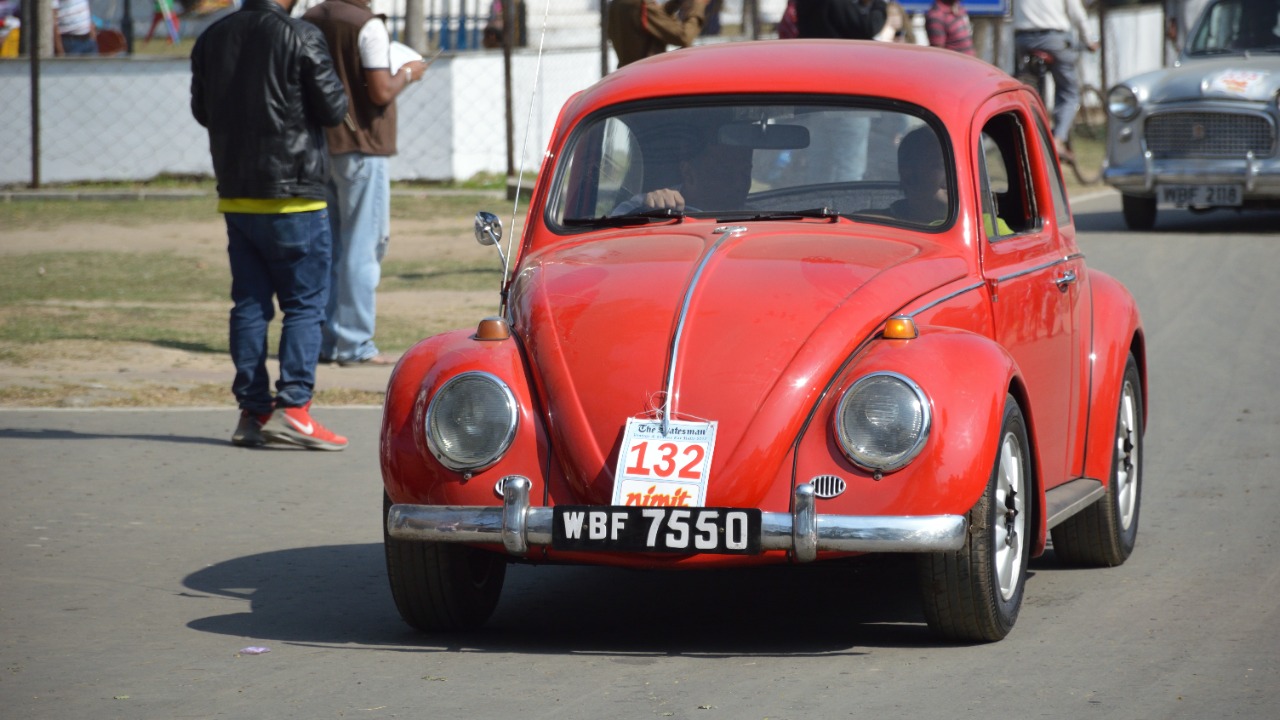
The Volkswagen Beetle became a durability legend in a completely different way from large American trucks. Its simple rear-mounted engine, straightforward construction, and relatively uncomplicated mechanical systems allowed owners to keep examples running with modest resources. The car was inexpensive, economical, and easy to understand mechanically. It became especially popular in places where affordable transportation was essential. Its enormous global production also meant parts and mechanical knowledge were readily available, helping countless Beetles remain useful for decades.
More from Fast Lane Only
- Unboxing the WWII Jeep in a Crate
- 15 rare Chevys collectors are quietly buying
- 10 underrated V8s still worth hunting down
- Police notice this before you even roll window down
*Research for this article included AI assistance, with all final content reviewed by human editors.