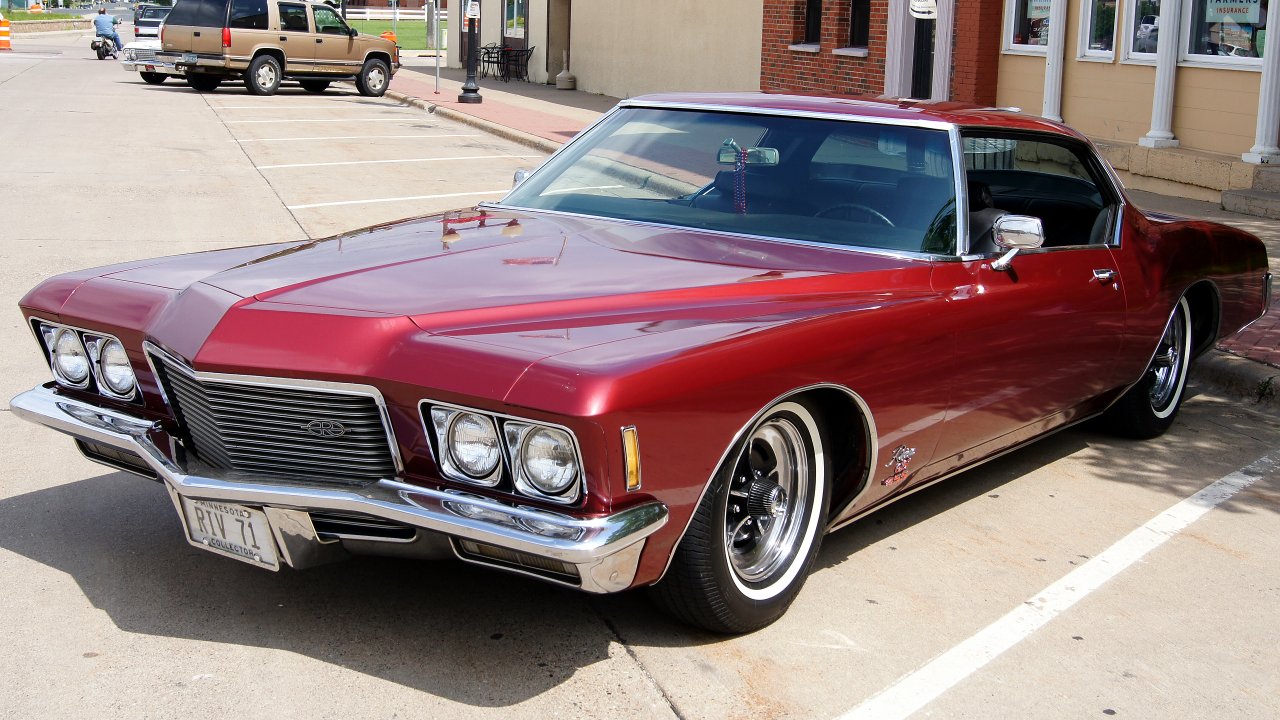
There was a time when American automakers could drop enormous engines into surprisingly ordinary-looking cars and send them onto public roads. These big-block machines delivered huge torque, serious horsepower, and an attitude that made them feel excessive even when they were completely street legal. For enthusiasts, that excess is exactly what makes these cars so unforgettable.
Chevrolet Impala SS
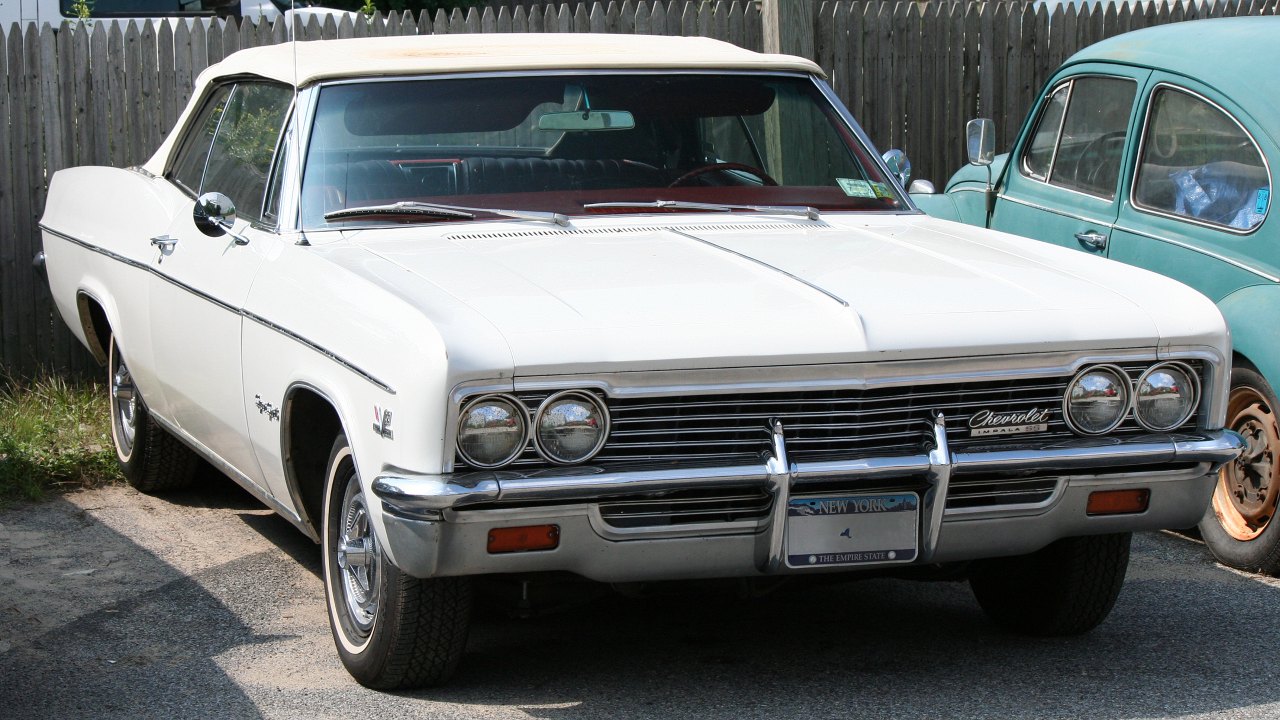
The Chevrolet Impala SS gave full-size family-car styling a surprisingly serious performance edge. With big-block power available during its muscle-car years, the Impala could combine a comfortable cabin with the kind of acceleration normally associated with smaller performance cars. Its large body made the power feel even more dramatic. Today, the idea of a full-size Chevrolet carrying serious muscle under the hood seems almost excessive, which is part of the reason these cars remain so appealing to collectors.
Chevrolet Biscayne 427
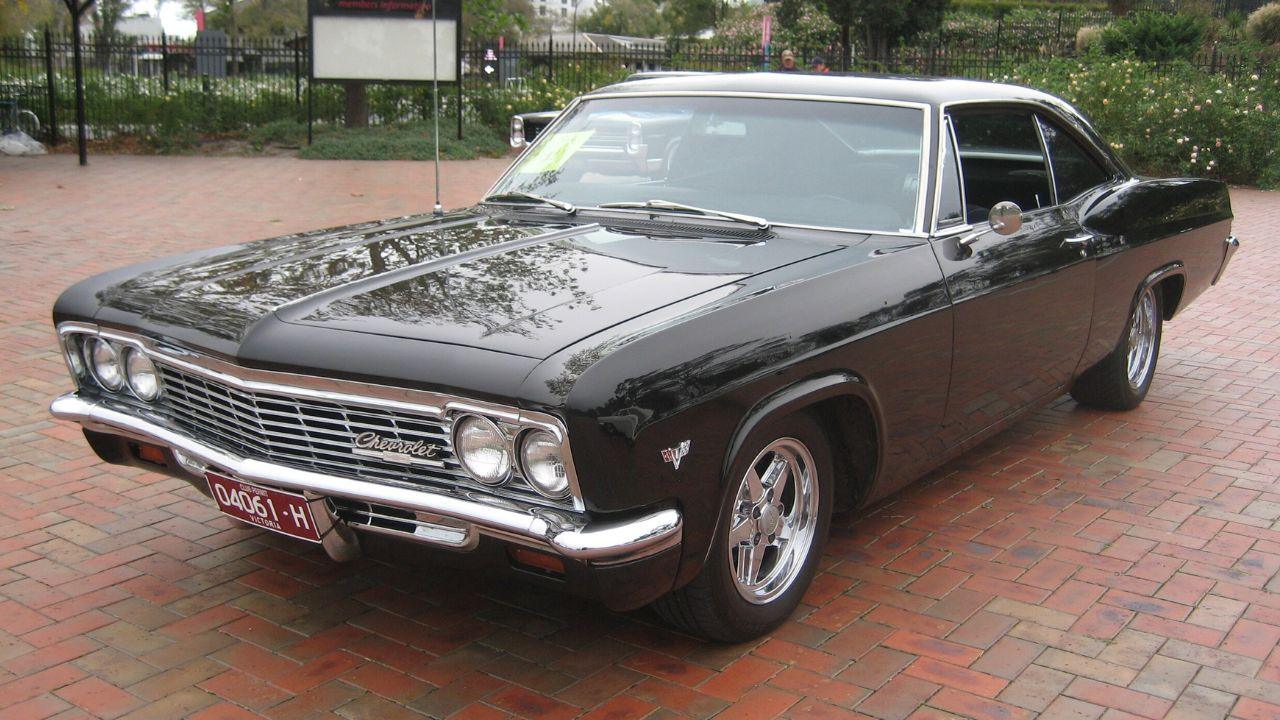
The Chevrolet Biscayne was supposed to be a relatively plain full-size Chevrolet, which made its availability with a 427 V8 particularly wild. The lightweight, stripped-down character of certain Biscayne performance versions gave the big engine an ideal platform. There was little visual drama to warn other drivers about what was under the hood. That sleeper quality makes the big-block Biscayne one of the most fascinating Chevrolet performance cars of its era. It looked like basic transportation but could deliver genuinely serious straight-line performance.
Chevrolet Bel Air 409

The Chevrolet Bel Air became one of the defining American cars of the early 1960s, and the availability of the legendary 409 V8 gave certain versions an entirely different personality. The big engine turned an already substantial car into a formidable performer. Its reputation grew through drag racing and popular culture, helping make the 409-powered Bel Air one of Chevrolet’s most recognizable early muscle machines. The combination of chrome-heavy styling and enormous V8 power still makes these cars impossible to ignore at a show.
Chevrolet Chevelle SS 396
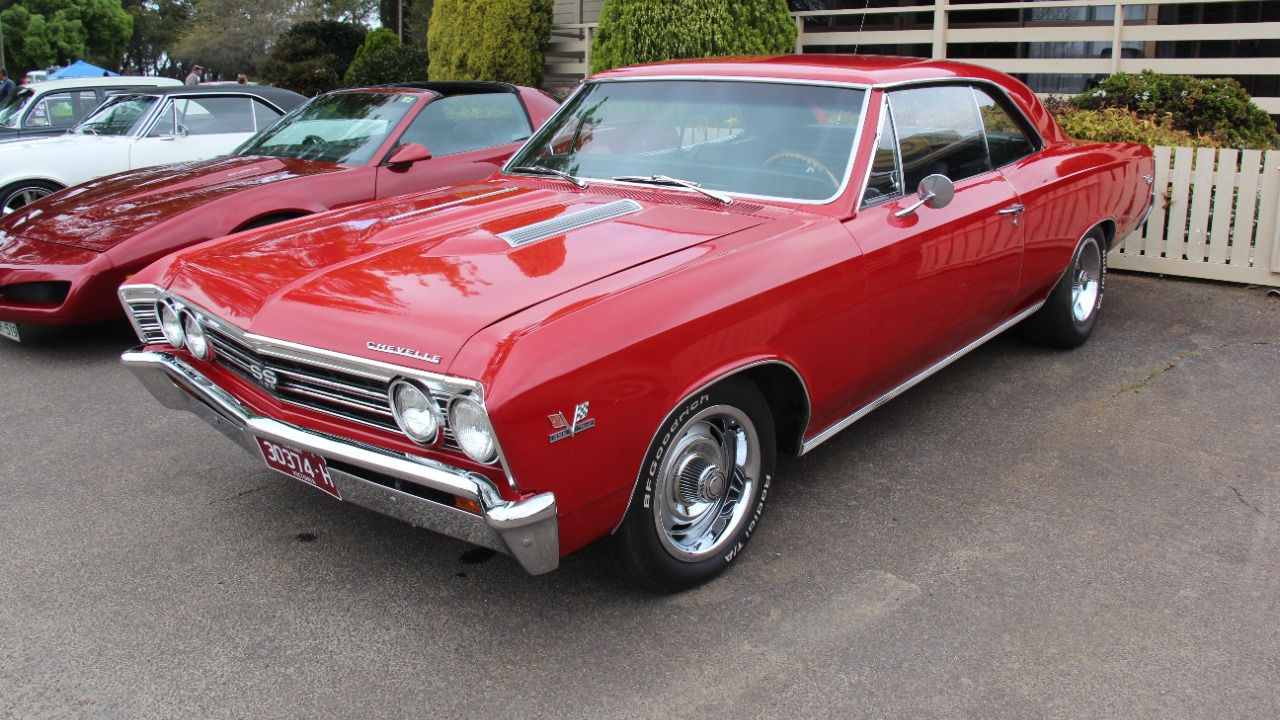
The Chevrolet Chevelle SS 396 helped establish the formula that would dominate the muscle-car era: a midsize body paired with a big-displacement V8. The 396 gave the Chevelle enough torque to make its relatively compact size feel almost unnecessary. Its aggressive stance and simple styling only added to the effect. Today, the SS 396 remains one of the easiest muscle cars to recognize, and its reputation for straight-line performance ensures it still attracts attention whenever a clean example appears.
Chevrolet Camaro SS 396
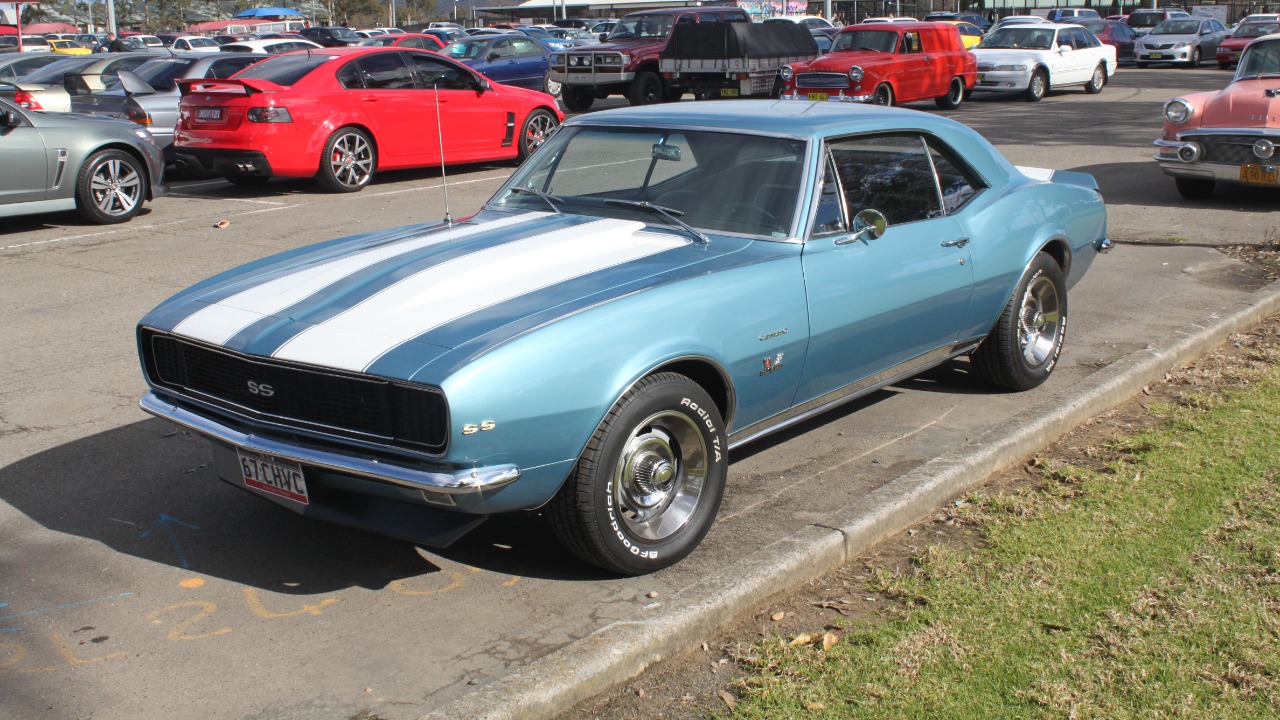
The Camaro SS 396 brought big-block muscle into a smaller, sportier package. That combination made the car especially exciting because there was less mass surrounding the engine’s considerable output. The aggressive hood, short rear deck, and wide stance gave the Camaro a performance-focused appearance, but the real story was underneath. Big-block power in a compact pony car created a recipe that enthusiasts still admire. Few things capture late-1960s American performance better than a clean SS 396.
Chevrolet Nova SS 396
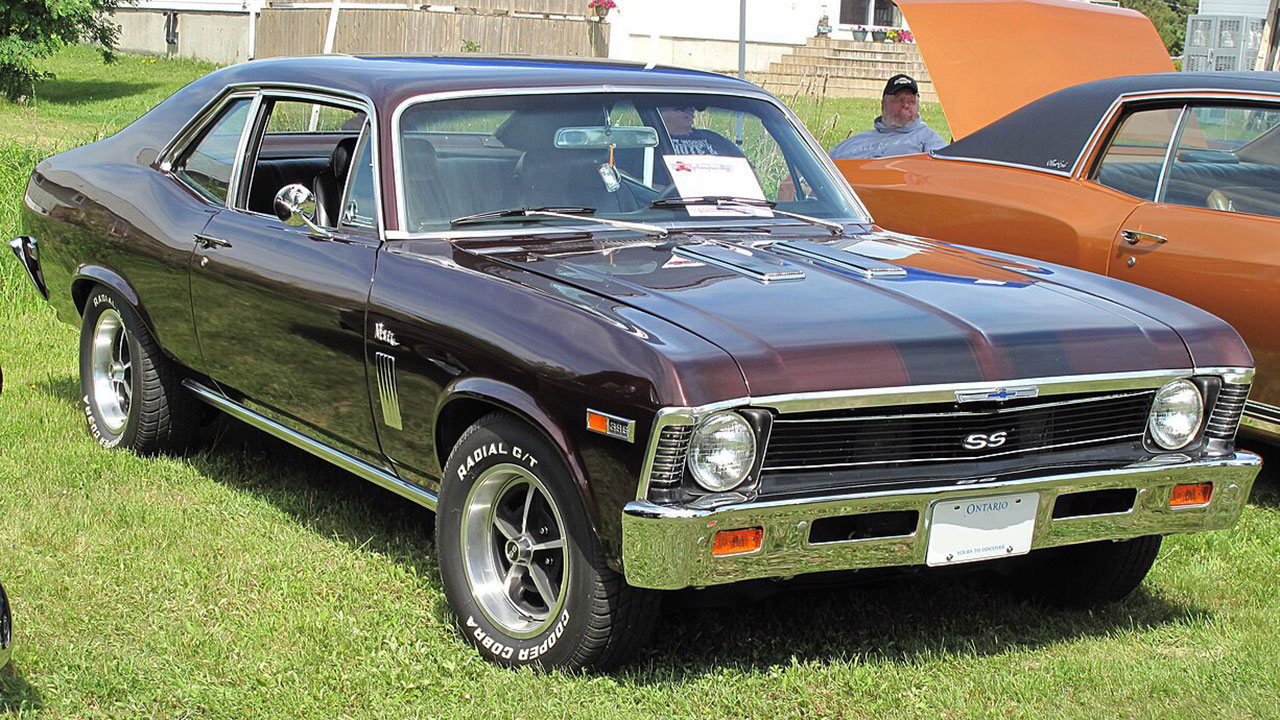
The Chevrolet Nova SS 396 was a classic example of a relatively ordinary compact car receiving an engine that seemed far too large for its body. The combination created a serious sleeper, particularly because the Nova did not always announce its performance credentials as loudly as other muscle cars. Its compact dimensions and big-block torque made it a favorite among drag racers and enthusiasts. Today, a Nova SS 396 can draw just as much attention for its understated appearance as for the enormous engine hiding beneath its hood.
Chevrolet Chevelle SS 454
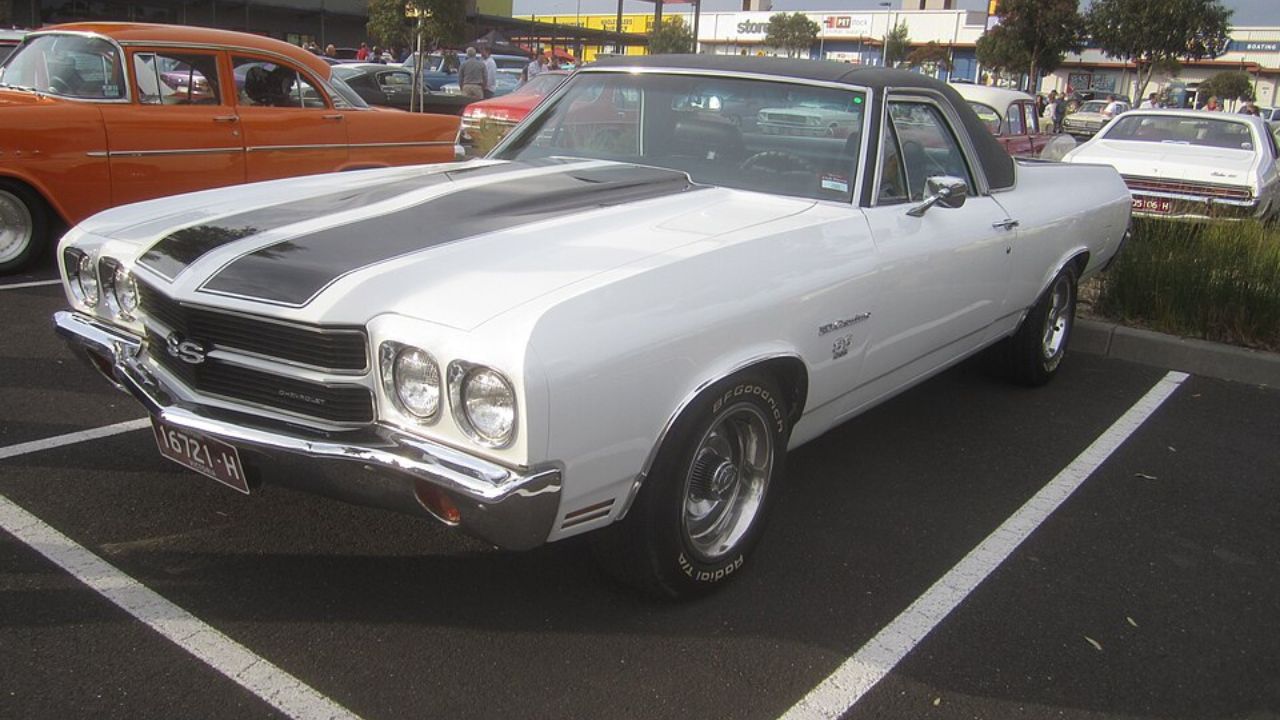
The Chevelle SS 454 took the midsize muscle-car formula to an even more extreme level. The huge-displacement V8 delivered the kind of torque that could make the rear tires work hard even under ordinary street driving. Its muscular proportions already suggested performance, but the big-block engine made the appearance credible. The SS 454 remains one of the defining cars of the classic muscle era because it represented the point where manufacturers stopped worrying about subtlety and simply gave buyers as much engine as the market would accept.
Chevrolet Monte Carlo SS 454

The Chevrolet Monte Carlo brought big-block power into a personal luxury coupe, creating an unusual combination of comfort and brute force. The long hood and substantial body gave the car an imposing appearance, while the 454 provided the muscle to match. It was not as stripped-down or overtly aggressive as some traditional muscle cars, which made the combination even more interesting. A Monte Carlo with big-block power could cruise comfortably and still deliver the kind of acceleration that made smaller performance cars nervous.
Pontiac Firebird 400
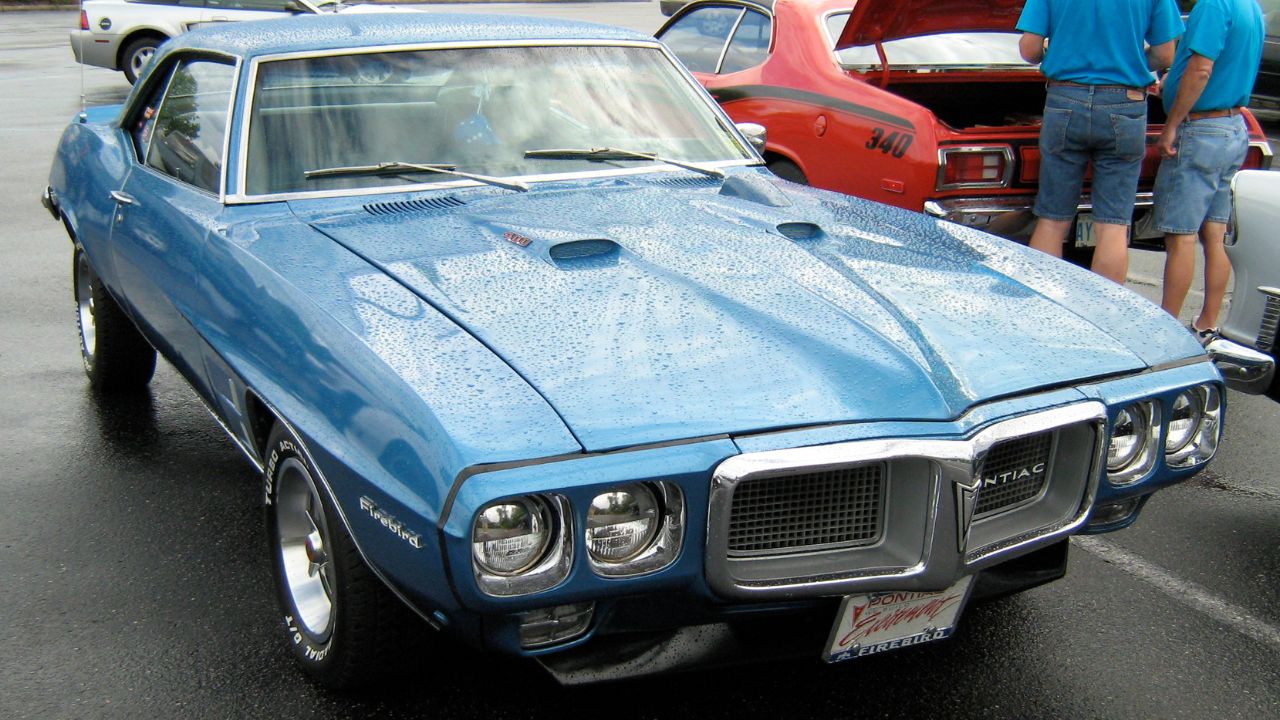
The Pontiac Firebird 400 paired a sporty body with one of Pontiac’s most respected large-displacement V8s. The engine’s strong torque suited the Firebird particularly well, giving the car plenty of punch without requiring an enormous exterior. Its long hood and compact cabin already created the right proportions for a performance car. With a 400 under the hood, the Firebird became one of the more serious choices in Pontiac’s lineup. It remains a favorite among collectors who want classic styling with genuine V8 muscle.
Pontiac Grand Prix 428
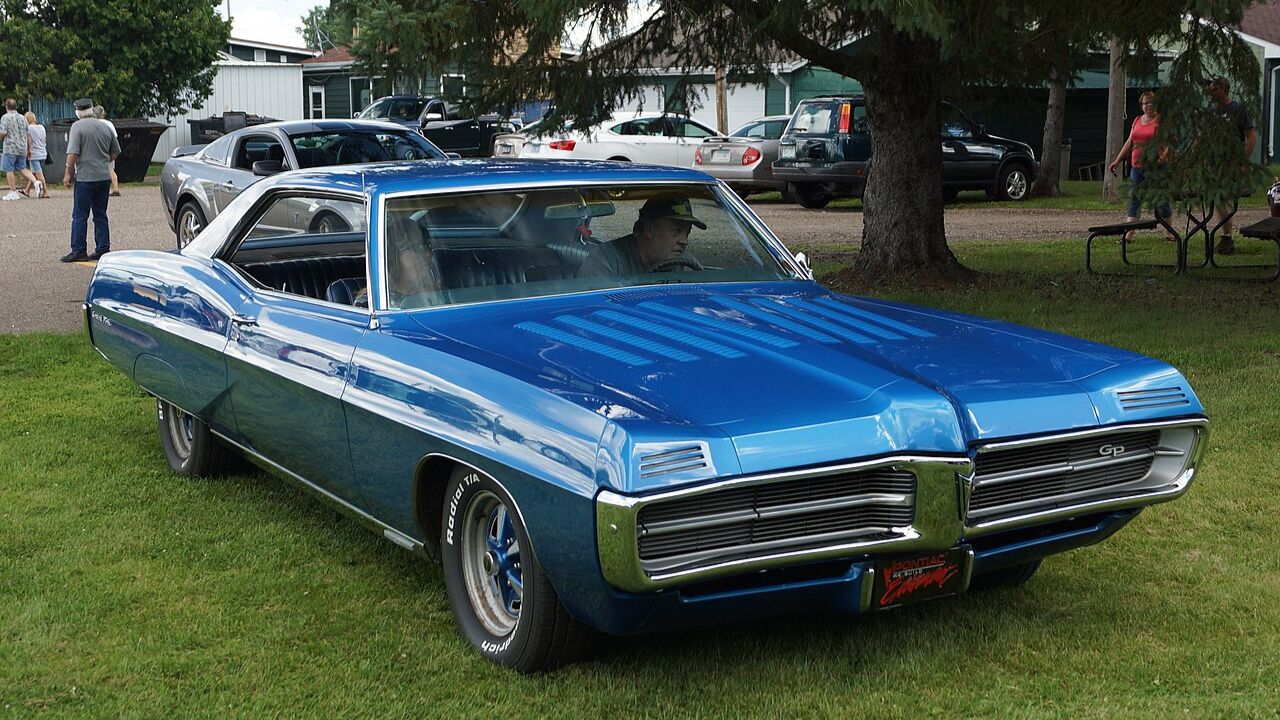
The Pontiac Grand Prix was designed as a stylish personal coupe, but the availability of the 428 V8 gave certain versions far more performance than their luxury-oriented image suggested. The large engine delivered substantial torque while the Grand Prix provided a comfortable interior and long-distance cruising ability. That contrast is part of its appeal today. A big Grand Prix could look refined sitting at a curb and then reveal an entirely different personality when the accelerator was pressed.
Pontiac Catalina 421
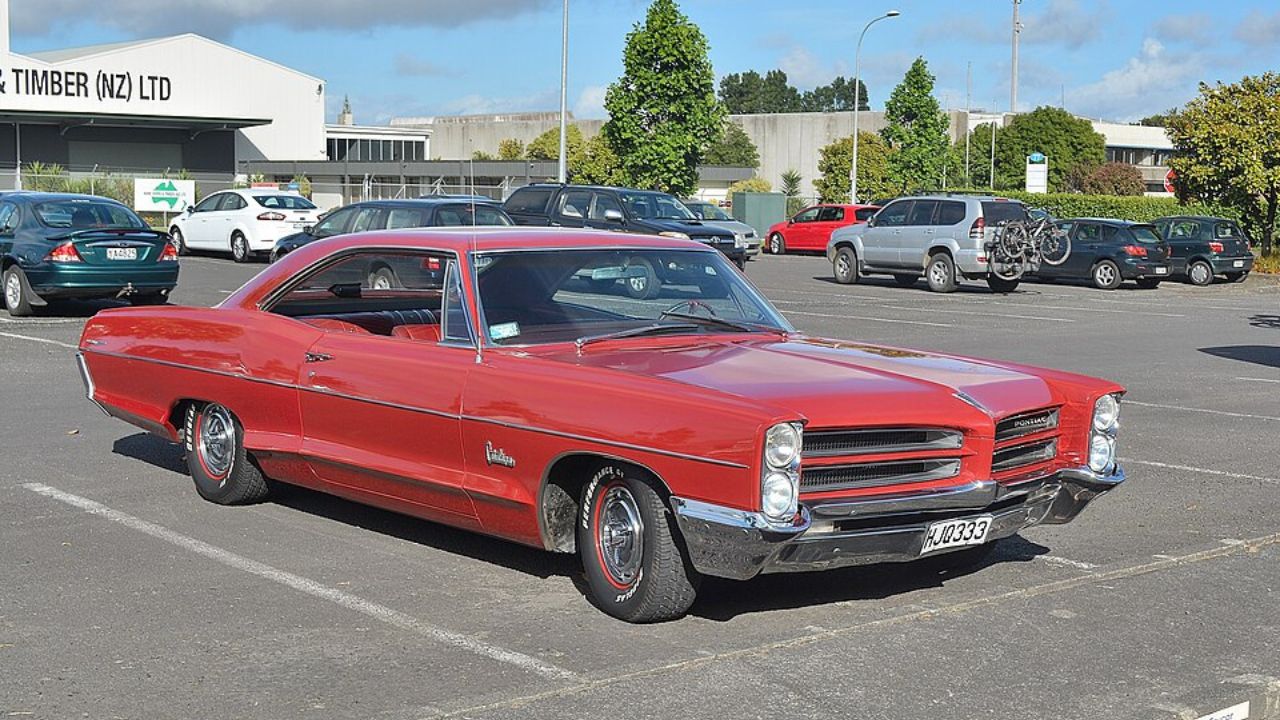
The Pontiac Catalina was a full-size car with substantial dimensions, making it an ideal platform for Pontiac’s powerful 421 V8. The result was a large American cruiser with considerably more performance than its size might suggest. The Catalina’s styling emphasized comfort and presence rather than compact sports-car aggression, making the big engine somewhat unexpected. For collectors, that combination of full-size luxury and serious V8 power gives the 421-powered Catalina a distinctive place in Pontiac history.
Oldsmobile 442 455
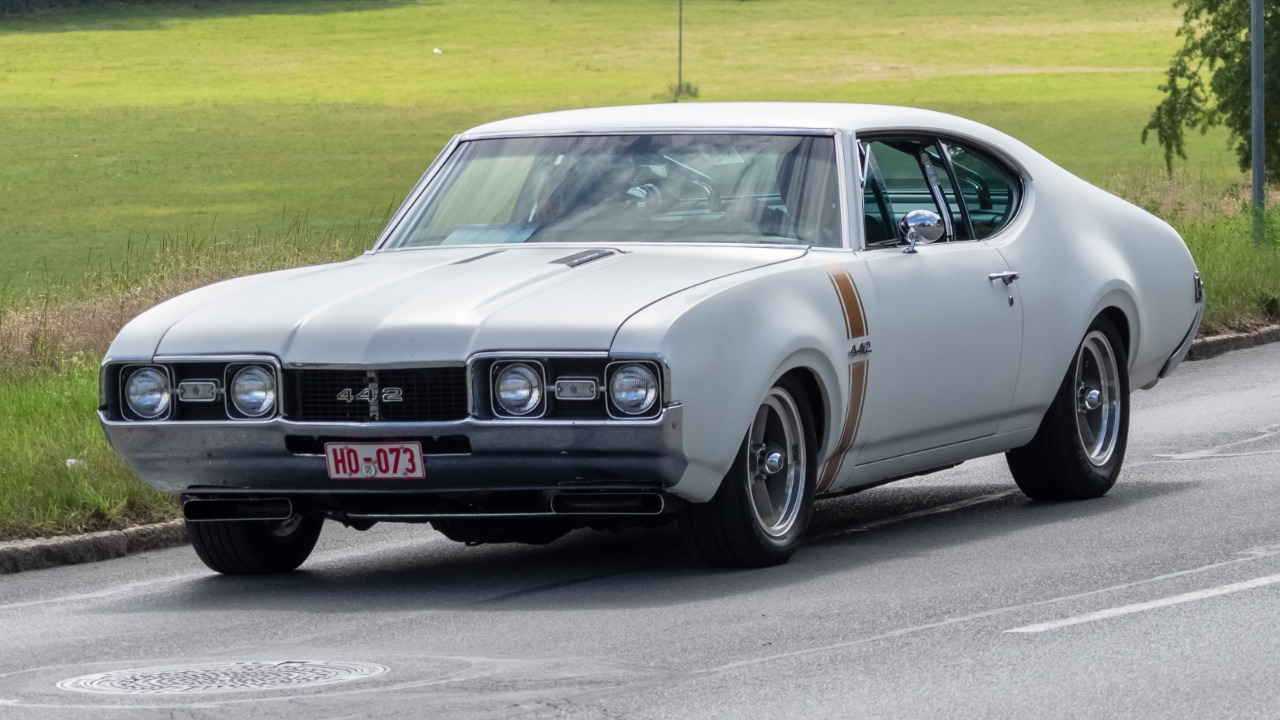
The Oldsmobile 442 became increasingly serious as Oldsmobile expanded its engine options, and the 455 V8 gave the car the muscle to match its aggressive image. The large engine produced abundant torque, making the midsize Oldsmobile feel considerably stronger than its comfortable appearance suggested. The 442 also had enough visual identity to stand apart from ordinary Cutlass models. Today, a 455-powered 442 represents one of the clearest examples of Oldsmobile embracing the muscle-car era without abandoning its reputation for refinement.
Buick GS 455
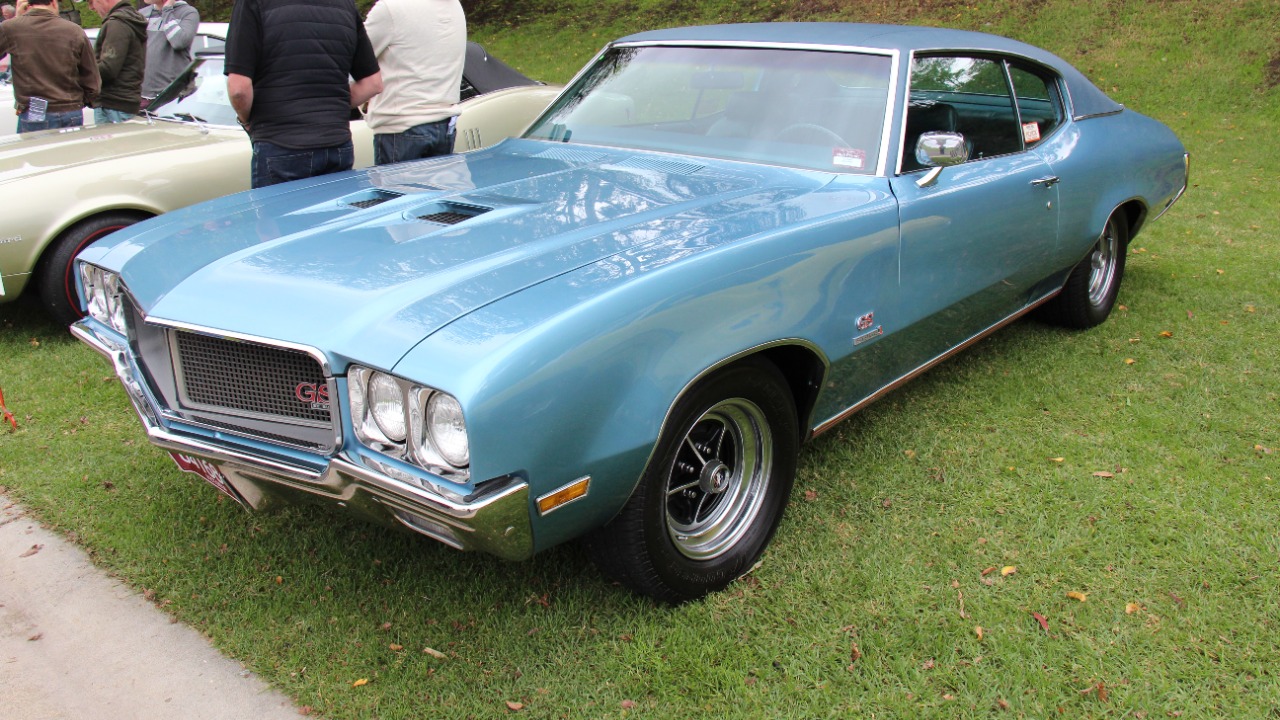
The Buick GS 455 was a muscle car built around torque rather than flashy styling. Its massive V8 gave the midsize Buick enormous low-end strength, allowing it to deliver serious acceleration while maintaining a relatively understated appearance. That combination helped make the GS 455 particularly interesting to enthusiasts who preferred a sleeper. The car could look almost civilized compared with some competitors, yet the big-block power underneath gave it enough authority to compete with much more aggressively styled machines.
Buick Riviera GS
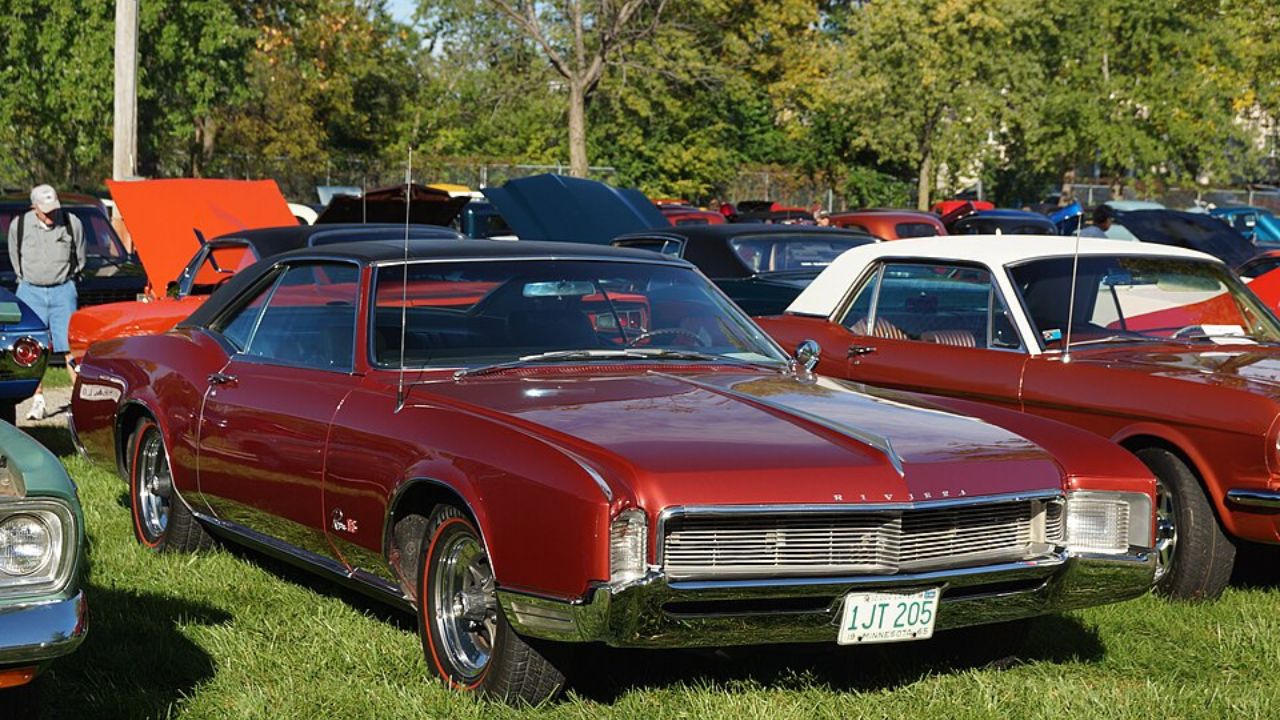
The Buick Riviera already had the proportions of a personal luxury car, but powerful V8 options transformed certain versions into something much more serious. The Riviera GS combined a sophisticated cabin and elegant bodywork with large-displacement power, creating a car that could cruise comfortably while still delivering substantial performance. Its long hood made room for the big engine, while the sleek body kept the car from looking like a conventional muscle machine. That contrast continues to make powerful Riviera models fascinating today.
Oldsmobile Toronado
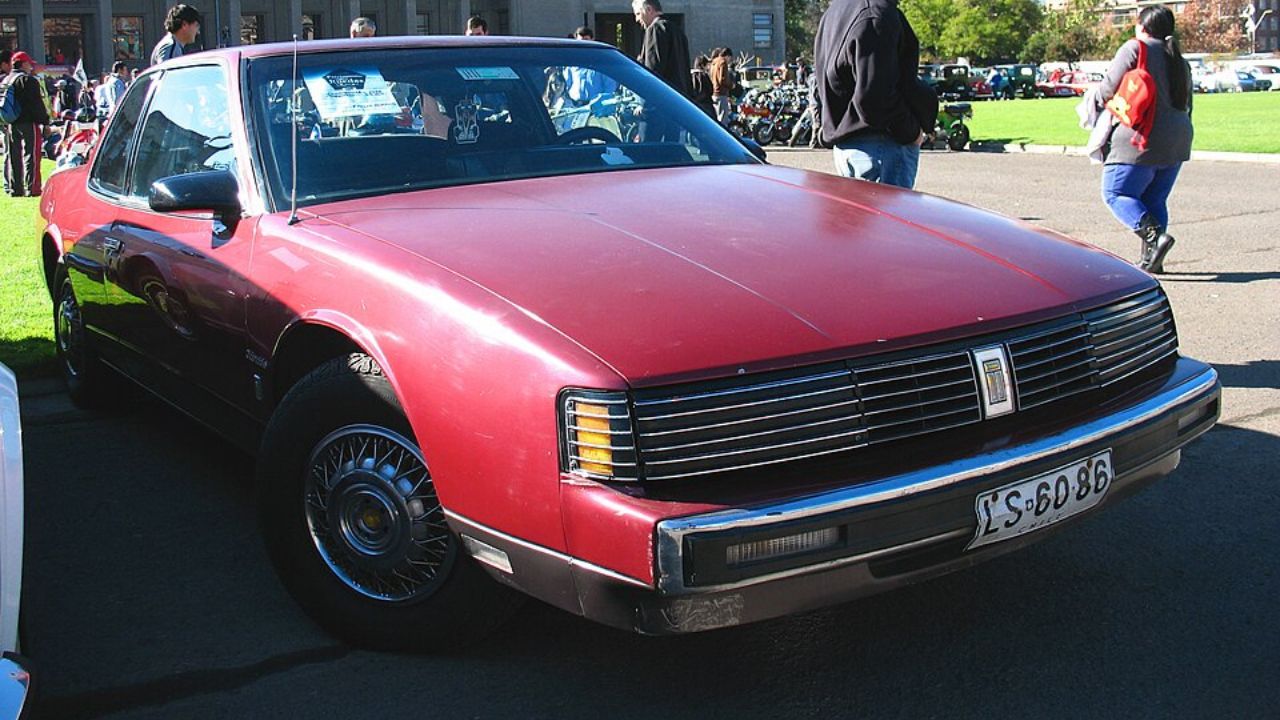
The Oldsmobile Toronado was revolutionary for its front-wheel-drive layout, but its large V8 also gave it plenty of straight-line authority. Putting substantial displacement into a radically designed front-wheel-drive coupe created an unusual combination that looked unlike anything else on the road. The Toronado’s long, low body made it appear futuristic, while the big engine kept it firmly connected to America’s horsepower race. It remains one of the most distinctive ways to experience the excess of the classic American performance era.
Mercury Marauder
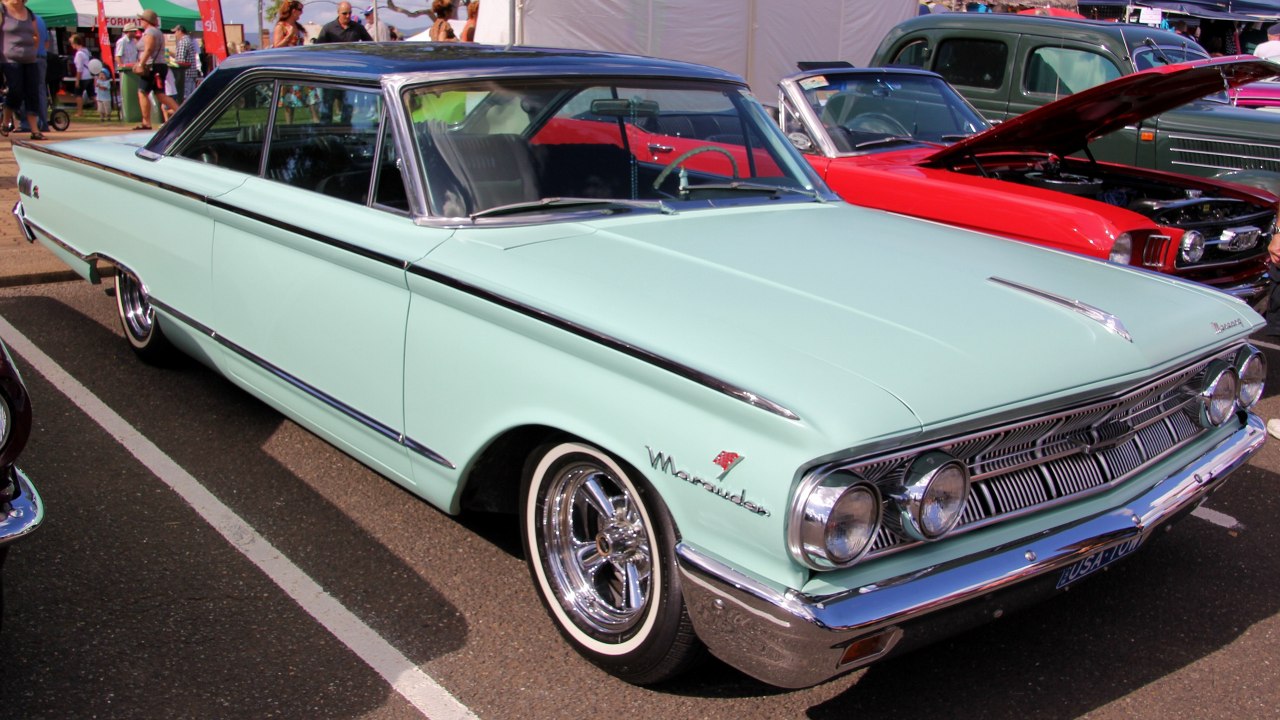
The Mercury Marauder brought full-size luxury-car proportions together with serious V8 power. Its long body and formal styling made it look more like an executive cruiser than a muscle car, yet the available big engines gave it plenty of performance. That sleeper quality has become increasingly attractive to collectors. The Marauder demonstrates that big-block-era performance was not limited to cars with racing stripes and hood scoops. Sometimes the most surprising performance came wrapped in a large, comfortable Mercury body.
Ford Galaxie 500 XL
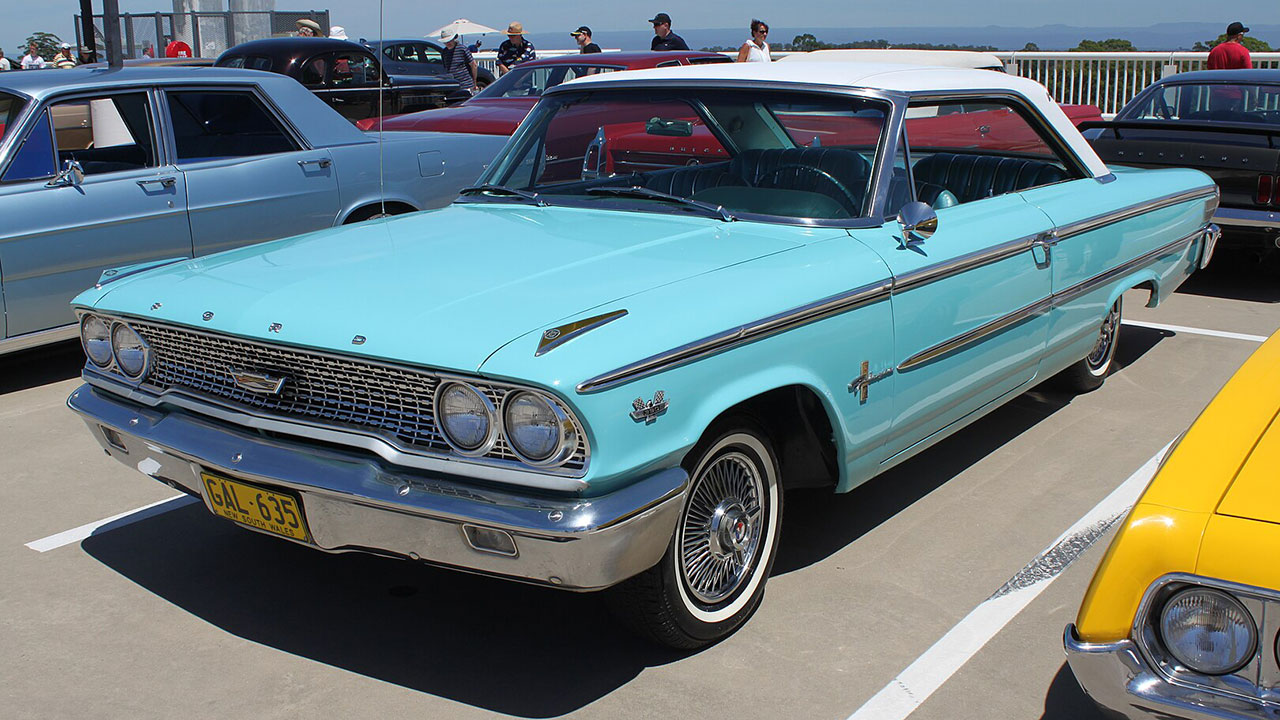
The Ford Galaxie 500 XL offered buyers the chance to combine full-size comfort with substantial V8 performance. Big-block engines transformed the already large Ford into a surprisingly capable straight-line machine. Its enormous proportions, generous chrome, and spacious cabin made the performance even more unexpected. The Galaxie also became popular in racing circles, proving that a full-size family-oriented car could be turned into a serious performer. Today, its combination of size, styling, and big-block power captures the excess of the early muscle era perfectly.
Ford Fairlane 427
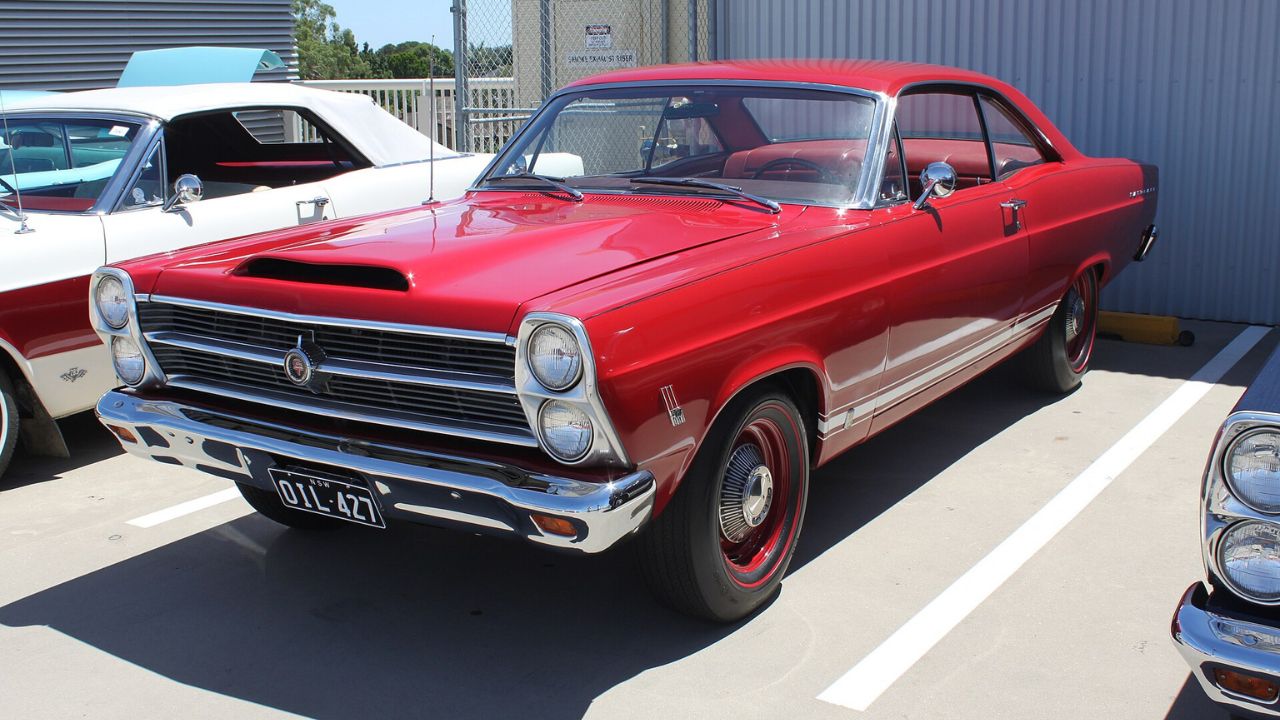
The Ford Fairlane 427 was a serious performance machine hiding beneath relatively compact midsize-car proportions. The legendary 427 V8 gave the Fairlane enormous power potential, while the lighter body helped make the engine even more effective. It became particularly important in Ford’s racing efforts, but street versions gave enthusiasts access to that intimidating combination as well. The Fairlane’s relatively restrained appearance makes the big engine even more fascinating. It is one of those cars that could look ordinary until the hood was opened.
Mercury Cyclone 427
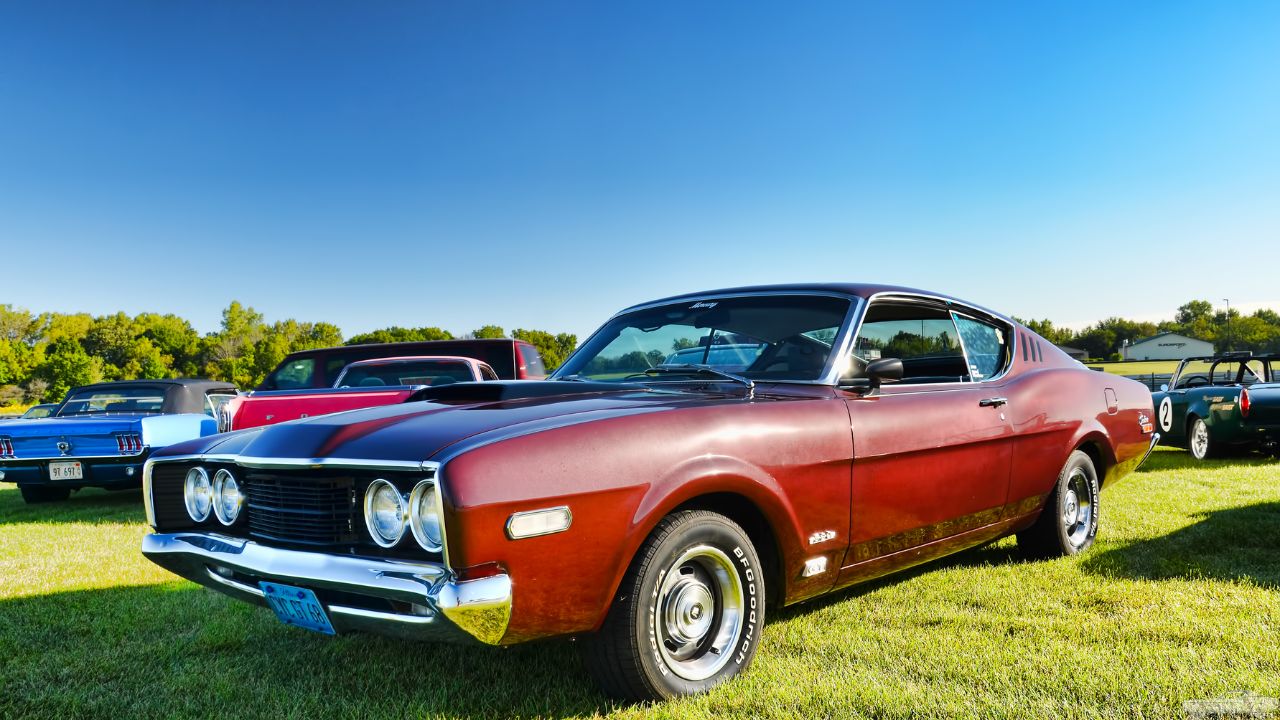
The Mercury Cyclone offered a less obvious route into big-block performance than Ford’s better-known muscle cars. With a 427 V8 available in high-performance applications, the Cyclone could deliver serious speed while retaining its distinctive Mercury styling. Its long hood and fastback proportions already suggested something special, but the large engine elevated the car into another category. Today, the big-block Cyclone is especially appealing because it combines recognizable American muscle-car design with a model that receives less attention than the most famous Ford and Chevrolet competitors.
Plymouth Fury 440
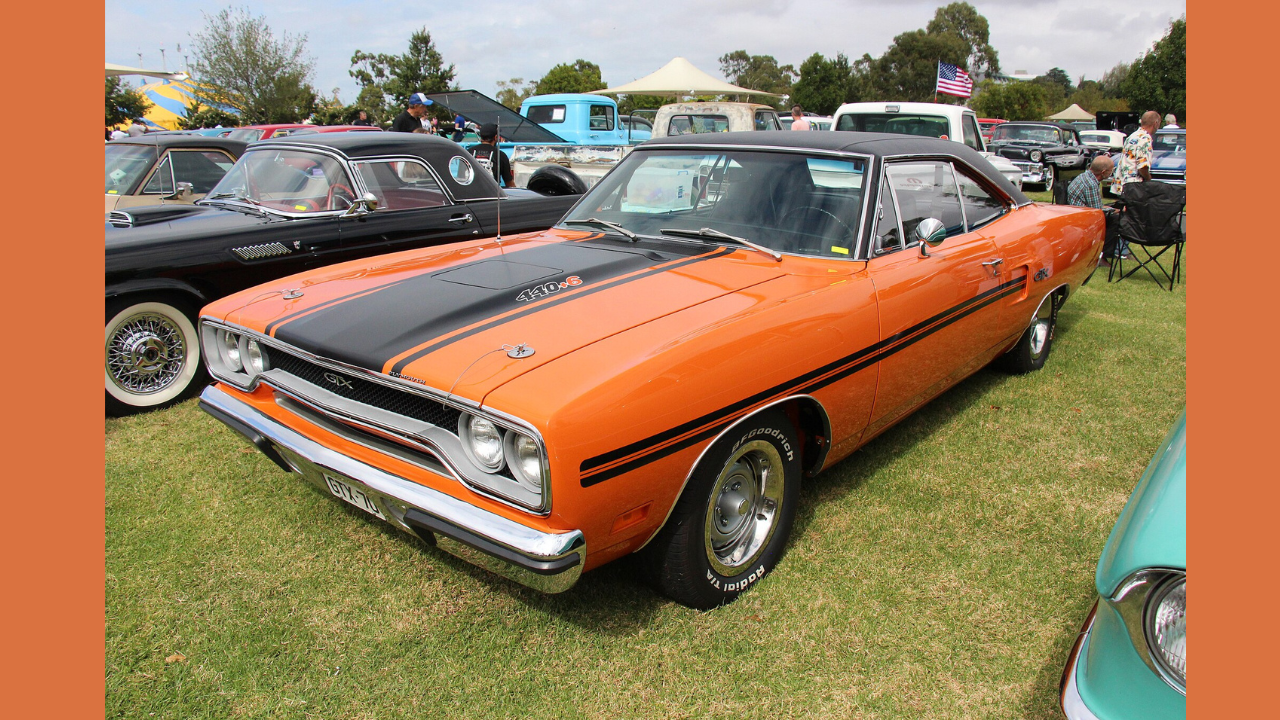
The Plymouth Fury was better known as a large American cruiser than as an outright muscle car, which makes versions equipped with the 440 V8 particularly interesting. The big engine gave the substantial Plymouth enough torque to move its considerable mass with surprising authority. Its restrained styling could also make the performance less obvious than expected. For collectors, that blend of full-size comfort and big-block power represents an overlooked side of the muscle era, when buyers could order enormous engines in cars that were not necessarily marketed as performance specials.
More from Fast Lane Only
- Unboxing the WWII Jeep in a Crate
- 15 rare Chevys collectors are quietly buying
- 10 underrated V8s still worth hunting down
- Police notice this before you even roll window down
*Research for this article included AI assistance, with all final content reviewed by human editors.