Collectibility isn’t just about rarity or auction prices—it’s about what a bike meant in its moment. The most desirable American motorcycles tend to combine clear historical significance with distinctive engineering, a recognizable look, and a story that’s easy to trace through period road tests, factory records, and racing results. Here are 15 U.S.-built machines that stand out as the kinds of bikes enthusiasts keep circling back to when they talk about the best of each era.
Indian Single
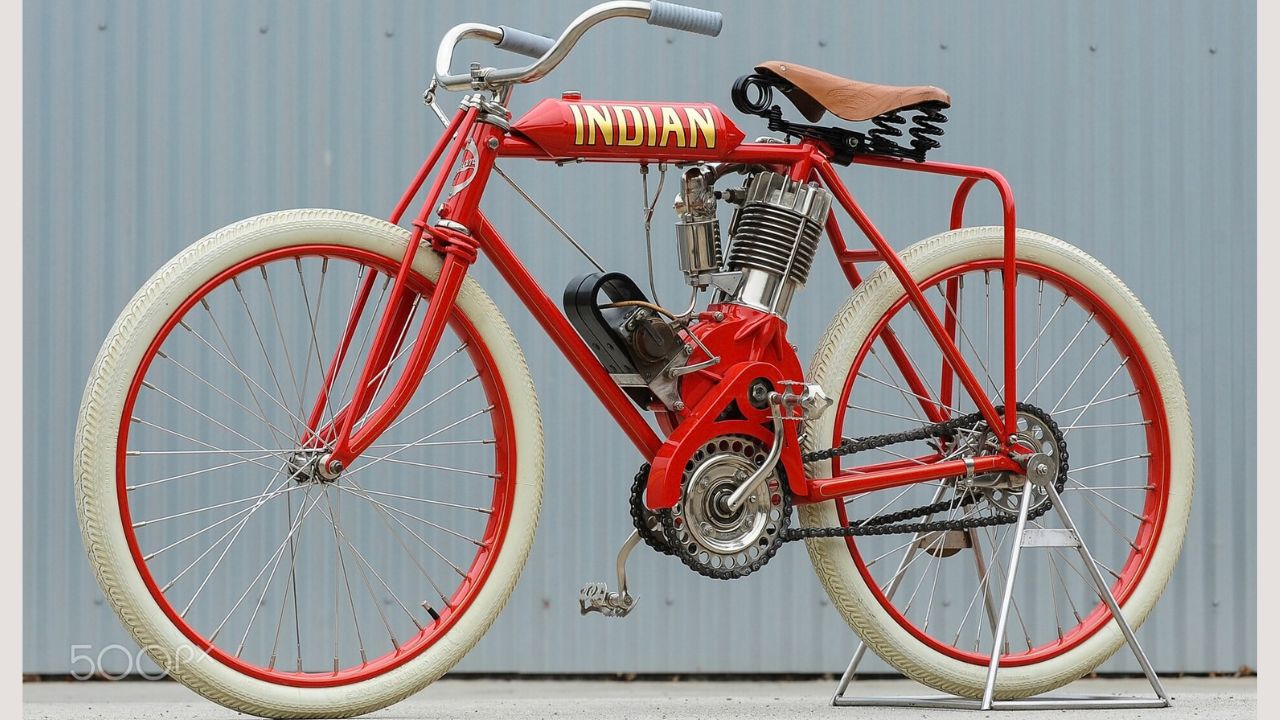
Indian’s early singles helped define what an American motorcycle could be before V-twins became the default image. These bikes were light, mechanically straightforward, and built in an era when reliability mattered more than speed on rough roads. Surviving examples are prized because they represent the pre–World War I foundation of American motorcycling, when manufacturers were still proving the concept.
Period-correct details like frame construction, control layouts, and original hardware matter a lot to collectors, since so many early bikes were modified over their working lives. When restored with the right components, an early Indian single becomes a time capsule of the industry’s first big leap forward.
Indian Powerplus
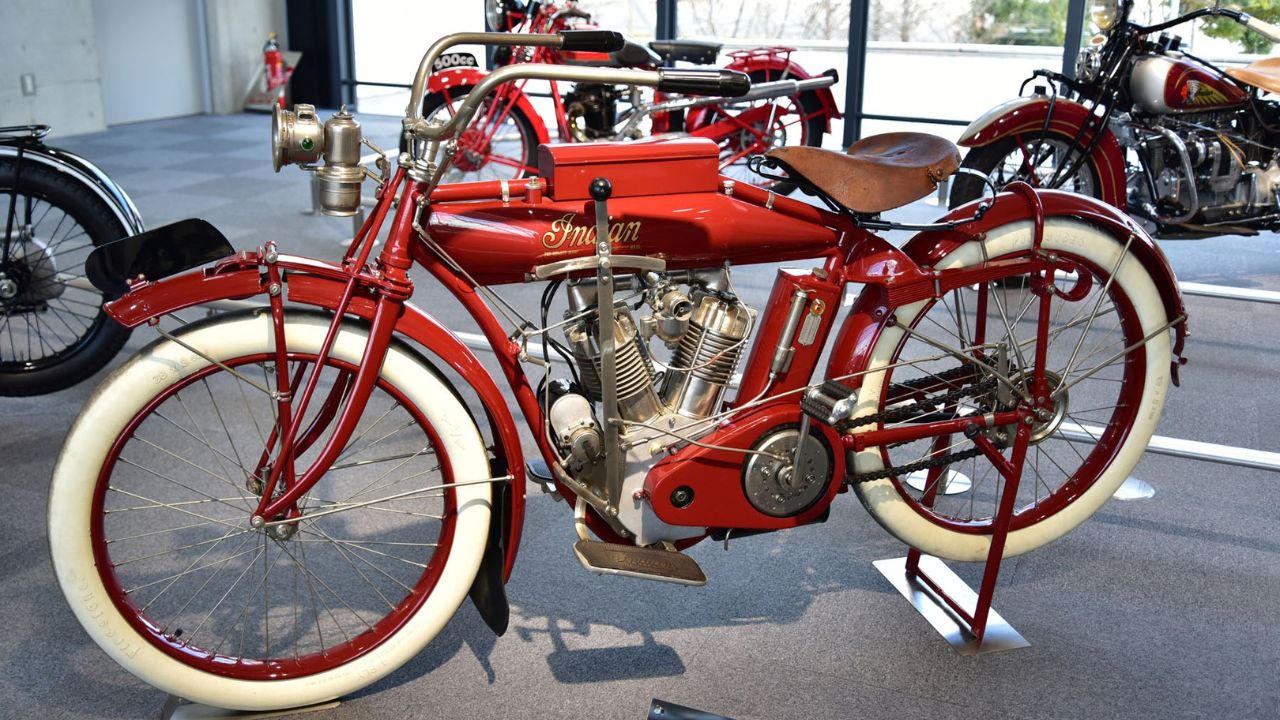
The Powerplus is one of Indian’s most historically significant road machines, known for its strong performance for the time and its role in Indian’s postwar lineup. It’s commonly cited in Indian histories as a major step in the company’s evolution, and it remains one of the era’s most recognizable American motorcycles. The Powerplus name itself became synonymous with Indian’s big-twin capability.
Collectors gravitate to these bikes because they bridge the gap between early experimentation and the more standardized motorcycles of the 1920s. Good examples often showcase period-correct fenders, tanks, and the distinctive stance that separates it from later Indian designs.
Harley-Davidson EL Knucklehead
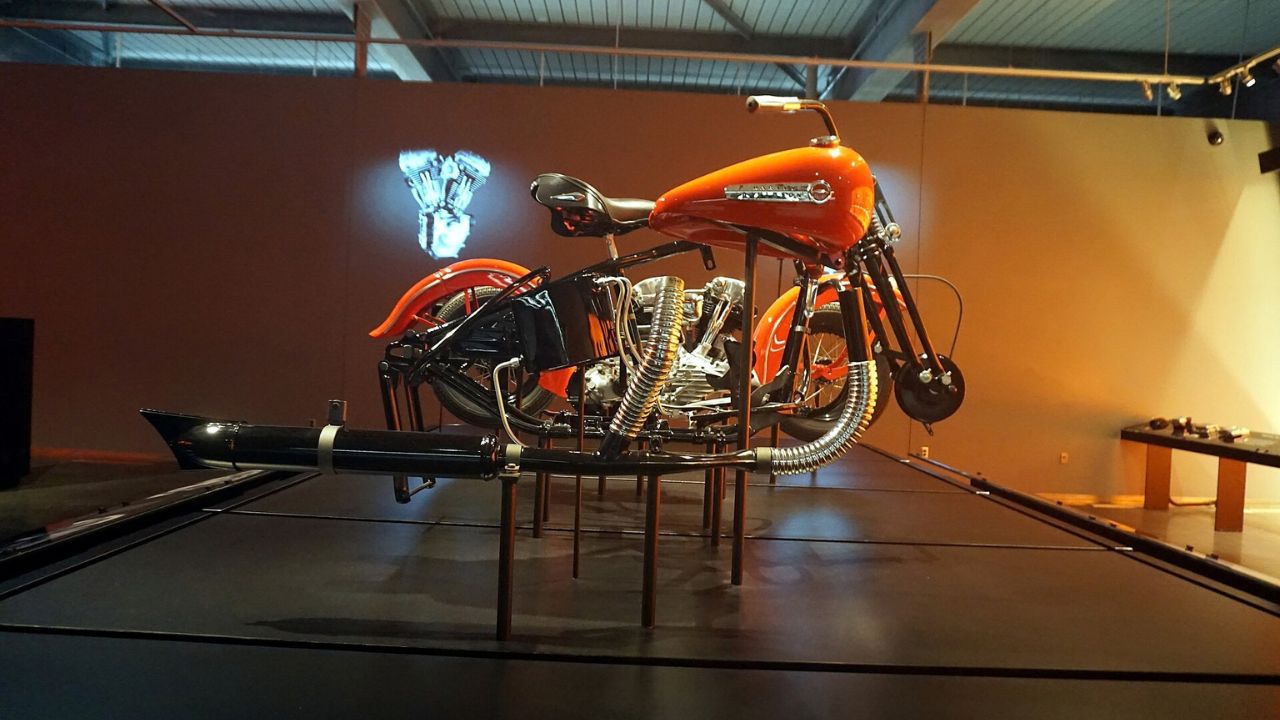
The 61-cubic-inch “Knucklehead” is a landmark Harley engine, widely documented as a major modernization with overhead valves and a new performance ceiling. The 1936–1937 introduction years are especially coveted because they’re the start of a long lineage that shaped American big twins. The look, sound, and mechanical architecture set the template for decades of Harley culture.
Because early Knuckleheads were ridden hard and customized, correct early pieces can be difficult to find. That challenge is part of the appeal: collectors value bikes that keep the right era details without erasing their real-world history.
Indian 841
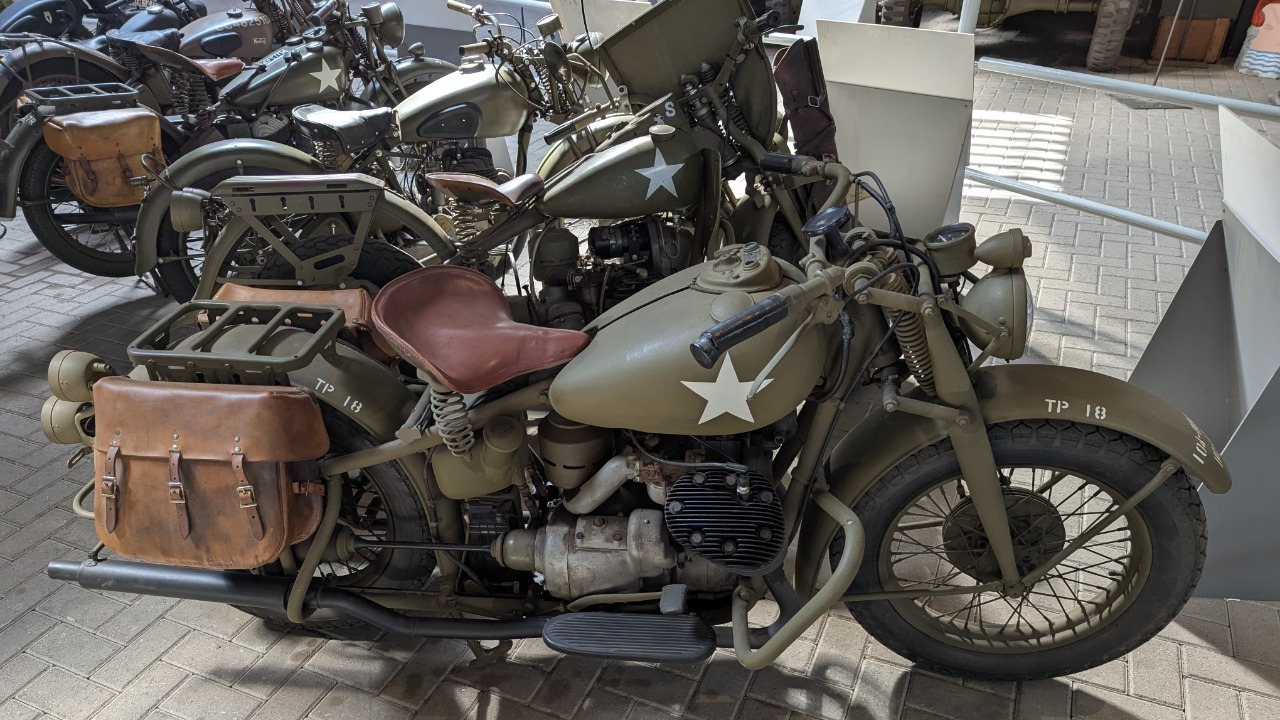
Built in a military context and produced in relatively limited numbers, the Indian 841 stands out as an unusual American V-twin with shaft drive and a distinctly different mission than Indian’s mainstream bikes. It’s a frequent reference point in discussions of wartime American motorcycle development. The 841’s design brief makes it feel like an alternate timeline for Indian engineering.
Survivors are collectible because they’re both historically anchored and visually distinctive. Even among military-themed collections, an 841 draws attention as a rare example of American experimentation under wartime pressure.
Harley-Davidson WLA
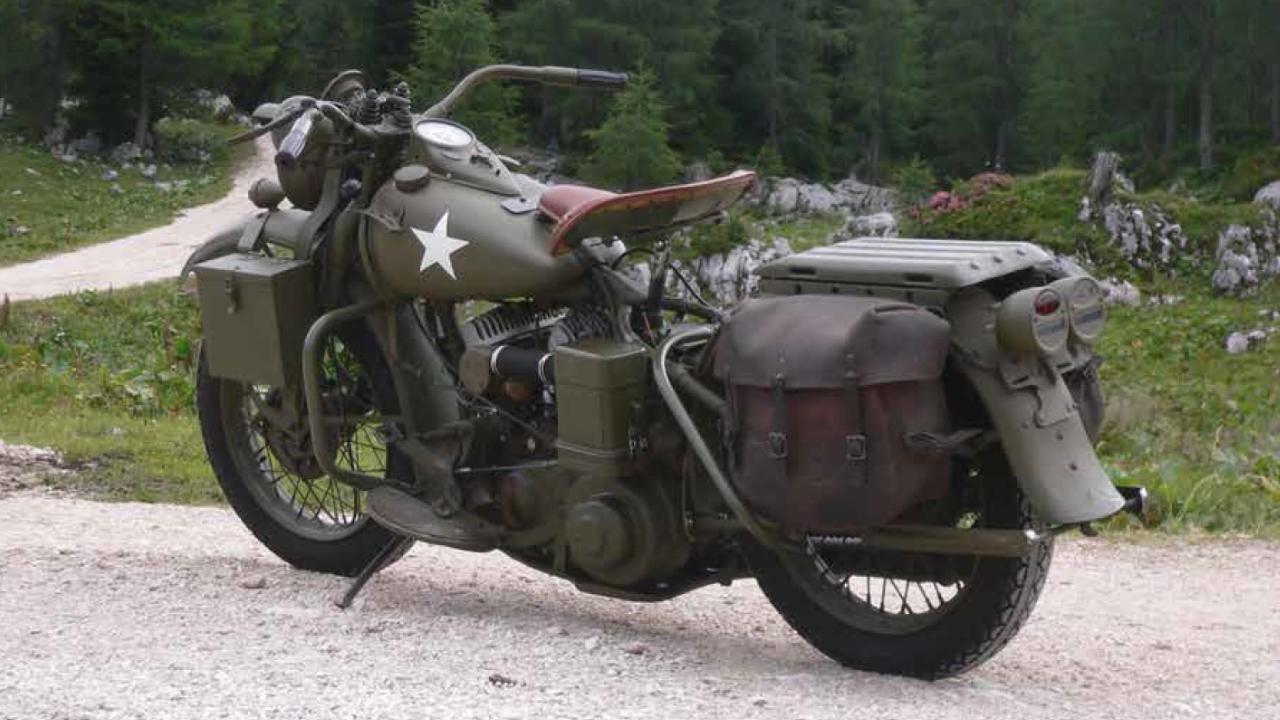
The WLA is arguably the most recognizable American military motorcycle of World War II, with extensive documentation and a huge enthusiast following. Its wartime service history and straightforward mechanicals make it approachable for collectors who want a rideable piece of history. Many WLAs were refurbished and repurposed after the war, adding layers to their provenance.
Collectors often look for correct military fittings and details, but there’s also respect for honest postwar survivor bikes. Either way, the WLA remains a central machine in American motorcycling’s 1940s narrative.
Indian Chief
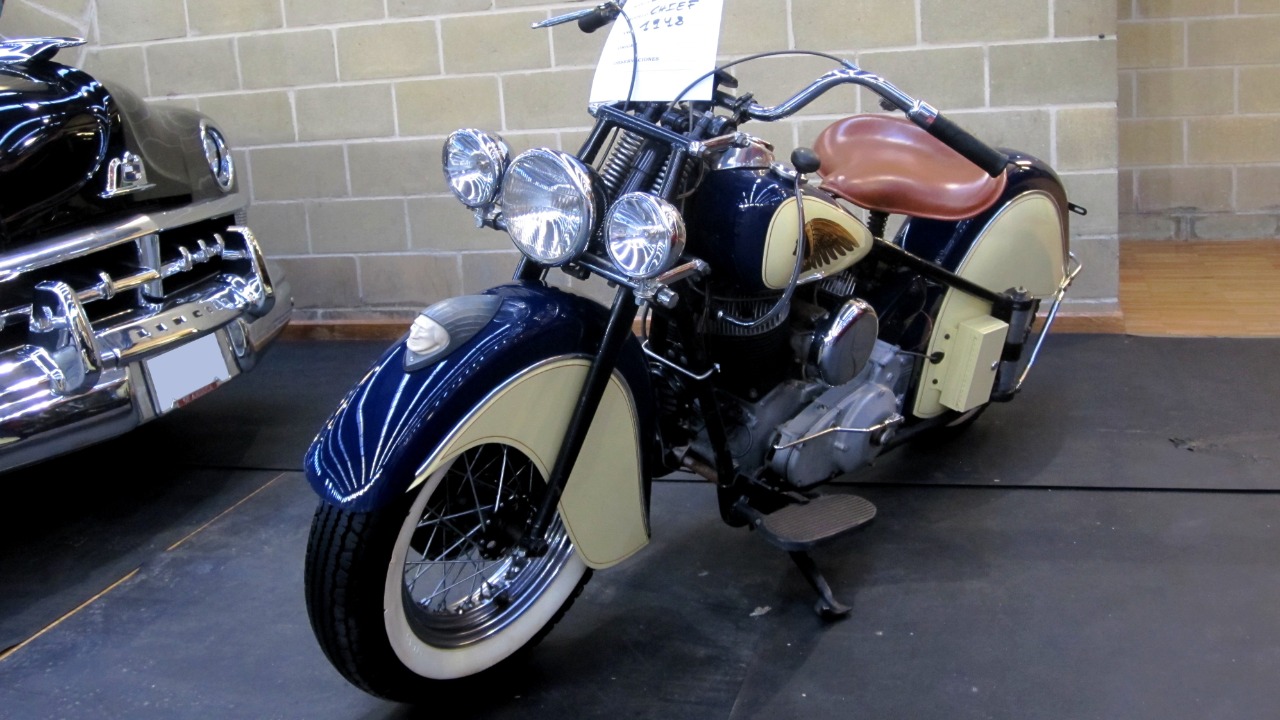
The postwar Chief is a definitive Indian look, with sweeping fenders and a presence that’s hard to confuse with anything else. Late-1940s Chiefs are commonly documented and heavily collected, partly because they represent Indian’s iconic big-twin identity in its final major years. The Chief name has a deep cultural footprint that keeps demand strong.
Collectors pay close attention to correct trim, lighting, and bodywork, since those are core to the Chief’s appeal. A well-sorted Chief feels like the distilled version of classic American V-twin styling.
Vincent Black Shadow (U.S. market presence)
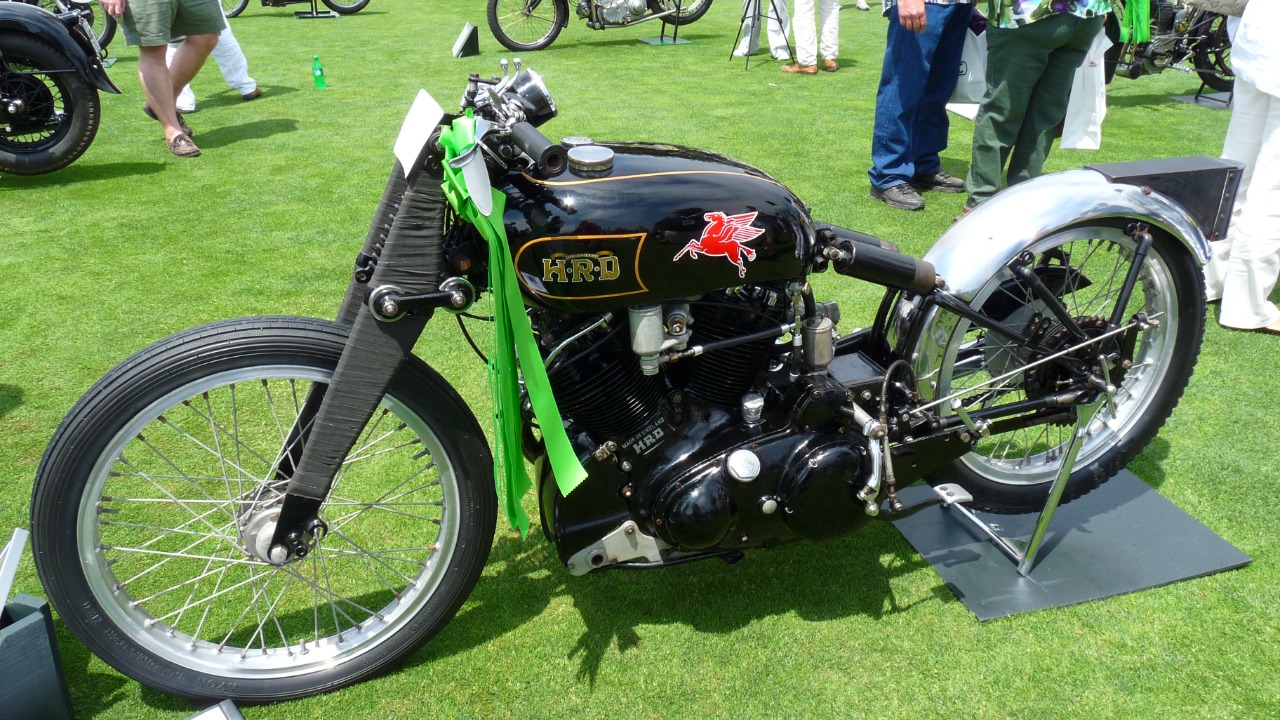
While not an American-made motorcycle, the Vincent Black Shadow became deeply intertwined with U.S. performance lore and the American collector scene, thanks to its reputation and stateside enthusiasm. It’s often discussed alongside American performance icons because it pushed speed and engineering expectations in the same era. Its place in American collecting is well established through decades of magazine coverage and auction visibility.
If your collection is strictly U.S.-built, this one won’t fit, but it’s hard to ignore when talking about what American enthusiasts historically chased. It remains a benchmark machine that influenced what riders expected from “the fastest” road bikes.
Harley-Davidson XL Sportster
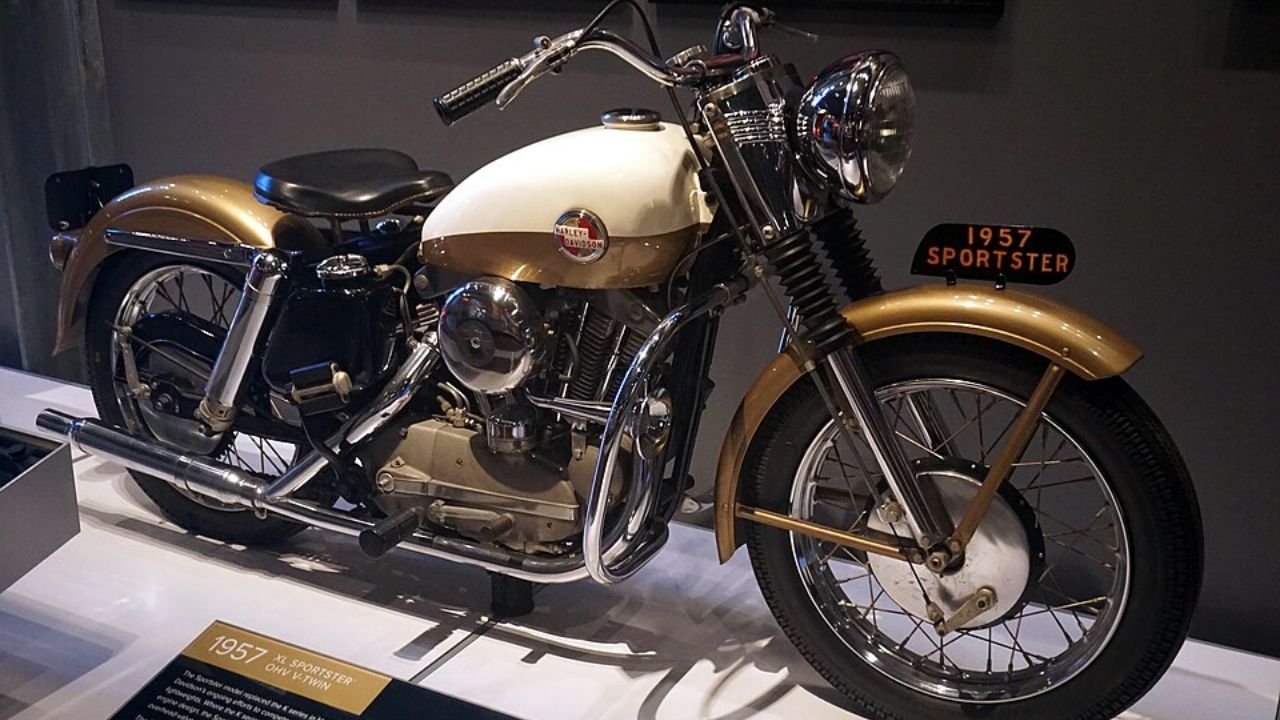
The original Sportster launched in 1957 and became one of Harley-Davidson’s most enduring model lines. Early Ironhead-era Sportsters are especially collectible because they mark the start of a platform that would evolve for generations. They also capture the moment when American riders wanted something lighter and sportier without abandoning V-twin character.
Collectors appreciate these bikes for their blend of compact proportions and traditional Harley feel. Stock details and correct finishes can matter as much as performance upgrades, since the early XL has a clear, recognizable identity.
Harley-Davidson FLH Duo-Glide
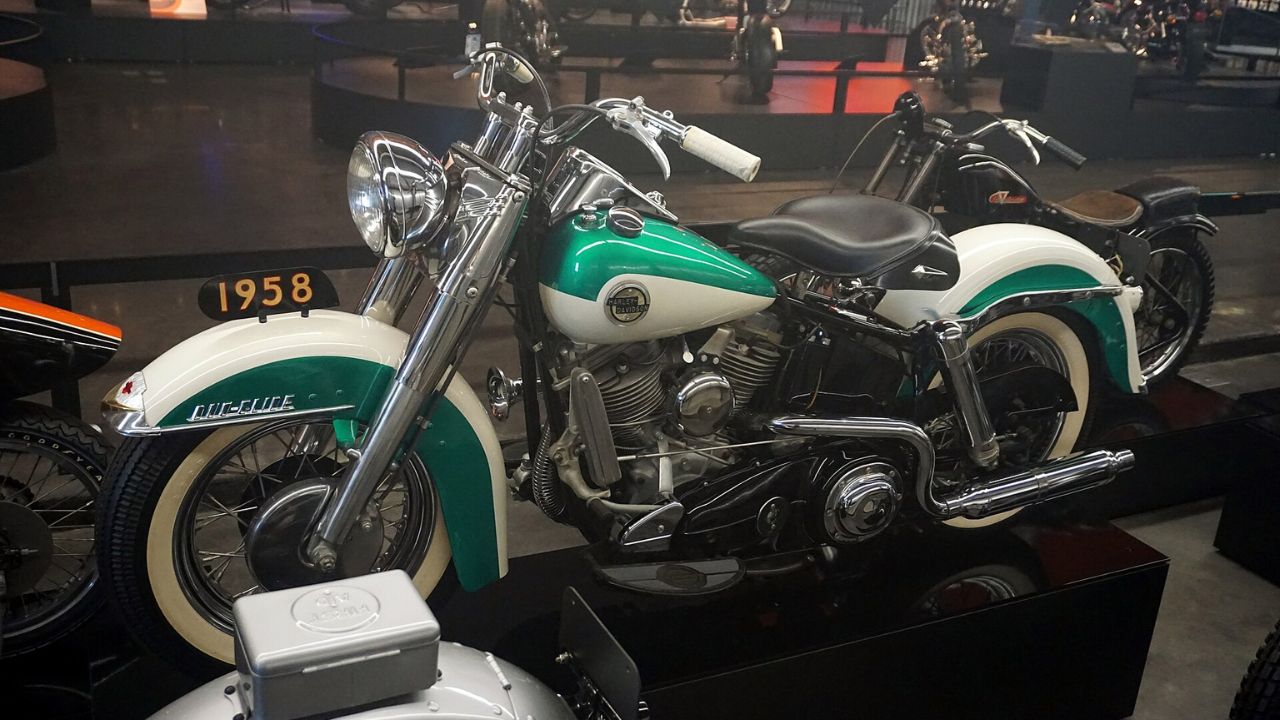
Harley’s big touring models tell the story of American long-distance riding, and the Duo-Glide era sits right in the transition to more modern rear suspension comfort. FLH models from this period are well documented and widely loved for their blend of classic styling with improved ride quality. They’re the kind of bikes that still make sense on the road today.
Collectors often seek correct touring components and period accessories, since these bikes were frequently set up for real travel. A well-kept Duo-Glide can be both a collectible and a genuinely usable vintage tourer.
Harley-Davidson FLH Electra Glide
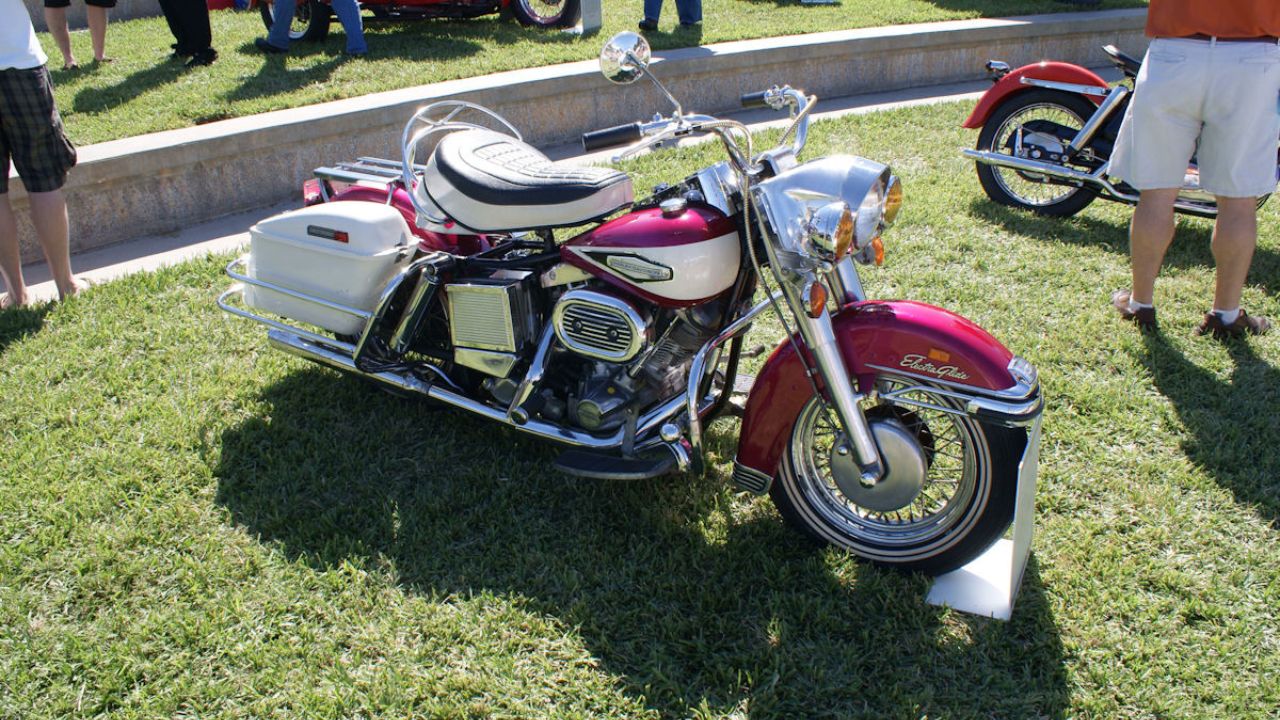
The 1969 model year is significant in Harley-Davidson history because it’s associated with the start of the AMF era, a point collectors often note when discussing production changes and brand evolution. Electra Glides themselves are central to the American touring story, and late-’60s examples bridge old-school aesthetics with the emerging modern touring identity. They’re also closely tied to police and long-haul imagery of the era.
Condition and documentation matter, especially when bikes retain their original feel rather than being heavily updated. A solid late-’60s Electra Glide is an appealing snapshot of Harley at a pivotal moment.
Harley-Davidson XR750
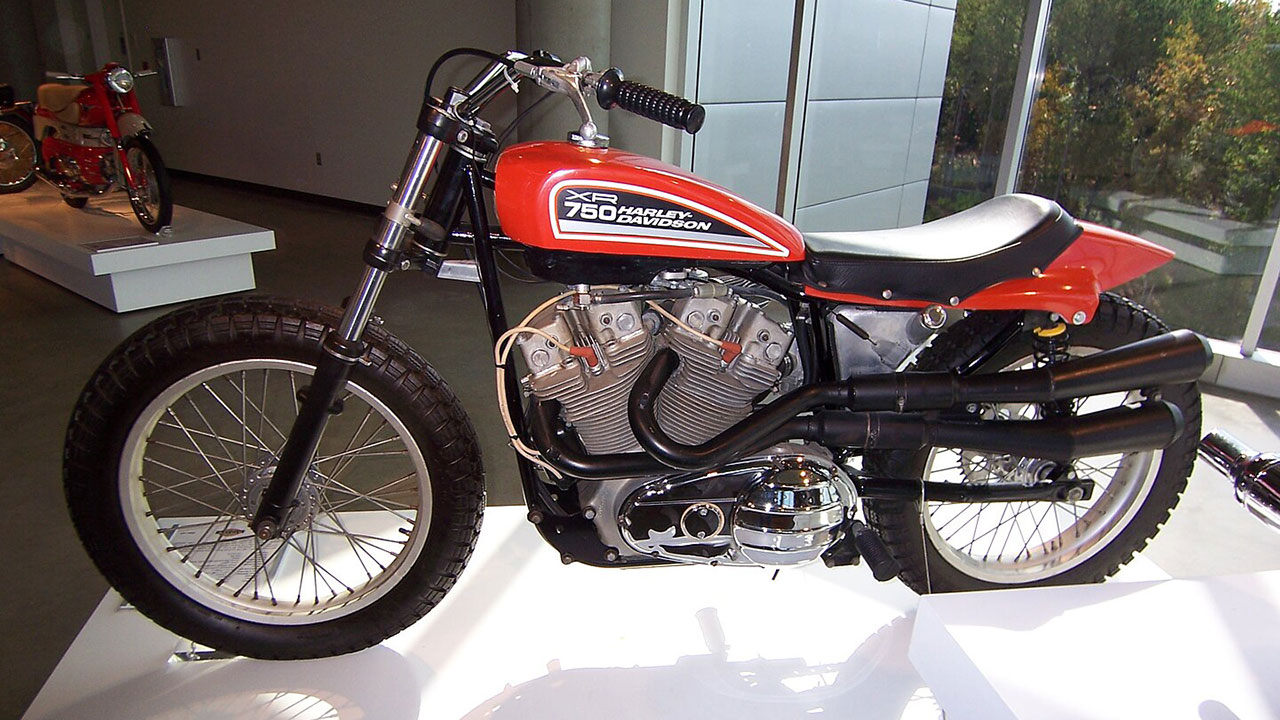
The XR750 is one of the most important American racing motorcycles ever built, synonymous with flat track success and widely documented in racing history. Even if most enthusiasts will never own one, its influence on American motorcycle culture is hard to overstate. When genuine XR750s do trade hands, they’re treated as serious collectibles with competition pedigree.
Collectors value provenance, period race history, and correct specification far more than cosmetic perfection. It’s a bike where the story—who raced it, where, and when—can be the biggest part of its value.
Harley-Davidson XR1200 (modern homage)
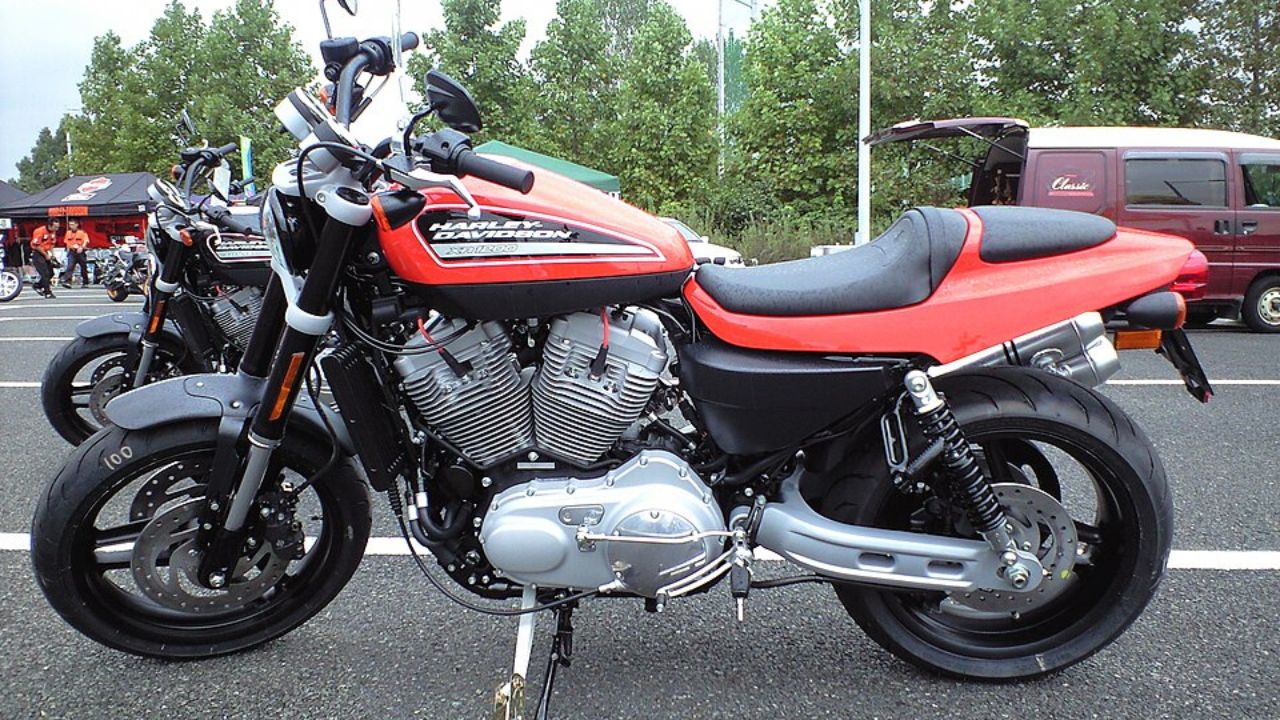
Harley later leaned on the XR legend with roadgoing interpretations, and the XR1200 became a notable modern nod to that heritage. It’s collected less for rarity and more for what it represents: a factory attempt to channel track-inspired attitude into a street bike. In Harley circles, it’s often remembered as a more performance-oriented outlier in the lineup.
For collectors of modern Harleys, it’s appealing because it sits a little outside the expected cruiser/tourer mold. Kept stock and clean, it can feel like a time-stamped experiment that the company didn’t repeat often.
Harley-Davidson FXR
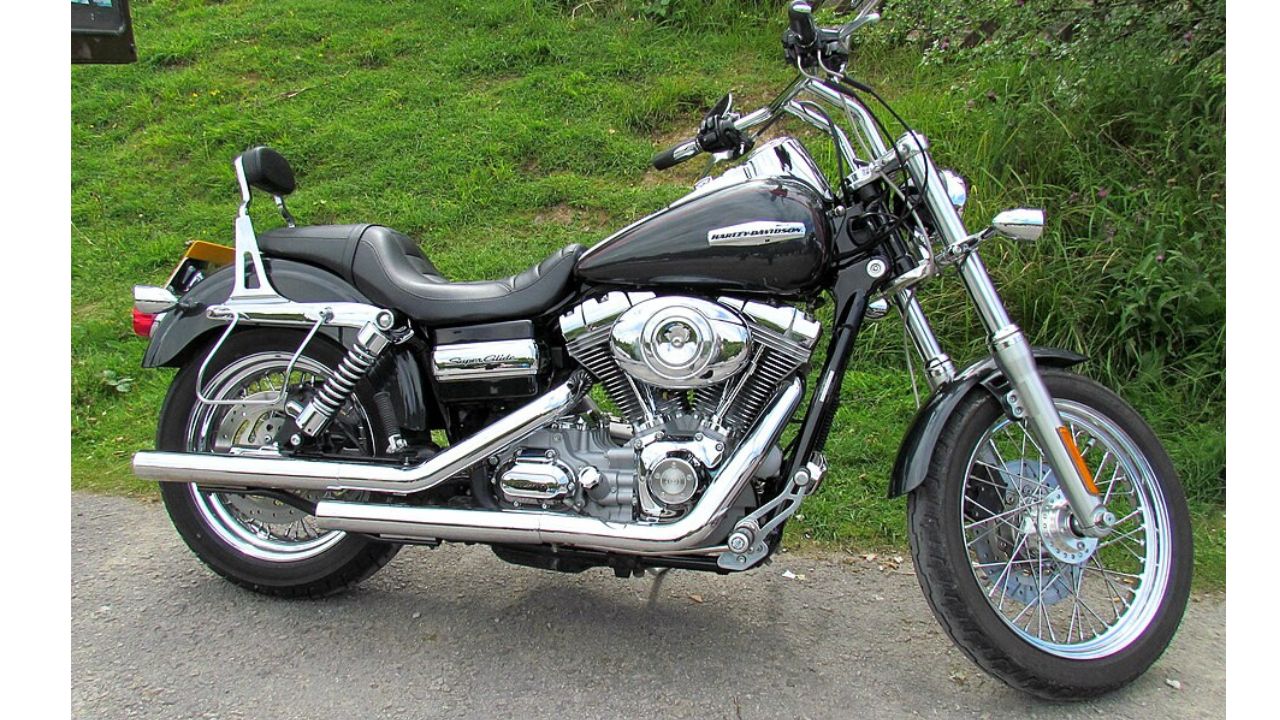
The FXR has earned a strong reputation among enthusiasts for its chassis design and real-world ride quality, and it’s frequently cited as one of Harley’s best-handling big-twin platforms. Early FXRs can be especially collectible because they represent a design direction that later shifted. They also became a favorite base for riders who actually put serious miles on their bikes.
That “ridden, not hidden” history is part of the charm, but clean, unmolested survivors are increasingly appreciated. An FXR can satisfy collectors who care as much about engineering as they do about nostalgia.
Harley-Davidson FXST Softail
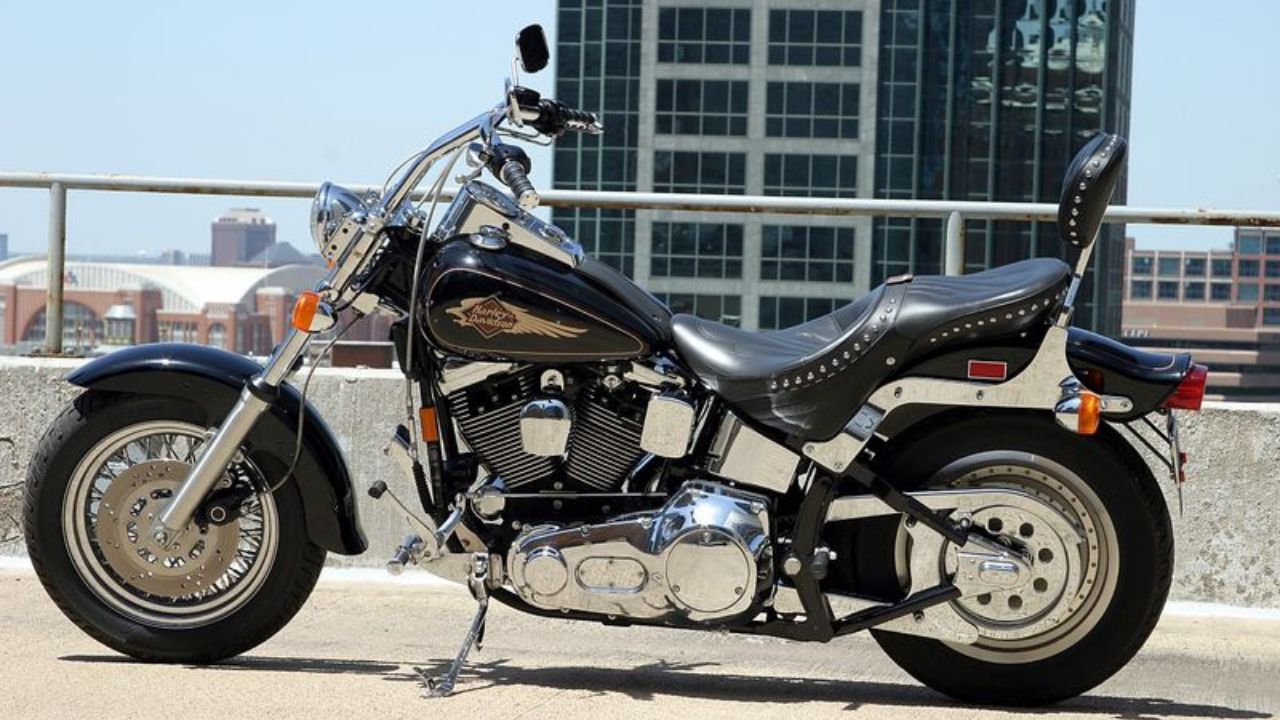
The Softail’s introduction in the mid-1980s is a major milestone, combining classic hardtail looks with hidden rear suspension. Early Softails are historically significant within Harley’s lineup because they reshaped what many riders expected visually from a new bike. It also arrived right as Harley was reestablishing itself as an independent company again.
Collectors often look for early examples that retain their original silhouette and key components. A first-generation Softail captures a pivotal design idea that became a long-running cornerstone.
Harley-Davidson FLSTN Heritage Softail Nostalgia
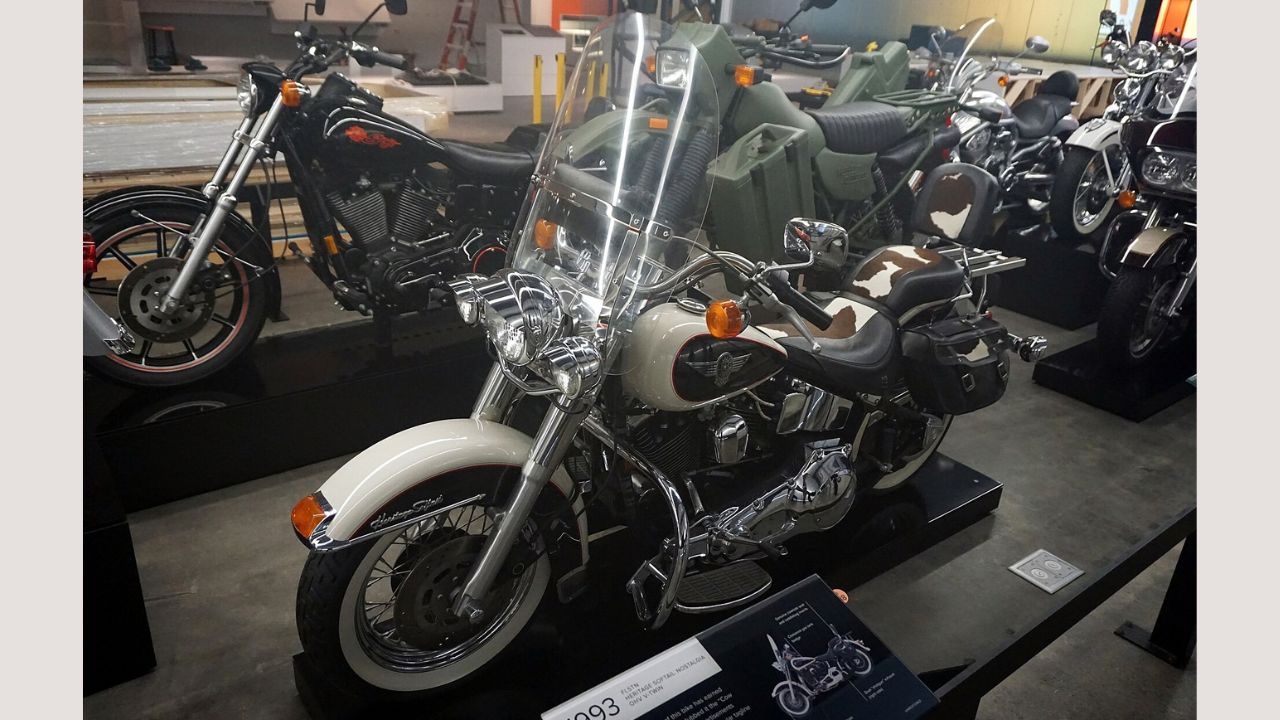
The FLSTN “Nostalgia” is a memorable early-’90s Harley that leaned hard into retro cues, including styling touches that stood out even within the Heritage family. It’s collectible because it’s so time-specific—an era-capsule of how the early 1990s interpreted the past. In enthusiast circles, it’s often remembered for its
More from Fast Lane Only
- Unboxing the WWII Jeep in a Crate
- 15 rare Chevys collectors are quietly buying
- 10 underrated V8s still worth hunting down
- Police notice this before you even roll window down
*Research for this article included AI assistance, with all final content reviewed by human editors.