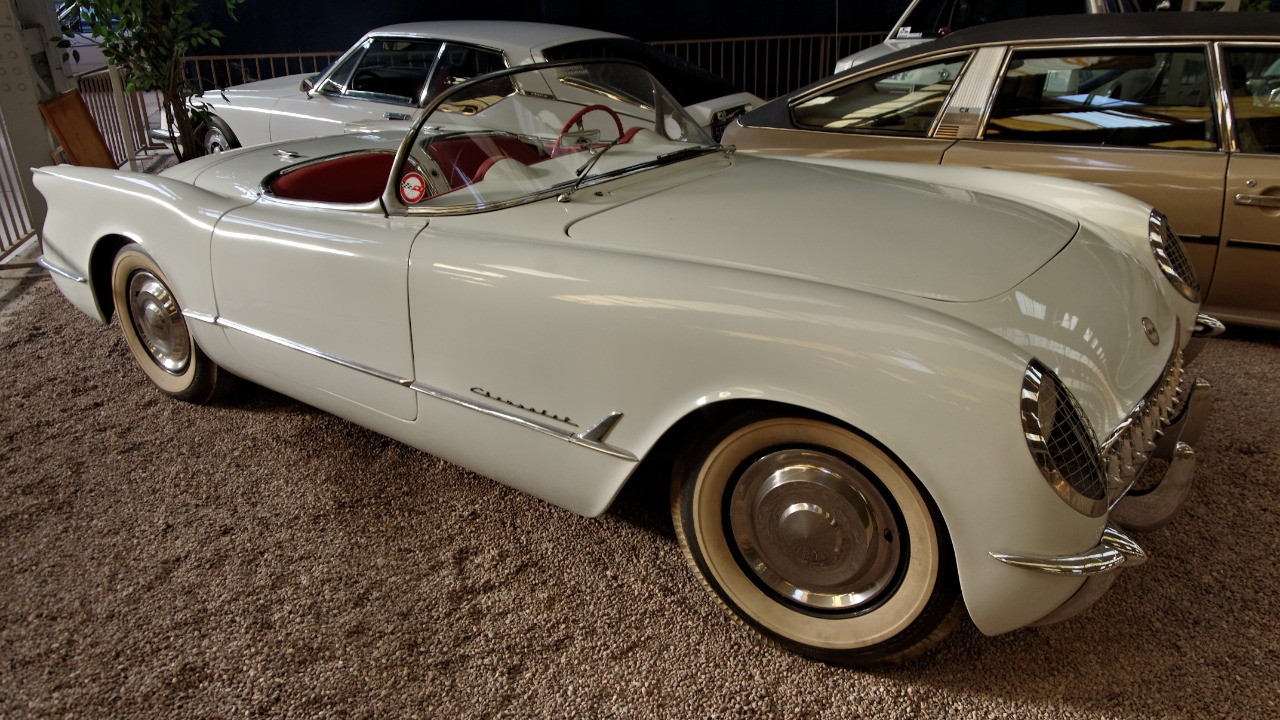
The 1950s were one of Chevrolet’s boldest design eras, when tailfins, wraparound windshields, chrome, and dramatic body lines made ordinary cars look almost like spacecraft. Some models captured the decade’s optimism better than others. Even today, these Chevrolets can look surprisingly futuristic, especially when parked beside more conservative cars from the same period.
Chevrolet Bel Air
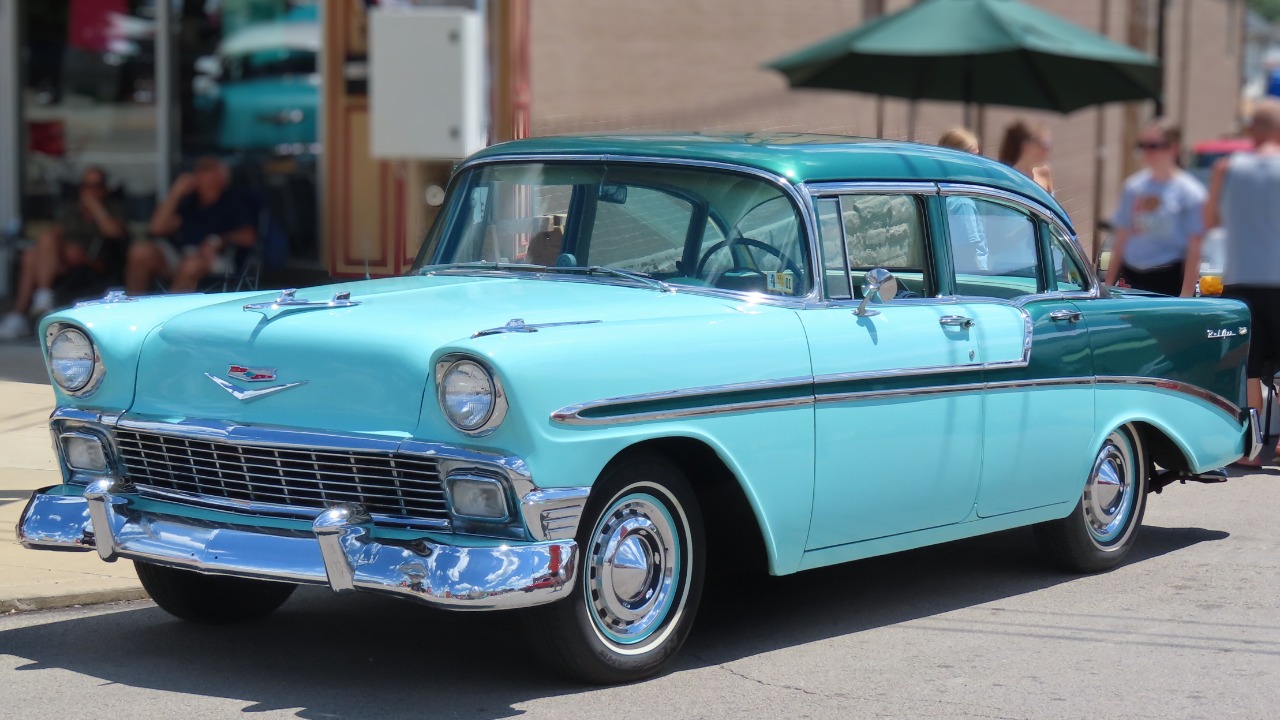
The Bel Air became one of the defining American cars of the 1950s, thanks to its sweeping bodywork, generous chrome, and increasingly dramatic tailfins. Later versions pushed the styling even further with wraparound glass and sculpted rear quarters. The combination still looks unmistakably futuristic because Chevrolet managed to make a large family car appear surprisingly sleek.
Chevrolet Corvette

The first-generation Corvette looked unlike anything else in Chevrolet’s lineup. Its low body, rounded fenders, exposed headlights, and two-seat layout gave it a distinctly different personality from traditional American cars. Fiberglass construction added to its unusual character. Even after decades of newer sports cars, the early Corvette still looks like a machine from a very optimistic version of the future.
Chevrolet Nomad
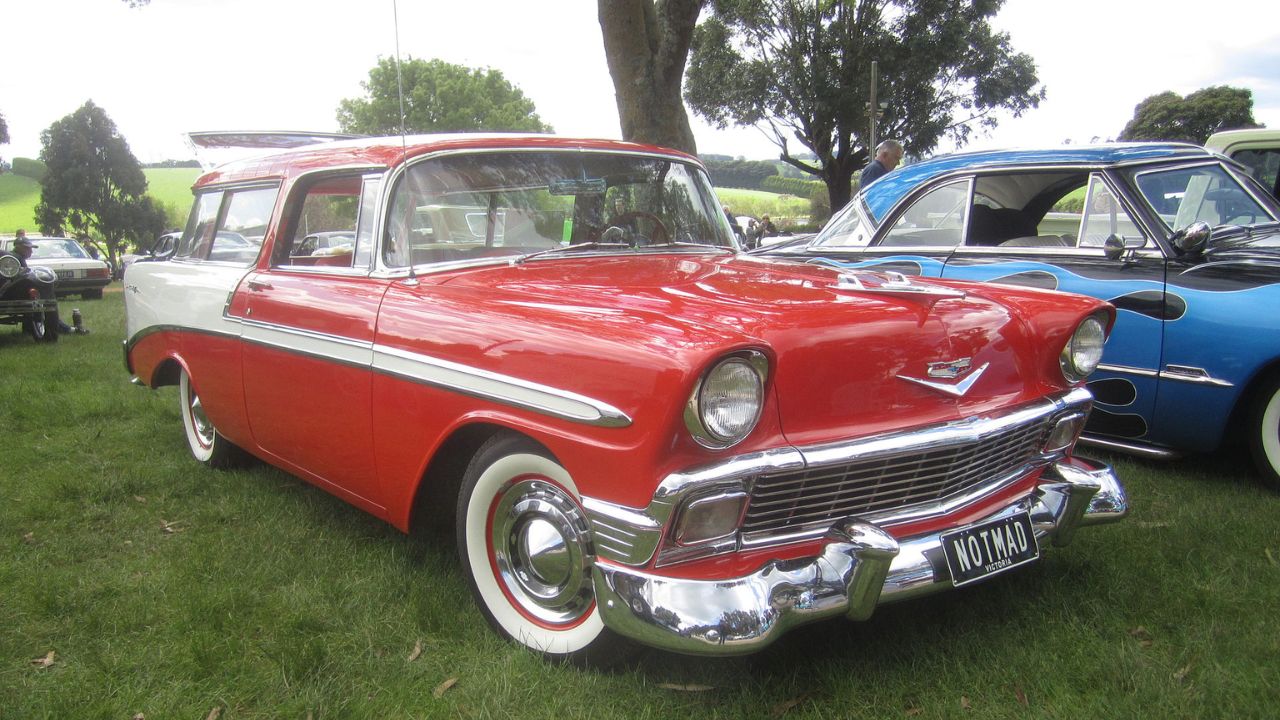
The Nomad transformed the station wagon into something far more stylish. Its two-door configuration, sweeping roofline, distinctive side trim, and dramatic rear styling gave it the presence of a custom-built show car. Chevrolet produced the Nomad for only a limited period, which helped make it especially memorable. Its unusual proportions still make it stand apart from ordinary wagons.
Chevrolet 210

The Chevrolet 210 was positioned below the Bel Air, but it still benefited from the decade’s increasingly adventurous styling. Its clean body lines and substantial chrome reflected Chevrolet’s push toward modern design. Depending on the year and configuration, it could look surprisingly elegant without the heavier decoration of the top models. That restraint has helped its styling age particularly well.
Chevrolet Delray

The Delray was a relatively simple Chevrolet, but its styling showed how much attention the company was paying to modern proportions. Two-door bodywork, clean side panels, and carefully integrated trim gave it a youthful appearance. It lacked the elaborate decoration of some premium models, yet that simplicity now makes certain Delray versions look remarkably clean and modern.
Chevrolet Cameo Carrier
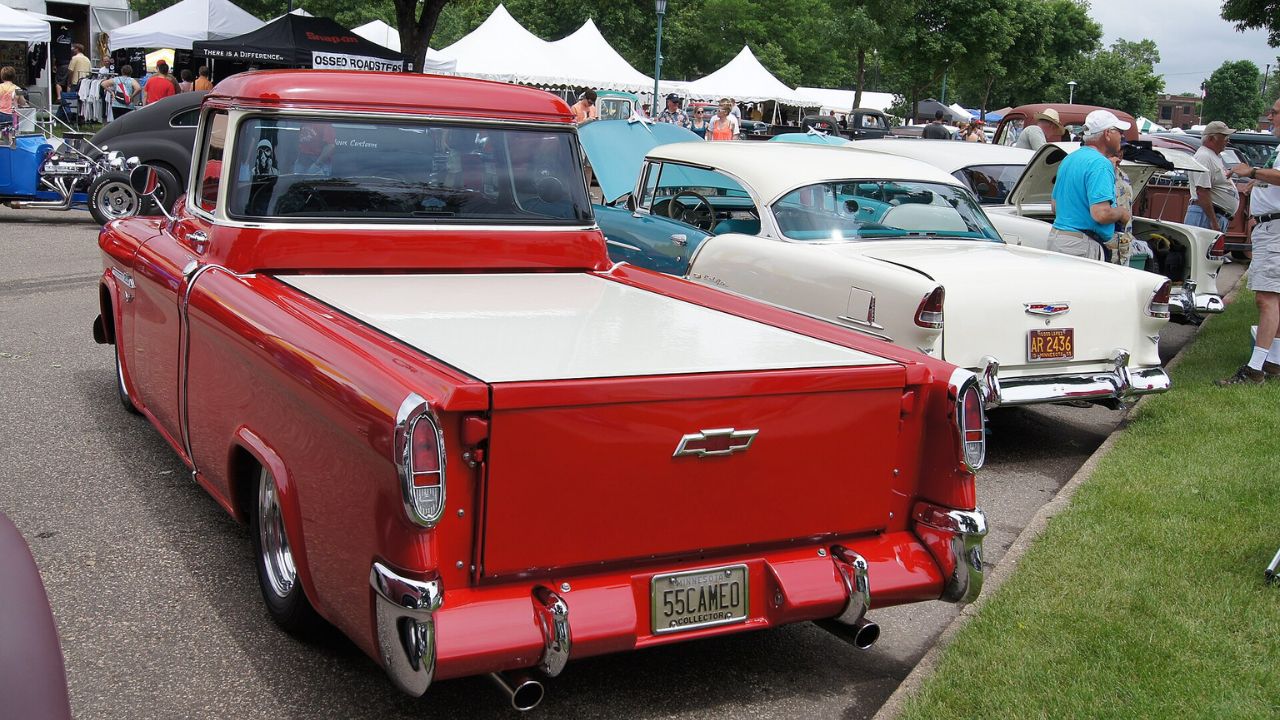
The Cameo Carrier was one of Chevrolet’s most influential pickups because it blurred the line between a work truck and a personal vehicle. Its smooth rear fenders, integrated-looking bodywork, and stylish cab made it appear far more sophisticated than traditional pickups. The design became an important step toward the modern lifestyle truck, making the Cameo remarkably forward-looking.
Chevrolet Task Force
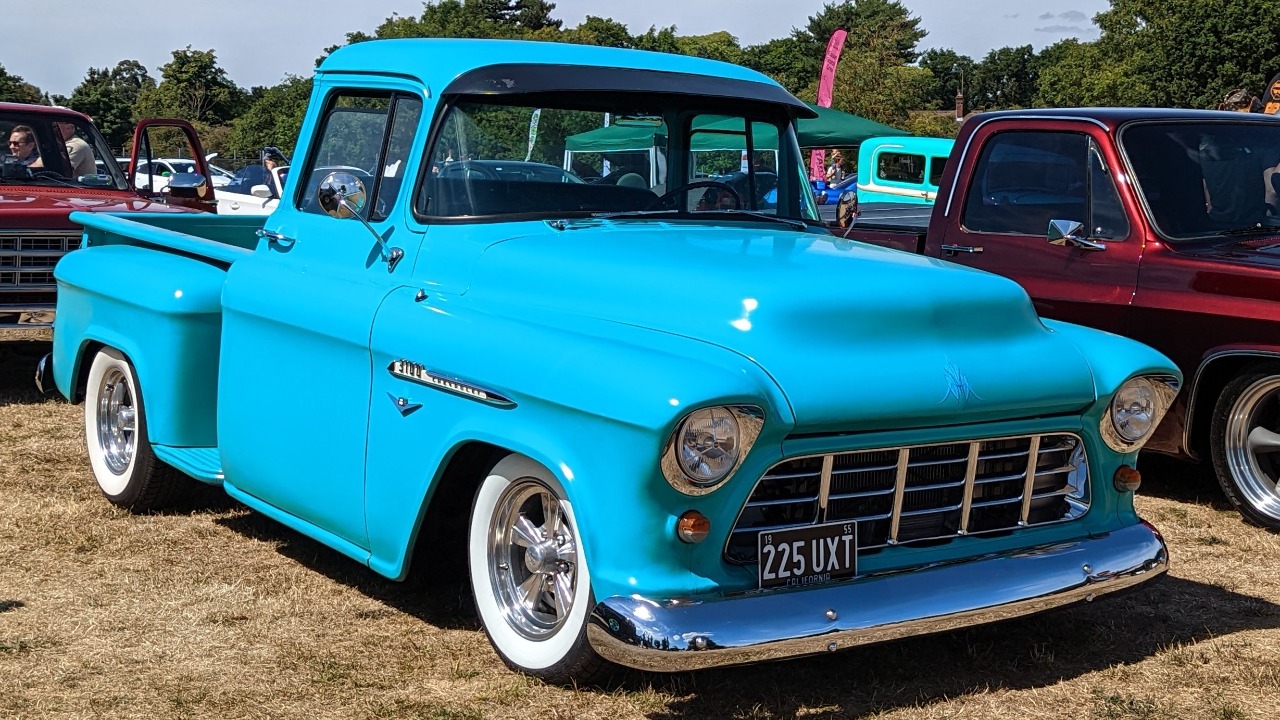
The Task Force generation gave Chevrolet pickups a dramatically updated appearance. The hooded headlights, wide grille, wraparound windshield, and integrated cab styling created a much more modern silhouette. Chevrolet also placed greater emphasis on comfort and appearance. Compared with earlier work trucks, the Task Force looked like a vehicle designed for a new automotive age.
Chevrolet Apache

The Apache name became associated with Chevrolet’s increasingly polished pickup designs during the late 1950s. Broad grilles, sculpted fenders, and bold trim gave these trucks an unmistakable presence. They remained practical working vehicles, but Chevrolet clearly understood that buyers wanted more style. The result was a pickup that could look futuristic without abandoning its rugged purpose.
Chevrolet Cameo

The Cameo’s smooth rear bodywork was a radical departure from the separate rear-fender design common on pickups. Its sculpted shape made the truck look almost like a passenger vehicle from the back. That unusual approach influenced later pickup design in important ways. Even today, a well-preserved Cameo can look more like a custom concept than a conventional work truck.
Chevrolet Impala
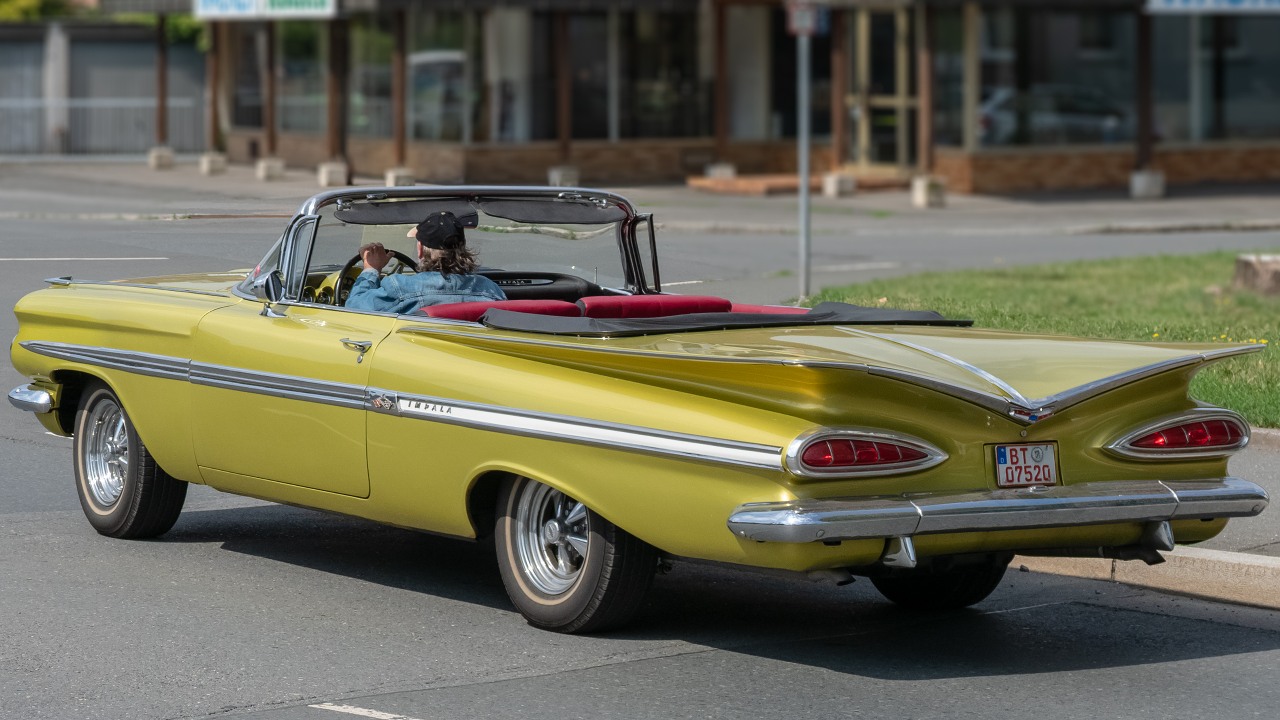
The Impala arrived at the end of the 1950s with styling that perfectly captured America’s fascination with the Space Age. Dramatic rear fins, wide chrome trim, sculpted bodywork, and a low-looking roofline made it one of Chevrolet’s most attention-grabbing cars. Its design was unapologetically optimistic, and that excess is precisely what makes it so futuristic today.
Chevrolet Biscayne
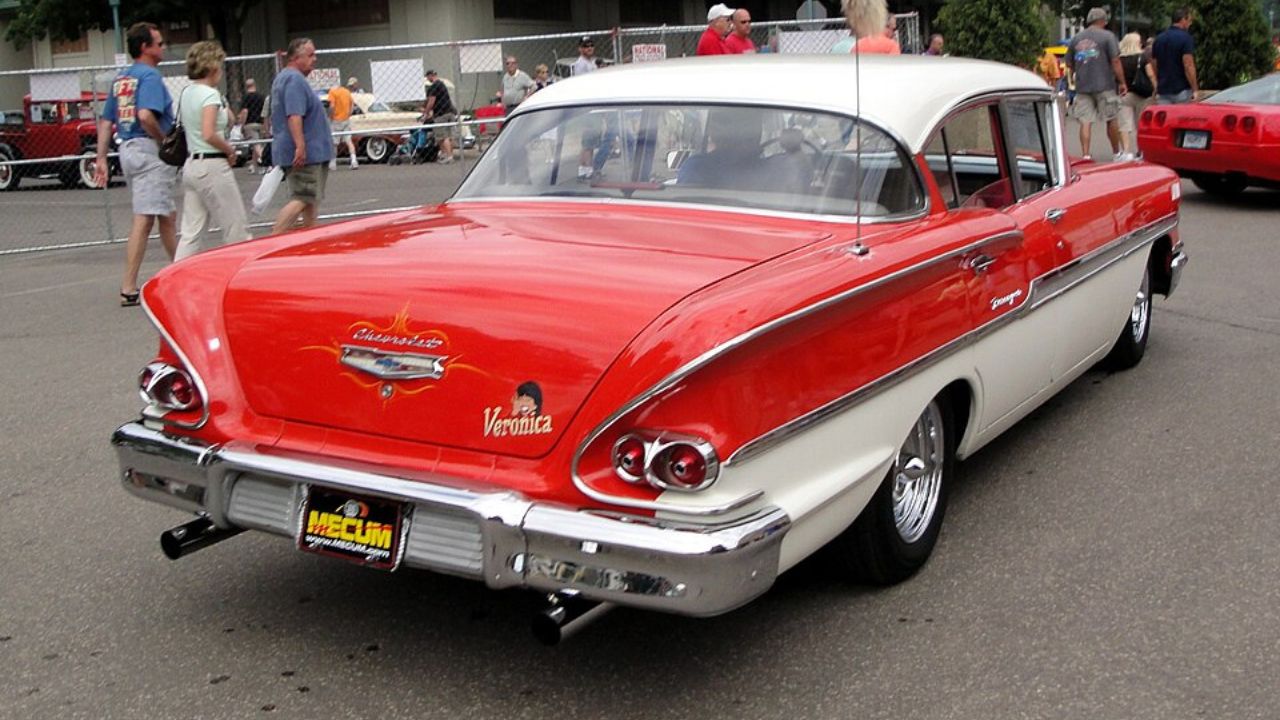
The Biscayne offered a more restrained alternative to Chevrolet’s flashier full-size models, but it still carried the company’s futuristic late-1950s design language. Its clean body sides and wide stance worked with the period’s wraparound glass and chrome details. Without quite as much decoration, the Biscayne now provides an interesting glimpse at how Chevrolet balanced futuristic styling with everyday practicality.
Chevrolet Delray Sedan Delivery
The sedan delivery version of the Delray brought passenger-car styling to a practical commercial vehicle. Its enclosed rear body and compact proportions made it visually different from conventional pickups and panel trucks. Chevrolet’s designers gave it enough chrome and streamlined shaping to fit comfortably into the 1950s design landscape, creating a work vehicle with genuine period character.
Chevrolet 3100
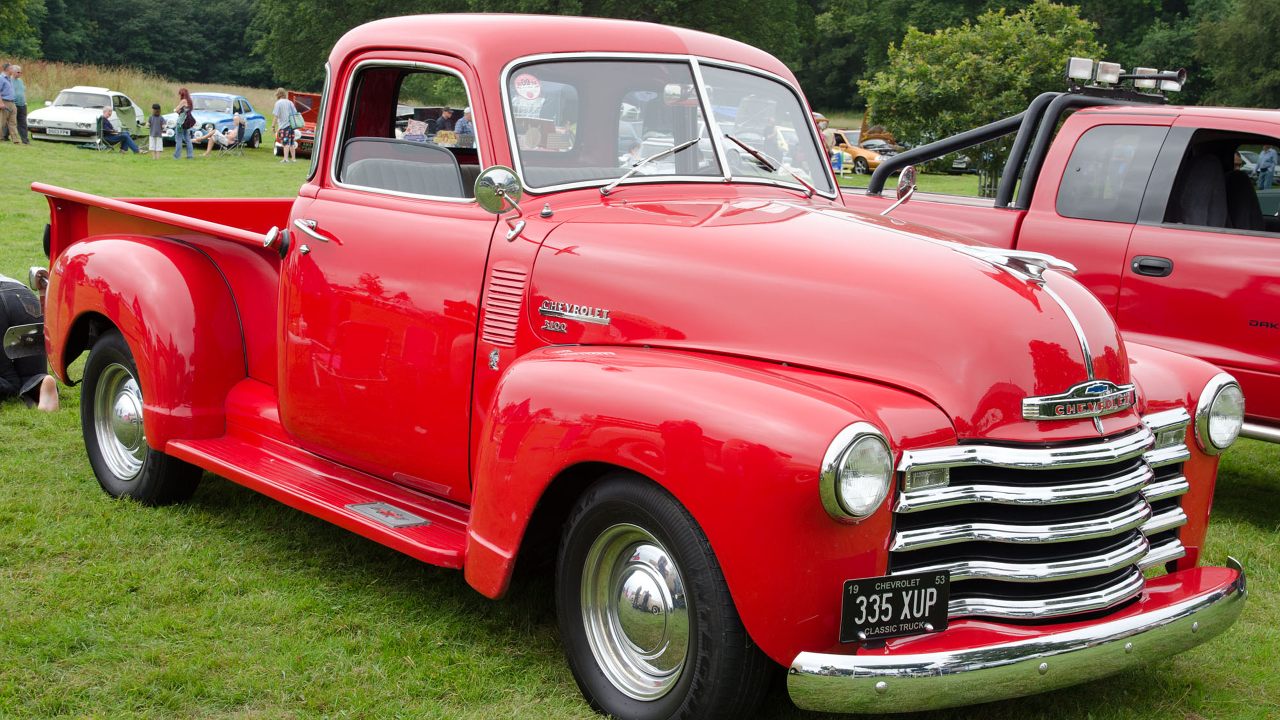
The 3100 was one of Chevrolet’s most recognizable light trucks, and its styling became increasingly polished through the 1950s. Rounded fenders, a broad grille, and a carefully shaped cab gave it a friendly but substantial appearance. Later examples especially capture the decade’s fascination with modern forms while retaining enough simplicity to remain timeless.
Chevrolet 3600
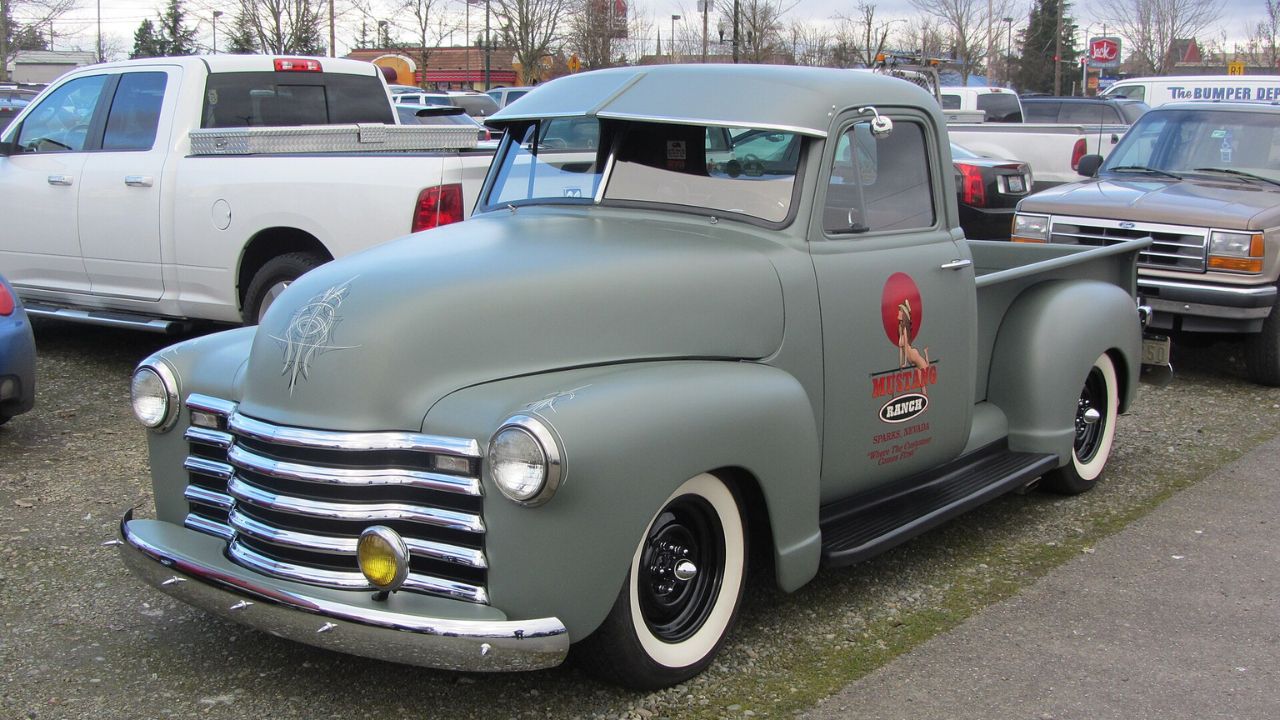
The 3600 offered more carrying capacity than Chevrolet’s smaller pickups while retaining the same increasingly modern design language. Its tall stance and rounded bodywork were unmistakably from the 1950s, but the carefully integrated cab and wide windshield helped it look surprisingly contemporary. It is a good example of how Chevrolet brought fashionable styling into the working-truck market.
Chevrolet 3800
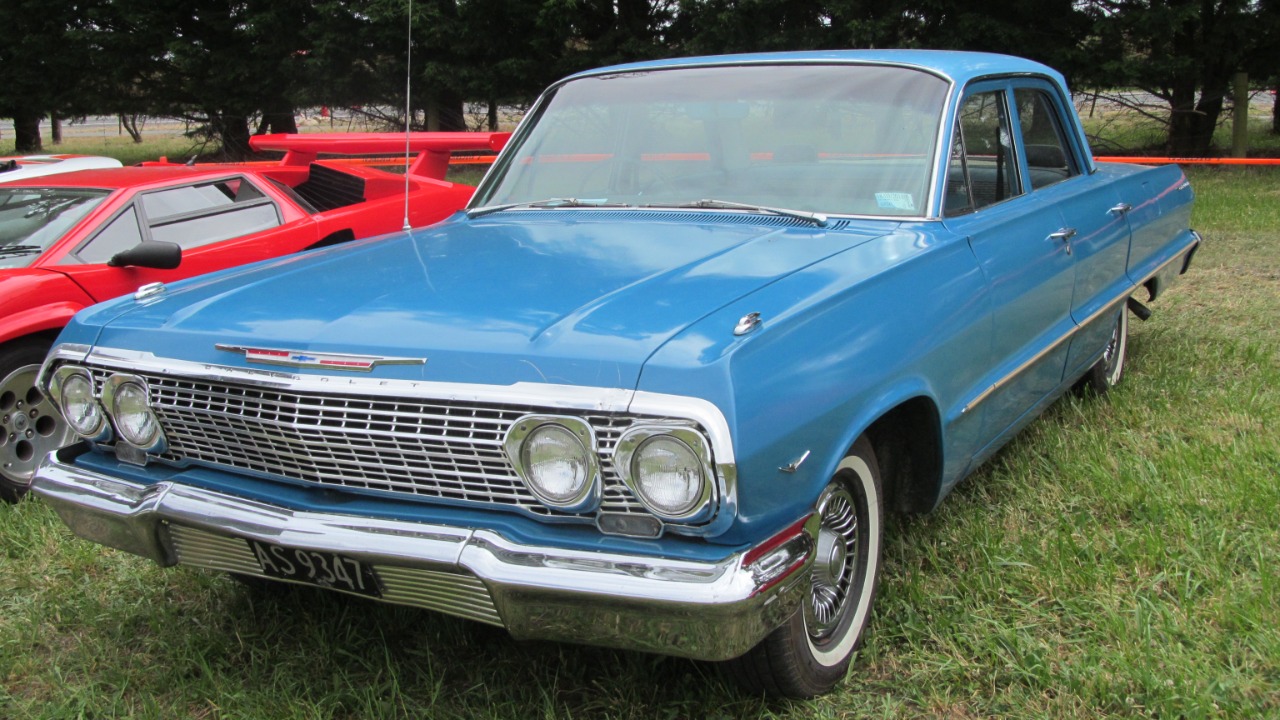
The larger 3800 showed that Chevrolet could apply its modern styling ideas to heavy-duty trucks as well. Although designed primarily for serious work, it featured rounded bodywork, a broad grille, and substantial glass areas. Those details helped soften the traditional commercial-truck appearance. Today, the combination of industrial size and futuristic 1950s styling makes it particularly distinctive.
Chevrolet Suburban
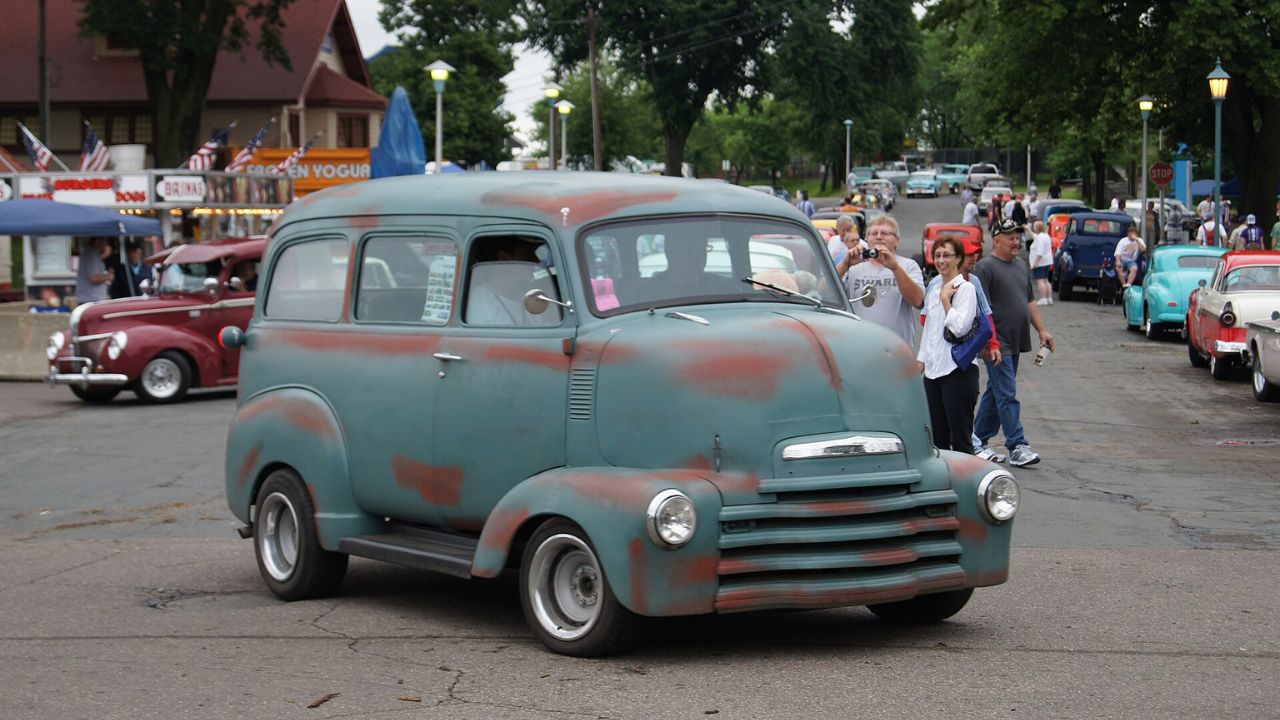
The Suburban was already an established utility vehicle, but its 1950s versions took on a more polished appearance. Rounded bodywork, larger windows, and increasingly refined front-end styling helped move it beyond its purely utilitarian roots. The basic idea of combining passenger space with cargo-carrying ability feels remarkably modern, especially when looking at these early examples today.
Chevrolet Corvette SR-2
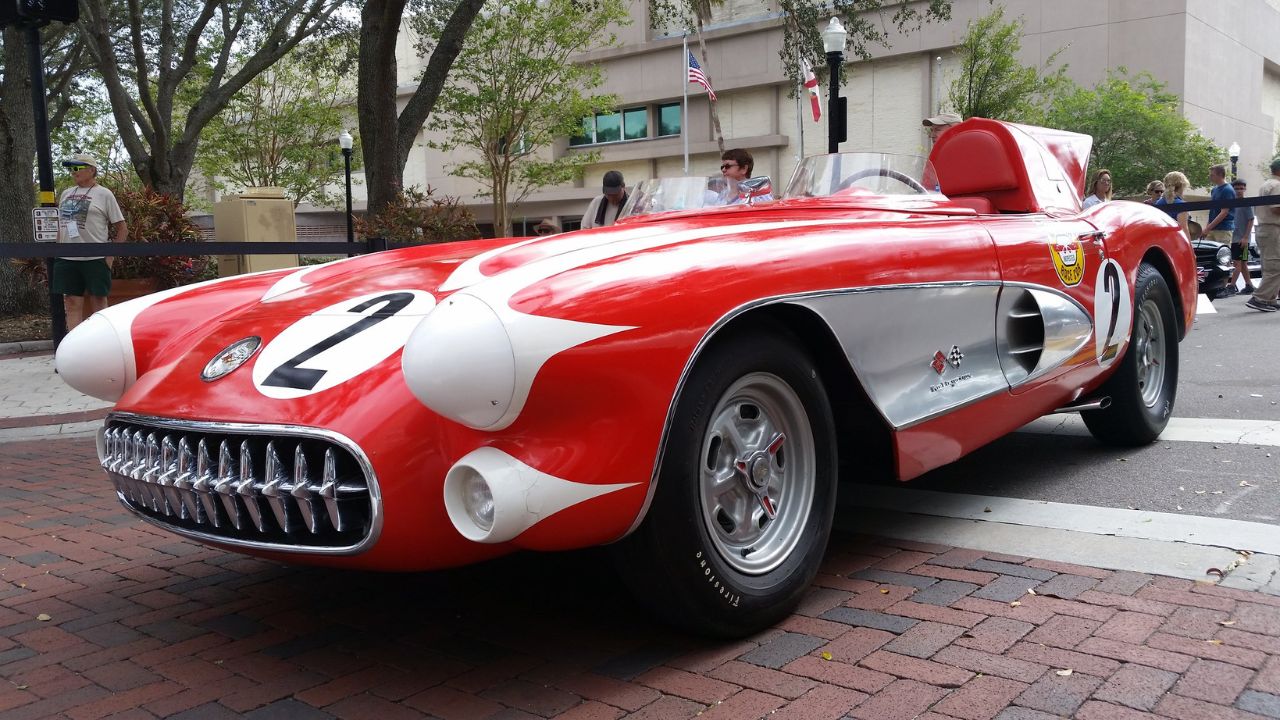
The Corvette SR-2 was a special racing-oriented development that pushed Chevrolet’s sports-car design in an even more futuristic direction. Its low stance, aerodynamic details, and competition-focused bodywork looked dramatically different from ordinary Corvettes. It was never a mainstream production model, but it showed how Chevrolet’s designers and engineers were experimenting with shapes that anticipated later performance cars.
Chevrolet Bel Air Convertible
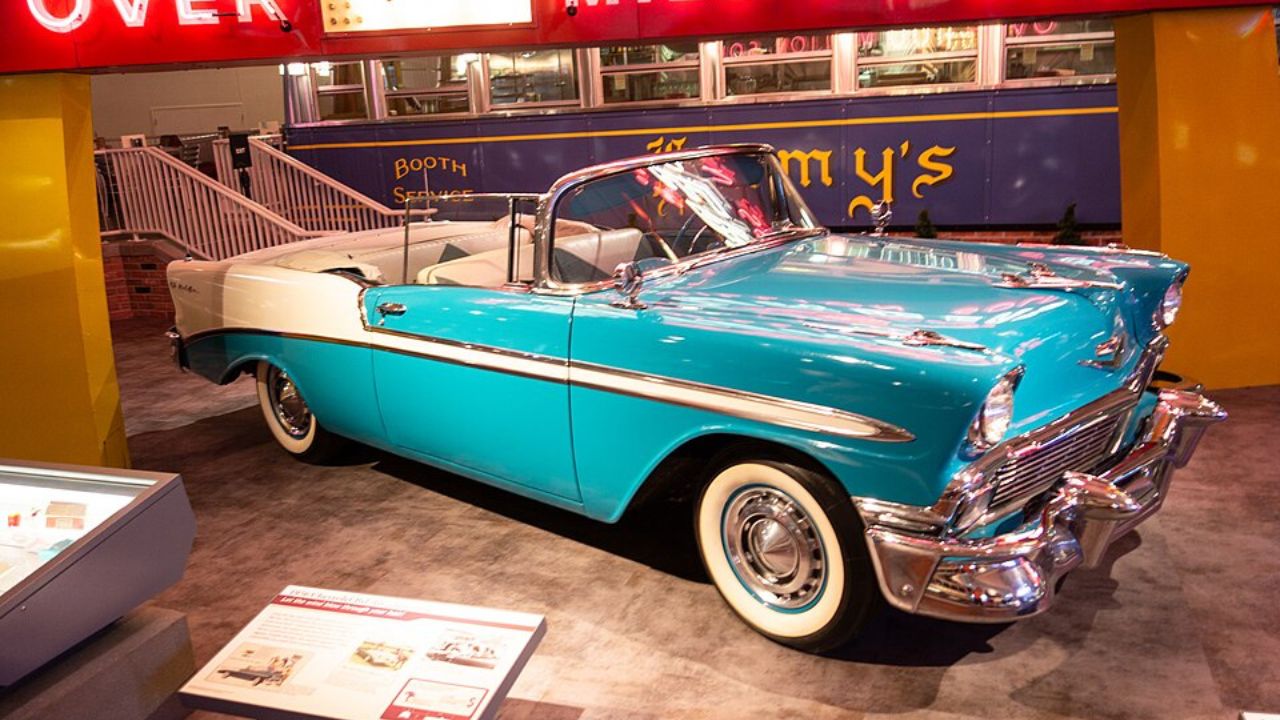
The Bel Air convertible amplified nearly every futuristic design trend Chevrolet embraced during the decade. With its open cabin, sweeping bodywork, chrome-heavy details, and increasingly pronounced rear fins, it looked like the ultimate expression of 1950s optimism. Few Chevrolet models better capture the era’s belief that the automobile should look exciting even when simply sitting in a driveway.
Chevrolet Two-Ten Del Ray

The Two-Ten Del Ray combined Chevrolet’s mid-level two-door styling with a cleaner, sportier presentation. Its lower visual profile and relatively simple bodywork made it look less bulky than some larger Chevrolets. The design reflected a period when even affordable cars were expected to have personality. That makes the Two-Ten Del Ray an overlooked but stylish piece of Chevrolet history.
Chevrolet El Morocco
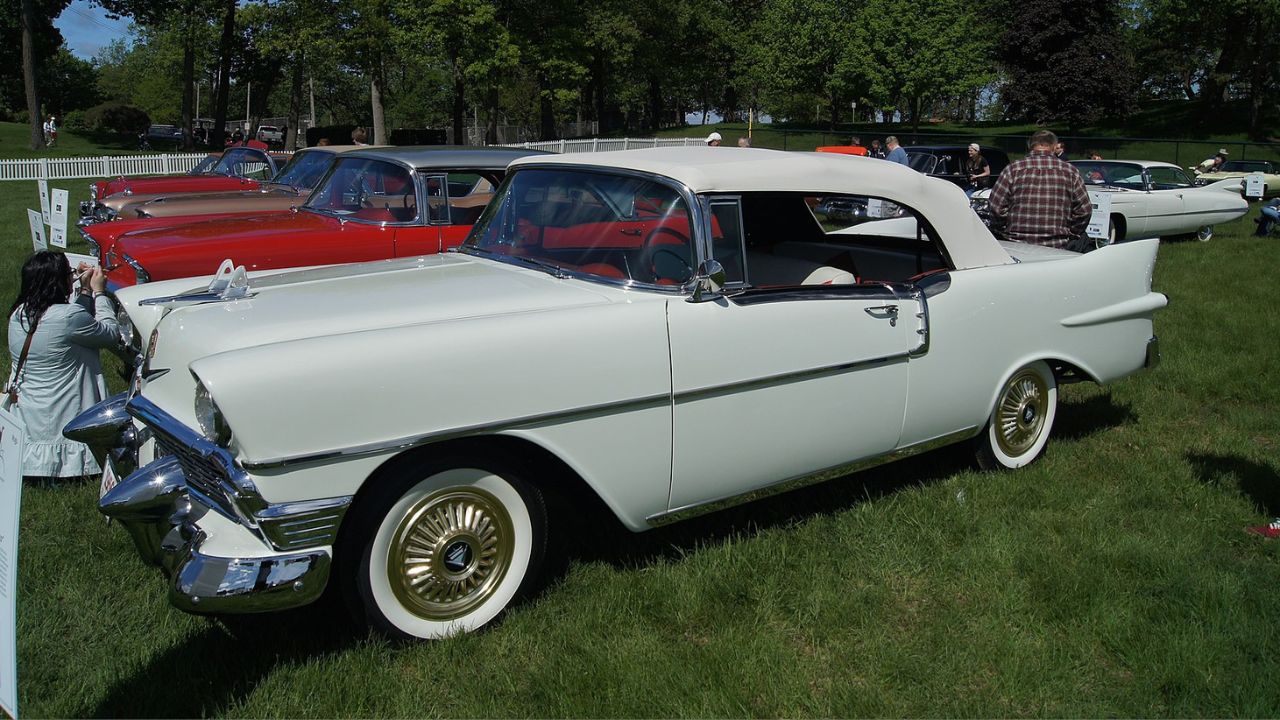
The El Morocco was not a factory Chevrolet model in the traditional sense, but it deserves attention because it demonstrated just how far 1950s Chevrolet styling could be pushed. Built by entrepreneur Louis P. Crusoe, these cars combined Chevrolet bodies with Cadillac-inspired styling touches. The result was extravagant, unusual, and unmistakably tied to the decade’s fascination with futuristic luxury.
More from Fast Lane Only
- Unboxing the WWII Jeep in a Crate
- 15 rare Chevys collectors are quietly buying
- 10 underrated V8s still worth hunting down
- Police notice this before you even roll window down
*Research for this article included AI assistance, with all final content reviewed by human editors.