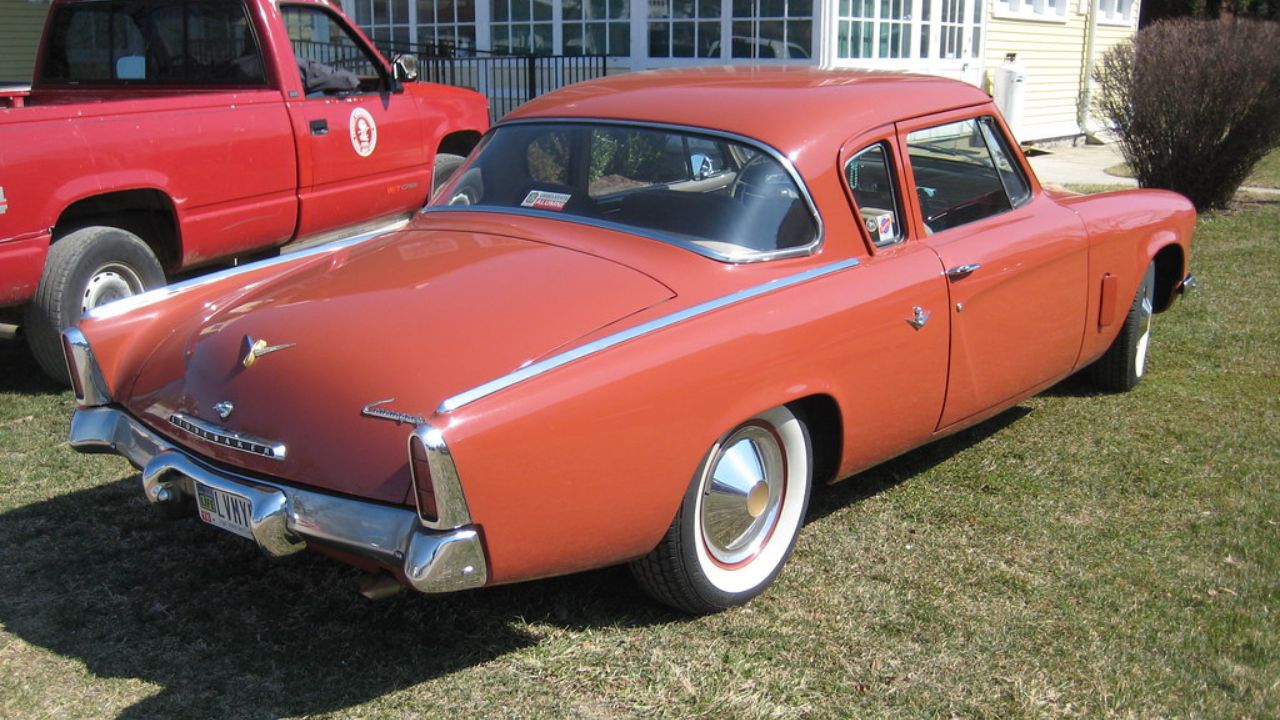
Studebaker built some of the most distinctive cars in American automotive history, but many have nearly disappeared from everyday roads. The company experimented with unusual styling, compact cars, sporty models, and surprisingly advanced designs long before most rivals. These 20 Studebakers are especially interesting today because even serious classic-car fans may have never encountered one outside a museum or collection.
Studebaker Avanti
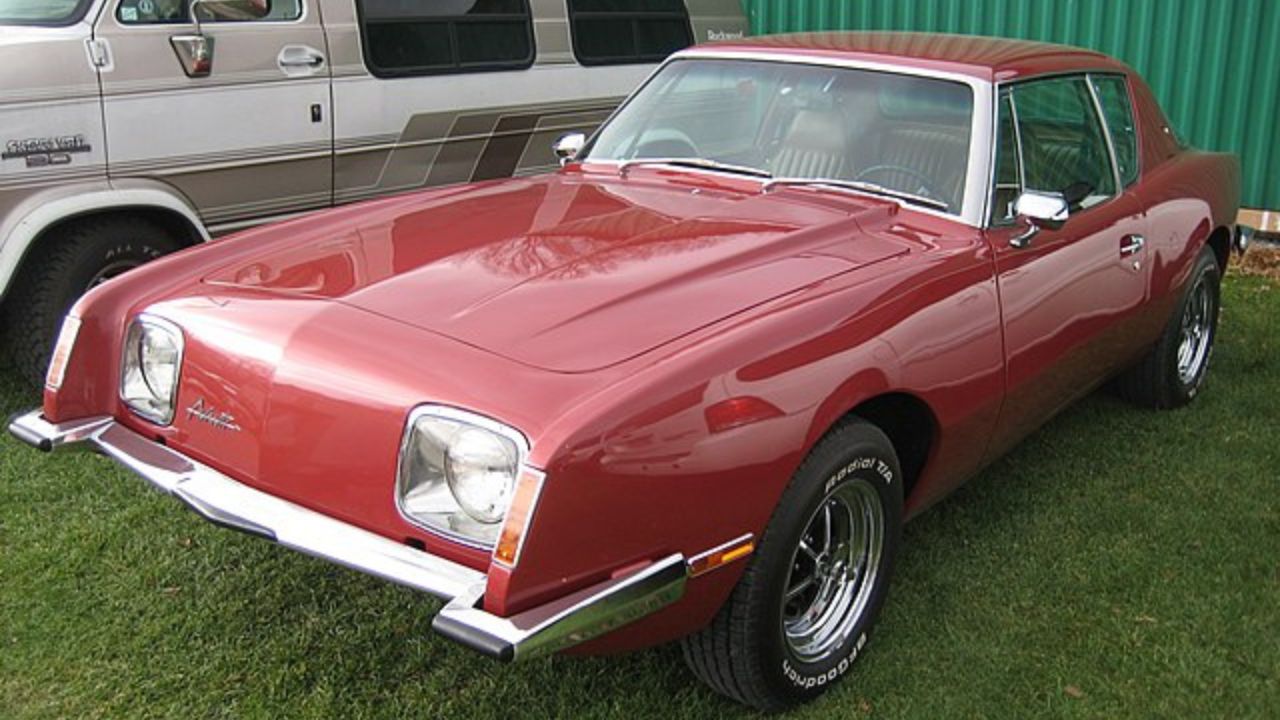
The Avanti remains one of Studebaker’s most famous creations, yet finding one in person can still be surprisingly difficult. Its fiberglass body, sleek shape, and powerful V8 made it unlike anything else in the Studebaker lineup. The car arrived with styling that looked years ahead of its time, helping turn the Avanti into one of the company’s most memorable final statements.
Studebaker Wagonaire

The Wagonaire was one of Studebaker’s strangest and most useful ideas. Its sliding roof section above the cargo area could open to accommodate tall objects, giving the wagon a clever level of flexibility. The unusual design never became mainstream, and Studebaker’s eventual disappearance made survivors even harder to find. Seeing one today usually requires some serious classic-car hunting.
Studebaker Hawk
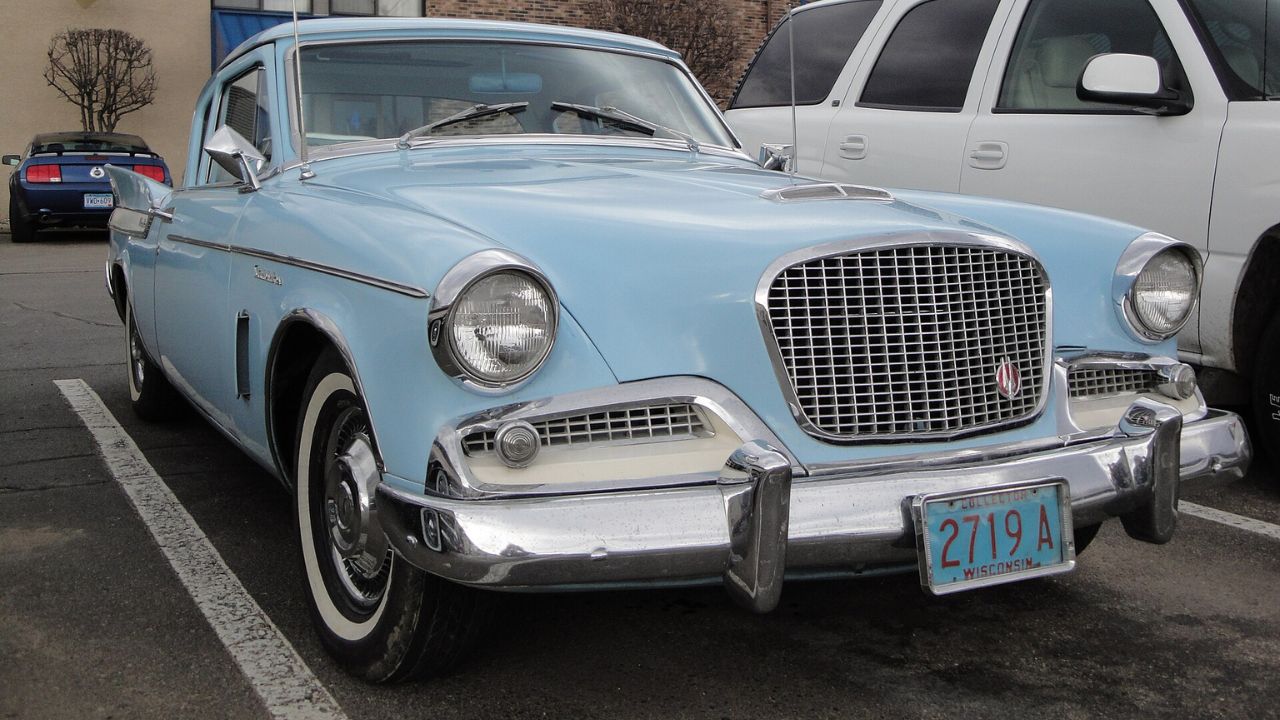
The Hawk name covered several sporty Studebaker models, but the cars shared a distinctive fastback-inspired shape that helped separate them from Detroit’s offerings. They could also be surprisingly powerful when equipped with the right V8. Although the Hawk developed a loyal following, relatively few survived decades of use, making clean examples uncommon outside enthusiast circles.
Studebaker Golden Hawk
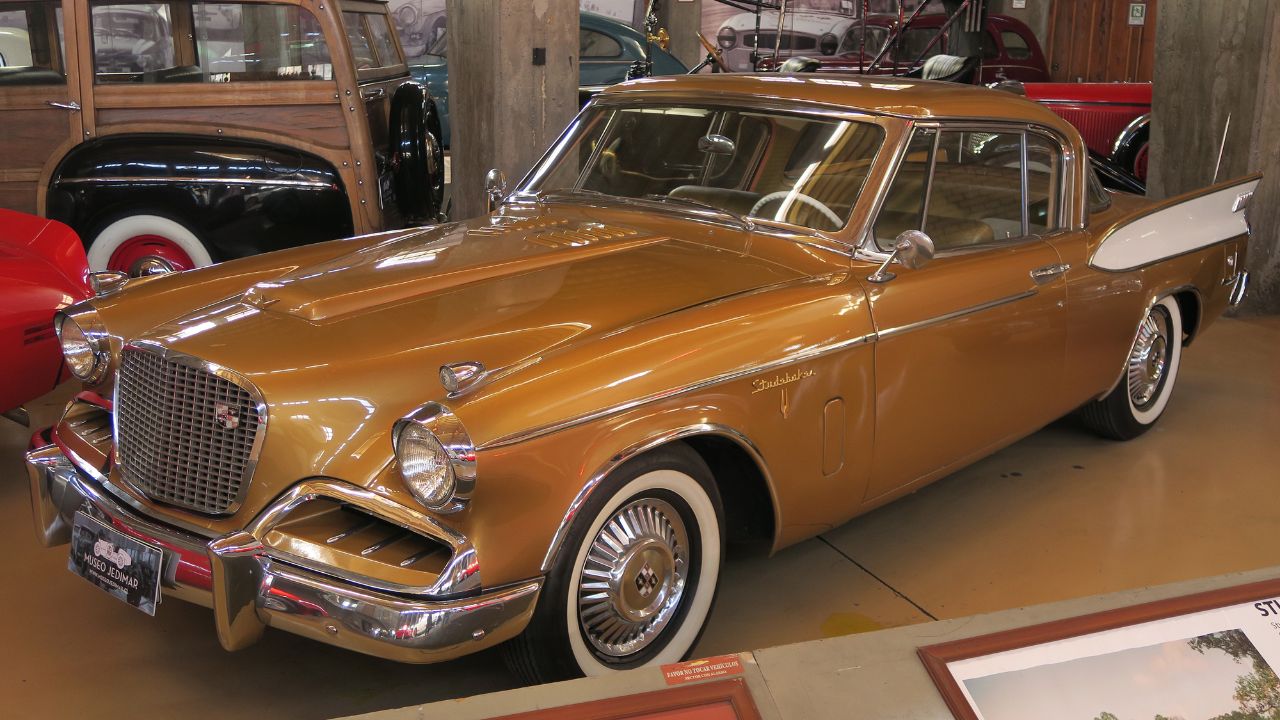
The Golden Hawk took the sporty Hawk formula and added serious visual drama. Its large V8, two-tone styling, and distinctive nose gave it the presence of a much more expensive performance car. Production was never enormous, and surviving examples have become collector favorites. Even people familiar with Studebaker may have never encountered one outside photographs.
Studebaker Silver Hawk

The Silver Hawk offered a slightly more restrained version of Studebaker’s sporty fastback formula. Its elegant lines and extensive chrome gave it plenty of 1950s character, while available V8 power kept it interesting for performance-minded buyers. Many were driven as ordinary transportation, however, leaving relatively few survivors today.
Studebaker Flight Hawk
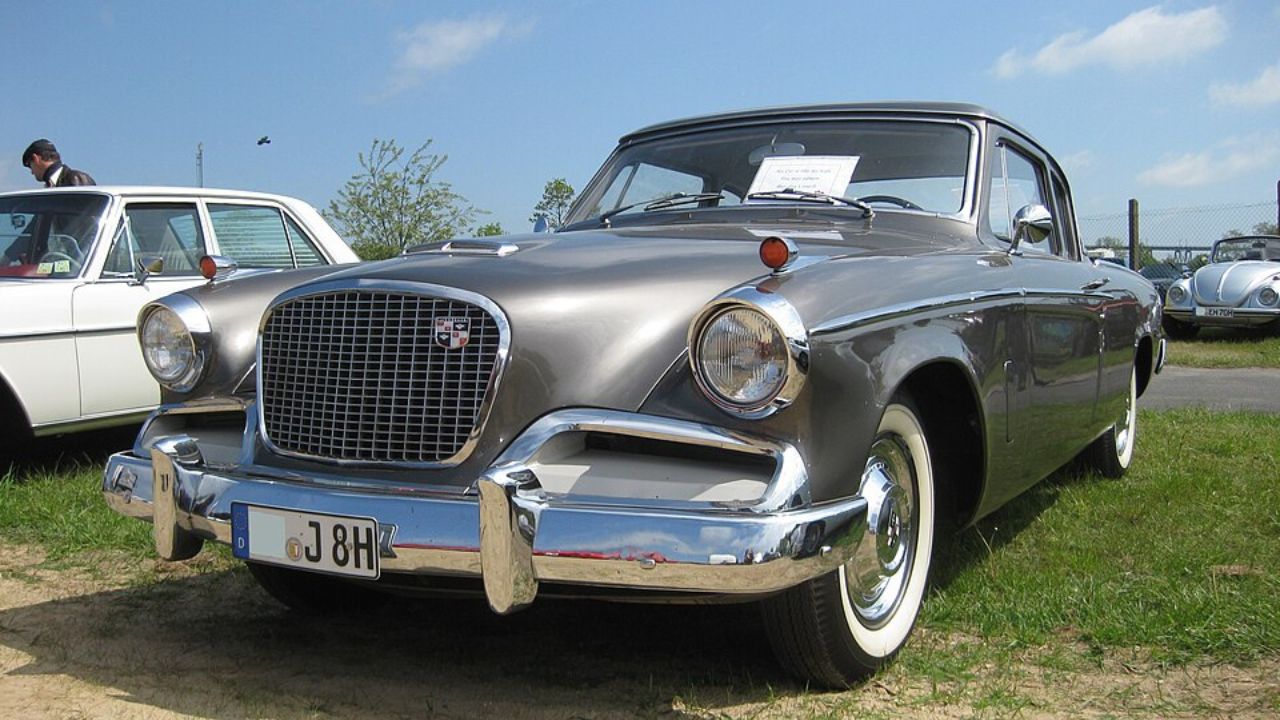
The Flight Hawk brought Studebaker’s sporty styling to a more accessible level. It shared the sleek fastback profile of its Hawk siblings but could be fitted with a smaller engine. The result was an attractive sports-oriented car that didn’t require the biggest engine. Its lower profile today makes a surviving Flight Hawk an unusual sight.
Studebaker Power Hawk
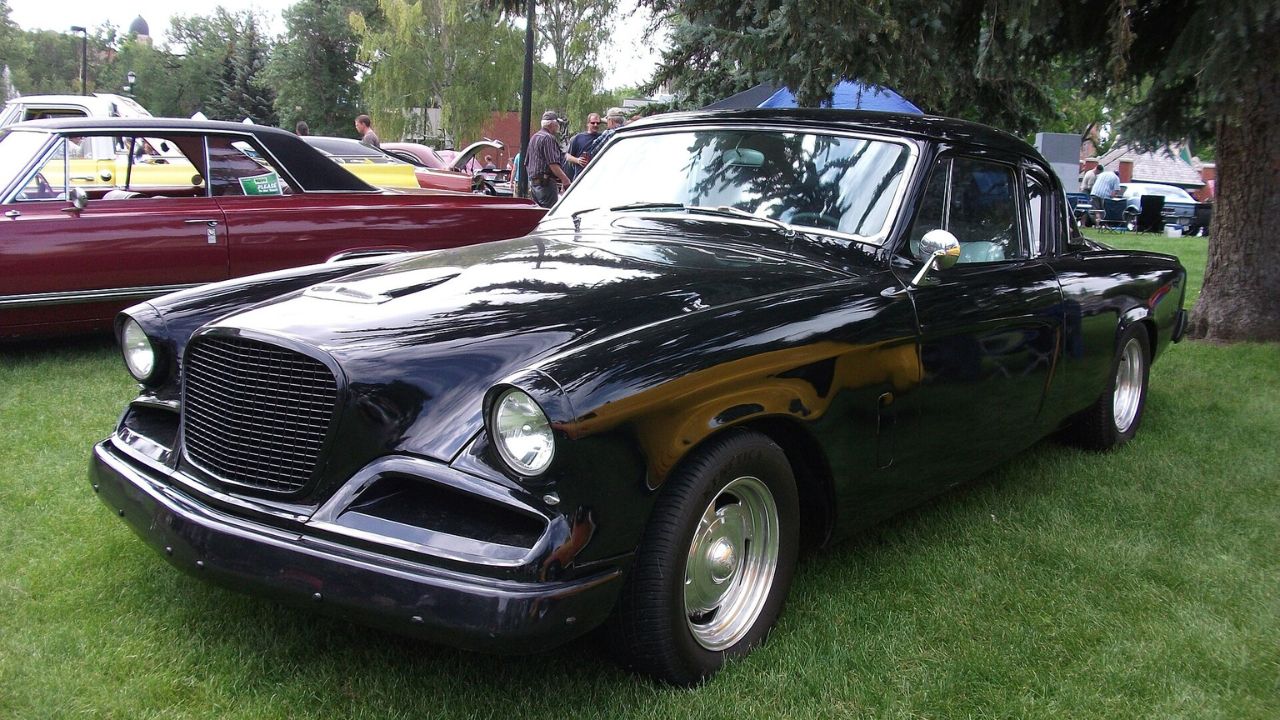
The Power Hawk combined Studebaker’s distinctive fastback design with a focus on usable V8 performance. It occupied an interesting position in the company’s lineup and offered buyers something sportier than a conventional sedan. Studebaker produced relatively few of these cars compared with mainstream Detroit models, and time has made surviving examples increasingly scarce.
Studebaker Sky Hawk
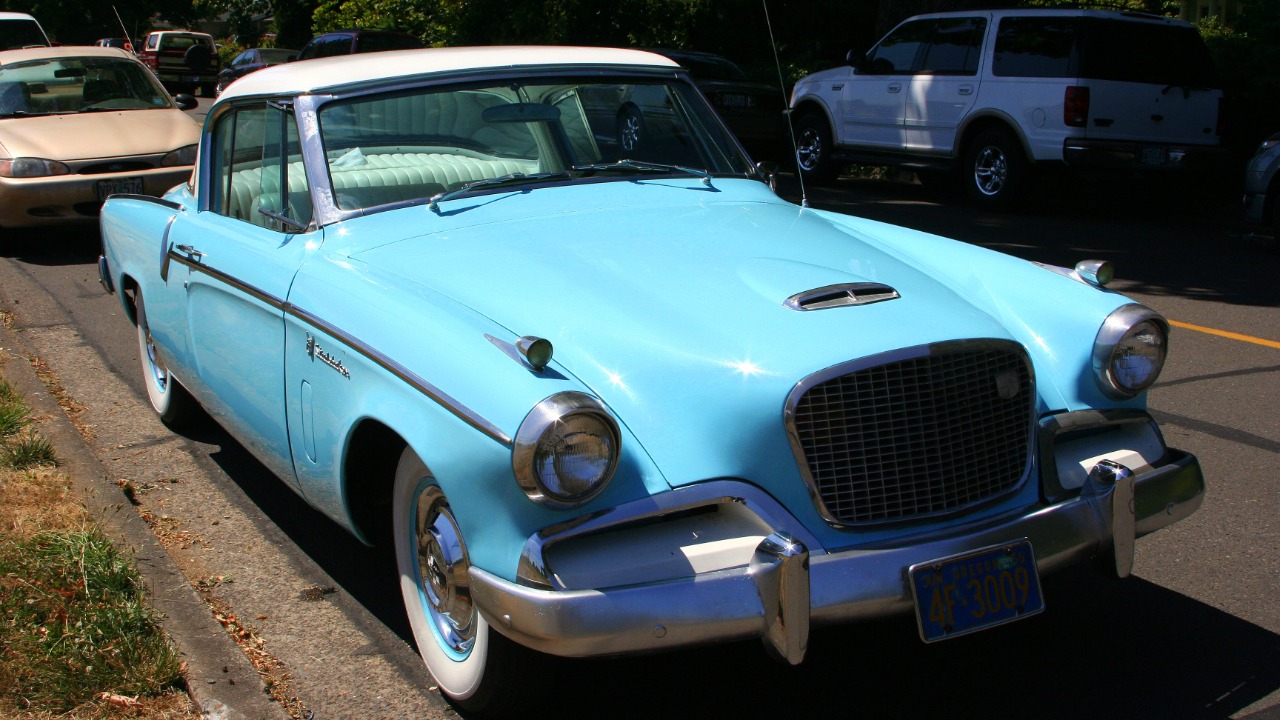
The Sky Hawk represented another variation on Studebaker’s sporty Hawk theme. Its combination of sleek styling and upscale presentation gave it a more refined character than some of the company’s performance-oriented models. It was never a high-volume car, and many surviving examples have disappeared through decades of neglect. Today, simply spotting one is a rare treat.
Studebaker Starlight Coupe
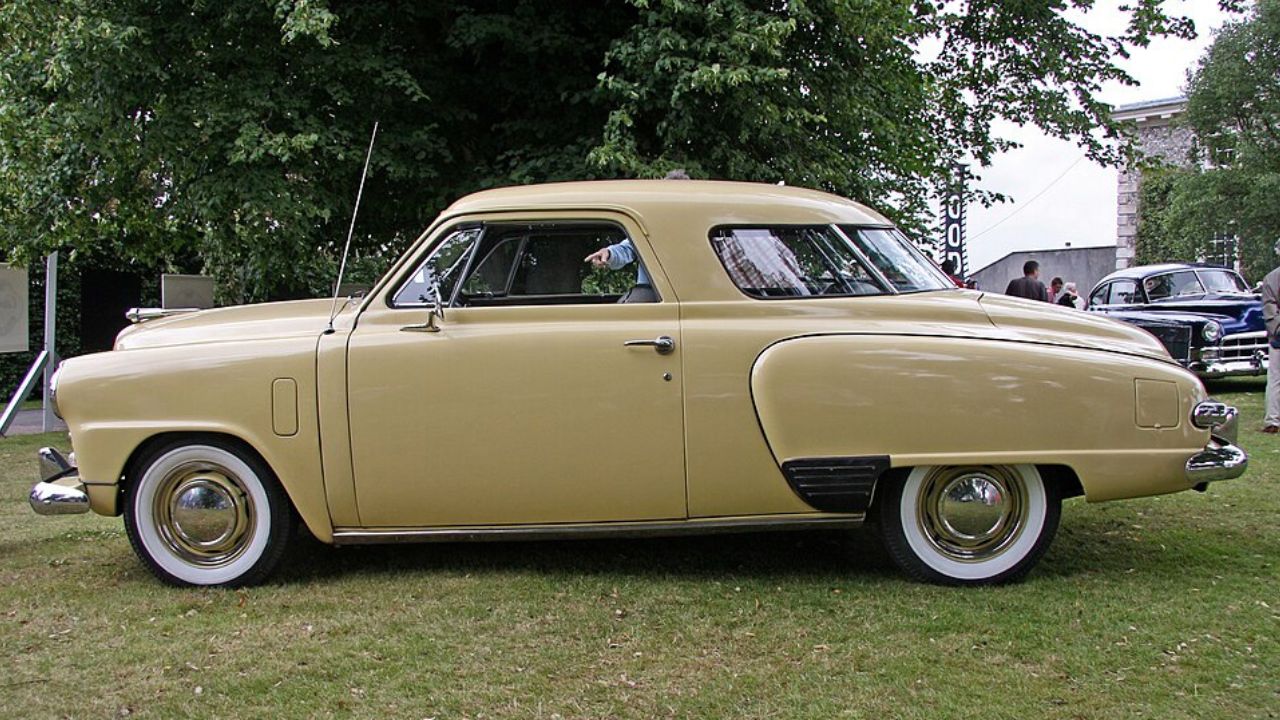
The Starlight Coupe was one of Studebaker’s most recognizable early postwar designs. Its unusual rear-window treatment and rounded body made it stand out immediately. The design was striking when new, but most examples were eventually used up as ordinary cars. Surviving Starlight Coupes are now among the more interesting reminders of Studebaker’s postwar creativity.
Studebaker Starliner

The Starliner showed just how far Studebaker’s designers were willing to push American styling. Its low roofline, clean surfaces, and restrained chrome looked dramatically different from many competitors. The car’s design remains impressive decades later. Unfortunately, relatively few survived in good condition, making an original Starliner a difficult car to encounter today.
Studebaker Commander
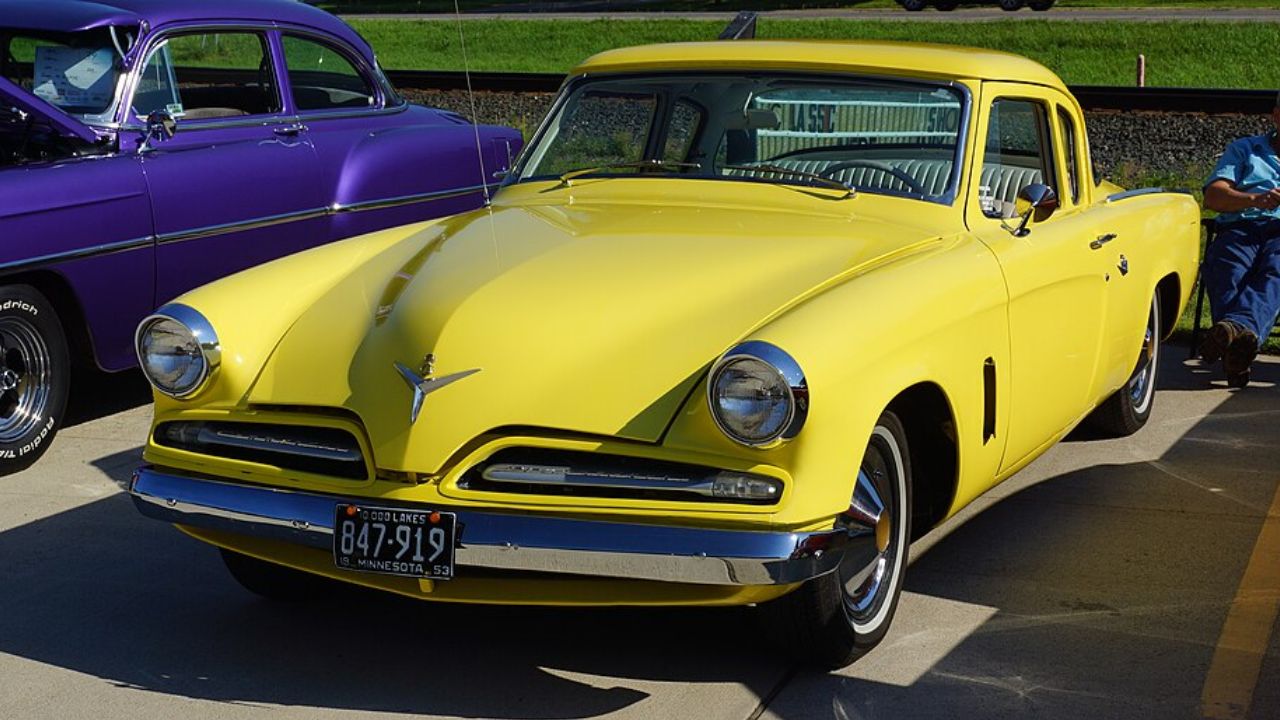
The Commander was one of Studebaker’s important nameplates and appeared across several generations. Postwar versions combined modern styling with V8 power and helped rebuild the brand’s image. Although once a familiar American car, most Commanders disappeared through ordinary use. Collectors today can spend considerable time searching for a well-preserved example.
Studebaker President
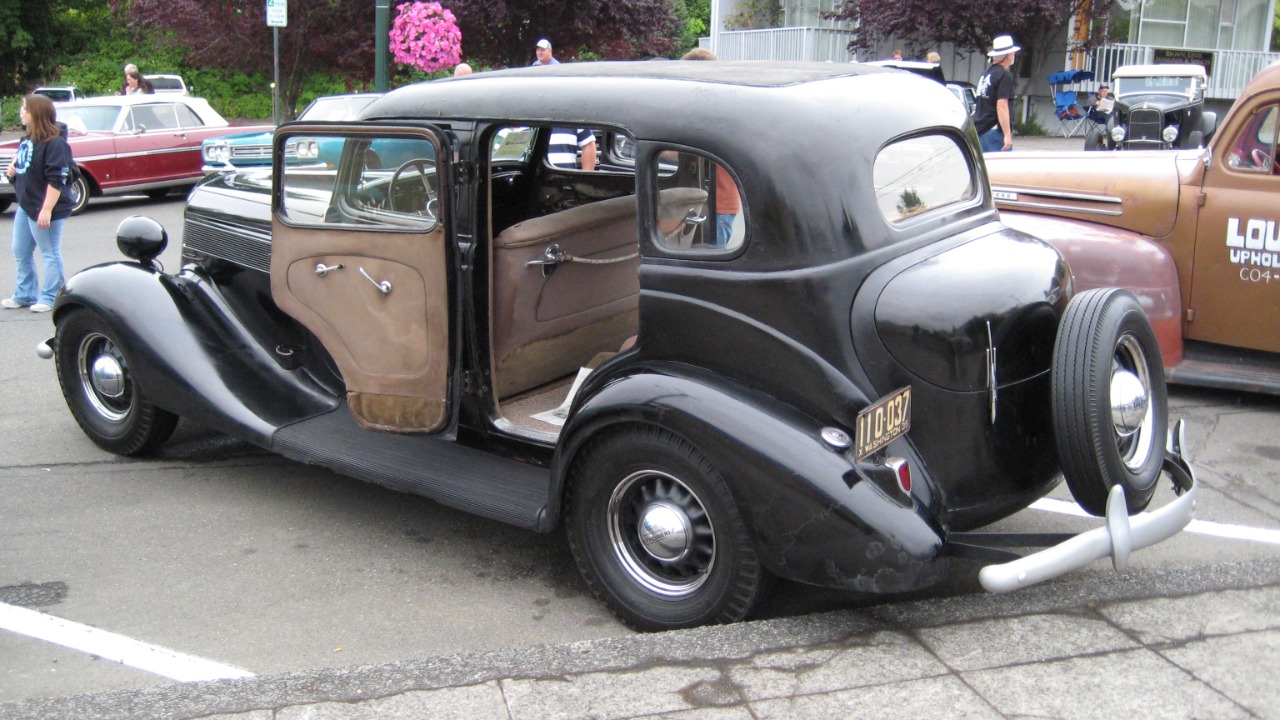
The President sat near the top of Studebaker’s passenger-car lineup and offered buyers a more upscale alternative to the company’s mainstream models. Large engines and substantial styling gave it plenty of presence. Despite its status, many Presidents were simply used as transportation and eventually scrapped. A surviving example today can be an impressive piece of Studebaker history.
Studebaker Champion
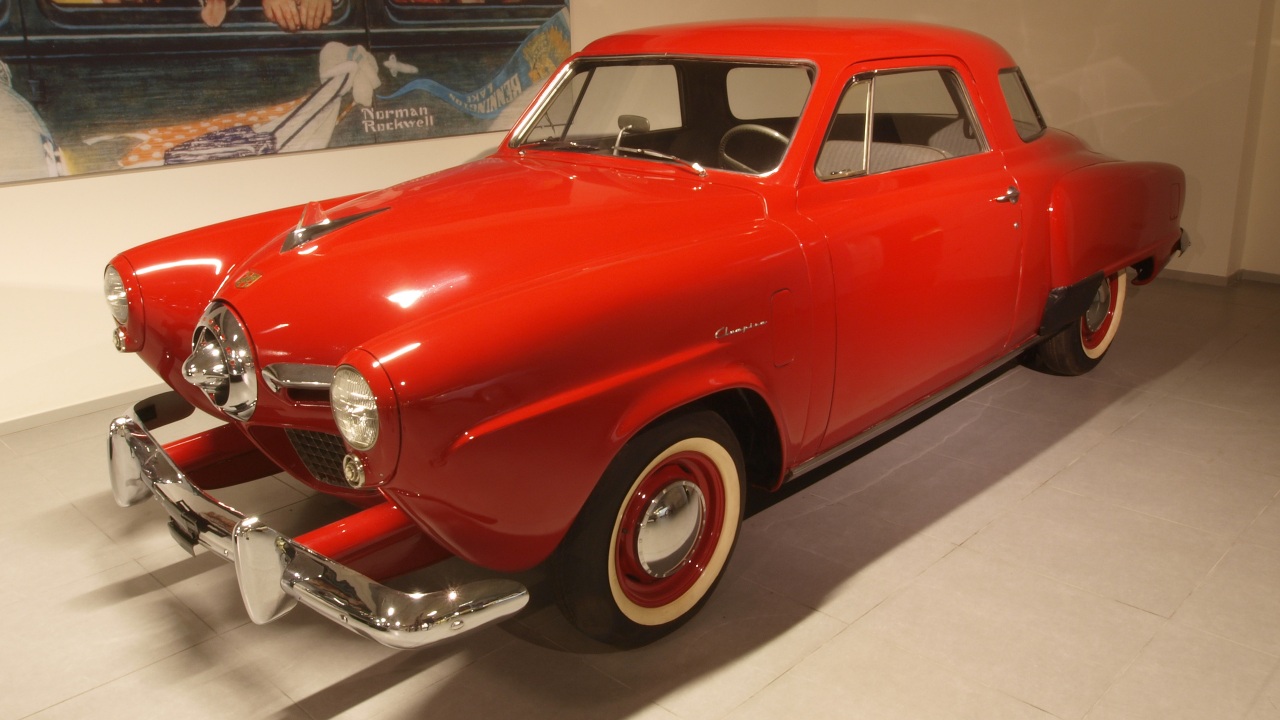
The Champion helped establish Studebaker’s reputation for building smaller, efficient cars at a time when many American manufacturers were moving toward increasingly large vehicles. Its compact dimensions and streamlined styling made it distinctive. Because Champions were inexpensive everyday transportation, preservation wasn’t a priority. That makes good survivors considerably more interesting now.
Studebaker Land Cruiser
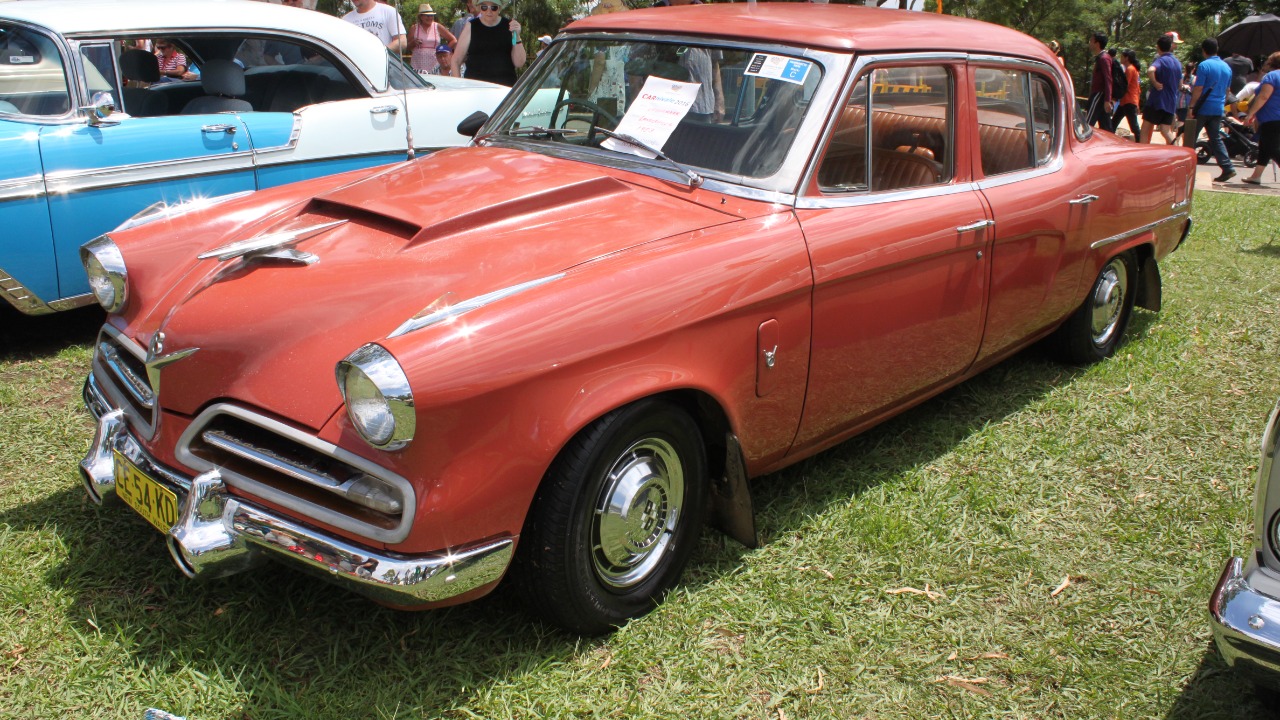
The Land Cruiser was Studebaker’s attempt to offer a more substantial and comfortable family car without abandoning its own design identity. Its spacious interior and streamlined styling made it an appealing long-distance cruiser. The model was never as common as Chevrolet or Ford rivals, and its survival rate reflects that. Collectors rarely encounter pristine examples.
Studebaker Commander Starlight
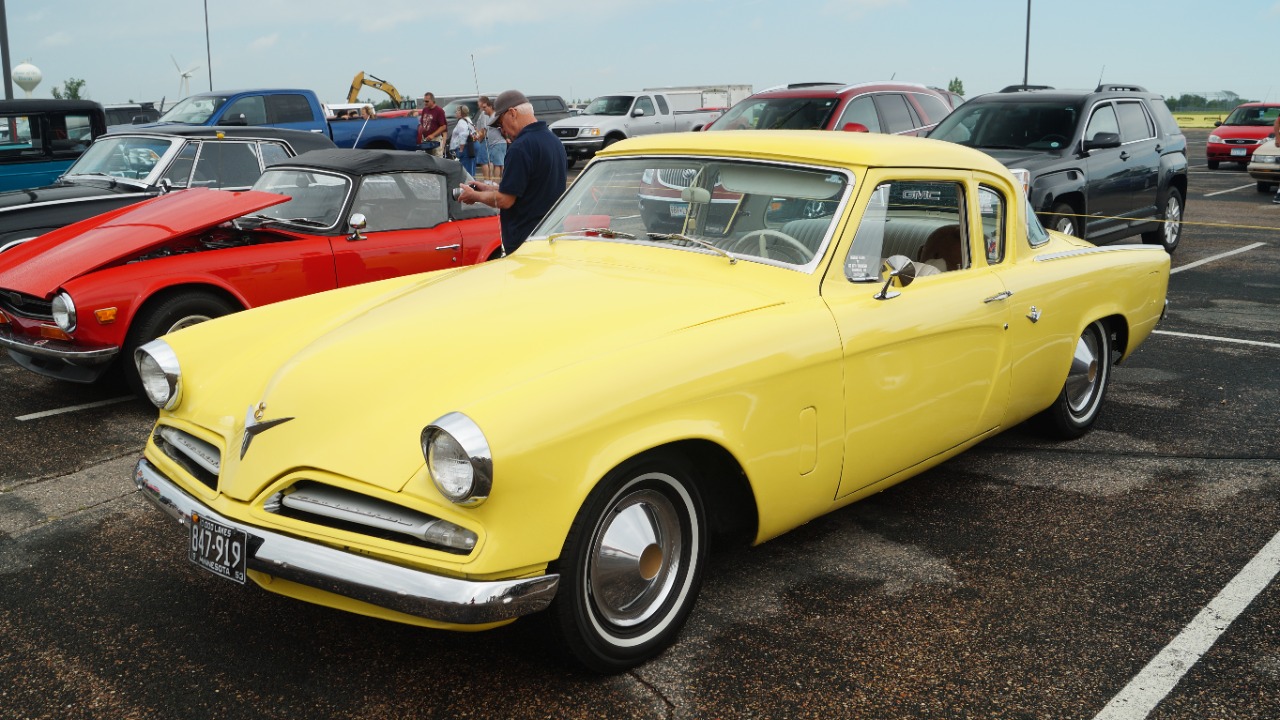
The Commander Starlight combined Studebaker’s more powerful Commander nameplate with the company’s distinctive coupe body. Its unusual roof and rear-window treatment made it instantly recognizable. The car represented an era when Studebaker was willing to take genuine design risks. Today, finding one can be difficult even for enthusiasts who specialize in the marque.
Studebaker Dictator
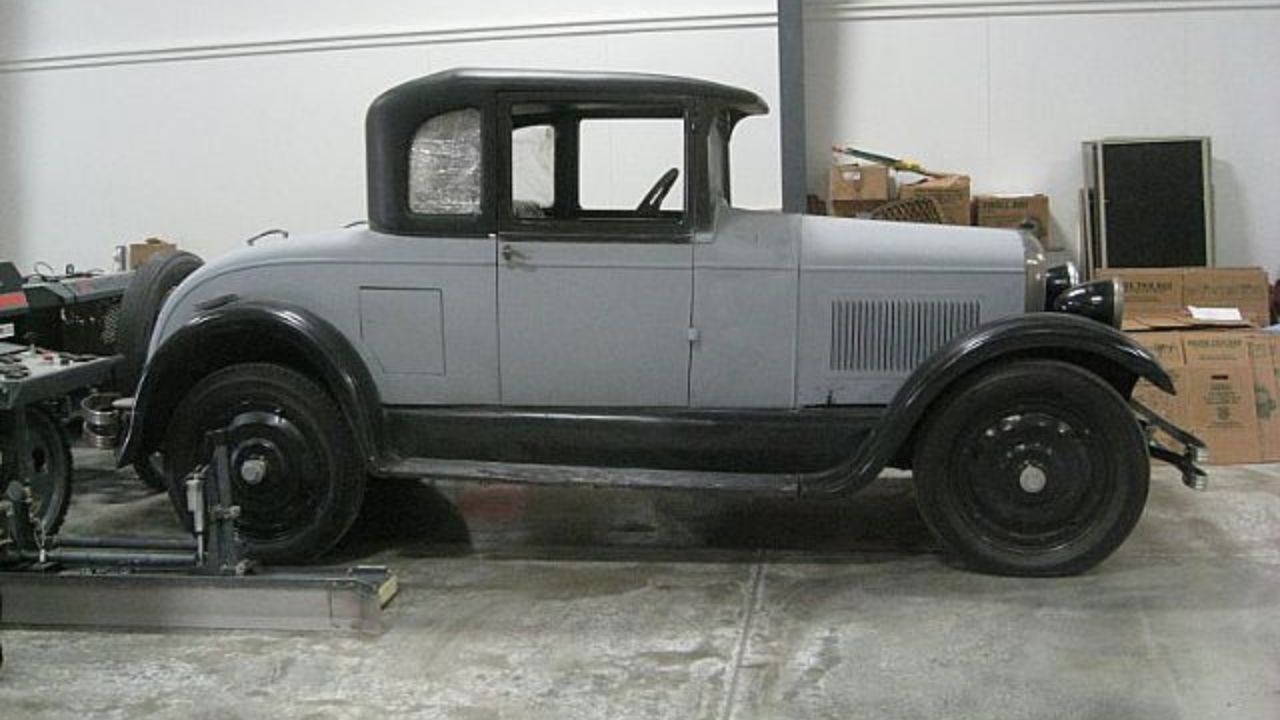
Despite its unfortunate name today, the Dictator was an important part of Studebaker’s prewar lineup. The model was positioned as a practical, affordable car and was produced in several body styles. Its age naturally makes surviving examples scarce, while its name makes it particularly memorable. Most people have never encountered one outside a history book or collection.
Studebaker Commander Regal
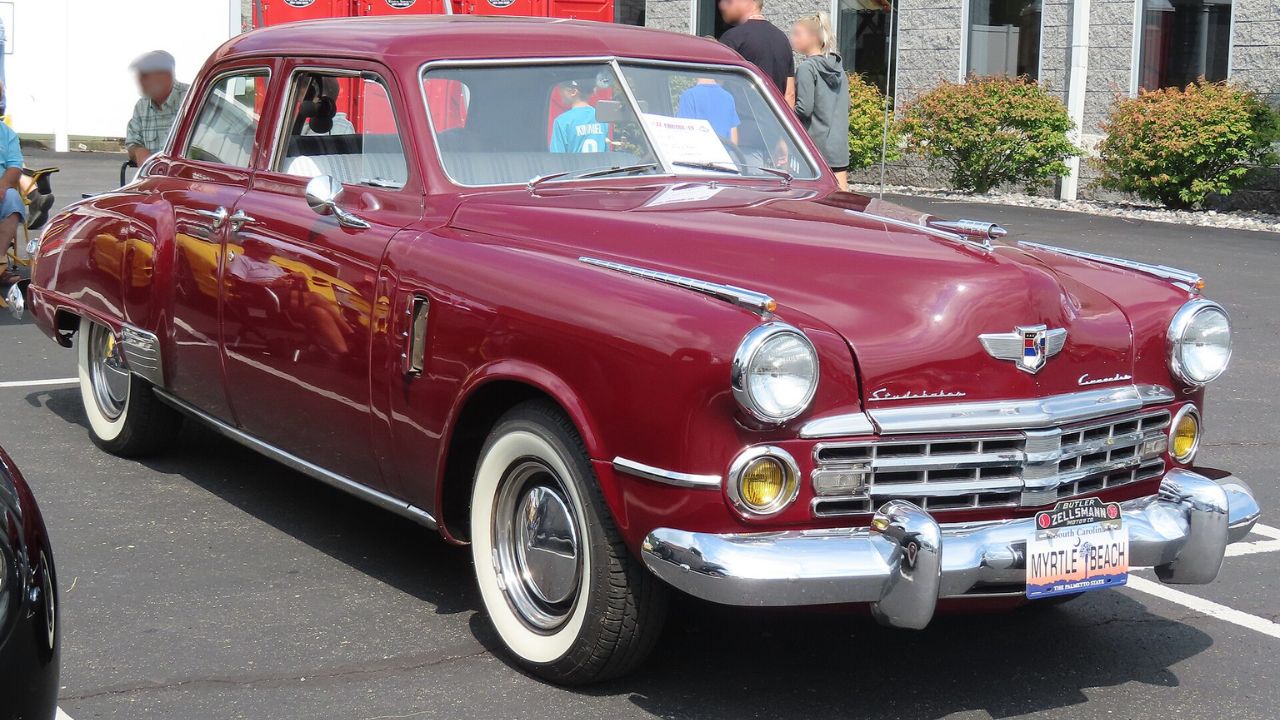
The Commander Regal offered Studebaker buyers a more upscale take on the company’s mainstream Commander. Extra trim and distinctive styling helped it stand apart from basic models. Like many Studebakers, it never benefited from the enormous production numbers enjoyed by Ford or Chevrolet. That limited presence has made surviving Regal examples especially uncommon today.
Studebaker Scotsman
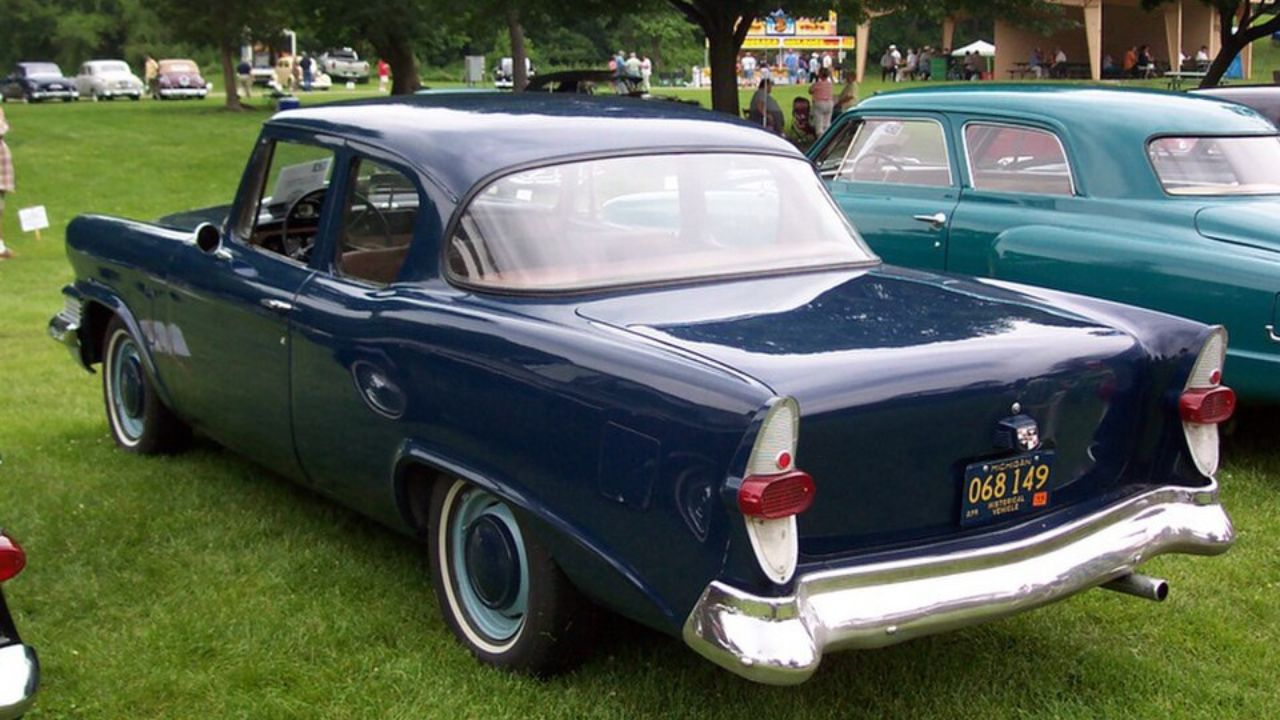
The Scotsman took simplicity to an extreme, stripping away much of the chrome and decorative trim American buyers had come to expect. It was designed as an affordable, no-nonsense car during a period when excess was becoming increasingly common. That unusual approach makes surviving examples fascinating. Few modern collectors ever get the chance to experience one firsthand.
Studebaker Lark
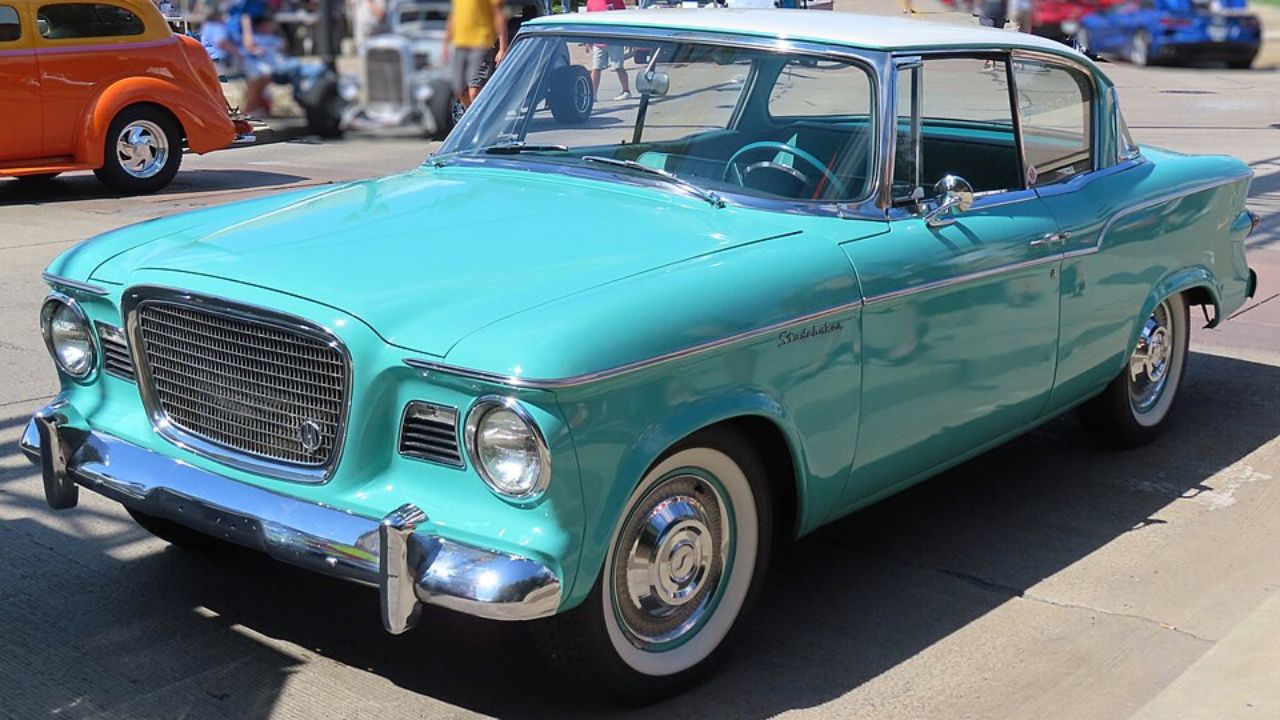
The Lark was one of Studebaker’s most important attempts to survive in an increasingly competitive market. Its compact size gave it an advantage as American buyers began showing more interest in smaller cars. The model was successful enough to keep Studebaker going for a while, but decades of attrition have made early Larks increasingly difficult to find.
Studebaker Transtar
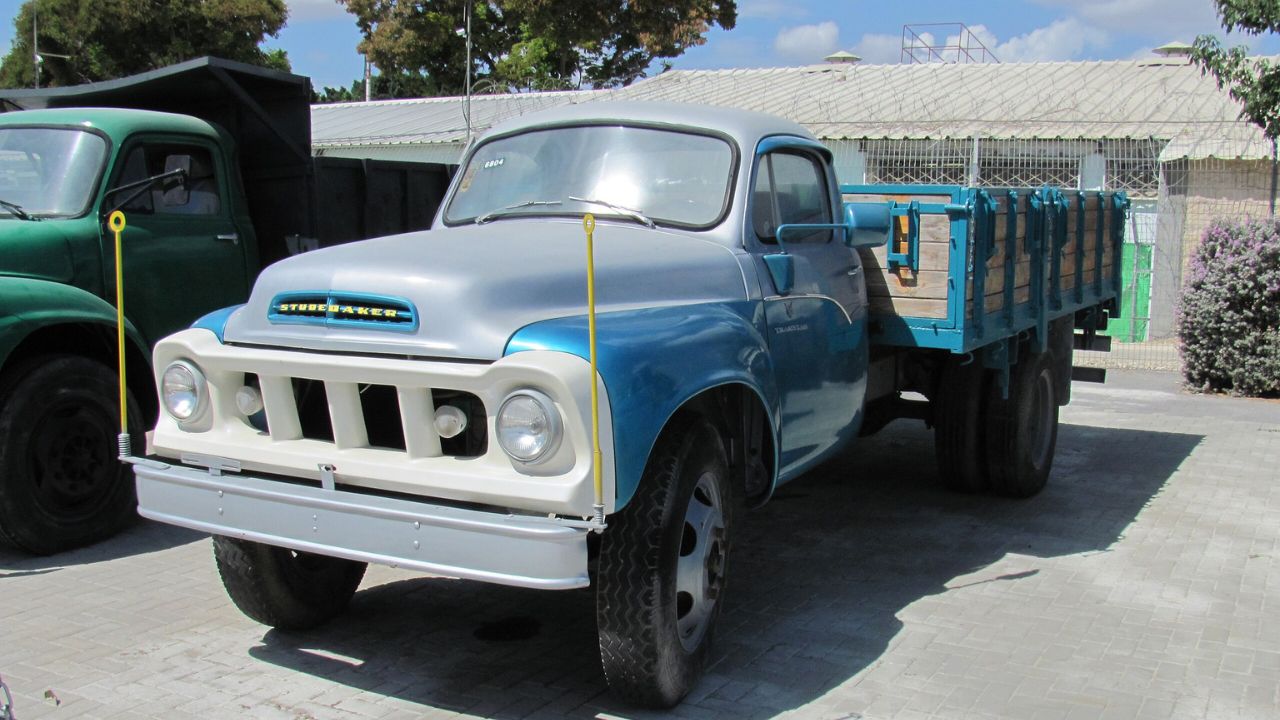
The Transtar name belonged to Studebaker’s pickup line and represented the company’s attempt to remain competitive in the American truck market. These pickups combined straightforward utility with Studebaker’s distinctive styling. They were work vehicles first, so many were used until they were no longer economical to repair. Surviving examples are now unusual sights even at truck gatherings.
More from Fast Lane Only
- Unboxing the WWII Jeep in a Crate
- 15 rare Chevys collectors are quietly buying
- 10 underrated V8s still worth hunting down
- Police notice this before you even roll window down
*Research for this article included AI assistance, with all final content reviewed by human editors.