Chevrolet has built plenty of memorable vehicles, but some earned their reputations in a simpler way by refusing to quit. These cars and trucks became familiar sights because owners kept repairing and driving them instead of replacing them. From old sedans to dependable pickups, these Chevrolets proved that high mileage does not always mean the end of the road.
Chevrolet Chevelle

The Chevrolet Chevelle became one of America’s best-known midsize cars, but its appeal was not limited to performance versions. The basic models used straightforward mechanical components that were relatively easy to maintain, helping many survive years of daily driving. The Chevelle’s sturdy construction also made it a practical family car and work vehicle. While collectors now focus heavily on the muscle versions, ordinary Chevelles were often kept running long after their original owners expected them to disappear.
Chevrolet Camaro
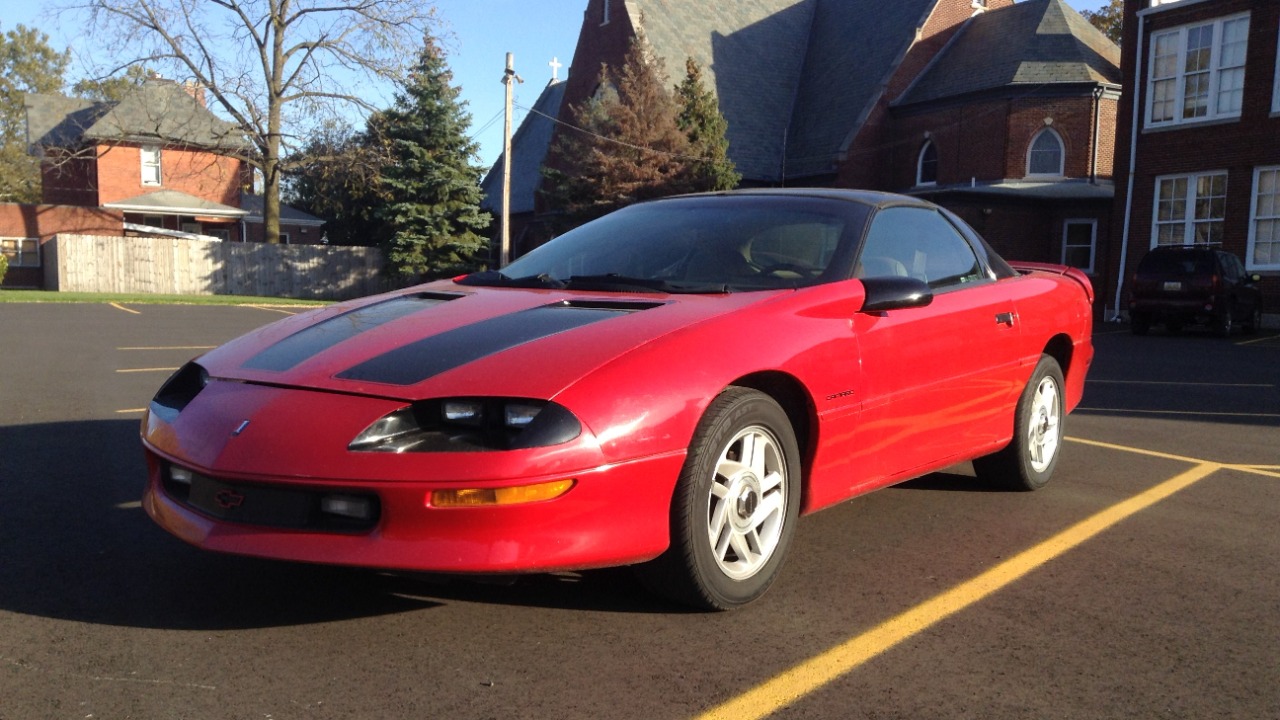
The Chevrolet Camaro is usually remembered for performance, but many examples earned their reputations simply by staying on the road. Its mechanical layout was familiar to generations of American mechanics, and parts availability made long-term ownership easier. Even when an older Camaro became rough around the edges, owners often found reasons to keep it going. That combination of repairability and recognizable styling helped many examples survive long enough to become classics rather than forgotten used cars.
Chevrolet Monte Carlo
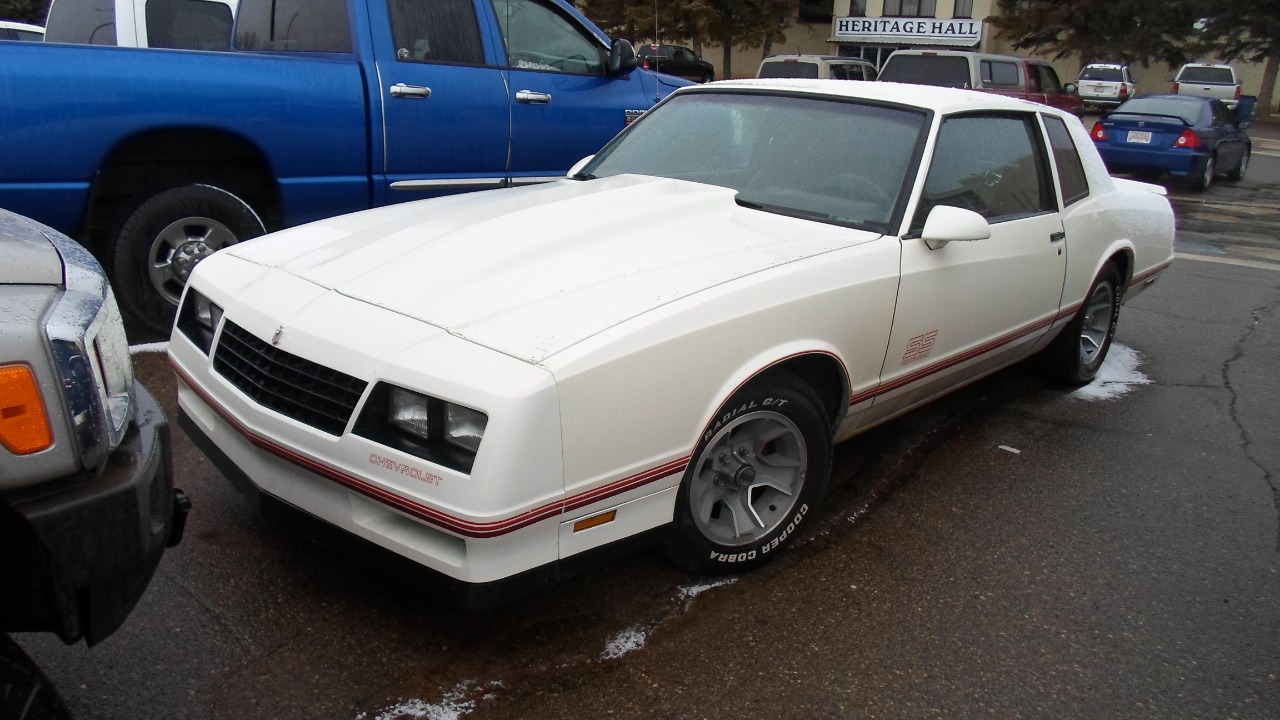
The Chevrolet Monte Carlo combined personal-luxury styling with conventional Chevrolet mechanicals, making it a comfortable car that was also relatively straightforward to maintain. Many versions used engines and drivetrains shared with other GM vehicles, which helped owners find parts and repairs without much trouble. Monte Carlos were often driven extensively as daily transportation. Their roomy interiors and durable mechanical foundations allowed plenty to accumulate serious mileage, even though they were never marketed primarily as high-mileage workhorses.
Chevrolet Caprice Classic
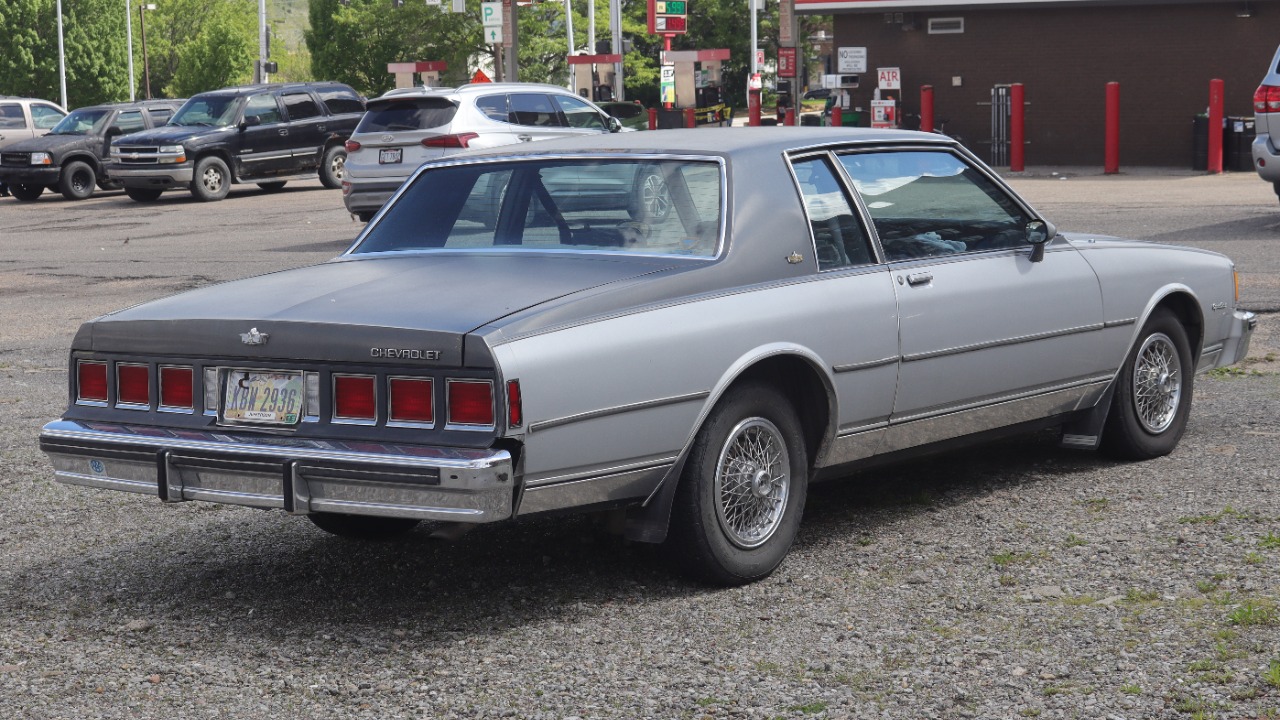
The Caprice Classic was built for buyers who valued space, comfort, and traditional American engineering. Its large body and body-on-frame construction gave it a substantial feel, while familiar V8 engines made repairs relatively manageable. Police and fleet versions also demonstrated how much use the platform could tolerate. Civilian examples often accumulated years of family transportation duty before being retired. A well-maintained Caprice can still feel remarkably solid today, which helps explain its continuing popularity among classic-car enthusiasts.
Chevrolet Cavalier
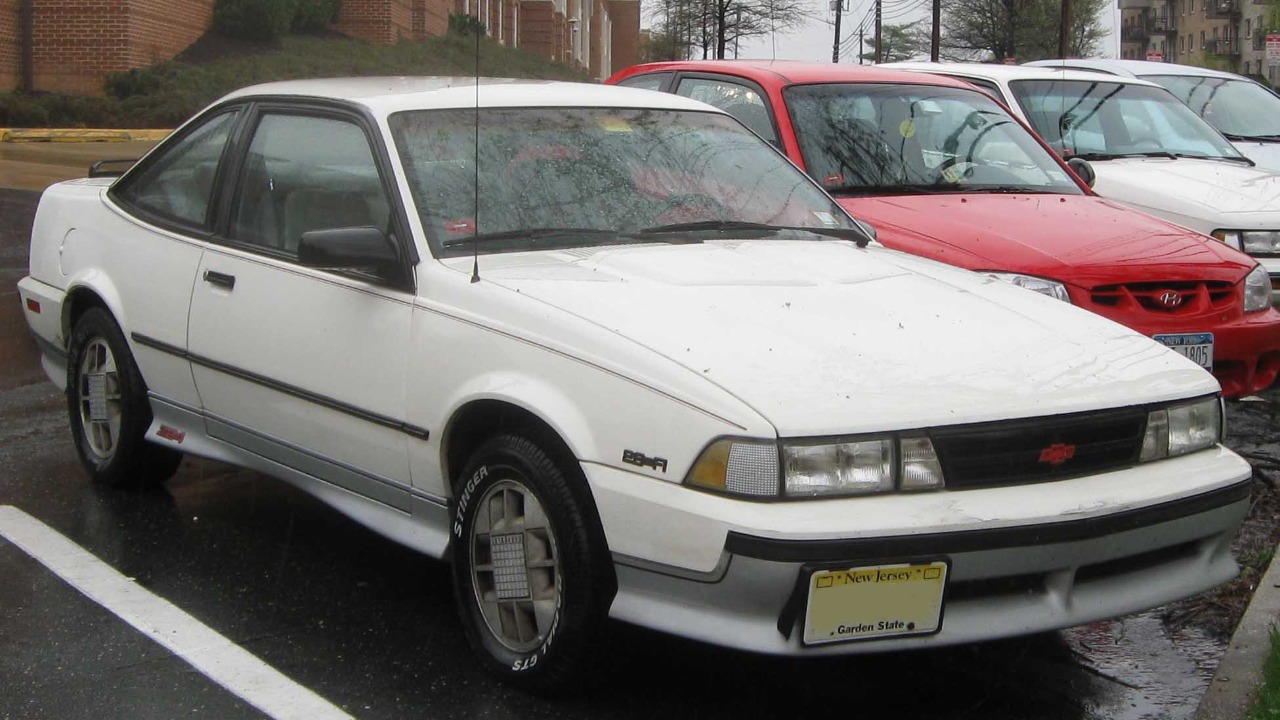
The Chevrolet Cavalier was designed as an affordable everyday car rather than a future collectible, yet many survived precisely because they were inexpensive and uncomplicated to keep running. Its modest engines and conventional front-wheel-drive layout made it practical transportation for millions of owners. Cavaliers often served as commuter cars, first cars, and family runabouts. Their low purchase price also meant owners could continue repairing them instead of taking on the cost of another vehicle, allowing some examples to reach surprisingly high mileage.
Chevrolet Impala SS
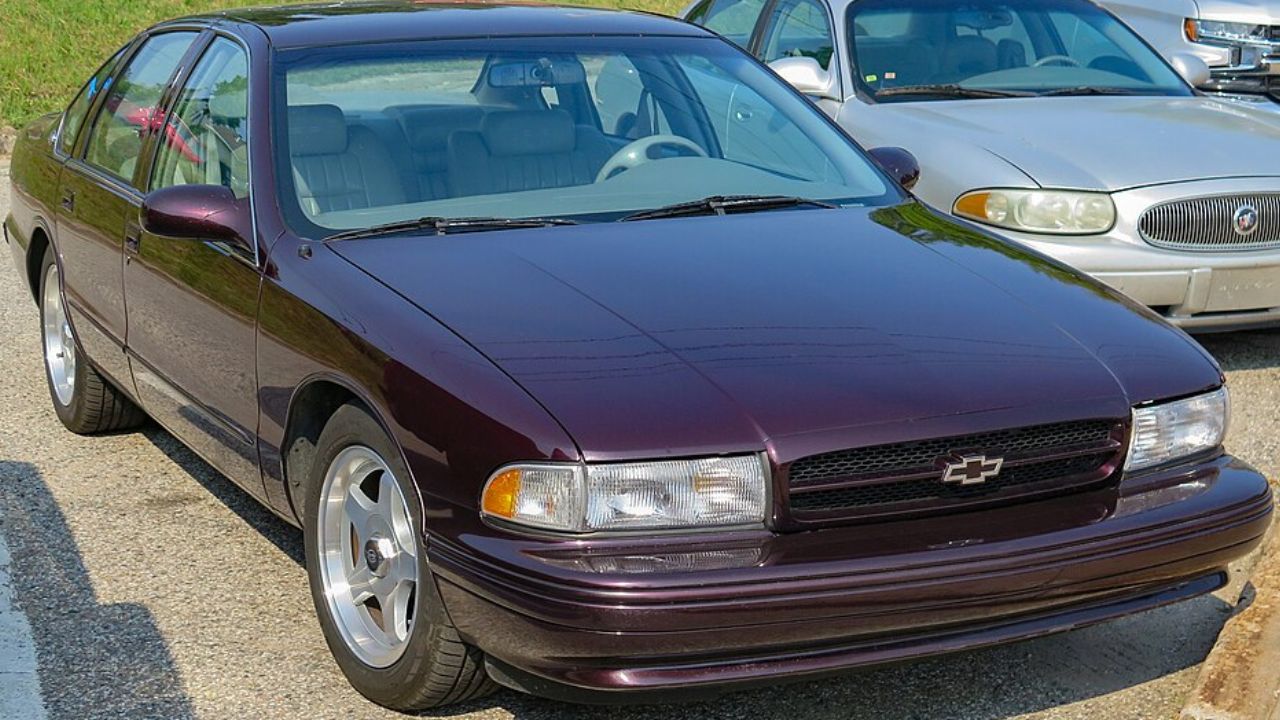
The Chevrolet Impala SS gave the traditional full-size sedan a performance-oriented personality while retaining the basic durability of a Chevrolet platform. Its V8 power and rear-wheel-drive layout made it popular with enthusiasts, but its practical four-door body also allowed owners to use it every day. Many were driven extensively rather than stored away. The combination of a strong drivetrain, spacious cabin, and familiar GM components helped the Impala SS remain useful even after the mileage numbers became intimidating.
Chevrolet Nova
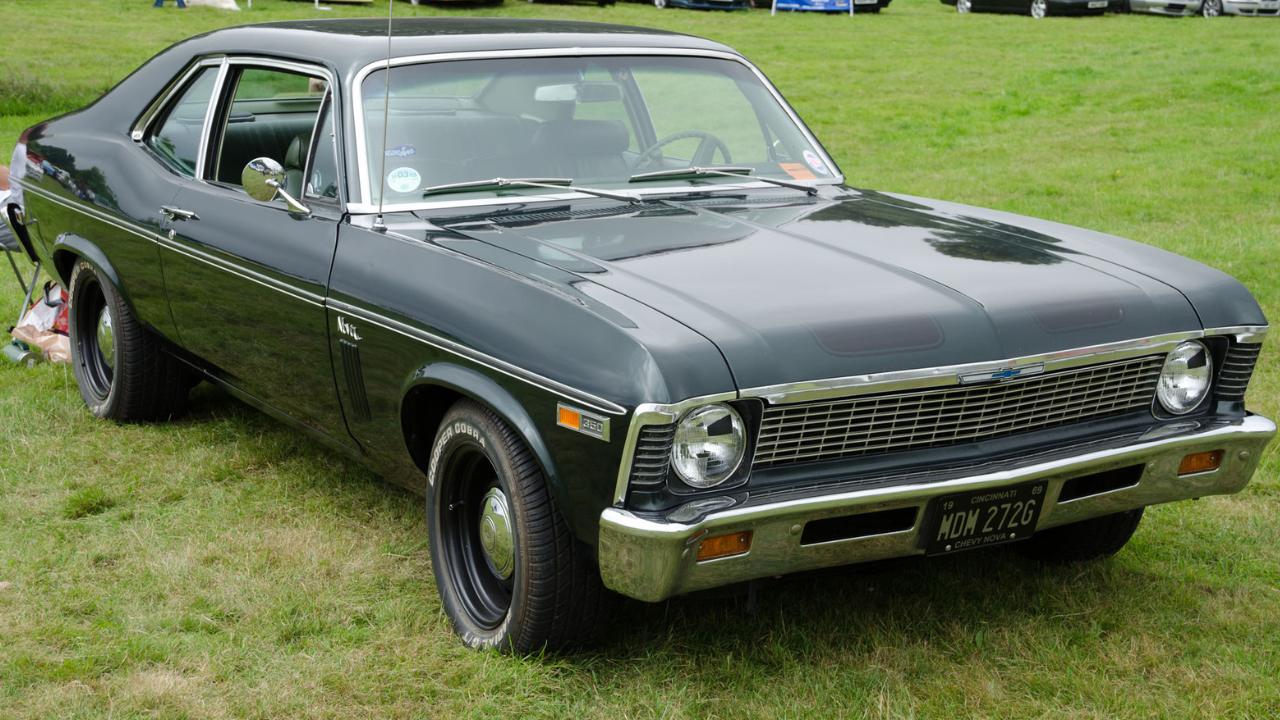
The Chevrolet Nova was one of the simpler compact cars in Chevrolet’s lineup, and that simplicity worked in its favor. Early versions relied on straightforward engines, conventional drivetrains, and easily understood mechanical systems. Later Novas became popular as affordable transportation and were often subjected to years of ordinary commuting and family use. Because the car was inexpensive to maintain, owners had plenty of incentive to repair rather than replace it. That practical character is a major reason surviving Novas remain so interesting.
Chevrolet Malibu
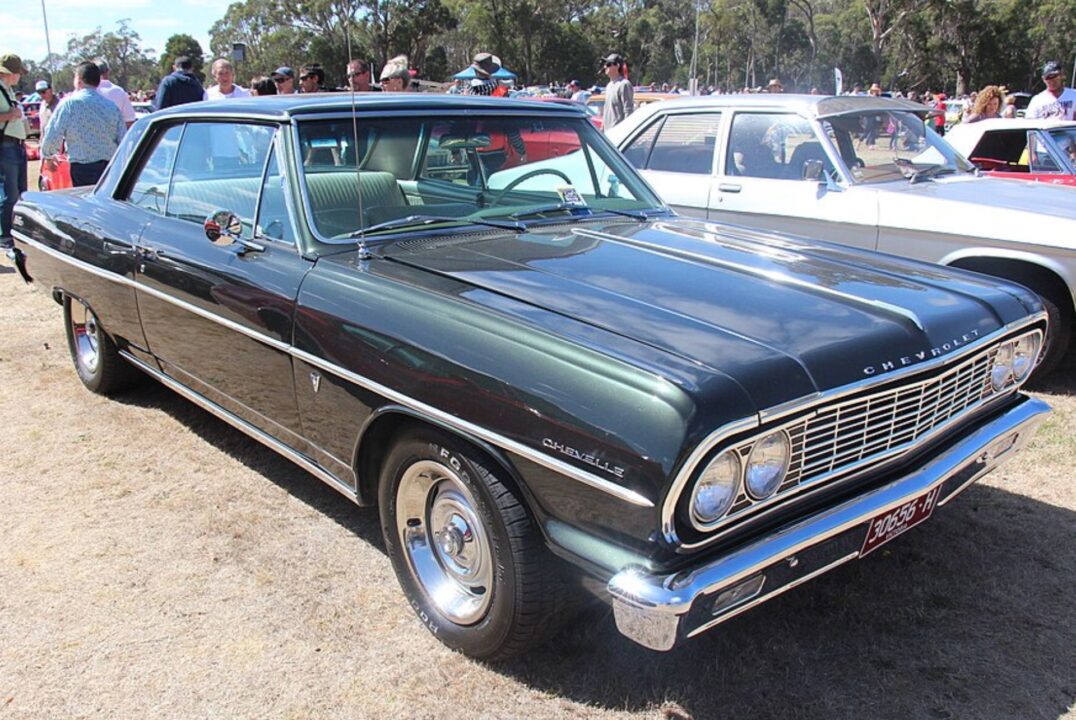
The Chevrolet Malibu has existed in several generations, but its classic versions are especially associated with simple midsize-car engineering. Earlier models offered a useful combination of room, conventional mechanicals, and widely available parts. Many were driven as everyday family cars and accumulated years of use without attracting much attention. Their durability was rarely celebrated when they were new because they were so common. Today, surviving Malibus remind enthusiasts that an ordinary Chevrolet could become a long-lived classic through nothing more complicated than regular maintenance.
Chevrolet El Camino
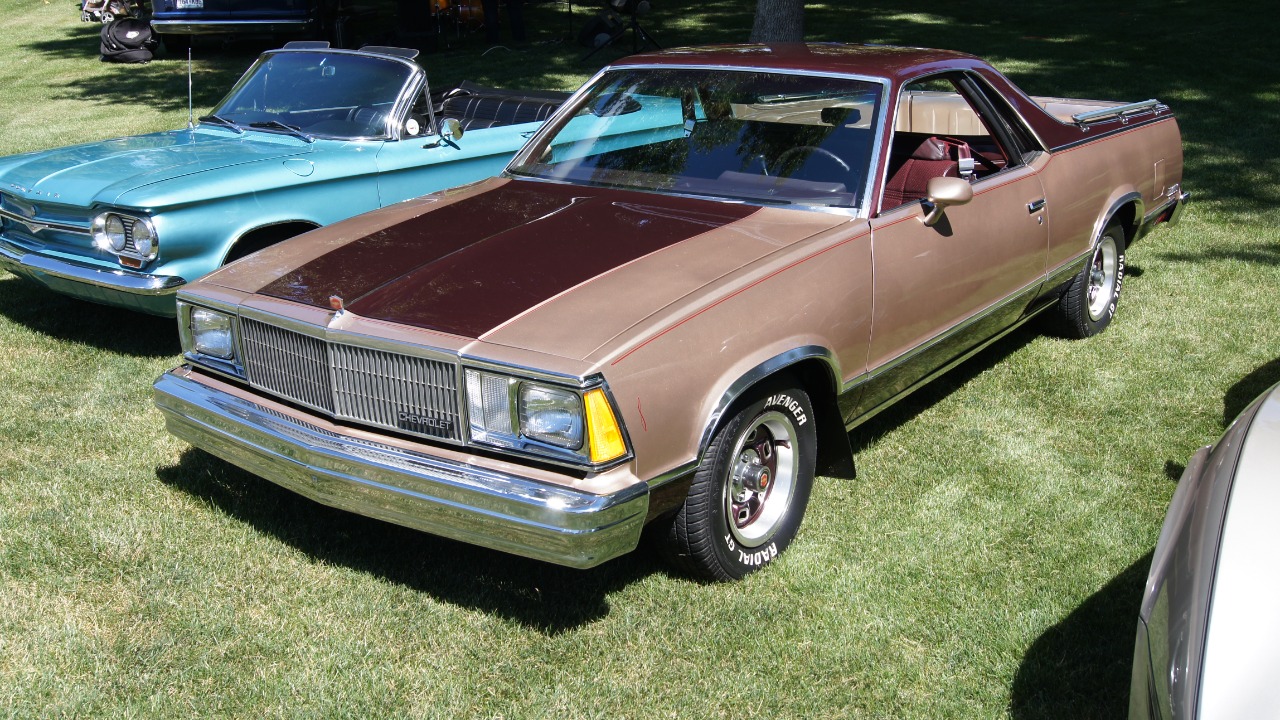
The Chevrolet El Camino blurred the line between passenger car and pickup, giving owners a useful cargo bed without sacrificing the driving characteristics of a car. Its Chevrolet engines and conventional rear-wheel-drive hardware were familiar to mechanics, making long-term repairs easier. Many were used for work, recreation, and daily transportation at the same time. That versatility helped some survive years of hard use. Today, the El Camino’s unusual design has made it collectible, but its practical toughness is an equally important part of its story.
Chevrolet Corvair

The Chevrolet Corvair was very different from most American cars of its time, using a rear-mounted, air-cooled flat-six engine. Despite its unusual engineering, many Corvairs proved capable of providing years of dependable service when properly maintained. The simple air-cooled engine avoided the need for a conventional radiator and cooling system. Corvairs were also offered in several body styles, making them surprisingly versatile. Their unusual design has helped keep the model memorable, while surviving examples show how long these distinctive Chevrolets could remain on the road.
Chevrolet Vega
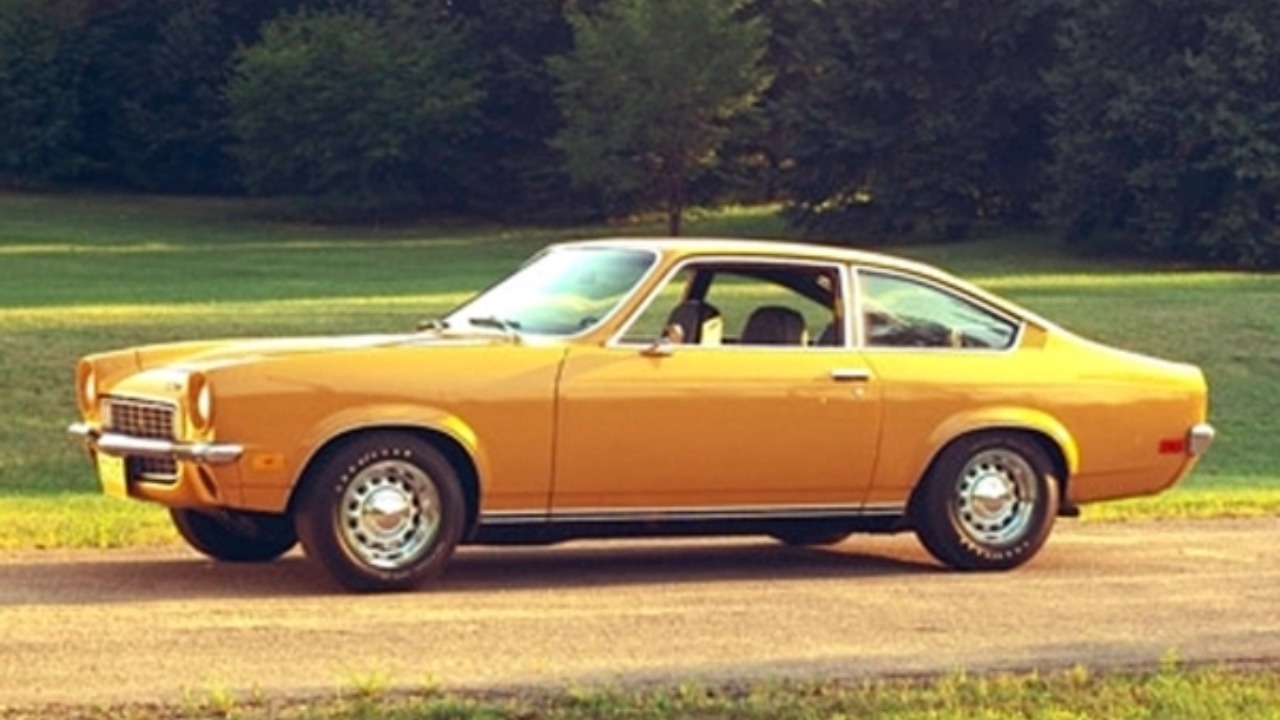
The Chevrolet Vega had a complicated reputation during its lifetime, but that does not mean every example was destined for an early grave. Later improvements addressed some of the model’s early problems, and surviving cars can still be found among dedicated enthusiasts. The Vega’s lightweight construction and compact dimensions made it economical for its era. Its survival today is notable because so many were used as inexpensive transportation. Any well-preserved Vega has effectively demonstrated that some examples could outlast expectations.
Chevrolet Suburban
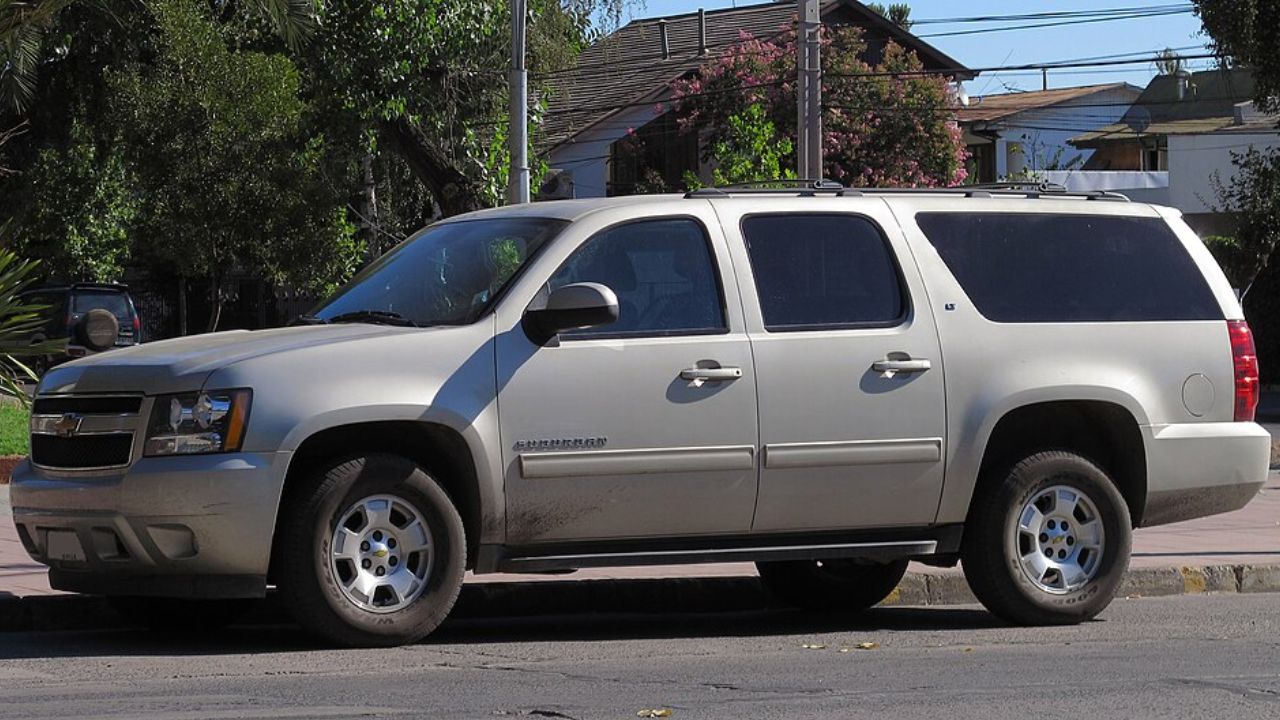
The Chevrolet Suburban is one of the strongest examples of Chevrolet’s long-running approach to utility vehicles. Older generations were built on truck-based foundations and used conventional engines and drivetrains designed for demanding work. Families, businesses, farms, and emergency services all found uses for them. Their ability to carry people and equipment made replacing them difficult when they remained mechanically sound. Even heavily used Suburbans could continue working for years, which helped establish the model as a symbol of long-term durability.
Chevrolet Blazer
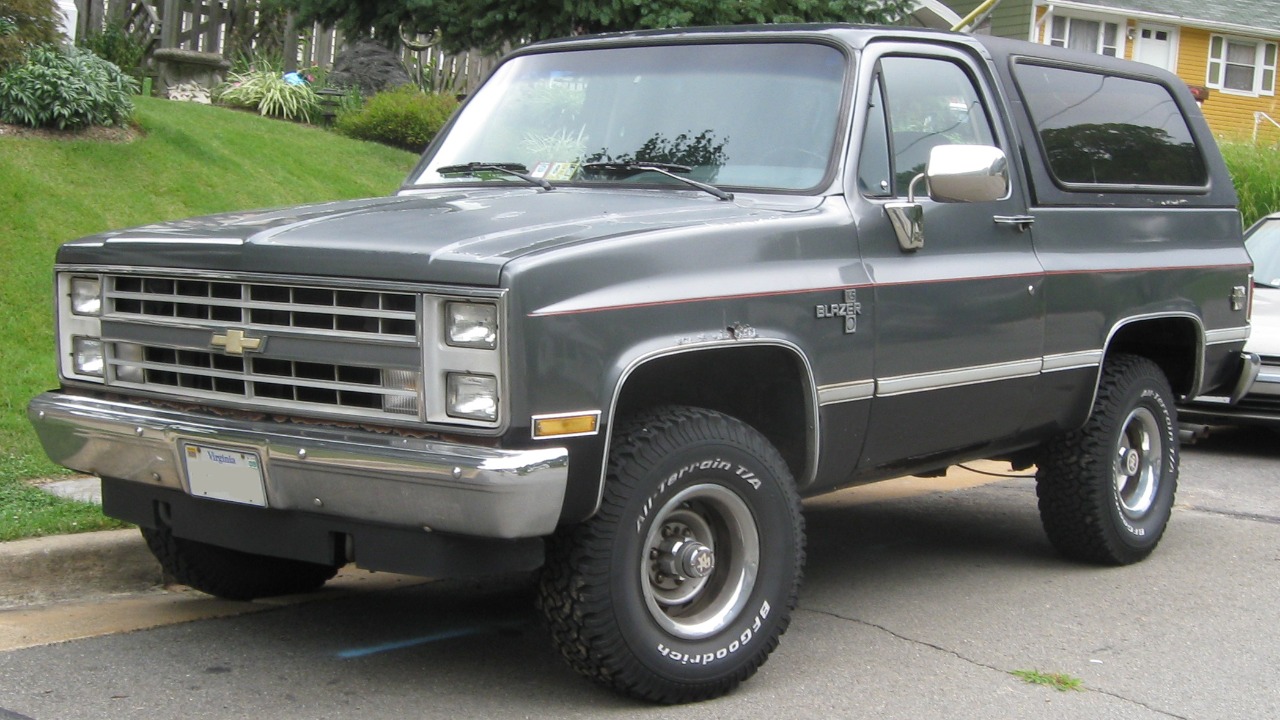
The Chevrolet Blazer brought truck-based toughness into a more recreational package. Early versions shared much of their mechanical thinking with Chevrolet’s pickup range, giving them sturdy frames, simple drivetrains, and strong engine choices. Many were used off-road, for towing, or as everyday transportation. That combination meant some endured considerably more abuse than an ordinary passenger vehicle. Surviving Blazers are now prized for their classic styling, but their ability to withstand years of hard use is what made them legends in the first place.
Chevrolet Astro
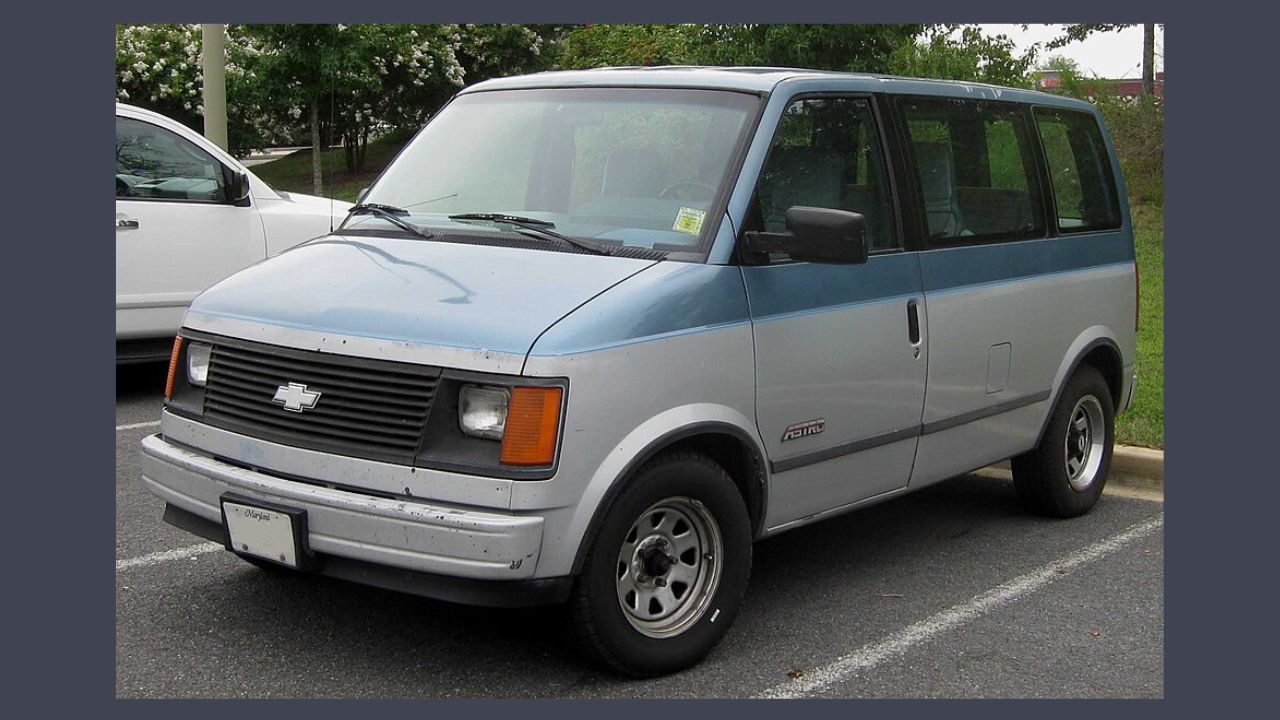
The Chevrolet Astro was a practical van that developed a loyal following among owners who valued its durability and versatility. Its rear-wheel-drive layout and available V6 engines gave it a useful combination of carrying ability and mechanical simplicity. Astros were commonly used by tradesmen, families, businesses, and fleets, meaning many accumulated substantial mileage. Some stayed in service long after newer vans appeared. Their boxy design may look ordinary today, but it hides a reputation for being one of Chevrolet’s more persistent work-oriented vehicles.
Chevrolet Express
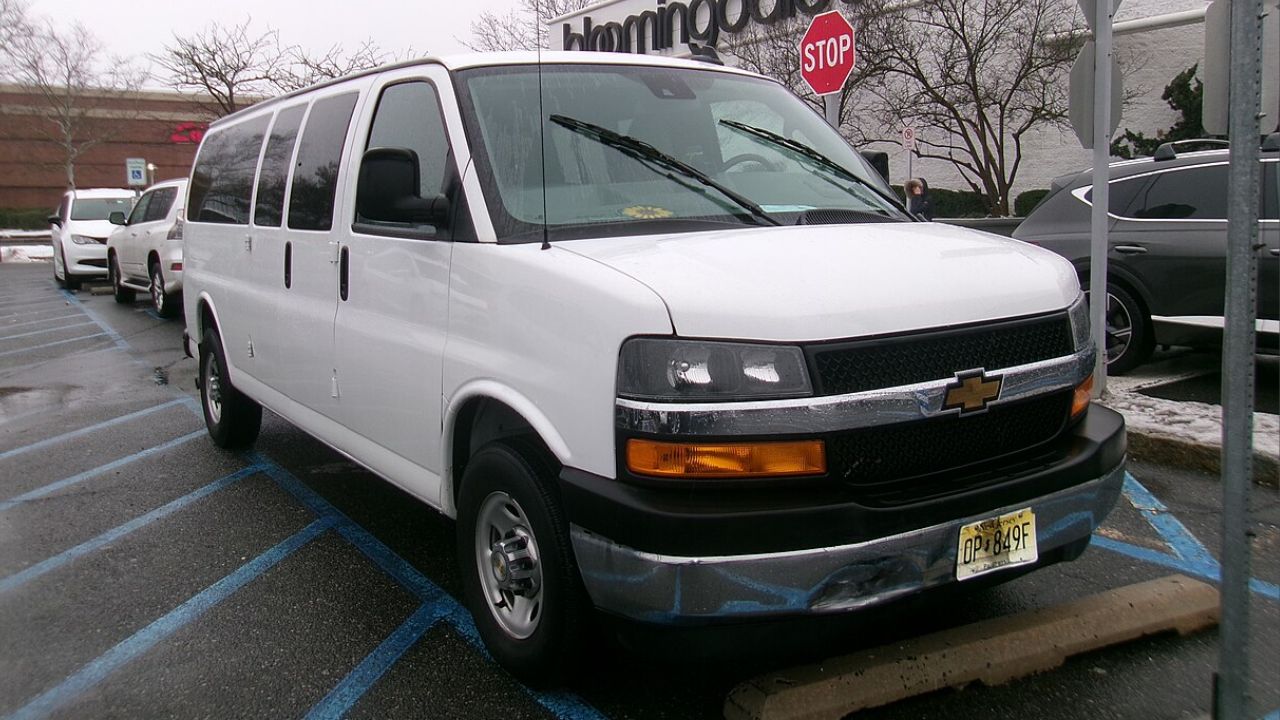
The Chevrolet Express became a dependable choice for businesses and tradespeople because it was designed around straightforward utility. Its conventional rear-wheel-drive layout, strong engines, and large cargo area made it useful for demanding commercial work. Fleet operators often kept these vans for years because replacing a functioning work vehicle costs money and disrupts business. With regular maintenance, many Express vans have accumulated impressive mileage. Their durability may not generate the same excitement as a classic muscle car, but their working history speaks for itself.
Chevrolet Silverado 1500
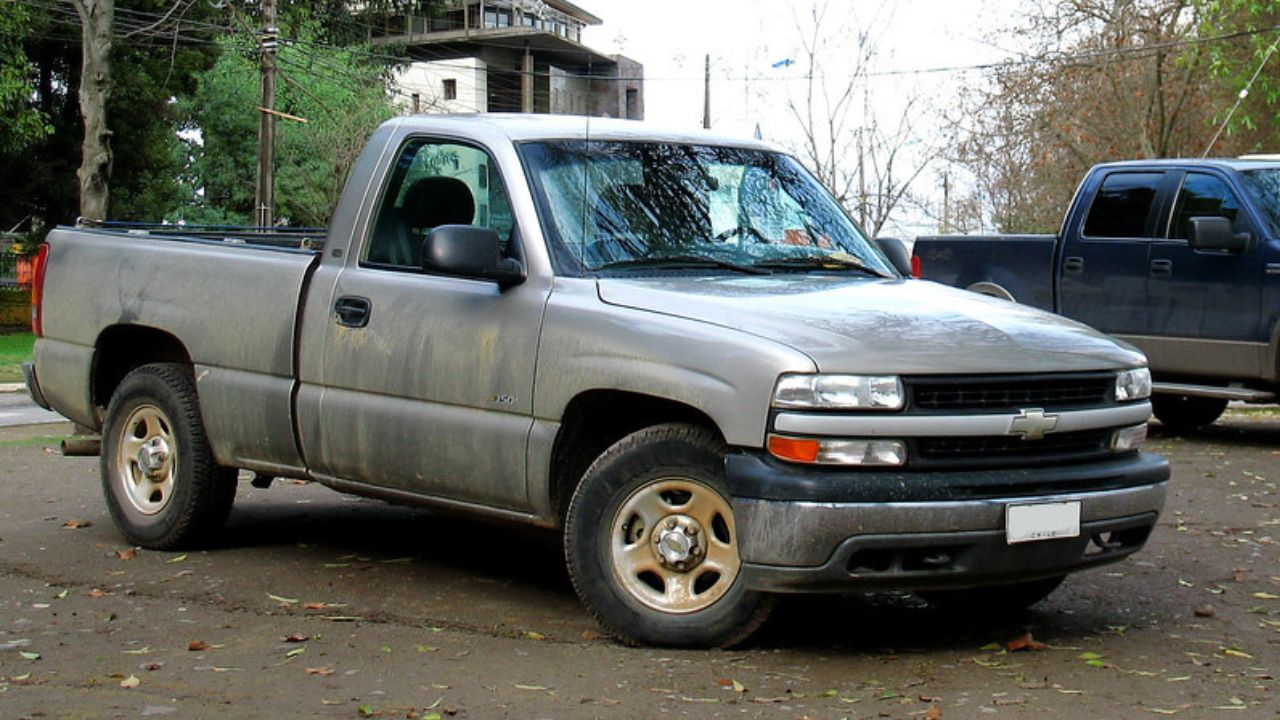
The Silverado 1500 became one of Chevrolet’s most important pickups because it could serve as both daily transportation and a genuine work vehicle. Earlier generations offered familiar V8 engines, conventional automatic transmissions, and sturdy frames. Owners could use them for towing, hauling, commuting, or all three. Because these trucks were built in such large numbers, parts and mechanical knowledge remain plentiful. A high-mileage Silverado can therefore remain useful long after its original warranty and financing period are distant memories.
Chevrolet Astro Cargo Van
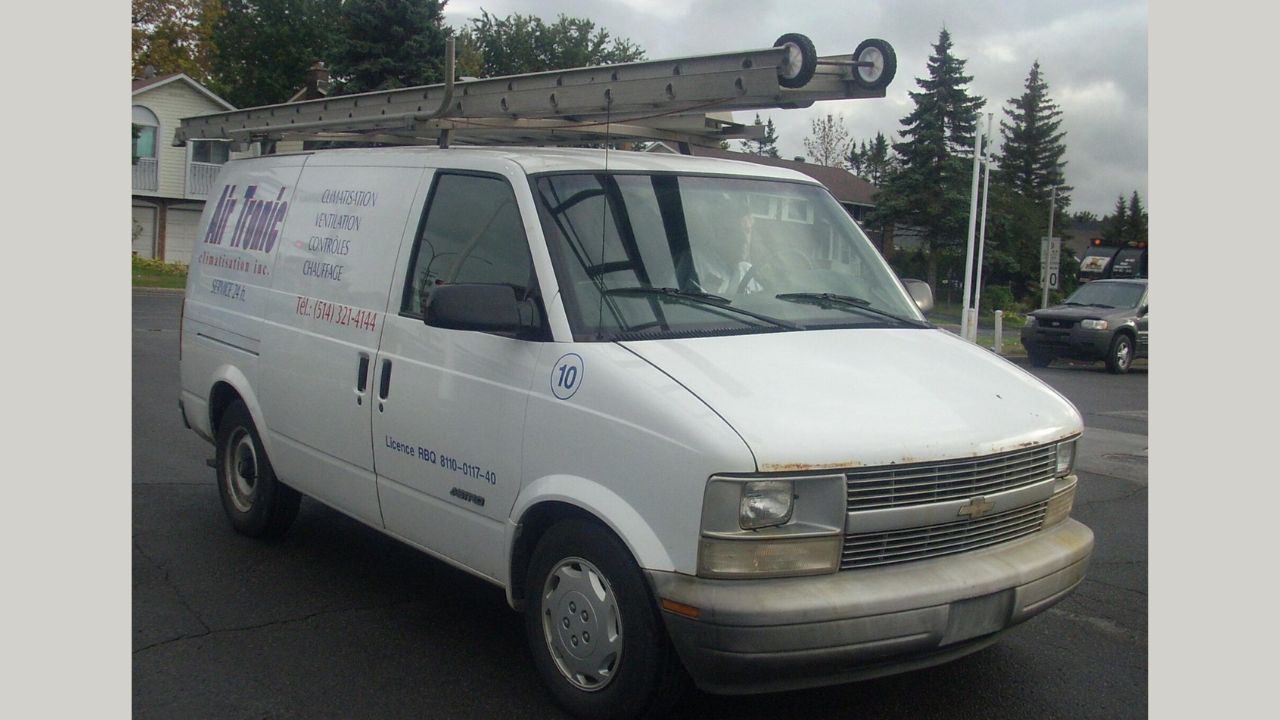
The cargo version of the Astro was particularly well suited to owners who needed a compact commercial vehicle. Tradespeople could load tools and equipment into a relatively manageable package while relying on familiar Chevrolet mechanical components underneath. Many were worked every day, often accumulating mileage much faster than ordinary passenger vehicles. Their survival depended heavily on regular maintenance, but the underlying platform could handle years of commercial use. Clean surviving examples are now a reminder of how much work these compact vans could absorb.
Chevrolet Trailblazer
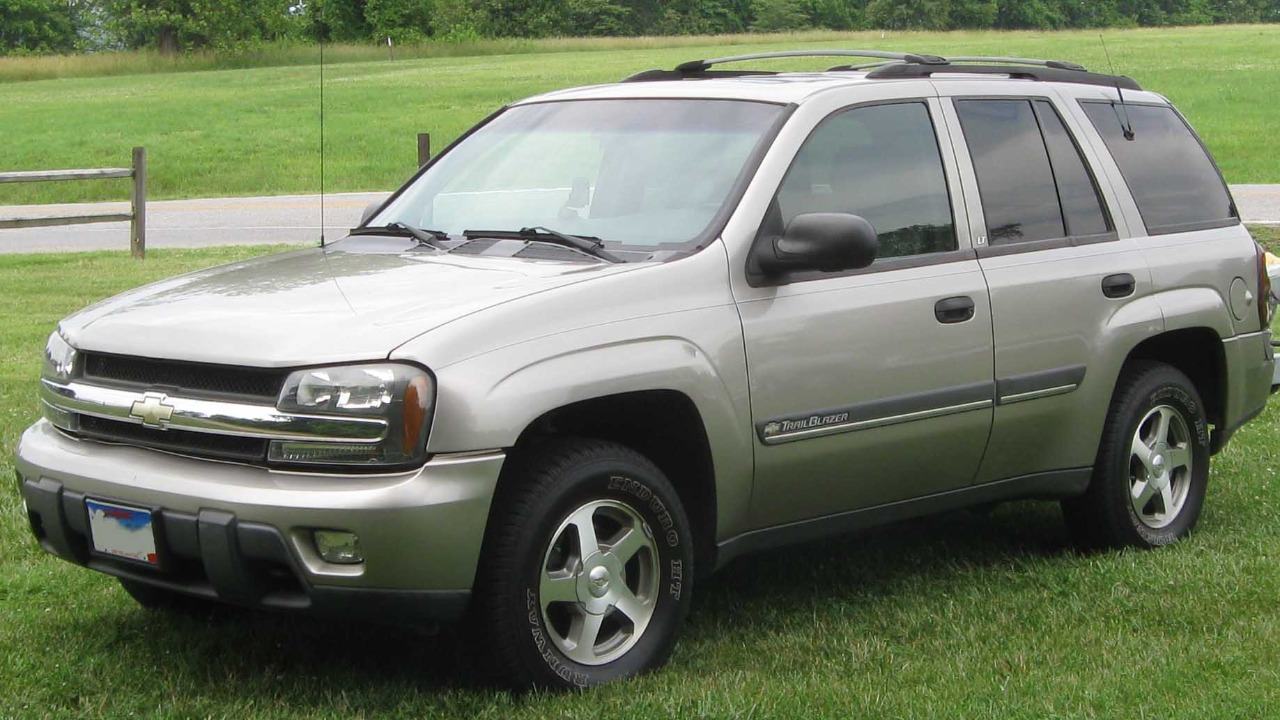
The first-generation Chevrolet Trailblazer offered a practical combination of SUV space and truck-derived engineering. Its available inline-six engine became particularly well known among owners because it provided strong performance without the complexity associated with some newer powertrains. Many Trailblazers served as family vehicles, tow vehicles, and daily commuters. Their straightforward mechanical foundation allowed owners to keep repairing them as mileage climbed. For buyers who maintained them properly, these SUVs could remain useful long after newer models had changed several times.
Chevrolet HHR
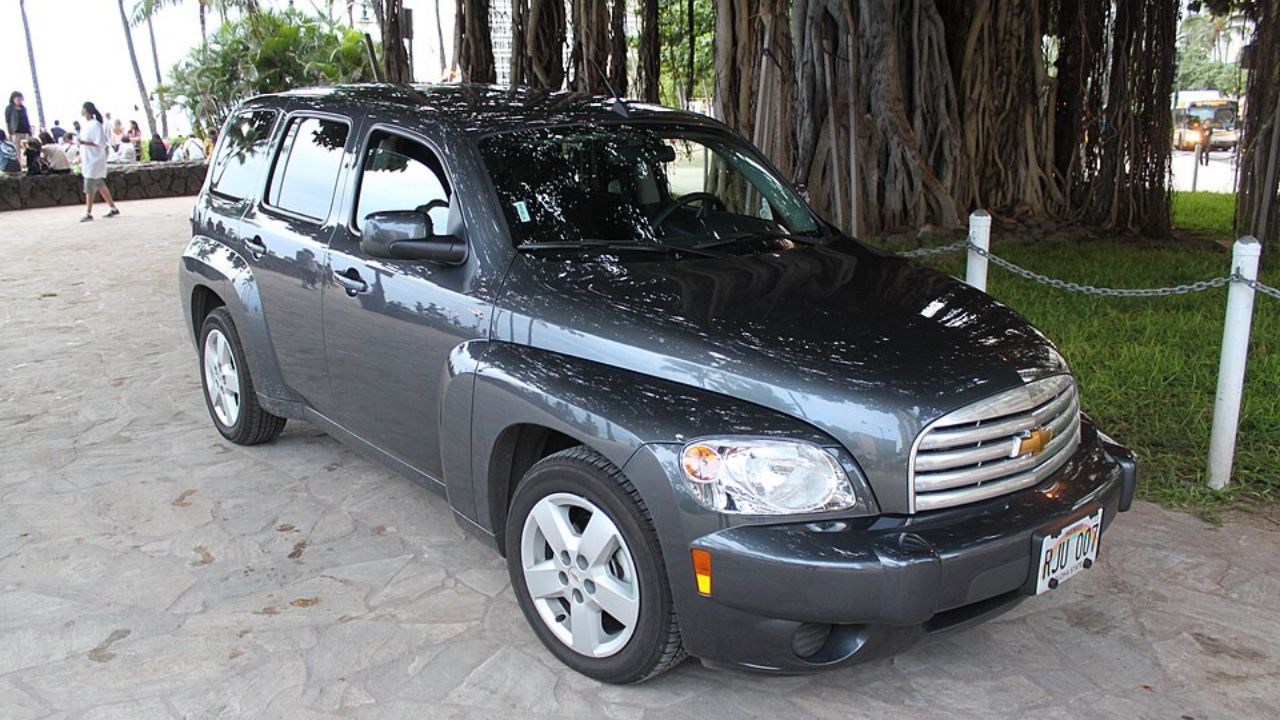
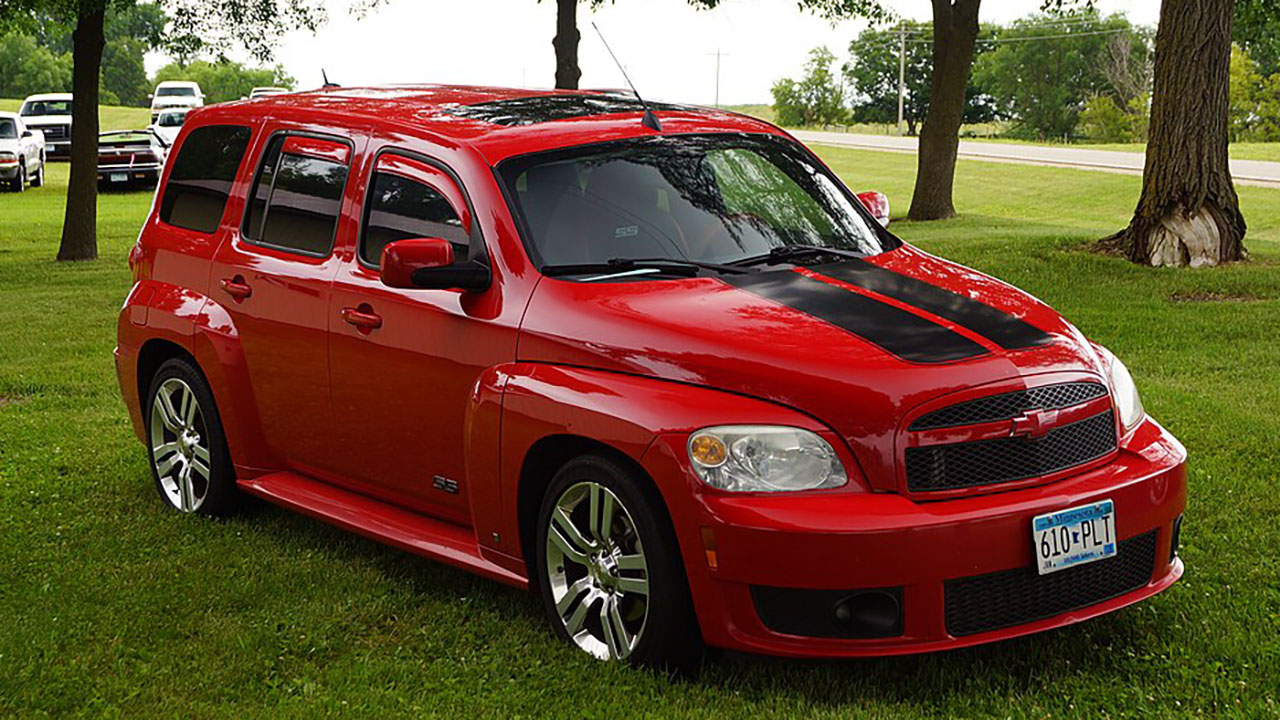
The Chevrolet HHR may not immediately come to mind when discussing long-lived Chevrolets, but its relatively simple four-cylinder powertrains helped make it practical transportation. The retro-styled wagon provided useful cargo space while remaining inexpensive to operate. Many became commuter cars and fleet vehicles, accumulating miles through routine daily use. Their uncomplicated mechanical layout made ordinary maintenance familiar to independent shops. The HHR was never intended to become a legendary collector vehicle, which makes surviving high-mileage examples all the more interesting.
Chevrolet Tracker
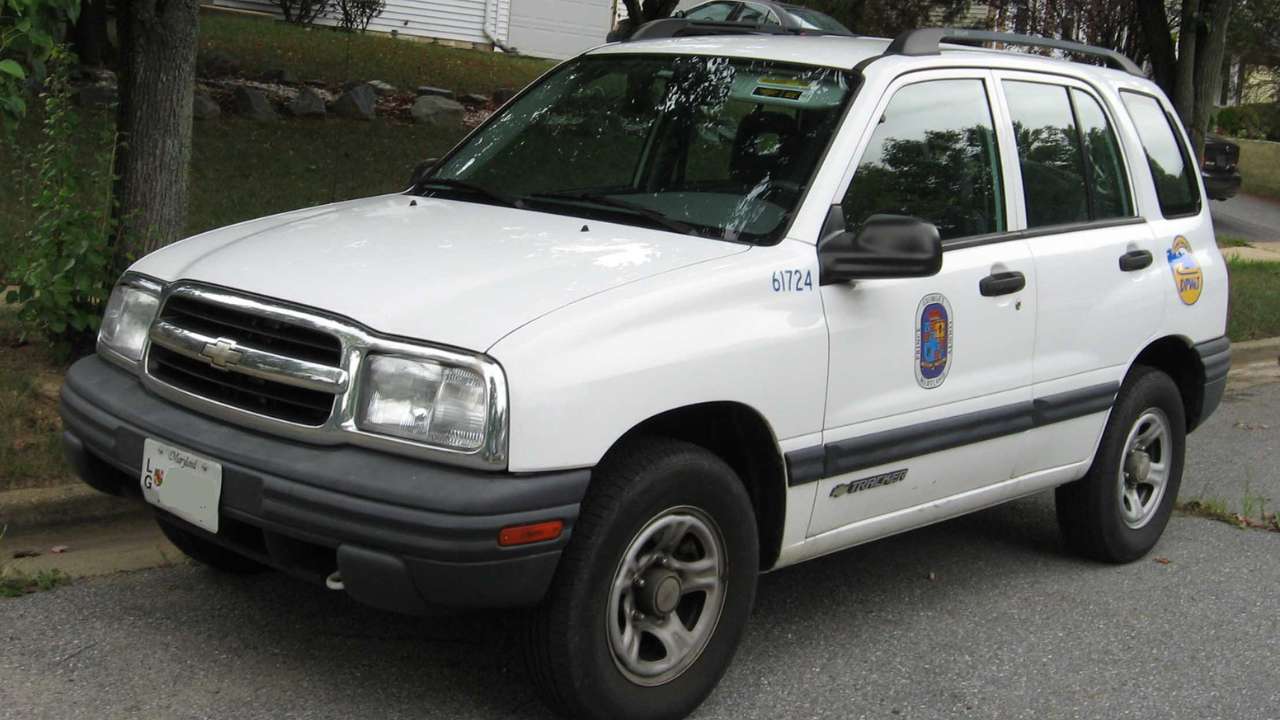
The Chevrolet Tracker was a small SUV that combined compact dimensions with available four-wheel drive, making it useful for drivers who wanted something more capable than a conventional car. Its lightweight design and straightforward mechanical layout kept it relatively simple compared with larger SUVs. Many were used as inexpensive daily transportation and recreational vehicles. While the Tracker never received the attention given to larger Chevrolet trucks, well-maintained examples could remain dependable for years, proving that durability did not always require a massive engine or oversized frame.
More from Fast Lane Only
- Unboxing the WWII Jeep in a Crate
- 15 rare Chevys collectors are quietly buying
- 10 underrated V8s still worth hunting down
- Police notice this before you even roll window down
*Research for this article included AI assistance, with all final content reviewed by human editors.