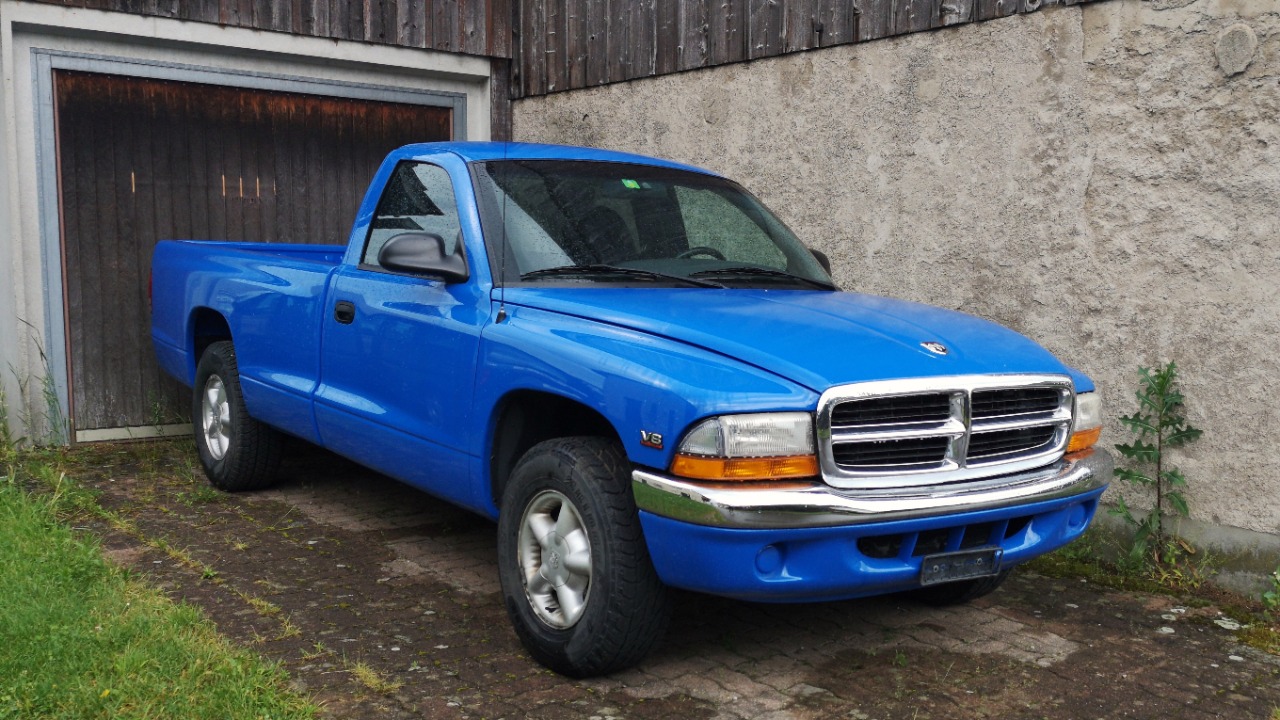
American automotive history is filled with cars that were once overlooked but have become increasingly appreciated by collectors, enthusiasts, and restorers. From powerful muscle cars to stylish cruisers and innovative performance models, these classics helped shape the industry. Their design, engineering, and historical importance continue to keep them relevant today.
Buick GSX
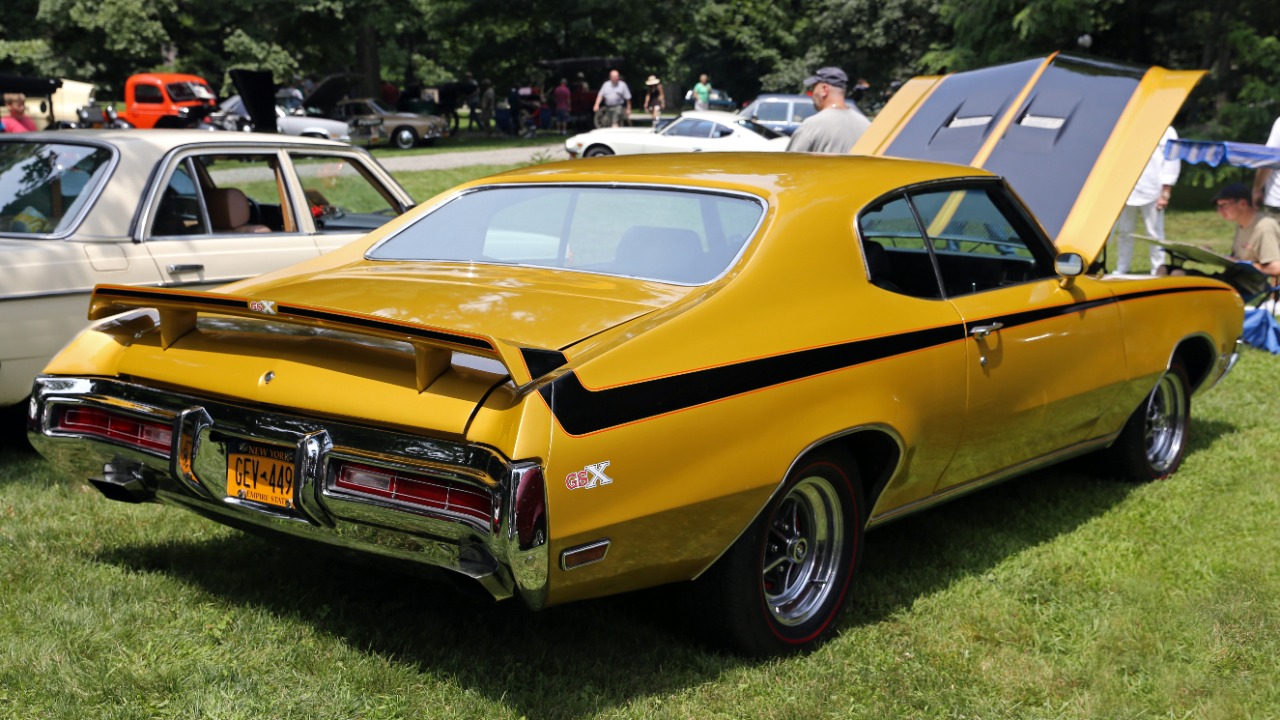
The Buick GSX became one of the most impressive muscle cars of the early 1970s. Based on the Gran Sport, it combined aggressive styling with Buick’s powerful V8 engines and a distinctive appearance. Its limited production makes it especially interesting to collectors today. The GSX also demonstrated that Buick could compete with more famous muscle-car names from Chevrolet, Ford, and Dodge. Its combination of performance, rarity, and bold styling has helped the GSX gain increasing respect among enthusiasts who appreciate overlooked American muscle cars.
Chevrolet Chevelle SS 454
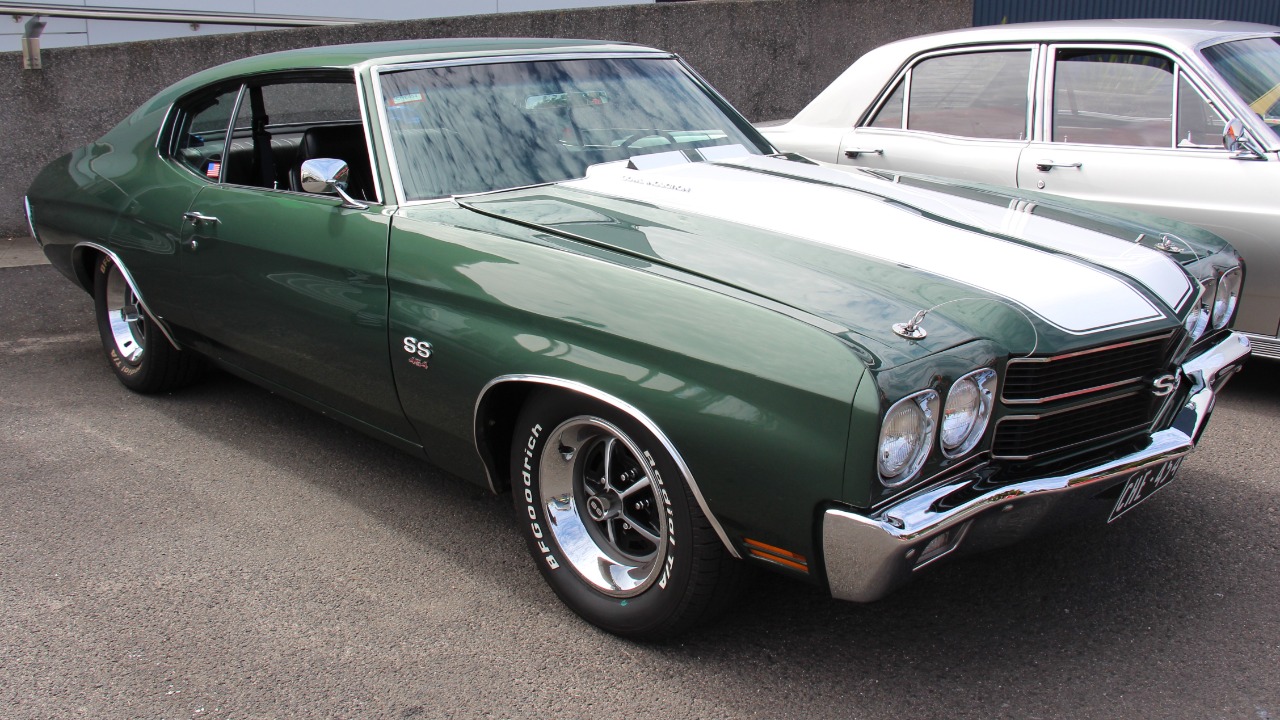
The Chevrolet Chevelle SS 454 represents the high-performance side of the classic muscle-car era. Its big-block V8 gave it serious straight-line performance, while its relatively simple design made it an appealing platform for enthusiasts. Although the Chevelle name has always been well known, well-preserved SS 454 examples have become particularly desirable. Collectors appreciate the combination of strong performance, recognizable styling, and historical importance. Today, the SS 454 remains one of the classic American cars that demonstrates how powerful and straightforward early-1970s muscle cars could be.
Pontiac GTO Judge
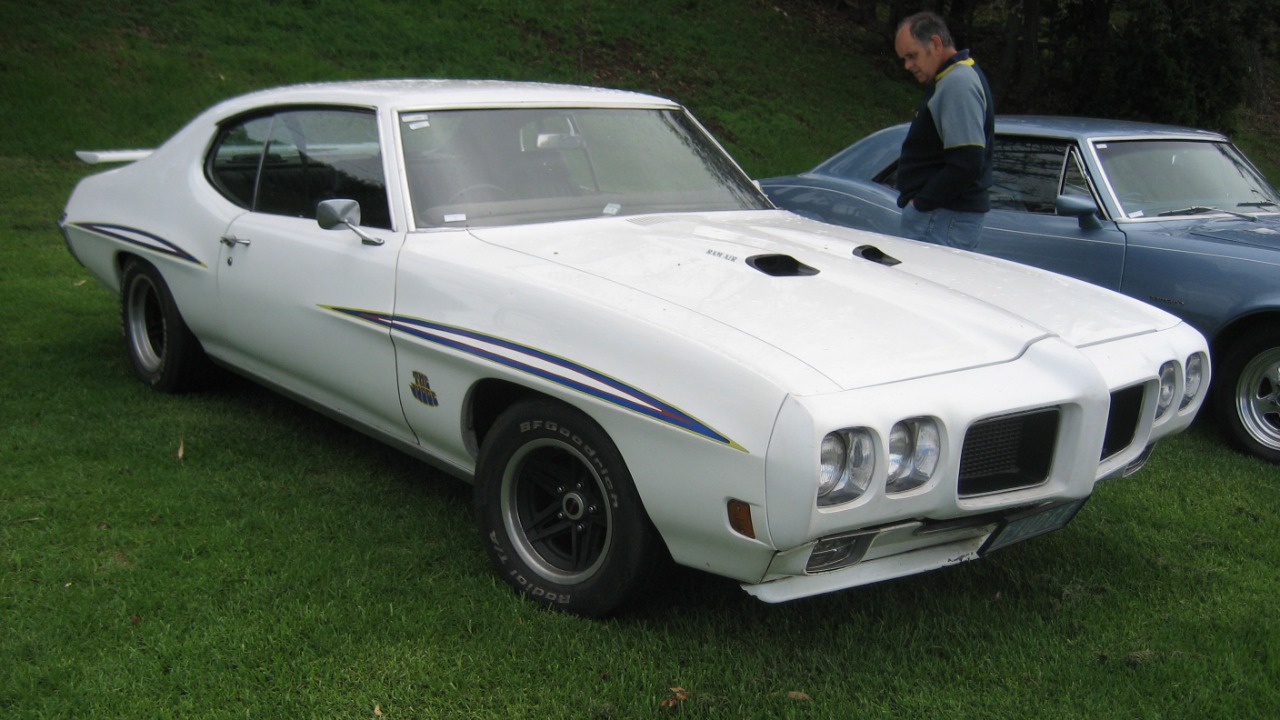
The Pontiac GTO Judge added a distinctive personality to the already famous GTO name. Introduced for the 1969 model year, it featured unique graphics, performance-oriented equipment, and aggressive styling that separated it from ordinary GTO models. Its connection to the muscle-car era has made it increasingly interesting to collectors. The Judge also represents Pontiac’s willingness to experiment with marketing and performance during one of the most competitive periods in American automotive history. Original examples continue to attract attention because of their distinctive appearance and place in muscle-car history.
Plymouth Road Runner
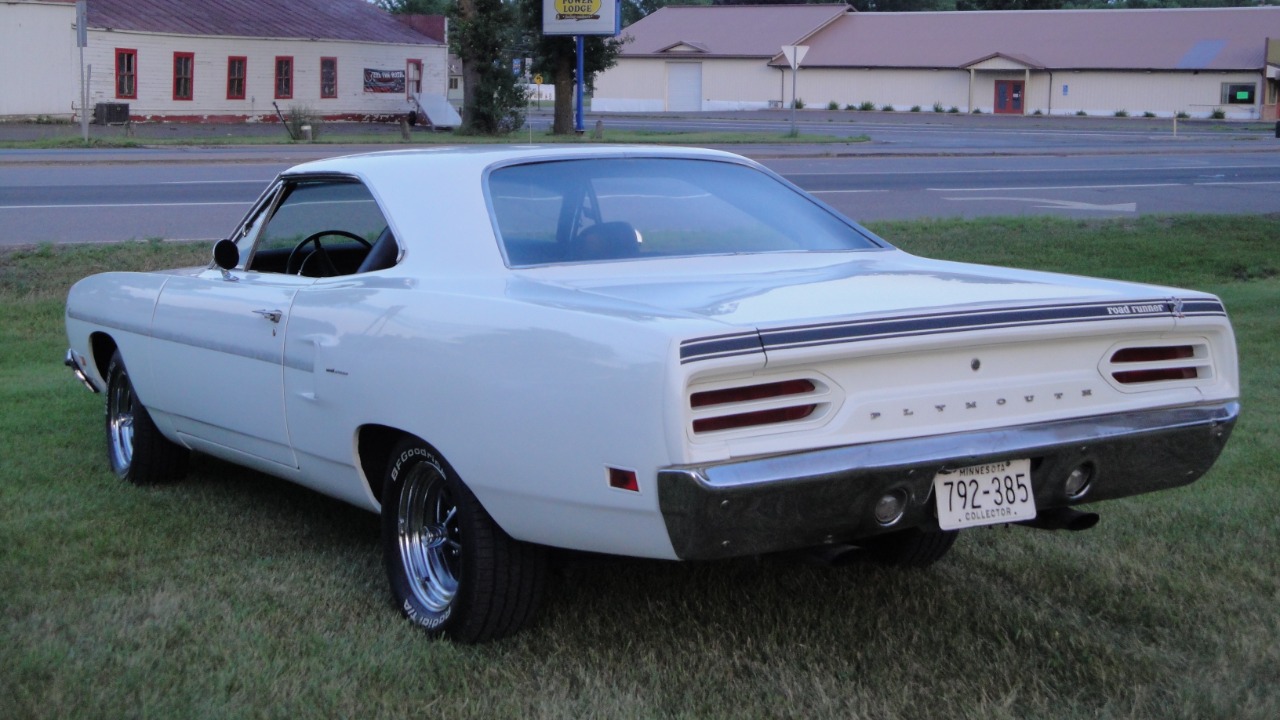
The Plymouth Road Runner proved that a muscle car did not need luxury features to be exciting. Plymouth focused on performance, simplicity, and affordability, creating a car that appealed strongly to younger buyers. Its cartoon-inspired graphics and distinctive horn added personality, while available V8 engines provided serious performance. The Road Runner has remained respected because its basic concept was so clear. It was designed primarily for driving enjoyment rather than comfort or prestige. Today, original and properly restored examples remain important pieces of American muscle-car history.
Oldsmobile 442
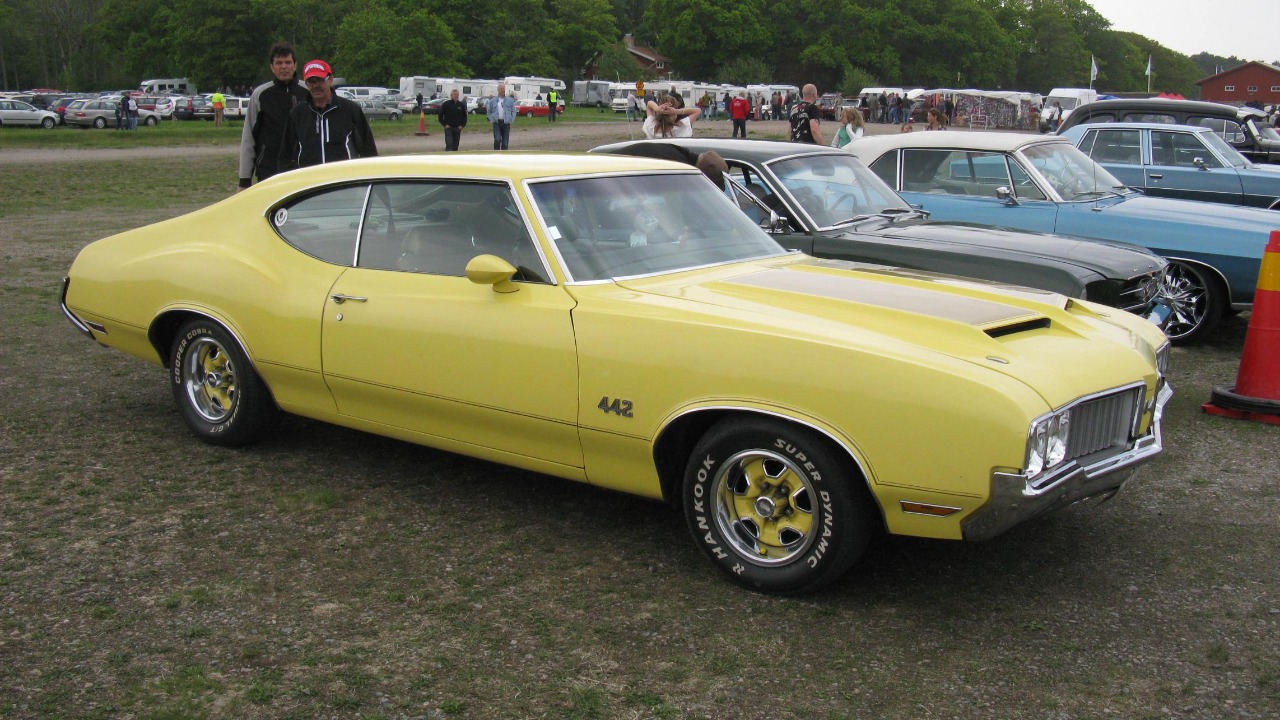
The Oldsmobile 442 developed from Oldsmobile’s performance-oriented offerings into one of the brand’s best-known muscle cars. Its combination of V8 power, attractive styling, and improved performance equipment made it a serious competitor during the muscle-car era. The 442 is also interesting because it showed that Oldsmobile could offer a performance car without simply copying Chevrolet or Pontiac. Collectors increasingly recognize well-preserved examples for their engineering, styling, and historical importance. The model remains an important part of Oldsmobile’s performance heritage and the broader American muscle-car story.
AMC Javelin
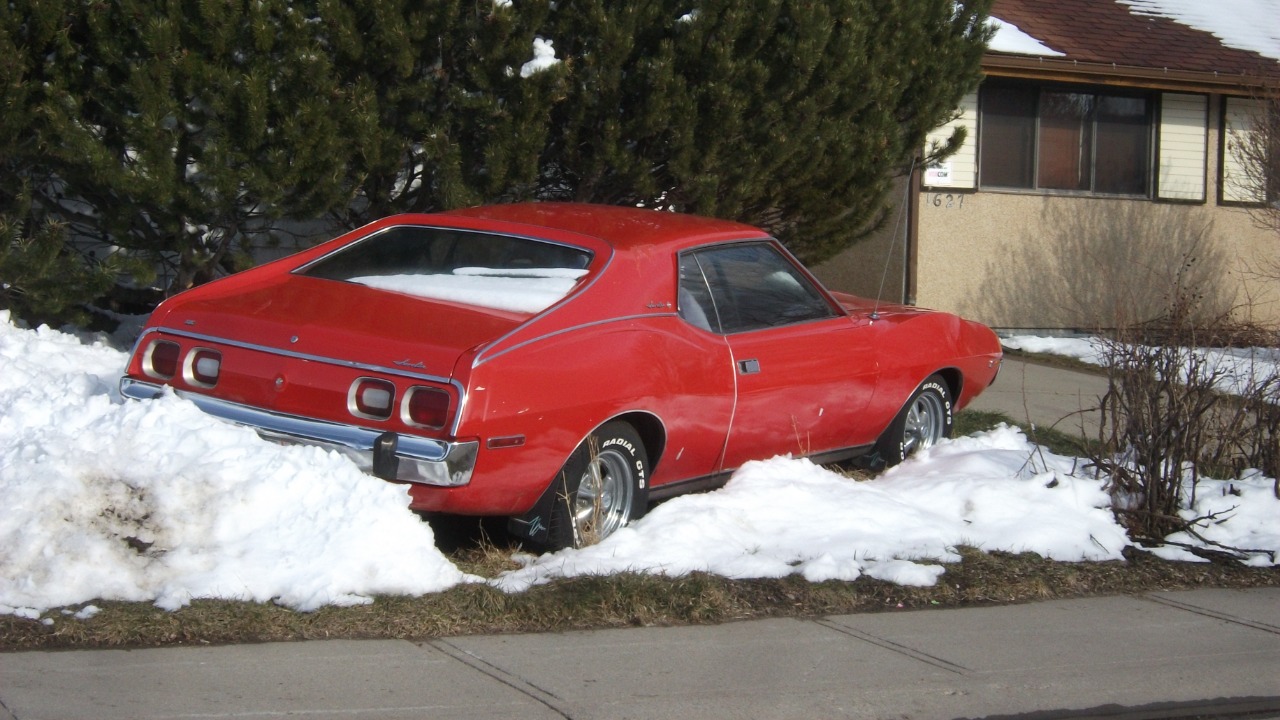
The AMC Javelin gave American Motors a strong presence in the competitive pony-car market. Its distinctive body design separated it from more familiar rivals, while available V8 engines provided the performance buyers expected. The Javelin has gained attention as enthusiasts have become more interested in unusual and less-common American classics. Its connection to AMC also gives it historical significance beyond its styling and performance. Today, clean examples are increasingly appreciated for their rarity, distinctive appearance, and role in showing that American Motors could compete with much larger manufacturers.
Mercury Cougar
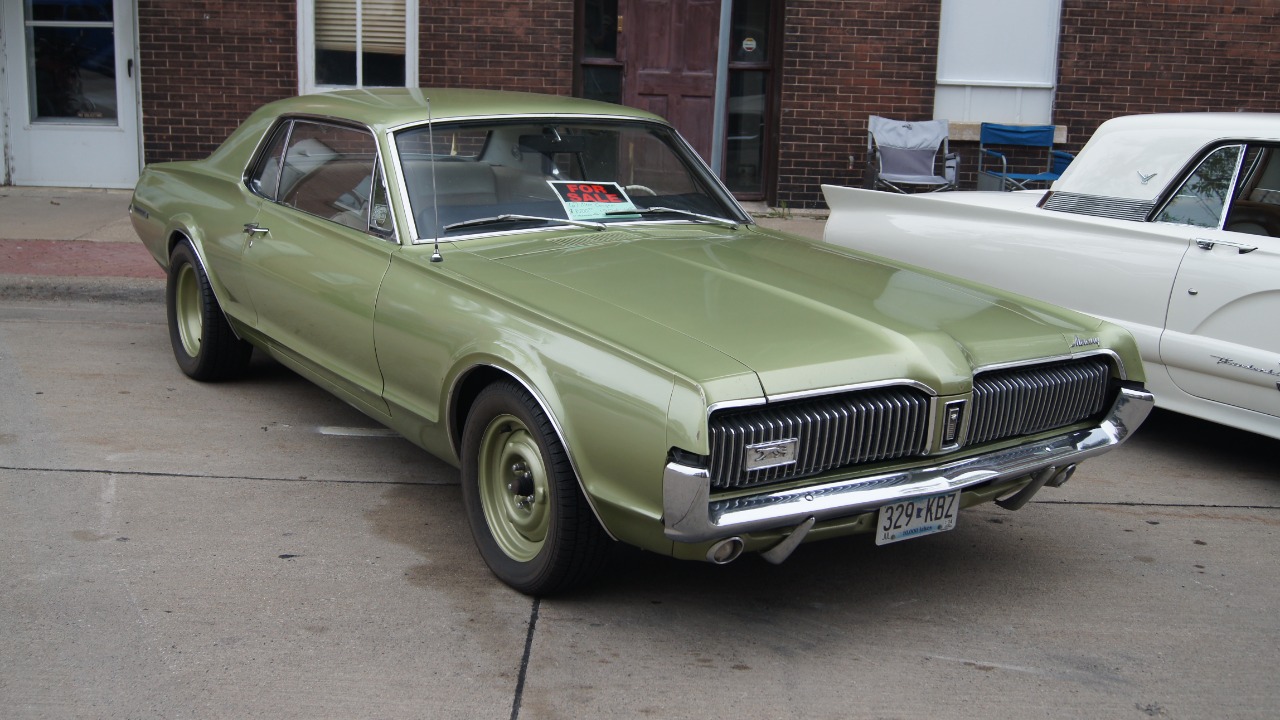
The Mercury Cougar offered a more refined alternative within the pony-car market while sharing important mechanical connections with Ford products. Early Cougars combined sporty proportions with a more sophisticated interior and styling approach. The model became popular during the late 1960s and early 1970s, but surviving examples can be considerably less common than comparable Mustangs. Collectors appreciate the Cougar for its distinctive grille, hidden headlights on early models, and comfortable grand-touring character. Its combination of performance and refinement continues to give the classic Cougar a strong place in American automotive history.
Dodge Dart GTS
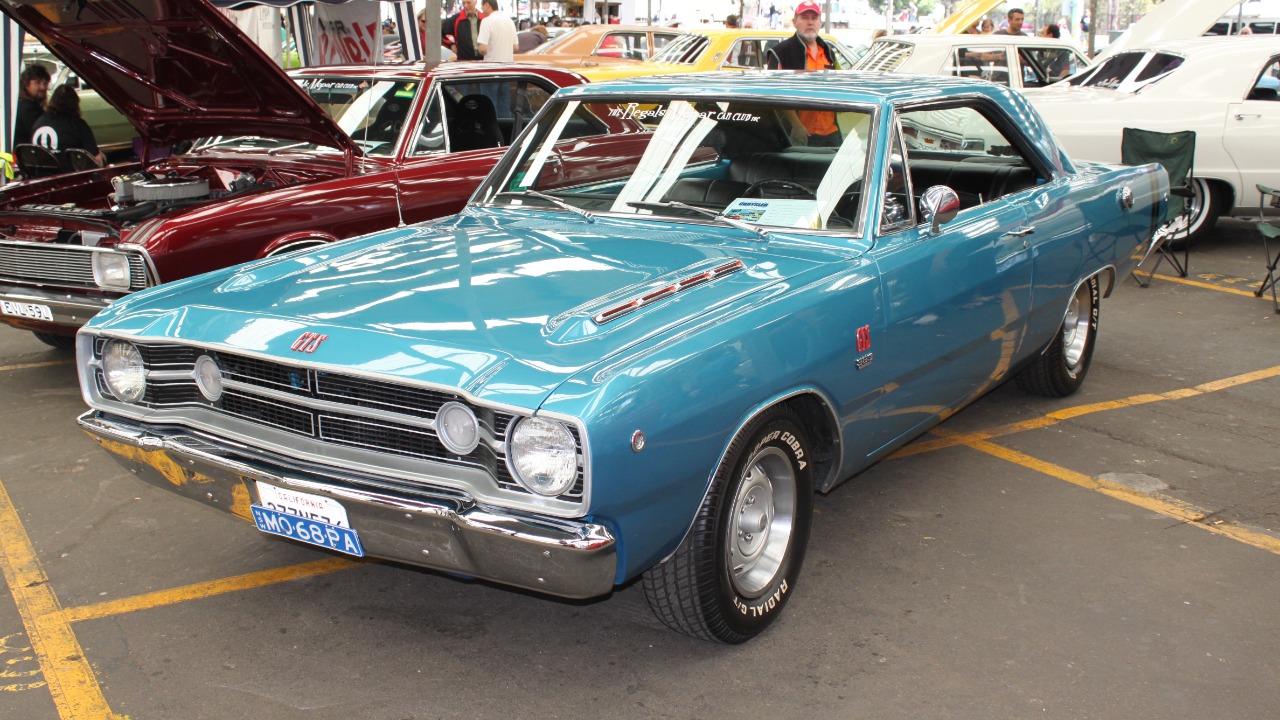
The Dodge Dart GTS transformed a compact platform into a serious performance machine. Available with powerful V8 engines, including big-block options, the GTS could deliver impressive acceleration while retaining the practical dimensions of a compact car. Its straightforward styling and strong performance make it particularly appealing to enthusiasts who enjoy classic muscle cars without the size of larger models. The Dart GTS has also become more appreciated as collectors recognize how much performance Dodge placed into its smaller cars. Well-preserved examples now represent an important part of the brand’s muscle-car history.
Ford Torino Cobra
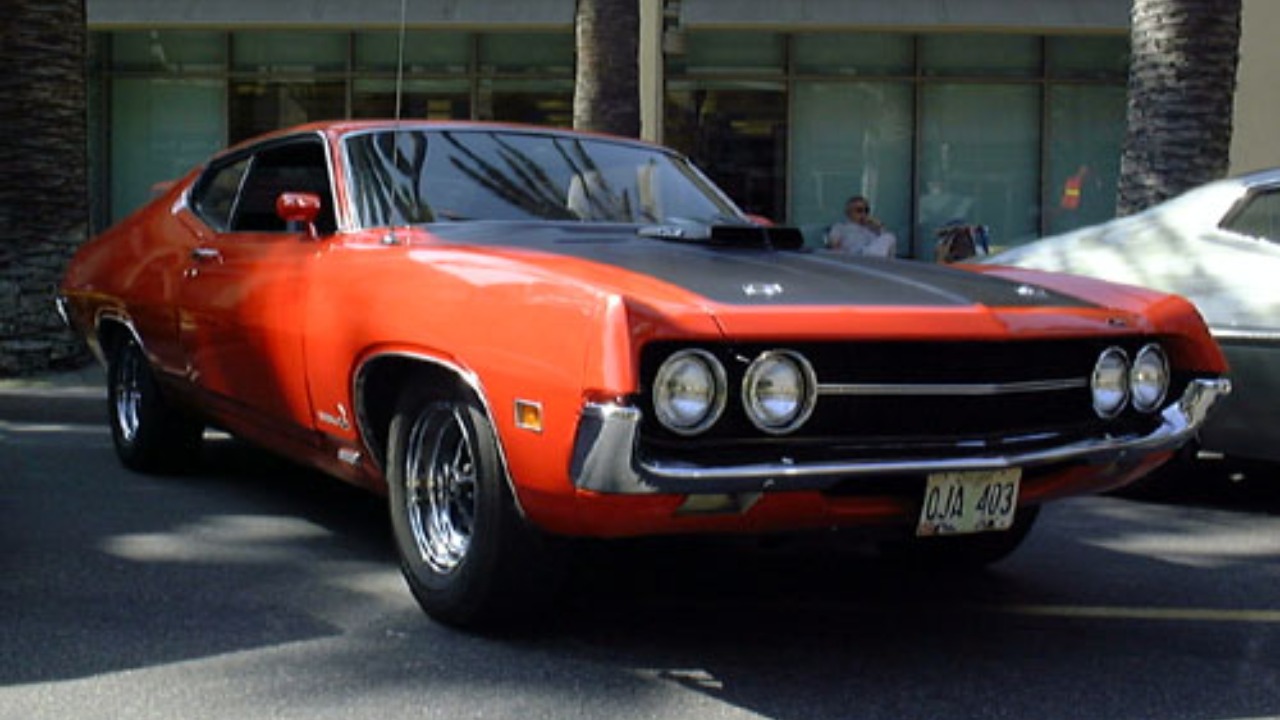
The Ford Torino Cobra was created during a period when American manufacturers were competing heavily in the performance market. It combined a muscular body with powerful V8 options and performance-focused equipment. The Torino’s larger size gave it a different character from smaller pony cars, while the Cobra package added a more aggressive personality. Today, the model is respected for its combination of styling, power, and historical significance. Enthusiasts also appreciate the Torino Cobra because it represents a period when Ford offered several different approaches to high-performance American cars.
Pontiac Firebird Trans Am
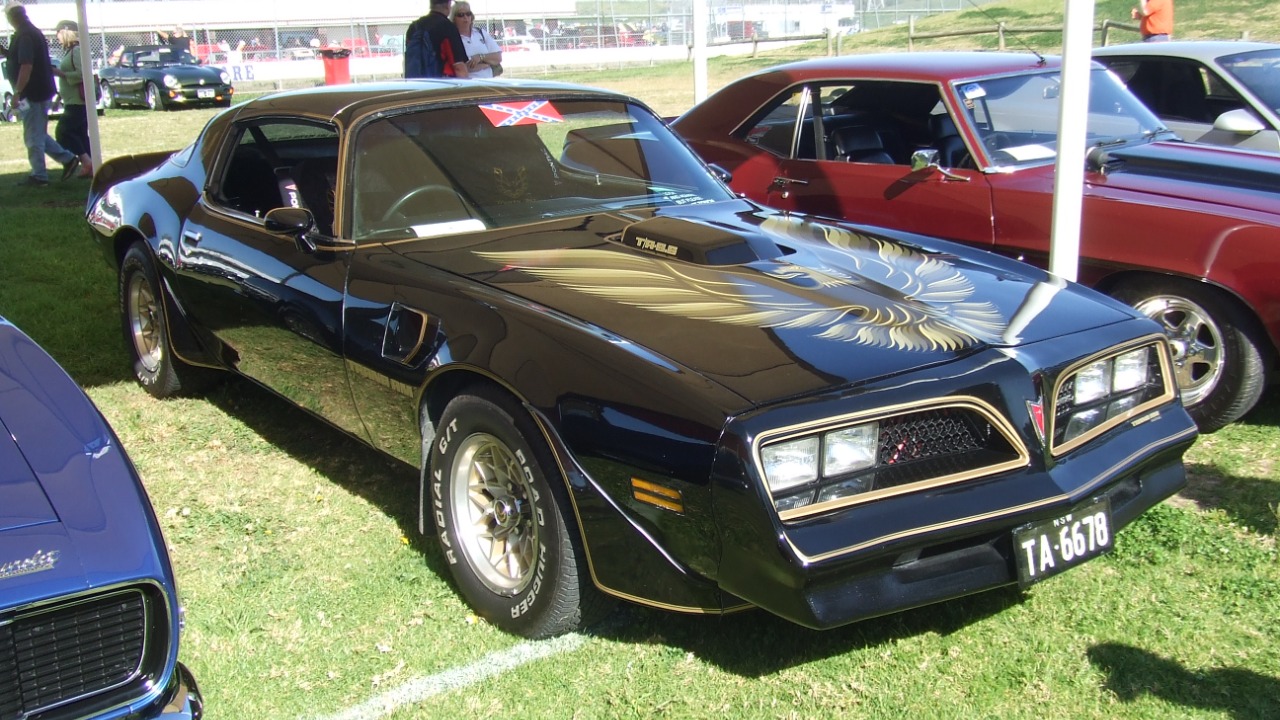
The Pontiac Firebird Trans Am became one of the most recognizable performance cars in American history. Its long hood, low roofline, aggressive graphics, and powerful engines created a distinctive identity. Different generations brought new styling and technology, but the Trans Am consistently maintained a performance-oriented character. Early and well-preserved examples have become especially interesting to collectors because of their connection to the classic muscle and pony-car eras. The Trans Am continues to gain respect as both a performance machine and an important symbol of Pontiac’s engineering and design ambitions.
Chevrolet Camaro Z/28
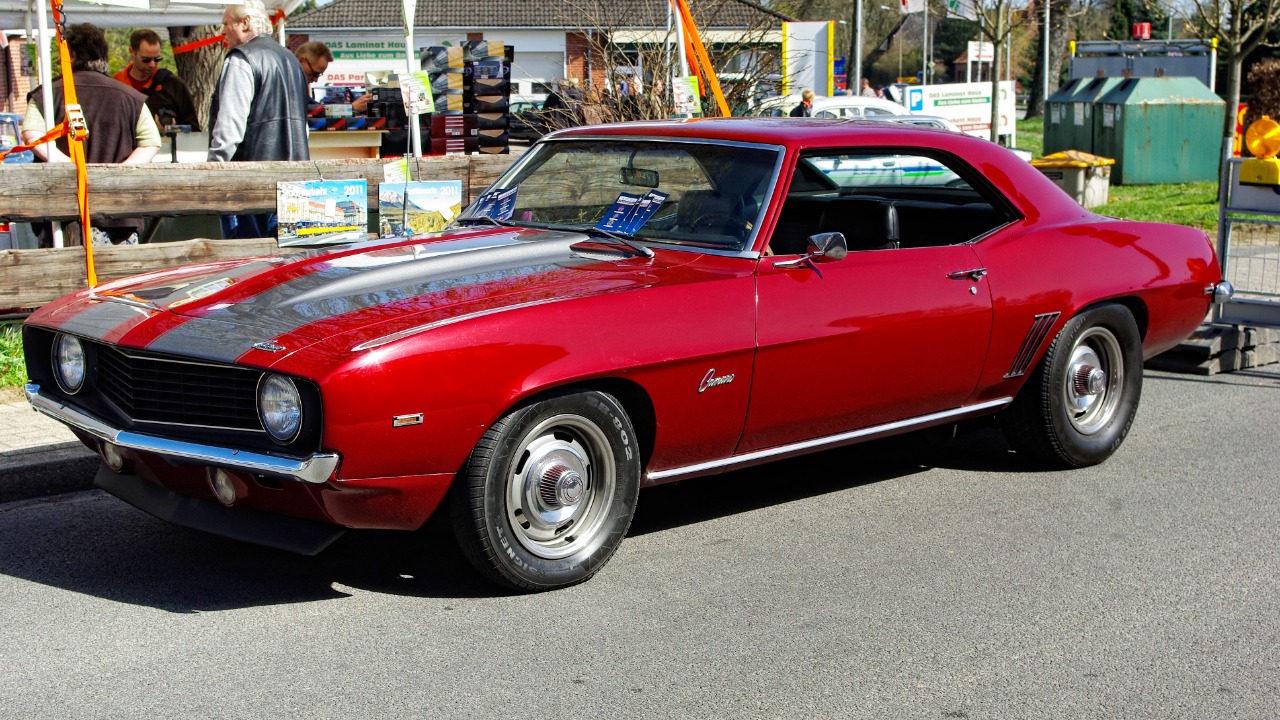
The Chevrolet Camaro Z/28 was developed with performance in mind and became closely associated with road racing and American pony-car competition. Its high-revving small-block V8 and performance-focused chassis helped establish the Z/28 as more than simply a styling package. The model gained a strong reputation among enthusiasts because it balanced handling and engine performance. Early examples are particularly valued for their historical connection to the original Camaro. The Z/28 remains respected because it represents Chevrolet’s effort to build a more focused performance car during the height of the pony-car era.
Ford Mustang Boss 302
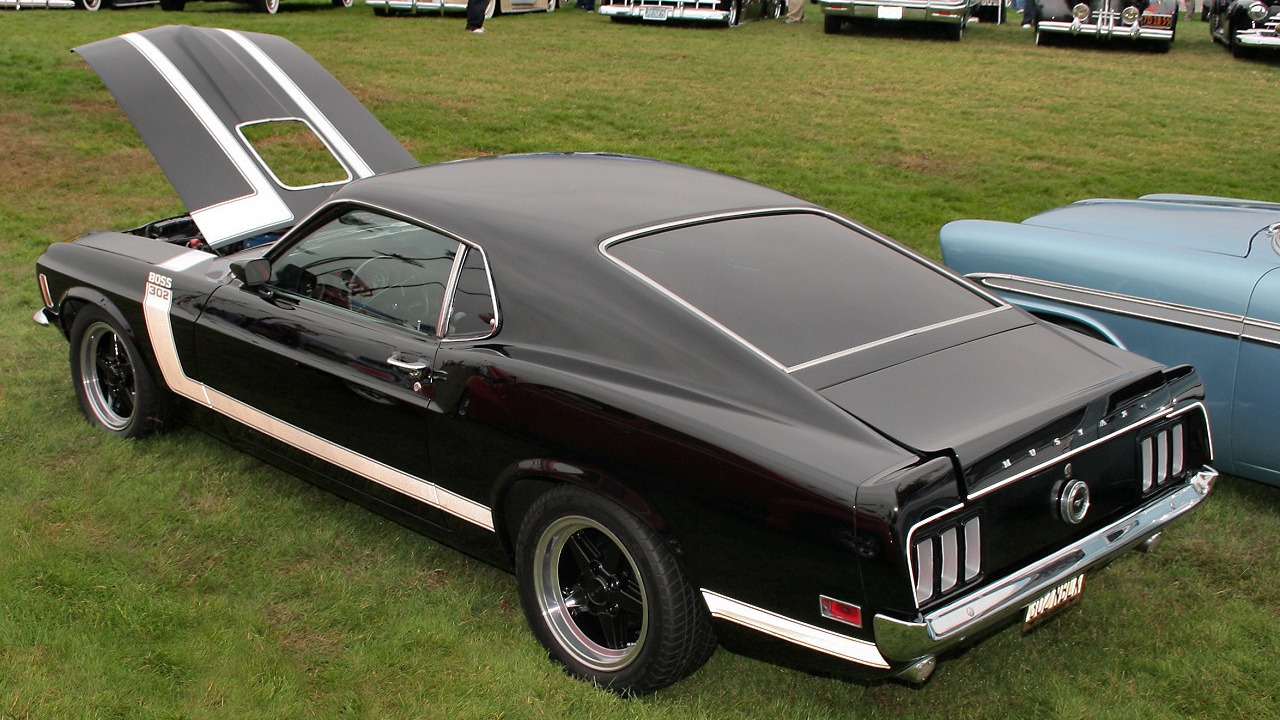
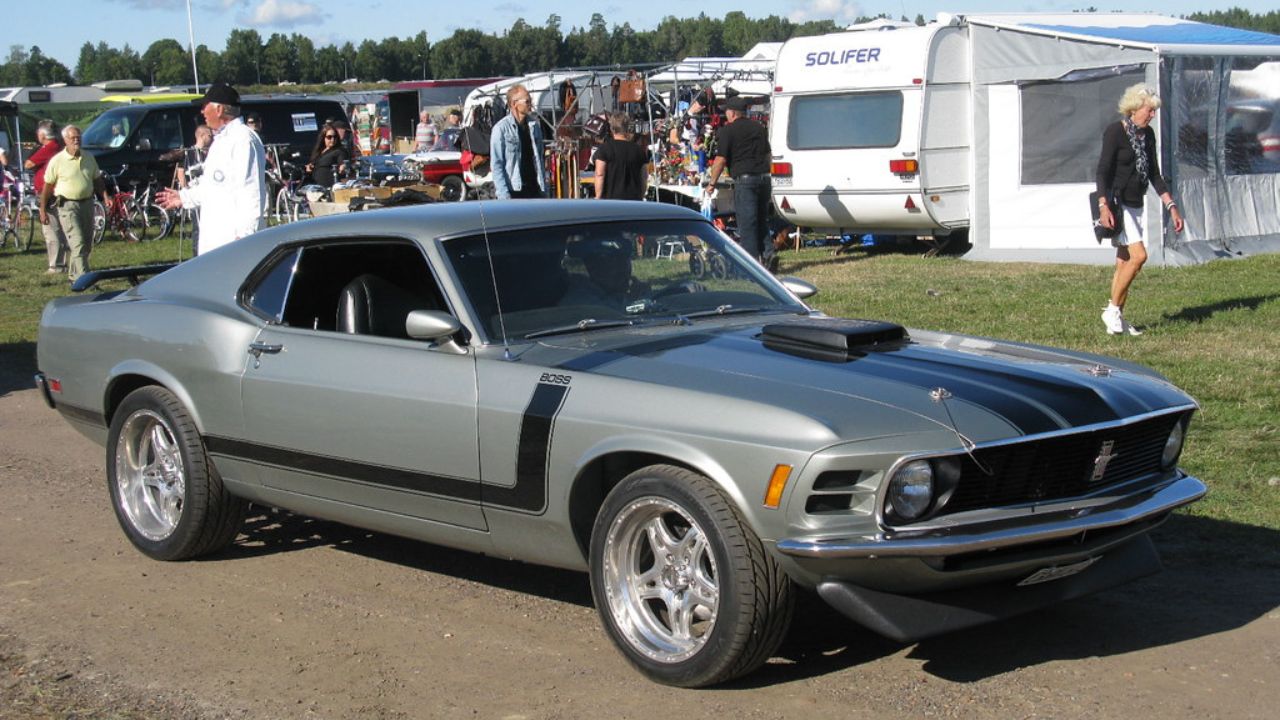
The Ford Mustang Boss 302 was designed to provide strong street performance while also serving as a serious competition-based machine. Its high-performance small-block V8 and handling improvements made it different from ordinary Mustang models. The Boss 302 has remained respected because it demonstrated that American performance cars could be developed with more attention to handling and road-course capability. Its distinctive graphics and mechanical specifications also make it easy to recognize. Today, original Boss 302 examples are important pieces of Mustang history and remain highly interesting to muscle-car collectors.
Plymouth Barracuda
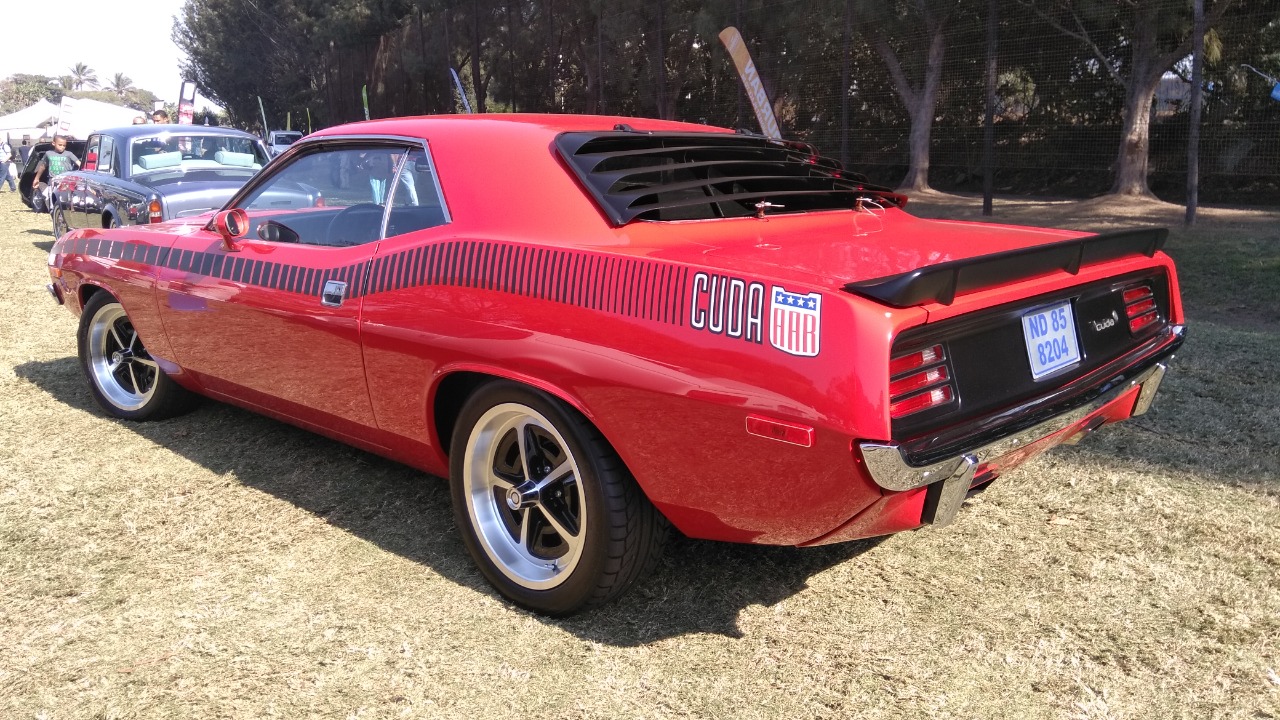
The Plymouth Barracuda helped establish the American pony-car formula before the segment became crowded with competitors. Its early fastback design gave it a distinctive appearance, while later versions received increasingly powerful engines. The Barracuda became particularly significant during the muscle-car era when Plymouth introduced high-performance versions. Its unusual styling and performance history have helped the model gain continued recognition among collectors. Rather than being remembered simply as another muscle car, the Barracuda represents an important stage in the development of compact American performance cars.
Dodge Challenger R/T
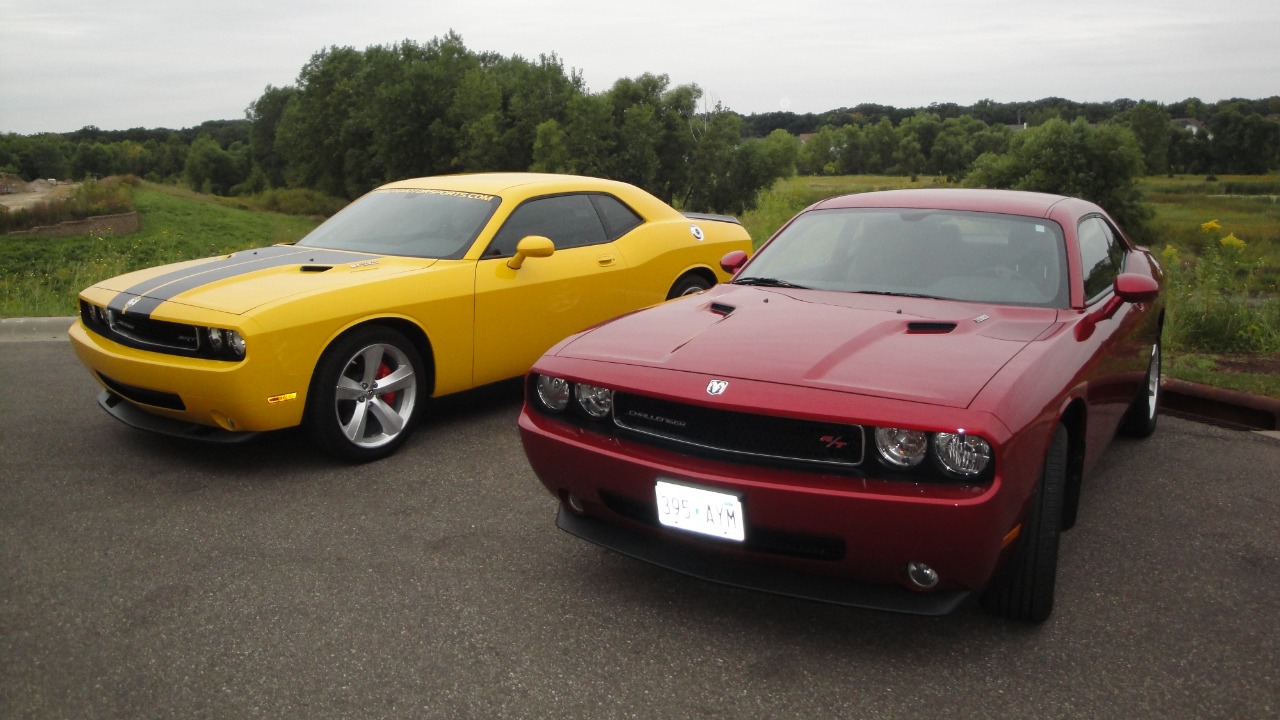
The Dodge Challenger R/T arrived during the final years of the classic muscle-car period and immediately stood out with its long, aggressive proportions. Available with several powerful V8 engines, the R/T offered buyers a wide range of performance choices. Its dramatic styling has aged particularly well, helping the Challenger remain one of the most recognizable classic American muscle cars. Collectors value examples with documented originality and desirable factory equipment. The Challenger R/T continues to receive attention because it captures the bold design and performance philosophy associated with the end of the classic muscle-car era.
Chevrolet Corvette Stingray
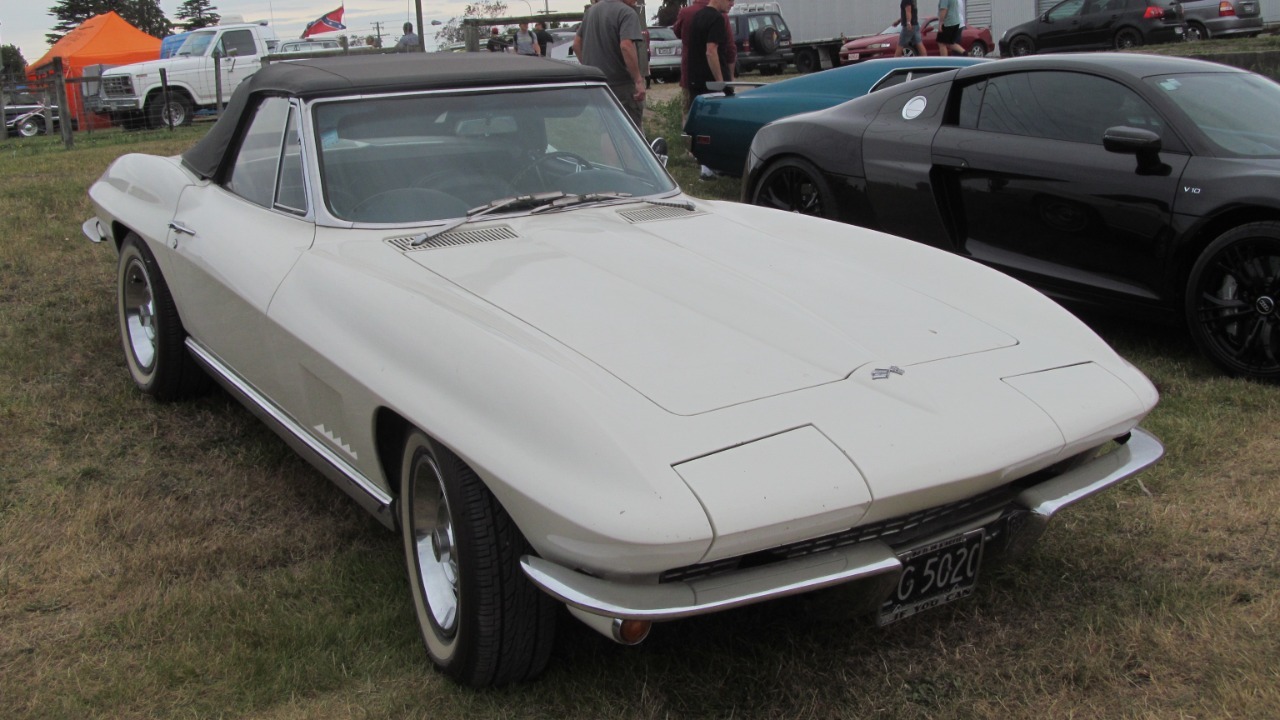
The Chevrolet Corvette Stingray became an important symbol of American sports-car engineering. Its sculpted body, independent rear suspension, and available V8 power gave it a more sophisticated character than many traditional American performance cars. The Stingray name is especially associated with the second-generation Corvette, which introduced dramatic styling and improved handling. Well-preserved examples continue to attract enthusiasts because of their design, engineering, and historical importance. The Corvette Stingray remains respected as one of the clearest examples of an American manufacturer developing a genuine world-class sports car.
Shelby Cobra 427
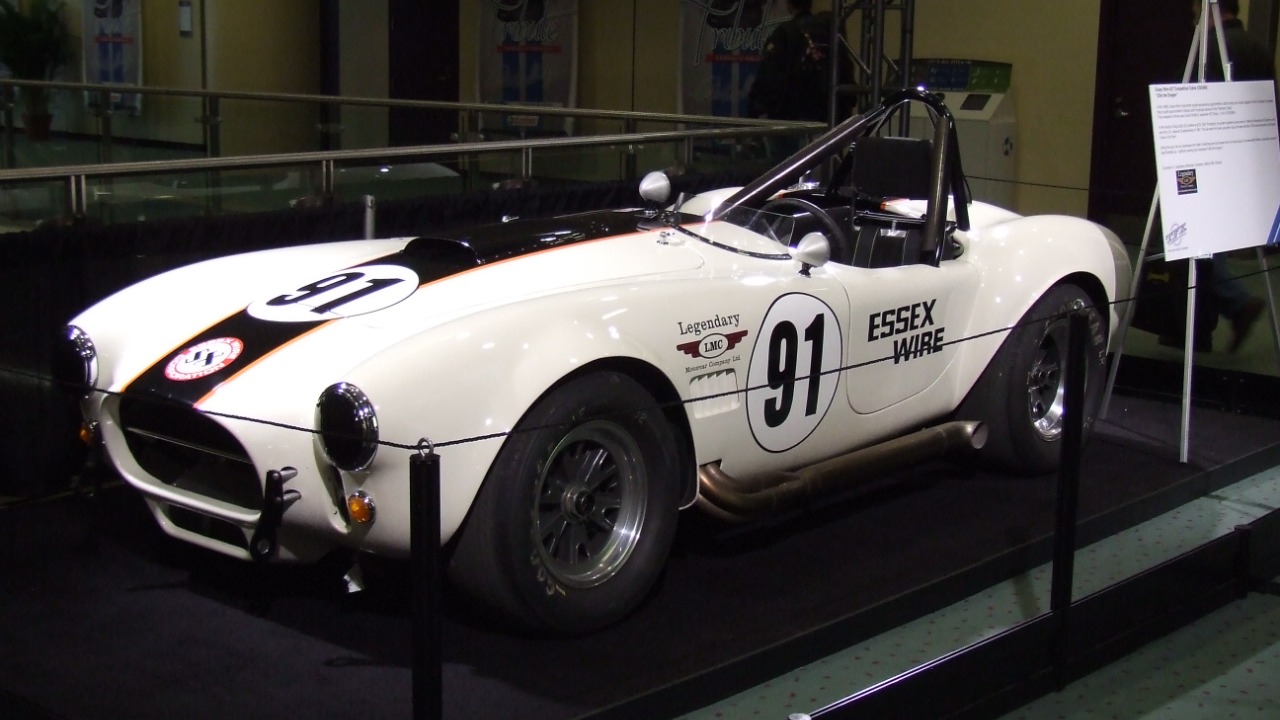
The Shelby Cobra 427 combined an American V8 with a lightweight British roadster chassis to create one of the most famous performance cars of the 1960s. Its massive engine, compact dimensions, and simple construction produced an extremely distinctive driving character. The Cobra became famous through competition and high-performance road use, helping establish Carroll Shelby as an important figure in American automotive history. Genuine examples are exceptionally significant because of their limited production and racing heritage. The 427 remains one of the most recognizable American performance cars of the classic era.
Ford Galaxie 500
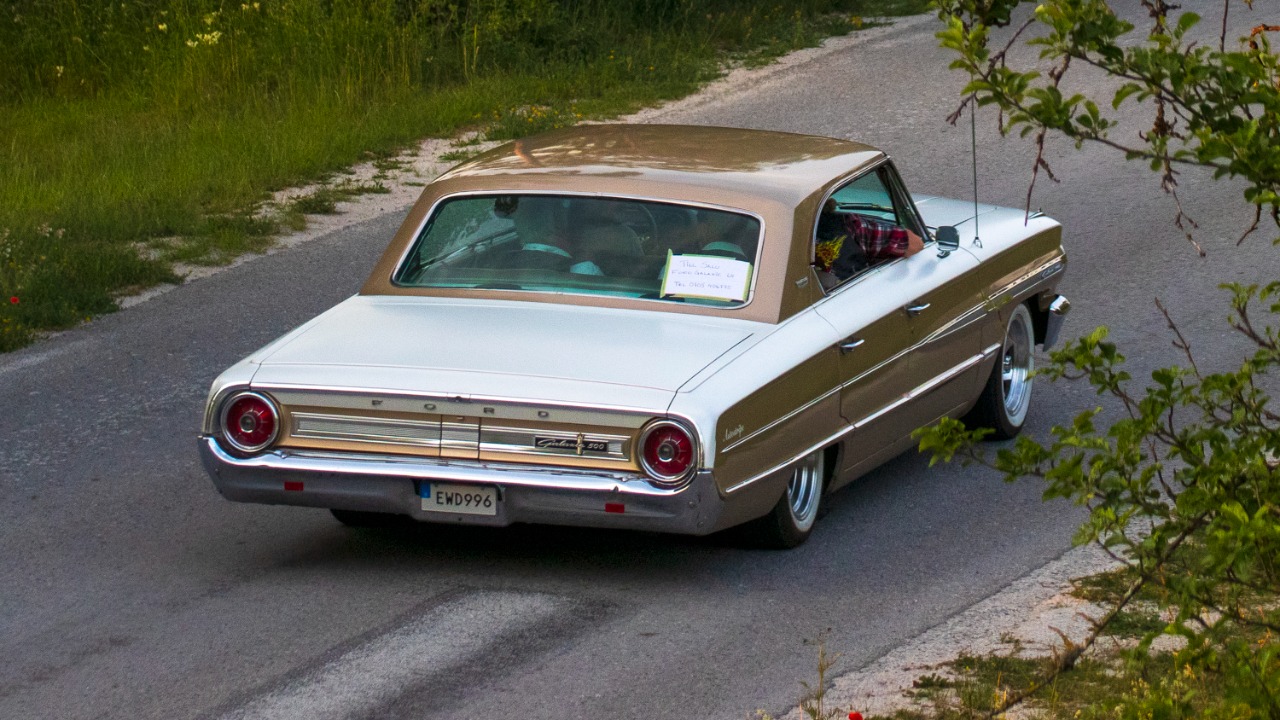
The Ford Galaxie 500 represented the full-size American car during an era when large cars dominated roads and dealerships. It combined spacious interiors with strong V8 engines and offered several body styles. Performance versions also gave the Galaxie a connection to stock-car racing and high-speed competition. Today, enthusiasts appreciate the model for its imposing size, period styling, and connection to an important chapter of Ford history. Well-preserved Galaxies can also provide a look at how dramatically American automotive design and consumer preferences differed from those of today.
Buick Riviera
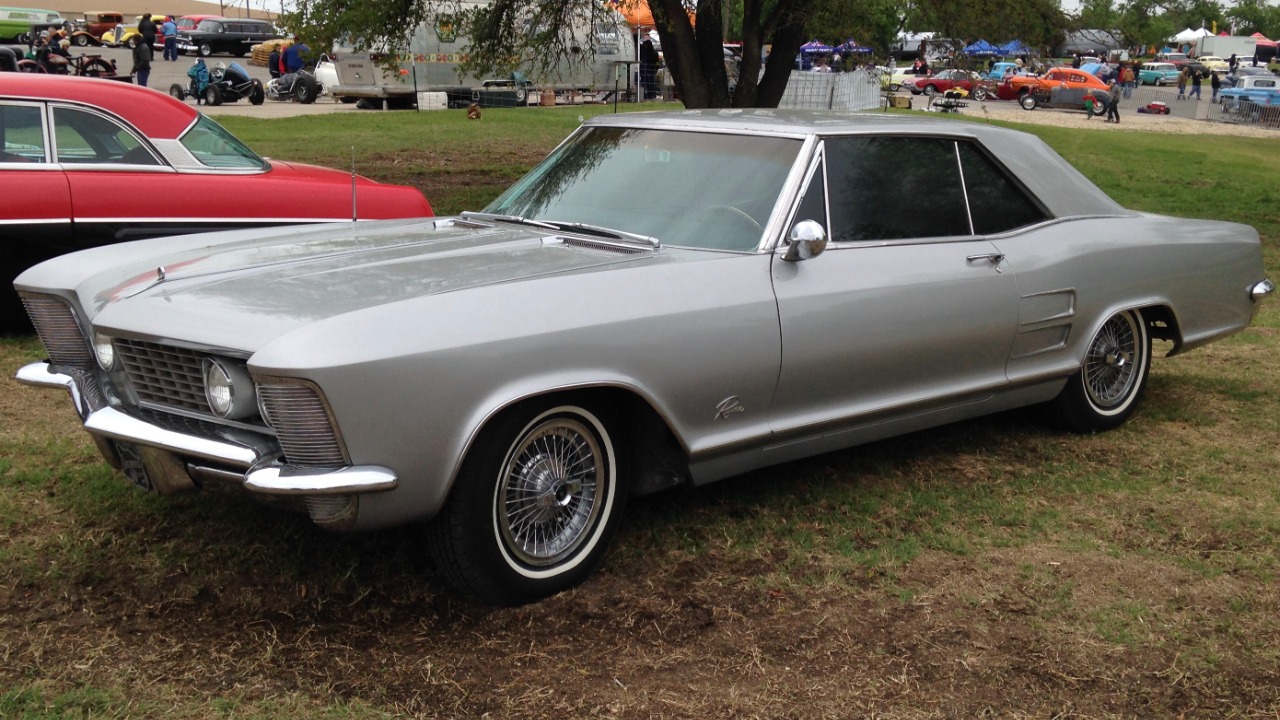
The Buick Riviera brought personal-luxury styling and strong performance together in a sophisticated package. Its clean lines, comfortable interior, and powerful V8 engines made it different from traditional muscle cars. Early Riviera models are particularly respected for their elegant proportions and distinctive design. The car also demonstrated how American manufacturers were developing new categories for buyers who wanted performance without sacrificing comfort. Today, the Riviera continues to attract collectors who appreciate its styling and historical significance. Its design has aged into one of the more recognizable examples of American personal luxury.
Cadillac Eldorado
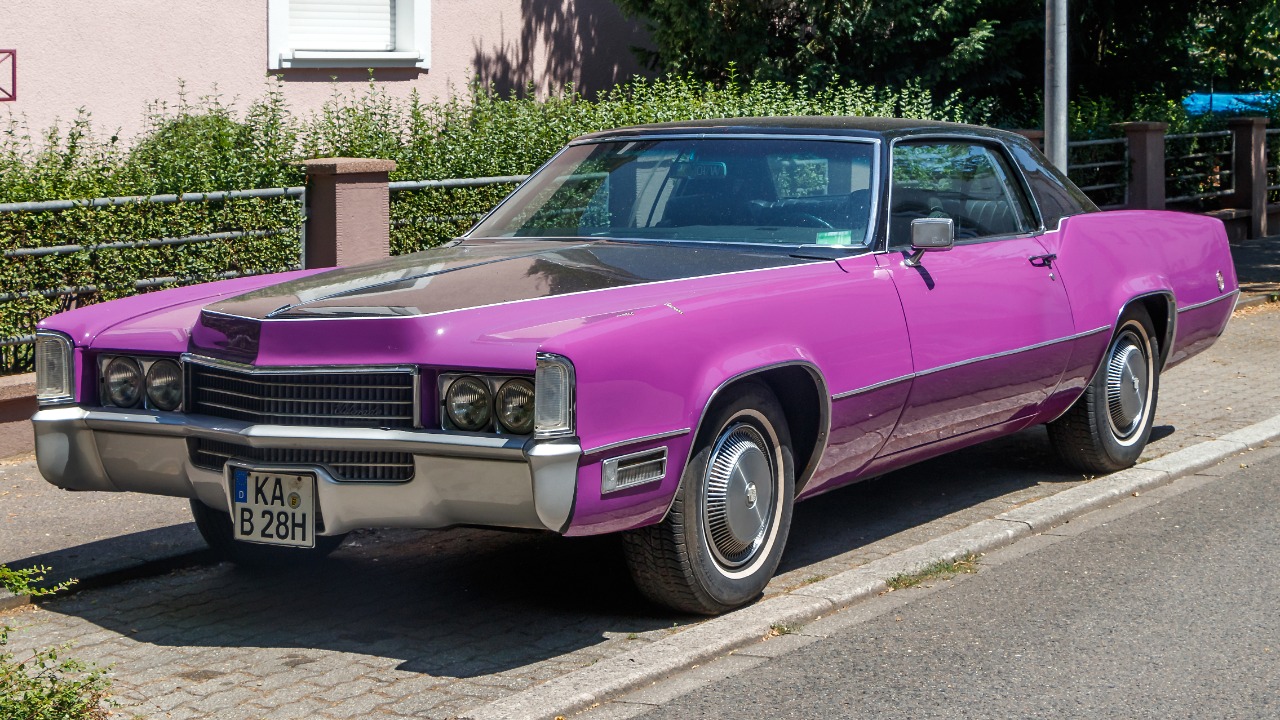
The Cadillac Eldorado became one of the defining American luxury cars of the postwar era. Large dimensions, powerful engines, extensive equipment, and distinctive styling gave the Eldorado a strong presence on the road. Different generations changed dramatically, but the model consistently represented Cadillac’s approach to luxury and prestige. Classic Eldorados are increasingly appreciated by collectors interested in American automotive design and craftsmanship. Their large bodies, elaborate interiors, and period-specific styling provide a direct connection to an era when American luxury cars were designed to make a strong visual statement.
AMC AMX
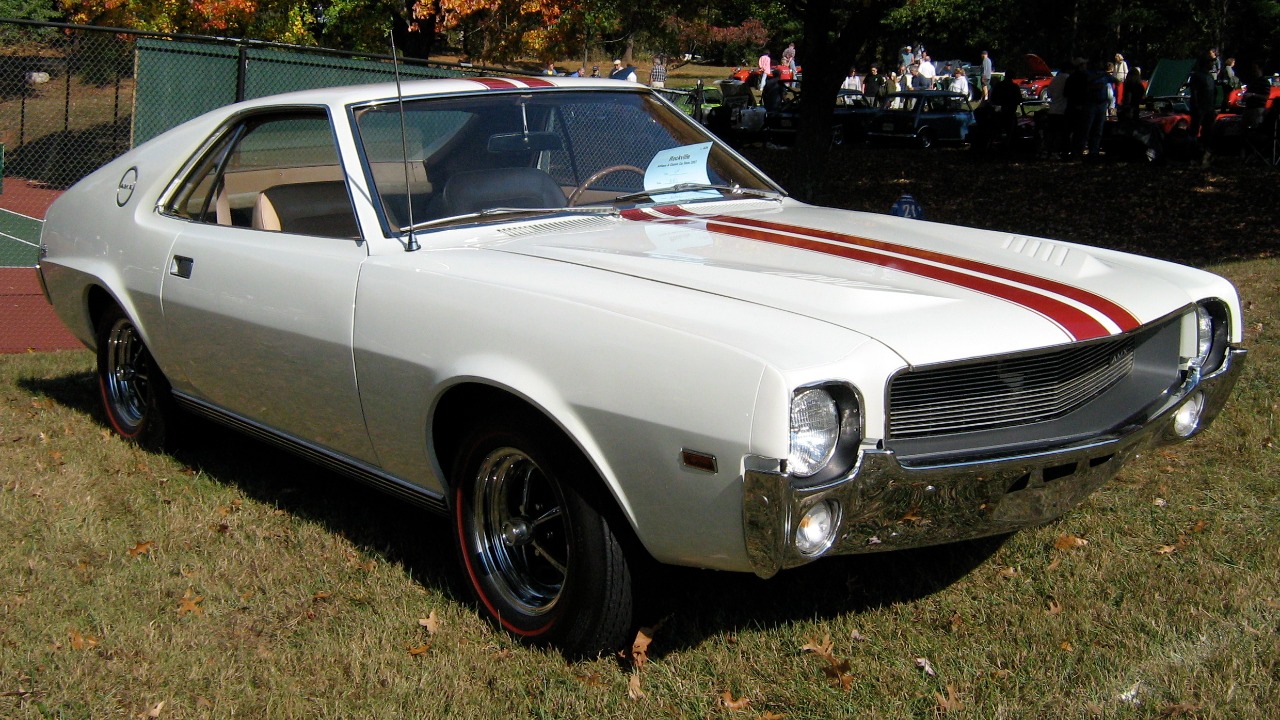
The AMC AMX was one of the more unusual American performance cars of the late 1960s. Unlike many pony cars, it used a shorter two-seat configuration, giving it a distinct identity. V8 power and a compact body made the AMX an interesting combination of performance and rarity. Its limited production compared with more common competitors has helped surviving examples receive more attention from collectors. The AMX remains respected because it represents AMC’s willingness to build something different during an era dominated by Ford, Chevrolet, Dodge, and Plymouth performance models.
More from Fast Lane Only
- Unboxing the WWII Jeep in a Crate
- 15 rare Chevys collectors are quietly buying
- 10 underrated V8s still worth hunting down
- Police notice this before you even roll window down
*Research for this article included AI assistance, with all final content reviewed by human editors.