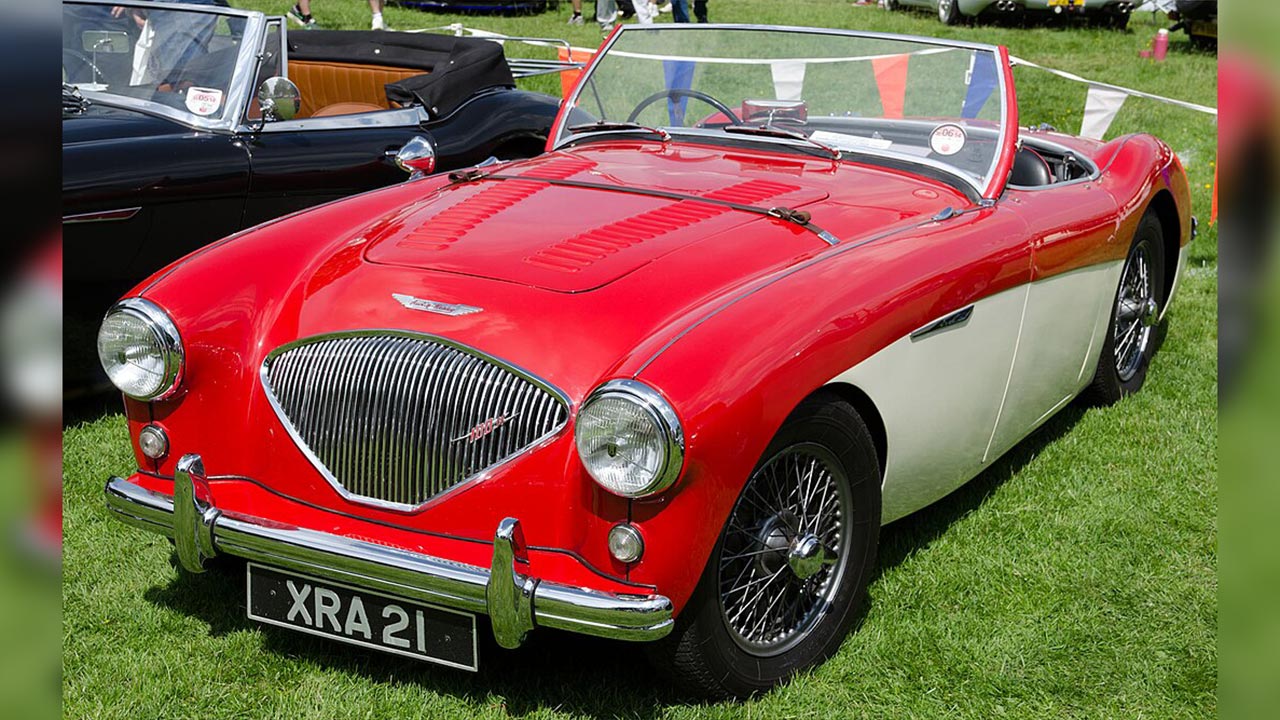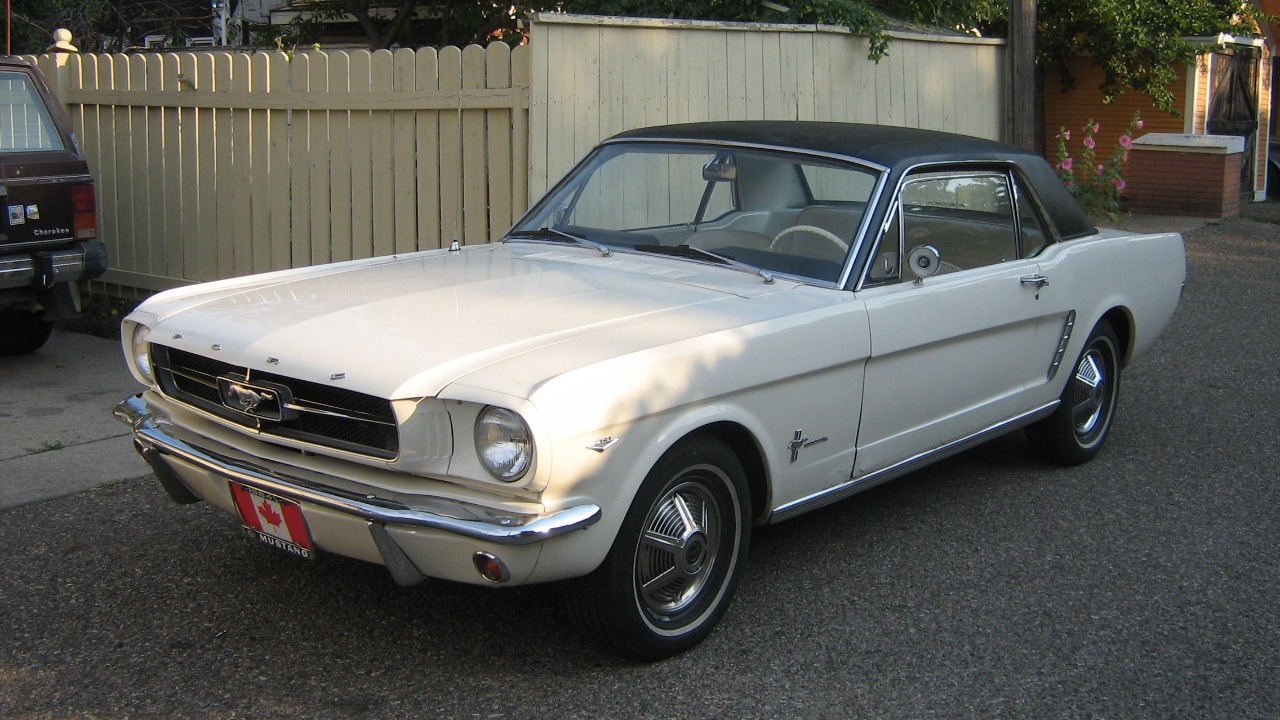
The 1960s changed the American car forever. Muscle cars arrived, pony cars became cultural icons, and European sports cars gained a devoted following across the country. At the same time, luxury cars grew more dramatic and family cars became more stylish. These 20 classics captured the optimism, speed, and changing tastes of an unforgettable decade.
Chevrolet Impala
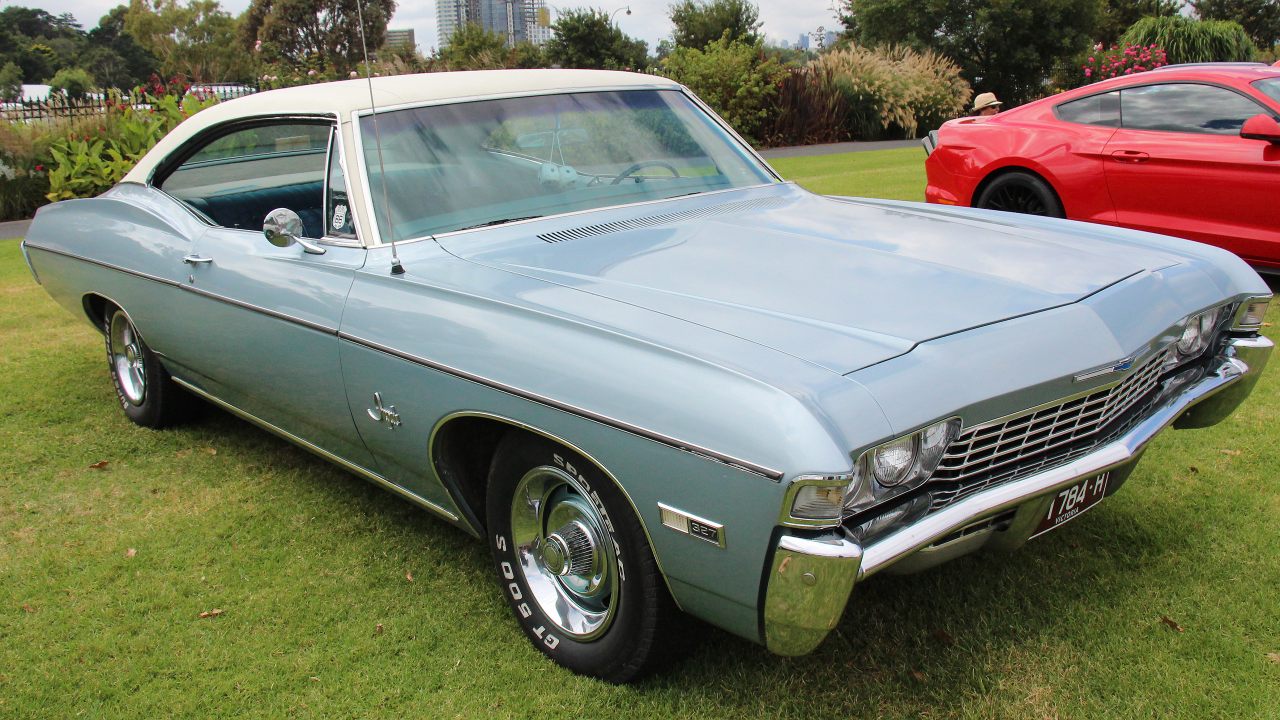
The Impala became one of Chevrolet’s biggest successes during the 1960s, combining attractive styling with a huge range of engines and body styles. Families could choose a practical sedan while performance buyers could order serious V8 power. Its popularity made the Impala a fixture of American life and one of the decade’s most recognizable cars.
Ford Mustang
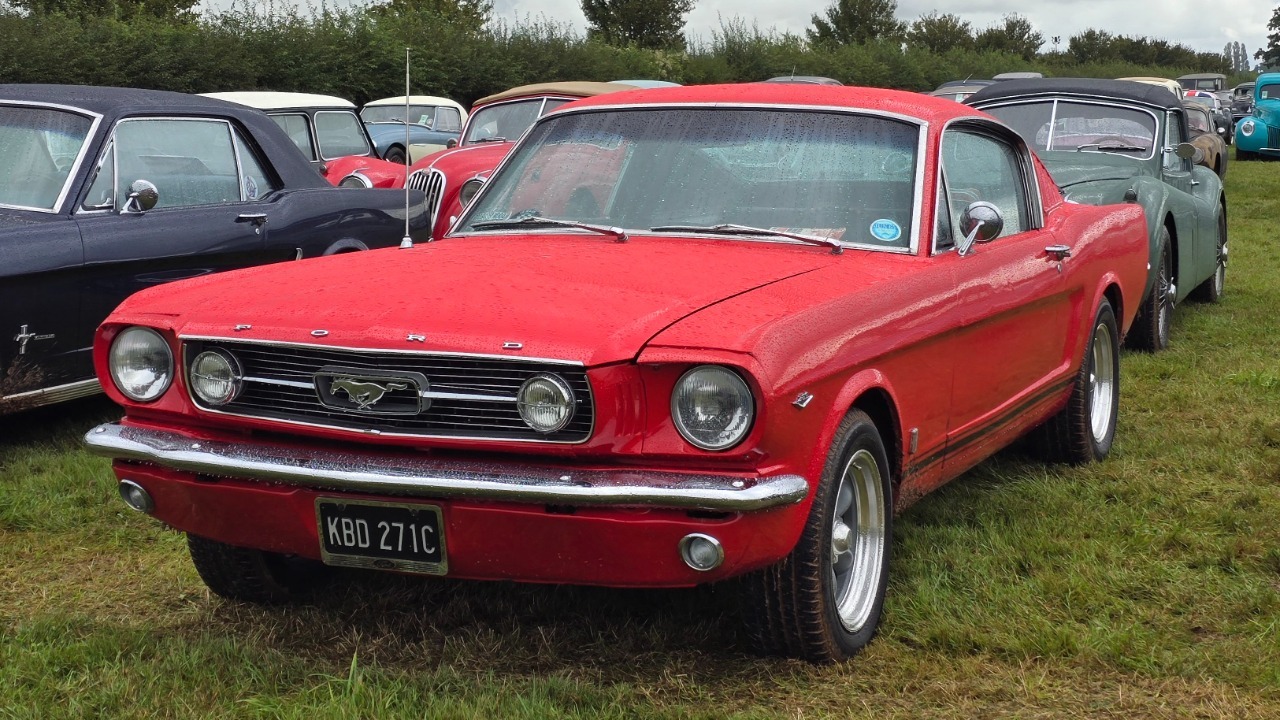
The Mustang changed the American automotive market almost overnight. Its affordable price, sporty styling, compact dimensions, and wide range of options attracted everyone from young drivers to families. The Mustang also created the pony-car category and inspired countless competitors. Few cars from the 1960s had such a lasting effect on American car culture.
Chevrolet Camaro
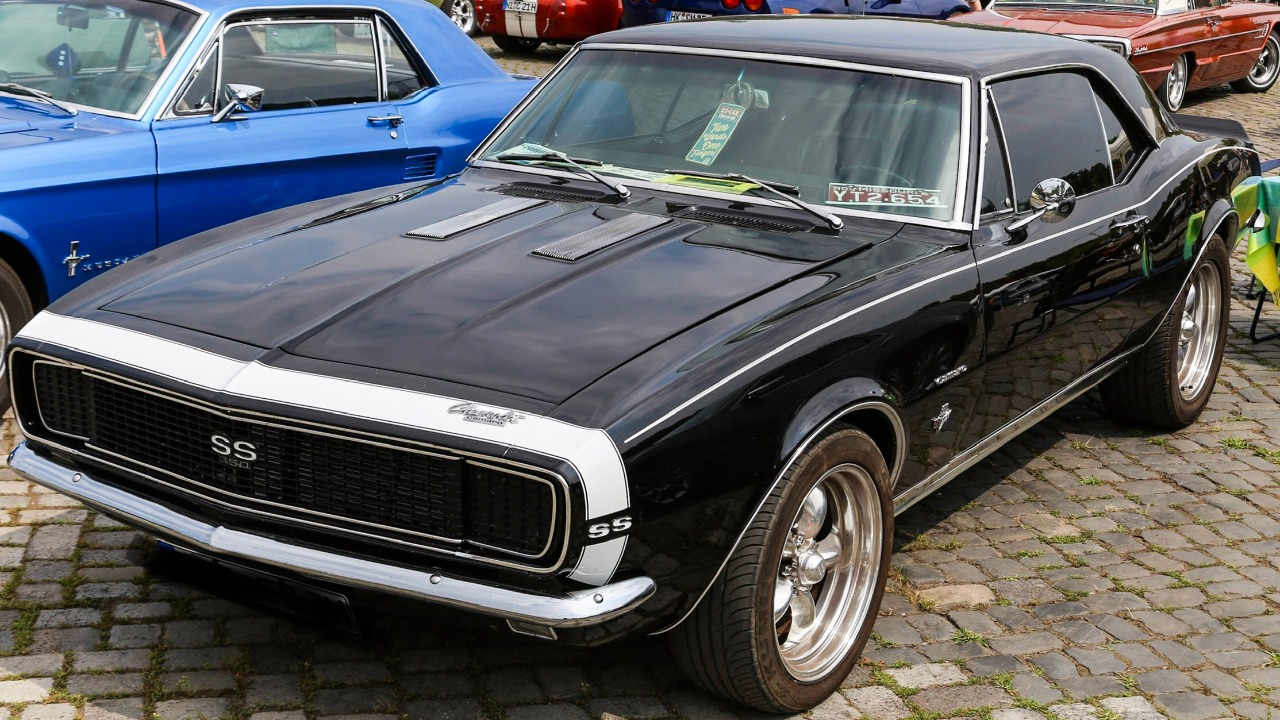
The Camaro arrived as Chevrolet’s answer to the Mustang and quickly established an identity of its own. Its long hood, short rear deck, and wide selection of engines made it appealing to both casual buyers and performance enthusiasts. The Camaro became one of the decade’s defining American coupes and remains a familiar name among classic-car fans.
Pontiac GTO
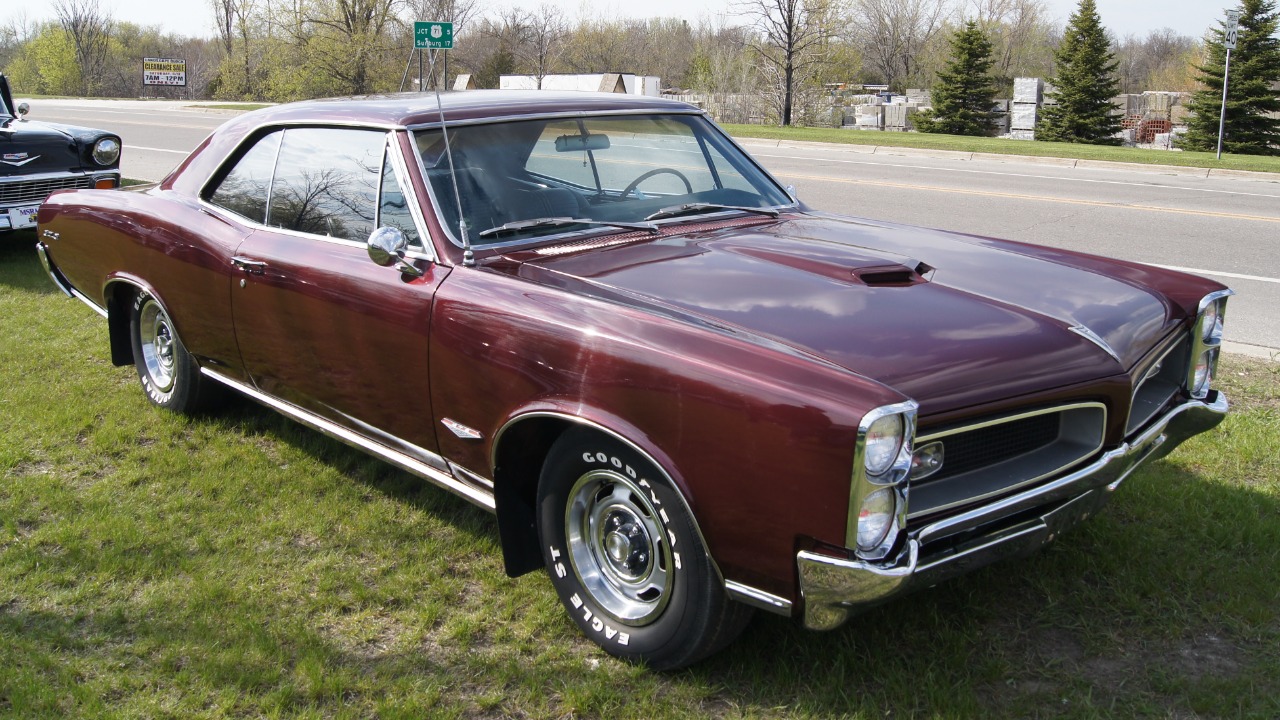
The GTO helped turn the muscle car into a major cultural phenomenon. Pontiac combined a midsize body with a large-displacement V8 and performance-oriented equipment, creating a formula that competitors quickly copied. Its combination of affordable performance and aggressive styling made the GTO enormously influential. It remains one of the most important American performance cars ever built.
Chevrolet Corvette
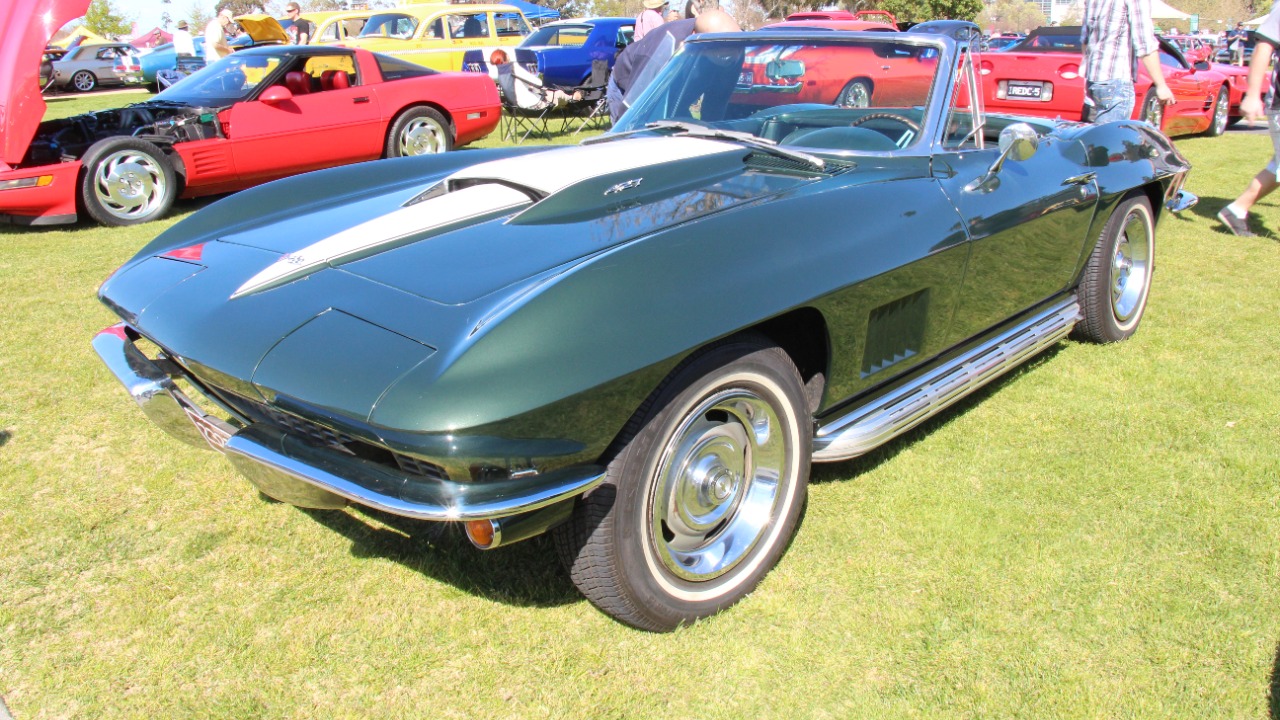
The Corvette entered the 1960s already established as America’s sports car, but the decade took it to another level. Sleeker styling, stronger engines, and the arrival of the Sting Ray made the Corvette more desirable than ever. It became a symbol of American performance and remains one of the few cars from the era instantly recognizable around the world.
Ford Thunderbird

The Thunderbird evolved from a two-seat sports car into a sophisticated personal-luxury automobile during the 1960s. Its sleek bodywork, comfortable interior, and powerful engines appealed to buyers who wanted style without sacrificing comfort. The Thunderbird became an important part of American popular culture and helped establish the personal-luxury coupe as a major market.
Dodge Charger

The Charger brought a dramatic fastback shape and serious performance potential to Dodge’s lineup. Its long roofline, hidden headlights, and aggressive stance made it instantly recognizable. With powerful V8 options available, the Charger quickly became associated with the muscle-car era. Its styling remains one of the most memorable designs to emerge from 1960s Detroit.
Plymouth Barracuda
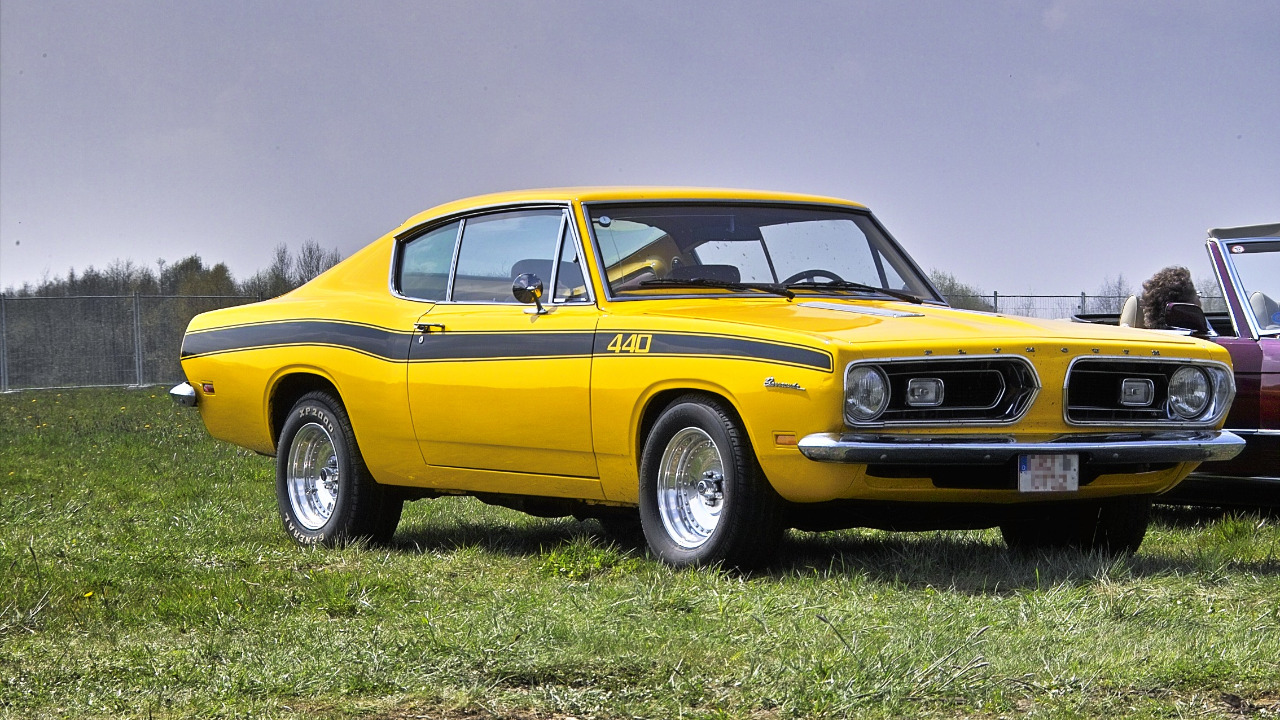
The Barracuda arrived before many of its competitors and helped establish the sporty compact coupe market. Its early fastback design was distinctive, while later versions became increasingly focused on performance. The Barracuda eventually became one of Plymouth’s most important muscle cars. Its combination of bold styling and available V8 power captured the changing mood of the decade.
Pontiac Firebird
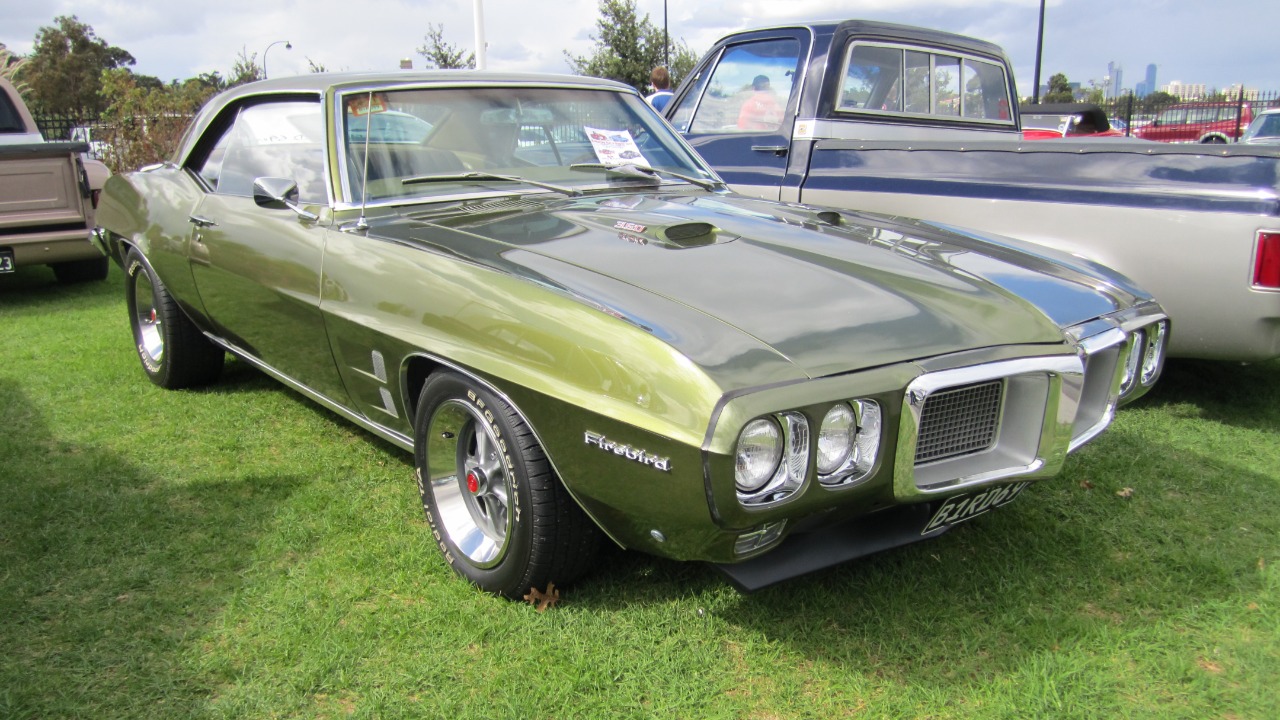
The Firebird gave Pontiac a strong competitor in the growing pony-car market. Its styling shared some mechanical roots with the Camaro, but Pontiac gave it a distinct personality through different bodywork, engines, and trim. The Firebird quickly became associated with performance and youth culture, setting the foundation for a nameplate that would last for decades.
Ford Galaxie
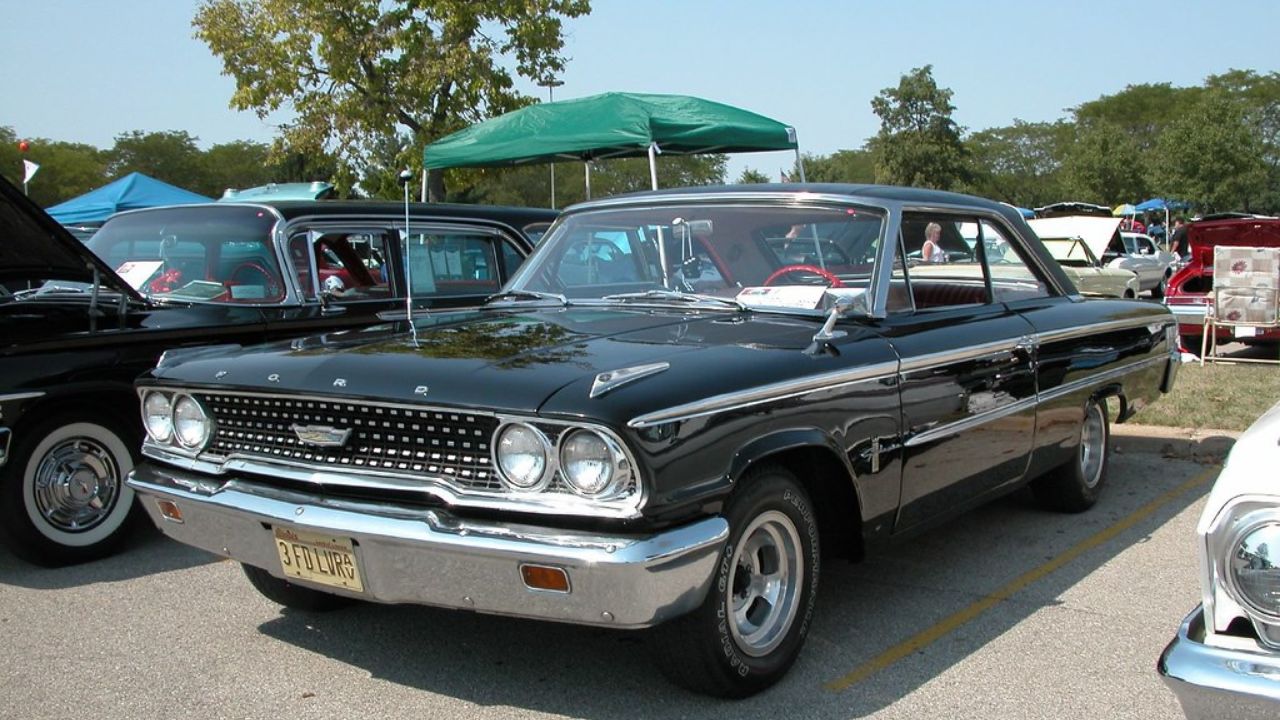
The Galaxie represented the full-size American car at its most popular. Large dimensions, comfortable interiors, dramatic styling, and powerful V8 engines made it a common sight on American roads. Performance versions added another layer to its personality. The Galaxie perfectly captured the era’s belief that a family car could be enormous, stylish, and surprisingly powerful.
Buick Riviera

The Riviera brought a sophisticated European-inspired influence to American personal luxury. Its clean lines, pillarless hardtop, and elegant proportions helped distinguish it from the enormous chrome-heavy cars of the period. The Riviera became an important Buick model and one of the decade’s standout luxury coupes. Its styling remains particularly admired by classic-car enthusiasts.
Oldsmobile 442

The 442 gave Oldsmobile a serious performance identity during the muscle-car boom. Strong V8 engines, sporty styling, and improved suspension helped distinguish it from ordinary Oldsmobiles. The car appealed to buyers who wanted performance without necessarily choosing the most obvious muscle-car badge. Today, the 442 remains one of the most respected names from the era.
Plymouth Road Runner
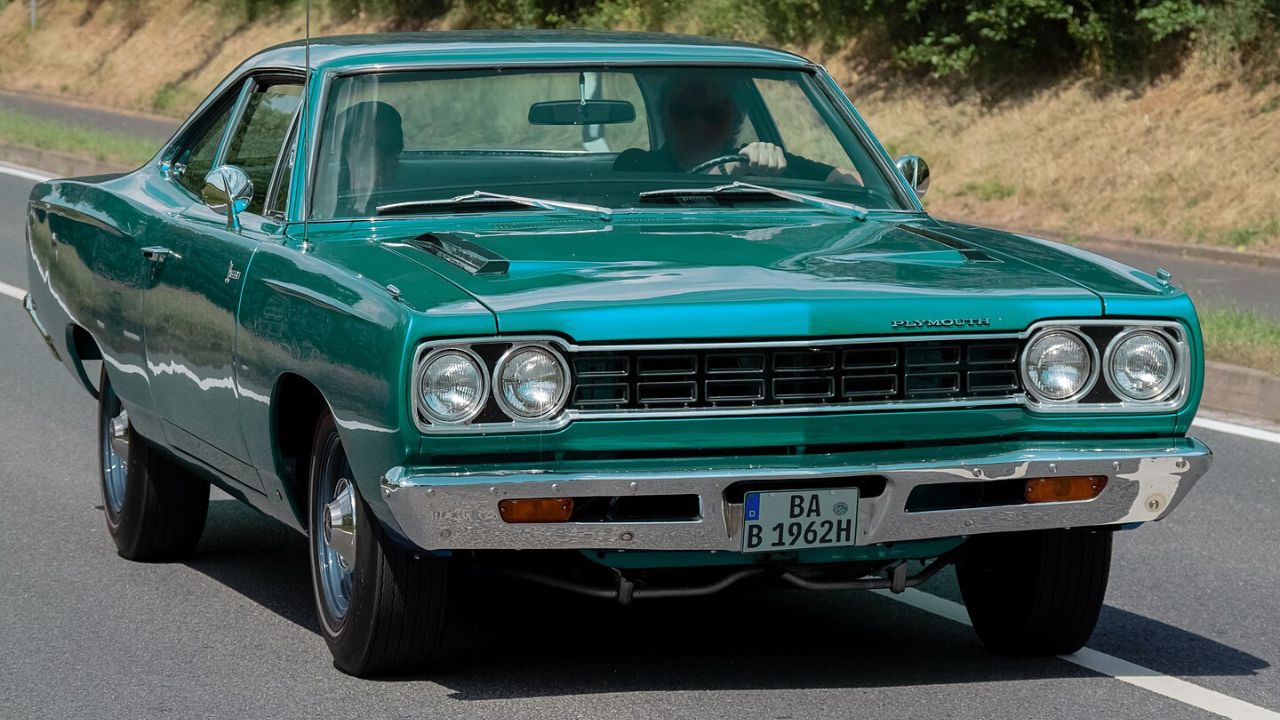
The Road Runner took a simpler approach to performance. Plymouth stripped away unnecessary luxury equipment and focused on giving buyers affordable V8 power. Its cartoon-inspired branding and distinctive horn made it especially memorable, while its performance gave it credibility with enthusiasts. The Road Runner became one of the defining examples of the affordable muscle-car formula.
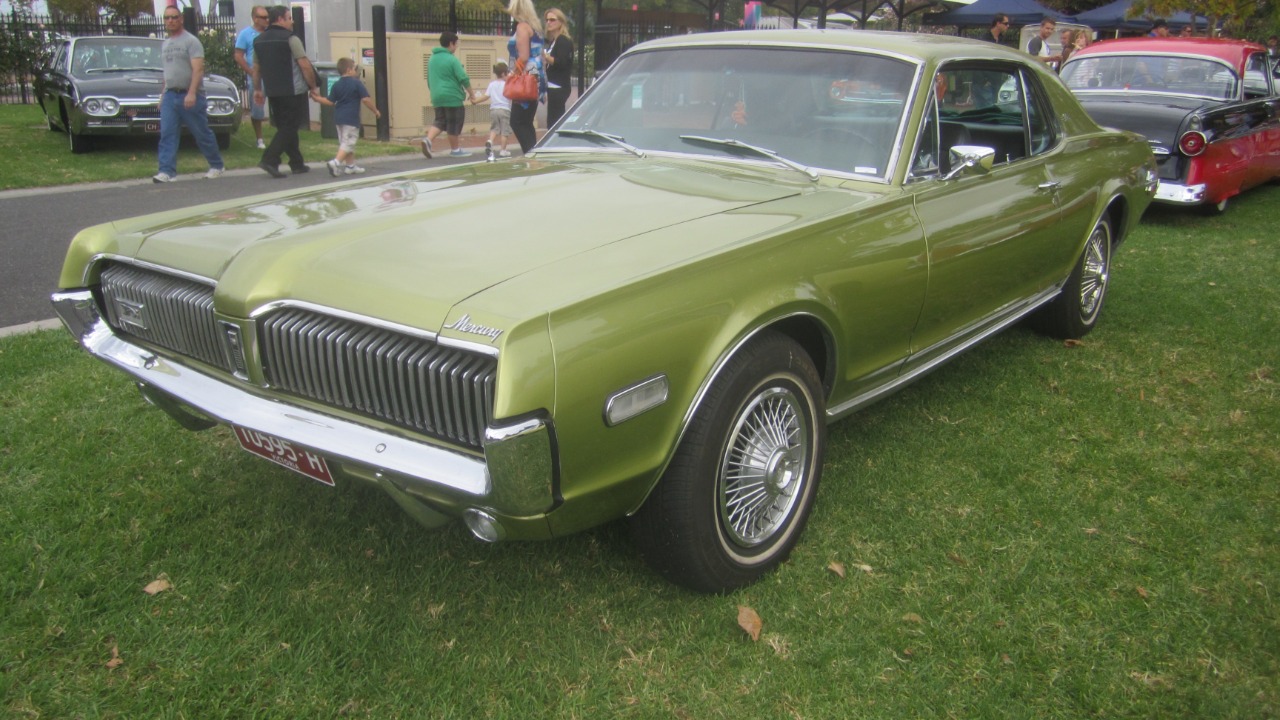
Mercury Cougar
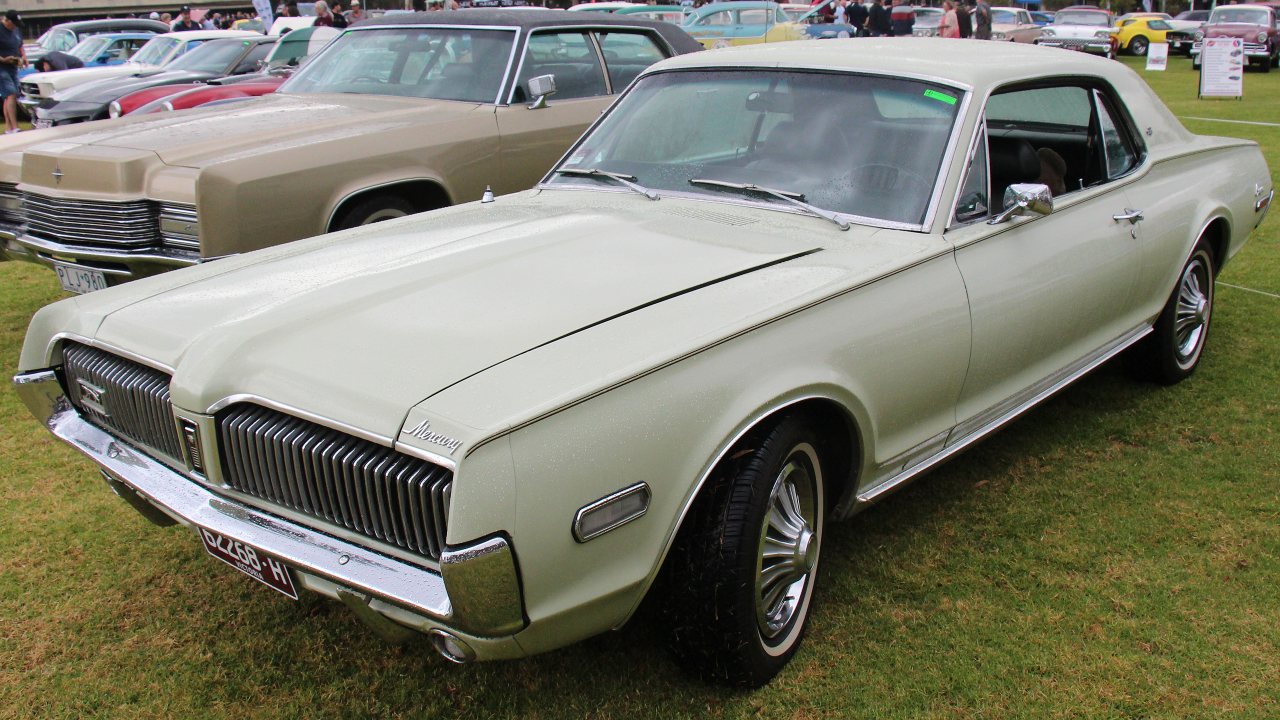
The Cougar offered a more refined alternative to the Mustang while sharing some of its basic mechanical foundation. Its hidden headlights, elegant grille, and upscale interior gave it a more sophisticated personality. Available V8 engines kept performance buyers interested. The Cougar became an important part of Mercury’s lineup and a memorable symbol of 1960s personal style.
AMC Javelin
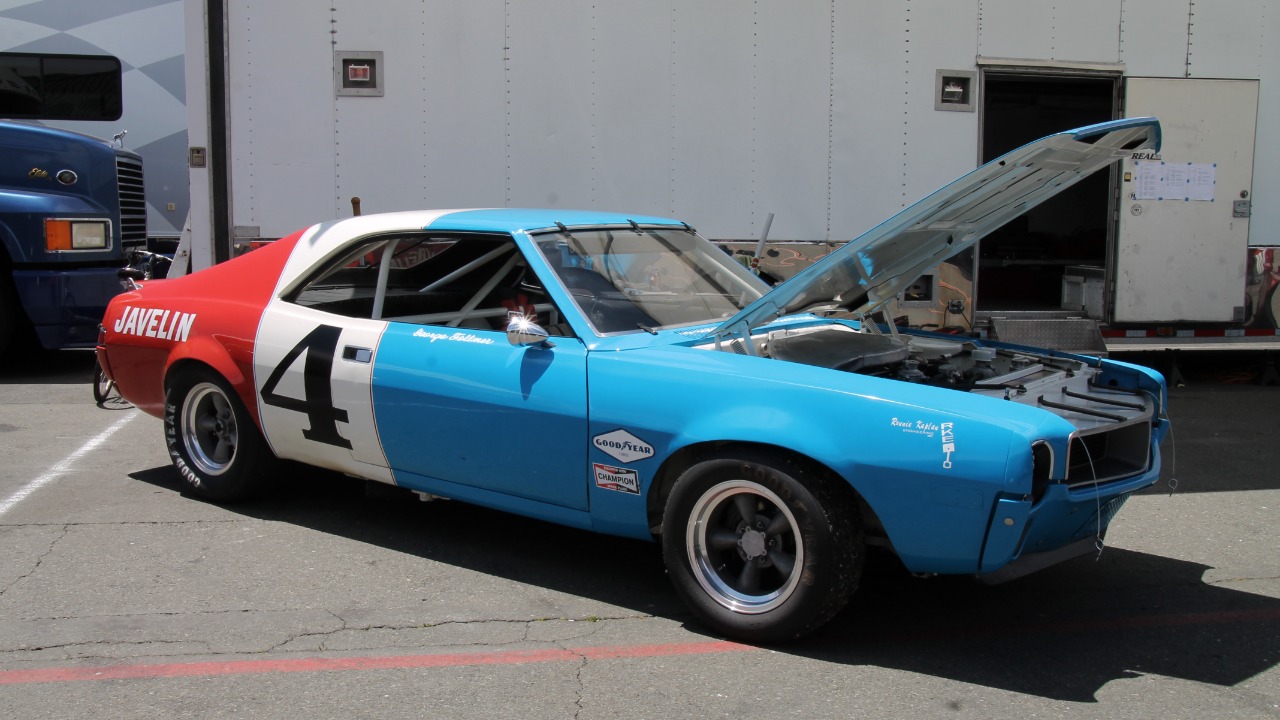
The Javelin gave American Motors a serious entry into the pony-car market. Its long hood, fastback roofline, and distinctive front-end styling helped it stand apart from the Ford, Chevrolet, and Pontiac offerings. Performance versions could also deliver serious power. The Javelin proved that AMC could compete in one of Detroit’s most fiercely contested segments.
Lincoln Continental
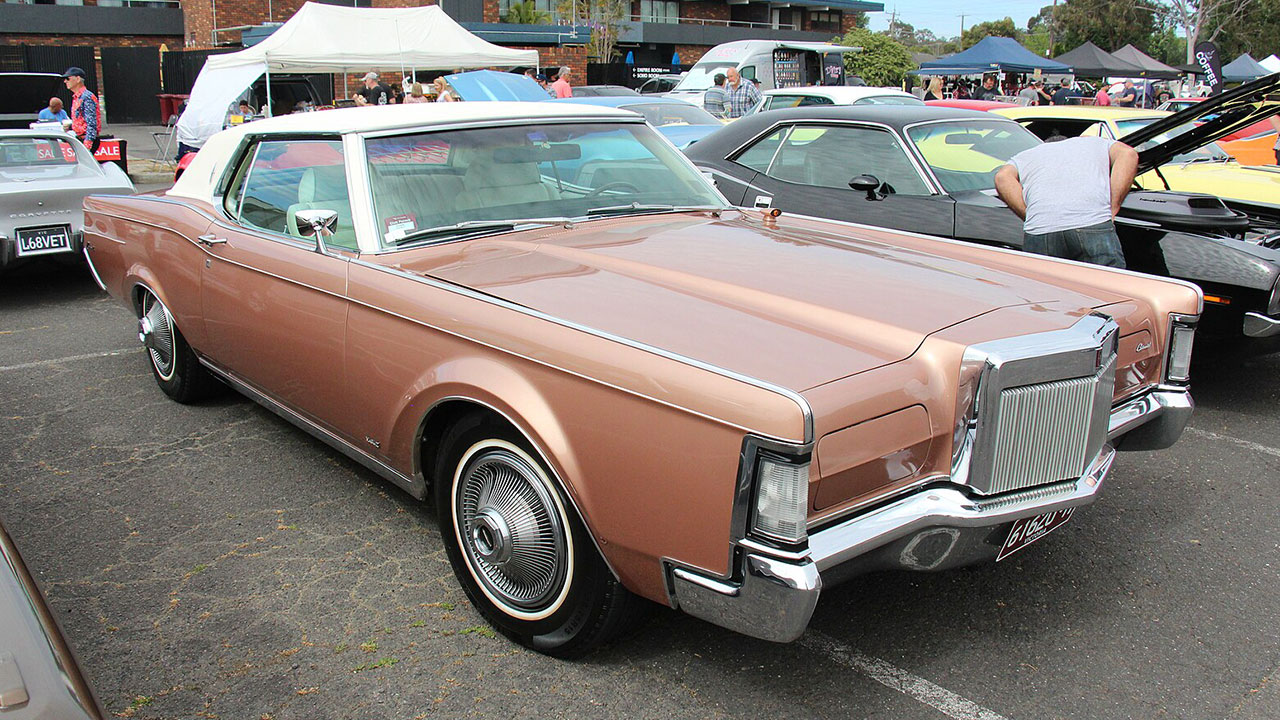
The Continental became one of the decade’s ultimate American luxury cars. Its clean bodywork, rear-hinged rear doors, and imposing presence gave it an unmistakable identity. The convertible became especially famous after appearances in American culture and history. More than simply transportation, the Continental represented status, power, and the confident design language of 1960s America.
Jaguar E-Type
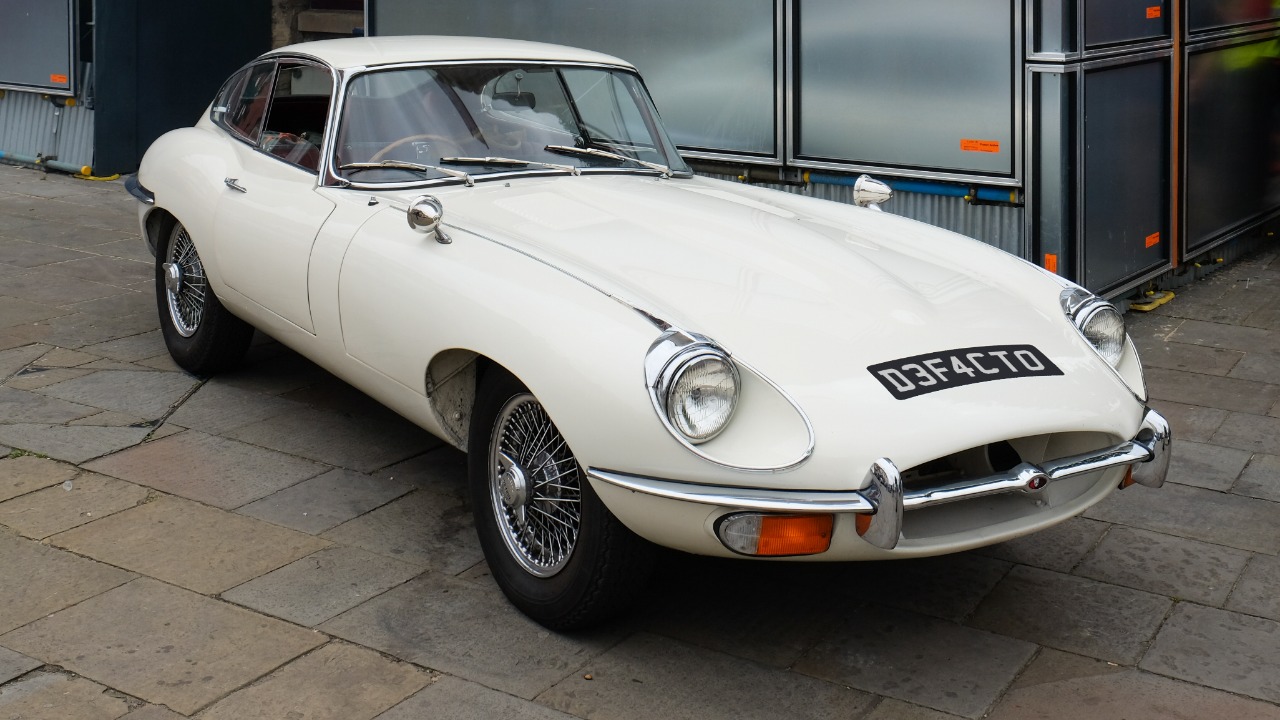
The E-Type brought breathtaking British styling and genuine sports-car performance to American roads. Its long hood, low body, independent suspension, and powerful inline-six made it desirable from nearly every angle. Enzo Ferrari famously admired its design, and the car quickly became an international icon. Few 1960s sports cars combined beauty and performance so successfully.
Porsche 911
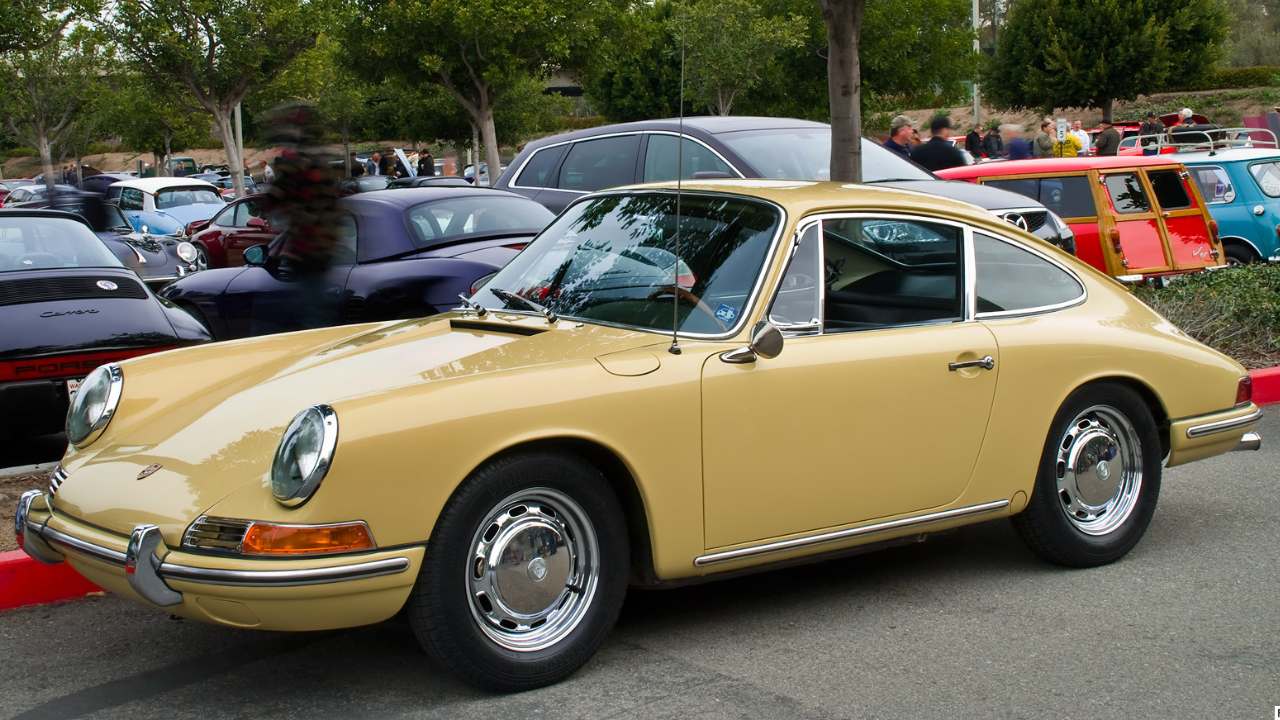
The 911 introduced a design and engineering formula that would become one of the longest-running success stories in automotive history. Its rear-mounted flat-six, compact dimensions, and distinctive silhouette gave it a character unlike most other sports cars. The earliest versions were not enormous powerhouses, but their balance and engineering created the foundation for decades of Porsche development.
Volkswagen Beetle
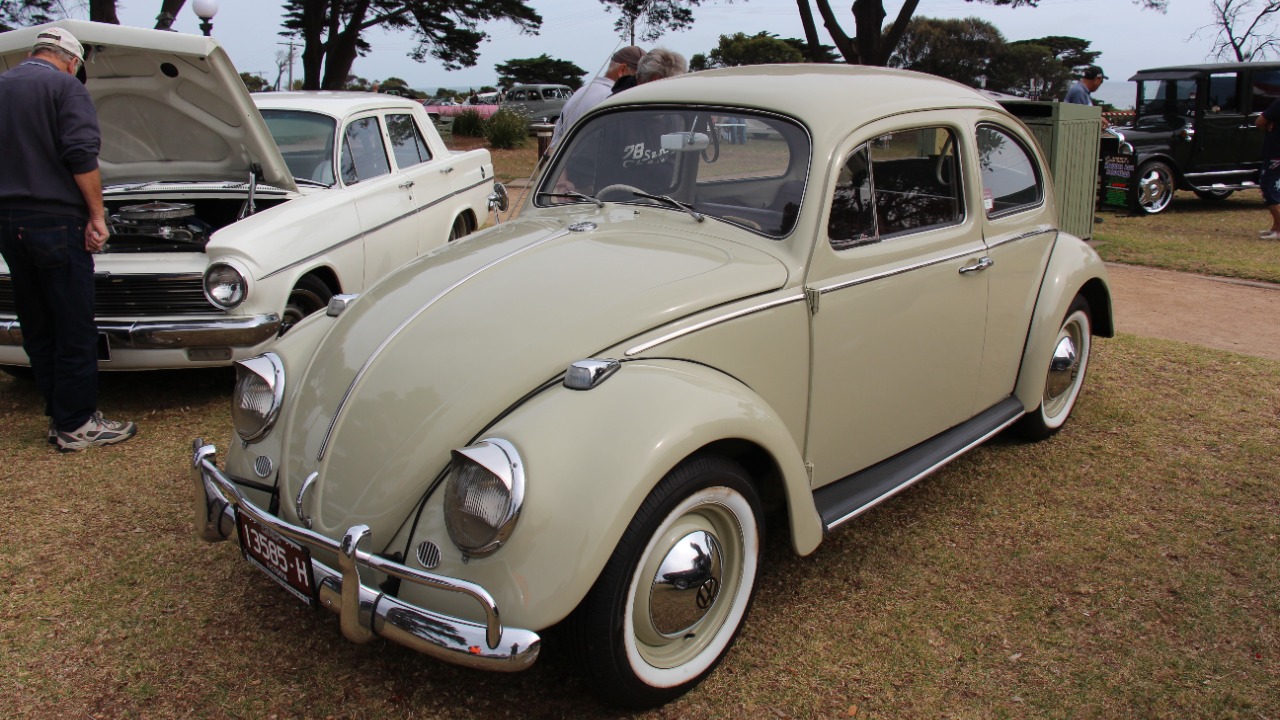
The Beetle became one of the most recognizable cars in the world during the 1960s. Its simple design, air-cooled engine, compact dimensions, and affordable ownership appealed to millions of buyers. In America, it became closely associated with a changing generation and the growing popularity of imported cars. Few vehicles had a stronger cultural presence during the decade.
Shelby Cobra
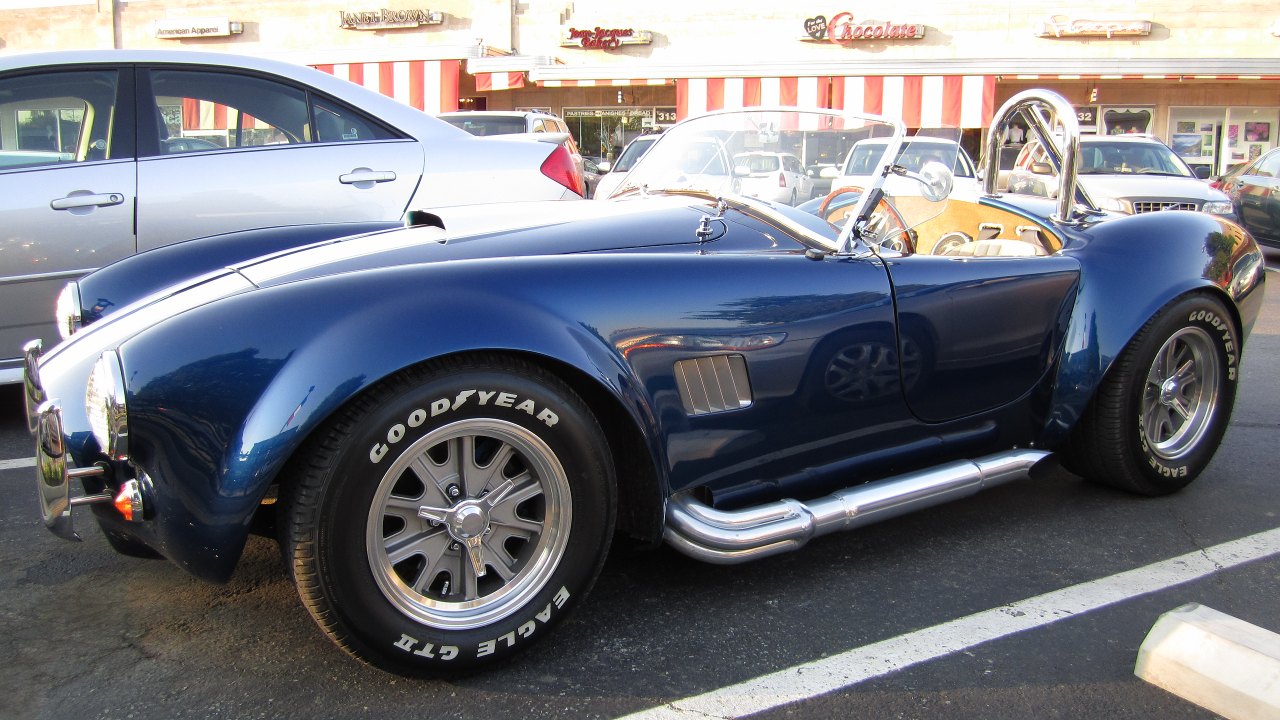
The Shelby Cobra combined a lightweight British roadster body with a powerful American V8, creating an extraordinarily quick sports car. Its tiny dimensions made the performance even more dramatic. The Cobra became a symbol of American horsepower paired with European handling and remains one of the most recognizable performance cars of the 1960s.
More from Fast Lane Only
- Unboxing the WWII Jeep in a Crate
- 15 rare Chevys collectors are quietly buying
- 10 underrated V8s still worth hunting down
- Police notice this before you even roll window down
*Research for this article included AI assistance, with all final content reviewed by human editors.