Some classic cars have the looks to make people stop and stare, but getting behind the wheel can tell a very different story. Styling departments sometimes won over buyers before engineers had finished the job. These 20 classics remain beautiful, memorable, and highly collectible, yet their driving experience doesn’t always live up to their appearance.
Chevrolet Corvette Stingray
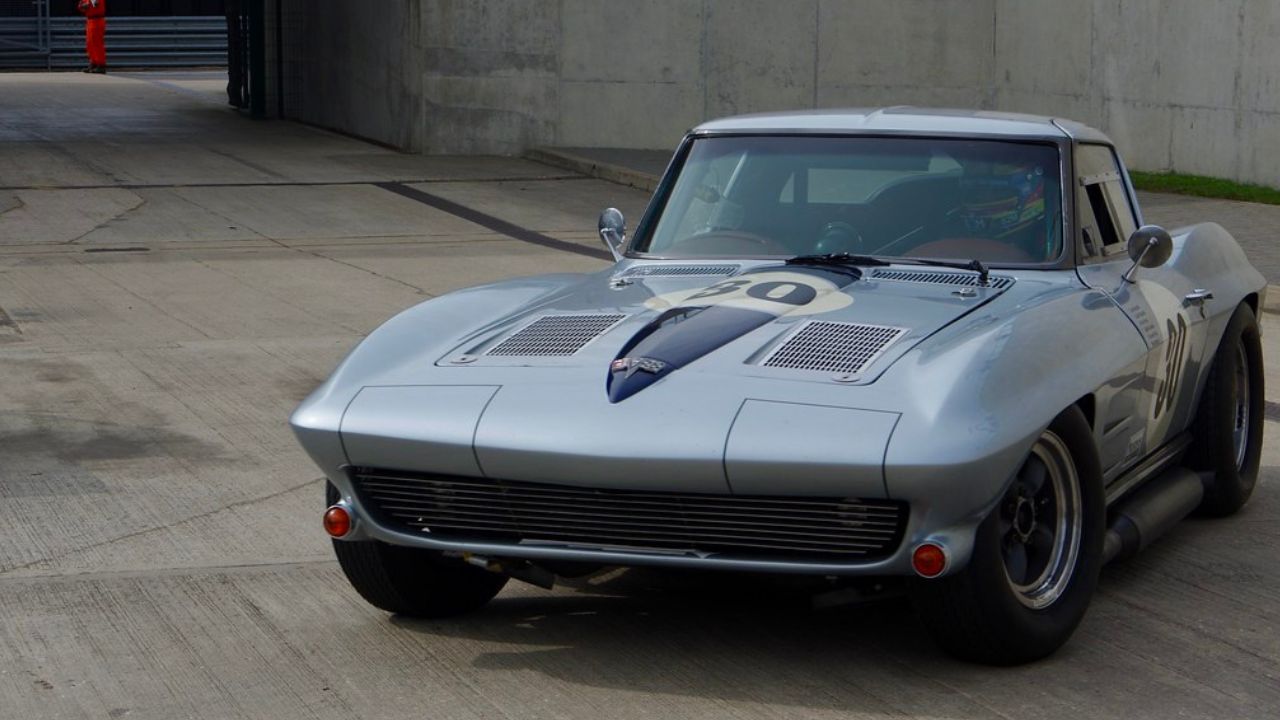
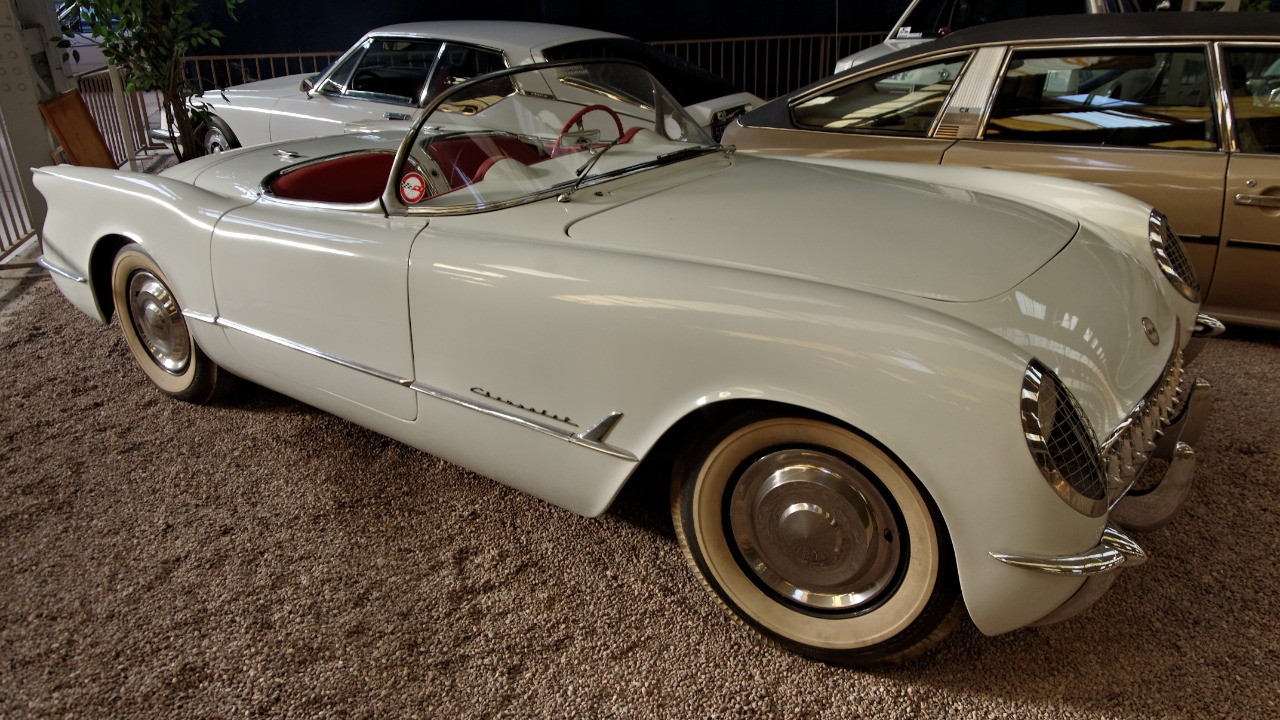
The early Stingray is one of the most recognizable American sports cars ever built, but its dramatic appearance can set expectations extremely high. Depending on the version, handling, braking, and ride quality could feel less sophisticated than the styling suggested. The car remains hugely desirable, but its gorgeous bodywork often creates an image of performance that some versions struggled to match.
Ford Thunderbird
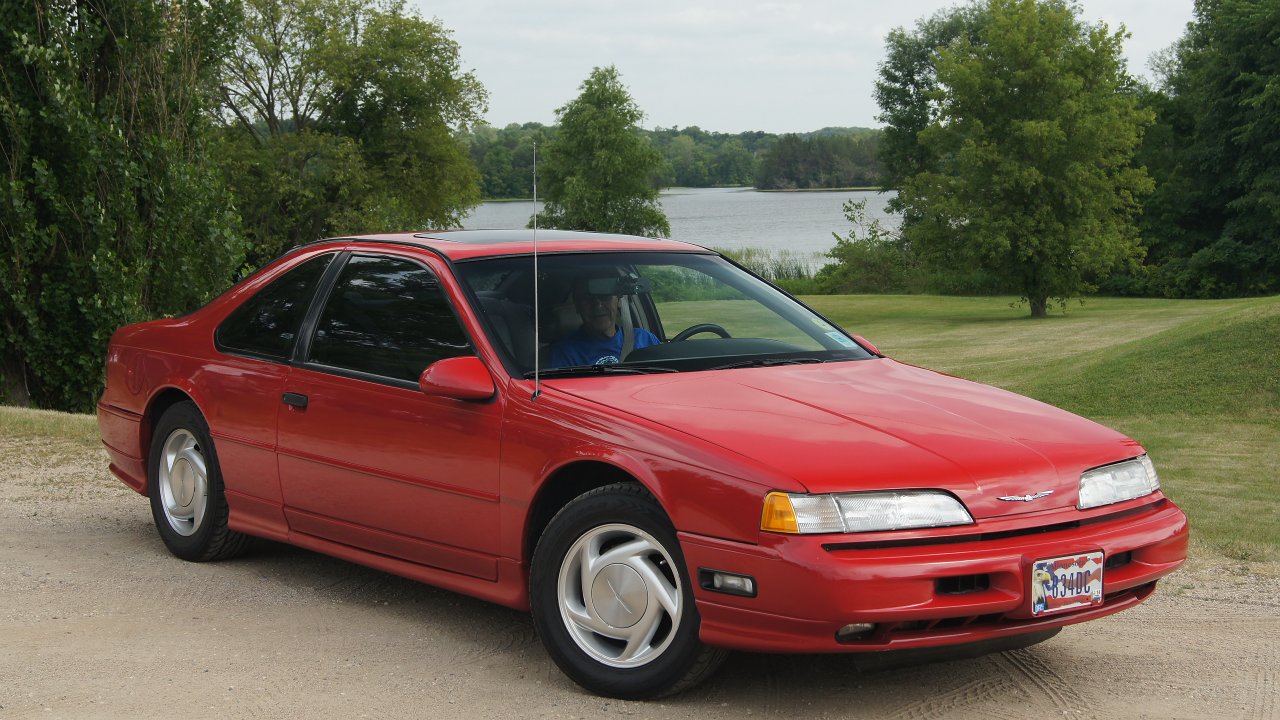
The Thunderbird looked like the perfect American personal luxury car, with elegant proportions, generous chrome, and a sporty two-seat image in its early years. As the model grew larger, however, its handling became less athletic than its styling implied. The Thunderbird was more comfortable cruiser than sports car, making its dramatic appearance somewhat misleading.
Cadillac Eldorado
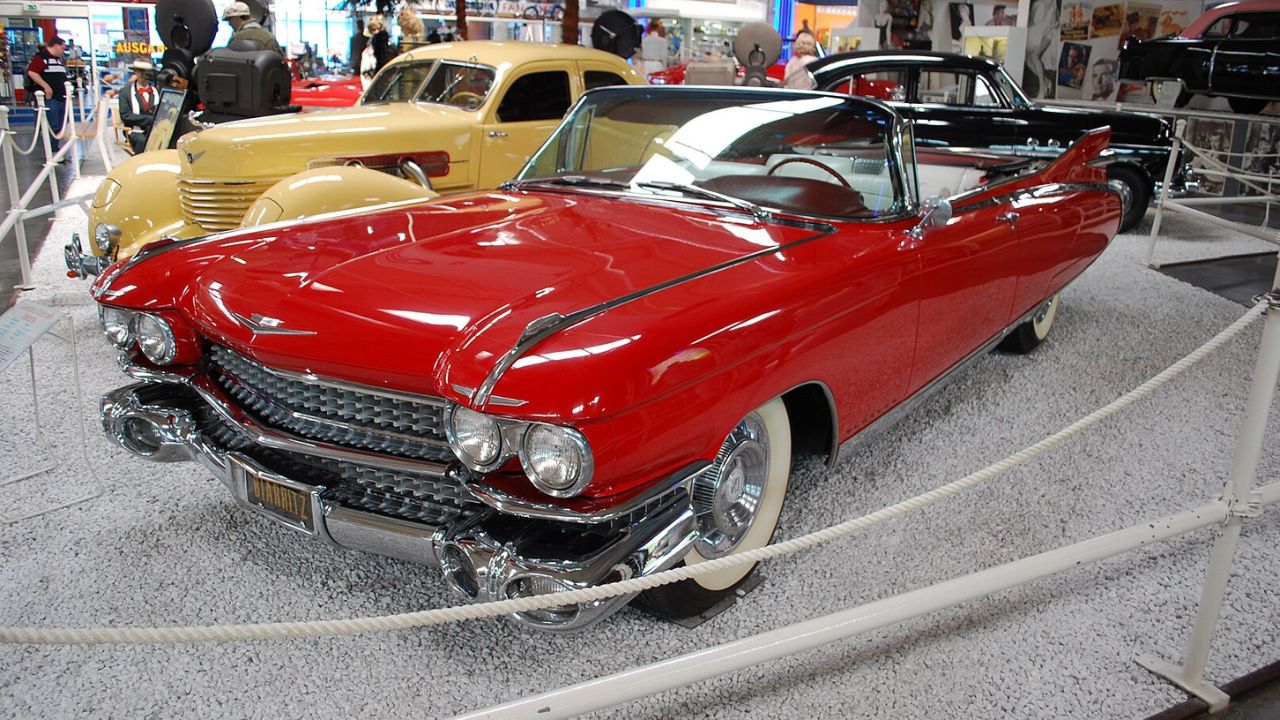
The Eldorado represented American luxury at its most extravagant, especially during the era of enormous tailfins and acres of chrome. Its imposing presence suggested effortless performance, but the enormous size and substantial weight made it far more comfortable cruising straight ahead than attacking corners. It was built to impress from the curb rather than behave like a sports car.
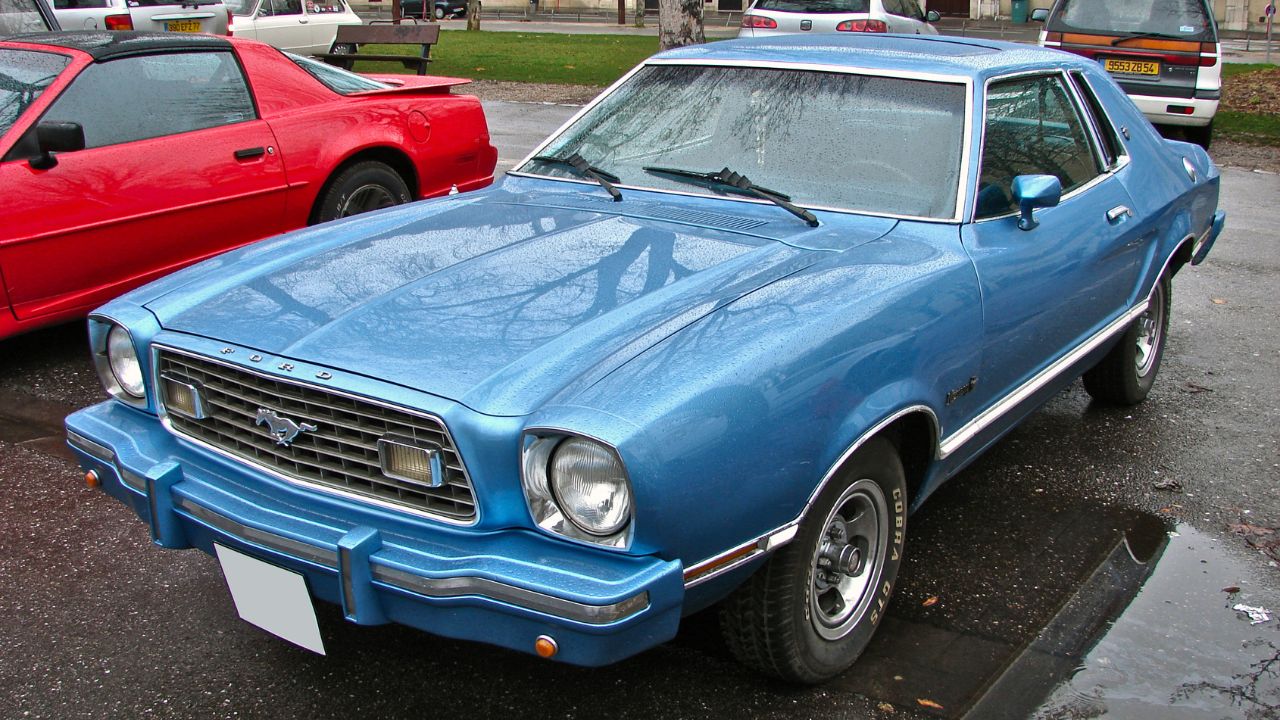
Ford Mustang II
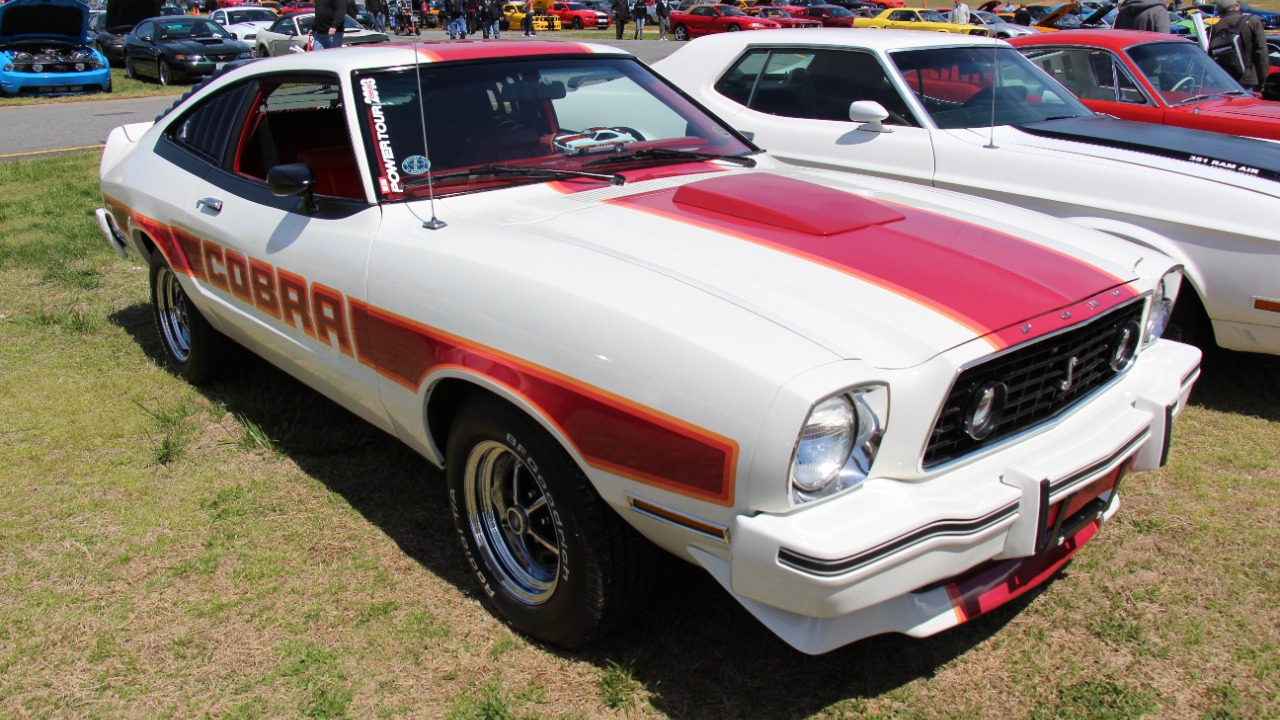
The Mustang II retained the famous Mustang name and offered sporty styling, but performance was a different matter. Smaller engines, modest power, and an economy-car-based platform made many versions less exciting than the aggressive bodywork suggested. Today, its styling can look surprisingly appealing, but enthusiasts expecting traditional Mustang performance may be disappointed.
Chevrolet Camaro Berlinetta
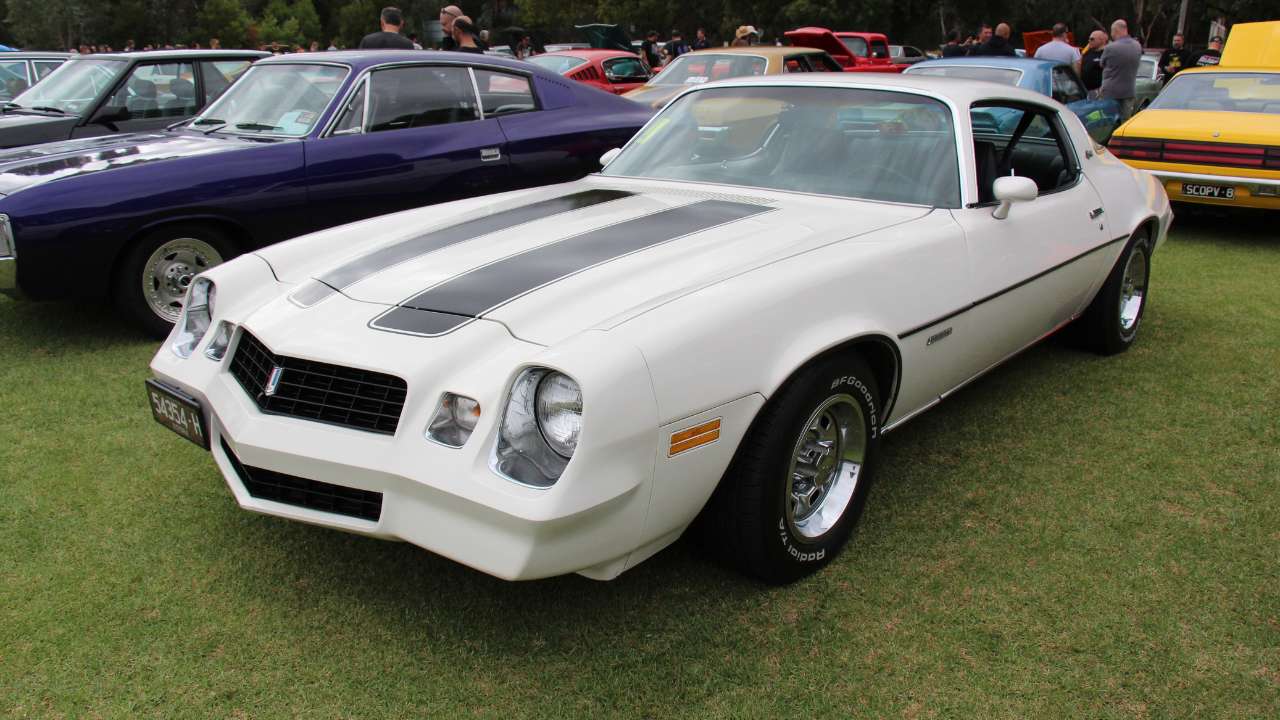
The Camaro Berlinetta had an unmistakable 1980s appearance, with distinctive wheels, aerodynamic styling, and a futuristic dashboard in some versions. Unfortunately, its performance was often less exciting than its appearance suggested. Many Berlinettas were designed more around comfort and styling than outright speed. It remains an interesting time capsule, but not every example drives like a muscle car.
Pontiac Fiero
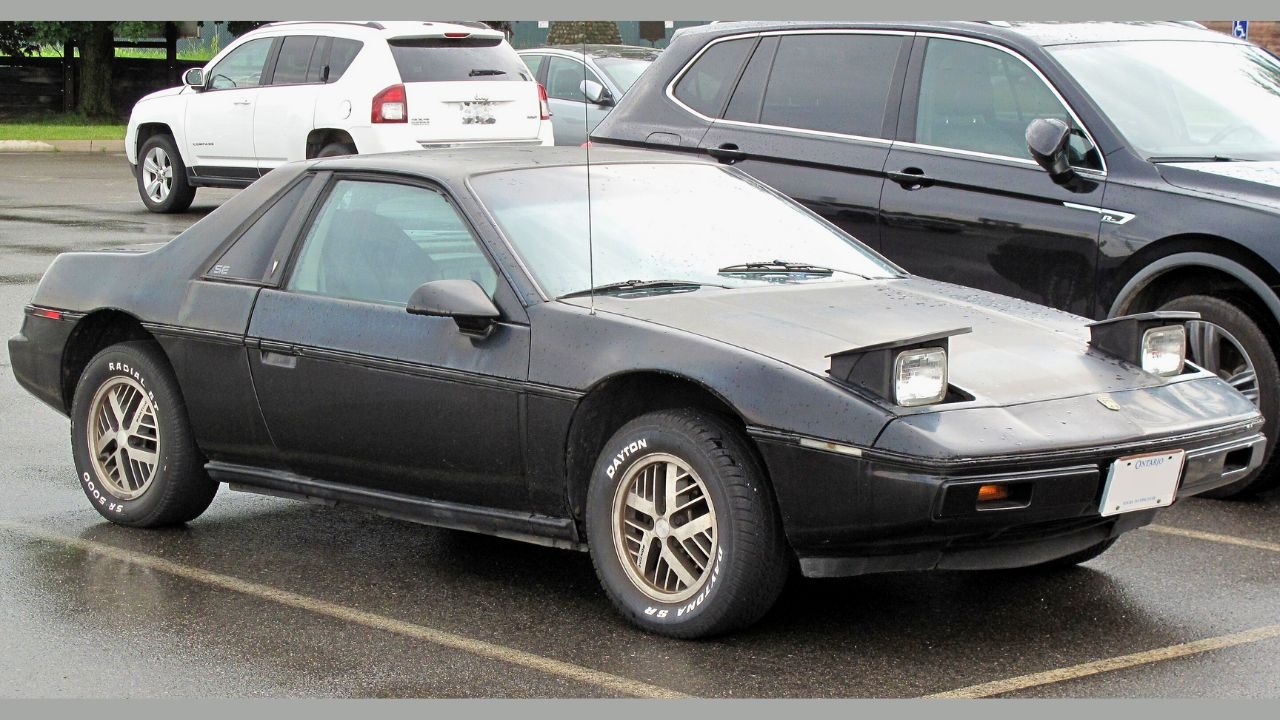
The Fiero looked like a genuine exotic thanks to its low stance and mid-engine layout. That appearance created expectations the early cars could not always satisfy. Early four-cylinder versions were modest performers, and handling was not as sophisticated as the styling suggested. Later models improved considerably, but the Fiero’s exotic appearance remained ahead of its actual performance.
Chrysler Cordoba
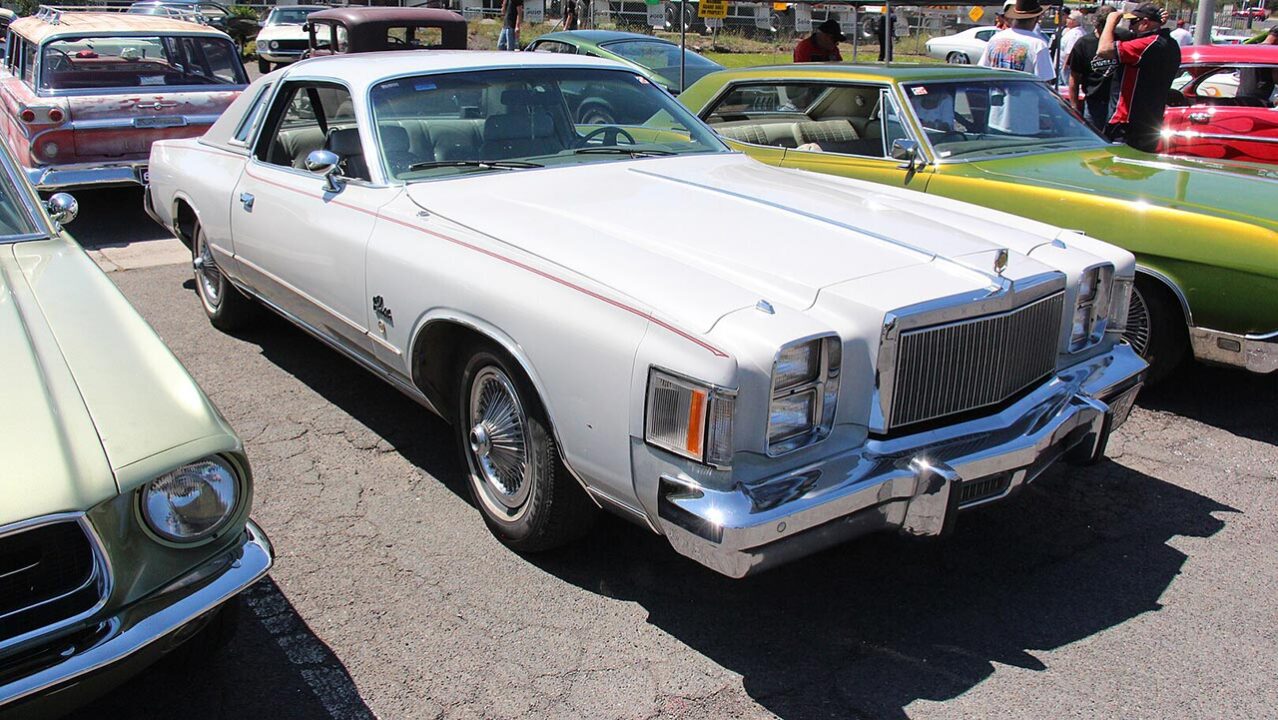
The Cordoba was built as a personal-luxury coupe, and its long hood, formal roofline, and heavy chrome gave it plenty of road presence. Underneath, however, it was never intended to be a serious performance car. Even versions with V8 power were more comfortable than athletic. Its styling promised drama, while its driving experience favored relaxed cruising.
Mercury Cougar
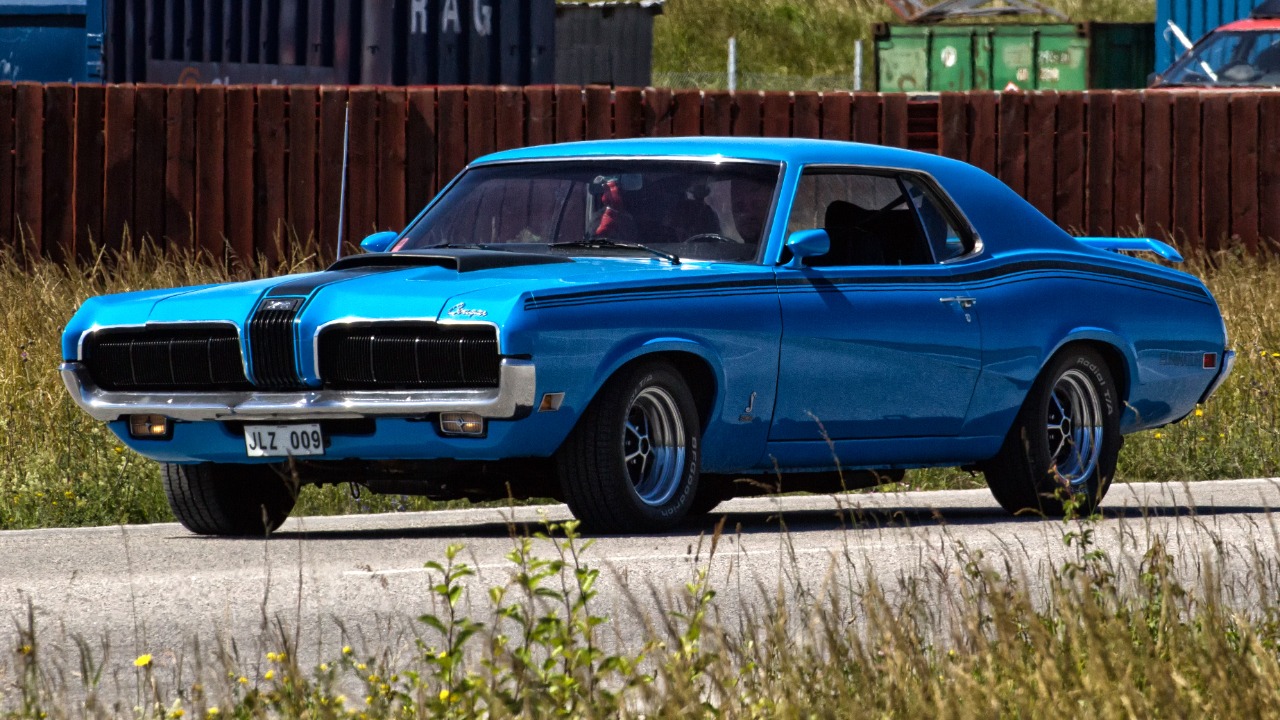
The early Cougar looked muscular and sophisticated, borrowing some of the Mustang’s mechanical foundation while adding more upscale styling. Despite its sporty appearance, the Cougar leaned toward comfort and refinement rather than sharp handling. Later versions became increasingly large and soft. It remains an attractive classic, but its appearance can make drivers expect more agility than it delivers.
Oldsmobile Toronado

The Toronado was a technological and styling sensation when it arrived. Its long hood, fastback shape, hidden headlights, and front-wheel-drive layout made it look like something from the future. Yet its substantial weight and front-drive configuration made it more of a powerful cruiser than a sports car. The design remains spectacular even when the driving experience is less dramatic.
Buick Riviera
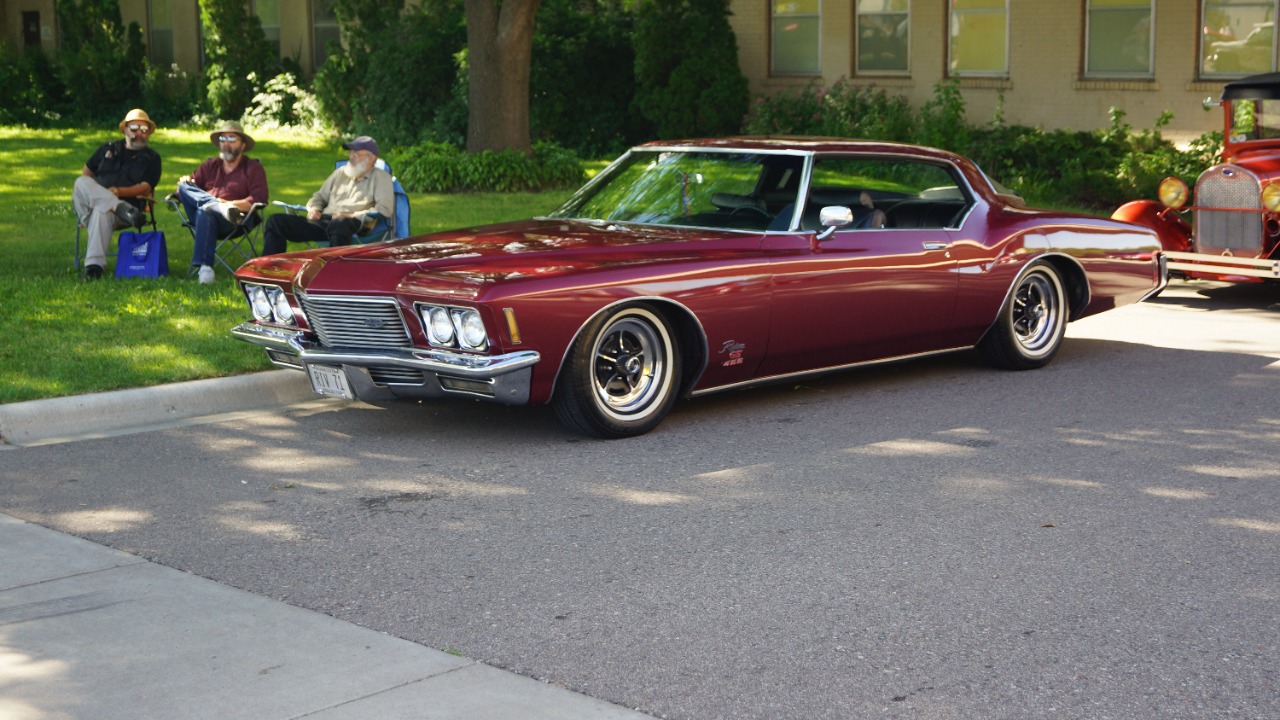
The Riviera was one of America’s great styling achievements, particularly in its earlier generations. Its long body, elegant roofline, and sculpted panels gave it serious visual presence. The car was designed as a luxury coupe rather than a corner-carving sports machine, though, so its handling could feel ordinary compared with its stunning appearance. It looked faster than it actually was.
Lincoln Continental Mark IV
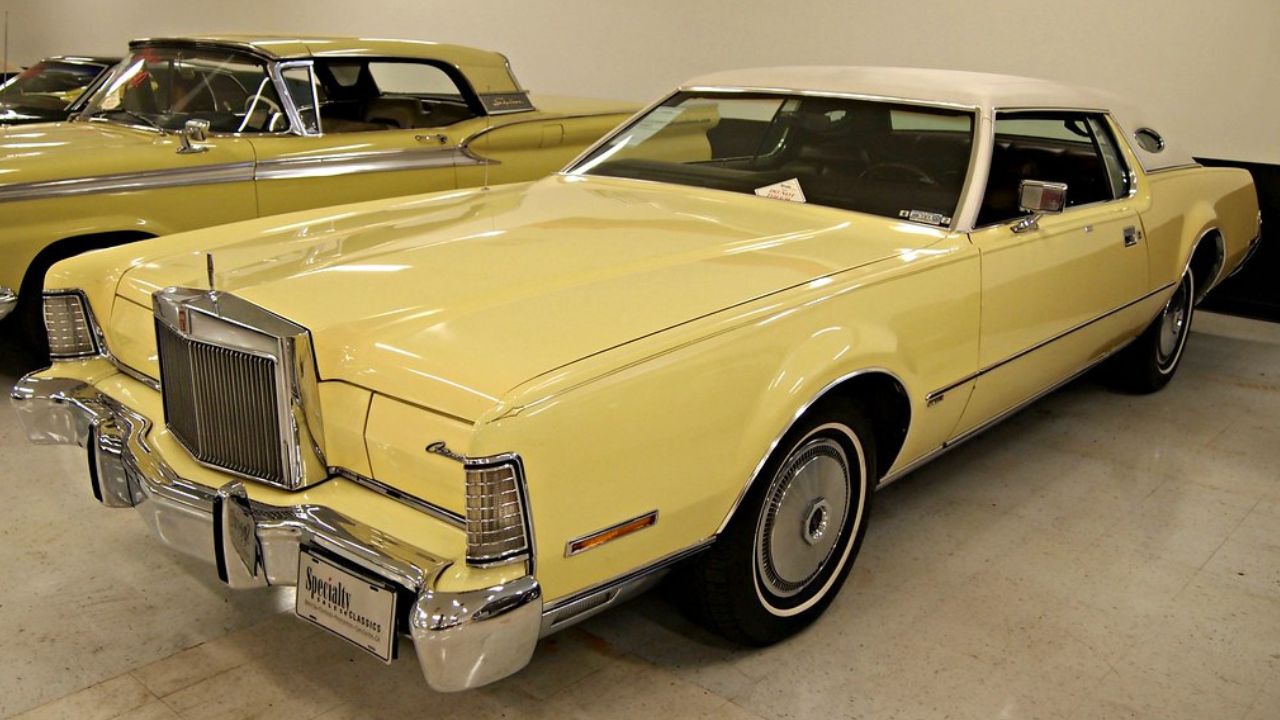
The Mark IV was all about presence. Its long hood, hidden headlights, formal roofline, and enormous dimensions made it look like the ultimate luxury machine. Behind the wheel, however, the experience was dominated by its size and weight. It cruised comfortably but was hardly nimble. The car’s visual drama far exceeded its enthusiasm for quick direction changes.
Cadillac Coupe de Ville
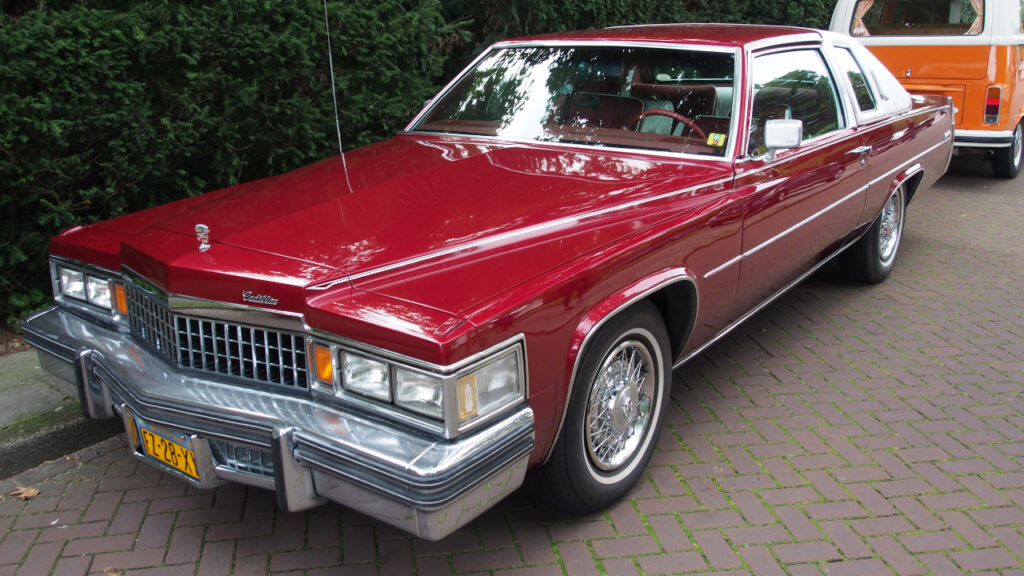
The Coupe de Ville embodied American luxury with a massive body, bold grille, extensive chrome, and a commanding road presence. Its big engines provided plenty of effortless cruising power, but its size and suspension tuning were not intended for spirited driving. It could make a driveway look impressive without necessarily making a winding road especially exciting.
Pontiac Grand Prix

The Grand Prix developed a strong performance image, but many generations were more focused on personal luxury than genuine sports-car behavior. Stylish bodywork, dramatic grilles, and available V8 engines created plenty of visual excitement. Once driven hard, however, the car’s weight and softer suspension became apparent. It was usually better at highway cruising than aggressive cornering.
Dodge Charger

The Charger is one of America’s most recognizable muscle cars, and its styling can make almost any version appear brutally fast. Yet not every Charger was a tire-smoking performance machine. Some versions were equipped with modest engines and ordinary suspension setups. The body promised muscle-car excitement, while the mechanical specification could deliver something much more ordinary.
Plymouth Barracuda
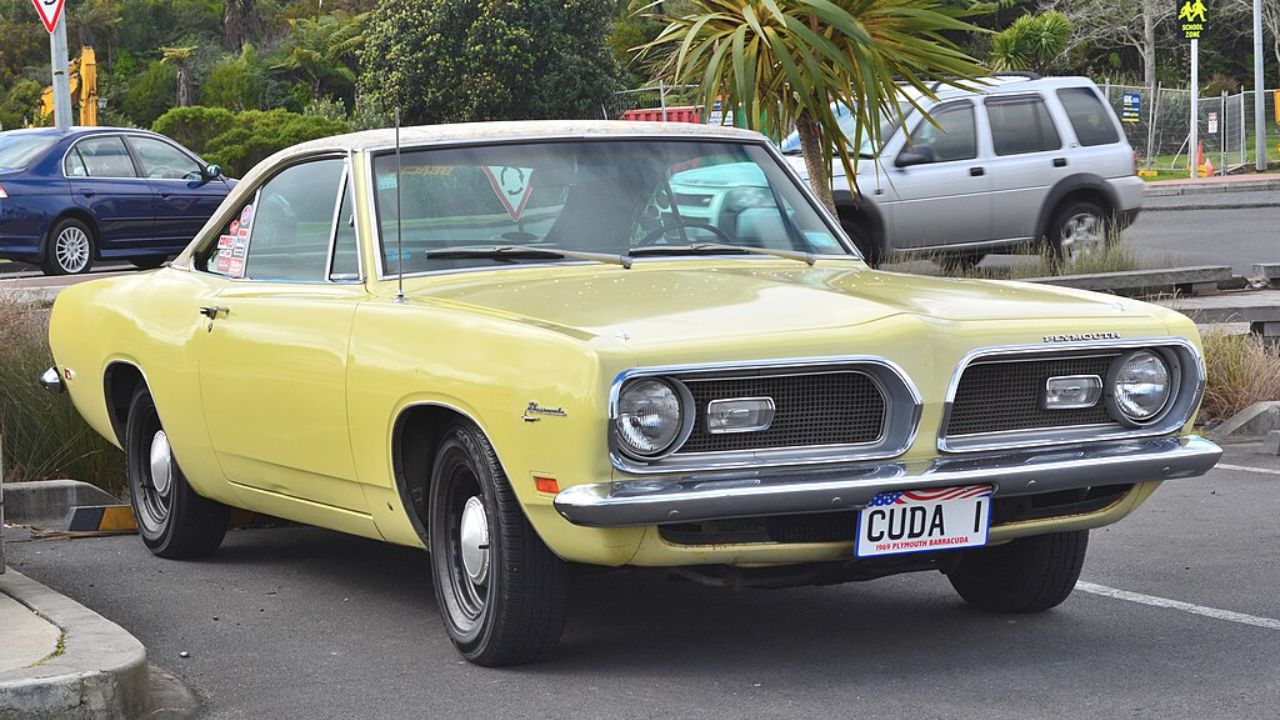
The Barracuda’s fastback shape made it one of the most distinctive American cars of its era. Unfortunately, early versions were not always as exciting to drive as their aggressive styling suggested. Smaller engines and basic suspension components limited some models. Later performance versions changed the story dramatically, but the badge alone did not guarantee a thrilling driving experience.
AMC Javelin
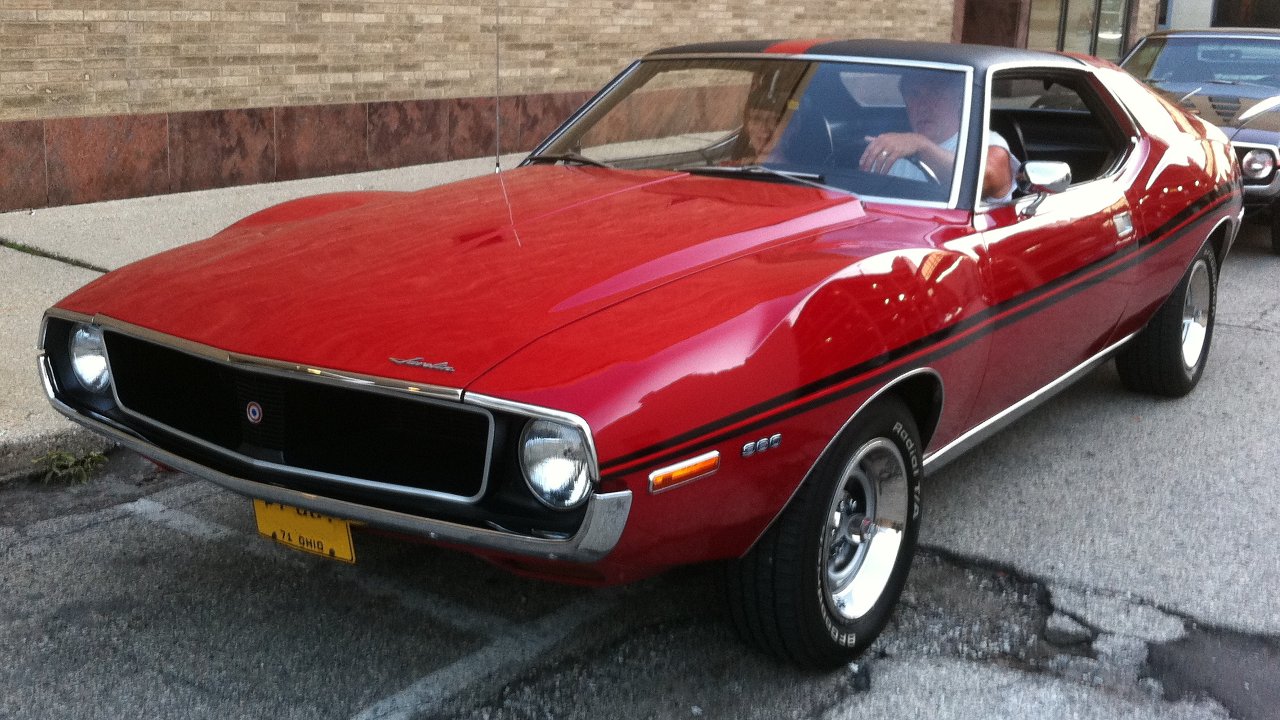
The Javelin had the visual ingredients of a serious muscle car, including a long hood, fastback roofline, and aggressive proportions. Some versions delivered strong performance, but lower-spec models could feel much more ordinary from behind the wheel. Its styling often suggested more athleticism than the underlying mechanical package provided. That contrast makes the Javelin interesting today.
Mercury Marauder
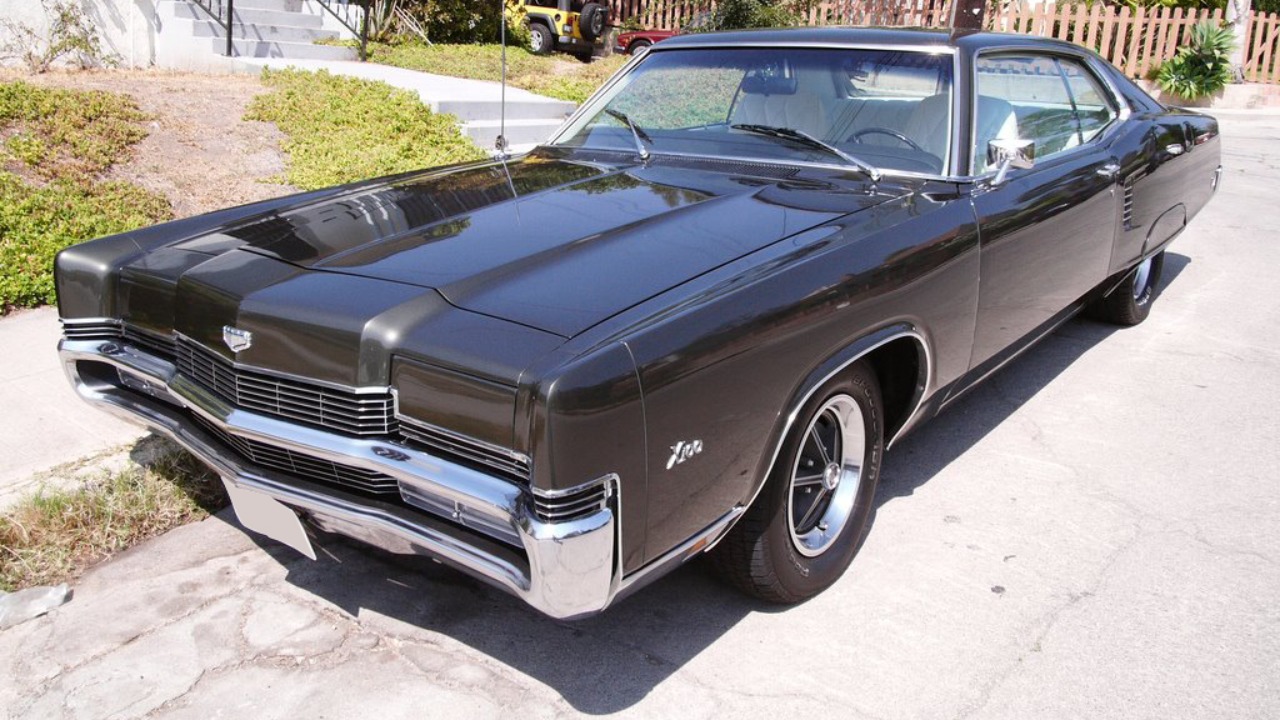
The Marauder name carried plenty of visual attitude, with a low roofline, long body, and imposing grille. It looked like it should attack highways rather than simply cruise them. In reality, the car’s substantial size and luxury-oriented setup made it more of a relaxed grand tourer. The styling was considerably more aggressive than its driving personality.
Ford Torino
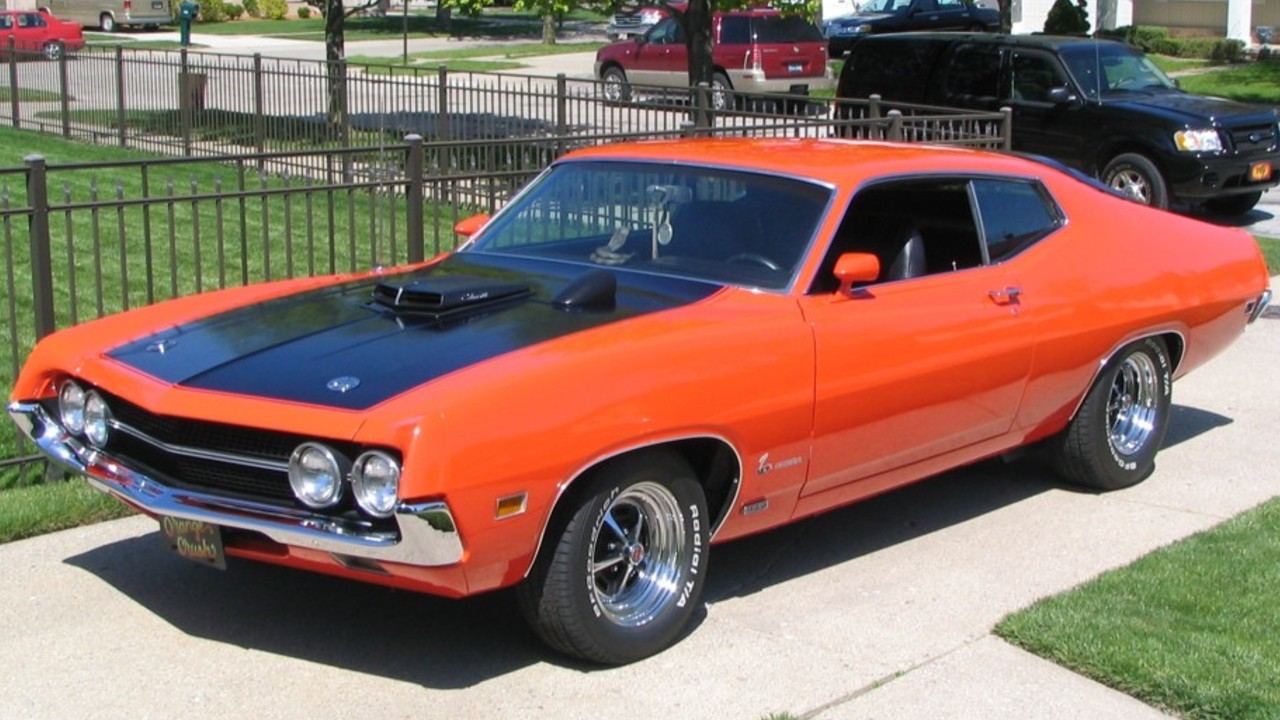
The Torino became associated with muscle-car performance, but not every version was built for speed. Many examples were comfortable family-oriented cars wearing dramatic fastback or coupe bodywork. Their proportions suggested serious performance, while smaller engines and softer suspension could produce a much calmer experience. The styling still gives the Torino plenty of curb appeal.
Chevrolet Monte Carlo
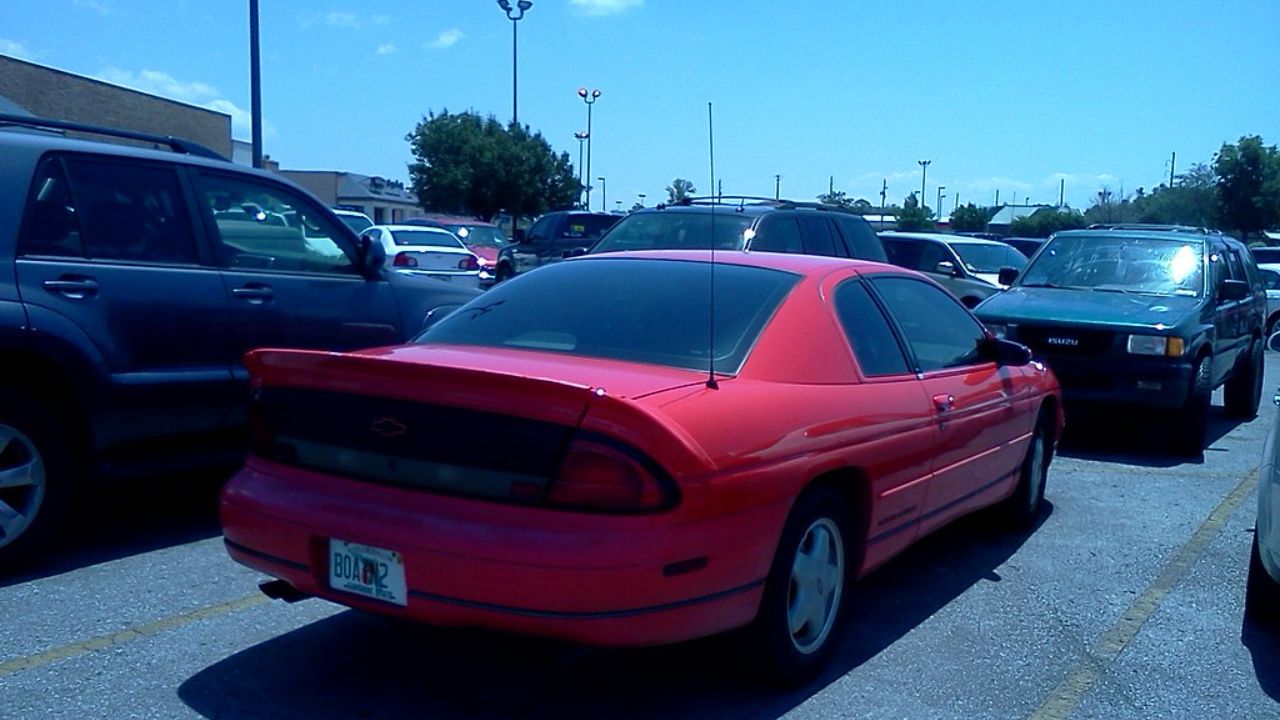
The Monte Carlo was designed to look sporty while providing the comfort expected from a personal-luxury coupe. Its long hood, sweeping roofline, and broad stance created plenty of visual drama. Underneath, however, many versions prioritized relaxed driving over sharp handling. It looked ready for a race but was usually happier spending hours on the highway.
Pontiac Firebird
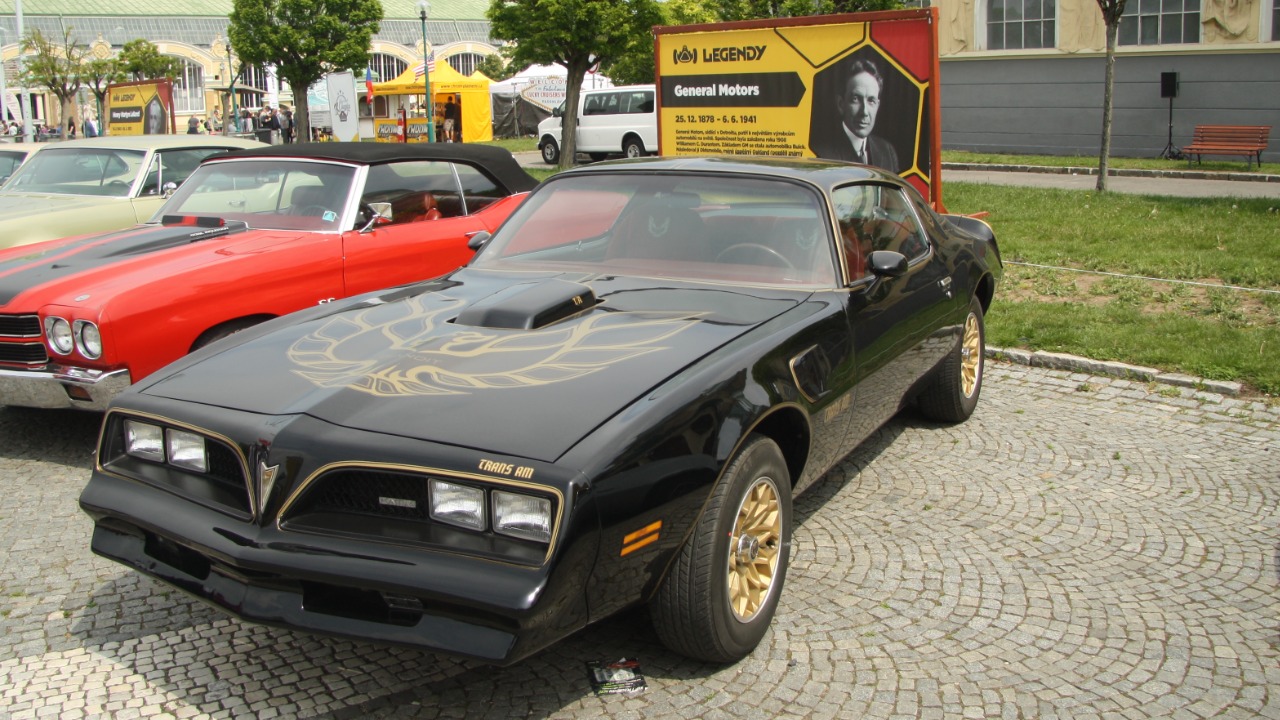
The Firebird developed a powerful performance image thanks to its dramatic styling and association with the Trans Am. However, many standard Firebirds came with engines and suspension setups that were considerably less exciting. The bodywork suggested serious speed, but the actual experience depended heavily on the specification. It is a classic example of a car whose appearance could promise more than its hardware delivered.
More from Fast Lane Only
- Unboxing the WWII Jeep in a Crate
- 15 rare Chevys collectors are quietly buying
- 10 underrated V8s still worth hunting down
- Police notice this before you even roll window down
*Research for this article included AI assistance, with all final content reviewed by human editors.